Ислам · Суфизм
Al-Hallaj
الحسين بن منصور الحلاج · أبو المغيث الحسين بن منصور الحلاج البيضاوي · منصور حلاج
ок. 858 – 922Исторически документированная личность
Мистик и проповедник, родившийся в Фарсе (ок. 858) и казнённый в Багдаде в 922 году, — самый спорный суфий своего поколения. Ученик Сахля ат-Тустари и последователей аль-Джунайда, он порвал с ними, открыто проповедуя опыт Бога. Его слова «Я — Истина» и процесс по обвинению в ереси после девяти лет заключения сделали его мучеником любви персидской традиции. Он оставил «Китаб ат-Тавасин», небольшой «Диван» и изречения, собранные в «Ахбар аль-Халладж» и изданные Луи Массиньоном.
- трудов
- 6трудов
- изданий
- 14изданий
- цитат
- 5цитат
- видео
- 13видео
- изображений
- 3изображений

La ejecución de al-Hallaj (1602) · Public domain
Своими словами
«I am the Truth (that is, I am God).»Šaṭḥ transmitido en relatos sobre él: la versión más antigua lo sitúa en el círculo de al-Shibli; otras, ante al-Junayd. No figura en ningún manuscrito fiable de sus obras (Mojaddedi, Encyclopædia Iranica, siguiendo a Massignon).

Для начала — одна книга
The Book of the TawasinГлавная мысль
"I am the Truth" and ecstatic utterance (shath): *Ana l-Haqq* is the most famous of the *shathiyyat*, the ecstatic utterances in which a mystic seems to speak in God's name.
В контексте
Биография
4 мин чтения
Перевод с испанского оригинала, выполненный с помощью ИИ; ожидает проверки носителем языка.
Внук зороастрийцев на арабской земле
Абу-ль-Мугис аль-Хусейн ибн Мансур родился около 244 года хиджры (857–858) в ат-Туре, близ аль-Бейды, в персидской провинции Фарс. Его дед, по преданию, был зороастрийцем. Ещё ребёнком он вместе с семьёй перебрался в Васит на Тигре: отец, чесальщик хлопка — халладж, ремесло, давшее ему имя, — искал близости к текстильным центрам Ирака. Там он к двенадцати годам выучил Коран наизусть и сделал арабский единственным языком своих сочинений. Всё, что мы знаем о его жизни, восходит к известиям, собранным около 360 года (971) в «Ахбар аль-Халладж», к багдадским хронистам и прежде всего к реконструкции Луи Массиньона, посвятившего его изучению всю жизнь; «Энциклопедия Ираника» предупреждает, что этот монументальный труд отчасти интерпретативен.
Ученик трёх наставников
Около шестнадцати лет он стал учеником суфия Сахля ат-Тустари; четыре года спустя в Басре получил суфийское рубище из рук Амра ибн Усмана аль-Макки и женился на дочери Абу Якуба аль-Акты, родившей ему трёх сыновей. Оба они были последователями аль-Джунайда, великого багдадского наставника, с которым аль-Халладж, по-видимому, встречался и чей «трезвый» путь позднейшие рассказы противопоставляют его «опьянению». Пребывание в Басре совпало с восстанием рабов-зинджей, к которому был причастен его шурин; отсюда, возможно, раннее подозрение, что он шиитский смутьян.
Проповедь и странствия
После разгрома зинджей он совершил паломничество в Мекку и провёл год в ограде Каабы в молчании и посте. Вернувшись, он стал открыто говорить о своём опыте; тесть отрёкся от него, а наставник аль-Макки выступил против него письменно. Тогда он начал проповедовать простому народу в Тустаре, без суфийского облачения, призывая искать Бога в собственном сердце, — его прозвали «чесальщиком тайн», — а затем пять лет в Хорасане и Мавераннахре. Он вернулся в Мекку с сотнями учеников, был обвинён в колдовстве и предпринял долгое путешествие по Индии и Туркестану. Около 290 года (903) он совершил третье паломничество: на Арафате просил Бога, чтобы его презирали как неверного. Вернувшись в Багдад, он соорудил у себя дома макет Каабы и ходил по улицам, возвещая свою любовь и желание умереть за общину.
«Я — Истина»
Согласно древнейшему рассказу, именно в кругу суфия аш-Шибли он произнёс фразу, которой суждено было его прославить: ана-ль-Хакк, «Я — Истина», то есть «Я — Бог», ибо аль-Хакк — одно из божественных имён. Позднейшие версии переносят сцену в присутствие аль-Джунайда. Ни в одной надёжной рукописи его сочинений эта фраза не встречается, и её исторические обстоятельства неясны; но смысл её согласуется с его писаниями, где он сравнивает себя с неопалимой купиной, говорившей с Моисеем. Позднейшие суфии толковали её трояко: как тайну, которую не следовало разглашать, как слово опьянённого любовью или как голос Бога, говорящего через человека, угасшего в Нём. Аш-Шибли скажет потом: «Мы с Хусейном были одно, только он это явил, а я сокрыл».
Процесс
Багдад переживал годы кризиса: в 296 году (908) провалился переворот, на один день возведший на престол Ибн аль-Мутазза, а на следующий год вспыхнуло ещё одно суннитское восстание, в котором участвовал аль-Халладж. Он бежал в Ахваз; в 301 году (913) был схвачен в Сусе, доставлен в Багдад и выставлен у позорного столба как агент карматов. Около девяти лет он провёл в заключении, главным образом при дворе, где у него были покровители, и написал там значительную часть своих трудов. Везир Хамид ибн аль-Аббас возобновил процесс и добился смертного приговора; по широко распространённой версии, поводом послужил текст, в котором он предлагал совершать паломничество, не отправляясь в Мекку. По Массиньону, во вторник 24 зу-ль-каада 309 года — 26 марта 922 года — он получил тысячу ударов плетью, ему отрубили руки и ноги, выставили на виселице, а на следующий день обезглавили; тело сожгли, а прах развеяли над Тигром. Ибн Касир приводит несколько иную дату.
Учение о любви
Соблазн вызвала не одна фраза, а целое учение. Аль-Халладж различает в Боге божественность (лахут) и человечность (насут) и воспевает божественный дух, что смешивается с духом любящего, «как вино смешивается с чистой водой»; Массиньон увидел в этом учение об обожении святого Духом, а Николсон сравнил его с учением рейнских мистиков, говорящих о рождении Бога в душе. Противники называли это хулуль — воплощение. В отличие от своих наставников, приберегавших опыт для круга посвящённых, аль-Халладж проповедовал его на улице, языком, понятным всем, и именно этот жест — больше, чем само учение, — объясняет враждебность значительной части багдадских суфиев.
Немногословное наследие
Из сорока шести сочинений, которые приписывает ему «Фихрист» Ибн ан-Надима (987), сохранилась лишь часть. Его главный труд, «Китаб ат-Тавасин», объединяет одиннадцать коротких трактатов рифмованной прозой, с диаграммами и знаками, о Пророке, божественном единстве и мистическом опыте; здесь впервые в арабской словесности появляется образ мотылька, кружащего вокруг светильника, пока не сгорит, и похвала Иблису как самому искреннему из единобожников, предпочёвшему проклятие поклонению кому-либо, кроме Бога. Массиньон издал «Тавасин» в 1913 году, «Диван» стихов — в 1931-м, а «Ахбар» вместе с Паулем Краусом — в 1936-м.
Мученик любви
Полтора столетия суфии относились к нему с осторожностью: ас-Сулами признаёт, что большинство наставников его отвергало, а аль-Кушайри не включает его в свою галерею жизнеописаний, хотя и приводит его изречения. Аль-Газали оправдывал его как опьянённого любовью. Худжвири начал его реабилитацию, а Аттар сделал его вершиной своих «Тазкират аль-аулия» («Жизнеописаний святых»), изобразив радостную смерть, которую персидская поэзия будет повторять снова и снова. Руми отличает «Я — Истина» Мансура, бывшее светом, от «Я — Бог» Фараона, а Хафиз писал, что единственным его преступлением было разглашение тайн. В XX веке Массиньон представил его мистическим мучеником ислама, а египетский поэт Салах Абд ас-Сабур перенёс его трагедию на сцену (1965). Другие по-прежнему видят в нём смутьяна или еретика: его фигура всё ещё разделяет.
Источники: Massignon, Louis. La Passion de Husayn Ibn Mansûr Hallâj, martyr mystique de l'Islam, exécuté à Bagdad le 26 mars 922. 2.ª ed., 4 vols., París: Gallimard, 1975 (1.ª ed., Geuthner, 1922); trad. Herbert Mason, The Passion of al-Hallaj, Princeton University Press, 1982. · Nicholson, Reynold A. The Mystics of Islam. Londres: G. Bell & Sons, 1914, cap. VI (Project Gutenberg 67388); y al-Ghazali, Mishkat al-anwar, trad. W. H. T. Gairdner, 1924, pp. 106–107. · Ernst, Carl W. Words of Ecstasy in Sufism. Albany: State University of New York Press, 1985; y Hallaj: Poems of a Sufi Martyr, Evanston: Northwestern University Press, 2018. · Ibn Kathir. al-Bidaya wa-l-nihaya, vol. XI, año 309 H, noticia sobre al-Husayn ibn Mansur al-Hallaj (texto árabe en Wikisource). · Ibn al-Nadim. Kitab al-Fihrist (987), maqala V, noticia «al-Hallaj» y lista de sus libros (texto árabe en Wikisource).
Хронология
Жизнь год за годом
Каждая точка — документированное событие. Нажмите, чтобы прочитать о нём, с источником и степенью достоверности.
ок. 8580 летal-Tur, Fars
Birth in Fars
Born around 244 AH (857–858) at al-Tur near al-Bayda (Fars), grandson of a Zoroastrian according to tradition.
ВероятноMojaddedi, Jawid. «Ḥallāj, Abu'l-Moḡiṯ Ḥosayn». Encyclopædia Iranica, vol. XI, fasc. 6, pp. 589–592, 2003 (ed. en línea, act. 2016).
После смерти
- ок. 971The Akhbar al-Hallaj
- ок. 1072Hujwiri begins the rehabilitation
- ок. 1221Attar makes him a martyr of love
- 1913Massignon edits the Kitab al-Tawasin
- 1965The Tragedy of al-Hallaj
ок. 858 · 0 лет
Birth in Fars
Born around 244 AH (857–858) at al-Tur near al-Bayda (Fars), grandson of a Zoroastrian according to tradition.
Вероятно
ок. 865
Childhood in Wasit
The family moves to Wasit; he learns the Qur'an by heart by about twelve.
Предание
ок. 874
Disciple of Sahl al-Tustari
At about sixteen he follows the Sufi master Sahl al-Tustari.
Предание
ок. 878
Sufi robe and marriage in Basra
Receives the robe (*khirqa*) from Amr al-Makki and marries the daughter of Abu Ya'qub al-Aqta, a disciple of al-Junayd.
Предание
ок. 884
A year of silence by the Kaaba
After the defeat of the Zanj (883), he goes to Mecca and stays a year in the sanctuary in silence and fasting.
Вероятно
ок. 890
Preaching in Tustar, Khorasan and India
Preaches to popular audiences in Tustar and for five years in Khorasan and Transoxiana; after the second pilgrimage he travels to India and Turkestan.
Вероятно
ок. 903
Third pilgrimage and the prayer at Arafat
Around 290 AH at Arafat he asks to be despised like an infidel; he settles in Baghdad.
Вероятно
908
The coup of Ibn al-Mu'tazz
The Hanbali coup fails in 296 AH; the following year al-Hallaj takes part in another uprising and flees to Ahvaz.
Вероятно
913
Arrest in Sus and pillory in Baghdad
In 301 AH he is arrested in Sus, paraded on a camel through Baghdad and exposed as "a missionary of the Qarmatians"; nine years of imprisonment begin.
Документировано
26 марта 922 г. · 64 года
Execution in Baghdad
Condemned in the trial promoted by the vizier Hamid ibn al-Abbas; flogged, mutilated, exposed on the gibbet, beheaded and burned (24 Dhu l-Qa'da 309 / 26 March 922 according to Massignon).
Документировано
ок. 971
The Akhbar al-Hallaj
Around 360 AH the reports and prayers that form the Akhbar al-Hallaj are gathered in the circle of al-Nasrabadhi.
Вероятно
ок. 1072
Hujwiri begins the rehabilitation
The Kashf al-mahjub devotes a long defence to al-Hallaj.
Документировано
ок. 1221
Attar makes him a martyr of love
His biography closes the Tadhkirat al-awliya with a joyful death that Persian poetry would repeat.
Документировано
1913
Massignon edits the Kitab al-Tawasin
First edition of the Arabic text with French translation; in 1922 he publishes La Passion d'al-Hallaj.
Документировано
1965
The Tragedy of al-Hallaj
The Egyptian poet Salah Abd al-Sabur publishes the verse drama Ma'sat al-Hallaj.
Документировано
Труды
Главные труды
Труды, без которых не понять это наследие.
Письменный труд · ок. 915
The Book of the Tawasin
كتاب الطواسين (Kitab al-Tawasin)
Al-Hallaj's main work: eleven meditations in rhymed prose, sometimes with diagrams of circles and dots, on the Prophet's pre-existent light, God's unity and the impossibility of expressing it. The chapter on "understanding" introduces the moth approaching the lamp: it sees its light, feels its heat and truly knows it only by burning in it. The longest, on pre-eternity, defends Iblis as the absolute monotheist who refused to bow before Adam out of fidelity to God, and compares his case with Pharaoh's and the author's own. It is a difficult, allusive and intensely charged text that influenced Ahmad al-Ghazali, Ayn al-Qudat and Ruzbihan.
3 издания

Письменный труд · ок. 922
Diwan
ديوان الحلاج (Diwan al-Hallaj)
Some seventy short poems, often of only a few lines, in which love of God is spoken in the language of union: "I am He whom I love, and He whom I love is I", "Your spirit is mingled with mine as wine with pure water". The famous "Kill me, my trusted friends, for in my killing is my life" turns execution into a passage to true life. They are verses of great economy, with paradoxes and plays on pronouns that show the dissolution of the self, and they formed the core of al-Hallaj's image as a martyr of love.
6 изданий
Al-Hallaj
Reports of al-Hallaj
Позднейший сборник · ок. 971
Reports of al-Hallaj
أخبار الحلاج (Akhbar al-Hallaj)
About fifty pieces: prayers spoken in public, short sermons, dialogues with disciples and the account of his last days, with the prayer in which he asks God to forgive those about to kill him "out of zeal for Your religion". It is the main source for his preaching and the basis of later hagiographical versions of his death.
2 издания
Все труды (6)

Изречения
Изречения, найденные в конкретном труде. Каждое сопровождается указанием происхождения и степени надёжности.
I am the Truth (that is, I am God).أنا الحق
ОспариваетсяŠaṭḥ transmitido en relatos sobre él: la versión más antigua lo sitúa en el círculo de al-Shibli; otras, ante al-Junayd. No figura en ningún manuscrito fiable de sus obras (Mojaddedi, Encyclopædia Iranica, siguiendo a Massignon).
Последние слова
Противоречивые версии
«For the ecstatic it is enough that the One should make him one [with Him].»حسب الواجد إفراد الواحد له
The sources preserve several versions. According to al-Sulami, cited by Ibn Khallikan, his last words were "It is enough for the ecstatic that the One should single him out" (with the variant "for the one", *al-wahid*, instead of "for the ecstatic", *al-wajid*). The *Akhbar al-Hallaj* also record a prayer spoken before the gibbet in which he asks God to forgive those about to kill him out of zeal for His religion, and words addressed to al-Shibli. Attar adds a hagiographical scene in which he smears his face with his blood. There is no single reliable testimony.
Источник: Tarajm.com, ficha «al-Hallaj» con el texto de Ibn Khallikan, Wafayat al-a'yan, que cita a al-Sulami sobre sus últimas palabras.
Спросить
На что отвечают эти труды
Двенадцать великих вопросов человечества и то, что позволяют на них ответить эти тексты, со ссылками. Мы никогда не вкладываем слова в чужие уста.
Что такое Абсолют? Существует ли Бог?
The transcendent Beloved who speaks through the lover's mouth
Личный БогСказано прямо
Al-Hallaj speaks of God as the Beloved with whom the lover comes to be merged, but his starting point is absolute transcendence. In the Book of the Tawasin he devotes a meditation to tanzih, divine incomparability: God cannot be reached by the concepts, places or times of creatures. That distance is what gives its scandal to the cry «I am the Truth»: al-Haqq, the Truth, is one of the names of God, and whoever utters it does not claim a divinity of his own but lets the Other speak in him. The verses of the Diwan express union as wine mingling with water or as two spirits dwelling in one body: it is the language of love between two, not dissolution into an impersonal principle.
Сравнить этот вопрос с другими учителямиКто я? Существует ли истинное «я»?
«I am the Truth»: when the lover is effaced, God speaks
Самость есть АбсолютСказано прямо
Al-Hallaj is the Sufi who pushed the question of the self furthest. His formula «I am the Truth» is not spoken by the ordinary self but by the one annihilated in the Beloved, so that the one who says «I» is God. The verses of the Diwan say it plainly: he is the One he loves, and the One he loves is he; they are two spirits dwelling in one body, and whoever sees one sees the other. In the Book of the Tawasin, the moth circling the lamp truly knows the flame only when it throws itself into it and burns: the self that knows disappears into what is known. For al-Hallaj the separate self is a veil; the true self is the one God makes one with Himself, and that union may be paid for with one's life.
Сравнить этот вопрос с другими учителямиПочему мы страдаем?
The pain of separation is consummated in the lover's death
Отделённость от БогаСказано прямо
For al-Hallaj, suffering is born of the separation between lover and Beloved, and it is not evaded: it is passed through to the end. His verses ask his faithful friends to kill him, because in his death lies his life; the execution of 922 was read by the tradition as the fulfilment of that wish. In the Book of the Tawasin, the figure of Iblis embodies the pain of one who loves and has been set apart: cursed for not bowing to Adam, he remains faithful to his Lord in separation itself. Al-Hallaj does not see pain as a punishment to be avoided but as the form love takes while union has not been consummated. The remedy is not to stop suffering but to stop being the one who suffers.
Сравнить этот вопрос с другими учителямиЧто происходит после смерти?
In my death is my life: martyrdom as the consummation of love
Вечная жизнь и воскресениеСказано прямо
Al-Hallaj thought about his own death before it came. In famous verses he asks his faithful friends to kill him, for in his death is his life and in his life his death: to die is to pass from separate existence to life in the Beloved. Executed in Baghdad in 922 after a long trial, the tradition recorded in the Akhbar al-Hallaj attributes to him on the scaffold a prayer asking God to forgive his executioners, who kill him out of zeal for their religion. His last words are transmitted in several versions; the best known says that for the ecstatic it is enough that the One should make him one with Him. Within the Islamic faith in resurrection, al-Hallaj lives death as union, not as an end.
Сравнить этот вопрос с другими учителямиКак достигается освобождение или спасение?
Love that surrenders unto death: the pilgrimage is inward
Через преданность и предание себяСказано прямо
For al-Hallaj, liberation is the union of love with God, and it is reached through a surrender that holds nothing back. The lover must let the Beloved take his place, like the moth that throws itself into the flame; his verses express that union with images of mingling and fusion. This surrender is not confined to the circle of initiates: al-Hallaj preached in the markets of Baghdad and spoke to everyone of the love of God, for which his Sufi masters reproached him. The records of his trial attribute to him the idea that a pilgrim who cannot go to Mecca may perform the pilgrimage in his own house, with an inner rite; his judges took it as an attack on the law. His death was read as the consummation of that love.
Сравнить этот вопрос с другими учителямиНужен ли учитель?
He had masters and broke with them; his guide is the Prophet's lamp
Не высказывался
Al-Hallaj left no doctrine on the need for a master, and his biography is ambivalent. He was trained by Sahl al-Tustari, by Amr ibn Uthman al-Makki and in al-Junayd's circle in Baghdad, and he broke with all of them: they reproached him for divulging in public what should be kept among initiates, and he chose to preach in the markets to anyone who would listen. The nearest thing to an answer is in the Book of the Tawasin, which opens with a meditation on the Prophet as a lamp sprung from the light of the unseen: the only guide who never fails is Muhammad. His life suggests that the human master helps one begin, but that the Beloved's call may require going beyond what the master approves.
Сравнить этот вопрос с другими учителямиРеален ли мир?
No doctrine of the world: God is incomparable with what is created
Не высказывался
Al-Hallaj left no cosmology and no doctrine on the reality of the world. What can be reconstructed from his writings concerns the relation between God and creature, not the status of things. He insists on transcendence: the eternal does not mingle with the temporal, and the concepts of creatures do not reach God. At the same time, his language of divinity (lahut) manifesting in humanity (nasut), based on the tradition that God created Adam in His image, makes the human being, rather than the cosmos, the place where the divine lets itself be seen. His judges read incarnation into it; his defenders, a theology of the image. About the world as such he is silent.
Сравнить этот вопрос с другими учителямиЧто такое любовь?
Love unites until lover and Beloved are a single body
Тоска и соединениеСказано прямо
Love is the centre of al-Hallaj's experience and of his language. His verses describe it as a mingling: the Beloved's spirit has mingled with his own as wine with pure water, so that what touches one touches the other; they are two spirits dwelling in a single body. In the Book of the Tawasin the moth circling the lamp is not content with its light or its warmth: it knows the flame only by throwing itself into it. Massignon credits al-Hallaj with the boldness of presenting passionate love (ishq) as a reality rooted in the very essence of God. Love is not a feeling towards God but the movement by which God unites with the one who loves.
Сравнить этот вопрос с другими учителямиСвободны ли мы или всё предопределено?
Iblis between command and decree: no one escapes what God wills
Нет делающегоСледует из учения
Al-Hallaj wrote no treatise on freedom, but the Book of the Tawasin devotes a meditation on pre-eternity and ambiguity to Iblis, the angel who refused to bow before Adam, in dialogue with Moses and with God. Al-Hallaj turns him into an extreme monotheist: Iblis received the command to bow, but God's eternal decree was otherwise, and he obeyed what God willed rather than what He ordered, accepting the curse for it. The scene lays bare the abyss between the divine will and the law, and the creature's powerlessness before the decree. In his experience of union, moreover, the lover no longer acts by himself: what he does and says, Another does and says in him.
Сравнить этот вопрос с другими учителямиЗачем медитировать или молиться?
Speaking to God in public and in private as one speaks to the Beloved
Дружба с БогомСледует из учения
Al-Hallaj was a man of prayer and rigorous asceticism, and the Akhbar al-Hallaj preserve several of his prayers, some spoken in public, in the market or the mosque, others in prison and before the scaffold. Their tone is that of intimate dialogue with the Beloved: he addresses Him as thou, reproaches Him, thanks Him, offers Him his life. That intimacy culminates in the experience of union, in which the distance between the one who prays and the One prayed to seems to vanish. Unlike other Sufis of his time, he did not reserve that conversation for initiates: he wanted everyone to know that God can be spoken to in this way. It was precisely this prayer aloud, with its ecstatic formulas, that caused scandal.
Сравнить этот вопрос с другими учителямиМожет ли разум познать предельное?
The moth knows the flame not by its light but by burning in it
Предельное лежит за пределами умаСказано прямо
The meditation in the Book of the Tawasin devoted to understanding offers al-Hallaj's central image of knowledge. The moth flutters around the lamp until dawn and returns to the others to tell them what it has seen; then it approaches the warmth; finally it throws itself into the flame and burns. Only then does it truly know, and it can no longer come back to tell it. The light is knowledge by hearsay, the warmth knowledge by experience, the flame reality itself. Al-Hallaj, who was trained in the religious sciences and wrote with rigour, holds that reason and concepts remain at the edge: God is known only by losing oneself in Him, and what is reached in this way does not fit into discourse.
Сравнить этот вопрос с другими учителямиУйти от мира или преобразить его?
He took the secret to the markets and paid with his life
Действовать в миреСледует из учения
Al-Hallaj broke with the discretion of the Baghdad Sufis, who reserved their teaching for small circles. He travelled through Khurasan, India and Turkestan, preached in markets and mosques, spoke of the love of God to ordinary people and attracted followers from every class. That public life had political consequences: he was accused of ties with seditious movements and of claims that threatened the caliphal order, and his trial, which lasted years, mixed theology and politics. Massignon saw in him a mystic who sought to bring his experience to the whole community and accepted death for it. He chose not retreat but the public square, and his death became a public event that tradition never forgot.
Сравнить этот вопрос с другими учителями
Созвучия и противоречия
Созвучия и противоречия
Рассчитаны вопрос за вопросом на основе позиций. Причина каждого совпадения или расхождения — по нажатию.
Ближе всего к

Rabia al-Adawiyya
Совпадают в вопросах: Почему мы страдаем? · Что такое Абсолют? Существует ли Бог? · Что происходит после смерти?

Mirabai
Совпадают в вопросах: Что такое Абсолют? Существует ли Бог? · Почему мы страдаем? · Как достигается освобождение или спасение?
Ibn Arabi
Совпадают в вопросах: Кто я? Существует ли истинное «я»? · Почему мы страдаем? · Что происходит после смерти?
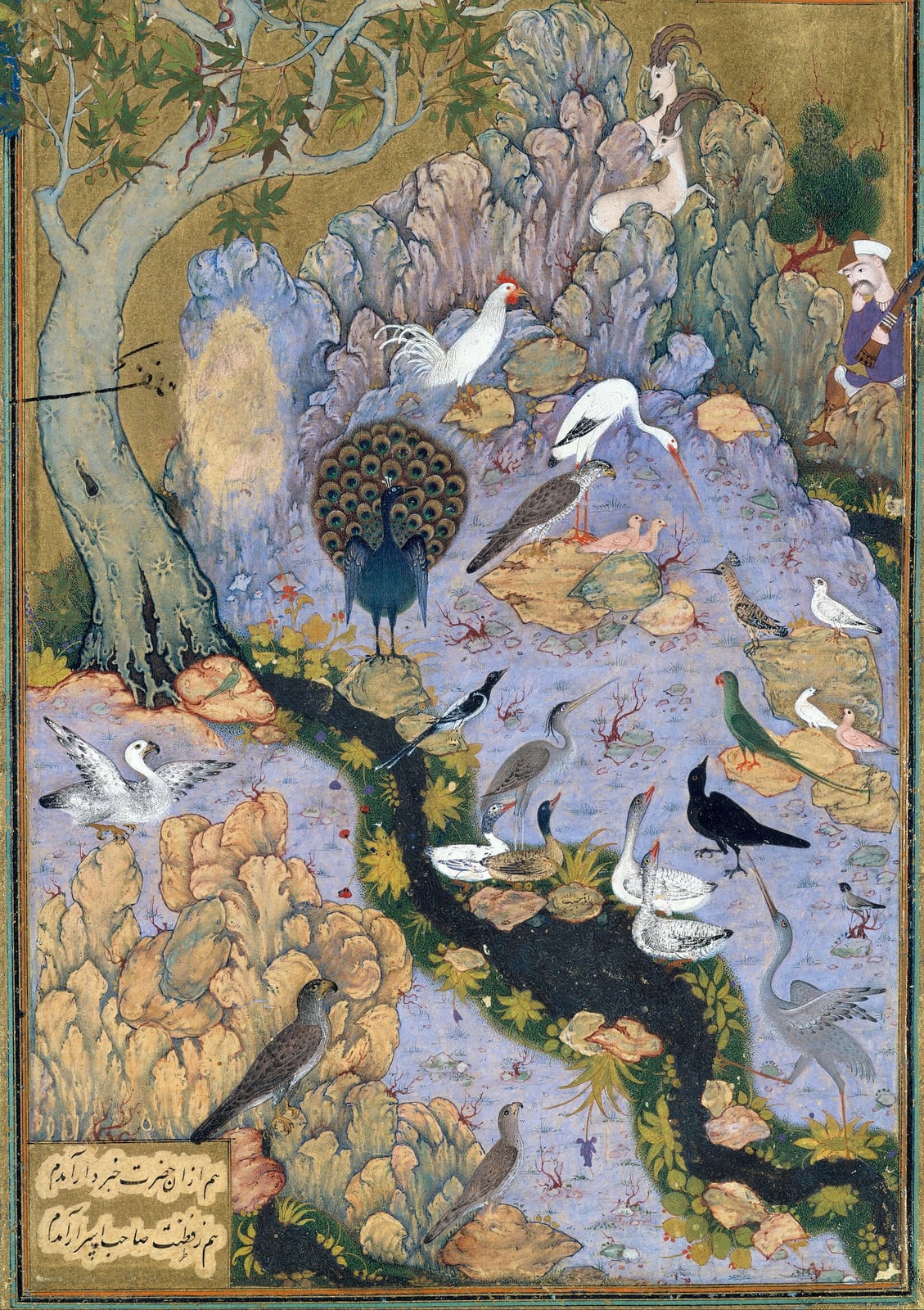
Attar
Совпадают в вопросах: Кто я? Существует ли истинное «я»? · Почему мы страдаем? · Что происходит после смерти?
Дальше всего от

Pema Chödrön
Расходятся в вопросах: Что такое Абсолют? Существует ли Бог? · Кто я? Существует ли истинное «я»? · Что происходит после смерти?

Epicurus
Расходятся в вопросах: Что такое Абсолют? Существует ли Бог? · Кто я? Существует ли истинное «я»? · Что происходит после смерти?

Tsongkhapa
Расходятся в вопросах: Что такое Абсолют? Существует ли Бог? · Кто я? Существует ли истинное «я»? · Что происходит после смерти?

Dōgen
Расходятся в вопросах: Что такое Абсолют? Существует ли Бог? · Кто я? Существует ли истинное «я»? · Что происходит после смерти?
Предания и рассказы
Предания и рассказы
Оспариваетсяc. 900–913
"I am the Truth" in al-Shibli's circle
Происхождение рассказа: Massignon, La Passion, I, pp. 168–172 (tr. Mason, I, pp. 126–129), summarised by Mojaddedi in the Encyclopædia Iranica. The al-Junayd version appears in Hujwiri and Attar.
Свидетельствоc. 903
The prayer at Arafat
Происхождение рассказа: Akhbar al-Hallaj; Massignon, La Passion, I, pp. 67 and 265–267 (tr. Mason, I, pp. 26–27 and 219–223).
Устная традицияc. 884
A year motionless by the Kaaba
Происхождение рассказа: Akhbar al-Hallaj and later Sufi biographies; summary in the Encyclopædia Iranica.
Оспаривается922
The Kaaba at home and the pretext for the sentence
Происхождение рассказа: Massignon, La Passion, I, pp. 592–594 (tr. Mason, I, pp. 546–547); Ernst, Words of Ecstasy in Sufism (1985), pp. 106–110; summary in the Encyclopædia Iranica.
Житийное повествование922
The execution: chronicle and legend
Происхождение рассказа: Chronicle: Ibn Kathir, al-Bidaya wa-l-nihaya, year 309 AH (Arabic Wikisource). Legend: Attar, Tadhkirat al-awliya and Mantiq al-tayr (vv. 2287–2298), according to the Encyclopædia Iranica.
Учение
Учение
Понятия, на которых строится мысль учителя, объяснённые в их контексте.
"I am the Truth" and ecstatic utterance (shath)ana-l-haqq
Shath of Abu Yazid al-Bistami ("Glory be to me!"); al-Ghazali's commentary in the Mishkat; Ruzbihan Baqli, Sharh-i shathiyyat.
Lahut and nasut: the charge of incarnation (hulul)hulul
Sunni polemic against the Hululis (Abu Nu'aym, Ibn Taymiyya); interpretation by Massignon and Nicholson.
The moth and the lampfarash-y-lampara
Degrees of certainty (*'ilm*, *'ayn*, *haqq al-yaqin*); fortune of the motif in Persian poetry.
Iblis, the faithful monotheistiblis-monoteista
Qur'an 2:34, 7:11–18; P. J. Awn, Satan's Tragedy and Redemption (1983).
The inner pilgrimagehajj-interior
Legal debate on the substitution of rites; Massignon and Ernst on the trial.
Видео
Видео
Записи, интервью и документальные фильмы. Видео воспроизводятся с YouTube; здесь они не хранятся.
al-Hallaj: Mystic Martyr of Sufism
Разбор· EN· 59 min
Let's Talk Religion
Dr. Carl Ernst On Mansur Al-Hallaj
Лекция· EN· 87 min
Hast o Neest
#ZeeJLF2018 | Sufi Martyrs of Love
Лекция· EN· 61 min
Jaipur Literature FestivalОфициальный канал
Episode 2: al-Hallaj | Logic of the Birds Podcast
Разбор· EN· 44 min
Logic of the Birds
Mansur al-Hallaj - Louis Massignon - Des Idées et des Hommes
Лекция· FR· 49 min
Traits d'Union
Ma rencontre avec al-Hallâj, par Louis Massignon
Интервью· FR· 22 min
Conscience Soufie
La poésie d'al-Hallâj, par Louis Massignon
Лекция· FR· 27 min
Conscience Soufie
Mansûr al-Hallâj par Joël-Claude Meffre
Лекция· FR· 86 min
Conscience Soufie
Mansur Al HALLAJ – Une Vie, une Œuvre : le christ de l'Islam (France Culture, 1988)
Документальный фильм· FR· 1988· 84 min
ÉCLAIR BRUT
Dolors Bramon - Los sufíes Al-Khallaj y la ex esclava Rabia Al-Adawiyya
Лекция· ES· 49 min
Espacio Ronda Barcelona
MANSUR HALLAJ ➤ ¿EL MÍSTICO QUE VIVIÓ COMO JESÚS? | con HALIL BÁRCENA
Интервью· ES· 47 min
Psicología y Espiritualidad
يوسف زيدان يتحدث عن الصوفي الحلاج al-Hallaj
Лекция· AR· 21 min
gruenten
Hallac-ı Mansur Kimdir? Enel Hakk Ne Demek?
Разбор· TR· 37 min
Mustafa B. Bozkurt [Lex Historiae]
Галерея
Галерея
Изображения с проверенной лицензией. Каждое сохраняет своё авторство и атрибуцию.
Связи
Связи
Влияния, ученичество и близость взглядов. Документированная связь отличается от сходства, выявленного путём анализа.
Повлиял на
Attar placed al-Hallaj's biography as the climax of the Tadhkirat al-awliya and evokes him in the Mantiq al-tayr and the Ilahinama.
Документированная связь
Повлиял на
A ghazal by Hafez alludes to him: "That friend for whom the gallows was raised: his crime was revealing the secrets."
Документированная связь
Повлиял на
Al-Ghazali quotes in the Mishkat al-anwar his "I am the Truth" and the verse "I am He whom I love", explaining them as the words of a drunken lover that should have been concealed.
Документированная связь
Идеи, близкие к
Ibn Arabi's school reread "I am the Truth" in terms of the oneness of being; no specific passage of Ibn Arabi is cited here.
Сходство, выявленное путём анализа
Идеи, близкие к
Both embody love mysticism in the tradition and appear together in anthologies and studies; there was no contact.
Сходство, выявленное путём анализа
Идеи, близкие к
Massignon called him "the Christ of Islam" and Nicholson compared his doctrine of deification with Christology; al-Hallaj mentions Jesus in his verses. An interpretive parallel, not documented influence.
Сходство, выявленное путём анализа
Идеи, близкие к
Nicholson compares al-Hallaj's doctrine with the Rhineland mystics' birth of God in the soul. No contact.
Сходство, выявленное путём анализа
Повлиял на
The Masnavi mentions al-Hallaj many times; Rumi distinguishes his "I am the Truth", which was light, from Pharaoh's "I am God" (Masnavi II, v. 307).
Документированная связь
Упоминается в других статьях
Источники
Источники
Библиография и каталоги, использованные для этой статьи.
- Wikidata, Q172862 «Mansur Al-Hallaj» (P31=Q5; 64 enlaces entre wikis; P569 858; P570 922-03-26).
- Mojaddedi, Jawid. «Ḥallāj, Abu'l-Moḡiṯ Ḥosayn». Encyclopædia Iranica, vol. XI, fasc. 6, pp. 589–592, 2003 (ed. en línea, act. 2016).
- Massignon, Louis. La Passion de Husayn Ibn Mansûr Hallâj, martyr mystique de l'Islam, exécuté à Bagdad le 26 mars 922. 2.ª ed., 4 vols., París: Gallimard, 1975 (1.ª ed., Geuthner, 1922); trad. Herbert Mason, The Passion of al-Hallaj, Princeton University Press, 1982.
- Nicholson, Reynold A. The Mystics of Islam. Londres: G. Bell & Sons, 1914, cap. VI (Project Gutenberg 67388); y al-Ghazali, Mishkat al-anwar, trad. W. H. T. Gairdner, 1924, pp. 106–107.
- Ernst, Carl W. Words of Ecstasy in Sufism. Albany: State University of New York Press, 1985; y Hallaj: Poems of a Sufi Martyr, Evanston: Northwestern University Press, 2018.
- Ibn Kathir. al-Bidaya wa-l-nihaya, vol. XI, año 309 H, noticia sobre al-Husayn ibn Mansur al-Hallaj (texto árabe en Wikisource).
- Ibn al-Nadim. Kitab al-Fihrist (987), maqala V, noticia «al-Hallaj» y lista de sus libros (texto árabe en Wikisource).
- Wikisource árabe, categoría «al-Hallaj»: poemas del Diwan (Uqtuluni ya thiqati y sesenta y nueve «Mukhtarat»).
- Tarajm.com, ficha «al-Hallaj» con el texto de Ibn Khallikan, Wafayat al-a'yan, que cita a al-Sulami sobre sus últimas palabras.
- Open Library, registros de ediciones de al-Hallaj y de Massignon (Tawasin 1913, Diwan, Akhbar, Passion, Ernst, Sami-Ali).
- Правообладатель
- Dominio público (obra del siglo X). Las ediciones y traducciones modernas (Massignon/Gallimard, Princeton University Press, Northwestern University Press, Albin Michel, Ediciones del Oriente y del Mediterráneo…) están sujetas a los derechos de sus editores; los trabajos de Massignon (m. 1962) no son de dominio público en la UE ni en España.
Ожидает подтверждения
То, что в этой статье пока не удалось установить. Мы предпочитаем сказать об этом, а не заполнять пробел.
- Fechas: nacimiento c. 244 H (857–858, Iranica). Muerte el martes 24 de dhu l-qada de 309 = 26-3-922 según Massignon (coincide el día de la semana); Ibn Kathir dice «nueve días antes del fin de dhu l-qada», que daría el 21 o el 22. Conservado el dato de Massignon.
- Obra: registrados los Tawasin (con sus once capítulos), el Diwan, los Akhbar, los fragmentos de tafsir conservados por al-Sulami y los 46 títulos perdidos del Fihrist en una sola entrada. Faltan las «Riwayat» (dichos en forma de hadiz editados por Massignon) y la verificación de los fragmentos en la edición de los Haqa'iq al-tafsir.
- Ediciones: confirmar el traductor del Diván en castellano (Ediciones del Oriente y del Mediterráneo, 2002, ISBN 9788487198847) y localizar una traducción castellana de los Tawasin con ISBN; la de Aisha Abd ar-Rahman (Diwan Press, 1974) no tiene ISBN en el catálogo.
- Última palabra: verificar en la edición de los Akhbar (Massignon y Kraus, 1957) el texto árabe de la oración por sus verdugos y la forma exacta (al-wajid / al-wahid) del dicho final.
- Citas: no se ha podido cotejar con una edición árabe impresa el pasaje de la mariposa de los Tawasin ni la plegaria de Arafat; se describen sin cita literal.
- Imágenes: la ficha de File:Hallaj.jpg no indica el manuscrito de procedencia; buscar en la Walters la miniatura del Diwan de Amir Khusraw (W.650) citada por la Iranica.
Исследовано 2026-10-25