Буддизм · Махаяна · Тибетский буддизм
Pema Chödrön
པདྨ་ཆོས་སྒྲོན།
1936 –ЗдравствуетИсторически документированная личность
Американская буддийская монахиня тибетской традиции (р. 1936), ученица Чогьяма Трунгпы и первая американка традиции ваджраяны, принявшая полное посвящение бхикшуни (1981). На протяжении четырех десятилетий главный учитель аббатства Гампо в Новой Шотландии, с 2025 года его настоятельница; автор широко читаемых книг, среди которых «Когда всё рушится», «Начни там, где ты есть» (Start Where You Are) и «Места, которые пугают тебя» (The Places That Scare You).
- трудов
- 40трудов
- изданий
- 64изданий
- цитат
- 7цитат
- видео
- 13видео
- изображений
- 4изображений

Pema Chödrön en 2007 · CC BY-SA 2.0
Своими словами
«a big groundless moment»Entrevista con Bill Moyers (PBS), sobre el anuncio de su segundo marido; citada en Lion's Roar (2014)
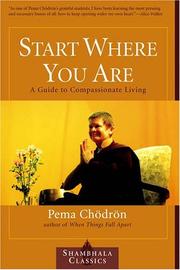
Для начала — одна книга
Start Where You AreГлавная мысль
Insecurity and groundlessness are not a fault to be corrected but the real condition of life; learning to stay with them without running away is the heart of the spiritual path.
В контексте
Биография
4 мин чтения
Перевод с испанского оригинала, выполненный с помощью ИИ; ожидает проверки носителем языка.
Католическое детство в Нью-Джерси
Дейрдре Бломфилд-Браун родилась 14 июля 1936 года в Нью-Йорке в католической семье и выросла на ферме в Нью-Джерси вместе со старшими братом и сестрой. Она училась в пансионе мисс Портер в Фармингтоне (Коннектикут), где, по ее словам, пробудился ее духовный интерес. Окончив Колледж Сары Лоуренс по специальности «английская литература», она получила степень магистра в области начального образования в Калифорнийском университете в Беркли и много лет преподавала в начальной школе в Нью-Мексико и Калифорнии.
Мгновение без опоры
В двадцать один год она вышла замуж и родила двоих детей, Арлин и Эдварда; этот брак распался, когда ей было около двадцати пяти. Она вышла замуж снова, и примерно через восемь лет второй муж сообщил ей, что у него роман с другой женщиной и он хочет развестись. В интервью Биллу Мойерсу она описала это мгновение как огромный момент, когда почва ушла у нее из-под ног: начало поисков, которые провели ее через разные терапии и традиции, не принося облегчения, пока ей не попалась статья Чогьяма Трунгпы — она не знала, что автор буддист, — предлагавшая работать с эмоциями, а не пытаться от них избавиться.
Учителя и посвящение
Вскоре она встретила ламу Чиме Ринпоче, к которому ощутила сильное чувство узнавания; он согласился обучать ее в Лондоне, и много лет она жила попеременно то в Англии, то в США. По его совету она обратилась к Трунгпе в Сан-Франциско: познакомилась с ним в 1972 году, и он оставался ее коренным учителем до своей смерти в 1987 году. В 1974 году она приняла посвящение послушницы от Шестнадцатого Кармапы Ранджунга Ригпе Дордже, который в 1977 году побудил ее искать полное посвящение — в тибетской линии женщинам его никогда не передавали. Поиски привели ее в Гонконг, где в июле 1981 года в китайской линии преемственности она стала первой американкой традиции ваджраяны, принявшей посвящение бхикшуни, то есть монахини в полном смысле слова. Ее монашеское имя Пема Чодрон означает «светильник Дхармы лотоса».
Из Боулдера на остров Кейп-Бретон
В начале 1980-х годов Трунгпа назначил ее руководителем Карма Дзонга — центра своей общины в Боулдере (Колорадо). В 1984 году она переехала на остров Кейп-Бретон в Новой Шотландии, чтобы основать аббатство Гампо — первый в Северной Америке тибетский буддийский монастырь для западных мужчин и женщин. С 1986 года она была его руководителем, а на протяжении четырех десятилетий — главным учителем при настоятеле Кхенчене Трангу Ринпоче.
Книги
Первая ее книга, The Wisdom of No Escape (1991), составлена из бесед, прочитанных во время ретрита в аббатстве. Затем вышли Start Where You Are (1994) — о тибетской тренировке ума, лоджонге, — и «Когда всё рушится» (When Things Fall Apart, 1997), сделавшая ее одной из самых читаемых буддийских наставниц в англоязычном мире. В 1993 году, когда сын Трунгпы Сакьонг Мипам Ринпоче возглавил Шамбалу, она получила титул ачарьи — старшего учителя. В 1994 году у нее диагностировали синдром хронической усталости; в эти годы она познакомилась с Дзигаром Конгтрулом Ринпоче, который стал ее учителем. Затем последовали The Places That Scare You (2001), No Time to Lose (2005) — комментарий к «Бодхичарья-аватаре» Шантидевы, — Practicing Peace in Times of War (2006), Living Beautifully with Uncertainty and Change (2012), Welcoming the Unwelcome (2019) и How We Live Is How We Die (2022), а также десятки аудиозаписей.
Голос для неопределенности
Ее учение переводит на простой язык практики буддизма махаяны и ваджраяны: тонглен — медитацию принятия чужого страдания и дарования облегчения; наставления лоджонга; бодхичитту; понятие шенпа — мгновение, когда человек «цепляется» за привычную реакцию. Поискам безопасности она противопоставляет умение обосноваться в неопределенности, приблизиться к тому, что причиняет боль, и сделать сами трудности своим путем. В 2006 году был создан Фонд Пемы Чодрон, который получает гонорары за ее книги и записи и поддерживает созерцательную жизнь, а в 2016 году она была удостоена Глобальной премии бхиккхуни, присуждаемой Ассоциацией китайских буддийских бхиккхуни Тайваня.
Аббатство и наследие Трунгпы
В аббатстве Гампо она каждую зиму руководила ярне — традиционным монашеским ретритом сезона дождей, перенесенным на канадскую зиму, — и много лет каждое лето преподавала в Беркли «Путь бодхисаттвы» Шантидевы. В 2005 году она вошла в Комитет западных бхикшуни, объединяющий полностью посвященных западных монахинь. Ее верность Трунгпе, чье поведение — пристрастие к алкоголю, сексуальные связи с ученицами, авторитарный стиль его общины — подвергалось резкой критике, нередко вызывает вопросы, и она публично высказывалась об этом противоречивом наследии.
Уход и возвращение в аббатство
В январе 2020 года она сложила с себя обязанности ачарьи Shambhala International — отчасти из-за того, как организация отнеслась к обвинениям в сексуальных злоупотреблениях против ее главы Сакьонга Мипама, — и написала, что не может больше представлять ее, учитывая, по ее мнению, неразумное направление, которое та избрала. После этого она отошла от регулярного публичного преподавания. После смерти Трангу Ринпоче в 2023 году она в мае 2025 года согласилась стать настоятельницей аббатства Гампо, а в 2026 году вышла книга Another Kind of Freedom — ее комментарий к двум трудам Трунгпы. У нее двое детей и трое внуков.
Источники: Boucher, Sandy. Turning the Wheel: American Women Creating the New Buddhism. Boston: Beacon Press, 1993, pp. 93–97. · Chödrön, Pema. When Things Fall Apart: Heart Advice for Difficult Times. Boston: Shambhala Publications, 1997. · Chödrön, Pema. Start Where You Are: A Guide to Compassionate Living. Boston: Shambhala Publications, 1994. · Chödrön, Pema. The Places That Scare You: A Guide to Fearlessness in Difficult Times. Boston: Shambhala Publications, 2001. · Coleman, James William. The New Buddhism: The Western Transformation of an Ancient Tradition. Nueva York: Oxford University Press, 2001, p. 150.
Хронология
Жизнь год за годом
Каждая точка — документированное событие. Нажмите, чтобы прочитать о нём, с источником и степенью достоверности.
14 июля 1936 г.0 летNueva York / New York City
Birth
Deirdre Blomfield-Brown is born on 14 July in New York City into a Catholic family.
ДокументированоWikidata, «Pema Chödrön» (Q442384).
14 июля 1936 г. · 0 лет
Birth
Deirdre Blomfield-Brown is born on 14 July in New York City into a Catholic family.
Документировано
1957 · 21 год
First marriage
Marries at twenty-one; she will have two children, Arlyn and Edward.
Вероятно
1972 · 36 лет
Meets Chögyam Trungpa
Meets Chögyam Trungpa, who will be her root teacher until 1987.
Документировано
1974 · 38 лет
Novice ordination
Receives novice ordination from the Sixteenth Karmapa, Rangjung Rigpe Dorje.
Документировано
июль 1981 г. · 45 лет
Full ordination in Hong Kong
In July she becomes the first American in the Vajrayana tradition to be ordained a bhikshuni.
Документировано
1984 · 48 лет
Move to Nova Scotia
Settles on Cape Breton to help establish Gampo Abbey.
Документировано
1986 · 50 лет
Director of Gampo Abbey
Becomes director of Gampo Abbey.
Документировано
1987 · 50 лет
Death of Trungpa
Chögyam Trungpa, her root teacher, dies.
Документировано
1991 · 55 лет
The Wisdom of No Escape
Publishes her first book.
Документировано
1993 · 57 лет
Shambhala acharya
Receives the title of acharya when Sakyong Mipham takes over the leadership of Shambhala.
Вероятно
1994 · 58 лет
Illness and a new teacher
She is diagnosed with chronic fatigue syndrome; meets Dzigar Kongtrul Rinpoche. Publishes Start Where You Are.
Документировано
1997 · 61 год
When Things Fall Apart
Publishes When Things Fall Apart, her best-known book.
Документировано
2006 · 70 лет
Pema Chödrön Foundation
The foundation that receives the royalties from her books and recordings is created.
Документировано
2016 · 80 лет
Global Bhikkhuni Award
Receives the Global Bhikkhuni Award from the Chinese Buddhist Bhikkhuni Association of Taiwan.
Документировано
16 января 2020 г. · 83 года
Resigns as acharya
In January she resigns her role in Shambhala International over the handling of allegations against its leader.
Документировано
май 2025 г. · 88 лет
Abbess of Gampo Abbey
In May she agrees to become abbess of Gampo Abbey, following Thrangu Rinpoche's death (2023).
Документировано
Труды
Главные труды
Труды, без которых не понять это наследие.
Письменный труд · 1994
Start Where You Are
Start Where You Are: A Guide to Compassionate Living
Commentary on the 59 slogans of lojong, the Tibetan Buddhist mind training attributed to Atisha and systematised by Chekawa Yeshe Dorje, and on the practice of tonglen. It shows how difficult situations in daily life can become occasions to awaken compassion, starting with oneself.
3 издания

Письменный труд · 1997
When Things Fall Apart
When Things Fall Apart: Heart Advice for Difficult Times
Her most widely read book. Drawing on talks given at Gampo Abbey, it proposes moving towards pain, fear and loss instead of fleeing them, and presents groundlessness as the very condition of awakening. It explains the practices of tonglen and maitri, the eight worldly concerns and the bodhisattva path in accessible language, and has become a reference book for people in grief or crisis, translated into many languages.
11 изданий
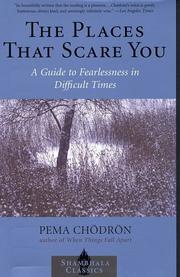
Письменный труд · 2001
The Places That Scare You
The Places That Scare You: A Guide to Fearlessness in Difficult Times
Guide to fear and courage grounded in bodhichitta, the awakened heart. It sets out the four limitless qualities — love, compassion, joy and equanimity — and the practices for cultivating them, and describes how the ego's protective habits distance us from others. With When Things Fall Apart, it is her most widely read work.
5 изданий
Все труды (40)

The Wisdom of No Escape
1991

Awakening Loving-Kindness
1996

Tonglen
2001

Comfortable with Uncertainty
2002

Hooked!
2005

No Time to Lose
2005

Practicing Peace in Times of War
2006

Always Maintain a Joyful Mind
2007

The Pocket Pema Chödrön
2008

Taking the Leap
2009

Living Beautifully with Uncertainty and Change
2012

Fail, Fail Again, Fail Better
2015

The Compassion Book
2017

Welcoming the Unwelcome
2019
Pema Chödrön
How We Live Is How We Die
The Conscious LibraryHow We Live Is How We Die
2022
Pema Chödrön
Another Kind of Freedom
The Conscious LibraryAnother Kind of Freedom
2026

How to Meditate
2007

Awakening Compassion
1995

Noble Heart
1998

Good Medicine
2001

From Fear to Fearlessness
2003

Pure Meditation
2004

Getting Unstuck
2004

In Conversation with Alice Walker
2005
Изречения
Изречения, найденные в конкретном труде. Каждое сопровождается указанием происхождения и степени надёжности.
a big groundless momentПровереноEntrevista con Bill Moyers (PBS), sobre el anuncio de su segundo marido; citada en Lion's Roar (2014)
Основные идеи (редакционное изложение)
Из уважения к авторскому праву эти идеи изложены своими словами и не выдаются за дословные цитаты.
- Insecurity and groundlessness are not a fault to be corrected but the real condition of life; learning to stay with them without running away is the heart of the spiritual path.
- Before reacting with anger or flight there is a moment of being 'hooked' that can be recognised; learning to see it and not bite the hook interrupts the cycle of habit.
- Compassion for others begins with unconditional friendship with oneself, which consists not in improving oneself but in knowing oneself with honesty and tenderness.
- Instead of rejecting pain, the practitioner can take it in with the breath and wish relief for all who suffer the same; one's own pain thus becomes a bridge to others.
- The difficult situations of daily life are the material of awakening: one starts where one is, not where one would like to be.
- World peace depends on each person learning not to feed their own aggression.
Спросить
На что отвечают эти труды
Двенадцать великих вопросов человечества и то, что позволяют на них ответить эти тексты, со ссылками. Мы никогда не вкладываем слова в чужие уста.
Что такое Абсолют? Существует ли Бог?
There is no one outside to save us: nontheism is relaxing into uncertainty
Нет Бога-творцаСказано прямо
Pema Chödrön, a nun of the Tibetan tradition trained by Chögyam Trungpa, addresses the question explicitly in When Things Fall Apart. There she presents Buddhism as nontheistic, but not in the sense of a thesis about the existence of God: nontheism consists in no longer seeking an outside figure, belief or babysitter to protect us from the ambiguity of the present moment. What she calls theism is the hope that someone will resolve our groundlessness for us; growing up means ceasing to wait for that. Instead of an absolute to be addressed, her teaching points to the openness of mind and to bodhichitta, the awakened heart, which are not held as beliefs but discovered by staying with experience as it is.
Сравнить этот вопрос с другими учителямиКто я? Существует ли истинное «я»?
The self is an attempt at solid ground; egolessness is openness, not loss
Постоянного «я» нетСледует из учения
Pema Chödrön sets out the Buddhist teaching of the absence of a permanent self through the teaching of her teacher Chögyam Trungpa, whose work on ego she comments on in Another Kind of Freedom. Ego appears in her work less as a substance than as a strategy: the continual effort to manufacture a solid identity and firm ground in the face of a life that has none. In her teachings on the three marks of existence she presents egolessness as one of them, alongside impermanence and suffering. But she insists that discovering it is no threat: it is the condition of openness and of tenderness towards others, and what is found on letting go of identity is not a bleak void but an open mind that had never gone away.
Сравнить этот вопрос с другими учителямиПочему мы страдаем?
We suffer from seeking firm ground and biting the hook of reaction
Жажда и привязанностьСказано прямо
Pema Chödrön describes suffering as the result of fleeing groundlessness, which is the real condition of life. In When Things Fall Apart she holds that crisis is not a fault to be corrected but a kind of testing and also a kind of healing, and that nothing ever goes away until it has taught us what we need to know. Her best-known contribution is the Tibetan notion of shenpa, developed in Taking the Leap: the hook, the instant in which something catches us and drags us into the habitual reaction of anger, desire or flight. Pain is inevitable; what turns it into repeated suffering is biting the hook again and again. Recognising the hook and staying with the discomfort without acting it out interrupts the cycle.
Сравнить этот вопрос с другими учителямиЧто происходит после смерти?
The bardos teach how to die and to live: every ending is a transition
Перерождение согласно кармеСказано прямо
Pema Chödrön devoted a whole book to the question, How We Live Is How We Die, based on the Tibetan teachings on the bardos, the intermediate states between death and rebirth. She sets out her tradition's view: after death consciousness passes through states in which its mental habits carry it away or in which it may recognise the open nature of mind, and rebirth depends on this. But she presents these teachings above all as a guide for living: every ending in daily life, every loss and every change is a bardo in miniature, and the way we meet them now is the way we will meet death. Already in When Things Fall Apart she linked death with giving up the hope of firm ground.
Сравнить этот вопрос с другими учителямиКак достигается освобождение или спасение?
Start where you are: meditation, tonglen and mind training
Через дисциплинированную практикуСказано прямо
Pema Chödrön proposes a path of gradual practice taken from Tibetan Buddhism. Its basis is sitting meditation, which she understands as unconditional friendship with oneself (maitri): seeing what arises with honesty and tenderness, without trying to improve oneself. On this are built lojong, the mind-training slogans she comments on in Start Where You Are, and tonglen, the practice of breathing in one's own and others' pain and breathing out relief. Her principle is that the difficult situations of daily life are the material of awakening: there is no need to wait for ideal conditions. The goal is to awaken bodhichitta, the open heart, and to live the three commitments she sets out in Living Beautifully.
Сравнить этот вопрос с другими учителямиНужен ли учитель?
She always sought a teacher, yet teaches a practice that starts where you are
Полезен, но не обязателенСледует из учения
Pema Chödrön's path is bound up with her teachers. She trained for years with Chögyam Trungpa, whose teachings she still comments on, and after his death, as she has recounted, she felt a longing for someone to put her questions to, until she found Dzigar Kongtrul Rinpoche, on whose instruction she bases her commentary on Shantideva in No Time to Lose. In her tradition the teacher has a central role. But her books are addressed to any reader and offer practices that can be done alone, from one's own situation. Her relationship to the institution has not been uncritical: in 2020 she stepped down as senior teacher of Shambhala, in a public letter, because she disagreed with the direction the community was taking.
Сравнить этот вопрос с другими учителямиРеален ли мир?
Nothing is solid or permanent: embracing the world as it is
Сеть причин без субстанцииСледует из учения
Pema Chödrön is not concerned with the reality of the world as a metaphysical problem; what interests her is how to live in it. Her view is the Buddhist one: everything is impermanent, nothing has a solid core, and life lacks firm ground. In Living Beautifully with Uncertainty and Change she organises her teaching around three commitments, the last of which consists in embracing the world as it is, with its chaos and unpredictability, without withdrawing into a refuge of certainties. The world is not a deception to escape from, but the only place where compassion can awaken; its instability, which frightens, is also what makes it alive and open.
Сравнить этот вопрос с другими учителямиЧто такое любовь?
Compassion begins with unconditional friendship with oneself
Безграничное состраданиеСказано прямо
Compassion is the centre of Pema Chödrön's work. Her starting point is maitri, unconditional friendship with oneself, which consists not in improving oneself but in knowing oneself with honesty and tenderness; without it, she holds, compassion for others becomes idealistic or condescending. In The Places That Scare You she sets out her tradition's four limitless qualities, love, compassion, joy and equanimity, and warns against their near counterfeits. Tonglen turns one's own pain into a bridge to others: when suffering something, one thinks of all who suffer the same and wishes them relief. The goal is bodhichitta, a heart that does not close to anyone, not even to those who harm us.
Сравнить этот вопрос с другими учителямиСвободны ли мы или всё предопределено?
Karma is habit, and habit can be interrupted in this very moment
Карма и выборСказано прямо
Pema Chödrön presents karma less as destiny than as a pattern of habits. Each repeated reaction, anger, flight, attachment, strengthens the tendency to repeat it, and so the past conditions the present. But in that same mechanism lies freedom: in the instant when something hooks us, the shenpa she describes in Taking the Leap, there is a space in which one can recognise the impulse and not bite the hook. Each time the habit is interrupted the chain is weakened and another seed is sown. Her recorded teachings on karma develop this idea: we are not condemned to repeat ourselves, though change demands patience and the willingness to stay with discomfort.
Сравнить этот вопрос с другими учителямиЗачем медитировать или молиться?
Meditating is befriending oneself and seeing clearly what arises
Видеть реальность такой, как она естьСказано прямо
Pema Chödrön teaches the shamatha-vipashyana meditation of Trungpa's tradition: one attends lightly to the out-breath, recognises thoughts, labelling them «thinking» if need be, and returns to the breath without self-judgement. In The Wisdom of No Escape she presents this practice as a form of unconditional friendship with oneself: one does not meditate to become someone else, but to know with precision and tenderness the person one already is. From this comes the capacity to see clearly what is happening, the impermanence of states and the hook of reactions, and to stay with discomfort without running away. Meditation is thus training of attention and of the heart at once.
Сравнить этот вопрос с другими учителямиМожет ли разум познать предельное?
She leaves the question aside: drop the storyline and touch experience
Не высказывался
Pema Chödrön is not concerned with reason's capacity to know the ultimate; her work is practical, not epistemological. The closest thing is her advice, repeated in her books, to drop the storyline the mind tells itself, the story of why something offends or frightens us, and stay with the raw energy of experience without interpreting it. At the same time she values study: she has commented for years on Shantideva's Bodhicharyavatara and on the lojong slogans, and in Another Kind of Freedom she rereads Trungpa's work. The attitude she recommends is neither the sceptic's nor the believer's, but an open curiosity, interest in what is happening without needing to close the question.
Сравнить этот вопрос с другими учителямиУйти от мира или преобразить его?
Peace in the world begins with not feeding one's own aggression
Революция — внутренняяСказано прямо
Pema Chödrön, who lives as a nun at Gampo Abbey, preaches neither withdrawal nor activism, but a transformation that begins in each person. In Practicing Peace in Times of War she locates the origin of war in everyone's aggressive reactions: each time someone bites the hook of anger and clings to their position against another, they sow the same seed that on a large scale produces conflicts. Practising peace consists in recognising that impulse and not acting it out. In Welcoming the Unwelcome she applies this idea to contemporary polarisation, asking us to respond without closing down or attacking. She does not deny the value of action in the world, but holds that without that inner work the cycle repeats itself.
Сравнить этот вопрос с другими учителями
Созвучия и противоречия
Созвучия и противоречия
Рассчитаны вопрос за вопросом на основе позиций. Причина каждого совпадения или расхождения — по нажатию.
Ближе всего к

The 14th Dalai Lama (Tenzin Gyatso)
Совпадают в вопросах: Как достигается освобождение или спасение? · Что такое Абсолют? Существует ли Бог? · Кто я? Существует ли истинное «я»?

Siddhartha Gautama, the Buddha
Совпадают в вопросах: Что такое Абсолют? Существует ли Бог? · Кто я? Существует ли истинное «я»? · Почему мы страдаем?

Śāntideva
Совпадают в вопросах: Как достигается освобождение или спасение? · Что такое Абсолют? Существует ли Бог? · Кто я? Существует ли истинное «я»?

Tsongkhapa
Совпадают в вопросах: Как достигается освобождение или спасение? · Что такое Абсолют? Существует ли Бог? · Кто я? Существует ли истинное «я»?
Дальше всего от

Al-Hallaj
Расходятся в вопросах: Что такое Абсолют? Существует ли Бог? · Кто я? Существует ли истинное «я»? · Что происходит после смерти?
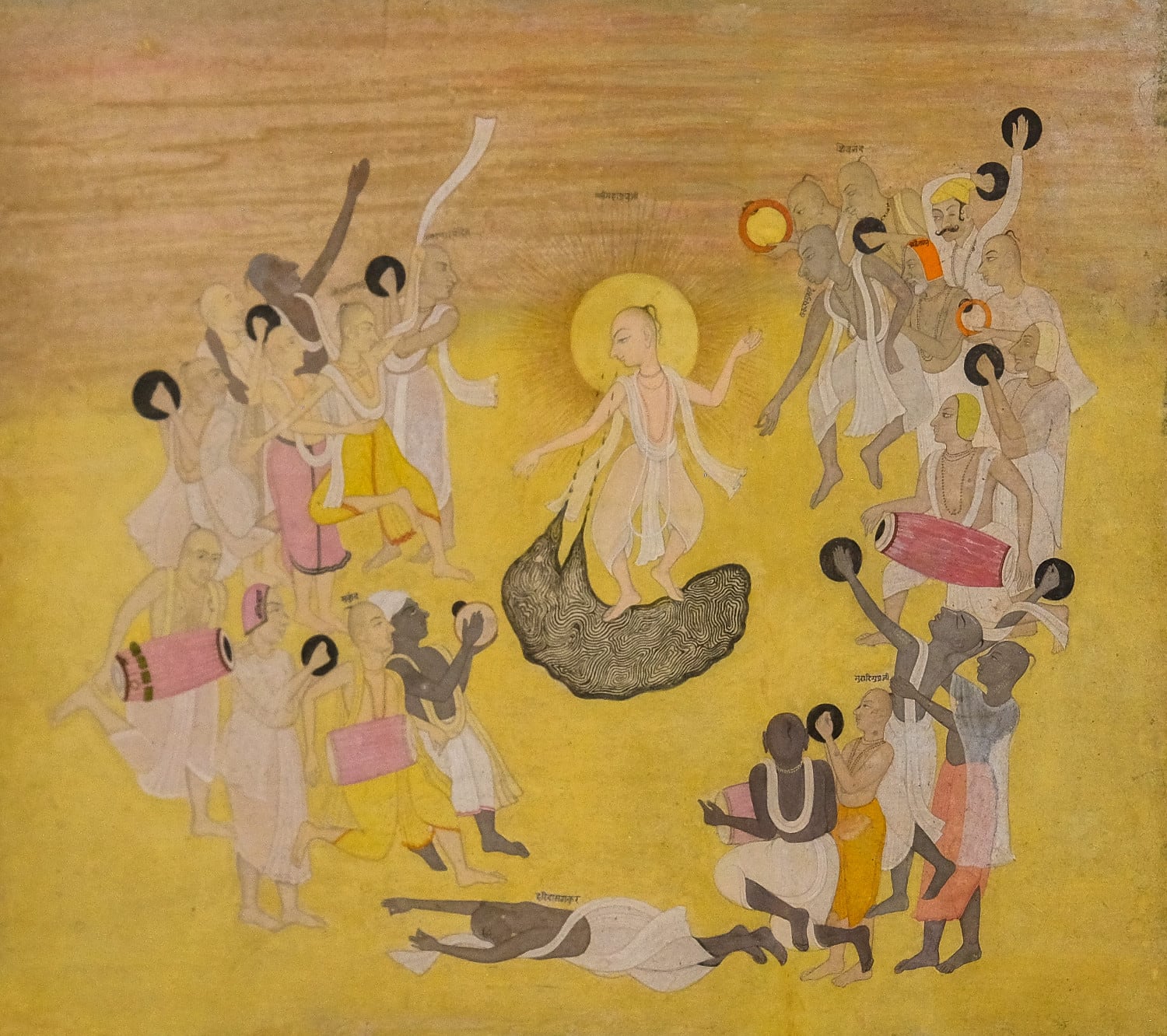
Chaitanya Mahaprabhu
Расходятся в вопросах: Что такое Абсолют? Существует ли Бог? · Кто я? Существует ли истинное «я»? · Что происходит после смерти?

Emanuel Swedenborg
Расходятся в вопросах: Что такое Абсолют? Существует ли Бог? · Кто я? Существует ли истинное «я»? · Что происходит после смерти?

Julian of Norwich
Расходятся в вопросах: Что такое Абсолют? Существует ли Бог? · Кто я? Существует ли истинное «я»? · Что происходит после смерти?
Предания и рассказы
Предания и рассказы
Свидетельствоaños sesenta y setenta
A groundless moment
Происхождение рассказа: Pema Chödrön's own account in the interview with Bill Moyers (PBS), recorded by Andrea Miller in 'Becoming Pema' (Lion's Roar, 2014).
Источник: Miller, Andrea. «Becoming Pema». Lion's Roar, 20 de octubre de 2014.
Свидетельствоcomienzos de los años setenta
An article with no Buddhist label
Происхождение рассказа: Lion's Roar, 'Becoming Pema' (2014); the date of the meeting with Trungpa comes from the Pema Chödrön Foundation biography.
Источник: Miller, Andrea. «Becoming Pema». Lion's Roar, 20 de octubre de 2014.
Документировано1974–1981
The Hong Kong ordination
Происхождение рассказа: Lion's Roar (2014), Pema Chödrön Foundation and Sandy Boucher, Turning the Wheel (1993), pp. 93–97.
Источник: Miller, Andrea. «Becoming Pema». Lion's Roar, 20 de octubre de 2014.
Документировано1984–
A monastery facing the Atlantic
Происхождение рассказа: Pema Chödrön Foundation, Lion's Roar (2014) and the Gampo Abbey website; the stupa and its relics, according to the description of the photographs on Wikimedia Commons.
Источник: Pema Chödrön Foundation, «Pema Chödrön» (biografía oficial y fines de la fundación).
Свидетельство1994–
Someone to ask
Происхождение рассказа: Lion's Roar, 'Becoming Pema' (2014), with Pema Chödrön's own words.
Источник: Miller, Andrea. «Becoming Pema». Lion's Roar, 20 de octubre de 2014.
Документировано2018–2025
The January 2020 letter
Происхождение рассказа: Letter published in the Shambhala Times (16 January 2020) and The Washington Post report (17 January 2020); the appointment as abbess, in the Shambhala Times (13 May 2025).
Источник: Chödrön, Pema. «Letter from Ani Pema Chödrön». Shambhala Times, 16 de enero de 2020.
Учение
Учение
Понятия, на которых строится мысль учителя, объяснённые в их контексте.
Shenpa (getting hooked)shenpa
Taking the Leap (2009), Don't Bite the Hook (2007) and Practicing Peace in Times of War (2006).
Tonglen (taking and sending)tonglen
Start Where You Are (1994), When Things Fall Apart (1997) and Tonglen: The Path of Transformation (2001); it derives from Atisha's lojong.
Источник: Chödrön, Pema. Start Where You Are: A Guide to Compassionate Living. Boston: Shambhala Publications, 1994.
Maitri (unconditional friendliness towards oneself)maitri
The Wisdom of No Escape (1991); Chögyam Trungpa's teaching.
Источник: Open Library: obras y ediciones de Pema Chödrön (comprobación de ISBN por catálogo).
Bodhichitta (the awakened heart)bodhichitta
The Places That Scare You (2001) and No Time to Lose (2005); Shantideva's tradition.
Источник: Chödrön, Pema. The Places That Scare You: A Guide to Fearlessness in Difficult Times. Boston: Shambhala Publications, 2001.
Groundlessnessfalta-de-suelo
When Things Fall Apart (1997); Comfortable with Uncertainty (2002); Living Beautifully with Uncertainty and Change (2012).
Источник: Chödrön, Pema. When Things Fall Apart: Heart Advice for Difficult Times. Boston: Shambhala Publications, 1997.
Lojong (mind training)lojong
Start Where You Are (1994), Always Maintain a Joyful Mind (2007), The Compassion Book (2017).
Источник: Chödrön, Pema. Start Where You Are: A Guide to Compassionate Living. Boston: Shambhala Publications, 1994.
Видео
Видео
Записи, интервью и документальные фильмы. Видео воспроизводятся с YouTube; здесь они не хранятся.
New Abbess - Pema Chödrön
Оригинальная запись· EN· 2025· 3 min
Gampo AbbeyОфициальный канал
Pema Chödrön reflections on Gampo Abbey
Оригинальная запись· EN· 4 min
Gampo AbbeyОфициальный канал
Anam Thubten & Abbess Pema Chödrön in Conversation
Интервью· EN· 16 min
Gampo AbbeyОфициальный канал
Pema Chödrön – What Is Bodhicitta?
Оригинальная запись· EN· 10 min
Pema Chödrön FoundationОфициальный канал
Pema Chödrön - Welcoming the Unwelcome | Super Soul Sunday S9E18 | Full Episode
Интервью· EN· 2019· 42 min
OWN
Breathing Space: Where Pema Chödrön Met Her True Self | SuperSoul Sunday
Интервью· EN· 2 min
OWN
Bill Moyers' interview of Pema Chödrön (PBS special)
Интервью· EN· 52 min
Palouse Mindfulness
Pema Chödrön on Chögyam Trungpa's controversial legacy
Интервью· EN· 2026· 8 min
Shambhala PublicationsОфициальный канал
Another Kind of Freedom with Pema Chödrön: This Very Moment Episode 10
Интервью· EN· 2026· 37 min
Shambhala PublicationsОфициальный канал
Smile at Fear with Pema Chödrön
Лекция· EN· 2011· 5 min
Shambhala PublicationsОфициальный канал
What If Uncertainty Is the Practice: Pema Chödrön on Groundlessness
Лекция· EN· 9 min
Sounds TrueОфициальный канал
Relajarse con la impermanencia y la muerte - Pema Chödrön (con subtítulos en español)
Лекция· ES· 8 min
Sakyadhita Spain
Pema Chödrön - Cambiar tu corazón ante el dolor
Лекция· ES· 19 min
Sakyadhita Spain
Галерея
Галерея
Изображения с проверенной лицензией. Каждое сохраняет своё авторство и атрибуцию.
Связи
Связи
Влияния, ученичество и близость взглядов. Документированная связь отличается от сходства, выявленного путём анализа.
Ученик
Chögyam Trungpa
Her root teacher from 1972 until his death in 1987; he appointed her director in Boulder and entrusted Gampo Abbey to her.
Документированная связь
Ученик
Chime Rinpoche
Her first teacher, with whom she studied in London in the early 1970s.
Документированная связь
Ученик
Rangjung Rigpe Dorje, XVI Karmapa
Conferred novice ordination on her in 1974 and encouraged her to seek full ordination.
Документированная связь
Ученик
Dzigar Kongtrul Rinpoche
Her teacher since the mid-1990s.
Документированная связь
Встречался с
Khenchen Thrangu Rinpoche
Abbot of Gampo Abbey during the years she was principal teacher; he died in 2023.
Документированная связь
Расходился во взглядах с
Sakyong Mipham Rinpoche
He gave her the title of acharya in 1993; she resigned in 2020 over the handling of the allegations against him.
Документированная связь
Испытал влияние
She commented on his Bodhicharyavatara in No Time to Lose and has taught it for decades.
Документированная связь
Встречался с
Alice Walker
Recorded dialogue published by Sounds True in 2005.
Документированная связь
Идеи, близкие к
Both rendered Buddhist practice in an everyday, compassion-centred language for Western readers.
Сходство, выявленное путём анализа
Современник
Contemporary teachers with large English-speaking audiences who propose meeting distress rather than fleeing it, from different frameworks.
Сходство, выявленное путём анализа
Идеи, близкие к
The 14th Dalai Lama (Tenzin Gyatso)
They share the tradition of Tibetan mind training and the teaching of bodhichitta to Western audiences.
Сходство, выявленное путём анализа
Источники
Источники
Библиография и каталоги, использованные для этой статьи.
- Wikidata, «Pema Chödrön» (Q442384).
- «Pema Chödrön» y «Pema Chödrön bibliography», Wikipedia en inglés (consultadas para cotejar hechos y bibliografía; texto propio).
- Miller, Andrea. «Becoming Pema». Lion's Roar, 20 de octubre de 2014.
- Pema Chödrön Foundation, «Pema Chödrön» (biografía oficial y fines de la fundación).
- Boucher, Sandy. Turning the Wheel: American Women Creating the New Buddhism. Boston: Beacon Press, 1993, pp. 93–97.
- Gampo Abbey, web oficial (historia del monasterio y de sus maestros).
- Open Library: obras y ediciones de Pema Chödrön (comprobación de ISBN por catálogo).
- Chödrön, Pema. When Things Fall Apart: Heart Advice for Difficult Times. Boston: Shambhala Publications, 1997.
- «Famed Buddhist nun Pema Chödrön retires, cites handling of sexual misconduct allegations against her group's leader». The Washington Post, 17 de enero de 2020.
- Chödrön, Pema. «Letter from Ani Pema Chödrön». Shambhala Times, 16 de enero de 2020.
- «Bhikshuni Pema Chödrön appointed Abbess of Gampo Abbey». Shambhala Times, 13 de mayo de 2025 (reproduce el boletín de Gampo Abbey).
- Chödrön, Pema. Start Where You Are: A Guide to Compassionate Living. Boston: Shambhala Publications, 1994.
- Chödrön, Pema. The Places That Scare You: A Guide to Fearlessness in Difficult Times. Boston: Shambhala Publications, 2001.
- «8 North American Buddhist nuns, including Pema Chödrön and Thubten Chodron, receive “Global Bhikkhuni Award”». Lion's Roar, 2016.
- Coleman, James William. The New Buddhism: The Western Transformation of an Ancient Tradition. Nueva York: Oxford University Press, 2001, p. 150.
- Bill Moyers, entrevista con Pema Chödrön (PBS); recogida en Lion's Roar (2014).
- Shambhala Publications, «Pema Chödrön on Chögyam Trungpa's controversial legacy» (vídeo, 2026).
- The Committee of Western Bhikshunis, «Ven. Bhiksuni Pema Chödrön» (2006).
- Chödrön, Pema. No Time to Lose: A Timely Guide to the Way of the Bodhisattva. Boston: Shambhala Publications, 2005.
- Правообладатель
- Pema Chödrön Foundation (recibe los derechos de todos sus libros y grabaciones); edición a cargo de Shambhala Publications y Sounds True
- Официальный сайт
- pemachodronfoundation.org
Ожидает подтверждения
То, что в этой статье пока не удалось установить. Мы предпочитаем сказать об этом, а не заполнять пробел.
- Comprobar la página exacta de las dos citas marcadas como «probable» de When Things Fall Apart en la edición impresa.
- ISBN sin verificar en catálogo: Tonglen: The Path of Transformation (edición inglesa), The Three Commitments, Natural Awareness, When Pain Is the Doorway, Walking the Walk y Giving Our Best (agrupados como «otros retiros grabados»); Becoming Bodhisattvas (2018, reedición de No Time to Lose).
- Traducciones españolas de Comienza donde estás, Vivir bellamente (Gaia/Oniro), Cómoda con la incertidumbre y otras: localizar ISBN en catálogo.
- Año exacto del primer matrimonio (deducido de «a los veintiún años»: hacia 1957) y nombres de sus maridos.
- Confirmar en la web de Gampo Abbey el alcance de su papel de abadesa (2025) y su actividad docente actual.
- Persona viva: revisar periódicamente su actividad y nuevas publicaciones.
Исследовано 2026-10-25