Современная недвойственность · Светская созерцательность
Byron Katie
1942 –ЗдравствуетИсторически документированная личность
Американская писательница и лектор (р. 1942), создательница «Работы» (The Work) — метода самоисследования, основанного на четырех вопросах и на «развороте» мыслей, порождающих страдание. После десятилетия депрессии в 1986 году пережила преображение, которое относит к одному утру в лечебном центре Лос-Анджелеса. Вместе со Стивеном Митчеллом написала книги «Любить то, что есть» и A Mind at Home with Itself («Ум, пребывающий в мире с собой»).
- трудов
- 12трудов
- изданий
- 27изданий
- цитат
- 7цитат
- видео
- 11видео
- изображений
- 0изображений
Своими словами
«I discovered that when I believed my thoughts, I suffered, but that when I didn't believe them, I didn't suffer»Relato de su experiencia de 1986 en la web oficial y en Loving What Is (2002)

Для начала — одна книга
Loving What IsГлавная мысль
Suffering does not come from events but from believing the thoughts we have about them; when a stressful thought is examined and no longer believed, the distress it produced fades.
В контексте
Биография
4 мин чтения
Перевод с испанского оригинала, выполненный с помощью ИИ; ожидает проверки носителем языка.
Детство в пустыне Мохаве
Байрон Кэтлин Рид родилась 6 декабря 1942 года в Брекенридже (Техас) и выросла в Барстоу — небольшом городке в калифорнийской пустыне Мохаве. Ее отец, Родни Рид, был машинистом локомотива, мать, Мэрион Кэмпбелл, — домохозяйкой. В 1963 году, в девятнадцать лет, она вышла замуж за Роберта Робинсона в Сан-Бернардино; у нее родились трое детей — Боб, Росс и Роксанна, — а на жизнь она зарабатывала в сфере недвижимости, сдавая жилье внаем. Дочь впоследствии описывала эту среду как совершенно далекую и от психотерапии, и от духовности.
Десять темных лет
К середине 1980-х годов Кейти, уже во втором браке, целое десятилетие погружалась в депрессию, агорафобию, компульсивное переедание и зависимость от кодеина и алкоголя. Дети вспоминают ее в ту пору гневной, непредсказуемой и почти не встававшей с постели. В феврале 1986 года, в сорок три года, страховая компания направила ее в Hope House — ныне не существующий реабилитационный центр в Лос-Анджелесе для женщин с расстройствами пищевого поведения.
Утро с тараканом
По ее словам, меньше чем через две недели после поступления она проснулась однажды утром оттого, что по ее ноге полз таракан. Когда она открыла глаза, рассказывает она в книге «Любить то, что есть», ей показалось, будто проснулось нечто иное и смотрит ее глазами, опьяненное радостью; гнев и страх исчезли. Она обнаружила, по ее словам, что, когда верила своим мыслям, страдала, а когда не верила — не страдала. Из этого мгновения она выводит вопросы, которые позднее сформулирует как «Работу». Ее дети и одна из сотрудниц-психотерапевтов центра подтвердили газете Los Angeles Times, что ее личность коренным образом переменилась; другие подробности этого эпизода известны лишь из ее собственного рассказа.
Из Барстоу — в мир
Вернувшись в Барстоу, она похудела, бросила пить и часами сидела неподвижно, в молчании, которое приводило семью в замешательство. Незнакомые люди, встречавшиеся ей, стали приходить к ней, чтобы посмотреть, как она живет; она учила их записывать то, что их тревожит, и подвергать это исследованию. Второй брак распался. Приглашение группы психологов и психотерапевтов из района Беркли определило форму ее первых семинаров, а с 1992 года она объездила США и Европу, проводя публичные встречи, на которых работала на сцене с добровольцами. Возникли некоммерческий фонд Work Foundation и компания Byron Katie International. В 1999 году Калифорнийский совет по психологии проверял, не является ли ее деятельность психотерапией, и закрыл дело, не найдя нарушений с ее стороны.
Метод
«Работа» состоит в том, чтобы записать мысли, причиняющие страдание («муж должен меня слушать»), и задать к каждой четыре вопроса: «Это правда?», «Можете ли вы абсолютно точно знать, что это правда?», «Как вы реагируете, что происходит, когда вы верите этой мысли?» и «Кем бы вы были без этой мысли?» Затем следует «разворот»: фразу переворачивают («я должна слушать себя», «я должна слушать мужа») и ищут конкретные примеры того, почему она может оказаться столь же истинной, как исходная. Кейти утверждает, что учит не доктрине, а процедуре, которую каждый может практиковать самостоятельно, и отказывается представлять себя просветленным учителем. Некоторые психологи указывали на родство метода с когнитивной терапией.
Между духовностью и самопомощью
Очерк Эллисон Адато, опубликованный в Los Angeles Times в 2002 году, дал неоднозначный портрет этого явления. Метод уже признавался как форма повышения квалификации для социальных работников, медсестер и семейных психотерапевтов; публичные встречи были бесплатными, но School for The Work — интенсивный курс продолжительностью чуть больше недели — стоил от 1800 до 3000 долларов, а компания продавала записи и предметы со своей эмблемой. Одна из опрошенных психологов замечала, что первые два вопроса — это вопросы когнитивно-поведенческой терапии, а работа с конкретными людьми на глазах у публики проходит по размытой границе с психотерапией; некоторые участники упрекали метод в известной пассивности перед происходящим. Сама Кейти говорила, что приходит лишь туда, куда ее зовут, — в техасскую тюрьму в 1996 году, к группам в Германии, — и не имеет никаких амбиций: «Я женщина без будущего», — сказала она журналистке.
Книги и известность
В 2000 году журнал Time посвятил ей очерк. В 2002 году вместе с мужем, переводчиком и писателем Стивеном Митчеллом, за которого она незадолго до того вышла замуж, она выпустила книгу «Любить то, что есть» (Loving What Is) — систематическое изложение метода, переведенное на множество языков. За ней последовали I Need Your Love—Is That True? (2005, в соавторстве с Майклом Кацем), A Thousand Names for Joy (2007) — комментарий к фрагментам «Дао дэ цзин» в переводе Митчелла, Who Would You Be Without Your Story? (2008), две детские книжки с иллюстрациями Ганса Вильгельма и A Mind at Home with Itself (2017), построенная на «Алмазной сутре». Ее сын Росс Робинсон — известный музыкальный продюсер.
Практика под наблюдением науки
С 2010-х годов метод изучается в академической среде под названием inquiry-based stress reduction (IBSR) — прежде всего израильскими исследовательскими группами. Систематический обзор, опубликованный в 2021 году, охватил семнадцать исследований, в ряде которых отмечалось снижение стресса и тревожности и улучшение самочувствия, однако рандомизированных испытаний среди них было лишь три, и авторы заключили, что нужны более качественные исследования; в том же году клиническое испытание с участием женщин — носительниц вариантов генов BRCA дало благоприятные результаты. Byron Katie International со штаб-квартирой в Охае (Калифорния) поддерживает School for The Work и международную сеть сертифицированных фасилитаторов, а ее основательница продолжает преподавать на очных и онлайн-встречах.
Источники: Katie, Byron y Mitchell, Stephen. Loving What Is: Four Questions That Can Change Your Life. Nueva York: Harmony Books, 2002 (prólogo de Stephen Mitchell). · Katie, Byron y Mitchell, Stephen. A Thousand Names for Joy: Living in Harmony with the Way Things Are. Nueva York: Harmony Books, 2007. · Katie, Byron y Mitchell, Stephen. A Mind at Home with Itself: How Asking Four Questions Can Free Your Mind, Open Your Heart, and Turn Your World Around. Nueva York: HarperOne, 2017. · Mitchell, Stephen (ed.). Question Your Thinking, Change the World: Quotations from Byron Katie. Carlsbad: Hay House, 2007.
Хронология
Жизнь год за годом
Каждая точка — документированное событие. Нажмите, чтобы прочитать о нём, с источником и степенью достоверности.
6 декабря 1942 г.0 летBreckenridge, Texas
Birth
Byron Kathleen Reid is born on 6 December in Breckenridge, Texas; she will grow up in Barstow, California.
ДокументированоWikidata, «Byron Katie» (Q437339).
6 декабря 1942 г. · 0 лет
Birth
Byron Kathleen Reid is born on 6 December in Breckenridge, Texas; she will grow up in Barstow, California.
Документировано
1963
First marriage
Marries Robert Robinson in San Bernardino; they will have three children.
Документировано
февраль 1986 г. · 43 года
The Hope House transformation
In February, while staying at Hope House (Los Angeles), she undergoes by her account the awakening from which The Work arises.
Документировано
1992 · 49 лет
First travelling workshops
Begins travelling across the United States and Europe with public events on The Work.
Документировано
1996 · 53 года
The Work in a Texas prison
Takes her method to a Texas prison at the institution's request.
Документировано
1998 · 55 лет
Losing the Moon
The Work Foundation publishes Losing the Moon, the first collection of her dialogues.
Документировано
1999 · 56 лет
Board of Psychology inquiry
The California Board of Psychology examines her activity and closes the inquiry.
Документировано
2001 · 58 лет
Marriage to Stephen Mitchell
Marries the translator and writer Stephen Mitchell (date inferred from 2002 press coverage).
Вероятно
2002 · 59 лет
Loving What Is
Publishes Loving What Is with Stephen Mitchell (Harmony Books).
Документировано
2007 · 64 года
A Thousand Names for Joy
Publishes A Thousand Names for Joy, based on the Tao Te Ching.
Документировано
2010 · 67 лет
Peace in the Present Moment
Peace in the Present Moment, a book shared with Eckhart Tolle, appears.
Документировано
2017 · 74 года
A Mind at Home with Itself
Publishes A Mind at Home with Itself with Stephen Mitchell (HarperOne).
Документировано
2021 · 78 лет
Scientific review of the method
A systematic review in the Journal of Clinical Psychology assesses seventeen studies on IBSR; the revised edition of Loving What Is is also published.
Документировано
Труды
Главные труды
Труды, без которых не понять это наследие.
Письменный труд · 2002
Loving What Is
Loving What Is: Four Questions That Can Change Your Life
Systematic account of The Work, written with Stephen Mitchell, who signs the foreword and narrates the 1986 awakening. It explains the Judge-Your-Neighbor Worksheet, the four questions and the turnaround, illustrating them with many transcripts of real dialogues about couples, family, work, money, illness or fear of death. It is the method's reference book, translated into many languages; a revised edition appeared in 2021.
6 изданий

Письменный труд · 2007
A Thousand Names for Joy
A Thousand Names for Joy: Living in Harmony with the Way Things Are
Book structured on the 81 chapters of the Tao Te Ching: Stephen Mitchell selected passages from his version of the Taoist classic and Katie responds to each by describing her experience of living in harmony with what is, with no mind opposing reality. It is her most personal work and the closest to contemplative literature.
4 издания

Письменный труд · 2017
A Mind at Home with Itself
A Mind at Home with Itself: How Asking Four Questions Can Free Your Mind, Open Your Heart, and Turn Your World Around
Written with Stephen Mitchell on his version of the Diamond Sutra: Katie comments on passages of the Buddhist text from her own experience, alternating them with dialogues of The Work and autobiographical episodes. It is her most extensive book on the nature of mind and self.
4 издания
Все труды (12)
Byron Katie
Losing the Moon
The Conscious LibraryLosing the Moon
1998

The Work of Byron Katie: An Introduction
2002

I Need Your Love—Is That True?
2005

Your Inner Awakening
2005

Question Your Thinking, Change the World
2007

Who Would You Be Without Your Story?
2008

Tiger-Tiger, Is It True?
2009
Byron Katie
Peace in the Present Moment
The Conscious LibraryPeace in the Present Moment
2010

The Four Questions
2016
Изречения
Изречения, найденные в конкретном труде. Каждое сопровождается указанием происхождения и степени надёжности.
I discovered that when I believed my thoughts, I suffered, but that when I didn't believe them, I didn't sufferПровереноRelato de su experiencia de 1986 en la web oficial y en Loving What Is (2002)
Основные идеи (редакционное изложение)
Из уважения к авторскому праву эти идеи изложены своими словами и не выдаются за дословные цитаты.
- Suffering does not come from events but from believing the thoughts we have about them; when a stressful thought is examined and no longer believed, the distress it produced fades.
- Arguing with reality — thinking that what happens should not happen — is a battle lost in advance; accepting what is does not mean resignation but seeing clearly before acting.
- Much anguish comes from mentally minding other people's business, or reality's, instead of one's own.
- The judgements we make about others usually describe ourselves; turning them around reveals what truth they hold about the person making them.
- Inquiry does not seek positive thoughts to replace negative ones, but to understand the thought until it loses its power.
- Anyone can practise the method alone, with pen and paper, without believing in anything or depending on a teacher.
Спросить
На что отвечают эти труды
Двенадцать великих вопросов человечества и то, что позволяют на них ответить эти тексты, со ссылками. Мы никогда не вкладываем слова в чужие уста.
Что такое Абсолют? Существует ли Бог?
She calls reality as it is God, because it is reality that rules
Безличный АбсолютСледует из учения
Byron Katie does not develop a theology. In Loving What Is she uses the word God in a deliberately bare way: she calls reality, what is, God, for the simple reason that it always prevails. Hence her maxim that arguing with reality is a battle lost one hundred per cent of the time. Her work contains no God who listens or intervenes, nor any doctrine of a hidden principle: the ultimate is the present fact, and what separates us from it are the thoughts we believe about it. In A Thousand Names for Joy, built on the Tao Te Ching, she describes that living in accord with what is as her experience, not as a thesis.
Сравнить этот вопрос с другими учителямиКто я? Существует ли истинное «я»?
The self is a story believed; without it, someone remains who cannot be described
Эго — конструкция мыслиСказано прямо
Byron Katie's question is the fourth in her method: who would you be without that thought. Her whole work applies it to identity. What we call self, in her account, is made of stories we believe about ourselves and about others: I am someone who was abandoned, someone who needs approval, someone who ought to be different. Who Would You Be Without Your Story?, a collection of dialogues with participants, shows how those identities loosen when examined. Katie proposes no alternative true self and no doctrine about one; she describes what remains when thought is no longer believed as something free, open and hard to name. In the account of her 1986 experience she puts it this way: it was as if something else had woken up.
Сравнить этот вопрос с другими учителямиПочему мы страдаем?
We suffer not from what happens but from believing what we think about it
Мысль и психологическое времяСказано прямо
Byron Katie's diagnosis comes from her 1986 experience, which she sums up as follows: she discovered that when she believed her thoughts she suffered, and that when she did not believe them she did not suffer. Suffering is caused not by events but by the stressful thoughts we believe about them, especially those that argue with reality: he should not have left, I should be different. Since what has already happened cannot not have happened, that argument is always lost. In Loving What Is she adds that much anguish comes from mentally minding other people's business, or reality's, instead of one's own. The remedy is not positive thinking but examining each thought with the four questions until it loses its power.
Сравнить этот вопрос с другими учителямиЧто происходит после смерти?
No speculation about the hereafter: she examines the thoughts that make death fearsome
Молчание или сдержанностьСледует из учения
Byron Katie offers no doctrine about what happens after death. What she does is apply her method to death as to any other stressful situation: fear, in her account, comes not from death, which no one has experienced, but from the thoughts one has about it. In Who Would You Be Without Your Story? she collects dialogues with people facing the death of a child or a serious illness, and shows how beliefs such as «he shouldn't have died» or «I won't be able to bear it» produce the suffering attributed to the event. In A Thousand Names for Joy she describes her own serenity before death as the result of not arguing with what is. What matters is how one looks at what is happening now.
Сравнить этот вопрос с другими учителямиКак достигается освобождение или спасение?
Four questions and a turnaround: inquiry undoes what was believed
Через прямое знаниеСказано прямо
What Byron Katie offers is neither years of practice nor a grace, but a method of inquiry anyone can apply with pen and paper. One writes down the stressful thought and asks it four questions: is it true?, can you absolutely know that it's true?, how do you react when you believe that thought?, who would you be without that thought? Then the statement is turned around, to oneself, to the other or to its opposite, and one looks for examples of how the turnaround is as true or truer. The aim is not to replace negative thoughts with positive ones but to understand them until they lose their power. Freedom, in Loving What Is, is that clarity: seeing what is without the story that covered it.
Сравнить этот вопрос с другими учителямиНужен ли учитель?
The answers lie with the one asking; the method needs no teacher
Учитель внутриСледует из учения
Byron Katie does not present herself as a guru or ask for adherence. Her method was designed so that anyone could practise it alone, with pen and paper, without believing anything or depending on anyone: one asks the questions oneself, and the answers can come only from the one who answers them. In her public sessions, collected in Loving What Is and in Who Would You Be Without Your Story?, she simply asks the questions and waits; she describes her role in a terse sentence: she clears people's minds. At the same time she suggests that those who irritate us can act as teachers, because they show the judgements we still believe. Authority lies in one's own inquiry, not in her.
Сравнить этот вопрос с другими учителямиРеален ли мир?
The world we suffer is the story we tell; what is, is kind
Видимость поверх единой реальностиСледует из учения
Byron Katie distinguishes two things we usually confuse: what is and the story we tell about it. The first is not to be argued with; the second is projection. Much of what we call the world, the hostility of others, the injustice of what happens to us, is for her the image of our own thoughts projected outwards, which is why turning judgements around returns to the one judging what was attributed to the world. In A Mind at Home with Itself, her commentary on Stephen Mitchell's version of the Diamond Sutra, she relates this experience to the Buddhist teaching that things are not what the mind fixes in them. Without the story, what is always seems to her kinder than what was imagined.
Сравнить этот вопрос с другими учителямиЧто такое любовь?
Seeking love and approval drives it away; without the search, love is already there
То, что появляется, когда «я» прекращаетсяСказано прямо
Byron Katie devoted a book to the question, I Need Your Love: Is That True?, written with Michael Katz. Her thesis is that the search for love, approval and recognition arises from thoughts we believe without examining them: I need her to love me, I cannot be happy without him. Those thoughts produce dependence, manipulation and fear, and drive away precisely what they seek. When they are examined and no longer believed, what remains is not a lack but a way of loving that needs nothing in return. In her account love is neither obtained from others nor cultivated as a technique: it is what appears when one is not busy defending one's own story.
Сравнить этот вопрос с другими учителямиСвободны ли мы или всё предопределено?
Things do themselves; the problem is believing they should be otherwise
Нет делающегоСледует из учения
Byron Katie does not frame the problem philosophically, but her descriptions come close to the idea that there is no separate doer. In A Thousand Names for Joy, commenting on the Tao Te Ching, she describes her own life as something that happens, rather than as a series of decisions taken by someone in control of it. Hence her maxim that arguing with what is is always lost: what happened could not have been otherwise, because it is what happened. This does not lead to passivity; she holds that without the argument with reality action is clearer and kinder. The responsibility she proposes is to mind one's own business.
Сравнить этот вопрос с другими учителямиЗачем медитировать или молиться?
Inquiry is her meditation: questioning until the thought lets go
Возвращение к источнику «я»Сказано прямо
Byron Katie teaches no techniques of concentration or prayer. What she proposes instead is inquiry, which she describes as a form of meditation: after writing down a stressful thought, one asks it the four questions and waits in silence for the answer to arise, instead of reasoning it out. The decisive question is the fourth, who would you be without that thought?, which leads one to observe what the present moment would be like without the story that covers it. The aim is not to reach a special state, but to see clearly what the mind believed, until it lets go of itself. In A Mind at Home with Itself she alternates this work with commentary on the Diamond Sutra.
Сравнить этот вопрос с другими учителямиМожет ли разум познать предельное?
You cannot absolutely know that a thought is true
Мысль ограниченаСледует из учения
The second of Byron Katie's four questions, can you absolutely know that it's true?, contains her epistemology. The thoughts that cause suffering present themselves as facts, but when examined turn out to be interpretations that cannot be proved. Katie does not despise the mind; in A Mind at Home with Itself she speaks of a mind that, by questioning itself, stops fighting with itself. But thought gives no access to an ultimate truth: the only incontestable thing is what is, before the story. Her method uses questions that look like reasoning, but the answers it seeks are not arguments but what is seen in silence while contemplating the question.
Сравнить этот вопрос с другими учителямиУйти от мира или преобразить его?
Question your thinking, change the world
Революция — внутренняяСказано прямо
The title of the anthology Stephen Mitchell compiled from her sayings sums up Byron Katie's position: Question Your Thinking, Change the World. She proposes neither withdrawal nor activism, but examining the thoughts through which one looks at what happens. She holds that action born of anger or fear, of the belief that the world should not be as it is, tends to reproduce what it fights, while action born of clarity is more effective and kinder. Loving what is, she insists, does not mean resignation or approving of injustice: it is seeing clearly before acting. Changing the world passes through changing the one who looks at it, one person at a time.
Сравнить этот вопрос с другими учителями
Созвучия и противоречия
Созвучия и противоречия
Рассчитаны вопрос за вопросом на основе позиций. Причина каждого совпадения или расхождения — по нажатию.
Ближе всего к
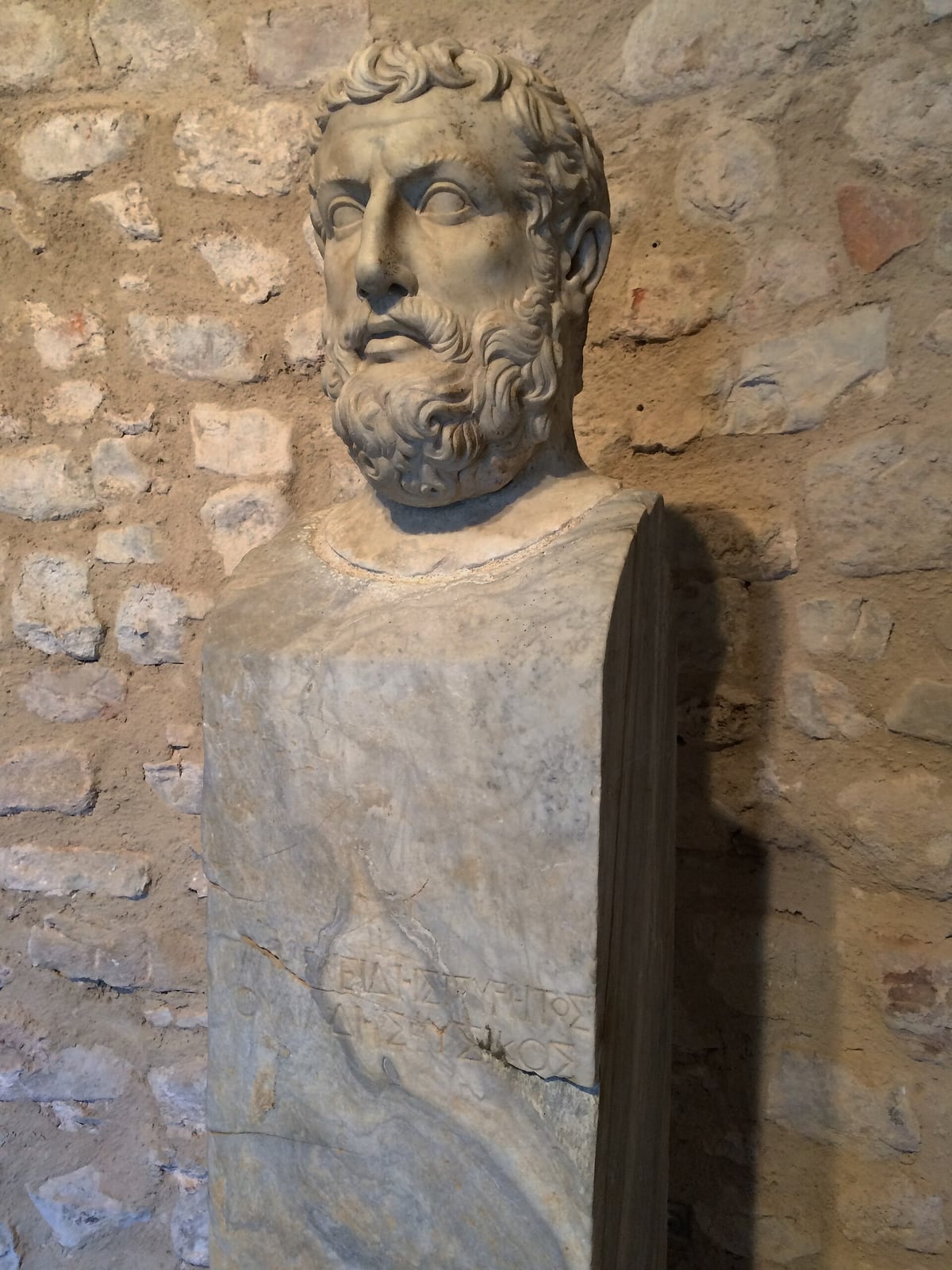
Parmenides
Совпадают в вопросах: Что такое Абсолют? Существует ли Бог? · Как достигается освобождение или спасение? · Реален ли мир?
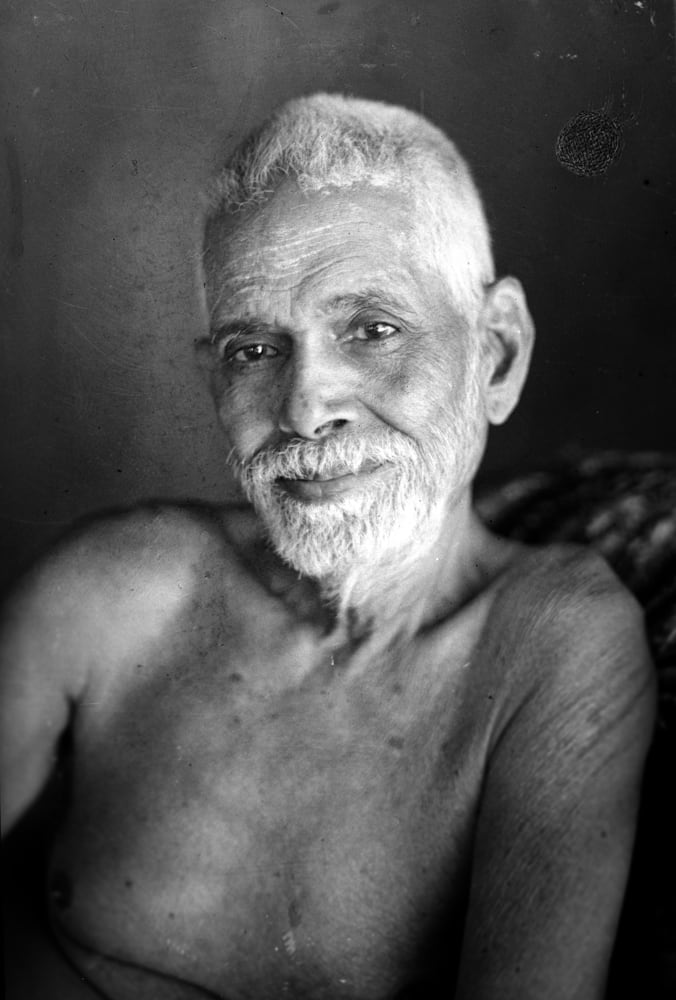
Ramana Maharshi
Совпадают в вопросах: Что такое Абсолют? Существует ли Бог? · Как достигается освобождение или спасение? · Нужен ли учитель?

Nisargadatta Maharaj
Совпадают в вопросах: Как достигается освобождение или спасение? · Нужен ли учитель? · Реален ли мир?
Osho
Совпадают в вопросах: Что такое Абсолют? Существует ли Бог? · Кто я? Существует ли истинное «я»? · Почему мы страдаем?


Предания и рассказы
Предания и рассказы
Свидетельствоfebrero de 1986
A cockroach on her foot
Происхождение рассказа: Katie's own account in the foreword of Loving What Is (2002) and in interviews. Allison Adato (Los Angeles Times, 2002) noted that the episode had been left out of the method's early literature and that several details cannot be corroborated; the detail of the mattress on the floor comes from her own account.
Источник: Katie, Byron y Mitchell, Stephen. Loving What Is: Four Questions That Can Change Your Life. Nueva York: Harmony Books, 2002 (prólogo de Stephen Mitchell).
Свидетельство1986
'As if they had dropped off a different person'
Происхождение рассказа: Testimonies gathered by Allison Adato for the Los Angeles Times Magazine (24 November 2002).
Свидетельство1986–1992
The Barstow living room
Происхождение рассказа: Katie's account and testimony from her son Bob Robinson and Judith Avalon in the Los Angeles Times Magazine (2002).
Документировано1999
A tape before the Board of Psychology
Происхождение рассказа: Los Angeles Times Magazine (2002), based on Katie's account; the Board declined to comment and did not release the file.
Документировано1992–
Only for those who ask
Происхождение рассказа: Los Angeles Times Magazine (2002) and the official website, which offers the method in more than thirty languages.
Учение
Учение
Понятия, на которых строится мысль учителя, объяснённые в их контексте.
The Workel-trabajo
Formulated from 1986; systematic account in Loving What Is (2002). In academic research it is called inquiry-based stress reduction (IBSR).
Источник: Katie, Byron y Mitchell, Stephen. Loving What Is: Four Questions That Can Change Your Life. Nueva York: Harmony Books, 2002 (prólogo de Stephen Mitchell).
The turnaroundla-inversion
Loving What Is (2002) and the official worksheet.
Источник: Katie, Byron y Mitchell, Stephen. Loving What Is: Four Questions That Can Change Your Life. Nueva York: Harmony Books, 2002 (prólogo de Stephen Mitchell).
The three kinds of businesstres-asuntos
Loving What Is (2002), ch. 1.
Источник: Katie, Byron y Mitchell, Stephen. Loving What Is: Four Questions That Can Change Your Life. Nueva York: Harmony Books, 2002 (prólogo de Stephen Mitchell).
Loving what isamar-lo-que-es
Loving What Is (2002); A Thousand Names for Joy (2007).
Inquiry-based stress reduction (IBSR)ibsr
Hook et al., Journal of Clinical Psychology (2021); Landau et al., JAMA Network Open (2021).
Видео
Видео
Записи, интервью и документальные фильмы. Видео воспроизводятся с YouTube; здесь они не хранятся.
No One Can Wrong Me—The Work of Byron Katie
Оригинальная запись· EN· 18 min
Byron KatieОфициальный канал
I Want Mom to Be Happy—The Work of Byron Katie
Оригинальная запись· EN· 41 min
Byron KatieОфициальный канал
How to be Successful—The Work of Byron Katie
Оригинальная запись· EN· 57 min
Byron KatieОфициальный канал
I'm Afraid of Trump—The Work of Byron Katie
Оригинальная запись· EN· 2016· 37 min
Byron KatieОфициальный канал
The Work: A Two Hour Intensive | Byron Katie | Wisdom 2.0
Лекция· EN· 119 min
Wisdom 2.0 with Soren Gordhamer
The four questions that can help your mind heal | Byron Katie
Интервью· EN· 7 min
Big Think
Why You Shouldn't Look for Mr. Right | SuperSoul Sunday
Интервью· EN· 2 min
OWN
The Question to Ask Yourself Every Day | SuperSoul Sunday
Интервью· EN· 3 min
OWN
Cómo encontrar la iluminación con el poder de la auto indagación | Byron Katie & Lewis Howes
Интервью· ES· 87 min
Lewis Howes Español
El cáncer frente a la indagación - El Trabajo de Byron Katie (subtítulos en español)
Оригинальная запись· ES· 49 min
Sofía Torre
Le Travail de Byron Katie : Qui es tu sans ton histoire ?
Оригинальная запись· FR· 23 min
Le Travail en Francophonie
Связи
Связи
Влияния, ученичество и близость взглядов. Документированная связь отличается от сходства, выявленного путём анализа.
Родственник
Stephen Mitchell
Her husband since the early 2000s, translator and writer; co-author of Loving What Is, A Thousand Names for Joy and A Mind at Home with Itself.
Документированная связь
Родственник
Ross Robinson
Her son, a music producer who credits The Work with improving his life.
Документированная связь
Современник
The two share the book of texts and photographs Peace in the Present Moment (2010).
Документированная связь
Состоял в переписке с
Michael Katz
Co-author of I Need Your Love—Is That True? (2005).
Документированная связь
Идеи, близкие к
A Thousand Names for Joy (2007) comments on the 81 chapters of the Tao Te Ching in Stephen Mitchell's version.
Документированная связь
Идеи, близкие к
Ramana's self-enquiry ('who am I?') and Katie's fourth question ('who would you be without the thought?') share the same movement back to the subject, though she comes from no tradition.
Сходство, выявленное путём анализа
Идеи, близкие к
Both teach non-identification with thoughts and put direct experience above doctrine.
Сходство, выявленное путём анализа
Современник
Contemporary teachers with large English-speaking audiences who propose meeting distress rather than fleeing it, from different frameworks.
Сходство, выявленное путём анализа
Упоминается в других статьях
Источники
Источники
Библиография и каталоги, использованные для этой статьи.
- Wikidata, «Byron Katie» (Q437339).
- «Byron Katie», Wikipedia en inglés y en español (consultadas para cotejar hechos y bibliografía; texto propio).
- Adato, Allison. «How a Self-Help Guru Is Born». Los Angeles Times Magazine, 24 de noviembre de 2002 (entrevistas con Byron Katie, Stephen Mitchell, sus hijos Roxann Burroughs, Bob y Ross Robinson y la terapeuta Pat Scales).
- Katie, Byron y Mitchell, Stephen. Loving What Is: Four Questions That Can Change Your Life. Nueva York: Harmony Books, 2002 (prólogo de Stephen Mitchell).
- The Work of Byron Katie, web oficial de Byron Katie International (método, hoja de trabajo, libros y actividades).
- «New Age: Four Questions to Inner Peace». Time, 11 de diciembre de 2000.
- Katie, Byron y Mitchell, Stephen. A Thousand Names for Joy: Living in Harmony with the Way Things Are. Nueva York: Harmony Books, 2007.
- Katie, Byron y Mitchell, Stephen. A Mind at Home with Itself: How Asking Four Questions Can Free Your Mind, Open Your Heart, and Turn Your World Around. Nueva York: HarperOne, 2017.
- Hook, Joshua N.; Penberthy, J. Kim; Davis, Don E.; Van Tongeren, Daryl R. «Inquiry-based stress reduction: A systematic review of the empirical literature». Journal of Clinical Psychology 77, n.º 6 (2021): 1280–1295.
- Landau, C. et al. «Effect of Inquiry-Based Stress Reduction on Well-being and Views on Risk-Reducing Surgery Among Women With BRCA Variants in Israel: A Randomized Clinical Trial». JAMA Network Open 4, n.º 12 (2021): e2139670.
- Open Library: obras y ediciones de Byron Katie (búsqueda por autor y por título).
- Matousek, Mark. «Quit Your Pain». AARP The Magazine, mayo-junio de 2006.
- Mitchell, Stephen (ed.). Question Your Thinking, Change the World: Quotations from Byron Katie. Carlsbad: Hay House, 2007.
- Registro bibliográfico de Mil nombres para el gozo (Barcelona: La Liebre de Marzo, 2009, trad. de Brianda Domecq), catálogo de bibliotecas públicas de Extremadura.
- Правообладатель
- Byron Katie International, Inc. (marca «The Work of Byron Katie»); derechos de los libros según cada editorial
- Официальный сайт
- thework.com
Ожидает подтверждения
То, что в этой статье пока не удалось установить. Мы предпочитаем сказать об этом, а не заполнять пробел.
- Imágenes: no hay en Wikimedia Commons ningún retrato de Byron Katie con licencia libre verificada; no se incluye ninguna.
- ISBN sin verificar en catálogo: Losing the Moon (1998), Peace in the Present Moment (2010), las ediciones españolas de Faro (Cuestiona tu pensamiento, cambia el mundo, 2011; Necesito que me quieran, ¿es eso verdad?, 2012) y otras traducciones (francés, italiano, portugués).
- Año exacto del matrimonio con Stephen Mitchell (la prensa de noviembre de 2002 lo sitúa unos dieciocho meses antes).
- Localizar la página de la cita «When I argue with reality, I lose…» en la edición impresa de Loving What Is.
- Vídeos: no hay en el canal oficial versiones en español; los dos vídeos en castellano son de terceros (doblaje y subtítulos).
- Persona viva: revisar periódicamente su actividad y nuevas publicaciones.
Исследовано 2026-10-25