Христианство · Христианская мистика · Католицизм
Julian of Norwich
ок. 1342 – ок. 1416Исторически документированная личность
Английская затворница и писательница (ок. 1342 — после 1416). В мае 1373 года, тяжело больная, она получила шестнадцать видений страстей Христовых и Божьей любви и описала их в двух редакциях: Кратком тексте и — после десятилетий размышлений — Пространном тексте, «Откровениях Божественной любви», древнейшей из сохранившихся книг, написанных по-английски женщиной. Она жила замурованной при церкви Святого Юлиана в Норидже. Её богословие доверия — «всё будет хорошо», — Бога без гнева и материнства Христа сделало её классиком.
- трудов
- 3трудов
- изданий
- 14изданий
- цитат
- 8цитат
- видео
- 13видео
- изображений
- 5изображений

Estatua de Juliana en la fachada oeste de la catedral de Norwich (David Holgate) · CC0
Своими словами
«It behoved that there should be sin; but all shall be well, and all shall be well, and all manner of thing shall be well.»Texto largo según la versión modernizada del Sloane 2499 de Grace Warrack (1901), cap. 27 (decimotercera mostración)
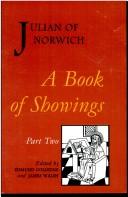
Для начала — одна книга
The Short Text: A Vision Showed to a Devout WomanГлавная мысль
'All shall be well': behovely sin: In the thirteenth showing Julian asks why God in his wisdom did not prevent sin, which, she thinks, would have left everything well.
В контексте
Биография
4 мин чтения
Перевод с испанского оригинала, выполненный с помощью ИИ; ожидает проверки носителем языка.
Женщина без собственного имени
Об авторе древнейшей из сохранившихся книг, написанных по-английски женщиной, мы не знаем ни крестильного имени, ни имён её родителей, ни точного места рождения. Мы называем её Юлианой, потому что так её именуют завещания и переписчики и потому что она жила замурованной при церкви Святого Юлиана в Конисфорде, в Норидже; возможно, она приняла имя святого покровителя храма, как делали и другие затворники. То, что известно наверняка, она рассказывает сама: в мае 1373 года, когда ей было «тридцать зим с половиной», во время болезни, приведшей её на грань смерти, она получила ряд видений. Отсюда следует, что она родилась в конце 1342 года.
Норидж был тогда одним из самых многолюдных городов Англии, средоточием торговли шерстью, с десятками приходских церквей, обителями всех четырёх нищенствующих орденов и бенедиктинским соборным приоратом. Юность Юлианы пришлась на Чёрную смерть, обрушившуюся на город в 1349 году и возвращавшуюся в последующие десятилетия, на Столетнюю войну и на крестьянское восстание 1381 года, жестоко подавленное в Норфолке епископом Генри Деспенсером. Ничто из этого не упоминается в её книге прямо, но многие читатели слышали в её настойчивом «всё будет хорошо» ответ израненному миру.
Три дара и болезнь
Юлиана рассказывает, что в юности просила у Бога трёх милостей: живого памятования о страстях Христовых, словно она сама стояла у подножия креста с Марией Магдалиной; тяжёлой телесной болезни в тридцать лет; и трёх «ран» — истинного сокрушения, сострадания и устремлённости к Богу. Первые две просьбы она забыла, третью хранила всегда. В тридцать с половиной лет она заболела. Три дня и три ночи её состояние ухудшалось; её соборовали, и среди прочих при ней бодрствовала мать. Приходской священник поставил перед ней распятие и велел смотреть на образ её Творца и Спасителя и находить в нём утешение. В глазах у неё потемнело — всюду, кроме как вокруг креста.
Шестнадцать явлений
И тогда, 8 или 13 мая 1373 года — рукописи расходятся, — она увидела, как кровоточит терновый венец, и с этого видения началась череда шестнадцати «явлений» (shewings): пятнадцать — с четырёх часов утра до середины второй половины дня, последнее — следующей ночью. В них соединяются образы страстей необычайного телесного реализма — кровь, стекающая, как капли дождя с карниза, лицо, которое иссыхает и меняет цвет, — внутренние слова и «духовные видения» без образов. В одном из них она видит на своей ладони нечто величиной с лесной орех: «это всё сотворённое», и оно существует, потому что Бог его любит. Немного оправившись, она сказала одному монаху, что «бредила», и тотчас раскаялась в том, что отреклась от увиденного; в ту же ночь она претерпела натиск бесовского видения и получила последнее явление, подтвердившее прежние.
Две книги
Вскоре она написала первый рассказ, известный ныне как Краткий текст, где описала видения и их самый непосредственный смысл. Десятилетиями она продолжала размышлять над ними. По её словам, «пятнадцать лет спустя и более» она получила ответ на свой вопрос о смысле всего: «Любовь была Его замыслом». Через двадцать лет после видений, без трёх месяцев, ей открылся смысл притчи о господине и слуге, которую она опустила в первом рассказе. Итогом стал Пространный текст — восемьдесят шесть глав, превращающих опыт в богословие: грех, который «неизбежен» и всё же не имеет субстанции; Бог, в котором она не видит гнева; материнство Христа; молитва, которая «соединяет душу с Богом». Николас Уотсон предложил отнести написание Краткого текста к 1380-м годам, а работу над Пространным продлить далеко в XV век.
Затворница при церкви Святого Юлиана
Мы не знаем, когда она затворилась в келье, пристроенной к церкви Святого Юлиана, которая принадлежала приорату бенедиктинских монахинь в Карроу. Первое упоминание в документах относится к 1394 году: по завещанию Роджера Рида, ректора церкви Святого Михаила в Кослани, ей отказаны два шиллинга. Затем следуют другие завещательные дары — в 1404, 1415 и 1416 годах, последний от Изабеллы Уффорд, графини Саффолк. Затворница пожизненно жила в одной-двух комнатах с окном в церковь, чтобы следить за мессой, и другим — на улицу, чтобы давать советы приходящим; о её пропитании заботились одна или две служанки. Высказывались предположения, что прежде она была монахиней в Карроу или же вдовой и матерью — судя по точности, с какой она говорит о воспитании детей; и то и другое — догадки.
Марджери Кемп у окна
Около 1413 года к ней пришла Марджери Кемп, неистовая мистичка из Кингс-Линна, чтобы спросить, от Бога ли её слёзы и откровения. «Книга Марджери Кемп», продиктованная лет двадцать спустя, вспоминает, что «госпожа Юлиана» выслушивала её несколько дней и советовала повиноваться Богу, уповать на Его благость и не тревожиться из-за чужого неверия, ибо сомневающийся всегда подобен морской волне. Это единственный портрет Юлианы, оставленный тем, кто её знал. В том же 1413 году, согласно рубрике рукописи Краткого текста, его автор была ещё жива; её смерть, последовавшая после 1416 года, не оставила следа в документах.
Хрупкая передача
Краткий текст сохранился в единственной рукописи, переписанной в середине XV века, — так называемой рукописи Амхерста (Британская библиотека, Add. MS 37790). Пространный дошёл до нас благодаря английским бенедиктинкам, жившим в XVII веке в изгнании в Камбре и Париже, которые переписывали и хранили его: из этой среды происходят Парижская рукопись (Национальная библиотека Франции, Fonds anglais 40) и рукописи Sloane 2499 и 3705 Британской библиотеки. Бенедиктинец Серенус Кресси напечатал его в 1670 году. Издание Грейс Уоррак 1901 года вернуло его читателям, а критическое издание Эдмунда Колледжа и Джеймса Уолша (1978) установило текст обеих редакций.
Богослов доверия
XX век сделал её классиком. Т. С. Элиот завершил «Литтл Гиддинг», последний из своих «Четырёх квартетов», её словами о «неизбежном» грехе и о том, что всё будет хорошо; Церковь Англии чтит её память 8 мая, а Бенедикт XVI посвятил ей общую аудиенцию в 2010 году. Церковь Святого Юлиана, разрушенная немецкими бомбардировками 1942 года, была восстановлена вместе с кельей, которая сегодня принимает паломников. За пределами ярлыков, которые на неё навешивали, — феминистка, универсалистка, экологистка — остаётся голос, представлявшийся «простым и неучёным созданием» и писавший с редкой для своего века богословской точностью, удерживая вместе учение Церкви и видение Бога, в котором она не нашла гнева.
Источники: Colledge, Edmund, y James Walsh (eds.). A Book of Showings to the Anchoress Julian of Norwich. 2 vols. Studies and Texts 35. Toronto: Pontifical Institute of Mediaeval Studies, 1978. · Watson, Nicholas, y Jacqueline Jenkins (eds.). The Writings of Julian of Norwich: A Vision Showed to a Devout Woman and A Revelation of Love. University Park: Pennsylvania State University Press / Turnhout: Brepols, 2006. · Warrack, Grace (ed.). Revelations of Divine Love Recorded by Julian, Anchoress at Norwich, Anno Domini 1373. Londres: Methuen, 1901 (Project Gutenberg n.º 52958). · Windeatt, Barry (trad. e intr.). Julian of Norwich: Revelations of Divine Love. Oxford World's Classics. Oxford: Oxford University Press, 2015. · The Book of Margery Kempe. Ed. Sanford Brown Meech y Hope Emily Allen. Early English Text Society, o.s. 212. Londres: Oxford University Press, 1940, cap. 18.
Хронология
Жизнь год за годом
Каждая точка — документированное событие. Нажмите, чтобы прочитать о нём, с источником и степенью достоверности.
ок. 13420 летProbablemente Norwich o Norfolk
Birth
Date inferred from her own statement that she was 'thirty winters and a half' old in May 1373 (Long Text, ch. 3). Her baptismal name and family are unknown.
ВероятноColledge, Edmund, y James Walsh (eds.). A Book of Showings to the Anchoress Julian of Norwich. 2 vols. Studies and Texts 35. Toronto: Pontifical Institute of Mediaeval Studies, 1978.
После смерти
- ок. 1450The Amherst manuscript is copied
- 1670First printed edition
- 1901Grace Warrack's edition
- июнь 1942 г.St Julian's church destroyed
- 1978Critical edition
- 1 декабря 2010 г.Benedict XVI's audience
ок. 1342 · 0 лет
Birth
Date inferred from her own statement that she was 'thirty winters and a half' old in May 1373 (Long Text, ch. 3). Her baptismal name and family are unknown.
Вероятно
1349 · 7 лет
The Black Death in Norwich
The epidemic decimates the city; new waves in 1361–1362 and 1369. The context of her childhood.
Документировано
май 1373 г. · 30 лет
The sixteen showings
Gravely ill, she receives fifteen visions between early morning and afternoon and the sixteenth the following night. The manuscripts give 8 or 13 May.
Документировано
ок. 1380 – 1388 · 38 лет
The Short Text
Writing of the first account of the visions; the traditional date (soon after 1373) was challenged by Nicholas Watson, who places it in the 1380s.
Оспаривается
ок. 1388 · 45 лет
'Love was his meaning'
'Fifteen years after and more' she receives the understanding that closes the book: love is the meaning of all the showings (Long Text, ch. 86).
Документировано
ок. 1393 · 50 лет
The example of the lord and the servant
'Twenty years after the time of the showing, save three months' she understands the parable of the lord and the servant (Long Text, ch. 51), the core of the Long Text.
Документировано
март 1394 г. · 51 год
First mention as an anchoress
The will of Roger Reed, rector of St Michael Coslany, leaves two shillings to 'Julian anakorite'.
Документировано
1404 · 61 год
Bequest of Thomas Emund
A chantry priest of Aylsham leaves a bequest to the anchoress of St Julian's and to her servant Sara.
Документировано
ок. 1413 · 70 лет
Margery Kempe's visit
Margery Kempe consults her over several days about her experiences (Book of Margery Kempe, ch. 18). The rubric of the Amherst manuscript states she was alive in 1413.
Документировано
1416 · 73 года
Last mention: the will of Isabel Ufford
The Countess of Suffolk leaves twenty shillings to 'Julian recluse a Norwich'. It is the last document mentioning her alive; the date of her death is unknown.
Документировано
ок. 1450
The Amherst manuscript is copied
A scribe copies the Short Text into an anthology of contemplative texts (British Library, Add. MS 37790), the only witness to that version.
Вероятно
1670
First printed edition
The Benedictine Serenus Cressy publishes XVI Revelations of Divine Love from a Long Text manuscript related to the Paris one.
Документировано
1901
Grace Warrack's edition
Methuen publishes Grace Warrack's modernised version of Sloane 2499, which popularises the work.
Документировано
июнь 1942 г.
St Julian's church destroyed
German bombing destroys the church; it is rebuilt in 1953 with a chapel on the site of the cell.
Документировано
1978
Critical edition
Edmund Colledge and James Walsh publish the critical edition of both versions (Pontifical Institute of Mediaeval Studies).
Документировано
1 декабря 2010 г.
Benedict XVI's audience
Benedict XVI devotes his general audience catechesis to Julian.
Документировано
Труды
Главные труды
Труды, без которых не понять это наследие.
Рукопись · ок. 1385
The Short Text: A Vision Showed to a Devout Woman
A Vision Showed to a Devout Woman
The first version of the account of the visions of May 1373, in twenty-five chapters. It narrates the three gifts requested, the illness, the crucifix and the sixteen showings in a more personal and immediate tone than the long version: Julian presents herself as a woman and apologises for teaching ('Should I believe, because I am a woman, that I ought not to tell you of the goodness of God?'). It does not yet contain the example of the lord and the servant or the theology of Christ's motherhood. It is the earliest surviving English text known to be by a woman.
5 изданий

Рукопись · ок. 1393
The Long Text: Revelations of Divine Love
A Revelation of Love (Revelations of Divine Love)
A reworking of the same visions in eighty-six chapters, the fruit of twenty years or more of meditation. Besides expanding each showing, it adds theological chapters: the example of the lord and the servant (ch. 51), in which Adam and Christ are both the servant who falls in serving; the teaching that there is no wrath in God and that sin is 'behovely' but has no substance; the 'substance' and 'sensuality' of the soul; and the motherhood of Christ and of the Trinity (chs. 58–63). It closes with the answer received 'fifteen years after and more': 'Love was his meaning'. It is the major work of medieval English mysticism.
9 изданий
Изречения
Изречения, найденные в конкретном труде. Каждое сопровождается указанием происхождения и степени надёжности.
It behoved that there should be sin; but all shall be well, and all shall be well, and all manner of thing shall be well.ПровереноTexto largo según la versión modernizada del Sloane 2499 de Grace Warrack (1901), cap. 27 (decimotercera mostración)
Апокрифические изречения и изречения спорной атрибуции (1)
«Be a gardener. Dig a ditch, toil and sweat, and turn the earth upside down…»
It circulates online and on devotional cards as a quotation from Julian. It does not appear in that form in either version: it is a free reworking of the image of the servant labouring as a gardener in the example of the lord and the servant (Long Text, ch. 51).
Последние слова
Проверяемых записей о последних словах не существует.
Neither the date nor the circumstances of her death are known. The last document mentioning her alive is the will of Isabel Ufford, Countess of Suffolk (1416); no source transmits final words.
Источник: Tanner, Norman P. The Church in Late Medieval Norwich, 1370–1532. Studies and Texts 66. Toronto: Pontifical Institute of Mediaeval Studies, 1984 (testamentos de Norwich con legados a anacoretas).
Спросить
На что отвечают эти труды
Двенадцать великих вопросов человечества и то, что позволяют на них ответить эти тексты, со ссылками. Мы никогда не вкладываем слова в чужие уста.
Что такое Абсолют? Существует ли Бог?
God is Trinitarian love, Father and also Mother
Личный БогСказано прямо
Julian of Norwich does not argue for God's existence: she describes what was «shown» to her in sixteen revelations during an illness in 1373. In them God is Trinity and is love: in the final chapter of the Long Text she sums up that the meaning of everything shown was love. This God is courteous, homely, rejoices in creatures and holds them in being, like the hazelnut that lasts because God loves it. Her most original contribution is to call God Mother with the same truth with which he is called Father, and to ascribe that motherhood especially to Christ, the second Person. The Absolute is for her a Thou who loves without wrath, whose love precedes creation and never lessens.
Сравнить этот вопрос с другими учителямиКто я? Существует ли истинное «я»?
Our substance is in God; our sensuality awaits union with it
Сотворённая бессмертная душаСказано прямо
Julian of Norwich distinguishes in the human being the «substance», the highest part, which was never separated from God, and the «sensuality», the embodied, temporal life where sin and pain occur. In chapter 54 of the Long Text she states that she saw no difference between God and our substance, as if it were all God, and yet understood that our substance is a creature in God. In the parable of the lord and the servant (ch. 51), the soul's fall arises not from malice but from haste to serve. The true self is a created soul, loved forever and kept in God, which is reconciled with itself when substance and sensuality are united through Christ.
Сравнить этот вопрос с другими учителямиПочему мы страдаем?
Sin was behovely, but all shall be well
Отделённость от БогаСказано прямо
Julian of Norwich asked why, if God is love, he did not prevent sin, which is the cause of all pain. The answer shown to her is one of the most famous sentences of English mysticism: sin was behovely, but all shall be well, and all manner of thing shall be well. She did not see sin, because she believes it has no substance, and knew it only by the pain it causes. In the parable of the lord and the servant, the fall appears as the stumbling of a servant running to do his lord's will. Suffering arises from separation, but God does not look on it with wrath, and every pain will be turned to honour.
Сравнить этот вопрос с другими учителямиЧто происходит после смерти?
A great deed at the end will make all things well
Вечная жизнь и воскресениеСказано прямо
Julian of Norwich's revelations were born at the edge of death: she was thirty and a half, received the last rites, and the priest held a crucifix before her, before which the visions began. Her hope is the Church's: eternal life in God, joy and bliss. But she adds something of her own: in chapter 32 she is shown that there is a great deed that the Trinity will do on the last day, hidden from every creature, by which all shall be well. Julian acknowledges the tension with the Church's teaching on damnation and does not resolve it: she holds it in faith and in the promise that what is impossible for her is not so for God.
Сравнить этот вопрос с другими учителямиКак достигается освобождение или спасение?
God is the ground of our beseeching
Через благодать и любовьСказано прямо
Julian of Norwich sees salvation as the work of God's love that precedes everything: in chapter 41 of the Long Text she is shown that God is the ground of our beseeching, that it is he who makes us desire and ask for what he wishes to give us. The human role is real but humble: to pray, to trust, not to despair of one's own sin, and to remain in the faith of the Church. In chapter 68 she receives the promise that the soul will not be overcome, though it be tossed and afflicted. Liberation consists in Christ, our Mother, restoring us to the union of substance and sensuality, and keeping us in a love that never withdraws.
Сравнить этот вопрос с другими учителямиНужен ли учитель?
What was shown is received within the Church's common faith
Община и традицияСледует из учения
Julian of Norwich does not raise the question of the spiritual teacher; she received her revelations directly and spent some twenty years meditating on them. But she refuses to make them a separate authority. In chapter 9 of the Long Text she declares that she is not good because of the visions, but only if she loves God more, and that what she saw she believes according to the teaching of Holy Church. In chapter 80 she sums up the three things by which a human being stands in this life: the use of natural reason, the common teaching of the Church and the inward working of the Holy Spirit. Her text, moreover, is addressed to all her «fellow Christians», not to disciples.
Сравнить этот вопрос с другими учителямиРеален ли мир?
All creation fits in a hazelnut and lasts because God loves it
Благое и реальное творениеСказано прямо
Julian of Norwich's best-known image answers this question. In the first revelation, God shows her in the palm of her hand a little thing, the size of a hazelnut, round as a ball, and she is told that it is all that is made. Julian marvels that it can last, for it seems that, in its littleness, it might suddenly fall into nothing; and she is answered that it lasts and ever shall because God loves it. In that vision she understands three things: that God made it, that God loves it and that God keeps it. The world is real, fragile and small before its Creator, and good because it is loved.
Сравнить этот вопрос с другими учителямиЧто такое любовь?
Love was the meaning of everything shown
Любовь к Богу и ближнемуСказано прямо
Julian of Norwich's Long Text ends with the answer to the question she had asked herself for fifteen years: what the Lord's meaning was in what he showed her. She was answered that it was love: who showed it to her, love; what he showed her, love; why he showed it, for love. Julian adds that she saw with certainty that God loved us before he made us and that this love has never diminished nor ever shall. Love is God's essence, and from it proceeds the love creatures have for one another: her text is addressed to all her fellow Christians, because what was shown was for all, and in loving them she sees the concrete form of loving God.
Сравнить этот вопрос с другими учителямиСвободны ли мы или всё предопределено?
God does all that is done; the how remains a secret
Не высказывался
Julian of Norwich does not treat human freedom as a problem. What is shown to her points elsewhere: in the third revelation she sees God in a point and understands that he is in all things and does all that is done; nothing happens by chance, but by God's foreseeing wisdom. That raises for her the question of sin, which is no deed, and she resolves it by trusting that all that is done is well done. She neither denies human responsibility —she speaks of repentance, prayer and the fall— nor theorises about predestination: she leaves the how in God's secret, who in his time will make all things well.
Сравнить этот вопрос с другими учителямиЗачем медитировать или молиться?
Prayer unites the soul to God, who is its ground
Дружба с БогомСказано прямо
Julian of Norwich devotes several chapters of the Long Text to prayer. There she is told that God is the ground of beseeching: it is he who makes us desire what he wants to give, and so prayer is never in vain, even when it seems dry or fruitless. Prayer unites the soul to God: although the soul is always like God in nature, it is often unlike him through sin, and prayer makes it like him in will. She distinguishes beseeching, which asks, from contemplation, in which the soul can no longer ask but only behold and give thanks. The tone is one of homely trust: God is courteous and wants to be spoken to with the simplicity of a child with its mother.
Сравнить этот вопрос с другими учителямиМожет ли разум познать предельное?
Natural reason, the Church's teaching and the Spirit's work
Вера и разум помогают друг другуСказано прямо
Julian of Norwich presents herself as an «unlettered creature», but her work shows great theological intelligence, and she gives reason an explicit place. In chapter 80 of the Long Text she lists the three things by which the human being stands in this life and by which God is honoured: the use of natural reason, the common teaching of Holy Church and the inward gracious working of the Holy Spirit, and adds that all three come from one God. The revelations do not replace reason: Julian spent twenty years meditating on them in order to understand them, and the Long Text is the fruit of that reflection. Reason helps; faith and grace complete.
Сравнить этот вопрос с другими учителямиУйти от мира или преобразить его?
An anchoress who writes for all her fellow Christians
Уйти, чтобы найтиСледует из учения
Julian of Norwich lived as an anchoress, enclosed in a cell attached to the church of Saint Julian in Norwich, from which she probably takes her name; wills of the period mention her as an anchorite in the early fifteenth century. Her form of life was thus the strictest withdrawal known to the medieval Church. But her work does not argue for enclosure or despise those who live in the world: she declares that what was shown is not only for her but for all her fellow Christians, and her theology of God's love addresses ordinary life, the falling and falling again of anyone. From the cell, the window opened onto the street.
Сравнить этот вопрос с другими учителями
Созвучия и противоречия
Созвучия и противоречия
Рассчитаны вопрос за вопросом на основе позиций. Причина каждого совпадения или расхождения — по нажатию.
Ближе всего к
Seraphim of Sarov
Совпадают в вопросах: Что такое Абсолют? Существует ли Бог? · Кто я? Существует ли истинное «я»? · Почему мы страдаем?

Francis of Assisi
Совпадают в вопросах: Что такое Абсолют? Существует ли Бог? · Кто я? Существует ли истинное «я»? · Почему мы страдаем?

Theophan the Recluse
Совпадают в вопросах: Почему мы страдаем? · Что такое Абсолют? Существует ли Бог? · Кто я? Существует ли истинное «я»?
Ignatius Brianchaninov
Совпадают в вопросах: Почему мы страдаем? · Что такое Абсолют? Существует ли Бог? · Кто я? Существует ли истинное «я»?
Дальше всего от

Pema Chödrön
Расходятся в вопросах: Что такое Абсолют? Существует ли Бог? · Кто я? Существует ли истинное «я»? · Что происходит после смерти?

Nāgārjuna
Расходятся в вопросах: Что такое Абсолют? Существует ли Бог? · Кто я? Существует ли истинное «я»? · Что происходит после смерти?
Śāntideva
Расходятся в вопросах: Что такое Абсолют? Существует ли Бог? · Кто я? Существует ли истинное «я»? · Что происходит после смерти?

Sadhguru
Расходятся в вопросах: Кто я? Существует ли истинное «я»? · Что происходит после смерти? · Реален ли мир?
Предания и рассказы
Предания и рассказы
Свидетельствоmayo de 1373
The parish priest's crucifix
Происхождение рассказа: Julian's own account in the Short Text (chs. 2–3) and the Long Text (chs. 3–4).
Свидетельствоmayo de 1373
'I said I had raved'
Происхождение рассказа: Long Text, chs. 66–67; the episode also appears in the Short Text (chs. 21–22).
Документированоc. 1413
Margery Kempe at the cell window
Происхождение рассказа: The Book of Margery Kempe, book I, ch. 18, dictated c. 1436–1438. The meeting is known only from this account.
Источник: The Book of Margery Kempe. Ed. Sanford Brown Meech y Hope Emily Allen. Early English Text Society, o.s. 212. Londres: Oxford University Press, 1940, cap. 18.
Не поддаётся проверкеs. XX (tradición)
The anchoress's cat
Происхождение рассказа: The rule comes from the Ancrene Wisse (part VIII). The attribution of a cat to Julian has no medieval source and spread with modern iconography.
Источник: Jantzen, Grace M. Julian of Norwich: Mystic and Theologian. Londres: SPCK, 1987 (nueva ed. 2000).
Документированоs. XVII
The nuns of Cambrai
Происхождение рассказа: Watson and Jenkins (2006) and Colledge and Walsh (1978) study the provenance of the Long Text manuscripts in the milieu of the Cambrai and Paris communities.
Источник: Watson, Nicholas, y Jacqueline Jenkins (eds.). The Writings of Julian of Norwich: A Vision Showed to a Devout Woman and A Revelation of Love. University Park: Pennsylvania State University Press / Turnhout: Brepols, 2006.
Учение
Учение
Понятия, на которых строится мысль учителя, объяснённые в их контексте.
'All shall be well': behovely sintodo-ira-bien
Late medieval debate on predestination and salvation, in the England of Wyclif and Langland.
Источник: Colledge, Edmund, y James Walsh (eds.). A Book of Showings to the Anchoress Julian of Norwich. 2 vols. Studies and Texts 35. Toronto: Pontifical Institute of Mediaeval Studies, 1978.
A God without wrathdios-sin-ira
Contrast with fourteenth-century penitential preaching and with the image of judgement in scholastic theology.
Источник: Jantzen, Grace M. Julian of Norwich: Mystic and Theologian. Londres: SPCK, 1987 (nueva ed. 2000).
The example of the lord and the servantsenor-y-siervo
Medieval multi-layered exegesis and the tradition of parable as a form of theological teaching.
Источник: Watson, Nicholas, y Jacqueline Jenkins (eds.). The Writings of Julian of Norwich: A Vision Showed to a Devout Woman and A Revelation of Love. University Park: Pennsylvania State University Press / Turnhout: Brepols, 2006.
The motherhood of Christ and of Godmaternidad-de-cristo
Medieval tradition of Jesus as mother (Anselm, Bernard of Clairvaux, William of Saint-Thierry).
Источник: Jantzen, Grace M. Julian of Norwich: Mystic and Theologian. Londres: SPCK, 1987 (nueva ed. 2000).
Substance and sensualitysustancia-y-sensualidad
Augustinian anthropology of the image and the English contemplative tradition (Hilton, The Cloud of Unknowing).
Источник: Watson, Nicholas, y Jacqueline Jenkins (eds.). The Writings of Julian of Norwich: A Vision Showed to a Devout Woman and A Revelation of Love. University Park: Pennsylvania State University Press / Turnhout: Brepols, 2006.
The courtesy and homeliness of Godcortesia-de-dios
The courtly language of fourteenth-century England applied to theology.
Источник: Windeatt, Barry (trad. e intr.). Julian of Norwich: Revelations of Divine Love. Oxford World's Classics. Oxford: Oxford University Press, 2015.
Видео
Видео
Записи, интервью и документальные фильмы. Видео воспроизводятся с YouTube; здесь они не хранятся.
2024 Julian Festival Lecture, Julian and the Trinity, Archbishop Rowan Williams
Лекция· EN· 2024· 89 min
Julian of NorwichОфициальный канал
Julian of Norwich: mother, mystic, radical
Лекция· EN· 2023· 81 min
Jesus College, CambridgeОфициальный канал
Julian of Norwich: Revelations of Divine Love - Robert Fruehwirth
Лекция· EN· 2016· 61 min
St Paul's CathedralОфициальный канал
Prayer in the Teachings of Julian of Norwich: A Journey of Desire | Philip Sheldrake
Лекция· EN· 2019· 84 min
Oblate School of TheologyОфициальный канал
How to Read Julian of Norwich / Ryan McAnnally-Linz
Лекция· EN· 2024· 54 min
Yale Center for Faith & CultureОфициальный канал
Julian of Norwich and the English Mystics: A Lecture by Fr. Groeschel
Лекция· EN· 2019· 73 min
International Institute for Culture
Cecilia Twinch: Julian of Norwich: All manner of things shall be well
Лекция· EN· 2023· 42 min
Ibn 'Arabi SocietyОфициальный канал
Revelations of Divine Love by Julian of NORWICH read by David Barnes | Full Audio Book
Запись третьих лиц· EN· 2018· 441 min
LibriVox Audiobooks
3º clase - Javier Melloni sj expone sobre Juliana de Norwich, teóloga de su propia experiencia
Лекция· ES· 2022· 113 min
Fraternidad del Santo Nombre
Juliana de Norwich, Mística de la cortesía de Dios - El primer documental español
Документальный фильм· ES· 2026· 15 min
Radio Monastero Interiore
El Papa dedica la audiencia general a Juliana de Norwich, mística inglesa
Запись третьих лиц· ES· 2010· 3 min
ROME REPORTS en EspañolОфициальный канал
Juliana de Norwich
Лекция· ES· 2026· 104 min
Cruzando Fronteras con Fernando Cordero sscc
Giuliana di Norwich, Mistica della cortesia di Dio - il primo documentario italiano
Документальный фильм· IT· 2025· 16 min
Radio Monastero Interiore
Галерея
Галерея
Изображения с проверенной лицензией. Каждое сохраняет своё авторство и атрибуцию.
Рукописи
Рукописи
Рукописные свидетельства и древние тексты, с указанием хранителя и условий доступа.
ENM · Gótica cursiva inglesa (tipo no verificado) · Texto: c. 1373–1390; copia: c. 1435–1450
A Vision Showed to a Devout Woman (Texto breve), en antología contemplativa
- Сохранившийся список
- Único testimonio del Texto breve, dentro de una antología de textos contemplativos (Rolle, Ruusbroec, Suso, entre otros). La rúbrica afirma que la autora seguía viva en 1413.
- Хранитель
- British Library, Londres · Add. MS 37790 (manuscrito Amherst)
ENM · Cursiva (tipo no verificado) · Copia de finales del s. XVI
Revelations of Divine Love (Texto largo), copia de París
- Сохранившийся список
- Texto largo completo con el explicit «Explicit liber revelationum Julyane anatorite Norwyche»; texto próximo al de la edición de Cressy (1670).
- Хранитель
- Bibliothèque nationale de France, París · Fonds anglais 40
ENM · Cursiva del s. XVII · Mediados del s. XVII
Revelations of Divine Love (Texto largo), Sloane 2499
- Сохранившийся список
- Texto largo completo con ortografía arcaizante; base de las ediciones de Warrack (1901), Glasscoe (1976) y Crampton (1993).
- Хранитель
- British Library, Londres · Sloane MS 2499
ENM · Cursiva del s. XVIII · S. XVIII
Revelations of Divine Love (Texto largo), Sloane 3705
- Сохранившийся список
- Copia tardía del Texto largo, con ortografía modernizada.
- Хранитель
- British Library, Londres · Sloane MS 3705
ENM · Gótica cursiva inglesa (tipo no verificado) · c. 1500
Extractos del Texto largo (manuscrito de Westminster)
- Сохранившийся список
- Antología de pasajes del Texto largo junto a comentarios a los salmos; el testimonio más antiguo de esa versión.
- Хранитель
- Westminster Cathedral Treasury, Londres · MS 4
Связи
Связи
Влияния, ученичество и близость взглядов. Документированная связь отличается от сходства, выявленного путём анализа.
Испытал влияние
The sixteen showings centre on Christ's passion, which Julian had asked to behold 'as if she had been there', and her whole theology is built around him as servant, mother and saviour.
Документированная связь
Идеи, близкие к
Julian works within the Augustinian horizon (fall, original sin, grace, God's image in the soul), but her vision of a God who does not blame departs from the rigour of the late Augustine. No direct reading is documented.
Сходство, выявленное путём анализа
Современник
Exact contemporaries (Catherine was born in 1347 and Julian had her visions in 1373), both laywomen without Latin learning who dictated or wrote theology in the vernacular. There was no contact.
Сходство, выявленное путём анализа
Идеи, близкие к
Two women who wrote of their experience of God in domestic language and with a theological sharpness that exceeded their 'unlettered' status. Teresa did not know Julian's work.
Сходство, выявленное путём анализа
Идеи, близкие к
Both visionaries received visions in sickness and interpreted them over years; but Hildegard was an abbess, prophetic and cosmological, and Julian a recluse and introspective. No documented relation.
Сходство, выявленное путём анализа
Идеи, близкие к
Affective devotion to the suffering humanity of Christ, spread in fourteenth-century England by Franciscan spirituality, forms the background of her visions of the passion. No direct relation.
Сходство, выявленное путём анализа
Идеи, близкие к
Julian's 'substance' of the soul ever united to God recalls Eckhart's 'ground' of the soul, but her language is narrative and concrete, not speculative. There is no sign that she knew Rhineland mysticism.
Сходство, выявленное путём анализа
Упоминается в других статьях
Источники
Источники
Библиография и каталоги, использованные для этой статьи.
- Wikidata, Q236699 «Juliana de Norwich / Julian of Norwich» (P31=Q5; 45 enlaces entre wikis).
- Colledge, Edmund, y James Walsh (eds.). A Book of Showings to the Anchoress Julian of Norwich. 2 vols. Studies and Texts 35. Toronto: Pontifical Institute of Mediaeval Studies, 1978.
- Watson, Nicholas, y Jacqueline Jenkins (eds.). The Writings of Julian of Norwich: A Vision Showed to a Devout Woman and A Revelation of Love. University Park: Pennsylvania State University Press / Turnhout: Brepols, 2006.
- Warrack, Grace (ed.). Revelations of Divine Love Recorded by Julian, Anchoress at Norwich, Anno Domini 1373. Londres: Methuen, 1901 (Project Gutenberg n.º 52958).
- Windeatt, Barry (trad. e intr.). Julian of Norwich: Revelations of Divine Love. Oxford World's Classics. Oxford: Oxford University Press, 2015.
- The Book of Margery Kempe. Ed. Sanford Brown Meech y Hope Emily Allen. Early English Text Society, o.s. 212. Londres: Oxford University Press, 1940, cap. 18.
- Jantzen, Grace M. Julian of Norwich: Mystic and Theologian. Londres: SPCK, 1987 (nueva ed. 2000).
- Benedicto XVI. Audiencia general del 1 de diciembre de 2010: Juliana de Norwich. Libreria Editrice Vaticana.
- Spearing, Elizabeth (trad.), y A. C. Spearing (intr. y notas). Julian of Norwich: Revelations of Divine Love (Short Text and Long Text). Londres: Penguin Books, 1998.
- Watson, Nicholas. «The Composition of Julian of Norwich's Revelation of Love». Speculum 68, n.º 3 (1993), pp. 637–683.
- Ward, Benedicta. «Julian the Solitary». En Kenneth Leech y Benedicta Ward, Julian Reconsidered. Oxford: SLG Press, 1988.
- Glasscoe, Marion (ed.). Julian of Norwich: A Revelation of Love. Exeter Medieval English Texts. Exeter: University of Exeter, 1976 (ed. del Sloane 2499).
- Beer, Frances (ed.). Julian of Norwich's Revelations of Divine Love: The Shorter Version Ed. from B. L. Add. MS 37790. Heidelberg: Carl Winter, 1978.
- Open Library (Internet Archive), registros de edición consultados por ISBN para las ediciones listadas.
- Eliot, T. S. «Little Gidding» (1942), en Four Quartets. Londres: Faber & Faber, 1944, sección V.
- Tanner, Norman P. The Church in Late Medieval Norwich, 1370–1532. Studies and Texts 66. Toronto: Pontifical Institute of Mediaeval Studies, 1984 (testamentos de Norwich con legados a anacoretas).
- The Julian Shrine, St Julian's Church, Norwich: historia de la iglesia y de la celda reconstruida.
- Friends of Julian of Norwich (asociación que mantiene el Julian Centre y promueve su lectura).
- Holloway, Julia Bolton, Anna Maria Reynolds et al. (eds.). Julian of Norwich, Showing of Love: Extant Texts and Translation. Florencia: SISMEL – Edizioni del Galluzzo, 2001.
- Wikisource en inglés: Revelations of Divine Love (Grace Warrack, ed. de 1907), transcripción con subpáginas por capítulo.
- Правообладатель
- Dominio público (obra del siglo XIV). Las ediciones críticas, traducciones y modernizaciones posteriores a 1955 (PIMS, Penn State, Penguin, Oxford, Paulist Press, Trotta…) están sujetas a los derechos de sus editores.
- Официальный сайт
- www.julianshrine.org/
Ожидает подтверждения
То, что в этой статье пока не удалось установить. Мы предпочитаем сказать об этом, а не заполнять пробел.
- Confirmar la fecha de muerte de Dundas Harford (n. 1858) para liberar su edición del Texto breve (1911) en la sala de lectura; hasta entonces queda con caution.
- Comprobar la calidad del OCR de la reimpresión de 1843 de la edición de Cressy en Internet Archive.
- Localizar el traductor de la edición española de Trotta (Libro de visiones y revelaciones, 2002; ISBN 9788481645590), que Open Library no registra, y buscar otras ediciones españolas con ISBN (Revelaciones del amor divino).
- Localizar ISBN de ediciones francesa, alemana e italiana: Open Library no devuelve registros fiables.
- Verificar si el manuscrito de París (BnF, Fonds anglais 40) y los Sloane 2499 y 3705 están digitalizados (Gallica; British Library Digitised Manuscripts, afectado por la caída del servicio de la BL desde 2023).
- Fijar con Colledge–Walsh y con Tanner (1984) las cuantías y fechas exactas de cada legado testamentario (Reed 1394, Emund 1404, Plumpton 1415, Ufford 1416).
- No hay traducción española de dominio público conocida; la sala de lectura queda solo en inglés.
- Programas de afiliación: ninguno verificado.
Исследовано 2026-10-25