Современная недвойственность · Светская созерцательность
Eckhart Tolle
1948 –ЗдравствуетИсторически документированная личность
Духовный учитель и писатель, родившийся в Германии в 1948 году и живущий в Ванкувере. После депрессивного кризиса, пережитого им в 1977 году как пробуждение, он провёл годы в молчании в Лондоне, прежде чем начать учить. «Сила момента сейчас» (1997) и «Новая земля» (2005), получившие поддержку Опры Уинфри, сделали его самым читаемым духовным автором своего времени. Он учит присутствию в настоящем моменте и разотождествлению с мышлением, не примыкая ни к одной религии.
- трудов
- 39трудов
- изданий
- 52изданий
- цитат
- 3цитат
- видео
- 14видео
- изображений
- 2изображений
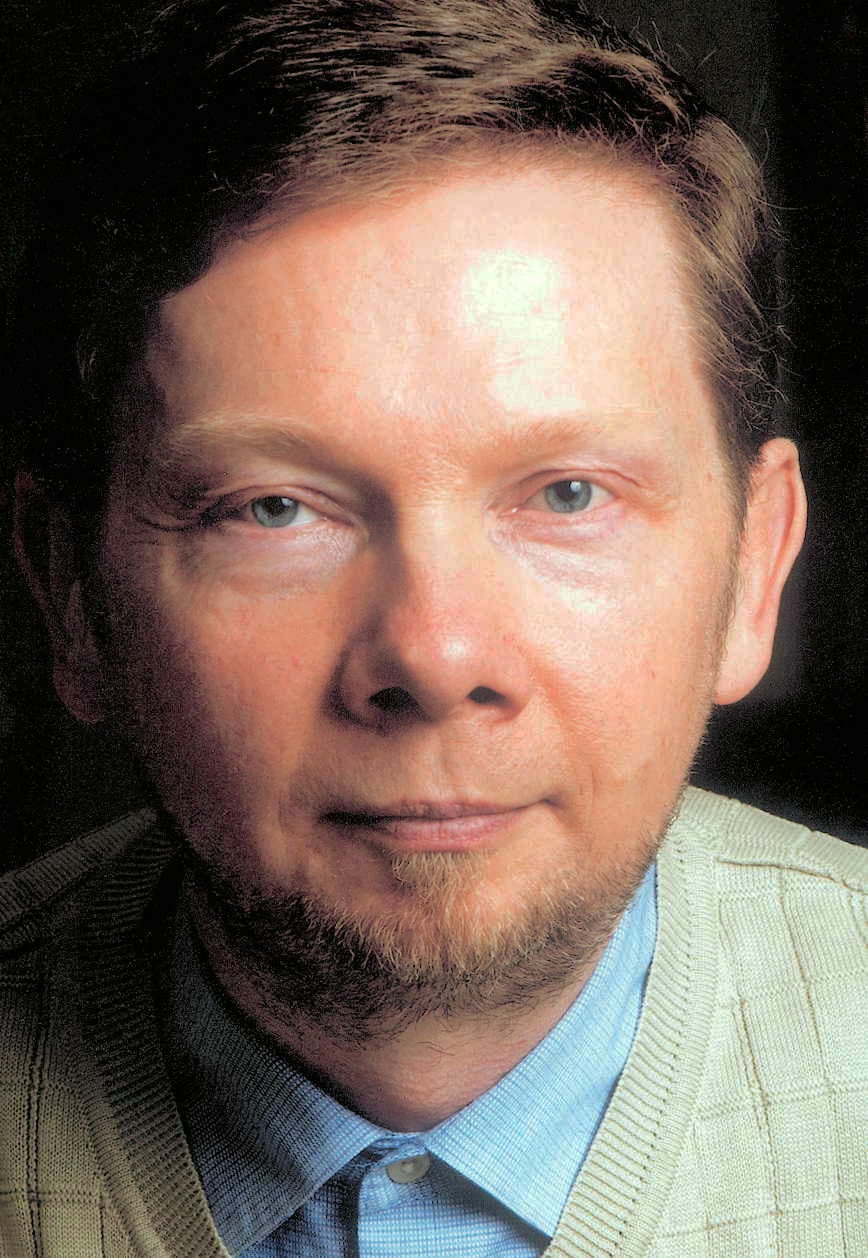
Eckhart Tolle · CC BY-SA 3.0
Своими словами
«You are not your mind.»The Power of Now (1997), título del capítulo 1

Главная мысль
Psychological suffering comes from identifying with thought: the inner voice that comments, judges and anticipates is not who one is, and simply watching it begins the release.
В контексте
Биография
4 мин чтения
Перевод с испанского оригинала, выполненный с помощью ИИ; ожидает проверки носителем языка.
Мальчик из Рура, отказавшийся от школы
Ульрих Леонард Тёлле родился 16 февраля 1948 года в Люнене — небольшом промышленном городе к северу от Дортмунда, в британской зоне оккупации послевоенной Германии. Он рос среди ещё не разобранных руин войны, в семье, которую сам называл трудной: родители часто ссорились и в конце концов расстались. В тринадцать лет он уехал к отцу в Испанию и провёл там остаток отрочества. Там же он принял необычное решение: с тринадцати до двадцати двух лет отказывался от школьного обучения и самостоятельно, с помощью нескольких частных уроков, изучал языки, литературу и астрономию.
Первое соприкосновение с духовностью произошло около пятнадцати лет, когда кто-то подарил ему книги немецкого мистика Йозефа Антона Шнайдерфранкена, известного как Бо Йин Ра. Сам он признаёт, что эти страницы оставили в нём след, хотя тогда он не знал, что с ними делать.
Лондон, депрессия и ночь 1977 года
В девятнадцать лет он переехал в Англию. Три года преподавал немецкий и испанский в лондонской языковой школе, затем учился в Лондонском университете, а в 1977 году поступил в аспирантуру Кембриджского университета. Внутренне, однако, он жил в непрекращающейся тоске: долгие периоды тревоги и депрессия, которую он называет почти невыносимой.
Однажды ночью в 1977 году, вскоре после того как ему исполнилось двадцать девять, он проснулся с чувством отчаяния, острым как никогда. По его собственному рассказу, которым открывается его первая книга, ему неотступно пришла фраза — он больше не может жить с самим собой, — а вместе с ней вопрос: кто же этот «я», который не выносит «самого себя»? Он вспоминает, что его словно втянуло в пустоту, а проснувшись на следующее утро, он обнаружил, что всё вокруг исполнено покоя. Он вышел пройтись по Лондону, и всё показалось ему чудесным, даже уличное движение. Позднее он истолковал ту ночь как крушение созданного умом «я» — того, что живёт в плену между неудовлетворительным прошлым и пугающим будущим.
За этим последовала не карьера, а долгая пауза. Он бросил диссертацию и почти два года просидел на скамейках Рассел-сквер в центре Лондона в состоянии, которое описывает как глубокое блаженство, наблюдая, как мимо проходит мир. Он жил у друзей, временами в буддийском монастыре, а порой ночевал под открытым небом в Хэмпстед-Хит. Родные считали его безответственным и даже помешанным.
От скромного советчика к автору с мировым именем
Бывшие товарищи по Кембриджу стали приходить к нему с вопросами. Сам того не желая, он сделался советчиком, а затем постепенно и духовным учителем небольших групп. В эти годы он сменил имя на Экхарт. Версии расходятся: одни видят в этом дань уважения Мейстеру Экхарту, рейнскому мистику; сам он в 2012 году рассказывал, что увидел это имя во сне на обложке книги, которая, как он знал, была его собственной, а вскоре одна знакомая без видимой причины назвала его так.
После периода жизни в Гластонбери, небольшом английском центре альтернативной культуры, и нескольких поездок на западное побережье Северной Америки он в 1995 году обосновался в Ванкувере, в Канаде, где познакомился с Ким Энг — с тех пор его спутницей и соратницей в преподавании.
В 1997 году крошечное ванкуверское издательство Namaste Publishing выпустило The Power of Now («Сила момента сейчас») тиражом около трёх тысяч экземпляров. Книга, написанная в форме вопросов и ответов, переходила из рук в руки, пока в 1999 году её массовым тиражом не переиздало New World Library. В 2000 году Опра Уинфри порекомендовала её в своём журнале; тем же летом книга вошла в список бестселлеров The New York Times, а через два года возглавила его. К 2008 году она была переведена более чем на тридцать языков.
Затем вышли Stillness Speaks («Тишина говорит», 2003) — почти афористическая выжимка его учения — и A New Earth («Новая земля», 2005), где взгляд расширяется от отдельного человека до человечества: эго как коллективная дисфункция и пробуждение сознания как выход из неё. Когда в январе 2008 года Уинфри выбрала эту вторую книгу для своего читательского клуба, за четыре недели разошлось 3,5 миллиона экземпляров. Вебинары, которые они записывали вместе глава за главой, собрали десятки миллионов просмотров, и The New York Times назвала его тогда самым популярным духовным автором Соединённых Штатов.
Чему он учит
Учение Толле нарочито просто и не принадлежит ни к одной религии. Он утверждает, что психологическое страдание рождается из отождествления с мышлением — с тем неумолчным голосом, который комментирует, сравнивает и боится; что единственный реальный момент — это настоящее; и что наблюдение за умом, вместо того чтобы позволять ему себя увлекать, открывает пространство тишины, которое он называет присутствием. Он ввёл выражение «тело боли» (pain-body) для обозначения накопленного эмоционального осадка, который вновь пробуждается и ищет себе пищи в конфликте. Он свободно заимствует элементы дзен-буддизма, веданты, суфизма и христианской мистики и часто цитирует Евангелия.
Восприятие и наследие
Его успех разделил критиков. Одни хвалят его умение простым языком сказать то, что созерцательные традиции говорили иносказательно; францисканский богослов Ричард Рор ставит ему в заслугу то, что он вернул многих христиан к их собственной мистике. Другие упрекают его в неоригинальности, в смешении псевдонауки с чужими традициями или, с позиций евангелического богословия, во взгляде, несовместимом с христианским различением Бога и человека. Отмечалось и расхождение между его декларируемым нежеланием создавать «громоздкую коммерческую структуру» и обширным каталогом товаров, продающихся на его сайте.
В 2009 году он выступал на одной сцене с Далай-ламой на Ванкуверском саммите мира. Он издал иллюстрированные книги — Guardians of Being, вместе с Патриком Макдоннеллом — и детскую сказку Milton's Secret, экранизированную в 2016 году. В 2022 году рэпер Кендрик Ламар представил его как своего наставника на альбоме Mr. Morale & the Big Steppers, где голос Толле звучит в нескольких треках. В январе 2025 года Опра Уинфри вновь выбрала «Новую землю» для своего клуба — единственный случай, когда книга была выбрана дважды. Он продолжает преподавать из Британской Колумбии — на ретритах, онлайн-встречах и через свой фонд.
Источники: Tolle, Eckhart. The Power of Now: A Guide to Spiritual Enlightenment. Vancouver: Namaste Publishing, 1997 (introducción autobiográfica).
Хронология
Жизнь год за годом
Каждая точка — документированное событие. Нажмите, чтобы прочитать о нём, с источником и степенью достоверности.
16 февраля 1948 г.0 летLünen (Alemania)
Birth
Ulrich Leonard Tölle is born in Lünen, north of Dortmund, in the British occupation zone.
Документировано«Eckhart Tolle», Wikipedia en inglés (consultada para hechos verificables; texto propio).
16 февраля 1948 г. · 0 лет
Birth
Ulrich Leonard Tölle is born in Lünen, north of Dortmund, in the British occupation zone.
Документировано
1961 · 13 лет
To Spain with his father
After his parents separate he moves to Spain with his father and refuses formal schooling until twenty-two.
Документировано
1963 · 15 лет
The books of Bô Yin Râ
He is given the books of the German mystic Joseph Anton Schneiderfranken, which he says influenced him deeply.
Вероятно
1967 · 19 лет
Language teacher in London
He moves to England and teaches German and Spanish for three years at a language school, then studies at the University of London.
Вероятно
1977 · 29 лет
The night of transformation
He begins postgraduate study at Cambridge. One night, in deep depression, he experiences what he describes as the collapse of the mental self; he abandons his studies.
Документировано
1978 · 30 лет
The benches of Russell Square
He spends about two years on the benches of Russell Square in deep peace, sleeping at friends', in a Buddhist monastery or rough on Hampstead Heath.
Документировано
1982 · 34 года
Counsellor and teacher
Former acquaintances consult him; he begins working as a counsellor and teacher of small groups and takes the name Eckhart. He later lives in Glastonbury.
Вероятно
1995 · 47 лет
Settles in Vancouver
He settles in British Columbia, where he meets Kim Eng, his partner and collaborator.
Документировано
1997 · 49 лет
The Power of Now
Namaste Publishing brings out his first book in a small run; New World Library reissues it widely in 1999.
Документировано
2000 · 52 года
Oprah's recommendation
Oprah Winfrey recommends The Power of Now in her magazine; in August it enters The New York Times bestseller list, which it tops in 2002.
Документировано
2003 · 55 лет
Stillness Speaks
He publishes his second book, a brief distillation of his teaching.
Документировано
2005 · 57 лет
A New Earth
Dutton publishes A New Earth, on the collective ego and the awakening of consciousness.
Документировано
январь 2008 г. · 60 лет
The book club and the webinars with Oprah
Oprah picks A New Earth for her club; 3.5 million copies in four weeks and a webinar series accessed tens of millions of times.
Документировано
сентябрь 2009 г. · 61 год
Peace Summit with the Dalai Lama
He shares the stage with the Dalai Lama at the Vancouver Peace Summit. Publishes Guardians of Being with Patrick McDonnell.
Документировано
2011 · 63 года
First on the Watkins list
Watkins magazine ranks him first in its inaugural list of the 100 most spiritually influential living people.
Документировано
2016 · 68 лет
Milton's Secret on film
His children's story is filmed with Donald Sutherland and Michelle Rodriguez.
Документировано
2022 · 74 года
Kendrick Lamar
The album Mr. Morale & the Big Steppers presents him as the rapper's spiritual guide, with his voice on several tracks.
Документировано
январь 2025 г. · 76 лет
Back in Oprah's club
Oprah chooses A New Earth again, the only book ever selected twice in the club's history.
Документировано
Труды
Главные труды
Труды, без которых не понять это наследие.
Письменный труд · 1997
The Power of Now
The Power of Now: A Guide to Spiritual Enlightenment
His first and most read book: a guide in question-and-answer form for stepping out of identification with the mind and living in the present moment. It explains the pain-body, acceptance of the now and presence, and since 1999 has been translated into over thirty languages.
7 изданий · amazon.com

Письменный труд · 2003
Stillness Speaks
Tolle's second book, made of short texts, almost aphorisms, grouped in ten chapters on inner silence, thought, the body, nature, relationships and death. It seeks to transmit stillness rather than explain it, and is read slowly, like a meditation book.
2 издания · amazon.com

Письменный труд · 2005
A New Earth
A New Earth: Awakening to Your Life's Purpose
Widens his teaching from the individual to humanity: it describes the ego as a collective dysfunction expressed in violence and greed, and presents the awakening of consciousness as the species' next step. Chosen twice by Oprah Winfrey's book club (2008 and 2025).
5 изданий · amazon.com
Все труды (39)

Practicing the Power of Now
2001

Oneness with All Life
2008

Milton's Secret
2008

Guardians of Being
2009

Findhorn Retreat
2006

Peace in the Present Moment
2010

The Power of Now Journal
2019

Living the Liberated Life and Dealing with the Pain-Body
2001

The Realization of Being
2001

Even the Sun Will Die
2002

Realizing the Power of Now
2003

Entering the Now
2003

Gateways to Now
2003

The Flowering of Human Consciousness
2004

Through the Open Door to the Vastness of Your True Being
2005

In the Presence of a Great Mystery
2006

Touching the Eternal: India Retreat
2007

The Art of Presence
2007

Finding Your Life's Purpose
2015
Eckhart Tolle
Breitenbush 01: The "Rains" Retreat — The Journey Home
The Conscious LibraryBreitenbush 01: The "Rains" Retreat — The Journey Home
2001

Know That "I Am"
2002

May the Mind Be the Servant of Awareness
2002
Eckhart Tolle
The Journey into Yourself
The Conscious LibraryThe Journey into Yourself
2003

Practicing Presence: A Guide for the Spiritual Teacher and Health Practitioner
2004
Изречения
Изречения, найденные в конкретном труде. Каждое сопровождается указанием происхождения и степени надёжности.
You are not your mind.ПровереноThe Power of Now (1997), título del capítulo 1
Основные идеи (редакционное изложение)
Из уважения к авторскому праву эти идеи изложены своими словами и не выдаются за дословные цитаты.
- Psychological suffering comes from identifying with thought: the inner voice that comments, judges and anticipates is not who one is, and simply watching it begins the release.
- The present is the only real moment; past and future exist only as thought. Fully accepting the now is not resignation but ceasing inner resistance to it.
- The pain-body is the accumulation of old painful emotion that reawakens and feeds on conflict; seeing it arise with attention removes its power.
- The ego is not only a personal problem: it is a collective dysfunction of humanity, expressed in violence, greed and the destruction of the planet.
- Inner stillness is not achieved but discovered by allowing space between thoughts; in that space is presence, which is consciousness itself.
- A life's primary purpose is inner — being awake in what one does; the outer purpose, what one does, is secondary and changes.
Спросить
На что отвечают эти труды
Двенадцать великих вопросов человечества и то, что позволяют на них ответить эти тексты, со ссылками. Мы никогда не вкладываем слова в чужие уста.
Что такое Абсолют? Существует ли Бог?
He prefers to speak of Being: the one formless life beyond forms
Безличный АбсолютСказано прямо
Eckhart Tolle does not deny God, but he distrusts the word. In the first chapter of The Power of Now he explains that the term God has been emptied by centuries of misuse, associated with a separate, often male, entity placed outside; he proposes instead to speak of Being, the one eternal life underlying the countless forms subject to birth and death. That Being is not an object of knowledge or belief: it is felt as one's own presence when the mind grows quiet. In A New Earth he keeps the same approach: the divine is not someone judging from outside but formless consciousness recognising itself in the human being. His language is therefore that of an impersonal absolute, though immediate and inward.
Сравнить этот вопрос с другими учителямиКто я? Существует ли истинное «я»?
You are not your thoughts: the ego is identification with mind
Эго — конструкция мыслиСказано прямо
Eckhart Tolle defines the ego as identification with the mind: with thoughts, emotions, personal history and the forms by which the self reinforces itself, such as possessions, opinions or the victim role. In A New Earth (2005) he devotes whole chapters to describing its structure and its need to compare, be right and feel separate. The key of his teaching is that simply observing thought is enough to stop identifying with it: the one who observes is not what is observed. Unlike Krishnamurti, Tolle does affirm a deeper identity, formless presence or awareness, which he calls Being and which is recognised when the mind falls silent. His practical emphasis, however, is on unmasking the ego as a mental construction, and on the claim that seeing it is already the beginning of liberation.
Сравнить этот вопрос с другими учителямиПочему мы страдаем?
Suffering needs time: it cannot survive in the now
Мысль и психологическое времяСказано прямо
Eckhart Tolle locates the origin of suffering in the mind living in psychological time: the past, from which it draws identity and grievances, and the future, onto which it projects its salvation or its fear. In the opening chapters of The Power of Now he holds that almost all human pain is unnecessary, created by mental resistance to what is, and that suffering cannot survive in full presence to the moment. He adds the notion of the pain-body: a field of accumulated emotional energy, personal and collective, which reactivates periodically and feeds on thoughts and conflict; in A New Earth he devotes a whole chapter to it. The remedy is not to analyse the story of pain but to observe it without identifying with it and to accept the present moment, which, he says, cuts off the supply that keeps it alive.
Сравнить этот вопрос с другими учителямиЧто происходит после смерти?
The opposite of death is birth; life has no opposite
То, что я есть, не рождается и не умираетСказано прямо
Eckhart Tolle distinguishes between form, which is born and dies, and the life or consciousness expressed in it, which has no opposite. What dissolves at death is form and the mental identity built upon it; what one essentially is, conscious presence, neither begins nor ends. That is why, he holds, the death of a loved one or the nearness of one's own can open a door: when one stops resisting the loss of form, a space of peace appears that does not depend on it. In Stillness Speaks he devotes a chapter to death and the eternal, and in The Power of Now he presents surrender to what is as a way of dying before dying. Tolle avoids describing states after death; what he affirms is the timelessness of what we are, accessible now.
Сравнить этот вопрос с другими учителямиКак достигается освобождение или спасение?
Awakening is not in time: it is presence, ceasing to identify with the mind
Без метода: полное вниманиеСказано прямо
Eckhart Tolle holds in The Power of Now that suffering arises from identification with the mind and with psychological time, that is, with the continuous projection into past and future. Liberation is not a future state conquered through progressive effort, because seeking it in time reinforces the very mechanism that prevents it: it can only happen now. It consists in being aware of thoughts without identifying with them, in «watching the thinker», and in accepting what is in the present moment. In A New Earth he extends this idea to a collective scale: the ego is a structure of identification with form, and awakening is the emergence of a consciousness that recognises itself beyond that form.
Сравнить этот вопрос с другими учителямиНужен ли учитель?
The teacher's words are signposts; what matters is presence within oneself
Учитель внутриСледует из учения
In the introduction to The Power of Now, Eckhart Tolle recounts that his inner transformation happened without a teacher, after a personal crisis, and that he later recognised in various traditions what had happened to him. Consistently, he presents his own books and talks as pointers: words are signposts pointing to something that is not a word, and readers should attend to what the words awaken in them rather than to their conceptual content. The true teacher would be presence itself, the state of consciousness that recognises itself. He does not deny that the company of someone present helps, but avoids presenting himself as a guru and demands neither membership nor devotion.
Сравнить этот вопрос с другими учителямиРеален ли мир?
The unmanifested expresses itself in form; the universe awakens to itself
Проявление божественногоСледует из учения
Eckhart Tolle does not consider the world an illusion. In The Power of Now he distinguishes between the manifested, the world of forms, and the unmanifested, the formless source from which they arise, accessed through portals such as silence, space or attention to the inner body. What is illusory is not form but identification with it: the ego, which takes itself to be one form among forms. In A New Earth he holds that the purpose of the universe is for consciousness to awaken in form, and that each thing, a flower or a stone, can be recognised as an expression of that consciousness. The world is thus the realm in which the formless recognises itself.
Сравнить этот вопрос с другими учителямиЧто такое любовь?
To love is to recognise oneself in the other beyond form and ego
То, что появляется, когда «я» прекращаетсяСказано прямо
Eckhart Tolle separates true love from the relationships the ego calls love. In the chapter on relationships in The Power of Now he describes the love-hate relationship: need, attachment and the search in the other for what is lacking in oneself, which turn love into addiction and soon alternate with resentment and conflict. Real love, he holds, is not an emotion or something obtained from another person: it is the recognition of oneself in the other, of the same presence or consciousness beyond form. It appears when one is present and does not project the mind's past and expectations onto the other. In A New Earth he adds that this recognition extends to all beings and to nature, and that a relationship can become a spiritual practice if it is used to become conscious of the ego.
Сравнить этот вопрос с другими учителямиСвободны ли мы или всё предопределено?
While the mind runs on automatic there is no choice; presence makes it possible
Мы машины, пока не проснёмсяСледует из учения
Tolle describes the ordinary human being as identified with a mind that thinks compulsively and with a «pain-body» that reacts through inherited patterns. In that state, he holds in *The Power of Now*, what look like decisions are conditioned reactions: the unconscious person does not choose but repeats. Hence his advice towards someone who harms us is to understand that they could not have acted otherwise from their level of consciousness. True choice appears with presence, when one becomes the observer of the mind and stops being dragged along by it. In *A New Earth* he extends this to humanity: collective consciousness runs in a dysfunctional egoic mode from which only an awakening can free it.
Сравнить этот вопрос с другими учителямиЗачем медитировать или молиться?
Stepping out of compulsive thinking into the now, where stillness arises
Быть в присутствииСказано прямо
Tolle is the reference for this key. In *The Power of Now* (1997) he holds that most human suffering comes from identification with a mind that thinks ceaselessly and lives in the past or the future. Practice does not consist in a formal method, although he offers exercises —watching the thinker, feeling the inner body, attending to the gaps between thoughts—, but in returning again and again to the present moment, the only thing that exists. When attention leaves thought, a conscious stillness arises that he identifies with one's own being. In *A New Earth* (2005) he adds that this presence also transforms everyday action, which stops serving the ego.
Сравнить этот вопрос с другими учителямиМожет ли разум познать предельное?
You are not your mind: being is known in stillness, not in thought
Предельное лежит за пределами умаСказано прямо
The first chapter of *The Power of Now* is titled «You Are Not Your Mind», and it sums up his stance: thought is a useful instrument, but identification with it is the great human dysfunction, and through it one does not reach what Tolle calls Being. Words and concepts, he insists, are signposts pointing to reality, not reality itself, and most religious disputes arise from confusing the one with the other. True knowledge arises when the mind falls quiet and a space of awareness appears in which thought is observed. In *A New Earth* he puts it as the shift from a consciousness centred on thought to one centred on presence, not as a new doctrine.
Сравнить этот вопрос с другими учителямиУйти от мира или преобразить его?
A new world is born of a new consciousness, not of new ideologies
Революция — внутренняяСказано прямо
Eckhart Tolle holds in A New Earth that humanity faces a choice: either it transforms its consciousness or it destroys itself. Wars, exploitation and the ecological crisis are, for him, collective manifestations of the ego, identification with a mind that feels separate and threatened; that is why solutions that do not touch this root — new ideologies, systems or struggles against an enemy — end up reproducing the same pattern. The change that matters is the flowering of consciousness in individuals. He does not advise abandoning the world: in the last chapter he describes «awakened doing», action springing from presence, in three modalities — acceptance, enjoyment and enthusiasm — and speaks of people whose role is to hold a frequency of consciousness amid ordinary life. Outward action is valid if it flows from presence and not from the ego.
Сравнить этот вопрос с другими учителями
Созвучия и противоречия
Созвучия и противоречия
Рассчитаны вопрос за вопросом на основе позиций. Причина каждого совпадения или расхождения — по нажатию.
Ближе всего к
Osho
Совпадают в вопросах: Что такое Абсолют? Существует ли Бог? · Кто я? Существует ли истинное «я»? · Почему мы страдаем?
Alan Watts
Совпадают в вопросах: Что такое Абсолют? Существует ли Бог? · Почему мы страдаем? · Что происходит после смерти?
- BKByron Katie
Byron Katie
Совпадают в вопросах: Что такое Абсолют? Существует ли Бог? · Кто я? Существует ли истинное «я»? · Почему мы страдаем?
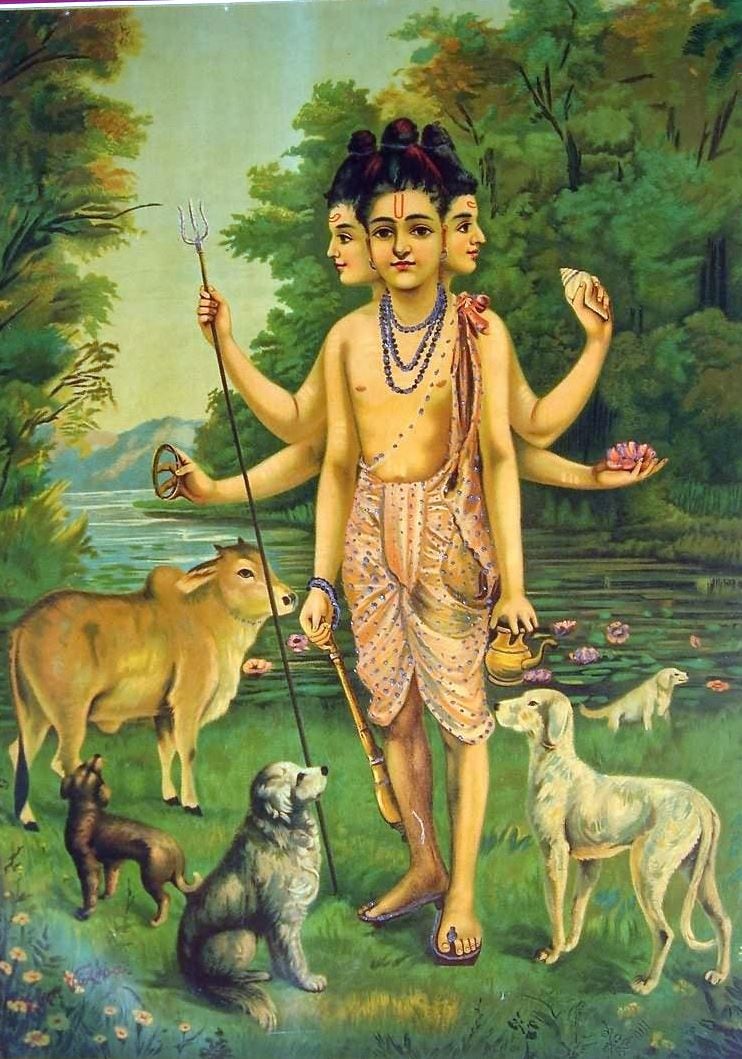
Dattatreya
Совпадают в вопросах: Что такое Абсолют? Существует ли Бог? · Что происходит после смерти? · Нужен ли учитель?
Дальше всего от

Rabia al-Adawiyya
Расходятся в вопросах: Как достигается освобождение или спасение?

Mirabai
Расходятся в вопросах: Как достигается освобождение или спасение?

Epicurus
Расходятся в вопросах: Как достигается освобождение или спасение?
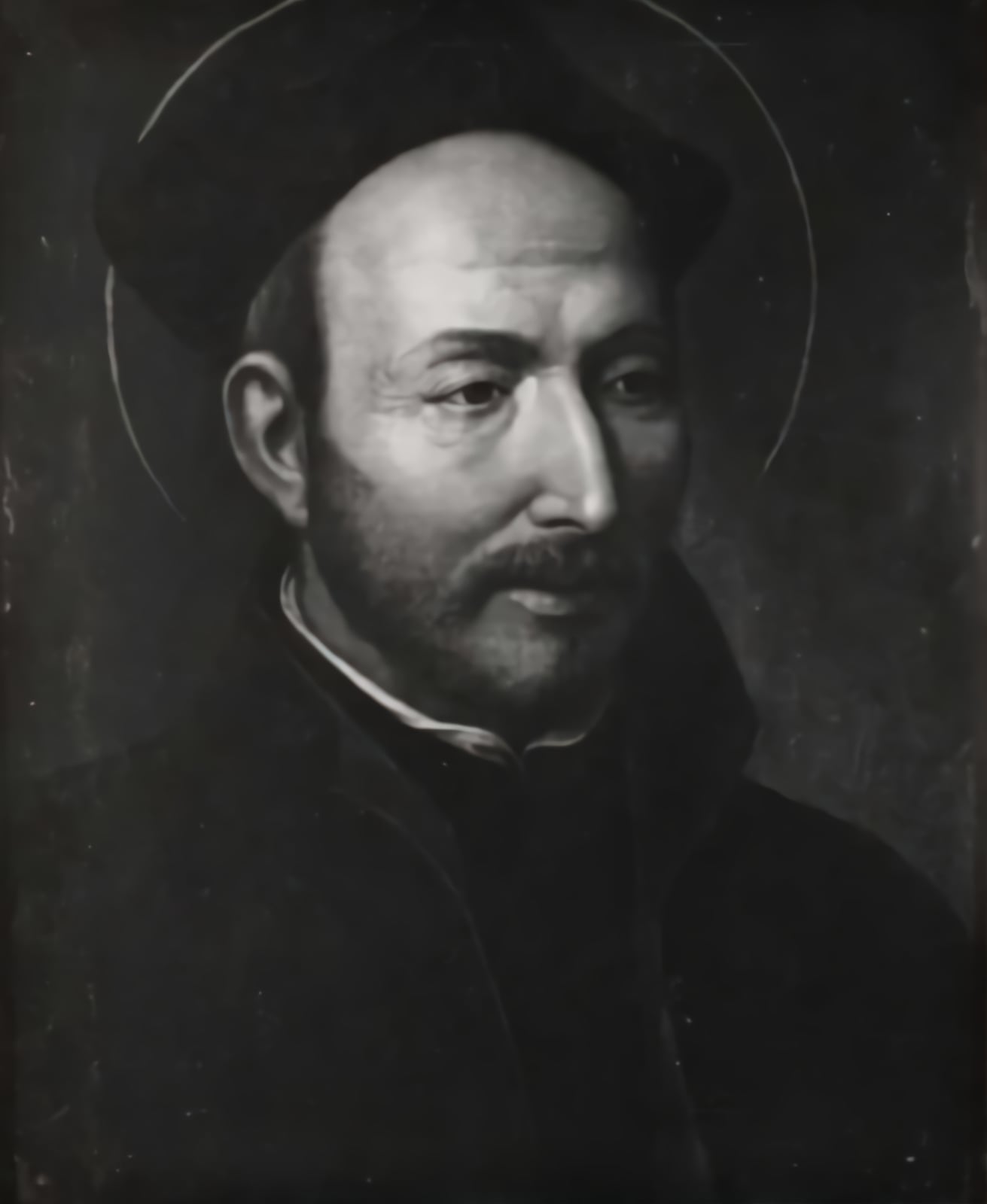
Ignatius of Loyola
Расходятся в вопросах: Как достигается освобождение или спасение?
Совпадают в вопросах
Eckhart Tolle · Ramana Maharshi
You are not what you think: the shift of the subject on the hill and in the now
Почему: The affinity has a contextual explanation: Tolle writes in a contemporary Western milieu that had received Advaita, among other sources, through Ramana and his popularisers, and he adopts a vocabulary without scriptures or gods. The differences are of register and audience. Ramana speaks from the Vedantic tradition, with an explicit metaphysical horizon, since the Self is identical with the Absolute, and with a very precise question-method; Tolle addresses readers without religious training, stresses the now and the inner body, and extends the diagnosis to a collective scale. One asks who; the other asks one to be present. Both point to the same shift of the subject.
Совпадают в вопросах
Eckhart Tolle · P. D. Ouspensky
Waking from automatic pilot: self-remembering and the power of now
Почему: There is no documented relationship between them, although the vocabulary of awakening and automatic pilot found in contemporary spirituality owes much to the Fourth Way. The affinity has clear limits. Self-remembering demands effort, a deliberate division of attention and a system of group work, and its goal is to form a permanent self that does not yet exist; Tolle's presence is presented as something not manufactured or reached in time but recognised as one's own being. Ouspensky writes for a school with discipline and hierarchy; Tolle, for individual readers without a tradition. They agree on the first step, not on the path or the goal.
Совпадают в вопросах
Eckhart Tolle · Jiddu Krishnamurti
Suffering needs time: thought projecting past and future
Почему: No relationship between them is documented in this library, although Tolle writes in a milieu that knew Krishnamurti's work well, published and circulated for decades. The differences are real. Krishnamurti rejects any metaphysics of a true Being, which he considers another projection of thought, and any exercise, which he considers a method; Tolle affirms a presence or formless consciousness he calls Being, proposes concrete exercises such as feeling the inner body and adds the notion of the pain-body. Krishnamurti speaks harshly of conditioning and revolution; Tolle, in a tone of accompaniment. They agree on the diagnosis of psychological time, not on what they find on the other side.
Расходятся в вопросахКажущееся противоречие
Eckhart Tolle · Adi Shankara
Is the world an illusion? Superimposition on Brahman or form in which consciousness awakens
Почему: The contradiction is largely apparent: both distinguish two levels, a formless source and a world dependent on it, and both locate the error in the subject who confuses the levels, ignorance in Shankara, identification in Tolle. Vocabulary separates them more than structure: maya sounds like negation to a modern reader, although in Shankara it does not amount to a subjective dream. A real difference of evaluation remains. For Shankara multiplicity has no purpose and vanishes for one who knows; for Tolle, along a line closer to manifestation than to illusion, form is the place where consciousness recognises itself, and the universe has an evolutionary meaning.
Предания и рассказы
Предания и рассказы
Свидетельство1977
The night he could not live with himself
Происхождение рассказа: Autobiographical account in the introduction to The Power of Now (1997) and later interviews.
Источник: Tolle, Eckhart. The Power of Now: A Guide to Spiritual Enlightenment. Vancouver: Namaste Publishing, 1997 (introducción autobiográfica).
Свидетельство1977–1979
Two years on a bench in Russell Square
Происхождение рассказа: Tolle's own testimony from interviews, summarised in the Wikipedia biography; no independent sources.
Источник: «Eckhart Tolle», Wikipedia en inglés (consultada para hechos verificables; texto propio).
Оспаривается1980s
A name seen in a dream
Происхождение рассказа: Two versions: the homage (attributed by others) and the dream (2012 interview cited by Wikipedia).
Источник: «Eckhart Tolle», Wikipedia en inglés (consultada para hechos verificables; texto propio).
Документировано2008
Eleven million people in one class
Происхождение рассказа: Figures published in the press and collected by Wikipedia.
Источник: «Eckhart Tolle», Wikipedia en inglés (consultada para hechos verificables; texto propio).
Учение
Учение
Понятия, на которых строится мысль учителя, объяснённые в их контексте.
Pain-bodycuerpo-del-dolor
Developed in The Power of Now (ch. 2) and expanded in A New Earth (chs. 5 and 6).
Источник: Tolle, Eckhart. The Power of Now: A Guide to Spiritual Enlightenment. Vancouver: Namaste Publishing, 1997 (introducción autobiográfica).
Presencepresencia
Central concept of The Power of Now and Stillness Speaks.
Источник: Tolle, Eckhart. The Power of Now: A Guide to Spiritual Enlightenment. Vancouver: Namaste Publishing, 1997 (introducción autobiográfica).
Ретриты
Ретриты и центры
Места и встречи, связанные с этим учением. Мы свяжем вас с их организаторами.
En línea · Internacional
Eckhart Tolle: membership community and online courses
Eckhart Teachings
Besides his public gatherings, Eckhart Tolle runs a private online membership community which, according to his website, includes quarterly live teachings, monthly video practices and access to more than four hundred hours of recorded teachings, with a free seven-day trial. His shop also offers online courses. It is the most continuous way to follow his teaching from home, with a regular rhythm of practice rather than a one-off event. As in his books, the emphasis is on attention to the present moment and on observing the mind without identifying with it.
Sede variable (retiros recientes en Whistler, Canadá) y en línea · Internacional
Eckhart Tolle: retreats, events and livestreams
Eckhart Teachings
Eckhart Tolle, author of The Power of Now, teaches mainly through public gatherings: multi-day in-person retreats, weekend intensives and evening talks in different cities. His official website publishes the calendar, and many of these events can also be followed live online, so those who cannot get a seat in the hall can take part remotely. The content centres on presence, observing thought and accepting the present moment, without affiliation to any religion. In-person places tend to sell out, so it is worth checking well in advance.
Видео
Видео
Записи, интервью и документальные фильмы. Видео воспроизводятся с YouTube; здесь они не хранятся.
Eckhart Tolle: “A New Earth” | Oprah’s Book Club
Интервью· EN· 2025· 53 min
OprahОфициальный канал
Eckhart Tolle: Author of 'A New Earth' | Super Soul Sunday S8E9 | Full Episode
Интервью· EN· 42 min
OWNОфициальный канал
Understanding the Pain-Body | A Special 3 Part Compilation from Eckhart Tolle
Лекция· EN· 40 min
Eckhart TolleОфициальный канал
Why You Don’t Need to Fear Death | Eckhart Tolle Foundation
Лекция· EN· 2026· 11 min
Eckhart TolleОфициальный канал
What being awake actually means
Лекция· EN· 2026· 10 min
Eckhart TolleОфициальный канал
Eckhart Tolle Reveals the Secret to Fulfillment Through Stillness and Action
Лекция· EN· 95 min
Eckhart TolleОфициальный канал
Eckhart Tolle interview with host Nina Rhodes 1998
Интервью· EN· 1998· 27 min
Craig Delahunt
Eckhart Tolle at the Omega Institute 2001, Session 2
Лекция· EN· 2001· 73 min
Namaste PublishingОфициальный канал
Eckhart Tolle — Reality Is Beyond Thought
Лекция· EN· 87 min
Namaste PublishingОфициальный канал
Eckhart Tolle on The Hour with George Stroumboulopoulos
Интервью· EN· 2009· 13 min
Strombo
Eckhart Tolle and Tami Simon | Conscious Manifestation and The Present Moment
Интервью· EN· 2019· 27 min
Sounds TrueОфициальный канал
Eckhart Tolle on Finding Your Identity, Meaning & Purpose in Life
Интервью· EN· 2024· 90 min
Tony Robbins
Eckhart Tolle: Spirituelles Erwachen, das wahre Selbst und die Überwindung des Egos
Интервью· DE· 2024· 81 min
Laura Malina Seiler
Eckhart Tolle: El 99 % de las Personas MANIFIESTA de Forma Incorrecta (Así Puedes Solucionarlo)
Интервью· ES· 2026· 95 min
Lewis Howes Español
Галерея
Галерея
Изображения с проверенной лицензией. Каждое сохраняет своё авторство и атрибуцию.
Связи
Связи
Влияния, ученичество и близость взглядов. Документированная связь отличается от сходства, выявленного путём анализа.
Идеи, близкие к
The question 'who is this I?' of his 1977 night matches Ramana's self-enquiry.
Сходство, выявленное путём анализа
Встречался с
The 14th Dalai Lama (Tenzin Gyatso)
They shared the stage at the Vancouver Peace Summit (September 2009).
Документированная связь
Идеи, близкие к
Choiceless observation of thought and the rejection of spiritual authority bring the two teachings close; Tolle names him among his references.
Сходство, выявленное путём анализа
Источники
Источники
Библиография и каталоги, использованные для этой статьи.
- «Eckhart Tolle», Wikipedia en inglés (consultada para hechos verificables; texto propio).
- Eckhart Tolle — web oficial (biografía, libros y enseñanzas).
- Open Library: obras y ediciones de Eckhart Tolle.
- Tolle, Eckhart. The Power of Now: A Guide to Spiritual Enlightenment. Vancouver: Namaste Publishing, 1997 (introducción autobiográfica).
- Goodreads: ediciones por idioma de las obras de Eckhart Tolle.
- Wikidata Q60137 (Eckhart Tolle).
- Sounds True, fichas de producto de los programas de audio de Eckhart Tolle (At the Source of Being, The Illusion of Time, The Secret of Happiness, Entering the Now, Discovering the Essential Self, Journeys into Stillness, Eckhart Tolle Learning Intensive, Beyond the Thinking Mind).
- Правообладатель
- Eckhart Tolle / Eckhart Teachings Inc.
- Официальный сайт
- eckharttolle.com
Ожидает подтверждения
То, что в этой статье пока не удалось установить. Мы предпочитаем сказать об этом, а не заполнять пробел.
- Localizar capítulo y página de las citas marcadas como «probable» en una edición impresa de The Power of Now.
- Ediciones en español de «Milton's Secret», «Oneness with All Life» y de las enseñanzas en audio: no verificadas en catálogo.
- Fecha exacta del cambio de nombre a Eckhart y del traslado a Glastonbury.
- Obra (2026-10-25): cotejada con Wikipedia (en) y Open Library; todos los libros están registrados. Se añadieron 16 programas de audio/vídeo con ISBN y la recopilación alemana Lebendige Beziehungen JETZT! (2013). Quedan fuera, sin ISBN confirmado o por no ser obras: Companion to the Power of Now (casete de Namaste, 2001, contenido sin confirmar), Meditations on the Now: 365 Inspirational Selections from The Power of Now (Hodder & Stoughton, ISBN 9780340919682, año no fiable en el catálogo), The Eckhart Tolle Audio Collection (Sounds True, 2002, reúne programas ya registrados), barajas de cartas (Power of Now Meditation Deck, 2003; Stillness Speaks Inspiration Deck, 2004) y calendarios. El catálogo de audio de Sounds True y Eckhart Teachings es más amplio: Discovering the Essential Self, Journeys into Stillness, Eckhart Tolle Learning Intensive, Beyond the Thinking Mind, Intelligence Beyond the Mind y otros retiros grabados están por registrar con su ISBN. Los prólogos a libros ajenos (Steve Taylor, Peter Russell, Michael Brown, Kim Eng) no son obras suyas.
- Vídeos (2026-10-25): no existe en YouTube ninguna charla o entrevista oficial de Tolle en español; el único vídeo en castellano registrado es un doblaje del canal en español de Lewis Howes.
Исследовано 2026-10-25