Христианская мистика · Новое мышление · Современная недвойственность · Исследования сознания
David R. Hawkins
1927 – 2012Исторически документированная личность
Американский психиатр (1927–2012), который, четверть века руководив крупной практикой на Лонг-Айленде и выпустив вместе с Лайнусом Полингом книгу по ортомолекулярной психиатрии, стал выступать как духовный учитель. Его самая читаемая книга, «Сила против силы» (Power vs. Force, 1995), предлагает «карту сознания» со шкалой от 1 до 1000, которую, по его утверждению, можно измерить с помощью кинезиологических мышечных тестов. Основал путь «преданной недвойственности». Научное сообщество считает, что достоверность метода не доказана.
- трудов
- 36трудов
- изданий
- 104изданий
- цитат
- 8цитат
- видео
- 15видео
- изображений
- 3изображений

Formaciones de roca roja en Sedona (Arizona) · CC BY-SA 4.0
Своими словами
«Force always moves against something, whereas power doesn't move against anything at all.»Power vs. Force (Hay House, 2002); localizada en el texto completo del ejemplar powervsforcehidd00hawk (Internet Archive)
Главная мысль
Human consciousness could be ordered on a logarithmic scale from 1 to 1000; below 200 destructive attitudes prevail (shame, guilt, fear, anger, pride) and above it life-supporting ones (courage, acceptance, reason, love, peace). It is his central thesis and has not been independently validated.
В контексте
Биография
5 мин чтения
Перевод с испанского оригинала, выполненный с помощью ИИ; ожидает проверки носителем языка.
Мальчик в метели
Дэвид Рамон Хокинс родился 3 июня 1927 года в Милуоки и вырос в сельском Висконсине времён Великой депрессии, в семье, о которой почти ничего не известно, кроме того, что рассказывал он сам. Почти всё, что мы знаем о его детстве, взято из короткой автобиографической заметки, которая с 2001 года с небольшими вариациями завершает раздел «Об авторе» в его книгах. В ней он описывает два основополагающих эпизода. Первый — в три года: сидя в маленькой тележке, он будто бы внезапно осознал, что существует, и вместе с этим осознанием пришёл страх не существовать. Второй — в отрочестве, когда он развозил газеты на велосипеде по маршруту длиной почти тридцать километров: застигнутый метелью при двадцати градусах мороза, он упал с велосипедом на лёд и вырыл себе нишу в высоком сугробе, чтобы укрыться от ветра; там, по его словам, холод сменился состоянием покоя, которому он сумел дать имя лишь десятилетия спустя. Это рассказы единственного свидетеля, записанные полвека спустя человеком, который уже представлял себя просветлённым, и читать их следует именно так.
Психиатр с Лонг-Айленда
В последние месяцы Второй мировой войны он служил в ВМС США на тральщике, а в 1953 году окончил Медицинский колледж Висконсина — бывший медицинский факультет Университета Маркетт. После интернатуры, в 1956 году, он получил стипендию для обучения психиатрии в больнице Маунт-Синай. В том же году он стал медицинским директором Центра психического здоровья Северного Нассо (North Nassau Mental Health Center) в Манхассете, которым руководил до 1980 года, а с 1968 по 1979 год был директором по научной работе Брансуикской больницы, также на Лонг-Айленде. Официальные биографии описывают эту практику как одну из крупнейших в стране, с двумя тысячами амбулаторных пациентов; цифра исходит от его собственного издательства.
Тогда же его имя вошло в круг так называемой ортомолекулярной психиатрии, предлагавшей лечить шизофрению большими дозами витаминов и питательных веществ. В 1973 году вместе с химиком Лайнусом Полингом, дважды лауреатом Нобелевской премии, он выпустил под своей редакцией сборник Orthomolecular Psychiatry: Treatment of Schizophrenia («Ортомолекулярная психиатрия: лечение шизофрении», W. H. Freeman), был президентом-основателем Академии ортомолекулярной психиатрии и входил в редакционный совет её журнала. Это направление так и не получило поддержки академической психиатрии, и Американская психиатрическая ассоциация в том же году поставила его под сомнение в докладе рабочей группы; однако он оставался ему верен до конца: в 2006 году он был включён в Зал славы ортомолекулярной медицины. Молодым врачом он также сблизился с буддизмом и посещал Первый дзэнский институт в Нью-Йорке.
Ночь тридцативосьмилетнего
В центре его духовного рассказа — болезнь. Согласно той же автобиографической заметке, около 1965 года он страдал прогрессирующим и потенциально смертельным недугом, не поддававшимся никакому лечению; в тридцать восемь лет он понимал, что находится на пороге смерти, и — из атеизма, который позднее истолковал как отказ от «ложных богов» человеческих, — воззвал к Богу о помощи. Последовало, пишет он, полное исчезновение личного «я» и вторжение Присутствия, которое с тех пор якобы управляло его жизнью. Он сам подчёркивал, что более трёх десятилетий не говорил об этом публично. Никаких независимых свидетельств этого опыта не существует: это автобиографическое ядро, на котором он выстроил свой авторитет учителя.
Седона и карта
В 1979 году он переехал в Седону (Аризона), а на следующий год оставил клиническую практику. В 1983 году он создал Институт духовных исследований (Institute for Spiritual Research) — некоммерческую организацию, которая сегодня содержит Veritas Publishing, основанное им издательство для выпуска его книг. С середины 1970-х годов, по его собственному рассказу, он экспериментировал с прикладной кинезиологией — методикой мышечного тестирования, распространённой хиропрактиком Джорджем Гудхартом, — будучи убеждён, что рука человека ослабевает перед ложью и остаётся сильной перед истиной. Отсюда родилась его логарифмическая шкала уровней сознания от 1 до 1000 с порогом на отметке 200 — переходом от «force» (силы принуждения) к «power» (подлинной силе); она легла в основу докторской степени в области социальных служб и здравоохранения, которую он получил в 1995 году, в шестьдесят восемь лет, в Columbia Pacific University — неаккредитованном заочном учебном заведении, закрытом по решению калифорнийского суда в 2000 году.
Спорный издательский успех
В том же году он выпустил в Veritas книгу Power vs. Force (по-русски — «Сила против силы»). Hay House переиздало её в 2002-м и снова в 2012 году как «официальное, авторизованное автором издание», и книга, переведённая более чем на двадцать пять языков, стала классикой жанра. За ней последовали «Око Я» (2001) и «Я: Реальность и субъективность» (2003), завершающие трилогию о просветлении, и ещё около десятка книг: «Истина против лжи» (2005), «Преодоление уровней сознания» и «Открытие присутствия Бога» (2006), «Реальность, духовность и современный человек» (2008), «Исцеление и выздоровление» (2009) и, уже в последний год его жизни, «Отпускание» — самая практическая из всех, посвящённая технике отпускания эмоций.
Книга вызвала как горячие отклики сторонников, так и суровую критику. Обзоры литературы по прикладной кинезиологии не нашли доказательств её диагностической ценности; двойное слепое исследование, опубликованное в 2014 году, дало результаты на уровне случайности, а работы, фиксирующие некоторую точность в различении правды и лжи, далеки от той непогрешимости, которую он приписывал методу. Скептики-популяризаторы, такие как Роберт Тодд Кэрролл, объясняли его публичные демонстрации идеомоторным эффектом. Его издательство отвечало, что техника работает, лишь если те, кто ею пользуется, «калибруются» выше 200, — условие, ограждающее теорию от любого опровержения.
Преданная недвойственность
В последние годы Хокинс выступал не столько как исследователь, сколько как учитель. В 2003 году он основал то, что назвал путём преданной недвойственности, соединяющим отказ от эго, свойственный традиции адвайты, с христианской преданностью Богу, и выступал перед многолюдными аудиториями в Аризоне и Калифорнии, а также в Южной Корее, где в 2000 году получил почётный титул учителя просветления. Он был прихожанином Епископальной церкви. Его последняя большая лекция, о любви, собрала в сентябре 2011 года около тысячи семисот человек.
Он умер в своём доме в Седоне 19 сентября 2012 года в возрасте восьмидесяти пяти лет. У него осталась жена Сьюзан, сопровождавшая его на всех выступлениях. С тех пор Veritas и Hay House продолжают издавать расшифровки его бесед, а в 2025 году Сьюзан Хокинс выпустила его авторизованную биографию The Man Who Mapped Consciousness («Человек, нанёсший сознание на карту»). Его наследие двойственно, и разделить его непросто: простой язык для разговора о капитуляции, смирении и преданности, который многие читатели находят полезным, и притязание измерять истину рукой человека, которое наука подтвердить не смогла.
Источники: Hawkins, David R. The Eye of the I: From Which Nothing Is Hidden. Sedona: Veritas Publishing, 2001, «About the Author» (nota autobiográfica, reproducida también en Truth vs. Falsehood, 2005; Transcending the Levels of Consciousness, 2006; Healing and Recovery, 2009; Letting Go, 2012). Consultado mediante la búsqueda de texto completo de Internet Archive (ejemplar eyeofi0000hawk). · Hawkins, David R. Power vs. Force: The Hidden Determinants of Human Behavior. Sedona: Veritas Publishing, 1995; ed. revisada, Carlsbad: Hay House, 2002; «Author's Official Authoritative Edition», Hay House, 2012. · Hawkins, David R., y Linus Pauling (eds.). Orthomolecular Psychiatry: Treatment of Schizophrenia. San Francisco: W. H. Freeman, 1973. ISBN 0716708981. · Hawkins, Susan. The Man Who Mapped Consciousness: The Life and Legacy of Dr. David R. Hawkins, The Authorized Biography. Carlsbad: Hay House, 2025. ISBN 9781401979577. · American Psychiatric Association. Megavitamin and Orthomolecular Therapy in Psychiatry. Task Force Report 7. Washington, D. C.: APA, 1973.
Хронология
Жизнь год за годом
Каждая точка — документированное событие. Нажмите, чтобы прочитать о нём, с источником и степенью достоверности.
3 июня 1927 г.0 летMilwaukee, Wisconsin
Birth in Milwaukee
David Ramon Hawkins is born. He grows up in rural Wisconsin.
Документировано«In Memoriam: David R. Hawkins, 1927–2012». Journal of Orthomolecular Medicine 27 (4), 2012, pp. 187–188 (International Society for Orthomolecular Medicine).
После смерти
- 3 июня 2025 г.Authorised biography
3 июня 1927 г. · 0 лет
Birth in Milwaukee
David Ramon Hawkins is born. He grows up in rural Wisconsin.
Документировано
ок. 1930 · 3 года
The awareness of existing
According to his autobiographical note, at three, sitting in a little wagon, he suddenly becomes aware of his own existence and, with it, of the fear of nothingness.
Вероятно
1939 · 12 лет
The blizzard
Delivering newspapers by bicycle along a seventeen-mile route, he is caught at night in a twenty-below-zero blizzard; he shelters in a snow bank and recounts a state of deep peace from which his father rouses him. Date according to his autobiographical note.
Вероятно
ок. 1945 · 18 лет
Navy service
Serves on a US Navy minesweeper at the end of the Second World War.
Документировано
1953 · 26 лет
Medical degree
Graduates from the Medical College of Wisconsin (formerly Marquette University School of Medicine).
Документировано
1956 – 1980 · 29 лет
Director of the North Nassau Mental Health Center
After a psychiatric fellowship at Mount Sinai, he becomes medical director of the centre, a post he holds until 1980.
Документировано
ок. 1965 · 38 лет
The experience of the Presence
Gravely ill and convinced he was about to die, he recounts praying and experiencing the disappearance of the personal self and a Presence that would guide the rest of his life. A single-witness account he made public thirty years later.
Вероятно
1968 – 1979 · 41 год
Director of research at Brunswick Hospital
Directs the hospital's research until 1979.
Документировано
1973 · 46 лет
Orthomolecular Psychiatry, with Linus Pauling
Co-edits with Pauling the volume Orthomolecular Psychiatry: Treatment of Schizophrenia (W. H. Freeman). That same year the American Psychiatric Association publishes a critical report on megavitamin therapies.
Документировано
1975 · 48 лет
First experiments with kinesiology
According to Power vs. Force, he begins investigating the kinesiological muscle response as an indicator of truth and falsehood.
Вероятно
1979 · 52 года
Move to Sedona
He settles in Sedona; in 1980 he gives up psychiatric practice and becomes director emeritus of the North Nassau centre.
Документировано
1983 · 56 лет
Institute for Spiritual Research
Founds the Institute for Spiritual Research, Inc., a non-profit that supports Veritas Publishing.
Документировано
1995 · 68 лет
Power vs. Force and doctorate
Publishes Power vs. Force with Veritas and obtains a doctorate from Columbia Pacific University, an unaccredited school closed by court order in 2000.
Документировано
2000 · 73 года
Honorary title in Korea
Receives in Seoul the title of “teacher of enlightenment” (Tae Ryoung Sun Kak Dosa).
Документировано
2001 · 74 года
The Eye of the I
Second volume of the trilogy, in which he narrates his states of consciousness in the first person.
Документировано
2003 · 76 лет
I: Reality and Subjectivity and devotional nonduality
Completes the trilogy and founds the pathway of “devotional nonduality”.
Документировано
2006 · 79 лет
Orthomolecular Medicine Hall of Fame
Inducted into the Orthomolecular Medicine Hall of Fame and named a Distinguished Life Fellow of the American Psychiatric Association for fifty years of membership.
Документировано
сентябрь 2011 г. · 84 года
Last major lecture, on love
Some 1,700 people attend his lecture on love, regarded by his publisher as the culmination of his work.
Документировано
19 сентября 2012 г. · 85 лет
Death in Sedona
Dies at home shortly after completing Letting Go: The Pathway of Surrender.
Документировано
3 июня 2025 г.
Authorised biography
Hay House publishes The Man Who Mapped Consciousness by his widow, Susan Hawkins.
Документировано
Труды
Главные труды
Труды, без которых не понять это наследие.
Письменный труд · 1995
Power vs. Force
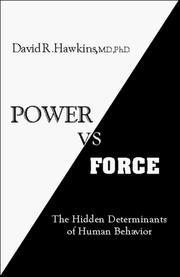
Power vs. Force: The Hidden Determinants of Human Behavior
His most widely read book and the foundation of all his later work. It sets out the 'map of consciousness', a logarithmic scale from 1 to 1000 on which every human attitude — from shame (20) through pride (175), courage (200) and love (500) to enlightenment (700–1000) — would have a 'calibratable' value, and argues that the muscle test of applied kinesiology can tell true from false. It distinguishes power, which arises from truth and need oppose nothing, from force, which imposes itself and breeds counter-force, and applies the distinction to politics, art, sport, business and health. These are the author's claims: controlled studies have not confirmed the validity of muscle testing as a truth detector, and the scale lacks independent verification. Translated into more than twenty-five languages, it is both a classic of its genre and one of its most disputed books.
16 изданий · amazon.com
Письменный труд · 2001
The Eye of the I
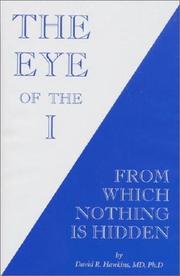
The Eye of the I: From Which Nothing Is Hidden
The second book of the trilogy and the most personal: Hawkins describes in the first person the states he says he lived through from 1965 — the dissolution of the self, the Presence, years of being unable to function — and answers readers and audiences in question-and-answer form. It contains the autobiographical note that thereafter closed his books. It is a self-report: no one else can corroborate those states, and the author presents them as evidence of his authority.
8 изданий · amazon.com

Письменный труд · 2006
Transcending the Levels of Consciousness
Transcending the Levels of Consciousness: The Stairway to Enlightenment
A systematic, level-by-level tour of the map of consciousness: for each stage — shame, guilt, apathy, fear, desire, anger, pride, courage, neutrality, acceptance, reason, love, joy, peace — it describes how it is lived, what sustains it and how to move beyond it. It is the most didactic of his books and the one most used as a practical manual. The figures for each level and their supposed kinesiological verification remain the author's claims, without external validation.
5 изданий · amazon.com

Письменный труд · 2012
Letting Go: The Pathway of Surrender
Completed shortly before his death and published in 2012, it is his most practical book and probably the most recommended today. It proposes a simple technique: notice an emotion or impulse, let it be without resisting, judging or acting on it, and allow it to run its course. It applies the method to guilt, fear, anger, pride, relationships, health and work, drawing on examples from his clinical practice. Though it mentions the levels of consciousness, it can be read without accepting calibration, which is why it is also cited by readers sceptical of the rest of his work.
10 изданий · amazon.com
Все труды (36)

Orthomolecular Psychiatry: Treatment of Schizophrenia
1973
David R. Hawkins
Qualitative and Quantitative Analysis and Calibration of the Level of Human Consciousness
The Conscious LibraryQualitative and Quantitative Analysis and Calibration of the Level of Human Consciousness
1995

Goodbye, Scorpion; Farewell, Black Widow Spider
1996

Dialogues on Consciousness and Spirituality
1998
I: Reality and Subjectivity
2003
Truth vs. Falsehood
2005

Discovery of the Presence of God
2006

Reality, Spirituality and Modern Man
2008

Healing and Recovery
2009
Along the Path to Enlightenment
2011

Dissolving the Ego, Realizing the Self
2011

Success Is for You
2016
David R. Hawkins
Book of Slides
The Conscious LibraryBook of Slides
2018

The Map of Consciousness Explained
2020
David R. Hawkins
The Ego Is Not the Real You
The Conscious LibraryThe Ego Is Not the Real You
2021

The Wisdom of Dr. David R. Hawkins
2022

Daily Reflections from Dr. David R. Hawkins
2022
The Letting Go Guided Journal
2022
In the World, But Not of It
2023
The Highest Level of Enlightenment
2024
David R. Hawkins
The Path to Spiritual Advancement
The Conscious LibraryThe Path to Spiritual Advancement
2024
David R. Hawkins
The Evolution of Consciousness
The Conscious LibraryThe Evolution of Consciousness
2024
David R. Hawkins
The Power vs. Force Deck
The Conscious LibraryThe Power vs. Force Deck
2024
David R. Hawkins
Beyond Illusion
The Conscious LibraryBeyond Illusion
2025
Изречения
Изречения, найденные в конкретном труде. Каждое сопровождается указанием происхождения и степени надёжности.
Force always moves against something, whereas power doesn't move against anything at all.ПровереноPower vs. Force (Hay House, 2002); localizada en el texto completo del ejemplar powervsforcehidd00hawk (Internet Archive)
Основные идеи (редакционное изложение)
Из уважения к авторскому праву эти идеи изложены своими словами и не выдаются за дословные цитаты.
- Human consciousness could be ordered on a logarithmic scale from 1 to 1000; below 200 destructive attitudes prevail (shame, guilt, fear, anger, pride) and above it life-supporting ones (courage, acceptance, reason, love, peace). It is his central thesis and has not been independently validated.
- Authentic power derives from true principles and need not impose itself; force, by contrast, demands justification, provokes resistance and eventually exhausts itself.
- Emotions that are suppressed or expressed unconsciously accumulate; if they are observed and allowed to be without resistance, they discharge and lose their hold on the person.
- The ego is not an enemy to be defeated but a structure inherited from animal evolution that is transcended through humility, surrender and devotion.
- Personal transformation influences others more than any speech: what a person becomes has repercussions throughout their surroundings.
- Recovery from addiction and many illnesses depends, in his view, on a change of inner attitude; hence his esteem for the twelve-step programmes of Alcoholics Anonymous as an effective spiritual path.
- The most direct spiritual path would be devotion joined to nonduality: surrendering every thought, desire and position to God until the personal self no longer intervenes.
Последние слова
Проверяемых записей о последних словах не существует.
There is no reliable record of any last words. The obituary published by the International Society for Orthomolecular Medicine says only that he died “peacefully” at his home in Sedona on 19 September 2012, after completing a series of recorded dialogues and his book Letting Go. Neither Veritas Publishing nor the 2025 authorised biography (not consulted in full text) records, as far as verified, any attributed final words.
Источник: «In Memoriam: David R. Hawkins, 1927–2012». Journal of Orthomolecular Medicine 27 (4), 2012, pp. 187–188 (International Society for Orthomolecular Medicine).
Спросить
На что отвечают эти труды
Двенадцать великих вопросов человечества и то, что позволяют на них ответить эти тексты, со ссылками. Мы никогда не вкладываем слова в чужие уста.
Что такое Абсолют? Существует ли Бог?
Divinity is immanent as the Self and transcendent as the Unmanifest
И личный, и безличныйСказано прямо
David R. Hawkins, a psychiatrist who reports having passed through states of enlightenment, speaks openly of God and describes Him in two registers. In The Eye of the I (2001) and I: Reality and Subjectivity (2003) he presents Divinity as the Unmanifest, the formless source of all existence, and at the same time as the Presence experienced as one's own Self when identification with the ego ceases: God transcendent and God immanent are the same Reality. He distinguishes this Divinity from images of a wrathful or judging God, which he attributes to low levels of consciousness and ego projections. His work keeps the vocabulary of devotion — grace, surrender, love of God — so that the divine has a face to which one surrenders and a formless ground in which the self dissolves.
Сравнить этот вопрос с другими учителямиКто я? Существует ли истинное «я»?
The small self is the ego; the true Self is the divine Presence
Самость есть АбсолютСказано прямо
David R. Hawkins distinguishes typographically between the self, identified with the body, the mind and its positions, and the capitalised Self, which he describes as the Presence of Divinity within. In The Eye of the I (2001) he recounts how, in his experience, the personal self vanished and a boundless awareness remained that belonged to no one. The ego, for him, is a set of programmes, attachments and positionalities that feeds on its own gratifications; it is not to be fought but surrendered. On his map of levels of consciousness, enlightenment corresponds to the dissolution of identification with the small self and the recognition of the Self as identical with Divinity. Unlike Buddhist non-self, he holds that behind the ego there is a real Self, and he unhesitatingly calls it God immanent.
Сравнить этот вопрос с другими учителямиПочему мы страдаем?
The ego clings to positions and emotions; releasing them reveals the Self's peace
Незнание того, кто мы естьСказано прямо
David R. Hawkins attributes suffering to identification with the ego and its contents. In Letting Go (2012) he describes how suppressed feelings accumulate — fear, guilt, anger, pride — which the ego holds on to and projects, and proposes a mechanism of surrender: allowing the feeling to be, without resisting or condemning it, until it is exhausted. In Power vs. Force (1995) he arranges emotions on a scale of levels of consciousness, from shame and guilt at the bottom to love, joy and peace at the top, and associates pain with levels dominated by contraction and positionality. The ego, he explains, even derives a secret gratification from its own suffering, which is why it clings to it. Release from pain coincides with the dissolution of that identification and the recognition of the Self.
Сравнить этот вопрос с другими учителямиЧто происходит после смерти?
The Self does not die; only identification with the body dies
То, что я есть, не рождается и не умираетСказано прямо
David R. Hawkins recounts in his books several near-death experiences and a state of enlightenment in which, he says, the fear of dying vanished because it became clear that life cannot be extinguished. He holds that what fears death is the ego, which identifies with the body and its linear continuity; the Presence or Self has neither beginning nor end and is not affected by the disappearance of the body. In The Eye of the I and in I: Reality and Subjectivity he describes physical death as the leaving of a vehicle and the fear of it as one of the last attachments the seeker must surrender. At the same time, Hawkins accepts the continuity of the spirit and of karma: the level of consciousness reached in a life determines, in his view, the soul's destiny after death.
Сравнить этот вопрос с другими учителямиКак достигается освобождение или спасение?
Surrender the ego to God by letting go; the final step comes by grace
Через преданность и предание себяСказано прямо
David R. Hawkins describes enlightenment as the top of a scale of levels of consciousness he presented in Power vs. Force. Ascending it does not consist in accumulating knowledge but in letting go: surrendering, one after another, the ego's positions, desires and judgements. In Letting Go he sets out that mechanism of surrender as applied to emotions, and in his later works he speaks of a «devotional nonduality», in which humility, surrender to God and prayer are the driving force of progress. Hawkins holds that the final step, the dissolution of the sense of a separate self, is not carried out by the ego, which cannot abolish itself, and comes as grace when surrender is complete.
Сравнить этот вопрос с другими учителямиНужен ли учитель?
The teacher helps through presence and teaching; one must discern his truth
Полезен, но не обязателенСледует из учения
David R. Hawkins attributed to realised teachers a real effect on those who approach them: in his scheme, the field of consciousness of a high-level teacher favours the raising of others. That is why he considered valuable the teaching of history's great masters and of anyone who has walked the path. At the same time, he warned against false teachers and proposed discerning their degree of truth, using his calibration method, before following them. His later works, such as The Eye of the I, present his own experience as teaching, but insist that truth is only realised inwardly, through surrendering one's own ego, something no one can do for another.
Сравнить этот вопрос с другими учителямиРеален ли мир?
The perceived world is the ego's projection; in its essence all is perfect
Видимость поверх единой реальностиСледует из учения
David R. Hawkins distinguishes between the world as the egoic mind perceives it and what it is in its essence. The perceived world, with its conflicts, causes and evaluations, would largely be a projection of the ego's positionality: by labelling and judging, the mind builds a scene it takes for reality. When that positionality dissolves, as he describes in The Eye of the I on the basis of his own experience, the world is revealed as an expression of Divinity, in which everything is perfect as it is and nothing happens by linear causality. Ultimate reality is consciousness itself, and the world is its apparent content.
Сравнить этот вопрос с другими учителямиЧто такое любовь?
Love is a level of consciousness that arises when the ego is released
То, что появляется, когда «я» прекращаетсяСказано прямо
In the map of consciousness he proposes in Power vs. Force, David R. Hawkins places love at a high level of his scale, above reason, and unconditional love somewhat higher, as the antechamber of joy and peace. He distinguishes this love from the romantic or dependent feeling that the culture calls love and which, in his view, belongs to lower levels, mixed with desire, pride or fear of loss. True love does not centre on an object: it is a way of being in the world that perceives what is essential and valuable in everything, forgives easily and does not judge. Hawkins holds that it is not reached by effort but by surrendering the ego's positions, judgements and attachments; what remains when they are released is love, which at higher levels is recognised as the very nature of Divinity.
Сравнить этот вопрос с другими учителямиСвободны ли мы или всё предопределено?
Nothing causes anything: everything arises spontaneously and the deciding self is an assumption
Нет делающегоСказано прямо
In his mature works, *The Eye of the I* (2001) and *I: Reality and Subjectivity* (2003), Hawkins holds that linear causality is a construct of the mind and that, from enlightened consciousness, everything happens spontaneously as an expression of the whole. The personal self that believes it decides is an assumption of the ego, which claims authorship of what in fact emerges of itself. At the same time, in *Power vs. Force* (1995) he speaks of choosing between attractor fields of higher or lower consciousness, and encourages that choice as a path of growth. In his scheme both statements belong to different levels: choice holds for those who identify with the self; for the awakened, there is no one who chooses.
Сравнить этот вопрос с другими учителямиЗачем медитировать или молиться?
Surrendering every feeling and thought until the Presence is revealed
Быть в присутствииСказано прямо
Hawkins proposes a path he called «devotional nonduality», set out in *Discovery of the Presence of God* (2006). Rather than a concentration technique, he recommends a contemplative attitude sustained throughout the day: observing the arising of each thought and feeling at the very edge of the present instant and surrendering it, neither resisting nor pursuing it. In *Letting Go* (2012) he systematises that mechanism of surrendering emotions as a practical method. When the mind stops clinging to its contents, he holds, the Presence is revealed, which is not something attained but what has always been there. Prayer, understood as humble surrender to God, is part of the same movement.
Сравнить этот вопрос с другими учителямиМожет ли разум познать предельное?
Reason calibrates at 400: necessary, but a ceiling below love
Предельное лежит за пределами умаСказано прямо
In his *Map of Consciousness*, set out in *Power vs. Force* (1995), Hawkins places reason at level 400, above pride, fear or acceptance, and credits it with the great achievements of science, philosophy and medicine. But he also presents it as a limitation: reason works with concepts, linear causes and data, and cannot step beyond its own domain. The leap to love (500) and beyond, to peace and enlightenment (600 and upwards), requires giving up the primacy of the intellect. In *The Eye of the I* he adds that ultimate reality is subjective and cannot be proven, only known by being it. Thought points; realisation is a shift of context, not a conclusion.
Сравнить этот вопрос с другими учителямиУйти от мира или преобразить его?
Raising one's own consciousness changes the world more than force does
Революция — внутренняяСказано прямо
David R. Hawkins holds that social and political problems are poorly solved from the level of consciousness that produced them. In Power vs. Force he distinguishes power, which springs from true principles and sustains itself, from force, which must impose itself and generates a counterforce; movements that fight something out of hatred or pride, even when pursuing just ends, reproduce the conflict. That is why the most effective service to the world is to raise one's own consciousness: according to his model, each person who moves towards love and truth counterbalances the weight of many others at lower levels, and humanity advances as a whole. Hawkins does not propose withdrawal: he values work, family and ordinary commitments as a field of surrender. But he distrusts militant activism and places inner transformation before any institutional change.
Сравнить этот вопрос с другими учителями
Созвучия и противоречия
Созвучия и противоречия
Рассчитаны вопрос за вопросом на основе позиций. Причина каждого совпадения или расхождения — по нажатию.
Ближе всего к
Nisargadatta Maharaj
Совпадают в вопросах: Кто я? Существует ли истинное «я»? · Почему мы страдаем? · Что происходит после смерти?
Ashtavakra
Совпадают в вопросах: Кто я? Существует ли истинное «я»? · Почему мы страдаем? · Что происходит после смерти?
Ramana Maharshi
Совпадают в вопросах: Реален ли мир? · Кто я? Существует ли истинное «я»? · Почему мы страдаем?
Anandamayi Ma
Совпадают в вопросах: Что такое Абсолют? Существует ли Бог? · Кто я? Существует ли истинное «я»? · Почему мы страдаем?
Дальше всего от
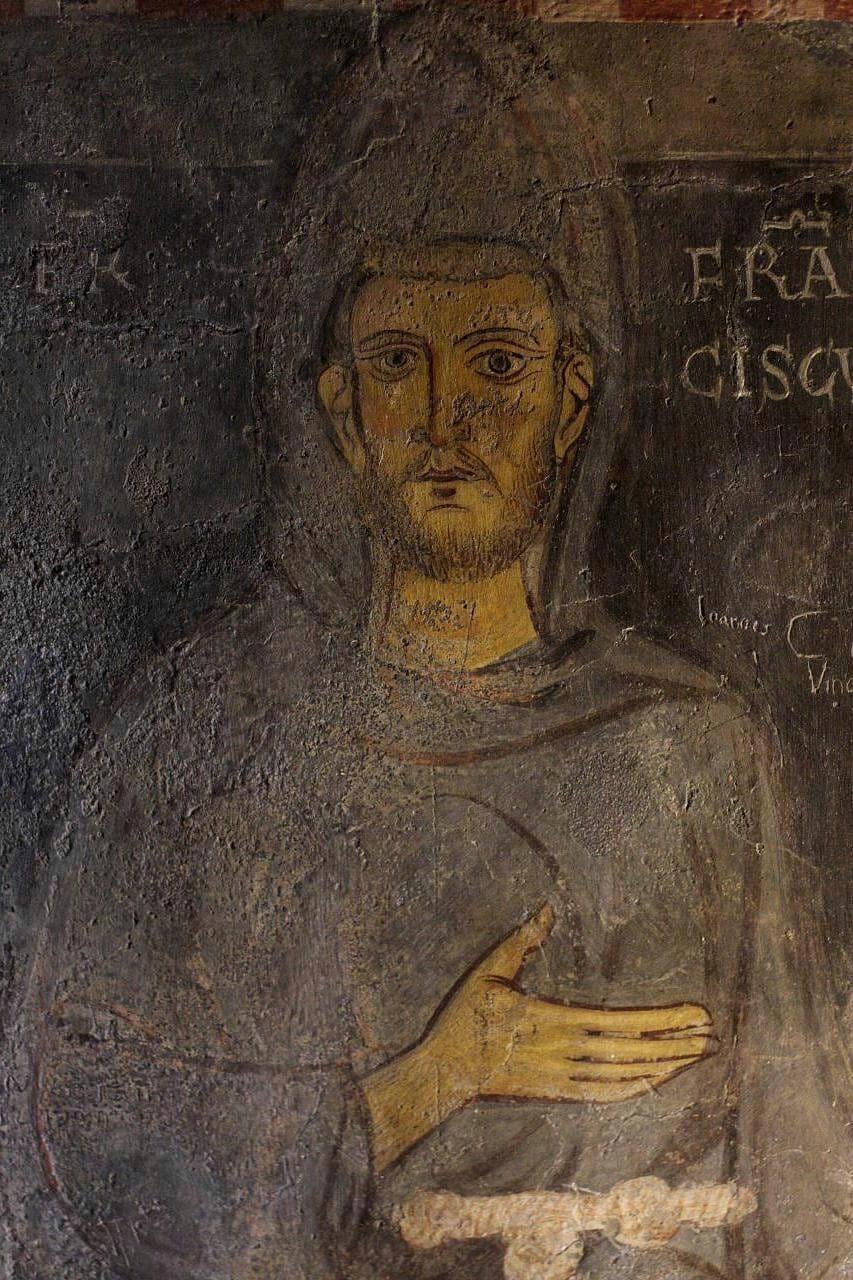
Francis of Assisi
Расходятся в вопросах: Кто я? Существует ли истинное «я»? · Реален ли мир?
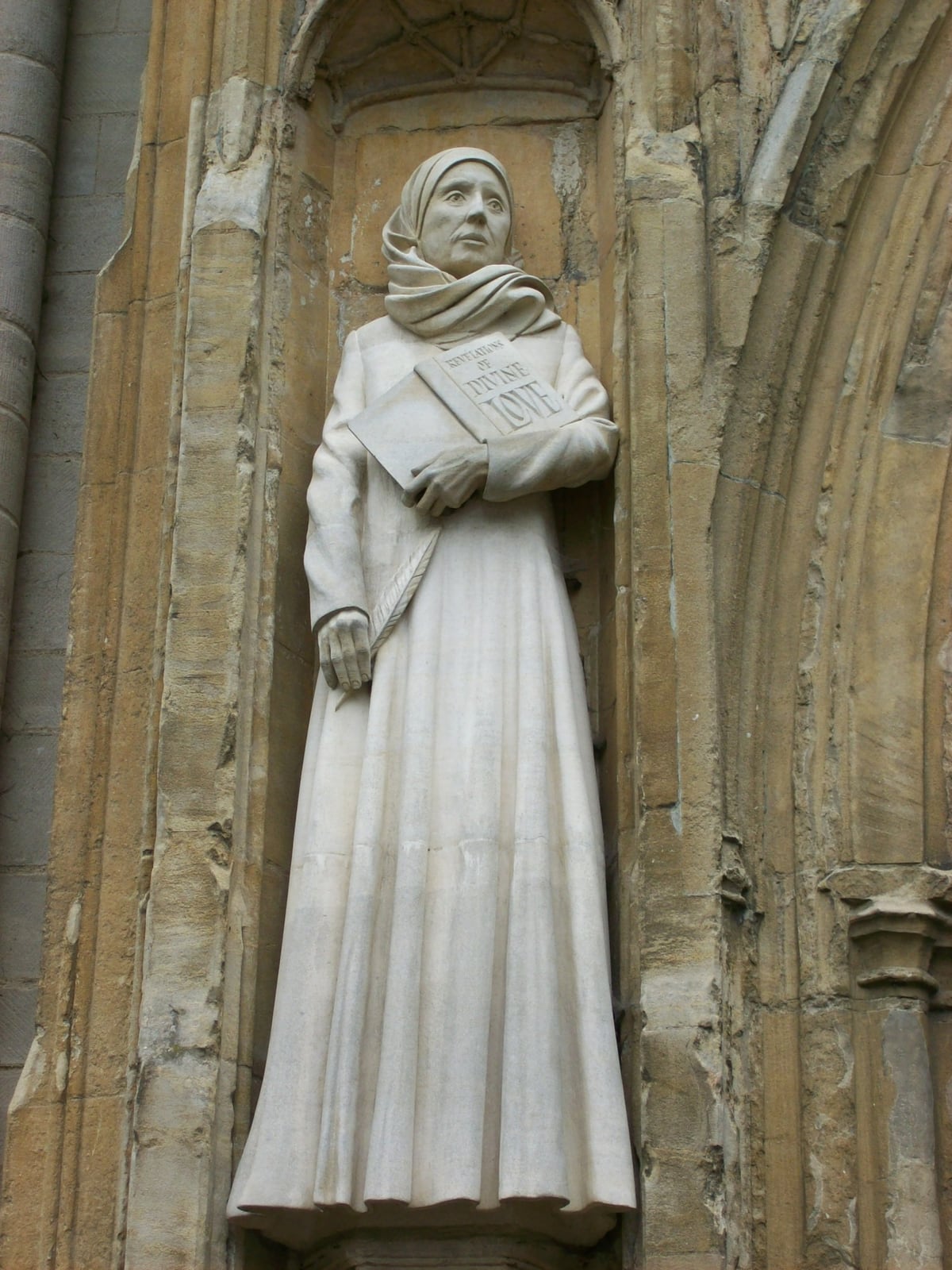
Julian of Norwich
Расходятся в вопросах: Кто я? Существует ли истинное «я»? · Реален ли мир?
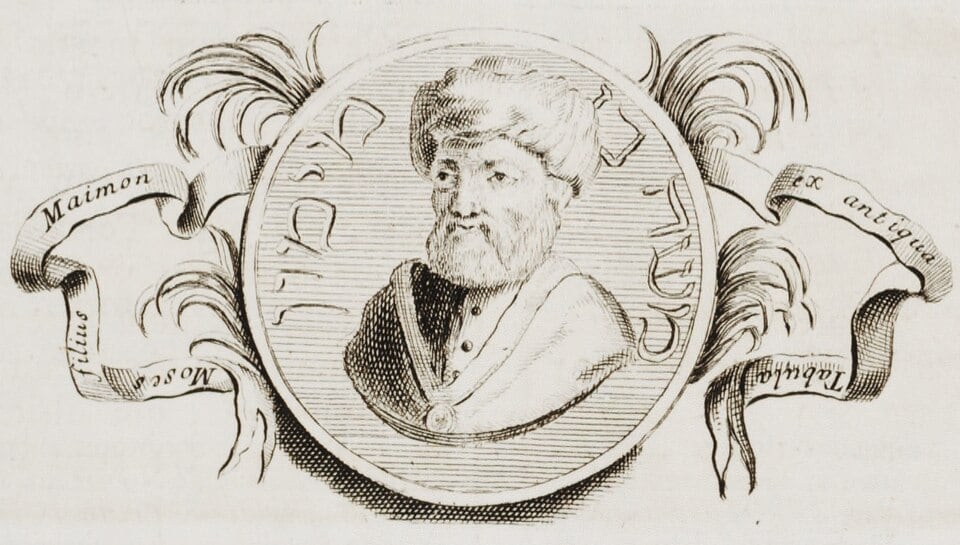
Maimonides
Расходятся в вопросах: Кто я? Существует ли истинное «я»? · Реален ли мир?
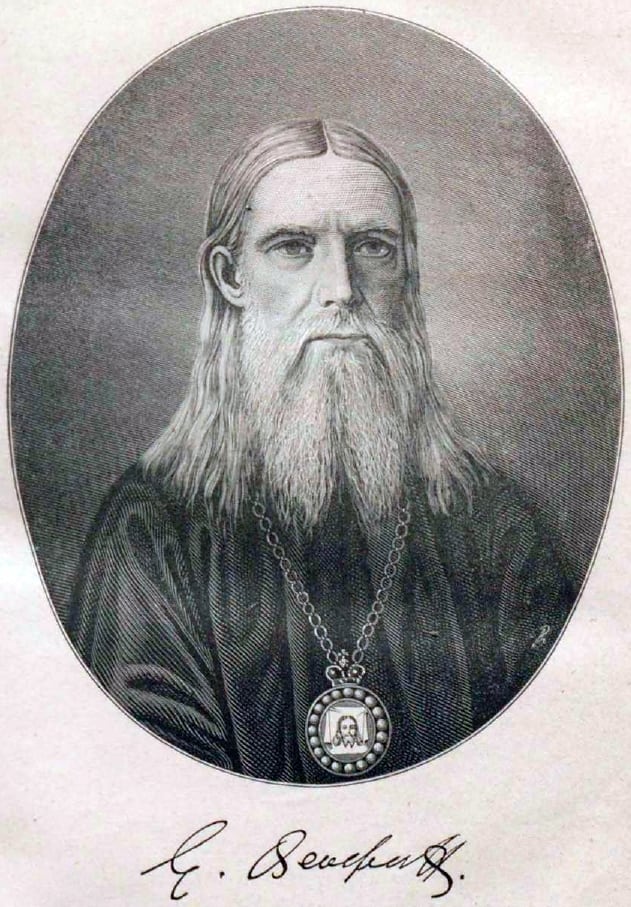
Theophan the Recluse
Расходятся в вопросах: Кто я? Существует ли истинное «я»? · Реален ли мир?
Расходятся в вопросахПринципиальное разногласие
David R. Hawkins · The 14th Dalai Lama (Tenzin Gyatso)
Calibrating truth or letting science refute: two attitudes towards evidence
Почему: The contradiction is real and concerns method. The Dalai Lama speaks from the university tradition of Nalanda, with its developed logic and epistemology, and from decades of dialogue with scientists: he distinguishes what Buddhism says about the mind, which can be tested, from what it affirms about the path. Hawkins, a psychiatrist by training, presents kinesiology as a bridge between science and spirituality, but his procedure lacks independent experimental validation, and the library presents it as doctrine, not as a result. Both agree on the place of reason, necessary but not ultimate; they clash over whether a claim about truth can rest on a measurement no one else can replicate.
Расходятся в вопросахПринципиальное разногласие
David R. Hawkins · Jiddu Krishnamurti
A ladder of levels versus a pathless land
Почему: The contradiction is real, though it starts from a shared diagnosis. Hawkins, trained as a psychiatrist and a reader of devotional traditions, offers his readers a map that lets them locate themselves and orient inner work, and his way is surrender. Krishnamurti, raised in the Theosophical Society, with its doctrine of initiations and grades, rejected precisely every spiritual hierarchy: a map of levels would seem to him the subtlest form of ambition. One sees the scale as an aid to letting go; the other, as a trap that turns letting go into another achievement. They agree that no one can do the work for another and that thought is not the goal.
Совпадают в вопросах
David R. Hawkins · Nisargadatta Maharaj
Everything happens and no one does it: the doer as an assumption
Почему: The affinity comes from a common matrix, non-duality of Vedantic origin, which Nisargadatta received from his lineage and Hawkins adopted in his mature works. No relationship between them is recorded in this library. They differ in register and audience: Nisargadatta speaks in direct conversations, translated from Marathi, with a negative method that discards everything perceived; Hawkins writes books combining his experience, clinical language and a map of levels of consciousness whose calibration basis lacks scientific validation. Hawkins also stresses devotional surrender to God; Nisargadatta stays with pure enquiry into the I am.
Предания и рассказы
Предания и рассказы
Свидетельство1939
The blizzard
Происхождение рассказа: It comes solely from Hawkins himself: the 'About the Author' note in The Eye of the I (2001) and later books. There is no independent testimony and no precise date.
Свидетельствоc. 1965
The atheist's prayer
Происхождение рассказа: Autobiographical note in his books from 2001 (The Eye of the I onwards). No medical records or witnesses are known that would allow the illness or the experience to be checked.
Документировано2000s
Scepticism 'calibrates' at 160
Происхождение рассказа: Documented on Veritas Publishing's 'FAQs' page ('Critics' and 'Kinesiology' sections) and in the 'Applied kinesiology' entry of The Skeptic's Dictionary (s20).
Не поддаётся проверке1990s–2000s
Mother Teresa's praise
Происхождение рассказа: It appears in promotional texts (e.g. the El Grano de Mostaza page for La sabiduría del Dr. David R. Hawkins). Neither the letter nor its provenance has been found; it remains pending.
Документировано2010s–2025
The biography the publisher disowned
Происхождение рассказа: Statement by Veritas Publishing on its 'FAQs' page (consulted 2026-10-25). Not checked against Scott Jeffrey's version; title and date of his book pending.
Учение
Учение
Понятия, на которых строится мысль учителя, объяснённые в их контексте.
Map of Consciousnessmap-of-consciousness
It combines the hierarchy of needs of humanistic psychology, the emotional scales of self-help movements and the traditional idea of degrees of spiritual realisation.
Calibration by muscle testingcalibration-muscle-testing
The author's claim; the scientific assessment is summarised with sources s8, s9, s10, s11 and s20.
Power and forcepower-and-force
Set out in Power vs. Force (1995) and taken up again in Success Is for You (2016).
Letting go (surrender)letting-go-surrender
The practical core of his late work; it connects with surrender to God in the devotional path.
Devotional nondualitydevotional-nonduality
Set out in I: Reality and Subjectivity (2003) and Discovery of the Presence of God (2006).
Ретриты
Ретриты и центры
Места и встречи, связанные с этим учением. Мы свяжем вас с их организаторами.
Grupos locales en varios países y por Zoom · Internacional
David R. Hawkins study groups
Veritas Publishing (directorio)
Veritas Publishing, the Sedona publisher of David R. Hawkins's work, maintains a directory of study groups devoted to his books and his Map of Consciousness. Groups are listed by their own organisers, can be searched by country or postcode and include online options by video call; the same website explains how to start a new one. These are not retreats led by the organisation but gatherings of readers. Veritas also offers a streaming video library with the lecture series, dialogues and satsangs Hawkins gave between 2002 and 2011, the most direct record of his teaching.
Видео
Видео
Записи, интервью и документальные фильмы. Видео воспроизводятся с YouTube; здесь они не хранятся.
Dr. David R. Hawkins: No Mind is the Ultimate Context
Лекция· EN· 7 min
veritaspubОфициальный канал
Dr. David R. Hawkins: The Direct Way to God
Смотреть на YouTube
Это видео нельзя встроить; оно откроется на YouTube.
Dr. David R. Hawkins: The Direct Way to God
Лекция· EN· 3 min
Veritas Publishing – Dr. David R. HawkinsОфициальный канал
Dr. David R. Hawkins: How to Become the Witness
Смотреть на YouTube
Это видео нельзя встроить; оно откроется на YouTube.
Dr. David R. Hawkins: How to Become the Witness
Лекция· EN· 3 min
Veritas Publishing – Dr. David R. HawkinsОфициальный канал
How Do You Let Go?
Смотреть на YouTube
Это видео нельзя встроить; оно откроется на YouTube.
How Do You Let Go?
Лекция· EN· 4 min
Veritas Publishing – Dr. David R. HawkinsОфициальный канал
“How far up the scale is it possible to go in one lifetime?”
Смотреть на YouTube
Это видео нельзя встроить; оно откроется на YouTube.
“How far up the scale is it possible to go in one lifetime?”
Лекция· EN· 4 min
Veritas Publishing – Dr. David R. HawkinsОфициальный канал
Forgiveness
Смотреть на YouTube
Это видео нельзя встроить; оно откроется на YouTube.
Forgiveness
Лекция· EN· 5 min
Veritas Publishing – Dr. David R. HawkinsОфициальный канал
Dr. David Hawkins: Why Your Mind Won’t Stop Thinking
Лекция· EN· 24 min
Hay HouseОфициальный канал
El legado del Doc David Hawkins, mapa de la conciencia, dejar ir | Entrevista Miguel Iribarren
Интервью· ES· 85 min
Imanol Correa
TODO sobre EL MAPA DE LOS NIVELES DE CONSCIENCIA del Dr David Hawkins
Разбор· ES· 24 min
Sebas Klinkert
Dr. David R. Hawkins: Vol I: Power vs. Force – Muscle Testing Video
Оригинальная запись· EN· 2 min
Veritas Publishing – Dr. David R. HawkinsОфициальный канал
Who You Are Brings You What You Need - April 2004
Лекция· EN· 2004· 10 min
Veritas Publishing – Dr. David R. HawkinsОфициальный канал
Altered States of Consciousness (August 2005)
Лекция· EN· 2005· 3 min
Veritas Publishing – Dr. David R. HawkinsОфициальный канал
Dr. David R. Hawkins: Grace and Karma
Лекция· EN· 2 min
Veritas Publishing (veritaspub)Официальный канал
Mesa redonda - David Hawkins - El poder frente a la fuerza
Разбор· ES· 2026· 55 min
El Grano de MostazaОфициальный канал
Mesa redonda - David Hawkins - Dejar ir
Разбор· ES· 2026· 58 min
El Grano de MostazaОфициальный канал
Галерея
Галерея
Изображения с проверенной лицензией. Каждое сохраняет своё авторство и атрибуцию.
Связи
Связи
Влияния, ученичество и близость взглядов. Документированная связь отличается от сходства, выявленного путём анализа.
Встречался с
Linus Pauling
They co-edited Orthomolecular Psychiatry: Treatment of Schizophrenia (W. H. Freeman, 1973).
Документированная связь
Испытал влияние
George J. Goodheart
Hawkins took from Goodheart's applied kinesiology (and its populariser John Diamond) the muscle test on which he based calibration.
Документированная связь
Родственник
Susan Hawkins
His wife; she presides over the Institute for Spiritual Research and wrote the authorised biography (2025).
Документированная связь
Идеи, близкие к
Both locate realisation in the recognition of the Self and the disappearance of the personal self; Hawkins adds a Christian devotional component.
Сходство, выявленное путём анализа
Идеи, близкие к
Affinity in the thesis that the personal 'I am' is a transient identification to be transcended.
Сходство, выявленное путём анализа
Современник
Contemporaries read by the same public; both narrate a sudden dissolution of the self at a moment of crisis and propose letting go of identification with the mind.
Сходство, выявленное путём анализа
Источники
Источники
Библиография и каталоги, использованные для этой статьи.
- Boulder Book Store, ficha de «The Final Doorway to Enlightenment: Prayer, Transcendence, and Realization of the Self» (Hay House LLC, 2026, 176 pp., ISBN 9781401977160).
- Wikidata, «David R. Hawkins», QID Q1176226 (VIAF 29784455; LCCN no96037139; ISNI 0000000110496765).
- Veritas Publishing. «Dr. David R. Hawkins» (biografía oficial, educación, premios y fundaciones). veritaspub.com.
- «In Memoriam: David R. Hawkins, 1927–2012». Journal of Orthomolecular Medicine 27 (4), 2012, pp. 187–188 (International Society for Orthomolecular Medicine).
- Hawkins, David R. The Eye of the I: From Which Nothing Is Hidden. Sedona: Veritas Publishing, 2001, «About the Author» (nota autobiográfica, reproducida también en Truth vs. Falsehood, 2005; Transcending the Levels of Consciousness, 2006; Healing and Recovery, 2009; Letting Go, 2012). Consultado mediante la búsqueda de texto completo de Internet Archive (ejemplar eyeofi0000hawk).
- Hawkins, David R. Power vs. Force: The Hidden Determinants of Human Behavior. Sedona: Veritas Publishing, 1995; ed. revisada, Carlsbad: Hay House, 2002; «Author's Official Authoritative Edition», Hay House, 2012.
- Hawkins, David R., y Linus Pauling (eds.). Orthomolecular Psychiatry: Treatment of Schizophrenia. San Francisco: W. H. Freeman, 1973. ISBN 0716708981.
- Veritas Publishing. «FAQs» (incluye «Critics: Clarification of Consciousness Research», normas sobre grupos de estudio, derechos del Map of Consciousness® y el Institute for Spiritual Research, Inc.).
- Hall, S.; Lewith, G.; Brien, S.; Little, P. «A review of the literature in applied and specialised kinesiology». Forschende Komplementärmedizin 15 (1), 2008, pp. 40–46. doi:10.1159/000112820. PMID 18334813.
- Schwartz, S. A.; Utts, J.; Spottiswoode, S. J. et al. «A double-blind, randomized study to assess the validity of applied kinesiology (AK) as a diagnostic tool and as a nonlocal proximity effect». Explore 10 (2), 2014, pp. 99–108. doi:10.1016/j.explore.2013.12.002. PMID 24607076.
- Jensen, A. M.; Stevens, R. J.; Burls, A. J. «Estimating the accuracy of muscle response testing: two randomised-order blinded studies». BMC Complementary and Alternative Medicine 16, 2016, art. 492. doi:10.1186/s12906-016-1416-2. PMID 27903263.
- Kenney, J. J.; Clemens, R.; Forsythe, K. D. «Applied kinesiology unreliable for assessing nutrient status». Journal of the American Dietetic Association 88 (6), 1988, pp. 698–704. PMID 3372923.
- Wikipedia (en). «Columbia Pacific University» (centro a distancia no acreditado, fundado en 1978 y cerrado por orden judicial en California en 2000).
- Wikipedia (de). «David R. Hawkins». Consultado como índice de fechas y obras, contrastado con s2 y s3.
- Hay House. «David R. Hawkins, M.D., Ph.D.» (ficha de autor y catálogo).
- Hay House. «Hay House Partner Program» — aviso de cierre del programa de afiliación (octubre de 2021).
- Hawkins, Susan. The Man Who Mapped Consciousness: The Life and Legacy of Dr. David R. Hawkins, The Authorized Biography. Carlsbad: Hay House, 2025. ISBN 9781401979577.
- Deutsche Nationalbibliothek, catálogo (SRU), registros de «Hawkins, David R.» (14 registros).
- Bibliothèque nationale de France, catálogo general (SRU), registros de David R. Hawkins.
- Open Library, registros de obra y edición de David R. Hawkins (OL6212873W, OL19764617W, OL20655237W, etc.).
- Carroll, Robert Todd. «Applied kinesiology». The Skeptic's Dictionary (skepdic.com), con sección dedicada a David Hawkins.
- Hyman, Ray. «The Mischief-Making of Ideomotor Action». The Scientific Review of Alternative Medicine 3 (2), 1999 (citado por s20 a propósito de las demostraciones de kinesiología aplicada).
- American Psychiatric Association. Megavitamin and Orthomolecular Therapy in Psychiatry. Task Force Report 7. Washington, D. C.: APA, 1973.
- Chitai-gorod (Читай-город), fichas de catálogo de las ediciones rusas de David R. Hawkins (Весь, Ганга, АСТ, Эксмо).
- Macrolibrarsi / Macro Edizioni, ficha de «Il potere dei condizionamenti» (EAN 9788828538264).
- Veritas Publishing. Catálogo de libros (books).
- Veritas Publishing. Canal oficial de YouTube «Veritas Publishing – Dr. David R. Hawkins».
- Goodreads, listas de ediciones por obra de David R. Hawkins (autor 11784), con ISBN, editorial, fecha y lengua de cada edición; consultadas obra por obra (p. ej. work/editions/20996, 21908238, 24296–24304).
- Ediciones El Grano de Mostaza (Barcelona), catálogo de libros de David R. Hawkins en español (fichas con ISBN como SKU).
- Internet Archive, búsqueda de texto completo (servicio FTS) sobre ejemplares digitalizados de bibliotecas: powervsforcehidd00hawk (Hay House, 2002), eyeofi0000hawk (Veritas, 2001), i00hawk (Veritas, 2003), lettinggopathway0000hawk (Veritas, 2012), alongpathtoenlig0000hawk (Hay House, 2011).
- Penguin Random House, ficha de «My Journey of Light with Dr. David R. Hawkins», de Susan Hawkins (Hay House, 2026).
- Правообладатель
- Herederos de David R. Hawkins (copyright a nombre del autor) a través de Veritas Publishing, editorial propia sostenida por el Institute for Spiritual Research, Inc. (Sedona, Arizona), que custodia además las marcas Map of Consciousness® y prohíbe reproducir sus tablas; Hay House publica bajo licencia la mayor parte de las ediciones en inglés desde 2002.
- Официальный сайт
- veritaspub.com
Ожидает подтверждения
То, что в этой статье пока не удалось установить. Мы предпочитаем сказать об этом, а не заполнять пробел.
- Retrato: no hay ninguna fotografía de David R. Hawkins con licencia libre en Wikimedia Commons (búsqueda del 2026-10-25; Wikidata Q1176226 sin P18). Las tres imágenes son de lugares y de Linus Pauling; ninguna se marca como principal. Pedir a Veritas Publishing / Institute for Spiritual Research una imagen con licencia o permiso.
- Tesis doctoral de 1995 (Qualitative and Quantitative Analysis and Calibration of the Level of Human Consciousness): localizar el registro bibliográfico (Columbia Pacific University / posible edición de Veritas) y su ISBN, si lo tiene.
- Localizar ISBN de las ediciones en ruso de Power vs. Force («Сила против силы», editoriales Весь y АСТ) y de Eye of the I / Transcending; solo se ha verificado «Отпускание» (Ганга, 2018). Fuente de partida: Chitai-gorod (s23).
- Localizar ediciones italianas distintas de Il potere dei condizionamenti (Macro Edizioni), p. ej. de Letting Go, y ediciones hindi y árabes de las obras principales (solo se han verificado dos árabes: Letting Go y I).
- Ediciones españolas sin ISBN localizado: The Ego Is Not the Real You, In the World But Not of It, The Highest Level of Enlightenment («El nivel más alto de iluminación» figura en Goodreads sin ISBN), Along the Path to Enlightenment. Año de publicación de «La explicación del mapa de la conciencia», «La evolución de la conciencia» y «El hombre que creó el mapa de la conciencia» (El Grano de Mostaza).
- Edición española de Realidad, espiritualidad y el hombre moderno: el catálogo de la editorial da 9788412295696 y Goodreads 9788412312430; confirmar si son dos ediciones (papel y digital).
- Fecha exacta de salida de The Final Doorway to Enlightenment (Hay House, 2026): los catálogos dan 13 de enero y 4 de agosto de 2026. ISBN de My Journey of Light de Susan Hawkins (9798318604577 o 9781837826681 según el vendedor).
- Grabaciones de audio y vídeo: Veritas vende decenas de conferencias en CD/DVD y streaming (series mensuales 2002–2011, «Office Visit Series», «The Highest Level of Enlightenment» en audio, etc.); solo se han registrado como obras tres títulos de audio. Inventario completo en https://veritaspub.com/.
- Carta o elogio de la Madre Teresa a Power vs. Force: localizar texto, fecha y procedencia; hoy solo consta en textos promocionales (anécdota marcada como unverifiable).
- Título y fecha de la biografía autopublicada por Scott Jeffrey que Veritas desautoriza en sus FAQ.
- Confirmar autoría de «Dialogues on Consciousness and Spirituality» (Veritas, 1998) y su contenido, que no se ha podido consultar.
- Leer la biografía autorizada de Susan Hawkins (2025) para contrastar fechas (enfermedad de c. 1965, traslado a Sedona, título coreano) y posibles últimas palabras.
- Buscar vídeos oficiales insertables: casi todos los del canal Veritas Publishing tienen la inserción desactivada (oEmbed 401); hay una conferencia en coreano de 2000 mencionada en The Eye of the I sin localizar.
- Sala de lectura (2026-10-25): ninguna obra de Hawkins (m. 2012) es de dominio público; derechos de Veritas Publishing / Institute for Spiritual Research y Hay House hasta 2083 (UE, 70 años) y más allá en EE. UU. para las obras posteriores a 1977. Sin reading_texts.
- Vídeos (2026-10-25): añadidos 6 (4 de Veritas insertables, 2 mesas redondas de El Grano de Mostaza); la mayoría de los vídeos del canal Veritas siguen con la inserción desactivada. La entrevista con Oprah Winfrey que circula en YouTube está en un canal de aficionado y no se incluye.
- Obras (2026-10-25): cotejo con Open Library sin obras nuevas. Registros atribuidos por error a este autor en Open Library y descartados: Biotransformations (1992–1993, otro David R. Hawkins, químico), The Little Book of Letting Go (2000, de Hugh Prather), Journey Together (Harvest House, 2021) y Side by Side (2009), de homónimos; Ultimate Dr. David Hawkins Library (2022) es un lote de libros, no una obra.
Исследовано 2026-10-25