Индуизм · Адвайта-веданта · Ведическая традиция
Ashtavakra
अष्टावक्र
Легендарная фигура
Мудрец санскритской традиции, чье имя означает «искривленный в восьми местах». «Махабхарата» рассказывает, что, проклятый отцом еще до рождения, он ребенком победил полемиста Бандина при дворе царя Джанаки и вызволил отца из вод. Традиция приписывает ему «Аштавакра-гиту» — диалог с Джанакой в двадцати главах и один из самых радикальных текстов недвойственности, автор и время создания которого неизвестны (по Брокингтону, между VIII и XIV веками).
- трудов
- 3трудов
- изданий
- 19изданий
- цитат
- 6цитат
- видео
- 13видео
- изображений
- 2изображений
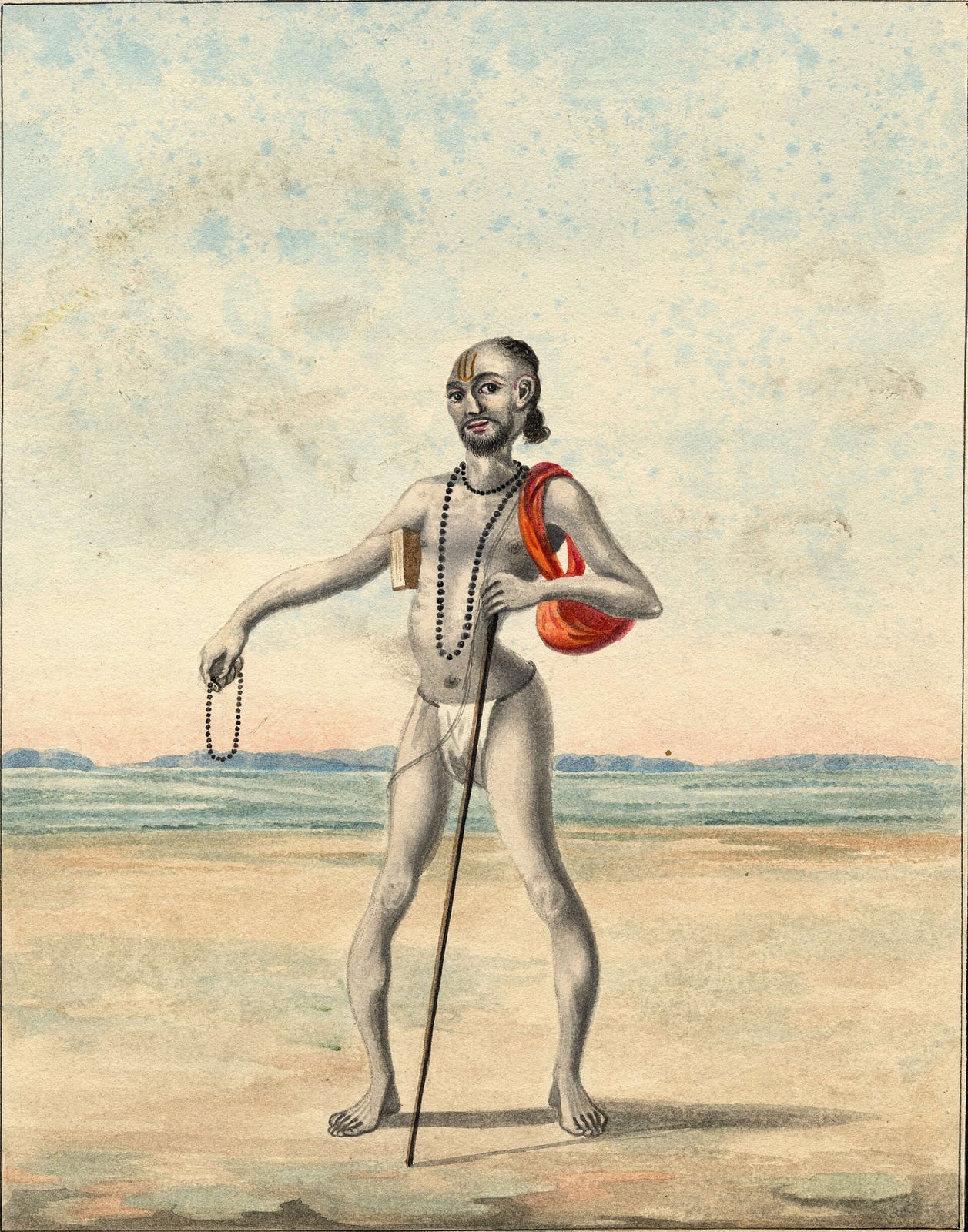
Aṣṭāvakra, acuarela de principios del siglo XIX · Public domain
Своими словами
«You are not earth, nor water, nor fire, nor air, nor space. For liberation, know yourself as the witness of all these, whose form is consciousness.»Aṣṭāvakra Gītā 1.3 (texto sánscrito de Wikisource); versiones española e inglesa del investigador

Главная мысль
The witness (sākṣin): This is the central notion of the Aṣṭāvakra Gītā.
В контексте
Биография
4 мин чтения
Перевод с испанского оригинала, выполненный с помощью ИИ; ожидает проверки носителем языка.
Имя, которое есть рана
Аштавакра означает «искривленный в восьми местах». Немногие мудрецы Древней Индии носят в имени увечье, и ни один не превращает его в довод с такой силой: вся традиция, сложившаяся вокруг него, повторяет, что тело не мера мудреца, возраст не мера знания, а «я» — не тот облик, который мы видим. Но с самого начала следует развести два плана, которые благочестие обычно смешивает. С одной стороны — персонаж санскритского эпоса, наиболее полное сказание о котором сохранилось в «Махабхарате»; с другой — философская поэма, ходящая под его именем, «Аштавакра-гита», или «Аштавакра-самхита», текст неизвестного автора, который ни один древний источник с этим персонажем не связывает. Нет ни даты, ни места, ни свидетельства, которые позволили бы считать Аштавакру исторической личностью: это фигура традиции.
Ребенок, который поправил отца
Каноническое сказание занимает три главы «Араньяка-парвы» (3.132–134 по критическому изданию), где мудрец Ломаша рассказывает его Юдхиштхире во время паломничества Пандавов. Кахода, ученик ведийского наставника Уддалаки, берет в жены Суджату, дочь своего учителя. Когда она носит ребенка, тот заговаривает из чрева и упрекает отца: хоть он и читает Веды всю ночь напролет, читает он их неправильно. Униженный перед учениками, Кахода проклинает сына: тот родится искривленным в восьми местах. Вскоре, гонимый бедностью, Кахода отправляется за богатством ко двору царя Джанаки Видехского; там его побеждает в споре полемист Бандин (или Вандин), и по правилу состязания побежденного бросают в воду. Уддалака велит скрыть это от ребенка, и Аштавакра растет в уверенности, что его дед — его отец, а Шветакету, его дядя и ровесник, — его брат.
Состязание чисел
В двенадцать лет, когда Шветакету сталкивает его с колен Уддалаки со словами «это не колени твоего отца», Аштавакра узнает правду и вместе с дядей отправляется на жертвоприношение Джанаки. Привратник преграждает ему путь, потому что входить дозволено лишь старым и ученым брахманам, и мальчик отвечает изречением, которое поэма сделает знаменитым: стар не тот, чья голова поседела, а тот, кто знает, и мудрецы полагали заслугу не в годах, не в седине, не в богатстве и не в родне. Перед царем он вызывает Бандина на поединок. Этот поединок — единственный в своем роде фрагмент санскритской литературы: каждый из соперников должен тут же слагать стихи о числах от одного до тринадцати, и когда Бандин успевает произнести лишь первую половину строфы о тринадцати, Аштавакра договаривает ее и побеждает. Побежденный открывает, что он сын бога Варуны и отправлял утопленных брахманов на двенадцатилетнее жертвоприношение на дне вод; он возвращает их, и Каходу в их числе, а отец велит сыну омыться в реке Саманге, из которой тот выходит с выпрямленными членами.
Другие следы в эпосе и пуранах
Имя встречается и в других местах. «Рамаяна» Вальмики делает его символом сына, искупающего отца: в книге о войне (6.119.17 по нумерации вульгаты) покойный Дашаратха говорит Раме, что тот спас его, как Аштавакра спас брахмана Каходу. «Анушасана-парва» «Махабхараты» (разделы 19–21 в переводе Гангули) повествует о другом испытании: чтобы получить руку Супрабхи, дочери мудреца Ваданьи, Аштавакра отправляется на Север и не поддается соблазнам старухи, которая оказывается божеством этой стороны света, Диш. «Вишну-пурана» (5.38), напротив, приписывает ему вспышку гнева: апсары, восхвалявшие его, рассмеялись, увидев, как он, увечный, выходит из воды, и он проклял их, обрекая попасть в руки разбойников; этим, по словам Вьясы, объясняется похищение жен Кришны после смерти бога.
Поэма без даты
«Аштавакра-гита» — нечто иное. Это около трехсот стихов в двадцати главах, облеченных в форму диалога между Джанакой и Аштавакрой, хотя диалог вскоре растворяется в почти непрерывном провозглашении тождества с сознанием. Ни сам текст, ни эпос не связывают мальчика из состязания с учителем поэмы; эту связь устанавливает традиция — через имя и фигуру Джанаки. Предлагаемые датировки расходятся чрезвычайно. Радхакамал Мукерджи в исследовании, вышедшем посмертно в 1971 году, относил ее примерно к V–IV векам до н. э.; Дж. Л. Брокингтон в предисловии к переводу Томаса Байрома (1990) считает ее сочинением адвайтиста, жившего после Шанкары, VIII или XIV века, — в пору обновления его школы. Критическое издание Рихарда Хаусшильда (Берлин, 1967) по-прежнему остается основным филологическим исследованием.
Что говорит текст
Поэма открывается тремя вопросами царя: как достигается знание, как — освобождение, как — бесстрастие? Ответ резок: ты не земля, не вода, не огонь, не воздух и не пространство, а осознающий свидетель всего этого; если ты отделишь себя от тела и пребудешь в сознании, то уже сейчас станешь счастлив и свободен. Текст не предписывает ни обрядов, ни кастовых обязанностей, ни жизненных стадий и доходит до утверждения, что неволя как раз и состоит в том, чтобы продолжать упражняться в сосредоточении ради достижения того, что ты уже есть. Его знаменитое изречение — «считающий себя свободным свободен, считающий себя связанным связан: каков помысел, таков и удел» — сводит воедино учение, исключающее всякую постепенность. Глава XVIII, самая длинная, описывает освобожденного при жизни, равнодушного к успеху и неудаче, который действует, не ощущая себя деятелем.
Читатели Нового времени
До европейских читателей сочинение дошло в XIX веке: итальянец Сильвио Пагани в 1912 году вспоминал прозаический перевод Карло Джуссани, напечатанный в «Rivista Orientale» Анджело Де Губернатиса в 1867–1868 годах, который он переложил стихами; в 1904 году Лала Байдж Нат издал первую известную английскую версию. В Индии Нового времени поэма стала настольной книгой ведантистского движения: Вивекананда приводил ее стих о свободе, чтобы сказать, что всё зависит от того, каким человек себя мыслит, а Рамана Махарши пересказывал посетителям историю Аштавакры и Джанаки и собственноручно переписал санскритский текст поэмы, который Шри Раманашрамам воспроизвел факсимиле вместе с переводом Свами Нитьясварупананды (1940). Ошо посвятил ей долгую серию бесед на хинди, изданную под названием «Аштавакра Махагита», а переводы Томаса Байрома (1990) и Джона Ричардса, передавшего свой в общественное достояние в 1994 году, сделали ее одним из самых читаемых текстов современной недвойственности.
Источники: Mahābhārata, Āraṇyakaparvan 3.132–134 (ed. crítica de Poona: V. S. Sukthankar et al., Bhandarkar Oriental Research Institute, 1942). Traducción inglesa: Kisari Mohan Ganguli (trad.), The Mahabharata of Krishna-Dwaipayana Vyasa, vol. «Vana Parva», Calcuta, Bharata Press (Pratap Chandra Roy), 1884, secciones CXXXII–CXXXIV (Tirtha-yatra Parva), pp. 396–407. · Mahābhārata, Anuśāsanaparvan, secciones XIX–XXI de la traducción de Kisari Mohan Ganguli (The Mahabharata of Krishna-Dwaipayana Vyasa, vol. «Anusasana Parva», Calcuta, Pratap Chandra Roy, 1883–1896): diálogo de Aṣṭāvakra con la dama Diś. · Wilson, Horace Hayman (trad.). The Vishnu Purana: A System of Hindu Mythology and Tradition. Londres: Oriental Translation Fund / John Murray, 1840, libro V, cap. XXXVIII, pp. 617–618. · Byrom, Thomas (trad.). The Heart of Awareness: A Translation of the Ashtavakra Gita. Prólogo de J. L. Brockington. Boston y Londres: Shambhala, 1990. ISBN 9780877735748. · Hauschild, Richard (ed. y trad.). Die Aṣṭāvakra-Gītā. Berlín: Akademie-Verlag, 1967 (reimpresión De Gruyter, ISBN 9783112742679).
Хронология
Жизнь год за годом
Каждая точка — документированное событие. Нажмите, чтобы прочитать о нём, с источником и степенью достоверности.
ок. 300 до н. э.
The story in the Āraṇyakaparvan
The Mahābhārata, composed and expanded over several centuries around the turn of the era, includes in its forest book (3.132–134) the story of Aṣṭāvakra, Kahoḍa and Bandin. The date is only an order of magnitude: the epic does not allow individual episodes to be dated.
ВероятноMahābhārata, Āraṇyakaparvan 3.132–134 (ed. crítica de Poona: V. S. Sukthankar et al., Bhandarkar Oriental Research Institute, 1942). Traducción inglesa: Kisari Mohan Ganguli (trad.), The Mahabharata of Krishna-Dwaipayana Vyasa, vol. «Vana Parva», Calcuta, Bharata Press (Pratap Chandra Roy), 1884, secciones CXXXII–CXXXIV (Tirtha-yatra Parva), pp. 396–407.
ок. 300 до н. э.
The story in the Āraṇyakaparvan
The Mahābhārata, composed and expanded over several centuries around the turn of the era, includes in its forest book (3.132–134) the story of Aṣṭāvakra, Kahoḍa and Bandin. The date is only an order of magnitude: the epic does not allow individual episodes to be dated.
Вероятно
VIII век
Composition of the Aṣṭāvakra Gītā (hypothesis)
J. L. Brockington ascribes the poem to a follower of Śaṅkara in the eighth or the fourteenth century. Other authors propose much earlier dates (Mukerjee: fifth to fourth centuries BCE); there is no consensus.
Оспаривается
1840
Wilson translates the Viṣṇu Purāṇa
Horace Hayman Wilson publishes in London his translation of the Viṣṇu Purāṇa, which includes (5.38) Aṣṭāvakra's curse on the apsarases who laughed at his body.
Документировано
ок. 1867
First Italian translation
Carlo Giussani publishes a prose translation of the Aṣṭāvakra Gītā in Angelo De Gubernatis's Rivista Orientale (Milan, 1867–1868), as Silvio Pagani recalled in 1912.
Документировано
1884
Ganguli translates the forest book
Kisari Mohan Ganguli publishes in Calcutta the English translation of the Vana Parva, with the full story of the contest of numbers.
Документировано
1904
First English translation of the poem
Lala Baij Nath publishes The Ashtavakra Gita: A Treatise on Adwaita Philosophy, with notes and an introduction.
Документировано
1912
Pagani's verse version
Silvio Pagani publishes in Milan (Sonzogno) an Italian version in hendecasyllables based on Giussani's prose.
Документировано
6 февраля 1937 г.
Ramana Maharshi comments on the story of Aṣṭāvakra and Janaka
In talk 350 Ramana explains to a devotee that the point of the story of Aṣṭāvakra and Janaka is the disciple's complete surrender, and warns that "the anecdotes differ in different books".
Документировано
1940
Nityaswarupananda's translation
Advaita Ashrama publishes Swami Nityaswarupananda's Aṣṭāvakra Saṃhitā, with word-by-word translation and commentary; it would become the reference version of the Ramakrishna movement.
Документировано
1967
Hauschild's critical edition
Richard Hauschild publishes in Berlin the edition and German translation Die Aṣṭāvakra-Gītā.
Документировано
1990
The Heart of Awareness
Shambhala publishes Thomas Byrom's free rendering with a foreword by J. L. Brockington, one of the most widely read in the West.
Документировано
Труды
Главные труды
Труды, без которых не понять это наследие.
Традиционная атрибуция ·
Aṣṭāvakra Gītā (The Song of Aṣṭāvakra)
अष्टावक्रगीता (Aṣṭāvakragītā), también अष्टावक्रसंहिता (Aṣṭāvakrasaṃhitā)
A Sanskrit poem of some three hundred verses in twenty chapters, cast as a dialogue between King Janaka of Mithilā and Aṣṭāvakra. After the king's opening questions on knowledge, liberation and dispassion, the teacher asserts that the self is the conscious witness, formless and actionless, and that bondage is merely a mistaken identification with body and mind. Janaka answers with songs of wonder at his own nature, and the text culminates in a long chapter (XVIII) on the one liberated while living. It dispenses with rites, duties and stages of life, and even regards the practice of concentration itself as bondage.
16 изданий
Ashtavakra
The number debate with Bandin (Mahābhārata 3.132–134)
Традиционная атрибуция
The number debate with Bandin (Mahābhārata 3.132–134)
अष्टावक्रीय (Aṣṭāvakrīya), Mahābhārata 3.132–134
Aṣṭāvakra's answers to the gatekeeper, to King Janaka and to the disputant Bandin. They include the maxim on true old age, which lies in knowledge and not in grey hair, and the tournament of improvised stanzas on the numbers from one to thirteen, in which each figure evokes ritual, cosmological and philosophical groups (two friends, Indra and Agni; twelve months of the year; thirteen metres). Commentators read in it a controversy between doctrines about the unity of the Self.
2 издания
Изречения
Изречения, найденные в конкретном труде. Каждое сопровождается указанием происхождения и степени надёжности.
You are not earth, nor water, nor fire, nor air, nor space. For liberation, know yourself as the witness of all these, whose form is consciousness.न पृथ्वी न जलं नाग्निर्न वायुर्द्यौर्न वा भवान्। एषां साक्षिणमात्मानं चिद्रूपं विद्धि मुक्तये॥
ПровереноAṣṭāvakra Gītā 1.3 (texto sánscrito de Wikisource); versiones española e inglesa del investigador
Последние слова
Проверяемых записей о последних словах не существует.
There is no record of his death or of his last words. The epic and Purāṇic texts present him in isolated episodes (his birth, the contest, his marriage, the curse on the apsarases) and none narrates his end.
Спросить
На что отвечают эти труды
Двенадцать великих вопросов человечества и то, что позволяют на них ответить эти тексты, со ссылками. Мы никогда не вкладываем слова в чужие уста.
Что такое Абсолют? Существует ли Бог?
The Absolute is the witnessing consciousness, one, full and actionless
Безличный АбсолютСказано прямо
The Aṣṭāvakra Gītā does not speak of a God to be addressed but of a consciousness that the disciple already is. In the first chapter the teacher describes the Self as witness, all-pervading, full, one, free, pure consciousness and actionless (1.12), and compares it to space, which is at once inside and outside a jar: so the eternal brahman is in the multitude of beings (1.20). The whole world appears in it like the snake in the rope (1.10) or the waves in the ocean (2.4), adding nothing to it and taking nothing away. The text does not expressly deny a personal God, but grants him no role: the ultimate is not someone who creates or judges, but the conscious ground of all experience, identical with the one who asks.
Сравнить этот вопрос с другими учителямиКто я? Существует ли истинное «я»?
You are not the elements: you are the witness, whose form is consciousness
Самость есть АбсолютСказано прямо
The Aṣṭāvakra Gītā answers the question from its third verse: the disciple is not earth, water, fire, air or space, but the witness of them all, whose form is consciousness (1.3). That witness belongs to no caste or stage of life, neither acts nor enjoys (1.5–1.6), and is one with the brahman that is in all beings as space is in jars (1.20). Bondage consists in seeing the seer as if it were another, that is, in taking oneself for an object (1.7). That is why the poem does not propose building a higher self, but recognising what one already is: whoever considers himself free is free, and whoever considers himself bound is bound (1.11).
Сравнить этот вопрос с другими учителямиПочему мы страдаем?
The bite of the serpent of ego: believing oneself the doer
Незнание того, кто мы естьСказано прямо
The Aṣṭāvakra Gītā places the root of suffering in a mistaken identification. The disciple, says the teacher, has been bitten by the great black serpent of the pride of thinking «I am the doer», and the antidote is to drink the nectar of the conviction «I am not the doer» (1.8). Bondage consists in taking the seer for another, that is, for an object (1.7), and in identifying for a long time with the body (1.14). Desire, aversion, pleasure and pain belong to the mind, not to the Self; whoever separates from the body and rests in consciousness is happy and serene right now (1.4). Suffering is neither punishment nor trial: it is the price of not knowing what one is.
Сравнить этот вопрос с другими учителямиЧто происходит после смерти?
The witness is neither born nor dies; the sage neither craves life nor fears death
То, что я есть, не рождается и не умираетСказано прямо
The Aṣṭāvakra Gītā does not describe what happens after death, because for it death affects something the disciple is not. From the first chapter it asks him to recognise himself as the witness of the elements (1.3) and to stop identifying with the body, the rope by which he has long been bound (1.14). Body and world arise and dissolve in consciousness like waves in the ocean (2.4); consciousness neither comes nor goes. Chapter XVIII, devoted to one liberated in life, describes someone who neither desires life nor fears death, indifferent to pleasure and pain. The text neither discusses rebirth nor expressly denies it: it simply leaves it on the side of what is not the Self.
Сравнить этот вопрос с другими учителямиКак достигается освобождение или спасение?
You are already free: your bondage is that you keep practising concentration
Через прямое знаниеСказано прямо
The Aṣṭāvakra Gītā understands liberation as recognition, not achievement. The teacher asks Janaka to burn the forest of ignorance with the fire of the conviction «I am the one pure consciousness» (1.9), and assures him that if he rests in consciousness, separating from the body, he will be free right now (1.4). The most radical feature of the poem is its distrust of discipline: Janaka is already free, actionless and luminous, and his bondage consists precisely in continuing to practise concentration (1.15). Hence the text states that a disciple of pure mind reaches his goal through a mere instruction, while the other seeks all his life (15.1). In chapter II Janaka does indeed awaken at the first dialogue.
Сравнить этот вопрос с другими учителямиНужен ли учитель?
One instruction suffices for the ripe disciple; in the end there is no teacher or disciple
Полезен, но не обязателенСледует из учения
The Aṣṭāvakra Gītā is a dialogue between teacher and disciple, and its very form grants a role to the sage's word: Janaka asks, Aṣṭāvakra answers, and in the second chapter the king declares that he has awakened. The text explains why: the disciple of pure mind reaches his goal through a mere instruction, while the other goes on seeking all his life (15.1). But the instruction conveys nothing the disciple does not already have; it only points to what he already is. Hence the poem distrusts learning (16.1) and, in its last chapter, lists among the things that no longer exist for the liberated one the scriptures, knowledge and the distinction between the one who teaches and the one who learns. The teacher is an occasion, not a condition.
Сравнить этот вопрос с другими учителямиРеален ли мир?
The world appears through not knowing the Self, like the snake in the rope
Видимость поверх единой реальностиСказано прямо
The Aṣṭāvakra Gītā treats the world as a superimposition on consciousness. It appears through not knowing the Self and ceases to appear when the Self is known, as the snake appears through not recognising the rope and vanishes once it is recognised (2.7). The poem also uses other classical Vedānta images: the silver seen in mother-of-pearl, the water of a mirage (2.9). But alongside them it offers a more conciliatory one: as waves, foam and bubbles are not different from water, the universe that has arisen from the Self is not different from it (2.4). The world is unreal as an independent reality and, at the same time, nothing but the Self appearing. That is why the liberated one need not flee it: it is enough not to take it for what it is not.
Сравнить этот вопрос с другими учителямиЧто такое любовь?
It does not speak of love: it describes the sage free from attachment and aversion
Не высказывался
The Aṣṭāvakra Gītā contains no teaching on love. Its vocabulary is that of detachment: desire and aversion belong to the mind, not to the Self (15.5), and the liberated one of chapter XVIII is indifferent to pleasure and pain, praise and blame, with neither affection nor hatred towards anything. It would be a mistake to read coldness there: the text describes someone who has stopped dividing the world into what is his and what is another's, and who acts without feeling himself the doer. But it does not call that state love, nor develop it as compassion towards others. If anything follows from its doctrine, it is that the sage's equanimity arises from seeing himself in all beings and all beings in himself (6.4).
Сравнить этот вопрос с другими учителямиСвободны ли мы или всё предопределено?
Drink the nectar of the conviction «I am not the doer» and be happy
Нет делающегоСказано прямо
The Aṣṭāvakra Gītā answers the question by displacing it. The problem is not whether the self chooses freely or is determined, but the very belief in a self that acts: the disciple has been bitten by the great black serpent of the pride of thinking «I am the doer», and the antidote is the nectar of the conviction «I am not the doer» (1.8). The Self is witness, actionless (1.12); merit and demerit, pleasure and pain, belong to the mind (1.6). Chapter XVIII describes the liberated one as someone who does what comes without feeling himself the author, gaining nothing by acting and losing nothing by not acting. The freedom that concerns the poem is not that of the will, but that of not being identified with any agent.
Сравнить этот вопрос с другими учителямиЗачем медитировать или молиться?
Your bondage is precisely that you practise concentration
Медитация — не техникаСказано прямо
The Aṣṭāvakra Gītā is one of the texts most critical of meditative practice in all Indian literature. In the first chapter the teacher tells Janaka that he is already free, actionless, self-luminous and stainless, and that his bondage consists precisely in continuing to practise concentration (samādhi) (1.15). The idea recurs throughout the poem: whoever strives to still the mind still presupposes a self that strives and a goal to be reached, and the sage neither meditates nor ceases to meditate. This is not a recommendation of laxity: what the text points out is that what is sought is not a produced state. All it asks is to rest in the consciousness one already is (1.4).
Сравнить этот вопрос с другими учителямиМожет ли разум познать предельное?
Though you read and hear many scriptures, you will find no rest until you forget all
Предельное лежит за пределами умаСказано прямо
The Aṣṭāvakra Gītā distrusts study as much as practice. In chapter XVI the teacher tells Janaka that he may expound or hear many scriptures, again and again, but that he will not attain rest in himself until he forgets everything (16.1). Reason and learning belong to the mind, and what is sought is that to which the mind appears: the witness, which is not an object of the senses or of thought (1.5). The poem does not despise instruction —it is what awakens Janaka— but it understands it as a pointer that is exhausted once understood. In the last chapter, the liberated one no longer has any scripture or knowledge to defend.
Сравнить этот вопрос с другими учителямиУйти от мира или преобразить его?
King or ascetic, it matters not: the liberated one acts without feeling the author
Созерцание в действииСказано прямо
The Aṣṭāvakra Gītā is a dialogue with a king, Janaka, whom tradition considers liberated without leaving his throne, and its answer to the question is consistent with that frame. Chapter XVIII describes the sage liberated in life as someone not distinguished by outward conduct: he may act or not act, live at court or in the forest, because he no longer feels himself the author of what he does. He neither seeks solitude nor flees it: in the fool, the poem observes, even abstention turns into activity, while in the sage activity itself bears the fruit of abstention (18.61). Nor is there in the text any programme for reforming the world: the sage's action happens, but pursues nothing. What changes is not where one lives, but who one believes is living.
Сравнить этот вопрос с другими учителями
Созвучия и противоречия
Созвучия и противоречия
Рассчитаны вопрос за вопросом на основе позиций. Причина каждого совпадения или расхождения — по нажатию.
Ближе всего к
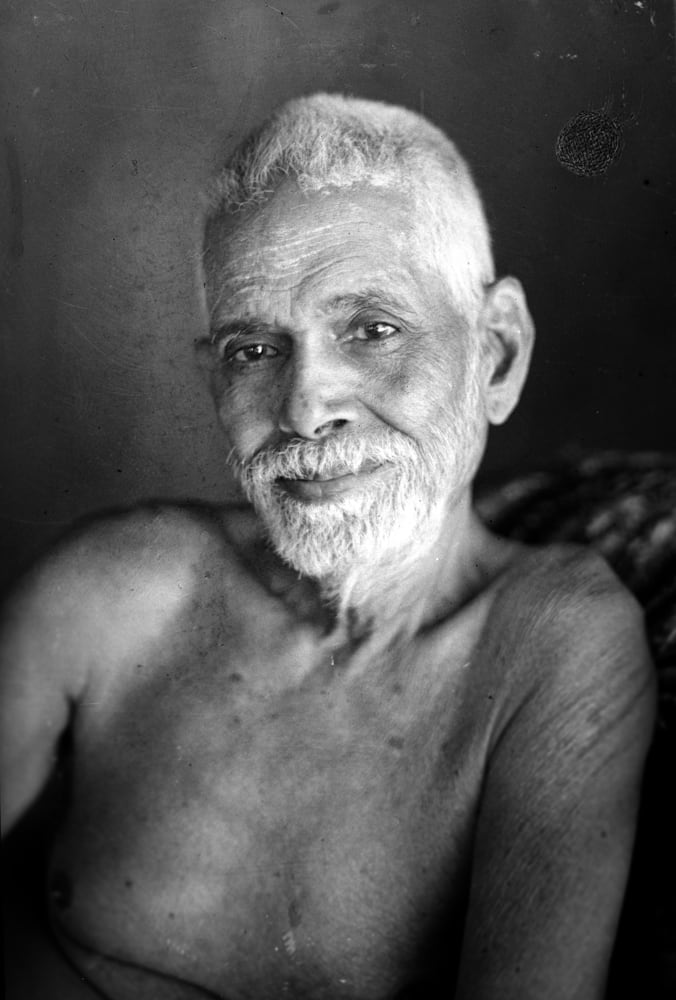
Ramana Maharshi
Совпадают в вопросах: Что такое Абсолют? Существует ли Бог? · Реален ли мир? · Кто я? Существует ли истинное «я»?
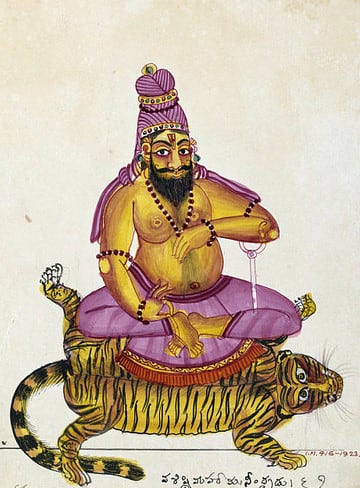
Vasishtha
Совпадают в вопросах: Что такое Абсолют? Существует ли Бог? · Кто я? Существует ли истинное «я»? · Почему мы страдаем?
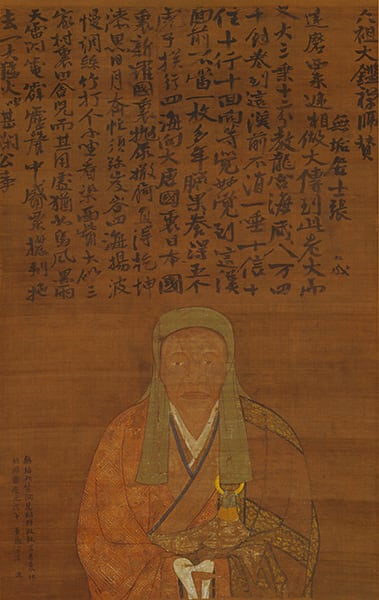
Huineng
Совпадают в вопросах: Что такое Абсолют? Существует ли Бог? · Кто я? Существует ли истинное «я»? · Почему мы страдаем?

Parmenides
Совпадают в вопросах: Что такое Абсолют? Существует ли Бог? · Как достигается освобождение или спасение? · Нужен ли учитель?
Дальше всего от

Julian of Norwich
Расходятся в вопросах: Кто я? Существует ли истинное «я»? · Реален ли мир?
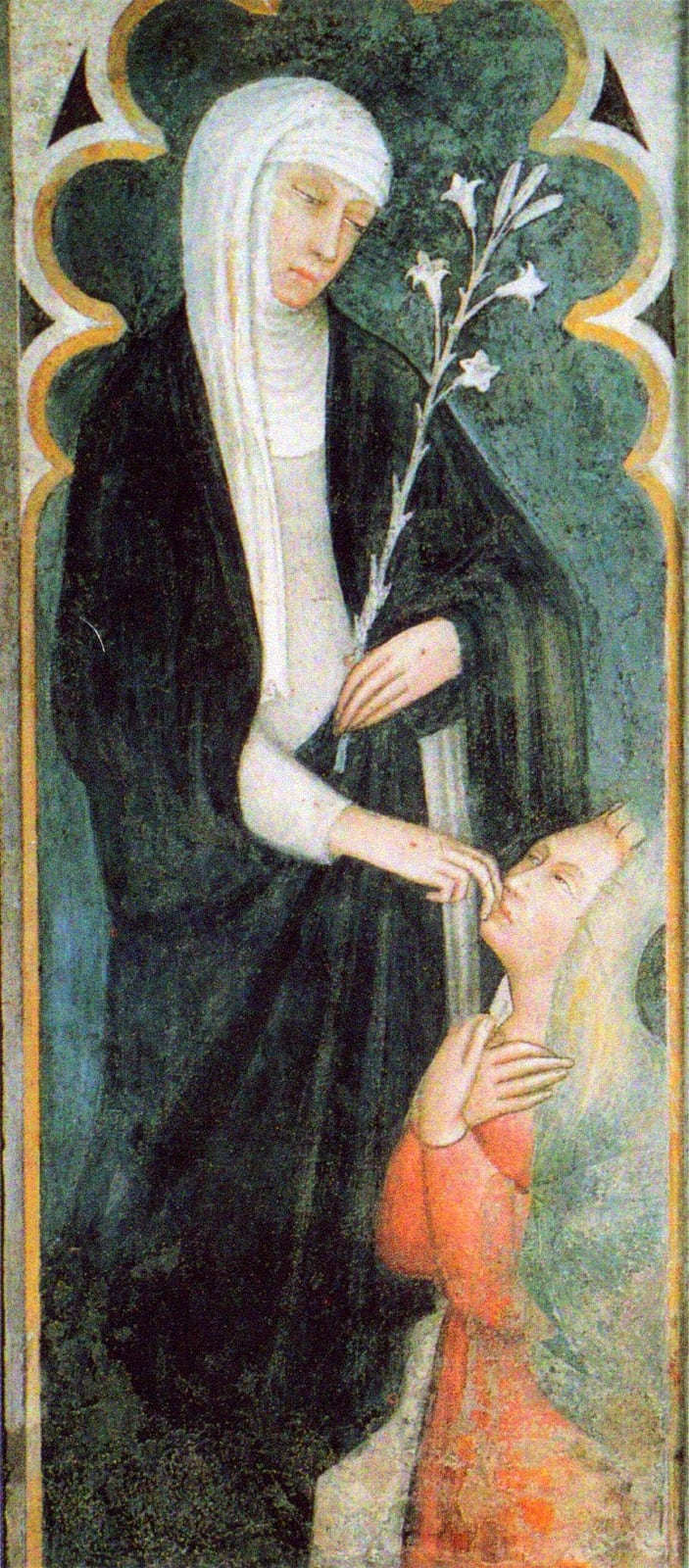
Catherine of Siena
Расходятся в вопросах: Кто я? Существует ли истинное «я»? · Реален ли мир?
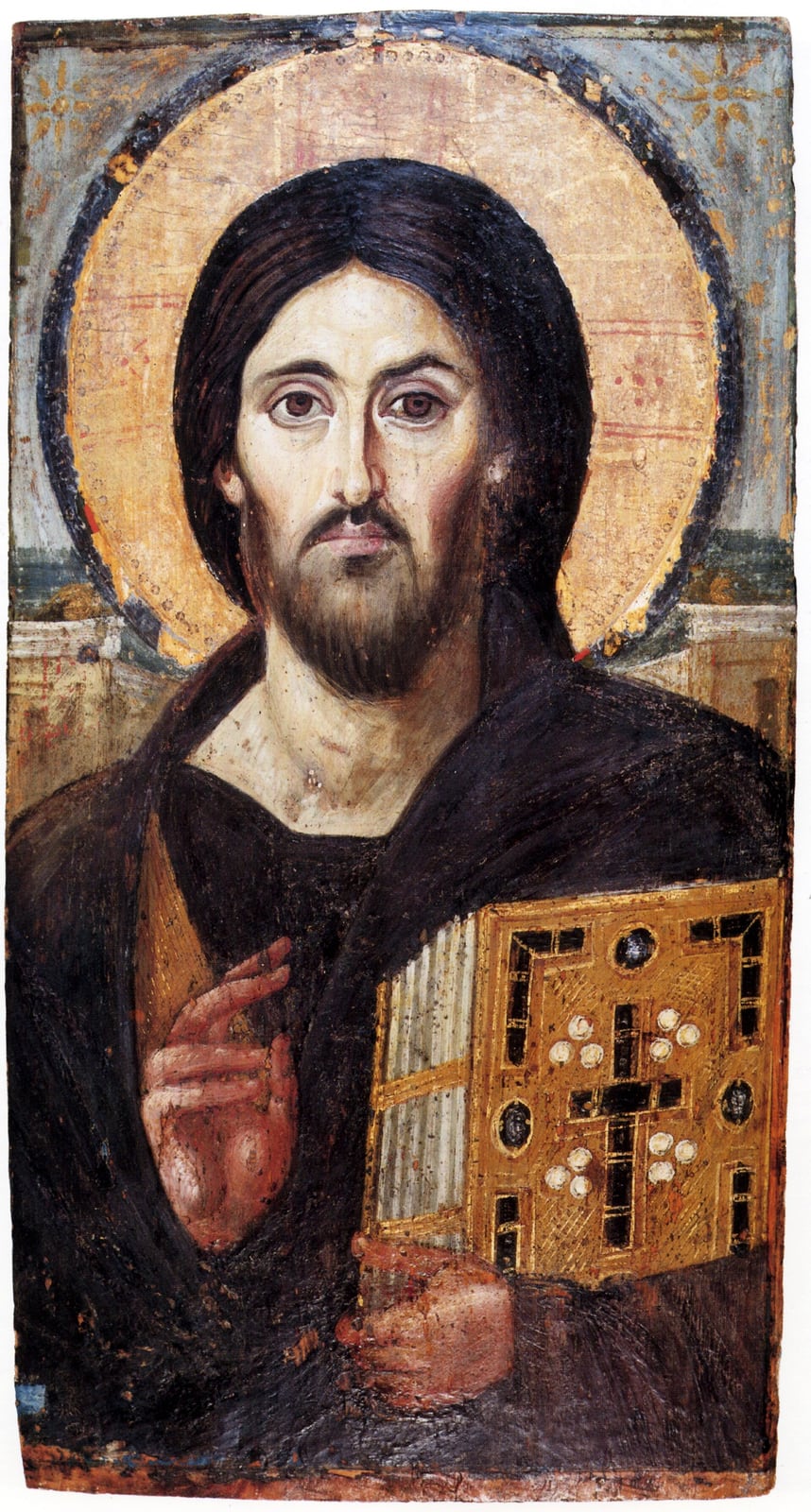
Jesus of Nazareth
Расходятся в вопросах: Реален ли мир? · Кто я? Существует ли истинное «я»?

Francis of Assisi
Расходятся в вопросах: Кто я? Существует ли истинное «я»? · Реален ли мир?
Предания и рассказы
Предания и рассказы
Житийное повествованиеtiempo legendario
The reproach from the womb
Происхождение рассказа: Mahābhārata 3.132 (critical edition), narrated by the sage Lomaśa to Yudhiṣṭhira; English translation by Ganguli (1884), pp. 396–397. H. H. Wilson summarises it in a note to his translation of the Viṣṇu Purāṇa (1840).
Житийное повествованиеtiempo legendario
The boy before Janaka's gatekeeper
Происхождение рассказа: Mahābhārata 3.133; Ganguli's translation (1884), pp. 398–399. The maxim on grey hair has parallels in normative Sanskrit literature.
Житийное повествованиеtiempo legendario
The contest of numbers
Происхождение рассказа: Mahābhārata 3.134; Ganguli's translation (1884), pp. 402–407, with notes interpreting each number as the thesis of a philosophical school.
Житийное повествованиеtiempo legendario
The bath in the Samaṅgā
Происхождение рассказа: Mahābhārata 3.134, end of the episode; Ganguli's translation (1884), p. 407. It is an aetiology of a sacred site (tīrtha) within the book of pilgrimages.
Житийное повествованиеtiempo legendario
The trial of the North
Происхождение рассказа: Mahābhārata, Anuśāsanaparvan, sections XIX–XXI of Ganguli's translation.
Житийное повествованиеtiempo legendario
The apsarases who laughed
Происхождение рассказа: Viṣṇu Purāṇa 5.38; H. H. Wilson's translation (1840), pp. 617–618. It is a Purāṇic story that does not appear in the Mahābhārata.
Не поддаётся проверкеtiempo legendario (circulación moderna)
The king with one foot in the stirrup
Происхождение рассказа: It has not been located in the Mahābhārata, in the Purāṇas consulted or in the Aṣṭāvakra Gītā. It circulates in oral versions and in modern devotional literature, with variants; Ramana Maharshi refers to "the story of Aṣṭāvakra and Janaka" and to its differences between books in talk 350 (6 February 1937), without citing a source.
Учение
Учение
Понятия, на которых строится мысль учителя, объяснённые в их контексте.
The witness (sākṣin)sakshin
The notion of sākṣin, the unchanging witness, is common to Advaita Vedānta and has precedents in Sāṃkhya (puruṣa as spectator) and in the Upaniṣads.
Bondage and liberation as convictionbandha-moksha
It corresponds to the Advaita doctrine of superimposition (adhyāsa) and of liberation through knowledge, not through action.
Practice as bondagesamadhi-como-atadura
It contrasts with Patañjali's yoga, which defines yoga as the stilling of the movements of the mind and organises it into eight limbs.
Liberation while living (jīvanmukti)jivanmukti
Jīvanmukti is a classic theme of post-Śaṅkara Advaita (Vidyāraṇya's Jīvanmuktiviveka) and of texts such as the Yogavāsiṣṭha.
The contest of sages at Janaka's courtvada-certamen
The Bṛhadāraṇyaka Upaniṣad (book 3) presents another famous contest at Janaka's court, that of Yājñavalkya.
Видео
Видео
Записи, интервью и документальные фильмы. Видео воспроизводятся с YouTube; здесь они не хранятся.
Selected Verses of the Ashtavakra Gita (Part 1) | Swami Sarvapriyananda
Лекция· EN· 2019· 88 min
Vedanta Society of New YorkОфициальный канал
Ashtavakra Samhita by Swami Sarvapriyananda
Лекция· EN· 2017· 74 min
Vedanta Society of Southern CaliforniaОфициальный канал
Ashtavakra Gita - The Enlightened Life | Swami Sarvapriyananda
Лекция· EN· 2022· 99 min
Vedanta Society of New YorkОфициальный канал
Why Astavakra Gita Stands Apart in Spiritual Wisdom | Swami Sarvapriyananda
Лекция· EN· 2025· 33 min
Ramakrishna Math & Ramakrishna Mission MangaluruОфициальный канал
Concluding Talk on Ashtavakra Gita at Sri Ramanasramam
Лекция· EN· 2024· 27 min
Swami ShantanandaОфициальный канал
Introduction to Ashtavakra Gita — Non-dual Teachings for Vedantic Contemplation
Лекция· EN· 2026· 9 min
ArshaBodha - Swami TadatmanandaОфициальный канал
Upanishad Ganga Episode 4 | Ashtavakra's Wisdom!
Документальный фильм· HI· 2022· 23 min
ChinmayaChannelОфициальный канал
The GREATEST Spiritual STORY Ever Told | Ashtavakra Gita | Gurudev
Лекция· EN· 2022· 15 min
Gurudev Sri Sri Ravi ShankarОфициальный канал
A Story of Ashtavakra and Janaka Maharaj's Relationship | Sadhguru
Запись третьих лиц· EN· 2017· 13 min
SadhguruОфициальный канал
అరణ్యపర్వం 32 • అష్టావక్రుని వృత్తాంతం • Chaganti • Mahabharatham
Лекция· TE· 2023· 23 min
Sanatana Bharathi
Ashtavakra Gîta - Chapitres 1 à 6 [Advaita Vedanta]
Запись третьих лиц· FR· 2021· 32 min
Le Vieux Sage
Manik "Ashtavakra Gita 1. Kapitel - Teil 1/8 - Wie kann Erkenntnis entstehen" Satsang-Auszug
Лекция· DE· 2025· 33 min
Manik Satsang
Day 1 Ashtavakara Gita Ch 1 Verse 1 & 2
Лекция· ES· 2020· 45 min
Shivender Nagar Gita Vedanta
Галерея
Галерея
Изображения с проверенной лицензией. Каждое сохраняет своё авторство и атрибуцию.
Связи
Связи
Влияния, ученичество и близость взглядов. Документированная связь отличается от сходства, выявленного путём анализа.
Родственник
According to the Mahābhārata (3.132), Aṣṭāvakra is the son of Sujātā, Uddālaka's daughter, and of Kahoḍa, Uddālaka's disciple; he grows up believing his grandfather to be his father.
Документированная связь
Повлиял на
Ramana commented on the story of Aṣṭāvakra and Janaka (Talks, talk 350, 1937) and copied by hand the Sanskrit text of the Aṣṭāvakra Gītā, published in facsimile by Sri Ramanasramam.
Документированная связь
Повлиял на
Vivekananda quotes Aṣṭāvakra Saṃhitā 1.11 ("he who considers himself free is free") in the conversations recorded by Sharat Chandra Chakravarty.
Документированная связь
Повлиял на
Osho devoted an extensive series of Hindi discourses to the Aṣṭāvakra Gītā, published as Ashtavakra Mahageeta.
Документированная связь
Идеи, близкие к
In tradition both are protagonists of contests of knowledge at the court of Janaka of Videha (Yājñavalkya's in the Bṛhadāraṇyaka Upaniṣad, book 3).
Сходство, выявленное путём анализа
Идеи, близкие к
The Aṣṭāvakra Gītā sets out a radical Advaita; Brockington ascribes it to a follower of Śaṅkara (eighth or fourteenth century).
Сходство, выявленное путём анализа
Идеи, близкие к
Some commentators (Swami Shantananda Puri) see in the poem a seed of the doctrine of non-origination (ajātivāda) that Gauḍapāda develops in the Māṇḍūkya Kārikā.
Сходство, выявленное путём анализа
Идеи, близкие к
The Aṣṭāvakra Gītā and the Yogavāsiṣṭha share the ideal of the one liberated while living; Ramana Maharshi engaged with both (he copied the Gītā's Sanskrit by hand, and a selection of the Yogavāsiṣṭha was published at his ashram).
Сходство, выявленное путём анализа
Идеи, близкие к
The Aṣṭāvakra Gītā and the Avadhūta Gītā, ascribed to Dattātreya, are often published together (Alexandra David-Néel translated them in a single volume) because of their uncompromising non-dualism.
Сходство, выявленное путём анализа
Идеи, близкие к
The insistence on the self as witness and on the futility of gradual seeking brings his teaching close to that of the poem.
Сходство, выявленное путём анализа
Упоминается в других статьях
Источники
Источники
Библиография и каталоги, использованные для этой статьи.
- Mahābhārata, Āraṇyakaparvan 3.132–134 (ed. crítica de Poona: V. S. Sukthankar et al., Bhandarkar Oriental Research Institute, 1942). Traducción inglesa: Kisari Mohan Ganguli (trad.), The Mahabharata of Krishna-Dwaipayana Vyasa, vol. «Vana Parva», Calcuta, Bharata Press (Pratap Chandra Roy), 1884, secciones CXXXII–CXXXIV (Tirtha-yatra Parva), pp. 396–407.
- Mahābhārata, Anuśāsanaparvan, secciones XIX–XXI de la traducción de Kisari Mohan Ganguli (The Mahabharata of Krishna-Dwaipayana Vyasa, vol. «Anusasana Parva», Calcuta, Pratap Chandra Roy, 1883–1896): diálogo de Aṣṭāvakra con la dama Diś.
- Wilson, Horace Hayman (trad.). The Vishnu Purana: A System of Hindu Mythology and Tradition. Londres: Oriental Translation Fund / John Murray, 1840, libro V, cap. XXXVIII, pp. 617–618.
- Byrom, Thomas (trad.). The Heart of Awareness: A Translation of the Ashtavakra Gita. Prólogo de J. L. Brockington. Boston y Londres: Shambhala, 1990. ISBN 9780877735748.
- Hauschild, Richard (ed. y trad.). Die Aṣṭāvakra-Gītā. Berlín: Akademie-Verlag, 1967 (reimpresión De Gruyter, ISBN 9783112742679).
- Mukerjee, Radhakamal. Aṣṭāvakragītā (The Song of the Self Supreme). Delhi: Motilal Banarsidass, 1971 (póstumo). Datación citada según la entrada «Ashtavakra Gita» de la Wikipedia en inglés (consultada el 26-10-2026); no se ha visto el libro.
- Baij Nath, Rai Bahadur Lala (trad.). The Ashtavakra Gita: A Treatise on Adwaita Philosophy, translated into English with brief notes and introduction. Meerut: oficina del Vaishya Hitkari (impreso en Allahabad, Liddell's Printing Works), 1904.
- Nityaswarupananda, Swami (trad.). Aṣṭāvakra Saṃhitā. Mayavati: Advaita Ashrama, 1940. Edición facsímil con el texto sánscrito copiado a mano por Ramana Maharshi: Tiruvannamalai, Sri Ramanasramam, 2001 (ficha del distribuidor Society of Abidance in Truth).
- Venkataramiah, Munagala (comp.). Talks with Sri Ramana Maharshi. Tiruvannamalai: Sri Ramanasramam, 1955; charlas 104 y 350 (6 de febrero de 1937).
- Vivekananda, Swami. The Complete Works of Swami Vivekananda, vol. 7, «Conversations and Dialogues», V (notas de Sharat Chandra Chakravarty). Mayavati: Advaita Ashrama. Cita de la Aṣṭāvakra Saṃhitā 1.11.
- Wikidata: «Ashtavakra» (Q2722992, sabio védico) y «Ashtavakra Gita» (Q780145).
- Osho. Ashtavakra Mahageeta, bhāg 1 (discursos en hindi). Nueva Delhi: Diamond Books, 2021. ISBN 9788189605773 (serie en varios volúmenes).
- Vālmīki, Rāmāyaṇa, Yuddhakāṇḍa 6.119.17 (numeración de la vulgata), texto y traducción inglesa de Desiraju Hanumanta Rao y K. M. K. Murthy, Valmiki Ramayan.
- अष्टावक्रगीता (Aṣṭāvakragītā), texto sánscrito completo en veinte capítulos, Wikisource en sánscrito.
- Pagani, Silvio (versión en verso). Asht'avakragìtà o il canto di Asht'àvakra. Poemetto filosofico indiano. Milán: Sonzogno (Biblioteca Universale), 1912. Prefacio sobre la traducción en prosa de Carlo Giussani (Rivista Orientale, 1867–1868).
- Правообладатель
- Texto sánscrito anónimo en dominio público. Las traducciones modernas tienen derechos propios: Shambhala (Byrom), Advaita Ashrama (Nityaswarupananda), Shanti Sadan (Shastri), José J. de Olañeta, Luis Cárcamo, Éditions du Rocher (David-Néel), Éditions de l'Éclat (Porte), De Gruyter (Hauschild), Diamond Books (Osho). La versión de John Richards fue cedida por su autor al dominio público (1994); las de Baij Nath (1904) y Pagani (1912) son de dominio público.
Ожидает подтверждения
То, что в этой статье пока не удалось установить. Мы предпочитаем сказать об этом, а не заполнять пробел.
- Fechas: no existen fechas de nacimiento ni muerte; la línea de tiempo usa la recepción de los textos.
- Comprobar en el libro de Radhakamal Mukerjee (1971) la datación que le atribuye la Wikipedia (siglos V–IV a. C.); no se ha visto el volumen.
- Comprobar en la edición de Hauschild (1967) su propuesta de datación, los manuscritos utilizados y la serie exacta (Abhandlungen de la Academia Sajona de Ciencias); registrar después los manuscritos en manuscripts[].
- Traducción de Janaki Nath Mukerjee: no se ha localizado en ningún catálogo (Open Library, Internet Archive, búsqueda general). No se registra.
- Comprobar en el catálogo del British Museum (objeto 1880,0.2073) el título y la identificación de la figura de la acuarela; la identificación como Aṣṭāvakra procede de la ficha de Commons.
- Confirmar el año de publicación del fascículo del Anuśāsana Parva de Ganguli y la numeración de la edición crítica (13.19–21) del diálogo con Diś.
- Edición de Sri Ramanasramam con la caligrafía de Ramana (2001): confirmar el ISBN (el distribuidor da 8188018570).
- Osho: no se ha encontrado un canal oficial (OSHO International) con los discursos de la Ashtavakra Mahageeta; las subidas encontradas son de terceros y no se registran.
- Sala de lectura: la traducción de Baij Nath y la versión de Pagani tienen OCR deficiente; buscar transcripciones limpias. No se ha encontrado ningún texto español en dominio público.
- Vídeo ivZ9kPLxMqA: confirmar que la clase es en español.
- Project Gutenberg no tiene ninguna edición de estas obras (búsqueda en gutenberg.org el 2026-10-26: «No records found»).
Исследовано 2026-10-26