Буддизм · Дзэн / Чань · Даосизм · Христианская мистика · Адвайта-веданта
Alan Watts
1915 – 1973Исторически документированная личность
Британский, позднее натурализованный в США философ и популяризатор (1915–1973), открывший западному читателю дзэн-буддизм, даосизм и веданту. Несколько лет был епископальным священником, преподавал в Сан-Франциско, стал голосом радиостанции KPFA и общественного телевидения, написал такие книги, как «Путь дзэн», «Мудрость незащищённости», «Психотерапия Востока и Запада» и «Книга о табу на знание того, кто ты есть». Записи его лекций и сегодня расходятся по всему миру, собирая огромную аудиторию.
- трудов
- 59трудов
- изданий
- 150изданий
- цитат
- 8цитат
- видео
- 13видео
- изображений
- 5изображений
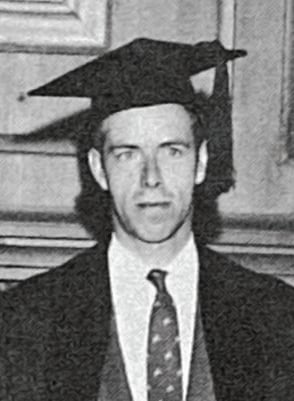
Alan Watts en la Universidad de Vermont (1958) · Public domain
Своими словами
«If you get the message, hang up the phone.»The Joyous Cosmology, ed. Vintage 1970, p. 26 (sobre los psicodélicos como instrumentos)

Для начала — одна книга
The Wisdom of InsecurityГлавная мысль
The feeling of being an isolated self inside the body, facing an alien world, is not a datum of experience but a learned social convention; organism and environment form a single field.
В контексте
Биография
5 мин чтения
Перевод с испанского оригинала, выполненный с помощью ИИ; ожидает проверки носителем языка.
Мальчик из Кента, очарованный Востоком
Алан Уилсон Уотс родился 6 января 1915 года в Чизлхерсте, в графстве Кент, — единственный сын Лоренса Уилсона Уотса, представителя фирмы «Мишлен» в Лондоне, и Эмили Мэри Бьюкен, дочери миссионера. Он рос в скромном сельском доме, учился различать цветы и бабочек, а вокруг него были вышивки и картины, которые подарили его матери миссионеры, вернувшиеся из Китая. Уже взрослым он вспоминал, как заворожили его в этих образах «особая ясность, прозрачность и простор», которых он не находил в английском искусстве.
С семи лет он жил в пансионах — сначала в подготовительной школе Сент-Хьюз, затем в Королевской школе в Кентербери — и получил англиканское воспитание, которое называл унылым. На каникулах он путешествовал по Франции с Фрэнсисом Крошоу, образованным эпикурейцем, интересовавшимся буддизмом, и в его библиотеке открыл для себя тексты, определившие его путь. В шестнадцать лет он был секретарём Буддийской ложи в Лондоне, которую возглавлял адвокат Кристмас Хамфрис. Экзаменационная работа, написанная скорее дерзко, чем благоразумно, лишила его стипендии в Оксфорде, и юноша занялся самообразованием — в Ложе, в библиотеках и в общении с эксцентричным сербским мыслителем Димитрие Митриновичем. Его биограф Моника Фёрлонг называет его прежде всего самоучкой.
Молодой толкователь дзэна
В 1936 году двадцатиоднолетний Уотс побывал на Всемирном конгрессе религий в Лондоне и познакомился с Д. Т. Судзуки, чьи идеи он в том же году популярно изложил в книге «Дух дзэна» (The Spirit of Zen). За ней последовало «Наследие Азии и западный человек» (The Legacy of Asia and Western Man, 1937). Два десятилетия спустя он сам счёл свою первую книгу нестрогой и во многом вводящей в заблуждение, но призвание уже определилось: сделать понятными для Запада дзэн-буддизм, даосизм и веданту.
В Ложе он познакомился с Элеонорой Эверетт, дочерью Рут Фуллер Эверетт — той самой американки, которая годы спустя, уже как Рут Фуллер Сасаки, заняла особое место в киотском дзэне. Они поженились в апреле 1938 года и поселились в Нью-Йорке, где Уотс посещал наставника Сокэй-ана Сасаки, так и не связав себя с ним систематическим обучением. В 1940 году он выпустил книгу «Смысл счастья» (The Meaning of Happiness), а в 1943 году получил американское гражданство.
Епископальный священник
Ища профессиональное русло для своего призвания, он поступил в епископальную семинарию Сибери-Вестерн в Эванстоне (Иллинойс) и в середине 1940-х годов был рукоположен в священники: в автобиографии назван 1945 год, а письма, собранные его дочерьми, указывают на 1944-й. Он служил епископальным капелланом в Северо-Западном университете, перевёл «Мистическое богословие» Псевдо-Дионисия Ареопагита (1944) и в книге «Узрите Дух» (Behold the Spirit, 1947) пытался примирить христианскую мистику с азиатской философией. Брак не выдержал его темперамента, мало склонного к моногамии: Элеонора добилась признания брака недействительным, и в 1950 году Уотс сложил с себя сан. В том же году он женился на Дороти Девитт.
Сан-Франциско: академия, радио и телевидение
В 1951 году он переехал в Калифорнию, чтобы преподавать в Американской академии азиатских исследований в Сан-Франциско, которой также руководил как администратор; рядом с ним работали Фредерик Шпигельберг, Харидас Чаудхури и художник Сабуро Хасэгава, у которого он занимался китайской каллиграфией. С 1953 года он безвозмездно вёл еженедельную передачу на радиостанции KPFA в Беркли, принёсшую ему верную аудиторию. В 1951 году вышла «Мудрость незащищённости» (The Wisdom of Insecurity) — размышление о тревоге современного человека, а в 1957 году — «Путь дзэн» (The Way of Zen), историко-философское изложение, принёсшее ему признание и с тех пор непрерывно переиздающееся.
В 1958 году Вермонтский университет присвоил ему степень почётного доктора богословия; тем же летом он путешествовал по Европе с отцом и навестил Карла Густава Юнга и Карлфрида Графа Дюркхайма. В 1959–1960 годах он записал для общественного телеканала KQED в Сан-Франциско цикл передач «Восточная мудрость и современная жизнь» (Eastern Wisdom and Modern Life). В книге «Психотерапия Востока и Запада» (Psychotherapy East and West, 1961) он предложил понимать буддизм, даосизм и веданту не как религии или философии в западном смысле, а как родственные психотерапии «пути освобождения».
Психоделия, контркультура и критика
С конца 1950-х годов он участвовал в опытах с мескалином и ЛСД, которые проводили калифорнийские исследователи; из них родилась книга «Радостная космология» (The Joyous Cosmology, 1962), где он предупреждал, что эти вещества — лишь инструменты, как микроскоп или телефон, и, получив сообщение, следует повесить трубку. В 1962–1964 годах он был стипендиатом Гарварда, расстался с Дороти и женился на Мэри Джейн Йейтс Кинг. Вместе с ней он жил то на сидевшем на мели пароме «Вальехо» в Саусалито, то в хижине в Друид-Хайтс — богемной общине, основанной поэтессой Эльзой Гидлоу на склонах горы Тамалпаис.
К этим годам относятся «По ту сторону теологии» (Beyond Theology, 1964) и «Книга о табу на знание того, кто ты есть» (The Book: On the Taboo Against Knowing Who You Are, 1966) — самый личный его синтез: Вселенная предстаёт в ней космической игрой в прятки, где обособленное «я», запертое в кожаном мешке, оказывается галлюцинацией. Уотс не считал себя учёным. Возражения звучали и со стороны дзэна: Филип Капло упрекал его в пренебрежении сидячей практикой, а Роберт Эйткен передавал суждение Д. Т. Судзуки, что Уотс не понял одну классическую историю. Зато Сюнрю Судзуки, основатель Дзэн-центра Сан-Франциско, защищал его как «великого бодхисаттву».
Последние годы
В 1971 году он записал в Друид-Хайтс для учебного телевидения программу «Разговор с самим собой» (A Conversation with Myself), а в 1972 году опубликовал автобиографию «Своим путём» (In My Own Way), посвящённую Эльзе Гидлоу. Эти годы были отмечены и нараставшим алкоголизмом, тревожившим друзей и близких. В октябре 1973 года он вернулся из лекционного турне по Европе, а 16 ноября умер во сне в своём доме в Друид-Хайтс в возрасте пятидесяти восьми лет. Его прах разделили между Друид-Хайтс и дзэн-центром Грин-Галч. Книга, которую он готовил вместе с мастером тайцзицюань Элом Чжунляном Хуаном, «Дао: путь воды» (Tao: The Watercourse Way), вышла в 1975 году с послесловием Хуана о последних месяцах его жизни.
Наследие голоса
Уотс оставил более двадцати пяти книг и сотни часов лекций, которые его сын Марк Уотс сохранил и по расшифровкам превратил в посмертные книги. Этот голос с британской дикцией и лукавым юмором дошёл до поколений, никогда не читавших его книг: сериалы, фильмы, песни и видеоролики без конца используют его, нередко вне контекста. Критики сходятся в том, что он не был ни знатоком буддизма, ни учителем, принадлежащим к линии преемственности, но был исключительным популяризатором, чья заслуга — в том, что он наводил мосты между Востоком и Западом, между религией и психологией, между культурой и природой.
Источники: Watts, Alan. In My Own Way: An Autobiography, 1915–1965. Nueva York: Pantheon Books, 1972 (reed. New World Library, 2007, ISBN 9781577315841). · Furlong, Monica. Zen Effects: The Life of Alan Watts. Boston: Houghton Mifflin, 1986 (publicado en Reino Unido como Genuine Fake, Heinemann, 1986; reed. SkyLight Paths, 2001, ISBN 9781893361324). · Columbus, Peter J. y Rice, Donadrian L. (eds.). Alan Watts—Here and Now: Contributions to Psychology, Philosophy, and Religion. Albany: State University of New York Press, 2012 (ISBN 9781438441993). · Watts, Joan y Watts, Anne (eds.). The Collected Letters of Alan Watts. Novato: New World Library, 2017 (ISBN 9781608684151). · Chadwick, David. Crooked Cucumber: The Life and Zen Teaching of Shunryu Suzuki. Nueva York: Broadway Books, 1999.
Хронология
Жизнь год за годом
Каждая точка — документированное событие. Нажмите, чтобы прочитать о нём, с источником и степенью достоверности.
6 января 1915 г.0 летChislehurst, Kent
Born in Chislehurst
Born on 6 January in Chislehurst, Kent, the only child of Laurence Wilson Watts and Emily Mary Buchan.
ДокументированоWatts, Alan. In My Own Way: An Autobiography, 1915–1965. Nueva York: Pantheon Books, 1972 (reed. New World Library, 2007, ISBN 9781577315841).
После смерти
- 1975Tao: The Watercourse Way
6 января 1915 г. · 0 лет
Born in Chislehurst
Born on 6 January in Chislehurst, Kent, the only child of Laurence Wilson Watts and Emily Mary Buchan.
Документировано
1922 · 7 лет
Boarder at St Hugh's
Aged seven he is sent as a boarder to St Hugh's preparatory school; he will later attend The King's School, Canterbury.
Документировано
1931 · 16 лет
Secretary of the Buddhist Lodge
At sixteen he becomes secretary of the Buddhist Lodge in London, run by Christmas Humphreys.
Документировано
1936 · 21 год
The Spirit of Zen and D. T. Suzuki
Publishes The Spirit of Zen and meets D. T. Suzuki at the World Congress of Faiths in London.
Документировано
апрель 1938 г. · 23 года
Marriage and emigration
In April he marries Eleanor Everett and the couple settle in New York.
Документировано
1943 · 28 лет
US citizenship
Becomes a United States citizen.
Документировано
1945 · 30 лет
Ordination
Ordained an Episcopal priest after studying at Seabury-Western seminary. His autobiography gives 1945; his published letters suggest 1944.
Оспаривается
1947 · 32 года
Behold the Spirit
Publishes Behold the Spirit, an attempt to unite mystical Christianity and Eastern philosophy.
Документировано
август 1950 г. · 35 лет
Leaves the priesthood
After the annulment of his marriage he resigns from the priesthood in August; he marries Dorothy DeWitt.
Документировано
1951 · 36 лет
American Academy of Asian Studies
Moves to San Francisco to teach at the American Academy of Asian Studies; publishes The Wisdom of Insecurity.
Документировано
1953 – 1962 · 38 лет
KPFA programme
Begins a weekly programme on KPFA radio in Berkeley, which he will keep until 1962.
Документировано
1957 · 42 года
The Way of Zen
Publishes The Way of Zen, his most influential book on Zen Buddhism.
Документировано
15 июня 1958 г. · 43 года
Honorary doctorate and visit to Jung
On 15 June he receives an honorary Doctor of Divinity from the University of Vermont; that summer he visits Carl Jung in Switzerland.
Документировано
1959 – 1960 · 44 года
Eastern Wisdom and Modern Life
Records the television series Eastern Wisdom and Modern Life for KQED (two seasons, 1959–1960).
Документировано
1961 · 46 лет
Psychotherapy East and West
Publishes Psychotherapy East and West.
Документировано
1962 – 1964 · 47 лет
The Joyous Cosmology and Harvard
Publishes The Joyous Cosmology; holds a Harvard fellowship until 1964.
Документировано
1966 · 51 год
The Book
Publishes The Book: On the Taboo Against Knowing Who You Are.
Документировано
1971 · 56 лет
A Conversation with Myself
Films A Conversation with Myself at Druid Heights for educational television.
Документировано
1972 · 57 лет
In My Own Way
Publishes his autobiography, In My Own Way, dedicated to Elsa Gidlow.
Документировано
16 ноября 1973 г. · 58 лет
Death at Druid Heights
Dies in his sleep on 16 November at his home in Druid Heights, after returning from a European tour.
Документировано
1975
Tao: The Watercourse Way
Tao: The Watercourse Way appears posthumously, completed by Al Chung-liang Huang.
Документировано
Труды
Главные труды
Труды, без которых не понять это наследие.
Письменный труд · 1951
The Wisdom of Insecurity
The Wisdom of Insecurity: A Message for an Age of Anxiety
Short treatise written after he left the priesthood and one of his most widely read books. It argues that modern anxiety springs from seeking security in a future that does not exist and from splitting the observing 'I' off from experience; the way out is not another belief but full attention to the present and acceptance of change. Without technical vocabulary it distils what Watts had learned from Zen, Taoism and Christian mysticism.
11 изданий

Письменный труд · 1957
The Way of Zen
His standard work and the book that made him internationally known. Part one reconstructs Zen's background — Indian thought, Taoism and Mahayana Buddhism — and its formation in China; part two sets out its principles and practice: zazen, koans and Zen's expression in the arts. Watts draws on general semantics and cybernetics to explain non-dual experience. In print continuously since 1957 and translated into many languages.
9 изданий

Письменный труд · 1961
Psychotherapy East and West
Proposes that Buddhism, Vedanta, Taoism and Zen are better understood as 'ways of liberation' — disciplines for undoing the social conditioning that produces the feeling of an isolated self — than as religions or philosophies. From there he engages Freud, Jung, existential psychology and Gregory Bateson's double-bind theory, suggesting that the Western therapist and the Eastern teacher perform similar functions. It is one of his most cited books in psychology.
7 изданий

Письменный труд · 1966
The Book
The Book: On the Taboo Against Knowing Who You Are
His most personal and accessible statement. Written as the book a parent might give a child on entering adult life, it argues that the sense of being an ego enclosed in a bag of skin is a social hallucination and that the universe is a single process playing hide-and-seek with itself. It blends Vedanta, Taoism, ecology and cybernetics in a lively, humorous style and became an emblematic book of the counterculture.
6 изданий
Все труды (59)
Alan Watts
An Outline of Zen Buddhism
The Conscious LibraryAn Outline of Zen Buddhism
1932

The Spirit of Zen
1936
Alan Watts
The Legacy of Asia and Western Man
The Conscious LibraryThe Legacy of Asia and Western Man
1937
Alan Watts
The Meaning of Happiness
The Conscious LibraryThe Meaning of Happiness
1940
Alan Watts
Theologia Mystica (translation of Pseudo-Dionysius)
The Conscious LibraryTheologia Mystica (translation of Pseudo-Dionysius)
1944

Behold the Spirit
1947
Alan Watts
Easter: Its Story and Meaning
The Conscious LibraryEaster: Its Story and Meaning
1950

The Supreme Identity
1950

Myth and Ritual in Christianity
1953

Nature, Man and Woman
1958

Beat Zen, Square Zen, and Zen
1959

This Is It
1960

The Joyous Cosmology
1962

The Two Hands of God
1963

Beyond Theology
1964
Alan Watts
Nonsense
The Conscious LibraryNonsense
1967
Alan Watts
Psychedelics and Religious Experience
The Conscious LibraryPsychedelics and Religious Experience
1968

Does It Matter?
1970
Alan Watts
Erotic Spirituality
The Conscious LibraryErotic Spirituality
1971
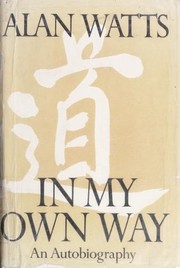
In My Own Way
1972

The Art of Contemplation
1972

Cloud-Hidden, Whereabouts Unknown
1973

Tao: The Watercourse Way
1975

The Essence of Alan Watts
1974
Изречения
Изречения, найденные в конкретном труде. Каждое сопровождается указанием происхождения и степени надёжности.
If you get the message, hang up the phone.ПровереноThe Joyous Cosmology, ed. Vintage 1970, p. 26 (sobre los psicodélicos como instrumentos)
Основные идеи (редакционное изложение)
Из уважения к авторскому праву эти идеи изложены своими словами и не выдаются за дословные цитаты.
- The feeling of being an isolated self inside the body, facing an alien world, is not a datum of experience but a learned social convention; organism and environment form a single field.
- Seeking psychological security in the future produces the very anxiety one wishes to escape; only acceptance of change and attention to the present dissolve it.
- Asian traditions such as Buddhism, Vedanta and Taoism resemble psychotherapy more than religion: their aim is to free one from conditioning, not to impose beliefs.
- The universe can be understood as a game in which a single reality hides from itself by taking every form, and enlightenment is the moment the player recognises itself.
- The West is not too materialistic but not materialistic enough: it confuses money and symbols with real things and therefore mistreats matter, the body and nature.
- Meditation is not a means of reaching a future state but a purposeless game, like music or dance, whose meaning lies in the act itself.
- Opposites — pleasure and pain, life and death, good and evil — are inseparable poles of one process, and wanting to keep only one of them is the root of frustration.
Апокрифические изречения и изречения спорной атрибуции (2)
«Trying to define yourself is like trying to bite your own teeth.»
Widely circulated online under Watts's name. It expresses an image he used in lectures (the eye that cannot see itself, teeth that cannot bite themselves), but it has not been located in this wording in any of his published books; it may paraphrase a talk.
«You are an aperture through which the universe is looking at and exploring itself.»
Spread as a Watts quotation on posters and videos with no indication of work. The idea is consistent with his thought, but the sentence has not been found in his books; if it comes from a recorded lecture, the exact source remains to be identified.
Последние слова
Проверяемых записей о последних словах не существует.
There is no reliable record of any last words. He died in his sleep at Druid Heights on the night of 15–16 November 1973. The phrase 'the secret of life is knowing when to stop', which his widow Mary Jane Watts attributed to him and Monica Furlong records, is presented not as his last words but as something he had told her.
Источник: Furlong, Monica. Zen Effects: The Life of Alan Watts. Boston: Houghton Mifflin, 1986 (publicado en Reino Unido como Genuine Fake, Heinemann, 1986; reed. SkyLight Paths, 2001, ISBN 9781893361324).
Спросить
На что отвечают эти труды
Двенадцать великих вопросов человечества и то, что позволяют на них ответить эти тексты, со ссылками. Мы никогда не вкладываем слова в чужие уста.
Что такое Абсолют? Существует ли Бог?
God is no separate monarch: he is the whole playing at being each one
Безличный АбсолютСказано прямо
Alan Watts, an Episcopal priest until 1950 and afterwards a popular expositor of Asian traditions, rejected the image of God as a monarch separate from his work. In The Book he contrasts the ceramic model of the world, made by an outside craftsman, and the mechanical model with a dramatic model drawn from his reading of Vedānta: the ultimate hides from and finds itself in all beings, as in a game of hide-and-seek. Beyond Theology carries the idea into Christianity and reproaches it for having made God a jealous king. Already in The Supreme Identity, under the influence of Coomaraswamy and Guénon, he had presented the identity of the human ground with the Absolute as the common core of the great traditions.
Сравнить этот вопрос с другими учителямиКто я? Существует ли истинное «я»?
The skin-encapsulated ego is a hallucination: what you are is the whole
Самость есть АбсолютСказано прямо
The Book, Watts's most personal work, is subtitled on the taboo against knowing who you are, and answers bluntly: the prevalent sensation of oneself as a separate ego enclosed in a bag of skin is a hallucination. For him that ego is a social convention, reinforced by language and upbringing. What one really is, is the whole process of the universe, which manifests as this person just as a wave is the ocean at one point. Watts takes this thesis from his reading of Vedānta, the identity of ātman and brahman, which he had already set out in The Supreme Identity, and combines it with Buddhism and Western psychology; in Psychotherapy East and West he presents those traditions as ways of undoing the feeling of an isolated self.
Сравнить этот вопрос с другими учителямиПочему мы страдаем?
Anxiety comes from seeking security in a future that does not exist
Мысль и психологическое времяСказано прямо
The Wisdom of Insecurity, one of Watts's most widely read books, states the problem clearly: modern man suffers because he seeks security in a world that is essentially changing, and seeks it in a future that exists only as an idea. Living for a tomorrow that never comes, he misses the only real moment. To this is added an inner split: the self that observes and tries to control experience separates itself from experience itself, and the harder it strives to secure itself the more anxious it becomes; Watts calls this the law of reversed effort. The only way to make sense out of change, he writes, is to plunge into it, move with it and join the dance. It is his own synthesis of Buddhism, Taoism and psychology.
Сравнить этот вопрос с другими учителямиЧто происходит после смерти?
The ego dies, not what we are: the universe wakes up again as others
То, что я есть, не рождается и не умираетСледует из учения
Watts did not uphold personal survival or a judgement after death. But, consistently with his reading of Vedānta, he held that what we really are is not the ego that dies. In The Book and in his lectures he proposes imagining death as the end of one waking and the beginning of another: if the ego is a function of the universe, when one dies the universe goes on waking up as every new being that is born, and each of them says «I» as we did. Death for him is the other side of life, as the valley is of the mountain. In Cloud-Hidden, Whereabouts Unknown, his last book, written shortly before he died, he meditates on it with the same serenity.
Сравнить этот вопрос с другими учителямиКак достигается освобождение или спасение?
Wanting liberation is the trap: there is nothing to get, only something to see
Без метода: полное вниманиеСледует из учения
Watts held that seeking liberation as an achievement prevents it. In The Wisdom of Insecurity he calls this the law of reversed effort: the more one tries to secure oneself or to stop thinking, the more the striving self is reinforced. In Psychotherapy East and West he presents Buddhism, Vedānta and Taoism not as religions but as ways of liberation that undo the double binds by which society convinces us we are a separate self, and notes that Zen masters often use tricks to show the disciple there is nothing to attain. On psychedelics he wrote: if you get the message, hang up the phone. Liberation is sudden understanding, not the accumulation of merit.
Сравнить этот вопрос с другими учителямиНужен ли учитель?
A philosophical entertainer, not a guru: there is nothing to transmit
Никакого духовного авторитетаСледует из учения
Watts declined to present himself as a spiritual teacher; he preferred to describe himself as a philosopher and popular expositor, and in his memoir, In My Own Way, he portrays himself ironically as an intellectual, a mystic and a disreputable epicurean. He was not a formal disciple of any lineage, though he acknowledged his debt to D. T. Suzuki and to the texts. On the teacher's role, his thesis, set out in Psychotherapy East and West and in many lectures, is that the authentic teacher transmits nothing: with paradoxes and tricks he leads the disciple to discover that what he sought was not lacking, and then the disciple no longer needs him. He distrusted dependence on gurus and on religious organisations as a substitute for understanding.
Сравнить этот вопрос с другими учителямиРеален ли мир?
The world is a game in which the One hides and finds itself
Проявление божественногоСказано прямо
For Watts, the world is not a machine nor a work made from outside, but a game. From his reading of Hinduism he takes the idea of līlā, divine play, and develops it in The Book and in his lectures: the ultimate hides from itself in the multitude of beings and finds itself again in them, with no purpose but play, just as music does not exist to reach the end of the piece. With the Buddhist image of Indra's net, which he sets out in The Diamond Web, he adds that each thing reflects all the others. Hence his critique of the Western contempt for matter in Does It Matter?: the concrete world is not something to overcome, but the place where the game is played.
Сравнить этот вопрос с другими учителямиЧто такое любовь?
Love cannot be commanded: it springs up when the self stops watching itself
То, что появляется, когда «я» прекращаетсяСледует из учения
Watts applied his analysis of the double bind to love: the command to love, whether religious or social, demands something that cannot be produced at will, and generates a feigned and guilty love. Authentic love is spontaneous, like everything alive, and appears when the person stops seeing himself as a separate ego that calculates and watches itself. In Nature, Man and Woman he carries this idea into love between the sexes: against the Christian distrust of the body he proposes, drawing on Taoism and tantra, a relationship in which sexual love is a form of contemplation and neither a conquest nor an obligation. For Watts, love is not a virtue to be acquired but what flows when it is not forced.
Сравнить этот вопрос с другими учителямиСвободны ли мы или всё предопределено?
Neither free will nor determinism: both assume a separate self that does not exist
Нет делающегоСказано прямо
Watts considered the dilemma badly framed. Both free will and determinism assume a self separate from the world: one that controls it or one the world pushes around. If, as he holds in The Book, that skin-encapsulated self is a hallucination, the question loses its basis: what one is is not an agent facing the universe, but the universe acting here. That is why the distinction between voluntary and involuntary, as between the heart beating and the hand moving, is for him conventional. In his expositions of Taoism, from The Way of Zen to Tao: The Watercourse Way, he finds the same idea in wu wei, action that does not force and springs up spontaneously.
Сравнить этот вопрос с другими учителямиЗачем медитировать или молиться?
Meditating is attending to what is without purpose, like listening to music
Быть в присутствииСказано прямо
Watts understood meditation as purposeless attention to the present. In The Art of Contemplation, published in facsimile of his own handwriting, and in the lectures collected in Still the Mind, he describes it as ceasing to talk inwardly and listening to what is happening, the sounds, the breath, thoughts themselves as if they were noises, without trying to control anything. Meditating to obtain something, enlightenment or calm, would repeat the trap of goal-directed effort; true meditation has no goal, just as music is not played to reach the end. In The Wisdom of Insecurity he had already put it: the only real moment is this one, and full awareness of it dissolves anxiety.
Сравнить этот вопрос с другими учителямиМожет ли разум познать предельное?
The word is not the thing: reality slips through the net of concepts
Предельное лежит за пределами умаСказано прямо
Watts was a brilliant intellectual who devoted much of his work to explaining that what is essential is not grasped by the intellect. In The Way of Zen he shows how conventional thought divides the world into useful things and categories, but confuses that net of concepts with the reality it tries to catch; Zen, in his reading, seeks to return to direct experience, prior to words. In The Wisdom of Insecurity he insists that thinking about life is not living it, and in his lectures he repeated the image that the menu is not the meal. He does not reject reason, which he uses with relish, but its claim to encompass everything.
Сравнить этот вопрос с другими учителямиУйти от мира или преобразить его?
Neither flee nor reform from the ego: live the everyday without standing apart
Созерцание в действииСледует из учения
Watts distrusted both ascetic flight and the reformism that springs from a separate self. He was drawn to the Zen and Taoist ideal of one who returns to the marketplace after awakening and lives the everyday without pose: in Beat Zen, Square Zen, and Zen he criticised both the use of Zen as an alibi for rebellion and its conversion into a rigid discipline. At the same time he took an interest in the problems of his time: in Does It Matter? he argued that the West is not too materialistic but not materialistic enough, because it despises the matter it consumes, and he wrote about money, technology and ecology. His proposal is not to withdraw, but to live in the world without feeling a stranger in it, and to care for it from there.
Сравнить этот вопрос с другими учителями
Созвучия и противоречия
Созвучия и противоречия
Рассчитаны вопрос за вопросом на основе позиций. Причина каждого совпадения или расхождения — по нажатию.
Ближе всего к
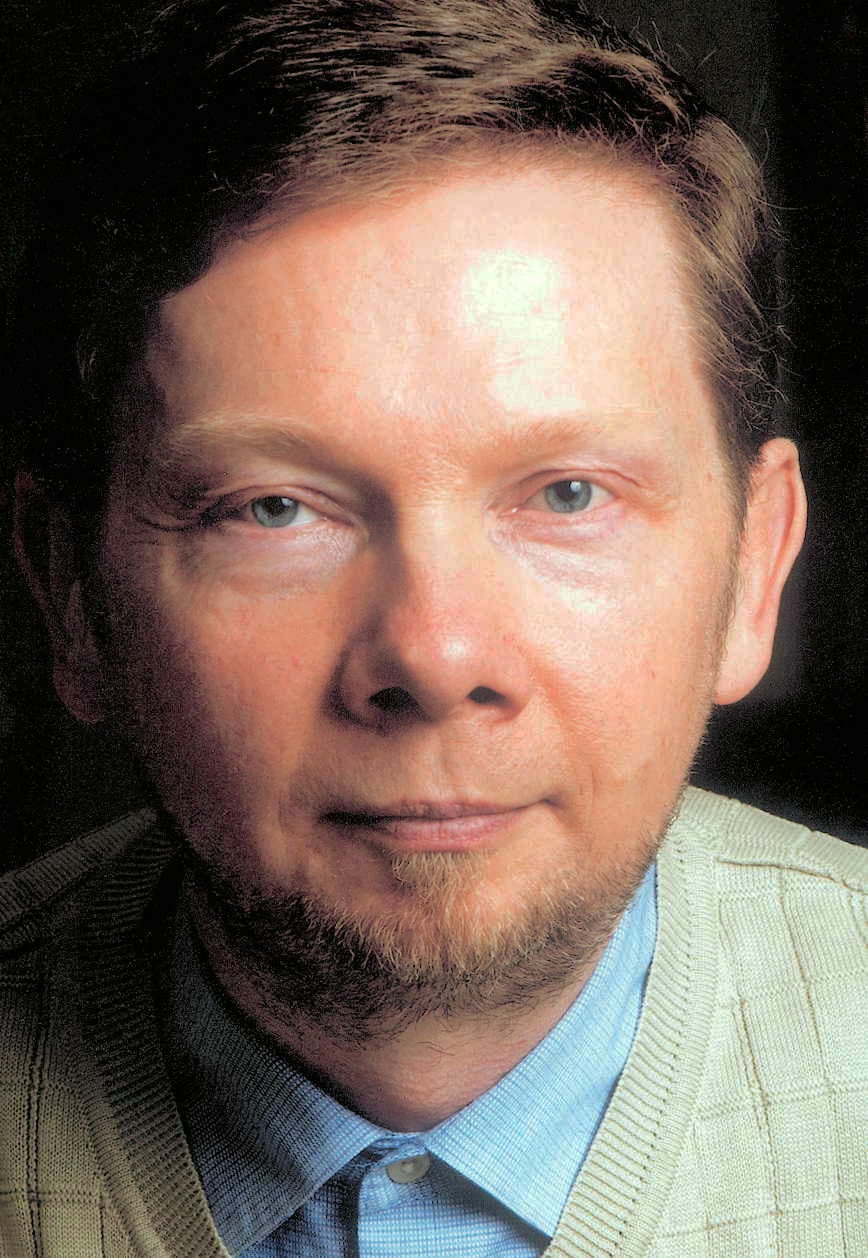
Eckhart Tolle
Совпадают в вопросах: Что такое Абсолют? Существует ли Бог? · Почему мы страдаем? · Что происходит после смерти?
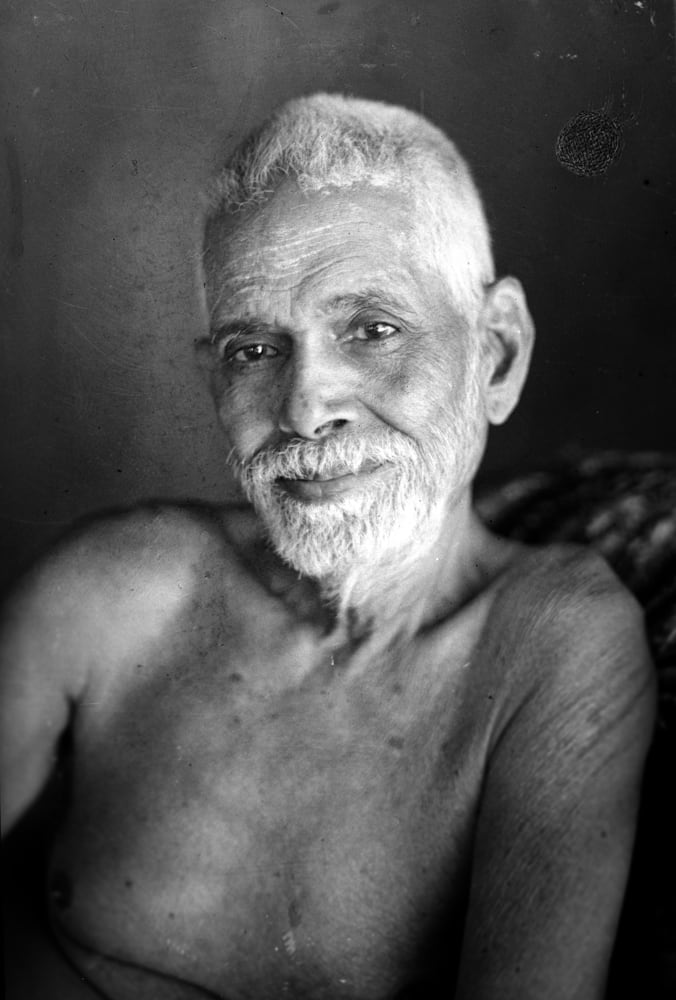
Ramana Maharshi
Совпадают в вопросах: Что такое Абсолют? Существует ли Бог? · Кто я? Существует ли истинное «я»? · Что происходит после смерти?
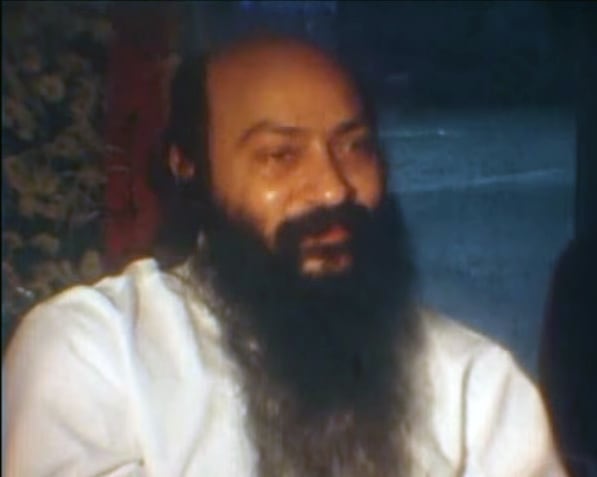
Osho
Совпадают в вопросах: Что такое Абсолют? Существует ли Бог? · Почему мы страдаем? · Что происходит после смерти?
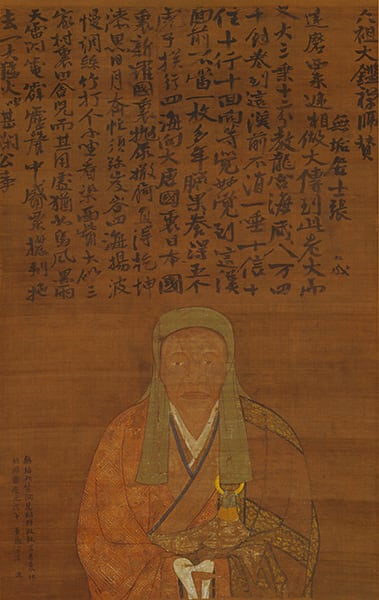
Huineng
Совпадают в вопросах: Что такое Абсолют? Существует ли Бог? · Кто я? Существует ли истинное «я»? · Что происходит после смерти?
Дальше всего от

Mirabai
Расходятся в вопросах: Как достигается освобождение или спасение? · Нужен ли учитель?
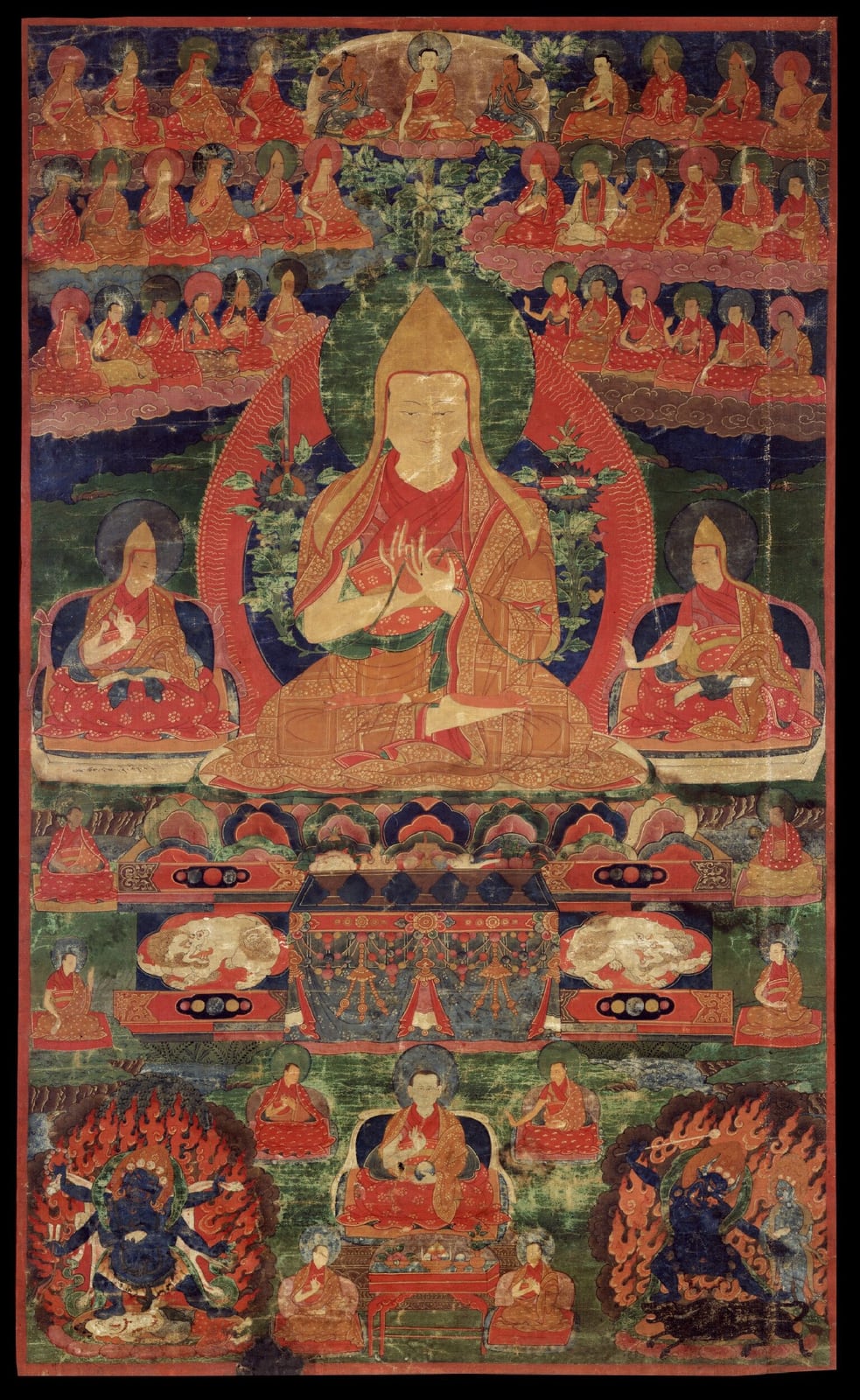
Tsongkhapa
Расходятся в вопросах: Как достигается освобождение или спасение? · Кто я? Существует ли истинное «я»? · Нужен ли учитель?
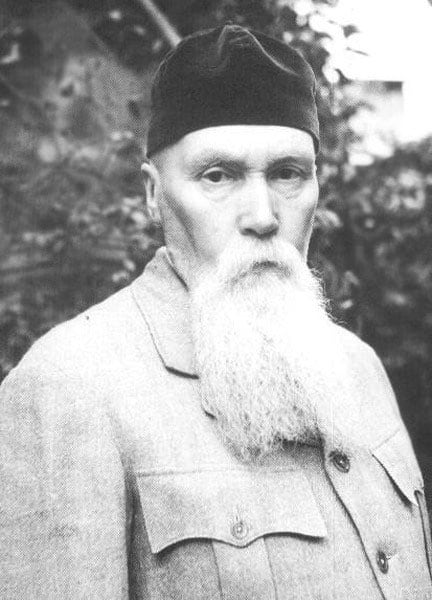
Nicholas Roerich
Расходятся в вопросах: Нужен ли учитель?

Pema Chödrön
Расходятся в вопросах: Кто я? Существует ли истинное «я»? · Как достигается освобождение или спасение?
Предания и рассказы
Предания и рассказы
Свидетельство1936
The lecture in a diving suit
Происхождение рассказа: It comes from Watts's own account in In My Own Way (1972) and is recorded by Monica Furlong in her biography. Later versions differ in details — who helped him remove the helmet and at exactly which event it occurred; it is usually placed in the context of the 1936 World Congress of Faiths.
Источник: Watts, Alan. In My Own Way: An Autobiography, 1915–1965. Nueva York: Pantheon Books, 1972 (reed. New World Library, 2007, ISBN 9781577315841).
Свидетельствоdécada de 1960
'He is a great bodhisattva'
Происхождение рассказа: Recorded by David Chadwick in Crooked Cucumber (1999), from testimony by students of the San Francisco Zen Center.
Источник: Chadwick, David. Crooked Cucumber: The Life and Zen Teaching of Shunryu Suzuki. Nueva York: Broadway Books, 1999.
Свидетельство1960s–1990s
Half a koan
Происхождение рассказа: Kapleau, The Three Pillars of Zen (1967 ed.), pp. 21–22; D. T. Suzuki's remark is reported by Robert Aitken in Original Dwelling Place (1997). The Zen story in question is the dialogue of Mazu and Nanyue about the polished tile.
Источник: Kapleau, Philip. The Three Pillars of Zen. Boston: Beacon Press, 1967 (ed. citada), pp. 21–22.
Свидетельство1958
A visit to Küsnacht
Происхождение рассказа: Watts's own account in In My Own Way (1972), p. 321.
Источник: Watts, Alan. In My Own Way: An Autobiography, 1915–1965. Nueva York: Pantheon Books, 1972 (reed. New World Library, 2007, ISBN 9781577315841).
Документировано1958–1970
Hanging up the phone
Происхождение рассказа: The phrase comes from the Vintage edition of The Joyous Cosmology (1970), p. 26; the researchers' identities are recorded in the biographical literature drawing on In My Own Way.
Источник: Watts, Alan. The Joyous Cosmology: Adventures in the Chemistry of Consciousness. Nueva York: Vintage Books, 1970 (1.ª ed. Pantheon, 1962).
Документировано1960s–1973
Between a beached ferry and a cabin in the woods
Происхождение рассказа: In My Own Way (1972), pp. 300–304, and the dedications of The Joyous Cosmology and the autobiography; Elsa Gidlow's memoir, Elsa: I Come with My Songs (1986), completes the picture of Druid Heights.
Источник: Watts, Alan. In My Own Way: An Autobiography, 1915–1965. Nueva York: Pantheon Books, 1972 (reed. New World Library, 2007, ISBN 9781577315841).
Учение
Учение
Понятия, на которых строится мысль учителя, объяснённые в их контексте.
The skin-encapsulated egoego-encerrado-en-la-piel
Developed above all in The Book (1966) and his 1960s lectures, under the influence of Vedanta, cybernetics and general semantics.
Источник: Watts, Alan. The Book: On the Taboo Against Knowing Who You Are. Nueva York: Pantheon Books, 1966.
The cosmic game of hide-and-seekjuego-cosmico
The Book (1966) and Beyond Theology (1964); drawn from Vedanta and devotional Hinduism, freely reinterpreted.
Источник: Watts, Alan. The Book: On the Taboo Against Knowing Who You Are. Nueva York: Pantheon Books, 1966.
The law of reversed effortley-del-esfuerzo-invertido
The Wisdom of Insecurity (1951) and later lectures; connected with the Taoism of Laozi and Zhuangzi.
Источник: Watts, Alan. The Wisdom of Insecurity: A Message for an Age of Anxiety. Nueva York: Pantheon Books, 1951.
Ways of liberationvias-de-liberacion
Psychotherapy East and West (1961); a forerunner of transpersonal psychology.
Источник: Watts, Alan. Psychotherapy East and West. Nueva York: Pantheon Books, 1961.
The social double binddoble-vinculo
Psychotherapy East and West (1961) and The Book (1966).
Источник: Watts, Alan. Psychotherapy East and West. Nueva York: Pantheon Books, 1961.
Beat Zen and square Zenzen-beat-y-zen-cuadrado
Essay published in Chicago Review (1958) and as a City Lights pamphlet (1959).
Видео
Видео
Записи, интервью и документальные фильмы. Видео воспроизводятся с YouTube; здесь они не хранятся.
Alan Watts: A Conversation with Myself - Part 1
Оригинальная запись· EN· 1971· 28 min
Mark WattsОфициальный канал
Alan Watts: A Conversation with Myself - Part 2
Оригинальная запись· EN· 1971· 28 min
Mark WattsОфициальный канал
Eastern Wisdom & Modern Life (1959) with Alan Watts - Program 1: Man & Nature (Recolored)
Оригинальная запись· EN· 1959· 29 min
HermesTrismegistus
Eastern Wisdom and Modern Life - Alan Watts: The Silent Mind, program five (1959)
Оригинальная запись· EN· 1959· 28 min
Torridstream12
Eastern Wisdom and Modern Life - Alan Watts: Death, program six (1959)
Оригинальная запись· EN· 1959· 27 min
Torridstream12
Alan Watts - Myth of Myself Full Lecture Part 1
Лекция· EN· 37 min
Official Alan Watts OrgОфициальный канал
Alan Watts - Individual and the World Pt 1 Full Lecture
Лекция· EN· 47 min
Official Alan Watts OrgОфициальный канал
Alan Watts - Taoist Way Full Lecture
Лекция· EN· 27 min
Official Alan Watts OrgОфициальный канал
Alan Watts - What Is Reality?
Лекция· EN· 53 min
Official Alan Watts OrgОфициальный канал
Alan Watts In Conversation With Elliot Mintz
Интервью· EN· 1972· 48 min
Elliot MintzОфициальный канал
Alan Watts Interview in Dallas - March 1970
Интервью· EN· 1970· 2 min
SMU Jones FilmОфициальный канал
First Wednesday: Following Alan Watts with Mark Watts
Лекция· EN· 106 min
MillValleyLibraryОфициальный канал
Alan Watts en español - Conferencia - El mito del yo
Лекция· ES· 35 min
fer.de.erratas
Галерея
Галерея
Изображения с проверенной лицензией. Каждое сохраняет своё авторство и атрибуцию.
Связи
Связи
Влияния, ученичество и близость взглядов. Документированная связь отличается от сходства, выявленного путём анализа.
Испытал влияние
His last book expounds the Taoism of Laozi and Zhuangzi.
Документированная связь
Испытал влияние
A constant source of his lectures on Taoism and wu wei.
Документированная связь
Идеи, близкие к
The identity of self and ultimate ground, central to Watts, comes from the Advaita Vedanta systematised by Shankara.
Сходство, выявленное путём анализа
Идеи, близкие к
Both popularise attention to the present and the critique of identification with thought for a wide audience.
Сходство, выявленное путём анализа
Современник
Contemporaries who spread Zen, Tantra and Taoism in the West in a free and provocative style; there is no record that they met.
Сходство, выявленное путём анализа
Идеи, близкие к
Both explored the dialogue between contemplative Christianity and Zen in the 1950s and 1960s.
Сходство, выявленное путём анализа
Испытал влияние
D. T. Suzuki
Watts met him in 1936 and his first book popularised Suzuki's work.
Документированная связь
Встречался с
Founder of the San Francisco Zen Center; defended Watts as 'a great bodhisattva'.
Документированная связь
Встречался с
Watts visited him in Switzerland in 1958; his psychology influenced The Meaning of Happiness.
Документированная связь
Идеи, близкие к
Both question the separate self and spiritual authority; Watts discussed Krishnamurti in his 1968 radio interview with Laura Huxley.
Сходство, выявленное путём анализа
Ученик
Christmas Humphreys
Watts was secretary of the London Buddhist Lodge, which Humphreys led, and was formed there.
Документированная связь
Родственник
Ruth Fuller Sasaki
His mother-in-law during his first marriage and a key figure of American Zen.
Документированная связь
Встречался с
Sokei-an Sasaki
New York Zen teacher with whom Watts kept in contact without entering formal training.
Документированная связь
Состоял в переписке с
Al Chung-liang Huang
Collaborator on Tao: The Watercourse Way, which he completed after Watts's death.
Документированная связь
Встречался с
Elsa Gidlow
Poet who founded Druid Heights, neighbour and friend; Watts dedicated his autobiography to her.
Документированная связь
Упоминается в других статьях
Источники
Источники
Библиография и каталоги, использованные для этой статьи.
- Wikidata, «Alan Watts» (Q354867).
- Watts, Alan. In My Own Way: An Autobiography, 1915–1965. Nueva York: Pantheon Books, 1972 (reed. New World Library, 2007, ISBN 9781577315841).
- Furlong, Monica. Zen Effects: The Life of Alan Watts. Boston: Houghton Mifflin, 1986 (publicado en Reino Unido como Genuine Fake, Heinemann, 1986; reed. SkyLight Paths, 2001, ISBN 9781893361324).
- Columbus, Peter J. y Rice, Donadrian L. (eds.). Alan Watts—Here and Now: Contributions to Psychology, Philosophy, and Religion. Albany: State University of New York Press, 2012 (ISBN 9781438441993).
- Watts, Joan y Watts, Anne (eds.). The Collected Letters of Alan Watts. Novato: New World Library, 2017 (ISBN 9781608684151).
- «Alan Watts» y «Alan Watts bibliography», Wikipedia en inglés (consultadas para cotejar hechos y bibliografía; texto propio).
- Open Library: obras y ediciones de Alan Watts (autor OL…; búsqueda por autor y por título, ediciones con ISBN).
- Chadwick, David. Crooked Cucumber: The Life and Zen Teaching of Shunryu Suzuki. Nueva York: Broadway Books, 1999.
- Aitken, Robert. Original Dwelling Place: Zen Buddhist Essays. Washington D. C.: Counterpoint, 1997 (ISBN 1887178414).
- Kapleau, Philip. The Three Pillars of Zen. Boston: Beacon Press, 1967 (ed. citada), pp. 21–22.
- Alan Watts Organization (archivo de grabaciones gestionado por la familia Watts) y Alan Watts Official Store.
- Watts, Alan. The Joyous Cosmology: Adventures in the Chemistry of Consciousness. Nueva York: Vintage Books, 1970 (1.ª ed. Pantheon, 1962).
- Watts, Alan. The Book: On the Taboo Against Knowing Who You Are. Nueva York: Pantheon Books, 1966.
- Watts, Alan. The Wisdom of Insecurity: A Message for an Age of Anxiety. Nueva York: Pantheon Books, 1951.
- Watts, Alan. The Way of Zen. Nueva York: Pantheon Books, 1957.
- Stirling, Isabel. Zen Pioneer: The Life and Works of Ruth Fuller Sasaki. Emeryville: Shoemaker & Hoard, 2006 (ISBN 9781593761103).
- University of Vermont, programa de la 154.ª ceremonia de graduación (15 de junio de 1958) y UVM Alumni Magazine, vol. 39, n.º 1, p. 22 (UVM Digital Collections; reproducido en Wikimedia Commons).
- Indiana University Libraries Moving Image Archive, exposición «Eastern Wisdom and Modern Life» (KQED, San Francisco, 1959–1960).
- Watts, Alan. Psychotherapy East and West. Nueva York: Pantheon Books, 1961.
- Gidlow, Elsa. Elsa: I Come with My Songs. San Francisco: Bootlegger Press y Druid Heights Books, 1986.
- Watts, Alan y Huang, Al Chung-liang. Tao: The Watercourse Way. Nueva York: Pantheon Books, 1975 (prólogo y epílogo de Al Chung-liang Huang).
- Open Culture, «Alan Watts Brings Eastern Wisdom to American TV Viewers in 1959» (2012).
- Правообладатель
- Herederos de Alan Watts (gestión de grabaciones: Alan Watts Organization / Electronic University, Mark Watts); derechos de los libros según cada editorial
- Официальный сайт
- alanwatts.org
Ожидает подтверждения
То, что в этой статье пока не удалось установить. Мы предпочитаем сказать об этом, а не заполнять пробел.
- Localizar página exacta de las citas marcadas como «probable» (The Book, cap. 1; The Wisdom of Insecurity, cap. 3) en una edición impresa.
- Ediciones con ISBN no verificadas en catálogo: The Book (Vintage, 1989), Tao for Now (2023), Taoism: Way Beyond Seeking (Tuttle, 1997), The Way of Liberation (Weatherhill, 1983), Om: Creative Meditations (1979) y The Essential Alan Watts (1976).
- Identificar la obra inglesa de la que procede «Qué es la realidad» (Kairós, 1995, ISBN 9788472453630), registrada en Open Library sin correspondencia clara.
- Ediciones en español sin ISBN verificado de In My Own Way, The Joyous Cosmology, Does It Matter?, Cloud-Hidden y Tao: The Watercourse Way (Kairós).
- Fecha exacta de la ordenación (1944 según las cartas, 1945 según la autobiografía) y del matrimonio con Mary Jane Yates King.
- Detalles del episodio de la escafandra (acto exacto y quién le ayudó) en la edición impresa de In My Own Way.
- Catálogo de grabaciones: la obra oral (cientos de conferencias en alanwatts.org y alanwatts.com) no se registra pieza a pieza; se incluyen las series de televisión y la antología Out of Your Mind.
- Vídeos: no hay en YouTube conferencias oficiales de Watts en español; el único vídeo en castellano registrado es una versión preparada por un tercero.
Исследовано 2026-10-25