Буддизм · Махаяна · Дзэн / Чань
Shunryu Suzuki
鈴木俊隆 · 祥岳俊隆
1904 – 1971Исторически документированная личность
Японский монах и учитель школы Сото-дзэн, сын деревенского настоятеля, который в 1959 году, в пятьдесят пять лет, приехал в Сан-Франциско, чтобы служить японской общине храма Сокодзи, и в итоге воспитал первое поколение американских практикующих дзэн. Основал Дзэн-центр Сан-Франциско и Тассахару — первый дзэн-монастырь за пределами Азии. Его непринуждённые беседы, изданные Труди Диксон под названием «Ум дзэн, ум начинающего» (1970), стали одной из самых читаемых на Западе книг о дзэн.
- трудов
- 8трудов
- изданий
- 27изданий
- цитат
- 8цитат
- видео
- 13видео
- изображений
- 7изображений
Shunryu Suzuki en el Zen Mountain Center (1969) · Public domain
Своими словами
«In the beginner's mind there are many possibilities, but in the expert's there are few.»Zen Mind, Beginner's Mind (Weatherhill, 1970), prólogo «Beginner's Mind», primera frase (charla oral editada por Trudy Dixon)

Для начала — одна книга
Zen Mind, Beginner's MindГлавная мысль
Beginner's mind—shoshin—is an empty and ready mind, open to every possibility; the aim of practice is not to accumulate experience or knowledge but to keep that freshness, which the expert loses when he thinks he knows what Zen is.
В контексте
Биография
4 мин чтения
Перевод с испанского оригинала, выполненный с помощью ИИ; ожидает проверки носителем языка.
Сын настоятеля
Сюнрю Судзуки родился 18 мая 1904 года в Хирацуке, на берегу залива Сагами, к юго-западу от Токио, в семье Буцумона Согаку Судзуки, настоятеля маленького храма школы Сото-дзэн Сёган-дзи, и Ёнэ, дочери священника. Храм был беден, и семья жила в стеснённых обстоятельствах; впечатлительный и прилежный мальчик терпел насмешки сверстников над своей бритой головой. В двенадцать лет, поначалу против воли родителей, он ушёл в храм Дзоун-ин в Мори, чтобы учиться у Гёкудзюна Со-она, ученика своего отца и наставника легендарной строгости. 18 мая 1917 года Со-он посвятил его в послушники под именем Сёгаку Сюнрю и дал ему прозвище, которое ученик с юмором носил всю жизнь: «кривой огурец» — за рассеянность и непредсказуемость.
Со-он оставался его учителем до своей смерти в 1934 году. Судзуки учился в подготовительной школе Сото и в университете Комадзава, который окончил в 1930 году, а в августе 1926 года получил от Со-она передачу Дхармы. В 1927–1929 годах он был переводчиком и помощником Ноны Рэнсом, английской преподавательницы, которая прежде учила последнего императора Китая; беседы с ней, поначалу настроенной скептически, впервые навели его на мысль, что западные люди способны понять дзэн. Затем он практиковал в Эйхэй-дзи и Содзи-дзи, двух главных монастырях школы, а с 1932 года двадцать лет учился у Кисидзавы Иана, крупного толкователя Догэна.
Ринсо-ин
В 1936 году он стал настоятелем Ринсо-ина, храма в Яидзу, в префектуре Сидзуока, где прожил с семьёй более двух десятилетий. В 1935 году он женился на Тиэ Мурамацу, которая родила ему четверых детей. Военные и послевоенные годы он провёл в трудах по восстановлению храма, организации медитативных групп для мирян и устройству детского сада. Его позиция во время войны, которую биограф Дэвид Чедвик восстанавливает по свидетельствам, вызывает споры среди исследователей; весной 1945 года он ездил в Маньчжурию. 25 марта 1952 года его жену убил прямо в храме психически неуравновешенный монах, которому Судзуки, несмотря на возражения семьи, позволил остаться. Чедвик считает это преступление самой глубокой раной в его жизни.
Сан-Франциско
В 1958 году Судзуки согласился на назначение, от которого многие священники уклонялись: в храм Сокодзи в Сан-Франциско, религиозный центр японской общины города. В декабре того же года он женился на Мицу Мацуно, которая приехала к нему позже, и 23 мая 1959 года, в пятьдесят пять лет, прибыл в Калифорнию. Уже через несколько недель молодые американцы, привлечённые модой на дзэн, которую распространили Д. Т. Судзуки, Алан Уотс и писатели-битники, стали садиться рядом с ним на скамьи храма. Он не предлагал им ни теорий, ни необычайных переживаний — только ежеутренний дзадзэн: сидеть в правильной позе, дышать, возвращаться. Когда его путали со знаменитым учёным, он, по рассказам учеников, отвечал, что тот — большой Судзуки, а он — маленький.
Группа быстро росла. В 1962 году она была официально зарегистрирована как Zen Center и провела свой первый шестидневный сэссин; Судзуки посвятил первых американских учеников и открыл дочерние группы в районе залива, в том числе в Лос-Альтосе, где его ученица Мэриан Дерби записывала его беседы. В декабре 1966 года Дзэн-центр купил старый курорт с горячими источниками в горах Лос-Падрес, и в 1967 году там открылся Дзэнсин-дзи, Горный дзэн-центр Тассахара — первый тренировочный дзэн-монастырь за пределами Азии. В ноябре 1969 года община покинула Сокодзи и переехала в жилое здание на Пейдж-стрит в центре Сан-Франциско.
Ум дзэн, ум начинающего
Судзуки писал мало. Его учение было устным, на поздно выученном английском, полном своеобразных оборотов, которые ученики со временем полюбили. По расшифровкам Мэриан Дерби его ученица Труди Диксон несколько месяцев вместе с самим учителем готовила книгу, которую издательство Weatherhill выпустило в 1970 году под названием Zen Mind, Beginner's Mind (по-русски «Ум дзэн, ум начинающего»): она разделила беседы на три части, дала им заглавия и подобрала эпиграфы. Диксон умерла от рака в тридцать лет, вскоре после завершения работы; Ричард Бейкер довёл издание до конца и написал предисловие. Книга, которая открывается фразой о множестве возможностей ума начинающего, — единственная, которую Судзуки увидел напечатанной, и она стала одним из самых читаемых на Западе текстов о дзэн. Остальные книги под его именем — посмертные издания его бесед: Branching Streams Flow in the Darkness (1999), посвящённая «Сандокаю», и Not Always So (2002).
Его дзэн был дзэном Догэна и школы Сото: сикантадза, «просто сидеть», не гонясь за просветлением как за предметом, потому что сама практика есть выражение природы Будды. Американцам, приходившим за сильными переживаниями, он говорил о большом уме, о том, чтобы не оставлять следа в том, что делаешь, о благодарности сорнякам ума, которые в конце концов обогащают практику. Он настаивал на форме — позе, поклонах, ритуале — как на том, что не служит средством ни для чего, а и есть сама практика.
Конец
В 1971 году у него обнаружили рак. 21 ноября он в последний раз появился на людях — на церемонии, на которой назначил Ричарда Бейкера своим преемником во главе Дзэн-центра. Он умер ранним утром 4 декабря 1971 года, сразу после того как прозвучал колокол, открывавший сэссин Рохацу в память о просветлении Будды, в присутствии жены, сына Отохиро и Бейкера. На похоронах Бейкер рассказал, что за несколько дней до того, когда учитель уже почти не мог говорить, он спросил его, где они с ним встретятся, и Судзуки высвободил руку из-под одеяла, слегка поклонился и начертил в воздухе круг.
Дзэн-центр Сан-Франциско — с Тассахарой, городским храмом и фермой Грин-Галч, открытой вскоре после его смерти, — сегодня одна из самых влиятельных буддийских организаций США, а от его учеников ведут своё происхождение десятки дзэн-центров по всей стране. Его сын Хоицу стал его преемником в Ринсо-ине. Биография, написанная Чедвиком, «Кривой огурец» (Crooked Cucumber, 1999), и архив записей его бесед позволили узнать, помимо знаменитой книги, самого человека: маленького, смешливого, требовательного и порой обескураживающего.
Источники: Chadwick, David. Crooked Cucumber: The Life and Zen Teaching of Shunryu Suzuki. Nueva York: Broadway Books, 1999. · Suzuki, Shunryu. Zen Mind, Beginner's Mind: Informal Talks on Zen Meditation and Practice. Ed. Trudy Dixon; introducción de Richard Baker; prefacio de Huston Smith. Nueva York y Tokio: Weatherhill, 1970. · Suzuki, Shunryu. Branching Streams Flow in the Darkness: Zen Talks on the Sandokai. Ed. Mel Weitsman y Michael Wenger. Berkeley: University of California Press, 1999. · Suzuki, Shunryu. Not Always So: Practicing the True Spirit of Zen. Ed. Edward Espe Brown. Nueva York: HarperCollins, 2002. · Chadwick, David (ed.). Zen Is Right Here: Teaching Stories and Anecdotes of Shunryu Suzuki. Boston: Shambhala, 2007 (versión revisada de To Shine One Corner of the World, Broadway, 2001).
Хронология
Жизнь год за годом
Каждая точка — документированное событие. Нажмите, чтобы прочитать о нём, с источником и степенью достоверности.
18 мая 1904 г.0 летHiratsuka (Kanagawa)
Born in a village temple
Born to Butsumon Sogaku Suzuki, abbot of the small Sōtō temple of Shōgan-ji, and to Yone; the family lives frugally.
ДокументированоChadwick, David (comp.). «Shunryu Suzuki Roshi – Dates», cronología de trabajo del Cucumber Project (cuke.com).
После смерти
- 1999Crooked Cucumber
18 мая 1904 г. · 0 лет
Born in a village temple
Born to Butsumon Sogaku Suzuki, abbot of the small Sōtō temple of Shōgan-ji, and to Yone; the family lives frugally.
Документировано
1916 · 12 лет
Disciple of Gyokujun So-on
Aged twelve he goes to live at Zōun-in temple with So-on Suzuki, his father's disciple and a strict teacher, who will be his master for life.
Документировано
18 мая 1917 г. · 13 лет
Novice ordination: the 'crooked cucumber'
So-on ordains him a novice with the name Shōgaku Shunryū and nicknames him 'crooked cucumber' for being forgetful and unpredictable.
Документировано
август 1926 г. · 22 года
Dharma transmission
While a student at Komazawa University, he receives Dharma transmission (shihō) from So-on; sources differ between 21 and 26 August.
Документировано
1 августа 1927 г. – 1929 · 23 года
Interpreter for Nona Ransom
He lives as interpreter and assistant to the English teacher Nona Ransom; his conversations with her about Buddhism convince him that Westerners can understand Zen.
Документировано
10 апреля 1930 г. · 25 лет
Komazawa and the great monasteries
He graduates from Komazawa University and trains at the head monasteries of the Sōtō school, Eihei-ji (1930–1931) and Sōji-ji (1931–1932); from 1932 he studies with Kishizawa Ian.
Документировано
23 апреля 1936 г. – 1959 · 31 год
Abbot of Rinsō-in
After So-on's death (1934) he takes over the temple of Rinsō-in, where he will live with his family until he leaves for America.
Документировано
25 марта 1952 г. · 47 лет
Murder of his wife Chie
His wife Chie is killed at the temple by a disturbed monk whom Suzuki had allowed to stay; she leaves four children. His biographer regards it as the great wound of his life.
Документировано
23 мая 1959 г. · 55 лет
Arrival in San Francisco
He arrives to serve as head priest of Sokoji, the Japanese community's temple; within weeks young Americans begin to sit zazen with him.
Документировано
1962 · 58 лет
The San Francisco Zen Center is born
The practice group is legally registered as Zen Center; that year the first six-day sesshin is held.
Документировано
1967 · 63 года
Tassajara, a monastery in the mountains
Having bought an old hot-springs resort in 1966, he founds Zenshin-ji, the Tassajara Zen Mountain Center, the first Zen training monastery outside Asia.
Документировано
ноябрь 1969 г. · 65 лет
The Page Street city center
He leaves Sokoji and moves Zen Center to a residential building on Page Street, where practice is organised as a community.
Документировано
1970 · 66 лет
Zen Mind, Beginner's Mind
Weatherhill publishes the talks to the Los Altos group edited by Trudy Dixon, who had died of cancer in 1969; the book is his only work published in his lifetime.
Документировано
21 ноября 1971 г. · 67 лет
Richard Baker's succession
Already ill with cancer, he makes his last public appearance at the ceremony installing Richard Baker as his successor at the head of Zen Center.
Документировано
4 декабря 1971 г. · 67 лет
Death at the start of the Rohatsu sesshin
He dies early in the morning, just after the bell opening the sesshin commemorating the Buddha's enlightenment, with his wife Mitsu, his son Otohiro and Richard Baker at his side.
Документировано
1999
Crooked Cucumber
David Chadwick, a former student, publishes the standard biography, based on interviews in Japan and the United States; his talks on the Sandōkai also appear that year.
Документировано
Труды
Главные труды
Труды, без которых не понять это наследие.
Позднейший сборник · 1970
Zen Mind, Beginner's Mind
Zen Mind, Beginner's Mind: Informal Talks on Zen Meditation and Practice
Informal talks Suzuki gave over several years in the late 1960s to the meditation group in Los Altos (California), recorded and transcribed by Marian Derby and edited over many months by Trudy Dixon with the teacher himself; Richard Baker completed the editing after Dixon's death. The book, divided into 'Right Practice', 'Right Attitude' and 'Right Understanding', explains Sōtō zazen in plain language: posture as the expression of Buddha nature, breathing, big mind, leaving no trace, beginner's mind. It is the only book Suzuki saw published and one of the most widely read texts on Zen in the West; its prologue opens with the sentence on the many possibilities of the beginner's mind.
11 изданий

Опубликованные лекции · 1999
Branching Streams Flow in the Darkness
Branching Streams Flow in the Darkness: Zen Talks on the Sandokai
A series of talks Suzuki gave at Tassajara in 1970 commenting on the Sandōkai, the Chinese poem by master Shitou Xiqian (8th century) on the identity of the absolute and the relative, chanted daily in Sōtō temples. Edited by Mel Weitsman and Michael Wenger, they show him as a commentator on texts and his way of grounding the doctrine of non-duality in everyday practice.
4 издания

Опубликованные лекции · 2002
Not Always So
Not Always So: Practicing the True Spirit of Zen
The second major anthology of talks, prepared by Edward Espe Brown—Tassajara's cook and Suzuki's disciple—from transcriptions not used in Zen Mind. The title echoes one of his favourite formulas: the truth of a moment is not always so. It deals with goalless practice, acceptance of impermanence and the everyday ethics of Zen.
5 изданий
Все труды (8)
Shunryu Suzuki
Talks published in Wind Bell
The Conscious LibraryTalks published in Wind Bell
1961
Shunryu Suzuki
Shunryu Suzuki Lectures (archive)
The Conscious LibraryShunryu Suzuki Lectures (archive)
1959

To Shine One Corner of the World
2001
Shunryu Suzuki
Dogen's Genjo Koan: Three Commentaries
The Conscious LibraryDogen's Genjo Koan: Three Commentaries
2011

Zen Is Right Now
2021
Изречения
Изречения, найденные в конкретном труде. Каждое сопровождается указанием происхождения и степени надёжности.
In the beginner's mind there are many possibilities, but in the expert's there are few.ПровереноZen Mind, Beginner's Mind (Weatherhill, 1970), prólogo «Beginner's Mind», primera frase (charla oral editada por Trudy Dixon)
Основные идеи (редакционное изложение)
Из уважения к авторскому праву эти идеи изложены своими словами и не выдаются за дословные цитаты.
- Beginner's mind—shoshin—is an empty and ready mind, open to every possibility; the aim of practice is not to accumulate experience or knowledge but to keep that freshness, which the expert loses when he thinks he knows what Zen is.
- Zazen is not a method for attaining enlightenment: sitting in the right posture is already the expression of Buddha nature. Practising in pursuit of a result turns practice into a transaction and estranges it from itself.
- The thoughts that arise in meditation are not to be fought; like waves, they settle when given room, and like weeds pulled up and buried beside the plant, they end up nourishing practice.
- Doing something fully, burning oneself up in it, leaves no residue of oneself; what leaves a trace and breeds attachment is activity done by halves, with the mind divided between what one is doing and what one expects.
- Forms—posture, bowing, ritual—are neither mere means nor empty conventions: in the Sōtō school the right form is practice itself, and in it the person is freed from his small self.
- Everything changes: the truth of a moment is not always so. Accepting impermanence rather than resisting it is the condition of serenity, and practice consists in living each moment without clinging to it.
Апокрифические изречения и изречения спорной атрибуции (1)
«'Each of you is perfect the way you are, and you can use a little improvement.'»
Widely circulated and attributed to Suzuki by his students, but it does not appear in Zen Mind and has not been located in a dated transcript; it is handed down as an oral recollection.
Последние слова
Позднейший рассказ свидетелей
«(No words.) Asked by his disciple Richard Baker 'Where will we meet you?', he brought a hand out from under the covers, made a small bow and drew a circle in the air.»No last words are recorded. The gesture was related by Richard Baker in his statement at the funeral of 12 December 1971—'a few days before he died, when it was difficult for him to speak'—published by Zen Center in Wind Bell. The letter of Yvonne Rand, Zen Center's president, specifies that he died early on 4 December, just after the bell opening the Rohatsu sesshin, with his wife Mitsu, his son Otohiro and Baker present. The circle (ensō) is a classic Zen symbol.
Источник: Zen Center. «Suzuki-roshi's Funeral» / memorial de diciembre de 1971 (carta de Yvonne Rand y declaración de Richard Baker en el funeral del 12 de diciembre de 1971), Wind Bell, 1972; reproducido en cuke.com.
Спросить
На что отвечают эти труды
Двенадцать великих вопросов человечества и то, что позволяют на них ответить эти тексты, со ссылками. Мы никогда не вкладываем слова в чужие уста.
Что такое Абсолют? Существует ли Бог?
The absolute is the darkness where nothing is distinguished, inseparable from the relative
НеименуемоеСледует из учения
Shunryu Suzuki does not speak of a creator God. When he refers to the ultimate he does so in the language of his school: big mind as opposed to small mind, the emptiness from which things arise and to which they return. His most explicit treatment is in the 1970 Tassajara talks on the Sandōkai, Shitou's poem recited daily in Sōtō temples, collected in Branching Streams Flow in the Darkness. There he reads light as the relative world of distinguishable things and darkness as the absolute, where there are no distinctions to name. But he insists that these are not two realities: the absolute is found only in the relative, and practice consists in living that identity, not in describing it.
Сравнить этот вопрос с другими учителямиКто я? Существует ли истинное «я»?
In breathing there is no self: only a swinging door
Постоянного «я» нетСказано прямо
Shunryu Suzuki approaches the question through practice. In Zen Mind, Beginner's Mind he describes zazen in terms of breathing: air comes in and goes out, and if one follows it attentively there is no self that breathes and no world outside, but something like a swinging door that moves. He distinguishes small mind, which clings to itself and measures everything against its own interest, from big mind, which includes everything. He does not present that big mind as a higher self to be possessed, but as what is expressed when practice is done without leaving a trace, burning oneself up completely like a good bonfire. The small self is not fought: it is given room until it loses importance.
Сравнить этот вопрос с другими учителямиПочему мы страдаем?
Without accepting that everything changes, no composure is possible
Жажда и привязанностьСказано прямо
For Shunryu Suzuki, suffering arises from not accepting impermanence. In Zen Mind, Beginner's Mind he holds that the basic teaching of Buddhism is that everything changes, and that without accepting this fact composure cannot be found; we suffer when we want something to remain as it is. His favourite formula for this would give its title to the second anthology of his talks, Not Always So: the truth of a moment is not always so. Practice eliminates neither change nor pain, but the resistance to them. That is why he advises not fighting the thoughts that trouble meditation, but being grateful for them as weeds which, buried beside the plant, end up nourishing practice.
Сравнить этот вопрос с другими учителямиЧто происходит после смерти?
The drop returns to the river: separate, we fear death; united, nothing to fear
То, что я есть, не рождается и не умираетСказано прямо
Shunryu Suzuki left a celebrated image in a talk collected in Zen Mind, Beginner's Mind: that of a great waterfall. The water comes down from the river as a single body, but in falling it separates into drops, and each drop has difficulties as it falls; on reaching the bottom it becomes river again. Life, he says, is like water separated into drops, and death like the return to the river of which it never ceased to be part. If we understand that we are one with the river, there is nothing to fear; fear arises from feeling ourselves isolated drops. Suzuki does not present this image as a doctrine of what survives, but as a way of living life without a trace and accepting death with composure.
Сравнить этот вопрос с другими учителямиКак достигается освобождение или спасение?
One does not practise to obtain something: the posture is already the purpose
Через дисциплинированную практикуСказано прямо
Shunryu Suzuki conveys Dōgen's teaching to American listeners in simple words. Zazen practice, he says in Zen Mind, Beginner's Mind, is the direct expression of our true nature, and the forms of the posture are not a means of obtaining the right state of mind: to take them is itself the purpose of practice. Practising with the idea of obtaining enlightenment turns practice into a transaction. That is why enlightenment, once attained, is nothing special. What is cultivated is not an achievement but an attitude: beginner's mind, open and unpretentious, which accumulated experience tends to close and which daily practice must preserve.
Сравнить этот вопрос с другими учителямиНужен ли учитель?
One practises with others and with forms, not by following a person
Община и традицияСледует из учения
Shunryu Suzuki, a Sōtō priest who arrived in San Francisco in 1959, became the teacher of a large community and founded with it the San Francisco Zen Center and Tassajara monastery. His way of teaching, as his students remember it in the anecdotes collected by David Chadwick in To Shine One Corner of the World, was not that of a guru: he practised with them, corrected posture, cleaned and worked in the temple. He gave great importance to shared forms, posture, bowing, the schedule, and to practising together; in Zen Mind, Beginner's Mind he presents the practice of the group as what sustains that of each person. As a priest of his lineage he transmitted the Dharma to disciples, but without making himself the centre.
Сравнить этот вопрос с другими учителямиРеален ли мир?
Everything changes and everything depends on everything: the absolute lives in the relative
Сеть причин без субстанцииСледует из учения
Shunryu Suzuki does not regard the world as an illusion to be left behind: it is the place of practice. His talks insist that everything changes, that nothing has a fixed and separate existence, and that each thing exists in relation to the others. In the commentaries on the Sandōkai collected in Branching Streams Flow in the Darkness he develops the poem's teaching on the identity of absolute and relative: each thing has its own place and function, distinct from the others, and yet is not separate from the whole, like a box and the lid that fits it. His formula for being in that world is big mind, which does not divide it into what it wants and what it rejects.
Сравнить этот вопрос с другими учителямиЧто такое любовь?
He barely thematised love; he speaks of big mind and welcoming what arises
Не высказывался
In Shunryu Suzuki's published talks love is not a topic of its own; he offers no definition or doctrine of it. The closest thing is his description of big mind, which does not separate what it likes from what it dislikes and welcomes everything, and his insistence on treating each thing, each person and each object, with the same attention. In Zen Mind, Beginner's Mind he even asks us to be grateful for the weeds in our own mind instead of fighting them. The anecdotes his students collected show him kind, patient and attentive to each person. But that attitude appears as the fruit of practice, not as an explicit teaching on love or compassion.
Сравнить этот вопрос с другими учителямиСвободны ли мы или всё предопределено?
He did not address the dilemma; he speaks of freedom within form
Не высказывался
Shunryu Suzuki did not concern himself with the philosophical problem of free will and determinism. The closest thing in his teaching is an idea of freedom that is not opposed to limitation: the fixed posture, the schedule and the forms of the temple are for him not obstacles but the place where the person is freed from his small self. In Zen Mind, Beginner's Mind he illustrates it with an image about control: the way to control a sheep or a cow is to give it a large, spacious meadow; likewise the mind is not mastered by repressing it but by giving it room. The freedom that interests him is not that of choosing between options, but that of acting completely, without leaving a trace.
Сравнить этот вопрос с другими учителямиЗачем медитировать или молиться?
The posture is not a means to a state: taking it is the purpose
Медитация — не техникаСказано прямо
Shunryu Suzuki teaches his school's shikantaza, «just sitting», with the same thesis as Dōgen. In Zen Mind, Beginner's Mind he describes the posture in detail, but warns that these forms are not a means of obtaining the right state of mind: to take them is itself the purpose of practice. Meditating in search of enlightenment, calm or any other result turns practice into something other than itself. Thoughts are not fought: they are allowed to come and go, like waves that settle by themselves, and are even welcomed as weeds that enrich practice. What is sought, if one can put it that way, is to keep beginner's mind, without the pretension of already knowing what Zen is.
Сравнить этот вопрос с другими учителямиМожет ли разум познать предельное?
In the beginner's mind there are many possibilities; in the expert's, few
Мысль ограниченаСказано прямо
The sentence with which Shunryu Suzuki opens Zen Mind, Beginner's Mind sums up his position: in the beginner's mind there are many possibilities; in the expert's, few. Accumulated knowledge is not useless, but it tends to close the mind: whoever believes he knows what Zen is can no longer receive it. That is why the real secret of the arts is always to be a beginner. Suzuki does not despise study, and devoted whole series of talks to the Sandōkai or Dōgen's Genjōkōan; but he warns that intellectual understanding does not replace practice, and that the truth of a moment is not always so. The ultimate is not possessed as knowledge, but expressed in practice.
Сравнить этот вопрос с другими учителямиУйти от мира или преобразить его?
Doing each thing completely, like a good bonfire, leaving no trace
Созерцание в действииСказано прямо
Shunryu Suzuki founded the first Zen monastery in the West, Tassajara, but most of his students were lay people who worked, had families and practised in the city. His teaching does not separate practice from daily life: in Zen Mind, Beginner's Mind he asks that, when one does something, one burn oneself completely, like a good bonfire, leaving no trace of oneself. What leaves a trace and breeds attachment is activity done by halves, with a divided mind. Cooking, cleaning or talking with someone are as much practice as zazen if done in this way. He preached neither social engagement nor withdrawal, but a way of being anywhere with full attention.
Сравнить этот вопрос с другими учителями
Созвучия и противоречия
Созвучия и противоречия
Рассчитаны вопрос за вопросом на основе позиций. Причина каждого совпадения или расхождения — по нажатию.
Ближе всего к
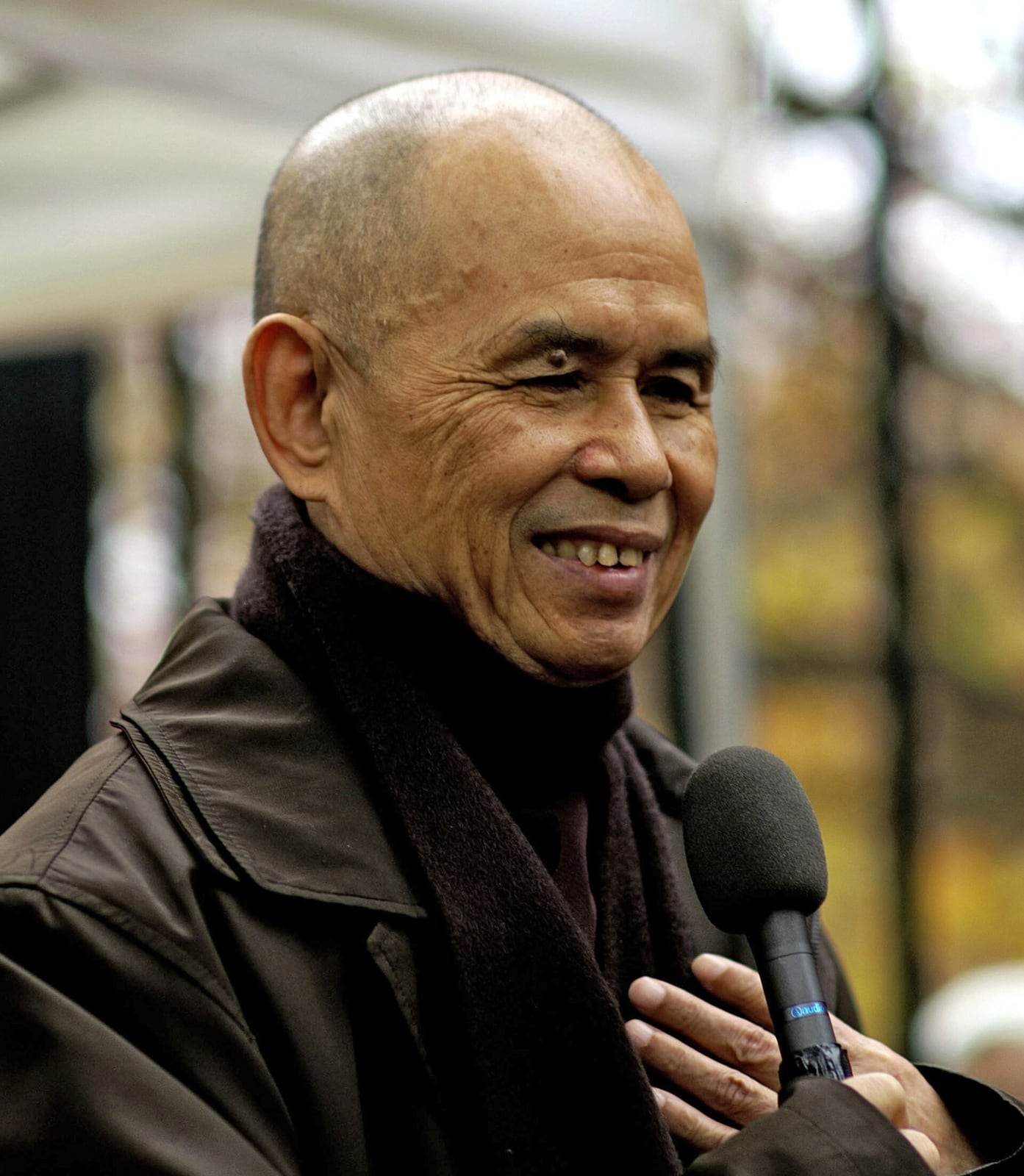
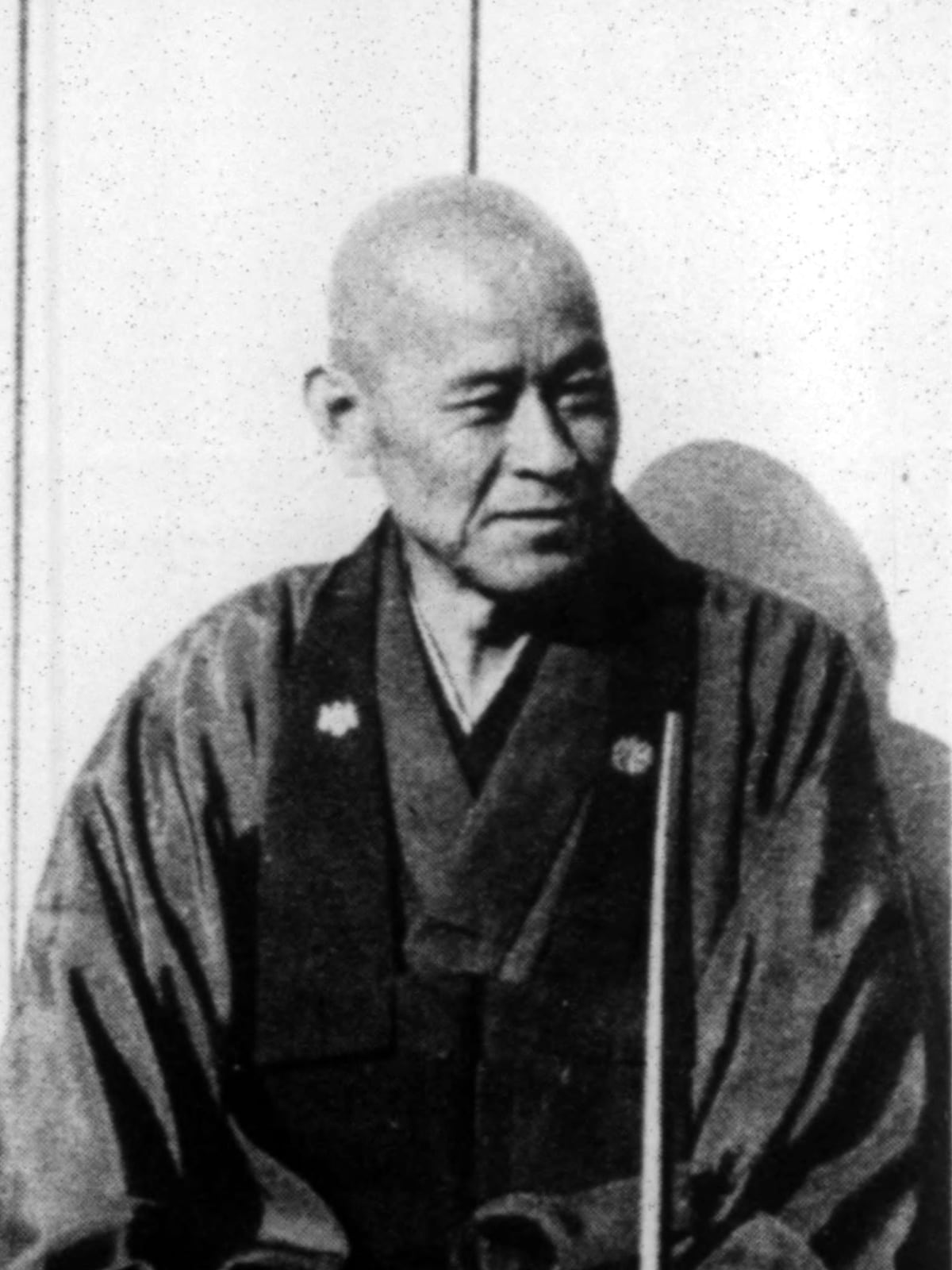
Thich Nhat Hanh
Совпадают в вопросах: Что такое Абсолют? Существует ли Бог? · Кто я? Существует ли истинное «я»? · Почему мы страдаем?
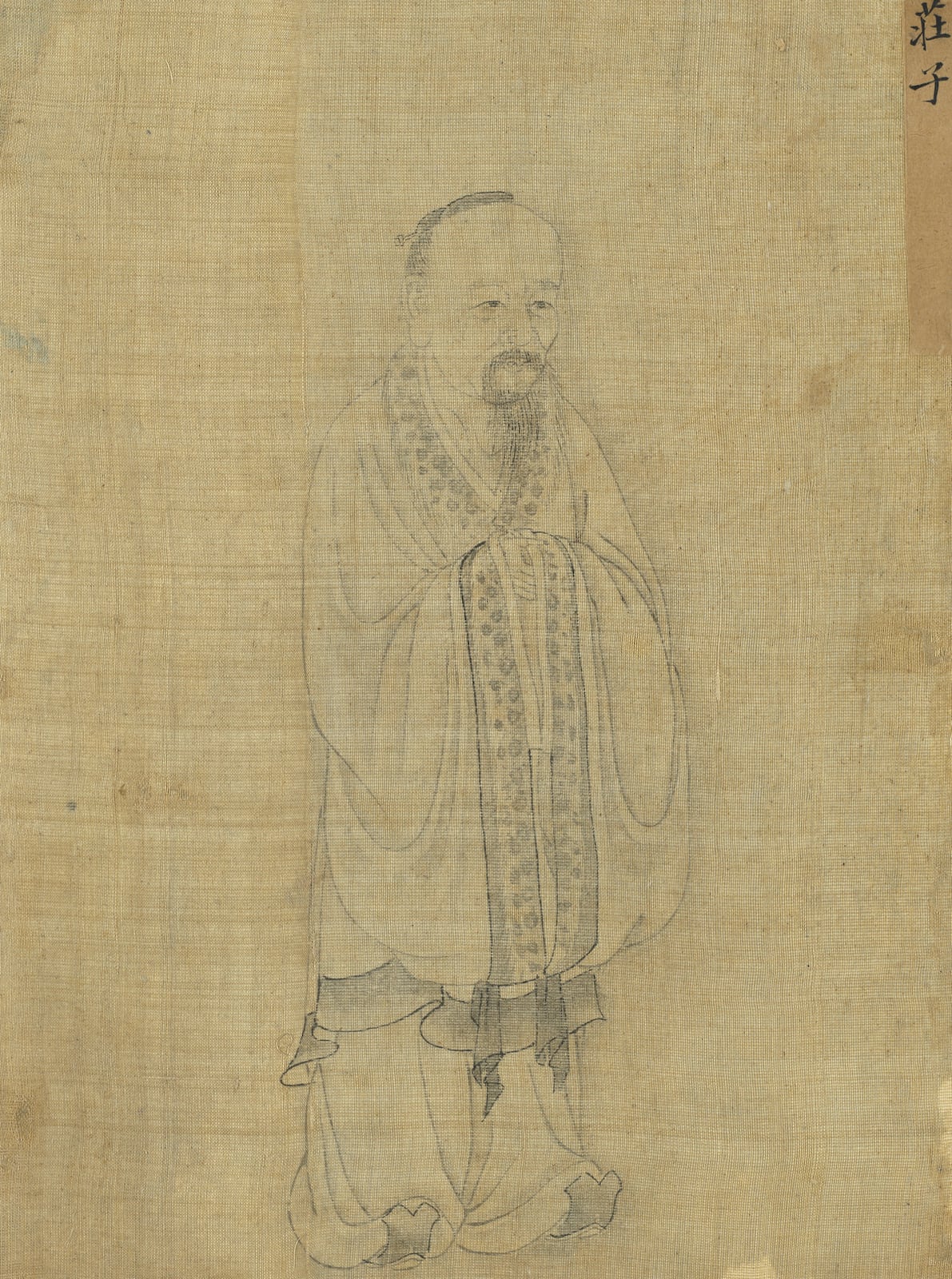
Zhuangzi
Совпадают в вопросах: Что такое Абсолют? Существует ли Бог? · Кто я? Существует ли истинное «я»? · Почему мы страдаем?
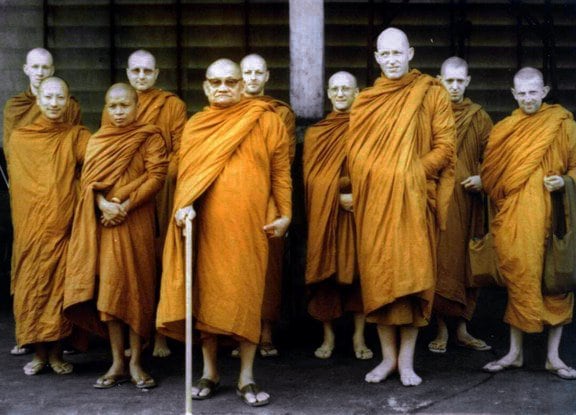
Ajahn Chah
Совпадают в вопросах: Кто я? Существует ли истинное «я»? · Почему мы страдаем? · Как достигается освобождение или спасение?

Pema Chödrön
Совпадают в вопросах: Кто я? Существует ли истинное «я»? · Почему мы страдаем? · Как достигается освобождение или спасение?


Предания и рассказы
Предания и рассказы
Свидетельство1916–1918
The crooked cucumber
Происхождение рассказа: Told by Suzuki himself in his talks and recorded by David Chadwick in Crooked Cucumber (1999) and in the Cucumber Project chronology.
Источник: Chadwick, David. Crooked Cucumber: The Life and Zen Teaching of Shunryu Suzuki. Nueva York: Broadway Books, 1999.
Свидетельство1927–1929
The English teacher
Происхождение рассказа: Dates from the Cucumber Project chronology; the story comes from Suzuki's recollections as recorded by Chadwick in Crooked Cucumber.
Источник: Chadwick, David. Crooked Cucumber: The Life and Zen Teaching of Shunryu Suzuki. Nueva York: Broadway Books, 1999.
Документировано1952
The crime at Rinsō-in
Происхождение рассказа: Date from the Cucumber Project chronology (25 March 1952); circumstances according to David Chadwick's Crooked Cucumber and reviews of the book. The insanity verdict comes from a letter by a Japanese witness published on cuke.com, who reports it at second hand.
Источник: Chadwick, David. Crooked Cucumber: The Life and Zen Teaching of Shunryu Suzuki. Nueva York: Broadway Books, 1999.
Устная традицияc. 1959–1966
'I am the little Suzuki'
Происхождение рассказа: Handed down by his students and repeated in the Spanish Wikipedia and popular literature; it has not been located in a dated transcript.
Источник: Wikipedia (es), «Shunryu Suzuki».
Документировано1966–1967
A spa in the mountains
Происхождение рассказа: Dates from the Cucumber Project chronology and the Wikipedia article on the San Francisco Zen Center; the talks of the first sesshin in August 1967 are preserved in the Zen Center archive.
Свидетельство1971
The circle in the air
Происхождение рассказа: Richard Baker's statement at the funeral of 12 December 1971 and Yvonne Rand's letter, published by Zen Center (Wind Bell) and reproduced on cuke.com.
Учение
Учение
Понятия, на которых строится мысль учителя, объяснённые в их контексте.
Beginner's mind (shoshin)shoshin
A common Japanese term, traditionally applied to the resolve of one beginning a path; Suzuki reinterpreted it as the permanent attitude of practice.
Источник: Suzuki, Shunryu. Zen Mind, Beginner's Mind: Informal Talks on Zen Meditation and Practice. Ed. Trudy Dixon; introducción de Richard Baker; prefacio de Huston Smith. Nueva York y Tokio: Weatherhill, 1970.
Just sitting (shikantaza)shikantaza
Dōgen's (13th-century) doctrine of the oneness of practice and realisation (shushō ittō), transmitted in the Sōtō school and commented on by Kishizawa Ian, Suzuki's teacher.
Источник: Suzuki, Shunryu. Zen Mind, Beginner's Mind: Informal Talks on Zen Meditation and Practice. Ed. Trudy Dixon; introducción de Richard Baker; prefacio de Huston Smith. Nueva York y Tokio: Weatherhill, 1970.
Big mindmente-grande
A colloquial reformulation of the Mahayana doctrine of one mind and Buddha nature; the scheme of the three minds comes from Dōgen's Instructions for the Cook (Tenzo kyōkun).
Источник: Suzuki, Shunryu. Zen Mind, Beginner's Mind: Informal Talks on Zen Meditation and Practice. Ed. Trudy Dixon; introducción de Richard Baker; prefacio de Huston Smith. Nueva York y Tokio: Weatherhill, 1970.
Leaving no tracesin-rastro
An everyday application of emptiness and non-self (anātman) in the monastic ethic of the Sōtō school.
Источник: Suzuki, Shunryu. Zen Mind, Beginner's Mind: Informal Talks on Zen Meditation and Practice. Ed. Trudy Dixon; introducción de Richard Baker; prefacio de Huston Smith. Nueva York y Tokio: Weatherhill, 1970.
'Not always so'no-siempre-es-asi
An expression of anitya (impermanence) and of the two-truths doctrine in the Mahayana tradition.
Источник: Suzuki, Shunryu. Not Always So: Practicing the True Spirit of Zen. Ed. Edward Espe Brown. Nueva York: HarperCollins, 2002.
Видео
Видео
Записи, интервью и документальные фильмы. Видео воспроизводятся с YouTube; здесь они не хранятся.
Beginner's Mind – Shunryu Suzuki Roshi – Archived Dharma Talk – Nov. 11, 1965
Оригинальная запись· EN· 1965
San Francisco Zen CenterОфициальный канал
Most Of You Are Beginners — Shunryu Suzuki Roshi — Archived Dharma Talk — Dec. 11, 1965
Оригинальная запись· EN· 1965
San Francisco Zen CenterОфициальный канал
Genjo Koan — Shunryu Suzuki Roshi — Archived Dharma Talk — Aug. 20, 1967
Оригинальная запись· EN· 1967
San Francisco Zen CenterОфициальный канал
Buddhism Is Not a Special Teaching — Shunryu Suzuki Roshi — Archived Dharma Talk — Aug. 23, 1967
Оригинальная запись· EN· 1967
San Francisco Zen CenterОфициальный канал
To Polish a Tile — Shunryu Suzuki Roshi — Archived Dharma Talk — Aug. 23, 1967 — Tassajara Sesshin
Оригинальная запись· EN· 1967
San Francisco Zen CenterОфициальный канал
Think the Unthinkable — Shunryu Suzuki Roshi — Archived Dharma Talk — Dec. 4, 1967
Оригинальная запись· EN· 1967
San Francisco Zen CenterОфициальный канал
Bodhidharma — Shunryu Suzuki Roshi — Archived Dharma Talk — July 23, 1968
Оригинальная запись· EN· 1968
San Francisco Zen CenterОфициальный канал
On the way to Zen Mt. Center - Tassajara - Shunryu Suzuki
Документальный фильм· EN· 1968
cuke video
Introduction to Zen Mt. Center film - Richard Baker
Документальный фильм· EN· 1968
cuke video
Suzuki, Baker, Katagiri at Sokoji
Оригинальная запись· EN
cuke video
Rinso Ed Sattizahn on the death of Shunryu Suzuki Roshi
Интервью· EN
Zen in America
Shunryu Suzuki: Aprovecha tu Mente de Principiante (Audio Podcast)
Разбор· ES
Almas de la Historia
Mente Zen, mente da principiante. Parte Prima: Retta Pratica, Discorsi di Suzuki Roshi
Оригинальная запись· IT
La voce di Doeia
Галерея
Галерея
Изображения с проверенной лицензией. Каждое сохраняет своё авторство и атрибуцию.
Связи
Связи
Влияния, ученичество и близость взглядов. Документированная связь отличается от сходства, выявленного путём анализа.
Современник
Contemporaries in the dialogue between Zen and the West; Merton dealt with D. T. Suzuki, not with Shunryu Suzuki.
Сходство, выявленное путём анализа
Испытал влияние
Founder of the Japanese Sōtō school; his goalless zazen (shikantaza) and texts such as the Genjōkōan are the basis of Suzuki's teaching.
Документированная связь
Испытал влияние
Siddhartha Gautama, the Buddha
He died during the sesshin commemorating the Buddha's enlightenment; his teaching presents itself as transmission of the Buddha's Dharma.
Документированная связь
Современник
Watts, a populariser of Zen in California, knew Suzuki and moved in Zen Center circles; he was one of the influences that brought young Americans to Sokoji.
Документированная связь
Испытал влияние
Founding patriarch of Chan in tradition; Suzuki devoted talks to him, such as the one of 23 July 1968 preserved by Zen Center.
Сходство, выявленное путём анализа
Идеи, близкие к
Suzuki's insistence on the original, empty mind recalls the Sixth Patriarch's teaching on original nature; an affinity of tradition, not concrete documented influence.
Сходство, выявленное путём анализа
Идеи, близкие к
Both offered the West a simple, everyday practice in plain language; no meeting between them is recorded.
Сходство, выявленное путём анализа
Идеи, близкие к
They shared a distrust of the pursuit of special states and both formed Western communities in the 1960s and 1970s; no contact is documented.
Сходство, выявленное путём анализа
Источники
Источники
Библиография и каталоги, использованные для этой статьи.
- Wikidata, «Shunryu Suzuki» (Q572599).
- Chadwick, David. Crooked Cucumber: The Life and Zen Teaching of Shunryu Suzuki. Nueva York: Broadway Books, 1999.
- Chadwick, David (comp.). «Shunryu Suzuki Roshi – Dates», cronología de trabajo del Cucumber Project (cuke.com).
- Suzuki, Shunryu. Zen Mind, Beginner's Mind: Informal Talks on Zen Meditation and Practice. Ed. Trudy Dixon; introducción de Richard Baker; prefacio de Huston Smith. Nueva York y Tokio: Weatherhill, 1970.
- Zen Center. «Suzuki-roshi's Funeral» / memorial de diciembre de 1971 (carta de Yvonne Rand y declaración de Richard Baker en el funeral del 12 de diciembre de 1971), Wind Bell, 1972; reproducido en cuke.com.
- Wikipedia (en), «Shunryū Suzuki».
- Wikipedia (es), «Shunryu Suzuki».
- Open Library, autor «Shunryū Suzuki» (OL27128A): obras y ediciones con ISBN.
- Suzuki, Shunryu. Branching Streams Flow in the Darkness: Zen Talks on the Sandokai. Ed. Mel Weitsman y Michael Wenger. Berkeley: University of California Press, 1999.
- Suzuki, Shunryu. Not Always So: Practicing the True Spirit of Zen. Ed. Edward Espe Brown. Nueva York: HarperCollins, 2002.
- San Francisco Zen Center, sitio oficial («About»).
- shunryusuzuki.com — archivo de transcripciones, audio, fotografías y vídeo de Shunryu Suzuki (Cucumber Project / San Francisco Zen Center).
- Wikipedia (en), «San Francisco Zen Center».
- Chadwick, David (ed.). Zen Is Right Here: Teaching Stories and Anecdotes of Shunryu Suzuki. Boston: Shambhala, 2007 (versión revisada de To Shine One Corner of the World, Broadway, 2001).
- Wind Bell (Zen Center, San Francisco), vol. 8, n.º 3–4, primavera de 1969, p. 4 (fotografía de Suzuki en el Zen Mountain Center). Internet Archive.
- Правообладатель
- San Francisco Zen Center y herederos de Shunryu Suzuki (Mitsu Suzuki y familia) para las charlas y transcripciones; las ediciones pertenecen a sus editoriales (Weatherhill/Shambhala, University of California Press, HarperCollins)
- Официальный сайт
- www.sfzc.org
Ожидает подтверждения
То, что в этой статье пока не удалось установить. Мы предпочитаем сказать об этом, а не заполнять пробел.
- La foto principal de 1969 es de dominio público en EE. UU. por publicarse sin aviso de copyright (PD-US-no notice); su situación en la UE y en España no está verificada (autoría dudosa entre tres fotógrafos).
- Confirmar que «Libre de soi, libre de tout» (Points, 2013) y «Seid wie reine Seide und scharfer Stahl» (Integral, 2003) son traducciones de Not Always So, y localizar traductores de las ediciones españolas.
- Fecha exacta de la transmisión del Dharma: 21 de agosto de 1926 (cronología de Chadwick) o 26 de agosto (Wikipedia).
- Posibles escritos o folletos de Suzuki en japonés anteriores a 1959 (Rinsō-in, guardería Tokiwa): no localizados en catálogo.
- El dato «el pequeño Suzuki» y la frase «Cada uno de vosotros es perfecto…» no se han localizado en transcripciones fechadas.
- Edición china de Zen Mind (禪者的初心): editorial e ISBN sin confirmar.
- Sin textos para la sala de lectura: derechos vigentes (Suzuki murió en 1971; editores vivos o fallecidos recientemente).
Исследовано 2026-10-25