Ислам · Суфизм
Al-Ghazali
أبو حامد محمد بن محمد الغزالي الطوسي · حجة الإسلام · ابوحامد محمد غزالی
ок. 1058 – 1111Исторически документированная личность
Шафиитский правовед, ашаритский богослов и персидский мистик (Тус, ок. 1058 — Тус, 1111), прозванный «доводом ислама» и известный латинской Европе как Альгазель. Преподавая в багдадской Низамии, он подверг критике философов в «Опровержении философов» и после кризиса, описанного в автобиографии «Избавляющий от заблуждения», в 1095 году оставил кафедру ради суфийского пути. Его «Ихья улум ад-дин» в сорока книгах ввела мистику в религиозную жизнь суннитов и остаётся, после Корана и хадисов, одной из самых читаемых книг ислама.
- трудов
- 44трудов
- изданий
- 86изданий
- цитат
- 9цитат
- видео
- 13видео
- изображений
- 7изображений
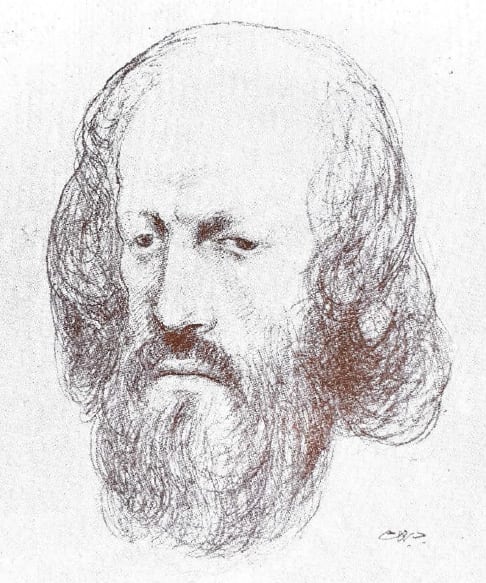
Al-Ghazali según Khalil Gibran · Public domain
Своими словами
«The thirst for knowledge was innate in me from an early age; it was like a second nature implanted by God, without any will on my part.»al-Munqidh min al-dalal, introducción (texto árabe de Wikisource; trad. inglesa de Claud Field, 1909; trad. española propia)

Главная мысль
Certainty (yaqin) and the light in the breast: The *Munqidh* defines certainty as knowledge in which the known is disclosed so as to leave no room for doubt or the possibility of error.
В контексте
Биография
4 мин чтения
Перевод с испанского оригинала, выполненный с помощью ИИ; ожидает проверки носителем языка.
Сирота из Туса
Абу Хамид Мухаммад ибн Мухаммад аль-Газали родился в Таберане, одной из двух частей города Тус в Хорасане, примерно в двадцати пяти километрах от нынешнего Мешхеда. Средневековые биографы относят его рождение к 450 году хиджры, то есть к 1058–1059 году; Франк Гриффель заметил, что упоминания о его возрасте в письмах и в автобиографии указывают скорее на 448/1056 или даже на 1055 год. Согласно преданию, записанному ас-Субки, его отец прял и продавал шерсть — отсюда форма Газзали, «прядильщик», соперничающая с формой Газали, производной от названия деревни Газала, — а умирая, поручил двух сыновей, Мухаммада и Ахмада, другу-суфию; тот растил их, пока не иссякло скромное наследство, а затем отправил в медресе, где учащихся кормили. Судьбы братьев сложились параллельно: Ахмад стал проповедником и суфийским наставником, автором «Саваних» — первого большого персидского трактата о мистической любви.
Из Джурджана ко двору везира
Получив первые познания в праве в Тусе и Джурджане, он перебрался в Нишапур, чтобы учиться у Имама аль-Харамайна аль-Джувайни, крупнейшего ашаритского богослова и шафиитского правоведа своего времени; там же он общался с суфийским шейхом Абу Али аль-Фармади. Когда в 478/1085 году аль-Джувайни умер, молодой учёный примкнул к кочующей свите Низам аль-Мулька — везира сельджукских султанов, основавшего сеть медресе, носивших его имя. В 484/1091 году везир назначил его преподавателем багдадской Низамии, самой престижной кафедры суннитского мира. Ему было немногим больше тридцати, и он обладал авторитетом, к которому прислушивались и халиф, и султан.
Багдад: профессор и философы
В Багдаде он преподавал шафиитское право сотням учеников и, по собственному признанию, посвящал свободные часы уединённому чтению философов греческой традиции, прежде всего аль-Фараби и Авиценны. Плодом этого стали две взаимодополняющие книги: «Макасид аль-фаласифа» («Намерения философов»), верное изложение учения Авиценны, и «Тахафут аль-фаласифа» («Опровержение философов»), завершённое в первой половине первого месяца 488/1095 года, где рассматриваются двадцать их тезисов и три из них объявляются несовместимыми с исламом: вечность мира, незнание Богом единичного и отрицание телесного воскресения. Там же содержится его знаменитый разбор причинности: то, что хлопок загорается от соприкосновения с огнём, — это обычай, творимый Богом, а не необходимая связь. По поручению халифа аль-Мустазхира он написал также опровержение исмаилитов-батинитов, которым приписывали убийство Низам аль-Мулька в 1092 году.
Кризис 1095 года
Автобиография, написанная им на склоне лет, «Аль-Мункыз мин ад-далаль» («Избавляющий от заблуждения»), повествует о кризисе тех лет с беспримерной для арабской литературы откровенностью. Первый, скептический, приступ длился около двух месяцев и разрешился, по его словам, не доводами, а «светом, который Бог низверг в грудь». Второй кризис был нравственным: он понял, что знание суфиев не постигается из книг, но «вкушается» (заук), и что его карьерой движет жажда славы. Шесть месяцев, начиная с раджаба 488 года (июль 1095), он колебался; в конце концов, пишет он, Бог сковал ему язык, так что он не мог больше преподавать, лишился аппетита, а врачи признали своё бессилие. В зу-ль-каада 488 года (ноябрь 1095) он покинул Багдад под предлогом паломничества, оставив кафедру брату Ахмаду. Историки спорят, что весило в этом решении больше — духовное разочарование или страх перед политическим насилием после гибели Низам аль-Мулька и смерти султана Малик-шаха: «Мункыз» — это ретроспективная реконструкция с апологетической целью, а не дневник.
Десять лет уединения
Около двух лет он провёл в Сирии; в Дамаске жил затворником в минарете Большой мечети. Он посетил Иерусалим и гробницу Авраама в Хевроне, где в 489/1096 году дал обет больше не служить ни одному государю, не принимать денег от власти и не участвовать в схоластических диспутах; совершил паломничество в Мекку и Медину и через Дамаск и Багдад вернулся в Тус, где открыл небольшую школу и суфийскую обитель. В эти годы он создал главный свой труд — «Ихья улум ад-дин», «Воскрешение наук о вере»: сорок книг в четырёх частях, где разбираются поклонение, обычаи повседневной жизни, губительные пороки и спасительные добродетели и где суфизм встраивается в обычную жизнь верующего. По-персидски он изложил его в сокращении в «Кимийа-йи са'адат», «Эликсире счастья». На альморавидском Западе книгу встретили враждебно: в 1109 году «Ихья» по настоянию маликитских законоведов была публично сожжена в Кордове.
Возвращение к преподаванию
В 499/1106 году Фахр аль-Мульк, сын Низам аль-Мулька и везир Санджара в Хорасане, уговорил его вновь преподавать в нишапурской Низамии. Аль-Газали нарушил хевронский обет, будучи убеждён, как он пишет, что в начале каждого столетия Бог посылает обновителя (муджаддид) и что VI век хиджры выпал на его долю. Около 503/1109 года по обвинениям противников он был вызван к Санджару и оправдан; в том же году завершил «Аль-Мустасфа», свой большой трактат об основах права. Последние месяцы он провёл в Тусе, где, согласно рассказу его брата Ахмада, сохранённому Ибн аль-Джаузи, скончался на рассвете в понедельник, 14 джумада-ль-ахира 505 года, 18 декабря 1111 года: совершил омовение, помолился, попросил свой саван, поцеловал его, приложил к глазам и лёг лицом к кибле.
Довод ислама
Потомки нарекли его Худжжат аль-ислам, «довод ислама», и суннитская традиция увидела в «Ихья» книгу, примирившую закон, богословие и духовную жизнь. Его подлинное наследие насчитывает около шестидесяти–семидесяти сочинений, однако средневековые каталоги приписывают ему ещё около трёхсот, и современная критика со времён Мориса Буиже и Монтгомери Уотта по-прежнему обсуждает авторство таких текстов, как «Мишкат аль-анвар» («Ниша светов»), «Минхадж аль-абидин», «Айюха-ль-валад» или вторая часть «Насихат аль-мулук». Латинская Европа знала его как Альгазеля — прежде всего как автора логики и метафизики, которые были не чем иным, как авиценновским изложением «Макасид». Аверроэс ответил на «Тахафут» своим «Тахафут ат-тахафут» («Опровержением опровержения»); расхожее мнение, будто аль-Газали «убил философию в исламе», пересмотрено новейшей историографией, которая показывает, в какой мере позднейшее богословие впитало логику и метафизику, с которыми он научил обращаться.
Источники: al-Ghazali. al-Munqidh min al-dalal. Texto árabe en Wikisource; trad. inglesa de Claud Field, The Confessions of Al Ghazzali, Londres: John Murray (Wisdom of the East), 1909. · al-Ghazali. Mishkat al-anwar («The Niche for Lights»). Trad. e introd. de W. H. T. Gairdner. Londres: Royal Asiatic Society (Monographs, vol. XIX), 1924; reimpr. Lahore: Sh. Muhammad Ashraf, 1952. · Bouyges, Maurice. Essai de chronologie des œuvres de al-Ghazali (Algazel). Ed. Michel Allard. Beirut: Imprimerie Catholique, 1959. · Badawi, Abd al-Rahman. Mu'allafat al-Ghazali. El Cairo, 1961; 2.ª ed., Kuwait, 1977. · Watt, W. Montgomery. Muslim Intellectual: A Study of al-Ghazali. Edimburgo: Edinburgh University Press, 1963; y «The Authenticity of the Works Attributed to al-Ghazali», Journal of the Royal Asiatic Society, 1952.
Хронология
Жизнь год за годом
Каждая точка — документированное событие. Нажмите, чтобы прочитать о нём, с источником и степенью достоверности.
ок. 10580 летTabarán, Tus (Jorasán)
Birth in Tus
Born in Tabaran (Tus, Khorasan) in 450 AH (1058–1059), according to medieval biographers; Griffel proposes 448/1056 or 1055 on the basis of his own letters.
ВероятноBöwering, Gerhard. «Ḡazālī, Abū Ḥāmed Moḥammad i. Biography». Encyclopædia Iranica, vol. X, fasc. 4 (2001), ed. en línea.
После смерти
- ок. 1150Algazel in Latin Europe
- ок. 1180Averroes replies: Tahafut al-tahafut
ок. 1058 · 0 лет
Birth in Tus
Born in Tabaran (Tus, Khorasan) in 450 AH (1058–1059), according to medieval biographers; Griffel proposes 448/1056 or 1055 on the basis of his own letters.
Вероятно
ок. 1075
Studies in Jurjan and Nishapur
After studying law in Tus and Jurjan, he trains in Nishapur under al-Juwayni (Ash'ari theology, Shafi'i law) and comes to know the Sufi Abu Ali al-Farmadhi.
Вероятно
1085
In the service of Nizam al-Mulk
With al-Juwayni dead (478 AH), he joins the camp and court of the Seljuq vizier Nizam al-Mulk.
Документировано
1091
Professor at the Baghdad Nizamiyya
Appointed by Nizam al-Mulk in 484 AH (1091), he teaches Shafi'i law at the most prestigious madrasa of the Sunni world.
Документировано
1092
Assassination of Nizam al-Mulk
The vizier is assassinated (485 AH), a crime attributed to the Nizari Isma'ilis; shortly afterwards Sultan Malikshah dies.
Документировано
январь 1095 г.
Completes the Tahafut al-falasifa
Completes the "Incoherence of the Philosophers" in the first fortnight of 488 AH (January 1095), after setting out their doctrine in the Maqasid.
Документировано
июль 1095 г.
The crisis: the locked tongue
From Rajab 488 (July 1095) he wavers for six months between career and the Sufi path; he becomes unable to speak in class, according to the Munqidh.
Документировано
ноябрь 1095 г.
Leaves Baghdad
In Dhu l-Qa'da 488 (November 1095) he hands the chair to his brother Ahmad and leaves on the pretext of pilgrimage.
Документировано
1096
Damascus, Jerusalem, Hebron and Mecca
Retreat in the minaret of the Damascus mosque; in Hebron he vows never to serve the powerful (489 AH); pilgrimage to Mecca and Medina.
Документировано
ок. 1097
Return to Tus; the Ihya
After passing through Baghdad (490 AH) he settles in Tus, opens a school and a Sufi convent and composes the Ihya ulum al-din and, in Persian, the Kimiya-yi saadat.
Вероятно
1106
Returns to teach in Nishapur
In 499 AH, invited by Fakhr al-Mulk, Sanjar's vizier, he teaches at the Nishapur Nizamiyya; he presents himself as the century's renewer.
Документировано
ок. 1109
Before Sanjar; the Ihya burned in Cordoba
Around 503 AH he is summoned before Sanjar and acquitted; he completes al-Mustasfa. In Almoravid Cordoba the Ihya is publicly burned.
Вероятно
18 декабря 1111 г. · 53 года
Death in Tus
Dies at dawn on Monday 14 Jumada al-Akhira 505 (18 December 1111), according to his brother Ahmad's account transmitted by Ibn al-Jawzi.
Документировано
ок. 1150
Algazel in Latin Europe
Dominicus Gundissalinus and John of Spain translate the Maqasid into Latin (Logica et philosophia Algazelis); Europe will read him as an Avicennian philosopher.
Документировано
ок. 1180
Averroes replies: Tahafut al-tahafut
Ibn Rushd writes the "Incoherence of the Incoherence", a point-by-point refutation of the Tahafut.
Документировано
Труды
Главные труды
Труды, без которых не понять это наследие.
Письменный труд · ок. 1097
The Revival of the Religious Sciences (Ihya ulum al-din)
إحياء علوم الدين (Ihya' 'ulum al-din)
Al-Ghazali's major work and one of the most widely read in Islam: a complete guide to religious life in four "quarters" of ten books each. The first two deal with worship and customs (prayer, fasting, eating, marriage, trade, friendship, music); the last two with the science of the heart: the vices that destroy the soul (anger, avarice, ostentation, pride) and the virtues that save it (repentance, patience, trust, the love of God). Its thesis is that the scholars of his time had reduced religion to law and polemic, and that its inner life must be restored. It draws on Abu Talib al-Makki and al-Qushayri but reorganises their material into a system of its own.
12 изданий · amazon.com

Письменный труд · 1095
The Incoherence of the Philosophers
تهافت الفلاسفة (Tahafut al-falasifa)
A refutation of twenty theses of the Aristotelian philosophers, above all Avicenna, using their own logical methods. Three of them (the eternity of the world, that God knows only universals, and the denial of bodily resurrection) are in his judgement unbelief; the other seventeen, innovations. The seventeenth question contains his analysis of causality: the connection between what we call cause and effect is not necessary but a habit created by God, as the example of cotton and fire shows. Averroes replied with the *Tahafut al-tahafut*.
5 изданий · amazon.com

Письменный труд · ок. 1108
Deliverance from Error
المنقذ من الضلال (al-Munqidh min al-dalal)
Al-Ghazali's intellectual autobiography, written in reply to a "brother in faith" who asks how he reached the truth. It recounts his sceptical crisis, cured by a light God placed in his breast, and examines the four classes of seekers (theologians, philosophers, Isma'ilis and Sufis) to conclude that only the Sufi path, known by experience and not by definition, gives certainty. It also relates his departure from Baghdad and his return to teaching. It has often been compared to Saint Augustine's *Confessions*.
8 изданий · amazon.com

Письменный труд · ок. 1105
The Alchemy of Happiness
کیمیای سعادت (Kimiya-yi sa'adat)
A shorter, reorganised Persian version of the *Ihya*. Four opening "headings" (knowledge of self, of God, of the world and of the hereafter) precede four "pillars" corresponding to the quarters of the *Ihya*. Its starting point is that knowledge of self is the key to knowledge of God, and its central image is the heart as a mirror that "alchemical" discipline polishes until it reflects the divine. It is one of the great works of eleventh-century Persian prose.
7 изданий · amazon.com
Все труды (44)
Al-Ghazali
The Extensive (Shafi'i law)
The Conscious LibraryThe Extensive (Shafi'i law)
1088
Al-Ghazali
The Intermediate (Shafi'i law)
The Conscious LibraryThe Intermediate (Shafi'i law)
1090
Al-Ghazali
The Concise (Shafi'i law)
The Conscious LibraryThe Concise (Shafi'i law)
1101
Al-Ghazali
The Quintessence of the Epitome
The Conscious LibraryThe Quintessence of the Epitome
Al-Ghazali
The Sifted Notes on the Foundations
The Conscious LibraryThe Sifted Notes on the Foundations
1085
Al-Ghazali
The Healing of the Thirsty (on legal reasoning)
The Conscious LibraryThe Healing of the Thirsty (on legal reasoning)
1093
Al-Ghazali
The Essentials of Legal Theory
The Conscious LibraryThe Essentials of Legal Theory
1109
Al-Ghazali
The Foundation of Analogy
The Conscious LibraryThe Foundation of Analogy
Al-Ghazali
The Aims of the Philosophers
The Conscious LibraryThe Aims of the Philosophers
1094
Al-Ghazali
The Standard of Knowledge (logic)
The Conscious LibraryThe Standard of Knowledge (logic)
1095
Al-Ghazali
The Touchstone of Reasoning (logic)
The Conscious LibraryThe Touchstone of Reasoning (logic)
1095
Al-Ghazali
The Criterion of Action
The Conscious LibraryThe Criterion of Action
1095
Al-Ghazali
The Correct Balance
The Conscious LibraryThe Correct Balance
1100

Moderation in Belief
1095
Al-Ghazali
The Jerusalem Epistle
The Conscious LibraryThe Jerusalem Epistle
1096

The Decisive Criterion for Distinguishing Islam from Clandestine Unbelief
1101
Al-Ghazali
The Rule of Interpretation
The Conscious LibraryThe Rule of Interpretation
1105
Al-Ghazali
Restraining the Common People from Theology
The Conscious LibraryRestraining the Common People from Theology
1111
Al-Ghazali
The Infamies of the Batinis (al-Mustazhiri)
The Conscious LibraryThe Infamies of the Batinis (al-Mustazhiri)
1095
Al-Ghazali
The Excellent Refutation of the Divinity of Jesus from the Gospel
The Conscious LibraryThe Excellent Refutation of the Divinity of Jesus from the Gospel
Al-Ghazali
The Book of the Forty (principles of religion)
The Conscious LibraryThe Book of the Forty (principles of religion)
1100

The Jewels of the Qur'an
1100

The Noblest Aim: on the Beautiful Names of God
1100
Al-Ghazali
Dictation on the Difficult Passages of the Ihya
The Conscious LibraryDictation on the Difficult Passages of the Ihya
1105
Изречения
Изречения, найденные в конкретном труде. Каждое сопровождается указанием происхождения и степени надёжности.
The thirst for knowledge was innate in me from an early age; it was like a second nature implanted by God, without any will on my part.وقد كان التعطش إلى درك حقائق الأمور دأبي وديدني من أول أمري وريعان عمري، غريزة وفطرة من الله وضعتا في جبلتي، لا باختياري وحيلتي
Провереноal-Munqidh min al-dalal, introducción (texto árabe de Wikisource; trad. inglesa de Claud Field, 1909; trad. española propia)
Последние слова
Позднейший рассказ свидетелей
«I hear and obey, to enter into the presence of the King.»سمعاً وطاعة للدخول على الملك
Account of his brother Ahmad al-Ghazali, transmitted by Ibn al-Jawzi in *al-Thabat 'inda l-mamat*: on Monday at dawn he performed his ablutions, prayed, asked for his shroud, kissed it, laid it on his eyes, spoke these words, stretched his legs towards the qibla and died before daybreak. It is a family testimony transmitted by an author of the following century, with features of an exemplary death.
Источник: Ibn al-Yawzi, Abu l-Faraj. al-Thabat 'inda l-mamat (relato de Ahmad al-Ghazali sobre la muerte de su hermano), citado en la introducción del editor a Jawahir al-Qur'an (texto en Wikisource árabe).
Спросить
На что отвечают эти труды
Двенадцать великих вопросов человечества и то, что позволяют на них ответить эти тексты, со ссылками. Мы никогда не вкладываем слова в чужие уста.
Что такое Абсолют? Существует ли Бог?
A living God who creates by will and is the only true light
Личный БогСказано прямо
Al-Ghazali defends, as an Ash'ari theologian, a single God who is living, knowing, powerful and endowed with will, who creates the world from nothing and sustains it at every instant. In The Just Mean in Belief he argues that the world had a beginning and that whatever begins needs someone to bring it into existence; in The Incoherence of the Philosophers he rejects Avicenna's God, from whom the world emanates by necessity, because that God is denied free will and knowledge of particulars. His mystical work does not depersonalise this God but intensifies Him: in The Niche of Lights he holds that the only true light is God and that all other lights are borrowed, and his commentary on the ninety-nine names makes each divine attribute a model the believer can imitate within human measure.
Сравнить этот вопрос с другими учителямиКто я? Существует ли истинное «я»?
The true self is the heart, a mirror created to know God
Сотворённая бессмертная душаСказано прямо
Al-Ghazali opens The Alchemy of Happiness with knowledge of the self, because knowledge of the self is the key to knowledge of God. What man truly is is not the body, which is his mount and his tool, but the heart (qalb): a subtle, spiritual reality of a divine order, able to know God and destined to survive death. The book on the marvels of the heart, in the Revival, describes it as a mirror that is clouded by sins and passions and polished by discipline and remembrance of God, until it reflects the realities of the unseen world. The passional self (nafs), with its appetites, is not the absolute enemy but the animal the heart must govern. The soul is created, not eternal; but its destiny is immortal.
Сравнить этот вопрос с другими учителямиПочему мы страдаем?
A heart sick with the world is veiled from God
Отделённость от БогаСказано прямо
Al-Ghazali devotes an entire quarter of the Revival, that of the «vices leading to perdition», to the diseases of the heart: gluttony, lust, anger, envy, love of money and fame, pride, ostentation. They all share one root, love of the world, which clouds the mirror of the heart and veils it from God; that distance is the true misery, here and in the next life. He lived it himself: in Deliverance from Error he tells how, in 1095, God locked his tongue until he could no longer teach, and the physicians said the illness lay in the heart and their art had no remedy for it. Outward afflictions, by contrast, are trials to be borne with patience and gratitude, and they can bring one closer to God.
Сравнить этот вопрос с другими учителямиЧто происходит после смерти?
Death is the passage to meeting the King, and the body will be raised
Вечная жизнь и воскресениеСказано прямо
Al-Ghazali closes the Revival with an entire book on the remembrance of death and what comes after: the agony, the grave, the resurrection, the judgement, the balance, the bridge, paradise and the fire, and also the vision of God, which is the supreme bliss. The Precious Pearl follows the same itinerary with abundant traditions. Against the philosophers, who admitted only the immortality of the soul, he holds in The Incoherence that denying the resurrection of bodies is unbelief, for nothing prevents God from giving the soul back a body. Remembering death every day is not morbid: it detaches from the world and prepares the encounter. According to his brother Ahmad's account, he died in Tus at dawn, after asking for his shroud and declaring himself ready to enter into the presence of the King.
Сравнить этот вопрос с другими учителямиКак достигается освобождение или спасение?
Knowing is not enough: the heart must be purified and the path tasted
Через дисциплинированную практикуСказано прямо
Al-Ghazali came to the Sufi way after exhausting theology, philosophy and the teaching of the Ismailis, and what he discovered was that salvation is not reached by reading. In Deliverance from Error he puts it in an image: what a difference there is between knowing the definition of health and satiety and being healthy and sated. The Sufis, he writes, were men of lived states, not of words. That is why the Revival is a programme of practice: acts of worship performed with inner attention, discipline of the soul (riyada), struggle against vices, acquisition of virtues and constant remembrance of God. In the Letter to a Disciple he insists that knowledge without deeds is madness. The goal is knowledge of God, but the path is purification.
Сравнить этот вопрос с другими учителямиНужен ли учитель?
The disciple needs a master to train him, but not an infallible imam
НезаменимСказано прямо
Al-Ghazali distinguishes two questions. On the spiritual path the master is indispensable: in the Letter to a Disciple and in the Revival's book on the discipline of the soul he explains that whoever seeks God needs a shaykh to train him, to uproot his bad traits of character and replace them with good ones, as the farmer pulls up weeds; the disciple must entrust himself to him as the sick man to the physician. But in matters of religious truth he rejects the authority the Ismailis claimed for their hidden, infallible imam: in Deliverance from Error and in his refutations he holds that the only infallible teacher is the Prophet, and that his teaching is already in the Qur'an and the sunna, within reach of reason and of the scholars.
Сравнить этот вопрос с другими учителямиРеален ли мир?
A world created anew at every instant, and none better is possible
Благое и реальное творениеСказано прямо
For al-Ghazali the world is real and good, but it does not sustain itself. In The Incoherence of the Philosophers he denies any necessary connection between what we call cause and effect: cotton does not burn because fire touches it, but because God creates the burning when the contact occurs, according to a custom (ada) He can suspend. The world is thus a continuous work of the divine will. In the Revival's book on divine unity and trust in God he states that there is nothing in the realm of possibility more wonderful than what exists: the present order is the best that could have been. And in The Niche of Lights he adds that the existence of creatures is borrowed, as the moon's light comes from the sun.
Сравнить этот вопрос с другими учителямиЧто такое любовь?
Only God truly deserves love: love crowns the path
Тоска и соединениеСказано прямо
Al-Ghazali devotes one of the final books of the Revival to love, longing, intimacy and contentment, and presents it as the goal of all the preceding stations: repentance, patience or trust are preparations for loving. He analyses the causes for which one loves — love of one's own existence, of the benefactor, of beauty, of affinity — and shows that all of them, carried to their end, find a full object only in God, the origin of being, of every good and of all beauty. From love springs the longing to see Him and intimacy with Him. To illustrate pure love he quotes the verses of the two loves attributed to Rabia, thereby making them the canonical example of the tradition.
Сравнить этот вопрос с другими учителямиСвободны ли мы или всё предопределено?
There is no agent but God: the pen does not write by itself
Нет делающегоСказано прямо
In the Revival's book on divine unity and trust in God, al-Ghazali describes the highest degree of faith in unity: to see that there is no agent but God. He illustrates it with a parable: a traveller sees a blackened sheet and questions the ink, which refers him to the pen, which refers him to the hand, which refers him to will, knowledge and power, until all acknowledge that they obey another. Secondary causes are intermediaries; the only actor is God, who also creates human acts. Nevertheless, as an Ash'ari theologian he holds that man acquires (kasb) his acts and answers for them before the law and at the judgement. Trust in God does not abolish effort: the one who trusts goes on working.
Сравнить этот вопрос с другими учителямиЗачем медитировать или молиться?
The rites of the law, lived with presence of heart, transform the believer
Ритуал и самосовершенствованиеСказано прямо
Al-Ghazali's great contribution was to give the rites back their soul. The first quarter of the Revival goes through purification, prayer, almsgiving, fasting, pilgrimage, recitation of the Qur'an and remembrance of God, and for each act sets out its outward rules and its inner secrets. Ritual prayer is fully valid only when accompanied by presence of heart, understanding of what is said, reverence, awe, hope and shame. The Beginning of Guidance orders the believer's day from waking to sleep. Beyond the rites lie constant remembrance (dhikr) and retreat (khalwa), which he himself practised for years; but he never set them against the law: Sufi practice flourishes within it.
Сравнить этот вопрос с другими учителямиМожет ли разум познать предельное?
Reason has a limit; beyond it, a light that God casts
Предельное лежит за пределами умаСказано прямо
Al-Ghazali was a master of logic, who wrote two manuals to teach it and defended its use in law and theology; in The Incoherence of the Philosophers he fought Avicenna with his own weapons. But Deliverance from Error tells how a crisis of doubt made him distrust both the senses and the first principles of reason, and how he came out of it not through a chain of proofs but through a light God cast into his breast, the key to most knowledge. The ultimate is not demonstrated: it is tasted (dhawq). Above reason lies the degree of prophecy, of which the Sufis attain a sample. Reason is an indispensable instrument, but it is not the supreme judge.
Сравнить этот вопрос с другими учителямиУйти от мира или преобразить его?
He left his Baghdad chair to withdraw, and returned to teach years later
Уйти, чтобы найтиСказано прямо
Al-Ghazali's most famous decision was a withdrawal. In 1095, at the peak of his career as professor at the Nizamiyya of Baghdad, he realised he was teaching out of ambition and not for God, lost his speech and left the city. For some eleven years he lived in Damascus, Jerusalem, Hebron and Mecca, given to retreat, asceticism and the remembrance of God. In the Revival he devotes a book to weighing the advantages of seclusion and of life in company, and concludes that it depends on each person and each moment. But in 1106 he agreed to teach again in Nishapur, convinced that the corruption of his age demanded speaking out; he also wrote counsel for sultans. Retreat was for him a necessary purification, not a definitive flight.
Сравнить этот вопрос с другими учителями
Созвучия и противоречия
Созвучия и противоречия
Рассчитаны вопрос за вопросом на основе позиций. Причина каждого совпадения или расхождения — по нажатию.
Ближе всего к

Rabia al-Adawiyya
Совпадают в вопросах: Почему мы страдаем? · Что такое Абсолют? Существует ли Бог? · Что происходит после смерти?
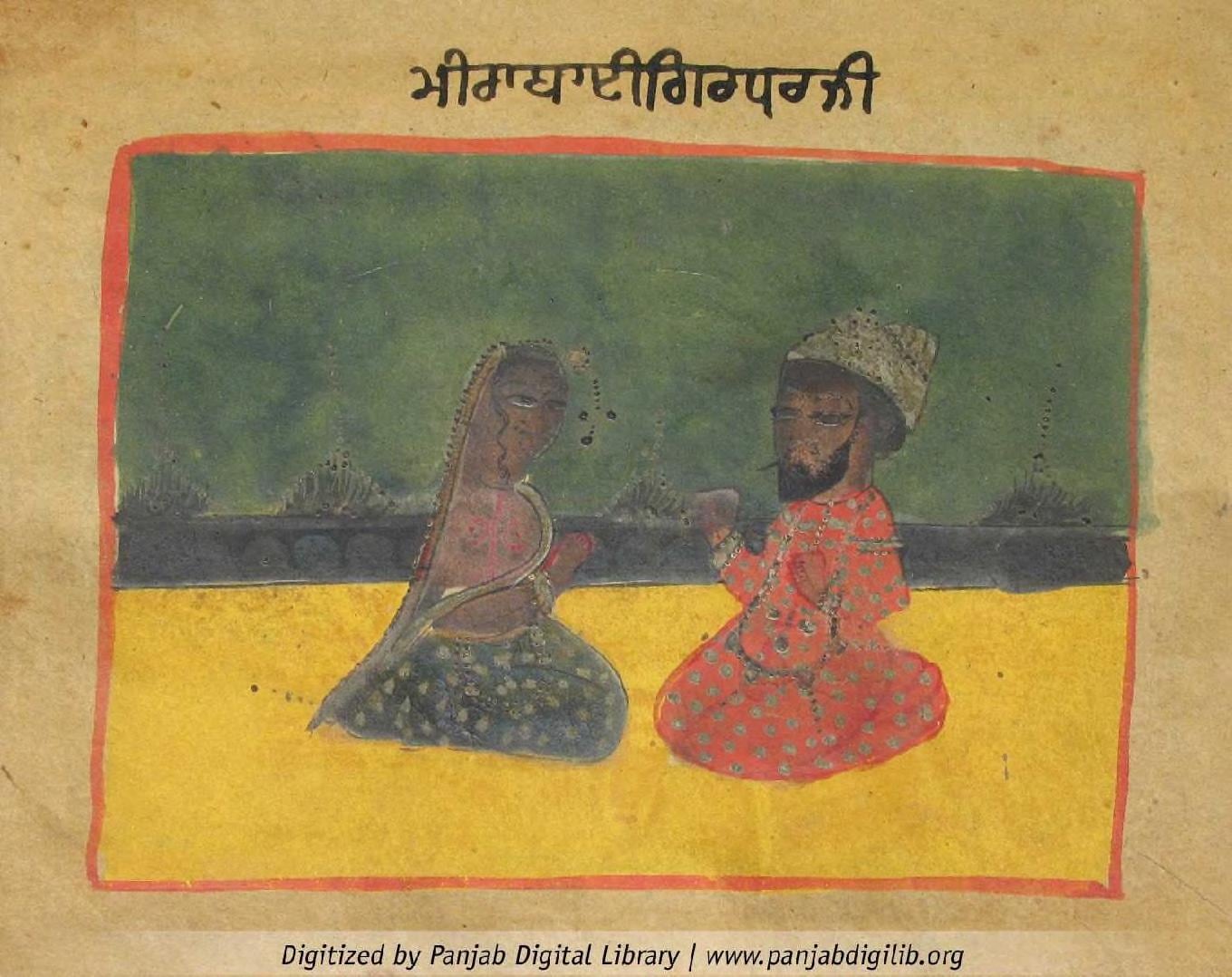
Mirabai
Совпадают в вопросах: Что такое Абсолют? Существует ли Бог? · Почему мы страдаем? · Нужен ли учитель?
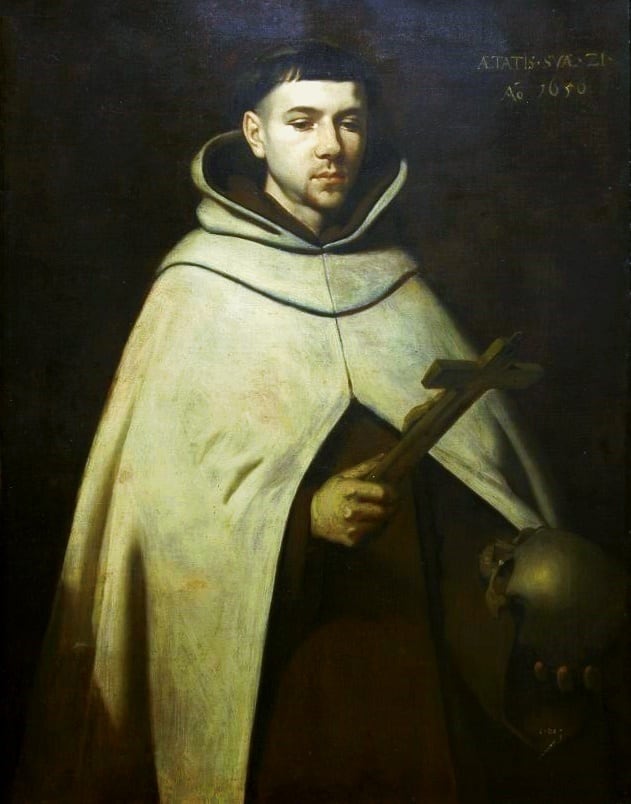
John of the Cross
Совпадают в вопросах: Что такое Абсолют? Существует ли Бог? · Кто я? Существует ли истинное «я»? · Почему мы страдаем?
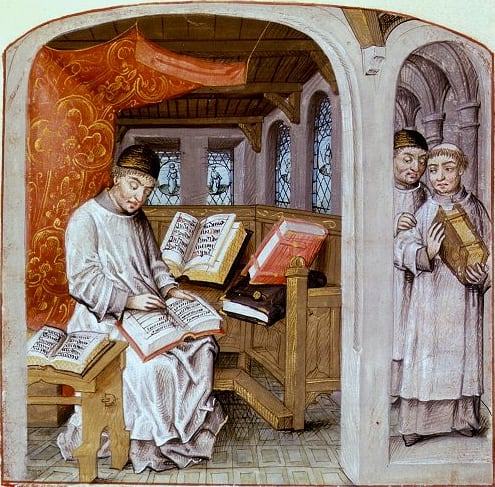
Thomas à Kempis
Совпадают в вопросах: Что такое Абсолют? Существует ли Бог? · Кто я? Существует ли истинное «я»? · Почему мы страдаем?
Дальше всего от
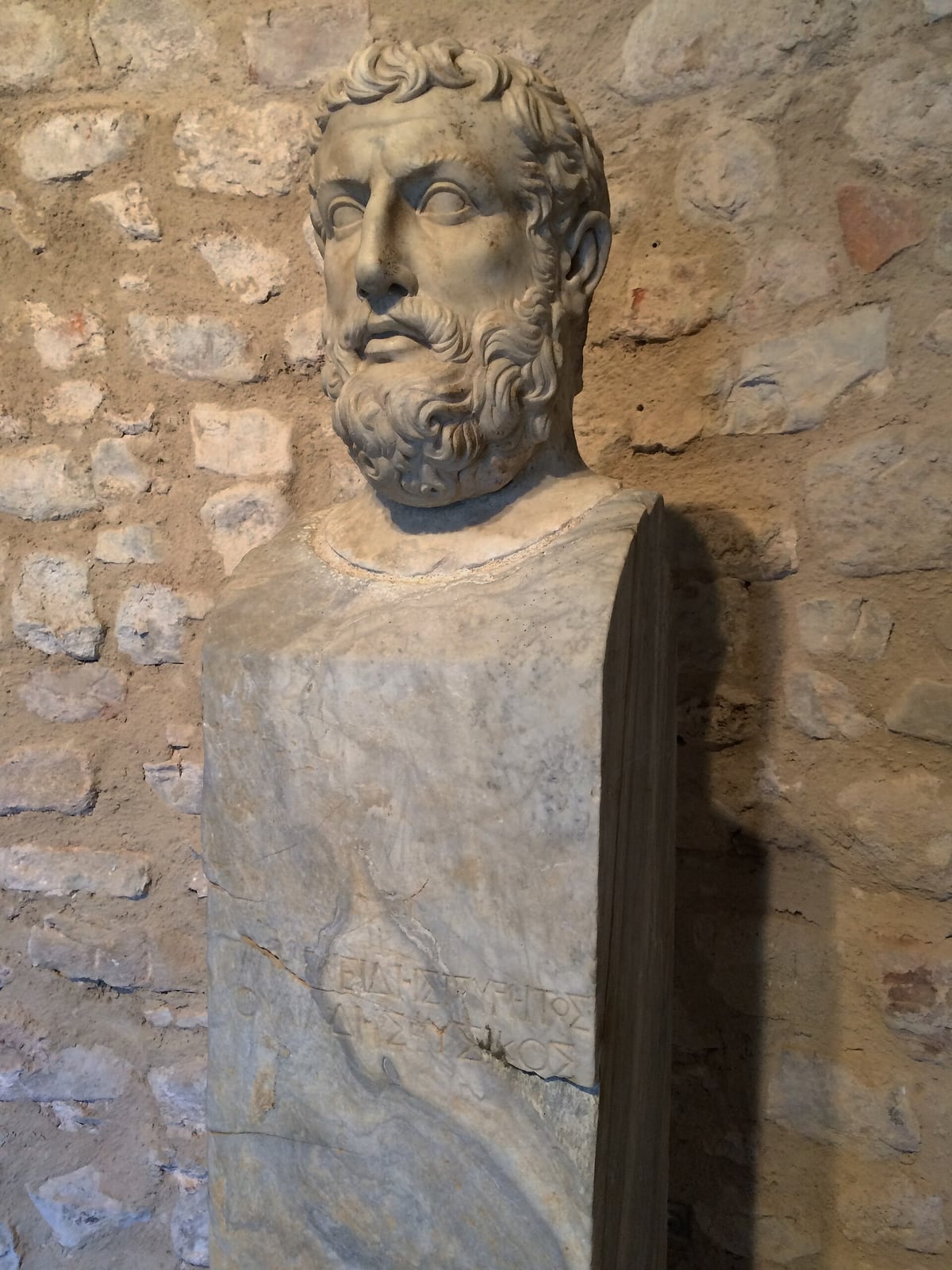
Parmenides
Расходятся в вопросах: Реален ли мир?

Pema Chödrön
Расходятся в вопросах: Что такое Абсолют? Существует ли Бог? · Кто я? Существует ли истинное «я»? · Что происходит после смерти?
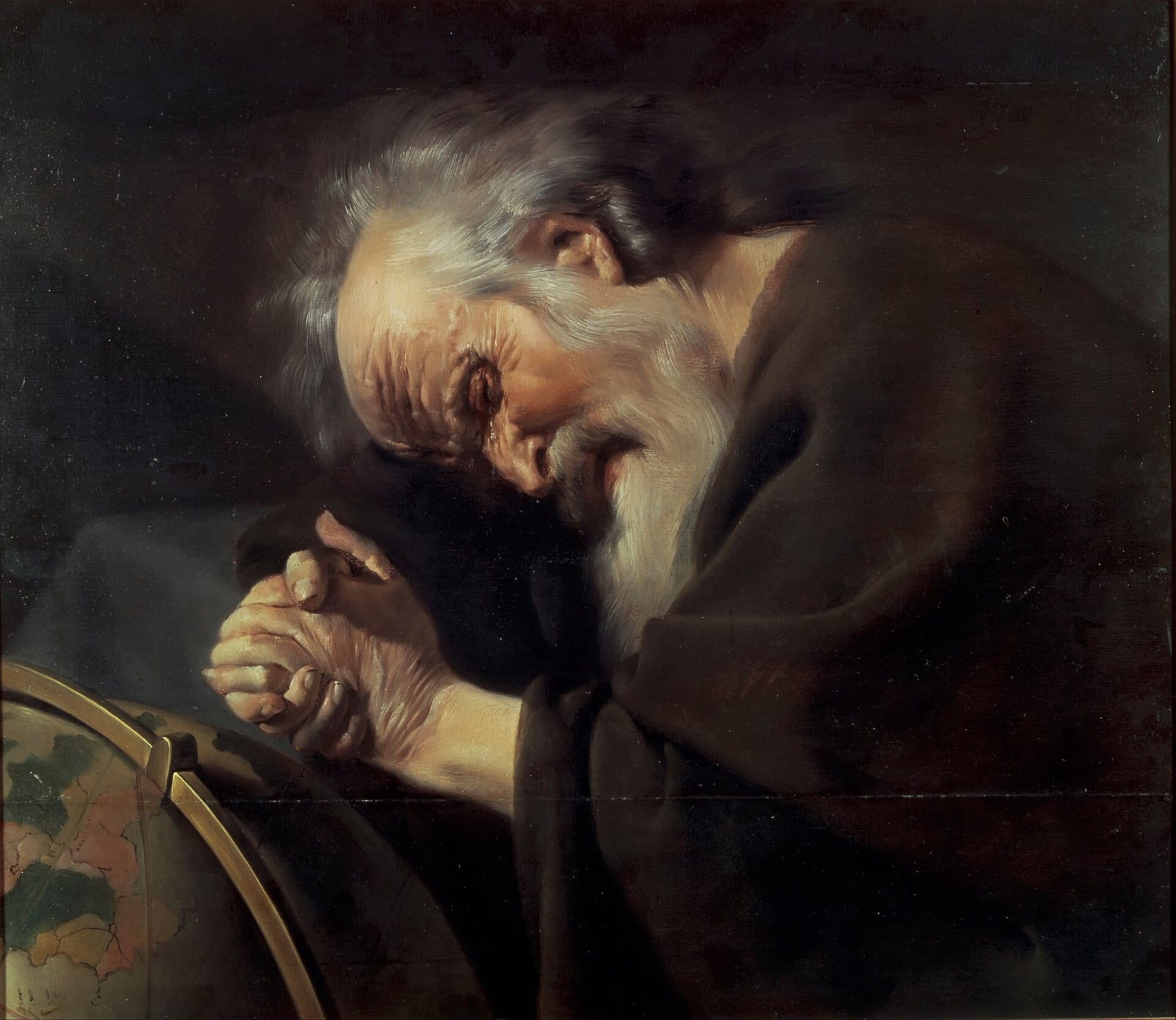
Heraclitus
Расходятся в вопросах: Кто я? Существует ли истинное «я»? · Нужен ли учитель?
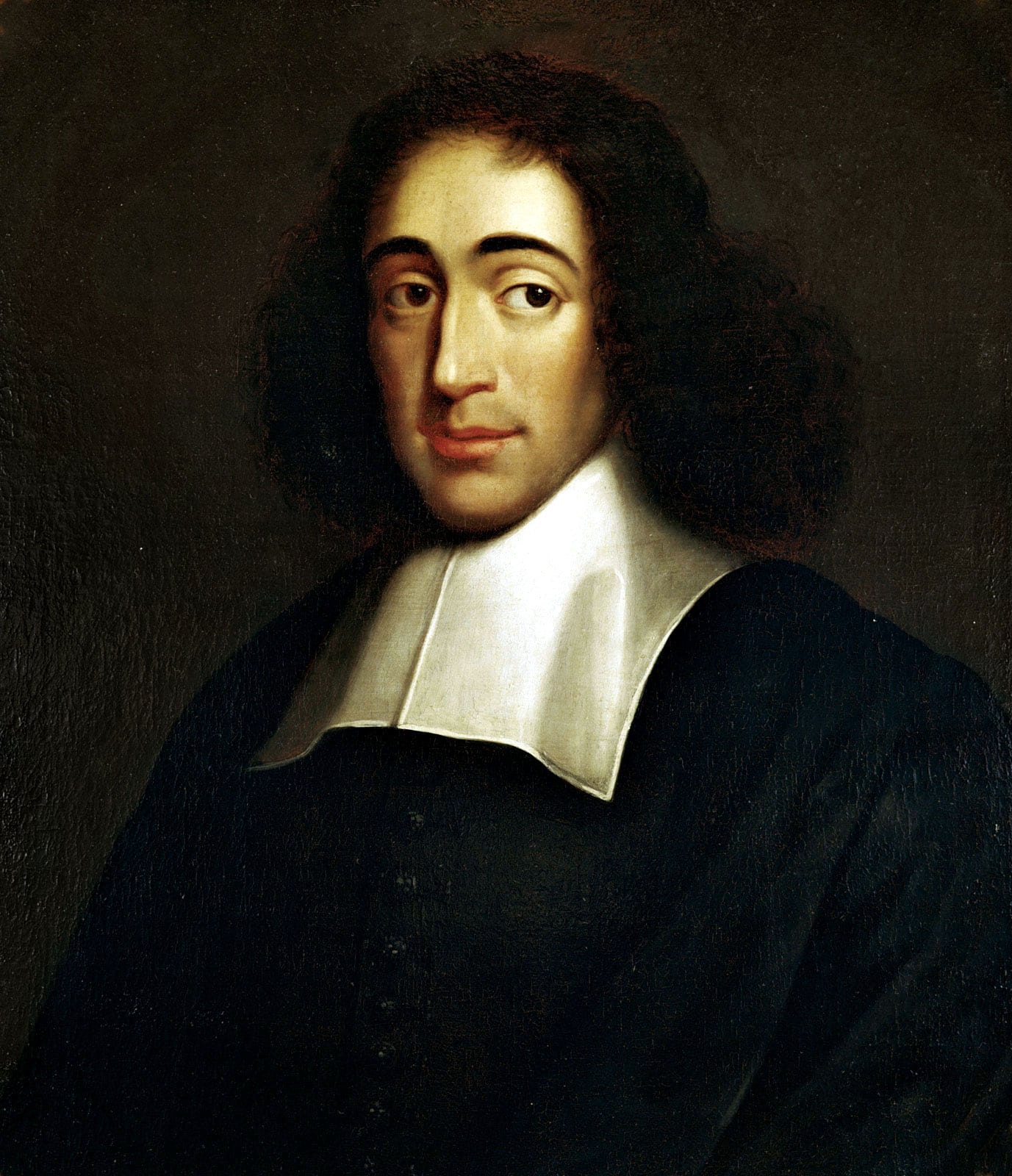
Baruch Spinoza
Расходятся в вопросах: Кто я? Существует ли истинное «я»? · Нужен ли учитель?
Предания и рассказы
Предания и рассказы
Свидетельствоc. 1070s
The robbers of Jurjan
Происхождение рассказа: Taj al-Din al-Subki, *Tabaqat al-shafi'iyya al-kubra* (14th c.), citing As'ad al-Mayhani as hearer of the story; Griffel (2009) discusses its chronological problems.
Источник: Griffel, Frank. Al-Ghazali's Philosophical Theology. Nueva York: Oxford University Press, 2009 (cap. 1: biografía y cronología).
Свидетельство1095
The locked tongue
Происхождение рассказа: Autobiographical account in *al-Munqidh min al-dalal* (c. 1106–1110); historians (Griffel, Garden) discuss the weight of the political factors the text passes over.
Житийное повествованиеc. 1096
The Damascus minaret and the lesson at the Aminiyya
Происхождение рассказа: The minaret: *al-Munqidh*. The Aminiyya lesson: traditional biography (Ibn Asakir, al-Subki), summarised in the editor's introduction to *Jawahir al-Qur'an* (Arabic Wikisource).
Оспаривается1109–1143
The bonfire of Cordoba and the legend of Ibn Tumart
Происхождение рассказа: The burning: Maghrebi and Andalusi chronicles studied by Bennison (2016) and Garden (2014). The meeting with Ibn Tumart: Almohad tradition, described as doubtful by the Encyclopædia Iranica.
Источник: Bennison, Amira K. The Almoravid and Almohad Empires. Edimburgo: Edinburgh University Press, 2016, pp. 243–244 (quema del Ihya en Córdoba); y Garden, Kenneth. The First Islamic Reviver: Abu Hamid al-Ghazali and His Revival of the Religious Sciences. Oxford University Press, 2014.
Свидетельство1111
The shroud
Происхождение рассказа: Ibn al-Jawzi (d. 1201), *al-Thabat 'inda l-mamat*, citing Ahmad al-Ghazali; also recorded by al-Subki.
Учение
Учение
Понятия, на которых строится мысль учителя, объяснённые в их контексте.
Certainty (yaqin) and the light in the breastyaqin
The *Munqidh*'s epistemology; modern discussion of its relation to ancient scepticism and to Descartes.
Tasting (dhawq): knowledge of states, not wordsdhawq
Classical Sufi distinction between *qal* and *hal*; al-Qushayri and Abu Talib al-Makki as sources.
Divine habit (ada) and the critique of causalityada-causalidad
Ash'ari occasionalism; Averroes's reply in the *Tahafut al-tahafut*.
The heart as mirror (qalb)qalb
Sufi and Avicennian psychology; the saying "whoever knows himself knows his Lord".
The degrees of divine unity and trust in Godtawhid-tawakkul
Doctrine of *fana'* since al-Junayd; later reformulated by the school of Ibn Arabi.
The love of God (mahabba)mahabba
Love mysticism of the Baghdad school; his brother Ahmad developed the theory of love in the *Sawanih*.
Видео
Видео
Записи, интервью и документальные фильмы. Видео воспроизводятся с YouTube; здесь они не хранятся.
Al-Ghazali's Philosophical Theology
Лекция· EN
Yale UniversityОфициальный канал
Special Lecture: The Philosophical Foundations of al-Ghazali's Sufism - Frank Griffel
Лекция· EN
Centre for Advanced Irfan Studies - TRADISI
HoP 145 - Frank Griffel on al-Ghazali
Интервью· EN
History of Philosophy without any gaps
Islamic Philosophy before the "Incoherence", w/ Prof. Frank Griffel
Интервью· EN
Averroes
Ep 49: Al-Ghazali [feat. Frank Griffel]
Интервью· EN
Dogs with Torches
Al-Ghazali - The Reviver of Religious Sciences
Разбор· EN
Let's Talk Religion
Al-Ghazali: The Muslim Theologian Who Lost Faith in Theology
Разбор· EN
ReligionForBreakfast
Al Ghazali - The Alchemist of Happiness - Documentary Trailer
Документальный фильм· EN
IslamLite
Interview mit Prof. Dr. Frank Griffel, Islamkolleg Deutschland
Интервью· DE
Islamkolleg Deutschland e.V.Официальный канал
Al Ghazâlî (1058-1111) Philosophie et religion
Лекция· FR
Hervé Pasqua
Al-Ghazali - El que salva del error
Разбор· ES
Filosofía Apuntes
La Historia del FILÓSOFO AL-GHAZALI - FILOSOFÍA ISLAMICA
Разбор· ES
Filosoando
#موسوعة_العربية .. أبو حامد الغزالي
Документальный фильм· AR
AlArabiya العربيةОфициальный канал
Галерея
Галерея
Изображения с проверенной лицензией. Каждое сохраняет своё авторство и атрибуцию.
Рукописи
Рукописи
Рукописные свидетельства и древние тексты, с указанием хранителя и условий доступа.
AR · Nasj · c. 1095–1110 (textos); 509 H / 1115–1116 (copia)
مجموع رسائل الغزالي (المنقذ من الضلال، مشكاة الأنوار وغيرهما)
- Сохранившийся список
- Manuscrito colectivo de obras de al-Ghazali copiado cuatro años después de su muerte; incluye el Munqidh y la Mishkat completa
- Хранитель
- Biblioteca Süleymaniye, Estambul · Şehid Ali Paşa 1712
- Оцифровка
- commons.wikimedia.org/wiki/File:Munqidh_min_al-d…
AR · Nasj · c. 1100 (texto); 800 H / 1397 (copia)
بداية الهداية (Bidayat al-hidaya)
- Сохранившийся список
- Copia fechada
- Хранитель
- British Library, Londres · Add 9517/1
- Оцифровка
- blogs.bl.uk/asian-and-african/2017/02/arabic-man…
FA · Nasj / nastaliq · c. 1105 (texto); 2 safar 781 / 19 de mayo de 1379 (copia)
کیمیای سعادت (Kimiya-yi sa'adat)
- Сохранившийся список
- Códice encuadernado para el sah de Shirván Hushang
- Хранитель
- Museo de Arte Turco e Islámico, Estambul · T. 1999
- Оцифровка
- commons.wikimedia.org/wiki/File:Outer_front_cove…
AR · Nasj · c. 1100 (texto)
المقصد الأسنى (al-Maqsad al-asna)
- Сохранившийся список
- Copia árabe
- Хранитель
- British Library (antes British Museum), Londres · Or 7357
- Оцифровка
- commons.wikimedia.org/wiki/File:Almaqsad_alasna_…
Связи
Связи
Влияния, ученичество и близость взглядов. Документированная связь отличается от сходства, выявленного путём анализа.
Повлиял на
The *Masnavi* draws tales and arguments from the Ghazalian tradition; Nicholson's commentary notes many parallels with the *Ihya*. The influence of his brother Ahmad, the theorist of love, reached Rumi through Sanai and Attar.
Документированная связь
Повлиял на
Ibn Arabi read and cites al-Ghazali, sharing his critique of the limits of speculative reason while disagreeing with him in metaphysics. The Iranica observes that after the spread of Ibn Arabi's work dubious esoteric texts were attributed to al-Ghazali.
Документированная связь
Расходился во взглядах с
In the *Mishkat al-anwar* al-Ghazali quotes al-Hallaj's "I am the Truth" as the word of a drunken lover that should be concealed: he acknowledges the experience but disapproves of its disclosure, explaining that it is not real identity but something resembling it.
Документированная связь
Испытал влияние
In book XXXVI of the *Ihya*, on the love of God, al-Ghazali quotes and comments on the verses attributed to Rabia on the "two loves" as an expression of pure love.
Документированная связь
Повлиял на
Attar, a poet of Nishapur a generation later, shares with al-Ghazali the critique of book learning and the pedagogy of tales; several stories in his work have parallels in the *Ihya*. No study of direct dependence is cited here.
Сходство, выявленное путём анализа
Идеи, близкие к
The critique of the scholars' hypocrisy and of ostentatious religiosity that runs through the *Ihya* reappears, in a poetic and ironic key, in Hafez's ghazals. A thematic affinity, not documented influence.
Сходство, выявленное путём анализа
Идеи, близкие к
The *Maqasid* circulated in Hebrew and were read by Jewish philosophers; Maimonides shares with al-Ghazali the critique of kalam and the debate on the creation of the world against Aristotelian eternity. A direct reading has been discussed, but Maimonides does not cite him.
Сходство, выявленное путём анализа
Идеи, близкие к
The *Munqidh* has often been compared with the *Confessions*: both narrate an intellectual and moral conversion, a sceptical crisis overcome by illumination and the renunciation of a brilliant career. There is no contact or influence.
Сходство, выявленное путём анализа
Расходился во взглядах с
The *Tahafut* attacks the Aristotelian theses transmitted by al-Farabi and Avicenna, above all the eternity of the world, while the *Mi'yar* adopts Aristotelian logic as an instrument.
Документированная связь
Источники
Источники
Библиография и каталоги, использованные для этой статьи.
- Wikidata, Q9546 «Al-Ghazali» (P31=Q5; 145 enlaces entre wikis; P569 1058 y 1056; P570 1111-12-19).
- Griffel, Frank. «al-Ghazali». Stanford Encyclopedia of Philosophy, publicado el 14 de agosto de 2007; revisión sustancial del 15 de enero de 2026.
- Böwering, Gerhard. «Ḡazālī, Abū Ḥāmed Moḥammad i. Biography». Encyclopædia Iranica, vol. X, fasc. 4 (2001), ed. en línea.
- al-Ghazali. al-Munqidh min al-dalal. Texto árabe en Wikisource; trad. inglesa de Claud Field, The Confessions of Al Ghazzali, Londres: John Murray (Wisdom of the East), 1909.
- al-Ghazali. Mishkat al-anwar («The Niche for Lights»). Trad. e introd. de W. H. T. Gairdner. Londres: Royal Asiatic Society (Monographs, vol. XIX), 1924; reimpr. Lahore: Sh. Muhammad Ashraf, 1952.
- Bouyges, Maurice. Essai de chronologie des œuvres de al-Ghazali (Algazel). Ed. Michel Allard. Beirut: Imprimerie Catholique, 1959.
- Badawi, Abd al-Rahman. Mu'allafat al-Ghazali. El Cairo, 1961; 2.ª ed., Kuwait, 1977.
- Watt, W. Montgomery. Muslim Intellectual: A Study of al-Ghazali. Edimburgo: Edinburgh University Press, 1963; y «The Authenticity of the Works Attributed to al-Ghazali», Journal of the Royal Asiatic Society, 1952.
- Griffel, Frank. Al-Ghazali's Philosophical Theology. Nueva York: Oxford University Press, 2009 (cap. 1: biografía y cronología).
- al-Ghazali. The Alchemy of Happiness. Trad. de Claud Field. Londres: John Murray (Wisdom of the East), 1910. Texto en Wikisource.
- Bennison, Amira K. The Almoravid and Almohad Empires. Edimburgo: Edinburgh University Press, 2016, pp. 243–244 (quema del Ihya en Córdoba); y Garden, Kenneth. The First Islamic Reviver: Abu Hamid al-Ghazali and His Revival of the Religious Sciences. Oxford University Press, 2014.
- Open Library, registros de ediciones de las obras de al-Ghazali (autor OL: al-Ghazzālī).
- Wikipedia (en), «Al-Ghazali», secciones Works y Works in Persian (resumen de la tesis de A. Khismatulin sobre la falsificación de Ay farzand y de la segunda parte de Nasihat al-muluk).
- Ibn al-Yawzi, Abu l-Faraj. al-Thabat 'inda l-mamat (relato de Ahmad al-Ghazali sobre la muerte de su hermano), citado en la introducción del editor a Jawahir al-Qur'an (texto en Wikisource árabe).
- Ghazali.org, «Oeuvre: Philosophy and Logic» (ediciones y traducciones de Maqasid, Tahafut, Mi'yar, Mihakk, al-Madnun, al-Qistas y Ma'arij al-quds).
- Правообладатель
- Dominio público (obra del siglo XI–XII). Las ediciones críticas y las traducciones modernas (Islamic Texts Society, Fons Vitae, Brigham Young University Press, University of Chicago Press, Oxford University Press, Alianza, Trotta, Seuil…) están sujetas a los derechos de sus editores.
Ожидает подтверждения
То, что в этой статье пока не удалось установить. Мы предпочитаем сказать об этом, а не заполнять пробел.
- Fecha de nacimiento: se registra 1058 (450 H, biógrafos medievales); Griffel propone 448/1056 o 1055. Wikidata da 19-12-1111 como fecha de muerte; aquí se usa el lunes 14 de yumada al-ajira de 505 = 18-12-1111 (juliano), que coincide con el día de la semana del relato de Ahmad.
- Obra completa (2026-10-25): se registran 44 títulos (auténticos, dudosos y apócrifos) a partir de la Encyclopædia Iranica, Bouyges (1959) y Ghazali.org. Quedan fuera, por falta de verificación: al-Muntakhal fi 'ilm al-jadal, Hujjat al-haqq y Qawasim al-batiniyya (refutaciones antiismailíes perdidas o parciales), Yaqut al-ta'wil (supuesto tafsir de cuarenta volúmenes, perdido), Zad-i akhirat, Adab al-suhba, Tahdhib al-usul y las Teshuvot she'elot hebreas de atribución dudosa. Catálogo completo: Badawi, Mu'allafat al-Ghazali (1961; 457 títulos).
- Ediciones en español: localizar en la BNE las traducciones parciales del Ihya y de Ayyuha l-walad, y confirmar en el catálogo de Almuzara el ISBN 9791370202217 (Tahafut, 2026), tomado de la ficha de una reseña.
- Sala de lectura: localizar un escaneo con OCR limpio de El justo medio en la creencia (Asín Palacios, 1929; libre en España, la UE y EE. UU.) y de la traducción francesa de Schmölders (1842), que en Internet Archive va dentro de un volumen con otros textos. Verificar la fecha de muerte de Syed Nawab Ali (Gutenberg 73140, marcado con caution).
- Vídeos: duraciones y años no comprobados (null); no se ha localizado un documental institucional completo en castellano ni la versión íntegra autorizada de «Al-Ghazali: The Alchemist of Happiness» (2004).
- Citas apócrifas: no se registran; circulan en redes frases como la de los «trece enemigos invisibles» atribuidas a al-Ghazali sin fuente, pero no se ha localizado un estudio que documente su origen.
- Citas: cotejar con el texto árabe de la Mishkat (ed. Afifi) las dos citas de Gairdner y con la Kimiya persa (ed. Khadiv-Jam) la cita de Field, que son traducciones indirectas.
Исследовано 2026-10-25