Иудаизм
Baruch Spinoza
ברוך שפינוזה
1632 – 1677Исторически документированная личность
Бенедикт (Барух) Спиноза (1632–1677) — нидерландский философ португальско-еврейского происхождения; в 1656 году он был отлучён от еврейской общины Амстердама и жил шлифовкой линз. Его «Богословско-политический трактат» (1670) положил начало современной библейской критике и отстаивал свободу мысли; «Этика», изданная посмертно в 1677 году, отождествляет Бога с Природой и указывает путь к свободе через познание. Целое столетие считавшийся атеистом, Спиноза — одна из центральных фигур рационализма и радикального Просвещения.
- трудов
- 22трудов
- изданий
- 74изданий
- цитат
- 12цитат
- видео
- 15видео
- изображений
- 10изображений
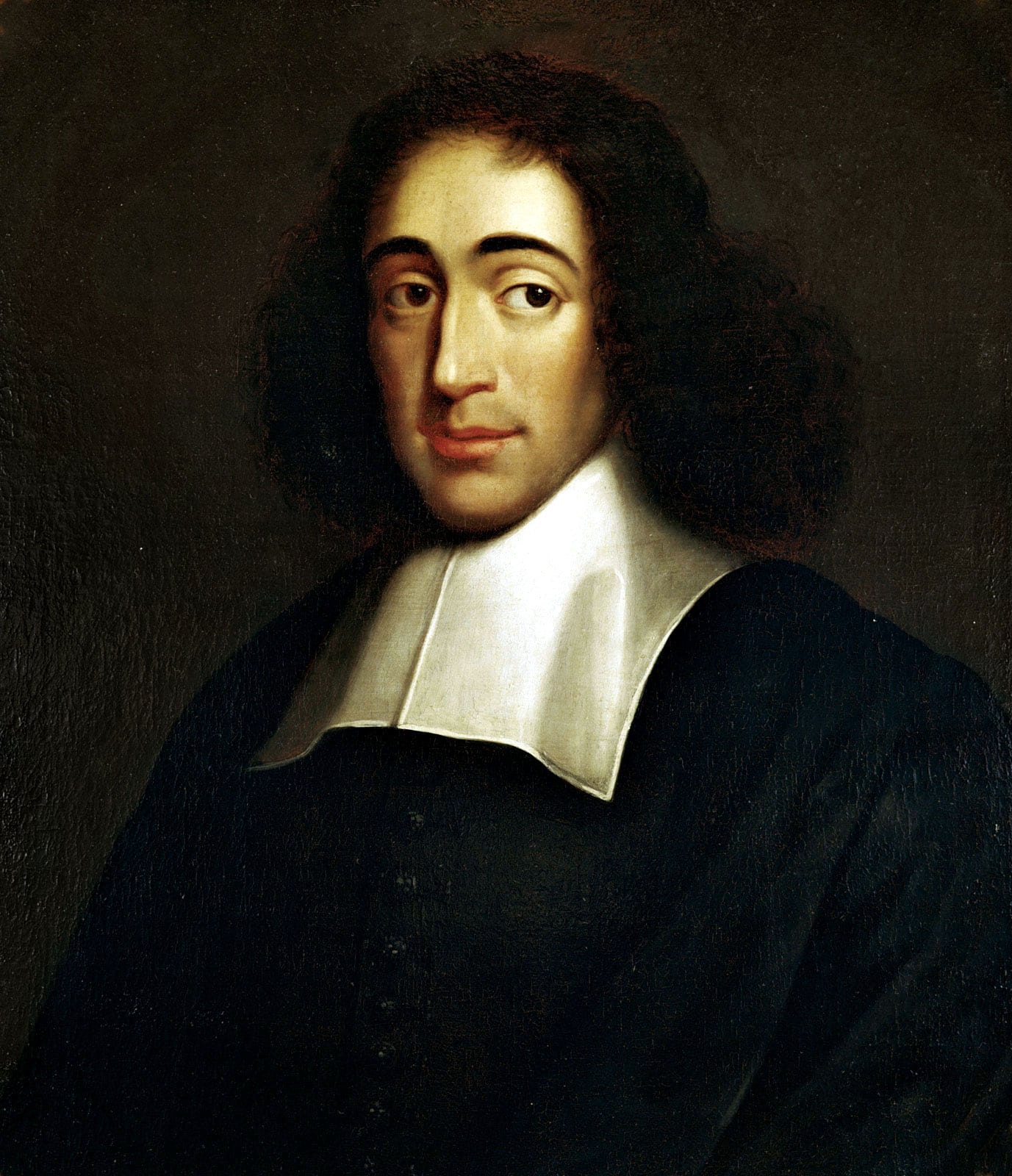
Retrato anónimo de Spinoza (Wolfenbüttel) · Public domain
Своими словами
«By God, I mean a being absolutely infinite—that is, a substance consisting in infinite attributes, of which each expresses eternal and infinite essentiality.»Ética, I, definición 6 (trad. inglesa de Elwes)

Главная мысль
Deus sive Natura: God or Nature: The core of the Ethics is that there exists only one substance, absolutely infinite, which is cause of itself and of which everything else is a mode or affection: that substance is God, and it is also Nature.
В контексте
Биография
4 мин чтения
Перевод с испанского оригинала, выполненный с помощью ИИ; ожидает проверки носителем языка.
Португальская нация Амстердама
Барух Спиноза родился в Амстердаме 24 ноября 1632 года в португальской еврейской общине, которую составляли потомки конверсо, бежавших от иберийской инквизиции: в Голландской республике они могли открыто вернуться к иудаизму. Его отец Михаэл (Мигел), уважаемый купец-импортёр, со временем вошёл в число попечителей общины «Талмуд Тора»; мать, Ханна Дебора, умерла за несколько недель до того, как мальчику исполнилось шесть лет. Барух учился в общинной школе, где освоил иврит, читал Тору с комментариями и получал наставление на испанском и португальском — языках своей семьи. Около семнадцати лет он оставил учёбу, чтобы работать в семейном деле, которое разорили англо-голландские войны. После смерти отца в 1654 году он возглавил торговый дом вместе с братом Габриэлем.
Херем 1656 года
27 июля 1656 года руководители общины объявили двадцатитрёхлетнему Спинозе херем — отлучение небывалой для общины суровости: оно проклинало его днём и ночью, когда он ложится и когда встаёт, и запрещало кому бы то ни было говорить с ним, читать его сочинения и приближаться к нему ближе чем на четыре локтя. В чём состояли вменявшиеся ему «мерзкие ереси», текст не уточняет; позднейшие свидетельства позволяют предположить, что он уже тогда отрицал бессмертие души, авторство Моисея в отношении Торы и избранность Израиля. Он так и не отрёкся, а отлучение так и не было снято. По словам его первого биографа, лютеранского пастора Иоганна Колеруса, Спиноза ответил апологией на испанском языке, которая не сохранилась. В христианство он не перешёл и ни в какую церковь не вступил; с тех пор он подписывался Бенедиктом — латинской формой своего имени.
Латынь, Декарт и круг друзей
В школе Франциска ван ден Эндена, бывшего иезуита радикальных взглядов, он выучил латынь и открыл для себя философию Декарта, которая стала для него одновременно отправной точкой и главным предметом спора. Он сблизился с коллегиантами и меннонитами-диссидентами — христианами вне церкви, обсуждавшими Писание без духовенства, — и окружил себя кругом друзей: Ярих Еллес, Питер Баллинг, Лодевейк Мейер, Симон де Врис, Иоганнес Баумейстер, издатель Ян Риувертс. На своих собраниях они читали черновики его философских сочинений. Около 1658 года он посещал занятия в Лейденском университете.
Рейнсбург и Ворбург: шлифовальщик линз
В 1661 году он поселился в Рейнсбурге близ Лейдена и зарабатывал на жизнь шлифовкой линз для микроскопов и телескопов; Христиан Гюйгенс высоко отзывался о качестве его работы. Там он написал оставшийся незавершённым «Трактат об усовершенствовании разума» и «Краткий трактат о Боге, человеке и его счастье», ставший известным лишь в XIX веке по двум нидерландским спискам. В 1663 году он выпустил под своим именем «Основы философии Декарта» с приложением «Метафизических мыслей» — единственное сочинение, подписанное им при жизни. В том же году он переехал в Ворбург под Гаагой, где продолжал работать над «Этикой» и вёл переписку с Генри Ольденбургом, секретарём Королевского общества.
«Богословско-политический трактат»
В 1665 году он прервал работу над «Этикой», чтобы написать полемическую книгу. «Богословско-политический трактат» (Tractatus theologico-politicus) вышел в 1670 году анонимно, с вымышленными выходными данными, указывавшими на Гамбург. В нём утверждалось, что Библию следует читать как любой другой исторический текст, исходя из её языка и контекста; что Моисей не был автором Пятикнижия; что чудеса, понимаемые как нарушения законов природы, невозможны; и что истинная религия сводится к справедливости и милосердию. Политический вывод состоял в том, что цель государства — свобода и что свободу философствовать не только можно предоставить без ущерба для мира и благочестия, но и нельзя упразднить, не уничтожив их. Богословы всех исповеданий обличали книгу как сочинение атеиста, а в 1674 году Голландский суд её запретил. Судьба его друга Адриана Кербаха, умершего в тюрьме в 1669 году за сходные мысли, изложенные по-нидерландски, объясняет осторожность автора, просившего не переводить трактат.
Гаага: «Этика» и осторожность
С 1670 года он жил в Гааге — сначала в пансионе, затем в доме художника Хендрика ван дер Спейка на Павильонсграхт. Жил он скромно: по словам Колеруса, отказался стать наследником своего друга Симона де Вриса и уменьшил с пятисот до трёхсот гульденов пенсию, которую выплачивала ему семья покойного; в 1673 году он отклонил и предложенную пфальцским курфюрстом кафедру философии в Гейдельберге, опасаясь, что условие не тревожить установленную религию стеснит его свободу. Он принимал гостей — Лейбниц провёл у него несколько дней в ноябре 1676 года — и запечатывал письма перстнем со словом Caute, «осторожно». Около 1675 года он завершил «Этику», доказанную в геометрическом порядке, но отказался от её издания, когда пошли слухи, будто он готовит книгу о Боге, отрицающую Его существование. Затем он работал над «Политическим трактатом» и грамматикой древнееврейского языка; обе работы остались незавершёнными.
Смерть и посмертные сочинения
Он умер в Гааге 21 февраля 1677 года, сорока четырёх лет, от лёгочной болезни — вероятно, туберкулёза, который могла усугубить стеклянная пыль. По рассказу Колеруса, восстановившего его последний день по воспоминаниям Ван дер Спейка, в то утро он спустился побеседовать с хозяевами и умер около трёх часов пополудни; рядом с ним был лишь врач из Амстердама. Похоронен 25 февраля в Ньиве-Керк. Друзья сберегли его рукописи и в конце того же года издали без имени автора и печатника латинские Opera posthuma и их нидерландский перевод De nagelate schriften: «Этику», «Политический трактат», «Трактат об усовершенствовании разума», грамматику и избранные письма. В 1678 году Штаты Голландии их запретили. В 2010 году в Ватиканской библиотеке была обнаружена единственная известная полная рукописная копия «Этики», переданная в Священную канцелярию в 1677 году.
Посмертная судьба
Целое столетие его имя служило синонимом атеизма. Спор о пантеизме, разгоревшийся в Германии в 1785 году, сделал его точкой отсчёта для Лессинга, Гердера, Гёте, Шеллинга и Гегеля; Новалис назвал его «опьянённым Богом человеком», а Эйнштейн заявлял, что верит в Бога Спинозы. Сегодня его читают одновременно как великого систематика рационализма, основоположника современной библейской критики и одного из первых теоретиков демократии и веротерпимости, а о его Deus sive Natura («Бог, или Природа») спорят до сих пор: пантеизм ли это, натурализм или форма атеизма.
Источники: Nadler, Steven. Spinoza: A Life. Cambridge: Cambridge University Press, 1999 (2.ª ed. 2018). ISBN 9780521552103. · Colerus, Johannes. Korte, dog waaragtige levens-beschryving van Benedictus de Spinosa. Ámsterdam, 1705; trad. francesa «La Vie de B. de Spinosa» (1706), en Œuvres de Spinoza, trad. Émile Saisset, t. II, París, Charpentier, 1861 (Wikisource). · B. d. S. Opera posthuma. [Ámsterdam: Jan Rieuwertsz], 1677; y De nagelate schriften van B. d. S., trad. Jan Hendriksz Glazemaker, 1677. · Spinoza, Benedictus de. Ethica ordine geometrico demonstrata (texto latino en Wikisource, a partir de la ed. bilingüe de Appuhn, Garnier, 1913); The Ethics, trad. R. H. M. Elwes (Londres, 1883), Project Gutenberg #3800. · Spinoza, Benedictus de. Tractatus theologico-politicus. «Hamburgi» [Ámsterdam], 1670 (texto latino en Wikisource, ed. Gebhardt); A Theologico-Political Treatise, trad. R. H. M. Elwes (1883), Project Gutenberg #989-992.
Хронология
Жизнь год за годом
Каждая точка — документированное событие. Нажмите, чтобы прочитать о нём, с источником и степенью достоверности.
24 ноября 1632 г.0 летÁmsterdam (Vlooienburg)
Birth of Baruch Espinosa
Born in the Jewish quarter of Vlooienburg, son of the merchant Michael de Espinosa and Hannah Deborah.
ДокументированоWikipedia (en), «Baruch Spinoza»; y (es), «Baruch Spinoza».
После смерти
- июнь 1678 г.Ban of the posthumous works
- 1785The pantheism controversy
- 2010Discovery of the Vatican manuscript of the Ethics
24 ноября 1632 г. · 0 лет
Birth of Baruch Espinosa
Born in the Jewish quarter of Vlooienburg, son of the merchant Michael de Espinosa and Hannah Deborah.
Документировано
1638 · 5 лет
Death of his mother
Hannah Deborah dies, a few days before the boy turns six.
Документировано
1649 · 16 лет
Leaves his studies for the family business
After the death of his brother Isaac he leaves the community school to work with his father.
Документировано
март 1654 г. · 21 год
Death of his father
He takes charge of the family firm, ruined by the Anglo-Dutch war, with his brother Gabriel.
Документировано
27 июля 1656 г. · 23 года
Herem of the Talmud Torah congregation
The leaders of the Portuguese community expel him with a sentence of exceptional harshness that was never lifted.
Документировано
ок. 1657 · 24 года
Latin with Van den Enden
Studies Latin and Cartesian philosophy at Franciscus van den Enden's school; frequents Collegiants and Mennonites.
Вероятно
ок. 1658 · 25 лет
Classes at Leiden University
Attends courses in Cartesian philosophy.
Вероятно
1661 · 28 лет
Settles in Rijnsburg
Lives by grinding lenses; his surviving correspondence and the writing of the Short Treatise and the Ethics begin.
Документировано
1663 · 30 лет
Principles of Descartes' Philosophy; move to Voorburg
Publishes under his name the geometrical exposition of Descartes and the Metaphysical Thoughts, and moves to Voorburg.
Документировано
1665 · 32 года
Begins the Theological-Political Treatise
Interrupts the Ethics to write a defence of the freedom to philosophise.
Документировано
1670 · 37 лет
Anonymous publication of the TTP; move to The Hague
The book appears with a false imprint and provokes condemnations from theologians of every confession.
Документировано
20 августа 1672 г. · 39 лет
Murder of the De Witt brothers
According to Leibniz, Spinoza wished to post a placard with the words 'ultimi barbarorum' and his landlord prevented him by locking him in.
Вероятно
30 марта 1673 г. · 40 лет
Declines the Heidelberg chair
Replies to Johann Ludwig Fabritius declining the chair of philosophy offered by the Elector Palatine.
Документировано
июль 1673 г. · 40 лет
Journey to the French camp at Utrecht
Visits the headquarters of the invading French army; on his return, according to Colerus, the family fears a riot and he replies 'I am a good republican'.
Вероятно
июль 1674 г. · 41 год
Ban of the Theological-Political Treatise
The Court of Holland bans the book together with Hobbes' Leviathan and other heterodox writings.
Документировано
1675 · 42 года
Gives up publishing the Ethics
Finishes the work and abandons printing it amid rumours that he is preparing a book denying God.
Документировано
ноябрь 1676 г. · 43 года
Leibniz's visit
Leibniz spends several days in conversation with him.
Документировано
21 февраля 1677 г. · 44 года
Death
Dies at about three in the afternoon of a lung disease; buried on 25 February in the Nieuwe Kerk.
Документировано
декабрь 1677 г.
Opera posthuma
His friends publish the Ethics and the unpublished works in Latin and Dutch.
Вероятно
июнь 1678 г.
Ban of the posthumous works
The States of Holland ban the Opera posthuma.
Вероятно
1785
The pantheism controversy
The dispute between Jacobi and Mendelssohn over Lessing's alleged Spinozism revives his reading in German idealism.
Документировано
2010
Discovery of the Vatican manuscript of the Ethics
Leen Spruit and Pina Totaro identify codex Vat. lat. 12838, handed to the Holy Office by Niels Stensen in 1677.
Документировано
Труды
Главные труды
Труды, без которых не понять это наследие.
Посмертное издание · 1677
Ethics, Demonstrated in Geometrical Order
Ethica ordine geometrico demonstrata
His major work, set out like Euclid's geometry, with definitions, axioms, propositions, demonstrations and scholia, in five parts: God; the nature and origin of the mind; the origin and nature of the affects; human bondage, or the strength of the affects; the power of the intellect, or human freedom. It starts from a single infinite substance, God or Nature, of which all things are modes; denies free will and final causes; analyses the passions as natural phenomena arising from the striving to persevere in being; and proposes an ethics of joy and knowledge culminating in the intellectual love of God and the experience of the eternity of the intellect.
17 изданий

Письменный труд · 1670
Theological-Political Treatise
Tractatus theologico-politicus
A defence of the freedom to philosophise in twenty chapters. The first fifteen subject the Bible to historical and philological examination: prophecy as imagination, the election of the Hebrews as political prosperity, miracles as ignorance of causes, the authorship of the Pentateuch and the historical books, the method of interpreting Scripture by Scripture itself. The last five ground the state in natural right, identified with power, analyse the Hebrew theocracy and conclude that the end of the state is freedom and that everyone must be able to think what he wishes and say what he thinks. It is one of the founding works of modern biblical criticism and of liberal and democratic political thought.
9 изданий

Посмертное издание · 1677
Political Treatise
Tractatus politicus
A treatise of political theory which, unlike the Theological-Political Treatise, leaves biblical exegesis aside and studies how monarchy, aristocracy and democracy must be organised so that peace and freedom do not depend on the virtue of rulers. It starts from the idea that human actions are to be understood, not laughed at, lamented or detested, and that each one's right extends as far as his power. It remained unfinished just as it was to deal with democracy, the form of government he considered most absolute.
5 изданий
Посмертное издание · 1677
Treatise on the Emendation of the Intellect
Tractatus de intellectus emendatione
An essay on method that opens with one of the most famous autobiographical pages in philosophy: the experience that the goods men pursue—wealth, honour, pleasure—are vain, and the resolve to seek a true good that would give continuous and supreme joy. It distinguishes four modes of perception, analyses the true idea, fiction, falsity and doubt, and seeks the way to direct the intellect towards knowledge of nature. It is the most accessible way into his thought.
7 изданий
Все труды (22)

Short Treatise on God, Man and His Well-Being
1660

Principles of Cartesian Philosophy
1663
Metaphysical Thoughts
1663

Compendium of Hebrew Grammar
1677

Letters
1677
Baruch Spinoza
Posthumous Works
The Conscious LibraryPosthumous Works
1677
Baruch Spinoza
Apology for leaving the synagogue (lost)
The Conscious LibraryApology for leaving the synagogue (lost)
1656
Baruch Spinoza
Treatise on the Rainbow (lost)
The Conscious LibraryTreatise on the Rainbow (lost)
1676
Baruch Spinoza
Dutch translation of the Old Testament (lost)
The Conscious LibraryDutch translation of the Old Testament (lost)
1677
Baruch Spinoza
Algebraic Calculation of the Rainbow (doubtful attribution)
The Conscious LibraryAlgebraic Calculation of the Rainbow (doubtful attribution)
1687
Baruch Spinoza
Calculation of Chances (doubtful attribution)
The Conscious LibraryCalculation of Chances (doubtful attribution)
1687
Baruch Spinoza
Treatise of the Three Impostors (spurious)
The Conscious LibraryTreatise of the Three Impostors (spurious)
1719
Baruch Spinoza
Johannes Colerus' Life of Spinoza
The Conscious LibraryJohannes Colerus' Life of Spinoza
1705
Spinoza: A Life (biography by Steven Nadler)
1999

The Collected Works of Spinoza (ed. Edwin Curley)
1985
Spinoza: Complete Works (trans. Samuel Shirley)
2002

Spinoza Opera (ed. Carl Gebhardt)
1925
Baruch Spinoza
Opere (ed. Filippo Mignini)
The Conscious LibraryOpere (ed. Filippo Mignini)
2007
Изречения
Изречения, найденные в конкретном труде. Каждое сопровождается указанием происхождения и степени надёжности.
By God, I mean a being absolutely infinite—that is, a substance consisting in infinite attributes, of which each expresses eternal and infinite essentiality.Per Deum intelligo ens absolute infinitum, hoc est, substantiam constantem infinitis attributis, quorum unumquodque aeternam et infinitam essentiam exprimit.
ПровереноÉtica, I, definición 6 (trad. inglesa de Elwes)
Апокрифические изречения и изречения спорной атрибуции (2)
«'Even if I knew that tomorrow the world would end, I would still plant an apple tree today.'»
Attributed to Spinoza and, more often, to Luther; it appears in no work or letter of Spinoza's, and for Luther too there is no source before the twentieth century.
«'God would say: stop praying and beating your breast; what I want you to do is go out into the world and enjoy your life…' (the so-called 'God of Spinoza')»
A text spread on social media since the 2010s under the title 'If God Spoke' or 'The God of Spinoza'. It belongs to no work of Spinoza's: its style and personal theology (a God who speaks, loves and advises) contradict the Ethics, which denies that God has will or human affects. It is usually linked to Einstein's remark 'I believe in Spinoza's God'.
Последние слова
Проверяемых записей о последних словах не существует.
No reliable last words survive. Colerus, who questioned his landlords, relates that that morning he came down to talk with the family, took chicken broth at midday and died at about three in the afternoon, alone with a physician from Amsterdam whom he designates as 'L. M.' (later research usually identifies him with Georg Hermann Schuller). Colerus expressly denies that he said 'O God, have mercy on me, a miserable sinner' or asked for pastors to be kept away: no one in the house heard any such thing, and those repentance stories died out in the eighteenth century.
Источник: Colerus, Johannes. Korte, dog waaragtige levens-beschryving van Benedictus de Spinosa. Ámsterdam, 1705; trad. francesa «La Vie de B. de Spinosa» (1706), en Œuvres de Spinoza, trad. Émile Saisset, t. II, París, Charpentier, 1861 (Wikisource).
Спросить
На что отвечают эти труды
Двенадцать великих вопросов человечества и то, что позволяют на них ответить эти тексты, со ссылками. Мы никогда не вкладываем слова в чужие уста.
Что такое Абсолют? Существует ли Бог?
God, or Nature: an infinite substance without will or ends
Безличный АбсолютСказано прямо
Spinoza understands by God an absolutely infinite being, a substance consisting of infinite attributes, and demonstrates that apart from it no other can exist or be conceived: whatever is, is in God. This God is not a person. He does not act for ends or by a free decree of the will, but from the necessity of His nature, as its properties follow from the nature of a triangle. The appendix to the first part of the Ethics dismantles the image of a God who arranges the world for man and rewards or punishes, and the preface to the fourth states that the reason why God, or Nature, acts and exists is one and the same. The Absolute is the whole of reality understood in its necessity, accessible to the intellect and the object of an intellectual love that does not expect to be returned.
Сравнить этот вопрос с другими учителямиКто я? Существует ли истинное «я»?
The mind is part of the infinite intellect of God
Самость есть АбсолютСледует из учения
Spinoza denies that the soul is a substance: the human mind is the idea of an actually existing body and, as such, a finite mode of God's thought. From this he draws a consequence he states plainly: the human mind is part of the infinite intellect of God. Its actual essence is the striving (conatus) to persevere in its being. While it knows itself confusedly, it takes itself for a dominion within a dominion, free and independent; when it knows itself adequately, it knows that it is in God and is conceived through God. The fifth part of the Ethics adds that something of the mind is eternal, and that the intellectual love with which the mind loves God is part of the love with which God loves Himself. The true self is the one that understands itself from the Absolute.
Сравнить этот вопрос с другими учителямиПочему мы страдаем?
We suffer because we know the causes of our affects badly
Незнание того, кто мы естьСказано прямо
Spinoza calls bondage human powerlessness to moderate and restrain the affects: a man subject to them is not his own master but at the mercy of fortune. Sadness is the passage to a lesser perfection, and the sad passions — hatred, fear, envy, anxious hope — arise from inadequate ideas, that is, from knowing in a mutilated and confused way what affects us and what we are. That is why the remedy is cognitive: an affect that is a passion ceases to be one as soon as we form a clear and distinct idea of it. Understanding that everything happens necessarily gives the mind greater power over the affects and makes it suffer less from them. His maxim of method sums up the attitude: not to laugh at human actions, nor weep over them, nor detest them, but to understand them.
Сравнить этот вопрос с другими учителямиЧто происходит после смерти?
Something of the mind is eternal: not lasting afterwards, but outside time
То, что я есть, не рождается и не умираетСказано прямо
Spinoza denies personal immortality as it is usually understood: the mind can imagine or remember nothing except while the body endures, so no memory or personality survives. But he affirms that the mind cannot be entirely destroyed with the body: something of it remains that is eternal, the idea that expresses the essence of this body under the aspect of eternity. That eternity is not an endless duration that would begin after death, but a way of being outside time, and it is experienced even now: we feel and know by experience that we are eternal. The more the mind understands by the third kind of knowledge, the greater the part that does not perish and the less it fears death. That is why the free man thinks of nothing less than of death.
Сравнить этот вопрос с другими учителямиКак достигается освобождение или спасение?
Freedom is born of understanding: happiness is virtue itself
Через прямое знаниеСказано прямо
Spinoza calls by the same name freedom, blessedness or salvation: the constant and eternal love of God that is born of knowledge. The fifth part of the Ethics traces the way. First, reason orders the affects and weakens them by understanding their causes; then the third kind of knowledge, intuitive science, sees each singular thing in God and produces the greatest contentment of mind. From it arises the intellectual love of God, which does not expect to be returned and in which salvation consists. Happiness is not the reward of virtue but virtue itself: we do not enjoy it because we restrain our passions; we restrain them because we enjoy it. The way is hard, he admits, but all things excellent are as difficult as they are rare.
Сравнить этот вопрос с другими учителямиНужен ли учитель?
Neither prophets nor theologians: in speculative matters, reason alone judges
Никакого духовного авторитетаСказано прямо
The Theological-Political Treatise is largely a plea against spiritual authority in matters of truth. Spinoza shows that the prophets excelled in imagination and moral uprightness, not in philosophical knowledge, and that their opinions about nature bind no one. Scripture teaches only obedience, justice and charity; its interpretation belongs to each person by the natural light, without need of a caste of interpreters. That is why philosophy must not be the handmaid of theology, nor theology of philosophy, and the State must guarantee freedom to philosophise. Spinoza had teachers and correspondents, but in the Ethics the only guide is the order of the demonstrations, which anyone can follow and check.
Сравнить этот вопрос с другими учителямиРеален ли мир?
Everything follows necessarily from God: nothing is contingent, nothing is a miracle
Природный порядок в измененииСказано прямо
For Spinoza the world is real and governed by a seamless necessity. In nature there is nothing contingent: everything is determined by the necessity of the divine nature to exist and to act in a certain way, and things could not have been produced in any other manner or order. He distinguishes natura naturans, God as free cause, from natura naturata, the totality of modes that follow from it. The Theological-Political Treatise draws the consequence: a miracle understood as a violation of natural laws is impossible, because those laws are eternal decrees of God; what we call a miracle is an event whose cause we do not know. The world is neither appearance nor a stage for man: it is the very order of the real.
Сравнить этот вопрос с другими учителямиЧто такое любовь?
Intellectual love of God and desire of the good for all men
Любовь к Богу и ближнемуСказано прямо
Spinoza defines love as joy accompanied by the idea of an external cause, and from there builds an ethics of love without sentimentality. Whoever loves God cannot strive for God to love him in return: the intellectual love of God, born of the third kind of knowledge, expects nothing back, and is part of the love with which God loves Himself. That love does not isolate: the good that whoever follows virtue desires for himself he also desires for others, and all the more the greater his knowledge of God. Towards others, reason counsels answering hatred with love and generosity, because hatred conquered by love turns into love, and that love is greater than if hatred had not preceded it.
Сравнить этот вопрос с другими учителямиСвободны ли мы или всё предопределено?
We think ourselves free because we ignore the causes; freedom is understanding
Мы машины, пока не проснёмсяСказано прямо
Spinoza denies free will: in the mind there is no absolute will; it is determined to will this or that by a cause, which is determined by another, and so on to infinity. Men believe themselves free because they are conscious of their desires and ignorant of the causes that determine them; in a letter he illustrates this with a thrown stone that, if it could think, would believe it moved by its own will. While man lives under the passions he is driven by external causes like the sea by contrary winds. But there is a true freedom: to act from the necessity of one's own nature alone, guided by reason. One is free not by escaping necessity but by understanding it.
Сравнить этот вопрос с другими учителямиЗачем медитировать или молиться?
Not praying to change the order of nature, but understanding it
Видеть реальность такой, как она естьСледует из учения
Spinoza does not pray in the usual sense: if God does not act for ends or change His decrees, asking Him to alter the course of nature makes no sense, and the Theological-Political Treatise analyses superstition as the child of fear and hope. What takes the place of prayer is meditation on life, not on death, and the exercise of understanding. In the Treatise on the Emendation of the Intellect he tells how he resolved to seek a true good which, once found, would give continuous and supreme joy, and the Ethics identifies it with knowledge of the union of the mind with the whole of Nature. His practice is to see each thing in God, under the aspect of eternity, and in this he finds contentment.
Сравнить этот вопрос с другими учителямиМожет ли разум познать предельное?
The human mind has adequate knowledge of the essence of God
Учение и знаниеСказано прямо
Spinoza is the most confident in this group in the power of reason. In the Ethics he demonstrates that the human mind has adequate knowledge of the eternal and infinite essence of God, and he distinguishes three kinds of knowledge: imagination, source of error; reason, which forms common notions; and intuitive science, which sees each singular thing in God. The ultimate is not beyond the mind: it is its supreme object. At the same time he separates philosophy from faith: in the Theological-Political Treatise he holds that Scripture teaches not speculative truths but obedience and charity, and that neither must theology be the handmaid of reason nor reason of theology. Knowing is a long road, requiring method and the emendation of the intellect.
Сравнить этот вопрос с другими учителямиУйти от мира или преобразить его?
The end of the State is freedom: a political order that lets people think
Упорядочить обществоСказано прямо
Spinoza led a retired life: he ground lenses, declined a chair at Heidelberg to preserve his freedom and lived soberly in lodgings in Rijnsburg, Voorburg and The Hague. But his philosophy does not counsel flight from the world. The free man sketched in the Ethics is freer in the State, where he lives by common laws, than in solitude, and nothing is more useful to man than another man guided by reason. His two political treatises seek the conditions of a just and stable order: the Theological-Political Treatise concludes that the end of the State is in truth freedom, and defends tolerance and freedom of expression. For Spinoza the philosophical life needs a well-ordered society, and thinking about it is part of his task.
Сравнить этот вопрос с другими учителями
Созвучия и противоречия
Созвучия и противоречия
Рассчитаны вопрос за вопросом на основе позиций. Причина каждого совпадения или расхождения — по нажатию.
Ближе всего к
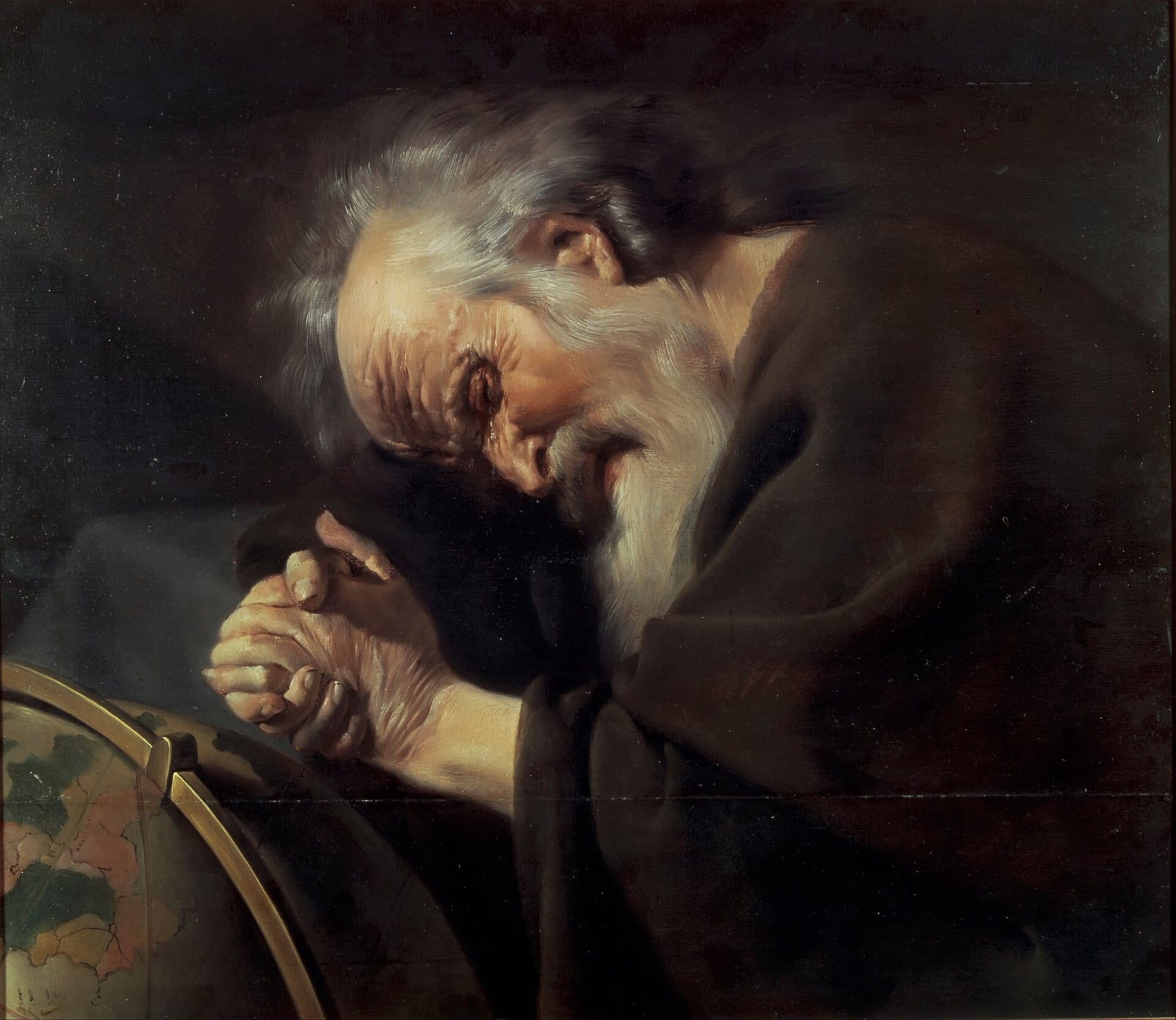
Heraclitus
Совпадают в вопросах: Что такое Абсолют? Существует ли Бог? · Кто я? Существует ли истинное «я»? · Почему мы страдаем?
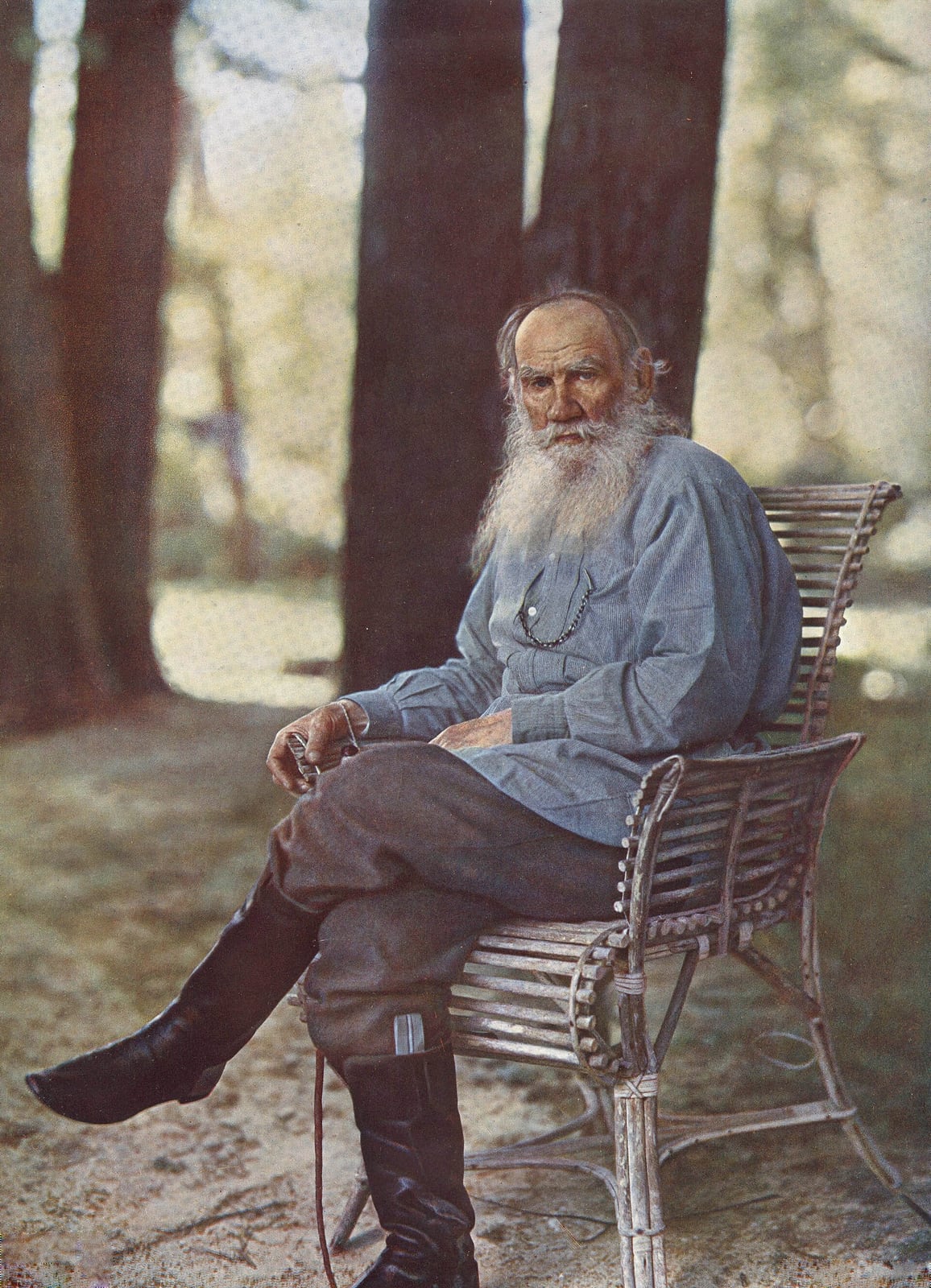
Leo Tolstoy
Совпадают в вопросах: Что такое Абсолют? Существует ли Бог? · Кто я? Существует ли истинное «я»? · Почему мы страдаем?
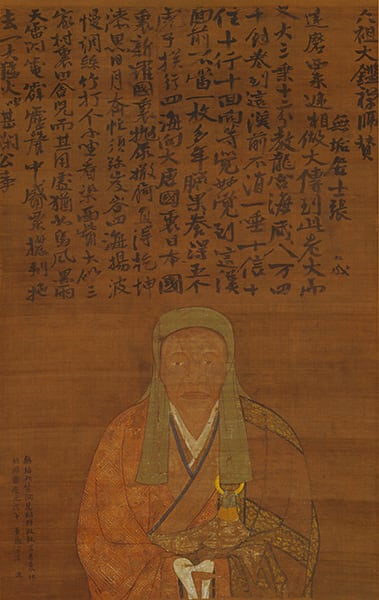
Huineng
Совпадают в вопросах: Что такое Абсолют? Существует ли Бог? · Кто я? Существует ли истинное «я»? · Почему мы страдаем?
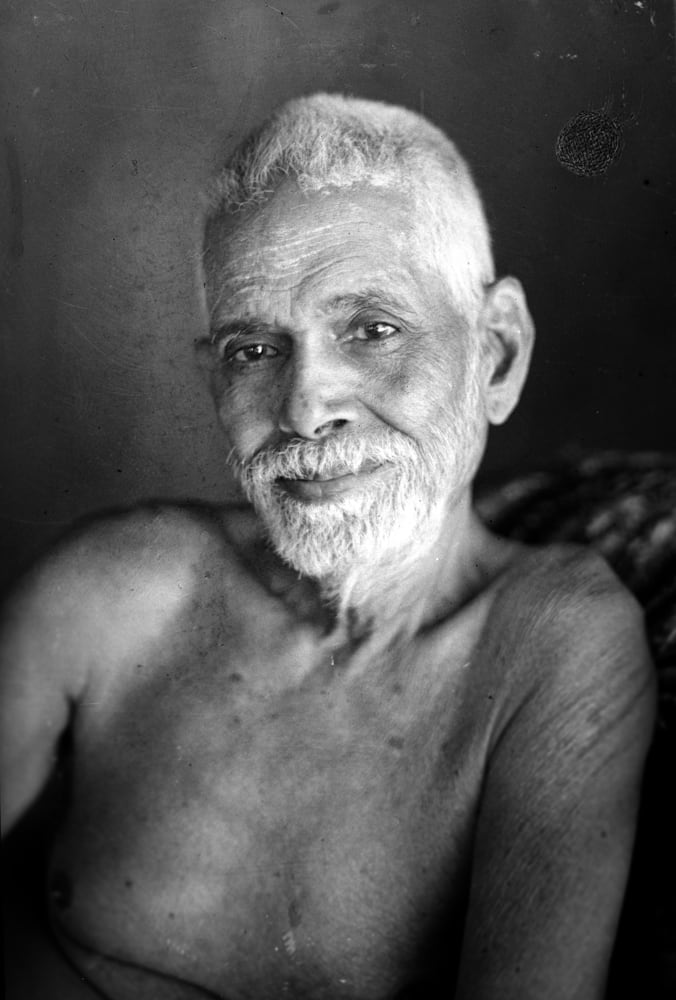
Ramana Maharshi
Совпадают в вопросах: Что такое Абсолют? Существует ли Бог? · Кто я? Существует ли истинное «я»? · Почему мы страдаем?
Дальше всего от
Nicholas Roerich
Расходятся в вопросах: Нужен ли учитель?

Chaitanya Mahaprabhu
Расходятся в вопросах: Кто я? Существует ли истинное «я»? · Нужен ли учитель?
Hafez
Расходятся в вопросах: Кто я? Существует ли истинное «я»? · Нужен ли учитель?
Dōgen
Расходятся в вопросах: Кто я? Существует ли истинное «я»? · Нужен ли учитель?
Предания и рассказы
Предания и рассказы
Документировано1656
The herem
Происхождение рассказа: The text is preserved in the community's book of ordinances (Stadsarchief Amsterdam) and is edited and analysed by Nadler and Wikipedia; the reasons are a matter of conjecture.
Источник: Nadler, Steven. Spinoza: A Life. Cambridge: Cambridge University Press, 1999 (2.ª ed. 2018). ISBN 9780521552103.
Оспариваетсяc. 1656
The knife at the exit
Происхождение рассказа: Bayle, Dictionnaire historique et critique (1697), art. 'Spinoza'; Colerus, Life (1705), correcting Bayle from the Van der Spycks' testimony. The detail of the coat comes from later traditions.
Свидетельство1672
Ultimi barbarorum
Происхождение рассказа: Leibniz records it in a note as something Spinoza himself told him during the 1676 visit; Nadler and the biographical tradition report it.
Источник: Nadler, Steven. Spinoza: A Life. Cambridge: Cambridge University Press, 1999 (2.ª ed. 2018). ISBN 9780521552103.
Свидетельство1673
'I am a good republican'
Происхождение рассказа: Colerus, Life (1705), from Van der Spyck's testimony. Stouppe's role and Condé's absence are recorded in Colerus and Lucas.
Документировано1673
The chair he did not want
Происхождение рассказа: Letters 47 (Fabritius, 16 February 1673) and 48 (Spinoza, 30 March 1673), published in the Opera posthuma.
Свидетельство1671-1677
Spiders, a pipe and a single bed
Происхождение рассказа: Colerus, Life (1705); the detail of the inheritance and the bed also in Colerus. Indirect testimony of the landlords, gathered almost thirty years later.
Документировано1676
Three days with Leibniz
Происхождение рассказа: Documented by Leibniz's notes and correspondence and by Leibniz's 1671 letter to Spinoza published in the Opera posthuma.
Источник: Wikipedia (en), «Baruch Spinoza»; y (es), «Baruch Spinoza».
Учение
Учение
Понятия, на которых строится мысль учителя, объяснённые в их контексте.
Deus sive Natura: God or Naturedeus-sive-natura
A radical reworking of the Cartesian notion of substance; it has disputed antecedents in Jewish mysticism and Giordano Bruno.
Substance, attributes and modesatributos-y-modos
Ethics, Parts I and II.
Conatus and the affectsconatus
Ethics, Part III; antecedents in Hobbes and the Stoics.
The three kinds of knowledgetres-generos-de-conocimiento
Ethics, II, proposition 40, scholium 2; antecedent in the four modes of perception of the Treatise on the Emendation of the Intellect.
Necessity, bondage and freedomlibertad-y-servidumbre
Ethics, Parts IV and V; Letter 58 to Schuller (the stone that believes itself free).
Intellectual love of God and eternity of the mindamor-intellectualis-dei
Ethics, V, propositions 21-42; the expression sub specie aeternitatis.
Freedom to philosophise and critique of Scripturelibertas-philosophandi
Theological-Political Treatise; antecedents in Hobbes, Ibn Ezra and Uriel da Costa.
Видео
Видео
Записи, интервью и документальные фильмы. Видео воспроизводятся с YouTube; здесь они не хранятся.
Steven Nadler on Spinoza and the Herem
Лекция· EN· 68 min
Institute for Tolerance StudiesОфициальный канал
Spinoza on the Divinity of Scripture | Prof. Steven Nadler
Лекция· EN· 73 min
The Van Leer Jerusalem InstituteОфициальный канал
Spinozarede 2025 Steven Nadler
Лекция· EN· 2025· 58 min
Stichting Spinoza Den HaagОфициальный канал
Steven Nadler, Spinoza and Menasseh..., Spinoza's Ethics... - 20-21 maggio 2019
Лекция· EN· 2019· 171 min
SNS Humanities (Scuola Normale Superiore)Официальный канал
The Philosophy of Spinoza & Leibniz - Bryan Magee & Anthony Quinton (1987)
Интервью· EN· 1987· 44 min
Philosophy Overdose
Why Study Baruch Spinoza with Agata Bielik-Robson
Лекция· EN· 12 min
University of NottinghamОфициальный канал
Spinoza, religio, and the re-conceiving of religion, God and Nature w/ Clare Carlisle
Интервью· EN· 82 min
John Vervaeke's Lectern
Spinoza | Por Darío Sztajnszrajber
Лекция· ES· 142 min
Facultad Libre
Spinoza materialista. Gabriel Albiac
Лекция· ES· 61 min
Cima & Holzenthal
El papel del Tractatus Politicus en la estructura de la Ética de Spinoza. Gabriel Albiac
Лекция· ES· 2024· 112 min
Sociedad Filosofía Alicante
Diego Tatián: Spinoza y la filosofía de la liberación
Интервью· ES· 39 min
Canal Abierto
Grandes documentales: Baruch Spinoza y Gottfried Leibniz
Документальный фильм· ES· 53 min
ABC TV Paraguay
Gilles Deleuze : cours sur Spinoza n°1/14 (remasterisé en 2023)
Лекция· FR· 1980· 124 min
Louis Simon
Pourquoi il faut relire Spinoza aujourd'hui
Интервью· FR· 39 min
France CultureОфициальный канал
Spinoza | The Apostle of Reason, 1994
Смотреть на YouTube
Это видео нельзя встроить; оно откроется на YouTube.
Spinoza | The Apostle of Reason, 1994
Документальный фильм· EN· 1994· 51 min
STEFAN CLASSIC FILMS
Галерея
Галерея
Изображения с проверенной лицензией. Каждое сохраняет своё авторство и атрибуцию.
Рукописи
Рукописи
Рукописные свидетельства и древние тексты, с указанием хранителя и условий доступа.
LA · Latin · c. 1675
Ethica ordine geometrico demonstrata
- Сохранившийся список
- Copia manuscrita completa anterior a la edición de 1677
- Хранитель
- Biblioteca Apostolica Vaticana · Vat. lat. 12838
NL · Latin · c. 1660-1662
Korte verhandeling van God, de mensch en deszelvs welstand (códice A)
- Сохранившийся список
- Copia de finales del siglo XVII
- Хранитель
- Koninklijke Bibliotheek, La Haya · 75 G 15
NL · Latin · c. 1660-1662
Korte verhandeling van God, de mensch en deszelvs welstand (códice B)
- Сохранившийся список
- Copia de mediados del siglo XVIII, revisión de A
- Хранитель
- Koninklijke Bibliotheek, La Haya
Связи
Связи
Влияния, ученичество и близость взглядов. Документированная связь отличается от сходства, выявленного путём анализа.
Испытал влияние
Thomas Hobbes
His theory of natural right as power and his biblical criticism engage with Leviathan.
Документированная связь
Расходился во взглядах с
The Theological-Political Treatise expressly criticises his method of accommodating Scripture to philosophy.
Документированная связь
Испытал влияние
Uriel da Costa
A relative on his mother's side; his heterodoxy and excommunication marked the community in which Spinoza grew up.
Документированная связь
Испытал влияние
René Descartes
His starting point: he expounded his Principles in 1663 and built his system in critical dialogue with him.
Документированная связь
Встречался с
Gottfried Wilhelm Leibniz
Correspondence from 1671 and a visit of several days in The Hague in November 1676.
Документированная связь
Состоял в переписке с
Henry Oldenburg
Secretary of the Royal Society; his most frequent correspondent (1661-1676).
Документированная связь
Встречался с
Christiaan Huygens
A neighbour at Voorburg; he praised his lenses and they discussed optics.
Документированная связь
Ученик
Franciscus van den Enden
His teacher of Latin and modern philosophy in Amsterdam.
Документированная связь
Современник
Johan de Witt
Republican Grand Pensionary whose murder in 1672 outraged him; some biographers credit him with a pension from De Witt, which is unproven.
Документированная связь
Идеи, близкие к
Estoicos
An ethics of understanding necessity and of serenity before the passions.
Сходство, выявленное путём анализа
Идеи, близкие к
Identification of God with the rational nature of the cosmos and life according to reason.
Сходство, выявленное путём анализа
Идеи, близкие к
A mysticism of union with God through knowledge, in another theological frame.
Сходство, выявленное путём анализа
Повлиял на
Critically discussed Spinoza's impersonal God from his philosophy of dialogue.
Сходство, выявленное путём анализа
Повлиял на
Albert Einstein
Declared in 1929 that he believed in Spinoza's God, who reveals himself in the harmony of what exists.
Документированная связь
Повлиял на
G. W. F. Hegel
Declared that one is either a Spinozist or no philosopher at all; the pantheism controversy made Spinoza an interlocutor of German idealism.
Документированная связь
Упоминается в других статьях
Источники
Источники
Библиография и каталоги, использованные для этой статьи.
- Nadler, Steven. Spinoza: A Life. Cambridge: Cambridge University Press, 1999 (2.ª ed. 2018). ISBN 9780521552103.
- Nadler, Steven. «Baruch Spinoza». The Stanford Encyclopedia of Philosophy, publicado el 29-6-2001, revisión sustantiva del 8-11-2023.
- Wikidata, «Benedictus de Spinoza» (Q35802).
- Wikipedia (en), «Baruch Spinoza»; y (es), «Baruch Spinoza».
- Colerus, Johannes. Korte, dog waaragtige levens-beschryving van Benedictus de Spinosa. Ámsterdam, 1705; trad. francesa «La Vie de B. de Spinosa» (1706), en Œuvres de Spinoza, trad. Émile Saisset, t. II, París, Charpentier, 1861 (Wikisource).
- B. d. S. Opera posthuma. [Ámsterdam: Jan Rieuwertsz], 1677; y De nagelate schriften van B. d. S., trad. Jan Hendriksz Glazemaker, 1677.
- Spinoza, Benedictus de. Ethica ordine geometrico demonstrata (texto latino en Wikisource, a partir de la ed. bilingüe de Appuhn, Garnier, 1913); The Ethics, trad. R. H. M. Elwes (Londres, 1883), Project Gutenberg #3800.
- Spinoza, Benedictus de. Tractatus theologico-politicus. «Hamburgi» [Ámsterdam], 1670 (texto latino en Wikisource, ed. Gebhardt); A Theologico-Political Treatise, trad. R. H. M. Elwes (1883), Project Gutenberg #989-992.
- Spinoza, Benedictus de. Tractatus politicus, en Opera posthuma, 1677 (texto latino en Wikisource).
- Wikipedia (en), «Epistolae (Spinoza)» y «List of Epistolae (Letters) of Spinoza» (88 cartas: 50 de Spinoza, 38 de sus corresponsales).
- Spruit, Leen, y Pina Totaro (eds.). The Vatican Manuscript of Spinoza's Ethica. Leiden: Brill, 2011. ISBN 9789004209268.
- Koninklijke Bibliotheek (La Haya), «Korte verhandeling van God, de mensch, en deszelvs welstand by Baruch Spinoza» (KB 75 G 15) y colección especial «Benedictus de Spinoza»; Cambridge Spinoza Lexicon, «Short Treatise on God, Man and His Wellbeing».
- Bayle, Pierre. Dictionnaire historique et critique, art. «Spinoza». Rotterdam: Reinier Leers, 1697.
- Lucas, Jean-Maximilien. La Vie de feu Monsieur de Spinosa (1719), en Œuvres de Spinoza, trad. Saisset, t. II, 1861 (Wikisource).
- Open Library, ediciones de Spinoza (Ethica, Tratado teológico-político, Tratado político, Correspondencia, Collected Works de Curley, Complete Works de Shirley, Opere de Mignini, etc.).
- Wikisource: «Scriptor:Benedictus de Spinoza» (la), «Auteur:Baruch Spinoza» (fr), «Author:Benedictus de Spinoza» (en) y «Autore:Baruch Spinoza» (it).
- Правообладатель
- Dominio público (el autor murió en 1677). Las traducciones modernas pertenecen a sus traductores y editoriales.
Ожидает подтверждения
То, что в этой статье пока не удалось установить. Мы предпочитаем сказать об этом, а не заполнять пробел.
- Sala de lectura en español: no se ha localizado ninguna traducción española en dominio público con texto en línea. La Ética de Manuel Machado (Garnier, 1913) quedará libre en España el 1-1-2028 (murió en 1947); conviene buscar un texto digitalizado limpio para entonces.
- Correspondencia completa en inglés (Elwes, 1883-1884) solo está en escaneos de Internet Archive y en sacred-texts.com, que bloqueó la consulta; verificar una fuente de texto limpio.
- Principios de la filosofía de Descartes, Pensamientos metafísicos y Compendio de gramática hebrea: las páginas latinas enlazadas desde Wikisource no existen aún; buscar texto latino limpio (p. ej., ed. Van Vloten-Land o Bruder en Internet Archive, OCR por revisar).
- Confirmar el año de muerte de R. H. M. Elwes (Project Gutenberg indica 1892) y la signatura del códice B del Tratado breve en la Koninklijke Bibliotheek.
- Precisar el editor de la Hebrew Grammar de M. J. Bloom (Londres, 1963) y añadir ediciones con ISBN en ruso, hebreo y árabe (p. ej., el Tratado teológico-político traducido por Hasan Hanafi).
- Relaciones con slugs fuera del catálogo (rene-descartes, thomas-hobbes, uriel-da-costa, gottfried-wilhelm-leibniz, henry-oldenburg, christiaan-huygens, franciscus-van-den-enden, johan-de-witt, estoicismo, albert-einstein, g-w-f-hegel).
- Vídeos: no hay grabaciones de universidades o televisiones públicas españolas sobre Spinoza localizadas por la búsqueda; los documentales en español son divulgativos.
Исследовано 2026-10-25