Христианство · Христианская мистика · Суфизм
Kahlil Gibran
جبران خليل جبران
1883 – 1931Исторически документированная личность
Ливанский поэт, эссеист и художник, эмигрировавший в Соединённые Штаты (1883–1931). По-арабски он писал рассказы, стихотворения в прозе и эссе, которые обновили литературу махджара — арабской эмиграции, а по-английски — книги притч и афоризмов. Самое знаменитое его произведение, «Пророк» (1923), объединяет двадцать шесть речей о любви, труде, свободе и смерти и принадлежит к числу самых переводимых книг XX века. В Нью-Йорке он возглавлял «Лигу пера».
- трудов
- 24трудов
- изданий
- 65изданий
- цитат
- 13цитат
- видео
- 12видео
- изображений
- 10изображений
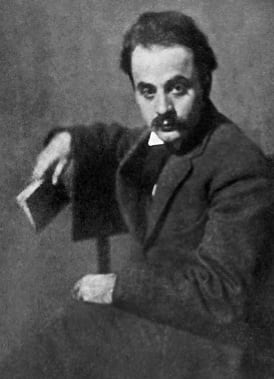
Khalil Gibran en 1913 · Public domain
Своими словами
«Your children are not your children. They are the sons and daughters of Life’s longing for itself.»The Prophet (1923), «On Children»

Главная мысль
Almustafa and the prophetic voice: Gibran does not present himself as a prophet: he creates one.
В контексте
Биография
4 мин чтения
Перевод с испанского оригинала, выполненный с помощью ИИ; ожидает проверки носителем языка.
Бшарри, у подножия кедров
Джебран Халиль Джебран родился 6 января 1883 года в Бшарри — маронитской деревне, примостившейся над долиной Кадиша в горах Ливана, которые тогда составляли автономный мутасаррифат Османской империи. Его мать, Камила Рахме, дочь священника, привела в брак сына от прежнего союза, Бутроса; отец, Халиль, человек тяжёлого нрава, погрязший в карточных долгах, служил сборщиком налогов и в 1891 году был заключён в тюрьму по обвинению в растрате, а имущество семьи описали. Детство будущего поэта прошло между бедностью, приходской школой, где он усвоил начатки арабского и сирийского языков, и пейзажем ущелий, кедров и монастырей, который преображённым вернётся почти во всё, что он напишет.
Бостон и чужой взгляд
В июне 1895 года Камила приняла решение, неслыханное для женщины её круга: эмигрировать в Соединённые Штаты с четырьмя детьми, оставив мужа на родине. Семья поселилась в бостонском районе Саут-Энд, одном из крупнейших в стране кварталов сирийско-ливанских иммигрантов. Мальчика записали в школу Джосайи Куинси в английском написании «Kahlil Gibran», которое он сохранил навсегда, и он начал рисовать в благотворительном доме Денисон-хаус. Учительницы познакомили его с фотографом и издателем Фредом Холландом Дэем, центральной фигурой бостонского эстетизма, который снимал его в восточных нарядах, давал ему книги и открыл перед ним художественный мир, куда мальчику его происхождения вряд ли удалось бы попасть самому.
Между Бейрутом и горем
Опасаясь, что он забудет свои корни, семья в 1898 году отправила его в Бейрут учиться в маронитском колледже «Мудрость» (Мадрасат аль-Хикма), где он получил образование в области арабского языка и литературы. В 1902 году он вернулся в Бостон, узнав, что его младшая сестра Султана умерла от туберкулёза. В следующие месяцы он потерял единоутробного брата Бутроса, сгоревшего от той же болезни, и мать, умершую от рака в июне 1903 года. В двадцать лет он остался вдвоём с сестрой Марианной, которая кормила обоих своим трудом швеи. Биографы единодушны в том, что эта тройная утрата задала элегический тон его первым произведениям.
Мэри Хаскелл и Париж
В 1904 году он впервые выставил свои рисунки в студии Дэя и там познакомился с Мэри Хаскелл, директрисой бостонской школы для девочек, которая была старше его на девять лет. Эта встреча стала решающей в его жизни: Хаскелл оплатила его учёбу, обсуждала с ним каждую мысль и годами, фразу за фразой, правила английский язык его книг. Её дневники и их переписка, изданные в 1972 году под названием Beloved Prophet, — богатейший источник сведений о нём как о частном человеке. Благодаря ей он провёл 1908–1910 годы в Париже, сначала в Академии Жюлиана, затем в мастерской символиста Пьера Марселя-Беронно. Тем временем он печатался по-арабски: короткий очерк о музыке (1905), рассказы «Нимфы долин» (1906) и «Мятежные души» (1908) — обличение церковной и феодальной власти, которое, как много лет спустя рассказывала Барбара Янг, было сожжено на площади в Бейруте.
Нью-Йорк и «Лига пера»
В 1911 году он поселился в мастерской в здании Tenth Street Studio Building в Нью-Йорке, которую называл «Скитом» и где прожил до самой смерти. На следующий год вышла повесть «Сломанные крылья» — о невозможной любви в обществе, где правят духовенство и знать, — и началась его переписка с писательницей Мей Зияда, жившей в Каире: она длилась почти двадцать лет, а увидеться им так и не довелось. В 1914 году появилась книга «Слеза и улыбка», собравшая его стихотворения в прозе, печатавшиеся в эмигрантской прессе. В годы Первой мировой войны он работал в комитете помощи жертвам голода в Горном Ливане, а в 1920 году вместе с Насибом Аридой, Абд аль-Масихом Хаддадом, Михаилом Нуайме и другими писателями-эмигрантами воссоздал «Лигу пера» (ар-Рабита аль-Калямийя), обновившую язык арабской поэзии из американского изгнания.
«Пророк»
С 1918 года он писал главным образом по-английски. В том же году Альфред А. Кнопф издал «Безумца», сборник притч, а затем «Предтечу» (1920). В 1923 году вышел «Пророк»: двадцать шесть речей в поэтической прозе, с которыми Альмустафа, мудрец, двенадцать лет ожидающий корабля, что вернёт его на родной остров, обращается к жителям города Орфалес — о любви, браке, детях, труде, боли, свободе, смерти. Критика встретила книгу холодно, но её не перестают переиздавать, и она переведена более чем на сто языков. Джебран сам проиллюстрировал её размывками — обнажённые тела и словно подёрнутые дымкой лица, — многим обязанными Уильяму Блейку и Родену.
Последние годы
Затем последовали «Песок и пена» (1926), книга афоризмов, и «Иисус, Сын Человеческий» (1928), где семьдесят семь вымышленных современников — друзья, враги, ученики — вспоминают Иисуса. В эти годы рядом с ним была поэтесса Барбара Янг, безвозмездно служившая ему секретарём; после его смерти она завершила и издала «Сад Пророка» (1933). Здоровье Джебрана, злоупотреблявшего алкоголем, ухудшалось с конца 1920-х годов. 10 апреля 1931 года его доставили в нью-йоркскую больницу Святого Винсента, где он скончался в тот же день, в сорок восемь лет; в свидетельстве о смерти значились цирроз печени и начальная стадия туберкулёза одного лёгкого. Биографы сообщают, что он отказался от последних таинств.
Возвращение в горы
Летом 1931 года его тело перевезли в Ливан и поместили в старинном монастыре Мар-Саркис в Бшарри, который приобрела его семья и где ныне находится Музей Джебрана. Своей родной деревне он завещал будущие права на свои книги в Соединённых Штатах, а Мэри Хаскелл в 1950 году передала почти сотню его живописных и графических работ музею Телфэр в Саванне. Академическая критика с подозрением смотрела на его успех у широкой публики, но в новой арабской литературе его место бесспорно: Сальма Хадра Джайюси считала его самым значительным влиянием на арабскую поэзию первой половины XX века. На Западе «Пророк» стал настольной книгой контркультуры 1960-х и по сей день читается на свадьбах и похоронах — и нередко читатель ничего не знает о маронитском эмигранте, который её написал.
Источники: Bushrui, Suheil y Jenkins, Joe. Kahlil Gibran, Man and Poet: A New Biography. Oxford: Oneworld, 1998. · Gibran, Jean y Gibran, Kahlil. Kahlil Gibran: His Life and World. Boston: New York Graphic Society, 1974 (ed. rev. Nueva York: Interlink, 1991). · Waterfield, Robin. Prophet: The Life and Times of Kahlil Gibran. Londres: Allen Lane / Nueva York: St. Martin's Press, 1998. · Hilu, Virginia (ed.). Beloved Prophet: The Love Letters of Kahlil Gibran and Mary Haskell, and Her Private Journal. Nueva York: Alfred A. Knopf, 1972. · Naimy, Mikhail. Kahlil Gibran: A Biography. Nueva York: Philosophical Library, 1950 (orig. árabe, Beirut, 1934).
Хронология
Жизнь год за годом
Каждая точка — документированное событие. Нажмите, чтобы прочитать о нём, с источником и степенью достоверности.
6 января 1883 г.0 летBsharri, Monte Líbano
Birth
Jubran Khalil Jubran is born into a poor Maronite family in Bsharri, son of Khalil Jubran and Kamila Rahmeh.
ДокументированоBushrui, Suheil y Jenkins, Joe. Kahlil Gibran, Man and Poet: A New Biography. Oxford: Oneworld, 1998.
После смерти
- 1933The Garden of the Prophet
- 1950Gift to the Telfair
- 1972Beloved Prophet
6 января 1883 г. · 0 лет
Birth
Jubran Khalil Jubran is born into a poor Maronite family in Bsharri, son of Khalil Jubran and Kamila Rahmeh.
Документировано
1891 · 8 лет
His father's imprisonment
Khalil Jubran is imprisoned for embezzlement and the family property is seized; the mother decides to emigrate.
Документировано
25 июня 1895 г. · 12 лет
Emigration to the United States
Kamila leaves with Boutros, Jubran, Marianna and Sultana; the family settles in Boston's South End and the boy enters the Josiah Quincy School.
Документировано
1896 · 13 лет
F. Holland Day
Through Denison House he meets the photographer and publisher Fred Holland Day, who photographs him and introduces him to Boston's artistic circles.
Документировано
1898 – 1902 · 15 лет
Studies in Beirut
He enters the Maronite Collège de la Sagesse (Madrasat al-Hikma), studying Arabic and literature until 1902.
Документировано
2 апреля 1902 г. · 19 лет
Death of Sultana
His younger sister dies of tuberculosis; Gibran returns to Boston. Boutros dies in March 1903 and his mother in June.
Документировано
январь 1904 г. · 21 год
First exhibition; Mary Haskell
He exhibits drawings at Day's studio and meets Mary Haskell, who will become his patron, confidante and editor.
Документировано
1905 · 22 года
First book in Arabic
The press of the newspaper al-Muhajir publishes Nubdha fi fann al-musiqa, a short essay on music.
Документировано
июль 1908 г. – 1910 · 25 лет
Studies in Paris
With Haskell's financial support he studies at the Académie Julian and then with Pierre Marcel-Béronneau, returning in October 1910. That year Spirits Rebellious is published.
Документировано
1911 · 28 лет
Settles in New York
He settles in the Tenth Street Studio Building, in the studio he will call 'the Hermitage', where he lives until his death.
Документировано
1912 · 29 лет
The Broken Wings and May Ziadeh
He publishes al-Ajniha al-mutakassira and sends a copy to May Ziadeh, beginning a correspondence of nearly twenty years without ever meeting her.
Документировано
1918 · 35 лет
The Madman
His first book in English, published by Alfred A. Knopf, his publisher from then on.
Документировано
1920 · 37 лет
The Pen League
With Nasib Arida, Abd al-Masih Haddad, Mikhail Naimy and other Mahjar writers he refounds the Pen League, of which he is president.
Документировано
сентябрь 1923 г. · 40 лет
The Prophet
Knopf publishes The Prophet, illustrated by the author. Lukewarm critical reception; enduring readership to this day.
Вероятно
1928 · 45 лет
Jesus, the Son of Man
He publishes his choral portrait of Jesus through seventy-seven imagined witnesses.
Документировано
10 апреля 1931 г. · 48 лет
Death
He dies on the day of his admission; the recorded cause is cirrhosis of the liver with incipient tuberculosis.
Документировано
август 1931 г.
Burial at Mar Sarkis
His remains reach Bsharri and rest in the former monastery of Mar Sarkis, now the Gibran Museum.
Документировано
1933
The Garden of the Prophet
Barbara Young completes and publishes the posthumous book from the author's manuscripts.
Документировано
1950
Gift to the Telfair
Mary Haskell Minis gives nearly a hundred of Gibran's artworks to the Telfair Museum.
Документировано
1972
Beloved Prophet
Virginia Hilu publishes the letters of Gibran and Haskell and her journals, the principal source for his biography.
Документировано
Труды
Главные труды
Труды, без которых не понять это наследие.
Письменный труд · 1912
The Broken Wings
الأجنحة المتكسرة
A short novel narrated by a young man who at eighteen falls in love with Selma Karamy in Beirut. The archbishop forces her father to marry her to his nephew, and their love burns out in secret meetings until Selma dies in childbirth. Regarded as one of the first modern romantic novels in Arabic, it is both an idealised autobiographical tale and an indictment of women's condition in Lebanese society.
4 издания

Письменный труд · 1923
The Prophet
Gibran's masterpiece. Almustafa, who has waited twelve years in the city of Orphalese for the ship that will take him home, answers before leaving the questions of the seeress Almitra and the townspeople on twenty-six subjects: love, marriage, children, giving, work, joy and sorrow, freedom, reason and passion, pain, friendship, prayer, beauty, religion and death. Rhythmic prose with biblical resonances, illustrated with twelve drawings by the author. Despite cool reviews it has never gone out of print since 1923 and has been translated into more than a hundred languages.
11 изданий

Письменный труд · 1928
Jesus, the Son of Man
Jesus, the Son of Man: His Words and His Deeds as Told and Recorded by Those Who Knew Him
A choral portrait of Jesus through seventy-seven imagined testimonies—Peter, Mary Magdalene, Caiaphas, Pilate, a Lebanese shepherd, a Greek philosopher. Gibran presents a virile Jesus, poet and rebel, far from the 'lamb' of devotional imagery. Its genesis has been linked to the portrait he drew of ʿAbdu'l-Bahá in New York in 1912.
5 изданий

Переписка · 1972
Beloved Prophet
Beloved Prophet: The Love Letters of Kahlil Gibran and Mary Haskell, and Her Private Journal
Virginia Hilu's edition of hundreds of letters exchanged by Gibran and Mary Haskell between 1908 and 1931, with extracts from her journal, in which she recorded their conversations word for word. It is the most important documentary source for his life, his working method and the making of The Prophet.
2 издания
Все труды (24)
Kahlil Gibran
Music (A Profile of the Art of Music)
The Conscious LibraryMusic (A Profile of the Art of Music)
1905

Nymphs of the Valley
1906

Spirits Rebellious
1908

A Tear and a Smile
1914

The Madman
1918

The Processions
1919

Twenty Drawings
1919
Kahlil Gibran
The Tempests
The Conscious LibraryThe Tempests
1920

The Forerunner
1920
Kahlil Gibran
The New and the Marvelous
The Conscious LibraryThe New and the Marvelous
1923

Sand and Foam
1926

The Earth Gods
1931

The Wanderer
1932
The Garden of the Prophet
1933

Prose Poems
1934

A Treasury of Kahlil Gibran
1951

Thoughts and Meditations
1960

A Self-Portrait
1959

Lazarus and His Beloved
1973
Kahlil Gibran
Blue Flame: The Love Letters of Kahlil Gibran to May Ziadah
The Conscious LibraryBlue Flame: The Love Letters of Kahlil Gibran to May Ziadah
1979
Изречения
Изречения, найденные в конкретном труде. Каждое сопровождается указанием происхождения и степени надёжности.
Your children are not your children. They are the sons and daughters of Life’s longing for itself.ПровереноThe Prophet (1923), «On Children»
Апокрифические изречения и изречения спорной атрибуции (2)
«"If you love somebody, let them go, for if they return, they were always yours. And if they don't, they never were."»
It circulates widely under Gibran's name, but it does not appear in The Prophet, The Madman, The Forerunner or Sand and Foam (checked against Project Gutenberg and Wikisource), nor in the anthologies of his Arabic work. It is an anonymous self-help maxim from the second half of the twentieth century.
«Kennedy's line 'Ask not what your country can do for you…' comes from Gibran.»
In 'The New Frontier' (1925) Gibran contrasts those who ask what their country can do for them with those who ask what they can do for their country. The resemblance to the 1961 inaugural address is real, but there is no documentary proof that Kennedy or his speechwriters knew the text: it is a hypothesis, not a quotation.
Последние слова
Проверяемых записей о последних словах не существует.
No reliably attested last words exist. He died at St. Vincent's Hospital in New York on the night of 10 April 1931, a few hours after admission; Barbara Young, who was with him, left a devout account of those days (This Man from Lebanon, 1945), and later biographers report that he refused the last rites, but none records a verifiable final sentence.
Источник: Young, Barbara. This Man from Lebanon: A Study of Kahlil Gibran. Nueva York: Alfred A. Knopf, 1945.
Спросить
На что отвечают эти труды
Двенадцать великих вопросов человечества и то, что позволяют на них ответить эти тексты, со ссылками. Мы никогда не вкладываем слова в чужие уста.
Что такое Абсолют? Существует ли Бог?
A God who plays with children and in whose heart we live
И личный, и безличныйСледует из учения
Gibran built no theology, but his English work sketches a God at once intimate and cosmic. In The Prophet, Almustafa advises not to seek God as a solver of riddles: it is enough to look around to see Him playing with the children, walking in the clouds, smiling in the flowers and waving His hands in the trees. This God diffused in nature is also Someone in whom one dwells: when you love, the book says, do not say that God is in your heart, but rather that you are in the heart of God. Gibran also speaks of a divine self in each person, greater than the small self, towards which man grows. His Jesus, the Son of Man and his Arabic stories distrust churches that lock God into dogmas at the service of power.
Сравнить этот вопрос с другими учителямиКто я? Существует ли истинное «я»?
A soul that unfolds like a lotus of countless petals
Эволюционирующая душаСказано прямо
In The Prophet, Gibran presents the self as a sea boundless and measureless, impossible to chart: whoever claims to have found the truth should say he has found a truth, because the soul walks upon all paths and unfolds itself like a lotus of countless petals. In man there coexist a divine self, comparable to the ocean or the sun, and a part that is not yet fully human, shapeless and clumsy, seeking its own awakening. Life consists in growing towards that greater self. And this growth does not end with death: in the book's farewell, Almustafa announces that after a brief rest upon the wind another woman shall bear him. Gibran thinks of the self as a process, not a finished substance.
Сравнить этот вопрос с другими учителямиПочему мы страдаем?
Pain is the shell that breaks so that understanding may be born
Карма и обучение душиСказано прямо
In The Prophet, Gibran gives pain a meaning of growth: pain is the breaking of the shell that encloses understanding, like the stone of the fruit that must break so its heart may stand in the sun. Much of suffering, he adds, is self-chosen: it is the bitter potion by which the physician within heals the sick self. And sorrow enlarges: the deeper it carves into one's being, the more joy one can contain, for joy and sorrow are inseparable. The same Gibran, in his early Arabic stories, denounced the suffering inflicted by the clergy and the feudal lords on the poor and on the women of Lebanon. But in his mature work pain is above all a school of the soul.
Сравнить этот вопрос с другими учителямиЧто происходит после смерти?
To die is to melt into the sun; and another woman shall bear me
Перерождение согласно кармеСказано прямо
In The Prophet, when Almitra asks him about death, Almustafa replies that to know its secret one must seek it in the heart of life, for life and death are one, even as the river and the sea are one. To die is not to vanish but to stand naked in the wind and melt into the sun, to let the breath be freed from its restless tides so that it may seek God unencumbered. And in the book's farewell the prophet announces his return: a little while, a moment of rest upon the wind, and another woman shall bear him. Gibran thus combines two images, dissolution into the greater life and return to another existence, without fixing them in a doctrine. What there is not in his work is fear: death belongs to the same movement as life.
Сравнить этот вопрос с другими учителямиКак достигается освобождение или спасение?
Free when we break the chains we ourselves have forged
Через прямое знаниеСледует из учения
Gibran proposes no doctrine of salvation; what his work describes is an inner liberation. In The Prophet, Almustafa warns those who prostrate themselves before freedom that they will be free not when their days are without a care, but when cares girdle their life and yet they rise above them naked and unbound. The chains that weigh on them, he says, they have forged themselves, and what they would cast off is a fragment of their own self. The path is self-knowledge: the heart knows in silence the secrets of the days and the nights, and that knowledge must be allowed to reach words without trying to measure it. To be freed is to recognise the greater self waiting within and to stop identifying with the small one.
Сравнить этот вопрос с другими учителямиНужен ли учитель?
The teacher only leads to the threshold of one's own mind
Учитель внутриСказано прямо
In The Prophet, when a teacher asks him to speak of teaching, Almustafa replies that no one can reveal to another anything but what already lies half asleep in the dawning of his own knowledge. The teacher who walks in the shadow of the temple among his followers gives not of his wisdom but of his faith and his lovingness; if he is indeed wise he does not bid you enter the house of his wisdom, but leads you to the threshold of your own mind. The vision of one lends not its wings to another: each must stand alone in his knowledge of God. Gibran, who lived surrounded by readers who treated him as a prophet, always distrusted that role; his Almustafa teaches and departs.
Сравнить этот вопрос с другими учителямиРеален ли мир?
God walks in the clouds and waves His hands in the trees
Проявление божественногоСказано прямо
Gibran sees the world as a place of the divine. In The Prophet, whoever would know God need only look around: he will see Him playing with the children, walking in the cloud, outstretching His arms in the lightning and descending in rain, smiling in flowers and rising to wave His hands in trees. Daily life is the temple and the religion. This vision, heir to romanticism and mysticism, does not make the world an appearance: the earth, work, the body and love have a sacred value in his work, and beauty is almost a revelation; we live, says one of his aphorisms, only to discover it. What Gibran fights is not the world but the institutions that diminish it.
Сравнить этот вопрос с другими учителямиЧто такое любовь?
Love neither possesses nor would be possessed: we are in the heart of God
Любовь к Богу и ближнемуСказано прямо
The chapter on love in The Prophet is Gibran's most widely read. Love crowns and crucifies, makes one grow and prunes; it gives naught but itself and takes naught but from itself; it possesses not nor would it be possessed, for love is sufficient unto love. Whoever loves must not think he can direct the course of love: it is love that, if it finds him worthy, directs his. And its origin is divine: when you love, says Almustafa, do not say that God is in your heart, but rather that you are in the heart of God. In marriage he asks that there be spaces in the togetherness. In Jesus, the Son of Man, love is also charity without frontiers towards the other, the poor and the enemy.
Сравнить этот вопрос с другими учителямиСвободны ли мы или всё предопределено?
You will be free by rising above your bonds, not by lacking them
Подлинная свобода волиСледует из учения
Gibran does not discuss determinism in philosophical terms, but his work affirms a demanding inner freedom. In The Prophet, freedom does not consist in a life without cares but in rising above them unbound; the chains that weigh are usually those one has forged oneself. In the chapter on reason and passion, the soul is a ship that needs the rudder of reason and the sails of passion: man steers his course, though not the winds. Gibran also insists on shared responsibility: the righteous man is not wholly innocent of the deeds of the wicked, because all are part of one life. Freedom is real, but it is conquered and never purely individual.
Сравнить этот вопрос с другими учителямиЗачем медитировать или молиться?
I cannot teach you to pray in words: prayer is the expansion of oneself
Медитация — не техникаСказано прямо
In The Prophet, when a priestess asks him to speak of prayer, Almustafa answers that people pray in their distress and need, and he wishes they would pray also in the fullness of their joy. Prayer is not asking: it is the expansion of oneself into the living ether. Whoever enters the temple only to ask will receive nothing; it is enough to enter the temple invisible. And he adds that he cannot teach anyone to pray in words, for God listens to no words save those He Himself utters through our lips. In the chapter on religion he goes further: daily life is the temple and the religion, and whoever sets apart one hour for God and another for himself has understood nothing.
Сравнить этот вопрос с другими учителямиМожет ли разум познать предельное?
The heart knows in silence what reason merely steers
Предельное лежит за пределами умаСледует из учения
Gibran does not despise reason, but he places it. In The Prophet, reason and passion are the rudder and the sails of the seafaring soul: reason alone is a confining force, passion alone a flame that burns itself out; the soul must exalt reason to the height of passion so that it may sing. The deepest knowledge, however, is not reasoned. Your hearts, says Almustafa, know in silence the secrets of the days and the nights, and the ear thirsts to hear that knowledge; but the self is a sea without measure, and one should not try to sound it with a measuring rod. That is why whoever says he has found the truth should say he has found a truth.
Сравнить этот вопрос с другими учителямиУйти от мира или преобразить его?
Work is love made visible, and tyranny must be denounced
Действовать в миреСказано прямо
Gibran never preached withdrawal. His early Arabic stories, such as Spirits Rebellious, denounced the oppression exercised by the clergy and feudal lords over the peasants and women of Lebanon, and the book was badly received by the religious authorities. In New York he took part in the life of the Arab emigration, founded the Pen League with other writers and worked for relief to Syria and Mount Lebanon during the famine of the First World War. In The Prophet, spirituality is lived in work, marriage, the house and trade: work is love made visible, and whoever works without love would do better to sit at the temple gate and take alms.
Сравнить этот вопрос с другими учителями
Созвучия и противоречия
Созвучия и противоречия
Рассчитаны вопрос за вопросом на основе позиций. Причина каждого совпадения или расхождения — по нажатию.
Ближе всего к
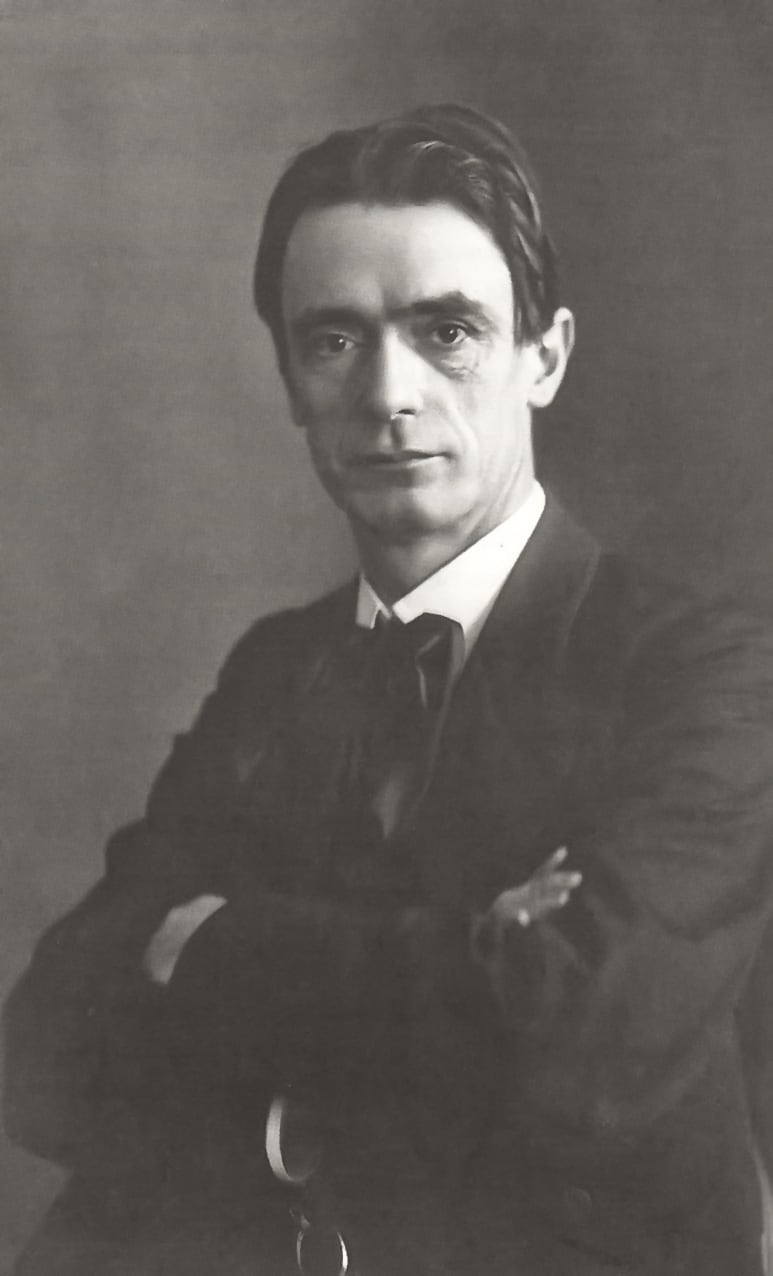
Rudolf Steiner
Совпадают в вопросах: Почему мы страдаем? · Что такое Абсолют? Существует ли Бог? · Кто я? Существует ли истинное «я»?
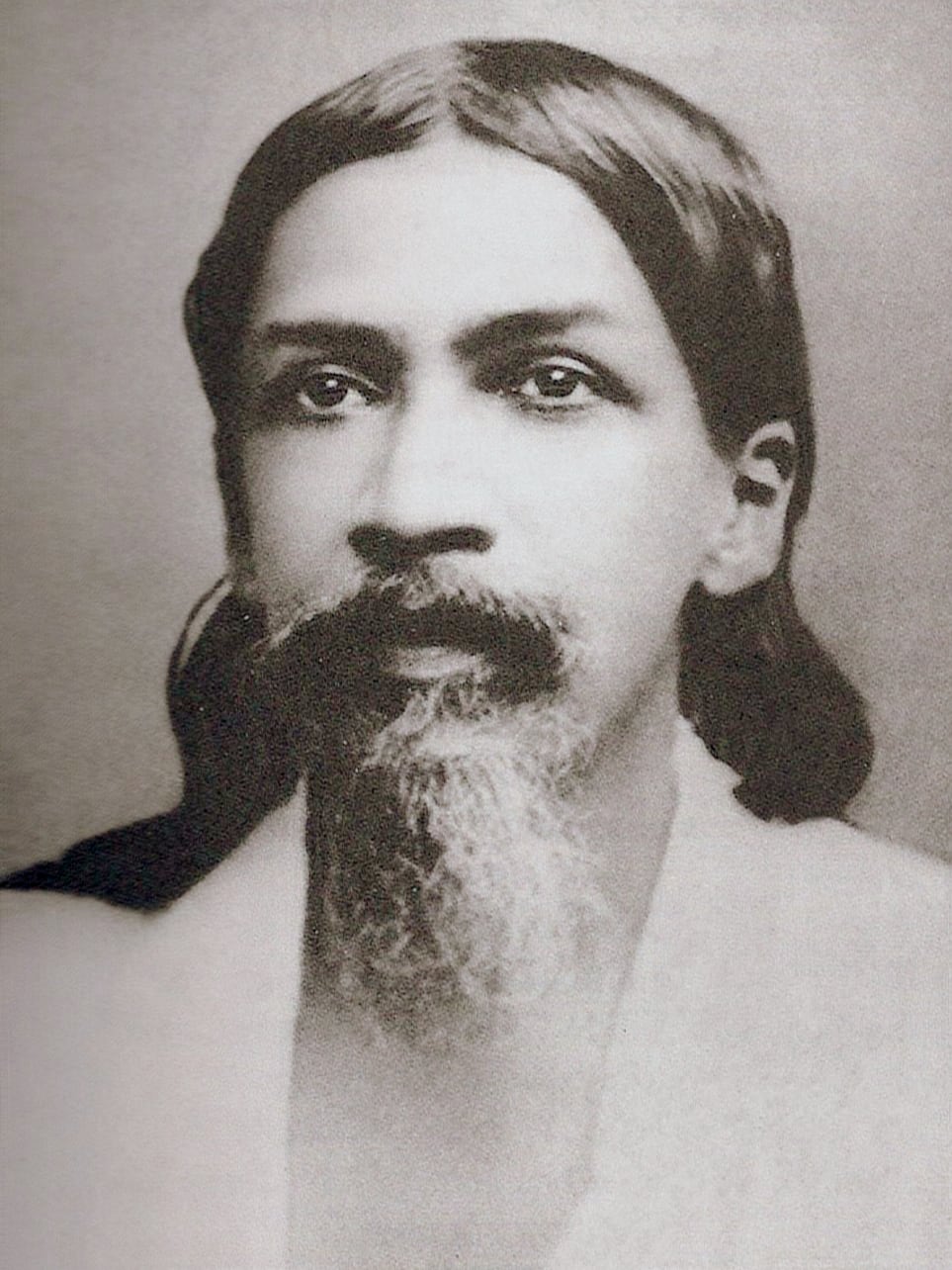
Sri Aurobindo
Совпадают в вопросах: Что такое Абсолют? Существует ли Бог? · Кто я? Существует ли истинное «я»? · Что происходит после смерти?
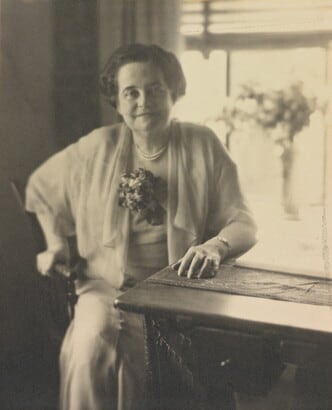
Alice A. Bailey
Совпадают в вопросах: Что такое Абсолют? Существует ли Бог? · Кто я? Существует ли истинное «я»? · Почему мы страдаем?
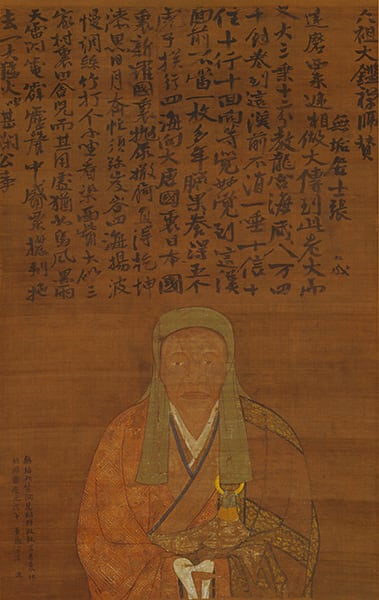
Huineng
Совпадают в вопросах: Как достигается освобождение или спасение? · Нужен ли учитель? · Реален ли мир?
Дальше всего от

Rabia al-Adawiyya
Расходятся в вопросах: Что происходит после смерти?
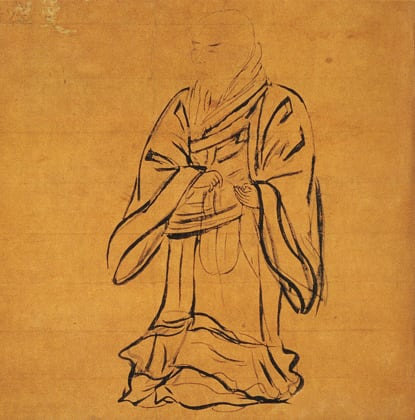
Shinran
Расходятся в вопросах: Что происходит после смерти?

Mirabai
Расходятся в вопросах: Что такое Абсолют? Существует ли Бог? · Почему мы страдаем? · Как достигается освобождение или спасение?

Chaitanya Mahaprabhu
Расходятся в вопросах: Что происходит после смерти?
Предания и рассказы
Предания и рассказы
Документировано1896–1898
The boy in Holland Day's photographs
Происхождение рассказа: Account reconstructed by Jean and Kahlil Gibran from the correspondence of Day and Jessie Beale; the photographs are held by the Library of Congress (LCCN 95503209) and the Metropolitan Museum.
Источник: Gibran, Jean y Gibran, Kahlil. Kahlil Gibran: His Life and World. Boston: New York Graphic Society, 1974 (ed. rev. Nueva York: Interlink, 1991).
Оспаривается1908
Spirits Rebellious on the bonfire
Происхождение рассказа: The burning comes from Barbara Young, This Man from Lebanon (1945); Waterfield and Bushrui-Jenkins confirm the scandal but find no record of a formal excommunication.
Источник: Young, Barbara. This Man from Lebanon: A Study of Kahlil Gibran. Nueva York: Alfred A. Knopf, 1945.
Документировано1908–1931
The editing evenings with Mary Haskell
Происхождение рассказа: Mary Haskell's journals and letters, held at the University of North Carolina and edited by Virginia Hilu in Beloved Prophet (1972).
Источник: Hilu, Virginia (ed.). Beloved Prophet: The Love Letters of Kahlil Gibran and Mary Haskell, and Her Private Journal. Nueva York: Alfred A. Knopf, 1972.
Документировано1912–1931
Twenty years of letters without a meeting
Происхождение рассказа: Gibran's letters edited by Salma Haffar al-Kuzbari and Suheil Bushrui (al-Shu'la al-zarqa', 1979; Blue Flame, 1983).
Источник: Bushrui, Suheil y Kuzbari, Salma Haffar (eds. y trads.). Blue Flame: The Love Letters of Kahlil Gibran to May Ziadah. Harlow: Longman, 1983.
Не поддаётся проверке1908–1910
'The William Blake of the twentieth century'
Происхождение рассказа: An attribution going back to Gibran himself and Barbara Young (1945); critical biographers find no trace of it in Rodin's papers.
Источник: Waterfield, Robin. Prophet: The Life and Times of Kahlil Gibran. Londres: Allen Lane / Nueva York: St. Martin's Press, 1998.
Свидетельство1912
The portrait of ʿAbdu'l-Bahá
Происхождение рассказа: Juliet Thompson's diary (published as The Diary of Juliet Thompson, 1983); the portrait survives. The link with Jesus, the Son of Man is an interpretation by later scholars.
Учение
Учение
Понятия, на которых строится мысль учителя, объяснённые в их контексте.
Almustafa and the prophetic voicealmustafa-la-voz-profetica
Wisdom literature, Nietzsche and the biblical prophetic tradition read from the Mahjar.
Источник: Bushrui, Suheil y Jenkins, Joe. Kahlil Gibran, Man and Poet: A New Biography. Oxford: Oneworld, 1998.
The god-selfel-yo-divino
Romantic pantheism, Blake and Sufi mysticism; an ethics of inwardness.
Reconciled oppositeslos-contrarios-reconciliados
Romanticism and Eastern Christian mysticism.
Love that does not possessel-amor-que-no-posee
A critique of patriarchal marriage in Mount Lebanon; a mysticism of love.
Work as love made visibletrabajo-amor-visible
An ethic of craft; Arts and Crafts; wisdom tradition.
The Mahjar and the Arabic prose poemmahyar-y-poema-en-prosa
Modern Arabic literature; Lebanese emigration to the Americas.
Источник: Hawi, Khalil S. Kahlil Gibran: His Background, Character and Works. Beirut: American University of Beirut, 1963 (reed. Londres: Third World Centre, 1982).
Видео
Видео
Записи, интервью и документальные фильмы. Видео воспроизводятся с YouTube; здесь они не хранятся.
وثائقي عن جبران خليل جبران (Documental sobre Gibran)
Документальный фильм· AR· 26 min
Gibran National CommitteeОфициальный канал
أرواح متمردة – جبران خليل جبران (Espíritus rebeldes)
Документальный фильм· AR· 53 min
Al Jazeera Documentary
Khalil Gibran – Une vie, une œuvre (France Culture, 1990)
Документальный фильм· FR· 1990· 78 min
ÉCLAIR BRUT
Khalil Gibran
Документальный фильм· FR· 52 min
KTO TV
Gibran Khalil Gibran
Документальный фильм· ES· 27 min
Canal22Официальный канал
Gibran Kahlil Gibran Museum, an in-depth explanation with Mr. Joseph Geagea
Документальный фильм· EN· 26 min
Anthony Rahayel
Gibran, Naimy and Afifa Karam: Gender Politics in Mahjar Literature — Elizabeth Saylor
Лекция· EN· 21 min
Gibran ChairОфициальный канал
In Search of a Prophet — Kahlil Gibran: An Unparalleled Guide for Our Times (Paul-Gordon Chandler)
Лекция· EN· 66 min
The Jerusalem Fund & Palestine Center
Kahlil Gibran ~ with Paul-Gordon Chandler
Лекция· EN· 62 min
Banyen Books & Sound
Interview of Kahlil Gibran, artist, by David Ossman in Boston
Интервью· EN· 10 min
ArtistKahlil Gibran
Academy Conversations: Khalil Gibran's The Prophet
Интервью· EN· 2015· 12 min
OscarsОфициальный канал
The Madman by Kahlil Gibran (audiolibro)
Запись третьих лиц· EN· 45 min
LearnOutLoud
Галерея
Галерея
Изображения с проверенной лицензией. Каждое сохраняет своё авторство и атрибуцию.
Рукописи
Рукописи
Рукописные свидетельства и древние тексты, с указанием хранителя и условий доступа.
EN · Latin · 1904–1931
Kahlil Gibran–Mary Haskell papers
- Сохранившийся список
- Cartas autógrafas y diarios de Mary Haskell
- Хранитель
- Southern Historical Collection, University of North Carolina at Chapel Hill
Связи
Связи
Влияния, ученичество и близость взглядов. Документированная связь отличается от сходства, выявленного путём анализа.
Испытал влияние
He devoted to him one of the portraits in al-Bada'i' wa-l-Tara'if (1923), as part of his interest in Islamic mysticism.
Документированная связь
Состоял в переписке с
Mary Haskell
Patron, editor and confidante from 1904 to 1931; hundreds of letters and her journal document the relationship.
Документированная связь
Состоял в переписке с
May Ziadeh
Literary and amorous correspondence from 1912 to 1931; they never met.
Документированная связь
Встречался с
Mijaíl Naimy
Close friend from 1916, fellow member of the Pen League and author of a biography of Gibran (1934).
Документированная связь
Встречался с
Fred Holland Day
Boston photographer and publisher who discovered him in 1896 and organised his first exhibition in 1904.
Документированная связь
Встречался с
ʿAbdu'l-Bahá
Gibran drew his portrait in New York in 1912; the meeting left a lasting impression.
Документированная связь
Испытал влияние
Friedrich Nietzsche
A decisive reading in his Paris and New York years; Thus Spoke Zarathustra is the formal antecedent of The Madman and The Prophet.
Документированная связь
Испытал влияние
William Blake
A model as visionary poet-painter, acknowledged by Gibran and noted by all his biographers.
Документированная связь
Испытал влияние
Central figure of his religious imagination; he devoted Jesus, the Son of Man (1928) to him, and he is the implicit model for Almustafa.
Документированная связь
Повлиял на
Osho commented on The Prophet in two volumes of talks, The Messiah (1987), and quoted it often.
Документированная связь
Идеи, близкие к
Love as a consuming and transforming force, and poetry as a mystical path, bring Gibran close to Rumi; no direct influence is documented.
Сходство, выявленное путём анализа
Современник
Contemporaries in the United States of the 1890s with no known contact; both contributed to the American reception of Eastern spirituality.
Сходство, выявленное путём анализа
Упоминается в других статьях
Источники
Источники
Библиография и каталоги, использованные для этой статьи.
- Bushrui, Suheil y Jenkins, Joe. Kahlil Gibran, Man and Poet: A New Biography. Oxford: Oneworld, 1998.
- Gibran, Jean y Gibran, Kahlil. Kahlil Gibran: His Life and World. Boston: New York Graphic Society, 1974 (ed. rev. Nueva York: Interlink, 1991).
- Waterfield, Robin. Prophet: The Life and Times of Kahlil Gibran. Londres: Allen Lane / Nueva York: St. Martin's Press, 1998.
- Hilu, Virginia (ed.). Beloved Prophet: The Love Letters of Kahlil Gibran and Mary Haskell, and Her Private Journal. Nueva York: Alfred A. Knopf, 1972.
- Naimy, Mikhail. Kahlil Gibran: A Biography. Nueva York: Philosophical Library, 1950 (orig. árabe, Beirut, 1934).
- Young, Barbara. This Man from Lebanon: A Study of Kahlil Gibran. Nueva York: Alfred A. Knopf, 1945.
- Wikidata, «Kahlil Gibran» (Q47737).
- Hawi, Khalil S. Kahlil Gibran: His Background, Character and Works. Beirut: American University of Beirut, 1963 (reed. Londres: Third World Centre, 1982).
- Project Gutenberg: Gibran, Kahlil, The Prophet (Nueva York: Knopf, 1923), ebook n.º 58585; The Madman (1918), n.º 5616; The Forerunner (1920), n.º 54580.
- Gibran National Committee (Comité National Gibran), Museo Gibran, Bsharri.
- Telfair Museums, Savannah: colección Kahlil Gibran (legado de Mary Haskell Minis, 1950).
- Wikipedia (en), «Kahlil Gibran», consultada el 25 de octubre de 2026 (sección «Later years and death»).
- Wikisource en árabe: textos de Yubrán Jalil Yubrán (al-Ajniha al-mutakassira; Dam'a wa-ibtisama, 1914; al-Arwah al-mutamarrida, 1908; Nubdha fi fann al-musiqa, 1905).
- Bushrui, Suheil y Kuzbari, Salma Haffar (eds. y trads.). Blue Flame: The Love Letters of Kahlil Gibran to May Ziadah. Harlow: Longman, 1983.
- Library of Congress, Prints and Photographs Division: F. Holland Day, retratos de Kahlil Gibran (c. 1898), LCCN 95503209.
- Wikisource en inglés: Gibran, Kahlil, Sand and Foam: A Book of Aphorisms (Nueva York: Knopf, 1926).
- Osho (Bhagwan Shree Rajneesh). The Messiah: Commentaries on Kahlil Gibran's The Prophet. 2 vols. Rajneeshpuram / Poona: Rajneesh Foundation International, 1987.
- Правообладатель
- Gibran National Committee (Bsharri), beneficiario por legado testamentario de los derechos de autor del escritor. Las obras publicadas hasta 1930 son de dominio público en EE. UU.; toda la obra del autor (m. 1931) es de dominio público en la UE desde 2002 y en España desde 2012. Las traducciones y ediciones modernas tienen sus propios derechos.
- Официальный сайт
- www.gibrankhalilgibran.org/
Ожидает подтверждения
То, что в этой статье пока не удалось установить. Мы предпочитаем сказать об этом, а не заполнять пробел.
- Confirmar el día exacto de publicación de The Prophet (septiembre de 1923, según la tradición editorial de Knopf).
- Localizar ISBN verificados de ediciones en árabe moderno, ruso e hindi de The Prophet y de al-Ajniha al-mutakassira (no figuran en Open Library).
- Verificar ISBN de las traducciones inglesas de A Tear and a Smile (Nahmad, 1950) y The Broken Wings (Ferris, 1957).
- Fechar y registrar las piezas dramáticas póstumas (The Blind y las cinco obras breves en árabe publicadas entre 1973 y 1993).
- Comprobar si la Southern Historical Collection (UNC) ofrece digitalización de los papeles Haskell-Gibran y su signatura.
- The Earth Gods (1931), The Wanderer (1932) y The Garden of the Prophet (1933) entrarán en dominio público en EE. UU. en 2027, 2028 y 2029: añadirlos entonces a la sala de lectura si hay texto en línea.
Исследовано 2026-10-25