Христианская мистика · Теософия · Антропософия
Rudolf Steiner
1861 – 1925Исторически документированная личность
Австрийский философ, эзотерик и общественный реформатор (1861–1925). Издатель естественнонаучных сочинений Гёте и автор «Философии свободы» (1894), он возглавлял немецкую секцию Теософского общества, а в 1913 году основал антропософию — «духовную науку» христианского и гётевского склада. Из его учения выросли вальдорфская педагогика, биодинамическое земледелие, антропософская медицина и эвритмия. Он оставил более тридцати книг и около шести тысяч лекций, многие положения которых подвергаются критике за свой псевдонаучный характер.
- трудов
- 68трудов
- изданий
- 131изданий
- цитат
- 7цитат
- видео
- 12видео
- изображений
- 10изображений
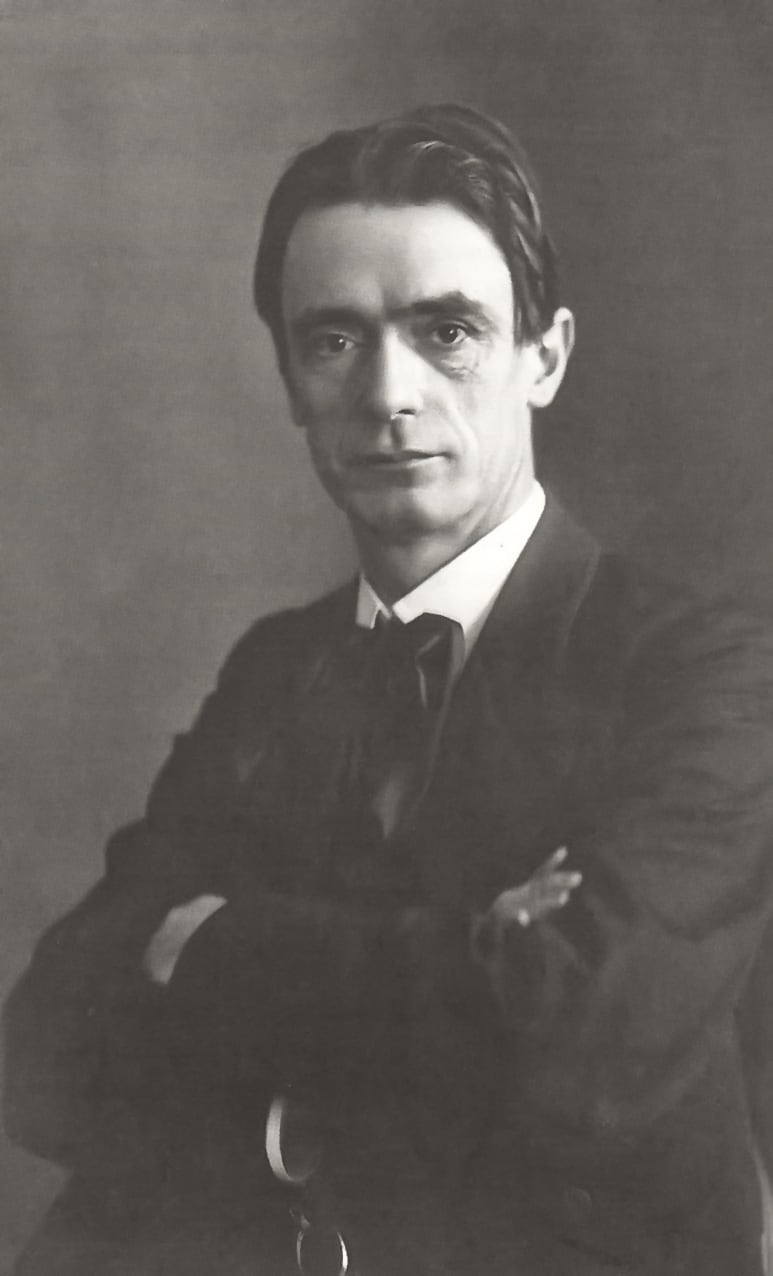
Rudolf Steiner hacia 1905 · Public domain
Своими словами
«Only when I follow my love for the object is it I myself who act.»Die Philosophie der Freiheit (1894), cap. «Die Idee der Freiheit»

Для начала — одна книга
The Philosophy of Freedom (Intuitive Thinking as a Spiritual Path)Главная мысль
Anthroposophy (spiritual science): Steiner took the term 'anthroposophy' from a book by the Austrian philosopher Robert Zimmermann (1856) and defined it as 'a path of knowledge that would lead the spiritual in the human being to the spiritual in the universe'.
В контексте
Биография
4 мин чтения
Перевод с испанского оригинала, выполненный с помощью ИИ; ожидает проверки носителем языка.
Сын телеграфиста
Рудольф Йозеф Лоренц Штейнер родился в Кралевеце, в области Меджимурье (по-венгерски Муракёз), входившей тогда в Венгерское королевство, а ныне — в Хорватию, 27 февраля 1861 года — такую дату он сам называл всегда, хотя семейные документы указывают на 25-е. Его отец, Иоганн Штейнер, служил егерем у графов Хойос, а затем работал телеграфистом Австрийской Южной железной дороги; мать, Франциска Блие, была в услужении в том же доме. Семья жила на маленьких станциях Нижней Австрии — в Мёдлинге, в Поттшахе, — а с 1869 года в Нойдёрфле, венгерской деревне на границе с Нижней Австрией: среди телеграфа, поездов и альпийских пейзажей. В автобиографии Штейнер рассказывает, что ребёнком нашёл в геометрии доказательство того, что душа способна познавать недоступное чувствам, и что в восемь или девять лет впервые воспринял то, что позднее назовёт духовным миром. Эти воспоминания записаны шестьдесят лет спустя, и критики читают их как часть сознательного построения собственного образа.
Вена и Гёте
Он учился в реальном училище Винер-Нойштадта, а с 1879 по 1883 год — в Венской высшей технической школе, где слушал курсы математики, естественных наук, литературы и философии, так и не получив диплома. Там он встретил своего учителя, германиста Карла Юлиуса Шрёера, который в 1882 году рекомендовал его Йозефу Кюршнеру в качестве издателя естественнонаучных сочинений Гёте для серии «Немецкая национальная литература». Двадцатиоднолетний юноша написал введения к этим томам (1883–1897) и «Очерк теории познания гётевского мировоззрения» (1886). Чтобы зарабатывать на жизнь, он шесть лет служил домашним учителем в венской семье Шпехт, где успешно обучил мальчика, страдавшего гидроцефалией и считавшегося неспособным к учёбе; тот впоследствии стал врачом.
Веймар и философия свободы
В 1890 году он переехал в Веймар, чтобы работать в Архиве Гёте и Шиллера над большим изданием сочинений Гёте. В 1891 году в Ростокском университете он защитил докторскую диссертацию по философии, посвящённую теории познания Фихте, а на следующий год выпустил её расширенный вариант под названием «Истина и наука». В 1894 году вышла «Философия свободы» — книга, которую он всегда считал основанием всего последующего: теория познания, в которой мышление предстаёт деятельностью, где человек переживает себя свободным, и этика «этического индивидуализма», согласно которой свободный поступок рождается из любви к самому действию, а не из внешних норм. В эти годы он общался с Эрнстом Геккелем, восхищался Максом Штирнером и написал книгу «Фридрих Ницше — борец против своего времени» (1895); в 1896 году Элизабет Фёрстер-Ницше привела его к больному философу.
Берлин: от свободомыслия к теософии
В 1897 году он обосновался в Берлине как редактор журнала «Magazin für Literatur» и вращался в богемных кругах столицы и среди анархистов-индивидуалистов. Он преподавал историю и ораторское искусство в Школе образования рабочих, основанной Вильгельмом Либкнехтом (1899–1904), и в 1899 году женился на Анне Эунике, вдове, в доме которой жил. На следующий год, в 1900-м, он начал читать лекции в теософской библиотеке графа и графини Брокдорф; в 1902 году, вступив в Теософское общество лишь в январе того же года, он согласился стать генеральным секретарём его новой немецкой секции — вместе с Марией фон Сиверс, которая станет его сотрудницей, а с 1914 года и второй женой. За несколько лет он опубликовал книги, составляющие ядро его учения: «Теософия» (1904), «Как достигнуть познания высших миров?» (1904–1905) и «Очерк тайноведения» (1910).
Антропософия и Гётеанум
Штейнер повернул теософию к западной эзотерической традиции — розенкрейцерству, немецкой мистике, Гёте — и поставил в её центр «Мистерию Голгофы», воплощение Христа как единственное в своём роде космическое событие. Разногласия с руководством в Адьяре достигли предела, когда Анни Безант провозгласила юного Джидду Кришнамурти грядущим Учителем мира; в 1912–1913 годах большинство немецкой секции откололось и основало Антропософское общество. В 1910–1913 годах он написал и поставил в Мюнхене четыре драмы-мистерии, а вместе с Марией фон Сиверс разработал эвритмию — искусство движения. В 1913 году в Дорнахе близ Базеля был заложен первый камень Гётеанума — большого деревянного здания с двумя куполами, которое он спроектировал сам и которое добровольцы из семнадцати стран возводили в годы Первой мировой войны.
Практические импульсы
Поражение Германии в 1918 году подтолкнуло Штейнера к общественной деятельности. В книге «Основные пункты социального вопроса» (1919) он предложил «трёхчленность социального организма» — разделение культурной, правовой и хозяйственной жизни. В том же году по просьбе промышленника Эмиля Мольта он основал в Штутгарте для детей рабочих сигаретной фабрики «Вальдорф-Астория» первую вальдорфскую школу. Затем последовали курсы для врачей, проведённые вместе с Итой Вегман и положившие начало антропософской медицине и лаборатории «Веледа»; курс для священников, из которого в 1922 году выросла «Христианская община» Фридриха Риттельмейера; и в 1924 году сельскохозяйственный курс в Кобервице, давший начало биодинамическому земледелию. В то же время его атаковали правые националисты: в 1922 году одна из его лекций в Мюнхене была сорвана силой.
Пожар и Рождество 1923 года
В новогоднюю ночь 1922 года первый Гётеанум сгорел дотла; полиция сочла вероятной причиной пожара поджог. Штейнер спроектировал второе здание, на этот раз из бетона, достроенное в 1928 году. На Рождество 1923 года он заново основал общество как Всеобщее антропософское общество, лично возглавил его и его Свободную высшую школу духовной науки и произнёс Медитацию Краеугольного камня. 1924 год прошёл в изнурительной работе: сотни лекций, среди них циклы о кармических взаимосвязях, курсы лечебной педагогики, сельского хозяйства и искусства речи.
Конец и наследие
28 сентября 1924 года он прочёл последнюю лекцию; больной, он провёл следующие месяцы в своей мастерской в Дорнахе, продолжая писать автобиографию «Мой жизненный путь», которая обрывается на событиях 1907 года. Там же он умер 30 марта 1925 года в возрасте шестидесяти четырёх лет. После него осталось более тридцати книг и около шести тысяч лекций, в большинстве своём записанных стенографистами и не просмотренных им самим; сегодня они составляют Полное собрание сочинений (Gesamtausgabe) объёмом более 350 томов. Его наследие вызывает и приверженность, и суровую критику: историки, в частности Хельмут Цандер, указывают на его заимствования из теософской литературы, на псевдонаучный характер многих его утверждений и на его расовую теорию, тогда как его начинания — более тысячи вальдорфских школ, биодинамическое земледелие, антропософская медицина, общины Кэмпхилл — продолжают действовать по всему миру.
Источники: Steiner, Rudolf. Mein Lebensgang. Eine nicht vollendete Autobiographie (GA 28). Dornach: Philosophisch-Anthroposophischer Verlag, 1925; ed. actual Basilea: Rudolf Steiner Verlag. · Lindenberg, Christoph. Rudolf Steiner. Eine Biographie. 2 vols. Stuttgart: Verlag Freies Geistesleben, 1997. · Zander, Helmut. Rudolf Steiner. Die Biografie. Múnich: Piper, 2011 (ed. rústica 2016). · Lachman, Gary. Rudolf Steiner: An Introduction to His Life and Work. Nueva York: Jeremy P. Tarcher/Penguin, 2007. · Steiner, Rudolf. Die Philosophie der Freiheit. Grundzüge einer modernen Weltanschauung. Berlín: Emil Felber, 1894 (texto en Project Gutenberg, ebook n.º 53493).
Хронология
Жизнь год за годом
Каждая точка — документированное событие. Нажмите, чтобы прочитать о нём, с источником и степенью достоверности.
27 февраля 1861 г.0 летKraljevec (Muraköz, Reino de Hungría; hoy Donji Kraljevec, Croacia)
Birth
The first child of the railway telegraphist Johann Steiner and Franziska Blie is born. Steiner always gave 27 February; family documents suggest the 25th.
ОспариваетсяSteiner, Rudolf. Mein Lebensgang. Eine nicht vollendete Autobiographie (GA 28). Dornach: Philosophisch-Anthroposophischer Verlag, 1925; ed. actual Basilea: Rudolf Steiner Verlag.
После смерти
- 29 сентября 1928 г.Second Goetheanum
- 1956The Gesamtausgabe begins
27 февраля 1861 г. · 0 лет
Birth
The first child of the railway telegraphist Johann Steiner and Franziska Blie is born. Steiner always gave 27 February; family documents suggest the 25th.
Оспаривается
1869 · 8 лет
Neudörfl
The family settles in Neudörfl; Steiner would date his first supersensible experiences and his fascination with geometry to these years.
Вероятно
1879 – 1883 · 18 лет
Vienna Technical University
He studies science and attends Karl Julius Schröer's literature lectures; he leaves in 1883 without a degree.
Документировано
1882 · 21 год
Editor of Goethe
On Schröer's recommendation, Joseph Kürschner commissions him to edit Goethe's scientific writings (published 1883–1897).
Документировано
1884 – 1890 · 23 года
Tutor to the Specht family
For six years he tutors the children of the merchant Ladislaus Specht, among them a hydrocephalic boy who later becomes a physician.
Документировано
1890 – 1897 · 29 лет
Goethe and Schiller Archive
He works on the Weimar (Sophien) edition of Goethe's scientific works until 1897.
Документировано
октябрь 1891 г. · 30 лет
Doctorate
He takes his doctorate at the University of Rostock with a thesis on Fichte's theory of knowledge.
Вероятно
1894 · 33 года
The Philosophy of Freedom
He publishes Die Philosophie der Freiheit (dated 1894, issued at the end of 1893).
Документировано
январь 1896 г. · 34 года
Before Nietzsche
Elisabeth Förster-Nietzsche takes him to see her brother, already incapacitated; for a time Steiner arranges the philosopher's library.
Вероятно
1897 · 36 лет
Magazin für Literatur
He moves to Berlin as co-owner and editor of the literary magazine; in 1899 he marries Anna Eunike and begins teaching at the Workers' Education School.
Документировано
октябрь 1902 г. · 41 год
General Secretary of the German Section of the Theosophical Society
With Marie von Sivers he takes charge of the new German Section; he publishes Christianity as Mystical Fact.
Документировано
1904 · 43 года
Theosophy and the path of knowledge
He publishes Theosophy and begins serialising How to Know Higher Worlds in Lucifer-Gnosis.
Документировано
май 1907 г. · 46 лет
Munich Congress
He organises the congress of the Federation of European Sections of the Theosophical Society, with a Rosicrucian aesthetic announcing his own direction.
Документировано
1910 · 49 лет
Occult Science and the first mystery drama
Die Geheimwissenschaft im Umriss appears (dated 1910) and The Portal of Initiation is premiered in Munich.
Документировано
февраль 1913 г. · 51 год
Founding of the Anthroposophical Society
After expulsion from the Theosophical Society over the Krishnamurti dispute, most of the German Section forms the Anthroposophical Society.
Документировано
20 сентября 1913 г. · 52 года
Foundation stone of the Goetheanum
The foundation stone of the double-domed wooden building designed by Steiner is laid.
Документировано
24 декабря 1914 г. · 53 года
Marriage to Marie von Sivers
He marries his collaborator of twelve years; Anna Eunike had died in 1911.
Вероятно
7 сентября 1919 г. · 58 лет
First Waldorf school
He opens the Freie Waldorfschule for the children of workers at Emil Molt's Waldorf-Astoria factory; that year he publishes Towards Social Renewal.
Документировано
31 декабря 1922 г. · 61 год
Fire at the Goetheanum
On New Year's Eve the first Goetheanum burns to the ground; police point to arson.
Документировано
24 декабря 1923 г. – 1924 · 62 года
Christmas Conference
He refounds the General Anthroposophical Society, assumes its presidency and gives the Foundation Stone Meditation (24 December 1923 – 1 January 1924).
Документировано
7 июня 1924 г. · 63 года
Agriculture course
He gives the eight lectures that originate biodynamic agriculture (7–16 June).
Документировано
28 сентября 1924 г. · 63 года
Last lecture
He gives his last address, on the eve of Michaelmas; thereafter he remains ill in his studio.
Документировано
30 марта 1925 г. · 64 года
Death
He dies in his studio beside the Goetheanum under construction; the autobiography is left unfinished.
Документировано
29 сентября 1928 г.
Second Goetheanum
The second Goetheanum, in concrete, built to Steiner's model, is inaugurated.
Вероятно
1956
The Gesamtausgabe begins
The Rudolf Steiner Nachlassverwaltung begins the complete edition (GA), which today exceeds 350 volumes.
Вероятно
Труды
Главные труды
Труды, без которых не понять это наследие.
Письменный труд · 1894
The Philosophy of Freedom (Intuitive Thinking as a Spiritual Path)
Die Philosophie der Freiheit. Grundzüge einer modernen Weltanschauung (GA 4)
Steiner's central philosophical work. Part one, 'The Science of Freedom', analyses the observation of thinking as the secure starting point of knowledge and the relation between percept and concept; part two, 'The Reality of Freedom', founds an 'ethical individualism': free action springs from a moral intuition loved for its own sake, guided by 'moral imagination'. Steiner reissued it in 1918 with additions and regarded it as the philosophical germ of anthroposophy.
5 изданий
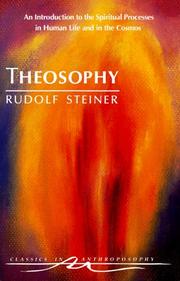
Письменный труд · 1904
Theosophy
Theosophie. Einführung in übersinnliche Welterkenntnis und Menschenbestimmung (GA 9)
A fundamental book of his teaching. It describes the human being in three aspects—body, soul and spirit—subdivided into nine members; explains reincarnation and karma as spiritual law; surveys the three worlds (physical, soul and spiritual) through which the human being passes between death and a new birth; and ends with an outline of the 'path of knowledge'. Steiner revised it in many editions.
4 издания

Письменный труд · ок. 1904
How to Know Higher Worlds
Wie erlangt man Erkenntnisse der höheren Welten? (GA 10)
A manual of inner development serialised in Lucifer-Gnosis (1904–1905) and published as a book in 1909. It describes the conditions of discipleship—reverence, inner calm, control of thought, equanimity—meditation exercises and the stages of preparation, illumination and initiation, with the warning to take three steps in moral improvement for every step in occult knowledge.
5 изданий

Письменный труд · 1910
An Outline of Esoteric Science
Die Geheimwissenschaft im Umriss (GA 13)
His principal cosmological work, issued in December 1909 with the date 1910. It describes the nature of the human being, sleep and death, and the evolution of the cosmos through the planetary states of Saturn, Sun, Moon, Earth and the future Jupiter, Venus and Vulcan, with the intervention of the spiritual hierarchies, of Lucifer and Ahriman and of Christ; it closes with the path of knowledge of higher worlds.
5 изданий
Все труды (68)

Goethean Science
1883

A Theory of Knowledge Implicit in Goethe's World-Conception
1886

Truth and Knowledge
1892

Documents on The Philosophy of Freedom
1994

Friedrich Nietzsche, Fighter for Freedom
1895

Goethe's World View
1897

Mysticism at the Dawn of the Modern Age
1901

Christianity as Mystical Fact
1902

Cosmic Memory
1904

The Stages of Higher Knowledge
1905

The Education of the Child in the Light of Anthroposophy
1907

Four Mystery Dramas
1910

The Spiritual Guidance of the Individual and Humanity
1911

A Way of Self-Knowledge
1912

The Threshold of the Spiritual World
1913

The Riddles of Philosophy
1914

The Riddle of Man
1916

Riddles of the Soul
1917

Goethe's Standard of the Soul
1918

Towards Social Renewal (The Threefold Commonwealth)
1919

The Renewal of the Social Organism
1961
Rudolf Steiner
Cosmology, Religion and Philosophy
The Conscious LibraryCosmology, Religion and Philosophy
1922

Anthroposophical Leading Thoughts
1925
Rudolf Steiner
Extending Practical Medicine (Fundamentals of Therapy)
The Conscious LibraryExtending Practical Medicine (Fundamentals of Therapy)
1925
Изречения
Изречения, найденные в конкретном труде. Каждое сопровождается указанием происхождения и степени надёжности.
Only when I follow my love for the object is it I myself who act.Nur wenn ich meiner Liebe zu dem Objekte folge, dann bin ich es selbst, der handelt.
ПровереноDie Philosophie der Freiheit (1894), cap. «Die Idee der Freiheit»
Апокрифические изречения и изречения спорной атрибуции (1)
«"Receive the child in reverence, educate him in love, and send him forth in freedom."»
A widely circulated Waldorf motto attributed to Steiner. We have not found this literal wording in his books or in the GA education cycles; it summarises ideas from his lectures to teachers and appears to be a later synthesis by the Waldorf movement. It should be cited as a motto, not as a verbatim quotation.
Последние слова
Проверяемых записей о последних словах не существует.
No reliable last words survive. He died on the morning of 30 March 1925 in his studio at Dornach, attended by the physician Ita Wegman; Marie Steiner arrived from Stuttgart after he had died. The accounts of those present, gathered by Guenther Wachsmuth, describe a peaceful death, with his hands crossed on his breast, but record no final sentence.
Источник: Wachsmuth, Guenther. Die Geburt der Geisteswissenschaft. Rudolf Steiners Lebensgang von der Jahrhundertwende bis zum Tode. Dornach: Philosophisch-Anthroposophischer Verlag, 1941 (trad. ingl. The Life and Work of Rudolf Steiner, 1955).
Спросить
На что отвечают эти труды
Двенадцать великих вопросов человечества и то, что позволяют на них ответить эти тексты, со ссылками. Мы никогда не вкладываем слова в чужие уста.
Что такое Абсолют? Существует ли Бог?
A divine-spiritual world with hierarchies of beings and a cosmic Christ
И личный, и безличныйСледует из учения
Steiner hardly uses the word God in the abstract. In The Philosophy of Freedom he defends a monism that needs no lawgiver outside the world. In his anthroposophical period he describes, in An Outline of Esoteric Science, a divine-spiritual world populated by hierarchies of beings who, through the cosmic phases he calls Saturn, Sun, Moon and Earth, have guided the evolution of the human being. Within that picture he places a trinity: the paternal ground of the world, Christ as a cosmic being incarnated in Jesus, whose death at Golgotha he regards as the centre of earthly evolution, and the Spirit. The divine thus has an aspect of universal ground and another of personal beings with whom the human being relates, but both are to be known through spiritual research, not accepted on faith.
Сравнить этот вопрос с другими учителямиКто я? Существует ли истинное «я»?
The I is the spiritual core that reincarnates in body, soul and spirit
Эволюционирующая душаСказано прямо
In Theosophy, of 1904, Steiner describes the human being as body, soul and spirit, and divides these members into a physical body, an etheric or life body, an astral body and the I, to which are added spiritual members still in germ. The I is the centre: the instance that says I of itself and that no other person can utter for it. This spiritual core is not exhausted in one life; in the chapter on the reincarnation of the spirit and destiny he maintains that it incarnates again, and that the capacities and destiny of each biography are the fruit of earlier lives. Already in The Philosophy of Freedom he had placed individuality in thinking and free action. The true self is not an illusion: it is a spiritual individuality in evolution.
Сравнить этот вопрос с другими учителямиПочему мы страдаем?
Destiny is the fruit of earlier lives and an organ of the I's development
Карма и обучение душиСказано прямо
Steiner approaches suffering through karma. In Theosophy he maintains that each person's destiny, including their pains, is the consequence of what their individuality did in earlier lives; and in the lecture cycle Manifestations of Karma, of 1910, he studies how illnesses, accidents and catastrophes relate to spiritual causes. But he insists that karma is neither punishment nor fatalism: the I, before birth, in some way seeks out the circumstances it needs in order to compensate and develop, and pain can become strength and capacity in a future life. In his cosmology, moreover, suffering is inscribed in the evolution of humanity, in which act powers he calls Luciferic and Ahrimanic, which the Christ impulse makes it possible to balance.
Сравнить этот вопрос с другими учителямиЧто происходит после смерти?
The I passes through the soul world and spirit land before reincarnating
Перерождение согласно кармеСказано прямо
Steiner describes the path after death in the chapter on the three worlds in Theosophy. At death the human being leaves the physical body and, shortly afterwards, the etheric, at which point he beholds his past life as a great tableau. He then passes through the soul world, where he must free himself from desires bound to the physical, a phase he elsewhere calls kamaloka, and enters spirit land, where he works over the fruits of the completed life and prepares the next. Afterwards he incarnates again, according to accumulated karma. In his lectures he developed these stages in detail, as well as the relation between the living and the dead, to whom he recommended reading spiritual texts. Death is neither end nor fusion, but a rhythm in the evolution of the I.
Сравнить этот вопрос с другими учителямиКак достигается освобождение или спасение?
A path of conscious exercises awakening organs of spiritual perception
Через сознательную внутреннюю работуСказано прямо
Steiner does not speak of salvation in an ecclesiastical sense, but of a development of the human being that each person can freely undertake. In How to Know Higher Worlds and in An Outline of Esoteric Science he describes a path of exercises: reverence, inner calm, a retrospective review of the day, concentration of thought, control of the will, equanimity, unprejudiced openness and meditation on images and phrases, which gradually awaken faculties of spiritual perception he calls imagination, inspiration and intuition. The moral condition is strict: for every step in occult knowledge, three must be taken in the perfection of character. To one's own work he adds the Christ impulse, which he regards as the force that makes the freedom of the I possible in the Earth's evolution, but which does not replace conscious effort.
Сравнить этот вопрос с другими учителямиНужен ли учитель?
The teacher gives directions, but the modern pupil must test everything by thinking
Полезен, но не обязателенСказано прямо
Steiner was for decades the teacher of a large movement and gave personal esoteric instruction to many pupils, but he insisted that the modern path of knowledge does not require blind obedience. In How to Know Higher Worlds he explains that the spiritual teacher can indicate the exercises and conditions, but that the pupil must travel them freely and understand what he is doing; the communications of spiritual research, he adds in other writings, can be examined with sound thinking even before one has verified them by one's own vision. Already in The Philosophy of Freedom he had argued that authentic moral action springs from one's own intuition and not from authority. He therefore recognises the guide's value, but subordinates it to the freedom of the I.
Сравнить этот вопрос с другими учителямиРеален ли мир?
Physical world, soul world and spirit land, in cosmic evolution
Планы бытияСказано прямо
In Theosophy, Steiner describes three worlds: the physical, perceived by the senses; the soul world, made of forces of sympathy and antipathy, desires and feelings; and spirit land, where the archetypes of everything that exists reside. The human being belongs to all three through body, soul and spirit. In An Outline of Esoteric Science he adds a temporal dimension: the present world is the fourth phase of a cosmic evolution, preceded by those he calls Saturn, Sun and Moon, in which hierarchies of spiritual beings have gradually formed the cosmos and the human being. The physical world is real and must be studied with the rigour of natural science, which Steiner admired since his work on Goethe, but it is the outer manifestation of spiritual realities accessible to an extended knowledge.
Сравнить этот вопрос с другими учителямиЧто такое любовь?
The Earth is the cosmos of love; free action is born of love for the deed
Любовь к Богу и ближнемуСказано прямо
Steiner treats love on two levels. In The Philosophy of Freedom, truly free action proceeds not from duty or authority but from love of the action's object: only when I follow my love for the object am I the one who acts; and the maxim of free human beings is to live in love for the deed and let live in understanding of the other's will. In An Outline of Esoteric Science he gives love a cosmic dimension: the old Moon was the cosmos of wisdom, and the Earth's mission is to become the cosmos of love. In that process he assigns a central role to the Christ impulse, which he regards as the source of a love able to unite human beings without cancelling their individuality. Love is thus both the fruit of freedom and the task of evolution.
Сравнить этот вопрос с другими учителямиСвободны ли мы или всё предопределено?
Freedom is not given: it is won in pure thinking, within karma
Карма и выборСказано прямо
The Philosophy of Freedom, of 1894, asks whether the human being is free or determined, and answers that he is neither in advance: he can become free. He is free when he acts moved by moral intuitions he himself grasps through thinking, and not by impulses, habits or others' commands; Steiner calls this view ethical individualism. In his anthroposophical period he adds the law of karma: the circumstances of each life are the consequence of earlier lives, but they do not determine how the I responds to them, which can transform them and, by present action, sow future destiny. In his writings and lectures on karma he insists that it does not contradict freedom: it inherits the starting situation, not the response.
Сравнить этот вопрос с другими учителямиЗачем медитировать или молиться?
Meditating to awaken organs that perceive spiritual reality
Видеть реальность такой, как она естьСказано прямо
Steiner conceives meditation as an instrument of knowledge. In How to Know Higher Worlds and An Outline of Esoteric Science he proposes exercises of concentration on symbolic images and phrases, such as the cross with roses, which strengthen the soul until faculties of spiritual perception awaken in it: imagination, inspiration and intuition. The aim is to see reality as it is, including what the senses do not reach, with the same clarity with which scientific thinking sees nature. Meditation must be practised in full consciousness, without losing the I or falling into trance states, and accompanied by moral work. He also wrote meditative verses for each week of the year in the Calendar of the Soul.
Сравнить этот вопрос с другими учителямиМожет ли разум познать предельное?
There are no limits to knowledge: thinking can investigate the spiritual
Эзотерическое знаниеСказано прямо
Steiner argues expressly with Kant and with those who assert insuperable limits to knowledge. In Truth and Knowledge, in A Theory of Knowledge Implicit in Goethe's World-Conception and in The Philosophy of Freedom he holds that knowing is the synthesis of percept and concept, and that thinking, which lies beyond subject and object, grasps reality itself, not a subjective representation of it. From there he takes the step to his spiritual science: if thinking is strengthened through meditative exercises, it can investigate the spiritual worlds with a rigour comparable to that of natural science. He calls this research anthroposophy and maintains that its results, though born of supersensible experience, can be examined with sound thinking.
Сравнить этот вопрос с другими учителямиУйти от мира или преобразить его?
Spiritual science must fertilise school, farm, medicine and social order
Действовать в миреСказано прямо
Few spiritual teachers have left so practical a mark as Steiner. From 1919 he applied his spiritual science to almost every field: he founded in Stuttgart the first Waldorf school for the children of workers at a cigarette factory; in 1924 he gave the agriculture course from which biodynamic farming arose; with the physician Ita Wegman he developed anthroposophical medicine and a curative education; and in The Threefold Social Order he proposed a threefolding of the social organism into three autonomous spheres, free spiritual life, egalitarian legal life and fraternal economic life. He warned that there is no panacea for ordering social relations. Inner life is not separated from the world: it must transform it.
Сравнить этот вопрос с другими учителями
Созвучия и противоречия
Созвучия и противоречия
Рассчитаны вопрос за вопросом на основе позиций. Причина каждого совпадения или расхождения — по нажатию.
Ближе всего к
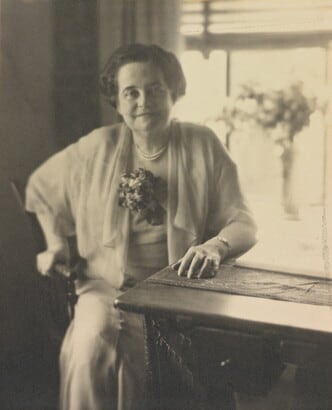
Alice A. Bailey
Совпадают в вопросах: Что такое Абсолют? Существует ли Бог? · Кто я? Существует ли истинное «я»? · Почему мы страдаем?
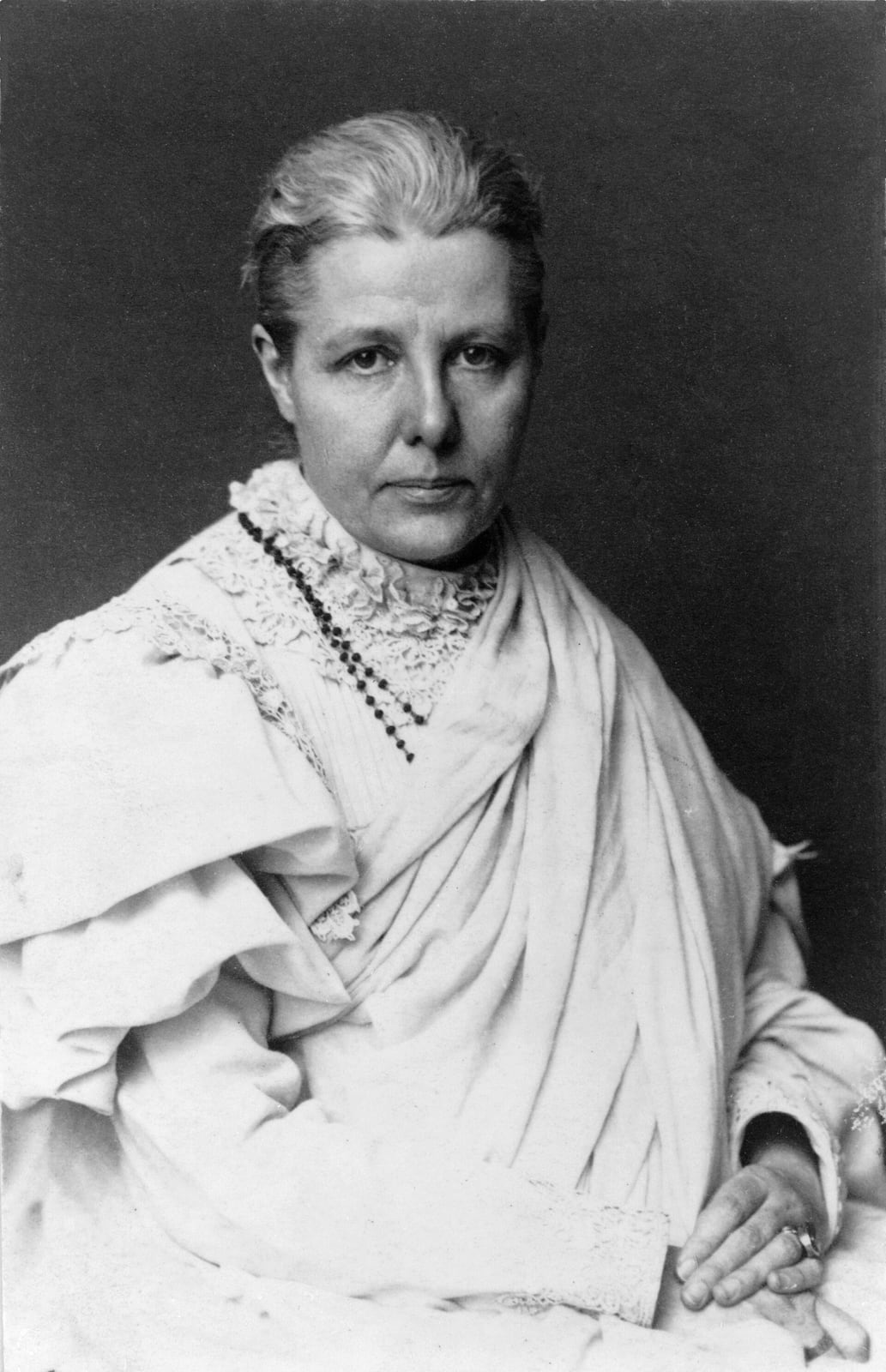
Annie Besant
Совпадают в вопросах: Свободны ли мы или всё предопределено? · Что такое Абсолют? Существует ли Бог? · Кто я? Существует ли истинное «я»?
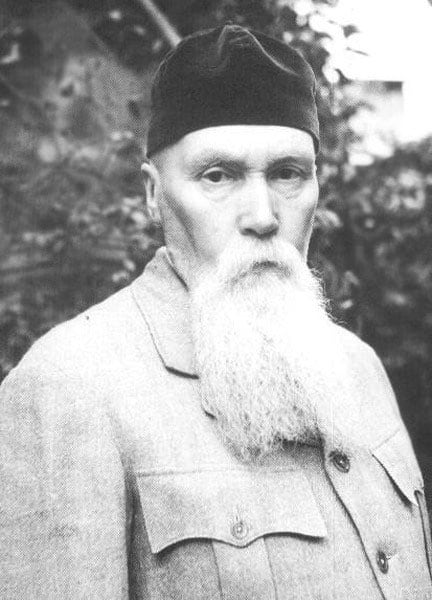
Nicholas Roerich
Совпадают в вопросах: Реален ли мир? · Может ли разум познать предельное? · Уйти от мира или преобразить его?
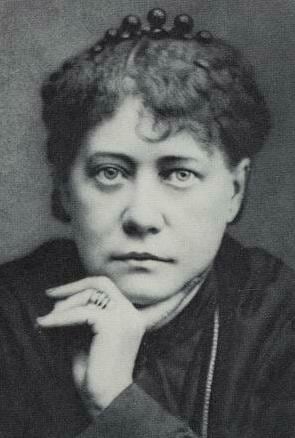
Helena Blavatsky
Совпадают в вопросах: Свободны ли мы или всё предопределено? · Кто я? Существует ли истинное «я»? · Почему мы страдаем?



Предания и рассказы
Предания и рассказы
Свидетельствоc. 1868
The visit of the dead aunt
Происхождение рассказа: Steiner's autobiographical lecture in Berlin, 4 February 1913 (published in the Beiträge zur Rudolf Steiner Gesamtausgabe); recorded by Lindenberg and critically discussed by Zander.
Источник: Lindenberg, Christoph. Rudolf Steiner. Eine Biographie. 2 vols. Stuttgart: Verlag Freies Geistesleben, 1997.
Свидетельствоc. 1879–1882
The herb gatherer on the train
Происхождение рассказа: The Course of My Life, ch. III; Koguzki's identity and house were documented by anthroposophical researchers. The figure of the 'Master' has no documentary support (Zander).
Источник: Steiner, Rudolf. Mein Lebensgang. Eine nicht vollendete Autobiographie (GA 28). Dornach: Philosophisch-Anthroposophischer Verlag, 1925; ed. actual Basilea: Rudolf Steiner Verlag.
Свидетельство1884–1890
The boy who could not learn
Происхождение рассказа: The Course of My Life, ch. VI. Otto Specht's medical career and death in the war are confirmed by biographers (Lindenberg); the degree of his initial disability is known only from Steiner.
Источник: Steiner, Rudolf. Mein Lebensgang. Eine nicht vollendete Autobiographie (GA 28). Dornach: Philosophisch-Anthroposophischer Verlag, 1925; ed. actual Basilea: Rudolf Steiner Verlag.
Документировано1896
Before the sick Nietzsche
Происхождение рассказа: The Course of My Life, ch. XVIII, and Steiner's articles on the Nietzsche archive (1900). The lessons and the break with Elisabeth Förster-Nietzsche are documented in letters.
Источник: Steiner, Rudolf. Mein Lebensgang. Eine nicht vollendete Autobiographie (GA 28). Dornach: Philosophisch-Anthroposophischer Verlag, 1925; ed. actual Basilea: Rudolf Steiner Verlag.
Документировано1922–1923
The night of the fire
Происхождение рассказа: Police reports and contemporary press; eyewitness accounts gathered by Wachsmuth and Lindenberg. Responsibility for the fire remains unproven.
Источник: Zander, Helmut. Rudolf Steiner. Die Biografie. Múnich: Piper, 2011 (ed. rústica 2016).
Документировано1924
The farmers of Koberwitz
Происхождение рассказа: Transcript of the course (GA 327) and documentation of the Agriculture Section of the Goetheanum.
Источник: Steiner, Rudolf. Geisteswissenschaftliche Grundlagen zum Gedeihen der Landwirtschaft. Landwirtschaftlicher Kurs (GA 327). Koberwitz, 7–16 de junio de 1924.
Учение
Учение
Понятия, на которых строится мысль учителя, объяснённые в их контексте.
Anthroposophy (spiritual science)antroposofia
From German idealism and Goethe to Theosophy and Western esotericism.
Источник: Zander, Helmut. Rudolf Steiner. Die Biografie. Múnich: Piper, 2011 (ed. rústica 2016).
Ethical individualism and free thinkingindividualismo-etico
Post-Kantian epistemology; nineteenth-century individualism.
The members of the human beingmiembros-del-ser-humano
Reworked Theosophical anthropology.
Источник: Zander, Helmut. Rudolf Steiner. Die Biografie. Múnich: Piper, 2011 (ed. rústica 2016).
Reincarnation and karmareencarnacion-y-karma
Theosophy; German idealism (Lessing).
Источник: Zander, Helmut. Rudolf Steiner. Die Biografie. Múnich: Piper, 2011 (ed. rústica 2016).
Imagination, Inspiration, Intuitionimaginacion-inspiracion-intuicion
Western mysticism and Rosicrucian esotericism.
Источник: Steiner, Rudolf. Mein Lebensgang. Eine nicht vollendete Autobiographie (GA 28). Dornach: Philosophisch-Anthroposophischer Verlag, 1925; ed. actual Basilea: Rudolf Steiner Verlag.
The threefold social ordertriformacion-social
Postwar German crisis; European social thought.
The Mystery of Golgotha, Lucifer and Ahrimanmisterio-del-golgota
Esoteric Christology; break with the Theosophical Society.
Источник: Zander, Helmut. Rudolf Steiner. Die Biografie. Múnich: Piper, 2011 (ed. rústica 2016).
Видео
Видео
Записи, интервью и документальные фильмы. Видео воспроизводятся с YouTube; здесь они не хранятся.
Rudolf Steiner and his Waldorf philosophy
Документальный фильм· EN· 2025· 43 min
DW DocumentaryОфициальный канал
Rudolf Steiner y su universo Waldorf
Документальный фильм· ES· 2025· 43 min
DW DocumentalОфициальный канал
Mythos Rudolf Steiner – was steckt hinter Waldorfschulen, Weleda und Demeter?
Документальный фильм· DE· 2024· 30 min
Terra X HistoryОфициальный канал
Rudolf Steiner und die Anthroposophie (Sternstunde Philosophie)
Интервью· DE· 2022· 65 min
SRF Kultur SternstundenОфициальный канал
Dr. Rudolf Steiner, aus seinem Lebensgang (ARTE)
Документальный фильм· DE· 2025· 90 min
videoattac2
The Life of Rudolf Steiner (Rudolf Steiners Leben)
Документальный фильм· DE· 59 min
Steinerfilms
The Challenge of Rudolf Steiner, part one
Документальный фильм· DE· 93 min
Steinerfilms
The Life and Work of Rudolf Steiner with Gary Lachman
Интервью· EN· 2018· 66 min
New Thinking Allowed with Jeffrey Mishlove
Rudolf Steiner's First Goetheanum with Brian Gray
Лекция· EN· 2022· 94 min
Anthroposophical Society · Faust Branch Sacramento
André Leu — Rudolf Steiner: 100 years ahead of the science of his time
Лекция· EN· 2019· 31 min
Sektion für LandwirtschaftОфициальный канал
Intuitive Thinking as a Spiritual Path (The Philosophy of Freedom) — audiolibro
Запись третьих лиц· EN· 2019· 457 min
Rudolf Steiner Press AudioОфициальный канал
El desafío de Rudolf Steiner
Смотреть на YouTube
Это видео нельзя встроить; оно откроется на YouTube.
El desafío de Rudolf Steiner
Документальный фильм· ES· 93 min
Benjamin Moreno
Галерея
Галерея
Изображения с проверенной лицензией. Каждое сохраняет своё авторство и атрибуцию.
Рукописи
Рукописи
Рукописные свидетельства и древние тексты, с указанием хранителя и условий доступа.
DE · Latin (Kurrent y escritura latina) · 1879–1925
Nachlass Rudolf Steiner (manuscritos, cuadernos de notas, cartas, dibujos de pizarra)
- Сохранившийся список
- Unos 600 cuadernos de notas, manuscritos de libros, cartas y alrededor de 1100 dibujos en pizarra
- Хранитель
- Rudolf Steiner Archiv, Dornach (Suiza)
DE · Taquigrafía Gabelsberger · 1900–1924
Mitschriften der Vorträge (estenogramas)
- Сохранившийся список
- Unas 3700 transcripciones taquigráficas de conferencias
- Хранитель
- Rudolf Steiner Archiv, Dornach
Связи
Связи
Влияния, ученичество и близость взглядов. Документированная связь отличается от сходства, выявленного путём анализа.
Испытал влияние
Her cosmology (root races, Atlantis, planes) is a reworked source of Cosmic Memory and Occult Science; Steiner acknowledged her work and disagreed with its Eastern orientation.
Документированная связь
Расходился во взглядах с
She appointed him head of the Esoteric School in Germany (1904); the proclamation of Krishnamurti as World Teacher led to the 1912–1913 break.
Документированная связь
Расходился во взглядах с
Steiner publicly rejected the doctrine that Krishnamurti was the vehicle of the World Teacher; it was the immediate cause of the German Section's separation.
Документированная связь
Встречался с
Friedrich Nietzsche
He devoted a book to him (1895) and saw him ill at Naumburg in 1896.
Документированная связь
Испытал влияние
Johann Wolfgang von Goethe
Editor of his scientific writings (1883–1897); his method of observation is the basis of Steiner's theory of knowledge and gives the Goetheanum its name.
Документированная связь
Ученик
Karl Julius Schröer
His teacher in Vienna, who introduced him to Goethe and recommended him to Kürschner.
Документированная связь
Родственник
Marie Steiner-von Sivers
Collaborator from 1902 and wife from 1914; co-founder of eurythmy and speech formation and editor of his legacy.
Документированная связь
Встречался с
Ita Wegman
Physician, co-author of Extending Practical Medicine and member of the Society's executive from 1923; she attended him in his last illness.
Документированная связь
Испытал влияние
The first chapter of Mysticism at the Dawn of the Modern Age (1901).
Документированная связь
Испытал влияние
Studied in Mysticism at the Dawn of the Modern Age (1901) as a precursor of his spiritual science.
Документированная связь
Испытал влияние
The centre of his Christology: he devoted cycles to the four Gospels and to the 'fifth Gospel'.
Документированная связь
Встречался с
Édouard Schuré
Friend and collaborator; Steiner adapted and staged his dramas (GA 42), and Schuré prefaced the French translation of Christianity as Mystical Fact.
Документированная связь
Испытал влияние
Ernst Haeckel
Steiner defended his evolutionary monism in Haeckel and His Opponents (1900) before his Theosophical period.
Документированная связь
Современник
Contemporaries in the German-speaking world with shared interests in Goethe, Gnosis and the life of the spirit, with no documented relationship.
Сходство, выявленное путём анализа
Современник
Contemporaries in early twentieth-century European esotericism; no direct relationship is recorded.
Сходство, выявленное путём анализа
Идеи, близкие к
Both conceived Christ and Sophia within a religious philosophy of evolution; the affinity was noted by Russian anthroposophists, not by Steiner himself.
Сходство, выявленное путём анализа
Современник
Both reworked Blavatsky's Theosophy in their own directions; there was no relationship.
Сходство, выявленное путём анализа
Источники
Источники
Библиография и каталоги, использованные для этой статьи.
- Steiner, Rudolf. Mein Lebensgang. Eine nicht vollendete Autobiographie (GA 28). Dornach: Philosophisch-Anthroposophischer Verlag, 1925; ed. actual Basilea: Rudolf Steiner Verlag.
- Lindenberg, Christoph. Rudolf Steiner. Eine Biographie. 2 vols. Stuttgart: Verlag Freies Geistesleben, 1997.
- Zander, Helmut. Rudolf Steiner. Die Biografie. Múnich: Piper, 2011 (ed. rústica 2016).
- Lachman, Gary. Rudolf Steiner: An Introduction to His Life and Work. Nueva York: Jeremy P. Tarcher/Penguin, 2007.
- Steiner, Rudolf. Die Philosophie der Freiheit. Grundzüge einer modernen Weltanschauung. Berlín: Emil Felber, 1894 (texto en Project Gutenberg, ebook n.º 53493).
- Goetheanum, Dornach: sede de la Sociedad Antroposófica General y de la Escuela Superior de Ciencia Espiritual.
- McDermott, Robert (ed.). The Essential Steiner. San Francisco: Harper & Row, 1984 (nueva ed. The New Essential Steiner, Lindisfarne, 2009).
- Wikipedia (de), «Rudolf Steiner» (secciones «Edition des Werkes» y «Schriften»), y Wikipedia (en), «Rudolf Steiner», consultadas el 25 de octubre de 2026.
- Wikidata, «Rudolf Steiner» (Q78484).
- Rudolf Steiner Archiv, Dornach / Rudolf Steiner Verlag, Basilea: Rudolf Steiner Gesamtausgabe (GA).
- Rudolf Steiner Archive (Steiner Online Library), rsarchive.org: índice de la GA con traducciones inglesas (p. ej. «GA 37. Writings on the History of the Anthroposophical Movement and Society 1902–1925»).
- Jonas, Margaret (comp.). GA–RSE Titles: Listing of GA volumes and published English translations. Londres: Rudolf Steiner House Library, 1999, act. 2019.
- Deutsche Nationalbibliothek, catálogo en línea (SRU): ediciones del Rudolf Steiner Verlag por número de GA.
- Project Gutenberg: obras de Rudolf Steiner en alemán e inglés (Die Philosophie der Freiheit, n.º 53493; Die Kernpunkte der sozialen Frage, n.º 28494; The Way of Initiation, n.º 39986; etc.).
- Wachsmuth, Guenther. Die Geburt der Geisteswissenschaft. Rudolf Steiners Lebensgang von der Jahrhundertwende bis zum Tode. Dornach: Philosophisch-Anthroposophischer Verlag, 1941 (trad. ingl. The Life and Work of Rudolf Steiner, 1955).
- Steiner, Rudolf. Geisteswissenschaftliche Grundlagen zum Gedeihen der Landwirtschaft. Landwirtschaftlicher Kurs (GA 327). Koberwitz, 7–16 de junio de 1924.
- Правообладатель
- Dominio público en la UE (desde 1996) y en España (desde 2006) para toda la obra de Steiner (m. 1925), y en EE. UU. para lo publicado antes de 1930. Las ediciones de la GA, sus aparatos críticos y las traducciones modernas pertenecen a la Rudolf Steiner-Nachlassverwaltung / Rudolf Steiner Verlag (Basilea) y a sus editoriales.
- Официальный сайт
- www.rudolf-steiner.com/
Ожидает подтверждения
То, что в этой статье пока не удалось установить. Мы предпочитаем сказать об этом, а не заполнять пробел.
- Fecha de nacimiento: Steiner dio siempre el 27 de febrero de 1861; algunos documentos y biógrafos apuntan al 25. Se registra el 27 con certeza «disputed» en la cronología.
- Verificar el título y contenido exactos de la GA 41 y de la reordenación reciente de documentos (GA 46) que aparece en rsarchive.org; no se han registrado por falta de fuente fiable.
- Completar ISBN españoles e ingleses para varias obras escritas (GA 5, 7, 11, 14, 16, 18, 20, 22, 24–25, 29–39, 42–44) y localizar ediciones en francés, italiano y ruso.
- Registrar uno por uno los demás ciclos de conferencias significativos (p. ej. GA 107, 113, 129, 136, 146, 157, 194, 230, 233) siempre como transcripciones no revisadas.
- Cotejar con el texto alemán de GA 4 (ed. 1918) y GA 10 las dos citas marcadas como «probable».
- Confirmar las fechas marcadas como probables: doctorado (octubre de 1891), boda con Marie von Sivers (24-XII-1914), inauguración del segundo Goetheanum (29-IX-1928) e inicio de la GA (1956).
- Localizar textos alemanes de dominio público en línea (Wikisource alemán, Internet Archive con OCR limpio) de Theosophie, Wie erlangt man…? y Die Geheimwissenschaft im Umriss para la sala de lectura.
Исследовано 2026-10-25