Индуизм · Буддизм · Теософия · Герметизм
Helena Blavatsky
Елена Петровна Блаватская
1831 – 1891Исторически документированная личность
Елена Петровна Блаватская (1831–1891), русская писательница и соосновательница Теософского общества в Нью-Йорке (1875), — центральная фигура современного оккультизма. В «Разоблачённой Изиде» и «Тайной доктрине» она изложила общую для всех религий «древнюю мудрость», передаваемую восточными учителями, и открыла Западу такие понятия, как карма и перевоплощение. Ею в равной мере восхищались и её обличали — доклад Ходжсона 1885 года объявил её самозванкой, — а её влияние простирается от антропософии до художественного авангарда.
- трудов
- 29трудов
- изданий
- 99изданий
- цитат
- 10цитат
- видео
- 15видео
- изображений
- 6изображений
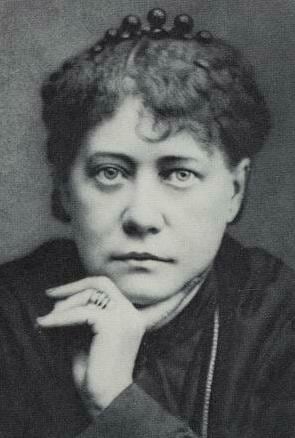
Helena Petrovna Blavatsky, 1877 · Public domain
Своими словами
«There is no religion higher than truth.»The Key to Theosophy (1889), sección I, «El significado del nombre»; lema de la Sociedad Teosófica, también en la portada de La Doctrina Secreta (1888)

Главная мысль
Wisdom-Religion: The guiding idea of all Blavatsky's work: there exists a primordial, single and universal wisdom of which the historical religions are fragments deformed by time, priesthood and dogma.
В контексте
Биография
5 мин чтения
Перевод с испанского оригинала, выполненный с помощью ИИ; ожидает проверки носителем языка.
Дитя империи
Елена Петровна фон Ган родилась 12 августа 1831 года (31 июля по юлианскому календарю) в Екатеринославе, на территории нынешней Украины, в семье русских дворян немецкого происхождения. Её отец, Пётр фон Ган, был артиллерийским офицером; мать, Елена Андреевна Фадеева, рано прославившаяся писательница, которую Белинский сравнивал с Жорж Санд, умерла, когда девочке было одиннадцать лет. Елена росла то в гарнизонах, то в доме деда и бабушки по матери в Саратове и Тифлисе, где бабушка, княжна Елена Долгорукова, занималась ботаникой и хранила библиотеку масонских и алхимических сочинений XVIII века. Семейные свидетельства, собранные её сестрой Верой Желиховской и А. П. Синнеттом в книге Incidents in the Life of Madame Blavatsky («Случаи из жизни мадам Блаватской», 1886), рисуют неукротимую девочку-лунатика, заворожённую невидимым и крестьянскими преданиями. К этим рассказам нужно относиться с осторожностью: они были написаны, когда она уже была знаменита, и с намерением её объяснить.
В июле 1849 года, в семнадцать лет, она вышла замуж за Никифора Блаватского, вице-губернатора Эриванской губернии, человека более чем на двадцать лет старше её. Брак продлился несколько недель. Елена бежала, и с этого момента начинаются, по выражению её биографов, «сокрытые годы» — два десятилетия, о которых почти нет независимых документов. Сама она утверждала, что побывала в Египте, Европе, Америке, Индии, а в 1868–1870 годах — в Тибете, где будто бы получила наставления от «учителей». Ни одному исследователю не удалось подтвердить пребывание в Тибете; документально засвидетельствованы, напротив, её пребывание в Каире в 1871 году, где она основала «Спиритическое общество» (Société Spirite), закончившееся скандалом, и её присутствие в Париже весной 1873 года.
Нью-Йорк и рождение Теософского общества
В июле 1873 года Блаватская прибыла в Нью-Йорк. В октябре 1874 года на ферме братьев Эдди в Читтендене (Вермонт) она познакомилась с полковником Генри Стилом Олкоттом, юристом и журналистом, исследовавшим спиритические явления для газеты New York Daily Graphic. Эта встреча, описанная Олкоттом в книге People from the Other World («Люди из иного мира»), а позднее — в «Листах старого дневника», изменила жизнь обоих. 7 сентября 1875 года в квартире Блаватской на Ирвинг-плейс группа любопытствующих решила основать общество для изучения «оккультных законов природы»; 17 ноября Олкотт произнёс учредительную речь Теософского общества, президентом которого он стал, а Блаватская заняла пост секретаря-корреспондента, Уильям Куан Джадж — юрисконсульта.
В 1875–1877 годах на английском, которым она едва владела, она написала «Разоблачённую Изиду» — два тома общим объёмом более тысячи двухсот страниц, направленных против научного материализма и христианского догматизма и в защиту изначальной «религии-мудрости», сохранённой древними мистериями. Первый тираж в тысячу экземпляров разошёлся за десять дней. Олкотт оставил знаменитое свидетельство о её методе работы: по его словам, автор писала, опираясь на груды цитат, которые она «видела» в воздухе, и некоторые страницы были написаны разными почерками. Критик Уильям Эмметт Коулмен впоследствии насчитал около двух тысяч фрагментов, заимствованных без указания источника примерно из сотни сочинений, — и это по сей день главный довод тех, кто отрицает какое-либо сверхъестественное происхождение книги. 8 июля 1878 года Блаватская получила американское гражданство.
Индия, Учителя и скандал в Адьяре
В декабре 1878 года основатели отплыли в Индию. В феврале 1879 года они прибыли в Бомбей, а в октябре начали выпускать журнал The Theosophist. Путешествие совпало с новым умонастроением: Общество выступало на стороне религий Индии и Цейлона против миссионеров, а Олкотт и Блаватская в мае 1880 года в Галле публично приняли буддийские обеты. В Симле той же осенью редактор газеты Pioneer Альфред Перси Синнетт стал свидетелем феноменов, описанных им в «Оккультном мире» (1881), и начал получать письма, приписываемые махатмам Кут Хуми и Мории; ныне они хранятся в Британской библиотеке. В декабре 1882 года штаб-квартира переехала в Адьяр близ Мадраса.
Там и назрел кризис. В 1884 году, когда основатели находились в Европе, Эмма Куломб, давняя знакомая Блаватской по Каиру, работавшая в штаб-квартире, передала шотландским миссионерам Мадраса письма, которые, по её словам, доказывали, что Блаватская устраивала феномены в адьярском «святилище» с помощью раздвижных панелей и потайных люков. В сентябре их опубликовал Madras Christian College Magazine. Лондонское Общество психических исследований (Society for Psychical Research), уже создавшее комитет по Теософскому обществу, отправило в Индию молодого исследователя Ричарда Ходжсона. Его доклад, опубликованный в Proceedings в декабре 1885 года, заключал, что письма махатм написаны самой Блаватской, и называл её «одной из самых искусных, изобретательных и интересных самозванок в истории». Больная и лишённая поддержки Общества для судебной тяжбы, Блаватская покинула Индию 31 марта 1885 года и больше туда не вернулась. Столетие спустя, в 1986 году, эксперт-почерковед Вернон Харрисон, сам член Общества психических исследований, опубликовал в его Journal сокрушительный разбор методов Ходжсона; Общество не «реабилитировало» Блаватскую — оно не выносит коллективных вердиктов, — но вопрос вновь оказался открытым.
Лондонские годы
Пожив в Вюрцбурге и Остенде, где она начала писать главный труд своей жизни, в мае 1887 года она обосновалась в Лондоне. Она основала журнал Lucifer, Ложу Блаватской и в октябре 1888 года — Эзотерическую секцию, кружок закрытого обучения. Той же осенью вышла «Тайная доктрина» — два тома, «Космогенезис» и «Антропогенезис», представленные как комментарий к «Станцам Дзиан», тексту, который, по её словам, видела только она. В 1889 году она опубликовала «Ключ к теософии», свой катехизис в форме диалога, и «Голос безмолвия» — краткое руководство по духовному пути, которое буддисты Шри-Ланки и Японии встретили с симпатией. Весной того же года Анни Безант, до тех пор свободомыслящая и социалистка, написала рецензию на «Тайную доктрину» и стала её ближайшей ученицей; У. Б. Йейтс, навещавший её в то время, вспоминал о ней как о «старой ирландской крестьянке, в которой были юмор и дерзкая сила».
Она умерла от гриппа, осложнённого хроническим нефритом, 8 мая 1891 года в доме № 19 по Авеню-роуд. Её кремировали в Уокинге, а прах разделили между Адьяром, Лондоном и Нью-Йорком. Теософы отмечают эту дату как День Белого Лотоса.
Что остаётся
Документально засвидетельствовано следующее: необычайно начитанная писательница, соосновательница международной организации, которая ввела в обиход на Западе слова «карма», «перевоплощение» и «учителя», защитница единства религий и — в Индии 1880-х годов — союзница культурного самосознания, предвосхитившего национализм. Переданное учениками — другое: феномены, путешествия в Тибет, «осаждённые» письма. Между этими двумя пластами двигались Рудольф Штейнер, Алиса Бейли, Кандинский и Мондриан, Ганди в годы своей лондонской юности и значительная часть современной духовности, которая обязана Блаватской больше, чем обычно признаёт.
Источники: Cranston, Sylvia. HPB: The Extraordinary Life and Influence of Helena Blavatsky, Founder of the Modern Theosophical Movement. Nueva York: Tarcher/Putnam, 1993. · Goodrick-Clarke, Nicholas. Helena Blavatsky (Western Esoteric Masters). Berkeley: North Atlantic Books, 2004. · Olcott, Henry Steel. Old Diary Leaves: The True Story of the Theosophical Society. First Series. Nueva York/Londres: Putnam / Theosophical Publishing Society, 1895. · Sinnett, A. P. Incidents in the Life of Madame Blavatsky. Londres: George Redway, 1886. · Harrison, Vernon. H. P. Blavatsky and the SPR: An Examination of the Hodgson Report of 1885. Pasadena: Theosophical University Press, 1997 (incluye «J'Accuse», Journal of the SPR, vol. 53, abril de 1986, pp. 286–310).
Хронология
Жизнь год за годом
Каждая точка — документированное событие. Нажмите, чтобы прочитать о нём, с источником и степенью достоверности.
12 августа 1831 г.0 летYekaterinoslav (hoy Dnipró)
Birth
Helena Petrovna von Hahn is born, daughter of the officer Pyotr von Hahn and the novelist Helena Fadeyeva. The date corresponds to 31 July in the Julian calendar.
ДокументированоCranston, Sylvia. HPB: The Extraordinary Life and Influence of Helena Blavatsky, Founder of the Modern Theosophical Movement. Nueva York: Tarcher/Putnam, 1993.
После смерти
- апрель 1986 г.Harrison re-examines the Hodgson Report
12 августа 1831 г. · 0 лет
Birth
Helena Petrovna von Hahn is born, daughter of the officer Pyotr von Hahn and the novelist Helena Fadeyeva. The date corresponds to 31 July in the Julian calendar.
Документировано
1842 · 11 лет
Death of her mother
Helena Andreyevna Fadeyeva dies. The child goes to live with her maternal grandparents, the Fadeyevs, in Saratov and later in Tiflis.
Документировано
7 июля 1849 г. · 17 лет
Marriage to Nikifor Blavatsky
She marries Nikifor Blavatsky, vice-governor of Erivan, much older than herself. She leaves him within weeks and keeps the surname for life.
Документировано
1849 – 1873 · 18 лет
The 'veiled years'
Two decades of travel begin for which there is hardly any independent evidence. She claimed to have been in Egypt, America, India and Tibet (1868–1870), where she said the Masters instructed her. The Tibetan stay has never been confirmed.
Предание
1871 · 40 лет
The 'Société Spirite'
In Cairo she founds a spiritualist society that dissolves amid accusations of fraud against the hired mediums. There she meets Emma Cutting, the future Emma Coulomb.
Документировано
7 июля 1873 г. · 41 год
Arrival in New York
She lands in New York, where she lives in straitened circumstances in a working women's boarding house and writes for the press.
Документировано
14 октября 1874 г. · 43 года
Meeting Henry Steel Olcott
At the Eddy farm she meets Colonel Olcott, who was investigating the apparitions for the New York Daily Graphic. The partnership that will give rise to the Theosophical Society begins.
Документировано
17 ноября 1875 г. · 44 года
Founding of the Theosophical Society
After the preliminary meeting of 7 September, Olcott delivers the inaugural address. Blavatsky is corresponding secretary; William Q. Judge, counsel.
Документировано
29 сентября 1877 г. · 46 лет
Publication of 'Isis Unveiled'
J. W. Bouton publishes the two volumes. The first run of a thousand copies sells out in ten days. The New York Herald calls it 'one of the remarkable productions of the century'.
Документировано
8 июля 1878 г. · 46 лет
United States citizenship
She becomes a naturalised United States citizen, the first Russian woman to do so according to the press of the day.
Документировано
16 февраля 1879 г. · 47 лет
Arrival in India
The founders land in Bombay. In October the first issue of The Theosophist appears.
Документировано
25 мая 1880 г. · 48 лет
Taking the Buddhist precepts
Blavatsky and Olcott publicly take pansil (the five precepts) at a temple in Galle, among the first Westerners to do so.
Документировано
октябрь 1880 г. · 49 лет
The Simla phenomena
At A. P. Sinnett's house the phenomena occur (the buried cup, the Koot Hoomi letters) that Sinnett will narrate in The Occult World (1881).
Документировано
декабрь 1882 г. · 51 год
Headquarters at Adyar
The Society buys the Huddlestone Gardens estate by the Adyar river, which remains its international headquarters.
Документировано
сентябрь 1884 г. · 53 года
The Coulomb affair
The Madras Christian College Magazine publishes letters handed over by Emma Coulomb which, according to the missionaries, prove that the Adyar phenomena were tricks. Blavatsky declares them forgeries.
Документировано
31 марта 1885 г. · 53 года
Final departure from India
Ill and without support to sue the Coulombs, she leaves India and settles in Europe (Naples, Würzburg, Ostend).
Документировано
декабрь 1885 г. · 54 года
The Hodgson Report
The Society for Psychical Research publishes Richard Hodgson's report (Proceedings, vol. 3): it concludes that the Mahatma letters are Blavatsky's work and brands her an impostor. In 1986 Vernon Harrison, an SPR member, showed in its Journal that Hodgson's handwriting analysis was untenable.
Документировано
1 мая 1887 г. · 55 лет
Settling in London
She settles at Maycot (Norwood) and then in Lansdowne Road. In September she founds the journal Lucifer and the Blavatsky Lodge.
Документировано
октябрь 1888 г. · 57 лет
'The Secret Doctrine' and the Esoteric Section
The two volumes of The Secret Doctrine appear. On 9 October the Esoteric Section of the Society is announced, under her sole direction.
Документировано
май 1889 г. · 57 лет
Annie Besant joins the Society
After reviewing The Secret Doctrine for the Pall Mall Gazette, Besant joins the Theosophical Society and becomes her closest disciple. That year The Key to Theosophy and The Voice of the Silence are published.
Документировано
8 мая 1891 г. · 59 лет
Death
She dies of influenza, aggravated by chronic nephritis, at the Society's European headquarters. She is cremated at Woking on 11 May; Theosophists commemorate the date as White Lotus Day.
Документировано
апрель 1986 г.
Harrison re-examines the Hodgson Report
Vernon Harrison publishes 'J'Accuse' in the Journal of the SPR: the 1885 report is 'badly flawed' and its handwriting conclusions do not stand. The SPR notes that it issues no corporate verdicts.
Документировано
Труды
Главные труды
Труды, без которых не понять это наследие.
Письменный труд · 1877
Isis Unveiled
Isis Unveiled: A Master-Key to the Mysteries of Ancient and Modern Science and Theology
Blavatsky's first major work, in two volumes ('Science' and 'Theology'). It attacks both the materialism of Huxley and Tyndall and the dogmatism of the churches, arguing that a primordial 'Wisdom-Religion', guarded by the ancient mysteries, the Kabbalah, Hermeticism and the schools of India, underlies all religions as their fragments. It ranges over magic, spiritualism, Paracelsus, the Vedas and the Gospels with torrential and disorderly erudition. The doctrine of reincarnation does not yet appear clearly; the author would develop it later. It is, above all, the manifesto of an occultism that wants to be science.
10 изданий · amazon.com

Письменный труд · 1888
The Secret Doctrine
The Secret Doctrine: The Synthesis of Science, Religion, and Philosophy
Blavatsky's major work and the founding text of modern Theosophy. It is presented as a commentary on the 'Stanzas of Dzyan', a cosmogonic poem the author claimed to have translated from a secret language and which no one else has seen. Volume I, 'Cosmogenesis', sets out the three fundamental propositions (an absolute and unknowable Principle, the universal law of periodicity, and the identity of all souls with the Universal Over-Soul) and the cyclical emanation of the cosmos. Volume II, 'Anthropogenesis', describes human evolution through seven 'root races' on vanished continents such as Lemuria and Atlantis. A third part engages with the science and religious symbolism of her day. Its readers have included Steiner, Yeats, Kandinsky, Scriabin and Mondrian.
14 изданий · amazon.com

Письменный труд · 1889
The Key to Theosophy
A catechism of Theosophy written in questions and answers. It explains what the Theosophical Society is and is not, the difference between Theosophy and occultism, the sevenfold constitution of the human being, the post-mortem states (kama-loka and devachan), karma and reincarnation, and the movement's relations with spiritualism and the churches. It is Blavatsky's most accessible text and the one most used as an introduction; it contains the motto 'There is no religion higher than truth' and a long defence against the SPR's accusations.
8 изданий · amazon.com

Письменный труд · 1889
The Voice of the Silence
The Voice of the Silence, being Chosen Fragments from the «Book of the Golden Precepts»
A short prose poem on the spiritual path, in three fragments: 'The Voice of the Silence', 'The Two Paths' and 'The Seven Portals'. It teaches the stilling of the mind ('the mind is the great slayer of the real'), the passage through the three halls of ignorance, learning and wisdom, and the choice between the path of personal liberation and the path of renunciation, that of the bodhisattva who remains to help others. It is the devotional text of Theosophy par excellence and one of the first to bring the Mahayana ethic of compassion to a Western public; the 14th Dalai Lama wrote a foreword to a centenary edition.
8 изданий · amazon.com
Все труды (29)

The Theosophical Glossary
1892

Из пещер и дебрей Индостана
1879

Nightmare Tales
1892

Studies in Occultism
1895
Helena Blavatsky
A Modern Panarion
The Conscious LibraryA Modern Panarion
1895
Helena Blavatsky
Collected Writings
The Conscious LibraryCollected Writings
1950
Helena Blavatsky
Esoteric Instructions
The Conscious LibraryEsoteric Instructions
1889

Gems from the East
1890

Transactions of the Blavatsky Lodge
1890

The Letters of H. P. Blavatsky to A. P. Sinnett
1925

The Letters of H. P. Blavatsky, vol. 1
2003
Helena Blavatsky
Дурбар в Лахоре
The Conscious LibraryДурбар в Лахоре
1881

The Secret Doctrine, Volume III
1897

Загадочные племена на «Голубых горах»
1883
Helena Blavatsky
Some Unpublished Letters of Helena Petrovna Blavatsky
The Conscious LibrarySome Unpublished Letters of Helena Petrovna Blavatsky
1929

Five Messages to the American Theosophists
1888

The Original Programme of the Theosophical Society
1931

Practical Occultism
1888

Raja-Yoga, or Occultism
1931
Helena Blavatsky
Dynamics of the Psychic World
The Conscious LibraryDynamics of the Psychic World
1972

Personal Memoirs of H. P. Blavatsky
1937

H. P. B. Speaks
1950
Helena Blavatsky
The Inner Group Teachings of H. P. Blavatsky
The Conscious LibraryThe Inner Group Teachings of H. P. Blavatsky
1985

The Esoteric Character of the Gospels
1887
Изречения
Изречения, найденные в конкретном труде. Каждое сопровождается указанием происхождения и степени надёжности.
There is no religion higher than truth.ПровереноThe Key to Theosophy (1889), sección I, «El significado del nombre»; lema de la Sociedad Teosófica, también en la portada de La Doctrina Secreta (1888)
Апокрифические изречения и изречения спорной атрибуции (1)
«'Occultism is not magic.'»
Often quoted as Blavatsky's. What she actually wrote, in 'Occultism versus the Occult Arts' (Lucifer, 1888), is an extended distinction between occultism as the science of the spirit and the 'occult arts' (magic, hypnotism), without that lapidary formulation.
Последние слова
Позднейший рассказ свидетелей
«Keep the link unbroken! Do not let my last incarnation be a failure.»Keep the link unbroken! Do not let my last incarnation be a failure.
A tradition handed down by the residents of 19 Avenue Road who nursed her in her last days (Laura Cooper, Claude Falls Wright, Walter Old and Isabel Cooper-Oakley). Laura M. Cooper's account, 'How She Left Us', appeared in Lucifer (June 1891) and underlies the versions gathered by Cranston (1993). The words are said to have been spoken the day before or on the morning of her death, not with her last breath; Cooper describes the end as silent, the patient's hand in hers. No independent record exists.
Источник: Cooper, Laura M. «How She Left Us», en Lucifer, vol. VIII, n.º 46 (junio de 1891), número en memoria de H. P. B. Londres: Theosophical Publishing Society.
Спросить
На что отвечают эти труды
Двенадцать великих вопросов человечества и то, что позволяют на них ответить эти тексты, со ссылками. Мы никогда не вкладываем слова в чужие уста.
Что такое Абсолют? Существует ли Бог?
An eternal, boundless Principle beyond speculation; no personal God
Безличный АбсолютСказано прямо
Helena Blavatsky answers explicitly. The first of the three fundamental propositions in the Proem of The Secret Doctrine affirms an omnipresent, eternal, boundless and immutable Principle, on which all speculation is impossible because it transcends the power of human conception. That Principle is not a creator: universes emanate from it periodically according to the law of cycles, and gods and logoi are beings and powers within manifestation. In The Key to Theosophy, in the section on God and prayer, she rejects the idea of a personal, extra-cosmic and anthropomorphic God, which she regards as a gigantic shadow of man, and defends instead an impersonal divinity present in everything and in the human being. Prayer, accordingly, is not addressed to someone who grants favours; it is will and inner aspiration.
Сравнить этот вопрос с другими учителямиКто я? Существует ли истинное «я»?
An individuality that reincarnates beneath passing personalities
Эволюционирующая душаСказано прямо
Helena Blavatsky describes the human being as a compound of seven principles, from the physical body to spirit (atma), and carefully distinguishes personality from individuality. The personality is the transient set of body, vital energy, desires and lower mind that make up the individual of a given life, and it disintegrates after death. The individuality is the higher Ego, the spiritual mind (higher manas joined to buddhi), which reincarnates from life to life accumulating experience. In The Key to Theosophy she sets out this distinction in the sections on the nature of man and on reincarnation, and in The Secret Doctrine the third fundamental proposition establishes the obligatory pilgrimage of every soul through the cycle of incarnation. The true self therefore exists, but it is not the one we believe ourselves to be: it is an evolving soul.
Сравнить этот вопрос с другими учителямиПочему мы страдаем?
Karma readjusts what we disturb; pain educates the reincarnating Ego
Карма и обучение душиСказано прямо
Helena Blavatsky explains suffering through karma, which she defines as a law of readjustment: every cause set in motion produces its effect, and the harmony disturbed by a selfish act is restored, in this life or another. In The Key to Theosophy, in the section on the mysteries of reincarnation, she rejects both the idea of a punishment imposed by a God and that of blind chance: each person is their own lawgiver and reaps what they sowed. She adds that karma is also collective, of families, nations and races, which explains sufferings that do not seem individually deserved. Pain, in this framework, has a pedagogical function: it forces the reincarnating Ego to learn, and forms part of the soul's evolution towards its source. The Voice of the Silence further insists on compassion for the pain of others.
Сравнить этот вопрос с другими учителямиЧто происходит после смерти?
After kama-loka and devachan, the Ego reincarnates according to its karma
Перерождение согласно кармеСказано прямо
Blavatsky offers one of the most detailed maps of the beyond in modern esotericism. In The Key to Theosophy she explains that at death the human being sheds the lower principles: the body, the etheric double and the life energy dissolve; in kama-loka the envelope of desires falls away, and may persist for a time as a «shell» without consciousness of its own. The higher Ego then passes into devachan, a state of subjective bliss in which it assimilates the fruits of the life lived, and afterwards reincarnates in a new body in accordance with its karma. For her this is neither punishment nor arbitrary reward, but the obligatory pilgrimage of every soul through the cycle of incarnations, which The Secret Doctrine states as its third fundamental proposition, until it consciously rejoins the universal Over-Soul.
Сравнить этот вопрос с другими учителямиКак достигается освобождение или спасение?
Self-effort across lifetimes, without vicarious redemption, through the transcendent virtues
Через дисциплинированную практикуСказано прямо
Helena Blavatsky denies that anyone can be saved by another: in The Key to Theosophy she criticises vicarious atonement and holds that each person reaps what they sow under the law of karma, across a cycle of reincarnations. Liberation is therefore the fruit of one's own effort sustained over many lives. The Voice of the Silence, which she presents as a translation of an Eastern text, describes that effort as passing through «seven portals», the transcendent virtues (paramitas) of charity, harmony, patience, dispassion, energy, meditation and wisdom. Its culmination is not individual rest in nirvana but renouncing it in order to help humanity, which the work presents as the highest path.
Сравнить этот вопрос с другими учителямиНужен ли учитель?
The occult path needs Masters; truth itself needs no dogmatic authority
НезаменимСледует из учения
Helena Blavatsky claimed that her teaching came from Masters or Mahatmas, living adepts of an occult brotherhood, and that she herself had been their disciple. In that system, progress on the occult path requires becoming a chela, an accepted disciple of a Master, a condition she wrote about in articles such as «Chelas and Lay Chelas». At the same time, The Key to Theosophy rejects any dogmatic authority for the public: the Theosophical Society imposes no beliefs, and the motto that there is no religion higher than truth invites people to examine for themselves. The position thus combines an initiatory hierarchy for those who enter the esoteric path with freedom of judgement for the ordinary student.
Сравнить этот вопрос с другими учителямиРеален ли мир?
A periodic universe of seven planes emanating from an unknowable Principle
Планы бытияСказано прямо
Helena Blavatsky's Secret Doctrine starts from three fundamental propositions, set out in the Proem: an omnipresent, eternal and immutable Principle about which no speculation is possible; the periodicity of the universe, which appears and disappears in cycles of manifestation and rest; and the identity of all souls with the universal Oversoul and their obligatory pilgrimage through the cycles of incarnation. The manifested universe is organised into seven planes of matter and consciousness, from the densest, the physical, to the subtlest. Relative to the Absolute, the world is maya, illusion, because it is temporary; but it is real for the beings who live in it and is the necessary field of their evolution.
Сравнить этот вопрос с другими учителямиЧто такое любовь?
Compassion is no attribute but the law of laws
Безграничное состраданиеСказано прямо
Blavatsky places love on the level of a cosmic law rather than a feeling. In The Voice of the Silence, inspired by the Mahayana tradition, she declares that compassion is no attribute but the law of laws: eternal harmony, the shoreless universal essence, the law of love eternal. From this she derives the ideal she proposes to the disciple: to renounce personal nirvana and remain in the world helping others, the «secret path» of the bodhisattva, which in fragment II she places above the «open path» leading to the bliss of nirvana. On the social plane, Theosophy is founded on universal brotherhood without distinction of race, creed, sex, caste or colour, the first object of the Theosophical Society. Blavatsky distrusts, on the other hand, personal and possessive love, which she considers a form of selfishness the disciple must transcend.
Сравнить этот вопрос с другими учителямиСвободны ли мы или всё предопределено?
Karma neither creates nor designs: it is the human being who sows the causes
Карма и выборСказано прямо
Blavatsky presents karma as a universal law of adjustment, not as blind fate. In *The Secret Doctrine* she insists that karma neither creates nor designs anything: it is man who plans and sets causes in motion, and the law merely restores the balance of their effects. In *The Key to Theosophy*, in the section on reincarnation, she defines it as the law of retribution that accompanies the ego through its lives. A real freedom within a cyclic frame follows: the soul's pilgrimage through the wheel of necessity is obligatory, but each incarnation inherits what was sown and sows again. Moral responsibility stays intact and, in her argument, becomes stricter than under the idea of forgiveness.
Сравнить этот вопрос с другими учителямиЗачем медитировать или молиться?
Not praying to an outer god: will-prayer to the inner God
Возвращение к источнику «я»Сказано прямо
In section V of *The Key to Theosophy*, Blavatsky rejects prayer understood as petition to a personal, external god, which she sees as a source of selfishness and passivity. In its place she proposes what she calls «will-prayer»: an inner command addressed to the Father in secret, that is, to the divine principle in the human being. *The Voice of the Silence* develops the practice in a contemplative key: the disciple must still the mind, the great slayer of the real, and pass through the seven portals, among them that of meditation (*dhyāna*), until personal consciousness is united with the Higher Self. To meditate, for her, is to travel back to one's own divine source.
Сравнить этот вопрос с другими учителямиМожет ли разум познать предельное?
An ancient hidden wisdom, divine science higher than any religion
Эзотерическое знаниеСказано прямо
For Blavatsky there is a secret doctrine, the wisdom-religion of antiquity, preserved by a brotherhood of adepts and present in veiled form in every tradition. *The Key to Theosophy* defines theosophy as divine knowledge or science, and its motto states that there is no religion higher than truth. Her method combines comparative erudition, critique of scientific materialism and ecclesiastical dogma, and the claim of inner faculties able to verify that wisdom. In the proem of *The Secret Doctrine*, however, she sets a limit: the ultimate principle is omnipresent, eternal and immutable, and all speculation about it is impossible, for it transcends the power of human conception.
Сравнить этот вопрос с другими учителямиУйти от мира или преобразить его?
Renouncing one's own nirvana to stay and serve humanity
Действовать в миреСказано прямо
Blavatsky distrusts a spirituality that seeks only one's own liberation. In The Voice of the Silence she presents as the higher ideal that of the bodhisattva who, able to enter nirvana, renounces it out of compassion for a suffering world, and warns the disciple that inaction in the face of another's misfortune is a form of sin. In The Key to Theosophy she holds that practical Theosophy consists of duty, altruism and self-sacrifice for others, and that a Theosophist is recognised by what he does, not by what he believes. The Theosophical Society she founded in 1875 had as its first object to form a nucleus of universal brotherhood without distinction of race, creed, sex, caste or colour. Her own field of action was mainly intellectual and organisational: spreading a synthesis of religion, science and philosophy against materialism and dogmatism.
Сравнить этот вопрос с другими учителями
Созвучия и противоречия
Созвучия и противоречия
Рассчитаны вопрос за вопросом на основе позиций. Причина каждого совпадения или расхождения — по нажатию.
Ближе всего к
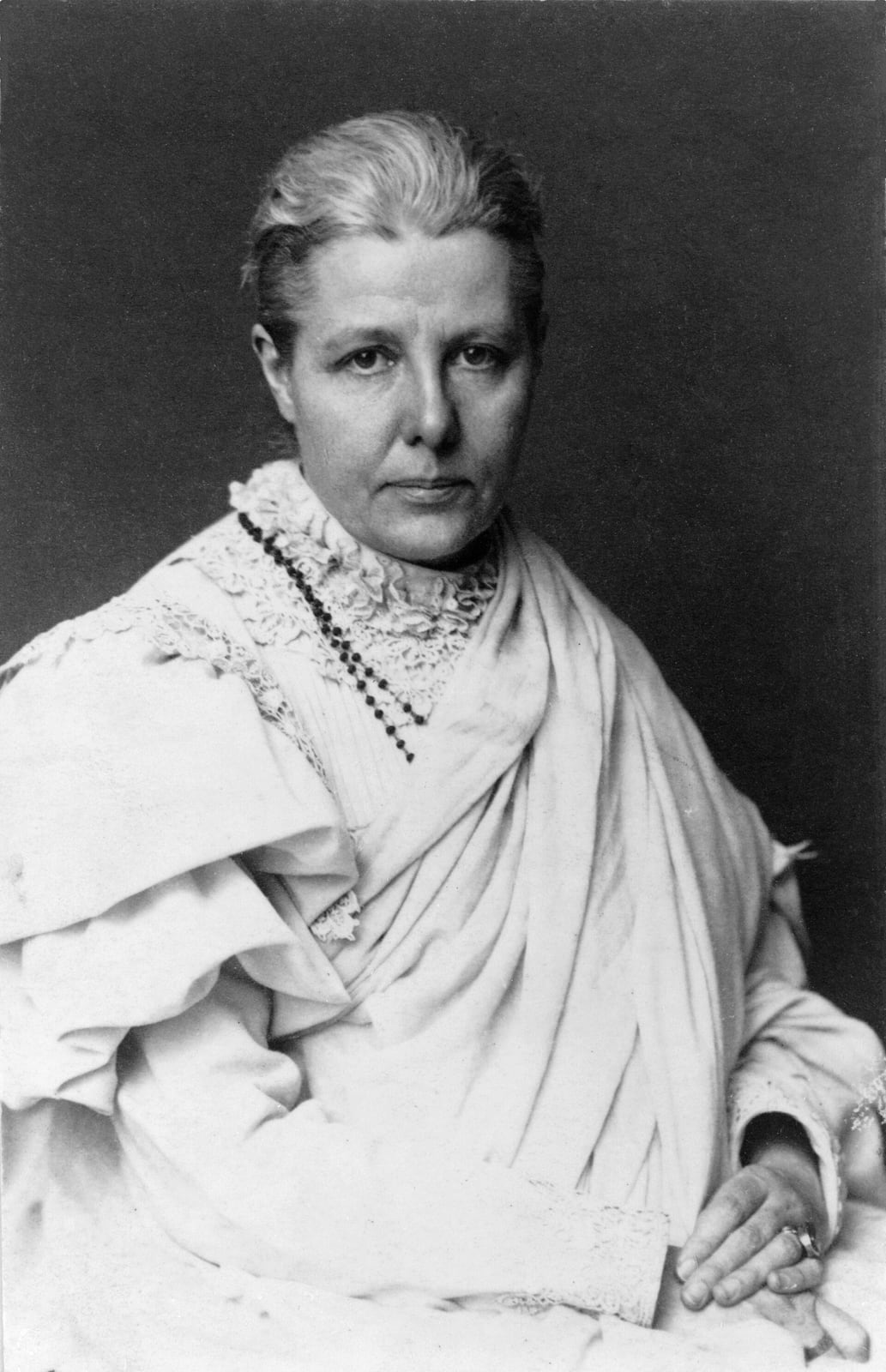
Annie Besant
Совпадают в вопросах: Свободны ли мы или всё предопределено? · Кто я? Существует ли истинное «я»? · Почему мы страдаем?
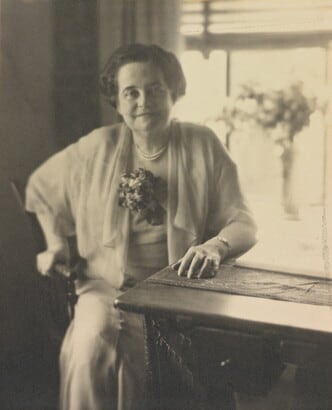
Alice A. Bailey
Совпадают в вопросах: Кто я? Существует ли истинное «я»? · Почему мы страдаем? · Что происходит после смерти?
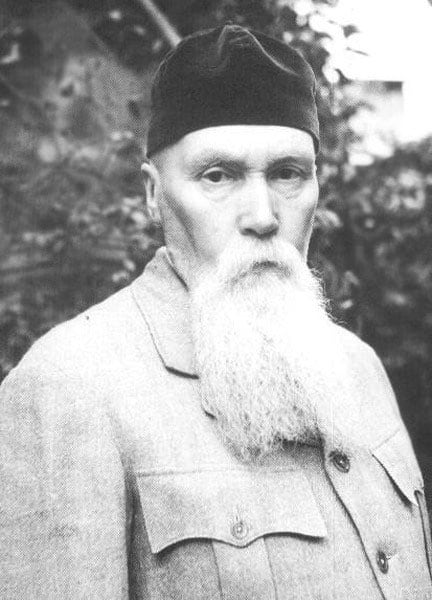
Nicholas Roerich
Совпадают в вопросах: Нужен ли учитель? · Реален ли мир? · Может ли разум познать предельное?
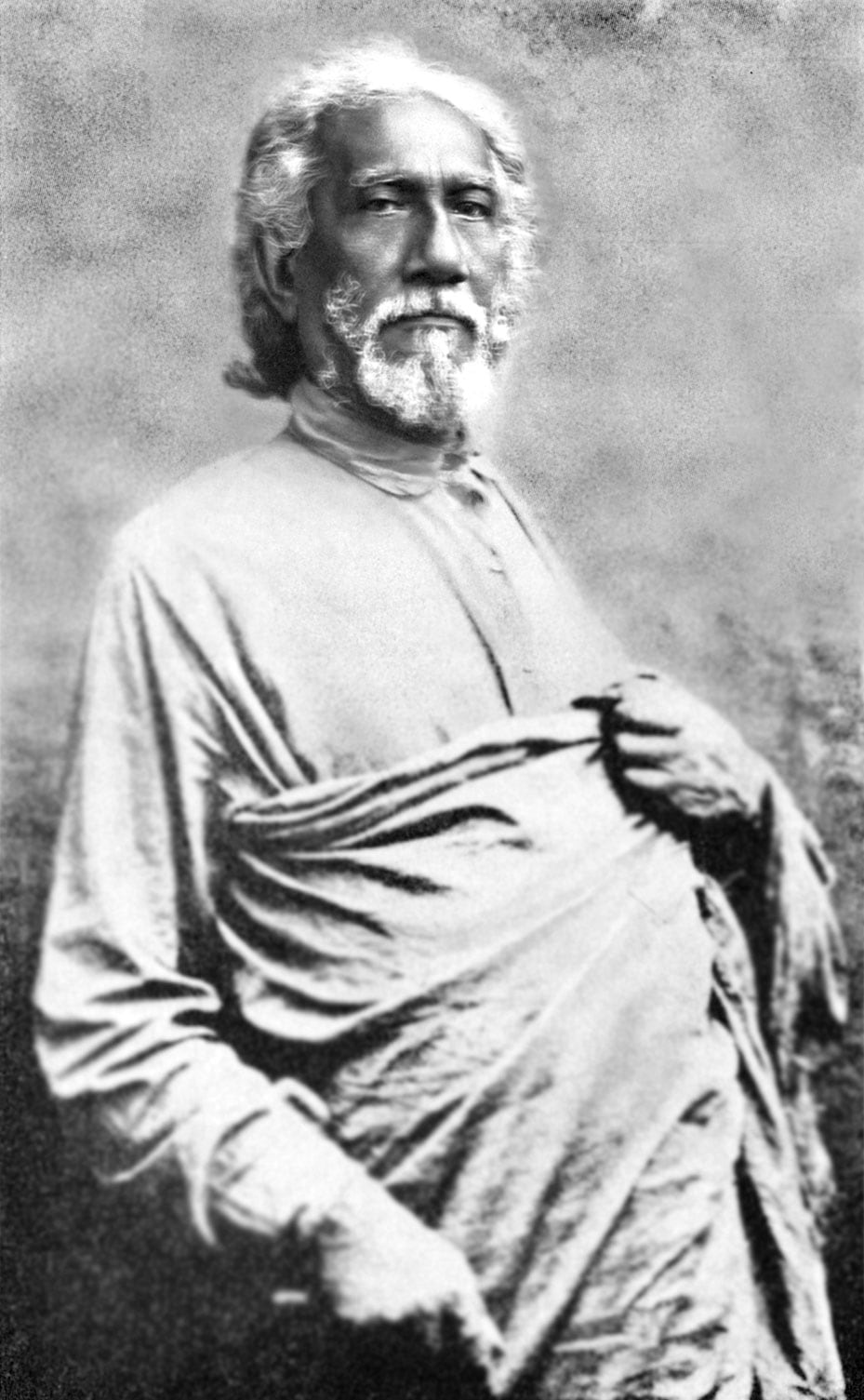
Sri Yukteswar
Совпадают в вопросах: Зачем медитировать или молиться? · Что такое Абсолют? Существует ли Бог? · Что происходит после смерти?
Дальше всего от

Nikolai Berdyaev
Расходятся в вопросах: Что происходит после смерти? · Нужен ли учитель?
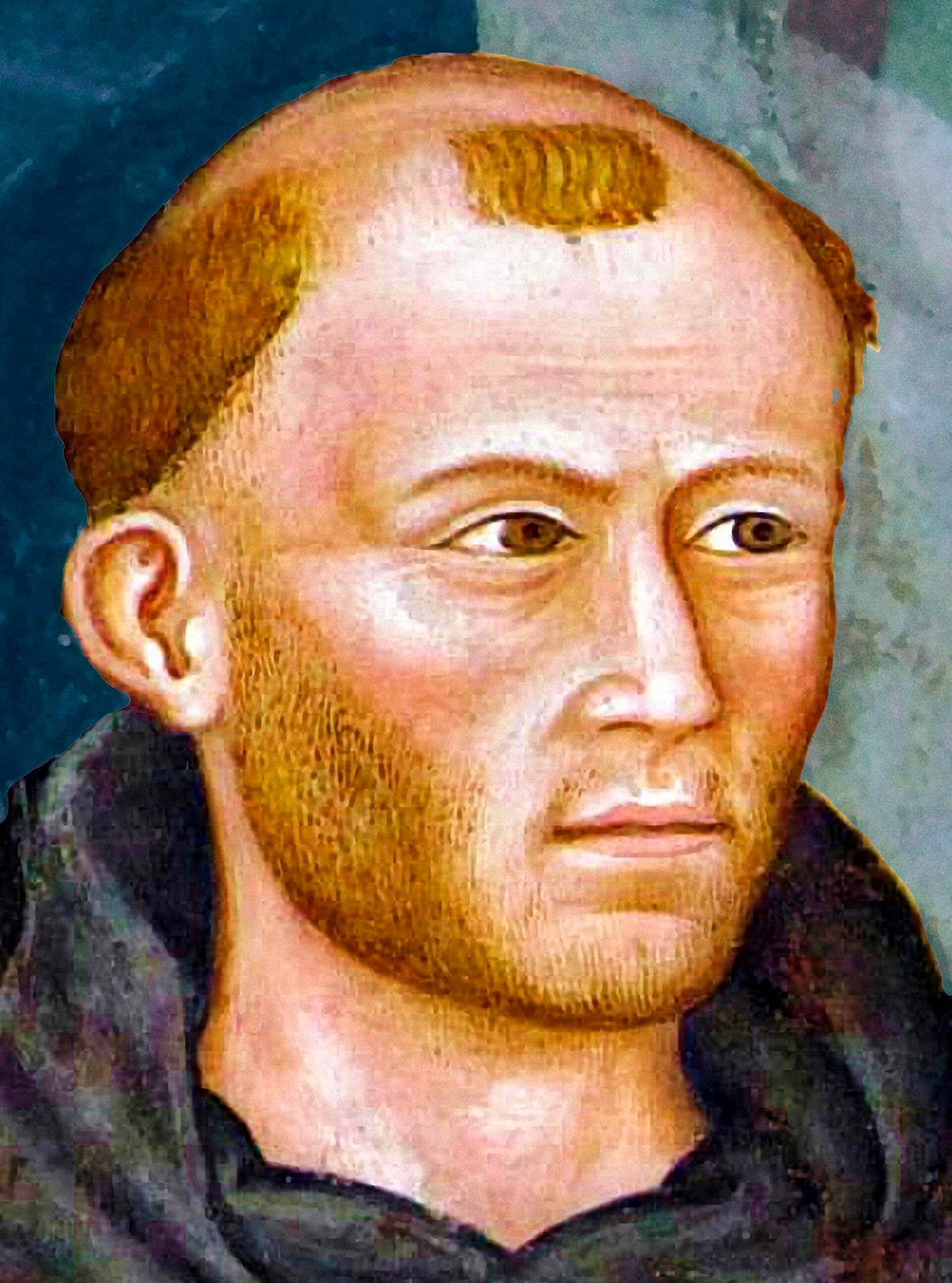
Meister Eckhart
Расходятся в вопросах: Что происходит после смерти? · Как достигается освобождение или спасение?
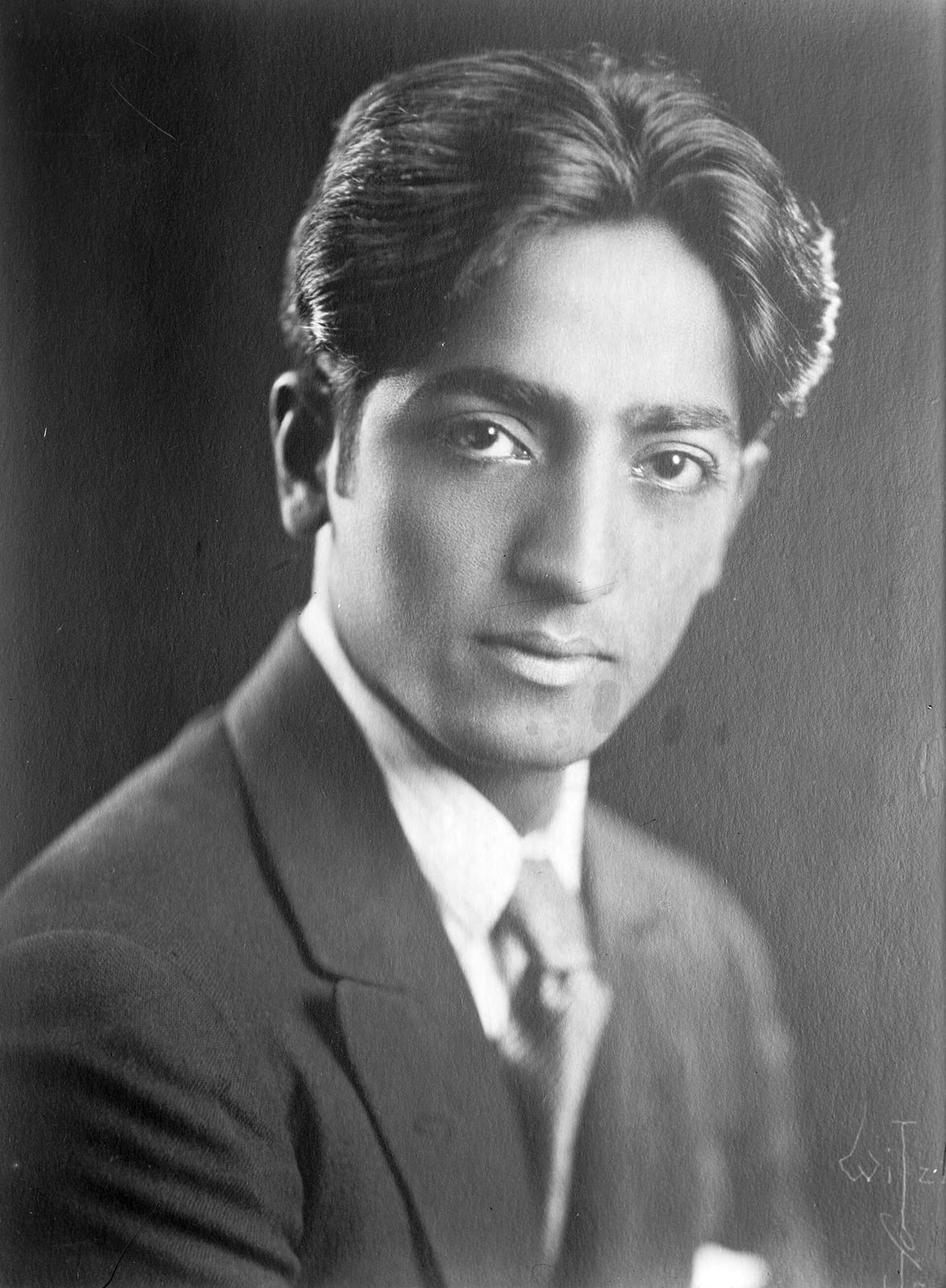
Jiddu Krishnamurti
Расходятся в вопросах: Как достигается освобождение или спасение? · Нужен ли учитель?

Rabia al-Adawiyya
Расходятся в вопросах: Что происходит после смерти?
Совпадают в вопросах
Helena Blavatsky · Annie Besant
A soul that learns from life to life: the founder and the systematiser of Theosophy
Почему: The affinity is one of direct descent. Besant, then a freethinker and activist, reviewed The Secret Doctrine in 1889, met Blavatsky that same year and became her disciple; after Blavatsky's death in 1891 she became a central figure of the movement and presided over the Theosophical Society from 1907. The theological difference is explained by trajectory and audience: Blavatsky polemicised against ecclesiastical Christianity and materialism; Besant, who came from militant atheism, later sought to build bridges with Christianity and with the devotional Hinduism of the India where she lived. She systematised what Blavatsky had left scattered.
Расходятся в вопросахПринципиальное разногласие
Helena Blavatsky · Teresa of Ávila
Praying to someone or commanding the inner god: grace versus self-effort
Почему: The contradiction is real and Blavatsky framed it as such: her Theosophy was born in polemic against the ecclesiastical Christianity of her day and against scientific materialism, and sought to offer a wisdom-religion without a personal God or redemption by another. Teresa writes within the Catholic faith, for which grace precedes and accompanies effort, and her language is that of a relationship between persons. There is, however, a point of contact that should not be forgotten: both seek the divine within the soul, at the centre of the castle or in the higher Self, and neither accepts a religion of formulas without transformation. They differ over whether that interior answers or simply is.
Расходятся в вопросахПринципиальное разногласие
Helena Blavatsky · Siddhartha Gautama, the Buddha
A Theosophist who took refuge in the Buddha, and an Ego that reincarnates
Почему: The relationship is documented: in 1880, in Ceylon, Blavatsky and Henry Olcott publicly took the Buddhist refuges and precepts, and Theosophy contributed to the island's Buddhist revival. Her Buddhism, however, was esoteric: Theosophists held that what the Buddha denies is the passing personality and not a higher individuality, a reading the Theravada tradition does not accept. The tension is real because no-self, in the canon, also extends to any entity that transmigrates. It is explained by Blavatsky's project, which sought a primordial wisdom common to all traditions and read each of them through her own scheme of principles and planes.
Совпадают в вопросах
Helena Blavatsky · Alice A. Bailey
Seven planes and a nameless Principle: Theosophical cosmology and its second generation
Почему: The affinity is one of direct inheritance: Bailey was formed in the Theosophical Society, where she worked in California until her break with its leadership around 1920, and she presented her work as a continuation of the line opened by The Secret Doctrine. She attributes most of her books to a Tibetan master, Djwhal Khul, a claim of hers that cannot be verified, just as the existence of Blavatsky's Mahatmas could not be verified. The differences are of emphasis and period: Blavatsky polemicises against the dogma and materialism of the nineteenth century; Bailey writes in the interwar years, with a strong emphasis on service, goodwill and the preparation of a new age.
Предания и рассказы
Предания и рассказы
Свидетельство1874
The Eddy farm
Происхождение рассказа: Olcott's account in People from the Other World (1875) and Old Diary Leaves, First Series, ch. I (1895). There is no independent witness to the meeting.
Свидетельство1876–1877
How 'Isis Unveiled' was written
Происхождение рассказа: Olcott, Old Diary Leaves, First Series, chs. XIII–XIV; Coleman, 'The Sources of Madame Blavatsky's Writings', appendix to V. S. Solovyoff, A Modern Priestess of Isis (1895).
Оспаривается1880
The buried cup at Simla
Происхождение рассказа: Sinnett, The Occult World (1881), first-hand account; critical examination in the Hodgson Report (Proceedings SPR, vol. 3, 1885).
Источник: Sinnett, A. P. The Occult World. Londres: Trübner & Co., 1881.
Оспаривается1884–1885
The Adyar shrine and the Coulomb letters
Происхождение рассказа: Madras Christian College Magazine (Sept.–Oct. 1884); Hodgson, Proceedings SPR vol. 3 (1885); Harrison, JSPR 53 (1986).
Свидетельство1887–1890
Yeats and the Irish peasant woman
Происхождение рассказа: Yeats, Four Years: 1887–1891 (Cuala Press, 1921), later in Autobiographies. A direct testimony, written three decades later.
Источник: Yeats, W. B. Four Years: 1887–1891. Dundrum: Cuala Press, 1921 (recogido en Autobiographies, 1926).
Свидетельство1889
Annie Besant and the report she flung aside
Происхождение рассказа: Annie Besant, An Autobiography (1893), ch. XIV 'Through Storm to Peace'. Besant's own autobiographical account.
Учение
Учение
Понятия, на которых строится мысль учителя, объяснённые в их контексте.
Wisdom-Religionwisdom-religion
Foundation of the first and second of the Theosophical Society's three objects; crystallised in Isis Unveiled and systematised in The Key to Theosophy.
Источник: Goodrick-Clarke, Nicholas. Helena Blavatsky (Western Esoteric Masters). Berkeley: North Atlantic Books, 2004.
The three fundamental propositionsthree-fundamental-propositions
Proem to The Secret Doctrine (1888), vol. I, pp. 14–17 of the first edition. The most frequently cited doctrinal synthesis of Theosophy.
The Masters or Mahatmasmahatmas
The original letters (The Mahatma Letters to A. P. Sinnett, ed. Barker, 1923) are kept in the British Library. The concept reappears in Steiner, Bailey and the New Age as 'ascended masters'.
Источник: Goodrick-Clarke, Nicholas. Helena Blavatsky (Western Esoteric Masters). Berkeley: North Atlantic Books, 2004.
Karma and reincarnationkarma-and-reincarnation
Developed in The Key to Theosophy (sections VIII–XI) and in the third fundamental proposition of The Secret Doctrine; Annie Besant systematised it in Karma (1895) and Reincarnation (1892).
The sevenfold constitution of the human beingseven-principles
Set out in Sinnett's Esoteric Buddhism (1883) from the Masters' letters, and fixed by Blavatsky in The Key to Theosophy, section VI. Besant popularised it in The Seven Principles of Man (1892).
Root races and cyclic evolutionroot-races
Volume II of The Secret Doctrine (1888). On its later use and abuse see Goodrick-Clarke, The Occult Roots of Nazism (1985), which clearly distinguishes Blavatsky from Ariosophy.
Источник: Goodrick-Clarke, Nicholas. Helena Blavatsky (Western Esoteric Masters). Berkeley: North Atlantic Books, 2004.
The Esoteric Sectionesoteric-section
Announced in Lucifer, October 1888; rules and instructions in Collected Writings XII. Besant and Judge directed it jointly after 1891 until the split of 1895.
Ретриты
Ретриты и центры
Места и встречи, связанные с этим учением. Мы свяжем вас с их организаторами.
Wheaton, Illinois · Estados Unidos
Theosophical Society in America (Olcott, Wheaton)
The Theosophical Society in America
The Theosophical Society in America is the US section of the society founded in New York in 1875 by Helena Blavatsky and Henry Olcott. Its national centre in Wheaton, near Chicago, runs a weekly lecture series, spiritual workshops, meditation retreats, yoga classes and study groups, and keeps an extensive library devoted to the traditions of East and West, with particular attention to Theosophy. It also offers online webinars, a distance school of Theosophy and Quest magazine, making it possible to study Blavatsky and Besant without travelling to its campus.
Ramas en Madrid, Barcelona y otras ciudades · España
Spanish Theosophical Society: summer school and retreats
Sociedad Teosófica Española
The Spanish Theosophical Society is the Spanish section of the Theosophical Society headquartered at Adyar. Through its branches in Madrid, Barcelona and other cities it organises lectures, study groups and an annual summer school, as well as silent retreats reserved for members and joint gatherings with the Portuguese section. It marks the movement's own dates, such as White Lotus Day in memory of Helena Blavatsky, and keeps an online programme of talks and video meetings. It is the most accessible route in Spanish for studying the work of Blavatsky and Annie Besant in a group.
Adyar, Chennai, Tamil Nadu · India
School of the Wisdom, Adyar
The Theosophical Society (Adyar)
The School of the Wisdom is the intensive study programme the Theosophical Society runs at its international headquarters in Adyar. Its multi-day sessions are devoted to particular themes in Theosophy and its founding texts, those of Helena Blavatsky and Annie Besant among them, as well as to dialogue between religious and philosophical traditions. Classes are concentrated in the morning, leaving time for personal study in the library and gardens of the campus. It draws members and scholars from many countries who wish to go deeper into the movement's sources in the very place where its leading figures lived and worked.
Adyar, Chennai, Tamil Nadu · India
International headquarters of the Theosophical Society, Adyar
The Theosophical Society (Adyar)
The Adyar campus, on the river of the same name in Chennai, has been the international headquarters of the Theosophical Society since 1882, a few years after Helena Blavatsky and Henry Olcott founded it in New York in 1875. Annie Besant presided over it for more than a quarter of a century and died there in 1933. The grounds hold the headquarters building, the Adyar Library and Research Centre, the archives, gardens with shrines of different religions and a famous banyan tree. It hosts the International Convention around each new year and offers accommodation for visitors and members.
Видео
Видео
Записи, интервью и документальные фильмы. Видео воспроизводятся с YouTube; здесь они не хранятся.
H. P. Blavatsky — Biographical Documentary (Theosophy UK)
Документальный фильм· EN· 67 min
Theosophical Society in England & WalesОфициальный канал
Madame Blavatsky Rediscovered (Theosophy UK)
Документальный фильм· EN· 63 min
Theosophical Society in England & WalesОфициальный канал
Who Are You, Madame Blavatsky? (documental teosófico)
Документальный фильм· EN· 50 min
Balham Theosophy Group
Helena Petrovna Blavatsky — Documental biográfico
Документальный фильм· ES· 50 min
America Teosofica - FTI OficialОфициальный канал
How to Study The Secret Doctrine — Pablo Sender (parte 1)
Лекция· EN· 52 min
Theosophical Society (in America)Официальный канал
Fundamental Teachings in The Secret Doctrine, Part 1
Лекция· EN· 2019· 70 min
Theosophical Society (in America)Официальный канал
H.P. Blavatsky — Enlightened beings who stay in touch with humanity
Разбор· EN· 13 min
Theosophical Society (in America)Официальный канал
The Voice of the Silence — audiolibro íntegro
Оригинальная запись· EN· 107 min
European School of Theosophy
H. P. Blavatsky y la Doctrina Secreta: 1.ª sesión — Àngels Torra
Лекция· ES· 43 min
Sociedad Teosófica Española, Rama ArjunaОфициальный канал
La Doctrina Secreta: aspectos esotéricos
Лекция· ES· 55 min
Sociedad Teosófica en ArgentinaОфициальный канал
Кто Вы, мадам Блаватская? (Центрнаучфильм, 1991)
Документальный фильм· RU· 1991· 49 min
Deodarvostok (copia; producción Tsentrnauchfilm)
Елена Петровна Блаватская — film de Oleg Martynov (Moscú, 2018)
Документальный фильм· RU· 2018· 89 min
Теософия в России — Theosophy in RussiaОфициальный канал
Dr. Peter Michel — Helena Blavatsky und die Theosophie (Teil 1)
Интервью· DE· 10 min
MYSTICA Magazin
H.P. Blavatsky — Le mystère de l'Unité, l'origine de l'univers
Лекция· FR· 69 min
Nouvelle Acropole France
ONE FIRE — The enduring legacy of Theosophy and Helena Blavatsky (documental completo)
Смотреть на YouTube
Это видео нельзя встроить; оно откроется на YouTube.
ONE FIRE — The enduring legacy of Theosophy and Helena Blavatsky (documental completo)
Документальный фильм· EN· 103 min
ONE FIRE - A Film on Theosophy and H.P.B.
Галерея
Галерея
Изображения с проверенной лицензией. Каждое сохраняет своё авторство и атрибуцию.
Рукописи
Рукописи
Рукописные свидетельства и древние тексты, с указанием хранителя и условий доступа.
EN · Latin · 1880–1885
The Mahatma Letters to A. P. Sinnett (Mahatma Papers)
- Сохранившийся список
- Originales (cartas, telegramas, sobres) legados por A. P. Sinnett a A. T. Barker
- Хранитель
- British Library, Londres · Add MS 45284–45286
Связи
Связи
Влияния, ученичество и близость взглядов. Документированная связь отличается от сходства, выявленного путём анализа.
Учитель
Besant joined the Society in May 1889 after reviewing The Secret Doctrine; Blavatsky made her co-head of the Esoteric Section and lived in her house at Avenue Road until her death.
Документированная связь
Повлиял на
Steiner led the German Section of the Theosophical Society (1902–1912) and acknowledged his debt to The Secret Doctrine before founding Anthroposophy.
Документированная связь
Повлиял на
Bailey was trained in the Theosophical Society at Pacific Grove (1915) reading The Secret Doctrine and presented her own books as a continuation of Blavatsky's teaching.
Документированная связь
Повлиял на
Krishnamurti was raised by the Society she founded and, in rejecting the role of 'World Teacher' in 1929, broke with the doctrine of the Masters Blavatsky had introduced.
Документированная связь
Расходился во взглядах с
Vivekananda publicly denied any link with the Theosophical Society ('My Plan of Campaign', Madras, 1897) and criticised the Mahatma doctrine, while acknowledging that Theosophists had awakened interest in India.
Документированная связь
Идеи, близкие к
Both presented their teaching as coming from a hidden brotherhood in Central Asia and as a 'science' of human development; Ouspensky had passed through Theosophy before meeting Gurdjieff.
Сходство, выявленное путём анализа
Идеи, близкие к
The spiritual evolution of humanity through cycles and the unity of religions are common themes, although Aurobindo was critical of Theosophical occultism.
Сходство, выявленное путём анализа
Упоминается в других статьях
- Annie Besant · Ученик
- P. D. Ouspensky · Испытал влияние
- Nikolai Berdyaev · Расходился во взглядах с
- Alice A. Bailey · Испытал влияние
- Emanuel Swedenborg · Повлиял на
- Jiddu Krishnamurti · Испытал влияние
- Rudolf Steiner · Испытал влияние
- Nicholas Roerich · Испытал влияние
- G. I. Gurdjieff · Идеи, близкие к
- Helena Roerich · Испытал влияние
- Jakob Böhme · Повлиял на
- Vladimir Solovyov · Расходился во взглядах с
Источники
Источники
Библиография и каталоги, использованные для этой статьи.
- Cranston, Sylvia. HPB: The Extraordinary Life and Influence of Helena Blavatsky, Founder of the Modern Theosophical Movement. Nueva York: Tarcher/Putnam, 1993.
- Goodrick-Clarke, Nicholas. Helena Blavatsky (Western Esoteric Masters). Berkeley: North Atlantic Books, 2004.
- Olcott, Henry Steel. Old Diary Leaves: The True Story of the Theosophical Society. First Series. Nueva York/Londres: Putnam / Theosophical Publishing Society, 1895.
- Sinnett, A. P. Incidents in the Life of Madame Blavatsky. Londres: George Redway, 1886.
- Hodgson, Richard, et al. «Report of the Committee Appointed to Investigate Phenomena Connected with the Theosophical Society». Proceedings of the Society for Psychical Research, vol. 3 (1885), pp. 201–400.
- Harrison, Vernon. H. P. Blavatsky and the SPR: An Examination of the Hodgson Report of 1885. Pasadena: Theosophical University Press, 1997 (incluye «J'Accuse», Journal of the SPR, vol. 53, abril de 1986, pp. 286–310).
- Washington, Peter. Madame Blavatsky's Baboon: A History of the Mystics, Mediums, and Misfits Who Brought Spiritualism to America. Nueva York: Schocken, 1995 (1.ª ed. Londres: Secker & Warburg, 1993).
- Wikidata, entidad Q189454 («Helena Blavatsky»): fechas, lugares, identificadores de autoridad (VIAF 29530438, Open Library OL2889852A, Project Gutenberg 2154).
- Project Gutenberg, obras de H. P. Blavatsky (autor 2154): Isis Unveiled (#68705, #75871), The Secret Doctrine (#54824, #54488, #56880, #61626), The Key to Theosophy (#55618), Studies in Occultism (#17009), Nightmare Tales (#44559), From the Caves and Jungles of Hindostan (#6687).
- Sinnett, A. P. The Occult World. Londres: Trübner & Co., 1881.
- Cooper, Laura M. «How She Left Us», en Lucifer, vol. VIII, n.º 46 (junio de 1891), número en memoria de H. P. B. Londres: Theosophical Publishing Society.
- Yeats, W. B. Four Years: 1887–1891. Dundrum: Cuala Press, 1921 (recogido en Autobiographies, 1926).
- Lachman, Gary. Madame Blavatsky: The Mother of Modern Spirituality. Nueva York: Tarcher/Penguin, 2012.
- Open Library, autora H. P. Blavatsky (OL2889852A): registros de obras y ediciones con ISBN consultados el 2026-10-22.
- «The Collapse of Koot Hoomi». Madras Christian College Magazine, vol. II, septiembre–octubre de 1884.
- Blavatsky, H. P. Collected Writings, 15 vols. Ed. Boris de Zirkoff. Wheaton/Adyar: Theosophical Publishing House, 1950–1991.
- Blavatsky, H. P. The Voice of the Silence (1889), texto íntegro en línea (edición verbatim). Pasadena: Theosophical University Press.
- Algeo, John (ed.). The Letters of H. P. Blavatsky, Volume 1: 1861–1879. Wheaton: Quest Books, 2003.
- Besant, Annie. An Autobiography. Londres: T. Fisher Unwin, 1893 (cap. XIV, «Through Storm to Peace»).
- Santucci, James A. «Blavatsky, Helena Petrovna», en Wouter J. Hanegraaff (ed.), Dictionary of Gnosis & Western Esotericism. Leiden: Brill, 2006, pp. 177–185.
- Olcott, Henry Steel. People from the Other World. Hartford: American Publishing Company, 1875.
- Coleman, William Emmette. «The Sources of Madame Blavatsky's Writings», apéndice C en Vsevolod Sergyeevich Solovyoff, A Modern Priestess of Isis, trad. Walter Leaf. Londres: Longmans, Green & Co., 1895, pp. 353–366.
- Gandhi, M. K. An Autobiography, or The Story of My Experiments with Truth, trad. Mahadev Desai. Ahmedabad: Navajivan, 1927–1929, parte I, cap. XX («Acquaintance with Religions»).
- Правообладатель
- Dominio público (obras anteriores a 1891). Los Collected Writings (ed. Boris de Zirkoff) y las ediciones críticas modernas pertenecen a la Theosophical Publishing House (Adyar/Wheaton).
- Официальный сайт
- www.ts-adyar.org/
Ожидает подтверждения
То, что в этой статье пока не удалось установить. Мы предпочитаем сказать об этом, а не заполнять пробел.
- Confirmar en el ejemplar de Lucifer (junio de 1891) la redacción exacta de las últimas palabras según Laura Cooper: el OCR del volumen VIII en Internet Archive no permite localizar la frase «Keep the link unbroken».
- Verificar la signatura exacta de las Mahatma Letters en la British Library (Add MS 45284–45286 según la literatura teosófica; no comprobado en el catálogo en línea).
- Localizar ISBN de catálogo para ediciones italianas de editoriales establecidas (Edizioni Teosofiche Italiane): Open Library solo recoge autoediciones.
- Añadir ediciones en hindi y árabe si existen en catálogos: Open Library no devuelve ninguna.
- Obras completas (2026-10-25): no se registran como obras las antologías temáticas modernas (H.P.B. Teaches, Adyar; Foundations of Esoteric Philosophy, 1980; An Invitation to The Secret Doctrine, TUP 1988; The Vedanta Commentaries y The Veda Commentaries de H. J. Spierenburg, Point Loma 1992/1996), las recopilaciones españolas de artículos (Kier, Berbera: La cábala y los cabalistas, Misterios de los estados después de la muerte, La teosofía trascendental, Doctrinas y enseñanzas teosóficas) ni los centenares de folletos de Kessinger que extraen artículos sueltos: todo ello está dentro de los Collected Writings. Catálogo completo: Open Library OL2889852A (614 registros).
- Confirmar la fecha y la publicación rusa de la primera entrega de «Загадочные племена на «Голубых горах»» (se cita 1883–1884); en libro, Moscú 1893.
- Confirmar el año de la primera edición en folleto de los Five Messages (se cita la década de 1920; la primera fecha verificada en catálogo es la de TUP, 1979).
- Sala de lectura (2026-10-25): no se registran The Theosophical Glossary (archive.org/details/theosophicalglos00blav), A Modern Panarion (archive.org/details/modernpanarionco00blav) ni Transactions of the Blavatsky Lodge (archive.org/details/transactionsbla00lodggoog) porque su OCR tiene errores en términos sánscritos y hebreos; buscar transcripción limpia.
- Sala de lectura: no se ha localizado en línea ninguna traducción española de Blavatsky con traductor identificado y fallecido hace más de 80 años (las copias de Isis sin velo y La Doctrina Secreta en archive.org son ediciones modernas o sin traductor acreditado). Pendiente revisar las traducciones españolas de finales del siglo XIX y comienzos del XX y las fechas de muerte de sus traductores.
- Sala de lectura: la Theosophical University Press (theosociety.org) responde 406 a peticiones sin User-Agent; si el importador no lo envía, las seis entradas de ese sitio fallarán.
Исследовано 2026-10-22