Индуизм · Буддизм · Теософия
Helena Roerich
Елена Ивановна Рерих
1879 – 1955Исторически документированная личность
Елена Ивановна Рерих (1879–1955) — русская писательница и переводчица, жена художника Николая Рериха, центральная фигура Агни Йоги, или «Живой Этики», — неотеософского учения в четырнадцати книгах (1924–1938), которое она представляла как продиктованное Махатмой Мориа. Она перевела на русский «Тайную доктрину» Блаватской, написала «Основы буддизма» и оставила тысячи писем. Участвовала в Центрально-Азиатской экспедиции и в кампании за Пакт Рериха; умерла в Калимпонге, в Индии.
- трудов
- 25трудов
- изданий
- 81изданий
- цитат
- 6цитат
- видео
- 12видео
- изображений
- 8изображений
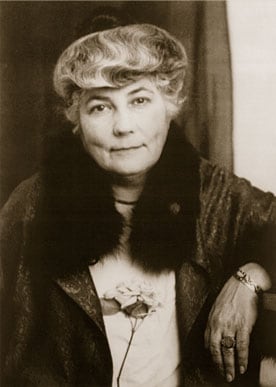
Helena Roerich en Naggar, hacia 1940 · Public domain
Своими словами
«Путник-друг, пойдём вместе. Ночь близка, звери кругом, и огонь костра может потухнуть.»«Община» (Comunidad), párrafo inicial; Texto de la Agni Yoga, atribuido por la tradición al mahatma Morya y recibido y redactado por Helena Roerich. Versión inglesa de la Agni Yoga Society.

Главная мысль
Agni Yoga presents itself as a yoga for daily life: it does not demand withdrawal from the world, but the transformation of work, thought and relationships into spiritual exercise.
В контексте
Биография
4 мин чтения
Перевод с испанского оригинала, выполненный с помощью ИИ; ожидает проверки носителем языка.
Дочь архитектора
Елена Ивановна Шапошникова родилась в Петербурге 12 февраля 1879 года (31 января по юлианскому календарю). Её отец, Иван Иванович Шапошников, был известным столичным архитектором; мать, Екатерина Васильевна, происходила из старинного рода Голенищевых-Кутузовых, с которым состоял в родстве композитор Модест Мусоргский. Она росла среди музыкантов и книг, с детства учила языки и в 1895 году окончила с золотой медалью Мариинскую гимназию. Училась игре на фортепиано в частной школе Иосифа Боровки, но семья не позволила ей поступить в консерваторию, опасаясь революционной студенческой среды.
Летом 1899 года в имении князя Павла Путятина в Бологом она познакомилась с художником и археологом Николаем Рерихом. Они обвенчались в 1901 году, вопреки мнению её родных, в церкви Академии художеств. У них родились двое сыновей: Юрий в 1902 году, будущий тибетолог, и Святослав в 1904-м, художник. Николай Константинович посвящал ей свои книги — «Елене, жене, другу, спутнице, вдохновительнице» — и даже писал, что многие его картины следовало бы подписывать двумя именами.
Общая жизнь
В петербургские годы она сопровождала мужа в поездках 1903 и 1904 годов по более чем сорока древним городам, фотографировала храмы и орнаменты, участвовала в раскопках в Новгородской и Тверской губерниях и собрала вместе с ним коллекцию старой европейской живописи, которая затем частично перешла в Эрмитаж. В 1909 году её портрет написал Валентин Серов. Она читала Рамакришну, Вивекананду и Тагора и в эти же годы открыла для себя теософию Елены Блаватской, определившую всю её дальнейшую жизнь.
Лондон, 1920
В 1916 году семья переехала в Карелию из-за болезни лёгких Николая Константиновича; независимость Финляндии оставила её за пределами России, и в 1919 году Рерихи поселились в Лондоне. Здесь они сблизились с Теософским обществом: в июле 1920 года получили членские дипломы за подписью его президента Анни Безант. С весны того же года они устраивали дома спиритические сеансы — столоверчение и автоматическое письмо, — на которых писали главным образом Николай Константинович и Юрий. На этих сеансах, согласно семейным дневникам, постепенно проявился «Учитель», которого они отождествили с Мориа, одним из махатм Блаватской. Елена Ивановна всегда утверждала, что сама автоматическим письмом не занималась: около 1923 года она стала принимать послания путём «яснослышания» и записывать их в свои тетради.
Живая Этика
Из этих тетрадей выросли четырнадцать книг Агни Йоги, или «Учения Живой Этики»: две книги «Листов Сада Мории» (1924 и 1925), «Община» (1926), «Агни Йога» (1929), две части «Беспредельности» (1930), «Иерархия» (1931), «Сердце» (1932), три части «Мира Огненного» (1933–1935), «Аум» (1936), «Братство» (1937) и «Надземное», завершённое в 1938 году и опубликованное полвека спустя. Они выходили без имени автора — в Париже, Урге и Риге — и подавались как слова Учителя. Это серии пронумерованных параграфов, предлагающие синтез йог, основанный на внутреннем «огне», психической энергии, сердце, сотрудничестве и послушании Иерархии Света.
Первые издания хранят приметы своего времени. «Община», рассчитанная на читателей Советской России, была напечатана в Урге в 1927 году — с датой 1926 на титуле — и переиздана в Риге в 1936-м с изменениями и дополнениями; «Основы буддизма», анонимно изданные в Урге в 1926 году, открываются утверждением, что «великий Готама дал миру законченное учение коммунизма», — фразой, которую английское издание 1930 года превратило в «совершенное учение о строительстве жизни». Первая книга открывается по-русски словами «Новой России — Моё первое Слово»; в английской версии — «Новому Миру».
Азия, Блаватская и Пакт
С 1923 года она жила в Индии. В 1924–1928 годах, уже перешагнув сорокалетие, она прошла верхом всю Центрально-Азиатскую экспедицию, включая зиму задержания на Тибетском нагорье; муж оставил запись о том, что и при пульсе в сто сорок ударов она первой ободряла караван. В пути она перевела на русский обширную подборку писем махатм («Чаша Востока», 1925, под псевдонимом Искандер Ханум), написала «Основы буддизма», а уже в Кулу издала «Криптограммы Востока» (1929) под именем Жозефины Сент-Илер. В начале 1930-х годов она перевела два первых тома «Тайной доктрины» Блаватской, вышедшие в Риге в 1937 году.
Она была почётным президентом Института «Урусвати» и постоянного комитета Пакта Рериха. Во время Маньчжурской экспедиции вела переписку с обществами, поддерживавшими договор, а в 1933–1936 годах писала Франклину Д. Рузвельту иносказательные письма, в которых говорила с ним о «космических условиях»; президент относился к ним не столь серьёзно, как его министр сельского хозяйства Генри Э. Уоллес. Она написала тысячи писем более чем ста сорока корреспондентам на разных континентах; подборка из них вышла в Риге в 1940 году.
Калимпонг
После смерти Николая Константиновича в декабре 1947 года она вместе с Юрием переехала в Дели, а затем в Кхандалу близ Бомбея в ожидании виз для возвращения в Советский Союз, которых так и не дождалась. Она поселилась в Калимпонге, у подножия Восточных Гималаев, где провела последние годы, посвятив их переписке и разбору своего архива. Она умерла 5 октября 1955 года. На месте кремации ламы воздвигли белую ступу с надписью: «Елена Рерих, жена Николая Рериха, мыслитель, писатель, старый друг Индии».
Автор и посредница
Документально засвидетельствована образованная женщина, владевшая многими языками, переводчица Блаватской, автор работ о буддизме, опора всех предприятий своей семьи, оставившая огромное эпистолярное наследие. К области веры её последователей относится происхождение Агни Йоги: она представляла себя той, кто принимает и редактирует слова Мориа, а книги выходили без подписи. Исследователи во главе с Александром Андреевым читают эти тексты как произведение Елены Ивановны и её окружения, выросшее из теософии и спиритизма, и показывают, как семья подчиняла свои решения этим сообщениям. После распада Советского Союза книги Живой Этики получили в России огромное распространение; в 1994 году Архиерейский собор Русской православной церкви осудил это учение как несовместимое с христианством.
Источники: Andreyev, Alexandre. The Myth of the Masters Revived: The Occult Lives of Nikolai and Elena Roerich. Leiden/Boston: Brill, 2014 (Aries Book Series, 18). · McCannon, John. Nicholas Roerich: The Artist Who Would Be King. Pittsburgh: University of Pittsburgh Press, 2022. · Znamenski, Andrei. Red Shambhala: Magic, Prophecy, and Geopolitics in the Heart of Asia. Wheaton (Illinois): Quest Books, 2011. · [Рерих, Е. И.] Основы буддизма. Urga, 1926 (anónimo). Texto íntegro en Wikisource en ruso. · Rokotoff, Natalie [Helena Roerich]. Foundations of Buddhism. Nueva York: Roerich Museum Press, 1930.
Хронология
Жизнь год за годом
Каждая точка — документированное событие. Нажмите, чтобы прочитать о нём, с источником и степенью достоверности.
12 февраля 1879 г.0 летSan Petersburgo
Birth
Elena Ivanovna Shaposhnikova is born, daughter of the architect Ivan Shaposhnikov and Yekaterina Golenishcheva-Kutuzova. The date corresponds to 31 January in the Julian calendar.
Документировано«Рерих, Елена Ивановна», Wikipedia en ruso (secciones de biografía, «Спиритические сеансы», «Живая Этика», «Написание книг и переводы», «Эпистолярное наследие», «Последние годы»), revisión consultada el 2026-10-25.
После смерти
- 1994Condemnation by the Russian Orthodox Church
- 2005Museum at Crookety House
12 февраля 1879 г. · 0 лет
Birth
Elena Ivanovna Shaposhnikova is born, daughter of the architect Ivan Shaposhnikov and Yekaterina Golenishcheva-Kutuzova. The date corresponds to 31 January in the Julian calendar.
Документировано
1895 · 16 лет
Gold medal at the Mariinsky gymnasium
She finishes secondary school with a gold medal and studies piano at Iosif Borovka's school; her family prevents her from entering the conservatory.
Документировано
1899 · 20 лет
Meeting Nicholas Roerich
At Prince Putyatin's estate she meets the painter and archaeologist Nicholas Roerich.
Документировано
28 октября 1901 г. · 22 года
Marriage
She marries Nicholas Roerich in the church of the Academy of Arts (Julian date). George (1902) and Svetoslav (1904) will be born.
Документировано
1909 · 30 лет
Serov's portrait
Valentin Serov paints her portrait.
Документировано
июль 1920 г. · 41 год
Joining the Theosophical Society
The Roerichs receive membership certificates signed by Annie Besant. Since the spring they have been holding spiritualist sessions in which they identify a 'Master' as the Mahatma Morya.
Документировано
декабрь 1923 г. · 44 года
Arrival in India
The family settles in India. From then on Helena records by 'clairaudience' the messages she attributes to Morya.
Документировано
1924 · 45 лет
Leaves of Morya's Garden: The Call
The first book of Agni Yoga is published without an author's name; in Russian it opens with 'To the New Russia, my first message'.
Документировано
1924 – 1928 · 45 лет
The Central Asian expedition
She takes part for four years in the family expedition, including the winter detention on the Tibetan plateau (1927–1928).
Документировано
23 апреля 1925 г. · 46 лет
Translating the Mahatma letters
She begins translating into Russian a selection of The Mahatma Letters to A. P. Sinnett, published that year as Chalice of the East under the pseudonym Iskander Khanum.
Документировано
1926 · 47 лет
Foundations of Buddhism
Her anonymous essay on Buddhism is printed in Urga during the expedition, presenting the Buddha as a teacher of communism and building a 'bridge' to Lenin; the 1930 English edition will drop those formulas. The following year Community is printed there.
Документировано
1928 · 49 лет
Honorary president of the Urusvati Institute
The Urusvati Himalayan Research Institute is founded, with her as honorary president-founder.
Документировано
1929 · 50 лет
Agni Yoga and Cryptograms of the East
The book that gives the teaching its name appears and, under the pseudonym Josephine Saint-Hilaire, her collection of legends Cryptograms of the East.
Документировано
18 ноября 1933 г. · 54 года
Honorary president of the Pact committee
She is elected, with her husband, honorary president of the Permanent Committee of the Roerich Pact and Banner of Peace. That year she begins writing to Franklin D. Roosevelt.
Документировано
1937 · 58 лет
Translation of The Secret Doctrine
The Uguns press publishes in two volumes her Russian translation of Blavatsky's work. That year Brotherhood appears, the last book of Agni Yoga published in her lifetime.
Документировано
1940 · 61 год
The Letters of Helena Roerich
The Latvian Roerich Society publishes a two-volume selection of her letters from 1929 to 1938.
Документировано
13 декабря 1947 г. · 68 лет
Death of Nicholas Roerich
Her husband dies. In January 1948 she moves with George to Delhi and Khandala to wait for Soviet visas that never come.
Документировано
5 октября 1955 г. · 76 лет
Death
She dies in Kalimpong. The lamas raise a white stupa at the place of cremation.
Документировано
1994
Condemnation by the Russian Orthodox Church
The Bishops' Council declares the Agni Yoga teaching incompatible with Christianity, at the height of the spread of the Living Ethics books in post-Soviet Russia.
Документировано
2005
Museum at Crookety House
A museum devoted to Helena Roerich opens in the Kalimpong house where she spent her last years.
Документировано
Труды
Главные труды
Труды, без которых не понять это наследие.
Традиционная атрибуция · 1924
Листы Сада Мории. Зов
The first book of the series: short aphorisms, sometimes verses, in which a voice presenting itself as the Master calls the disciple, demands discipline, joy and labour, and announces a new epoch. Its form—fragments dated between 1920 and 1923—bears the trace of the family sessions. The Russian original opens with 'To the New Russia, my first message'; the Agni Yoga Society's English translation reads 'Into the New World'.
5 изданий · amazon.com

Традиционная атрибуция · 1929
Агни Йога
The book that gives the teaching its name. It defines Agni Yoga as the yoga of 'fire', a synthesis of all the yogas adapted to daily life rather than withdrawal from the world, and develops its central notions: psychic energy, the discipline of thought, the purification of the subtle centres, collaboration with the Master and preparation for an age of 'fiery energies'. It is the reference text for anyone wishing to know the doctrine in a single volume.
4 издания · amazon.com

Письменный труд · 1926
Основы буддизма
A short exposition of the Buddha's life and the central notions of his teaching—karma, rebirth, nirvana, the community—presented as a rational Buddhism without idols. The Urga edition, intended for Soviet readers, opens by stating that Gotama gave the world 'a complete teaching of communism' and draws a 'bridge' between the Buddha and Lenin; the 1930 English edition removed those formulas. It is one of the first handbooks of Buddhism written in Russian for a general public.
8 изданий · amazon.es
Helena Roerich
Тайная Доктрина (перевод Е. И. Рерих)
Письменный труд · 1937
Тайная Доктрина (перевод Е. И. Рерих)
The first complete Russian translation of the two main volumes of Blavatsky's magnum opus, made in under two years according to her biographers. For decades it was the only Russian version of those volumes, and the Russian Wikisource now offers it in full. It is Helena Roerich's most lasting contribution to the spread of Theosophy in her language.
1 издание
Все труды (25)
Helena Roerich
Листы Сада Мории. Озарение
The Conscious LibraryЛисты Сада Мории. Озарение
1925
Helena Roerich
Община
The Conscious LibraryОбщина
1927
Helena Roerich
Беспредельность. Часть I
The Conscious LibraryБеспредельность. Часть I
1930
Helena Roerich
Беспредельность. Часть II
The Conscious LibraryБеспредельность. Часть II
1930
Helena Roerich
Иерархия
The Conscious LibraryИерархия
1931
Helena Roerich
Сердце
The Conscious LibraryСердце
1932
Helena Roerich
Мир Огненный. Часть I
The Conscious LibraryМир Огненный. Часть I
1933
Helena Roerich
Мир Огненный. Часть II
The Conscious LibraryМир Огненный. Часть II
1934

Мир Огненный. Часть III
1935
Helena Roerich
Аум
The Conscious LibraryАум
1936
Helena Roerich
Братство
The Conscious LibraryБратство
1937

Надземное
1938

Криптограммы Востока
1929
Helena Roerich
Чаша Востока. I. Письма Махатмы
The Conscious LibraryЧаша Востока. I. Письма Махатмы
1925
Helena Roerich
Преподобный Сергий Радонежский
The Conscious LibraryПреподобный Сергий Радонежский
1934

Письма Елены Рерих
1940
Helena Roerich
Письма в Америку
The Conscious LibraryПисьма в Америку
1996
Helena Roerich
У порога Нового Мира
The Conscious LibraryУ порога Нового Мира
1993
Helena Roerich
Листы дневника
The Conscious LibraryЛисты дневника
2006
Helena Roerich
Три ключа
The Conscious LibraryТри ключа
2009
Helena Roerich
Страна Лучшая
The Conscious LibraryСтрана Лучшая
2017
Изречения
Изречения, найденные в конкретном труде. Каждое сопровождается указанием происхождения и степени надёжности.
Путник-друг, пойдём вместе. Ночь близка, звери кругом, и огонь костра может потухнуть.Проверено«Община» (Comunidad), párrafo inicial; Texto de la Agni Yoga, atribuido por la tradición al mahatma Morya y recibido y redactado por Helena Roerich. Versión inglesa de la Agni Yoga Society.
Основные идеи (редакционное изложение)
Из уважения к авторскому праву эти идеи изложены своими словами и не выдаются за дословные цитаты.
- Agni Yoga presents itself as a yoga for daily life: it does not demand withdrawal from the world, but the transformation of work, thought and relationships into spiritual exercise.
- Thought is energy: every idea acts on the one who thinks it and on his surroundings, and so the discipline of thought is the disciple's first task.
- The heart, not the intellect, is the organ that unites the human being with the subtle worlds and with the Master.
Последние слова
Проверяемых записей о последних словах не существует.
There is no reliable record of her last words. She died in Kalimpong on 5 October 1955, cared for by her son George; the available sources are limited to the date, the cremation and the stupa the lamas raised at the spot.
Источник: «Рерих, Елена Ивановна», Wikipedia en ruso (secciones de biografía, «Спиритические сеансы», «Живая Этика», «Написание книг и переводы», «Эпистолярное наследие», «Последние годы»), revisión consultada el 2026-10-25.
Спросить
На что отвечают эти труды
Двенадцать великих вопросов человечества и то, что позволяют на них ответить эти тексты, со ссылками. Мы никогда не вкладываем слова в чужие уста.
Что такое Абсолют? Существует ли Бог?
An infinite, impersonal Absolute, served by a Hierarchy of higher beings
Безличный АбсолютСказано прямо
Helena Roerich inherits from Blavatsky, whose Secret Doctrine she translated into Russian, the idea of an infinite and ineffable ultimate principle, of which the cosmos is the manifestation through energy and fire. The Agni Yoga books, which she presented as received from the mahatma Morya, speak of the Infinite, of psychic energy and of cosmic Fire, and concentrate the religious relationship on the Hierarchy: a chain of more evolved beings linking the human being to that principle. In her letters she rejects the idea of an anthropomorphic God who rewards and punishes, which she considers a distortion of institutional religions, and proposes instead the law of karma and cooperation with the Hierarchy. The personal does not vanish, but is displaced onto the Masters and the figure of the Mother of the World.
Сравнить этот вопрос с другими учителямиКто я? Существует ли истинное «я»?
A spiritual spark perfecting itself life after life, gathering into its chalice
Эволюционирующая душаСказано прямо
In Agni Yoga, which Helena Roerich presented as teaching received from the mahatma Morya, the human being is composed of several principles, from the dense body to the subtle and fiery bodies, around an immortal spiritual spark. That spark perfects itself over numerous incarnations, and what each life conquers is stored in what the texts call the chalice, the repository of the spirit's accumulations. The decisive organ is not the intellect but the heart, which unites the person with the subtle worlds and with the Master, and psychic energy, which each must purify through the discipline of thought. In Fiery World the aim is to transmute the subtle body until one can live consciously in the world of fire. The self is thus a soul in cosmic evolution.
Сравнить этот вопрос с другими учителямиПочему мы страдаем?
Pain is karmic consequence and a school for the evolving spirit
Карма и обучение душиСказано прямо
In Agni Yoga, suffering is explained by the law of karma: every thought and every act is energy that returns to its author, in this life or in others, and present pain is largely the harvest of earlier sowing. But the texts present it not as punishment but as trial and learning: difficulties temper the spirit, widen consciousness and prepare the disciple to cooperate with the Hierarchy. In her letters Helena Roerich insists that thought is the most powerful force and that thoughts of hatred, fear or irritation poison both the one who harbours them and their surroundings; hence the importance of mental discipline. Foundations of Buddhism, her exposition of Gotama's teaching, also places the origin of suffering in ignorance and desire.
Сравнить этот вопрос с другими учителямиЧто происходит после смерти?
After death, the subtle world; then new incarnations up to the fiery world
Перерождение согласно кармеСказано прямо
Agni Yoga, which Helena Roerich wrote down as the teaching of the mahatma Morya, describes death as a passage: the human being leaves the dense body and comes to live in the subtle world, where his state depends on the quality of his thoughts and the accumulations of his spirit. There he remains for a time before incarnating again, according to the law of karma, until the purification of the subtle body allows him to rise to the fiery world, the higher plane that gives its title to the three volumes of Fiery World. That is why the texts insist on preparing in life: a consciousness accustomed to the lofty is not lost at death, and whoever has lived in fear or hatred carries those states along. In her letters Helena Roerich often treats the death of loved ones within this same framework.
Сравнить этот вопрос с другими учителямиКак достигается освобождение или спасение?
Through devotion to the Hierarchy, the fire of the heart and daily labour
Через преданность и предание себяСказано прямо
Agni Yoga presents itself as a yoga of fire for the present age, without withdrawal from the world. Its way combines several elements, but the book Hierarchy orders them around one: devotion to the Master and to the chain of higher beings linking the disciple to the highest; without that connection, it holds, personal effort is scattered. The organ of that union is the heart, which gives its title to another of the books and which the teaching considers more reliable than the intellect. To devotion are added the discipline of thought, because thought is energy; daily work turned into an offering; and the accumulation of purified psychic energy. The goal is not dissolution into the Absolute, but the widening of consciousness and conscious cooperation with cosmic evolution.
Сравнить этот вопрос с другими учителямиНужен ли учитель?
Without the Master and the chain of the Hierarchy there is no safe ascent
НезаменимСказано прямо
Agni Yoga is built on the figure of the Master: Helena Roerich presented its fourteen books as the teaching of the mahatma Morya, received and written down by her, and the volume Hierarchy sets out the doctrine of a chain of more evolved beings stretching from the disciple to the highest. Joining that chain through the devotion of the heart is, according to the texts, the condition of all progress; breaking it through pride or betrayal is the greatest danger. The Master does not replace the disciple's work, who must discipline his thought and serve, but guides and protects him. In her letters Helena Roerich warns both against false masters and against those who believe they can do without any higher guidance.
Сравнить этот вопрос с другими учителямиРеален ли мир?
Three worlds, dense, subtle and fiery, joined by energy and thought
Планы бытияСказано прямо
Agni Yoga, written down by Helena Roerich as the teaching of the mahatma Morya, describes reality as a hierarchy of planes: the dense world, in which we live with the physical body; the subtle world, which we inhabit in dreams and after death; and the fiery world, the higher plane of spirit, which gives its title to the three volumes of Fiery World. All three are crossed by a single energy, the fire of space, and human thought acts in all of them. The visible world is real, but it is neither the only nor the most important one; the human being is called to live consciously in all three and to contribute to their harmonisation. This cosmology derives from Blavatsky's Secret Doctrine, which Helena Roerich translated into Russian, and reorients it towards daily practice.
Сравнить этот вопрос с другими учителямиЧто такое любовь?
Love is the heart's fire and a magnet drawing towards the Hierarchy of light
Тоска и соединениеСледует из учения
In Agni Yoga, which Helena Roerich wrote down as the teaching of the mahatma Morya, love is presented not as a moral commandment but as energy. The book Heart places it at the centre: the heart is the organ uniting the human being with the subtle worlds and with the Master, and its fire, once kindled, draws upward like a magnet. The highest love is ardent devotion to the Hierarchy, which leads the soul towards the source from which it comes, and is expressed in self-denial and service. The texts also insist on compassion and brotherhood, to which they devote the book Brotherhood, and on reverence for the Mother of the World as the feminine principle of cosmic love. The affinity with the mystics of longing is real, though the language is energetic.
Сравнить этот вопрос с другими учителямиСвободны ли мы или всё предопределено?
Karma conditions, but present thought and will transform it
Карма и выборСказано прямо
In Agni Yoga, written down by Helena Roerich as the teaching of the mahatma Morya, the law of karma explains the circumstances of each life as the consequence of earlier thoughts and acts, in this and other existences. But the teaching is not fatalistic: it insists that thought is creative energy, and that each present thought and act sows the future and can change the course of karma. The disciple is responsible for what he thinks, because his thoughts act on him and his surroundings. At the same time, individual freedom is inscribed in a cosmic plan and in cooperation with the Hierarchy, which guides but does not force. In her letters Helena Roerich warns against passive resignation and against the idea that everything is written.
Сравнить этот вопрос с другими учителямиЗачем медитировать или молиться?
Communion of the heart with the Master, amid daily work and without forced techniques
Дружба с БогомСледует из учения
Agni Yoga, written down by Helena Roerich as the teaching of the mahatma Morya, discourages mechanical practices and forced breathing exercises, which it considers dangerous for the unprepared, and proposes a yoga of daily life. Its centre is communion with the Master through the heart: turning to him in thought, keeping his inner image, sensing his presence in work and in difficulties. The book Heart returns again and again to that relationship, presenting it as a source of energy and protection and asking that it be continuous and simple. To this is added the discipline of thought, vigilance against irritation and attention to psychic energy. The goal is not stillness of mind, but conscious cooperation with the Hierarchy.
Сравнить этот вопрос с другими учителямиМожет ли разум познать предельное?
A wisdom transmitted by the Masters, which the heart verifies
Эзотерическое знаниеСказано прямо
Helena Roerich translated Blavatsky's Secret Doctrine into Russian and wrote down the fourteen books of Agni Yoga as the teaching of the mahatma Morya: her whole work assumes that there is an ancient wisdom, kept by a Brotherhood of Masters and communicated to humanity in a form suited to each age. That wisdom is not opposed to science; the texts announce that future science will confirm psychic energy, the subtle worlds and the action of thought, and Helena Roerich followed the discoveries of her time with interest. But the decisive organ of knowledge is not the intellect, which they regard as limited and cold, but the heart, able to perceive what the mind cannot reach. Verification is inward: the teaching is tested by living it.
Сравнить этот вопрос с другими учителямиУйти от мира или преобразить его?
A yoga of daily life: work and community are spiritual exercise
Созерцание в действииСказано прямо
Agni Yoga, written down by Helena Roerich as the teaching of the mahatma Morya, presents itself expressly as a yoga for life in the world, not for retreat: it demands not abandoning family or work, but transforming them into spiritual exercise. Labour is one of its central words; disciplined thought and an ardent heart must accompany the most ordinary tasks, and cooperation with others is as important as the relationship with the Master. The book Community develops the idea of a human community based on common work and knowledge, and Brotherhood that of a fraternity of those who serve the good. Helena Roerich herself took part in the Central Asian expedition and in the campaign for the Pact that bears her husband's name.
Сравнить этот вопрос с другими учителями
Созвучия и противоречия
Созвучия и противоречия
Рассчитаны вопрос за вопросом на основе позиций. Причина каждого совпадения или расхождения — по нажатию.
Ближе всего к
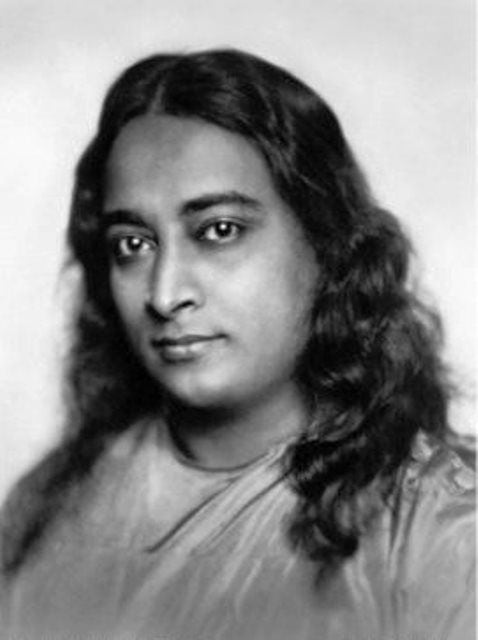
Paramahansa Yogananda
Совпадают в вопросах: Кто я? Существует ли истинное «я»? · Почему мы страдаем? · Что происходит после смерти?
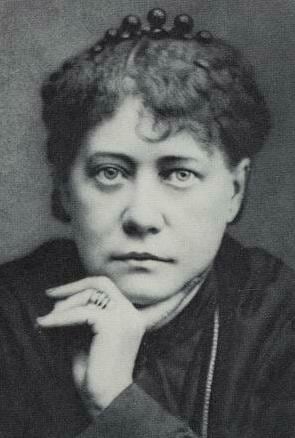
Helena Blavatsky
Совпадают в вопросах: Свободны ли мы или всё предопределено? · Что такое Абсолют? Существует ли Бог? · Кто я? Существует ли истинное «я»?
Meher Baba
Совпадают в вопросах: Зачем медитировать или молиться? · Почему мы страдаем? · Что происходит после смерти?
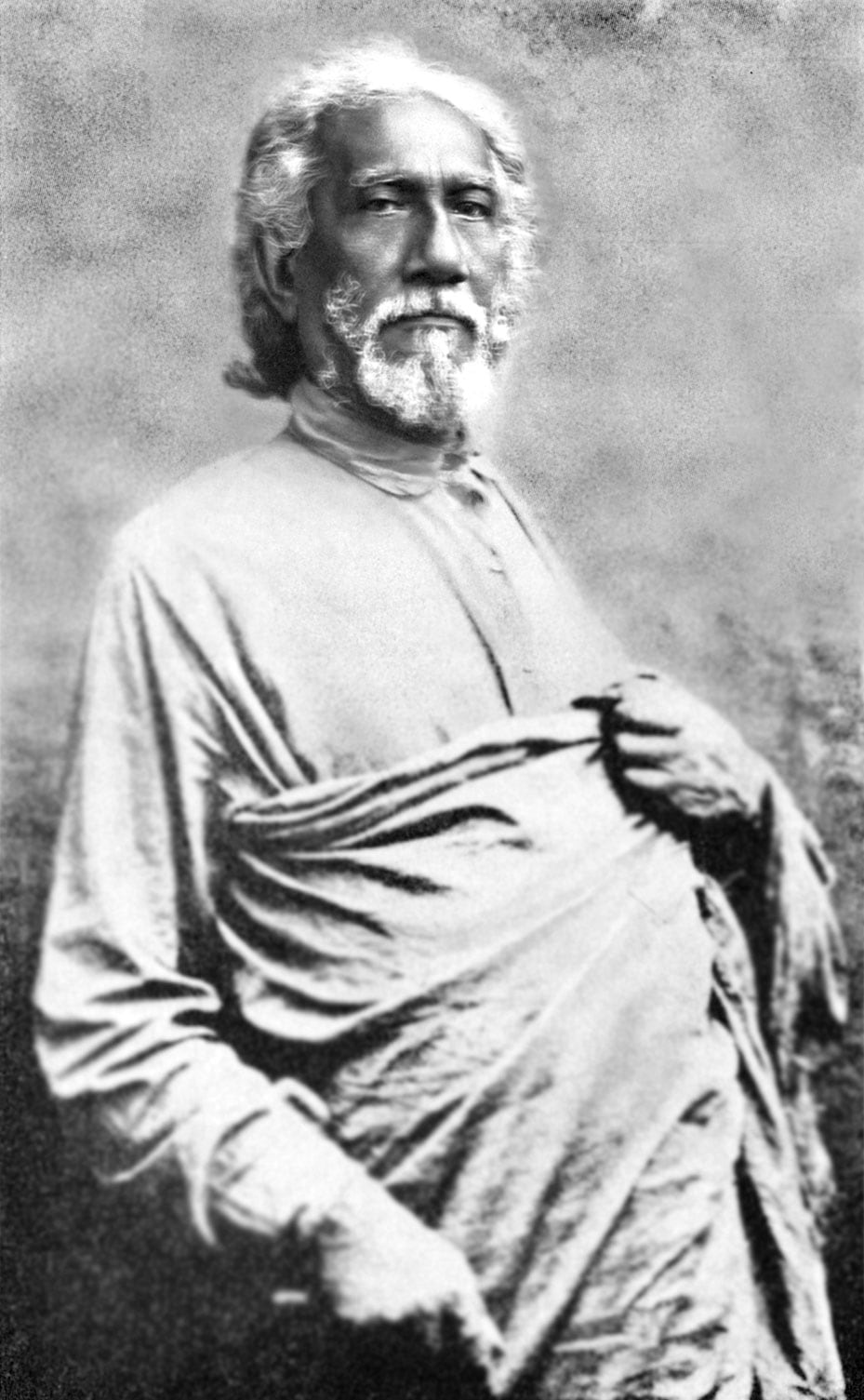
Sri Yukteswar
Совпадают в вопросах: Что такое Абсолют? Существует ли Бог? · Что происходит после смерти? · Нужен ли учитель?
Дальше всего от
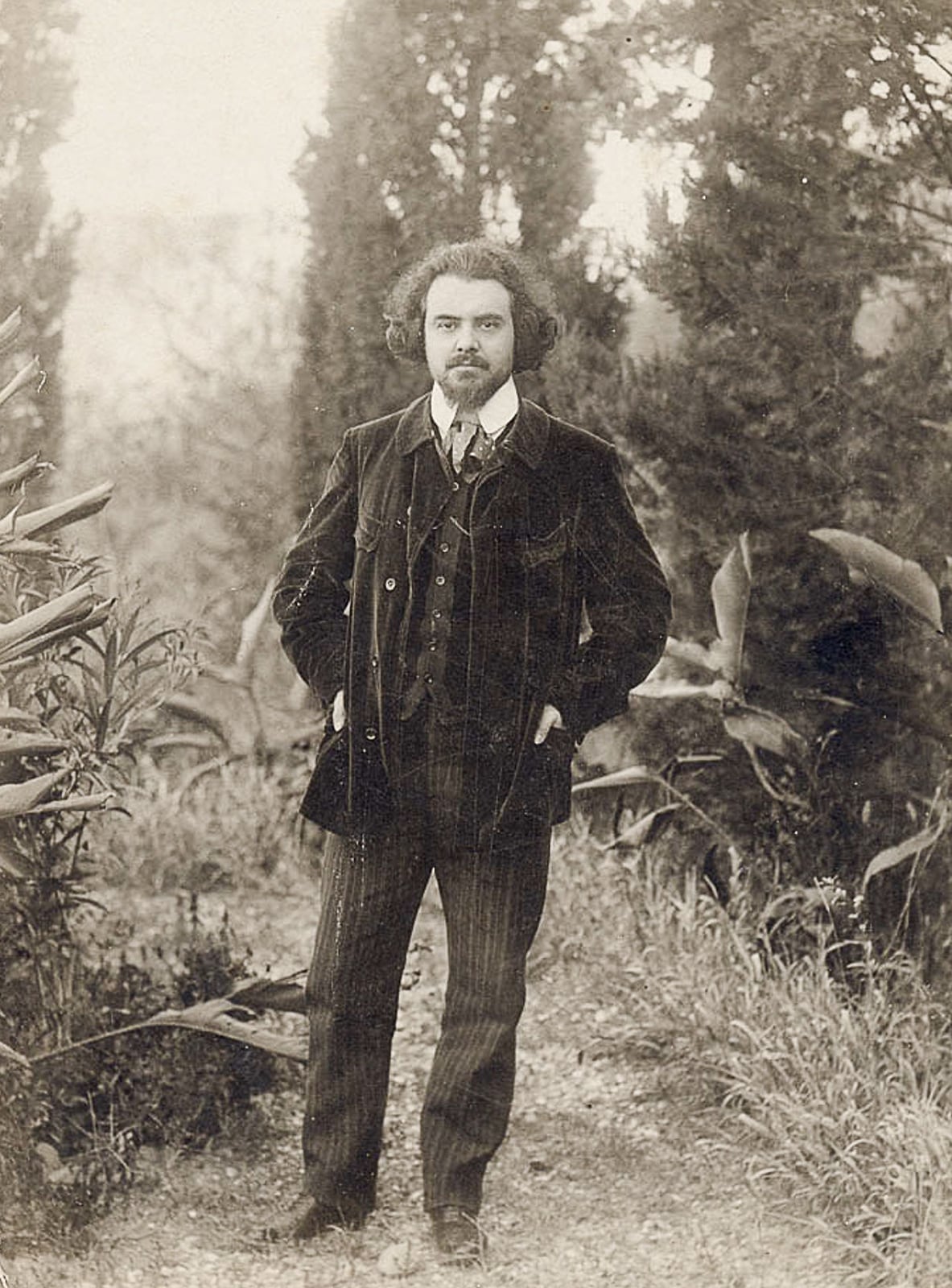
Nikolai Berdyaev
Расходятся в вопросах: Что происходит после смерти? · Нужен ли учитель?

Jiddu Krishnamurti
Расходятся в вопросах: Как достигается освобождение или спасение? · Нужен ли учитель?

Epicurus
Расходятся в вопросах: Что происходит после смерти?
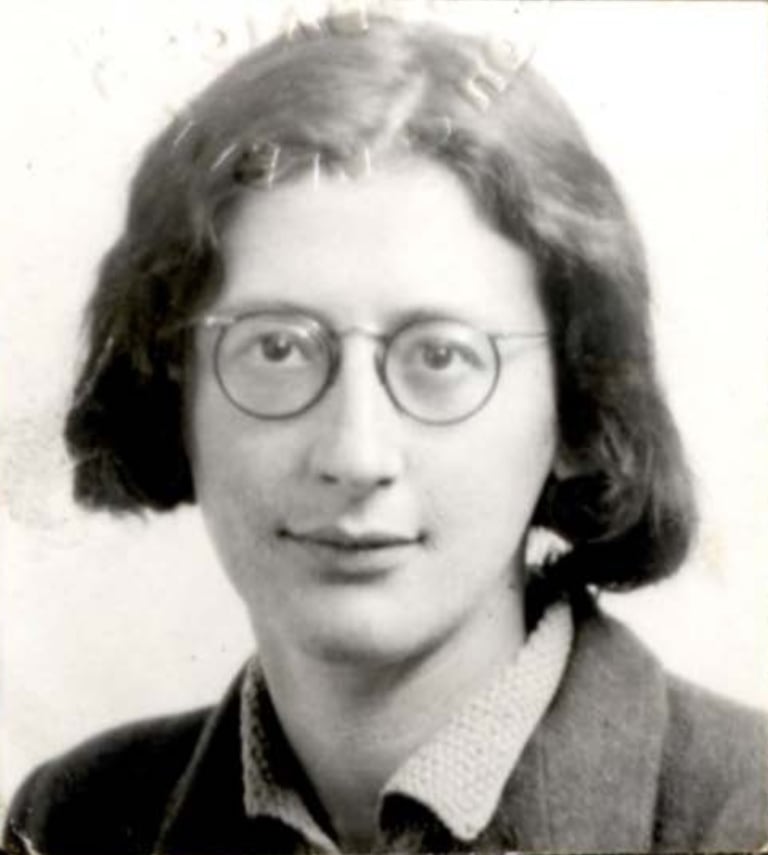
Simone Weil
Расходятся в вопросах: Нужен ли учитель?
Предания и рассказы
Предания и рассказы
Свидетельство1899–1901
Bologoye, 1899
Происхождение рассказа: The meeting is documented; the sentence comes from Nicholas Roerich's essay 'University', written in old age and reproduced on the Bologoye monument (2001).
Документировано1920–1921
The London sessions
Происхождение рассказа: The sessions are documented by the family diaries and correspondence, studied by Andreyev (2014) and summarised in the Russian Wikipedia. What is documented is the practice; the identity of the 'Master' belongs to the faith of the family and their followers.
Источник: Andreyev, Alexandre. The Myth of the Masters Revived: The Occult Lives of Nikolai and Elena Roerich. Leiden/Boston: Brill, 2014 (Aries Book Series, 18).
Документировано1924–1936
Two versions of the same book
Происхождение рассказа: Direct comparison of the Urga edition (1926) on Wikisource, the 1930 English edition on the Internet Archive and the Russian and English texts of the Agni Yoga Society. Andreyev, Znamenski and McCannon place these changes within the evolution of the family's relationship with the USSR.
Источник: [Рерих, Е. И.] Основы буддизма. Urga, 1926 (anónimo). Texto íntegro en Wikisource en ruso.
Свидетельство1927–1928
A pulse of a hundred and forty
Происхождение рассказа: Testimony of Nicholas Roerich, quoted in the Russian Wikipedia from his writings. The conditions of the detention are documented by the 1928 telegram and by George Roerich's Trails to Inmost Asia (1931).
Документировано1933–1936
Letters to the President
Происхождение рассказа: Walker, 'The New Deal and the Guru', American Heritage (1989); photocopies of the letters at Rutgers University Libraries (1933–1936).
Источник: Walker, J. Samuel. «The New Deal and the Guru». American Heritage, vol. 40, n.º 2 (marzo de 1989).
Документировано1948–1955
The white stupa of Kalimpong
Происхождение рассказа: Data from the Russian and English Wikipedias (stupa inscription, Crookety House museum, George's return in 1957).
Учение
Учение
Понятия, на которых строится мысль учителя, объяснённые в их контексте.
Agni Yoga (Living Ethics)agni-yoga
Inter-war neo-Theosophy; mass diffusion in post-Soviet Russia.
Psychic energyenergia-psiquica
Developed above all in Agni Yoga, Infinity and Fiery World.
Hierarchy of Lightjerarquia
Inherited from Theosophy; basis of Helena's spiritual authority within the movement.
Источник: Andreyev, Alexandre. The Myth of the Masters Revived: The Occult Lives of Nikolai and Elena Roerich. Leiden/Boston: Brill, 2014 (Aries Book Series, 18).
The heartcorazon
Theme of the book Heart (1932), present throughout the series.
Subtle World and Fiery Worldmundo-ardiente
Core of the Fiery World trilogy; taken up again in Supermundane.
The Mother of the Worldmadre-del-mundo
A theme shared by Agni Yoga, Nicholas Roerich's painting and the address 'To Women' (1931).
Видео
Видео
Записи, интервью и документальные фильмы. Видео воспроизводятся с YouTube; здесь они не хранятся.
«Николай и Елена Рерих. Больше, чем любовь»
Смотреть на YouTube
Это видео нельзя встроить; оно откроется на YouTube.
«Николай и Елена Рерих. Больше, чем любовь»
Документальный фильм· RU· 39 min
Телеканал КультураОфициальный канал
«Елена Рерих» (Женщины в русской истории, n.º 100)
Документальный фильм· RU· 2013· 15 min
365 Дней ТВОфициальный канал
Лекция «Елена Ивановна Рерих»
Лекция· RU· 2017· 77 min
RoerichSpb Museum (Museo-Instituto de la Familia Roerich, San Petersburgo)Официальный канал
Онлайн-лекция «Елена Ивановна Рерих – философ реального Космоса»
Лекция· RU· 2026· 99 min
Международный Центр РериховОфициальный канал
«Елена Ивановна Рерих. Эпистолярное наследие и переводы» (E. G. Petrenko)
Лекция· RU· 2023· 135 min
Лига Культуры Одесского Дома-Музея РерихаОфициальный канал
«Портреты Елены Ивановны Рерих» (E. G. Petrenko)
Лекция· RU· 2022· 95 min
Лига Культуры Одесского Дома-Музея РерихаОфициальный канал
«Елена Рерих о приходе Нового мира и новой науки» (145.º aniversario)
Лекция· RU· 2024· 112 min
Лига Культуры Одесского Дома-Музея РерихаОфициальный канал
Nicholas and Helena Roerich: Life, Vision, and a Shared Quest for the Spirit (Alex Audziayuk)
Лекция· EN· 2026· 51 min
Theosophical SocietyОфициальный канал
Helena Roerich
Лекция· EN· 2023· 59 min
Brisbane Theosophical SocietyОфициальный канал
Helena Roerich's Contribution to the Object of Theosophical Science (Martha M. Libster)
Лекция· EN· 2025· 74 min
European School of TheosophyОфициальный канал
Nicholas y Helena Roerich, El Sendero del Agni Yoga
Лекция· ES· 2022· 96 min
America Teosofica - FTI OficialОфициальный канал
Matrimonio Roerich. El camino hacia Shamballa (José Rubio Sánchez)
Лекция· ES· 2017· 104 min
Grupo de Estudios Teosóficos de Valencia
Галерея
Галерея
Изображения с проверенной лицензией. Каждое сохраняет своё авторство и атрибуцию.
Рукописи
Рукописи
Рукописные свидетельства и древние тексты, с указанием хранителя и условий доступа.
RU · Cyrillic · 1920–1955
Дневники и записные книжки Е. И. Рерих
- Сохранившийся список
- Cuadernos de diario manuscritos, fuente de los libros de la Agni Yoga.
- Хранитель
- Museo Estatal de Arte Oriental, Moscú (edición «Листы дневника», 2006–) y otras colecciones; reparto exacto no verificado
RU · Cyrillic · 1920–1955
Эпистолярное наследие Е. И. Рерих
- Сохранившийся список
- Originales y copias de cartas.
- Хранитель
- Centro Internacional de los Roerich (Moscú)
EN · Latin · 1933–1936
Letters from Helena Roerich to Franklin D. Roosevelt (photocopies), 1933–1936
- Сохранившийся список
- Fotocopias
- Хранитель
- Rutgers University Libraries, Special Collections and University Archives (New Brunswick, Nueva Jersey)
- Оцифровка
- archives.libraries.rutgers.edu/repositories/11/a…
Связи
Связи
Влияния, ученичество и близость взглядов. Документированная связь отличается от сходства, выявленного путём анализа.
Родственник
Her husband from 1901; she shared all his undertakings, from archaeology to the Central Asian expedition and the Pact.
Документированная связь
Родственник
Sviatoslav Roerich
Younger son (1904–1993), a painter; in 1990 he gave his mother's correspondence to the International Centre of the Roerichs.
Документированная связь
Родственник
George (Yuri) Roerich
Elder son (1902–1960), a Tibetologist; he stayed with her in Kalimpong until her death and returned to Moscow in 1957.
Документированная связь
Испытал влияние
She translated into Russian the two volumes of The Secret Doctrine (Riga, 1937) and a selection of the Mahatma letters (1925); the figure of Morya and the notion of Hierarchy come from Blavatsky's Theosophy.
Документированная связь
Современник
In July 1920 the Roerichs received in London membership certificates of the Theosophical Society signed by Besant as president.
Документированная связь
Идеи, близкие к
Contemporaries and heirs of Theosophy, both published between the 1920s and 1940s long series of books presented as dictated by a Himalayan master—Morya in one case, 'the Tibetan' Djwal Khul in the other—and announced a new era. The English Wikipedia associates them in its 'See also' section.
Сходство, выявленное путём анализа
Испытал влияние
From her youth she read Vivekananda and Ramakrishna, together with Tagore.
Документированная связь
Испытал влияние
A youthful reading, according to her biographers.
Документированная связь
Идеи, близкие к
Siddhartha Gautama, the Buddha
She wrote Foundations of Buddhism (1926), and Agni Yoga incorporates Buddhist notions—karma, rebirth, Maitreya—though reinterpreted through Theosophy.
Сходство, выявленное путём анализа
Состоял в переписке с
Franklin D. Roosevelt
She wrote him allegorical letters between 1933 and 1936; Roosevelt apparently answered some.
Документированная связь
Упоминается в других статьях
Источники
Источники
Библиография и каталоги, использованные для этой статьи.
- Andreyev, Alexandre. The Myth of the Masters Revived: The Occult Lives of Nikolai and Elena Roerich. Leiden/Boston: Brill, 2014 (Aries Book Series, 18).
- McCannon, John. Nicholas Roerich: The Artist Who Would Be King. Pittsburgh: University of Pittsburgh Press, 2022.
- Znamenski, Andrei. Red Shambhala: Magic, Prophecy, and Geopolitics in the Heart of Asia. Wheaton (Illinois): Quest Books, 2011.
- Wikidata, entidad Q271493 («Helena Roerich»): fechas, lugares e identificadores (VIAF 7396456, Open Library OL267680A).
- «Рерих, Елена Ивановна», Wikipedia en ruso (secciones de biografía, «Спиритические сеансы», «Живая Этика», «Написание книг и переводы», «Эпистолярное наследие», «Последние годы»), revisión consultada el 2026-10-25.
- «Helena Roerich», Wikipedia en inglés, revisión consultada el 2026-10-25.
- Agni Yoga Society (Nueva York): textos íntegros de la serie Agni Yoga, «Letters of Helena Roerich», «On Eastern Crossroads» y «Foundations of Buddhism», con avisos de copyright y datos de edición, en inglés, ruso y español.
- Sociedad Agni Yoga Hispana (Caguas, Puerto Rico): traducciones españolas de la serie Agni Yoga (1994–2012), publicadas en el sitio de la Agni Yoga Society.
- Wikisource en ruso, «Автор:Елена Ивановна Рерих»: bibliografía (Учение Живой Этики con lugares y años de primera edición, obras, traducciones, cartas, ediciones póstumas).
- [Рерих, Е. И.] Основы буддизма. Urga, 1926 (anónimo). Texto íntegro en Wikisource en ruso.
- Rokotoff, Natalie [Helena Roerich]. Foundations of Buddhism. Nueva York: Roerich Museum Press, 1930.
- Walker, J. Samuel. «The New Deal and the Guru». American Heritage, vol. 40, n.º 2 (marzo de 1989).
- Rutgers University Libraries, Special Collections (New Brunswick): fotocopias de cartas de Helena Roerich a Franklin D. Roosevelt, 1933–1936.
- Open Library, autora Helena Roerich (OL267680A) y registros de la Agni Yoga Society como editorial, consultados el 2026-10-25.
- Decter, Jacqueline (con el Nicholas Roerich Museum). Nicholas Roerich: The Life and Art of a Russian Master. Rochester (Vermont): Park Street Press, 1989.
- Рерих, Е. И. Община (Рига, 1936): nota editorial sobre la primera edición de Urga (1927, con fecha de 1926 en la portada) y la reedición de Riga con párrafos añadidos en diciembre de 1935, en la ficha de LitRes.
- Nicholas Roerich Museum (Nueva York). «Nicholas Roerich: biographical outline», con la semblanza de Helena Roerich.
- Правообладатель
- Helena Roerich murió en 1955: sus textos son de dominio público en la Unión Europea y en Rusia desde el 1 de enero de 2026, pero en España (80 años) no lo serán hasta 2036, y en Estados Unidos las ediciones originales posteriores a 1930 siguen protegidas 95 años desde su publicación. Las traducciones inglesas son propiedad de la Agni Yoga Society (Nueva York) y las españolas de la Sociedad Agni Yoga Hispana, que las ofrecen gratis en línea con restricciones de uso; el Centro Internacional de los Roerich (Moscú) edita el epistolario completo.
- Официальный сайт
- www.agniyoga.org/
Ожидает подтверждения
То, что в этой статье пока не удалось установить. Мы предпочитаем сказать об этом, а не заполнять пробел.
- Los textos íntegros de los catorce libros de la Agni Yoga en ruso están en agniyoga.org (copyright de la Agni Yoga Society) y no en Wikisource: buscar una fuente de los originales rusos (ediciones de París y Riga, 1924–1937) apta para la sala de lectura; los anteriores a 1931 ya son de dominio público en EE. UU. y, desde 2026, en Rusia y la UE.
- ISBN de ediciones impresas en español: la Sociedad Agni Yoga Hispana publica sus traducciones sin ISBN visible en línea; comprobar ediciones impresas (y las de editoriales argentinas o españolas) en la base del ISBN de España y de Argentina.
- ISBN de las ediciones de 2017 de «Hierarchy», «Aum», «Brotherhood» y de los volúmenes I, III y IV de «Supermundane» (Agni Yoga Society): no localizados en Open Library.
- Confirmar la primera edición de «Hojas del jardín de Moria I»: la Agni Yoga Society da 1923 para la edición inglesa y Wikisource 1924 (París) para la rusa.
- Verificar el contenido y la autoría de «Огонь Неопаляющий» (MCR, 2004), citado en Wikisource como obra de Helena Roerich; no se ha registrado.
- Comprobar el reparto actual de los diarios manuscritos (Museo Estatal de Arte Oriental, Centro Internacional de los Roerich, colecciones privadas).
- Localizar el texto del ensayo «Университет» de Nicolás Roerich con la frase sobre el encuentro de Bologoye, y el escrito en que describe el pulso de Helena en el Tíbet.
- Fecha exacta del traslado a Kalimpong (entre 1948 y 1949) y fecha de la cremación.
Исследовано 2026-10-25