Индуизм · Суфизм
Meher Baba
मेहेर बाबा · مهر بابا
1894 – 1969Исторически документированная личность
Мехер Баба (1894–1969), урождённый Мерван Шериар Ирани, родился в Пуне в зороастрийской семье; индийский духовный учитель, провозгласивший себя Аватаром своего времени. С 10 июля 1925 года он сорок четыре года хранил молчание, общаясь сначала с помощью алфавитной доски, а затем жестами. Его «Беседы» (Discourses) и «Бог говорит» (God Speaks), продиктованные им и отредактированные учениками, излагают космологию странствия души к осознанию Бога. Основал Мехерабад, заботился о мастах и с 1931 года путешествовал на Запад.
- трудов
- 31трудов
- изданий
- 49изданий
- цитат
- 7цитат
- видео
- 15видео
- изображений
- 10изображений
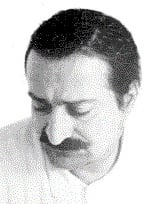
Meher Baba en 1941 · Public domain
Своими словами
«I have come not to teach but to awaken. Understand therefore that I lay down no precepts.»«The Universal Message» (1958), en The Path of Love

Для начала — одна книга
God Speaks: The Theme of Creation and Its PurposeГлавная мысль
God alone is real; the universe is his imagination, and each soul is God passing through that imagination in order to come to know himself consciously.
В контексте
Биография
4 мин чтения
Перевод с испанского оригинала, выполненный с помощью ИИ; ожидает проверки носителем языка.
Сын зороастрийцев из Пуны
Мерван Шериар Ирани родился 25 февраля 1894 года в городе Пуна (ныне Пуне) и был вторым сыном Шериара Мундегара Ирани и Ширин. Отец, персидский зороастриец, много лет странствовал дервишем, прежде чем осесть в Пуне и жениться; семья принадлежала к общине ирани, родственной парсам, но переселившейся из Персии позднее. Мерван учился в Пуне и некоторое время занимался в Деккан-колледже. Свидетельства о его юности рисуют общительного и спортивного юношу, любителя музыки и поэзии — Хафиза, Шекспира, Шелли, — который вместе с друзьями основал клуб, чтобы обсуждать новости и собирать деньги на благотворительность.
Поцелуй Бабаджан
В мае 1913 года по дороге на занятия он обратил внимание на старую мусульманку, жившую под деревом в Пуне, — одни почитали её святой, другие считали безумной: это была Хазрат Бабаджан. Несколько месяцев он навещал её. Однажды ночью в январе 1914 года, согласно рассказу, который он сам одобрил, она поцеловала его в лоб, и юноша почти девять месяцев пребывал в состоянии почти полной отрешённости, не ощущая собственного тела. В последующие годы он искал встреч с другими людьми, которых позднее назовёт пятью «совершенными учителями» своей эпохи: с Саи Бабой из Ширди, Упасни Махараджем, Таджуддином Бабой и Нараяном Махараджем. Именно Упасни в Сакори, по его словам, вернул ему обычное сознание, не отняв опыта Бога; в конце 1921 года, как сообщает биограф Чарльз Пердом, Упасни объявил своим ученикам, что сделал Мервана «совершенным».
Мехерабад и начало молчания
В 1922 году он собрал группу учеников — мандали, — которые дали ему имя Мехер Баба, «сострадательный отец», и открыл в Бомбее дом строгой дисциплины Манзил-э-Мим. В 1923 году он обосновался у деревни Арангаон близ Ахмаднагара, в бывшем военном лагере, который назвал Мехерабадом; там действовали бесплатные школа, больница и амбулатория, открытые для всех каст. 10 июля 1925 года он перестал говорить. Полтора года он писал на грифельных досках и в тетрадях; с начала 1927 года общался, указывая на буквы алфавитной доски, а с октября 1954 года — только жестами рук, которые вслух переводили его приближённые, прежде всего Эрух Джессавала. Своё молчание он объяснял не как аскетическую практику, а как часть своей вселенской работы, и много раз объявлял, что нарушит его словом, которое пробудит человечество. Этого не произошло: все современные ему источники сходятся в том, что он молчал до самой смерти, а его последователи толкуют это неисполненное обещание по-разному.
Запад: Ганди, Голливуд и пресса
В 1931 году он впервые отправился в Европу на пароходе SS Rajputana — том самом, который вёз Ганди на Конференцию круглого стола; на борту они встречались трижды, хотя один из сподвижников Ганди отрицал, что тот просил у него духовного совета. В 1932 году за каждым его шагом следила американская пресса: 1 июня Мэри Пикфорд и Дуглас Фэрбенкс устроили в его честь приём в Пикфэре. Он объявил, что нарушит молчание в «Голливуд-боуле», но в последний момент отплыл в Гонконг. Журналист Пол Брантон, познакомившийся с ним в Индии, оставил в книге «В поисках тайной Индии» (A Search in Secret India, 1934) его разочарованный портрет. В конце десятилетия он объездил Индию на автобусе с группой западных женщин, а в 1938 году последователи основали журнал Meher Baba Journal.
Масты, Новая жизнь и аварии
В 1930–1940-е годы он исколесил субконтинент в поисках мастов — людей, которых считал «опьянёнными Богом», выведенными из равновесия переживаниями внутренних планов; он мыл их, кормил и часами оставался с ними. Эту работу задокументировал его ученик Уильям Донкин в книге The Wayfarers (1948). В октябре 1949 года он вместе с двадцатью спутниками начал «Новую жизнь» — период нищенства и безвестности в «безнадёжности и беспомощности», завершившийся в феврале 1952 года. В том же году он открыл Духовный центр Мехер Бабы в Миртл-Бич (Южная Каролина), а 24 мая под Прагой в Оклахоме попал в автомобильную аварию и сломал ногу. Вторая авария, в Сатаре 2 декабря 1956 года, принесла ему перелом таза и унесла жизнь одного из его спутников. С тех пор он ходил с болью и трудом.
Слова человека, который не говорил
Вопрос о том, кто написал книги Мехер Бабы, отнюдь не риторический. «Беседы» (Discourses) появились как ежемесячные статьи Meher Baba Journal (1938–1942): Мехер Баба диктовал их по алфавитной доске, а готовил к печати профессор Чакрадхар Д. Дешмукх; в 1939–1943 годах их собрали в пяти томах. В 1955 году сестра Мехер Бабы Мани писала, что Дешмукх «приукрасил и развил» продиктованные положения, а порой и неверно их понял. Чарльз Пердом выпустил сокращённую версию в 1955 году; Айви О. Дьюс и Дон Э. Стивенс переиздали весь корпус в 1967 году с его одобрения, а в 1987 году Эрух Джессавала, Бал Нату и Флэгг Крис подготовили седьмое издание. «Бог говорит» (God Speaks, 1955), главный метафизический труд Мехер Бабы, был продиктован по доске начиная с августа 1953 года и отредактирован Людвигом Димпфлом и Доном Стивенсом. Строгое чтение этих книг требует помнить о руках посредников.
В сентябре 1954 года, во время собраний в Мехерабаде, он обнародовал «Призыв Мехер Бабы» (Meher Baba's Call), где представлял себя Аватаром — тем же сознанием, которое, по его убеждению, проявилось в Заратустре, Раме, Кришне, Будде, Иисусе и Мухаммеде; 30 сентября он огласил своё «Окончательное заявление». Для его последователей это исповедание веры; для историка — самоопределение, которое следует фиксировать именно как таковое.
Смерть в Мехеразаде и наследие
Последние годы он провёл в уединении в Мехеразаде близ Ахмаднагара. В 1966 году в брошюре God in a Pill? («Бог в таблетке?») он отсоветовал молодым людям на Западе принимать ЛСД ради духовных целей. С конца 1968 года его мучили сильные мышечные спазмы. Он умер 31 января 1969 года в 12:15 в Мехеразаде, согласно свидетельству, подписанному его врачами; тело было погребено в гробнице в Мехерабаде, которую он велел построить за несколько десятилетий до того. «Последний даршан», подготовленный в Пуне на апрель 1969 года, прошёл без него. По завещательному распоряжению 1967 года права на его слова принадлежат фонду Avatar Meher Baba Perpetual Public Charitable Trust. Его отзвук достиг массовой культуры: Пит Таунсенд посвятил ему рок-оперу Tommy, а его девиз «Don't worry, be happy» вдохновил песню Бобби Макферрина.
Источники: Kalchuri, Bhau. Meher Prabhu: Lord Meher. The Biography of the Avatar of the Age, Meher Baba. Myrtle Beach: Manifestation, 1986-2001; edición en línea revisada (lordmeher.org), pp. 5286-5289 y 5400-5404. · Purdom, Charles B. The God-Man: The Life, Journeys and Work of Meher Baba with an Interpretation of His Silence and Spiritual Teaching. Londres: George Allen & Unwin, 1964. · Meher Baba. Discourses. 7.ª ed. revisada, ed. Eruch Jessawala, Bal Natu y J. Flagg Kris. Myrtle Beach: Sheriar Press, 1987 (3.ª reimpr. 1995), «Foreword» (historia editorial y carta de Mani Irani en The Awakener 3, n.º 1, 1955). Edición en línea del Avatar Meher Baba Trust. · Meher Baba. God Speaks: The Theme of Creation and Its Purpose. 2.ª ed. Walnut Creek: Sufism Reoriented, 1973 (3.ª reimpr. 1997); 1.ª ed. Nueva York: Dodd, Mead, 1955. Edición en línea del Trust. · Meher Baba. The Path of Love. Comp. Filis Frederick. Myrtle Beach: Sheriar Foundation, 2000 (1.ª ed. 1976); incluye «The Universal Message».
Хронология
Жизнь год за годом
Каждая точка — документированное событие. Нажмите, чтобы прочитать о нём, с источником и степенью достоверности.
25 февраля 1894 г.0 летPoona
Birth of Merwan Sheriar Irani
Born into a Zoroastrian Irani family, second son of Sheriar Mundegar Irani and Shireen.
ДокументированоWikipedia (en), «Meher Baba».
25 февраля 1894 г. · 0 лет
Birth of Merwan Sheriar Irani
Born into a Zoroastrian Irani family, second son of Sheriar Mundegar Irani and Shireen.
Документировано
май 1913 г. · 19 лет
First meeting with Hazrat Babajan
While a student at Deccan College, he begins visiting the Muslim holy woman who lives under a tree in Poona.
Документировано
январь 1914 г. · 19 лет
Babajan's kiss
Babajan kisses his forehead; by his own account and that of his biographers, he remains nearly nine months unaware of his surroundings.
Предание
1915 · 21 год
Meetings with Sai Baba of Shirdi and Upasni Maharaj
Meets Upasni Maharaj at Shirdi; over the following years he spends long periods with him at Sakori.
Документировано
декабрь 1921 г. · 27 лет
Upasni declares him 'perfect'
According to Charles Purdom, Upasni tells his disciples he has made Merwan perfect and that he is the sadguru of the age.
Предание
1922 · 28 лет
Manzil-e-Meem and the name Meher Baba
Gathers his first disciples, who call him Meher Baba, and opens a house of discipline in Bombay.
Документировано
1923 · 29 лет
Founding of Meherabad
Settles on a former military camp near Ahmednagar; there he will open a free school, hospital and dispensary.
Документировано
10 июля 1925 г. · 31 год
The silence begins
Stops speaking; he will keep silence until his death forty-four years later.
Документировано
январь 1927 г. · 32 года
Gives up writing for the alphabet board
After his last written message (December 1926), he communicates by pointing to letters on a board.
Документировано
август 1931 г. · 37 лет
First journey to the West; meetings with Gandhi
Travels to England on the same ship as Gandhi, with whom he meets three times.
Документировано
1 июня 1932 г. · 38 лет
Reception at Pickfair
Mary Pickford and Douglas Fairbanks hold a reception at which he delivers a message to Hollywood.
Документировано
ноябрь 1938 г. · 44 года
The Meher Baba Journal appears
Monthly magazine in which the Discourses are serialised, prepared by C. D. Deshmukh.
Документировано
16 октября 1949 г. · 55 лет
The New Life begins
With twenty companions he begins a life of begging and anonymity that will last until February 1952.
Вероятно
24 мая 1952 г. · 58 лет
Car accident in the United States
A head-on collision breaks his leg and injures his face.
Документировано
30 сентября 1954 г. · 60 лет
'Final Declaration'
After 'Meher Baba's Call', in which he reaffirms his Avatarhood, he gives his Final Declaration; in October he gives up the alphabet board.
Документировано
1955 · 61 год
Publication of God Speaks
Dodd, Mead publishes his main metaphysical work, edited by Ludwig Dimpfl and Don Stevens.
Документировано
2 декабря 1956 г. · 62 года
Second car accident
Suffers a fractured pelvis; one of his companions, Nilu, is killed.
Документировано
1966 · 72 года
God in a Pill?
His rejection of the spiritual use of LSD and other drugs is published, compiled from letters to Western academics.
Документировано
17 июня 1967 г. · 73 года
Last will
Signs his will, which gives particular attention to the copyrights of his books and messages.
Документировано
31 января 1969 г. · 74 года
Death
Dies at 12:15 after violent spasms; the certificate gives respiratory failure. He is buried in the Meherabad tomb.
Документировано
10 апреля 1969 г.
The 'last darshan'
Thousands of followers, hundreds of them Westerners, attend the gathering he had prepared, held in his absence until 10 June.
Документировано
Труды
Главные труды
Труды, без которых не понять это наследие.
Письменный труд · 1955
God Speaks: The Theme of Creation and Its Purpose
His most systematic metaphysical exposition. It describes how God, in an original state of unconscious infinity, experiences the urge to know himself and, through imagination, identifies with ever more complex forms—gas, stone, metal, vegetable, worm, fish, bird, animal and human—in a process of evolution of consciousness; then, through reincarnation, the soul exhausts its accumulated impressions and, in involution, crosses seven inner planes until it realises God. It distinguishes ten states of God and sets out the role of the Perfect Masters and the Avatar. It includes eleven charts and an extensive supplement of Sufi and Vedantic terminology. It is dedicated 'To the Universe—the Illusion that sustains Reality'.
5 изданий

Опубликованные лекции · 1939
Discourses
The practical exposition of his teaching: the *sanskaras* or mental impressions that bind consciousness, maya, the ego, reincarnation and karma, violence and non-violence, meditation, love, discipleship and God-realisation. It alternates doctrinal explanation with stories from Indian and Sufi tradition, such as that of Majnun and Layla, and prefers explaining why some actions bind and others free over laying down moral rules. It is the work most read by his followers and the one that best shows the editorial problem of a silent teacher: between dictation and printed text stand several hands and several revisions.
8 изданий

Опубликованные лекции · 1963
The Everything and the Nothing
A collection of short texts, poetic in tone, on the relation of lover and Beloved, illusion, ego and realisation: 'The Lover and the Beloved', 'The Pearl Diver', 'Maya the Showman', 'The One and the Zero'. It includes a chart of the soul's four journeys. It is one of the few books his followers regard as written by him, and its language is more direct and lyrical than that of the Discourses.
2 издания
Все труды (31)
Meher Baba
Tiffin Lectures
The Conscious LibraryTiffin Lectures
2017
Meher Baba
Infinite Intelligence
The Conscious LibraryInfinite Intelligence
2005

In God's Hand
1925

Listen, Humanity
1957

Beams from Meher Baba on the Spiritual Panorama
1958

Life at Its Best
1957

God to Man and Man to God
1955

The Path of Love
1976
Meher Baba
The Sayings of Shri Meher Baba
The Conscious LibraryThe Sayings of Shri Meher Baba
1933
Meher Baba
Shri Meher Baba, the Perfect Master: Questions and Answers
The Conscious LibraryShri Meher Baba, the Perfect Master: Questions and Answers
1933
Meher Baba
Divine Theme
The Conscious LibraryDivine Theme
1943
Meher Baba
Messages of Meher Baba Delivered in the East and West
The Conscious LibraryMessages of Meher Baba Delivered in the East and West
1945
Meher Baba
Gems from the Discourses
The Conscious LibraryGems from the Discourses
1945
Meher Baba
God in a Pill?
The Conscious LibraryGod in a Pill?
1966
Meher Baba
Sparks from Meher Baba
The Conscious LibrarySparks from Meher Baba
1962
Meher Baba
The New Life Circulars
The Conscious LibraryThe New Life Circulars
1949
Meher Baba
The Life Circulars
The Conscious LibraryThe Life Circulars
1952
Meher Baba
On the Fiery Free Life
The Conscious LibraryOn the Fiery Free Life
1952
Meher Baba
Be True to Your Duty
The Conscious LibraryBe True to Your Duty
1954
Meher Baba
6 Messages
The Conscious Library6 Messages
1955
Meher Baba
Final Declaration
The Conscious LibraryFinal Declaration
1954
Meher Baba
The Universal Message
The Conscious LibraryThe Universal Message
1958
Meher Baba
Meher Baba Journal
The Conscious LibraryMeher Baba Journal
1938

Early Messages to the West
2009
Изречения
Изречения, найденные в конкретном труде. Каждое сопровождается указанием происхождения и степени надёжности.
I have come not to teach but to awaken. Understand therefore that I lay down no precepts.Проверено«The Universal Message» (1958), en The Path of Love
Основные идеи (редакционное изложение)
Из уважения к авторскому праву эти идеи изложены своими словами и не выдаются за дословные цитаты.
- God alone is real; the universe is his imagination, and each soul is God passing through that imagination in order to come to know himself consciously.
- Consciousness is formed through the evolution of forms, from stone to human being; in the human it reaches its fullness but remains covered by accumulated impressions, which are exhausted in successive reincarnations.
- Mental impressions or sanskaras bind consciousness to illusion; the spiritual path consists in wearing them away through love, selfless service and surrender to the master, not through the accumulation of merit.
- In each age there are five Perfect Masters who, when the cycle comes, bring down the Avatar; the Avatar is the same consciousness that manifested, in his view, in Zoroaster, Rama, Krishna, the Buddha, Jesus and Muhammad.
- The renunciation that matters is not outward but mental: one can live in the world, with family and duties, while renouncing the limited self.
- Drug-induced experiences are not spiritual: they are discontinuous and illusory, whereas God-realisation is a continuous experience.
- Worry is a self-perpetuating habit; against it he advised doing one's best, ceasing to worry and remaining cheerful in God's love, advice that circulated on cards with the formula don't worry, be happy.
Последние слова
Позднейший рассказ свидетелей
«Do not forget that I am God.»Do not forget that I am God.
Meher Baba did not speak: his last words were gestures interpreted by those present. According to *Lord Meher*, the biography by his disciple Bhau Kalchuri, shortly before 12:15 on 31 January 1969 he asked Dr Goher Irani to stop giving him injections with this phrase; that same morning he had told the men mandali 'Remember this, that I am God!' Eruch Jessawala recalled that in the early hours he spelled out with his fingers 'He did not come back', alluding to a story about a Tibetan monk, and added 'but I shall return'. Adi K. Irani's circular of 5 February 1969 says that at noon he was joking with those present about the medicines. These are testimonies from his inner circle, not independent, and transmitted through interpreted gestures.
Источник: Kalchuri, Bhau. Meher Prabhu: Lord Meher. The Biography of the Avatar of the Age, Meher Baba. Myrtle Beach: Manifestation, 1986-2001; edición en línea revisada (lordmeher.org), pp. 5286-5289 y 5400-5404.
Спросить
На что отвечают эти труды
Двенадцать великих вопросов человечества и то, что позволяют на них ответить эти тексты, со ссылками. Мы никогда не вкладываем слова в чужие уста.
Что такое Абсолют? Существует ли Бог?
God alone is real: featureless infinite and Beloved who incarnates
И личный, и безличныйСказано прямо
In God Speaks Meher Baba describes God in the ‘Beyond-Beyond’ state as infinite existence, knowledge and bliss, unconscious of itself, and explains creation as that God’s original whim to know himself: the question ‘Who am I?’ sets the evolution of consciousness in motion. This Absolute has no features, yet it is not merely impersonal: God is also the Beloved who is loved, and Meher Baba presented himself as the Avatar, God become man in every age. In the Discourses he insists that God alone is real and all else is illusion. The divine thus has an infinite ground and a human face, and the path is to love that face until one discovers that one is oneself God.
Сравнить этот вопрос с другими учителямиКто я? Существует ли истинное «я»?
The soul is God, and its long journey ends in discovering it
Самость есть АбсолютСказано прямо
In God Speaks Meher Baba holds that the soul (atma) is in reality identical with the Oversoul (Paramatma): it is infinite and eternal but does not know it. To know it, it undertakes a journey he describes in detail: the evolution of consciousness through ever more complex forms, from stone to human being; reincarnation in millions of human forms; and involution through the inner planes up to realisation. What prevents the soul from knowing itself are sanskaras, impressions that bind consciousness to illusion. When they are exhausted, false individuality vanishes and the soul discovers that it was always God. The ego, for Meher Baba, is the last obstacle, and renouncing it is the only renunciation needed.
Сравнить этот вопрос с другими учителямиПочему мы страдаем?
Sanskaras bind consciousness; suffering wears them away
Карма и обучение душиСказано прямо
Meher Baba explains suffering through sanskaras, the impressions each experience leaves in the mind that drive new actions and new births. These impressions, accumulated through evolution and reincarnation, bind consciousness to illusion and feed the ego. In the Discourses he describes how karma operates from one life to the next and how pain, like pleasure, is the expression of sanskaras being spent. Suffering thus has no value in itself, but it is part of the process that ultimately frees the soul, especially if accepted with love and without rebellion. What truly dissolves it is love for God, which consumes impressions like fire.
Сравнить этот вопрос с другими учителямиЧто происходит после смерти?
After death, states of heaven and hell and a new incarnation
Перерождение согласно кармеСказано прямо
In the Discourses and God Speaks Meher Baba sets out a detailed theory of reincarnation. After death the soul keeps its sanskaras in the subtle and mental bodies and passes through states of heaven or hell, which are not places but states of consciousness in which good and bad impressions are lived intensely. When that phase is exhausted it incarnates again in a human body, alternating between male and female lives, in different places and conditions, as its impressions require. The cycle continues until the soul begins involution and attains God-realisation. For Meher Baba death is as ordinary as sleep, and as illusory as everything that is not God.
Сравнить этот вопрос с другими учителямиКак достигается освобождение или спасение?
Love God and surrender to the Master: renounce only the self
Через преданность и предание себяСказано прямо
Meher Baba describes several paths in the Discourses, but considers love for God the most direct and surrender to a Perfect Master or to the Avatar the most effective. The ego cannot eliminate itself: it needs an object of love greater than itself. That is why he asked his followers to make him their constant companion and think of him more than of themselves. One of his best-known sayings sums up the demand: one need renounce nothing but one’s own self, which is simple yet almost impossible. He rejected shortcuts: he wrote against the use of drugs in search of spiritual experiences. Liberation, for him, is the realisation that one is God.
Сравнить этот вопрос с другими учителямиНужен ли учитель?
The Perfect Master and the Avatar awaken what the soul cannot alone
НезаменимСказано прямо
Meher Baba gives the Perfect Masters and the Avatar a decisive role. In God Speaks and the Discourses he explains that in every age there are five Perfect Masters who direct the world’s spiritual affairs, and that the Avatar, God become man, descends periodically to give humanity a new impulse. The soul cannot cross the inner planes alone without getting lost in their powers and visions; it needs the grace and guidance of a realised master. He himself asked his followers to love and obey him and to make him their constant companion. At the same time he refused to found a religion and said he had come to awaken, not to teach.
Сравнить этот вопрос с другими учителямиРеален ли мир?
The universe is the Illusion that sustains Reality
Видимость поверх единой реальностиСказано прямо
Meher Baba dedicated God Speaks to the universe with a paradoxical formula: ‘the Illusion that sustains Reality’. Creation, he explains, arises from God’s whim to know himself; for that, consciousness passes through forms, worlds and planes that have no existence of their own, like images in a dream. Only God is real, and the universe is a nothing that seems to be something. But that illusion is not useless: it is the means by which the soul gains consciousness of itself and finally discovers that it is God. In The Everything and the Nothing he develops the idea that the Nothing (illusion) is the shadow of the Everything (God). The world is lived seriously but not taken for the ultimate.
Сравнить этот вопрос с другими учителямиЧто такое любовь?
Love cannot be imposed: only love awakens love
Тоска и соединениеСказано прямо
For Meher Baba love is the central force of the spiritual life. In the Discourses he describes it as the reflection of God’s unity in the world of duality: every being seeks, more or less consciously, union with what it loves, and at bottom what it seeks is God. He distinguishes human love, mixed with desire, from divine love, which asks for nothing and culminates in union with the Beloved. One of his recorded sayings states its nature: love and coercion can never go together, and though love cannot be forced on anyone, it can be awakened through love itself. That is why his teaching comes down to loving God.
Сравнить этот вопрос с другими учителямиСвободны ли мы или всё предопределено?
Sanskaras push, but each present act can unbind them
Карма и выборСледует из учения
In the Discourses Meher Baba describes a strongly conditioned human life: accumulated impressions (sanskaras) largely determine the desires, circumstances and even the place and sex of each incarnation, and karma operates from one life to the next with strict logic. But he is no fatalist: human beings can act so as not to create new bonds, serve without selfishness, accept what comes with love and surrender to a master, and so hasten the exhaustion of impressions. At the same time he recalls that from the standpoint of Reality all this belongs to illusion: only God is, and his will is in everything. Full freedom comes with realisation.
Сравнить этот вопрос с другими учителямиЗачем медитировать или молиться?
Make the Beloved a constant companion
Дружба с БогомСказано прямо
Meher Baba devoted several chapters of the Discourses to meditation: he describes it as the path the mind cuts for itself through its own illusions and distinguishes many forms, from meditation on ideas or on the master’s form to objectless meditation. But his main recommendation was simpler: to remember and love him, make him a constant companion and think of him more than of oneself. The prayer he composed, the Master’s Prayer, praises God by many names, and another, the Prayer of Repentance, asks forgiveness for faults. Praying and meditating serve, for him, to direct towards God the energy that the ego scatters, until love replaces thought.
Сравнить этот вопрос с другими учителямиМожет ли разум познать предельное?
He came not to teach but to awaken: the mind must be annihilated
Предельное лежит за пределами умаСказано прямо
Meher Baba wrote works of great doctrinal complexity, such as God Speaks, with detailed maps of planes and states of consciousness. But he insisted that such knowledge does not free: in one of his recorded sayings he states that he has come not to teach but to awaken, and therefore lays down no precepts. Real knowledge of God requires the annihilation of the mind (manonash), because the mind, however subtle, still belongs to illusion. He kept outward silence for more than forty years, which he himself explained as a service to the world, not a spiritual exercise. Reason can describe the path, but the ultimate is known only when the reasoning mind ceases.
Сравнить этот вопрос с другими учителямиУйти от мира или преобразить его?
Renounce not the world but the self, serving selflessly
Созерцание в действииСказано прямо
Meher Baba did not ask his followers to withdraw from the world: one of his recorded sayings states that one need renounce nothing but one’s own self. In the Discourses he describes the ideal life as a life in the world, active and detached, in which selfless service is a form of worship. He himself founded schools, a hospital and a shelter at Meherabad, and spent years caring for the masts, people absorbed in ecstatic states whom he considered advanced souls. At the same time he alternated periods of seclusion, fasting and silence, and in 1949 undertook with a few companions the New Life, a phase of voluntary wandering and helplessness.
Сравнить этот вопрос с другими учителями
Созвучия и противоречия
Созвучия и противоречия
Рассчитаны вопрос за вопросом на основе позиций. Причина каждого совпадения или расхождения — по нажатию.
Ближе всего к
Anandamayi Ma
Совпадают в вопросах: Зачем медитировать или молиться? · Что такое Абсолют? Существует ли Бог? · Кто я? Существует ли истинное «я»?
Paramahansa Yogananda
Совпадают в вопросах: Что такое Абсолют? Существует ли Бог? · Почему мы страдаем? · Что происходит после смерти?
Ramakrishna
Совпадают в вопросах: Что такое Абсолют? Существует ли Бог? · Кто я? Существует ли истинное «я»? · Что происходит после смерти?
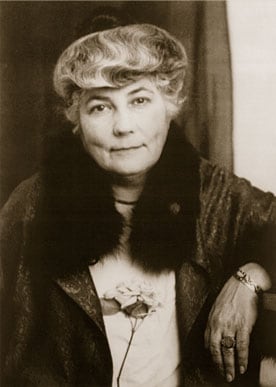
Helena Roerich
Совпадают в вопросах: Почему мы страдаем? · Что происходит после смерти? · Как достигается освобождение или спасение?
Дальше всего от
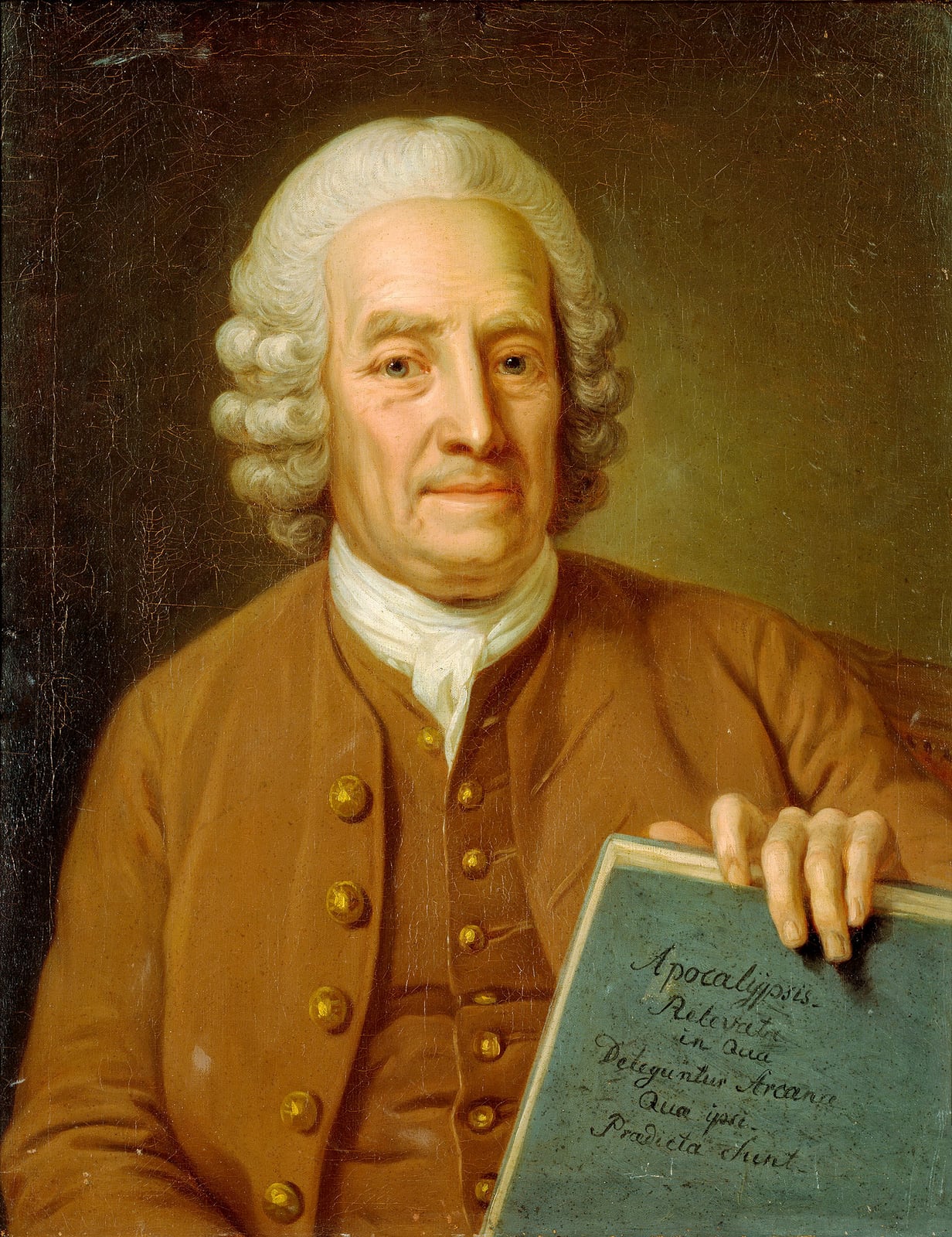
Emanuel Swedenborg
Расходятся в вопросах: Кто я? Существует ли истинное «я»? · Что происходит после смерти?

Julian of Norwich
Расходятся в вопросах: Кто я? Существует ли истинное «я»? · Что происходит после смерти? · Реален ли мир?

Epicurus
Расходятся в вопросах: Кто я? Существует ли истинное «я»? · Что происходит после смерти?

Jiddu Krishnamurti
Расходятся в вопросах: Как достигается освобождение или спасение? · Нужен ли учитель?
Предания и рассказы
Предания и рассказы
Свидетельство1913-1914
The kiss under the tree
Происхождение рассказа: Meher Baba's own account recorded by his biographers (C. B. Purdom, Bhau Kalchuri) and summarised in encyclopaedias. There are no independent testimonies of the episode.
Документировано1931
Three conversations with Gandhi at sea
Происхождение рассказа: Documented by the press of the time and by the denial from Gandhi's circle; the details of the conversations come from Meher Baba's biographers.
Источник: Wikipedia (en), «Meher Baba».
Документировано1932
The word not spoken at the Hollywood Bowl
Происхождение рассказа: Documented by the American press (Associated Press) and by the biographies.
Источник: Wikipedia (en), «Meher Baba».
Документировано1949-1952
The New Life
Происхождение рассказа: Documented by the New Life circulars (1949-1952) and by the companions' diaries recorded in Lord Meher.
Источник: Wikipedia (en), «Meher Baba».
Документировано1967
The 1967 interview
Происхождение рассказа: Filmed; transcript and participants' memories in Lord Meher, pp. 5286-5289.
Свидетельство1969
'He did not come back'
Происхождение рассказа: Eruch Jessawala's recollection published by the Avatar Meher Baba Trust (Davana Brown, 2015). A single witness, from the inner circle.
Учение
Учение
Понятия, на которых строится мысль учителя, объяснённые в их контексте.
The Avatar and the five Perfect Mastersavatar
Set out in God Speaks and the Discourses; reaffirmed in 'Meher Baba's Call' (1954).
Evolution, reincarnation and involution of consciousnessevolucion-reencarnacion-involucion
A synthesis of Vedantic (Paramatma, atma) and Sufi (planes and journeys) terminology, with an evolutionary scheme of his own.
Sanskarassanskaras
A Sanskrit term (*saṃskāra*) from Yoga and Vedanta, reinterpreted within a framework of evolving consciousness.
The silencesilencio
A central feature of his biography and of his followers' practice (Silence Day).
Источник: Wikipedia (en), «Meher Baba».
The mastsmasts
The Sufi notion of the *majdhub*, the one seized by God.
Источник: Wikipedia (en), «Meher Baba».
Divine loveamor-divino
An inheritance of Persian Sufism (Hafez) and Indian *bhakti*.
Видео
Видео
Записи, интервью и документальные фильмы. Видео воспроизводятся с YouTube; здесь они не хранятся.
Meher Baba Interview 1932 Newsreel
Оригинальная запись· EN· 1932· 1 min
timmer17
Meher Baba in America 1932
Оригинальная запись· EN· 1932· 15 min
Meher Spiritual CenterОфициальный канал
Meher Baba's 1932 Message to Hollywood
Документальный фильм· EN· 1932· 17 min
TechnoBaba Films
Beyond words - 1967 film of Meher Baba
Оригинальная запись· EN· 1967· 37 min
Parabrama Ilahi
"The Awakener" - new Hi-Res scan of 35mm film, with sound
Документальный фильм· EN· 1969· 4 min
Meher Nazar PublicationsОфициальный канал
Meher Baba, The Awakener (Remastered 2021)
Документальный фильм· EN· 1969· 55 min
timmer17
God In Human Form The Biography of Avatar Meher Baba
Документальный фильм· EN· 66 min
Meher FilmworksОфициальный канал
Dios En Forma Humana - Película completa en español - Meher Baba
Документальный фильм· ES· 68 min
Meher Baba en Español - La Plata, Argentina
अवतार मेहेर बाबा के जीवन और कार्य की विशिष्टता / Meher Baba Highlights of His Life, Work and Message
Документальный фильм· HI· 9 min
Meher Baba Video's
Pete Townshend (The Who) • Interview (Guru Meher Baba) • 1969
Интервью· EN· 1969· 10 min
ReelinInTheYears66
Eruch Jessawala - The Oral History Archive Project - 1996 Meherazad
Интервью· EN· 1996· 103 min
MeherBabaLibrary
The Greatest of My Sufferings - Meher Baba's Accident in America
Лекция· EN· 60 min
Avatar Meher Baba Heartland CenterОфициальный канал
Meher Baba's New Life- From the Great Seclusion to Manonash: An In-Depth Review (Session 1)
Лекция· EN· 79 min
Meher Spiritual CenterОфициальный канал
"Meher Baba Begins His Work at Meherabad 1924" A talk by Peter Nordeen
Лекция· EN· 82 min
Meher Spiritual CenterОфициальный канал
Avatar Meher Baba's Samadhi in Full High Definition
Документальный фильм· EN· 5 min
Meherabad Moments
Галерея
Галерея
Изображения с проверенной лицензией. Каждое сохраняет своё авторство и атрибуцию.
Рукописи
Рукописи
Рукописные свидетельства и древние тексты, с указанием хранителя и условий доступа.
EN · Latin · c. 1925
In God's Hand
- Сохранившийся список
- Manuscrito autógrafo de 39 páginas
- Хранитель
- Avatar Meher Baba Perpetual Public Charitable Trust, Archives Collection (Ahmednagar)
- Оцифровка
- avatarmeherbabatrust.org/online-library/…
EN · Latin · mediados de los años veinte
Intelligence Notebooks I-II
- Сохранившийся список
- Dos cuadernos manuscritos
- Хранитель
- Avatar Meher Baba Perpetual Public Charitable Trust, Archives Collection (Ahmednagar)
EN · Latin · 1926-1927
Tiffin Lectures (notas de Framroze Dadachanji)
- Сохранившийся список
- Manuscritos mecanografiados y manuscritos
- Хранитель
- Avatar Meher Baba Perpetual Public Charitable Trust
- Оцифровка
- avatarmeherbabatrust.org/tiffin-lectures/…
Связи
Связи
Влияния, ученичество и близость взглядов. Документированная связь отличается от сходства, выявленного путём анализа.
Встречался с
Paul Brunton
The journalist visited him and portrayed him with disenchantment in A Search in Secret India (1934).
Документированная связь
Состоял в переписке с
Richard Alpert (Ram Dass)
Recipient of letters on psychedelic drugs collected in God in a Pill? (1966).
Документированная связь
Повлиял на
Pete Townshend
The Who's guitarist dedicated the rock opera Tommy (1969) and several albums to him.
Документированная связь
Ученик
Hazrat Babajan
The Poona saint whose kiss (January 1914) marked the beginning of his transformation.
Документированная связь
Ученик
Upasni Maharaj
His master at Sakori from 1915; according to Purdom, declared him 'perfect' in 1921. Last meeting in 1941.
Документированная связь
Встречался с
Sai Baba de Shirdi
One of the five Perfect Masters of his age according to his teaching; he met him at Shirdi around 1915.
Документированная связь
Встречался с
Tajuddin Baba
Master of Nagpur, another of the five Perfect Masters he recognised.
Документированная связь
Встречался с
Narayan Maharaj
Master of Kedgaon, another of the five Perfect Masters he recognised.
Документированная связь
Встречался с
Mahatma Gandhi
Three meetings aboard the SS Rajputana in 1931.
Документированная связь
Испытал влияние
He read him from youth and often quoted his couplets on obedience to the master; he had them recited on the day of his death.
Документированная связь
Идеи, близкие к
Meher Baba identified himself with the same avataric consciousness that, he said, manifested in Jesus; it is a statement of faith, not a historical relation.
Сходство, выявленное путём анализа
Идеи, близкие к
The Sufi language of lover and Beloved, and of love as the path to God.
Сходство, выявленное путём анализа
Современник
An Indian contemporary who also often taught through silence, with a very different conception.
Сходство, выявленное путём анализа
Источники
Источники
Библиография и каталоги, использованные для этой статьи.
- Kalchuri, Bhau. Meher Prabhu: Lord Meher. The Biography of the Avatar of the Age, Meher Baba. Myrtle Beach: Manifestation, 1986-2001; edición en línea revisada (lordmeher.org), pp. 5286-5289 y 5400-5404.
- Purdom, Charles B. The God-Man: The Life, Journeys and Work of Meher Baba with an Interpretation of His Silence and Spiritual Teaching. Londres: George Allen & Unwin, 1964.
- Wikidata, «Meher Baba» (Q312701).
- Wikipedia (en), «Meher Baba».
- Meher Baba. Discourses. 7.ª ed. revisada, ed. Eruch Jessawala, Bal Natu y J. Flagg Kris. Myrtle Beach: Sheriar Press, 1987 (3.ª reimpr. 1995), «Foreword» (historia editorial y carta de Mani Irani en The Awakener 3, n.º 1, 1955). Edición en línea del Avatar Meher Baba Trust.
- «A Short Publication History of the Five-volume Set», extracto de «A History of the Discourses», en Meher Baba, Discourses, 6.ª ed. revisada (Myrtle Beach: Sheriar Foundation, 2007), vol. 4, pp. 27-31; e «Introduction» al conjunto de cinco volúmenes, Avatar Meher Baba Trust.
- Meher Baba. God Speaks: The Theme of Creation and Its Purpose. 2.ª ed. Walnut Creek: Sufism Reoriented, 1973 (3.ª reimpr. 1997); 1.ª ed. Nueva York: Dodd, Mead, 1955. Edición en línea del Trust.
- Meher Baba. The Path of Love. Comp. Filis Frederick. Myrtle Beach: Sheriar Foundation, 2000 (1.ª ed. 1976); incluye «The Universal Message».
- Meher Baba. God in a Pill? San Francisco: Sufism Reoriented, 1966. Edición en línea del Trust.
- Irani, Adi K. Circular «This is the true account of Avatar Meher Baba's dropping His body, on 31st January 1969 according to the resident mandali». Ahmednagar: Meher Publications, 5 de febrero de 1969.
- Brown, Davana. «A Last Message for Us All». Avatar Meher Baba Trust, 29 de enero de 2015 (recuerdo de Eruch Jessawala).
- Avatar Meher Baba Perpetual Public Charitable Trust, Online Library «Books by Baba» (descripciones de cada título) y «Copyright and Fair Use» (testamento de 17-6-1967).
- Meher Baba. Tiffin Lectures. Ahmednagar: Avatar Meher Baba Perpetual Public Charitable Trust / Myrtle Beach: Sheriar Foundation, 2017, «Introduction». ISBN 9781880619452.
- Open Library, ediciones de Meher Baba (God Speaks, Discourses, Listen Humanity, Infinite Intelligence, Huma, Dios habla, etc.); y Meher Baba, Infinite Intelligence (Sheriar Foundation, 2005), «Acknowledgments» e introducción.
- Wikipedia (en), «Hazrat Babajan» y «Upasni Maharaj» (apoyadas en Purdom, The God-Man, y Kalchuri, Lord Meher).
- Правообладатель
- Avatar Meher Baba Perpetual Public Charitable Trust (Ahmednagar), por disposición de su testamento de 17-6-1967, para la mayor parte de sus palabras; Sufism Reoriented para God Speaks (1955, 1973) y otros títulos suyos; otros derechos repartidos entre editores y compiladores. Derechos vigentes: murió en 1969.
- Официальный сайт
- avatarmeherbabatrust.org/
Ожидает подтверждения
То, что в этой статье пока не удалось установить. Мы предпочитаем сказать об этом, а не заполнять пробел.
- Sala de lectura: ninguna obra de Meher Baba es de dominio público (murió en 1969; derechos del Trust y de Sufism Reoriented). Los libros de 1933 (Sayings, The Perfect Master) podrían no tener copyright vigente en EE. UU., pero no en la UE ni en España: no se registran. El Trust ofrece lectura gratuita con derechos reservados.
- Confirmar en Lord Meher la fecha exacta de inicio de la Nueva Vida (16-10-1949 es la que suele darse) y la de «Meher Baba's Call» (septiembre de 1954).
- Huma: precisar fechas y lengua original (urdu o persa) de los gazales de juventud.
- Ediciones en español: solo se han verificado Dios habla (Kairós, 2001) y Discursos (Companion Enterprises, 1989); buscar traducciones de The Everything and the Nothing y Listen, Humanity.
- Consultar directamente The God-Man (Purdom, 1964) y Much Silence (Hopkinson, 1974) para cotejar la cronología temprana; aquí se citan a través de fuentes secundarias.
- Verificar si existe la edición digital de los Discourses en discoursesbymeherbaba.org con la 6.ª ed. revisada (2007) y su ensayo editorial completo.
- Relaciones con slugs fuera del catálogo (hazrat-babajan, upasni-maharaj, sai-baba-de-shirdi, tajuddin-baba, narayan-maharaj, mahatma-gandhi, paul-brunton, richard-alpert, pete-townshend).
- Fecha y forma del acto por el que los derechos pasaron al Avatar Meher Baba Trust (el Trust se constituyó por escritura en 1959; se citaba un «testamento de 1967» sin fuente primaria): confirmar antes de precisarlo.
Исследовано 2026-10-25