Индуизм · Тантра · Бхакти · Адвайта-веданта
Ramakrishna
শ্রীরামকৃষ্ণ পরমহংস · গদাধর চট্টোপাধ্যায় · रामकृष्ण परमहंस
1836 – 1886Исторически документированная личность
Бенгальский мистик, жрец храма Кали в Дакшинешваре близ Калькутты. Почти не получив образования, он прошёл пути тантры, вайшнавской бхакти и адвайта-веданты, ненадолго обращался к исламу и христианству и вынес из этого своё знаменитое учение: сколько вер, столько путей. Он ничего не написал: его слово дошло до нас через дневники Махендранатха Гупты («Катхамрита») и через учеников, среди которых был Вивекананда, основавший во имя его Орден и Миссию Рамакришны.
- трудов
- 18трудов
- изданий
- 48изданий
- цитат
- 9цитат
- видео
- 13видео
- изображений
- 7изображений
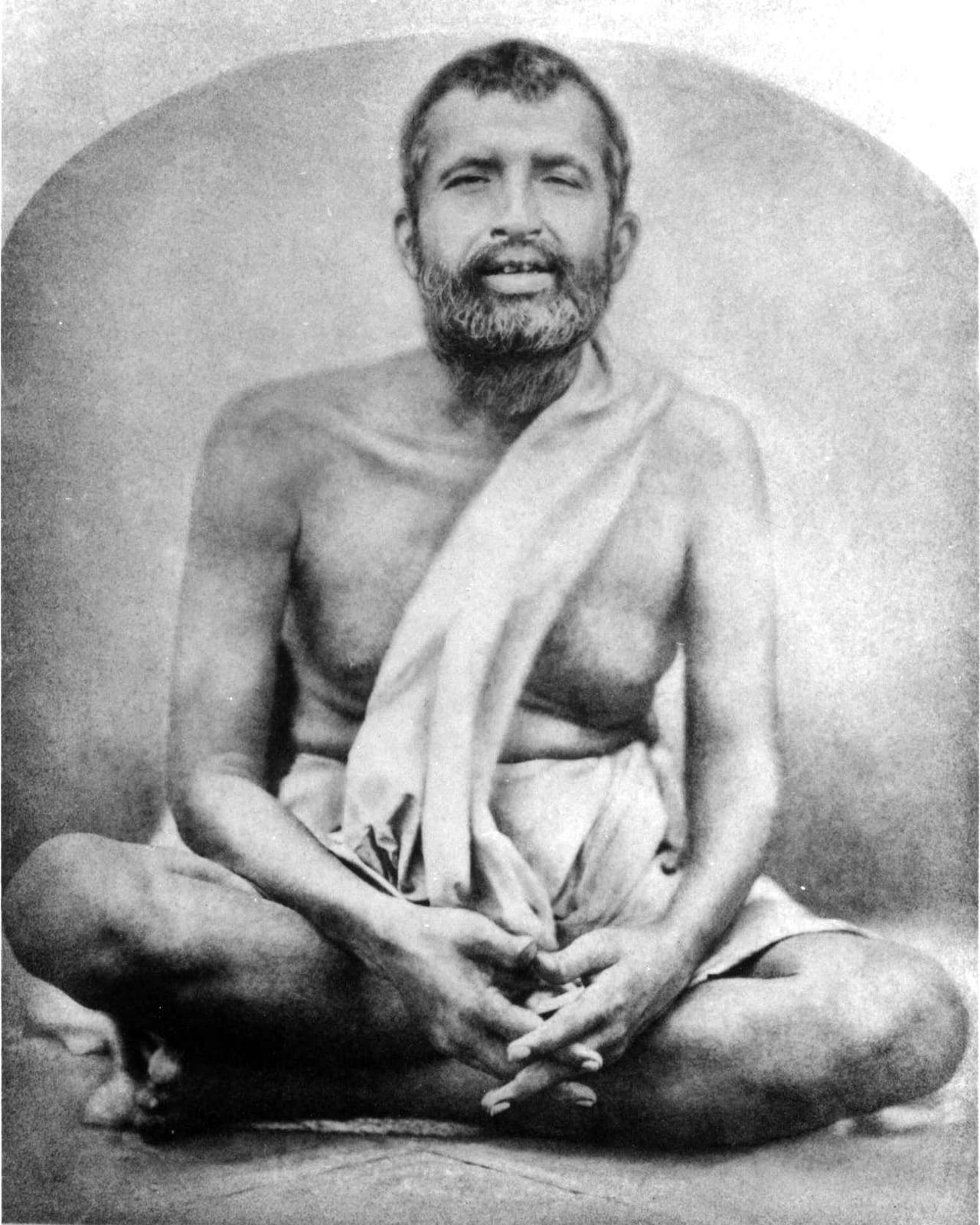
Ramakrishna sentado, la fotografía más difundida · Public domain
Своими словами
«Thou seest many stars at night in the sky, but findest them not when the sun rises. Canst thou say that there are no stars, then, in the heaven of day? So, O man, because thou beholdest not the Almighty in the days of thy ignorance, say not that there is no God.»Müller, Râmakrishna: His Life and Sayings (1898), dicho n.º 1 (versión inglesa de los discípulos)

Для начала — одна книга
Sri Sri Ramakrishna Kathamrita (The Gospel of Sri Ramakrishna)Главная мысль
As many faiths, so many paths: The Bengali formula yato mat, tato path—as many views, so many paths—sums up Ramakrishna’s most quoted teaching.
В контексте
Биография
5 мин чтения
Перевод с испанского оригинала, выполненный с помощью ИИ; ожидает проверки носителем языка.
Бедный брахман из Камарпукура
Гададхар Чаттопадхьяй родился 18 февраля 1836 года в Камарпукуре, деревне округа Хугли в Бенгалии, четвёртым ребёнком обедневшего брахмана Кхудирама Чаттопадхьяя и Чандрамани Деви. Почти всё, что мы знаем о его детстве, восходит к поздним рассказам учеников, прежде всего к «Шри Шри Рамакришна Лилапрасанге» Свами Сарадананды, написанной между 1909 и 1919 годами. Там повествуется о вещих снах родителей — Вишну в Гае обещает родиться их сыном, свет из лингама деревенского храма входит в мать, — которые принадлежат агиографическому жанру и так и должны читаться. Правдоподобнее, поскольку он сам об этом рассказывал, эпизод с шести- или семилетним мальчиком, который, увидев стаю белых журавлей на фоне грозовой тучи, упал без чувств: его первый экстаз. В деревенской школе он проучился недолго, научился читать и писать по-бенгальски и терпеть не мог арифметику; Пураны, «Рамаяну» и «Махабхарату» он узнал от сказителей и от монахов, проходивших через Камарпукур по пути в Пури.
Жрец Кали
Его отец умер в 1843 году, а в 1852-м старший брат, Рамкумар, увёз его в Калькутту помогать в жреческих обязанностях; Гададхар отказался от санскритской школы, сказав, по преданию, что не хочет образования ради куска хлеба. В мае 1855 года Рани Рашмони, богатая вдова из касты, которую ортодоксальные брахманы считали низкой, освятила в Дакшинешваре, на берегу Хугли, большой храм Кали; Рамкумар согласился служить в нём, а после его смерти в 1856 году жрецом остался Гададхар, под покровительством Матхура Бабу, зятя основательницы. Там он прожил почти тридцать лет. Дальнейшее составляет ядро его легенды и его устной автобиографии: столь неистовая жажда увидеть богиню, что он перестал есть и спать, и видение Кали как океана света в тот миг, когда он в отчаянии схватился за меч святилища. В храме его сочли безумным; чтобы успокоить его, родные в 1859 году женили его на Сарадамани Мукхопадхьяй, пятилетней девочке из соседней деревни Джайрамбати. Все источники сходятся в том, что брак так и не стал супружеским.
Все пути
С 1861 года до начала 1870-х он под руководством разных наставников прошёл едва ли не весь спектр индийской религиозности. Странствующая аскетка, так называемая Бхайрави Брахмани, посвятила его в тантрические практики и первой провозгласила перед собранием учёных, что он — божественное воплощение. Вайшнавский монах Джатадхари научил его поклоняться младенцу Раме, а сам он месяцами жил в любовном состоянии Радхи по отношению к Кришне. Около 1864 или 1865 года странствующий монах ордена Шанкары Тотапури дал ему посвящение в санньясу и ввёл его в адвайта-веданту; предание утверждает, что он достиг бесформенного самадхи за три дня и что поражённый учитель остался на одиннадцать месяцев. Около 1866 года он практиковал ислам под руководством индуиста, принявшего суфизм, Говинды Рая, а около 1874 года, послушав чтение Библии, имел видение Христа, слившегося с ним. Из этой череды опытов, известной нам по его собственным рассказам ученикам, родилось учение, которое его прославит: сколько вер, столько путей. Уолтер Нивел и Джеффри Крипал, вопреки утвердившемуся позднее ведантическому прочтению, подчеркнули вес тантры в этом становлении.
Сарада и брахмо
В 1872 году в Дакшинешвар приехала его молодая жена. Рамакришна принял её, наставлял и в том же году ритуально почтил её как проявление Богини; Сарада Деви жила рядом с ним, в крошечной комнатке на территории храма, до самого конца и впоследствии стала Святой Матерью ордена. В 1875 году он познакомился с Кешабом Чандрой Сеном, харизматичным главой одной из ветвей Брахмо Самаджа, реформаторского движения, отвергшего изображения. Кешаб был очарован и опубликовал в прессе брахмо краткий очерк его учения и некоторые его изречения; Протап Чандра Мозумдар посвятил ему в 1879 году статью «The Hindu Saint», которую годы спустя перепечатал Макс Мюллер. Так в Дакшинешвар потянулся образованный средний класс Калькутты — студенты, учителя, врачи, драматург Гириш Чандра Гхош, — а в конце 1881 года и юный скептик по имени Нарендранатх Датта, будущий Вивекананда, который спросил его, видел ли он Бога, и без колебаний услышал «да».
Свидетель с тетрадью
В феврале 1882 года появился школьный учитель Махендранатх Гупта. Он вёл дневник с тринадцати лет и стал записывать, вернувшись домой, всё увиденное и услышанное: дату, час, место, кто присутствовал, какие пелись песни. Из этих записей выросла «Шри Шри Рамакришна Катхамрита» — пять томов, выходивших под подписью «М.» с 1902 по 1932 год. Это главный источник о его учении и классика бенгальской прозы, но не протокол: историк Сумит Саркар заметил, что она охватывает лишь около ста восьмидесяти шести дней из последних четырёх лет, была опубликована через пятнадцать—пятьдесят лет после событий и представляет собой выстроенный текст с собственными авторскими стратегиями. На её страницах Рамакришна говорит на крестьянском бенгальском, полном притч, шуток и бытовых сценок; он посмеивается над книжниками, с недоверием относится к деньгам и желанию — «женщина и золото», камини-канчана — и впадает в экстаз посреди беседы.
Коссипор
В начале 1885 года болезнь горла оказалась раком. Осенью ученики перевезли его в дом в Шьямпукуре, в Калькутте, а в декабре — в дом с садом в Коссипоре, где его лечили врачи, в их числе Махендралал Саркар, а он, вопреки всем советам, продолжал говорить. Там 1 января 1886 года он благословил группу преданных в саду — этот день предание называет Калпатару, по имени дерева, исполняющего желания, — и там вокруг Нарендры сложилось ядро юношей, ставших первыми монахами. Он умер в начале второго часа ночи 16 августа 1886 года. Ученики говорили о махасамадхи; свидетельства о его последних словах расходятся.
Святой, прочитанный другими
Рамакришна ничего не написал. Всё, что мы о нём знаем, дошло через других: дневники М., благочестивую биографию Сарадананды, повествовательную поэму Акшая Кумара Сена, воспоминания учеников и прочтение Вивекананды, который в 1897 году основал Миссию Рамакришны и представил учителя Западу как живой синтез веданты. Макс Мюллер издал в 1898 году его жизнеописание и изречения, предварительно попросив Вивекананду о рассказе, который сам счёл не свободным от традиционных элементов; Ромен Роллан посвятил ему ещё одну книгу в 1929 году. Английский перевод «Катхамриты», выполненный Свами Никхиланандой (1942), с предисловием Олдоса Хаксли, сделал её духовной классикой. С 1990-х годов его фигура стала также предметом научного спора: «Дитя Кали» (1995) Джеффри Крипала предложила психоаналитическое и тантрическое прочтение его экстазов, которое орден решительно отверг и на которое в 2010 году ответили Свами Тьягананда и Правраджика Враджапрана. Между аватарой преданных и мистиком под лупой аналитика остаётся деревенский человек, чьё устное слово, пропущенное через тех, кто его слушал, по сей день остаётся одним из самых читаемых в современной Индии.
Источники: Chetanananda, Swami (ed. y trad.). Ramakrishna as We Saw Him. St. Louis: Vedanta Society of St. Louis, 1990. · Isherwood, Christopher. Ramakrishna and His Disciples. Nueva York: Simon & Schuster, 1965. · Gupta, Mahendranath («M.»). Sri Sri Ramakrishna Kathamrita (শ্রীশ্রীরামকৃষ্ণকথামৃত). 5 vols. Calcuta, 1902, 1904, 1908, 1910 y 1932. Trad. inglesa: The Gospel of Sri Ramakrishna, trad. e introd. de Swami Nikhilananda, prólogo de Aldous Huxley. Nueva York: Ramakrishna-Vivekananda Center, 1942. · Saradananda, Swami. Sri Sri Ramakrishna Lilaprasanga. 5 partes. Calcuta: Udbodhan, escrita entre 1909 y 1919. Trad. inglesa: Sri Ramakrishna, the Great Master, trad. de Swami Jagadananda. Madrás: Sri Ramakrishna Math, 1952; y Sri Ramakrishna and His Divine Play, trad. de Swami Chetanananda. St. Louis: Vedanta Society of St. Louis, 2003. · Müller, F. Max. Râmakrishna: His Life and Sayings. Londres / Nueva York: Longmans, Green and Co., 1898 (reimpr. 1899).
Хронология
Жизнь год за годом
Каждая точка — документированное событие. Нажмите, чтобы прочитать о нём, с источником и степенью достоверности.
18 февраля 1836 г.0 летKamarpukur
Birth of Gadadhar
Born in Kamarpukur, fourth child of Khudiram Chattopadhyay and Chandramani Devi, poor Brahmins.
ДокументированоWikidata, «Ramakrishna» (Q183126): fechas y lugares de nacimiento y muerte, 114 enlaces entre wikis.
После смерти
- август 1896 г.Max Müller’s “A Real Mahatman”
- 1 мая 1897 г.Founding of the Ramakrishna Mission
- 1902First volume of the Kathamrita
- 1942The Gospel of Sri Ramakrishna
- 1995The Kali’s Child controversy
18 февраля 1836 г. · 0 лет
Birth of Gadadhar
Born in Kamarpukur, fourth child of Khudiram Chattopadhyay and Chandramani Devi, poor Brahmins.
Документировано
1843 · 7 лет
Father’s death and first ecstasy
Khudiram dies. Tradition places in these years the boy’s ecstasy at the sight of white cranes against a dark cloud.
Предание
1852 · 16 лет
To Calcutta with his brother
His brother Ramkumar takes him to Calcutta to assist him as a priest; he refuses the Sanskrit school.
Вероятно
31 мая 1855 г. · 19 лет
Consecration of the Kali temple
Rani Rasmani consecrates the Dakshineswar temple; Ramkumar is its first priest and Gadadhar accompanies him.
Документировано
1856 · 20 лет
Priest of Kali
Ramkumar dies and Gadadhar becomes priest of the temple. The years of longing follow, and the vision of Kali he would later recount.
Вероятно
май 1859 г. · 23 года
Marriage to Saradamani
His family marries him to the five-year-old Saradamani Mukhopadhyay. The marriage is never consummated.
Документировано
1861 · 25 лет
The Bhairavi Brahmani and Tantra
A wandering ascetic initiates him into Tantric practice, which tradition says he completed around 1863.
Вероятно
ок. 1864 · 28 лет
Initiation by Totapuri
The Advaita monk Totapuri gives him monastic initiation (sannyasa) and teaches him non-dual Vedanta; sources waver between late 1864 and 1865.
Вероятно
ок. 1866 · 30 лет
Practice of Islam
Guided by Govinda Ray, a Hindu convert to Sufism, he lives for some days according to Muslim practice.
Предание
1872 · 36 лет
Sarada Devi arrives; the shodashi puja
His wife settles at Dakshineswar. Ramakrishna ritually worships her as the Goddess.
Документировано
ок. 1874 · 38 лет
Vision of Christ
After hearing Shambhu Charan Mallick read the Bible, he recounts a vision of Jesus merging into him.
Предание
1875 · 39 лет
Meeting with Keshab Chandra Sen
He meets the Brahmo leader, who spreads his fame in Calcutta’s reformist press.
Документировано
21 сентября 1879 г. · 43 года
First photograph and Mozoomdar’s article
At Keshab’s house he is photographed in ecstasy; that year Mozoomdar publishes “The Hindu Saint”.
Документировано
ноябрь 1881 г. · 45 лет
Narendranath Datta arrives
He meets the future Vivekananda, who asks him whether he has seen God.
Вероятно
февраль 1882 г. · 45 лет
M.’s first visit
Mahendranath Gupta begins noting down the conversations that will become the Kathamrita.
Документировано
11 декабря 1885 г. · 49 лет
Move to Cossipore
Ill with throat cancer, after some months at Shyampukur, he moves to the garden house at Cossipore.
Вероятно
1 января 1886 г. · 49 лет
Kalpataru day
He blesses a group of lay devotees in the garden; the order celebrates the date every year.
Документировано
16 августа 1886 г. · 50 лет
Death
He dies shortly after one in the morning. His disciples call it mahasamadhi.
Документировано
август 1896 г.
Max Müller’s “A Real Mahatman”
The Indologist introduces Ramakrishna to the British public in The Nineteenth Century; in 1898 he publishes his life and sayings.
Документировано
1 мая 1897 г.
Founding of the Ramakrishna Mission
Vivekananda founds the association that bears his name.
Документировано
1902
First volume of the Kathamrita
M. publishes the first of the five volumes (the last in 1932).
Документировано
1942
The Gospel of Sri Ramakrishna
Swami Nikhilananda publishes the English translation of the Kathamrita, with a foreword by Aldous Huxley.
Документировано
1995
The Kali’s Child controversy
Jeffrey Kripal publishes his psychoanalytic and Tantric reading; Tyagananda and Vrajaprana reply in 2010.
Документировано
Труды
Главные труды
Труды, без которых не понять это наследие.
Позднейший сборник · 1902
Sri Sri Ramakrishna Kathamrita (The Gospel of Sri Ramakrishna)
শ্রীশ্রীরামকৃষ্ণকথামৃত (Sri Sri Ramakrishna Kathamrita)
The principal source for Ramakrishna’s teaching and a classic of Bengali prose. Every scene is dated and placed: the master’s room at Dakshineswar, visits to devotees’ houses in Calcutta, the last illness at Shyampukur and Cossipore. Brahmos, pandits, actors, schoolboys and widows pass through its pages, and Ramakrishna answers with rustic parables, songs of Ramprasad and sudden ecstasies. Its themes are all there: God-realisation as life’s only goal, the harmony of religions, the divine Mother as identical with Brahman, the danger of “woman and gold”, service and devotion for those who live in the world. Aldous Huxley compared it with Boswell’s Johnson; the historian Sumit Sarkar reads it as a constructed text covering only 186 days.
10 изданий

Позднейший сборник · ок. 1909
Sri Ramakrishna, the Great Master (Lilaprasanga)
শ্রীশ্রীরামকৃষ্ণলীলাপ্রসঙ্গ (Sri Sri Ramakrishna Lilaprasanga)
The tradition’s great biography: childhood in Kamarpukur, the years of longing at Dakshineswar, the successive disciplines—Tantra with the Bhairavi Brahmani, Vaishnava devotion, Advaita with Totapuri, Islam and Christianity—, the relationship with Sarada Devi and the arrival of the disciples. Saradananda writes as theologian as well as witness and devotes chapters to explaining the master as a divine incarnation, but his information on the years before 1879, which he did not witness, comes from what Ramakrishna and others told him. Translated into English by Swami Jagadananda (1952) and again by Swami Chetanananda (2003).
5 изданий
Ramakrishna
Râmakrishna: His Life and Sayings
Позднейший сборник · 1898
Râmakrishna: His Life and Sayings
Müller expands his article “A Real Mahatman” (The Nineteenth Century, August 1896) with a biography, a critical assessment—he warns that Vivekananda’s account is not free of traditional elements and discusses Mozoomdar’s judgement—and a long series of sayings and parables: the water called by many names, the chameleon, the blind men and the elephant, the salt doll, the lamp without oil. It is the channel through which many of Ramakrishna’s images entered European culture.
3 издания
Все труды (18)
Ramakrishna
The Gospel of Sri Ramakrishna according to M. (M.’s own English version)
The Conscious LibraryThe Gospel of Sri Ramakrishna according to M. (M.’s own English version)
1897

The Gospel of Râmakrishna (Abhedananda edition, 1907)
1907

Sayings of Sri Ramakrishna
1903
Ramakrishna
Tales and Parables of Sri Ramakrishna
The Conscious LibraryTales and Parables of Sri Ramakrishna

Teachings of Sri Ramakrishna
1934
Ramakrishna
Words of the Master
The Conscious LibraryWords of the Master
Ramakrishna
Sri Sri Ramakrishna Punthi (A Portrait of Sri Ramakrishna)
The Conscious LibrarySri Sri Ramakrishna Punthi (A Portrait of Sri Ramakrishna)
1901
Ramakrishna
Life of Sri Ramakrishna Paramahamsa (Ramchandra Datta)
The Conscious LibraryLife of Sri Ramakrishna Paramahamsa (Ramchandra Datta)
1890

Ramakrishna as We Saw Him
1990

The Life of Ramakrishna (Romain Rolland)
1929

Ramakrishna and His Disciples (Christopher Isherwood)
1965

Kali’s Child (Jeffrey J. Kripal)
1995
Ramakrishna
Interpreting Ramakrishna (Tyagananda and Vrajaprana)
The Conscious LibraryInterpreting Ramakrishna (Tyagananda and Vrajaprana)
2010
Ramakrishna
Ramakrishna Paramahamsa: Sadhaka of Dakshineswar (Amiya P. Sen)
The Conscious LibraryRamakrishna Paramahamsa: Sadhaka of Dakshineswar (Amiya P. Sen)
2010

Great Swan (Lex Hixon)
1992
Изречения
Изречения, найденные в конкретном труде. Каждое сопровождается указанием происхождения и степени надёжности.
Thou seest many stars at night in the sky, but findest them not when the sun rises. Canst thou say that there are no stars, then, in the heaven of day? So, O man, because thou beholdest not the Almighty in the days of thy ignorance, say not that there is no God.ПровереноMüller, Râmakrishna: His Life and Sayings (1898), dicho n.º 1 (versión inglesa de los discípulos)
Последние слова
Противоречивые версии
«“Kali!” (three times), according to one account; “Ma” (“Mother”), according to another.»কালী
There is no final sentence recorded by M., whose Kathamrita ends on 24 April 1886. The versions come from disciples present at Cossipore on the night of 15–16 August 1886 and were written down years later: according to one, he uttered the name of Kali three times in a clear voice and entered samadhi; according to another, his last word was “Ma”, mother. Swami Chetanananda brings both together in Ramakrishna as We Saw Him (1990, pp. 56 and 408). Both fit his devotion to the divine Mother, but neither can be taken as literal.
Источник: Chetanananda, Swami (ed. y trad.). Ramakrishna as We Saw Him. St. Louis: Vedanta Society of St. Louis, 1990.
Спросить
На что отвечают эти труды
Двенадцать великих вопросов человечества и то, что позволяют на них ответить эти тексты, со ссылками. Мы никогда не вкладываем слова в чужие уста.
Что такое Абсолют? Существует ли Бог?
Brahman and Shakti are one: the divine with form and without form
И личный, и безличныйСказано прямо
According to the conversations recorded by Mahendranath Gupta (M.) in the Kathamrita, Ramakrishna holds that the motionless Brahman and the active Shakti, the divine Mother he worshipped as Kali, are one and the same reality, like fire and its power to burn. When the divine is inactive it is called Brahman; when it creates, preserves and destroys, Shakti. So he need not choose between a personal God and an impersonal Absolute: the same Sat-chit-ananda appears with form to the devotee and without form to one who follows the path of knowledge. His image of the single substance that some call water and others aqua or pani, recorded among his sayings, also serves to argue that the different names of God point to the same thing. To one who denies God he replies that the stars are still in the sky even though they cannot be seen by day.
Сравнить этот вопрос с другими учителямиКто я? Существует ли истинное «я»?
The salt doll dissolves in the ocean; the servant’s ‘I’ remains
Самость есть АбсолютСказано прямо
According to the Kathamrita, Ramakrishna teaches that the true self is not the ego that says ‘mine’: in samadhi the individual dissolves into Brahman like the salt doll that went to measure the depth of the ocean and never came back to tell. A human being is like a pillowcase: they come in different colours, but all contain the same cotton. Yet he distinguishes the ‘unripe I’, which thinks itself doer and owner, from the devotee’s ‘ripe I’, which knows itself child or servant of God; this second, harmless self may be kept in order to love and to teach. His ideal of vijnana is to have known the unity and to return to live the relationship with the divine without losing it.
Сравнить этот вопрос с другими учителямиПочему мы страдаем?
God is in all, but not all are in God: hence suffering
Отделённость от БогаСказано прямо
One of Ramakrishna’s sayings gathered by his disciples sums it up: God is in all men, but not all men are in God, and that is why they suffer. Pain does not come from God’s absence but from the human being living turned towards something else. In the Kathamrita that something else has a name: ‘woman and gold’ (kamini-kanchana), that is, lust and greed, which bind the mind to the world and draw it away from the divine. Ramakrishna compares the attached mind to a damp match that will not light. The remedy is not resignation but longing: to cry for God as a child cries for its mother, until the Mother answers.
Сравнить этот вопрос с другими учителямиЧто происходит после смерти?
One is reborn while desire remains; boiled paddy no longer sprouts
Перерождение согласно кармеСказано прямо
In the conversations of the Kathamrita Ramakrishna takes the doctrine of rebirth for granted: as long as desires and attachment to the world remain, the soul is born again. His best-known image is agricultural: paddy in its husk, if sown, will sprout; paddy that has been boiled will not. So whoever has realised God is not reborn, for knowledge has cooked the seed of desire. Ramakrishna does not dwell on describing intermediate worlds or the soul’s fate after death; what matters to him is the urgency of seeking God in this life. His biographers relate that in his last months, ill with throat cancer, he kept speaking of God and entering samadhi.
Сравнить этот вопрос с другими учителямиКак достигается освобождение или спасение?
Cry for God as a child cries for its mother
Через преданность и предание себяСказано прямо
According to his biographers, Ramakrishna practised the disciplines of Tantra, Vedanta, Vaishnava devotion and even Islam and Christianity, and concluded that every sincere path leads to the same goal: as many faiths, so many paths. But for his age he chiefly recommended bhakti. One of his recorded sayings asks where the aspirant’s strength lies and answers: in his tears; just as a mother finally grants the child who cries insistently what it asks for, so God gives himself to one who truly longs for him. In the Kathamrita he advises chanting the Name, the company of holy people and periodic retreat into solitude. What is decisive is not technique but the intensity of longing.
Сравнить этот вопрос с другими учителямиНужен ли учитель?
Sachchidananda alone is the guru; the human is its instrument
Учитель внутриСказано прямо
Ramakrishna had several human teachers, among them the Bhairavi Brahmani, who guided him in Tantra, and the monk Totapuri, who initiated him into Advaita. Yet according to the Kathamrita he resisted being called guru and repeated that Sachchidananda, the Absolute, alone is the guru: if someone in human form awakens another’s spiritual consciousness, it is God who has taken that form. He compared one who thinks himself a teacher of others to a water snake trying to swallow a frog too big for it. For most people a guide is necessary, as on an unknown road; but whoever truly longs will receive teaching from God himself, who speaks from within.
Сравнить этот вопрос с другими учителямиРеален ли мир?
The Mother has become all this: the world is her play (lila)
Проявление божественногоСказано прямо
Ramakrishna knew in Advaita the experience in which the world vanishes, but he did not stop there. According to the Kathamrita, one who has attained full knowledge (vijnana) sees that the same Brahman which is motionless has become the universe and living beings: the world is the manifestation and play (lila) of the divine Mother. Hence he can say that God is in everything, and also, with humour, that if God is in the elephant he is also in its driver, who warns people to stand aside: seeing the divine in all does not exempt one from discernment. Against those who call the world illusory, Ramakrishna sometimes describes it as a mansion of mirth for one who has seen God.
Сравнить этот вопрос с другими учителямиЧто такое любовь?
Love God with the miser’s craving for his gold
Тоска и соединениеСказано прямо
In the Kathamrita Ramakrishna describes love of God as a longing that must combine three attractions at once: the miser’s for his money, the faithful wife’s for her husband and the mother’s for her child. When the desire for God reaches that intensity, God reveals himself. He distinguishes formal devotion, governed by rules, from ecstatic love (prema), in which the devotee forgets the world and even his own body, like the gopis of Vrindavan. But that love does not close in on itself: the formula he passed on to Vivekananda, serving beings as forms of Shiva, turns love of God into service of others, not out of condescending pity but out of reverence.
Сравнить этот вопрос с другими учителямиСвободны ли мы или всё предопределено?
Thou art the operator and I the machine
Нет делающегоСказано прямо
In the Kathamrita Ramakrishna repeats a formula of surrender in which he addresses the Mother as the operator and calls himself the machine, or the house of which She is the indweller. Whoever has seen God understands that it is He who acts through all, and that the sense of being the author of one’s acts comes from the unripe ego. But he does not preach passivity to one who still feels he chooses: as long as one thinks oneself the doer, one is responsible for what one does and must strive, pray and discern. With realisation that sense of authorship falls away of itself, like the husk of a ripe fruit. True freedom, for him, belongs to one who no longer claims anything.
Сравнить этот вопрос с другими учителямиЗачем медитировать или молиться?
Pray like a child calling its mother, sincerely and with tears
Дружба с БогомСказано прямо
Ramakrishna’s prayer, as the Kathamrita and his biographers describe it, was a filial conversation with the divine Mother: he spoke to her, reproached her, begged her to reveal herself and wept when she did not. He advised his visitors to pray sincerely, in solitude, and above all with longing; the aspirant’s strength lies in his tears. Meditation, he said, should be done in the mind, in a corner and in the forest, and should be as continuous as oil flowing without a break. For him praying and meditating serve the same end: to make God cease to be an idea and become someone present.
Сравнить этот вопрос с другими учителямиМожет ли разум познать предельное?
The salt doll never returns to tell how deep the sea is
Предельное лежит за пределами умаСказано прямо
Ramakrishna, who could barely read and write, distrusted the bookish learning of scholars (pandits), whom he compared to vultures that soar high but keep their eyes on carrion. According to the Kathamrita, Brahman is the only thing the human tongue has not defiled, because no one has been able to say what it is. His parable of the salt doll that wanted to measure the depth of the ocean and dissolved in it expresses the limit of all conceptual knowledge: whoever arrives does not come back to describe it. Yet he did not despise reflection: he considered it useful for discriminating between the real and the unreal. Reason prepares the ground; knowledge of God comes through direct experience.
Сравнить этот вопрос с другими учителямиУйти от мира или преобразить его?
Live in the world like a maidservant in another’s house
Созерцание в действииСказано прямо
Ramakrishna trained young men who would become monks, but most of his visitors were householders, and he did not ask them to abandon the world. According to the Kathamrita he proposed that they live like the maidservant of a rich house: she looks after the master’s children and calls them ‘my children’, but knows her real home is elsewhere. Or like the mudfish, which lives in the mud without being soiled. He advised withdrawing into solitude from time to time to pray, and then returning to one’s duties with the heart set on God. His formula of serving beings as forms of Shiva inspired Vivekananda’s Ramakrishna Mission, which joined monasticism with social service.
Сравнить этот вопрос с другими учителями
Созвучия и противоречия
Созвучия и противоречия
Рассчитаны вопрос за вопросом на основе позиций. Причина каждого совпадения или расхождения — по нажатию.
Ближе всего к
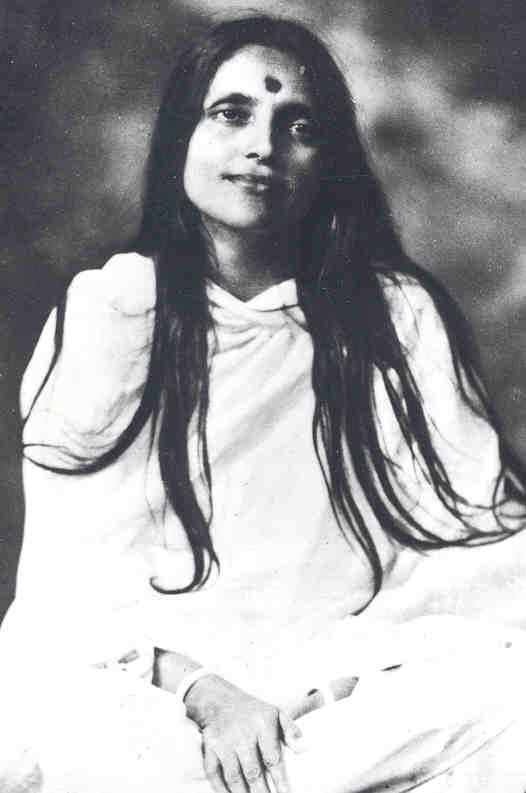
Anandamayi Ma
Совпадают в вопросах: Зачем медитировать или молиться? · Что такое Абсолют? Существует ли Бог? · Кто я? Существует ли истинное «я»?
Meher Baba
Совпадают в вопросах: Зачем медитировать или молиться? · Что такое Абсолют? Существует ли Бог? · Кто я? Существует ли истинное «я»?
Ibn Arabi
Совпадают в вопросах: Что такое Абсолют? Существует ли Бог? · Кто я? Существует ли истинное «я»? · Почему мы страдаем?
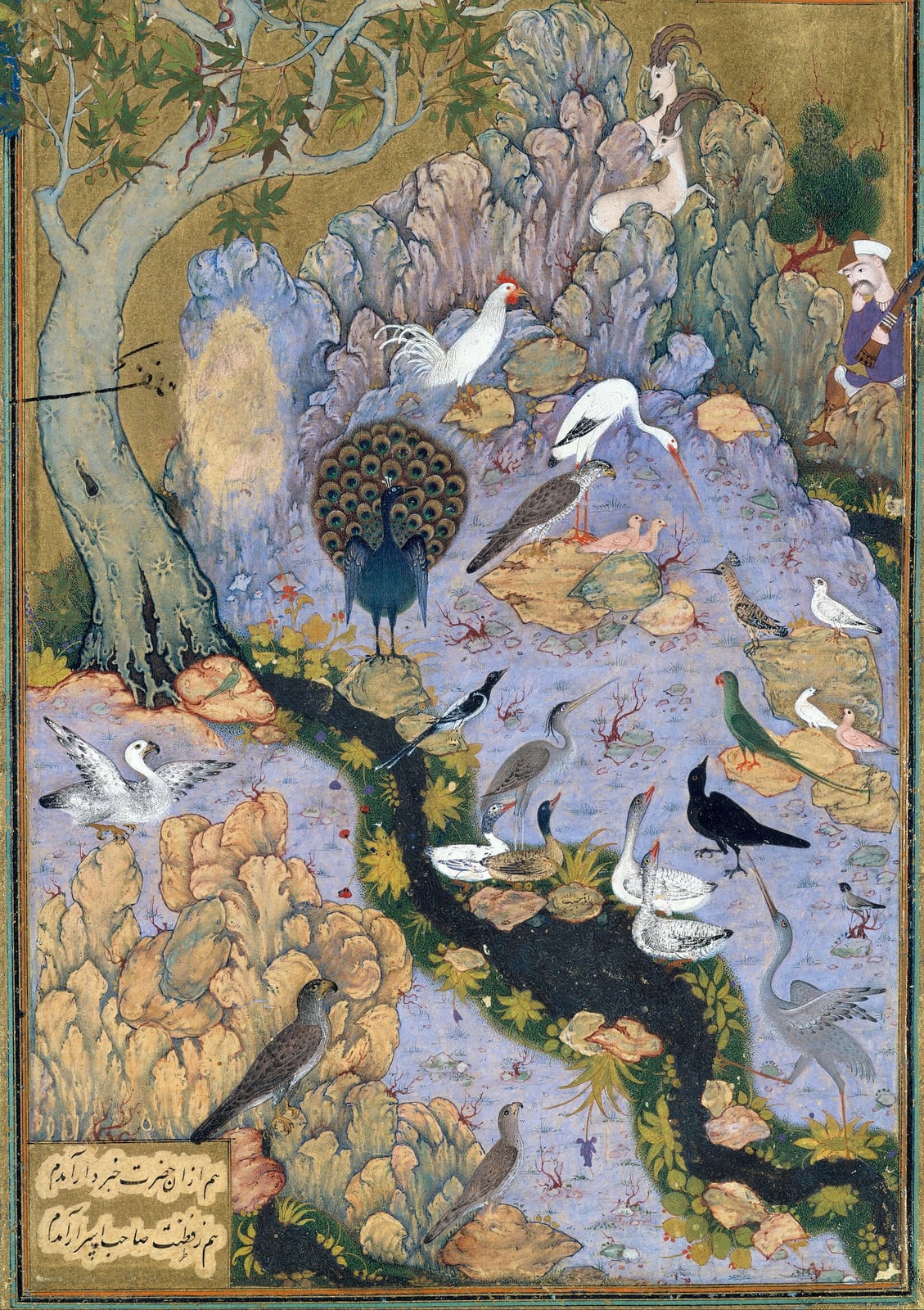
Attar
Совпадают в вопросах: Что такое Абсолют? Существует ли Бог? · Кто я? Существует ли истинное «я»? · Почему мы страдаем?
Дальше всего от

Epicurus
Расходятся в вопросах: Кто я? Существует ли истинное «я»? · Что происходит после смерти?

Emanuel Swedenborg
Расходятся в вопросах: Кто я? Существует ли истинное «я»? · Что происходит после смерти?
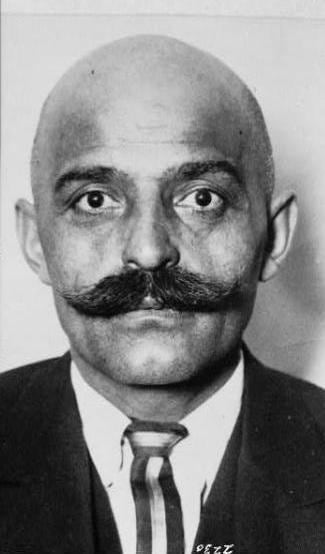
G. I. Gurdjieff
Расходятся в вопросах: Кто я? Существует ли истинное «я»?
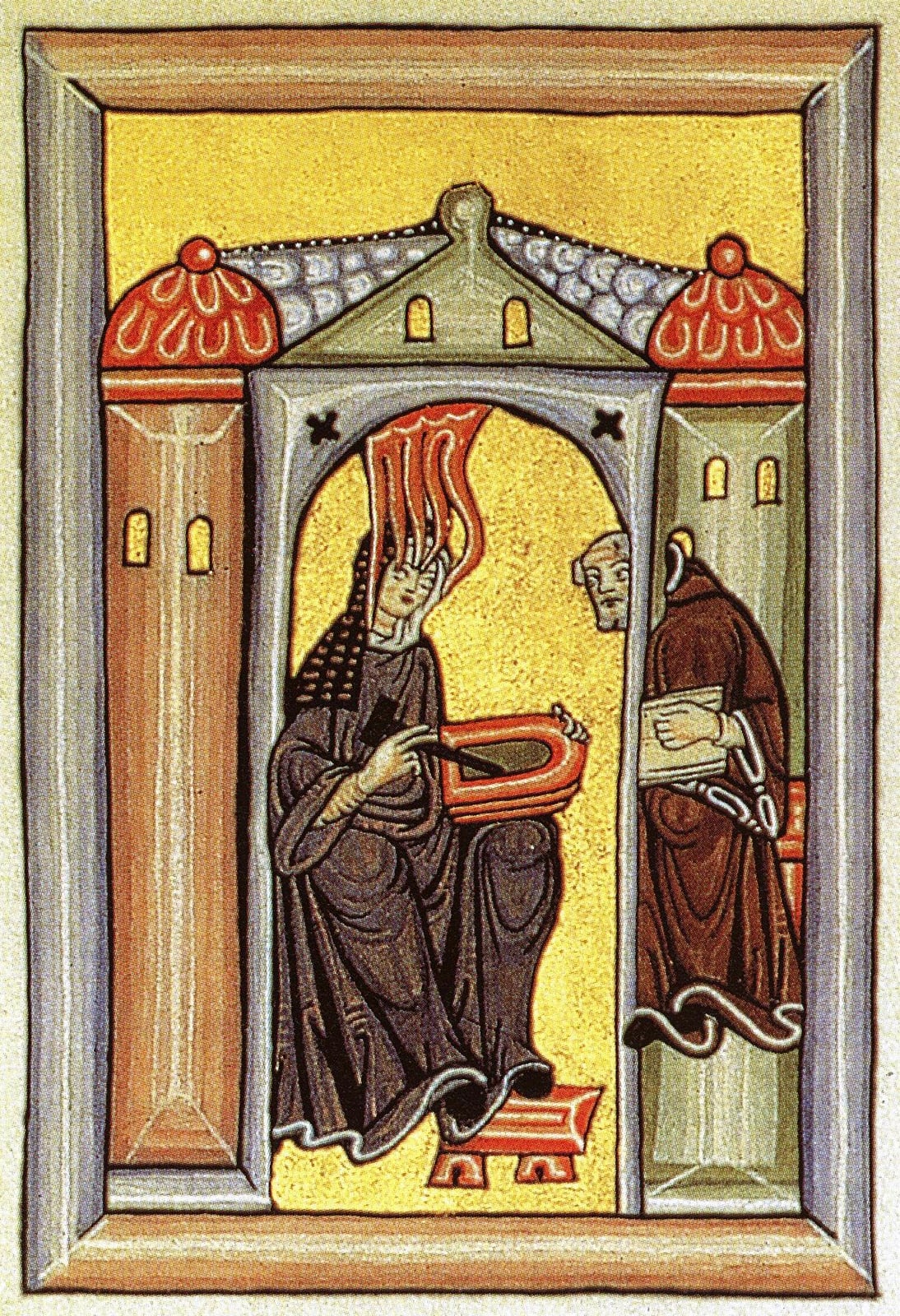
Hildegard of Bingen
Расходятся в вопросах: Кто я? Существует ли истинное «я»? · Что происходит после смерти?
Предания и рассказы
Предания и рассказы
Свидетельствоc. 1842-1843
The white cranes
Происхождение рассказа: An autobiographical account Ramakrishna gave his disciples decades later; recorded by Saradananda in the Lilaprasanga and, in short form, by other lives from the Order. There are no independent witnesses.
Источник: Saradananda, Swami. Sri Sri Ramakrishna Lilaprasanga. 5 partes. Calcuta: Udbodhan, escrita entre 1909 y 1919. Trad. inglesa: Sri Ramakrishna, the Great Master, trad. de Swami Jagadananda. Madrás: Sri Ramakrishna Math, 1952; y Sri Ramakrishna and His Divine Play, trad. de Swami Chetanananda. St. Louis: Vedanta Society of St. Louis, 2003.
Свидетельствоc. 1856
The sword of the shrine
Происхождение рассказа: It comes from what Ramakrishna told his disciples; Saradananda fixes it in the Lilaprasanga and it reappears in the Kathamrita in Ramakrishna’s own words. It is testimony of a visionary experience, not a verifiable fact.
Источник: Saradananda, Swami. Sri Sri Ramakrishna Lilaprasanga. 5 partes. Calcuta: Udbodhan, escrita entre 1909 y 1919. Trad. inglesa: Sri Ramakrishna, the Great Master, trad. de Swami Jagadananda. Madrás: Sri Ramakrishna Math, 1952; y Sri Ramakrishna and His Divine Play, trad. de Swami Chetanananda. St. Louis: Vedanta Society of St. Louis, 2003.
Свидетельство1864-1865
The shard of glass
Происхождение рассказа: Ramakrishna’s own account recorded by Saradananda in the Lilaprasanga; the three days and Totapuri’s reaction belong to the Order’s tradition. There is no independent testimony from Totapuri.
Источник: Saradananda, Swami. Sri Sri Ramakrishna Lilaprasanga. 5 partes. Calcuta: Udbodhan, escrita entre 1909 y 1919. Trad. inglesa: Sri Ramakrishna, the Great Master, trad. de Swami Jagadananda. Madrás: Sri Ramakrishna Math, 1952; y Sri Ramakrishna and His Divine Play, trad. de Swami Chetanananda. St. Louis: Vedanta Society of St. Louis, 2003.
Свидетельство1872
The worship of Sarada
Происхождение рассказа: Known from what Ramakrishna and Sarada Devi herself later told; Saradananda narrates it in the Lilaprasanga and Rolland repeats it. The exact date within 1872 varies between sources.
Источник: Saradananda, Swami. Sri Sri Ramakrishna Lilaprasanga. 5 partes. Calcuta: Udbodhan, escrita entre 1909 y 1919. Trad. inglesa: Sri Ramakrishna, the Great Master, trad. de Swami Jagadananda. Madrás: Sri Ramakrishna Math, 1952; y Sri Ramakrishna and His Divine Play, trad. de Swami Chetanananda. St. Louis: Vedanta Society of St. Louis, 2003.
Свидетельство1881-1882
“Have you seen God?”
Происхождение рассказа: It comes from Vivekananda’s own recollection, told on several occasions and recorded by Saradananda (Lilaprasanga) and by the biography of Vivekananda by his disciples. The exact words vary from version to version.
Источник: Saradananda, Swami. Sri Sri Ramakrishna Lilaprasanga. 5 partes. Calcuta: Udbodhan, escrita entre 1909 y 1919. Trad. inglesa: Sri Ramakrishna, the Great Master, trad. de Swami Jagadananda. Madrás: Sri Ramakrishna Math, 1952; y Sri Ramakrishna and His Divine Play, trad. de Swami Chetanananda. St. Louis: Vedanta Society of St. Louis, 2003.
Свидетельство1 de enero de 1886
Kalpataru day
Происхождение рассказа: Testimonies from several of those present, gathered in Saradananda’s Lilaprasanga and in Ramakrishna as We Saw Him (Chetanananda, 1990). The young monks were not in the garden; the name Kalpataru is later.
Источник: Chetanananda, Swami (ed. y trad.). Ramakrishna as We Saw Him. St. Louis: Vedanta Society of St. Louis, 1990.
Свидетельствоfebrero-marzo de 1882
The schoolmaster and the rebuke
Происхождение рассказа: M.’s own narrative at the opening of the Kathamrita (vol. 1), written from his diary and published twenty years later; it is the only testimony of the meeting.
Источник: Gupta, Mahendranath («M.»). Sri Sri Ramakrishna Kathamrita (শ্রীশ্রীরামকৃষ্ণকথামৃত). 5 vols. Calcuta, 1902, 1904, 1908, 1910 y 1932. Trad. inglesa: The Gospel of Sri Ramakrishna, trad. e introd. de Swami Nikhilananda, prólogo de Aldous Huxley. Nueva York: Ramakrishna-Vivekananda Center, 1942.
Учение
Учение
Понятия, на которых строится мысль учителя, объяснённые в их контексте.
As many faiths, so many pathsjato-mat-tato-path
Recorded in the Kathamrita in many conversations; historians debate whether it is full pluralism or an inclusion of other religions within a Vedantic frame, as part of the academic critique holds.
Источник: Gupta, Mahendranath («M.»). Sri Sri Ramakrishna Kathamrita (শ্রীশ্রীরামকৃষ্ণকথামৃত). 5 vols. Calcuta, 1902, 1904, 1908, 1910 y 1932. Trad. inglesa: The Gospel of Sri Ramakrishna, trad. e introd. de Swami Nikhilananda, prólogo de Aldous Huxley. Nueva York: Ramakrishna-Vivekananda Center, 1942.
Brahman and Shakti: the Motherbrahman-y-shakti
It derives from the Bengali Shakta tradition, from Ramprasad Sen and from the Tantra the Bhairavi Brahmani taught him; Neevel and Kripal see here the Tantric matrix of his thought.
Источник: Neevel, Walter G. «The Transformation of Śrī Rāmakrishna». En Bardwell L. Smith (ed.), Hinduism: New Essays in the History of Religions. Leiden: E. J. Brill, 1976, pp. 53–97.
“Woman and gold” (kamini-kanchana)kamini-kanchana
Sumit Sarkar relates the insistence on gold to the experience of the Bengali middle class subject to office work (chakri) in colonial Calcutta; Kripal and Tyagananda debate the scope of the sexual part.
Источник: Sarkar, Sumit. «“Kaliyuga”, “Chakri” and “Bhakti”: Ramakrishna and His Times». Economic and Political Weekly 27, n.º 29 (1992): 1543–1566. Ampliado en An Exploration of the Ramakrishna Vivekananda Tradition. Shimla: Indian Institute of Advanced Study, 1993.
Vijnana: knowing God in everythingvijnana
Recent studies from within the Order (Swami Medhananda) propose reading vijnana as a philosophy in its own right, distinct from Shankara’s Advaita; the classic reading subordinates it to non-dual Vedanta.
Источник: Gupta, Mahendranath («M.»). Sri Sri Ramakrishna Kathamrita (শ্রীশ্রীরামকৃষ্ণকথামৃত). 5 vols. Calcuta, 1902, 1904, 1908, 1910 y 1932. Trad. inglesa: The Gospel of Sri Ramakrishna, trad. e introd. de Swami Nikhilananda, prólogo de Aldous Huxley. Nueva York: Ramakrishna-Vivekananda Center, 1942.
Samadhi and bhavasamadhi
The vocabulary combines classical yoga, Tantric kundalini and Vaishnava devotion; the debate on the nature of these states is central to Kripal (1995) and to Tyagananda and Vrajaprana’s reply (2010).
Источник: Saradananda, Swami. Sri Sri Ramakrishna Lilaprasanga. 5 partes. Calcuta: Udbodhan, escrita entre 1909 y 1919. Trad. inglesa: Sri Ramakrishna, the Great Master, trad. de Swami Jagadananda. Madrás: Sri Ramakrishna Math, 1952; y Sri Ramakrishna and His Divine Play, trad. de Swami Chetanananda. St. Louis: Vedanta Society of St. Louis, 2003.
Serving beings as Shivashiva-jnane-jiva-seva
It comes from the Lilaprasanga, not the Kathamrita; historians stress that the social orientation is chiefly Vivekananda’s work, though the Order traces it back to this episode.
Источник: Saradananda, Swami. Sri Sri Ramakrishna Lilaprasanga. 5 partes. Calcuta: Udbodhan, escrita entre 1909 y 1919. Trad. inglesa: Sri Ramakrishna, the Great Master, trad. de Swami Jagadananda. Madrás: Sri Ramakrishna Math, 1952; y Sri Ramakrishna and His Divine Play, trad. de Swami Chetanananda. St. Louis: Vedanta Society of St. Louis, 2003.
Видео
Видео
Записи, интервью и документальные фильмы. Видео воспроизводятся с YouTube; здесь они не хранятся.
Ramakrishna | A documentary
Документальный фильм· EN· 1990· 78 min
Vedanta Brasília
মানবতার প্রস্ফুটিত শতদল: Documentary on Ramakrishna Mission
Документальный фильм· BN· 47 min
Ramakrishna Math & Ramakrishna Mission, Belur MathОфициальный канал
BELUR MATH | The heart of Ramakrishna Movement: A Documentary on Belur Math (Full)
Документальный фильм· EN· 54 min
Ramakrishna Mission Ashrama, NarendrapurОфициальный канал
Hindi Version: BELUR MATH | The heart of Ramakrishna Movement
Документальный фильм· HI· 54 min
Ramakrishna Mission Ashrama, NarendrapurОфициальный канал
The Living Photographs of Sri Ramakrishna | Swami Harinamananda
Лекция· EN· 2018· 76 min
Vedanta Society of New YorkОфициальный канал
Teachings of Sri Ramakrishna | Swami Sarvapriyananda
Лекция· EN· 77 min
Vedanta Society of New YorkОфициальный канал
Glimpses of Sri Ramakrishna | Swami Sarvapriyananda
Лекция· EN· 90 min
Vedanta Society of New YorkОфициальный канал
Gospel | Chapter 1: Feb 1882 (Part 1) | Swami Sarvapriyananda
Лекция· EN· 70 min
Vedanta Society of New YorkОфициальный канал
Sri Ramakrishna: The Synthesis of Vedanta | Prof. Jeffery Long
Лекция· EN· 89 min
Vedanta Society of New YorkОфициальный канал
Kali's Child - Jeffrey Kripal and Host Michael Lerner
Интервью· EN· 2025· 78 min
CommonwealNewSchool
Sri Ramakrishna & Universal Hinduism
Разбор· EN· 2025· 46 min
Let's Talk Religion
কথামৃত পাঠ ও ব্যাখ্যা (20): স্বামী ঈশাত্মানন্দ
Лекция· BN· 60 min
RAMAKRISHNA ORDER
Una Trinidad Vedántica | Sri Ramakrishna, Vivekananda y la Santa Madre
Лекция· ES· 32 min
Ramakrishna Ashrama ArgentinaОфициальный канал
Галерея
Галерея
Изображения с проверенной лицензией. Каждое сохраняет своё авторство и атрибуцию.
Связи
Связи
Влияния, ученичество и близость взглядов. Документированная связь отличается от сходства, выявленного путём анализа.
Учитель
Narendranath Datta met him at the end of 1881 and was his disciple until 1886; as Vivekananda he founded the Ramakrishna Order and Mission and spread his message in the West.
Документированная связь
Родственник
Sarada Devi
His wife from 1859, in a marriage never consummated; he worshipped her as the Goddess in 1872 and she later became the Holy Mother of the Order.
Документированная связь
Учитель
Mahendranath Gupta («M.»)
Schoolmaster who visited him from 1882 and recorded his conversations in the Kathamrita.
Документированная связь
Ученик
Totapuri
Advaita monk who gave him monastic initiation and taught him non-dual Vedanta around 1864–65.
Документированная связь
Ученик
Bhairavi Brahmani
Wandering ascetic who initiated him into Tantric practice from 1861.
Документированная связь
Встречался с
Keshab Chandra Sen
Brahmo leader he met in 1875; Keshab made him known in the Calcutta press, and his New Dispensation shows Ramakrishna’s influence.
Документированная связь
Испытал влияние
He revered Chaitanya as an incarnation of devotion and often cites him in the Kathamrita; he lived the devotional attitudes of the Bengali Vaishnavism Chaitanya founded.
Документированная связь
Испытал влияние
Around 1874, after hearing the Bible read, he recounted a vision of Christ merging into him; he kept a picture of Jesus in his room.
Документированная связь
Повлиял на
Aurobindo cites Ramakrishna’s life in the introduction to The Synthesis of Yoga as an example of a spiritual capacity that runs through all the disciplines in a short time and unites them. They never met.
Документированная связь
Повлиял на
Indirect influence: as a boy Yogananda frequented Mahendranath Gupta, author of the Kathamrita, to whom he devoted a chapter of his Autobiography of a Yogi; he never met Ramakrishna, who died more than six years before his birth.
Документированная связь
Идеи, близкие к
Similarity identified by the editors: two mystics with almost no schooling whose teaching reaches us through dialogues recorded by disciples, and whom tradition links to Advaita. No personal relationship (Ramana was six when Ramakrishna died).
Сходство, выявленное путём анализа
Идеи, близкие к
Similarity identified by the editors: Bengali mystics of frequent ecstasies who did not write and whose words were recorded by devotees; both associated with devotion to the divine Mother. No personal relationship.
Сходство, выявленное путём анализа
Идеи, близкие к
He received Advaita through Totapuri, a monk of the order founded by Shankara, but integrated it into a vision that does not deny the reality of the world as the Mother’s play.
Сходство, выявленное путём анализа
Источники
Источники
Библиография и каталоги, использованные для этой статьи.
- Chetanananda, Swami (ed. y trad.). Ramakrishna as We Saw Him. St. Louis: Vedanta Society of St. Louis, 1990.
- Isherwood, Christopher. Ramakrishna and His Disciples. Nueva York: Simon & Schuster, 1965.
- Gupta, Mahendranath («M.»). Sri Sri Ramakrishna Kathamrita (শ্রীশ্রীরামকৃষ্ণকথামৃত). 5 vols. Calcuta, 1902, 1904, 1908, 1910 y 1932. Trad. inglesa: The Gospel of Sri Ramakrishna, trad. e introd. de Swami Nikhilananda, prólogo de Aldous Huxley. Nueva York: Ramakrishna-Vivekananda Center, 1942.
- Saradananda, Swami. Sri Sri Ramakrishna Lilaprasanga. 5 partes. Calcuta: Udbodhan, escrita entre 1909 y 1919. Trad. inglesa: Sri Ramakrishna, the Great Master, trad. de Swami Jagadananda. Madrás: Sri Ramakrishna Math, 1952; y Sri Ramakrishna and His Divine Play, trad. de Swami Chetanananda. St. Louis: Vedanta Society of St. Louis, 2003.
- Müller, F. Max. Râmakrishna: His Life and Sayings. Londres / Nueva York: Longmans, Green and Co., 1898 (reimpr. 1899).
- Rolland, Romain. La Vie de Ramakrishna (Essai sur la mystique et l’action de l’Inde vivante, I). París: Stock, 1929. Trad. inglesa de E. F. Malcolm-Smith: The Life of Ramakrishna. Almora / Calcuta: Advaita Ashrama, 1930.
- Sarkar, Sumit. «“Kaliyuga”, “Chakri” and “Bhakti”: Ramakrishna and His Times». Economic and Political Weekly 27, n.º 29 (1992): 1543–1566. Ampliado en An Exploration of the Ramakrishna Vivekananda Tradition. Shimla: Indian Institute of Advanced Study, 1993.
- Kripal, Jeffrey J. Kālī’s Child: The Mystical and the Erotic in the Life and Teachings of Ramakrishna. Chicago: University of Chicago Press, 1995 (2.ª ed., 1998).
- Tyagananda, Swami, y Pravrajika Vrajaprana. Interpreting Ramakrishna: Kali’s Child Revisited. Delhi: Motilal Banarsidass, 2010.
- Sen, Amiya P. Ramakrishna Paramahamsa: Sadhaka of Dakshineswar. Nueva Delhi: Viking / Penguin Books India, 2010.
- Neevel, Walter G. «The Transformation of Śrī Rāmakrishna». En Bardwell L. Smith (ed.), Hinduism: New Essays in the History of Religions. Leiden: E. J. Brill, 1976, pp. 53–97.
- Abhedananda, Swami (ed.). The Gospel of Râmakrishna. Nueva York: The Vedanta Society, 1907 (edición autorizada para América de los diarios de M.).
- Wikidata, «Ramakrishna» (Q183126): fechas y lugares de nacimiento y muerte, 114 enlaces entre wikis.
- Wikipedia en inglés, «Sri Sri Ramakrishna Kathamrita»: historia de la publicación (1897–1932), método de M. y juicio de Sumit Sarkar sobre los 186 días que cubre el texto.
- Wikimedia Commons, «Category:Ramakrishna» y fotografías de 1879, 1881 y 1885 (metadatos y licencias consultados por API).
- Mozoomdar, Protap Chunder. «The Hindu Saint». Theistic Quarterly Review (Calcuta), 1879; reproducido en Müller 1898.
- Sen, Akshay Kumar. Sri Sri Ramakrishna Punthi (poema narrativo en bengalí, escrito entre 1887 y 1901). Trad. inglesa en prosa: A Portrait of Sri Ramakrishna. Calcuta: Ramakrishna Mission Institute of Culture, 1999.
- Wikipedia en inglés, «Ramakrishna» (cronología de las sadhanas, últimos días y versiones de sus últimas palabras, con remisión a Chetanananda 1990, pp. 56 y 408).
- Sri Aurobindo. The Synthesis of Yoga, «Introduction: The Conditions of the Synthesis» (Arya, 1914–1921). Complete Works of Sri Aurobindo, vols. 23–24. Pondicherry: Sri Aurobindo Ashram, 1999.
- Yogananda, Paramahansa. Autobiography of a Yogi. Nueva York: The Philosophical Library, 1946, cap. 9 («The Blissful Devotee and His Cosmic Romance»), sobre Mahendranath Gupta.
- Правообладатель
- Las palabras de Ramakrishna (m. 1886) y el texto bengalí del Kathamrita (M., m. 1932) son de dominio público. Las traducciones modernas tienen titulares propios: The Gospel of Sri Ramakrishna de Nikhilananda, el Ramakrishna-Vivekananda Center of New York; Sri Ramakrishna, the Great Master, el Sri Ramakrishna Math de Chennai; la traducción de Dharm Pal Gupta, el Sri Ma Trust.
- Официальный сайт
- belurmath.org/
Ожидает подтверждения
То, что в этой статье пока не удалось установить. Мы предпочитаем сказать об этом, а не заполнять пробел.
- Traducción española completa del Kathamrita o del Gospel con ISBN: solo se localizó la edición de 144 pp. (Luis Cárcamo, 2020), que es abreviada. Comprobar si existe una traducción íntegra (Kier, Ramakrishna Ashrama Argentina).
- Fecha y datos de la primera edición inglesa del propio M. (Madrás, 1907) y del folleto A Leaf from the Gospel of Sri Ramakrishna (1897).
- Año de las primeras ediciones de Tales and Parables, Teachings of Sri Ramakrishna y Words of the Master (Open Library solo da reimpresiones).
- Datación de la fotografía sentada más difundida: Commons dice octubre de 1885; la Orden, 1883 en Dakshineswar. Confirmar con el estudio de Swami Vidyatmananda o con los archivos de Belur Math.
- Rolland, La Vie de Ramakrishna: dominio público en EE. UU. (1929, desde 2025), la UE y España (Rolland m. 1944). Wikisource francés tiene el índice pero no las páginas transcritas; buscar un texto completo legible para la sala de lectura.
- Kathamrita bengalí: localizar una transcripción completa (no escaneo) para la sala de lectura; los escaneos de Internet Archive no tienen OCR fiable.
- Ramchandra Datta, Jivanvrittanta: confirmar el año (se da 1890) y editorial de la primera edición.
- Cotejar con el texto bengalí la cita exacta de las últimas palabras («Kali» tres veces / «Ma») en el Lilaprasanga y en Ramakrishna as We Saw Him.
- Suresh Chandra Datta publicó en vida de Ramakrishna (c. 1884) una colección de sus enseñanzas (Sri Sri Ramakrishnadever Upadesh); verificar título, año y si debe registrarse como obra aparte.
Исследовано 2026-10-25