Христианство · Христианская мистика · Платонизм
Simone Weil
1909 – 1943Исторически документированная личность
Французский философ (1909–1943), ученица Алена и преподавательница лицея, стремившаяся мыслить, исходя из опыта угнетённых: год проработала на заводах, недолго воевала в Испании и с 1937 года пережила христианский мистический опыт, так и не приняв крещения. Умерла в Англии от туберкулёза и истощения в тридцать четыре года, находясь на службе «Свободной Франции». Её почти целиком посмертное наследие — «Тяжесть и благодать», «Укоренение», «Ожидание Бога», «Тетради» — посвящено вниманию, несчастью и силе.
- трудов
- 33трудов
- изданий
- 63изданий
- цитат
- 8цитат
- видео
- 13видео
- изображений
- 8изображений
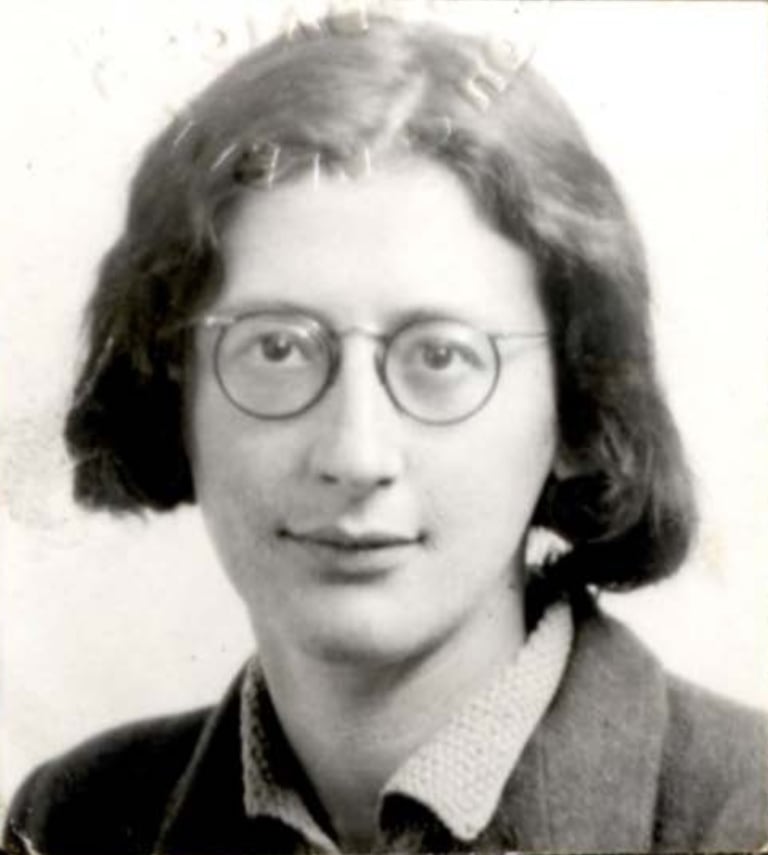
Simone Weil en 1943 · Public domain
Своими словами
«The true hero, the true subject, the centre of the Iliad is force.»«L'Iliade ou le poème de la force», primera frase (Cahiers du Sud, 1940–1941)

Для начала — одна книга
Gravity and GraceГлавная мысль
For Weil, attention is the highest faculty of the soul: it consists in suspending thought, leaving it empty and available, without searching, so that the object may enter it. In its purest form it is prayer, and turned toward an afflicted person it is the rarest form of love of neighbour.
В контексте
Биография
4 мин чтения
Перевод с испанского оригинала, выполненный с помощью ИИ; ожидает проверки носителем языка.
Детство без поблажек
Симона Адольфина Вейль родилась в Париже 3 февраля 1909 года в еврейской, светской и состоятельной семье: её отец, Бернар Вейль, был врачом, а мать, Саломея Райнхерц, выросла в Ростове и в Бельгии. Её старший брат Андре стал одним из крупнейших математиков столетия и основателем группы Бурбаки. В семье вспоминали, что пятилетняя девочка во время Первой мировой войны отказалась от сахара, потому что у солдат на фронте его не было; этот поступок, сохранённый в памяти близких и записанный её биографом Симоной Петреман, предвещает жизнь, в которой сострадание не оставалось чувством, а переходило в тело.
Ученица Алена
Она училась в лицее Виктора Дюрюи у Рене Ле Сенна, а с 1925 года — в подготовительном классе лицея Генриха IV у Эмиля Шартье, известного как Ален, который научил её мыслить наперекор общепринятым мнениям и не доверять никакой абстракции, которую нельзя проверить действием. В 1928 году она поступила в Высшую нормальную школу и оказалась единственной женщиной на своём курсе. Заместитель директора Школы Селестен Бугле прозвал её «Красной девой» за профсоюзную и пацифистскую деятельность. Её дипломная работа «Наука и восприятие у Декарта» (1930) уже защищает мысль, от которой она не отступит: познание рождается из труда, из соприкосновения ума с сопротивлением мира. В 1931 году она получила агрегацию по философии.
Преподавательница и активистка
Преподавая в лицеях Ле-Пюи (1931–1932), Осера (1932–1933) и Роана (1933–1934), она возмущала начальство тем, что возглавляла делегации безработных и отдавала в кассу взаимопомощи ту часть жалованья, которая превышала пособие по безработице. Летом 1932 года она побывала в Германии и трезво описала распад, готовивший приход нацизма; сотрудничала с революционно-синдикалистской печатью и в 1934 году написала «Размышления о причинах свободы и социального угнетения» — анализ угнетения, не сводимый ни к марксизму, ни к либерализму. Записи, сделанные одной из её учениц в Роане, позднее вышли под названием «Уроки философии».
Год на заводе
В декабре 1934 года она взяла отпуск и поступила разнорабочей на завод «Альстом» в Париже; затем работала на заводе компании «Форж де Бас-Эндр» и у «Рено», до августа 1935 года. Её «Заводской дневник» с точностью этнографа фиксирует темп, нормы выработки, страх потерять место и унижение приказов. Об этом опыте она писала, что получила там «навсегда клеймо рабства» и что несчастье других вошло в её плоть. Разбитая «на куски» и телом, и душой, она уехала с родителями в Португалию; в рыбацкой деревне она увидела процессию женщин, певших при лунном свете, и обрела уверенность, что христианство — это «религия рабов».
Испания, Ассизи, Солем
В августе 1936 года, когда началась гражданская война в Испании, она перебралась в Барселону и присоединилась к интернациональной группе анархистской колонны на Арагонском фронте. 20 августа она обожгла ногу кипящим маслом, и родители приехали за ней. То, что она там увидела, — бессудные расстрелы, которыми гордились обе стороны, — она описала в 1938 году в письме Жоржу Бернаносу. Весной 1937 года, одна в капелле Санта-Мария-дельи-Анджели в Ассизи, она впервые почувствовала, как нечто «более сильное», чем она сама, заставило её опуститься на колени. На Страстной неделе 1938 года в аббатстве Солем григорианское пение помогло ей перенести мучительные мигрени; там же молодой английский католик познакомил её с поэзией Джорджа Герберта. Когда она со всем вниманием читала наизусть его стихотворение «Любовь», пишет она, «Сам Христос сошёл и овладел мною».
Марсель: тайный труд
После оккупации Парижа в июне 1940 года семья укрылась в Виши, а затем в Марселе. Отстранённая от преподавания антиеврейскими законами, Вейль печаталась в «Кайе дю Сюд» — там под анаграммой Эмиль Новис вышла «Илиада, или Поэма о силе», — изучала греческий и санскрит, участвовала в подпольных сетях Сопротивления и заполняла тетради фрагментами, которым предстояло стать её наследием. Доминиканец Жозеф-Мари Перрен стал её собеседником; ему она объясняла в письмах, почему остаётся на пороге Церкви, не принимая крещения, — из солидарности со всем, что Церковь оставляет за своими стенами. Перрен познакомил её с философом-крестьянином Гюставом Тибоном, на ферме которого в Ардеше она работала и вместе с которым убирала виноград в 1941 году, каждое утро читая «Отче наш» по-гречески.
Нью-Йорк и Лондон
В мае 1942 года она отплыла с родителями в Касабланку и Нью-Йорк, намереваясь как можно скорее вернуться к борьбе. Оттуда она написала «Письмо монаху» — перечень своих возражений Церкви, — а в ноябре добилась переезда в Лондон, чтобы работать в «Свободной Франции». Начальство отклонило её проект отряда санитарок на передовой и поручило ей доклады о восстановлении Франции. Из этого поручения родились «Укоренение» — размышление о «потребностях души» и о современной беспочвенности, — а также «Личность и священное» и «Заметка о всеобщем упразднении политических партий».
Смерть в Эшфорде
15 апреля 1943 года её нашли без сознания в её комнате; в Мидлсекской больнице у неё обнаружили туберкулёз. Она ела очень мало, и в её окружении говорили, что она отказывается есть больше, чем составлял паёк в оккупированной Франции. В конце июля она вышла из «Свободной Франции», а 17 августа её перевезли в санаторий Гроувенор в Эшфорде, в графстве Кент, где она умерла 24 августа 1943 года в возрасте тридцати четырёх лет. Коронер признал её смерть самоубийством вследствие отказа от пищи в состоянии душевного расстройства — вердикт, который оспаривают её биографы. Её похоронили на кладбище Эшфорда, между еврейским и католическим участками.
Посмертное наследие
Почти ничего из того, что принесло ей славу, при жизни не было опубликовано. Тибон собрал фрагменты тетрадей в книгу «Тяжесть и благодать» (1947); Альбер Камю издал в «Галлимаре» «Укоренение» и значительную часть неопубликованного; Перрен выпустил «Ожидание Бога» (1950). С тех пор её мысль — внимание как форма молитвы, несчастье, «рас-творение», первенство обязанностей перед правами — тревожит верующих и агностиков, политических философов и мистиков. Историческая фигура менее свята и более неудобна, чем легенда: строгая мыслительница, беспощадная к себе, превратившая согласие идеи и жизни в неустанное требование.
Источники: Pétrement, Simone. La Vie de Simone Weil. 2 vols. Paris: Fayard, 1973 (reed. en un volumen, 1997). · Weil, Simone. Attente de Dieu. Ed. Joseph-Marie Perrin. Paris: La Colombe, 1950 (incluye la «Autobiographie spirituelle», carta al P. Perrin de mayo de 1942). Texto en Wikisource. · Weil, Simone. La Pesanteur et la Grâce. Ed. Gustave Thibon. Paris: Plon, 1947. Texto en Wikisource. · Weil, Simone. L'Enracinement: prélude à une déclaration des devoirs envers l'être humain. Paris: Gallimard (col. «Espoir»), 1949. Texto en Wikisource. · Weil, Simone. La Condition ouvrière. Paris: Gallimard (col. «Espoir»), 1951 (incluye el Journal d'usine). Texto en Wikisource.
Хронология
Жизнь год за годом
Каждая точка — документированное событие. Нажмите, чтобы прочитать о нём, с источником и степенью достоверности.
3 февраля 1909 г.0 летParís
Birth
Born into a secular Jewish family; her brother André is almost three.
ДокументированоRozelle-Stone, A. Rebecca, y Benjamin P. Davis. «Simone Weil». Stanford Encyclopedia of Philosophy, publicado el 10 de marzo de 2018, revisión sustantiva del 18 de septiembre de 2025.
После смерти
- 1947Gravity and Grace
- 1949The Need for Roots in the 'Espoir' series
- 1988Complete works
3 февраля 1909 г. · 0 лет
Birth
Born into a secular Jewish family; her brother André is almost three.
Документировано
октябрь 1925 г. · 16 лет
Pupil of Alain
She enters the khâgne of the Lycée Henri-IV, where Émile Chartier (Alain) shapes her philosophical method.
Документировано
1928
Admission to the École normale supérieure
The only woman in her year; Célestin Bouglé nicknames her the 'Red Virgin'.
Документировано
1931
Agrégation and first post
She passes the agrégation in philosophy and is posted to the lycée at Le Puy, where she supports the unemployed.
Документировано
август 1932 г.
Journey to Germany
She observes the German crisis on the eve of Nazism and publishes a series of articles.
Документировано
1934
Reflections on oppression
She writes the Reflections concerning the Causes of Liberty and Social Oppression, which she calls her 'great work'.
Документировано
декабрь 1934 г.
Factory worker at Alsthom
She begins her factory year (Alsthom, Basse-Indre, Renault), which lasts until August 1935.
Документировано
август 1935 г.
The fishermen's procession
In a Portuguese village she feels that Christianity is 'the religion of slaves': her first decisive contact with Catholicism.
Документировано
20 августа 1936 г.
Injured in the Spanish war
A militia volunteer in an anarchist column, she burns her leg with boiling oil and returns to France.
Документировано
апрель 1937 г.
Santa Maria degli Angeli
Alone in Saint Francis's chapel, something 'stronger' than herself makes her kneel for the first time.
Документировано
апрель 1938 г.
Solesmes and the poem 'Love'
She attends the Holy Week offices; she discovers George Herbert's poem whose recitation will lead her to feel that 'Christ himself came down'.
Документировано
декабрь 1940 г.
The Iliad, or the Poem of Force
The Cahiers du Sud publish the essay under the anagram Émile Novis (December 1940–January 1941).
Документировано
сентябрь 1941 г.
Grape harvest with Gustave Thibon
She works on the land and recites the Lord's Prayer in Greek daily, making it her only practice of prayer.
Документировано
май 1942 г.
Exile in New York
She leaves with her parents for the United States; there she writes the Letter to a Priest.
Документировано
ноябрь 1942 г.
In the service of Free France
She reaches England; in the office of the Commissariat for the Interior she writes The Need for Roots and the London Writings.
Документировано
15 апреля 1943 г.
Hospitalised
She is found unconscious; at the Middlesex Hospital she is diagnosed with tuberculosis.
Документировано
24 августа 1943 г. · 34 года
Death
She dies at the Grosvenor Sanatorium; the coroner returns a verdict of suicide by refusing to eat.
Документировано
1947
Gravity and Grace
Gustave Thibon publishes with Plon the anthology from the notebooks that makes her known.
Документировано
1949
The Need for Roots in the 'Espoir' series
Albert Camus publishes L'Enracinement with Gallimard and begins editing her unpublished writings.
Документировано
1988
Complete works
Gallimard begins the edition of the Œuvres complètes directed by André A. Devaux and Florence de Lussy.
Документировано
Труды
Главные труды
Труды, без которых не понять это наследие.
Посмертное издание · 1947
Gravity and Grace
La Pesanteur et la Grâce
Short fragments grouped into chapters —gravity and grace, the void, detachment, decreation, the self, affliction, violence, attention and will, love, chance, the sacred— which set out her metaphysics: every natural movement of the soul obeys a law analogous to gravity, and only grace, which needs a void in order to enter, is the exception. This was the book that revealed Weil to the public and it remains the most widespread entry point to her thought, although Thibon's edition emphasises her spiritual side.
5 изданий

Посмертное издание · 1949
The Need for Roots
L'Enracinement. Prélude à une déclaration des devoirs envers l'être humain
It starts from a principle: obligation precedes right. The first part lists the 'needs of the soul' (order, liberty, obedience, responsibility, equality, hierarchy, honour, punishment, freedom of opinion, security, risk, property, truth…); the second analyses the uprootedness of workers, peasants and nations; the third sketches how to give a people roots again through education and work with a spiritual meaning. It is her major political work and a radical critique both of the modern state and of the cult of greatness.
5 изданий

Посмертное издание · 1950
Waiting for God
Attente de Dieu
It contains the six letters to Perrin —among them 'Hesitations concerning Baptism' and the 'Spiritual Autobiography', which recounts Portugal, Assisi, Solesmes and Herbert's poem— and the essays 'Reflections on the Right Use of School Studies', 'The Love of God and Affliction', 'Forms of the Implicit Love of God', 'Concerning the Our Father' and 'The Three Sons of Noah'. It is Weil's most personal text and the one that fixes her position on the threshold of the Church.
4 издания

Посмертное издание · 1951
Notebooks
Cahiers
The laboratory of all her thought: reading notes on Plato, the Upanishads and the Gita, the Pythagoreans and the Gospels, exercises in Greek and Sanskrit, problems of mathematics and physics, and fragments on gravity, grace, the void, necessity, beauty and decreation. They are the source of Gravity and Grace and the most direct way to read Weil without an editor's mediation.
3 издания
Все труды (33)

First and Last Notebooks (Supernatural Knowledge)
1950

Reflections concerning the Causes of Liberty and Social Oppression
1934
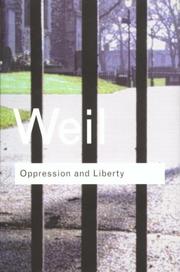
Oppression and Liberty
1955

The Worker's Condition (La Condition ouvrière)
1951
Factory Journal
1935

The Iliad, or the Poem of Force
1940

The Greek Source
1953

Intimations of Christianity among the Ancient Greeks
1951

Letter to a Priest
1951

London Writings and Last Letters
1957

Human Personality (The Person and the Sacred)
1943

On the Abolition of All Political Parties
1943
Simone Weil
Draft for a Statement of Human Obligations
The Conscious LibraryDraft for a Statement of Human Obligations
1943
Simone Weil
Project for a Formation of Front-Line Nurses
The Conscious LibraryProject for a Formation of Front-Line Nurses
1940

Reflections on the Right Use of School Studies with a View to the Love of God
1942
The Love of God and Affliction
1942

Forms of the Implicit Love of God
1942
Spiritual Autobiography
1942

Unordered Thoughts on the Love of God
1962

Lectures on Philosophy
1959
Simone Weil
Science and Perception in Descartes
The Conscious LibraryScience and Perception in Descartes
1930

On Science
1966

Historical and Political Writings
1960
Letter to Georges Bernanos
1938
Изречения
Изречения, найденные в конкретном труде. Каждое сопровождается указанием происхождения и степени надёжности.
The true hero, the true subject, the centre of the Iliad is force.Le vrai héros, le vrai sujet, le centre de l’Iliade, c’est la force.
Проверено«L'Iliade ou le poème de la force», primera frase (Cahiers du Sud, 1940–1941)
Основные идеи (редакционное изложение)
Из уважения к авторскому праву эти идеи изложены своими словами и не выдаются за дословные цитаты.
- For Weil, attention is the highest faculty of the soul: it consists in suspending thought, leaving it empty and available, without searching, so that the object may enter it. In its purest form it is prayer, and turned toward an afflicted person it is the rarest form of love of neighbour.
- Affliction (malheur) is not simply pain but a simultaneous destruction of body, soul and social place that marks the victim with contempt, even in their own eyes; that is why it can scarcely be looked at directly and almost no one is capable of true compassion.
- Creation is an act of withdrawal: God limits himself to let the world be. 'Decreation' is the reverse movement asked of human beings: renouncing the self so that God may love through them, without destroying themselves by force of will.
- Force, in her reading of the Iliad, is what turns a person into a thing; it intoxicates those who wield it and petrifies those who suffer it, and no one truly possesses it. Justice begins by recognising that law without being deceived by it.
- Obligations come before rights: a right exists only if someone recognises an obligation to respect it. Hence her proposal to replace the declaration of the rights of man with a declaration of obligations toward the human being, founded on the needs of body and soul.
- Uprootedness —of workers by the factory, of peasants by the rural exodus, of peoples by conquest and the centralised state— is the gravest disease of modern societies, because it spreads: the uprooted uproot others.
- Manual work, carried out with attention and free from haste and fear, can be contact with the necessity of the world and therefore a form of spirituality; a well-ordered civilisation would place physical work at its spiritual centre.
- The 'metaxu' (intermediaries, in Plato's word) are the relative goods —homeland, home, culture, beauty— that must not be mistaken for the absolute good, yet cannot be taken from anyone without harming their soul.
Последние слова
Проверяемых записей о последних словах не существует.
No reliable final words survive. Weil died at the Grosvenor Sanatorium in Ashford on the night of 24 August 1943, after falling into a coma, with no family or friends present; her parents were still in New York and did not know how ill she was, because her last letters concealed it. The last written words that survive are those letters to her family (Écrits de Londres et dernières lettres).
Источник: Weil, Simone. Écrits de Londres et dernières lettres. Paris: Gallimard (col. «Espoir»), 1957. Texto en Wikisource.
Спросить
На что отвечают эти труды
Двенадцать великих вопросов человечества и то, что позволяют на них ответить эти тексты, со ссылками. Мы никогда не вкладываем слова в чужие уста.
Что такое Абсолют? Существует ли Бог?
God is love that withdraws in creating: personal and impersonal at once
И личный, и безличныйСказано прямо
Simone Weil, raised in agnosticism, recounts in her Spiritual Autobiography that in 1938 Christ himself came down and took her, without her having sought it. Her God is love, but a love that shows itself as renunciation: in creating, God withdraws, abdicates, ceases to be everything so that something other than him may exist, and the world is handed over to necessity. In the Notebooks and in The Love of God and Affliction, the cross is the infinite distance between God and God crossed by love. Weil insists that God is at once personal and impersonal: personal in Christ and in the relationship of love; impersonal in the order of the world, in beauty, and in the sacred that dwells in every human being.
Сравнить этот вопрос с другими учителямиКто я? Существует ли истинное «я»?
We own only the power to say «I»: it must be surrendered
Эго — конструкция мыслиСказано прямо
Simone Weil does not look for a true self to discover, but for a self to undo. In Gravity and Grace, the «I» is what a human being believes to be their own and which actually belongs to gravity: psychological necessity, the imagination that fills voids, the will to be the centre. The only thing that truly belongs to us is the faculty of saying «I», and that is what must be offered to God. She calls this process decreation: undoing in ourselves what is created so that God may love himself through us. In Human Personality she adds that what is sacred in each human being is not their person, but something impersonal that expects good.
Сравнить этот вопрос с другими учителямиПочему мы страдаем?
Affliction is distance from God that love can cross
Отделённость от БогаСказано прямо
Simone Weil distinguishes mere suffering from affliction (malheur), which strikes body, soul and social standing at once, and marks the one who undergoes it like a slave. In The Love of God and Affliction she maintains that affliction is not punishment: it is the effect of the mechanical necessity to which God handed over the world when he withdrew so that it could exist. That is why it makes God absent for a time. But the cross reveals that this distance is the one separating God from God, and that love crosses it: if the soul goes on loving in the void, even if only by wanting to love, affliction becomes the place where God touches it.
Сравнить этот вопрос с другими учителямиЧто происходит после смерти?
Belief in immortality robs us of the use of death
Молчание или сдержанностьСказано прямо
Simone Weil distrusts hope in another life as consolation. In the texts gathered in Gravity and Grace she writes that belief in the immortality of the soul is harmful, because we cannot picture the soul as truly incorporeal: it becomes belief in a prolongation of life and takes away the use of death. What matters is to love God without expecting reward, to consent to necessity and to one's own disappearance, and to accept the void without filling it with imagination. She does not deny eternal life, which in her Spiritual Autobiography she associates with grace, but refuses to speculate on it: death teaches renunciation of the self here.
Сравнить этот вопрос с другими учителямиКак достигается освобождение или спасение?
Only grace escapes gravity; ours is to wait
Через благодать и любовьСказано прямо
Simone Weil frames the question with a physical image: all the natural movements of the soul are governed by laws analogous to those of gravity, and grace alone is the exception. The human being cannot rise by himself; every effort of the will to be good returns him to gravity. What is his to do is attention and waiting (attente): to look, to desire, not to fill the void with imaginings, to consent. In her Reflections on the Right Use of School Studies she argues that a geometry problem solved with true attention prepares for prayer. Salvation is grace descending into the soul that has emptied itself to receive it.
Сравнить этот вопрос с другими учителямиНужен ли учитель?
Intelligence needs total freedom, even before the Church
Никакого духовного авторитетаСказано прямо
Simone Weil stresses that no human being played a part in her encounter with Christ: neither in her reasoning nor in her reading had she foreseen the possibility of a real contact, person to person, with God. She had decisive interlocutors, such as the Dominican Joseph-Marie Perrin and Gustave Thibon, but declined baptism. In the Spiritual Autobiography and the Letter to a Priest she explains that the proper function of the intelligence demands total freedom, implying the right to deny everything and the absence of all domination; the Church's anathema sit, as an instrument of collective power, seemed to her incompatible with that freedom. No authority can take the place of personal attention to truth.
Сравнить этот вопрос с другими учителямиРеален ли мир?
Love the order of the world and consent to necessity
Природный порядок в измененииСказано прямо
Simone Weil sees the world as a fabric of necessity: blind forces, mechanical laws, gravity, to which God handed it over when he withdrew to let it be. That necessity crushes, produces affliction and takes no account of anyone. And yet it is beautiful: in Forms of the Implicit Love of God, love of the order of the world and its beauty appears as one of the ways in which the soul loves God without knowing it, and Weil links it with the Stoic tradition of amor fati. The sea is no less beautiful because it sinks ships. The right attitude is consent: to obey necessity as the stars do, without rebellion and without imagination, until one recognises in it the world's obedience to God.
Сравнить этот вопрос с другими учителямиЧто такое любовь?
To love is to give attention to the afflicted
Безграничное состраданиеСказано прямо
For Simone Weil, love of neighbour begins with attention. In the Reflections on the Right Use of School Studies she writes that the afflicted need nothing else in this world than people capable of giving them their attention, and that to ask the other «what are you going through?» is to recognise them as a fellow being, not as a specimen of the category of the afflicted. In Forms of the Implicit Love of God, love of neighbour is one of the ways God is loved without being named, and she describes it as a creative love which, like the Samaritan's, gives existence to one whom affliction had reduced to a thing. That love requires renouncing being the centre: it is attention emptied of self.
Сравнить этот вопрос с другими учителямиСвободны ли мы или всё предопределено?
The soul obeys a gravity; only grace is the exception
Мы машины, пока не проснёмсяСказано прямо
Simone Weil opens the selection Gravity and Grace with a thesis that sounds like physics: all the natural movements of the soul are governed by laws analogous to those of physical gravity, and grace alone is the exception. The human being, left to himself, does nothing but fall: he seeks compensations, fills voids with imagination, yields to force. What we call will changes hardly anything essential. The only true freedom is consent: accepting necessity and desiring the good without claiming to reach it by one's own effort, leaving a void through which grace may descend. Apart from that consented obedience, the soul is mechanism.
Сравнить этот вопрос с другими учителямиЗачем медитировать или молиться?
Attention, at its highest, is prayer
Быть в присутствииСказано прямо
For Simone Weil, prayer consists in attention. In the Reflections on the Right Use of School Studies she argues that attention consists in suspending thought, leaving it available, empty and open to its object, and that this capacity, exercised even on a geometry problem, prepares for prayer; elsewhere she writes that attention, at its highest degree, is the same thing as prayer. In the Spiritual Autobiography she recounts that she made herself recite the Our Father in Greek each day with absolute attention, and that sometimes, during that recitation, Christ was present in person. To pray is to stop filling the void and to look without appropriating.
Сравнить этот вопрос с другими учителямиМожет ли разум познать предельное?
Intelligence must go to its limit, where contradiction opens the way
Вера и разум помогают друг другуСказано прямо
Simone Weil, agrégée in philosophy and a pupil of Alain, always defended the honesty of the intelligence. In the Spiritual Autobiography she recounts that, even after Christ took her, she continued to think that one can never wrestle enough with God if one does so out of pure regard for truth, because Christ likes us to prefer truth to him, since before being Christ he is truth. The intelligence must be exercised with total freedom and go to its limit; there it meets contradictions —necessity and the good, justice and affliction— that it cannot resolve, and which, held with attention, open it to the supernatural. Faith does not cancel reason: reason pushed to the extreme makes way for mystery.
Сравнить этот вопрос с другими учителямиУйти от мира или преобразить его?
Share the condition of the oppressed and think through rootedness
Действовать в миреСказано прямо
Simone Weil carried engagement into her own body. A philosophy teacher, she was active in trade unionism, took leave to work as a labourer in metalworking factories in 1934–1935 —an experience recorded in the Factory Journal and The Workers' Condition—, enlisted in Durruti's anarchist column in the Spanish war and, in London, worked for Free France. There she wrote The Need for Roots, a programme for the reconstruction of France based on the needs of the soul and on obligations toward the human being. But her engagement was never merely political: in The Iliad, or the Poem of Force she analyses the force that turns people into things, which only attention and grace can counter.
Сравнить этот вопрос с другими учителями
Созвучия и противоречия
Созвучия и противоречия
Рассчитаны вопрос за вопросом на основе позиций. Причина каждого совпадения или расхождения — по нажатию.
Ближе всего к
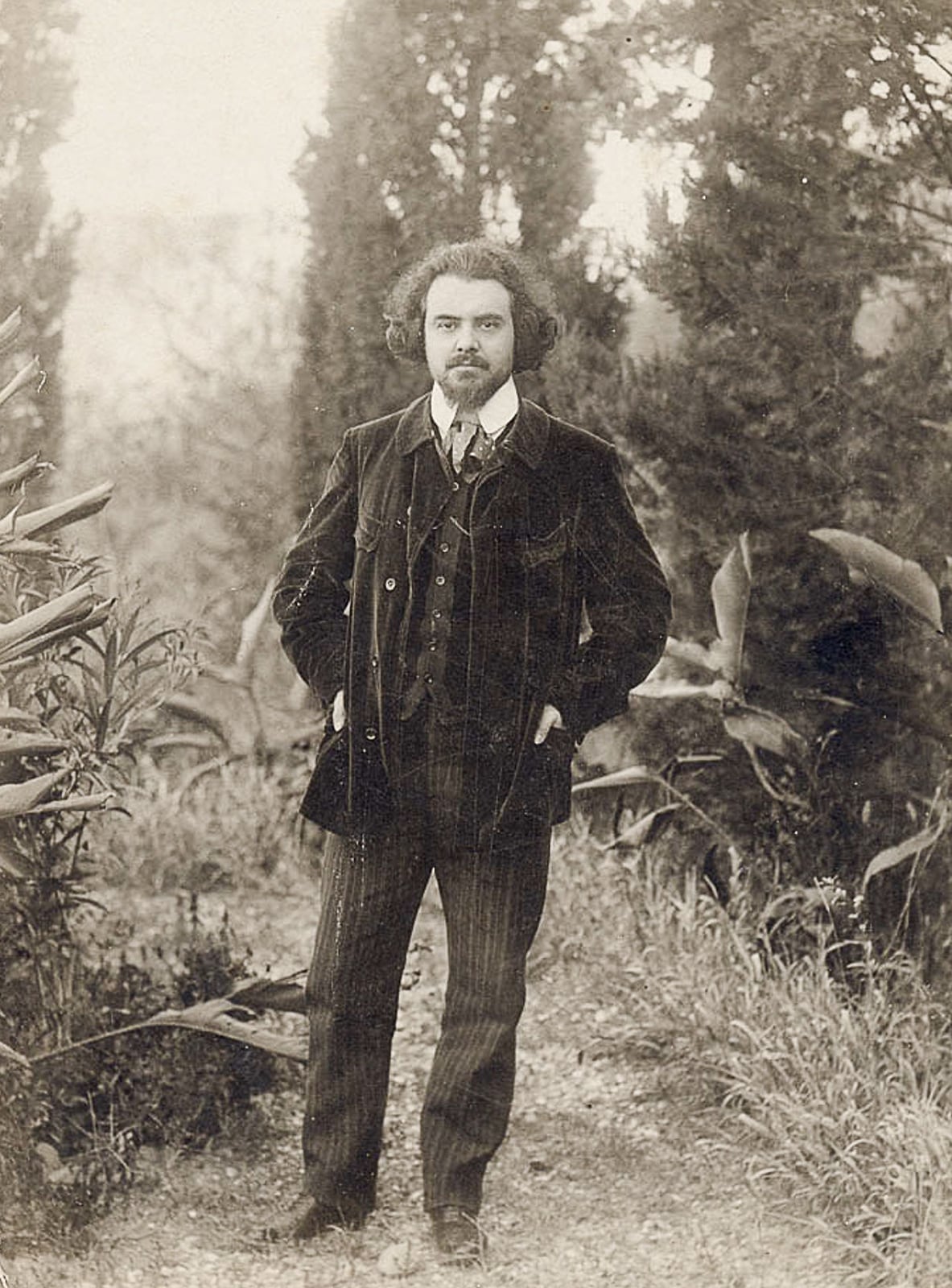
Nikolai Berdyaev
Совпадают в вопросах: Что такое Абсолют? Существует ли Бог? · Почему мы страдаем? · Как достигается освобождение или спасение?
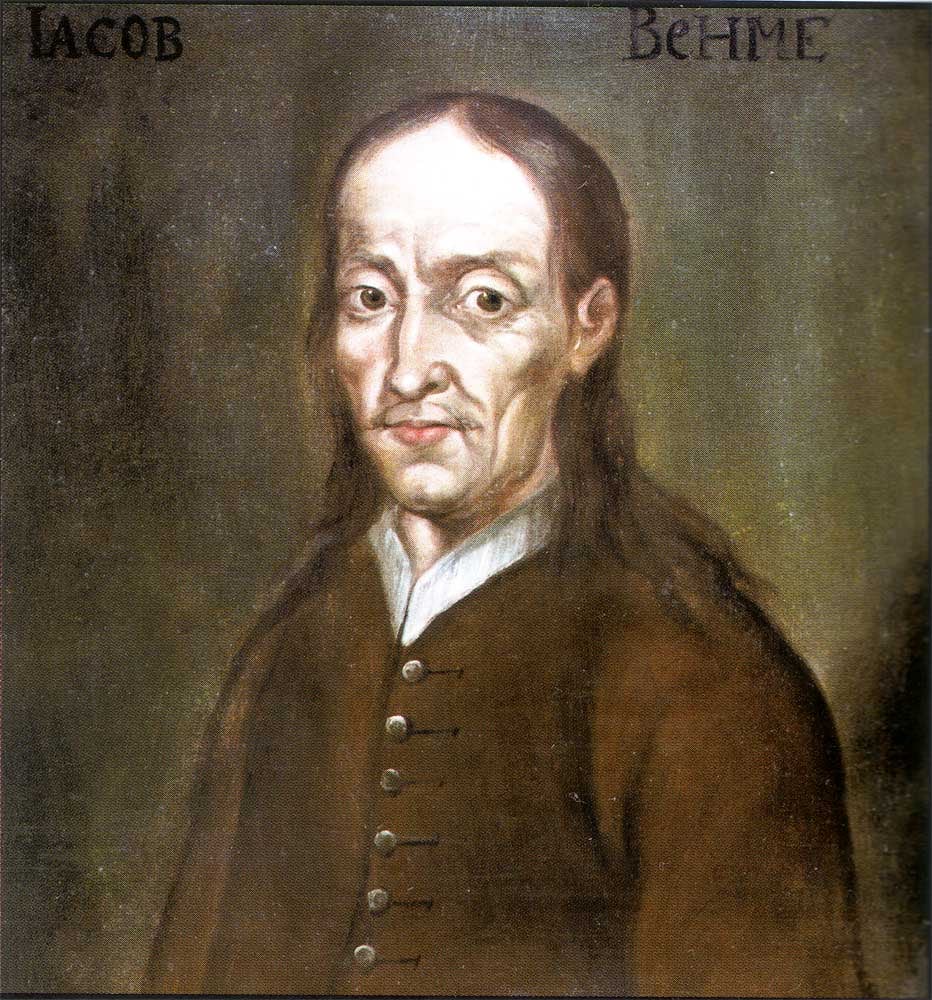
Jakob Böhme
Совпадают в вопросах: Что такое Абсолют? Существует ли Бог? · Почему мы страдаем? · Как достигается освобождение или спасение?
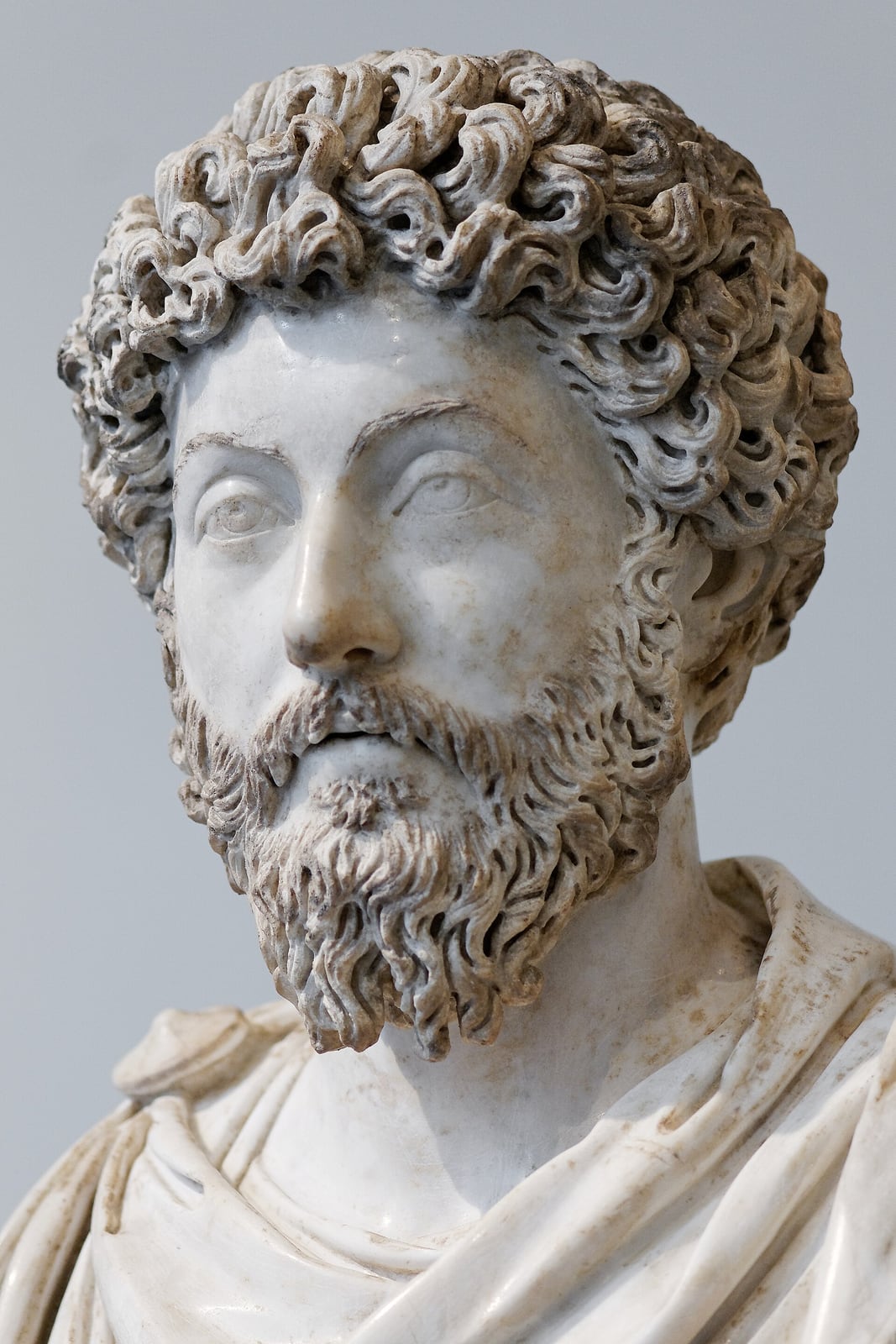
Marcus Aurelius
Совпадают в вопросах: Что такое Абсолют? Существует ли Бог? · Что происходит после смерти? · Реален ли мир?
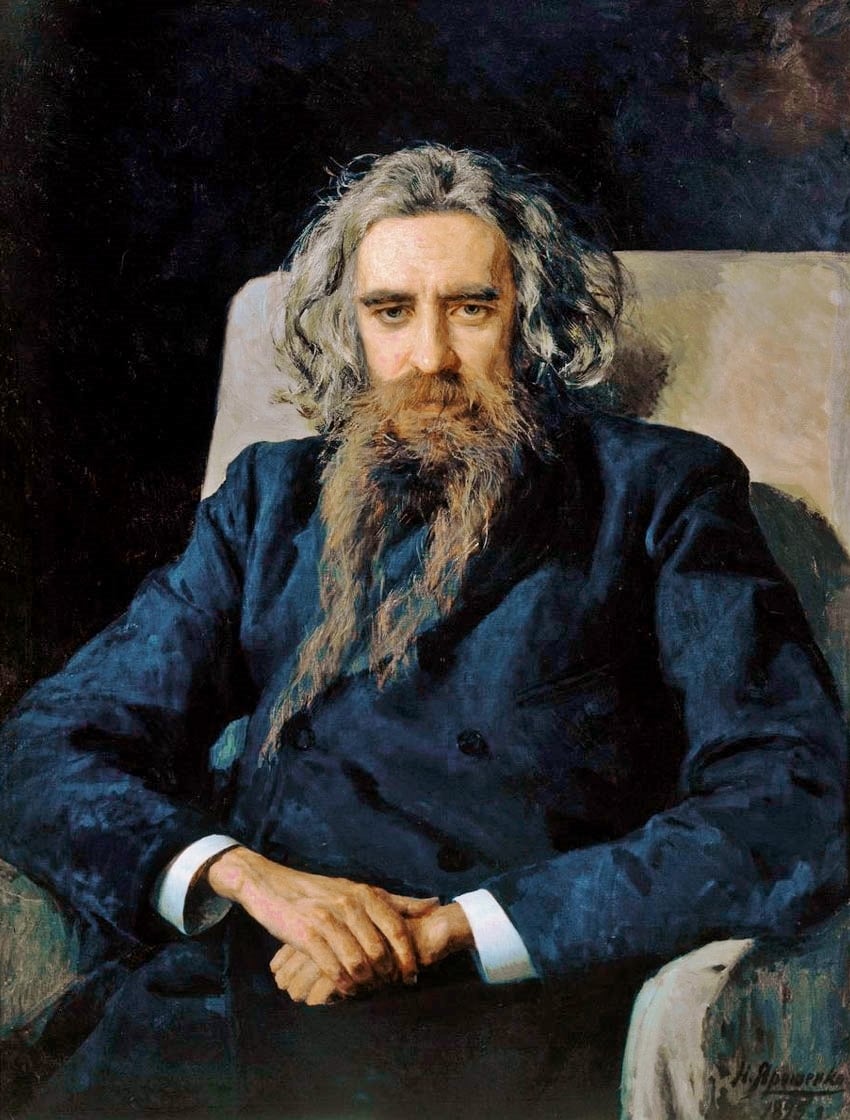
Vladimir Solovyov
Совпадают в вопросах: Что такое Абсолют? Существует ли Бог? · Почему мы страдаем? · Как достигается освобождение или спасение?
Дальше всего от

Предания и рассказы
Предания и рассказы
Свидетельство1914–1915
The soldiers' sugar
Происхождение рассказа: Family recollections gathered by Simone Pétrement, her friend and fellow student, in La Vie de Simone Weil (1973).
Источник: Pétrement, Simone. La Vie de Simone Weil. 2 vols. Paris: Fayard, 1973 (reed. en un volumen, 1997).
Свидетельство1931–1932
The 'Red Virgin' of Le Puy
Происхождение рассказа: Told by Pétrement on the basis of the local press and testimony; the reply about dismissal is handed down in several versions.
Источник: Pétrement, Simone. La Vie de Simone Weil. 2 vols. Paris: Fayard, 1973 (reed. en un volumen, 1997).
Свидетельство1933
Trotsky in the flat on rue Auguste-Comte
Происхождение рассказа: Pétrement (La Vie de Simone Weil), from her parents' recollections and Simone's notes on the discussion.
Источник: Pétrement, Simone. La Vie de Simone Weil. 2 vols. Paris: Fayard, 1973 (reed. en un volumen, 1997).
Свидетельство1934–1935
The mark of slavery
Происхождение рассказа: Her own testimony in the 'Spiritual Autobiography' (1942) and the Journal d'usine published in La Condition ouvrière.
Документировано1936
The boiling oil on the Aragon front
Происхождение рассказа: Date of the accident according to the Stanford Encyclopedia of Philosophy; details of the stay in Pétrement and in the letter to Bernanos (Écrits historiques et politiques).
Свидетельство1938
George Herbert's poem 'Love'
Происхождение рассказа: 'Spiritual Autobiography', letter to Fr. Perrin of May 1942 (Attente de Dieu). Weil does not give the young Englishman's name.
Свидетельство1941
The Greek Our Father in the vineyard
Происхождение рассказа: 'Spiritual Autobiography' (Attente de Dieu), where Thibon appears as 'T…'; Thibon gave his version in Simone Weil telle que nous l'avons connue (1952).
Оспаривается1943
The rations of occupied France
Происхождение рассказа: The verdict appears on the death certificate and is cited by the Stanford Encyclopedia of Philosophy and the biographies by Pétrement and Du Plessix Gray; the ration motive comes from testimony by those around her in London.
Учение
Учение
Понятия, на которых строится мысль учителя, объяснённые в их контексте.
Attentionattention
Developed above all in Marseille (1941–1942), rooted in Alain's teaching on perception.
Affliction (malheur)malheur
Born of the factory experience (1934–1935) and formulated in 'L'Amour de Dieu et le malheur' (1942).
Decreationdecreation
A term coined in the Marseille Notebooks; gathered by Thibon into a chapter of La Pesanteur et la Grâce.
Источник: Weil, Simone. La Pesanteur et la Grâce. Ed. Gustave Thibon. Paris: Plon, 1947. Texto en Wikisource.
Gravity and gracepesanteur-et-grace
The founding metaphor of the 1940–1942 Notebooks.
Источник: Weil, Simone. La Pesanteur et la Grâce. Ed. Gustave Thibon. Paris: Plon, 1947. Texto en Wikisource.
Forceforce
Written in 1939–1940, in the face of war.
Rootedness and uprootednessenracinement
The core of L'Enracinement (London, 1943).
Obligations and the needs of the soulobligations
First part of L'Enracinement and the 'Draft for a Statement of Obligations'.
Metaxu (intermediaries)metaxu
Fragments from the Notebooks gathered in La Pesanteur et la Grâce (chapter 'Metaxu').
Источник: Weil, Simone. La Pesanteur et la Grâce. Ed. Gustave Thibon. Paris: Plon, 1947. Texto en Wikisource.
Видео
Видео
Записи, интервью и документальные фильмы. Видео воспроизводятся с YouTube; здесь они не хранятся.
Simone Weil "L'irrégulière" | Documentaire
Документальный фильм· FR· 26 min
Le Jour du SeigneurОфициальный канал
Pourquoi il faut lire Simone Weil aujourd'hui - #CulturePrime
Разбор· FR· 4 min
France CultureОфициальный канал
Relire la philosophe Simone Weil - L'édito culture
Разбор· FR· 5 min
France InterОфициальный канал
Colloque Simone Weil - Emmanuel Gabellieri
Лекция· FR· 52 min
Institut du Pont-Neuf
Conférence de Christian Loubère, Simone Weil et le poème de la force
Лекция· FR· 75 min
Société toulousaine de philosophie
An Encounter with Simone Weil: trailer (documentary feature)
Документальный фильм· EN· 3 min
SimoneWeilMovieОфициальный канал
Sylvie Weil talks about what it was like growing up as Simone Weil's niece
Интервью· EN· 1 min
SimoneWeilMovieОфициальный канал
Why Study Simone Weil with Philip Goodchild
Лекция· EN· 6 min
University of NottinghamОфициальный канал
Simone Weil, Waiting for God
Лекция· EN· 62 min
The Philosophical Research Society
Remedios Zafra. Conversando con la obra de Simone Weil
Лекция· ES· 62 min
La Casa EncendidaОфициальный канал
«Simone Weil: una filosofía nueva y muy antigua» por Laia Colell. Foro Arte y Pensamiento
Лекция· ES· 70 min
Fundación CajaCanariasОфициальный канал
En torno a la cuestión colonial. Simone Weil y el destino de Europa — Cristina Basili
Лекция· ES· 75 min
Círculo de Bellas ArtesОфициальный канал
Hebe Uhart - «¿Para qué le sirve Simone Weil a los escritores?»
Лекция· ES· 68 min
Cátedra Abierta Roberto Bolaño
Галерея
Галерея
Изображения с проверенной лицензией. Каждое сохраняет своё авторство и атрибуцию.
Рукописи
Рукописи
Рукописные свидетельства и древние тексты, с указанием хранителя и условий доступа.
FR · Latin · 1925–1943
Fonds Simone Weil (cuadernos, manuscritos y correspondencia)
- Сохранившийся список
- Cuadernos de Marsella, Nueva York y Londres; borradores de L'Enracinement y de los ensayos
- Хранитель
- Bibliothèque nationale de France, departamento de Manuscritos (París)
Связи
Связи
Влияния, ученичество и близость взглядов. Документированная связь отличается от сходства, выявленного путём анализа.
Испытал влияние
She considered him the father of Western mysticism; she translated and commented on him at length in Intuitions pré-chrétiennes and La Source grecque.
Документированная связь
Испытал влияние
She devoted her longest study in Intuitions pré-chrétiennes to 'The Pythagorean Doctrine', seeing in harmony and mediation Christian foreshadowings.
Документированная связь
Испытал влияние
'I fell in love with Saint Francis as soon as I came to know of him,' she writes; in his chapel at Assisi she knelt for the first time (1937).
Документированная связь
Испытал влияние
She quotes him repeatedly in the Notebooks and the letters to Perrin (the image of the thread that holds the bird down).
Документированная связь
Испытал влияние
In the Spiritual Autobiography she acknowledges having found in Marcus Aurelius, as amor fati, the duty of accepting God's will.
Документированная связь
Испытал влияние
In the fragments on non-action she states that the highest 'passive activity' is perfectly described in the Bhagavad Gita and in Lao Tzu.
Документированная связь
Испытал влияние
Her mystical experience of 1938 was, by her own account, a personal contact with Christ; the Passion is at the centre of her theology of affliction.
Документированная связь
Идеи, близкие к
'Decreation' and the critique of self-will have been compared with Eckhart's detachment (Abgeschiedenheit); no significant direct reading is recorded.
Сходство, выявленное путём анализа
Современник
French contemporaries engaging with Catholicism from opposite positions: Teilhard optimistic about evolution, Weil focused on affliction and necessity. There is no record that they met.
Сходство, выявленное путём анализа
Упоминается в других статьях
Источники
Источники
Библиография и каталоги, использованные для этой статьи.
- Wikidata, «Simone Weil» (Q157309).
- Pétrement, Simone. La Vie de Simone Weil. 2 vols. Paris: Fayard, 1973 (reed. en un volumen, 1997).
- Weil, Simone. Attente de Dieu. Ed. Joseph-Marie Perrin. Paris: La Colombe, 1950 (incluye la «Autobiographie spirituelle», carta al P. Perrin de mayo de 1942). Texto en Wikisource.
- Rozelle-Stone, A. Rebecca, y Benjamin P. Davis. «Simone Weil». Stanford Encyclopedia of Philosophy, publicado el 10 de marzo de 2018, revisión sustantiva del 18 de septiembre de 2025.
- Weil, Simone. La Pesanteur et la Grâce. Ed. Gustave Thibon. Paris: Plon, 1947. Texto en Wikisource.
- Weil, Simone. L'Enracinement: prélude à une déclaration des devoirs envers l'être humain. Paris: Gallimard (col. «Espoir»), 1949. Texto en Wikisource.
- Weil, Simone [Émile Novis]. «L'Iliade ou le poème de la force». Cahiers du Sud, n.º 230–231, diciembre de 1940 – enero de 1941; recogido en La Source grecque, Gallimard, 1953. Texto en Wikisource.
- Weil, Simone. La Condition ouvrière. Paris: Gallimard (col. «Espoir»), 1951 (incluye el Journal d'usine). Texto en Wikisource.
- Fiori, Gabriella. Simone Weil: biografia di un pensiero. Milano: Garzanti, 1981.
- Du Plessix Gray, Francine. Simone Weil. New York: Viking (Penguin Lives), 2001.
- Perrin, Joseph-Marie, y Gustave Thibon. Simone Weil telle que nous l'avons connue. Paris: La Colombe, 1952.
- Weil, Simone. Œuvres complètes. Dir. André A. Devaux y Florence de Lussy. Paris: Gallimard, 1988– (7 tomos previstos en 16 volúmenes).
- Wikisource en francés, «Auteur:Simone Weil» (relación de obras con fechas de redacción y publicación).
- Weil, Simone. Écrits de Londres et dernières lettres. Paris: Gallimard (col. «Espoir»), 1957. Texto en Wikisource.
- Weil, Simone. Oppression et Liberté. Paris: Gallimard (col. «Espoir»), 1955 (incluye las Réflexions sur les causes de la liberté et de l'oppression sociale, 1934). Texto en Wikisource.
- Weil, Simone. Lettre à un religieux. Paris: Gallimard (col. «Espoir»), 1951. Texto en Wikisource.
- Weil, Simone. Intuitions pré-chrétiennes. Paris: La Colombe, 1951. Texto en Wikisource.
- Open Library, registros de edición consultados por ISBN (obras de Simone Weil).
- Haslett, Julia (dir.). An Encounter with Simone Weil. Documental, Line Street Productions, 2010.
- Weil, Simone, y Joë Bousquet. Correspondance 1942. Paris: Éditions Claire Paulhan, 2019 (primera ed.: Lausanne, L'Âge d'homme, 1982).
- Правообладатель
- Éditions Gallimard (ediciones francesas) y los herederos de Simone Weil; obra de dominio público en la UE desde 2014 y en España desde 2024, pero no en EE. UU. Las traducciones tienen derechos propios (Trotta, Routledge, NYRB, Harper, etc.).
- Официальный сайт
- www.simoneweil-association.com/
Ожидает подтверждения
То, что в этой статье пока не удалось установить. Мы предпочитаем сказать об этом, а не заполнять пробел.
- Derechos: comprobar si Simone Weil fue declarada «morte pour la France», lo que en Francia añadiría 30 años de protección a sus obras; no afecta a la regla UE/España/EE. UU. aplicada aquí, pero sí a la difusión en Francia.
- Todas las entradas de reading_texts llevan caution: la obra no es de dominio público en EE. UU. (publicaciones francesas de 1940–1968 restauradas por la URAA). Reevaluar a partir de 2036 (La Ilíada) y de 2043 (primeras obras póstumas).
- Verificar en la biografía de Pétrement los detalles de la anécdota de Trotski (fecha exacta y lugar) y la réplica de Le Puy sobre la destitución.
- Localizar ISBN de ediciones en alemán, italiano y ruso de La gravedad y la gracia, Echar raíces y A la espera de Dios; y de la edición castellana de Venecia salvada.
- Confirmar los traductores de las ediciones de Trotta sin traductor registrado (A la espera de Dios, Intuiciones precristianas, Escritos de Londres).
- Confirmar la signatura del fondo Simone Weil en la Bibliothèque nationale de France y si existe digitalización en Gallica.
- Vídeos: no se encontraron en YouTube documentales completos de televisiones públicas en alemán o italiano con canal oficial; se registran 13.
- Programas de afiliación: ninguno verificado.
Исследовано 2026-10-25