Досократическая философия · Пифагореизм
Pythagoras
Πυθαγόρης · Πυθαγόρας ὁ Σάμιος
ок. 570 до н. э. – ок. 495 до н. э.Исторически документированная личность
Греческий мудрец, родившийся на Самосе около 570 года до н. э. и основавший в Кротоне, на юге Италии, общину учеников, объединенную образом жизни, верой в переселение душ и, по преданию, изучением числа и гармонии. Сочинений он не оставил. Мы знаем о нем по кратким свидетельствам современников и по жизнеописаниям, написанным восемь веков спустя и превратившим его в божественного мужа: отделить факт от легенды — первая задача его истории.
- трудов
- 12трудов
- изданий
- 31изданий
- цитат
- 6цитат
- видео
- 11видео
- изображений
- 8изображений
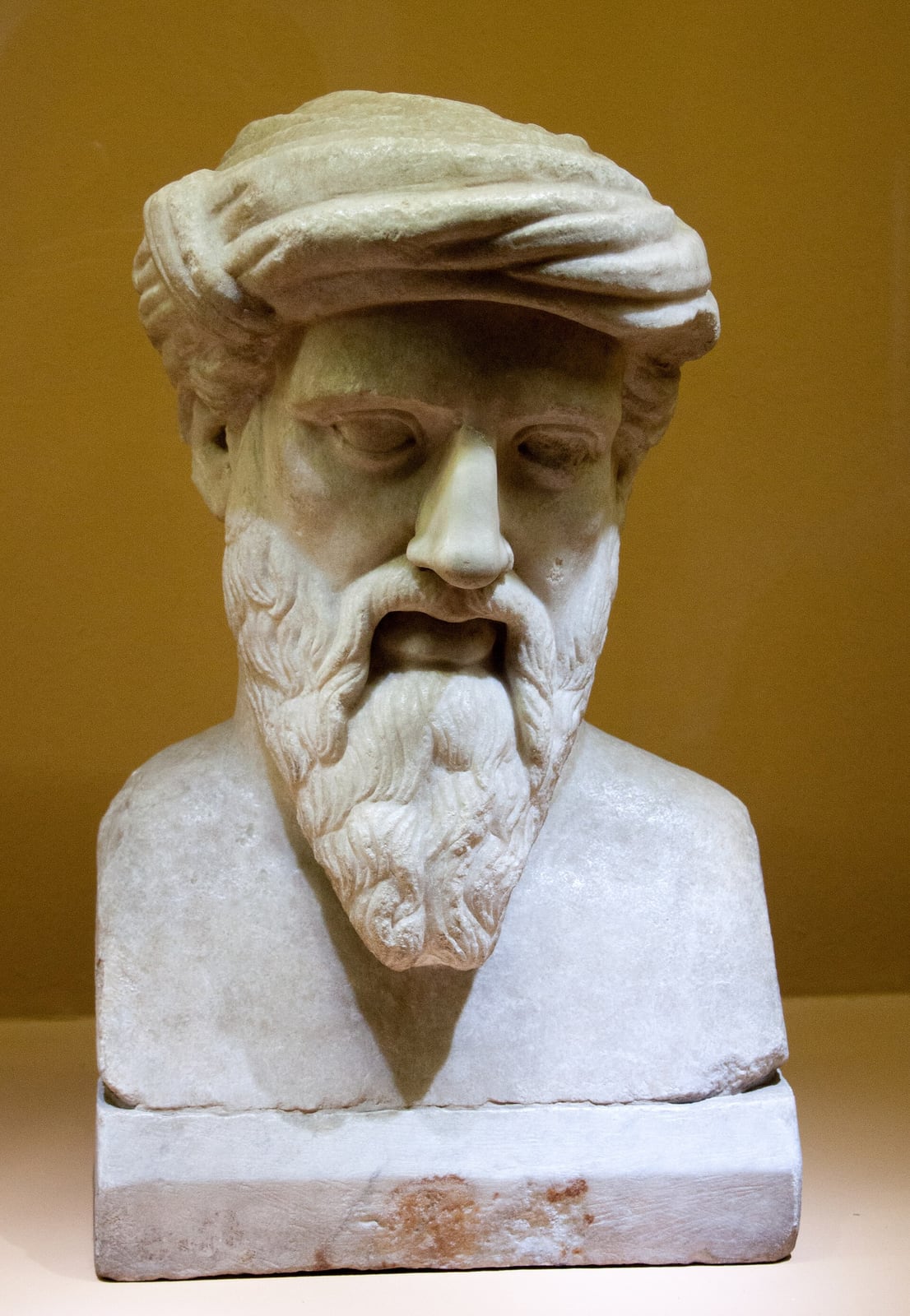
Busto de Pitágoras (Museos Capitolinos) · Public domain
Своими словами
«No, by him who gave our race the tetraktys, the fount holding the roots of ever-flowing nature.»Juramento de los pitagóricos por Pitágoras, citado por Porfirio, Vida de Pitágoras 20 (ed. Nauck), Aecio y Sexto Empírico; los Versos de oro (47–48) contienen una variante. Es un juramento de los discípulos, no palabras de Pitágoras. Traducciones propias.

Главная мысль
Metempsychosis (transmigration of souls): It is the doctrine that can most securely be attributed to Pythagoras, because it is already attested by Xenophanes, his contemporary, and shortly after by Herodotus, Ion of Chios and Empedocles.
В контексте
Биография
4 мин чтения
Перевод с испанского оригинала, выполненный с помощью ИИ; ожидает проверки носителем языка.
Имя без сочинений
Пифагор не оставил сочинений — или, по крайней мере, ни одно из них не дошло до следующего поколения: первая пифагорейская книга, о которой есть сведения, принадлежит Филолаю и появилась более чем через полвека после смерти Пифагора. Всё, что мы о нем знаем, восходит к трем весьма неравноценным пластам свидетельств. Первый составляют краткие упоминания современников или почти современников — Ксенофана, Гераклита, Иона Хиосского, Эмпедокла, Геродота, — которые представляют его мудрецом необычайных познаний, учившим о душе. Второй — сведения Аристотеля и его учеников Аристоксена и Дикеарха в IV веке до н. э., которые уже имеют дело с противоречивыми преданиями. Третий — большие жизнеописания Диогена Лаэртского, Порфирия и Ямвлиха, написанные через восемьсот-девятьсот лет после его смерти, когда Пифагор уже превратился в божественного мужа.
Отделить факт от легенды — поэтому первая задача любой его биографии. Вальтер Буркерт в 1962 году утверждал, что исторический Пифагор был прежде всего религиозным учителем, скорее шаманом, чем математиком, и что пифагорейская наука рождается лишь с Филолаем и Архитом; Леонид Жмудь, напротив, отстаивает мнение, что уже сам Пифагор и его первые последователи занимались математикой. Показательно, что Аристотель почти никогда не говорит о Пифагоре, а говорит о «так называемых пифагорейцах».
Самос
Он родился на Самосе около 570 года до н. э., сыном Мнесарха, которого упоминают Геродот и Гераклит и которого позднейшая традиция делает резчиком печатей. Аристоксен рассказывает, что он покинул остров в сорок лет, спасаясь от тирании Поликрата, что позволяет отнести его рождение примерно к этой дате. Поздние биографы приписывают ему учителей — Ферекида Сиросского, Анаксимандра, Фалеса — и долгие ученые путешествия в Египет, Вавилон, Финикию и даже в Индию. Путешествие в Египет упоминается уже у Исократа в IV веке до н. э.; остальные, по всей вероятности, — позднейшие построения, стремившиеся придать его мудрости восточное происхождение.
Кротон
Около 530 года до н. э. он поселился в Кротоне, ахейской колонии на юге Италии. По словам Дикеарха, которого цитирует Порфирий, его облик и речь произвели такое впечатление, что совет старейшин попросил его обратиться к юношам, к детям и к женщинам. Вокруг него сложилась община мужчин и женщин — среди них Феано, которую предание называет его женой или ученицей, — объединенная общим образом жизни, с правилами поведения, обетом молчания и, по некоторым сведениям, общностью имущества. Община приобрела значительный политический вес в Кротоне и других городах Великой Греции; предание связывает ее с войной, в которой Кротон в 510 году до н. э. разрушил Сибарис.
Что говорили о нем современники
Древнейшие свидетельства столь же кратки, сколь и красноречивы. Ксенофан Колофонский насмехается над ним в стихах: увидев, как бьют собаку, Пифагор будто бы попросил перестать, потому что узнал в ее визге душу друга. Гераклит дважды упоминает его с презрением: как пример того, что многознание уму не научает, и как человека, который более всех занимался исследованиями и составил себе из них собственную мудрость — «многознайство, злое искусство». Геродот называет его «не самым слабым из эллинских мудрецов» и намекает, что учение о переселении душ он заимствовал у египтян. Все сходятся в двух чертах: в незаурядном знании и в вере в душу, которая переживает тело и переходит из одного тела в другое.
Пифагорейский образ жизни
Платон в «Государстве» говорит, что Пифагора любили за то, что он оставил после себя образ жизни, который и во времена Платона называли пифагорейским. Этот образ жизни передавался в акусмах — кратких устных изречениях: что мудрее всего (число), что справедливее всего (приносить жертвы), чего не следует делать (есть бобы, ворошить огонь ножом, переступать через весы). Многие из них похожи на архаические религиозные табу; позднейшая традиция толковала их как символы. Источники расходятся в вопросе о пище: одни приписывают ему строгое вегетарианство, связанное с учением о переселении душ; Аристоксен утверждал, что он ел мясо, кроме мяса пахотного быка и барана. Поздние источники делят его последователей на акусматиков, верных изречениям, и математиков, посвятивших себя науке, — разделение, которое, вероятно, отражает позднейшие споры.
Число и гармония
Аристотель приписывает пифагорейцам тезис о том, что начала чисел суть начала всех вещей, и объясняет его открытием, что музыкальные созвучия отвечают простым числовым отношениям: октава — 2:1, квинта — 3:2, кварта — 4:3. Отсюда почитание тетрактиды — первых четырех чисел, сумма которых равна десяти, ею клялись пифагорейцы, — и представление о том, что небесные тела производят гармонию. Теорему, носящую его имя, вавилонские математики знали более чем за тысячу лет до него, а ее приписывание Пифагору появляется поздно, у авторов эллинистической и римской эпохи; какая часть пифагорейской математики восходит к самому основателю — один из самых спорных вопросов истории науки.
Конец
На исходе его жизни в Кротоне вспыхнуло восстание во главе с Килоном — аристократом, которого, по словам Аристоксена, Пифагор отказался принять в ученики. Пифагор удалился в Метапонт, где и умер около 495 года до н. э.; Цицерон столетия спустя посетил там дом и место, которые связывали с его именем. Рассказы о его смерти противоречат друг другу: одни говорят, что он погиб при пожаре дома Милона в Кротоне; другие — что преследователи настигли его перед бобовым полем, на которое он отказался ступить; Дикеарх — что он умер от голода в святилище Муз в Метапонте. К середине V века пифагорейские дома собраний были сожжены в нескольких городах Италии, а уцелевшие рассеялись.
Легенда
Уже со времен Аристотеля ходили рассказы о чудесах: золотое бедро, одновременное присутствие в Кротоне и в Метапонте, река, приветствовавшая его по имени. Неопифагорейцы императорской эпохи и неоплатоники сделали из него божественного мужа, по мнению некоторых — сына Аполлона, и приписали ему «Золотые стихи» и целую библиотеку апокрифических сочинений. Платон обязан ему учением о бессмертии души и доверием к математике как пути к подлинно сущему; Коперник ссылался на пифагорейцев, защищая движение Земли, а Кеплер искал гармонию небес. Немногие фигуры оказали столь сильное влияние при столь скудных сведениях о них самих.
Источники: Diógenes Laercio. Vidas y opiniones de los filósofos ilustres, libro VIII, 1–50 (Pitágoras), s. III d. C. Trad. inglesa de C. D. Yonge, Bohn, Londres, 1853 (Project Gutenberg n.º 57342). · Porfirio. Vida de Pitágoras (Πυθαγόρου βίος), c. 270–300 d. C.; texto griego de A. Nauck, Porphyrii philosophi Platonici opuscula selecta, 2.ª ed., Teubner, Leipzig, 1886 (Wikisource en griego). Recoge fragmentos de Aristóxeno, Dicearco, Nicómaco y Antonio Diógenes. · Jámblico. Sobre la vida pitagórica (De vita Pythagorica), c. 300 d. C.; ed. L. Deubner, Teubner, Leipzig, 1937. Trad. inglesa de Thomas Taylor, Londres, 1818 (Project Gutenberg n.º 63300), y de John Dillon y Jackson Hershbell, Scholars Press, Atlanta, 1991. · Burkert, Walter. Lore and Science in Ancient Pythagoreanism, trad. Edwin L. Minar Jr. Harvard University Press, Cambridge (Mass.), 1972 (orig.: Weisheit und Wissenschaft, Hans Carl, Núremberg, 1962). · Riedweg, Christoph. Pythagoras: His Life, Teaching, and Influence, trad. Steven Rendall. Cornell University Press, Ithaca, 2005 (orig.: Pythagoras. Leben, Lehre, Nachwirkung, C. H. Beck, Múnich, 2002).
Хронология
Жизнь год за годом
Каждая точка — документированное событие. Нажмите, чтобы прочитать о нём, с источником и степенью достоверности.
ок. 570 до н. э.0 летSamos
Birth
Born on Samos, son of Mnesarchus. The date is inferred from Aristoxenus' report that he left the island at forty, under Polycrates; Wikidata records proposals between 582 and 550 BCE. Years BCE are expressed as negative numbers.
ВероятноPorfirio. Vida de Pitágoras (Πυθαγόρου βίος), c. 270–300 d. C.; texto griego de A. Nauck, Porphyrii philosophi Platonici opuscula selecta, 2.ª ed., Teubner, Leipzig, 1886 (Wikisource en griego). Recoge fragmentos de Aristóxeno, Dicearco, Nicómaco y Antonio Diógenes.
После смерти
- ок. 450 до н. э.Burning of the Pythagorean houses
- ок. 420 до н. э.Philolaus, the first Pythagorean book
- ок. 388 до н. э.Plato and Archytas
- ок. 300 до н. э.Iamblichus writes On the Pythagorean Life
- 1543Copernicus invokes the Pythagoreans
- 1619Kepler, Harmonices mundi
ок. 570 до н. э. · 0 лет
Birth
Born on Samos, son of Mnesarchus. The date is inferred from Aristoxenus' report that he left the island at forty, under Polycrates; Wikidata records proposals between 582 and 550 BCE. Years BCE are expressed as negative numbers.
Вероятно
ок. 550 до н. э.
Journeys of study
Isocrates (Busiris 28) is the first to mention a journey to Egypt; the late biographers add Phoenicia, Babylon, the Persian magi and India, and teachers such as Pherecydes and Thales. None of it can be verified.
Предание
ок. 538 до н. э.
Tyranny of Polycrates
Polycrates seizes power on Samos (c. 538–522 BCE); according to Aristoxenus, Pythagoras emigrates to escape his tyranny.
Документировано
ок. 530 до н. э. · 40 лет
Arrival in Croton
He settles in Croton where, according to Dicaearchus, he addresses the council, the young men, the children and the women, and founds a community of disciples of both sexes.
Вероятно
510 до н. э.
Destruction of Sybaris
Croton, led by the athlete Milo, destroys Sybaris. Late sources (Diodorus, Iamblichus) give Pythagoras a role in the decision to go to war.
Оспаривается
ок. 505 до н. э.
Cylon's revolt
The aristocrat Cylon leads a revolt against the Pythagoreans. The chronology is very uncertain: some sources place it in Pythagoras' lifetime, others conflate it with the persecutions of the mid-fifth century.
Оспаривается
ок. 495 до н. э. · 75 лет
Death
He dies at Metapontum, according to the most accepted version; other sources have him die in Croton or Sicily. Cicero (De finibus V 4) visited the spot pointed out there as his house.
Вероятно
ок. 450 до н. э.
Burning of the Pythagorean houses
Polybius (II 39) relates that the Pythagorean meeting-places were burnt in the cities of Magna Graecia, causing great political upheaval; the survivors scatter across Greece.
Документировано
ок. 420 до н. э.
Philolaus, the first Pythagorean book
Philolaus of Croton writes the first Pythagorean treatise of which authentic fragments survive, on the limited, the unlimited and harmony.
Вероятно
ок. 388 до н. э.
Plato and Archytas
Plato travels to Italy and Sicily and befriends the Pythagorean Archytas of Tarentum, mathematician and statesman; the Pythagorean imprint is visible in the Phaedo, the Gorgias and the Timaeus.
Вероятно
ок. 300 до н. э.
Iamblichus writes On the Pythagorean Life
The Neoplatonist Iamblichus composes the longest biography of Pythagoras, as the first book of an encyclopedia of Pythagoreanism; shortly before, Porphyry had written his Life of Pythagoras.
Документировано
1543
Copernicus invokes the Pythagoreans
In the preface to De revolutionibus orbium coelestium, Copernicus cites the Pythagoreans Philolaus, Ecphantus and Hicetas as precedents for the Earth's motion.
Документировано
1619
Kepler, Harmonices mundi
Johannes Kepler publishes The Harmony of the World, seeking the musical proportions of planetary motions in a modern reformulation of the harmony of the spheres.
Документировано
Труды
Главные труды
Труды, без которых не понять это наследие.
Традиционная атрибуция · ок. 300 до н. э.
Golden Verses
Χρυσᾶ ἔπη
Seventy-one lines of moral and religious precepts: honour the gods, the heroes and one's parents; choose the virtuous as a friend; master the belly, sleep, desire and anger; respect oneself above all; examine each night what was done during the day. The final section promises whoever perseveres knowledge of the nature of gods and men and, on leaving the body, the condition of an immortal god. The Neoplatonist Hierocles of Alexandria (5th century) wrote a commentary on it, and in the modern age it was one of the most translated Greek texts.
5 изданий
Записанное устное учение · ок. 500 до н. э.
Akousmata and symbola
ἀκούσματα / σύμβολα
According to Iamblichus they fell into three classes: what something is ("what are the isles of the blessed? The sun and the moon"), what is most such ("what is wisest? Number"), what must be done or avoided ("do not eat beans", "do not stir the fire with a knife", "do not step over a balance", "put on the right shoe first"). Many look like archaic ritual taboos; from the fourth century BCE they were interpreted as moral symbols: stirring the fire with a knife would mean provoking the anger of someone already irritated.
2 издания

Научное исследование · ок. 300
On the Pythagorean Life (Iamblichus)
Περὶ τοῦ Πυθαγορικοῦ βίου
The first book of a ten-book work on Pythagoreanism. It narrates the birth, the journeys, the arrival in Croton and the speeches to youths, elders and women, describes life in the community—the five-year silence, the testing of candidates, friendship, diet, music as medicine for the soul—, lists the miracles, recounts Cylon's conspiracy and closes with a catalogue of Pythagoreans: 218 men and 17 women. It is the longest surviving source on Pythagoras.
5 изданий

Научное исследование · ок. 280
Life of Pythagoras (Porphyry)
Πυθαγόρου βίος
It covers the origin, education, arrival in Italy, the marvels (the Daunian she-bear, the fish, the greeting of the river Caucasus, the simultaneous presence in Metapontum and Tauromenium), the teaching through symbols, Pythagorean friendship and Cylon's conspiracy, naming its sources: Aristoxenus, Dicaearchus, Nicomachus, Neanthes, Antonius Diogenes. Its Greek text survives almost complete.
4 издания
Все труды (12)

Life of Pythagoras (Diogenes Laertius, Lives VIII 1–50)
230
Testimonies of his contemporaries (Xenophanes, Heraclitus, Empedocles, Ion of Chios, Herodotus)
450
Pythagoras
Aristotle's testimonies on the Pythagoreans
The Conscious LibraryAristotle's testimonies on the Pythagoreans
340
Sacred Discourse (Hieros logos)
300
Pythagoras
Books on Education, Politics and Nature
The Conscious LibraryBooks on Education, Politics and Nature
300
Pythagoras
Letters of Pythagoras
The Conscious LibraryLetters of Pythagoras
100
Pseudo-Pythagorean writings
200

Fragments of Philolaus of Croton
420
Изречения
Изречения, найденные в конкретном труде. Каждое сопровождается указанием происхождения и степени надёжности.
Stop, do not beat it: it is the soul of a friend; I recognised it when I heard its voice.παῦσαι μηδὲ ῥάπιζ᾽, ἐπεὶ ἦ φίλου ἀνέρος ἐστὶν ψυχή, τὴν ἔγνων φθεγξαμένης ἀίων.
ВероятноJenófanes, fragmento DK 21 B 7, transmitido por Diógenes Laercio VIII 36. Son palabras que Jenófanes, contemporáneo de Pitágoras, le atribuye en tono satírico; traducciones propias.
Апокрифические изречения и изречения спорной атрибуции (4)
«All is number.»
The formula appears in no ancient source as a saying of Pythagoras. It summarises Aristotle's account of the doctrine of "the so-called Pythagoreans" (Metaphysics A 5–6), according to which things are numbers or imitate numbers; the thesis probably comes from Philolaus, not from the founder.
«Educate the children and it will not be necessary to punish the men.»
It circulates online and in quotation books attributed to Pythagoras with no reference to any ancient text. It does not appear in Diogenes Laertius, Porphyry, Iamblichus or the collections of Pythagorean sayings in Stobaeus.
«As long as man continues to be the ruthless destroyer of lower living beings, he will never know health or peace.»
A modern quotation spread in vegetarian circles. The idea of kinship among all living beings is indeed Pythagorean (Porphyry, Life of Pythagoras 19), and Ovid puts a long plea against eating meat in Pythagoras' mouth (Metamorphoses XV 60–478), but this sentence is in no ancient text.
«Listen, and you will become wise; the beginning of wisdom is silence.»
A modern variant of the discipline of silence that Iamblichus (Pythagorean Life 72) and other late biographers attribute to the Pythagorean community (the *echemythia*, a five-year silence for novices). It is not a literal quotation from any ancient source.
Последние слова
Противоречивые версии
«"Better to be caught than to trample the beans, and better to be slain than to speak."»There is no reliable testimony. Diogenes Laertius (VIII 39) reports, from unnamed sources ("some say"), that Pythagoras, fleeing the fire at Milo's house in Croton, stopped at a field of beans and said these words before his pursuers killed him. On the same page he gives other incompatible versions: Dicaearchus claims he took refuge in the temple of the Muses at Metapontum and starved to death after forty days; Heraclides Lembus, that he let himself starve at Metapontum because he no longer wished to live; Hermippus, that he died in a war between Acragas and Syracuse, again skirting a field of beans. The bean story seems built on the Pythagorean prohibition against eating them. Neither Porphyry nor Iamblichus gives him any last words.
Источник: Diógenes Laercio. Vidas y opiniones de los filósofos ilustres, libro VIII, 1–50 (Pitágoras), s. III d. C. Trad. inglesa de C. D. Yonge, Bohn, Londres, 1853 (Project Gutenberg n.º 57342).
Спросить
На что отвечают эти труды
Двенадцать великих вопросов человечества и то, что позволяют на них ответить эти тексты, со ссылками. Мы никогда не вкладываем слова в чужие уста.
Что такое Абсолют? Существует ли Бог?
The Pythagorean tradition places the principle of all things in number and harmony
Безличный АбсолютСледует из учения
Pythagoras wrote nothing, and what is attributed to him about the divine reaches us in layers. Aristotle, who no longer distinguishes the master from his school, speaks of “the so-called Pythagoreans” and credits them with the thesis that the principles of numbers are the principles of all beings and that the whole heaven is harmony and number. Philolaus of Croton, the first Pythagorean with surviving fragments, makes harmony what binds the unlimited and the limiting. The late Lives by Porphyry and Iamblichus add a Pythagoras devoted to Apollo and revered as a divine being, and the oath by the tetractys shows that number was an object of cult. What can prudently be affirmed is an ordering mathematical principle, not a God who knows and loves the creature.
Сравнить этот вопрос с другими учителямиКто я? Существует ли истинное «я»?
An immortal soul that passes from body to body, animal ones included
Эволюционирующая душаСказано прямо
This is the doctrine that the oldest testimonies attribute to Pythagoras with greatest confidence. Xenophanes, his contemporary, mocks him by telling how, seeing a puppy being beaten, he asked them to stop because he had recognised the soul of a friend in its cries. Dicaearchus, a pupil of Aristotle, summarises according to Porphyry what he taught at Croton: that the soul is immortal, that it changes into other kinds of living beings, that what happens happens again in cycles, and that all animate beings are kin. The self is thus a soul passing through many lives; later tradition added that Pythagoras remembered his former existences.
Сравнить этот вопрос с другими учителямиПочему мы страдаем?
The soul atones in the body and is purified from life to life
Карма и обучение душиСледует из учения
No text by Pythagoras explains why we suffer, and about him there are only testimonies. The Pythagorean tradition, however, links suffering with the soul's destiny. Philolaus invokes “the ancient theologians and seers” to say that the soul is yoked to the body as a punishment and buried in it as in a tomb; transmigration, the master's best-attested doctrine, makes each life a consequence of earlier ones. Hence the Pythagorean way of life — abstinences, silence, daily review, music — conceived as purification. Pain does not appear as absurd: it is the state of a fallen soul that, with discipline, can free itself from the cycle.
Сравнить этот вопрос с другими учителямиЧто происходит после смерти?
The immortal soul is reborn in other living beings, in recurring cycles
Перерождение согласно кармеСказано прямо
Transmigration is the oldest and best-attested doctrine attributed to Pythagoras. Xenophanes, his contemporary, already mocks it; Dicaearchus, in the fourth century BC, summarises it according to Porphyry: the soul is immortal, passes into other kinds of living beings, what has happened happens again in cycles, and nothing is absolutely new. Heraclides of Pontus adds, according to Diogenes Laertius, that Pythagoras remembered having been Aethalides, Euphorbus and others. Herodotus, without naming him, speaks of Greeks who took from Egypt the idea that the soul passes through all animals before returning to a human body. Death is not an end but a step within a cycle.
Сравнить этот вопрос с другими учителямиКак достигается освобождение или спасение?
A way of life: silence, abstinences, music, study and daily review
Через дисциплинированную практикуСледует из учения
Plato, in the Republic, remembers Pythagoras not for his science but for having bequeathed to his followers a way of life that still in his day set them apart. The much later Lives by Porphyry and Iamblichus describe that regime: years of silence for novices, dietary precepts, goods held in common, music to order the soul, study of mathematics and astronomy, and an examination of conscience each night that the Golden Verses, a late poem, formulate in three questions. If transmigration is the problem, the methodical purification of body and soul is the way. It is neither grace nor a single insight, but a sustained discipline.
Сравнить этот вопрос с другими учителямиНужен ли учитель?
A brotherhood with common goods, degrees of initiation and the master's word
Община и традицияСледует из учения
Tradition presents Pythagoras as the founder of a community rather than as a teacher of scattered disciples. According to Timaeus, cited by Diogenes Laertius, he was the first to say that friends hold all things in common, and his followers pooled their goods. The late Lives describe a period of testing and silence, and two grades of members: the “acousmatics”, who received precepts without demonstration, and the “mathematicians”, who studied their reasons. The founder's authority was immense: the formula “he said it” settled disputes, according to Cicero, and the Pythagoreans swore by him. The way is travelled within the community, with its precepts, its common life and its reserved teaching.
Сравнить этот вопрос с другими учителямиРеален ли мир?
A kosmos: a beautiful order governed by number and harmony
Природный порядок в измененииСледует из учения
Tradition credits Pythagoras with being the first to call the whole universe “kosmos”, at once order and adornment, and Aristotle attributes to the Pythagoreans the idea that the whole heaven is harmony and number. The stories about the harmony of the spheres and the musical ratios found in the intervals of the octave, fifth and fourth belong to the same intuition: the world is real and ordered by numerical relations that the mind can discover. Philolaus, the best-documented Pythagorean, holds that everything known has number and that without it nothing could be thought or known. The world is not illusion: it is an order to be understood and attuned to.
Сравнить этот вопрос с другими учителямиЧто такое любовь?
Among friends all is common: a friendship of all with all
Упорядоченная благожелательностьСледует из учения
The key word of Pythagoreanism is not erotic love but friendship. Timaeus of Tauromenium, cited by Diogenes Laertius, credits Pythagoras with being the first to say that among friends all is common and that friendship is equality. Iamblichus, in his Pythagorean Life, describes a friendship of all with all: of gods with humans, of soul with body, of citizens with one another, of humans with animals. Anecdotes about loyalty among Pythagoreans, such as that of Damon and Phintias, became proverbial. The kinship of all living beings, a consequence of transmigration, extends that goodwill beyond the human, though always ordered by measure and harmony.
Сравнить этот вопрос с другими учителямиСвободны ли мы или всё предопределено?
The sources attribute to him no doctrine on freedom
Не высказывался
None of the ancient testimonies about Pythagoras addresses the question of freedom and determinism, which was only formulated precisely in the Hellenistic period. What is attributed to him points in different directions without resolving them. Dicaearchus, according to Porphyry, has him say that what happens happens again in cycles and that nothing is absolutely new, which suggests a recurring order; transmigration and the regime of purification, by contrast, presuppose that conduct has consequences for the soul's destiny. Aristoxenus, a pupil of Aristotle, transmitted Pythagorean maxims about the part fortune plays in life, but without a theory of the will. Attributing a position to him would force the sources.
Сравнить этот вопрос с другими учителямиЗачем медитировать или молиться?
Precepts, silence, music and daily review: life as rite
Ритуал и самосовершенствованиеСледует из учения
The Pythagorean tradition does not separate prayer from conduct. The “acusmata”, short orally transmitted precepts, regulated everyday and ritual gestures: which foot to enter the temple with, what not to eat, how to sacrifice, not to speak of Pythagorean matters without light. The Lives by Iamblichus and Porphyry describe days that began with solitary walks in quiet places to calm the soul, continued with study and ended with a review of the day; music, with chosen songs and melodies, served to purify and balance the passions. The late Golden Verses ask one not to sleep without having gone over the day's actions three times. Practice is rite, study and daily conduct.
Сравнить этот вопрос с другими учителямиМожет ли разум познать предельное?
A doctrine reserved for initiates, in which number is the wisest thing
Эзотерическое знаниеСледует из учения
The Pythagorean tradition joins two traits that seldom go together: mathematical inquiry and secrecy. According to the acusma transmitted by Iamblichus, the wisest thing is number, and the school was held to be the cradle of Greek arithmetic, harmonics and astronomy. But that teaching was not offered to everyone: the Lives describe admission tests, years of silence and a distinction between those who received the precepts without demonstration and those who gained access to their reasons. The legend of Hippasus, punished for divulging a mathematical secret, illustrates that reserve. Reason can know the ultimate, but knowledge is passed on within a school, to those prepared to receive it.
Сравнить этот вопрос с другими учителямиУйти от мира или преобразить его?
A community that came to govern cities of Magna Graecia
Упорядочить обществоСледует из учения
The Pythagoreans did not withdraw from the world: their community had considerable political weight in southern Italy. According to the sources, Pythagoras arrived at Croton and delivered speeches to the young men, the magistrates, the children and the women, and Diogenes Laertius says he gave laws to the Greeks of Italy. His followers came to dominate the councils of several cities, until a revolt, led according to tradition by one Cylon, burned the house where they met and dispersed the school. The Pythagorean life combined a regime of personal purification with the aim of ordering the city according to harmony and friendship. Wisdom was to be reflected in government.
Сравнить этот вопрос с другими учителями
Созвучия и противоречия
Созвучия и противоречия
Рассчитаны вопрос за вопросом на основе позиций. Причина каждого совпадения или расхождения — по нажатию.
Ближе всего к
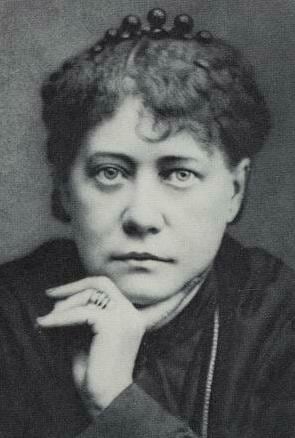
Helena Blavatsky
Совпадают в вопросах: Что такое Абсолют? Существует ли Бог? · Кто я? Существует ли истинное «я»? · Почему мы страдаем?
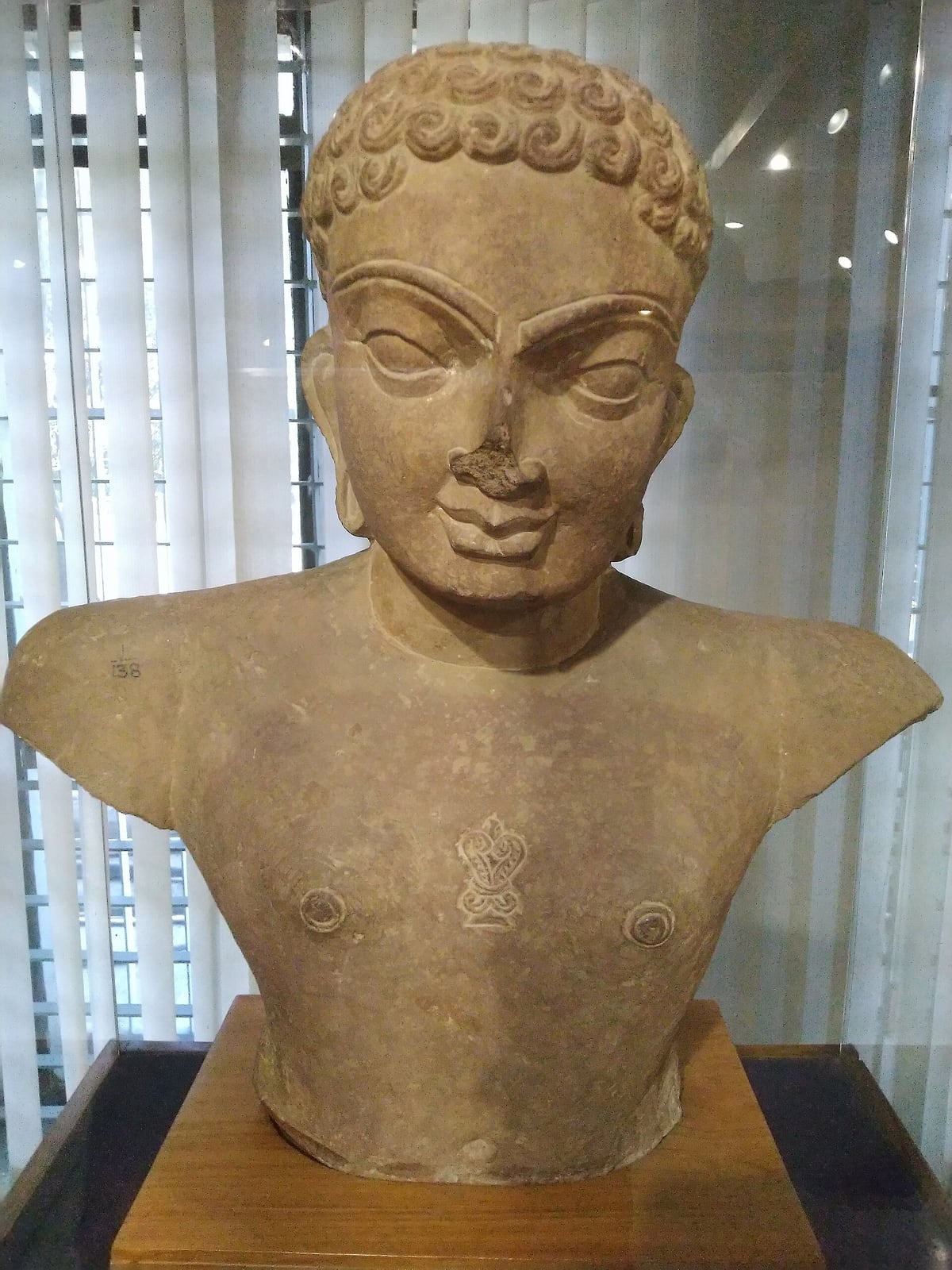
Mahāvīra
Совпадают в вопросах: Зачем медитировать или молиться? · Кто я? Существует ли истинное «я»? · Почему мы страдаем?
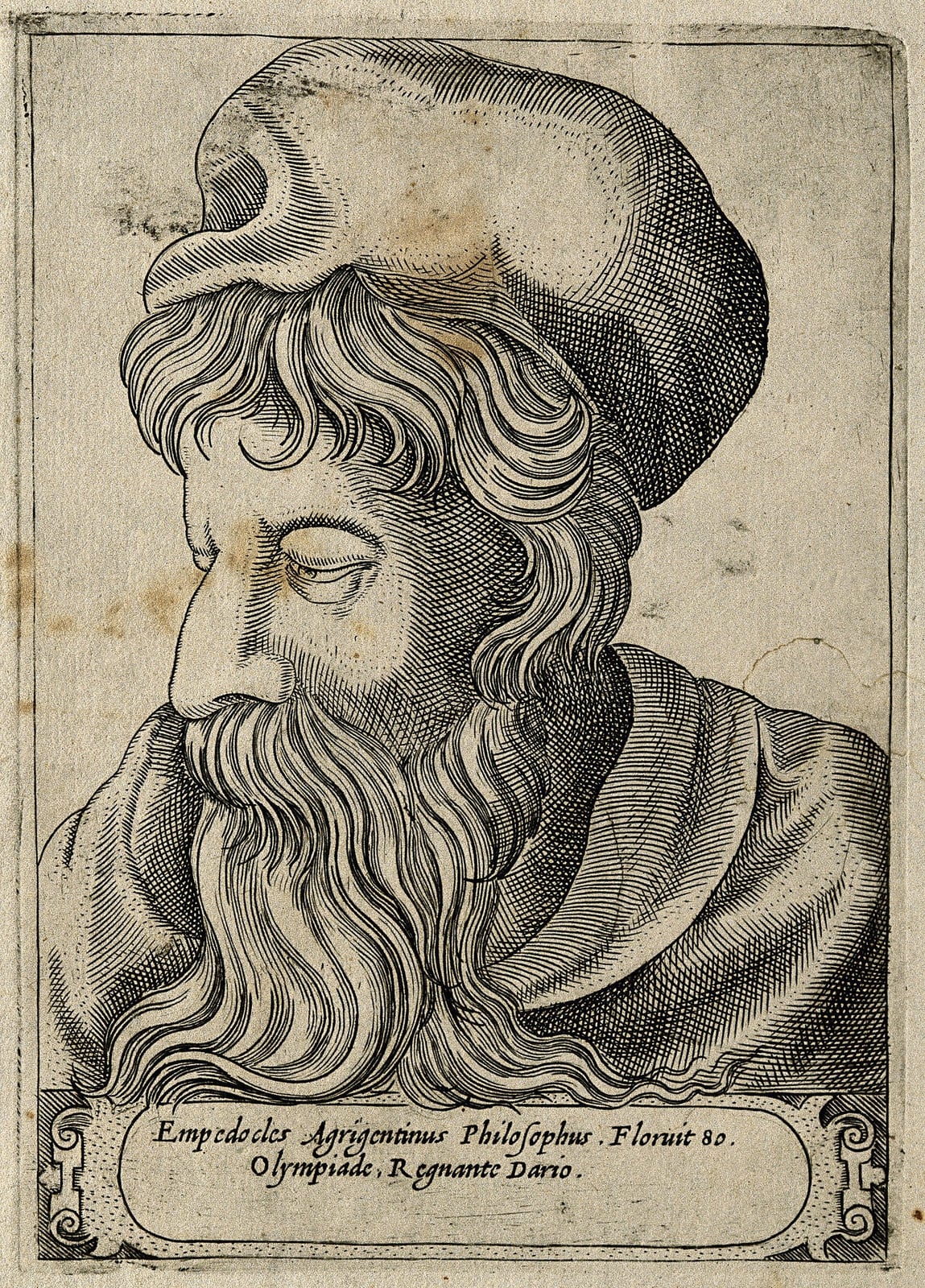
Empedocles
Совпадают в вопросах: Что такое Абсолют? Существует ли Бог? · Кто я? Существует ли истинное «я»? · Что происходит после смерти?
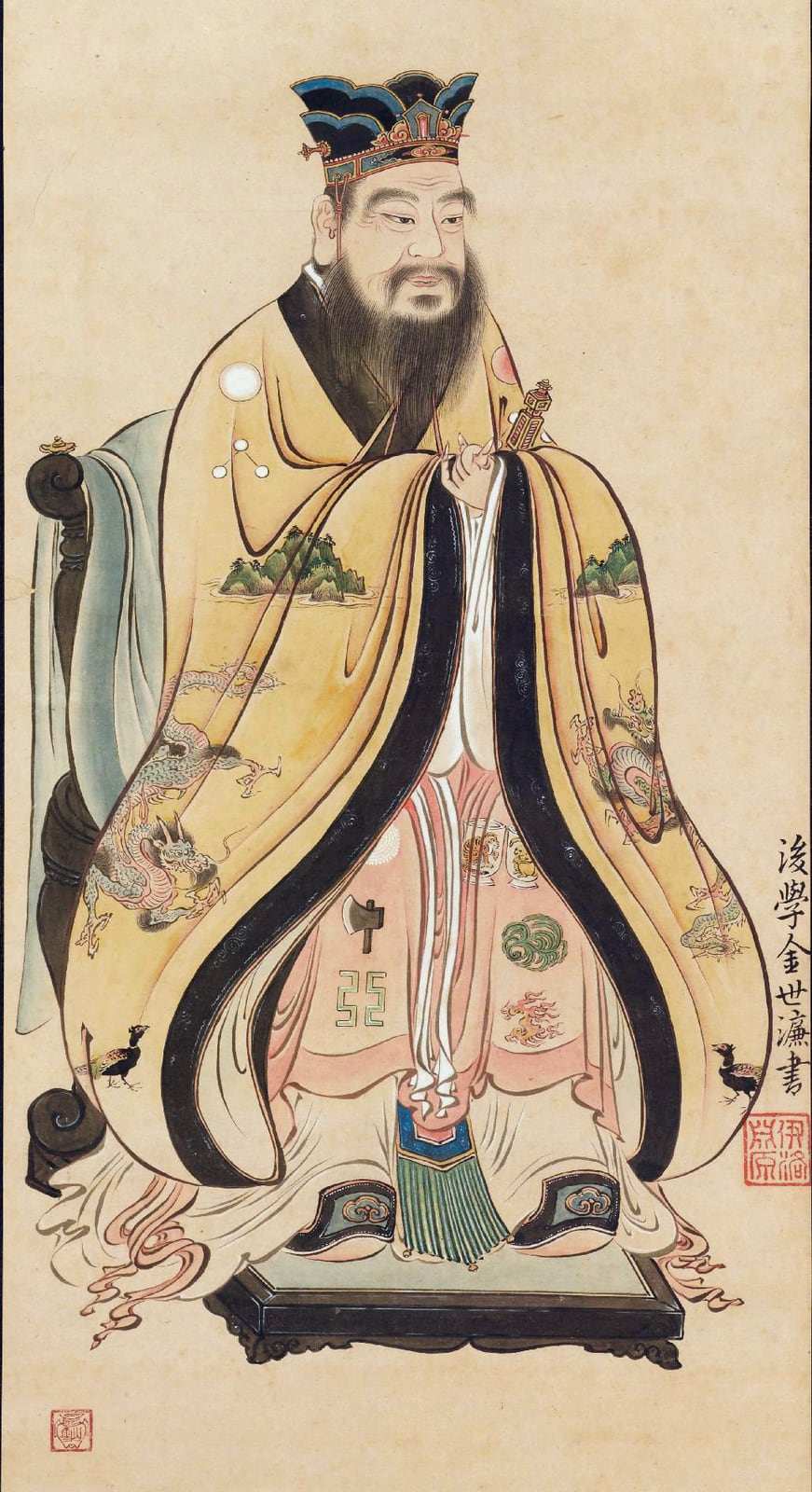
Confucius
Совпадают в вопросах: Нужен ли учитель? · Реален ли мир? · Что такое любовь?
Дальше всего от
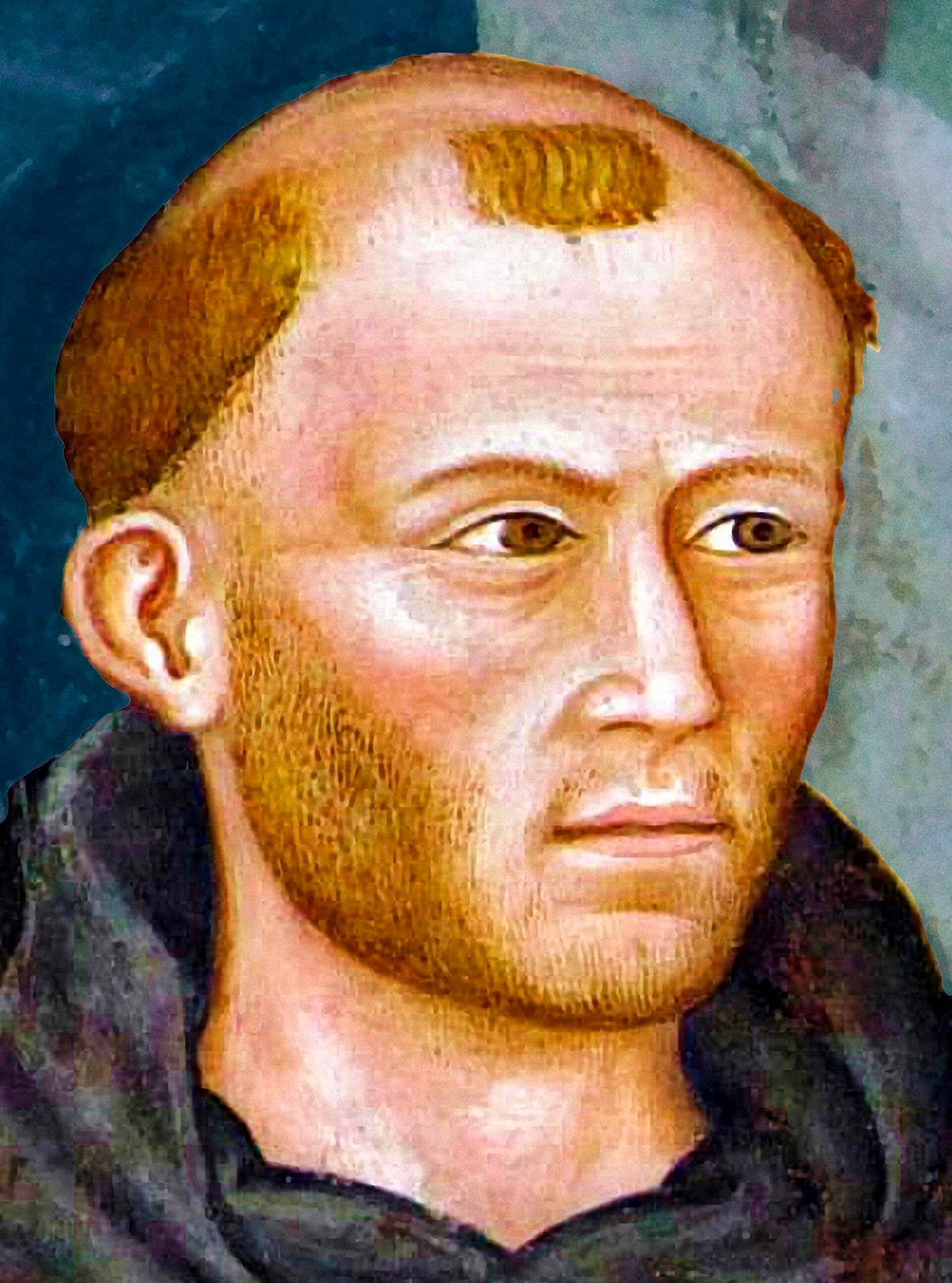
Meister Eckhart
Расходятся в вопросах: Что происходит после смерти? · Как достигается освобождение или спасение?

Rabia al-Adawiyya
Расходятся в вопросах: Что происходит после смерти?

Al-Hallaj
Расходятся в вопросах: Что происходит после смерти?

Nikolai Berdyaev
Расходятся в вопросах: Что происходит после смерти?
Предания и рассказы
Предания и рассказы
Документированоs. VI a. C.
The beaten dog
Происхождение рассказа: Xenophanes, DK 21 B 7, in Diogenes Laertius VIII 36. It is the oldest contemporary testimony about Pythagoras; the episode may be a satirical invention, but the doctrine it satirises is genuine.
Источник: Diels, Hermann y Kranz, Walther. Die Fragmente der Vorsokratiker, 6.ª ed., Weidmann, Berlín, 1951–1952: cap. 14 (Pitágoras), 21 B 7 (Jenófanes), 22 B 40 y B 129 (Heráclito), 31 B 129 (Empédocles), 36 B 4 (Ion de Quíos).
Житийное повествованиеs. VI a. C. (tradicional)
The golden thigh
Происхождение рассказа: Aristotle, fragments of On the Pythagoreans (fr. 191 Rose), transmitted by Aelian (Varia Historia II 26 and IV 17) and Apollonius; expanded in Porphyry (VP 27–28) and Iamblichus (VP 134–136, 140). That Aristotle recorded them shows they were already circulating in the fourth century BCE; Burkert interprets them as traits of a shamanic type of sage.
Не поддаётся проверкеs. VI a. C. (tradicional)
The blacksmith's hammers
Происхождение рассказа: Nicomachus of Gerasa, Manual of Harmonics 6 (2nd century CE), repeated by Iamblichus (VP 115–119) and Boethius (De institutione musica I 10–11). There is no source earlier than Nicomachus; the story is an aetiological legend about the discovery of musical ratios, which were probably found with the monochord.
Источник: Nicómaco de Gerasa. Manual de armónica (Harmonikon encheiridion) 6, s. II d. C.; trad. inglesa de Flora R. Levin, The Manual of Harmonics of Nicomachus the Pythagorean, Phanes Press, Grand Rapids, 1994.
Оспариваетсяs. VI a. C. (tradicional)
The word "philosopher"
Происхождение рассказа: Cicero, Tusculan Disputations V 3.8–10, and Diogenes Laertius I 12 and VIII 8, from a lost dialogue by Heraclides of Pontus (4th century BCE). Most scholars regard the anecdote as a projection of the Platonic Academy's contemplative ideal; the word "philosopher" appears earlier in Heraclitus, if fragment DK 22 B 35 is genuine.
Источник: Cicerón. Disputaciones tusculanas V 3.8–10 (Pitágoras y la palabra «filósofo», según Heráclides Póntico) y Del supremo bien y del supremo mal (De finibus) V 2.4 (la casa de Metaponto), s. I a. C.
Житийное повествованиеc. 530 a. C. (tradicional)
The fishes of Croton
Происхождение рассказа: Porphyry, Life of Pythagoras 25, and Iamblichus, Pythagorean Life 36. It belongs to the miracle repertoire of the Neopythagorean Pythagoras; it has no basis in sources earlier than the imperial period.
Оспариваетсяs. VI a. C. (tradicional)
The descent to Hades
Происхождение рассказа: Hermippus of Smyrna, in Diogenes Laertius VIII 41. Herodotus (IV 95) tells a very similar story of the Thracian Zalmoxis, whom he makes a slave of Pythagoras; Burkert sees in both the echo of rituals of death and return.
Учение
Учение
Понятия, на которых строится мысль учителя, объяснённые в их контексте.
Metempsychosis (transmigration of souls)metempsicosis
A religious doctrine of the soul shared with Orphism and with Empedocles.
The Pythagorean way of life (bios pythagoreios)vida-pitagorica
A communal and religious way of life in archaic Magna Graecia, idealised by the Neoplatonic biographers.
Источник: Platón. República X, 600a–b; trad. Benjamin Jowett, 1892 (Project Gutenberg n.º 1497).
Harmony and numberarmonia-y-numero
The core of the Pythagorean scientific tradition and of its influence on Plato (Timaeus) and modern cosmology.
The tetraktystetraktys
A sacred symbol of Pythagoreanism, the object of an oath.
Источник: Burkert, Walter. Lore and Science in Ancient Pythagoreanism, trad. Edwin L. Minar Jr. Harvard University Press, Cambridge (Mass.), 1972 (orig.: Weisheit und Wissenschaft, Hans Carl, Núremberg, 1962).
The "Pythagorean theorem"teorema-de-pitagoras
A traditional, undocumented attribution of a much older mathematical result.
Источник: Robson, Eleanor. «Words and Pictures: New Light on Plimpton 322». The American Mathematical Monthly, 109 (2), 2002, pp. 105–120 (la tablilla babilónica con ternas pitagóricas, c. 1800 a. C.); y Proclo, Comentario al primer libro de los Elementos de Euclides, 426 (la atribución del teorema).
Acusmatici and mathematiciakousmatikoi-mathematikoi
The division of Pythagoreanism after the founder, transmitted by Iamblichus (VP 81–89; On General Mathematical Science 76).
Видео
Видео
Записи, интервью и документальные фильмы. Видео воспроизводятся с YouTube; здесь они не хранятся.
Las vidas de Pitágoras: historia, filosofia y leyenda | David Hernández de la Fuente
Лекция· ES· 2016· 58 min
Fundación Juan MarchОфициальный канал
PITÁGORAS: matemático, filósofo, político e iniciado en los misterios | David Hernández de la Fuente
Лекция· ES· 2022· 11 min
Encuentros EleusinosОфициальный канал
Los Pitagóricos
Документальный фильм· ES· 2018· 27 min
UNEDОфициальный канал
Pitágoras | Historia de la filosofía (5/61)
Лекция· ES· 2017· 87 min
Ernesto CastroОфициальный канал
El enigmático Pitágoras | María Dolores Muñoz Fernández
Лекция· ES· 2024· 97 min
Ateneo Mercantil de ValenciaОфициальный канал
HoP 004 - The Man With The Golden Thigh - Pythagoras
Лекция· EN· 2020· 20 min
history of philosophy without any gaps
Pythagoras' Music of the Spheres
Лекция· EN· 2015· 75 min
The Menil CollectionОфициальный канал
The Music of the Spheres: the connection between music and astronomy [Public Lecture Series]
Лекция· EN· 2020· 35 min
Cambridge University AstronomyОфициальный канал
Met11 Pythagorean Philosophy
Лекция· EN· 2023· 38 min
Dr Adrian HeathcoteОфициальный канал
PYTHAGORE (vers 580-495 av. J.-C.) : Les mystères d'Apollon – Une vie, une œuvre [1987]
Документальный фильм· FR· 1987· 83 min
Rien ne veut rien dire
Pythagoras und die Pythagoreer
Лекция· DE· 2025· 8 min
Christian SpannagelОфициальный канал
Галерея
Галерея
Изображения с проверенной лицензией. Каждое сохраняет своё авторство и атрибуцию.
Связи
Связи
Влияния, ученичество и близость взглядов. Документированная связь отличается от сходства, выявленного путём анализа.
Ученик
Ferécides de Siros
Ancient tradition (Aristoxenus, Diogenes Laertius VIII 2) makes Pythagoras a pupil of Pherecydes and says he nursed him in his last illness; it cannot be verified.
Сходство, выявленное путём анализа
Современник
Jenófanes de Colofón
A slightly younger contemporary; he mocked his doctrine of transmigration in verse (DK 21 B 7).
Документированная связь
Современник
He names him twice with contempt (DK 22 B 40 and B 129), as an example of much learning without understanding.
Документированная связь
Повлиял на
He shared the doctrine of transmigration; his praise of a man of superhuman knowledge (DK 31 B 129) referred, according to Timaeus and Porphyry, to Pythagoras.
Документированная связь
Повлиял на
Filolao de Crotona
A Pythagorean of the later fifth century BCE, author of the first Pythagorean book, surviving in fragments.
Документированная связь
Повлиял на
Aristotle (Metaphysics A 6) says Plato's philosophy followed the Pythagoreans in most respects; Plato associated with Archytas of Tarentum and praises the Pythagorean life in the Republic (600a–b).
Документированная связь
Повлиял на
He wrote a lost treatise On the Pythagoreans and discussed their doctrine of number in the Metaphysics.
Документированная связь
Повлиял на
Neoplatonism, through Porphyry and Iamblichus, pupils of his school, made Pythagoras the founder of true philosophy.
Документированная связь
Идеи, близкие к
The Socrates of the Phaedo, talking with pupils of the Pythagorean Philolaus, defends the immortality of the soul and philosophy as purification.
Сходство, выявленное путём анализа
Идеи, близкие к
Siddhartha Gautama, the Buddha
Approximate contemporaries who taught rebirth and a discipline of life to escape it; there is no documented historical link, despite ancient speculation about Pythagoras travelling to India.
Сходство, выявленное путём анализа
Источники
Источники
Библиография и каталоги, использованные для этой статьи.
- Wikidata, entidad Q10261 «Pythagoras» (209 enlaces entre wikis; P31=Q5). Registra fechas de nacimiento entre 582 y 550 a. C. y de muerte entre 500 y 490 a. C.; lugar de muerte Metaponto.
- Diógenes Laercio. Vidas y opiniones de los filósofos ilustres, libro VIII, 1–50 (Pitágoras), s. III d. C. Trad. inglesa de C. D. Yonge, Bohn, Londres, 1853 (Project Gutenberg n.º 57342).
- Porfirio. Vida de Pitágoras (Πυθαγόρου βίος), c. 270–300 d. C.; texto griego de A. Nauck, Porphyrii philosophi Platonici opuscula selecta, 2.ª ed., Teubner, Leipzig, 1886 (Wikisource en griego). Recoge fragmentos de Aristóxeno, Dicearco, Nicómaco y Antonio Diógenes.
- Jámblico. Sobre la vida pitagórica (De vita Pythagorica), c. 300 d. C.; ed. L. Deubner, Teubner, Leipzig, 1937. Trad. inglesa de Thomas Taylor, Londres, 1818 (Project Gutenberg n.º 63300), y de John Dillon y Jackson Hershbell, Scholars Press, Atlanta, 1991.
- Huffman, Carl. «Pythagoras». The Stanford Encyclopedia of Philosophy, ed. Edward N. Zalta; primera publicación 2005, revisión sustancial del 5 de febrero de 2024.
- Burkert, Walter. Lore and Science in Ancient Pythagoreanism, trad. Edwin L. Minar Jr. Harvard University Press, Cambridge (Mass.), 1972 (orig.: Weisheit und Wissenschaft, Hans Carl, Núremberg, 1962).
- Riedweg, Christoph. Pythagoras: His Life, Teaching, and Influence, trad. Steven Rendall. Cornell University Press, Ithaca, 2005 (orig.: Pythagoras. Leben, Lehre, Nachwirkung, C. H. Beck, Múnich, 2002).
- Kahn, Charles H. Pythagoras and the Pythagoreans: A Brief History. Hackett, Indianápolis, 2001.
- Kirk, G. S., Raven, J. E. y Schofield, M. The Presocratic Philosophers: A Critical History with a Selection of Texts, 2.ª ed. Cambridge University Press, Cambridge, 1983, cap. VII (trad. esp. Los filósofos presocráticos, Gredos).
- Diels, Hermann y Kranz, Walther. Die Fragmente der Vorsokratiker, 6.ª ed., Weidmann, Berlín, 1951–1952: cap. 14 (Pitágoras), 21 B 7 (Jenófanes), 22 B 40 y B 129 (Heráclito), 31 B 129 (Empédocles), 36 B 4 (Ion de Quíos).
- Heródoto. Historias II 81, II 123 y IV 95, s. V a. C. Trad. inglesa de A. D. Godley (Loeb, 1920); texto en Perseus Digital Library.
- Aristóteles. Metafísica A 5, 985b23–986b8, y fragmentos de Sobre los pitagóricos (ed. W. D. Ross, Fragmenta selecta, Oxford, 1955). Trad. inglesa de W. D. Ross (1908; Internet Classics Archive, MIT); trad. española de Patricio de Azcárate (Madrid, 1875).
- Thom, Johan C. The Pythagorean Golden Verses: With Introduction and Commentary. E. J. Brill, Leiden, 1995 (Religions in the Graeco-Roman World, 123). ISBN 9789004101050.
- Zhmud, Leonid. Pythagoras and the Early Pythagoreans, trad. Kevin Windle y Rosh Ireland. Oxford University Press, Oxford, 2012.
- Huffman, Carl. «Pythagoreanism». The Stanford Encyclopedia of Philosophy, ed. Edward N. Zalta; primera publicación 2006, revisión sustancial del 5 de marzo de 2024.
- «Pythagoras», Wikipedia en inglés, y «Pitágoras», Wikipedia en español (consultadas para contrastar datos y bibliografía; texto propio).
- Hernández de la Fuente, David (ed. y trad.). Vidas de Pitágoras. Atalanta, Vilaür, 2011 (Diógenes Laercio, Porfirio, Jámblico, Focio y otros testimonios). ISBN 9788493846664.
- Nicómaco de Gerasa. Manual de armónica (Harmonikon encheiridion) 6, s. II d. C.; trad. inglesa de Flora R. Levin, The Manual of Harmonics of Nicomachus the Pythagorean, Phanes Press, Grand Rapids, 1994.
- Cicerón. Disputaciones tusculanas V 3.8–10 (Pitágoras y la palabra «filósofo», según Heráclides Póntico) y Del supremo bien y del supremo mal (De finibus) V 2.4 (la casa de Metaponto), s. I a. C.
- Platón. República X, 600a–b; trad. Benjamin Jowett, 1892 (Project Gutenberg n.º 1497).
- Polibio. Historias II 39, s. II a. C. Trad. inglesa de W. R. Paton (Loeb, 1922).
- Robson, Eleanor. «Words and Pictures: New Light on Plimpton 322». The American Mathematical Monthly, 109 (2), 2002, pp. 105–120 (la tablilla babilónica con ternas pitagóricas, c. 1800 a. C.); y Proclo, Comentario al primer libro de los Elementos de Euclides, 426 (la atribución del teorema).
- Open Library (Internet Archive): ediciones de Jámblico, Porfirio, Diógenes Laercio, los Versos de oro y estudios sobre Pitágoras verificadas por ISBN.
- Internet Archive: Sentencias de Teognis, de Phocylides, de Pitágoras y de otros sabios de la Grecia, trad. Enrique Ataide y Portugal, Oficina de Aznar, Madrid, 1802 (ejemplar de la Biblioteca de la Universidad de Sevilla); The Golden Verses of Pythagoras, trad. Nicholas Rowe, 1732.
- Правообладатель
- Textos antiguos en dominio público; cada traducción y edición crítica pertenece a su traductor o editorial
Ожидает подтверждения
То, что в этой статье пока не удалось установить. Мы предпочитаем сказать об этом, а не заполнять пробел.
- Fechas: nacimiento c. 570 a. C. y muerte c. 495 a. C. son estimaciones a partir de Aristóxeno y Apolodoro; Wikidata recoge propuestas entre 582 y 550 (nacimiento) y entre 500 y 490 (muerte). El lugar de la muerte es contradictorio en las fuentes.
- Historicidad: se ha marcado «documented» porque su existencia está atestiguada por contemporáneos (Jenófanes, Heráclito); casi toda la biografía, en cambio, es tradición o leyenda, y así se indica hito a hito en la cronología.
- Manuscritos: no se ha verificado en esta sesión la tradición manuscrita de Jámblico, Porfirio ni los Versos de oro (signaturas y digitalizaciones); lista vacía.
- Traducciones españolas de dominio público de Jámblico, Porfirio y del libro VIII de Diógenes Laercio (Ortiz y Sanz, 1792): no localizadas con URL estable; en Wikisource solo está transcrito el tomo I de Ortiz y Sanz.
- Los «Versos de oro» de Wikisource en español no indican traductor ni fecha; no se han incluido por no poder asegurar su dominio público.
- Edición española con ISBN de los Versos de oro: no verificada en Open Library.
- Programas de afiliación: ninguno verificado (Gredos, Atalanta, Phanes, Brill). Lista vacía.
- Año de los vídeos: es el de la grabación cuando la descripción lo indica y, si no, el de publicación en YouTube.
Исследовано 2026-10-25