Христианство · Христианская мистика · Протестантизм · Герметизм
Jakob Böhme
Jacob Böhme
1575 – 1624Исторически документированная личность
Сапожник из Гёрлица (1575–1624), один из великих спекулятивных мистиков Запада. Не имея ни образования, ни латыни, после озарения около 1600 года он написал «Аврору, или Утреннюю зарю в восхождении» (1612), за которую ему запретили писать, а в 1618–1624 годах создал огромный корпус сочинений: «О трех началах», «О тройственной жизни», «Сорок вопросов о душе», De signatura rerum, Mysterium Magnum и «Путь ко Христу» — единственную книгу, напечатанную при жизни. Его теософия безосновного, Софии и происхождения зла повлияла на пиетизм, немецкий идеализм, романтизм и русскую религиозную философию.
- трудов
- 32трудов
- изданий
- 63изданий
- цитат
- 5цитат
- видео
- 15видео
- изображений
- 9изображений
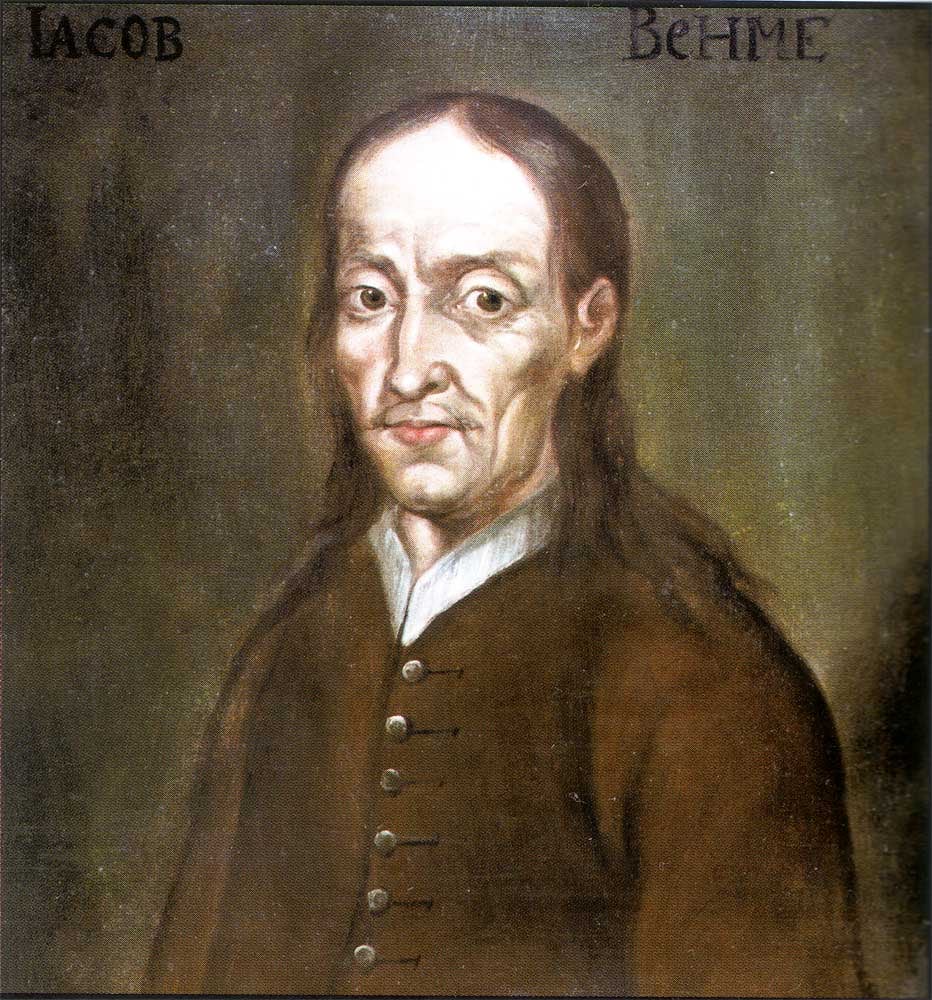
Retrato póstumo de Jakob Böhme · Public domain
Своими словами
«But when in my resolved zeal I stormed so hard against God and all the gates of hell, as if I had more strength still in reserve, ready to stake my life on it (which would not have been in my power without the help of God's Spirit), suddenly, after some hard storms, my spirit broke through the gates of hell into the innermost birth of the Godhead, and there was embraced with love, as a bridegroom embraces his dear bride.»Morgenröte im Aufgang (Aurora), cap. 19, § 11 (texto de la ed. de Friburgo, 1977, en Zeno.org)

Для начала — одна книга
Aurora, or the Day-Spring (Morning Redness in the Rising)Главная мысль
Ungrund (the groundless): Ungrund is the word with which Böhme names what lies 'before' God as revealed God: a bottomless abyss, without nature or determination, which is neither good nor evil, neither light nor darkness, but pure will that does not yet will anything.
В контексте
Биография
4 мин чтения
Перевод с испанского оригинала, выполненный с помощью ИИ; ожидает проверки носителем языка.
Пастушок из Альт-Зайденберга
Якоб Бёме родился в 1575 году в Альт-Зайденберге, деревне в Верхней Лужице в нескольких километрах от Гёрлица, во владениях чешской короны; дата 24 апреля, которую повторяют некоторые справочники, не имеет твердой документальной опоры. Он был четвертым ребенком в зажиточной лютеранской крестьянской семье; его отец к тому же служил церковным старостой и шеффеном местного суда. Слишком слабый для полевых работ, в детстве он пас скот, а лет в четырнадцать был отдан в ученики к сапожнику. То немногое, что известно об этих годах, восходит к жизнеописанию, которое составил в 1651 году его ученик Абрахам фон Франкенберг, — тексту скорее назидательному, чем летописному: клад, увиденный в расселине горы Ландескроне, незнакомец, предрекший мальчику великую судьбу.
После лет странствий подмастерьем он обосновался в Гёрлице. 24 апреля 1599 года его внесли в списки горожан как мастера-сапожника; он купил одну из обувных лавок на Унтермаркте и в том же году женился на Катарине Кунчман, дочери местного мясника; от этого брака родились по меньшей мере четыре сына. Бёме бывал в благочестивом кружке, сложившемся вокруг бывшего главного пастора Мартина Моллера, — средоточии мистически окрашенной набожности внутри лютеранства — и читал Библию с такой сосредоточенностью, какой школьное богословие его времени почти не знало.
Четверть часа
Около 1600 года он пережил опыт, определивший всю его жизнь. Франкенберг связывает его с отблеском солнца на оловянном сосуде, в котором Бёме будто бы внезапно узрел основание всех вещей. Сам он рассказал об этом двадцать лет спустя, без всякого сосуда, в письме к Каспару Линднеру, таможенному сборщику в Бойтене: после долгой меланхолии и упорной борьбы с Богом «отворилась дверь», и за четверть часа он увидел и узнал больше, чем если бы провел много лет в университете: бытие всех существ, основу и безосновное, рождение Троицы, происхождение этого мира и всех творений. Двенадцать лет он ничего не писал; предание относит к 1610 году обновление того света.
«Аврора» и пастор Рихтер
В 1612 году он начал писать, для себя одного, Morgenröte im Aufgang — «Аврору, или Утреннюю зарю в восхождении», книгу, которую друзья станут называть просто «Авророй»: незавершенный трактат о Боге, ангелах, падении Люцифера и природе, в девятнадцатой главе которого он рассказывает, как его дух прорвался сквозь врата ада до сокровеннейшего рождения Божества и был там обнят, «как жених обнимает свою возлюбленную невесту». Дворянин Карл фон Эндер увидел рукопись и велел ее переписать; один из списков попал к главному пастору Гёрлица Грегору Рихтеру, который обличил ее с церковной кафедры. В июле 1613 года городской совет ненадолго задержал Бёме, конфисковал оригинал и запретил ему писать. Он подчинялся больше пяти лет: продал сапожную лавку и занялся торговлей пряжей и перчатками, которая часто приводила его в Прагу.
Шесть лет письма
В 1618 году, ободренный друзьями — врачами, силезскими дворянами, читателями Парацельса, — он вновь взялся за перо и за шесть лет воздвиг труд в несколько тысяч страниц. В 1619 году он закончил «О трех началах божественной сущности»; в 1620-м — «О тройственной жизни человека», «Сорок вопросов о душе» (ответ на вопросы, заданные ему врачом Бальтазаром Вальтером, путешественником по Востоку, который познакомил его с каббалистическими и алхимическими понятиями), «О вочеловечении Иисуса Христа», «Шесть теософических пунктов» и Mysterium pansophicum. Затем последовали ответы его критикам Бальтазару Тильке и Эзаиасу Штифелю, De signatura rerum (1622), ряд кратких назидательных трактатов о покаянии, о самоотречении и о сверхчувственной жизни, а в 1623 году — его великий комментарий к Книге Бытия, Mysterium Magnum, вместе с трактатами «Об избрании благодати» и «О заветах Христовых». Все это расходилось в рукописных списках; его письма, которых сохранилось больше шестидесяти, по-прежнему остаются лучшим входом в его мысль.
Бёме не знал латыни и никогда не переступал порога университета. Он писал на лужицком немецком, смешивая словарь Лютеровой Библии с языком Парацельса и алхимии, и ковал слова для того, что не имело имени: Ungrund — «безосновное», предшествующее всякому определению; Quellgeister — «духи-источники», порождающие вечную природу; София — дева премудрости, зеркало Бога. Его неизменный вопрос — происхождение зла: как Бог, который есть любовь, заключает в своей вечной природе темный огонь и как человек, поставленный между гневом и любовью, может родиться заново. Гегель, читавший его с восхищением и вместе с тем с досадой на его язык, назвал его первым немецким философом.
«Путь ко Христу» и конец
В начале 1624 года друзья напечатали в Гёрлице — без его разрешения, как он сам заявил перед советом, — небольшой том его назидательных трактатов: Der Weg zu Christo, «Путь ко Христу», единственную его книгу, которую он увидел напечатанной. Рихтер ответил пасквилем, обвинявшим его в ереси и пьянстве, и Бёме возразил апологией. 26 марта совет предложил ему покинуть город. В мае он отправился в Дрезден, где жил в доме придворного врача и беседовал с богословами и советниками курфюрста; он вернулся, не будучи осужден, и провел лето у знатных друзей в Силезии, где начал «Сто семьдесят семь теософических вопросов». Рихтер умер в августе. Больной лихорадкой и кишечным недугом, Бёме в первых числах ноября вернулся в Гёрлиц; новое духовенство подвергло его допросу, прежде чем допустить к причастию. Он умер 17 ноября 1624 года. Погребение состоялось по настоянию совета, вопреки воле пастора, а вскоре после них его могила была осквернена.
Посмертная судьба
Его сочинения уцелели благодаря ученикам и прежде всего Нидерландам: Иоганн Георг Гихтель выпустил в Амстердаме в 1682 году первое полное собрание, а в 1730 году вышла Theosophia revelata. В Англии его переводили Джон Спарроу, Джон Эллистон и Хамфри Бланден между 1645 и 1662 годами; «бемисты» повлияли на квакеров и филадельфийцев, а в XVIII веке Уильям Лоу почитал его своим учителем — настолько, что английское издание 1764–1781 годов известно под его именем. Через Этингера Бёме пришел к швабскому пиетизму и к Шеллингу, через Сен-Мартена — во Францию, через Новалиса — в романтизм. В XX веке его читали Бердяев, увидевший в Ungrund прозрение свободы, предшествующей бытию, и Юнг, воспроизведший как мандалу философскую сферу из «Сорока вопросов». С 2020 года Штутгартский университет готовит первое историко-критическое издание его трудов.
Источники: Franckenberg, Abraham von. Gründlich und wahrhafftiger Bericht von dem Leben und Abschied des in Gott selig-ruhenden Jacob Böhmens (1651). En: Des gottseeligen hocherleuchteten Jacob Böhmens Teutonici Philosophi Alle Theosophische Wercken, Ámsterdam, 1682, vol. [1]; reimpr. en Theosophia revelata, 1730. Trad. inglesa en The Works of Jacob Behmen, Londres, 1764, vol. I. · Weeks, Andrew. Boehme: An Intellectual Biography of the Seventeenth-Century Philosopher and Mystic. Albany: State University of New York Press, 1991. · Hessayon, Ariel, y Sarah Apetrei (eds.). An Introduction to Jacob Boehme: Four Centuries of Thought and Reception. Nueva York y Londres: Routledge, 2014. · Martensen, Hans Lassen. Jacob Boehme: His Life and Teaching. Trad. T. Rhys Evans. Londres: Hodder and Stoughton, 1885. · Böhme, Jacob. Concerning the Three Principles of the Divine Essence. Trad. John Sparrow (1648); reed. C. J. Barker, con introducción de Paul Deussen (incluye las actas del concejo de Görlitz de 1613 y 1624 y la cronología de los últimos meses). Londres: John M. Watkins, 1910.
Хронология
Жизнь год за годом
Каждая точка — документированное событие. Нажмите, чтобы прочитать о нём, с источником и степенью достоверности.
15750 летAlt Seidenberg (Stary Zawidów)
Birth
Born at Alt Seidenberg, fourth child of a Lutheran peasant family. The year is secure; the day (24 April) given by some reference works is undocumented.
ВероятноFranckenberg, Abraham von. Gründlich und wahrhafftiger Bericht von dem Leben und Abschied des in Gott selig-ruhenden Jacob Böhmens (1651). En: Des gottseeligen hocherleuchteten Jacob Böhmens Teutonici Philosophi Alle Theosophische Wercken, Ámsterdam, 1682, vol. [1]; reimpr. en Theosophia revelata, 1730. Trad. inglesa en The Works of Jacob Behmen, Londres, 1764, vol. I.
После смерти
- 1682First complete edition (Amsterdam)
- 1730Theosophia revelata
- 1764 – 1781The 'William Law' English edition
- 2020Historical-critical edition
1575 · 0 лет
Birth
Born at Alt Seidenberg, fourth child of a Lutheran peasant family. The year is secure; the day (24 April) given by some reference works is undocumented.
Вероятно
ок. 1589 · 14 лет
Shoemaker's apprentice
After herding cattle as a boy, and owing to his frail constitution, he is apprenticed to a shoemaker at Seidenberg at about fourteen.
Вероятно
24 апреля 1599 г. · 24 года
Citizen and master in Görlitz; marriage
On 24 April he is enrolled as a citizen of Görlitz, buys a shoe stall on the Untermarkt and that year marries Katharina Kuntzschmann.
Документировано
ок. 1600 · 25 лет
The illumination
An experience he himself describes in his letter to Caspar Lindner: in a quarter of an hour he saw 'the Being of all beings'. Franckenberg ties it to sunlight reflected in a pewter vessel.
Документировано
1610 · 35 лет
Second illumination
The biographical tradition places a renewal of the vision and the awareness of a vocation in this year.
Предание
1612 · 37 лет
Aurora
He writes Morgenröte im Aufgang for himself; it remains unfinished. The nobleman Karl von Ender has it copied and it circulates.
Документировано
июль 1613 г. · 38 лет
Council condemnation and ban on writing
Denounced by the chief pastor Gregor Richter, the council briefly detains him, confiscates the manuscript and forbids him to write. He sells his stall and takes up the trade in yarn and gloves.
Документировано
1618 · 43 года
He writes again
Encouraged by friends, he breaks his silence. He begins The Three Principles of the Divine Essence, completed in 1619.
Документировано
1620 · 45 лет
The year of the great treatises
He writes The Threefold Life of Man, the Forty Questions of the Soul (for Balthasar Walther), The Incarnation of Jesus Christ, the Six Theosophic Points, the Six Mystical Points and the Mysterium pansophicum.
Документировано
1622 · 47 лет
De signatura rerum and the devotional treatises
He composes De signatura rerum and the short treatises on repentance, resignation and the supersensual life that will form Der Weg zu Christo.
Документировано
1623 · 48 лет
Mysterium Magnum
He completes his commentary on Genesis, Mysterium Magnum, and writes The Election of Grace and Of Christ's Testaments.
Документировано
январь 1624 г. · 48 лет
Der Weg zu Christo printed
At the beginning of the year his friends print Der Weg zu Christo in Görlitz, the only book of his published in his lifetime. Richter attacks it in a lampoon; Böhme answers with his Apology.
Документировано
26 марта 1624 г. · 48 лет
The council invites him to leave
Summoned on 26 March, he declares that a nobleman printed the book without his involvement; the council warns him to leave the town.
Документировано
май 1624 г. · 49 лет
Stay in Dresden
From May he lives in Dresden at the house of the court physician; he converses with theologians and counsellors of the Elector of Saxony and returns uncondemned.
Документировано
17 ноября 1624 г. · 49 лет
Death
Ill since his stay in Silesia, he returns to Görlitz and dies on 17 November. The new clergy had examined him before giving him communion; the burial is imposed by the council.
Документировано
1682
First complete edition (Amsterdam)
Johann Georg Gichtel publishes the complete works in Amsterdam in fifteen parts, with Franckenberg's biography.
Документировано
1730
Theosophia revelata
Johann Wilhelm Ueberfeld's edition appears, the basis of most later editions and of Peuckert's facsimile.
Документировано
1764 – 1781
The 'William Law' English edition
The Works of Jacob Behmen appear in London (1764–1781) in four volumes, based on the seventeenth-century translations and associated with the name of William Law.
Документировано
2020
Historical-critical edition
The University of Stuttgart and Frommann-Holzboog begin the Historisch-kritische Gesamtausgabe, directed by Günther Bonheim.
Документировано
Труды
Главные труды
Труды, без которых не понять это наследие.
Письменный труд · 1612
Aurora, or the Day-Spring (Morning Redness in the Rising)
Morgenröte im Aufgang (Aurora)
His first book, written for himself in 1612 and never finished. Subtitled 'the root or mother of philosophy, astrology and theology', it covers the Trinity, the creation of the angels, the fall of Lucifer and the seven 'source-spirits' of divine nature, and comments on the first days of creation. In chapter nineteen Böhme narrates his own illumination. Copied without his permission, it provoked Pastor Richter's denunciation and the 1613 ban on writing; the manuscript remained in the authorities' hands. It already contains his whole thought in germ, in a language still groping and impassioned.
6 изданий

Письменный труд · 1622
De Signatura Rerum (The Signature of All Things)
De signatura rerum, oder Von der Geburt und Bezeichnung aller Wesen
His treatise on the 'signature': everything visible bears inscribed in its form, colour and sound the inner quality that generated it, and whoever can read those marks reads the being of all beings. Böhme combines the Paracelsian doctrine of signatures with an alchemical-type process (the seven properties, the death and resurrection of matter) which he applies at once to metals, plants and the rebirth of the soul. It was one of his most widely read books in England and among the German Romantics.
5 изданий

Позднейший сборник · 1624
The Way to Christ
Der Weg zu Christo (Christosophia)
The only book of Böhme's printed in his lifetime (Görlitz, early 1624), at his friends' initiative. It gathers the devotional treatises on repentance, resignation and the supersensual life; later editions expanded it to nine 'little books' with the new birth, prayer, the dialogue of the two souls and divine contemplation. It is the most accessible way into his spirituality and the immediate cause of Richter's last persecution.
5 изданий

Письменный труд · 1623
Mysterium Magnum, or an Exposition of the First Book of Moses called Genesis
Mysterium Magnum, oder Erklärung über das erste Buch Mosis
His longest work: a chapter-by-chapter commentary on Genesis, from creation to the death of Joseph, read as the history of God's revelation in nature and in the soul. Creation, the fall, Cain and Abel, Noah, Babel, Abraham, Isaac, Jacob and Joseph become figures of inner processes and of the struggle between wrath and love. It contains his most mature exposition of the Ungrund, Sophia and the 'language of nature'. Berdyaev considered it his chief work.
6 изданий
Все труды (32)

The Three Principles of the Divine Essence
1619

The Threefold Life of Man
1620

Forty Questions of the Soul
1620
Jakob Böhme
Of the Incarnation of Jesus Christ
The Conscious LibraryOf the Incarnation of Jesus Christ
1620

Six Theosophic Points
1620

Six Mystical Points
1620
Jakob Böhme
Mysterium Pansophicum (On the Earthly and Heavenly Mystery)
The Conscious LibraryMysterium Pansophicum (On the Earthly and Heavenly Mystery)
1620
Jakob Böhme
Of the Last Times (to Paul Kaym)
The Conscious LibraryOf the Last Times (to Paul Kaym)
1620
Jakob Böhme
The Four Complexions (A Consolatory Treatise)
The Conscious LibraryThe Four Complexions (A Consolatory Treatise)
1624
Jakob Böhme
Apologies against Balthasar Tilke
The Conscious LibraryApologies against Balthasar Tilke
1621
Jakob Böhme
Antistifelius (Considerations upon Esaias Stiefel's Book)
The Conscious LibraryAntistifelius (Considerations upon Esaias Stiefel's Book)
1621
Jakob Böhme
Of the Error of the Sects of Esaias Stiefel and Ezechiel Meth
The Conscious LibraryOf the Error of the Sects of Esaias Stiefel and Ezechiel Meth
1622

Of True Repentance
1622

Of True Resignation
1622

Of the Supersensual Life (Dialogue between a Master and a Disciple)
1622
Jakob Böhme
Of the New Birth (Regeneration)
The Conscious LibraryOf the New Birth (Regeneration)
1622
Jakob Böhme
Theoscopia, or Of Divine Contemplation
The Conscious LibraryTheoscopia, or Of Divine Contemplation
1622

Of the Election of Grace
1623
Jakob Böhme
Of Christ's Testaments (Baptism and the Supper)
The Conscious LibraryOf Christ's Testaments (Baptism and the Supper)
1623
Jakob Böhme
Of Holy Prayer
The Conscious LibraryOf Holy Prayer
1624
Jakob Böhme
Dialogue between an Enlightened and an Unenlightened Soul
The Conscious LibraryDialogue between an Enlightened and an Unenlightened Soul
1624
Jakob Böhme
Apology against Gregor Richter
The Conscious LibraryApology against Gregor Richter
1624
Jakob Böhme
Written Defence to the Council of Görlitz
The Conscious LibraryWritten Defence to the Council of Görlitz
1624
Theosophic Questions (177 Questions on Divine Revelation)
1624
Изречения
Изречения, найденные в конкретном труде. Каждое сопровождается указанием происхождения и степени надёжности.
But when in my resolved zeal I stormed so hard against God and all the gates of hell, as if I had more strength still in reserve, ready to stake my life on it (which would not have been in my power without the help of God's Spirit), suddenly, after some hard storms, my spirit broke through the gates of hell into the innermost birth of the Godhead, and there was embraced with love, as a bridegroom embraces his dear bride.Als ich aber in meinem angesetzten Eifer also hart wider Gott und aller Höllen Porten stürmete, als wären meiner Kräften noch mehr vorhanden, in willens, das Leben daran zu setzen – welches freilich nicht mein Vermögen wäre gewesen ohne des Geistes Gottes Beistand – alsbald nach etlichen harten Stürmen ist mein Geist durch der Höllen Porten durchgebrochen bis in die innerste Geburt der Gottheit und allda mit Liebe umfangen worden, wie ein Bräutigam seine liebe Braut umfähet.
ПровереноMorgenröte im Aufgang (Aurora), cap. 19, § 11 (texto de la ed. de Friburgo, 1977, en Zeno.org)
Апокрифические изречения и изречения спорной атрибуции (1)
«He to whom time is as eternity and eternity as time is free from all strife.»
A verse circulating in German ('Wem Zeit wie Ewigkeit / und Ewigkeit wie Zeit, / der ist befreit / von allem Streit') as Böhme's motto. It is traditionally attributed to him as an album inscription, but has not been located in the 1682 or 1730 editions; it is recorded as a traditional attribution without a verified source.
Последние слова
Позднейший рассказ свидетелей
«Now I go hence into Paradise.»Nun fahre ich hin ins Paradeis.
Transmitted by Abraham von Franckenberg in his Bericht (1651), which relies on the account of those present, in particular the physician Tobias Kober, who attended Böhme in his last illness. According to that account, in the early hours of 17 November 1624 Böhme asked his son Tobias whether he did not hear a most sweet music and asked for the door to be opened so that it might be heard better; at about six in the morning he took leave of his wife and son, spoke these words and died. The sentence belongs to a devout narrative written by a disciple, not to an official record.
Источник: Franckenberg, Abraham von. Gründlich und wahrhafftiger Bericht von dem Leben und Abschied des in Gott selig-ruhenden Jacob Böhmens (1651). En: Des gottseeligen hocherleuchteten Jacob Böhmens Teutonici Philosophi Alle Theosophische Wercken, Ámsterdam, 1682, vol. [1]; reimpr. en Theosophia revelata, 1730. Trad. inglesa en The Works of Jacob Behmen, Londres, 1764, vol. I.
Спросить
На что отвечают эти труды
Двенадцать великих вопросов человечества и то, что позволяют на них ответить эти тексты, со ссылками. Мы никогда не вкладываем слова в чужие уста.
Что такое Абсолют? Существует ли Бог?
From the will-less Unground the self-revealing God is born
И личный, и безличныйСказано прямо
Jakob Böhme places at the origin the Ungrund, the Unground: an eternal nothing, free of all determination, neither good nor evil as yet. In that abyss arises a will that longs to know itself and, to do so, gives itself a ground: thus the Trinity is begotten and, from it, eternal nature with its dark and luminous forces. The God who reveals himself is fully personal —Father, Son and Spirit, love and light overcoming wrath— but proceeds from a ground prior to all form. Böhme claims to have seen in his illumination of 1600 the ground and the Unground and the birth of the Trinity. Both aspects are true: the hidden deity and the manifested God.
Сравнить этот вопрос с другими учителямиКто я? Существует ли истинное «я»?
The soul is an eternal fire that must be reborn into light
Сотворённая бессмертная душаСказано прямо
Jakob Böhme devoted his Forty Questions on the Soul (1620) to the subject. The soul proceeds from God's eternal nature: it is a spark of fire, a centre of will with the same dark and luminous forces that exist at the origin, and is therefore an image of the whole. After the fall, the human being lives in three principles: the dark fire of wrath, the light of love and the outer world of the elements. The self-will, the will closed upon itself, is what burns in wrath; the true self is the soul that abandons its own will and is reborn in Christ, in the light. The soul does not die: it remains in the principle in which it has fixed itself.
Сравнить этот вопрос с другими учителямиПочему мы страдаем?
The will that closes on itself suffers, burning in wrath
Отделённость от БогаСказано прямо
Jakob Böhme looks for the origin of evil in eternal nature itself. In God there is a first dark principle, of fire and wrath, which in the deity is always overcome by the light of love. Lucifer, and later the human being, wanted to live in that fire by themselves, with a will of their own, and thus separated themselves from the light: hell is not an added place, but the wrath in which the will that turns from love locks itself. Suffering is the torment of that self-will. Hence the remedy is surrender (Gelassenheit): where self-love dies, God's will takes up the same space in the soul.
Сравнить этот вопрос с другими учителямиЧто происходит после смерти?
At death the soul remains in the principle it has chosen
Вечная жизнь и воскресениеСказано прямо
Jakob Böhme treats the soul's destiny in the Forty Questions on the Soul. When the outer body, made of the elements, dissolves, the soul remains in the principle in which it has fixed its will: if it has been reborn in Christ, in the light of love; if it has shut itself up in itself, in the dark fire of wrath, which is hell. This is not a place to which one is sent, but the manifestation of what the soul already was. Böhme keeps the Christian hope of resurrection and of the heavenly body, which the reborn person already begins to bear in this life as an inner spiritual substance.
Сравнить этот вопрос с другими учителямиКак достигается освобождение или спасение?
Rebirth: die to self-will so that Christ is born within
Через благодать и любовьСказано прямо
For Jakob Böhme, salvation is an inner new birth. The Way to Christ, his only book printed in his lifetime (1624), gathers treatises on true repentance, surrender and the supersensual life. The process begins with the conversion of the will: the soul recognises that it lives in the wrath of its self-will and turns toward God's mercy. Then comes Gelassenheit, self-abandonment, in which the will ceases to will on its own account. Then Christ is born in the soul as light and renews it. Böhme criticises reliance on a merely outward justification: without this rebirth, faith remains history and titles.
Сравнить этот вопрос с другими учителямиНужен ли учитель?
A quarter-hour of light teaches more than years at university
Учитель внутриСказано прямо
Jakob Böhme, a shoemaker of Görlitz without university studies, recounts that after an inner struggle the gate was opened to him and in a quarter of an hour he saw and knew more than if he had spent many years at a university. His authority comes from no teacher and no school, but from the Spirit who teaches within. Hence his constant criticism of professional theologians and the «stone church», who know the history of Christ without having seen him born in themselves. Yet his Theosophical Letters show that he ended up acting as a guide for a circle of readers and friends, whom he always referred to their own experience of inner rebirth.
Сравнить этот вопрос с другими учителямиРеален ли мир?
Each thing bears the signature of what it is within
Проявление божественногоСказано прямо
For Jakob Böhme, the visible world is the outward manifestation of the inner, eternal world. In De signatura rerum he maintains that every thing has a signature: its form, colour, taste and sound express the inner quality that formed it, as a person's face and voice reveal their mood. The outer world proceeds from the mingling of the two eternal principles, the dark and the luminous, and therefore good and evil are intertwined in it. It is real, but not ultimate: it is God's language, which the illuminated can read. The Mysterium magnum comments on Genesis as an account of that divine self-revelation.
Сравнить этот вопрос с другими учителямиЧто такое любовь?
Where self-love is banished, the love of God dwells
То, что появляется, когда «я» прекращаетсяСказано прямо
In the dialogue Of the Supersensual Life, the master explains to the disciple that the love of God and self-love exclude one another: where self-love is banished, there the love of God dwells, and as much of the self-will as has died, so much space does the divine will, which is love, occupy in the soul. Böhme further describes love as something that, in a sense, is nothing: it appropriates nothing, and therefore it is above all things and contains them. Whoever finds it finds it in the nothingness of their own will. Love is not a virtue the self cultivates, but what appears when the self-will surrenders.
Сравнить этот вопрос с другими учителямиСвободны ли мы или всё предопределено?
Freedom is rooted in the eternal Unground
Подлинная свобода волиСказано прямо
Jakob Böhme gives freedom a metaphysical foundation. The Ungrund, the Unground from which everything proceeds, is pure freedom, will without determination; and the human soul, born from eternal nature, retains something of that original freedom: it can turn toward the light of love or shut itself up in the fire of wrath. That is why in On the Election of Grace (1623) he combats the Calvinist doctrine of a predestination that would condemn some before they choose: God wills no one's evil, and each soul decides for the principle in which it wishes to live. Freedom is real and terrible: on it depends which fire the soul opens to.
Сравнить этот вопрос с другими учителямиЗачем медитировать или молиться?
Cease for a moment from thinking and willing to hear God
Быть в присутствииСказано прямо
In the dialogue Of the Supersensual Life, the disciple asks how to come to see God and hear him speak. The master answers that if he can cease for a moment from all his thinking and willing, he will hear the unspeakable words of God. The obstacle is one's own thinking and willing, which shuts the soul up in its self-image and in the noise of outward things; when that movement stops, even for an instant, the space opens where God speaks. Böhme also composed a prayer book, On Holy Prayer, for each day of the week, in which vocal prayer is a path toward that stillness of the will.
Сравнить этот вопрос с другими учителямиМожет ли разум познать предельное?
The Spirit's light reveals the ground of all beings
Эзотерическое знаниеСказано прямо
Jakob Böhme claims a knowledge that comes not from books or school reason, but from illumination. In Aurora (1612) he recounts that, after assailing God with zeal, his spirit broke through the gates of hell to the innermost generation of the deity; in a letter of 1621 he adds that he saw and knew the being of all beings, the ground and the Unground, the birth of the Trinity and the origin of the world. That knowledge, which he calls theosophy, is expressed in a language of its own made of qualities, principles and signatures. Böhme insists that it is verifiable: whoever is reborn of the Spirit can see it for himself. Outer reason, without that rebirth, knows only the husk.
Сравнить этот вопрос с другими учителямиУйти от мира или преобразить его?
The outer man works; the inner man remains in God
Созерцание в действииСказано прямо
Jakob Böhme was neither monk nor cleric: he was a shoemaker, later a trader in gloves and wool, married and a family man in Görlitz, and wrote in the time his trade left him. His doctrine does not demand withdrawal from the world. In the dialogues of The Way to Christ, the master teaches the disciple that he may remain in his station and work with his hands and outer senses, while his will, surrendered to God, abides in the supersensual. What he rejects is outward religion of titles, disputes and the «stone church», and the confessional wars of his time. The change that matters is the inner new birth, lived in the midst of ordinary life.
Сравнить этот вопрос с другими учителями
Созвучия и противоречия
Созвучия и противоречия
Рассчитаны вопрос за вопросом на основе позиций. Причина каждого совпадения или расхождения — по нажатию.
Ближе всего к
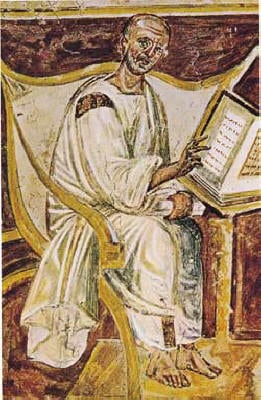
Augustine of Hippo
Совпадают в вопросах: Как достигается освобождение или спасение? · Кто я? Существует ли истинное «я»? · Почему мы страдаем?
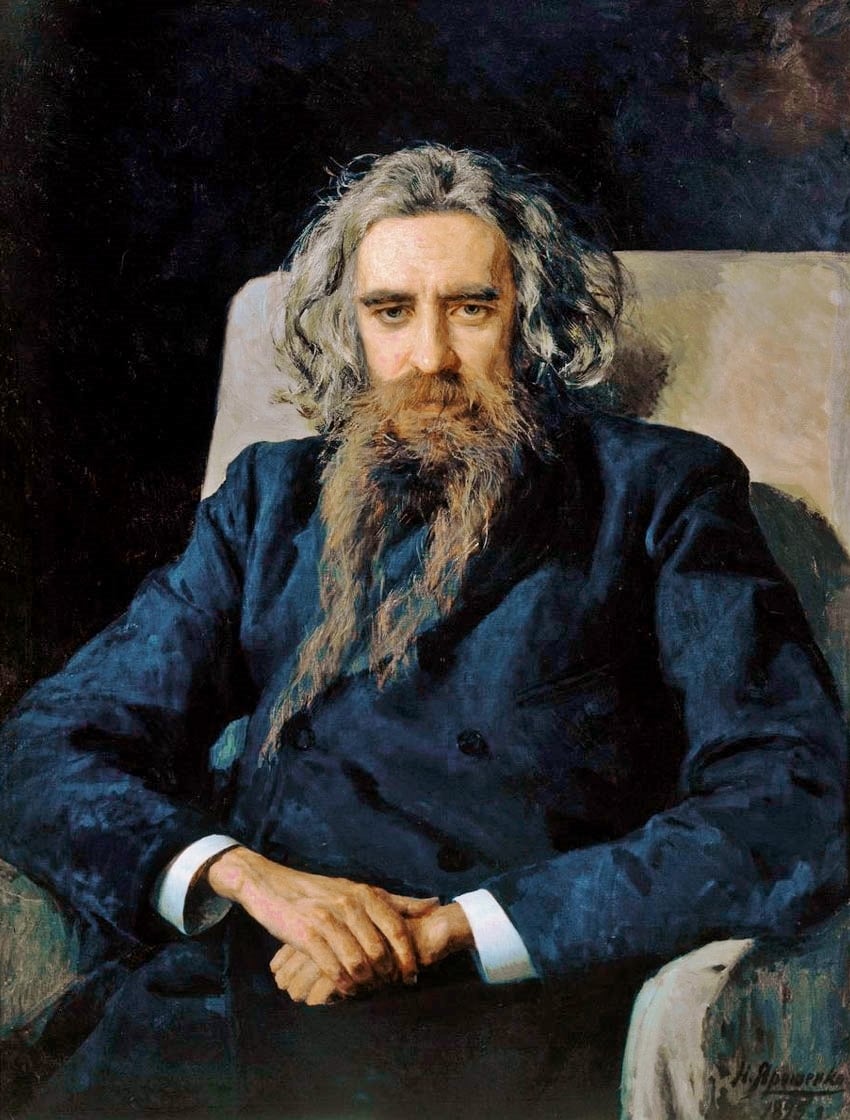
Vladimir Solovyov
Совпадают в вопросах: Что такое Абсолют? Существует ли Бог? · Кто я? Существует ли истинное «я»? · Почему мы страдаем?
Hafez
Совпадают в вопросах: Кто я? Существует ли истинное «я»? · Почему мы страдаем? · Что происходит после смерти?

Nikolai Berdyaev
Совпадают в вопросах: Что такое Абсолют? Существует ли Бог? · Кто я? Существует ли истинное «я»? · Почему мы страдаем?
Дальше всего от

Pema Chödrön
Расходятся в вопросах: Кто я? Существует ли истинное «я»? · Что происходит после смерти?
Bodhidharma
Расходятся в вопросах: Кто я? Существует ли истинное «я»? · Что происходит после смерти?

Patañjali
Расходятся в вопросах: Кто я? Существует ли истинное «я»? · Что происходит после смерти?

Nāgārjuna
Расходятся в вопросах: Кто я? Существует ли истинное «я»? · Что происходит после смерти?
Предания и рассказы
Предания и рассказы
Житийное повествованиеc. 1585
The treasure of the Landeskrone
Происхождение рассказа: Abraham von Franckenberg, Bericht von dem Leben und Abschied Jacob Böhmens (1651); repeated by all later biographies.
Житийное повествованиеc. 1590
The stranger at the workshop
Происхождение рассказа: Franckenberg, Bericht (1651). There is no independent testimony; the story belongs to the genre of the prophecy of vocation.
Оспариваетсяc. 1600
The pewter vessel
Происхождение рассказа: Franckenberg, Bericht (1651); compare Böhme's letter to Caspar Lindner (1621), §§ 6–8, which describes the experience without that detail.
Устная традиция1613–1624
Pastor Richter's slipper
Происхождение рассказа: Caption of the engraving in the 1686 series (Rijksmuseum RP-P-OB-2363; Van Eeghen 501-4, catalogue of the work of Jan and Casper Luyken; Wikipedia attributes it to Joseph Mulder) for the 1686 Amsterdam edition; Richter's hostility, in the 1613 and 1624 records published by Deussen (1910).
Источник: Hessayon, Ariel, y Sarah Apetrei (eds.). An Introduction to Jacob Boehme: Four Centuries of Thought and Reception. Nueva York y Londres: Routledge, 2014.
Документировано1624
'It smells of shoemaker's pitch'
Происхождение рассказа: Richter's lampoon and Böhme's letter of 2 April 1624, quoted by Paul Deussen in the introduction to Concerning the Three Principles (1910), pp. xlviii–xlix, and by Martensen (1885), p. 13.
Свидетельство1624
The music of the last night
Происхождение рассказа: Franckenberg, Bericht (1651), based on the testimony of the physician Tobias Kober; the doctrinal examination and the resistance to the burial are also recorded in the sources gathered by Deussen (1910).
Учение
Учение
Понятия, на которых строится мысль учителя, объяснённые в их контексте.
Ungrund (the groundless)ungrund
Mysterium pansophicum, Six Theosophic Points, Mysterium Magnum (ch. 1–3) and Clavis; reception in German Idealism and Russian religious philosophy.
Источник: O'Regan, Cyril. Gnostic Apocalypse: Jacob Boehme's Haunted Narrative. Albany: State University of New York Press, 2002.
The three principlesdrei-prinzipien
Systematic exposition in De tribus principiis (1619) and De triplici vita (1620); synoptic tables in the Tabulae principiorum (1624).
The seven source-spirits (Quellgeister)quellgeister
Aurora, ch. 8–11; Clavis; De signatura rerum.
Sophia, the virgin of wisdomsophia
Of the Incarnation of Jesus Christ, The Threefold Life, Mysterium Magnum; reception in English Behmenism and Russian sophiology.
Источник: Berdyaev, Nicolas. «Unground and Freedom», ensayo introductorio a Jacob Boehme, Six Theosophic Points and Other Writings, trad. John Rolleston Earle. Ann Arbor: University of Michigan Press, 1958. Y «Из этюдов о Я. Беме. Этюд I: Учение об Ungrund и свободе; Этюд II: Учение о Софии и андрогине Я. Беме и русские софиологические течения», Путь (Put'), París, 1930, n.os 20–21.
The signature of things and the language of naturesignatura-rerum
De signatura rerum (1622), Mysterium Magnum (ch. 35–36), Aurora; Paracelsian tradition.
Источник: Weeks, Andrew. Boehme: An Intellectual Biography of the Seventeenth-Century Philosopher and Mystic. Albany: State University of New York Press, 1991.
New birth and Gelassenheitwiedergeburt
Der Weg zu Christo and its treatises (repentance, resignation, supersensual life, new birth); continuity with Eckhart, Tauler and the Theologia Deutsch.
Видео
Видео
Записи, интервью и документальные фильмы. Видео воспроизводятся с YouTube; здесь они не хранятся.
How is Jacob Böhme relevant today? Lecture by Scott Brown
Лекция· EN· 39 min
Embassy of the Free MindОфициальный канал
7 Most Important Themes in Jacob Böhme's Philosophy | Curator's Guided Tour
Документальный фильм· EN· 20 min
Embassy of the Free MindОфициальный канал
Infinite Fire Webinar VI - Prof. Dr. Wouter J. Hanegraaff on The Theosophical System of Jakob Böhme
Лекция· DE· 61 min
Embassy of the Free MindОфициальный канал
Jacob Böhme in Amsterdam | Curator's Guided Tour
Документальный фильм· EN· 25 min
Embassy of the Free MindОфициальный канал
Sophia and Sophiology: From Boehme to Schelling
Лекция· EN· 90 min
Harvard Divinity SchoolОфициальный канал
An Introduction to the Philosophical System of Jacob Boehme
Лекция· EN· 77 min
Ephrata CloisterОфициальный канал
ALLES IN ALLEM. Die Gedankenwelt des mystischen Philosophen Jacob Böhme
Документальный фильм· DE· 5 min
Staatliche Kunstsammlungen DresdenОфициальный канал
"Men Who've Walked With God #12: Jacob Boehme" a sermon by Howard Thurman (July 12, 1953)
Оригинальная запись· EN· 1953· 34 min
American Museum of Paramusicology
How Theosophy Created Spiritual Alchemy - The Alchemy of Jakob Böhme
Разбор· EN· 41 min
ESOTERICA
The Mysticism of Jacob Boehme with Aaron French
Интервью· EN· 68 min
Hermitix Podcast
Trailer for "The Life and Legacy of Jacob Boehme"
Документальный фильм· EN· 3 min
BoehmeFilm / meandriaОфициальный канал
Jakob Böhme Tagung, Görlitz 2014: Ralf Gleide
Лекция· DE· 77 min
Oberlausitz Leben
Jakob Böhme: El místico que atravesó el Misterio | Entrevista a Paco Martínez Albarracín (Boehme)
Интервью· ES· 78 min
Psicología y Espiritualidad
Mysterium Magnum: Jakob Böhme y la dialéctica del Abismo, con Isidoro Reguera
Интервью· ES· 46 min
La Taberna de Rudolf Steiner
Francisco Martínez Albarracín: Sophia en la visión cosmoteándrica de Jacob Boehme.
Лекция· ES· 67 min
MIAS Latina
Галерея
Галерея
Изображения с проверенной лицензией. Каждое сохраняет своё авторство и атрибуцию.
Связи
Связи
Влияния, ученичество и близость взглядов. Документированная связь отличается от сходства, выявленного путём анализа.
Повлиял на
Berdyaev made Böhme's Ungrund the basis of his philosophy of uncreated freedom; he devoted two studies to him in Put' (1930) and the essay 'Unground and Freedom' (1958).
Документированная связь
Повлиял на
Solovyov read Böhme in his formative years, particularly in London in 1875; Böhme's Sophia is one of the acknowledged sources of his sophiology.
Документированная связь
Идеи, близкие к
In 1930 Berdyaev compared Böhme's Sophia with that of Russian sophiology, from Solovyov to Florensky and Bulgakov, and noted their differences.
Документированная связь
Идеи, близкие к
Böhme's Ungrund and Eckhart's 'ground' (grunt), and the Gelassenheit of both, belong to the same family of German mysticism; there is no evidence that Böhme read Eckhart directly, though the tradition reached him through Tauler, the Theologia Deutsch and Weigel.
Сходство, выявленное путём анализа
Идеи, близкие к
Near contemporaries without theological schooling, both wrote down under inner command an experience that their church authorities examined with suspicion. Teresa describes the soul's itinerary; Böhme, the genesis of God and the world. There was no contact.
Сходство, выявленное путём анализа
Повлиял на
Blavatsky quoted him with admiration and gave him an entry in the Theosophical Glossary (1892), where she calls him 'a mystic and great philosopher', one of the most prominent theosophists; his terminology reached the Theosophical Society through Franz Hartmann.
Документированная связь
Повлиял на
Jung reproduced and discussed the philosophical sphere of the Forty Questions as a mandala in 'A Study in the Process of Individuation' and cited Böhme in his works on alchemy as a witness to the union of opposites.
Документированная связь
Повлиял на
Steiner devoted a chapter to him in Mystics of the Renaissance (1901), placing him among the forerunners of a modern consciousness of spirit.
Документированная связь
Идеи, близкие к
Two Protestant visionaries who described spiritual worlds and a correspondence between the visible and the invisible; Oetinger set them side by side in the eighteenth century. Swedenborg acknowledged no debt to Böhme and his method is very different.
Сходство, выявленное путём анализа
Идеи, близкие к
The devotional treatises of The Way to Christ share with The Imitation of Christ the renunciation of self-will and the distrust of knowledge that does not transform; Böhme adds a cosmology the Imitation ignores.
Сходство, выявленное путём анализа
Источники
Источники
Библиография и каталоги, использованные для этой статьи.
- Wikidata, Q77017 «Jakob Böhme» (P31=Q5; 59 enlaces entre wikis; P19 Alt Seidenberg; P20 Görlitz; P570 1624-11-17).
- Franckenberg, Abraham von. Gründlich und wahrhafftiger Bericht von dem Leben und Abschied des in Gott selig-ruhenden Jacob Böhmens (1651). En: Des gottseeligen hocherleuchteten Jacob Böhmens Teutonici Philosophi Alle Theosophische Wercken, Ámsterdam, 1682, vol. [1]; reimpr. en Theosophia revelata, 1730. Trad. inglesa en The Works of Jacob Behmen, Londres, 1764, vol. I.
- Weeks, Andrew. Boehme: An Intellectual Biography of the Seventeenth-Century Philosopher and Mystic. Albany: State University of New York Press, 1991.
- Hessayon, Ariel, y Sarah Apetrei (eds.). An Introduction to Jacob Boehme: Four Centuries of Thought and Reception. Nueva York y Londres: Routledge, 2014.
- Martensen, Hans Lassen. Jacob Boehme: His Life and Teaching. Trad. T. Rhys Evans. Londres: Hodder and Stoughton, 1885.
- Böhme, Jacob. Concerning the Three Principles of the Divine Essence. Trad. John Sparrow (1648); reed. C. J. Barker, con introducción de Paul Deussen (incluye las actas del concejo de Görlitz de 1613 y 1624 y la cronología de los últimos meses). Londres: John M. Watkins, 1910.
- Böhme, Jacob. The Epistles of Jacob Boehme. Trad. John Ellistone (1649). Reimpr. Glasgow, 1886. Carta segunda, a Caspar Lindner, aduanero de Beuthen (corresponde a la 12.ª de los Theosophische Sendbriefe, 1621).
- Böhme, Jakob. Aurora oder Morgenröte im Aufgang. Freiburg i. Br.: Aurum, 1977 (texto electrónico en Zeno.org, cap. 19, §§ 10–12).
- Böhme, Jacob. Dialogues on the Supersensual Life. Trad. William Law y otros; ed. Bernard Holland. Londres: Methuen, 1901 (Project Gutenberg n.º 33742).
- Böhme, Jacob. Sämtliche Schriften. Faksimile-Neudruck der Ausgabe von 1730. Ed. Will-Erich Peuckert. 11 vols. Stuttgart-Bad Cannstatt: Frommann-Holzboog, 1955–1989.
- Buddecke, Werner. Die Jakob Böhme-Ausgaben: Ein beschreibendes Verzeichnis. 2 vols. Gotinga, 1937–1957 (vol. 1: ediciones en alemán; vol. 2: traducciones).
- Hegel, G. W. F. Vorlesungen über die Geschichte der Philosophie, III, «Bacon und Böhme. B. Jakob Böhme». En Werke in zwanzig Bänden, vol. 20. Fráncfort: Suhrkamp, 1971.
- Berdyaev, Nicolas. «Unground and Freedom», ensayo introductorio a Jacob Boehme, Six Theosophic Points and Other Writings, trad. John Rolleston Earle. Ann Arbor: University of Michigan Press, 1958. Y «Из этюдов о Я. Беме. Этюд I: Учение об Ungrund и свободе; Этюд II: Учение о Софии и андрогине Я. Беме и русские софиологические течения», Путь (Put'), París, 1930, n.os 20–21.
- Jung, C. G. «A Study in the Process of Individuation» (1934, rev. 1950). En The Archetypes and the Collective Unconscious, Collected Works 9/I. Princeton: Princeton University Press, 1959 (reproduce y comenta la figura de las Cuarenta preguntas como mandala).
- Blavatsky, H. P. The Theosophical Glossary. Londres: Theosophical Publishing Society, 1892, s. v. «Boehme (Jacob)».
- Internationale Jacob-Böhme-Gesellschaft. «Lebens-Chronik» (cronología documentada de la vida de Böhme).
- Open Library (Internet Archive): registros consultados por autor, título e ISBN para las ediciones listadas.
- Wikimedia Commons: metadatos de licencia (extmetadata) de cada fichero, leídos por la API imageinfo el 2026-10-25.
- Marcial Pons Librero: fichas de Aurora (Siruela, 2012), Mysterium Magnum (Atalanta, 2024) y Sobre la vida espiritual (Olañeta, 2007), con ISBN, editorial y fecha.
- Steiner, Rudolf. Die Mystik im Aufgange des neuzeitlichen Geisteslebens und ihr Verhältnis zur modernen Weltanschauung. Berlín, 1901 (trad. inglesa Mystics of the Renaissance, Project Gutenberg n.º 75994).
- O'Regan, Cyril. Gnostic Apocalypse: Jacob Boehme's Haunted Narrative. Albany: State University of New York Press, 2002.
- Penman, Leigh T. I. «A Second Christian Rosencreuz? Jakob Böhme's Disciple Balthasar Walther (1558–c. 1630) and the Kabbalah». En Tore Ahlbäck (ed.), Western Esotericism (Scripta Instituti Donneriani Aboensis 20). Åbo, 2008, pp. 154–172.
- Brink, Claudia, y Lucinda Martin (eds.). Alles in Allem: Die Gedankenwelt des mystischen Philosophen Jacob Böhme. Catálogo de la exposición de las Staatliche Kunstsammlungen Dresden. Dresde: Sandstein, 2017.
- Koyré, Alexandre. La philosophie de Jacob Boehme. París: Vrin, 1929.
- Jacob-Böhme-Forschungsstelle, Stuttgart Research Center for Text Studies (Universität Stuttgart): Historisch-kritische Gesamtausgabe, ed. Günther Bonheim, Stuttgart-Bad Cannstatt: Frommann-Holzboog, 2020 ss.
- Embassy of the Free Mind (Bibliotheca Philosophica Hermetica, Ámsterdam): fondo y exposiciones sobre Böhme y su recepción neerlandesa.
- Kornblatt, Judith Deutsch (ed. y trad.). Divine Sophia: The Wisdom Writings of Vladimir Solovyov. Ithaca: Cornell University Press, 2009 (sobre las lecturas de Böhme y Swedenborg en Londres, 1875).
- Rijksmuseum, Ámsterdam: fichas de los grabados RP-P-OB-2353, RP-P-OB-2361, RP-P-OB-2362 y RP-P-OB-2363 (retrato y escenas de la vida de Böhme, 1686), dominio público (CC0).
- Правообладатель
- Dominio público (Böhme murió en 1624). Las traducciones del siglo XVII (Sparrow, Ellistone, Blunden) y la edición inglesa de 1764–1781 son de dominio público; las ediciones modernas (Frommann-Holzboog, Deutscher Klassiker Verlag, Siruela, Atalanta, Olañeta, Paulist Press, James Clarke/Lutterworth) están sujetas a los derechos de sus editores y traductores.
- Официальный сайт
- www.jacob-boehme.org/
Ожидает подтверждения
То, что в этой статье пока не удалось установить. Мы предпочитаем сказать об этом, а не заполнять пробел.
- Localizar el texto alemán de la carta a Caspar Lindner (Theosophische Sendbriefe, 12) para dar las dos citas en su lengua original; hoy se citan en la traducción inglesa de Ellistone.
- Verificar la fecha de muerte de C. J. Barker, editor de las reediciones inglesas de 1909–1924 (Watkins), para confirmar el dominio público en la UE y España de esos volúmenes.
- Separar el texto de 1656/1654 de la introducción moderna en las ediciones electrónicas de D. S. Hehner (Aurora, Mysterium Magnum) o localizar escaneos limpios de las ediciones de Watkins de 1914 y 1924; hasta entonces van con caution.
- Sala de lectura: no se ha localizado texto limpio (OCR de calidad) de De signatura rerum (Ellistone, 1651), De la encarnación, Seis puntos teosóficos (trad. Earle, fecha de muerte del traductor no verificada) ni del alemán de 1730 (Fraktur con OCR deficiente). La transcripción EEBO-TCP de Signatura rerum (Oxford Text Archive, A28534) no respondió.
- Confirmar el traductor de la Aurora de Siruela (2012) y el contenido exacto de Sobre la vida espiritual (Olañeta, 2007), que se asigna por su título a Vom übersinnlichen Leben.
- Confirmar la autoría de la serie de grabados de la edición neerlandesa de 1686 (catálogo Van Eeghen de Jan y Casper Luyken frente a la atribución a Joseph Mulder).
- Fijar el lugar de custodia actual de los autógrafos (Die Urschriften, ed. Buddecke) para registrar manuscritos.
- Ediciones en español de De signatura rerum, El camino a Cristo, Los tres principios y De la triple vida: no localizadas en catálogo.
- Programas de afiliación: ninguno verificado; lista vacía.
Исследовано 2026-10-25