Христианство · Христианская мистика · Католицизм
John of the Cross
1542 – 1591Исторически документированная личность
Кастильский монах-кармелит (1542–1591), вместе с Терезой Авильской основатель ордена босых кармелитов и один из величайших поэтов испанского языка. Сын овдовевшей ткачихи, он познал бедность, тюрьму собственного ордена в Толедо и опалу в конце жизни. Его стихи — «Духовная песнь», «Тёмная ночь души», «Живое пламя любви» — и толкующие их прозаические трактаты описывают путь души к соединению с Богом через «ничто» и через ночь. Канонизирован в 1726 году, провозглашён учителем Церкви в 1926 году.
- трудов
- 29трудов
- изданий
- 125изданий
- цитат
- 9цитат
- видео
- 14видео
- изображений
- 5изображений
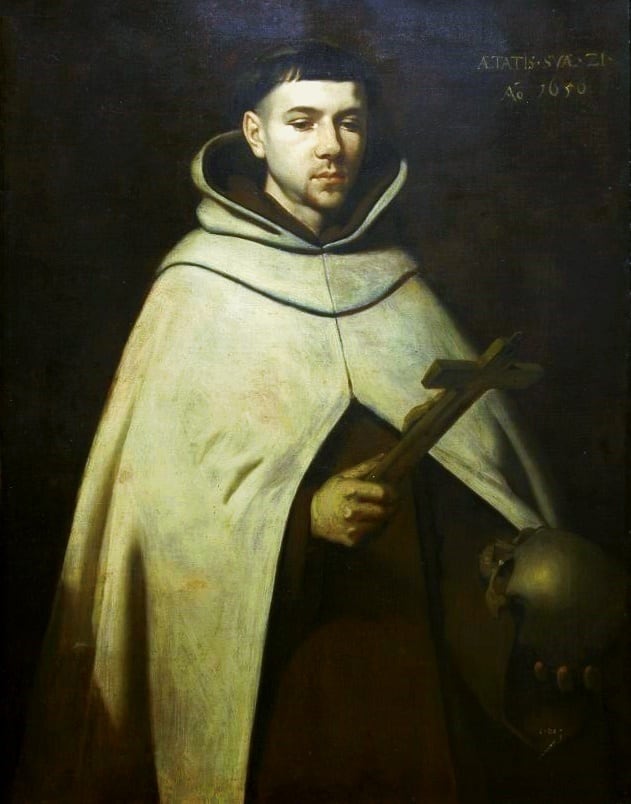
Retrato de san Juan de la Cruz (atribuido a Zurbarán) · Public domain
Своими словами
«One dark night, fired with love's urgent longings, ah, the sheer grace!, I went out unseen, my house being now all stilled.»Noche oscura, estrofa 1

Для начала — одна книга
The Ascent of Mount CarmelГлавная мысль
The dark night: The 'night' is John's name for the whole process of purification by which the soul passes from attachment to creatures to union with God.
В контексте
Биография
4 мин чтения
Перевод с испанского оригинала, выполненный с помощью ИИ; ожидает проверки носителем языка.
Бедный ребёнок из Кастилии
Хуан де Йепес Альварес родился в 1542 году в Фонтиверосе, ткацком городке в области Моранья близ Авилы; дата 24 июня традиционна. Его отец, Гонсало де Йепес, происходил из зажиточной толедской семьи, которая лишила его наследства за женитьбу на Каталине Альварес, бедной ткачихе. Гонсало умер около 1545 года, и вдова с тремя сыновьями тщетно просила помощи у богатой родни в Толедо и Торрихосе. Второй сын, Луис, умер от голода или болезни. Семья перебралась в Аревало, а около 1551 года — в Медину-дель-Кампо, большой ярмарочный город Кастилии.
В Медине Хуан учился в Колехио де ла Доктрина — приюте для бедных детей, где учили грамоте и ремеслу; он безуспешно пробовал себя плотником, портным, резчиком по дереву и живописцем. Затем он служил санитаром в госпитале Консепсьон, где лечили больных сифилисом; управляющий госпиталем позволил ему с 1559 по 1563 год изучать гуманитарные науки у иезуитов. Там он овладел латынью и риторической выучкой, которые угадываются в его прозе.
Монах и реформатор
В 1563 году он принял облачение в кармелитском монастыре Медины под именем брата Хуана де Санто Матиа, а в 1564–1568 годах изучал свободные искусства и богословие в Саламанкском университете, живя в кармелитской коллегии Сан-Андрес. Рукоположенный в 1567 году, он подумывал перейти к картезианцам, когда той же осенью Тереза Иисуса, основывавшая обитель в Медине, убедила его начать вместе с ней реформу мужской ветви ордена. В одном из писем Тереза описала его как человека малого роста, но «великого в очах Божиих».
28 ноября 1568 года вместе с Антонио де Эредией он открыл в крестьянском доме в Дуруэло первый монастырь босых кармелитов и принял имя Хуан де ла Крус — Иоанн Креста. Он был наставником послушников в Мансере и Пастране, ректором коллегии в Алькале, а с 1572 года — духовником авильского монастыря Воплощения, приоршей которого была Тереза. Там он, по преданию после видения, нарисовал маленькое Распятие, увиденное сверху, которое в 1951 году вдохновило Дали.
Толедская тюрьма
Реформа столкнула босых и обутых кармелитов в споре о юрисдикции между нунцием, генералом ордена и королём. В ночь со 2 на 3 декабря 1577 года обутые схватили Хуана в Авиле и увезли в кармелитский монастырь Толедо. Почти девять месяцев он провёл в каморке, куда едва проникал свет, подвергался публичному бичеванию в трапезной, и его принуждали отказаться от реформы. В этой келье он сложил по памяти бо́льшую часть «Духовной песни», романс на пролог Евангелия от Иоанна и песню «Qué bien sé yo la fonte» («Как хорошо я знаю тот источник»), которые потом записал в тетрадь, раздобытую для него новым тюремщиком.
В середине августа 1578 года он бежал ночью, спустившись из окна по полосам, нарезанным из одеял, и укрылся в монастыре босых кармелиток в Толедо, где прочёл стихи, сложенные в заключении. Свидетели на процессах беатификации добавили к рассказу чудесные огни и покровительство Девы Марии; сам факт побега и его материальные обстоятельства надёжно засвидетельствованы.
Андалусия и великие трактаты
Последующие годы он провёл в Андалусии: приор монастыря Эль-Кальварио в горах Хаэна, духовник босых кармелиток в Беасе, ректор коллегии в Баэсе и с 1582 года приор монастыря Мучеников в Гранаде. Отвечая на вопросы монахов и монахинь, он начал комментировать свои стихи в прозе: так появились «Восхождение на гору Кармель» и «Тёмная ночь души» — оба трактата остались незавершёнными, — толкование «Духовной песни», законченное в 1584 году для Анны Иисуса, и «Живое пламя любви», написанное для вдовы Аны де Пеньялосы. Позднее он переработал «Песнь» и «Пламя»; подлинность этих вторых редакций оспаривалась в XX веке, пока большинство исследователей её не признало.
Наряду с великими трактатами он писал короткие тексты для духовного руководства: «Изречения о свете и любви» — сентенции, которые он раздавал на отдельных листках и одна из которых сохранилась в автографе в Андухаре; «Предостережения» и «Советы монаху»; отзыв о духе одной монахини и несколько десятков писем, многие — босым кармелиткам Беаса, Гранады и Сеговии. Для монахинь Беаса он нарисовал и «Горку совершенства» — схему горы Кармель, на средней тропе которой написано «ничто, ничто, ничто», а на вершине: «здесь уже нет пути». Значительная часть его переписки пропала или была уничтожена в годы гонений 1591 года.
Его учение сводится к парадоксу: чтобы прийти к обладанию всем, нужно не желать обладать ничем. Душа проходит через активную и пассивную «ночь» чувств и духа, в которой вера, надежда и любовь опустошают разум, память и волю, лишая их всякой опоры, кроме Бога, — вплоть до преображающего соединения, которое он уподобляет полену, пронизанному огнём.
Как поэт Хуан соединил итальянизированную лиру Гарсиласо, народную лирику, обращённую «a lo divino», и Песнь песней в языке беспрецедентной плотности. Этот синтез исследовал Дамасо Алонсо, а Лусе Лопес-Баральт указала на параллели с суфийской мистикой, которые по сей день остаются предметом спора.
Последние годы
Он был провинциальным викарием Андалусии, а в 1588 году стал приором в Сеговии и советником центрального управления ордена при Николасе Дориа, с которым разошёлся из-за обращения с Херонимо Грасианом и монахинями. На капитуле в Мадриде в июне 1591 года он лишился всех должностей; направленный в Ла-Пеньюэлу, он заболел лихорадкой, у него открылись язвы на ноге, и его перевезли в Убеду, где приор принял его холодно, а визитатор тем временем собирал против него показания. Он умер в полночь с 13 на 14 декабря 1591 года.
В 1593 году его тело тайно перевезли в Сеговию. Его прозаические сочинения были напечатаны в Алькале в 1618 году без «Духовной песни», которая вышла во французском переводе в 1622 году и на кастильском — в Брюсселе в 1627 году. Он был беатифицирован в 1675 году, канонизирован в 1726-м и провозглашён учителем Церкви Пием XI в 1926 году; в 1952 году его объявили покровителем испанских поэтов.
В XX веке его творчество перешло из области духовности в литературу и философию: Жан Барюзи исследовал его как проблему мистического опыта, Эдит Штайн посвятила ему «Науку Креста», Т. С. Элиот перефразировал «Восхождение» в «Ист-Коукере», а такие поэты, как Хорхе Гильен или Клаудио Родригес, считали его своим учителем.
Источники: San Juan de la Cruz. Obras completas. Ed. José Vicente Rodríguez; introducciones y notas doctrinales de Federico Ruiz Salvador. Madrid: Editorial de Espiritualidad, 1980 (ed. revisada 2008, ISBN 9788470683459). · Ruiz Salvador, Federico (dir.). Dios habla en la noche: vida, palabra, ambiente de San Juan de la Cruz. Madrid: Editorial de Espiritualidad, 1990. · Crisógono de Jesús Sacramentado, O.C.D. Vida de San Juan de la Cruz. Madrid: BAC, 1946; ed. revisada por Matías del Niño Jesús en San Juan de la Cruz, Vida y obras (BAC 15), 1964. · John of the Cross. The Collected Works of St. John of the Cross. Trad. Kieran Kavanaugh y Otilio Rodriguez. Ed. revisada. Washington, D.C.: ICS Publications, 1991 (ISBN 9780935216936). · Alonso, Dámaso. La poesía de San Juan de la Cruz (desde esta ladera). Madrid: CSIC, 1942.
Хронология
Жизнь год за годом
Каждая точка — документированное событие. Нажмите, чтобы прочитать о нём, с источником и степенью достоверности.
15420 летFontiveros (Ávila)
Birth
Juan de Yepes Álvarez is born to Gonzalo de Yepes and the weaver Catalina Álvarez. The date of 24 June is traditional.
ДокументированоCrisógono de Jesús Sacramentado, O.C.D. Vida de San Juan de la Cruz. Madrid: BAC, 1946; ed. revisada por Matías del Niño Jesús en San Juan de la Cruz, Vida y obras (BAC 15), 1964.
После смерти
- 1618First edition of his works
- 27 декабря 1726 г.Canonisation
- 24 августа 1926 г.Doctor of the Church
- 1952Patron of Spanish poets
1542 · 0 лет
Birth
Juan de Yepes Álvarez is born to Gonzalo de Yepes and the weaver Catalina Álvarez. The date of 24 June is traditional.
Документировано
ок. 1545 · 3 года
Death of his father
Gonzalo de Yepes dies; the family's destitution begins.
Вероятно
ок. 1551 · 9 лет
Move to Medina del Campo
After a stay in Arévalo, the family settles in Medina; Juan enters the Colegio de la Doctrina.
Вероятно
1559 · 17 лет
Studies with the Jesuits
A nurse at the hospital of the Conception, he studies humanities at the Jesuit college (1559–1563).
Документировано
1563 · 21 год
Takes the Carmelite habit
He enters the Carmel of Medina as Fray Juan de Santo Matía.
Документировано
1564 · 22 года
Studies at Salamanca
He studies arts and theology at the University of Salamanca (1564–1568).
Документировано
1567 · 25 лет
Meeting with Teresa of Jesus
Newly ordained, he is won over by Teresa to the reform of the friars.
Документировано
28 ноября 1568 г. · 26 лет
First Discalced friary
With Antonio de Heredia he inaugurates the friary at Duruelo and takes the name John of the Cross.
Документировано
1572 · 30 лет
Confessor at the Incarnation
Confessor at the monastery of the Incarnation, where Teresa is prioress (1572–1577).
Документировано
2 декабря 1577 г. · 35 лет
Imprisonment in Toledo
Seized by the Calced Carmelites on the night of 2–3 December and imprisoned in their Toledo convent; there he composes much of the Canticle.
Документировано
август 1578 г. · 36 лет
Escape
He escapes at night through a window and takes refuge with the Discalced nuns of Toledo.
Документировано
1579 · 37 лет
Rector of the college at Baeza
He founds and directs the Discalced college beside the University of Baeza (1579–1582).
Документировано
1582 · 40 лет
Prior of Los Mártires
Prior in Granada (1582–1588); he writes most of his treatises.
Документировано
1584 · 42 года
Spiritual Canticle in prose
He completes the commentary on the Canticle dedicated to Ana de Jesús (first redaction).
Документировано
1588 · 46 лет
Prior of Segovia
Prior of Segovia and councillor of the Consulta governing the order under Nicolás Doria.
Документировано
июнь 1591 г. · 49 лет
Loss of office
The general chapter leaves him without office; he is sent to La Peñuela.
Документировано
14 декабря 1591 г. · 49 лет
Death
He dies at midnight in the convent of San Miguel, Úbeda.
Документировано
1618
First edition of his works
The prose works are printed, without the Spiritual Canticle.
Документировано
27 декабря 1726 г.
Canonisation
Benedict XIII canonises him.
Документировано
24 августа 1926 г.
Doctor of the Church
Pius XI declares him a Doctor of the universal Church.
Документировано
1952
Patron of Spanish poets
He is proclaimed patron of Spanish-language poets.
Документировано
Труды
Главные труды
Труды, без которых не понять это наследие.
Письменный труд · ок. 1585
The Ascent of Mount Carmel
Subida del Monte Carmelo
A commentary, soon abandoning the poem, on the 'Dark Night' as an active night: what the soul can do to empty the senses of appetites (book I) and the intellect, memory and will through faith, hope and charity (books II–III). It contains the verses 'to come to enjoy everything', the critique of visions and revelations and the claim that in Christ God has said everything.
9 изданий
Письменный труд · ок. 1585
The Dark Night
Noche oscura (declaración de las canciones)
A treatise on the passive night, what God does in the soul: the night of sense, with the signs for leaving discursive meditation and passing to contemplation, and the night of the spirit, a painful purification by infused contemplation, a 'ray of darkness'. Its description of dryness and abandonment has given it relevance beyond Christian spirituality.
9 изданий

Письменный труд · 1584
Spiritual Canticle (redaction A)
Declaración de las canciones que tratan del ejercicio de amor entre el alma y el Esposo Cristo (Cántico A)
A stanza-by-stanza commentary on the poem, reading the Bride's itinerary as the passage from the purgative to the illuminative and unitive ways, with long meditations on the beauty of creatures as the Beloved's trace. It is the most lyrical of his treatises.
4 издания

Письменный труд · ок. 1586
The Living Flame of Love (commentary)
Declaración de las canciones que tratan de la muy íntima y calificada unión y transformación del alma en Dios (Llama de amor viva)
A commentary on the poem's four stanzas describing transforming union from within: the soul as a log already turned to fire, the action of the Holy Spirit, the 'lamps of fire' of the divine attributes and God's awakening in the soul. It includes a stern warning against bad spiritual directors.
6 изданий
Все труды (29)

Spiritual Canticle (poem)
1578
Dark Night (poem)
1579
Living Flame of Love (poem)
1585
Song of the Soul that Rejoices in Knowing God through Faith ('How well I know the fount')
1578
Romances on the Gospel 'In principio erat Verbum'
1578
Romance on the Psalm 'Super flumina Babylonis'
1578
Stanzas Concerning an Ecstasy Experienced in High Contemplation ('I entered into unknowing')
1580
Stanzas of the Soul that Suffers with Longing to See God ('I live, but not in myself')
1580
'Upon a quest of love' (stanzas a lo divino)
1580
'A lone young shepherd lived in pain'
1584
Gloss 'Without support and with support'
1580
Gloss 'Not for all of beauty'
1580
'With the divine Word' (Christmas song)
1585
Summary of Perfection ('Forgetfulness of creation')
1585
John of the Cross
'My soul is detached' (attributed stanzas)
The Conscious Library'My soul is detached' (attributed stanzas)
1600

Spiritual Canticle (redaction B)
1586

Sayings of Light and Love
1585
The Precautions
1580
Counsels to a Religious on How to Reach Perfection
1585
Censure and Opinion on the Spirit of a Nun
1588
The Mount of Perfection (drawing of Mount Carmel)
1579
Letters
1591
Points of Love Gathered at Beas
1580
John of the Cross
Spiritual Maxims and Sentences (later collections)
The Conscious LibrarySpiritual Maxims and Sentences (later collections)
1700
Изречения
Изречения, найденные в конкретном труде. Каждое сопровождается указанием происхождения и степени надёжности.
One dark night, fired with love's urgent longings, ah, the sheer grace!, I went out unseen, my house being now all stilled.En una noche oscura, / con ansias, en amores inflamada, / ¡oh dichosa ventura!, / salí sin ser notada, / estando ya mi casa sosegada.
ПровереноNoche oscura, estrofa 1
Апокрифические изречения и изречения спорной атрибуции (2)
«In the evening of life we shall be judged on love.»
A widespread modern paraphrase of the authentic saying 'In the evening you will be examined in love' (Sayings of Light and Love). It is not false in meaning, but it is not his wording.
«To reach a point you do not know, you must take a road you do not know.»
A free version of Ascent I,13,11 ('To come to what you know not, you must go by a way you know not'), circulating without reference and with its meaning shifted towards self-help.
Последние слова
Позднейший рассказ свидетелей
«Into your hands, Lord, I commend my spirit.»In manus tuas, Domine, commendo spiritum meum.
He died in Úbeda at midnight on 13–14 December 1591, surrounded by friars of the convent. According to the testimonies gathered at the beatification processes, shortly before he asked that the commendation of the soul not be read to him but the Song of Songs, remarking 'What precious pearls!'; on hearing the bell for matins he said he was going to say them in heaven, and he died uttering the words of Psalm 30 that Jesus repeated on the cross. The witnesses agree on the essentials and vary in the details.
Источник: Procesos de beatificación y canonización de San Juan de la Cruz. Ed. Silverio de Santa Teresa, O.C.D. Biblioteca Mística Carmelitana, vol. 14. Burgos: El Monte Carmelo, 1931 (vol. 5 de las Obras).
Спросить
На что отвечают эти труды
Двенадцать великих вопросов человечества и то, что позволяют на них ответить эти тексты, со ссылками. Мы никогда не вкладываем слова в чужие уста.
Что такое Абсолют? Существует ли Бог?
God is the Beloved who hides and gives himself in dark faith
Личный БогСказано прямо
For John of the Cross, God is the Beloved: someone who wounds, hides, calls and finally unites himself to the soul. The Spiritual Canticle opens with the question «Where have you hidden, Beloved?», and the Living Flame of Love describes the soul's transformation in the Holy Spirit, who works in it as a flame. The Trinity lies at the centre of union: in the commentary on the Flame, the soul shares in the life of the Father, the Son and the Spirit. At the same time, no concept or image reaches this God: the Ascent of Mount Carmel teaches that the only means proportionate to union with him is faith, which is dark to the intellect. The Absolute is thus personal and loving, but known in darkness, through love rather than representation.
Сравнить этот вопрос с другими учителямиКто я? Существует ли истинное «я»?
The soul is a creature that can become God by participation
Сотворённая бессмертная душаСказано прямо
John of the Cross thinks of the self as a created soul, with its faculties —intellect, memory and will— and a «centre» that is God himself. The Ascent of Mount Carmel offers the decisive image: a clean window, struck by a ray of sunlight, looks like the ray itself without ceasing to be a window; so the soul, once purified, «seems more God than soul, and is even God by participation», though its natural being remains distinct from God's. The path requires emptying the faculties of every appetite and every possession, including that of spiritual experiences. The self is not dissolved: it is transformed by love without losing its creaturely condition.
Сравнить этот вопрос с другими учителямиПочему мы страдаем?
The dark night hurts because it purifies for union
Отделённость от БогаСказано прямо
John of the Cross distinguishes two kinds of suffering. The first comes from the appetites: in the Ascent of Mount Carmel he describes how they weary, torment, darken, defile and weaken the soul, because they bind it to what is not God. The second is that of the dark night, which God himself works: infused contemplation, entering a still impure soul, is darkness and torment to it, as excessive light blinds a diseased eye. That pain —feeling abandoned, dry, undone— is not punishment but purification. Suffering arises from the distance between the soul and God and is also the path by which that distance is cancelled.
Сравнить этот вопрос с другими учителямиЧто происходит после смерти?
I die because I do not die: death is meeting the Beloved
Вечная жизнь и воскресениеСказано прямо
John of the Cross awaits eternal life as the consummation of the union of love. In the stanzas «I live without living in myself» the present life is exile and the soul dies because it does not die, longing to see God. The first stanza of the Living Flame of Love asks God to tear the veil of this sweet encounter, that is, the mortal life that separates the soul from vision; and its commentary states that the death of those who have reached this state, though natural, is far sweeter and gentler than their life, for they die in impulses and encounters of love. Death is not an end: it is the passage to seeing God face to face.
Сравнить этот вопрос с другими учителямиКак достигается освобождение или спасение?
The soul disposes itself in the night; God works the union
Через благодать и любовьСказано прямо
John of the Cross describes liberation as union with God through love, and distinguishes two movements. In the active night, treated in the Ascent of Mount Carmel, the soul does what it can: it denies its appetites, empties its faculties and walks by faith, hope and charity, with the watchword of desiring to taste nothing in order to come to taste everything. But the decisive purification is passive: the Dark Night shows that it is God who, through infused contemplation, purges what the soul cannot reach. In the Living Flame of Love he insists that the principal agent and guide is the Holy Spirit. Effort prepares; union is a gift.
Сравнить этот вопрос с другими учителямиНужен ли учитель?
A good director helps; the principal guide is the Holy Spirit
Полезен, но не обязателенСказано прямо
John of the Cross attaches great importance to spiritual direction and, at the same time, criticises it harshly. In the Sayings of Light and Love he compares the soul that is alone and without a master, even if virtuous, to a burning coal left alone, which cools rather than kindles. But in the Living Flame of Love he devotes severe pages to spiritual masters who, not understanding the ways of contemplation, force the soul to go on meditating when God is already leading it by another path, and compares them to blacksmiths who only know how to hammer. He recalls that the principal agent and guide of souls is the Holy Spirit; the human director must serve him, not hinder him.
Сравнить этот вопрос с другими учителямиРеален ли мир?
God passed through the groves and left them clothed in beauty
Благое и реальное творениеСказано прямо
John of the Cross holds at once the beauty of the world and its nothingness before God. In the Ascent of Mount Carmel, compared with God's infinite being, all creatures are nothing, and the soul that binds itself to them becomes like what it loves; hence one must pass through the night of sense. But the Spiritual Canticle sings of creatures as traces of the Beloved: pouring out a thousand graces, he passed through these groves in haste and, looking at them, left them clothed in beauty by his gaze alone. In consummated union, the soul knows creatures from God and finds them more beautiful. The world is good; what hinders is possession.
Сравнить этот вопрос с другими учителямиЧто такое любовь?
Living flame of love: the longing that wounds and unites
Тоска и соединениеСказано прямо
John of the Cross is, in the Spanish language, the great poet of love as longing for union. In the Spiritual Canticle the soul is the wounded bride who goes out after the Beloved, seeks him over mountains and riverbanks and rests only in union; the Dark Night recounts the beloved's going forth, «inflamed with love», until she lies with her face reclined upon the Beloved. The Living Flame of Love describes consummated love as the fire of the Holy Spirit wounding tenderly in the soul's deepest centre. That love is also a criterion of life: in the evening, says one of his sayings, you will be examined on love. And in a letter he advises putting love where there is none in order to draw love out.
Сравнить этот вопрос с другими учителямиСвободны ли мы или всё предопределено?
Union is the conformity of two free wills
Подлинная свобода волиСледует из учения
John of the Cross does not treat the problem of determinism, but his whole doctrine presupposes a free will. In the Ascent of Mount Carmel he defines the union he seeks not as substantial union but as union of likeness, which occurs when two wills, the soul's and God's, are conformed in one, with nothing in the one repugnant to the other. To reach it, the soul must freely deny its voluntary appetites: not the natural ones, which do not depend on it, but those it consents to. In the passive night, God works where the soul cannot reach, but the will goes on cooperating through its consent and its love.
Сравнить этот вопрос с другими учителямиЗачем медитировать или молиться?
From meditation to loving attentiveness in God
Дружба с БогомСказано прямо
John of the Cross distinguishes two moments of prayer. At the beginning, discursive meditation is fitting, using images and reasoning to fall in love with God. But a time comes when that meditation dries up, and the Ascent of Mount Carmel gives three signs to recognise it: one can no longer reason, one has no desire to fix the imagination on other things, and the soul delights in remaining alone with loving attentiveness to God, without particular considerations. Then reasoning must be set aside and one should remain in that loving, quiet and passive knowledge. Prayer culminates in a communication of love between the soul and the Beloved, which the Spiritual Canticle describes as the intimacy of spouses.
Сравнить этот вопрос с другими учителямиМожет ли разум познать предельное?
Transcending all knowledge: God is reached by dark faith
Предельное лежит за пределами умаСказано прямо
John of the Cross, trained at the University of Salamanca, does not despise theology, but denies that the intellect can reach God by its own powers. In the Ascent of Mount Carmel he maintains that nothing the imagination and intellect can conceive is a proximate means to union, because God falls under no distinct form or knowledge; the only proportionate means is faith, which is dark night for the soul. His stanzas «I entered where I did not know» sing it: whoever truly arrives there faints from himself, and remains unknowing, transcending all knowledge. Reason serves to discern and to avoid deception; union takes place beyond it.
Сравнить этот вопрос с другими учителямиУйти от мира или преобразить его?
Forgetting the created, remembering the Creator
Уйти, чтобы найтиСказано прямо
John of the Cross is the master of solitude and nakedness. His brief Summary of Perfection condenses it into four lines: forgetfulness of the created, remembrance of the Creator, attention to what is within, and remaining in love with the Beloved. The Precautions advise the religious to guard against the world, the devil and the flesh, and not to meddle in what is not his concern. The Spiritual Canticle sings of solitude: in solitude the dove lived, and in solitude her beloved guides her alone. Yet John did not live in a cave: he was a reformer, prior, confessor, tireless traveller and prisoner. The withdrawal he asks for is above all inward: detachment from everything, so that nothing takes God's place.
Сравнить этот вопрос с другими учителями
Созвучия и противоречия
Созвучия и противоречия
Рассчитаны вопрос за вопросом на основе позиций. Причина каждого совпадения или расхождения — по нажатию.
Ближе всего к

Rabia al-Adawiyya
Совпадают в вопросах: Почему мы страдаем? · Что такое Абсолют? Существует ли Бог? · Что происходит после смерти?
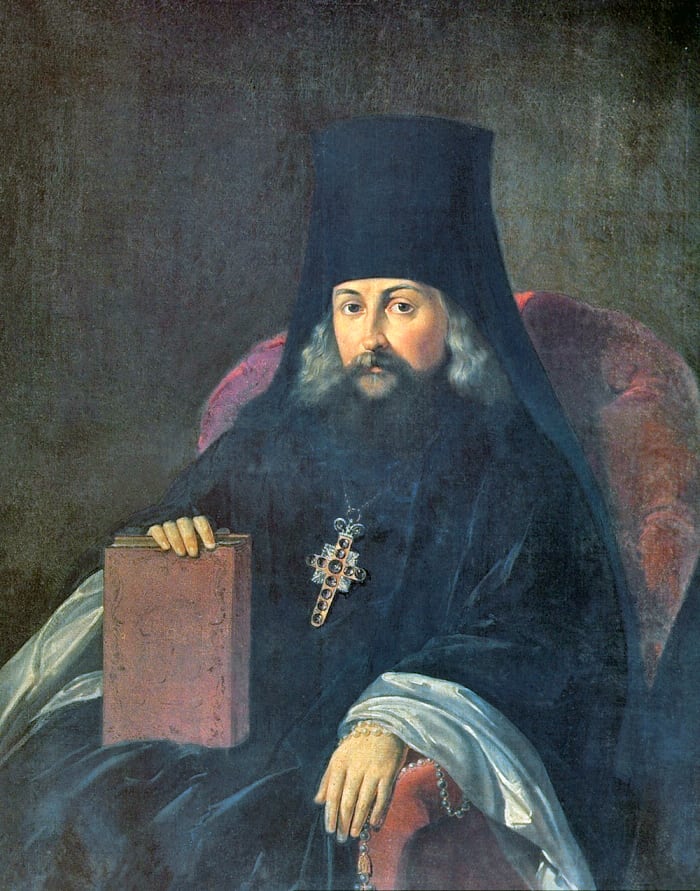
Ignatius Brianchaninov
Совпадают в вопросах: Почему мы страдаем? · Что такое Абсолют? Существует ли Бог? · Кто я? Существует ли истинное «я»?
Seraphim of Sarov
Совпадают в вопросах: Что такое Абсолют? Существует ли Бог? · Кто я? Существует ли истинное «я»? · Почему мы страдаем?
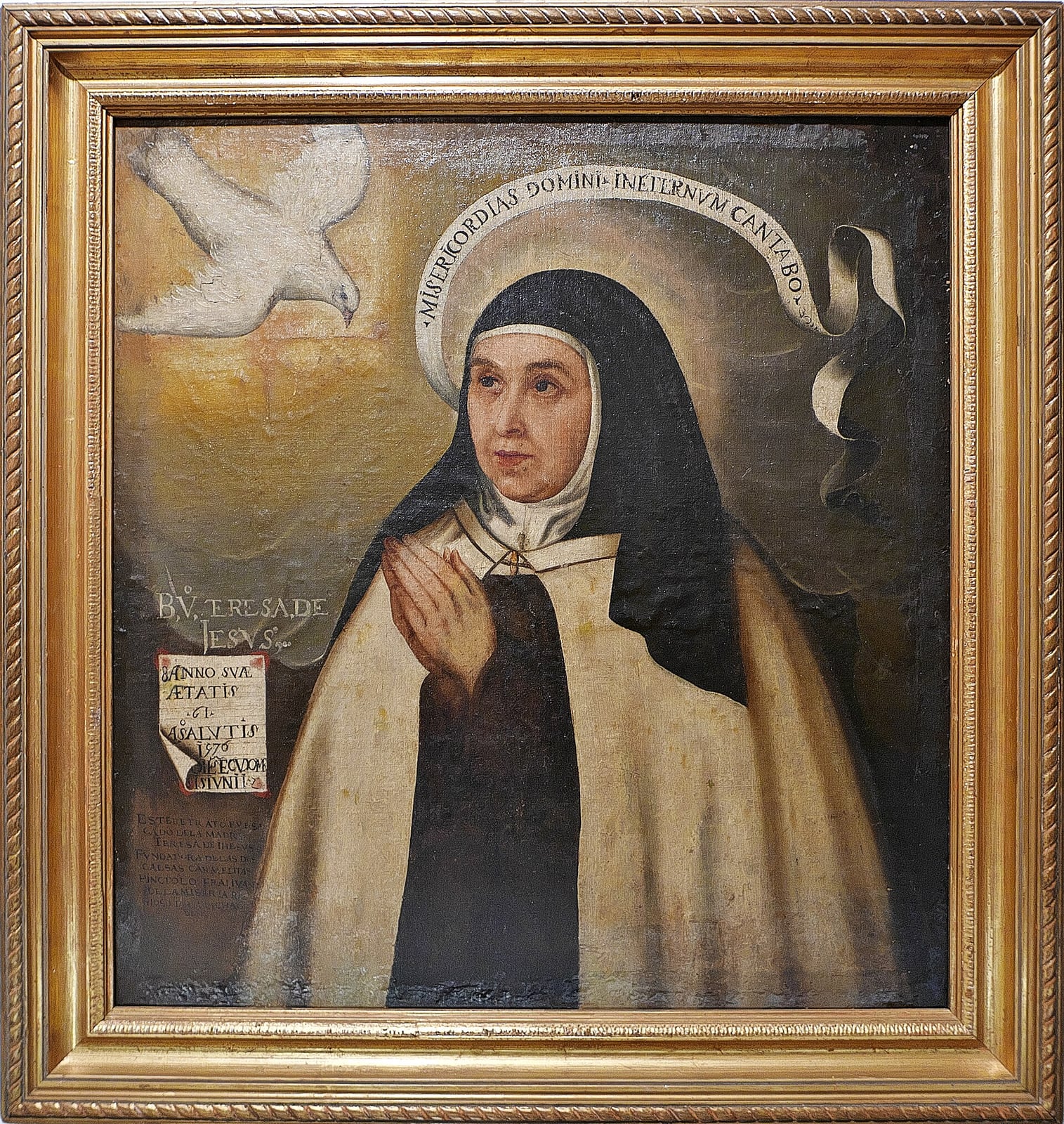
Teresa of Ávila
Совпадают в вопросах: Что такое Абсолют? Существует ли Бог? · Кто я? Существует ли истинное «я»? · Почему мы страдаем?
Дальше всего от

Pema Chödrön
Расходятся в вопросах: Что такое Абсолют? Существует ли Бог? · Кто я? Существует ли истинное «я»? · Что происходит после смерти?

Nāgārjuna
Расходятся в вопросах: Что такое Абсолют? Существует ли Бог? · Кто я? Существует ли истинное «я»? · Что происходит после смерти?

Tsongkhapa
Расходятся в вопросах: Что такое Абсолют? Существует ли Бог? · Кто я? Существует ли истинное «я»? · Что происходит после смерти?
Śāntideva
Расходятся в вопросах: Что такое Абсолют? Существует ли Бог? · Кто я? Существует ли истинное «я»? · Что происходит после смерти?
Предания и рассказы
Предания и рассказы
Устная традиция1567–1568
'A friar and a half'
Происхождение рассказа: Teresa of Jesus, Foundations 3 and 13–14 and letter to Francisco de Salcedo (September 1568). The phrase 'a friar and a half' comes from later Carmelite tradition.
Источник: Teresa de Jesús. Libro de las fundaciones, caps. 3 y 13–14, y carta a Francisco de Salcedo (Valladolid, septiembre de 1568), en Obras completas, ed. Efrén de la Madre de Dios y Otger Steggink. Madrid: BAC, 1962.
Свидетельствоagosto de 1578
The escape from Toledo
Происхождение рассказа: Statements at the beatification processes (BMC 14) and accounts by Inocencio de San Andrés and Magdalena del Espíritu Santo; critical synthesis in Crisógono de Jesús (1946).
Житийное повествованиеc. 1572–1577
The Christ drawn at the Incarnation
Происхождение рассказа: The drawing is kept in the monastery of the Incarnation in Ávila; the vision comes from testimony at the processes. The connection with Dalí is documented by the painter himself and by Father Bruno.
Источник: Ruiz Salvador, Federico (dir.). Dios habla en la noche: vida, palabra, ambiente de San Juan de la Cruz. Madrid: Editorial de Espiritualidad, 1990.
Свидетельствоc. 1589
'To suffer and be despised for you'
Происхождение рассказа: Statement by Francisco de Yepes at the beatification processes (BMC 14). It is second-hand testimony of an inner experience.
Свидетельствоseptiembre–diciembre de 1591
The last days in Úbeda
Происхождение рассказа: Beatification processes (BMC 14); Crisógono de Jesús (1946).
Учение
Учение
Понятия, на которых строится мысль учителя, объяснённые в их контексте.
The dark nightnoche-oscura
Scholastic mystical theology and the Dionysian tradition of divine darkness.
Источник: San Juan de la Cruz. Obras completas. Ed. José Vicente Rodríguez; introducciones y notas doctrinales de Federico Ruiz Salvador. Madrid: Editorial de Espiritualidad, 1980 (ed. revisada 2008, ISBN 9788470683459).
All and nothingnada
Christian ascetic renunciation and negative theology; a possible echo of Rhineland mysticism through Tauler.
Источник: San Juan de la Cruz. Obras completas. Ed. José Vicente Rodríguez; introducciones y notas doctrinales de Federico Ruiz Salvador. Madrid: Editorial de Espiritualidad, 1980 (ed. revisada 2008, ISBN 9788470683459).
Transforming unionunion-de-amor
Nuptial mysticism (Bernard of Clairvaux), Trinitarian theology and the Thomist doctrine of grace as participation.
Источник: San Juan de la Cruz. Obras completas. Ed. José Vicente Rodríguez; introducciones y notas doctrinales de Federico Ruiz Salvador. Madrid: Editorial de Espiritualidad, 1980 (ed. revisada 2008, ISBN 9788470683459).
Infused contemplation and the three signscontemplacion-infusa
Sixteenth-century debate on mental prayer and Illuminism; the tradition of medieval mystical theology.
Источник: San Juan de la Cruz. Obras completas. Ed. José Vicente Rodríguez; introducciones y notas doctrinales de Federico Ruiz Salvador. Madrid: Editorial de Espiritualidad, 1980 (ed. revisada 2008, ISBN 9788470683459).
The theological virtues as night of the facultiesfe-esperanza-caridad
The Augustinian psychology of the three faculties and Salamancan scholastic theology.
Источник: San Juan de la Cruz. Obras completas. Ed. José Vicente Rodríguez; introducciones y notas doctrinales de Federico Ruiz Salvador. Madrid: Editorial de Espiritualidad, 1980 (ed. revisada 2008, ISBN 9788470683459).
Видео
Видео
Записи, интервью и документальные фильмы. Видео воспроизводятся с YouTube; здесь они не хранятся.
Paisaje con figuras: Juan de la Cruz
Документальный фильм· ES· 1984· 44 min
RTVE ArchivoОфициальный канал
«Y véante mis ojos». El cielo de San Juan de la Cruz. Aula Pedro Fabro
Лекция· ES· 2024· 52 min
Universidad Pontificia ComillasОфициальный канал
Isabel Ordaz, «La poesía de San Juan de la Cruz. El nombre que multiplica los nombres»
Лекция· ES· 2026· 49 min
Carmelitas Descalzos ÚbedaОфициальный канал
Silvia Bara Bancel: «San Juan de la Cruz, lector del Maestro Eckhart»
Лекция· ES· 2026· 109 min
Centro de Estudios de HermenéuticaОфициальный канал
Poesía «Noche oscura» de San Juan de la Cruz
Оригинальная запись· ES· 2015· 2 min
Carmelitas DescalzosОфициальный канал
Adónde te escondiste
Запись третьих лиц· ES· 2016· 3 min
Amancio PradaОфициальный канал
José María Rodero lee a San Juan de la Cruz
Запись третьих лиц· ES· 2014· 5 min
SCM1974spain
John of the Cross: A Mystic's Poetry with Keith Egan
Лекция· EN· 2014· 70 min
Lumen Christi InstituteОфициальный канал
Carmelite Authors 101: St. John of the Cross
Лекция· EN· 2018· 68 min
Boston College Clough School of Theology and MinistryОфициальный канал
The Dark Night of the Soul
Разбор· EN· 2021· 41 min
Bishop Robert BarronОфициальный канал
Gottes Gegenwart erfahren: Die Mystik des Johannes vom Kreuz
Лекция· DE· 2023· 55 min
CTS Hochschule MünsterОфициальный канал
Licht – geboren aus der Nacht. Die „Dunkle Nacht“ des Johannes vom Kreuz – Sr. Veronika E. Schmitt
Лекция· DE· 2025· 58 min
CTS Hochschule MünsterОфициальный канал
Iain Matthew ocd – Giovanni della Croce per i giovani?
Лекция· IT· 2018· 51 min
Pontificia Facoltà Teologica Teresianum – RomaОфициальный канал
La Chiesa ricorda San Giovanni della Croce
Документальный фильм· IT· 2018· 14 min
Tv2000itОфициальный канал
Галерея
Галерея
Изображения с проверенной лицензией. Каждое сохраняет своё авторство и атрибуцию.
Рукописи
Рукописи
Рукописные свидетельства и древние тексты, с указанием хранителя и условий доступа.
ES · Latina (cursiva castellana del s. XVI) · c. 1585–1587
Dichos de luz y amor (autógrafo)
- Сохранившийся список
- Autógrafo parcial (códice de Andújar)
- Хранитель
- Carmelitas descalzas de Andújar (Jaén)
ES · Latina · 1584
Cántico espiritual (manuscrito de Sanlúcar de Barrameda)
- Сохранившийся список
- Redacción A con anotaciones del autor
- Хранитель
- Carmelitas descalzas de Sanlúcar de Barrameda (Cádiz)
ES · Latina · c. 1586–1591 (copia)
Cántico espiritual y poesías (manuscrito de Jaén)
- Сохранившийся список
- Testigo principal de la redacción B
- Хранитель
- Carmelitas descalzas de Jaén
ES · — · c. 1572–1577
Cristo crucificado (dibujo)
- Сохранившийся список
- Dibujo original a pluma
- Хранитель
- Monasterio de la Encarnación, Ávila
Связи
Связи
Влияния, ученичество и близость взглядов. Документированная связь отличается от сходства, выявленного путём анализа.
Встречался с
They met at Medina del Campo in 1567; Teresa won him over to the reform, recounted the foundation of Duruelo in her Foundations and had him as confessor at the Incarnation (1572–1577).
Документированная связь
Испытал влияние
From Teresa he received the project of the male reform and the Discalced way of life; his teaching systematises in another register the experience of prayer she describes.
Документированная связь
Испытал влияние
His work is Christocentric: in Ascent II,22 he states that in Christ God has said everything, and his drawing of the crucified and the poem of the young shepherd express his meditation on the Passion.
Документированная связь
Испытал влияние
Rhineland mysticism reached sixteenth-century Spain through works attributed to Tauler, Eckhart's disciple. John has been studied as an indirect reader of Eckhart in the doctrine of nothingness and the ground of the soul; the exact route of transmission is unproven.
Сходство, выявленное путём анализа
Идеи, близкие к
John's 'nada' and the Franciscan 'without anything of one's own' share the idea of total dispossession, material and spiritual, as the condition of love.
Сходство, выявленное путём анализа
Идеи, близкие к
Both are at once mystics and first-rank poets or musicians, but their paths are opposite: Hildegard's symbolic, prophetic vision versus John's distrust of visions and his way of dark faith.
Сходство, выявленное путём анализа
Идеи, близкие к
Luce López-Baralt has pointed to parallels of symbols and vocabulary between John's poetry and Andalusian Sufi mysticism (night, fount, wine, the solitary bird); the hypothesis of a Morisco transmission remains debated.
Сходство, выявленное путём анализа
Повлиял на
Merton studied and commented on John of the Cross as a master of contemplation; it is a relation of reception.
Сходство, выявленное путём анализа
Упоминается в других статьях
- Francis of Assisi · Идеи, близкие к
- Simone Weil · Испытал влияние
- Chaitanya Mahaprabhu · Идеи, близкие к
- Milarepa · Идеи, близкие к
- Ignatius of Loyola · Идеи, близкие к
- Thomas Merton · Испытал влияние
- Ibn Arabi · Идеи, близкие к
- Meister Eckhart · Повлиял на
- Teresa of Ávila · Встречался с
- Teresa of Ávila · Повлиял на
Источники
Источники
Библиография и каталоги, использованные для этой статьи.
- Wikidata, Q190388 «John of the Cross» (P31=Q5; 82 enlaces entre wikis; P569 1542-06-24, P570 1591-12-14).
- San Juan de la Cruz. Obras completas. Ed. José Vicente Rodríguez; introducciones y notas doctrinales de Federico Ruiz Salvador. Madrid: Editorial de Espiritualidad, 1980 (ed. revisada 2008, ISBN 9788470683459).
- Ruiz Salvador, Federico (dir.). Dios habla en la noche: vida, palabra, ambiente de San Juan de la Cruz. Madrid: Editorial de Espiritualidad, 1990.
- Crisógono de Jesús Sacramentado, O.C.D. Vida de San Juan de la Cruz. Madrid: BAC, 1946; ed. revisada por Matías del Niño Jesús en San Juan de la Cruz, Vida y obras (BAC 15), 1964.
- Procesos de beatificación y canonización de San Juan de la Cruz. Ed. Silverio de Santa Teresa, O.C.D. Biblioteca Mística Carmelitana, vol. 14. Burgos: El Monte Carmelo, 1931 (vol. 5 de las Obras).
- John of the Cross. The Collected Works of St. John of the Cross. Trad. Kieran Kavanaugh y Otilio Rodriguez. Ed. revisada. Washington, D.C.: ICS Publications, 1991 (ISBN 9780935216936).
- Alonso, Dámaso. La poesía de San Juan de la Cruz (desde esta ladera). Madrid: CSIC, 1942.
- Baruzi, Jean. Saint Jean de la Croix et le problème de l'expérience mystique. París: Alcan, 1924 (trad. esp.: Valladolid, Junta de Castilla y León, 1991).
- López-Baralt, Luce. San Juan de la Cruz y el Islam. México: El Colegio de México, 1985 (reed. Madrid: Hiperión, 1990).
- Thompson, Colin P. St John of the Cross: Songs in the Night. Londres: SPCK, 2002.
- Wikisource en español, página «Autor:Juan de la Cruz» (poemas mayores, glosas, cantares y romances).
- Open Library, registros de edición de las obras de Juan de la Cruz (consultados por ISBN y por obra).
- Obras de San Juan de la Cruz, Doctor de la Iglesia. Ed. Silverio de Santa Teresa, O.C.D. 5 vols. Burgos: El Monte Carmelo, 1929–1931 (Biblioteca Mística Carmelitana 10–14).
- The Complete Works of Saint John of the Cross, of the Order of Our Lady of Mount Carmel. Trad. David Lewis; prefacio del cardenal Wiseman. 2 vols. Londres: Longman, 1864.
- Bara Bancel, Silvia. «San Juan de la Cruz, lector del Maestro Eckhart». Conferencia, Centro de Estudios de Hermenéutica, 2026.
- Stein, Edith. Kreuzeswissenschaft. Studie über Johannes a Cruce (1942). Lovaina / Friburgo: Nauwelaerts / Herder, 1950 (Edith Steins Werke I).
- Teresa de Jesús. Libro de las fundaciones, caps. 3 y 13–14, y carta a Francisco de Salcedo (Valladolid, septiembre de 1568), en Obras completas, ed. Efrén de la Madre de Dios y Otger Steggink. Madrid: BAC, 1962.
- Правообладатель
- Dominio público (obra del siglo XVI). Las ediciones críticas, traducciones y aparatos modernos están sujetos a los derechos de sus editores (Editorial de Espiritualidad, Monte Carmelo, Alianza, BAC, ICS Publications, Herder…).
- Официальный сайт
- www.carmelitaniscalzi.com/es/
Ожидает подтверждения
То, что в этой статье пока не удалось установить. Мы предпочитаем сказать об этом, а не заполнять пробел.
- Localizar en una fuente apta (Wikisource o equivalente con capítulos) el texto en prosa de la Subida, la Noche, el Cántico, la Llama, los Dichos y las Cartas: Wikisource en español solo tiene los poemas; se han registrado los volúmenes de Silverio (1929) y Gerardo (1912) en Internet Archive, cuyo OCR hay que revisar.
- Identificar al traductor de The Dark Night of the Soul (J. M. Watkins, 1905) para retirar la marca de precaución.
- Fijar con la edición crítica la numeración del dicho «A la tarde te examinarán en el amor» (59, 60 o 64 según las ediciones) y la redacción exacta de la carta a María de la Encarnación de 6 de julio de 1591.
- Añadir ISBN de la edición de la BAC (Vida y obras / Obras completas, Lucinio Ruano) y de una edición francesa de conjunto (Cerf): no localizadas en Open Library.
- Confirmar signaturas y digitalizaciones de los manuscritos de Sanlúcar, Jaén y Andújar.
- Las fechas de los vídeos se han deducido de la fecha relativa que muestra YouTube; el programa de RTVE «Paisaje con figuras» se fecha de forma aproximada.
- Programas de afiliación: ninguno verificado.
Исследовано 2026-10-25