Буддизм · Махаяна
Shinran
親鸞 · 愚禿釋親鸞 · 範宴 · 藤井善信 · 見真大師
1173 – 1263Исторически документированная личность
Японский монах (1173–1263), ученик Хонэна и посмертный основатель школы Дзёдо-синсю, «истинной школы Чистой земли». После двадцати лет на горе Хиэй он обратился к возглашению имени Амиды, в 1207 году был сослан и с тех пор жил «ни монахом, ни мирянином», женатым и с детьми. Он учил, что рождение в Чистой земле зависит не от собственного усилия, а от доверия (синдзин), дарованного Обетом Амиды. Его главный труд — «Кёгёсинсё»; самые читаемые его слова — в «Таннисё».
- трудов
- 30трудов
- изданий
- 37изданий
- цитат
- 9цитат
- видео
- 11видео
- изображений
- 6изображений
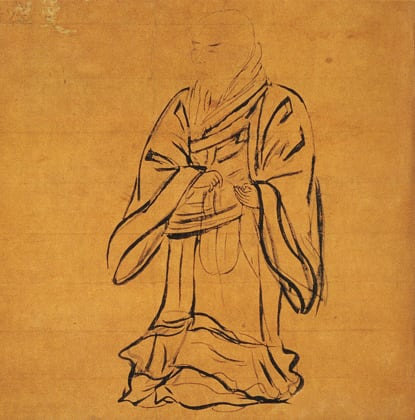
Retrato de Shinran «del espejo» (Kagami no goei) · Public domain
Своими словами
«I, Shaku Shinran, the foolish bald-headed one, in the year of the metal rooster of the Kennin era [1201], abandoned the sundry practices and took refuge in the Primal Vow.»Kyōgyōshinshō, epílogo del capítulo sobre los budas y tierras transformados. Traducción propia.
Shinran
Kyōgyōshinshō (The True Teaching, Practice and Realization of the Pure Land Way)
Для начала — одна книга
Kyōgyōshinshō (The True Teaching, Practice and Realization of the Pure Land Way)Главная мысль
Other Power (tariki): A term taken from Tanluan's commentary that Shinran makes the key to his whole teaching.
В контексте
Биография
4 мин чтения
Перевод с испанского оригинала, выполненный с помощью ИИ; ожидает проверки носителем языка.
Мелкий аристократ на горе
Синран родился в 1173 году в Хино, к юго-востоку от Киото, в скромной ветви рода Фудзивара; его отец, Хино Аринори, был придворным чиновником. О его детстве почти ничего достоверно не известно. Жизнеописание, составленное в 1295 году его правнуком Какунё, сообщает, что в девять лет он принял постриг у Дзиэна, настоятеля Сёрэн-ина и будущего патриарха школы тэндай, и следующие два десятилетия провел на горе Хиэй. Письма его жены Эсинни уточняют, что там он служил «монахом зала» (досо) в одном из павильонов, где непрерывно возглашали имя будды Амиды.
Сон в Роккакудо и встреча с Хонэном
В 1201 году, двадцати девяти лет от роду, он покинул гору. По рассказу Эсинни, он затворился на сто дней в киотском храме Роккакудо, посвященном принцу Сётоку, и на рассвете девяносто пятого дня получил во сне откровение от принца. Тогда он пришел к Хонэну, который проповедовал в Ёсимидзу, что для рождения в Чистой земле Амиды достаточно возглашать его имя (нэмбуцу), и слушал его еще сто дней. Годы спустя Синран выразил это в знаменитой фразе: в тот год «я оставил разнородные практики и принял прибежище в Изначальном обете».
Он стал одним из близких учеников. В 1205 году Хонэн позволил ему переписать свой главный труд, «Сэнтякусю», и свой портрет, а также собственноручно начертал новое имя ученика. Синран с волнением упомянул об этом в послесловии к «Кёгёсинсё», ведь такой чести удостаивались немногие.
Ни монах, ни мирянин
В 1207 году двор запретил движение нэмбуцу после скандала, в котором были замешаны придворные дамы; четверо учеников были казнены, Хонэн сослан в провинцию Тоса, а Синран — в Этиго, на побережье Японского моря, и лишен монашеского сана под именем Фудзии Ёсидзанэ. Он ответил тем, что принял новую идентичность: отныне он был уже не монахом, но и не мирянином, и с тех пор подписывался как Гутоку — «глупый стриженый». В какой-то момент тех лет он женился на Эсинни, дочери, по преданию, Миёси Тамэнори, чиновника, имевшего интересы в Этиго; у них было несколько детей.
Помилованный в 1211 году, он не вернулся в Киото; на следующий год умер Хонэн. В 1214 году он вместе с семьей перебрался в область Канто, на восток страны. Позднее Эсинни вспоминала эпизод этого путешествия: Синран начал тысячекратно читать три сутры Чистой земли ради блага живых существ, но через несколько дней остановился, осознав, что полагается на собственное усилие, а не на имя Амиды.
Двадцать лет в Канто
Около двух десятилетий Синран жил в провинции Хитати и ее окрестностях, наставляя крестьян, воинов и торговцев, которые собирались не в храмах, а в небольших залах для практики (додзё). К этому времени относится первый черновик «Кёгёсинсё», который школа по внутреннему указанию текста датирует 1224 годом; его автограф, так называемый список Бандо, с правкой, вносившейся всю жизнь, хранится в Хигаси Хонгандзи и признан Национальным сокровищем.
Киото: сочинения старости
Около 1235 года, уже за шестьдесят, он вернулся в Киото, где до самой смерти жил в чужих домах, существуя на пожертвования своих последователей из Канто. Это был самый плодотворный период его творчества: он завершил «Кёгёсинсё», который уже в 1247 году давал переписывать; сочинил на японском языке сотни гимнов (васан), открывавших учение тем, кто не читал по-китайски; писал комментарии к текстам других учителей и вел обширную переписку с общинами востока.
Эта переписка раскрывает и драму его последних лет. Общины Канто раскололись на тех, кто полагал, что, будучи спасенными Амидой, можно беззаботно творить зло, и тех, кто требовал нравственных усилий и дополнительных практик. Синран послал навести порядок своего сына Дзэнрана, но тот стал распространять собственные учения, утверждая, что получил от отца тайную доктрину. В 1256 году, восьмидесяти трех лет, Синран письмом отрекся от него.
Дарованная вера
Средоточие его мысли — радикализация учения Хонэна. Для Синрана никакое человеческое действие, даже возглашение имени, не может обеспечить рождение в Чистой земле: всё исходит от «силы другого» (тарики), от Обета, которым Амида обязался спасти всех существ. Решающее значение имеет искреннее доверие (синдзин), которое не завоевывается верующим, а даруется ему Амидой; с того мгновения, как оно возникает, рождение в Чистой земле предрешено уже в этой жизни. Возглашение имени перестает быть практикой, приносящей заслуги, и становится выражением благодарности.
Смерть и школа
Он умер в Киото в одиннадцатом месяце 1262 года по японскому календарю — по нашему счету уже в январе 1263 года — в возрасте восьмидесяти девяти лет, в доме своего младшего брата. Его дочь Какусинни, бывшая рядом с ним, написала матери в Этиго; сохранившийся ответ Эсинни утешает дочь заверением, что, какой бы ни была его смерть, рождение Синрана в Чистой земле несомненно. В 1272 году Какусинни возвела в Отани мавзолей, из которого вырос Хонгандзи, а ее внук Какунё на его основе выстроил школу Дзёдо-синсю.
Около 1290 года ученик Юиэн собрал в «Таннисё» слова учителя, услышанные из его уст, чтобы исправить отклонения, которые он видел в своей общине; с его парадоксом о «дурном человеке» как истинном предмете Обета этот текст с конца XIX века стал самым читаемым из наследия Синрана. В начале XX века некоторые историки даже усомнились в его историческом существовании, поскольку почти всё, что о нем было известно, исходило от его собственной школы; обнаружение в 1921 году писем Эсинни в архивах Ниси Хонгандзи разрешило этот вопрос. Сегодня две главные ветви Дзёдо-синсю составляют крупнейшую буддийскую семью Японии.
Источники: Dobbins, James C. Jōdo Shinshū: Shin Buddhism in Medieval Japan. Bloomington: Indiana University Press, 1989 (reimpr. Honolulu: University of Hawai'i Press, 2002, ISBN 9780824826208). · Dobbins, James C. Letters of the Nun Eshinni: Images of Pure Land Buddhism in Medieval Japan. Honolulu: University of Hawai'i Press, 2004. ISBN 9780824826673. · Hirota, Dennis (dir.) et al. (trads.). The Collected Works of Shinran. 2 vols. Kioto: Jōdo Shinshū Hongwanji-ha, 1997. Edición en línea del Hongwanji. · Bloom, Alfred. Shinran's Gospel of Pure Grace. Tucson: University of Arizona Press, 1965. ISBN 9780816504053. · Ueda, Yoshifumi; Hirota, Dennis. Shinran: An Introduction to His Thought. Kioto: Hongwanji International Center, 1989.
Хронология
Жизнь год за годом
Каждая точка — документированное событие. Нажмите, чтобы прочитать о нём, с источником и степенью достоверности.
14 мая 1173 г.0 летHino (Kioto)
Birth
Born on the 1st day of the 4th month of Jōan 3 (14 May 1173 Julian; 21 May proleptic Gregorian, the date celebrated by the school), son of Hino Arinori.
ДокументированоWikidata, entidad Q512934 «Shinran» (P31=Q5; 28 enlaces entre wikis; nacimiento 1173, muerte 1263 en Kioto; firma 愚禿釋親鸞).
После смерти
- 1272Ōtani mausoleum
- 1295Kakunyo's illustrated biography
- 1876Title of Kenshin Daishi
- 1921Discovery of Eshinni's letters
14 мая 1173 г. · 0 лет
Birth
Born on the 1st day of the 4th month of Jōan 3 (14 May 1173 Julian; 21 May proleptic Gregorian, the date celebrated by the school), son of Hino Arinori.
Документировано
1181 · 8 лет
Ordination
According to Kakunyo's biography, he receives the tonsure at nine from Jien under the name Han'en.
Предание
1201 · 28 лет
Rokkakudō retreat and joining Hōnen
Leaves Mount Hiei after twenty years, receives a revelatory dream at the Rokkakudō and becomes Hōnen's disciple: "I abandoned the sundry practices and took refuge in the Primal Vow".
Документировано
1205 · 32 года
Copy of the Senchakushū
Hōnen allows him to copy the Senchakushū and his portrait and gives him a new name, according to the postscript of the Kyōgyōshinshō.
Документировано
1207 · 34 года
Exile to Echigo
The Jōgen persecution: Hōnen is exiled to Tosa and Shinran to Echigo under a lay name. From then on he declares himself "neither monk nor layman" and signs as Gutoku.
Документировано
1211 · 38 лет
Pardon
Receives a pardon but remains in Echigo; Hōnen dies in Kyoto the following year.
Документировано
1214 · 41 год
Move to Kantō
Settles with his family in the Kantō region, where he will teach for some twenty years.
Документировано
1224 · 51 год
First draft of the Kyōgyōshinshō
The date the school assigns to the composition of the Kyōgyōshinshō, on the basis of an internal reference to the year Gennin 1, and regards as its founding.
Вероятно
ок. 1235 · 62 года
Return to Kyoto
Returns to Kyoto at about sixty-two; he will live there on the donations of his followers.
Вероятно
1248 · 75 лет
Hymns of the Pure Land and of the Masters
Composes the Jōdo wasan and the Kōsō wasan, aged seventy-five.
Документировано
1256 · 83 года
Disowning of Zenran
On the 29th day of the 5th month he signs the letter breaking with his son Zenran over his teachings.
Документировано
1258 · 85 лет
Hymns of the Dharma-Ages
Completes the Shōzōmatsu wasan; the same year his disciple Kenchi records his words on jinen hōni.
Документировано
9 января 1263 г. · 89 лет
Death
Dies on the 28th day of the 11th month of Kōchō 2 (9 January 1263 Julian; 16 January proleptic Gregorian) at his brother Jin'u's house, aged eighty-nine.
Документировано
1272
Ōtani mausoleum
His daughter Kakushinni builds a mausoleum that will be the origin of the Honganji.
Документировано
1295
Kakunyo's illustrated biography
Kakunyo composes the Godenshō, the basis of the traditional image of Shinran.
Документировано
1876
Title of Kenshin Daishi
Emperor Meiji grants him the posthumous title Kenshin Daishi.
Документировано
1921
Discovery of Eshinni's letters
His wife's letters are discovered in the Nishi Honganji archives, confirming the essential facts of his life.
Документировано
Труды
Главные труды
Труды, без которых не понять это наследие.
Shinran
Kyōgyōshinshō (The True Teaching, Practice and Realization of the Pure Land Way)
Письменный труд · ок. 1247
Kyōgyōshinshō (The True Teaching, Practice and Realization of the Pure Land Way)
顕浄土真実教行証文類
Shinran's major doctrinal work and the founding text of Jōdo Shinshū. In six chapters —Teaching, Practice, Shinjin, Realization, True Buddha and Land, Transformed Buddhas and Lands— it gathers and comments on hundreds of passages from sutras and the seven Pure Land patriarchs to show that everything, from practice to entrusting, is transferred by Amida. It includes the "Hymn of True Shinjin and the Nembutsu" (Shōshinge) and an autobiographical postscript.
4 издания
Shinran
Shōshinge (Hymn of True Shinjin and the Nembutsu)
Письменный труд · ок. 1247
Shōshinge (Hymn of True Shinjin and the Nembutsu)
正信念仏偈
Sixty seven-character verses (120 lines) summarising Jōdo Shinshū doctrine: they praise Amida and his Vow and celebrate the teaching of the seven patriarchs of India, China and Japan. Since Rennyo in the 15th century it has been the text recited daily by the school's followers.
1 издание
Shinran
Sanjō wasan (The Three Collections of Hymns)
Позднейший сборник · ок. 1258
Sanjō wasan (The Three Collections of Hymns)
三帖和讃
Some three hundred and fifty four-line Japanese hymns that spread the doctrine among followers who could not read Chinese and form, with the Shōshinge, the core of the school's liturgy. They celebrate Amida and his land, the seven patriarchs and the situation of beings in the final Dharma age, culminating in Gutoku's hymns of lament and reflection.
2 издания

Позднейший сборник · ок. 1288
Tannishō (A Record in Lament of Divergences)
歎異抄
A short book of eighteen chapters with preface and epilogue, the most read text of the tradition. It contains the most famous sayings attributed to Shinran: "if even a good person attains birth, how much more the evil person!", that he has not a single disciple, that he never recited the nembutsu for his parents, or that the Vow, properly considered, was "for me, Shinran, alone". Popularised from the Meiji era, it influenced 20th-century Japanese philosophers and writers.
7 изданий
Все труды (30)
Shinran
Kyōgyōshinshō, ch. 1: Chapter on Teaching
The Conscious LibraryKyōgyōshinshō, ch. 1: Chapter on Teaching
1247
Shinran
Kyōgyōshinshō, ch. 2: Chapter on Practice
The Conscious LibraryKyōgyōshinshō, ch. 2: Chapter on Practice
1247
Shinran
Kyōgyōshinshō, ch. 3: Chapter on Shinjin
The Conscious LibraryKyōgyōshinshō, ch. 3: Chapter on Shinjin
1247
Shinran
Kyōgyōshinshō, ch. 4: Chapter on Realization
The Conscious LibraryKyōgyōshinshō, ch. 4: Chapter on Realization
1247
Shinran
Kyōgyōshinshō, ch. 5: Chapter on the True Buddha and Land
The Conscious LibraryKyōgyōshinshō, ch. 5: Chapter on the True Buddha and Land
1247
Shinran
Kyōgyōshinshō, ch. 6: Chapter on Transformed Buddha-Bodies and Lands
The Conscious LibraryKyōgyōshinshō, ch. 6: Chapter on Transformed Buddha-Bodies and Lands
1247
Shinran
Jōdo monrui jushō (Passages on the Pure Land Way)
The Conscious LibraryJōdo monrui jushō (Passages on the Pure Land Way)
1251
Shinran
Gutokushō (Gutoku's Notes)
The Conscious LibraryGutokushō (Gutoku's Notes)
1255
Shinran
Nyūshutsu nimon geju (Hymn of the Two Gateways of Entrance and Emergence)
The Conscious LibraryNyūshutsu nimon geju (Hymn of the Two Gateways of Entrance and Emergence)
1256
Shinran
Jōdo sangyō ōjō monrui (Passages on the Types of Birth in the Three Pure Land Sutras)
The Conscious LibraryJōdo sangyō ōjō monrui (Passages on the Types of Birth in the Three Pure Land Sutras)
1255
Shinran
Songō shinzō meimon (Notes on the Inscriptions on Sacred Scrolls)
The Conscious LibrarySongō shinzō meimon (Notes on the Inscriptions on Sacred Scrolls)
1255
Shinran
Ichinen tanen mon'i (Notes on Once-calling and Many-calling)
The Conscious LibraryIchinen tanen mon'i (Notes on Once-calling and Many-calling)
1257
Shinran
Yuishinshō mon'i (Notes on Essentials of Faith Alone)
The Conscious LibraryYuishinshō mon'i (Notes on Essentials of Faith Alone)
1250
Shinran
Nyorai nishu ekō mon (Passages on the Two Aspects of the Tathāgata's Directing of Virtue)
The Conscious LibraryNyorai nishu ekō mon (Passages on the Two Aspects of the Tathāgata's Directing of Virtue)
1256
Shinran
Mida nyorai myōgō toku (The Virtue of the Name of Amida Tathāgata)
The Conscious LibraryMida nyorai myōgō toku (The Virtue of the Name of Amida Tathāgata)
1260
Shinran
Jōdo wasan (Hymns of the Pure Land)
The Conscious LibraryJōdo wasan (Hymns of the Pure Land)
1248
Shinran
Kōsō wasan (Hymns of the Pure Land Masters)
The Conscious LibraryKōsō wasan (Hymns of the Pure Land Masters)
1248
Shinran
Shōzōmatsu wasan (Hymns of the Dharma-Ages)
The Conscious LibraryShōzōmatsu wasan (Hymns of the Dharma-Ages)
1258
Shinran
Kōtaishi Shōtoku hōsan (Hymns in Praise of Prince Shōtoku)
The Conscious LibraryKōtaishi Shōtoku hōsan (Hymns in Praise of Prince Shōtoku)
1255
Shinran
Dai Nihonkoku zokusan-ō Shōtoku taishi hōsan (Hymns to Prince Shōtoku, Ruler of Great Japan)
The Conscious LibraryDai Nihonkoku zokusan-ō Shōtoku taishi hōsan (Hymns to Prince Shōtoku, Ruler of Great Japan)
1257
Shinran
Jinen hōni shō (On Jinen Hōni)
The Conscious LibraryJinen hōni shō (On Jinen Hōni)
1258
Shinran
Mattōshō (Lamp for the Latter Ages)
The Conscious LibraryMattōshō (Lamp for the Latter Ages)
1333
Shinran
Goshōsoku shū (A Collection of Letters)
The Conscious LibraryGoshōsoku shū (A Collection of Letters)
1260
Shinran
Letter Disowning Zenran
The Conscious LibraryLetter Disowning Zenran
1256
Изречения
Изречения, найденные в конкретном труде. Каждое сопровождается указанием происхождения и степени надёжности.
I, Shaku Shinran, the foolish bald-headed one, in the year of the metal rooster of the Kennin era [1201], abandoned the sundry practices and took refuge in the Primal Vow.然愚禿釋鸞、建仁辛酉暦、棄雜行兮歸本願。
ПровереноKyōgyōshinshō, epílogo del capítulo sobre los budas y tierras transformados. Traducción propia.
Апокрифические изречения и изречения спорной атрибуции (1)
«"Though my life come to its end and I return to the Pure Land, I shall come back again and again like the waves of Waka bay. When you are alone and rejoice, think that there are two; when you are two and rejoice, think that there are three: that other one is Shinran."»
This is the so-called Gorinmatsu no gosho ("Deathbed Writing"), dated the 11th month of 1262 and signed "Gutoku Shinran, fully ninety years old". Widespread in popular piety, scholarship regards it as apocryphal: it appears neither in the early collections of his writings nor in Kakunyo's biography. It was transmitted in later compilations, such as Shimaji Daitō's Seiten (1928).
Последние слова
Традиционная атрибуция
«"He did not mingle worldly matters in his words; he spoke only of the depth of the Buddha's benevolence. His voice uttered nothing else: the invocation of the name never ceased."»口に世事をまじへず、ただ仏恩のふかきことをのぶ。声に余言をあらはさず、もつぱら称名たゆることなし。
No last words of Shinran survive. This passage from Kakunyo's biography (Godenshō, 1295), written thirty-two years later, describes his last days: from the end of the 11th month he was ill, spoke only of gratitude to the Buddha and recited Amida's name unceasingly, until he died lying on his right side, head to the north and face to the west. Eshinni's letter to her daughter Kakushinni, written after receiving the news, transmits no words of his and simply affirms that his birth in the Pure Land was certain. The "Deathbed Writing" circulating under his name is apocryphal.
Источник: Kakunyo. Honganji Shōnin Shinran den'e (Godenshō, «Biografía ilustrada de Shinran»), 1295. Trad. inglesa en The Life of Shinran Shonin: The Journey to Self-Acceptance, de Alfred Bloom (Leiden: Brill, 1968).
Спросить
На что отвечают эти труды
Двенадцать великих вопросов человечества и то, что позволяют на них ответить эти тексты, со ссылками. Мы никогда не вкладываем слова в чужие уста.
Что такое Абсолют? Существует ли Бог?
Amida is compassion that calls, and also the form of the formless
И личный, и безличныйСказано прямо
For Shinran, the ultimate manifests as Amida, the Buddha of Immeasurable Light and Immeasurable Life, whose Vow seeks out and embraces beings: a face that knows and calls. But Amida is not a creator god, and Shinran does not stop at the face. Following Tanluan, in his Notes on «Essentials of Faith Alone» he distinguishes a dharma-body as suchness, without colour or form, and a dharma-body as compassionate means, from which the bodhisattva Dharmākara and his Vow arise. In the brief On Jinen Hōni he says it more plainly: the supreme Buddha is formless, and Amida is the means by which we come to know that reality which works of itself (jinen). The personal face is true, but it is the form the formless takes to reach beings.
Сравнить этот вопрос с другими учителямиКто я? Существует ли истинное «я»?
No speculation on the self: he knows himself a fool full of passions
Не высказывался
Shinran does not pronounce on the ontology of the self; he takes the Buddhist framework for granted and does not discuss it. What he says of himself is of another order: existential and moral. He calls himself Gutoku, the foolish bald one; in the Hymns of the Dharma Ages he confesses that, though he has taken refuge in the true teaching, he is false and insincere and there is no trace of a pure heart in him. In the chapter on shinjin of the Kyōgyōshinshō he takes from Shandao the two sides of deep faith: recognising oneself as an ordinary being, bound by karma from time without beginning, with no way out by one's own powers, and trusting at the same time that Amida's Vow embraces one. Who am I, for Shinran, is answered in the light of the Vow, not by introspection.
Сравнить этот вопрос с другими учителямиПочему мы страдаем?
We are beings bound by blind passions, unable to escape by our own power
Жажда и привязанностьСказано прямо
Shinran locates the root of suffering in the blind passions (bonnō) that fill the ordinary being until the last moment of life, and in the karma carried from a beginningless past. What is specific to his diagnosis is what he adds: in the final age of the Dharma, lamented in his Hymns of the Dharma Ages, no one can cut off those passions by their own effort. The Tannishō, compiled by his disciple Yuien, attributes to him the idea that the good and evil we do depend on past karma more than on our will. Hence the remedy is not a discipline but Amida's Vow, which embraces beings as they are, without requiring them first to stop suffering or desiring.
Сравнить этот вопрос с другими учителямиЧто происходит после смерти?
With shinjin, birth is already settled: at death one attains nirvana
Вечная жизнь и воскресениеСказано прямо
For Shinran, whoever has received shinjin is already, in this life, among those whose birth in the Pure Land is assured. That is why, in the first of the letters collected in Lamp for the Latter Ages, he holds that one need not wait for the hour of death nor rely on Amida's coming at the deathbed, as other schools taught: birth is settled at the moment shinjin arises. At death the ordinary being is born in the Pure Land, which for Shinran is not a paradise of enjoyment but the immediate realisation of great nirvana, as the chapter on realisation of the Kyōgyōshinshō sets out. And from there one returns to this world to guide others.
Сравнить этот вопрос с другими учителямиКак достигается освобождение или спасение?
Not even faith is one's own merit: all is the work of Amida's Vow
Через благодать и любовьСказано прямо
Shinran takes the doctrine of other-power (tariki) further than anyone in his tradition. Birth in the Pure Land depends not on practices, merits or virtues but on Amida's Vow; and shinjin itself is not an act of the practitioner but Amida's mind given to him, as the third chapter of the Kyōgyōshinshō argues. Even the nembutsu is the activity of the name, not an effort. Hence the sentence the Tannishō attributes to him: if even the good person attains birth, how much more the evil one, because whoever relies on good works still leans on their own power. The human being neither prepares nor cooperates: he receives, and responds with gratitude.
Сравнить этот вопрос с другими учителямиНужен ли учитель?
He has no disciples: all are companions receiving the same Vow
Община и традицияСказано прямо
Shinran acknowledges an immense debt to his teacher Hōnen: according to the Tannishō, he said that even if Hōnen had deceived him and he fell into hell for saying the nembutsu, he would have no regrets. And he devoted the Hymns of the Pure Land Masters to the seven patriarchs who transmitted the teaching from India onwards. But he refuses to occupy the place of teacher himself: the same text attributes to him the sentence «I, Shinran, do not have a single disciple», because shinjin is given by no human being but by Amida. Those who listen with him are companions on the way (dōbō), and the teaching lives in that community of equals and in the texts that transmit it, not in a personal authority.
Сравнить этот вопрос с другими учителямиРеален ли мир?
This world is a burning house; only the nembutsu is true
Видимость поверх единой реальностиСказано прямо
Shinran does not develop a metaphysics of the world, but he judges it harshly. In the epilogue of the Tannishō, his disciple Yuien records a sentence he attributes to him: for an ordinary being full of passions, in this impermanent world, which is like a burning house, all things are empty and false, with nothing true; only the nembutsu is true. The Hymns of the Dharma Ages also describe the period as the final age, in which the teaching declines and practices no longer bear fruit. The world is real as a place of suffering and karma, but lacks ultimate truth; the only true thing is what comes from Amida's Vow, and the Pure Land is a realm of light beyond any conceivable form.
Сравнить этот вопрос с другими учителямиЧто такое любовь?
Our compassion falls short; only Amida's saves all
Безграничное состраданиеСказано прямо
Shinran is clear-sighted about the limits of human love. The fourth chapter of the Tannishō attributes to him a distinction between two compassions: that of the path of sages, which consists in pitying, loving and caring for beings, but rarely manages to save them completely; and that of the Pure Land, which consists in saying the nembutsu, swiftly attaining buddhahood and, with great compassion, freely benefiting beings. However much one loves and pities in this life, that love does not persevere. True compassion is Amida's, whose Vow, according to a sentence the same text's epilogue attributes to him, was for him, Shinran, alone. The human response is gratitude and return to the world after birth.
Сравнить этот вопрос с другими учителямиСвободны ли мы или всё предопределено?
Nothing rests on one's calculation: evil comes from karma, salvation from the Vow
Нет делающегоСказано прямо
Shinran radically distrusts self-will where salvation is concerned. In On Jinen Hōni he explains that birth in the Pure Land comes about of itself (jinen), without the practitioner's calculation (hakarai), because it is the working of the Vow; shinjin itself is given, not chosen. The Tannishō, compiled by Yuien, further attributes to him the idea that the good and evil we do depend on the conditions of past karma: if conditions led to it, one might kill a thousand people. But Shinran does not draw a licence from this: in his letters he rebukes those who justify evil by the Vow, like someone who takes poison because an antidote exists.
Сравнить этот вопрос с другими учителямиЗачем медитировать или молиться?
The nembutsu is neither practice nor merit: it is gratitude to one who embraces
Дружба с БогомСказано прямо
Shinran does not teach meditation: he regards meditative practices and good works as efforts of self-power, insufficient in the final age. What remains is the nembutsu, saying the name of Amida. But its meaning changes completely: according to the Tannishō, for the one who says it, it is neither a practice nor a good act, because it is not done by one's own calculation and produces no merit. In the chapter on practice of the Kyōgyōshinshō he presents it as the working of the name itself, transferred by the Vow. Saying it is, at bottom, a response of gratitude to a compassion that has already embraced the person, as the opening lines of the Shōshinge express: I take refuge in the Tathāgata of Immeasurable Life.
Сравнить этот вопрос с другими учителямиМожет ли разум познать предельное?
The sutras and the masters, not one's own judgement, show the way
Писание и рассуждениеСказано прямо
Shinran's major work, the Kyōgyōshinshō, is largely an anthology: it gathers passages from the sutras and from the masters of India, China and Japan, and orders and comments on them to show the true teaching. His method is scriptural: authority lies in the Larger Sutra of Immeasurable Life, which reveals the Vow, and in the chain of the seven patriarchs. Shinran interprets with great freedom, sometimes reading the Chinese in unusual ways to draw out a new sense, but he does not appeal to autonomous reason; he distrusts one's own calculation (hakarai), which he treats as a way of leaning on self-power. The ultimate, nirvana or what is naturally so, lies beyond what the mind can conceive.
Сравнить этот вопрос с другими учителямиУйти от мира или преобразить его?
Neither monk nor layman: ordinary family life is the place of the Vow
Созерцание в действииСказано прямо
Shinran broke with the monastic model in which he had trained for twenty years on Mount Hiei. After the exile of 1207 he declared himself, in the epilogue of the Kyōgyōshinshō, neither monk nor layman, and took as his surname the character for «bald». He married, had children and lived among peasants and ordinary people in the Kantō region, where the first communities formed. Since Amida's Vow embraces beings as they are, there is no need to abandon ordinary life to receive it: the home, the trade and the family are the place where shinjin is lived and answered with gratitude. He preached no organised social action, but no withdrawal either.
Сравнить этот вопрос с другими учителями
Созвучия и противоречия
Созвучия и противоречия
Рассчитаны вопрос за вопросом на основе позиций. Причина каждого совпадения или расхождения — по нажатию.
Ближе всего к
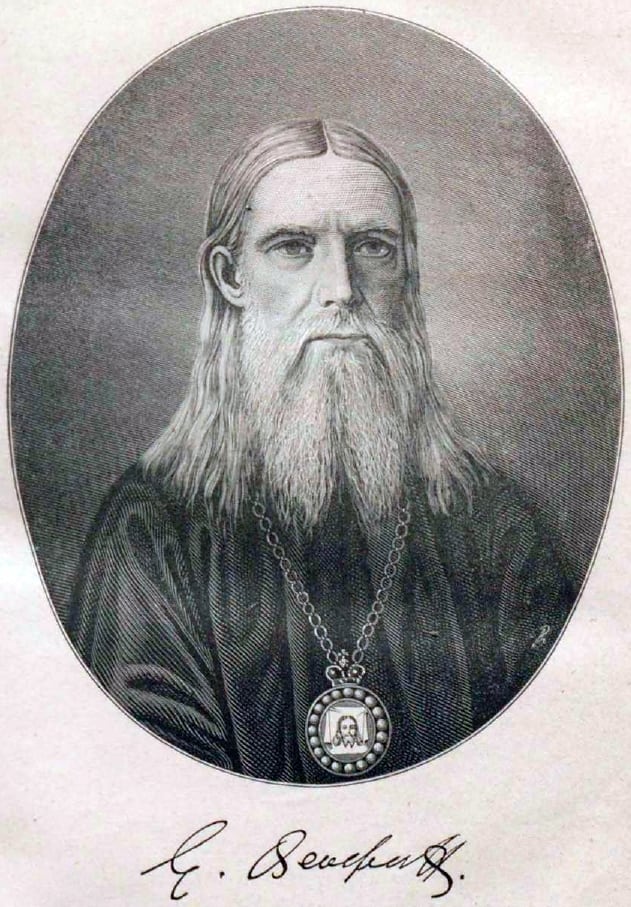
Theophan the Recluse
Совпадают в вопросах: Что происходит после смерти? · Как достигается освобождение или спасение? · Нужен ли учитель?
Ibn Arabi
Совпадают в вопросах: Что такое Абсолют? Существует ли Бог? · Что происходит после смерти? · Свободны ли мы или всё предопределено?
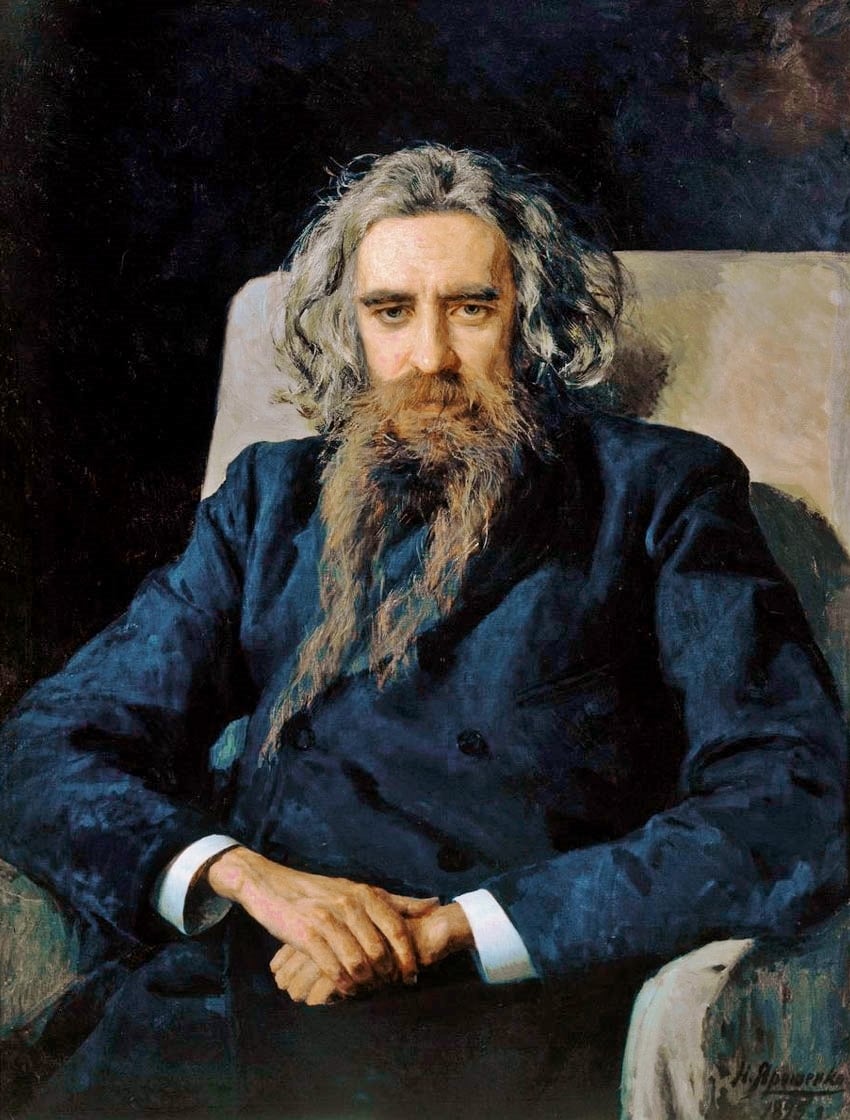
Vladimir Solovyov
Совпадают в вопросах: Что такое Абсолют? Существует ли Бог? · Что происходит после смерти? · Как достигается освобождение или спасение?

Francis of Assisi
Совпадают в вопросах: Что происходит после смерти? · Как достигается освобождение или спасение? · Нужен ли учитель?
Дальше всего от
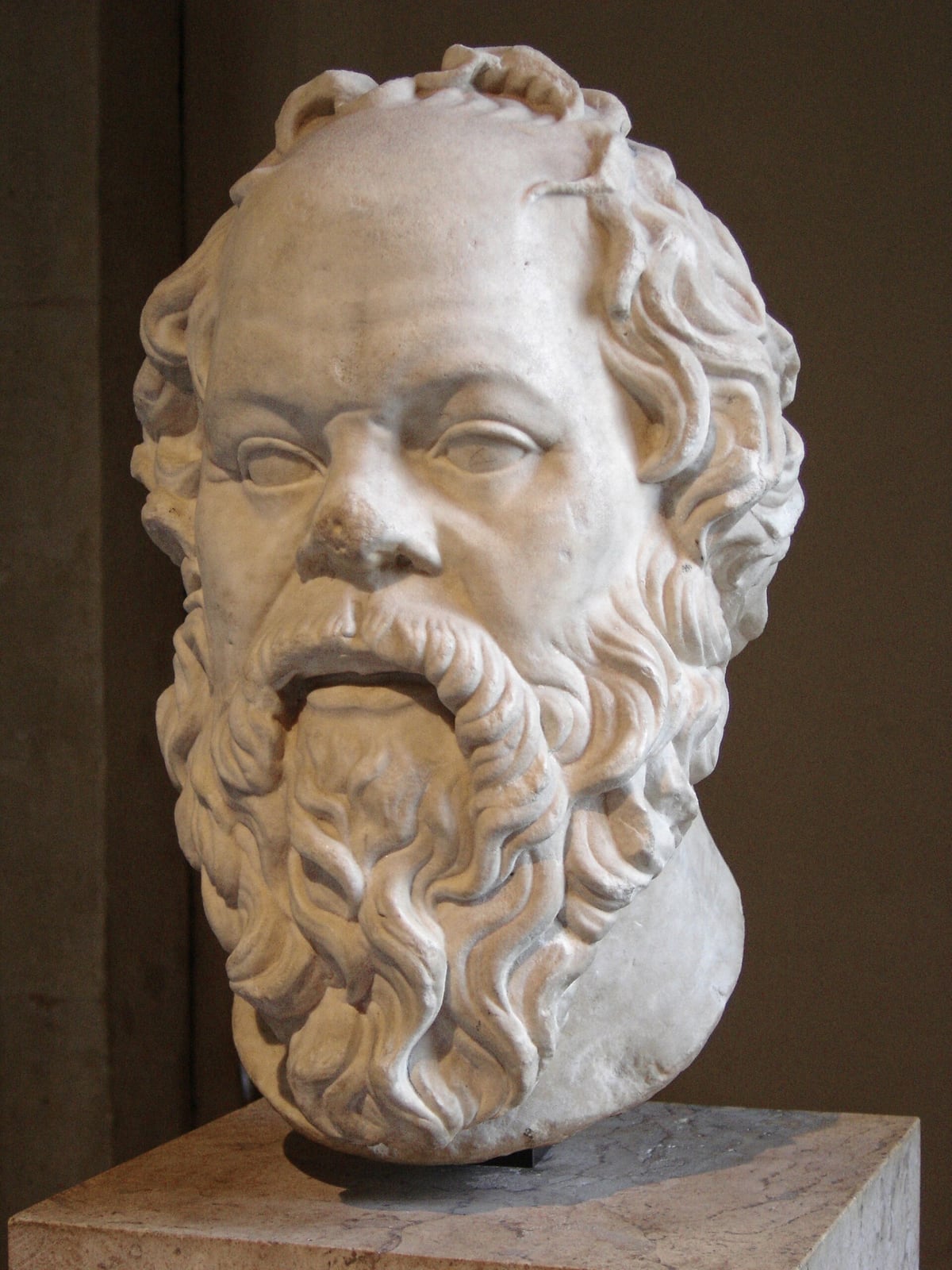
Socrates
Расходятся в вопросах: Реален ли мир?
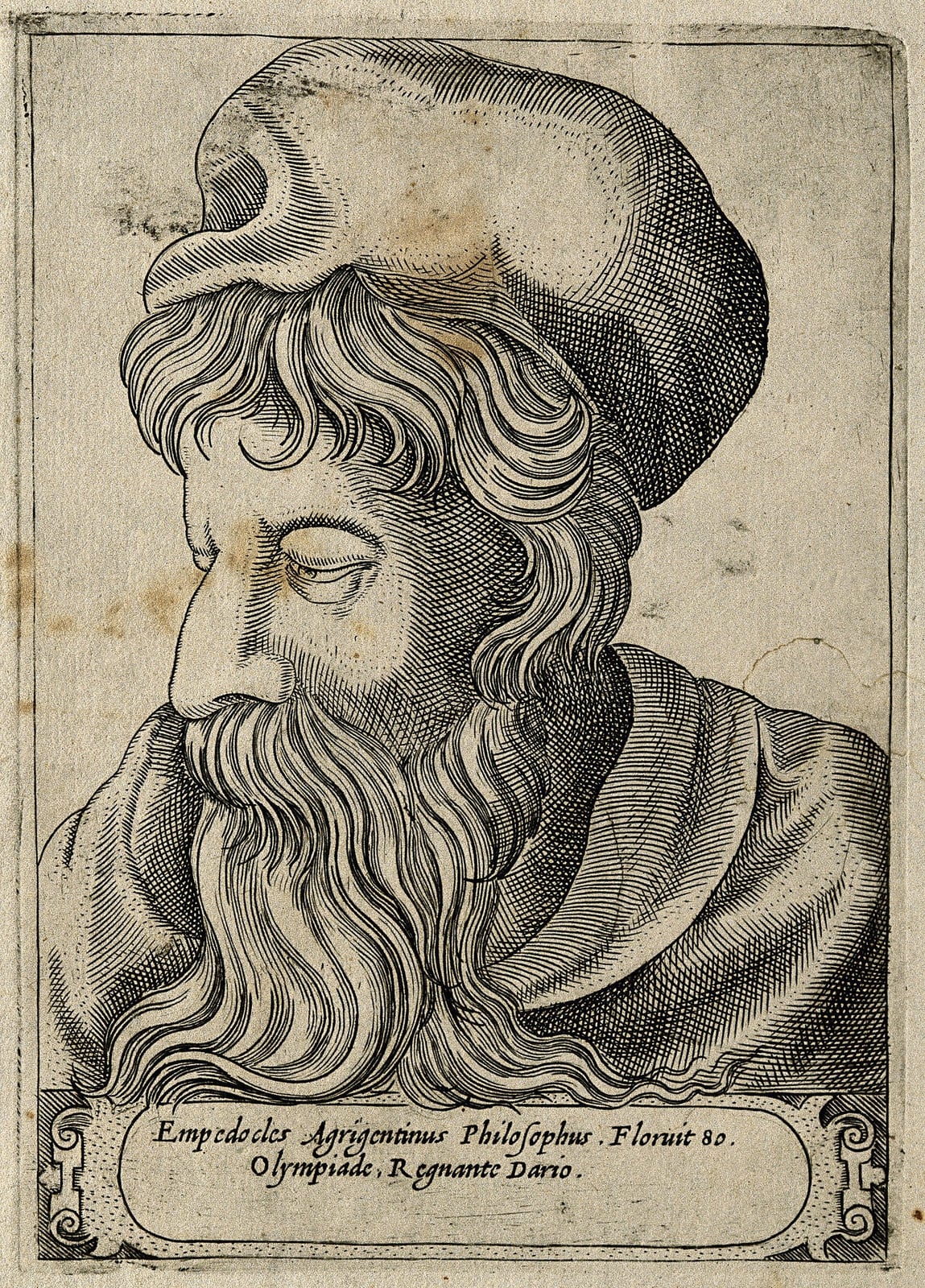
Empedocles
Расходятся в вопросах: Что происходит после смерти?
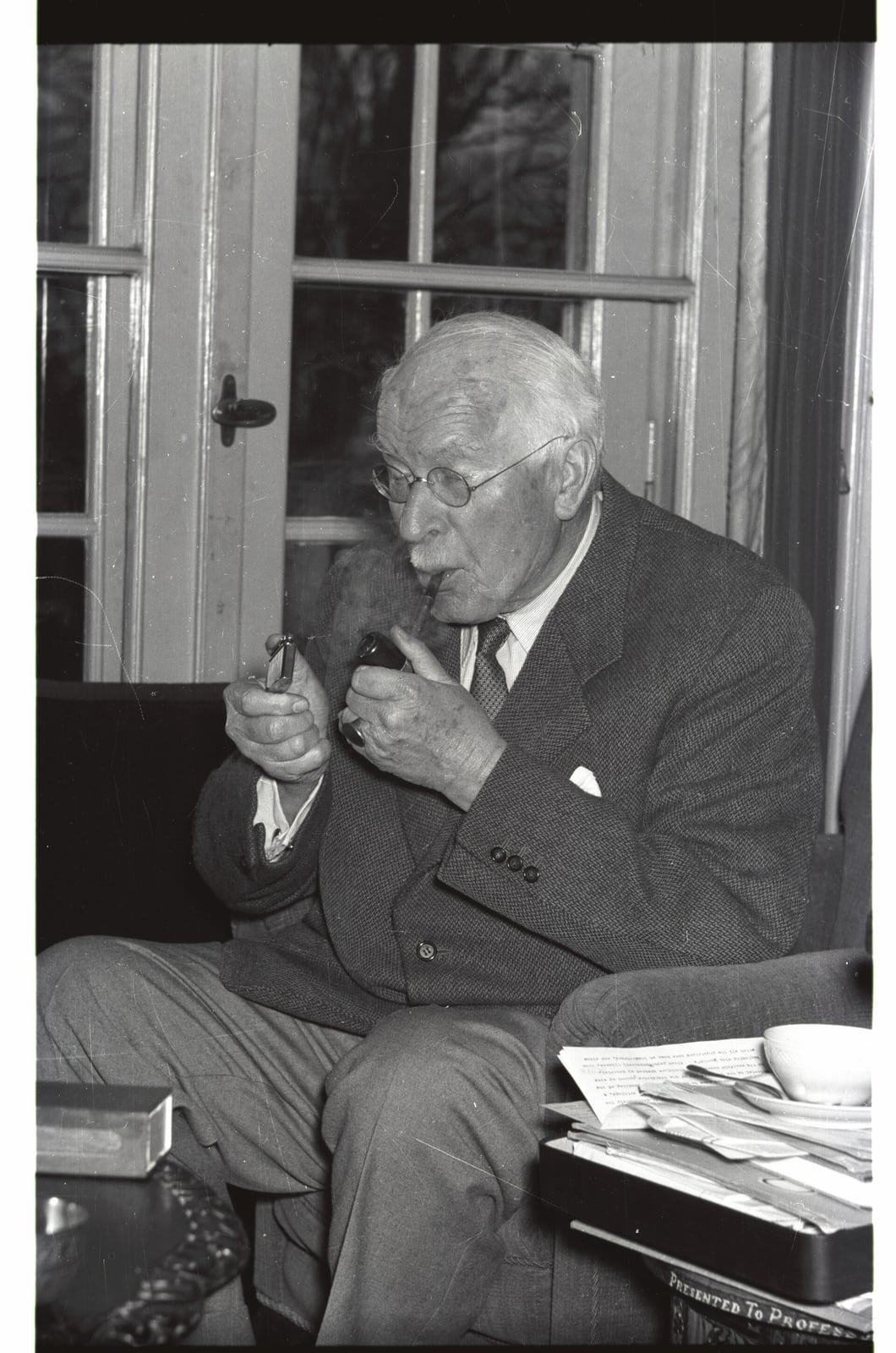
Carl Gustav Jung
Расходятся в вопросах: Что такое Абсолют? Существует ли Бог? · Почему мы страдаем? · Что происходит после смерти?
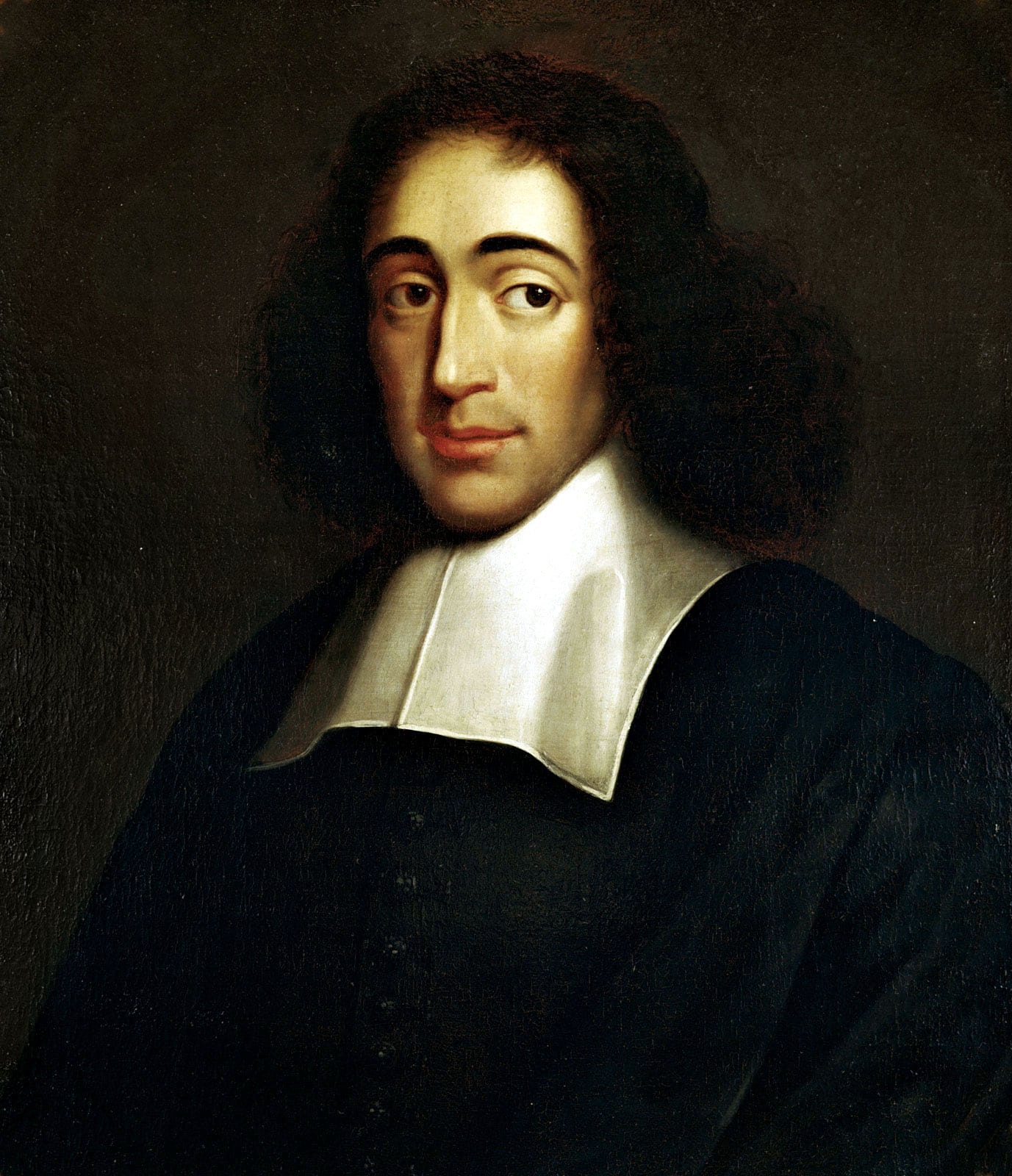
Baruch Spinoza
Расходятся в вопросах: Что такое Абсолют? Существует ли Бог? · Почему мы страдаем? · Что происходит после смерти?
Предания и рассказы
Предания и рассказы
Свидетельство1201
The dream of the ninety-fifth day
Происхождение рассказа: Eshinni's letter to her daughter Kakushinni (1263), discovered in 1921 at Nishi Honganji: testimony of his wife, who heard it from him. The Kannon verse comes from the so-called Shinran muki and Kakunyo's biography.
Источник: Dobbins, James C. Letters of the Nun Eshinni: Images of Pure Land Buddhism in Medieval Japan. Honolulu: University of Hawai'i Press, 2004. ISBN 9780824826673.
Свидетельство1214 y 1231
The interrupted thousand readings
Происхождение рассказа: Eshinni's letters (1263), written half a century later but by a direct witness.
Источник: Dobbins, James C. Letters of the Nun Eshinni: Images of Pure Land Buddhism in Medieval Japan. Honolulu: University of Hawai'i Press, 2004. ISBN 9780824826673.
Документировано1207
"Neither monk nor layman"
Происхождение рассказа: Postscript of the Kyōgyōshinshō, in Shinran's own words; the list of those executed and exiled appears in the appendix to the Tannishō.
Документировано1256
The disowning of Zenran
Происхождение рассказа: Letter of disownment (Kenchi's copy, Senju-ji) and letter to Shōshin of the same date, in the collections of Shinran's letters.
Документировано1263
Eshinni's letter to her daughter
Происхождение рассказа: Eshinni's autograph letters (Nishi Honganji), discovered in 1921 and published by Washio Kyōdō.
Источник: Dobbins, James C. Letters of the Nun Eshinni: Images of Pure Land Buddhism in Medieval Japan. Honolulu: University of Hawai'i Press, 2004. ISBN 9780824826673.
Учение
Учение
Понятия, на которых строится мысль учителя, объяснённые в их контексте.
Other Power (tariki)tariki
Kyōgyōshinshō, Yuishinshō mon'i, letters and Tannishō.
Источник: Ueda, Yoshifumi; Hirota, Dennis. Shinran: An Introduction to His Thought. Kioto: Hongwanji International Center, 1989.
True entrusting (shinjin)shinjin
Kyōgyōshinshō, third chapter (Shinjin).
The evil person as the true object of the Vow (akunin shōki)akunin-shoki
Tannishō, ch. 3; letters of the Mattōshō.
Источник: Unno, Taitetsu (trad.). Tannisho: A Shin Buddhist Classic. Honolulu: Buddhist Study Center Press, 1984 (ed. rev. 1996). ISBN 9780938474043.
Naturalness (jinen hōni)jinen-honi
Jinen hōni shō (1258), recorded by Kenchi; Yuishinshō mon'i.
Neither monk nor layman (hisō hizoku)hiso-hizoku
Postscript of the Kyōgyōshinshō.
Источник: Dobbins, James C. Jōdo Shinshū: Shin Buddhism in Medieval Japan. Bloomington: Indiana University Press, 1989 (reimpr. Honolulu: University of Hawai'i Press, 2002, ISBN 9780824826208).
The two aspects of transference: going and returning (ōsō ekō, gensō ekō)oso-genso-eko
Kyōgyōshinshō (chs. 1 and 4); Nyorai nishu ekō mon.
The truly settled (shōjōju)shojoju
Kyōgyōshinshō (chs. 3 and 4); Mattōshō, letter 1.
Видео
Видео
Записи, интервью и документальные фильмы. Видео воспроизводятся с YouTube; здесь они не хранятся.
親鸞聖人の生涯~ご誕生から入滅まで~
Документальный фильм· JA· 2024· 5 min
真宗大谷派東本願寺【公式】Официальный канал
立教開宗の書 教行信証《坂東本》の世界
Документальный фильм· JA· 2023· 36 min
真宗大谷派東本願寺【公式】Официальный канал
本廟創立と東本願寺の歴史―親鸞聖人の示寂と大谷廟堂の創建―
Документальный фильм· JA· 2021· 4 min
真宗大谷派東本願寺【公式】Официальный канал
「初めて学ぶ〈親鸞聖人のご生涯〉講座」第1回(比叡山時代の親鸞聖人)
Лекция· JA· 2025· 63 min
浄土真宗本願寺派Официальный канал
2021 Annual Symposium: The Radical Other Power of Shinran (1173-1263)
Лекция· EN· 2022· 107 min
UBC Asian StudiesОфициальный канал
Mark Blum, "Critically Reading the Tannisho", February 10, 2017
Лекция· EN· 2017· 77 min
Smith College Buddhist StudiesОфициальный канал
Mark Unno - Shin Buddhism in Interreligious Dialogue: A World of Teaching and Learning
Лекция· EN· 2010· 46 min
The University of British ColumbiaОфициальный канал
Introduction to Buddhism-Shinran ①
Лекция· EN· 2021· 22 min
American Buddhist Study Center
Shinran's Understanding of Pure Land Buddhism by Reverend Professor Kemmyo Taira Sato
Смотреть на YouTube
Это видео нельзя встроить; оно откроется на YouTube.
Shinran's Understanding of Pure Land Buddhism by Reverend Professor Kemmyo Taira Sato
Лекция· EN· 2025· 89 min
The Buddhist SocietyОфициальный канал
El Buda Amida y Su Tierra Pura y La Fe y el Nembutsu no son creados por nuestras mentes
Запись третьих лиц· ES· 2020· 14 min
Templo Internacional Amidaji de Hispanoamérica
Shinran et le bouddhisme de la Terre Pure - Sagesses bouddhistes - France 2
Документальный фильм· FR· 2022· 15 min
Inspiration- Zen
Галерея
Галерея
Изображения с проверенной лицензией. Каждое сохраняет своё авторство и атрибуцию.
Рукописи
Рукописи
Рукописные свидетельства и древние тексты, с указанием хранителя и условий доступа.
ZH · Kanji con anotaciones en katakana · Redacción iniciada hacia 1224 y corregida hasta la década de 1250
顕浄土真実教行証文類 (坂東本)
- Сохранившийся список
- Seis volúmenes con numerosas correcciones, tachaduras y hojas añadidas por el autor
- Хранитель
- Shinshū Ōtani-ha, Higashi Honganji (Kioto)
- Оцифровка
- commons.wikimedia.org/wiki/File:Kyogyoshinsho.jp…
JA · s. XIII
紙本墨画親鸞聖人像 (鏡御影)
- Сохранившийся список
- Rollo colgante, tinta sobre papel, 35,2 × 33 cm
- Хранитель
- Jōdo Shinshū Hongwanji-ha, Nishi Honganji (Kioto)
- Оцифровка
- commons.wikimedia.org/wiki/File:Shinran_Shonin.j…
JA · Kana y kanji · 1256–1268
恵信尼消息
- Сохранившийся список
- Diez cartas de Eshinni a su hija Kakushinni
- Хранитель
- Nishi Honganji (Kioto)
JA · Kanji y kana · Copia del siglo XV
歎異抄 (蓮如書写本)
- Сохранившийся список
- Manuscrito más antiguo conservado del Tannishō, con la nota de Rennyo que restringe su lectura
- Хранитель
- Nishi Honganji (Kioto)
Связи
Связи
Влияния, ученичество и близость взглядов. Документированная связь отличается от сходства, выявленного путём анализа.
Ученик
Hōnen
Shinran's teacher from 1201; Shinran regards him as the true master who revealed to him the nembutsu path and includes him among the seven patriarchs.
Документированная связь
Родственник
Eshinni
His wife; her letters to their daughter Kakushinni (1256–1268) are the main independent source on his life.
Документированная связь
Родственник
Kakushinni
His youngest daughter, who cared for him at the end of his life and founded the Ōtani mausoleum, origin of the Honganji.
Документированная связь
Родственник
Zenran
His eldest son, whom he disowned in 1256 for spreading teachings he attributed to a secret transmission from his father.
Документированная связь
Учитель
Yuien
A Kantō disciple, compiler of the Tannishō around 1288.
Документированная связь
Повлиял на
Kakunyo
Shinran's great-grandson and third custodian of the mausoleum, author of the illustrated biography (1295) and organiser of the Honganji as a school.
Документированная связь
Испытал влияние
First of the seven Pure Land patriarchs in the Shōshinge and the Kōsō wasan, for his presentation of the "easy path".
Документированная связь
Современник
Contemporaries in Kamakura-period Kyoto and founders of the two most numerous Japanese schools, with opposite paths: trust in Amida's power and seated practice. There is no record that they met.
Документированная связь
Идеи, близкие к
A distant contemporary: poverty, preaching to simple people and a movement that overflowed the religious institutions of its time. A typological comparison, without contact.
Сходство, выявленное путём анализа
Упоминается в других статьях
Источники
Источники
Библиография и каталоги, использованные для этой статьи.
- Wikidata, entidad Q512934 «Shinran» (P31=Q5; 28 enlaces entre wikis; nacimiento 1173, muerte 1263 en Kioto; firma 愚禿釋親鸞).
- Dobbins, James C. Jōdo Shinshū: Shin Buddhism in Medieval Japan. Bloomington: Indiana University Press, 1989 (reimpr. Honolulu: University of Hawai'i Press, 2002, ISBN 9780824826208).
- Dobbins, James C. Letters of the Nun Eshinni: Images of Pure Land Buddhism in Medieval Japan. Honolulu: University of Hawai'i Press, 2004. ISBN 9780824826673.
- Hirota, Dennis (dir.) et al. (trads.). The Collected Works of Shinran. 2 vols. Kioto: Jōdo Shinshū Hongwanji-ha, 1997. Edición en línea del Hongwanji.
- Bloom, Alfred. Shinran's Gospel of Pure Grace. Tucson: University of Arizona Press, 1965. ISBN 9780816504053.
- Ueda, Yoshifumi; Hirota, Dennis. Shinran: An Introduction to His Thought. Kioto: Hongwanji International Center, 1989.
- Kakunyo. Honganji Shōnin Shinran den'e (Godenshō, «Biografía ilustrada de Shinran»), 1295. Trad. inglesa en The Life of Shinran Shonin: The Journey to Self-Acceptance, de Alfred Bloom (Leiden: Brill, 1968).
- Akamatsu Toshihide. Shinran. Tokio: Yoshikawa Kōbunkan (Jinbutsu sōsho), 1961.
- «正信念仏偈», texto original de Shinran (final del capítulo de la Práctica del Kyōgyōshinshō), en Wikisource japonés, con nota sobre la variante del manuscrito autógrafo de Bandō.
- «善鸞義絶状» (carta de repudio de Zenran, 1256), texto según la copia de Kenchi conservada en el Senju-ji, en Wikisource japonés.
- Imadate, Tosui (trad.). The Tannisho (Tract on Deploring the Heterodoxies). Kioto: The Eastern Buddhist Society, 1928. Ejemplar digitalizado en Internet Archive.
- Yamabe, S.; Beck, L. Adams (trads.). Buddhist Psalms Translated from the Japanese of Shinran Shōnin. Londres: John Murray (Wisdom of the East), 1921. Project Gutenberg n.º 7015.
- Shinshū Ōtani-ha (Higashi Honganji). «親鸞聖人の生涯» (La vida de Shinran), sitio oficial.
- Unno, Taitetsu (trad.). Tannisho: A Shin Buddhist Classic. Honolulu: Buddhist Study Center Press, 1984 (ed. rev. 1996). ISBN 9780938474043.
- Suzuki, Daisetz Teitaro (trad.). The Kyōgyōshinshō. Kioto: Shinshū Ōtaniha, 1973; reed. como Shinran's Kyogyoshinsho, Nueva York: Oxford University Press, 2012. ISBN 9780199863105.
- Inagaki, Hisao (trad.). Kyōgyōshinshō: On Teaching, Practice, Faith, and Enlightenment. Berkeley: Numata Center for Buddhist Translation and Research (BDK English Tripiṭaka 105-I), 2003. ISBN 9781886439160.
- Ducor, Jérôme (trad.). Le Tannishô. Paris: Cerf (Patrimoines – Orient), 2011. ISBN 9782204093781.
- Wikipedia en japonés, «親鸞» (cronología, obras y títulos póstumos). Consultada el 25-10-2026 y contrastada con s2, s3 y s13.
- «歎異抄 (意訳聖典)», versión en japonés moderno publicada por el Honganji en Iyaku seiten (Naigai shuppan, 1923), en Wikisource japonés.
- Bandō, Shōjun; Stewart, Harold (trads.). Tannishō: Passages Deploring Deviations of Faith. Berkeley: Numata Center for Buddhist Translation and Research, 1996. ISBN 9781886439030.
- Правообладатель
- Obra en dominio público. Las traducciones modernas pertenecen a sus traductores o editoriales; la traducción inglesa completa (The Collected Works of Shinran, 1997) es del Jōdo Shinshū Hongwanji-ha, que la ofrece gratuitamente en línea.
- Официальный сайт
- www.higashihonganji.or.jp/about/shinran/
Ожидает подтверждения
То, что в этой статье пока не удалось установить. Мы предпочитаем сказать об этом, а не заполнять пробел.
- Ediciones en español: no se ha localizado en catálogos (Open Library, búsquedas generales) ninguna traducción española publicada con ISBN del Kyōgyōshinshō ni del Tannishō; existen versiones de comunidades jōdo shinshū hispanohablantes sin datos editoriales comprobados y una traducción española de «Las canciones de Shinran Shōnin» de Beatrice Lane Suzuki en Internet Archive sin traductor identificado (no incluida en la sala de lectura). Buscar en la BNE y en el Hongwanji International Center.
- Fechas en calendario juliano (14-05-1173 y 09-01-1263, como Wikidata); la escuela celebra el 21 de mayo y el 16 de enero, equivalentes en gregoriano proléptico.
- Datación de obras menores aproximada (Jōdo monrui jushō, Nyūshutsu nimon geju, Nyorai nishu ekō mon, Mida nyorai myōgō toku, notas a los sutras); confirmar con la cronología de la edición Teihon Shinran Shōnin zenshū.
- Sala de lectura: no hay en línea un texto original completo del Kyōgyōshinshō ni del Tannishō en una fuente libre de derechos editoriales comprobada (WikiArc reproduce la edición anotada del Hongwanji). Se registran el Shōshinge, la carta a Zenran, la versión de 1923 del Tannishō, la traducción inglesa de Imadate (1928) y Buddhist Psalms (1921).
- Confirmar la condición de Bien Cultural Importante de las cartas de Eshinni y la autoría tradicional del «retrato del espejo» (Sen'amidabutsu).
- Relaciones con slugs no presentes en el catálogo del Atlas (honen, eshinni, kakushinni, zenran, yuien, kakunyo): revisar si se crean fichas.
- Vídeos: la conferencia de Kemmyo Taira Sato (The Buddhist Society) no es insertable (oEmbed 401); la emisión de France 2 procede de un canal de terceros.
Исследовано 2026-10-25