ईसाई धर्म · ईसाई रहस्यवाद · कैथोलिक धर्म · नवप्लेटोवाद
Meister Eckhart
लगभग 1260 – 1328ऐतिहासिक रूप से प्रमाणित व्यक्ति
थ्यूरिंगिया के डोमिनिकन संन्यासी (लगभग 1260–1328), जो दो बार पेरिस में धर्मशास्त्र के आचार्य रहे, सैक्सनी के प्रांताध्यक्ष थे और स्ट्रासबर्ग तथा कोलोन में प्रवचन देते थे। उन्होंने लातीनी में एक अधूरी स्कोलास्टिक कृति लिखी — "त्रिखंडीय ग्रंथ", बाइबिल-टीकाएँ, प्रवचन — और जर्मन में आत्मा के तल, अनासक्ति और आत्मा में ईश्वर के जन्म पर प्रवचन दिए, जिससे जर्मन भाषा की अमूर्त शब्दावली गढ़ी गई। कोलोन के आर्चबिशप ने उन पर मुक़दमा चलाया, और "इन आग्रो दोमिनिको" (1329) द्वारा उनकी कृतियों से लिए गए अट्ठाईस कथनों की निंदा से पहले ही उनकी मृत्यु हो गई।
- कृतियाँ
- 37कृतियाँ
- संस्करण
- 112संस्करण
- उद्धरण
- 9उद्धरण
- वीडियो
- 12वीडियो
- चित्र
- 6चित्र

Fraile dominico identificado tradicionalmente con Eckhart (Andrea di Bonaiuto, Via Veritatis) · CC BY-SA 4.0
उनके अपने शब्दों में
«Here God's ground is my ground and my ground is God's ground.»Sermón alemán 5b, «In hoc apparuit caritas dei» (DW I)

शुरुआत के लिए एक रचना
Talks of Instruction (Counsels on Discernment)मूल विचार
The ground (grunt): 'Grunt' is the word Eckhart uses for what is innermost in the soul and, at the same time, innermost in God, and his boldest thesis is that the two grounds coincide: 'here God's ground is my ground and my ground God's ground' (Sermon 5b).
संदर्भ में देखें
जीवनी
6 मिनट का पाठ
स्पैनिश मूल से सहायता-प्राप्त अनुवाद, मातृभाषी अनुवादक द्वारा समीक्षा लंबित।
थ्यूरिंगिया का एक संन्यासी
एकहार्ट का जन्म लगभग 1260 में थ्यूरिंगिया में, गोथा के निकट ताम्बाख़ या होख़हाइम में हुआ; उनके परिवार या बचपन के विषय में कुछ भी निश्चित ज्ञात नहीं है। युवावस्था में ही वे एरफ़र्ट के डोमिनिकन मठ में प्रविष्ट हुए और धर्मसंघ के अध्ययन-केंद्रों में शिक्षा पाई — संभवतः कोलोन में, जहाँ महान अल्बर्ट की विरासत तब भी प्रबल थी, और फिर पेरिस में। उनका ज्ञात जीवन उपदेशक धर्मसंघ के एक बुद्धिजीवी का जीवन है: अध्ययन, प्रशासनिक दायित्व और प्रवचन — इसी क्रम में, और प्रायः एक साथ।
1293–1294 में उन्होंने पेरिस में पीटर लोम्बार्ड के "सेंटेंसेज़" पर व्याख्यान दिए; उन महीनों से एक उद्घाटन-व्याख्यान और ईस्टर का एक प्रवचन बचा है। थ्यूरिंगिया लौटकर वे एरफ़र्ट के प्रायर और उस क्षेत्र के विकार बने। वहाँ उन्होंने नौसिखियों को कुछ वार्ताएँ दीं, जो "आध्यात्मिक निर्देश" (Die rede der underscheidunge) के नाम से लिपिबद्ध हुईं: मनुष्य को इसकी उतनी चिंता नहीं करनी चाहिए कि वह क्या करता है, जितनी इसकी कि वह क्या है; कर्म मनुष्य को पवित्र नहीं बनाते, मनुष्य कर्मों को पवित्र बनाता है।
पेरिस में आचार्य
1302 में उन्हें पेरिस में धर्मशास्त्र की वह पीठ मिली जो विदेशी डोमिनिकनों के लिए आरक्षित थी, और उसके साथ "मजिस्टर" की उपाधि, जो फिर कभी उनसे अलग नहीं हुई: "माइस्टर", अर्थात् आचार्य। उस शैक्षिक वर्ष के शास्त्रार्थ-प्रश्नों में उन्होंने टॉमस एक्विनास की प्रचलित व्याख्या के विरुद्ध यह मत रखा कि ईश्वर में बोध (ज्ञान) सत्ता से भी अधिक मूलभूत है, और फ़्रांसिस्कन गोन्साल्वुस हिस्पानुस (स्पेन के गोन्साल्वो) से इस पर बहस की कि प्रधानता बुद्धि की है या संकल्प की।
1303 से 1311 तक वे सैक्सनी के नए डोमिनिकन प्रांत के पहले प्रांताध्यक्ष रहे, जो नीदरलैंड से लिवोनिया तक फैला था, और 1307 में बोहेमिया के महाविकार बने। 1311 में धर्मसंघ ने उन्हें दूसरी बार पेरिस भेजा — यह सम्मान उनसे पहले केवल टॉमस एक्विनास को मिला था। इन्हीं वर्षों से "त्रिखंडीय ग्रंथ" (Opus tripartitum) की परियोजना आती है — प्रस्थापनाओं का एक ग्रंथ, प्रश्नों का एक और व्याख्याओं का एक — जो प्रस्तावनाओं, उत्पत्ति, निर्गमन, प्रज्ञा-ग्रंथ और योहन के सुसमाचार की टीकाओं तथा लातीनी प्रवचनों तक ही सीमित रह गई। उसकी सामान्य प्रस्तावना वह प्रतिज्ञा घोषित करती है जो सब कुछ व्यवस्थित करती है: "सत्ता ही ईश्वर है।"
स्ट्रासबर्ग और कोलोन के प्रवचनकार
लगभग 1313 में वे धर्मसंघ के महाध्यक्ष के विकार के रूप में स्ट्रासबर्ग में बस गए, इस दायित्व के साथ कि ऊपरी राइन क्षेत्र के अनेक डोमिनिकन धर्मबहनों के मठों और बेगिन समुदायों की देखरेख करें। उन्हीं के लिए उन्होंने जर्मन भाषा में प्रवचन दिए। श्रोताओं द्वारा लिपिबद्ध और सैकड़ों पांडुलिपियों में प्रतिलिपित उनके प्रवचन उनकी ख्याति का केंद्र हैं: आलोचनात्मक संस्करण आज उनमें से सौ से अधिक को प्रामाणिक मानता है, जिन्हें योज़ेफ़ क्विंट और गेओर्ग श्टेयर ने क्रमांकित किया है, और उनके साथ छप्पन लातीनी प्रवचन भी।
कोई भी जर्मन प्रवचन उनके अपने हाथ का लिखा नहीं बचा है। हम उन्हें श्रोताओं — प्रायः धर्मबहनों — की प्रतियों से जानते हैं, जो बिना नाम के या अन्य प्रवचनकारों के पाठों के साथ मिली-जुली प्रचलित रहीं; "पारादीसुस आनिमे इंतेल्लिजेंतिस" जैसे संग्रह उनकी रचनाओं को अन्य डोमिनिकनों की रचनाओं के साथ एकत्र करते हैं। प्रामाणिक को क्षेपक से अलग करने के लिए योज़ेफ़ क्विंट ने कोलोन के मुक़दमे और स्वयं एकहार्ट के प्रतिवाद में उद्धृत अंशों को आरंभ-बिंदु बनाया, जो उनके लेखकत्व की गारंटी देते हैं, और फिर उन्हीं के आधार पर सिद्धांत और शैली की समानताओं को परखा। इसीलिए क्विंट की क्रम-संख्या एकहार्ट को उद्धृत करने की मानक पद्धति बन गई है, और इसीलिए उन्नीसवीं सदी में उनके नाम से जोड़ी गई कुछ रचनाएँ, जैसे "बहन कैथरीन" वाला प्रबंध, उनकी कृतियों से बाहर हो गई हैं।
इन प्रवचनों में कुछ थोड़े-से विचार अभूतपूर्व शाब्दिक साहस के साथ बार-बार लौटते हैं: आत्मा में एक "तल" या एक अनुत्पन्न "चिंगारी" है, जहाँ पिता अपने पुत्र को निरंतर जन्म देता है; इस जन्म के घटित होने के लिए हर बिंब से, हर इच्छा से, और ईश्वर की उस छवि से भी जो हम अपने मन में बनाते हैं, "अनासक्त" होना आवश्यक है; ईश्वर से परे "ईश्वरत्व" है — एक मौन मरुस्थल, जहाँ कोई भेद नहीं। यह सब कहते हुए एकहार्ट ने जर्मन भाषा की अमूर्त शब्दावली के एक बड़े हिस्से की रचना की।
विधवा रानी हंगरी की आग्नेस के लिए उन्होंने "दैवी सांत्वना की पुस्तक" लिखी, जिसके साथ "कुलीन मनुष्य के विषय में" नामक प्रवचन है, जो हर क्षति की सांत्वना ईश्वर में पाना सिखाता है। "अनासक्ति के विषय में" नामक प्रबंध, जो अनासक्ति को प्रेम और विनम्रता से भी ऊपर रखता है, प्राचीन काल से उनका माना जाता है, यद्यपि उसकी प्रामाणिकता विवादित है।
मुक़दमा
लगभग 1323 में धर्मसंघ ने उन्हें कोलोन के सामान्य अध्ययन-केंद्र में स्थानांतरित किया। 1326 में आर्चबिशप हाइनरिख़ फ़ॉन फ़िर्नेबुर्ग ने — जो "मुक्त आत्मा" के आंदोलनों से चिंतित थे और डोमिनिकनों से उनका विरोध था — उनकी पुस्तकों और प्रवचनों से निकाले गए कथनों की सूचियों के आधार पर उनके विरुद्ध धर्म-न्यायिक जाँच (इन्क्विज़िशन) आरंभ की। एकहार्ट ने एक सूक्ष्म प्रतिवाद से उत्तर दिया, जिसमें वे भूल करने और विधर्मी होने में भेद करते हैं: वे लिखते हैं कि वे भूल कर सकते हैं, पर विधर्मी नहीं हो सकते, क्योंकि पहली बात बुद्धि से संबंधित है और दूसरी संकल्प से।
जनवरी 1327 में उन्होंने पोप के समक्ष अपील की; 13 फ़रवरी को उन्होंने कोलोन के डोमिनिकन गिरजाघर में अपनी धर्मनिष्ठा की एक सार्वजनिक घोषणा पढ़वाई, जिसे नोटरी ने दर्ज किया, और अविन्यों की यात्रा की। वहाँ एक पोप-आयोग ने आरोपों को अट्ठाईस धाराओं तक सीमित कर दिया। एकहार्ट की मृत्यु 30 अप्रैल 1328 से पहले हो चुकी थी — इसी तिथि को पोप जॉन बाईसवें ने आर्चबिशप को लिखा कि मुक़दमा अपनी गति से चल रहा है; उनकी मृत्यु का न दिन ज्ञात है, न ठीक-ठीक स्थान।
27 मार्च 1329 को पोप-आदेश (बुल्ला) "इन आग्रो दोमिनिको" ने सत्रह धाराओं को विधर्मी और शेष ग्यारह को "कर्णकटु" तथा संदिग्ध घोषित किया, और यह जोड़ा कि एकहार्ट ने अपने जीवन के अंत में वह सब वापस ले लिया था जो विश्वासियों के मन में विधर्मी अर्थ उत्पन्न कर सकता था। यह आदेश केवल कोलोन के कलीसियाई प्रांत में प्रकाशित हुआ और इसमें उनके व्यक्तित्व की निंदा नहीं की गई थी।
एक भूमिगत उत्तरजीवन
उनके शिष्य योहानेस टाउलर और हाइनरिख़ ज़ॉयज़े ने सावधानी के साथ उनकी शिक्षा को आगे बढ़ाया, और अनेक प्रवचन बिना नाम के या दूसरों के नाम से प्रचलित रहे। कूसा के निकोलस ने उनकी लातीनी रचनाओं की प्रतियाँ बनवाईं और 1449 में उनका बचाव किया, यद्यपि यह भी कहा कि उन्हें जनसाधारण के हाथों में न दिया जाए। इन्हीं धाराओं से, और टाउलर के अनुवादों के माध्यम से, राइन-क्षेत्र का रहस्यवाद पंद्रहवीं और सोलहवीं सदी की यूरोपीय आध्यात्मिकता तक पहुँचा।
उन्नीसवीं सदी में फ़्रांत्स फ़ॉन बाडर और हेगेल ने उन्हें फिर से खोजा; फ़्रांत्स फ़ाइफ़र ने 1857 में जर्मन पाठ संपादित किए और हाइनरिख़ डेनिफ़्ले ने 1886 में लातीनी रचनाएँ खोजीं, जिनके कारण उन्हें एक स्कोलास्टिक धर्मशास्त्री के रूप में पढ़ना अनिवार्य हो गया। राष्ट्रीय समाजवाद (नात्सीवाद) ने उन्हें एक जर्मनिक रहस्यवादी के रूप में हथियाना चाहा; 1936 में आरंभ हुए आलोचनात्मक संस्करण और बाद के शोध ने उन्हें डोमिनिकन और नव-प्लेटोवादी परंपरा के भीतर उनका स्थान लौटाया।
जब से रूडोल्फ़ ओटो ने 1926 में उनकी तुलना शंकराचार्य से की, एकहार्ट वेदांत और ज़ेन बौद्ध धर्म के साथ संवाद में एक विशेष संवादी बन गए हैं — सुज़ुकी से लेकर क्योतो संप्रदाय तक। यह ग्रहण फलदायी रहा है, किंतु कुर्ट फ़्लाश जैसे इतिहासकार ऐसे एकहार्ट के प्रति सचेत करते हैं जो अपने संदर्भ से कटा हुआ हो: वे एक स्कोलास्टिक आचार्य थे, जो अपने युग के दर्शन के उपकरणों से मसीह और धर्मग्रंथ की बात करते थे।
स्रोत: Meister Eckhart. Die deutschen und lateinischen Werke. Herausgegeben im Auftrage der Deutschen Forschungsgemeinschaft. Stuttgart: W. Kohlhammer, 1936– (Die deutschen Werke, ed. Josef Quint y Georg Steer; Die lateinischen Werke, ed. Konrad Weiß, Josef Koch, Loris Sturlese et al.). · McGinn, Bernard. The Mystical Thought of Meister Eckhart: The Man from Whom God Hid Nothing. Nueva York: Crossroad, 2001. · Ruh, Kurt. Meister Eckhart: Theologe, Prediger, Mystiker. Múnich: C. H. Beck, 1985 (2.ª ed. 1989). · Flasch, Kurt. Meister Eckhart: Philosoph des Christentums. Múnich: C. H. Beck, 2010. Trad. ingl.: Meister Eckhart: Philosopher of Christianity. New Haven: Yale University Press, 2015. · Meister Eckhart. The Essential Sermons, Commentaries, Treatises, and Defense. Trad. e introd. de Edmund Colledge y Bernard McGinn. Nueva York: Paulist Press, 1981 (Classics of Western Spirituality; ISBN 0809123703).
कालक्रम
जीवन, वर्ष-दर-वर्ष
प्रत्येक बिंदु एक प्रमाणित घटना है। उसे स्रोत और निश्चितता के स्तर सहित पढ़ने के लिए क्लिक करें।
लगभग 12600 वर्षTambach o Hochheim (Turingia)
Birth
He is born in Thuringia, near Gotha. Neither the exact date nor his family is known.
संभावितRuh, Kurt. Meister Eckhart: Theologe, Prediger, Mystiker. Múnich: C. H. Beck, 1985 (2.ª ed. 1989).
उनके निधन के बाद
- 27 मार्च 1329Bull In agro dominico
- 1449Defence by Nicholas of Cusa
- 1857Pfeiffer's edition
- 1886Discovery of the Latin works
- 1936The critical edition begins
लगभग 1260 · 0 वर्ष
Birth
He is born in Thuringia, near Gotha. Neither the exact date nor his family is known.
संभावित
लगभग 1275 · 15 वर्ष
Joins the Dominicans
He enters the Dominican convent of Erfurt; the date is an estimate.
संभावित
लगभग 1293 · 33 वर्ष
Lecturer on the Sentences
He lectures on the Sentences in Paris (1293–1294); the inaugural Collatio and the Easter Sermon of 1294 survive.
प्रमाणित
लगभग 1294 · 34 वर्ष
Prior of Erfurt
Prior of Erfurt and vicar of Thuringia (until c. 1298); he delivers the Talks of Instruction.
प्रमाणित
1302 · 42 वर्ष
Master of theology
He holds the Dominican chair for foreigners (1302–1303); Parisian Questions.
प्रमाणित
1303 · 43 वर्ष
Provincial of Saxony
First provincial of the new Dominican province of Saxony (1303–1311).
प्रमाणित
1307 · 47 वर्ष
Vicar general of Bohemia
The general chapter entrusts him with reforming the convents of Bohemia.
प्रमाणित
1311 · 51 वर्ष
Second regency in Paris
He teaches in Paris again (1311–1313), a privilege previously held only by Thomas Aquinas.
प्रमाणित
लगभग 1313 · 53 वर्ष
Vicar in Strasbourg
Vicar of the master general with care of the Dominican nuns and beguines of the Upper Rhine; the period of the great German sermons.
संभावित
लगभग 1323 · 63 वर्ष
Studium generale in Cologne
He teaches and preaches in Cologne.
संभावित
1326 · 66 वर्ष
The trial begins
Archbishop Henry of Virneburg opens an inquisitorial process; Eckhart writes his defence.
प्रमाणित
24 जनवरी 1327 · 67 वर्ष
Appeal to the pope
Eckhart appeals to the Holy See against the archbishop's commissioners.
प्रमाणित
13 फ़रवरी 1327 · 67 वर्ष
Public declaration
He has a protestation of orthodoxy read, recorded in a notarial instrument (now in the Vatican Archives), and leaves for Avignon.
प्रमाणित
1328 · 68 वर्ष
Death
He dies before 30 April 1328, when John XXII writes to the archbishop referring to him as deceased.
प्रमाणित
27 मार्च 1329
Bull In agro dominico
John XXII condemns twenty-eight articles: seventeen heretical and eleven evil-sounding or suspect.
प्रमाणित
1449
Defence by Nicholas of Cusa
In the Apologia doctae ignorantiae Cusanus defends Eckhart; his library preserves the main codex of the Latin works.
प्रमाणित
1857
Pfeiffer's edition
Franz Pfeiffer publishes the German texts attributed to Eckhart, the basis of his rediscovery.
प्रमाणित
1886
Discovery of the Latin works
Heinrich Denifle publishes the Latin works found in Erfurt and in Cusanus's library.
प्रमाणित
1936
The critical edition begins
The Deutsche Forschungsgemeinschaft begins Die deutschen und lateinischen Werke (Kohlhammer).
प्रमाणित
कृतियाँ
आवश्यक कृतियाँ
वे कृतियाँ जिनके बिना उनकी विरासत को समझा नहीं जा सकता।
लिखित कृति · लगभग 1296
Talks of Instruction (Counsels on Discernment)
Die rede der underscheidunge
Twenty-three chapters of practical spiritual direction on true obedience, prayer, detachment from one's own will, the Eucharist, sins and how to work without losing God. They contain the maxim that what one does matters less than what one is. It is Eckhart's earliest German work.
5 संस्करण
लिखित कृति · लगभग 1318
The Book of Divine Consolation
Daz buoch der götlîchen træstunge (Liber Benedictus I)
A treatise of consolation in three parts: truths about the relation between the just man and justice, some thirty grounds of comfort in loss, and examples of sages and saints. It teaches that whoever suffers with God and for God finds that God suffers with him, and that accepted suffering becomes sweet.
6 संस्करण
लिखित कृति · लगभग 1320
On Detachment
Von abegescheidenheit
A short treatise that places detachment above love, humility and mercy, because it compels God to come into the soul: a detached heart is a blank tablet on which God writes. Its image of the door swinging on its motionless hinge is among the most quoted in German mysticism.
6 संस्करण
परवर्ती संकलन · लगभग 1320
German Sermons (complete corpus)
Predigten (deutsche Predigten)
More than a hundred sermons preached mainly to nuns and beguines, commenting on the Gospel or Epistle of the day. In them the theses for which Eckhart is known are formulated: the birth of the Son in the ground of the soul, the uncreated spark, poverty of spirit, the Godhead beyond God. Their language, at once popular and abstract, is a landmark of German prose.
10 संस्करण
लिखित कृति
German Sermon 5b: 'In hoc apparuit caritas dei in nobis'
Predigt 5b: «In hoc apparuit caritas dei in nobis»
A sermon on the incarnation and the ground: God became man so that man might be born as son, and 'here God's ground is my ground and my ground God's ground'. It asks for a life 'without why', lived from one's own ground. A manuscript fragment discovered in 2010 is one of its oldest witnesses.
4 संस्करण
लिखित कृति
German Sermon 52: 'Beati pauperes spiritu'
Predigt 52: «Beati pauperes spiritu»
The sermon on poverty: poor is the one who wills nothing, knows nothing and has nothing, not even a place in which God could work. It contains the prayer that God rid us of 'God' and the evocation of the state in which man was before he was created. It is his most commented sermon.
5 संस्करण
लिखित कृति
German Sermon 86: 'Intravit Iesus in quoddam castellum'
Predigt 86: «Intravit Iesus in quoddam castellum»
It reverses the traditional reading of Martha and Mary: Martha, mature and active, knows how to work from the ground without losing God, while Mary is still learning. It is Eckhart's key text on the union of contemplation and action.
4 संस्करण
संपूर्ण कृतित्व (37)
Meister Eckhart
Inaugural Lecture on the Sentences
The Conscious LibraryInaugural Lecture on the Sentences
1293
Meister Eckhart
Easter Sermon (Paris, 1294)
The Conscious LibraryEaster Sermon (Paris, 1294)
1294
Meister Eckhart
Treatise on the Lord's Prayer
The Conscious LibraryTreatise on the Lord's Prayer
1294
Meister Eckhart
Sermon on the Feast of Saint Augustine (Paris)
The Conscious LibrarySermon on the Feast of Saint Augustine (Paris)
1302

Parisian Questions
1302
Tripartite Work (prologues)
1311

Commentary on the Book of Genesis
1314
Book of the Parables of Genesis
1314

Commentary on the Book of Exodus
1314
Sermons and Lectures on Ecclesiasticus 24
1314
Commentary on the Book of Wisdom
1314
Commentary on the Gospel of John
1320
Latin Sermons
1320
Defence (Reply to the Cologne charges)
1326
On the Noble Man
1318
German Sermon 1: 'Intravit Iesus in templum'
German Sermon 2: 'Intravit Iesus in quoddam castellum'
German Sermon 6: 'Iusti vivent in aeternum'
German Sermon 9: 'Quasi stella matutina'
German Sermon 12: 'Qui audit me'
German Sermon 22: 'Ave, gratia plena'
German Sermon 48: 'Ein meister sprichet: alliu glîchiu dinc minnent sich'
German Sermon 71: 'Surrexit autem Saulus de terra'
German Sermon 83: 'Renovamini spiritu'
वचन
किसी निश्चित कृति में स्थित वचन। प्रत्येक के साथ उसका स्रोत और विश्वसनीयता का स्तर है।
Here God's ground is my ground and my ground is God's ground.Hie ist gotes grunt mîn grunt und mîn grunt gotes grunt.
सत्यापितSermón alemán 5b, «In hoc apparuit caritas dei» (DW I)
अप्रामाणिक या विवादित आरोपण वाले उद्धरण (2)
«If the only prayer you ever say in your entire life is thank you, it will be enough.»
A widely circulated English quotation not found in the German or Latin works of the critical edition. It appears to be a modern paraphrase; its first appearance has not been located.
«What we plant in the soil of contemplation, we shall reap in the harvest of action.»
Attributed to Eckhart in modern compilations without reference to any sermon or treatise. The idea recalls Sermon 86 on Martha and Mary, but the sentence is not in it.
अंतिम शब्द
उनके अंतिम शब्दों का कोई सत्यापन-योग्य अभिलेख उपलब्ध नहीं है।
No account of his death survives. It is known only that he died before 30 April 1328, probably in Avignon or on the road, while the process was still open. The bull In agro dominico (1329) states that at the end of his life he revoked and deplored the articles he had admitted teaching 'insofar as they could generate a heretical sense in the minds of the faithful', but that is a legal formula, not last words.
स्रोत: Juan XXII. Bula «In agro dominico», Aviñón, 27 de marzo de 1329. Texto en Denzinger–Hünermann, Enchiridion symbolorum, n.os 950–980; trad. ingl. en Colledge y McGinn (1981), 77–81.
पूछें
उनकी कृतियाँ क्या उत्तर देती हैं
मानवता के बारह महान प्रश्न और उनके ग्रंथ उनका जो उत्तर देने देते हैं, संदर्भों सहित। हम कभी उनके मुख में अपने शब्द नहीं रखते।
परम सत्य क्या है? क्या ईश्वर है?
Beyond the God of three Persons lies the modeless Godhead
साकार भी, निराकार भीस्पष्ट रूप से कहा है
Eckhart affirms the Trinitarian faith without reservation and, in his Latin works, identifies God with being itself («being is God», prologue to the Tripartite Work) and, in the Parisian Questions, with understanding. But in the German sermons he distinguishes between God, who is spoken in Persons, acts and is named by creatures, and the Godhead (gotheit), a desert ground without mode in which there is no distinction. Hence in sermon 52 he prays that God rid us of «God», that is, of the image of God as an object, and in sermon 83 he proposes loving him as a non-God, a non-spirit, a non-person. Both levels are true: the personal God is the Godhead as manifested; the Godhead is that same God in his ground, which no name reaches.
इस प्रश्न की अन्य गुरुओं से तुलना करेंमैं कौन हूँ? क्या कोई सच्चा आत्म है?
In the ground of the soul, God's ground and mine are one
आत्मन् ही ब्रह्म हैस्पष्ट रूप से कहा है
Eckhart distinguishes in the soul its powers, which deal with images and creatures, and a ground (grunt), a spark or «little castle» so simple that not even God as Persons can peer into it (sermon 2). In that ground, he says in sermon 5b, God's ground is my ground and my ground is God's; there the Father begets his Son, and the eye in which I see God is the same eye in which God sees me (sermon 12). Sermon 52 even evokes the state in which man was in God before being created. The true self is not the one who owns, knows and wills, but the one who, detached, coincides with the divine ground.
इस प्रश्न की अन्य गुरुओं से तुलना करेंहम दुःख क्यों भोगते हैं?
All sorrow springs from love of what is lost
तृष्णा और आसक्तिस्पष्ट रूप से कहा है
In the Book of Divine Consolation, written for a grieving queen, Eckhart diagnoses suffering with precision: all sorrow comes from love of what loss takes from us. Whoever grieves over outward goods shows that their heart was set on them and not on God. The remedy is detachment: the soul that wills nothing of its own, that has left its will in God's, cannot be wounded in what is essential, because nothing it loses was its own. Eckhart adds a theological consolation: whoever suffers for God and in God does not suffer alone, because God suffers with him, and so pain loses its bitterness.
इस प्रश्न की अन्य गुरुओं से तुलना करेंमृत्यु के बाद क्या होता है?
The just live in eternity, which is a timeless now
अनंत जीवन और पुनरुत्थानस्पष्ट रूप से कहा है
Eckhart shares the faith in eternal life, but shifts the emphasis from afterwards to now. In sermon 6, on the verse «the just shall live for ever», he explains that the just man, as just, is begotten by justice and lives in it as the Son in the Father; this life does not begin after death, because eternity is a now that knows no before or after. The sermons on the eternal birth place in that same now the birth of the Son in the ground of the soul. The death that matters is the death of attachment and of self-will; whoever has died to himself already shares, in the ground, in the life that does not end.
इस प्रश्न की अन्य गुरुओं से तुलना करेंमुक्ति या उद्धार कैसे प्राप्त होता है?
Whoever seeks God by a way keeps the way and loses God
बिना विधि: संपूर्ण अवधानस्पष्ट रूप से कहा है
Eckhart distrusts paths that turn into ends. In sermon 5b he warns that whoever seeks God by a way takes the way and leaves God hidden in it; whoever seeks him without a way takes him as he is in himself. What is decisive is not what one does, but what one is: the Talks of Instruction ask us to think less about works and more about being. The path, if it can be called that, is detachment: a heart empty of images, of self-will and of desire for reward, in which God begets his Son. The noble man, poor in spirit, lives and acts «without why», like life that lives because it lives.
इस प्रश्न की अन्य गुरुओं से तुलना करेंक्या गुरु आवश्यक है?
God speaks his Word in the ground of the silent soul
गुरु भीतर हैउनके सिद्धांत से निष्कर्षित
Eckhart was himself a master —the title came from his chair in Paris— and a preacher to communities of friars and nuns. But his doctrine places the true teacher within: in the sermons on the eternal birth, the Father speaks his Word in the ground of the soul, and to hear it the faculties and images must be silenced. No outward teaching can give what is received only in that silence. In sermon 12, the eye with which the soul sees God is the same with which God sees it: ultimate knowledge does not come from outside. The preacher can only point and awaken.
इस प्रश्न की अन्य गुरुओं से तुलना करेंक्या संसार वास्तविक है?
Creatures are a pure nothing; all their being is God in them
दिव्य की अभिव्यक्तिस्पष्ट रूप से कहा है
Eckhart holds two theses that only appear contradictory. On the one hand, if being is God, creatures have no being of their own: in a German sermon he goes so far as to say that all creatures are a pure nothing, not small or something, but nothing. On the other, all they have they receive from God at every instant, so that every creature is full of God and is a book about him: whoever knew a single creature thoroughly would need no sermons. In the Commentary on Genesis he interprets «in the beginning» as the Word: God creates in the eternal now in which he begets the Son. The world is real as manifestation, never as something that stands by itself.
इस प्रश्न की अन्य गुरुओं से तुलना करेंप्रेम क्या है?
To love without why, from a ground that seeks nothing
जो अहं के मिटने पर प्रकट होता हैस्पष्ट रूप से कहा है
Eckhart distrusts love that seeks something, even God or his consolation: whoever loves God for the reward treats him like a cow, wanted for its milk and cheese. True love is «without why», like life that lives because it lives. In the treatise On Detachment he goes so far as to place detachment above love, because love urges me to love God, whereas detachment compels God to love me. And in sermon 12 he explains that whoever truly loves himself loves all people as himself, without preference. Love appears when the possessive self yields: it is God loving himself in the bare ground of the soul.
इस प्रश्न की अन्य गुरुओं से तुलना करेंक्या हम स्वतंत्र हैं, या सब कुछ पूर्वनिर्धारित है?
The will is free, and its summit is to let itself go into God's
वास्तविक स्वतंत्र इच्छाउनके सिद्धांत से निष्कर्षित
Eckhart presupposes the scholastic doctrine of free will: in his Defence he distinguishes error, which belongs to the intellect, from heresy, which belongs to the will, and therefore asserts that he can err but cannot be a heretic. But his interest lies not in the freedom to choose, but in what the will does with it. The Talks of Instruction teach gelâzenheit, letting go: renouncing one's own will so that God's will may be one's own. Whoever achieves this wills all that God wills and acts without why. The highest freedom, for Eckhart, is not choosing among options, but willing nothing of one's own.
इस प्रश्न की अन्य गुरुओं से तुलना करेंध्यान या प्रार्थना क्यों करें?
The most powerful prayer comes from an empty mind
ध्यान कोई तकनीक नहींस्पष्ट रूप से कहा है
Eckhart proposes no meditation techniques. In the Talks of Instruction, asked which prayer is most powerful, he answers that it is the one that comes from an empty mind, detached from all things and from itself. Asking God for this or that is, in a sense, treating him as a means; pure prayer asks for nothing. In sermon 52, the poor in spirit do not even wish to fulfil God's will, nor keep within themselves a place where God might act. And in the sermons on the eternal birth, the Word is spoken when all the faculties fall silent. Meditation is not a method to be carried out, but a silence without a centre of its own.
इस प्रश्न की अन्य गुरुओं से तुलना करेंक्या बुद्धि परम को जान सकती है?
Expound faith and Scripture with the natural reasons of philosophers
श्रद्धा और तर्क एक-दूसरे के सहायकस्पष्ट रूप से कहा है
Eckhart, master of theology in Paris, states at the beginning of his Commentary on the Gospel of John his purpose: to expound what the Christian faith and the Scripture of both Testaments affirm by means of the natural reasons of the philosophers. For him, Scripture, theology and philosophy say the same thing in different ways, and Moses, Christ and Aristotle teach one truth. In the Parisian Questions he even asserts that in God understanding is more fundamental than being. But this intellectualism ends in silence: the intellect, carried to its ground, breaks through all images and concepts, and God remains beyond every name. Reason is a path, not a destination.
इस प्रश्न की अन्य गुरुओं से तुलना करेंसंसार से हटें या उसे बदलें?
Martha, mature, acts from the ground without losing God
कर्म में ध्यानस्पष्ट रूप से कहा है
Eckhart reverses a traditional reading of the Gospel. In sermon 86, on Martha and Mary, he holds that Martha, who serves, is more mature than Mary, who listens seated at Jesus's feet: Mary is still learning, whereas Martha has come to act from the ground without activity separating her from God. The Talks of Instruction insist on the same point: whoever truly has God has him everywhere, in the street and among people as much as in church or in the cell, and need not flee things but learn to pass through them. Holiness depends not on place or work, but on the being from which one acts.
इस प्रश्न की अन्य गुरुओं से तुलना करें
निकटता और तनाव
निकटता और तनाव
उनके मतों के आधार पर प्रश्न-दर-प्रश्न आकलित। प्रत्येक सहमति या टकराव का कारण क्लिक करने पर।
इनसे मिलता-जुलता सोचते हैं
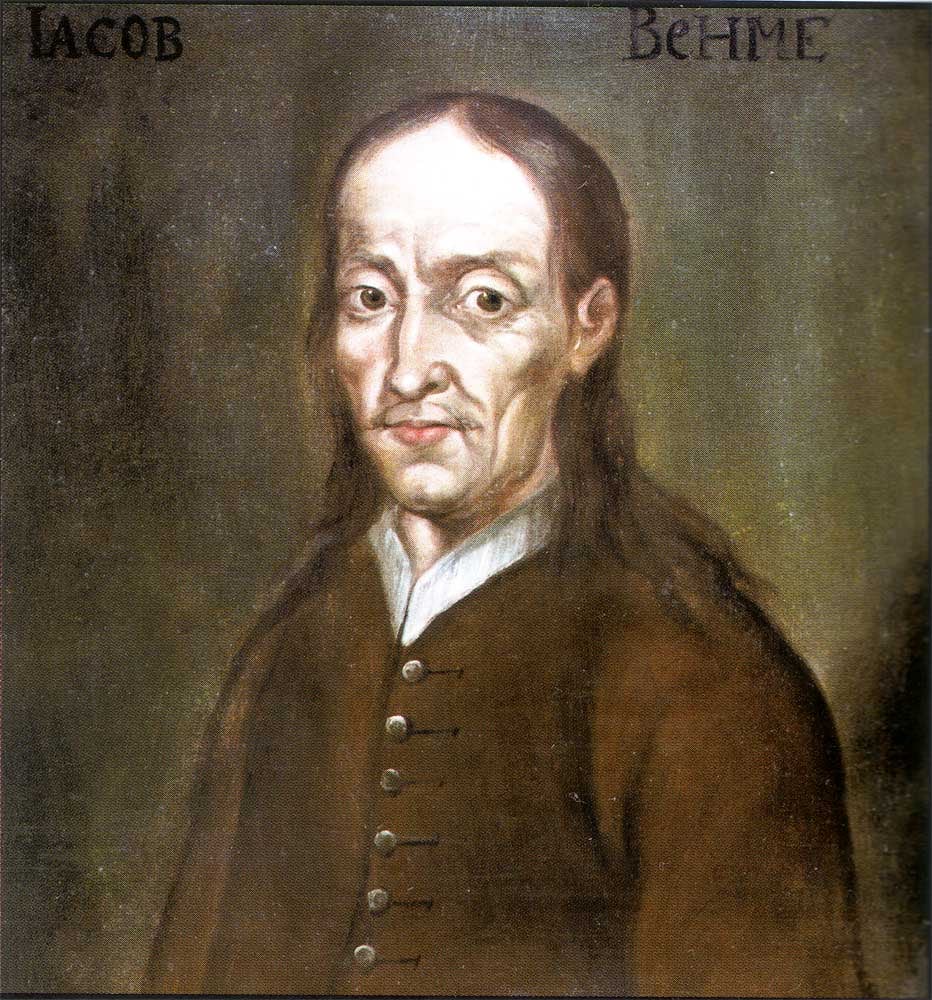
Jakob Böhme
इन पर सहमत: परम सत्य क्या है? क्या ईश्वर है? · मृत्यु के बाद क्या होता है? · क्या गुरु आवश्यक है?
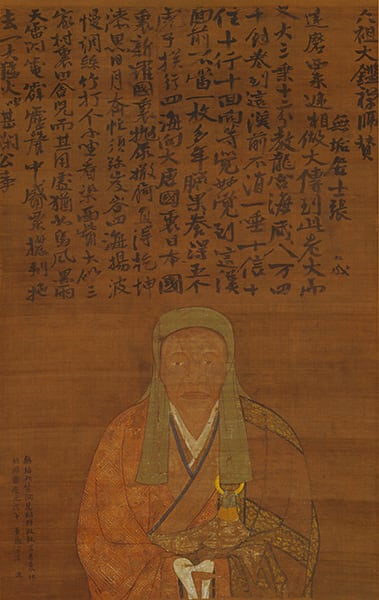
Huineng
इन पर सहमत: मैं कौन हूँ? क्या कोई सच्चा आत्म है? · क्या गुरु आवश्यक है? · क्या संसार वास्तविक है?

Ibn Arabi
इन पर सहमत: परम सत्य क्या है? क्या ईश्वर है? · मैं कौन हूँ? क्या कोई सच्चा आत्म है? · मृत्यु के बाद क्या होता है?
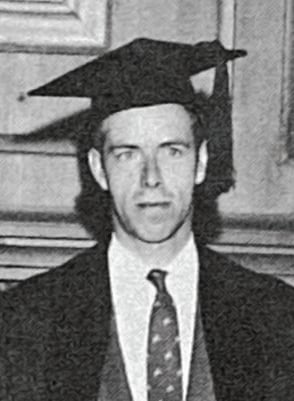
Alan Watts
इन पर सहमत: मैं कौन हूँ? क्या कोई सच्चा आत्म है? · मुक्ति या उद्धार कैसे प्राप्त होता है? · क्या संसार वास्तविक है?
इनसे भिन्न सोचते हैं

Milarepa
इन पर टकराव: मैं कौन हूँ? क्या कोई सच्चा आत्म है? · मृत्यु के बाद क्या होता है? · मुक्ति या उद्धार कैसे प्राप्त होता है?

Pema Chödrön
इन पर टकराव: मैं कौन हूँ? क्या कोई सच्चा आत्म है? · मृत्यु के बाद क्या होता है? · मुक्ति या उद्धार कैसे प्राप्त होता है?
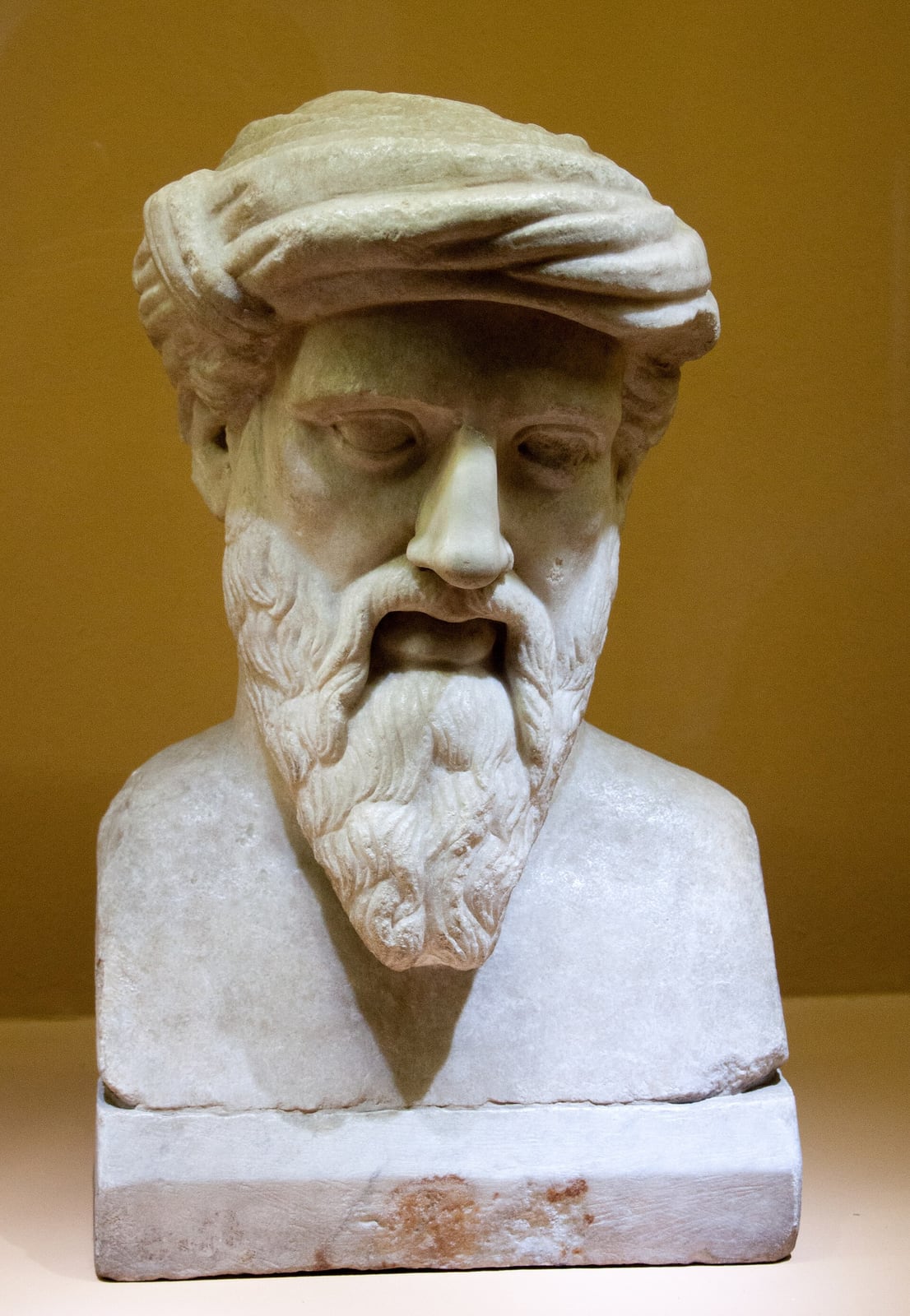
Pythagoras
इन पर टकराव: मृत्यु के बाद क्या होता है? · मुक्ति या उद्धार कैसे प्राप्त होता है?

Siddhartha Gautama, the Buddha
इन पर टकराव: मैं कौन हूँ? क्या कोई सच्चा आत्म है? · मृत्यु के बाद क्या होता है? · मुक्ति या उद्धार कैसे प्राप्त होता है?
प्रसंग और वृत्तांत
प्रसंग और वृत्तांत
प्रमाणित1302–1303
The master and the Franciscan
वृत्तांत का स्रोत: Quaestiones Parisienses (LW V) and Quaestio magistri Consalvi; analysis in McGinn (2001) and Flasch (2010).
स्रोत: McGinn, Bernard. The Mystical Thought of Meister Eckhart: The Man from Whom God Hid Nothing. Nueva York: Crossroad, 2001.
प्रमाणित1326
'I can err, but I cannot be a heretic'
वृत्तांत का स्रोत: Rechtfertigungsschrift, in the Acta Echardiana (LW V); partial English translation in Colledge and McGinn (1981).
स्रोत: Acta Echardiana: documentos del proceso de Colonia y Aviñón (listas de artículos, defensa, apelación, protesta pública de 13 de febrero de 1327, votum de Aviñón, carta de Juan XXII de 30 de abril de 1328). Ed. Loris Sturlese, en Die lateinischen Werke, vol. V. Stuttgart: Kohlhammer, 2000–2006.
प्रमाणित13 de febrero de 1327
The protestation in the Dominican church
वृत्तांत का स्रोत: Notarial instrument of 13 February 1327 (Vatican Apostolic Archive, Archivum Arcis, Arm. C, 1123), edited in the Acta Echardiana.
स्रोत: Acta Echardiana: documentos del proceso de Colonia y Aviñón (listas de artículos, defensa, apelación, protesta pública de 13 de febrero de 1327, votum de Aviñón, carta de Juan XXII de 30 de abril de 1328). Ed. Loris Sturlese, en Die lateinischen Werke, vol. V. Stuttgart: Kohlhammer, 2000–2006.
प्रमाणित1328–1329
A condemnation without a condemned man
वृत्तांत का स्रोत: Letter of John XXII of 30 April 1328 (Acta Echardiana); bull In agro dominico (DH 950–980).
स्रोत: Juan XXII. Bula «In agro dominico», Aviñón, 27 de marzo de 1329. Texto en Denzinger–Hünermann, Enchiridion symbolorum, n.os 950–980; trad. ingl. en Colledge y McGinn (1981), 77–81.
प्रमाणित1449
The books Cusanus did not want in common hands
वृत्तांत का स्रोत: Nicholas of Cusa, Apologia doctae ignorantiae (1449); Codex Cusanus 21 (Bernkastel-Kues, library of the St Nicholas Hospital).
स्रोत: Nicolás de Cusa. Apologia doctae ignorantiae (1449). Ed. Raymond Klibansky, Nicolai de Cusa Opera omnia, vol. II. Leipzig: Meiner, 1932.
मौखिक परंपराrelato del siglo XIV
Meister Eckhart's daughter
वृत्तांत का स्रोत: An anonymous legend edited by Pfeiffer (1857) among the attributed texts; the Augsburg version, Universitätsbibliothek, Cod. III.2.8.9, fol. 104v, titles it 'Meister Eckharts Wirtschaft'.
शिक्षाएँ
शिक्षाएँ
वे अवधारणाएँ जो उनके चिंतन को रूप देती हैं, उनके संदर्भ में समझाई गई।
The ground (grunt)grunt
Christian Neoplatonism (Augustine, Dionysius, Proclus through the Liber de causis) and scholastic debate on the powers of the soul.
स्रोत: McGinn, Bernard. The Mystical Thought of Meister Eckhart: The Man from Whom God Hid Nothing. Nueva York: Crossroad, 2001.
The birth of God in the soulnacimiento-de-dios-en-el-alma
Greek and Latin patristics (Origen, Augustine) and the Christmas liturgy; Christology of adoptive grace.
स्रोत: McGinn, Bernard. The Mystical Thought of Meister Eckhart: The Man from Whom God Hid Nothing. Nueva York: Crossroad, 2001.
Detachment (abegescheidenheit) and releasement (gelâzenheit)desasimiento
Dominican and beguine spirituality of the Upper Rhine; the monastic tradition of renouncing one's own will.
स्रोत: McGinn, Bernard. The Mystical Thought of Meister Eckhart: The Man from Whom God Hid Nothing. Nueva York: Crossroad, 2001.
God and the Godheaddeidad
Dionysian apophatic theology and the Neoplatonism of the One.
स्रोत: McGinn, Bernard. The Mystical Thought of Meister Eckhart: The Man from Whom God Hid Nothing. Nueva York: Crossroad, 2001.
Poverty of spiritpobreza-de-espiritu
The early fourteenth-century controversy on evangelical poverty and beguine spirituality.
स्रोत: Meister Eckhart. Die deutschen und lateinischen Werke. Herausgegeben im Auftrage der Deutschen Forschungsgemeinschaft. Stuttgart: W. Kohlhammer, 1936– (Die deutschen Werke, ed. Josef Quint y Georg Steer; Die lateinischen Werke, ed. Konrad Weiß, Josef Koch, Loris Sturlese et al.).
Living without whysin-porque
The scholastic ethics of intention and the critique of self-interested piety.
स्रोत: McGinn, Bernard. The Mystical Thought of Meister Eckhart: The Man from Whom God Hid Nothing. Nueva York: Crossroad, 2001.
'Being is God' and 'God is understanding'esse-est-deus
Parisian scholastic metaphysics (Thomas Aquinas, Albert the Great, Dietrich of Freiberg) and the Liber de causis.
स्रोत: Flasch, Kurt. Meister Eckhart: Philosoph des Christentums. Múnich: C. H. Beck, 2010. Trad. ingl.: Meister Eckhart: Philosopher of Christianity. New Haven: Yale University Press, 2015.
वीडियो
वीडियो
रिकॉर्डिंग, साक्षात्कार और वृत्तचित्र। वीडियो YouTube से चलते हैं; वे यहाँ संग्रहीत नहीं हैं।
Meister Eckhart with Prof. Bernard McGinn
व्याख्यान· EN· 2020· 70 min
Lumen Christi Instituteआधिकारिक चैनल
Bernard McGinn on The Nothingness of God in Jewish and Christian Mysticism
व्याख्यान· EN· 2017· 64 min
University of Glasgowआधिकारिक चैनल
The Bible and Western Culture - Meister Eckhart: From Whom God Hid Nothing
व्याख्यान· EN· 2020· 44 min
Michael Sugrue
Meister Eckhart & Christian Mysticism
विश्लेषण· EN· 2021· 44 min
Let's Talk Religion
Christian Mysticism, Vedanta und Meister Eckhart – by Swami Sarvapriyānanda
व्याख्यान· EN· 2025· 84 min
Vedanta Germanyआधिकारिक चैनल
La experiencia de Dios en el Maestro Eckhart: el nacimiento de Dios en el fondo del alma
व्याख्यान· ES· 2023· 74 min
Universidad Pontificia Comillasआधिकारिक चैनल
El todo y la nada de Dios: Maestro Eckhart (Inés Fuente)
व्याख्यान· ES· 2016· 15 min
Dominicos Españaआधिकारिक चैनल
Conferencia sobre el Maestro Eckhart y Santo Tomás de Aquino
व्याख्यान· ES· 2020· 83 min
Facultad de Teología San Vicente Ferrer de Valenciaआधिकारिक चैनल
Silvia Bara Bancel: «San Juan de la Cruz, lector del Maestro Eckhart»
व्याख्यान· ES· 2026· 109 min
Centro de Estudios de Hermenéuticaआधिकारिक चैनल
Dietmar Mieth: Mystik, Widerstand und Politik – Zugänge bei Meister Eckhart
व्याख्यान· DE· 2021· 65 min
Evangelische Akademie Thüringenआधिकारिक चैनल
«L'Ombra della Luce: Tommaso d'Aquino e Meister Eckhart» con Marco Vannini e Giuseppe Barzaghi
व्याख्यान· IT· 2026· 120 min
IstitutoTomisticoआधिकारिक चैनल
Marco Vannini | Distacco | festivalfilosofia 2024
व्याख्यान· IT· 2024· 48 min
Festivalfilosofiaआधिकारिक चैनल
चित्रशाला
चित्रशाला
सत्यापित लाइसेंस वाले चित्र। प्रत्येक में उसके रचयिता और श्रेय का उल्लेख सुरक्षित है।
पांडुलिपियाँ
पांडुलिपियाँ
पांडुलिपि-साक्ष्य और प्राचीन पाठ, उनके संरक्षक और अध्ययन की शर्तों सहित।
LA · Latina (gótica) · Obras de c. 1305–1326; copia del siglo XV
Codex Cusanus 21 (obras latinas de Eckhart)
- संरक्षित पाठ-साक्ष्य
- Testigo principal del Opus tripartitum y de los comentarios bíblicos
- संरक्षक
- Biblioteca del Hospital de San Nicolás (Cusanusstift), Bernkastel-Kues · Cod. Cus. 21
LA · Latina (notarial) · 13 de febrero de 1327
Instrumento notarial de la protesta de Colonia
- संरक्षित पाठ-साक्ष्य
- Original
- संरक्षक
- Archivo Apostólico Vaticano · Archivum Arcis, Arm. C, 1123
GMH · Latina (gótica) · c. 1340
Paradisus anime intelligentis
- संरक्षित पाठ-साक्ष्य
- Manuscrito principal de la colección
- संरक्षक
- Bodleian Library, Oxford · MS. Laud Misc. 479
LA · Latina · 1326
Rechtfertigungsschrift (Defensa)
- संरक्षित पाठ-साक्ष्य
- Copia única conocida
- संरक्षक
- Stadtbibliothek Soest
संबंध
संबंध
प्रभाव, शिष्यत्व और वैचारिक निकटता। प्रमाणित संबंध को विश्लेषण से पहचानी गई समानता से अलग दर्शाया गया है।
इनसे प्रभावित
His whole work is exegesis: Latin commentaries on the Gospel of John and German sermons on the Gospels of the day. His central doctrine, the birth of the Son in the soul, is a reading of the incarnation.
प्रमाणित संबंध
इनसे प्रभावित
Eckhart's metaphysics of the One, procession and return, and his negative theology are Neoplatonic in origin, received mainly through Augustine, Dionysius the Areopagite, Proclus (Liber de causis) and Macrobius rather than by direct reading of the Enneads.
विश्लेषण से पहचानी गई समानता
इनसे मिलते-जुलते विचार
In 1926 Rudolf Otto compared Eckhart's mysticism with Shankara's Advaita: both distinguish an attributeless absolute (Godhead / nirguna brahman) from its personal manifestation and place liberation in recognising the identity of the ground. Otto also stressed the differences, especially the living dynamism of Eckhart's God.
विश्लेषण से पहचानी गई समानता
इनसे मिलते-जुलते विचार
Since D. T. Suzuki and the Kyoto School (Nishitani, Ueda Shizuteru), Eckhart has been a partner of Zen: his 'nothing', the life 'without why' and detachment have been read alongside emptiness and Dōgen's dropping off of body and mind. There is no historical contact.
विश्लेषण से पहचानी गई समानता
इन्हें प्रभावित किया
Rhineland mysticism reached sixteenth-century Spain through Latin and Castilian translations attributed to Tauler, Eckhart's disciple. Research (Silvia Bara Bancel) has studied John of the Cross as an indirect reader of Eckhart in the doctrine of nothingness and the ground of the soul; the exact route of transmission is still debated.
विश्लेषण से पहचानी गई समानता
इनसे मिलते-जुलते विचार
Both speak of a centre or ground of the soul where God dwells, but Teresa refuses to leave behind the Humanity of Christ and distrusts imageless prayer, distancing herself from the more speculative Eckhart.
विश्लेषण से पहचानी गई समानता
इनसे मिलते-जुलते विचार
Two summits of spirituality in German lands with opposite paths: Hildegard's symbolic, imaginative vision and Eckhart's detachment from every image.
विश्लेषण से पहचानी गई समानता
इनसे मिलते-जुलते विचार
Sermon 52 transposes to the inner plane the poverty Francis lived materially, at a time when the Franciscan controversy over Christ's poverty divided the Church.
विश्लेषण से पहचानी गई समानता
इन्हें प्रभावित किया
Ulrich Tölle adopted the name Eckhart in homage to the Dominican master, as he himself has explained on his official channel.
प्रमाणित संबंध
अन्य प्रविष्टियों से जुड़ा
- Aristotle · इन्हें प्रभावित किया
- John of the Cross · इनसे प्रभावित
- Laozi · इनसे मिलते-जुलते विचार
- Francis of Assisi · इनसे मिलते-जुलते विचार
- Simone Weil · इनसे मिलते-जुलते विचार
- Baruch Spinoza · इनसे मिलते-जुलते विचार
- Hildegard of Bingen · इनसे मिलते-जुलते विचार
- Adi Shankara · इनसे मिलते-जुलते विचार
- Carl Gustav Jung · इनसे प्रभावित
- Catherine of Siena · इनसे मिलते-जुलते विचार
- Martin Buber · इनसे मिलते-जुलते विचार
- Julian of Norwich · इनसे मिलते-जुलते विचार
- Thomas Merton · इनसे प्रभावित
- Rudolf Steiner · इनसे प्रभावित
- Maimonides · इन्हें प्रभावित किया
- Thomas à Kempis · इनसे मिलते-जुलते विचार
- Ibn Arabi · इनसे मिलते-जुलते विचार
- Jakob Böhme · इनसे मिलते-जुलते विचार
- Augustine of Hippo · इन्हें प्रभावित किया
- Al-Hallaj · इनसे मिलते-जुलते विचार
- Plato · इनसे मिलते-जुलते विचार
- Rumi · इनसे मिलते-जुलते विचार
- Teresa of Ávila · इनसे मिलते-जुलते विचार
- Baal Shem Tov · इनसे मिलते-जुलते विचार
स्रोत
स्रोत
इस प्रविष्टि के लिए देखे गए ग्रंथ-सूची और सूचीपत्र।
- Wikidata, Q76548 «Meister Eckhart» (P31=Q5; 74 enlaces entre wikis).
- Meister Eckhart. Die deutschen und lateinischen Werke. Herausgegeben im Auftrage der Deutschen Forschungsgemeinschaft. Stuttgart: W. Kohlhammer, 1936– (Die deutschen Werke, ed. Josef Quint y Georg Steer; Die lateinischen Werke, ed. Konrad Weiß, Josef Koch, Loris Sturlese et al.).
- McGinn, Bernard. The Mystical Thought of Meister Eckhart: The Man from Whom God Hid Nothing. Nueva York: Crossroad, 2001.
- Ruh, Kurt. Meister Eckhart: Theologe, Prediger, Mystiker. Múnich: C. H. Beck, 1985 (2.ª ed. 1989).
- Flasch, Kurt. Meister Eckhart: Philosoph des Christentums. Múnich: C. H. Beck, 2010. Trad. ingl.: Meister Eckhart: Philosopher of Christianity. New Haven: Yale University Press, 2015.
- Meister Eckhart. The Essential Sermons, Commentaries, Treatises, and Defense. Trad. e introd. de Edmund Colledge y Bernard McGinn. Nueva York: Paulist Press, 1981 (Classics of Western Spirituality; ISBN 0809123703).
- Acta Echardiana: documentos del proceso de Colonia y Aviñón (listas de artículos, defensa, apelación, protesta pública de 13 de febrero de 1327, votum de Aviñón, carta de Juan XXII de 30 de abril de 1328). Ed. Loris Sturlese, en Die lateinischen Werke, vol. V. Stuttgart: Kohlhammer, 2000–2006.
- Juan XXII. Bula «In agro dominico», Aviñón, 27 de marzo de 1329. Texto en Denzinger–Hünermann, Enchiridion symbolorum, n.os 950–980; trad. ingl. en Colledge y McGinn (1981), 77–81.
- Vega Esquerra, Amador (ed. y trad.). Maestro Eckhart, El fruto de la nada y otros escritos. Madrid: Siruela, 1998; Alianza Editorial, 2011 (ISBN 9788420654966).
- Otto, Rudolf. West-östliche Mystik. Vergleich und Unterscheidung zur Wesensdeutung. Gotha: Leopold Klotz, 1926. Trad. ingl.: Mysticism East and West: A Comparative Analysis of the Nature of Mysticism. Nueva York: Macmillan, 1932.
- Ueda, Shizuteru. Die Gottesgeburt in der Seele und der Durchbruch zur Gottheit. Die mystische Anthropologie Meister Eckharts und ihre Konfrontation mit der Mystik des Zen-Buddhismus. Gütersloh: Gerd Mohn, 1965.
- Pfeiffer, Franz (ed.). Deutsche Mystiker des vierzehnten Jahrhunderts, vol. II: Meister Eckhart. Leipzig: G. J. Göschen, 1857; reimpr. anastática Gotinga: Vandenhoeck & Ruprecht, 1906.
- Open Library, registros de edición de las obras de Meister Eckhart (consultados por ISBN y por obra).
- Nicolás de Cusa. Apologia doctae ignorantiae (1449). Ed. Raymond Klibansky, Nicolai de Cusa Opera omnia, vol. II. Leipzig: Meiner, 1932.
- Eckhart Tolle. «Why Did You Choose the Name ‘Eckhart’?», canal oficial Eckhart Tolle en YouTube (vídeo no insertable).
- Bara Bancel, Silvia. «San Juan de la Cruz, lector del Maestro Eckhart». Conferencia, Centro de Estudios de Hermenéutica, 2026.
- Meister Eckhart. Werke. Texte und Übersetzungen von Josef Quint. Ed. y comentario de Niklaus Largier. 2 vols. Fráncfort: Deutscher Klassiker Verlag, 1993.
- Field, Claud (trad.). Meister Eckhart's Sermons. Londres: H. R. Allenson, 1909. Texto en Christian Classics Ethereal Library.
- अधिकार-धारक
- Dominio público (obras del siglo XIV). La edición crítica Die deutschen und lateinischen Werke (Kohlhammer) y las traducciones modernas (Quint, Largier, Walshe, Colledge y McGinn, Vega, Vannini) están sujetas a los derechos de sus editores.
- आधिकारिक वेबसाइट
- www.eckhartsociety.org/
पुष्टि की प्रतीक्षा में
जो यह प्रविष्टि अभी तक निश्चित नहीं कर सकी है। हम उसे भर देने के बजाय कह देना बेहतर समझते हैं।
- Registrar individualmente los sermones alemanes que faltan (Pr. 3–4, 7–8, 10–11, 13–21, 23–47, 49–51, 53–70, 72–82, 84–85 de DW I–III y los de DW IV desde el 87, salvo 101–104), cada uno con su incipit según la edición crítica: no se ha podido consultar un índice fiable en línea y no se ha querido reconstruir de memoria.
- Verificar con la edición crítica la grafía exacta de las citas en alemán medio marcadas como «probable» (Instrucciones 4, sermones 5b —«sin porqué»— y 83).
- Localizar ISBN de Tratados y sermones (trad. Ilse M. de Brugger, Edhasa, 1983), de los Sermoni tedeschi (Adelphi, 1985) y de los volúmenes de la edición Kohlhammer.
- Confirmar la signatura del manuscrito de Soest que conserva la defensa y la del códice de Erfurt (Amploniana) con obras latinas.
- C. de B. Evans (traductor, 1924): fecha de muerte desconocida; la traducción queda marcada con precaución en la sala de lectura.
- El fragmento de Gotinga (sermón 5b): confirmar institución custodia y signatura.
- Las fechas de subida de los vídeos se han deducido de la fecha relativa que muestra YouTube.
- Programas de afiliación: ninguno verificado.
2026-10-25 को शोधित