प्लेटोवाद
Plato
Πλάτων
लगभग 428 ई.पू. – लगभग 348 ई.पू.ऐतिहासिक रूप से प्रमाणित व्यक्ति
चौथी शताब्दी ई.पू. के एथेंसवासी दार्शनिक, सुकरात के शिष्य, अरस्तू के गुरु और अकादमी के संस्थापक। उनकी संपूर्ण रूप से सुरक्षित कृतियाँ ऐसे संवाद हैं जिनमें प्रायः सुकरात बोलते हैं: इनमें वे प्रत्ययों का सिद्धांत, आत्मा की अमरता, प्रेम के सहारे सौंदर्य की ओर आरोहण और ऐसे नगर का विचार प्रस्तुत करते हैं जिस पर शुभ को जानने वाले शासन करें। लगभग समूचा पाश्चात्य दर्शन, और ईसाई, यहूदी तथा इस्लामी रहस्यवाद का बड़ा भाग, उनसे संवाद करते हुए ही विकसित हुआ है।
- कृतियाँ
- 57कृतियाँ
- संस्करण
- 358संस्करण
- उद्धरण
- 19उद्धरण
- वीडियो
- 15वीडियो
- चित्र
- 11चित्र
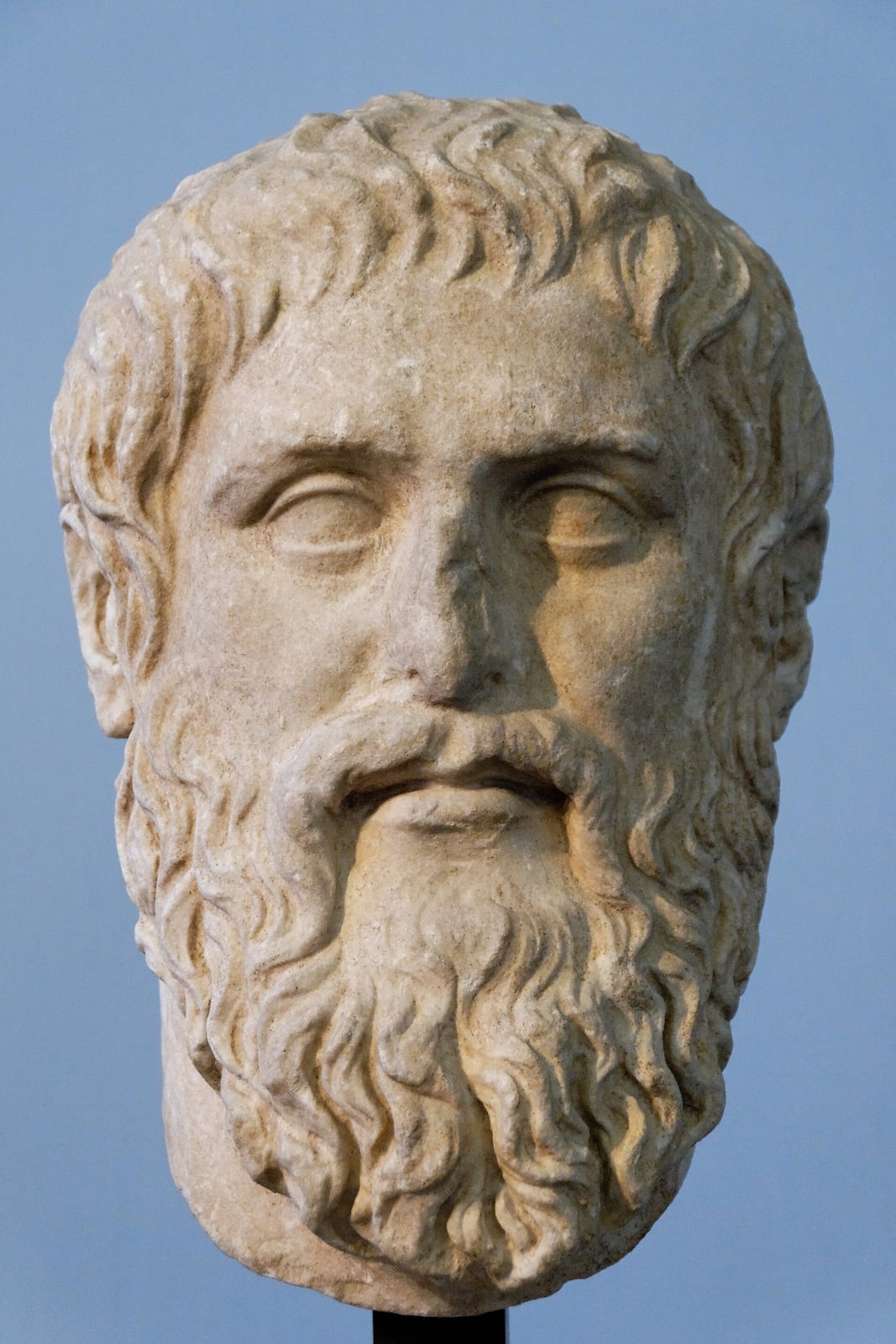
Busto de Platón (Museos Capitolinos, MC 1377) · CC BY 2.5
उनके अपने शब्दों में
«He knows nothing, and thinks that he knows; I neither know nor think that I know.»Apología de Sócrates 21d (habla Sócrates). Español: traducción literal propia desde el griego (ed. Burnet). Inglés: Jowett, 1892 (dominio público).

मूल विचार
Theory of Forms (Ideas): Plato holds that, besides sensible things, which are many and changing, there exist intelligible realities, eternal and unchanging — the Forms or Ideas (eidos, idea) — such as the Beautiful itself, the Just itself or the Equal itself.
संदर्भ में देखें
जीवनी
6 मिनट का पाठ
स्पैनिश मूल से सहायता-प्राप्त अनुवाद, मातृभाषी अनुवादक द्वारा समीक्षा लंबित।
युद्धकालीन एथेंस का एक अभिजात
प्लेटो का जन्म एथेंस में लगभग 428 या 427 ई.पू. में, पेलोपोनेशियाई युद्ध के आरंभिक वर्षों में, नगर के सबसे प्राचीन कुलों में से एक में हुआ। उनके पिता अरिस्टन स्वयं को राजा कोड्रस का वंशज बताते थे; उनकी माता पेरिक्टियोनी सोलन की संबंधी थीं। उनके दो बड़े भाई थे, एडिमेंटस और ग्लॉकन, जिन्हें वे रिपब्लिक (गणराज्य) में वाणी देने वाले थे, और एक बहन, पोटोनी, जो उनके उत्तराधिकारी स्प्यूसिप्पस की माता थीं। अरिस्टन की मृत्यु के बाद पेरिक्टियोनी ने अपने मामा पाइरिलैम्पीज़ से विवाह किया, जो पेरिक्लीज़ के मित्र थे। इस प्रकार बालक ऐसे लोगों के बीच बड़ा हुआ जो शासन करने के अभ्यस्त थे: उनकी माता के चचेरे भाई क्रिटियस और उनके मामा कार्मिडीज़ आगे चलकर "तीस" के अल्पतंत्री शासन के प्रमुख चेहरे बने।
उनकी शिक्षा-दीक्षा के बारे में निश्चित रूप से बहुत कम ज्ञात है। छह शताब्दियों बाद लिखने वाले डायोजिनीज़ लेर्टियस बताते हैं कि उनका वास्तविक नाम अरिस्टोक्लीज़ था और "प्लेटो" एक उपनाम था, जो उनके चौड़े कंधों या चौड़े माथे के कारण पड़ा; कि उन्होंने कुश्ती, चित्रकला और काव्य का अभ्यास किया; और कि सुकरात को सुनने के बाद उन्होंने अपनी त्रासदियाँ जला दीं। ये हेलेनिस्टिक जीवनीकारों की सूचनाएँ हैं, जो परंपरा, संवादों से निकाले गए अनुमानों और शुद्ध कल्पना को मिला देते थे, और आधुनिक आलोचना इन्हें सावधानी से ग्रहण करती है।
399 का घाव
जो बात दृढ़ प्रतीत होती है, वह यह कि प्लेटो युवावस्था में सुकरात की मंडली का हिस्सा थे और इसी संबंध ने उनका जीवन निर्धारित किया। सातवाँ पत्र, जिसकी प्रामाणिकता पर विवाद है पर जिसे अनेक विशेषज्ञ स्वीकार करते हैं, बताता है कि युवावस्था में वे राजनीति में जाने का विचार रखते थे, कि "तीस" ने उन्हें अपने साथ जुड़ने का निमंत्रण दिया, और कि उनकी हिंसा ने—जिसमें सुकरात को एक नागरिक को मृत्युदंड के लिए पकड़ने में फँसाने का प्रयास भी शामिल था—उन्हें उनसे दूर कर दिया। लोकतंत्र की पुनर्स्थापना के बाद, 399 ई.पू. में, नए शासकों ने सुकरात पर अधार्मिकता और युवाओं को भ्रष्ट करने का अभियोग चलाया, और उन्हें हेमलॉक विष पीने का दंड मिला।
प्लेटो मुक़दमे में उपस्थित थे, जैसा कि वे स्वयं अपोलॉजी में संकेत करते हैं, यद्यपि फ़ीडो बताता है कि मृत्यु के दिन वे बीमार होने के कारण अनुपस्थित थे। पत्र के अनुसार इस परिणति ने उन्हें उस निष्कर्ष तक पहुँचाया जो उनकी समस्त कृतियों में व्याप्त है: नगर अपने दुखों से तब तक मुक्त नहीं होंगे जब तक दार्शनिक शासन न करें या शासक सच्चे अर्थ में दर्शन न करें। मृत्युदंड के बाद उन्होंने कुछ समय मेगारा में सुकरात के अनुयायी यूक्लिड के पास शरण ली।
यात्राएँ और अकादमी
प्राचीन स्रोत इसके बाद उनकी साइरीनी, पाइथागोरियों के इटली और मिस्र की यात्राओं का उल्लेख करते हैं। इनमें केवल पाइथागोरियों से संपर्क ही भलीभाँति प्रमाणित है: लगभग चालीस वर्ष की आयु में वे दक्षिणी इटली गए, टारेंटम के आर्काइटस से मित्रता की और सिरैक्यूज़ पहुँचे, जहाँ उनकी भेंट निरंकुश शासक डायोनिसियस प्रथम के साले डियोन से हुई। यह कथा कि उस शासक ने उन्हें एजिना में दास के रूप में बिकवा दिया और साइरीनी के एक व्यक्ति ने उन्हें छुड़ाया, परवर्ती जीवनीकारों से आती है और सातवें पत्र में नहीं मिलती।
लगभग 387 ई.पू. में एथेंस लौटकर उन्होंने अकादमी नामक व्यायामशाला के पास अपना विद्यालय स्थापित किया, जो नगर के उत्तर-पश्चिम में नायक एकेडेमस को समर्पित एक वृक्षों से भरा उपवन था। यह आधुनिक अर्थ में विश्वविद्यालय नहीं था, बल्कि अध्ययन और सहजीवन का एक समुदाय था, जहाँ गणित, खगोलशास्त्र, द्वंद्वात्मकता और राजनीतिक सिद्धांत पर शोध होता था, और जहाँ थियेटेटस और यूडोक्सस जैसे गणितज्ञों ने काम किया। अरस्तू 367 ई.पू. में सत्रह वर्ष की आयु में यहाँ आए और लगभग बीस वर्ष रहे। डायोजिनीज़ लेर्टियस उनके शिष्यों में दो स्त्रियों—फ़्लियस की एक्सिओथिया और मैन्टिनिया की लैस्थेनिया—का भी उल्लेख करते हैं।
सिसिली का प्रलोभन
प्लेटो के राजनीतिक दर्शन की एक वास्तविक परीक्षा हुई। 367 ई.पू. में डायोनिसियस प्रथम की मृत्यु के बाद डियोन ने उनसे नए शासक डायोनिसियस द्वितीय को शिक्षा देने का अनुरोध किया, इस आशा में कि उसे रिपब्लिक का दार्शनिक-शासक बनाया जा सके। यह प्रयोग डियोन के निर्वासन और प्लेटो की एथेंस वापसी के साथ समाप्त हुआ। लगभग 361 में वे दोनों में मेल कराने के लिए फिर सिरैक्यूज़ गए, उनकी इच्छा के विरुद्ध उन्हें रोक लिया गया और वे केवल आर्काइटस की सहायता से ही निकल पाए। 357 में डियोन ने अकादमी के कुछ सदस्यों के समर्थन से डायोनिसियस का तख़्ता पलट दिया, और 354 में उनके अपने ही घेरे के एक एथेंसवासी कैलिप्पस ने उनकी हत्या कर दी। सातवाँ और आठवाँ पत्र स्वयं को इसी विफलता का लेखा-जोखा बताते हैं।
संवाद
लगभग सभी पूर्ववर्ती दार्शनिकों के विपरीत, जिनकी कृतियाँ हम केवल अंशों में जानते हैं, प्लेटो का वह सब कुछ सुरक्षित है जो प्राचीन काल ने उनके नाम से माना: पैंतीस संवाद और तेरह पत्रों का एक संग्रह, जिन्हें पहली शताब्दी ईसवी में थ्रैसिलस ने नौ चतुष्टयों में व्यवस्थित किया, और साथ में कुछ ऐसी रचनाएँ जिन्हें तभी कूटरचित मान लिया गया था। इनमें प्लेटो कभी उत्तम पुरुष में नहीं बोलते; प्रायः सुकरात संवाद का संचालन करते हैं, और परवर्ती संवादों में यह भूमिका एलिया के एक अजनबी, टिमेयस या एथेंस के एक अजनबी को मिल जाती है।
कालक्रम विवाद का विषय है, पर एक सामान्य ढाँचे पर सहमति है। लेकीज़ या यूथिफ़्रो जैसे छोटे संवाद किसी एक सद्गुण की परीक्षा करते हैं और बिना उत्तर के समाप्त हो जाते हैं। फ़ीडो, सिम्पोज़ियम, रिपब्लिक और फ़ीड्रस प्रत्ययों का सिद्धांत, आत्मा की अमरता और प्रेम का सौंदर्य की ओर आरोहण प्रस्तुत करते हैं। पार्मेनाइडीज़, थियेटेटस, सोफ़िस्ट, टिमेयस, फ़िलेबस और लॉज़—जिसे वे मृत्यु के समय अंतिम रूप दिए बिना छोड़ गए—इन विचारों की आलोचनात्मक परीक्षा करते हैं और इन्हें ब्रह्मांड-विज्ञान तथा विधि-निर्माण तक विस्तार देते हैं।
फ़ीड्रस और सातवाँ पत्र स्वयं लेखन के बारे में एक चेतावनी जोड़ते हैं: सबसे महत्त्वपूर्ण बात पुस्तकों में संप्रेषित नहीं होती, बल्कि दीर्घ सत्संग के बाद आत्मा में प्रज्वलित होती है। अरस्तू अपने गुरु के "अलिखित सिद्धांतों" की ओर संकेत करते हैं, और "शुभ पर" नामक प्रसिद्ध सार्वजनिक व्याख्यान ने, जिसमें प्लेटो ने गणित की चर्चा की और यह निष्कर्ष दिया कि शुभ ही एक है, श्रोताओं को उलझन में डाल दिया। उनके चिंतन का कितना अंश संवादों से बाहर रह गया, यह आज भी प्लेटो-अध्ययन के बड़े विवादों में से एक है।
मृत्यु और विरासत
प्लेटो की मृत्यु 348 या 347 ई.पू. में एथेंस में लगभग अस्सी वर्ष की आयु में हुई, और उन्हें अकादमी में ही समाधि दी गई। परिस्थितियों के बारे में स्रोत एकमत नहीं हैं: एक विवाह-भोज, लेखन का श्रम, बाँसुरी सुनते हुए ज्वर की एक रात। उनके भांजे स्प्यूसिप्पस उनके उत्तराधिकारी बने, और गहरे परिवर्तनों के साथ विद्यालय सदियों तक चलता रहा।
उनका पाठ बाइज़ेंटाइन पांडुलिपियों के सहारे मुद्रण तक पहुँचा—पहले छह चतुष्टयों को पूर्ण रूप में सुरक्षित रखने वाली सबसे पुरानी पांडुलिपि, बोडलियन पुस्तकालय का क्लार्कियानस, वर्ष 895 में प्रतिलिपित हुई थी—और 1578 में हेनरी एस्टियेन ने जिनेवा में वह संस्करण प्रकाशित किया जिसकी पृष्ठ-संख्या आज भी उद्धरण के लिए प्रयुक्त होती है: "रिपब्लिक 514a" उस ग्रंथ के पृष्ठ 514, खंड a का संदर्भ देता है। स्पेनिश में पात्रीसियो दे आस्काराते ने 1871 और 1872 के बीच संपूर्ण कृतियों का पहला अनुवाद प्रस्तुत किया।
उनके प्रभाव की कोई तुलना नहीं। प्लोटिनस ने स्वयं को उनका व्याख्याकार माना और नव-प्लेटोवाद की स्थापना की; हिप्पो के ऑगस्टीन ने स्वीकार किया कि प्लेटोवादी ग्रंथों ने उनके लिए ईसाई ईश्वर की ओर मार्ग खोला; लैटिन में टिमेयस सदियों तक लगभग वही सब कुछ रहा जो पश्चिम ने उनका पढ़ा, और इस्लामी फ़लसफ़ा तथा मध्ययुगीन यहूदी धर्मशास्त्र ने उन्हें अपने-अपने मार्गों से ग्रहण किया। 1484 में मार्सिलियो फ़िचीनो के संपूर्ण लैटिन अनुवाद ने उन्हें फिर से यूरोपीय संस्कृति के केंद्र में ला खड़ा किया। अल्फ़्रेड नॉर्थ व्हाइटहेड ने इस ऋण का सार यह लिखकर दिया कि यूरोपीय दार्शनिक परंपरा प्लेटो पर लिखी पाद-टिप्पणियों की एक शृंखला भर है।
स्रोत: Nails, Debra, The People of Plato: A Prosopography of Plato and Other Socratics, Indianápolis, Hackett, 2002 (entrada «Plato» y apéndices cronológicos). · Diógenes Laercio, Vidas y opiniones de los filósofos ilustres, libro III (Platón), s. III d. C. Trad. inglesa de R. D. Hicks, Loeb Classical Library, Harvard University Press, 1925 (texto en Wikisource). · Platón (atribuida), Carta VII, 324a–352a, en Platonis Opera, ed. John Burnet, vol. V, Oxford Classical Texts, 1907; trad. española de Juan Zaragoza y Pilar Gómez Cardó en Platón, Diálogos VII, Madrid, Gredos (Biblioteca Clásica Gredos 162), 1992. · Cooper, John M. (ed.) y Hutchinson, D. S. (ed. asociado), Plato: Complete Works, Indianápolis, Hackett, 1997 (introducción del editor sobre el corpus, las tetralogías de Trasilo y la autenticidad de cada obra). · Riginos, Alice Swift, Platonica: The Anecdotes Concerning the Life and Writings of Plato, Leiden, Brill (Columbia Studies in the Classical Tradition 3), 1976.
कालक्रम
जीवन, वर्ष-दर-वर्ष
प्रत्येक बिंदु एक प्रमाणित घटना है। उसे स्रोत और निश्चितता के स्तर सहित पढ़ने के लिए क्लिक करें।
लगभग 428 ई.पू.0 वर्षAtenas (o Egina, según otra tradición)
Birth
Born into an aristocratic Athenian family: his father, Ariston, claimed descent from King Codrus; his mother, Perictione, from Solon's family. Diogenes Laertius dates the birth to the 88th Olympiad (428/427 BC), and Apollodorus has it coincide with Apollo's birthday. He had two brothers, Adeimantus and Glaucon, and a sister, Potone.
संभावितDiógenes Laercio, Vidas y opiniones de los filósofos ilustres, libro III (Platón), s. III d. C. Trad. inglesa de R. D. Hicks, Loeb Classical Library, Harvard University Press, 1925 (texto en Wikisource).
उनके निधन के बाद
- लगभग 347 ई.पू.Speusippus heads the Academy
- लगभग 14 ई.पू.Thrasyllus' tetralogies
- 895The Codex Clarkianus
- 1484Ficino's Latin translation
- 1578The Stephanus edition
- 1871 – 1872Complete works in Spanish
लगभग 428 ई.पू. · 0 वर्ष
Birth
Born into an aristocratic Athenian family: his father, Ariston, claimed descent from King Codrus; his mother, Perictione, from Solon's family. Diogenes Laertius dates the birth to the 88th Olympiad (428/427 BC), and Apollodorus has it coincide with Apollo's birthday. He had two brothers, Adeimantus and Glaucon, and a sister, Potone.
संभावित
लगभग 423 ई.पू. · 5 वर्ष
His mother marries Pyrilampes
After Ariston's death, Perictione marries her uncle Pyrilampes, a friend of Pericles; from this marriage is born Antiphon, Plato's half-brother, who appears in the Parmenides.
संभावित
लगभग 408 ई.पू. · 20 वर्ष
With Socrates
According to Diogenes Laertius, at twenty he began to frequent Socrates; tradition adds that he then burned his tragedies. The date and the burning episode are traditional.
परंपरा
404 ई.पू. · 24 वर्ष
The Thirty Tyrants
After Athens' defeat, an oligarchic government including Critias, his mother's cousin, and Charmides, his uncle, invites the young Plato to collaborate. According to the Seventh Letter, its violence — and its attempt to involve Socrates in an unjust arrest — turned him away.
संभावित
399 ई.पू. · 29 वर्ष
Trial and death of Socrates
Socrates is condemned to death for impiety and corrupting the young. Plato attends the trial, as he states in the Apology (34a, 38b), but according to the Phaedo (59b) he was not present at the death because he was ill.
प्रमाणित
लगभग 399 ई.पू. · 29 वर्ष
Withdrawal to Megara
After the execution, with other Socratics, he takes refuge for a while in Megara with Euclides, according to Hermodorus as cited by Diogenes Laertius.
संभावित
लगभग 395 ई.पू. · 33 वर्ष
Journeys of study
Ancient tradition credits him with journeys to Cyrene, to the mathematician Theodorus, to the Pythagoreans of Italy and to Egypt. Only the contact with the Pythagoreans is well attested; the Egyptian journey is doubtful.
परंपरा
लगभग 388 ई.पू. · 40 वर्ष
First journey to Sicily
Around the age of forty (Seventh Letter, 324a) he visits Italy, where he befriends Archytas of Tarentum, and the court of Dionysius I in Syracuse, where he meets the young Dion. Later tradition relates that the tyrant had him sold as a slave in Aegina.
संभावित
लगभग 387 ई.पू. · 41 वर्ष
Founding of the Academy
He acquires land near the gymnasium of the Academy, north-west of Athens, and founds the community of study that will take its name. Mathematics, astronomy, dialectic and politics are studied there; it will survive, with transformations, for several centuries.
संभावित
367 ई.पू. · 61 वर्ष
Aristotle enters the Academy
Aristotle, aged seventeen, arrives from Stagira and remains in the Academy for some twenty years, until Plato's death.
प्रमाणित
लगभग 367 ई.पू. – 365 ई.पू. · 61 वर्ष
Second journey to Sicily
After Dionysius I's death, Dion calls him to educate the new tyrant, Dionysius II. The experiment fails: Dion is exiled and Plato returns to Athens.
संभावित
लगभग 361 ई.पू. – 360 ई.पू. · 67 वर्ष
Third journey to Sicily
He returns to Syracuse at Dionysius II's request, hoping to reconcile him with Dion. Held against his will, he manages to leave thanks to the intervention of Archytas of Tarentum.
संभावित
357 ई.पू. · 71 वर्ष
Dion's expedition
Dion, with support from members of the Academy, overthrows Dionysius II. In 354 BC he is murdered by Callippus, an Athenian of his circle. Letters VII and VIII present themselves as written after his death.
संभावित
लगभग 348 ई.पू. · 80 वर्ष
Death
He dies in Athens in the first year of the 108th Olympiad (348/347 BC), aged about eighty or eighty-one, according to Hermippus as cited by Diogenes Laertius. He is buried in the Academy. He leaves the Laws not yet fair-copied.
संभावित
लगभग 347 ई.पू.
Speusippus heads the Academy
He is succeeded by his nephew Speusippus, son of his sister Potone. Aristotle leaves Athens.
प्रमाणित
लगभग 14 ई.पू.
Thrasyllus' tetralogies
In the first century AD, the astrologer Thrasyllus, close to Tiberius, arranges the works in nine tetralogies, the order in which the corpus has come down to us.
संभावित
895
The Codex Clarkianus
John the Calligrapher copies for Arethas of Caesarea the codex now preserved in the Bodleian Library, the main witness for the first six tetralogies.
प्रमाणित
1484
Ficino's Latin translation
Marsilio Ficino publishes the first complete Latin translation of the dialogues, commissioned by Cosimo de' Medici, which restores Plato to the centre of European thought.
प्रमाणित
1578
The Stephanus edition
Henri Estienne publishes the Greek text in three volumes with Jean de Serres' Latin translation; its pagination becomes the universal system of reference.
प्रमाणित
1871 – 1872
Complete works in Spanish
Patricio de Azcárate publishes the first Spanish translation of the complete works (11 volumes, 1871–1872).
प्रमाणित
कृतियाँ
आवश्यक कृतियाँ
वे कृतियाँ जिनके बिना उनकी विरासत को समझा नहीं जा सकता।
लिखित कृति · लगभग 395 ई.पू.
Apology of Socrates
Ἀπολογία Σωκράτους
A recreation of the defence speech Socrates delivered in 399 BC before the Athenian popular jury, accused of not recognising the city's gods and of corrupting the young. Socrates explains the Delphic oracle, his mission of examining those who think they know, and his conscious ignorance; after the verdict he ironically proposes to be maintained in the Prytaneum, and accepts death declaring that the unexamined life is not worth living. Plato was present at the trial (34a, 38b). It is the classic doorway into philosophy.
8 संस्करण

लिखित कृति · लगभग 380 ई.पू.
Phaedo
Φαίδων
Phaedo of Elis tells Echecrates of Socrates' last hours in prison: the conversation on why the philosopher does not fear death, the arguments for the immortality of the soul (from opposites, recollection, affinity with the invisible, participation in Forms), the closing myth on the fate of souls, and the calm death by hemlock. Here the theory of Forms appears explicitly, as does the definition of philosophy as practice for dying. Plato is said to have been absent through illness (59b).
9 संस्करण

लिखित कृति · लगभग 380 ई.पू.
Symposium
Συμπόσιον
At the house of the poet Agathon, celebrating his victory in the tragic contest of 416 BC, the guests deliver speeches in honour of Eros: Phaedrus, Pausanias, the physician Eryximachus, Aristophanes with the myth of spherical beings cut in two, Agathon, and Socrates, who relays the teaching of the priestess Diotima on the ladder of love, from one beautiful body to Beauty itself. It closes with the entry of a drunken Alcibiades, who delivers a eulogy of Socrates. A literary masterpiece and source of the whole Western mysticism of love.
9 संस्करण

लिखित कृति · लगभग 375 ई.पू.
Republic
Πολιτεία
In the Piraeus, after a festival, Socrates discusses what justice is. To see it writ large he imagines an ideal city with three classes, ruled by philosophers whose education culminates in knowledge of the Form of the Good. Its ten books contain the critique of poetry, the equal education of women guardians, the images of the sun, the line and the cave, the typology of degenerate regimes and the myth of Er on the choice of lives. Plato's central work and that of political philosophy.
13 संस्करण
संपूर्ण कृतित्व (57)
Euthyphro
395
Crito
395

Cratylus
385

Theaetetus
368

Sophist
360

Statesman
360

Parmenides
370

Philebus
355
Phaedrus
370
Alcibiades I
Alcibiades II
Hipparchus
Rival Lovers (Lovers)
Theages

Charmides
390
Laches
390

Lysis
390
Euthydemus
385

Protagoras
390

Gorgias
387
Meno
385
Hippias Major
390
Hippias Minor
395
Ion
395
वचन
किसी निश्चित कृति में स्थित वचन। प्रत्येक के साथ उसका स्रोत और विश्वसनीयता का स्तर है।
He knows nothing, and thinks that he knows; I neither know nor think that I know.οὗτος μὲν οἴεταί τι εἰδέναι οὐκ εἰδώς, ἐγὼ δέ, ὥσπερ οὖν οὐκ οἶδα, οὐδὲ οἴομαι.
सत्यापितApología de Sócrates 21d (habla Sócrates). Español: traducción literal propia desde el griego (ed. Burnet). Inglés: Jowett, 1892 (dominio público).
अप्रामाणिक या विवादित आरोपण वाले उद्धरण (2)
«'Let no one ignorant of geometry enter.'»
An inscription attributed to the Academy's door that appears only in sixth-century AD commentators; it is not found in any work of Plato or in sources of his time.
«'Only the dead have seen the end of war.'»
A widespread false attribution: it appears in no work of Plato. It comes from George Santayana, Soliloquies in England (1922), the soliloquy 'Tipperary'; General Douglas MacArthur popularised it as Platonic in an address at West Point (1962).
अंतिम शब्द
उनके अंतिम शब्दों का कोई सत्यापन-योग्य अभिलेख उपलब्ध नहीं है।
No final words of Plato survive. The ancient sources disagree even on the circumstances of his death: Hermippus, cited by Diogenes Laertius (III 2), says he died at a wedding feast; Cicero (On Old Age 13) that he died while writing, at eighty-one; and the Herculaneum papyrus of Philodemus' Index Academicorum, which goes back through Neanthes to Philip of Opus, relates that on his last night, feverish, he received a Chaldean visitor and that a Thracian girl played the flute while he marked the rhythm for her with a gesture. None of these versions records a sentence.
स्रोत: Riginos, Alice Swift, Platonica: The Anecdotes Concerning the Life and Writings of Plato, Leiden, Brill (Columbia Studies in the Classical Tradition 3), 1976.
पूछें
उनकी कृतियाँ क्या उत्तर देती हैं
मानवता के बारह महान प्रश्न और उनके ग्रंथ उनका जो उत्तर देने देते हैं, संदर्भों सहित। हम कभी उनके मुख में अपने शब्द नहीं रखते।
परम सत्य क्या है? क्या ईश्वर है?
A Good beyond being and a good craftsman who willed the world
साकार भी, निराकार भीउनके सिद्धांत से निष्कर्षित
In Plato two faces of the ultimate coexist. In the Republic the Good is the source from which things receive being and knowability, and it is not essence but still beyond essence: an impersonal principle named only by analogy with the sun. In the Timaeus, by contrast, a good demiurge, free of envy, wills that everything become as like him as possible and orders the cosmos looking to an eternal model. The Laws add gods who care for small things as much as great and punish impiety. Plato does not explicitly unify the two levels; the later tradition read them as degrees of a single divine reality.
इस प्रश्न की अन्य गुरुओं से तुलना करेंमैं कौन हूँ? क्या कोई सच्चा आत्म है?
The immortal soul, akin to the Forms, imprisoned in the body
सृजित, अमर आत्मास्पष्ट रूप से कहा है
Plato identifies the human being with the soul and devotes his most famous proofs to it. In the Phaedo the soul is like the divine, immortal, intelligible and always the same as itself, while the body resembles the mortal and changing; to philosophise is to separate it from the body. The Phaedrus defines it as a self-moving principle of motion that therefore is neither born nor dies. In the Timaeus the demiurge fashions the immortal part of the human soul from the same mixture as the world soul and entrusts it to the lesser gods. Its destiny is to become like God as far as possible. Yet Plato also ascribes successive reincarnations to this soul.
इस प्रश्न की अन्य गुरुओं से तुलना करेंहम दुःख क्यों भोगते हैं?
Injustice is a civil war in the soul, and the body feeds it
सामाजिक और नैतिक अव्यवस्थास्पष्ट रूप से कहा है
Plato gives two complementary explanations. In the Phaedo the body fills the soul with loves, desires, fears and images, and from its needs arise wars, revolts and fights over money. In the Republic evil is thought of as disorder: the soul has three parts, reason, spirit and appetite, and justice consists in each doing its own work under reason's rule; injustice is an inner uprising, a sickness of the soul. The same holds for the city, whose degenerate forms correspond to disordered souls. We suffer when order is inverted and appetite rules, in the soul and in the city.
इस प्रश्न की अन्य गुरुओं से तुलना करेंमृत्यु के बाद क्या होता है?
The immortal soul is judged and reborn until philosophy frees it
कर्म के अनुसार पुनर्जन्मस्पष्ट रूप से कहा है
Plato upholds the immortality of the soul with arguments and describes it with myths. In the Phaedo philosophy is a practice of dying, because it prepares the soul to separate from the body; souls attached to it are reincarnated according to their habits, as asses, wolves or bees, while those purified by philosophy live with the gods. The Phaedrus tells of a ten-thousand-year cycle in which only the philosopher's soul regains its wings sooner. In the myth of Er, at the end of the Republic, judged souls choose their next life and drink from the river of forgetfulness. Plato warns that the form of the tale is approximate but that the risk of believing it is worth taking.
इस प्रश्न की अन्य गुरुओं से तुलना करेंमुक्ति या उद्धार कैसे प्राप्त होता है?
Turning the whole soul towards what is and becoming like God
प्रत्यक्ष ज्ञान सेस्पष्ट रूप से कहा है
For Plato liberation is a conversion of knowledge. The allegory of the cave presents humans chained before shadows; education does not consist in putting knowledge into the soul but in turning it whole, away from what becomes, until it can bear the contemplation of what is and of the Good. The way passes through mathematics and culminates in dialectic. The Phaedo calls philosophy purification and a practice of dying; the Symposium describes an ascent of love from beautiful bodies to Beauty itself; the Theaetetus sums up the goal as flight from here to there, which is becoming like God by becoming just and holy with understanding.
इस प्रश्न की अन्य गुरुओं से तुलना करेंक्या गुरु आवश्यक है?
Truth catches after long companionship, like a spark that leaps
संघ और परंपरास्पष्ट रूप से कहा है
Plato founded the Academy, a community of study and life, and in his dialogues learning always happens between persons. The Seventh Letter, of disputed authenticity but very old, states the idea precisely: the essential cannot be put into words like other studies, but after long companionship with the matter itself and a shared life, it is suddenly born in the soul like a light kindled from a leaping spark. The Phaedrus criticises writing because it cannot answer the questioner and prefers the living word sown in a suitable soul. In the cave, someone has to unchain the prisoner and force him upward. Knowledge is passed on in a prolonged relationship, not in a book.
इस प्रश्न की अन्य गुरुओं से तुलना करेंक्या संसार वास्तविक है?
The sensible always becomes and never fully is: an image of what is
एक सत्य पर आभासस्पष्ट रूप से कहा है
Plato distinguishes what always is and never becomes, grasped by thought, from what always becomes and never fully is, the object of opinion and the senses. In the allegory of the cave the prisoners take projected shadows for reality; the divided line grades the levels of reality from images up to the Forms. But the sensible world is not nothing: in the Timaeus it is the work of a good craftsman, the most beautiful of generated things, an image of the intelligible which the dialogue's last sentence calls a perceptible god. The world is real as an image; the fully real are the Forms and, above them, the Good.
इस प्रश्न की अन्य गुरुओं से तुलना करेंप्रेम क्या है?
Eros ascends from beautiful bodies to Beauty itself
विरह और मिलनस्पष्ट रूप से कहा है
Plato makes love a force of ascent. In the Symposium, Diotima explains that Eros is not a god but an intermediary, child of Resource and Poverty, always lacking and always seeking; he desires the beautiful because he desires the good and immortality. Rightly guided, he climbs by degrees: from one beautiful body to all, from bodies to souls, to laws, to sciences, until suddenly beholding Beauty itself, the moment when, if ever, life is worth living. The Phaedrus describes love as divine madness: the sight of the beloved reminds the soul of the beauty it beheld before birth and makes its wings grow. To love is to remember the origin and return to it.
इस प्रश्न की अन्य गुरुओं से तुलना करेंक्या हम स्वतंत्र हैं, या सब कुछ पूर्वनिर्धारित है?
The responsibility is the chooser's; the god is not responsible
कर्म और चुनावस्पष्ट रूप से कहा है
The myth of Er, at the end of the Republic, is Plato's great image on this question. Souls, before being reborn, choose their next life from many patterns; a prophet proclaims that virtue has no master, that each will have more or less of it as he honours or scorns it, and that the responsibility is the chooser's, not the god's. But the choice is not neutral: most choose according to the habits of their former life, and once made, the Fates render it irrevocable. The Laws likewise hold that God left to our wills the causes of our being one way or another. The past conditions choice but does not replace it.
इस प्रश्न की अन्य गुरुओं से तुलना करेंध्यान या प्रार्थना क्यों करें?
Turning the soul towards what is until it contemplates the Good
यथार्थ को जैसा है वैसा देखनास्पष्ट रूप से कहा है
Plato proposes no meditation techniques, but contemplation is the centre of his philosophy. True education consists in turning the whole soul from what becomes until it can bear the sight of what is; the ascent of the Symposium culminates in the sudden contemplation of Beauty itself; the Phaedo describes philosophy as the soul's gathering into itself, away from the senses, to see the truth. Nor does Plato neglect prayer: the Timaeus opens with the remark that everyone with a little sense invokes the divine at the start of any undertaking. But the goal is to see: to know reality as it is.
इस प्रश्न की अन्य गुरुओं से तुलना करेंक्या बुद्धि परम को जान सकती है?
After dialectic, the ultimate is born in the soul like a leaping spark
परम मन से परे हैस्पष्ट रूप से कहा है
Plato trusts reason as few have: dialectic is the only method that ascends to the unhypothetical principle. But at the summit language falls short. The Good is beyond essence, and Socrates in the Republic declines to say what it is and offers only an image, the sun. In the Symposium Beauty itself is beheld suddenly at the end of the ascent. And the Seventh Letter states that the most serious matters cannot be put into words like other studies, but after long companionship with the subject, are born suddenly in the soul, like light kindled from a spark. Reason prepares the way; the ultimate is seen, not proved.
इस प्रश्न की अन्य गुरुओं से तुलना करेंसंसार से हटें या उसे बदलें?
Until philosophers rule, there will be no respite from evils for cities
समाज को व्यवस्थित करनास्पष्ट रूप से कहा है
Plato sought to transform the world through government. The Republic holds that there will be no respite from evils for cities until philosophers rule or kings truly philosophise; the philosopher who has left the cave and beheld the Good is obliged to go back down to govern, though he would prefer contemplation. The Seventh Letter relates how the young Plato, disillusioned with Athenian politics after Socrates' death, reached that conviction, and his journeys to Syracuse attempted to put it into practice. The Laws, his last work, design a possible city in detail. Wisdom is realised in the good order of the city and the soul.
इस प्रश्न की अन्य गुरुओं से तुलना करें
निकटता और तनाव
निकटता और तनाव
उनके मतों के आधार पर प्रश्न-दर-प्रश्न आकलित। प्रत्येक सहमति या टकराव का कारण क्लिक करने पर।
इनसे मिलता-जुलता सोचते हैं
Meher Baba
इन पर सहमत: परम सत्य क्या है? क्या ईश्वर है? · मृत्यु के बाद क्या होता है? · क्या संसार वास्तविक है?
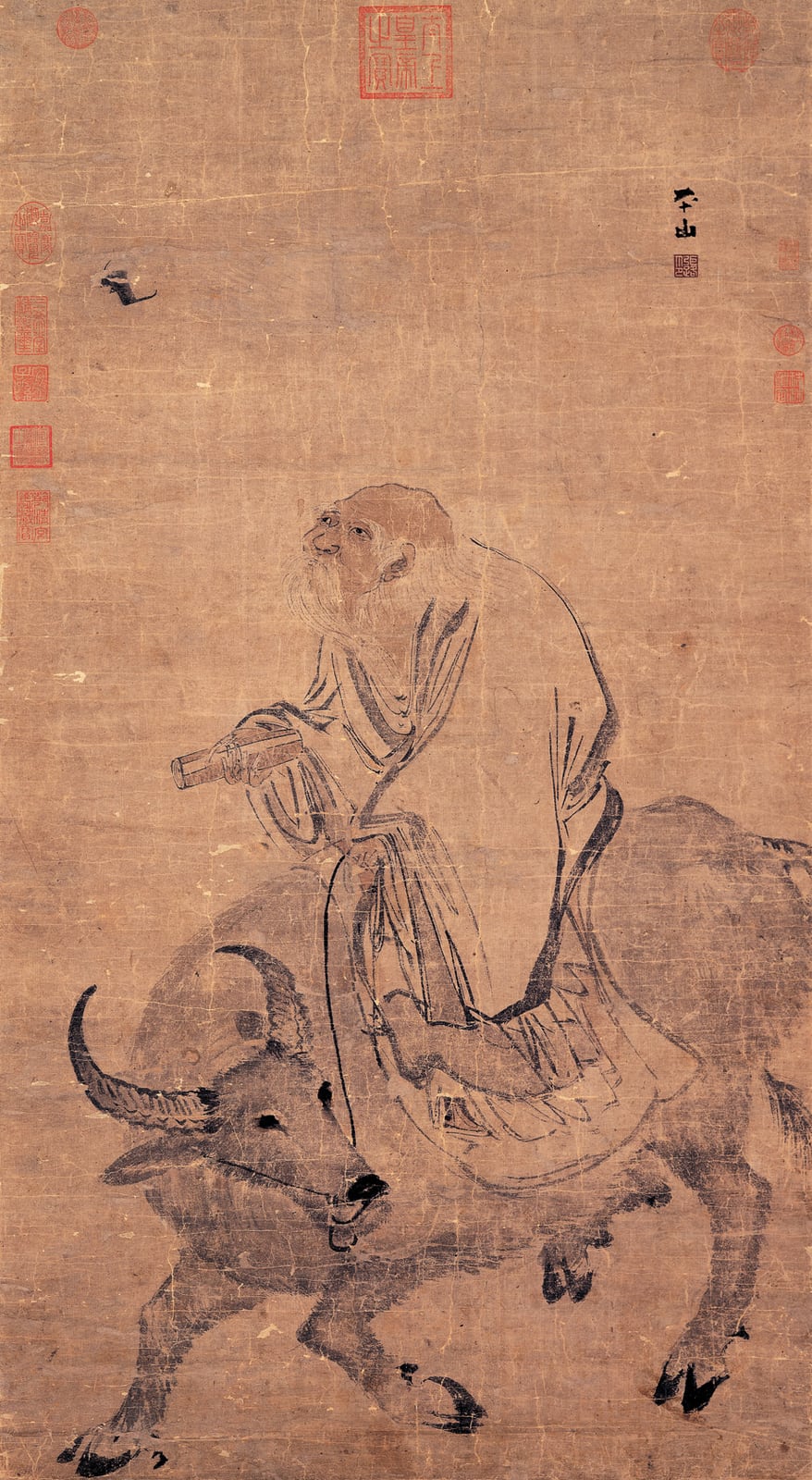
Laozi
इन पर सहमत: हम दुःख क्यों भोगते हैं? · ध्यान या प्रार्थना क्यों करें? · क्या बुद्धि परम को जान सकती है?
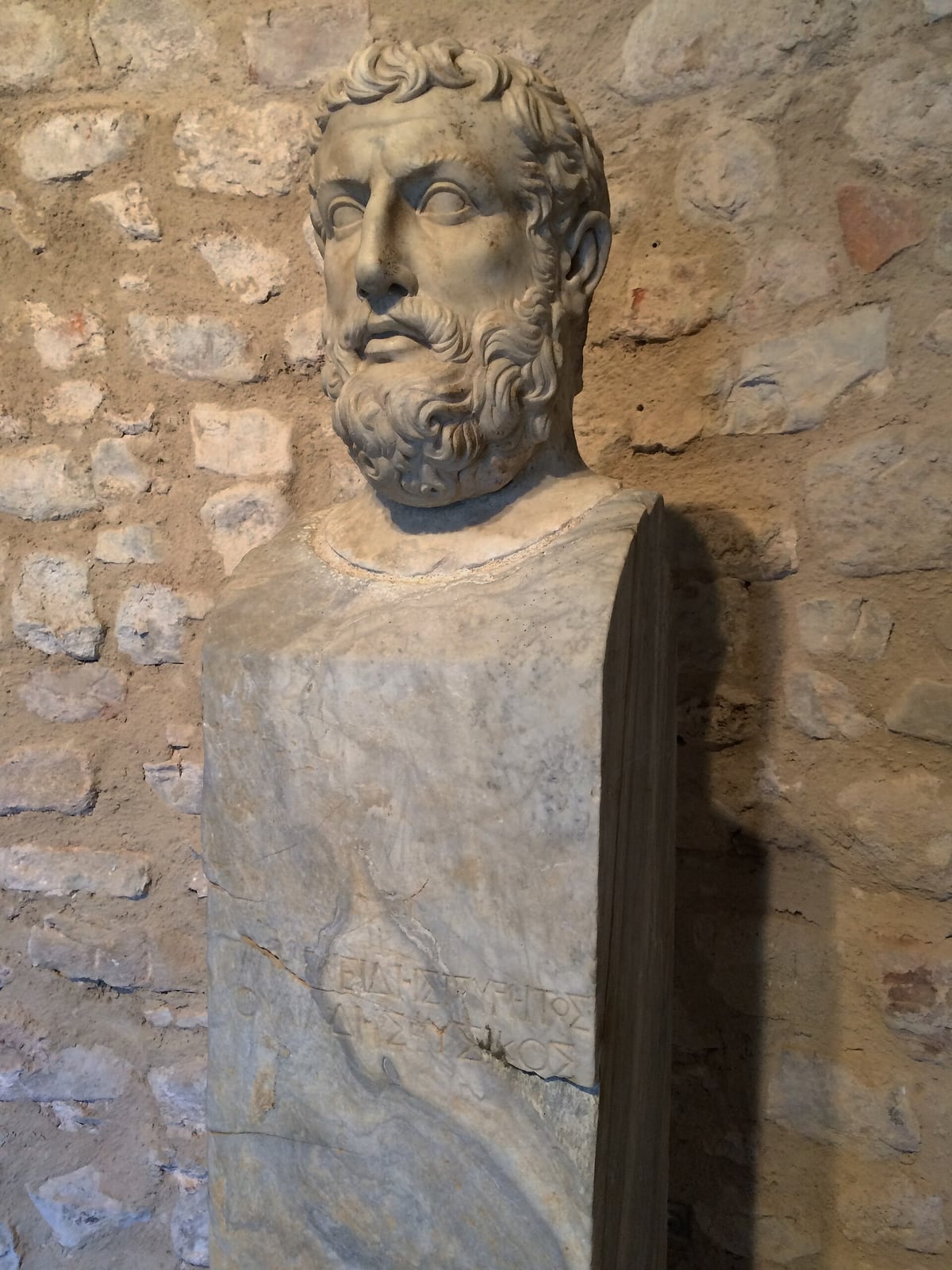
Parmenides
इन पर सहमत: मुक्ति या उद्धार कैसे प्राप्त होता है? · क्या संसार वास्तविक है?

Nāgārjuna
इन पर सहमत: मुक्ति या उद्धार कैसे प्राप्त होता है? · मृत्यु के बाद क्या होता है? · ध्यान या प्रार्थना क्यों करें?
इनसे भिन्न सोचते हैं
Leo Tolstoy
इन पर टकराव: मैं कौन हूँ? क्या कोई सच्चा आत्म है?
Epictetus
इन पर टकराव: मैं कौन हूँ? क्या कोई सच्चा आत्म है? · क्या संसार वास्तविक है?

Epicurus
इन पर टकराव: मैं कौन हूँ? क्या कोई सच्चा आत्म है? · मृत्यु के बाद क्या होता है?

Thomas Merton
इन पर टकराव: मृत्यु के बाद क्या होता है? · क्या संसार वास्तविक है?
प्रसंग और वृत्तांत
प्रसंग और वृत्तांत
विवादितc. 410 a. C.
The name Plato
वृत्तांत का स्रोत: Diogenes Laertius III 4, citing Alexander's Successions and Neanthes. Riginos (Platonica, 1976) and Nails (2002) treat it as a probable biographical invention.
मौखिक परंपराc. 408 a. C.
The tragedies in the fire
वृत्तांत का स्रोत: Diogenes Laertius III 5; Aelian, Varia Historia II 30. The line parodies Iliad XVIII 392. Riginos classes it among the literary conversion anecdotes.
स्रोत: Riginos, Alice Swift, Platonica: The Anecdotes Concerning the Life and Writings of Plato, Leiden, Brill (Columbia Studies in the Classical Tradition 3), 1976.
संत-चरित वृत्तांतc. 408 a. C.
The dream of the swan
वृत्तांत का स्रोत: Diogenes Laertius III 5; also Pausanias I 30.3, Apuleius (On Plato I 1) and Olympiodorus. Riginos (1976) places it in the Apollonian cycle of Plato's biography.
विवादितc. 387 a. C.
Sold as a slave in Aegina
वृत्तांत का स्रोत: Diogenes Laertius III 18–21; Diodorus Siculus XV 7; Plutarch, Dion 5. Absent from the Seventh Letter. Riginos and Nails discuss its plausibility.
साक्ष्यs. IV a. C.
The lecture 'On the Good'
वृत्तांत का स्रोत: Aristoxenus, Elementa harmonica II 30–31, who transmits it as a story Aristotle often told. It is second-hand but close testimony: Aristoxenus was Aristotle's direct pupil.
सत्यापन-योग्य नहींs. IV a. C. (atribuido)
'Let no one ignorant of geometry enter'
वृत्तांत का स्रोत: First mentions in sixth-century AD Alexandrian Neoplatonic commentaries (John Philoponus, In De anima; Elias, In Categorias), and in a scholion on Aelius Aristides. Riginos (1976) considers it a late invention.
स्रोत: Riginos, Alice Swift, Platonica: The Anecdotes Concerning the Life and Writings of Plato, Leiden, Brill (Columbia Studies in the Classical Tradition 3), 1976.
मौखिक परंपराs. IV a. C.
Plato's man
वृत्तांत का स्रोत: Diogenes Laertius VI 40. The definition 'featherless biped' also appears in the pseudo-Platonic Definitions (415a). The anecdote circulated as a Cynic chreia, not as testimony.
शिक्षाएँ
शिक्षाएँ
वे अवधारणाएँ जो उनके चिंतन को रूप देती हैं, उनके संदर्भ में समझाई गई।
Theory of Forms (Ideas)teoria-de-las-formas
It answers Heraclitus (the flux of the sensible) and Parmenides (only what is can be known), and Socrates' search for definitions.
The Form of the Goodidea-del-bien
It crowns the central images of the Republic (sun, line, cave).
The allegory of the cavealegoria-de-la-caverna
It completes the images of the sun and the divided line; it is the most commented page of Western philosophy.
Recollection (anamnesis)anamnesis
It has Pythagorean roots (immortality and transmigration of the soul).
Immortality and parts of the soulinmortalidad-del-alma
It takes up Orphic and Pythagorean inheritances and subjects them to philosophical argument.
Eros and the ladder of beautyeros
Expressed as the teaching of a priestess, at a banquet, among speeches; the later 'Platonic love' greatly simplifies the doctrine.
The philosopher-ruler and justicefilosofo-rey
It arises from the experience of Socrates' condemnation by the democracy and of the tyranny of the Thirty; it has been read as utopia, as critique and, in the twentieth century (Popper), as the seed of totalitarianism.
Becoming like God (homoiosis theoi)homoiosis-theo
It is the bridge between Plato's philosophy and the spirituality of later Platonisms.
वीडियो
वीडियो
रिकॉर्डिंग, साक्षात्कार और वृत्तचित्र। वीडियो YouTube से चलते हैं; वे यहाँ संग्रहीत नहीं हैं।
2. Socratic Citizenship: Plato's Apology
व्याख्यान· EN· 2006· 46 min
YaleCoursesआधिकारिक चैनल
3. Socratic Citizenship: Plato's Crito
व्याख्यान· EN· 2006· 47 min
YaleCoursesआधिकारिक चैनल
4. Philosophers and Kings: Plato's Republic, I-II
व्याख्यान· EN· 2006· 47 min
YaleCoursesआधिकारिक चैनल
5. Philosophers and Kings: Plato's Republic, III-IV
व्याख्यान· EN· 2006· 47 min
YaleCoursesआधिकारिक चैनल
6. Philosophers and Kings: Plato's Republic, V
व्याख्यान· EN· 2006· 45 min
YaleCoursesआधिकारिक चैनल
Great Minds - Part 1 - Plato's Republic I: Justice, Power, and Knowledge
व्याख्यान· EN· 46 min
Michael Sugrueआधिकारिक चैनल
Plato's Symposium: The Dialectic of Reason, Love, and Wisdom
व्याख्यान· EN· 49 min
Michael Sugrueआधिकारिक चैनल
Socrates & Plato's Philosophy - Myles Burnyeat & Bryan Magee (1987)
साक्षात्कार· EN· 1987· 44 min
Philosophy Overdose
Plato and Aristotle: Crash Course History of Science #3
विश्लेषण· EN· 2018· 12 min
CrashCourseआधिकारिक चैनल
PHILOSOPHY - The Good Life: Plato [HD]
विश्लेषण· EN· 6 min
Wireless Philosophyआधिकारिक चैनल
Who did Plato (not) Love? Oxford Abridged Short Talks
व्याख्यान· EN· 12 min
University of Oxfordआधिकारिक चैनल
Mentira la verdad IV: Platón, Apología de Sócrates - Canal Encuentro
विश्लेषण· ES· 27 min
Canal Encuentroआधिकारिक चैनल
01-03-2013. Timeo: El mito de Platón y la creación científica del mundo.
वृत्तचित्र· ES· 2013· 27 min
UNEDआधिकारिक चैनल
La alegoría de la caverna de Platón - Alex Gendler
विश्लेषण· ES· 5 min
Sé Curioso — TED-Edआधिकारिक चैनल
La filosofía helenística (IV): El neoplatonismo · La March
व्याख्यान· ES· 59 min
Fundación Juan Marchआधिकारिक चैनल
चित्रशाला
चित्रशाला
सत्यापित लाइसेंस वाले चित्र। प्रत्येक में उसके रचयिता और श्रेय का उल्लेख सुरक्षित है।
पांडुलिपियाँ
पांडुलिपियाँ
पांडुलिपि-साक्ष्य और प्राचीन पाठ, उनके संरक्षक और अध्ययन की शर्तों सहित।
GRC · Greek minuscule · s. IV a. C.
Πλάτωνος διάλογοι (tetralogías I–VI)
- संरक्षित पाठ-साक्ष्य
- Codex Clarkianus (sigla B), pergamino, año 895
- संरक्षक
- Bodleian Library, Oxford · MS. E. D. Clarke 39
- डिजिटलीकरण
- digital.bodleian.ox.ac.uk/…
GRC · Greek minuscule · s. IV a. C. (espurios, ss. IV–I a. C.)
Πλάτωνος διάλογοι (tetralogías VIII–IX y espurios)
- संरक्षित पाठ-साक्ष्य
- Codex Parisinus graecus 1807 (sigla A), pergamino, s. IX
- संरक्षक
- Bibliothèque nationale de France, París · Grec 1807
- डिजिटलीकरण
- gallica.bnf.fr/…
GRC · Greek majuscule (bookhand) · s. IV a. C.
Πολιτεία (fragmentos)
- संरक्षित पाठ-साक्ष्य
- P. Oxy. LII 3679, papiro, s. III d. C.
- संरक्षक
- Sackler Library / Egypt Exploration Society, Oxford · P. Oxy. 3679
- डिजिटलीकरण
- commons.wikimedia.org/wiki/File:POxy3679_Parts_P…
संबंध
संबंध
प्रभाव, शिष्यत्व और वैचारिक निकटता। प्रमाणित संबंध को विश्लेषण से पहचानी गई समानता से अलग दर्शाया गया है।
इनके शिष्य
He was his companion for about ten years, attended his trial and made him the protagonist of almost all his dialogues. Distinguishing the historical Socrates from the Platonic one is one of the classic problems of ancient philosophy.
प्रमाणित संबंध
इनके गुरु
Aristotle studied and taught in the Academy for some twenty years (367–347 BC) and developed his own philosophy in critical discussion with the Platonic theory of Forms.
प्रमाणित संबंध
इनसे प्रभावित
Aristotle (Metaphysics I 6) states that Plato followed the Pythagoreans in many things; his friendship with Archytas of Tarentum, the role of mathematics and the doctrine of the immortal soul confirm it.
प्रमाणित संबंध
इनसे प्रभावित
According to Aristotle (Metaphysics I 6), Plato became familiar in his youth with Cratylus and the Heraclitean doctrines of flux, and concluded from them that there is no knowledge of sensible things.
प्रमाणित संबंध
इनसे प्रभावित
The distinction between unchanging being and becoming, and the requirement that what is known must be, come from Parmenides, to whom Plato devotes a dialogue and with whom he breaks in the Sophist ('parricide').
प्रमाणित संबंध
इन्हें प्रभावित किया
Plotinus (3rd century AD) regarded himself as a mere interpreter of Plato; Neoplatonism arose from his reading of the Parmenides, the Timaeus, the Republic and the Symposium.
प्रमाणित संबंध
इन्हें प्रभावित किया
In the Confessions (VII 9) and the City of God (VIII) Augustine acknowledges that the 'books of the Platonists' opened his way to the Christian God; through him Platonism passed into Latin theology.
प्रमाणित संबंध
इनसे प्रभावित
The theory of the four elements that the Timaeus reworks geometrically comes from Empedocles.
विश्लेषण से पहचानी गई समानता
इनसे मतभेद
Diogenes Laertius (VI 40, 53–54) transmits several gibes by the Cynic against Plato, such as the plucked chicken presented as 'Plato's man'; they are anecdotes of late tradition.
प्रमाणित संबंध
इनसे मिलते-जुलते विचार
The ascent of the soul towards a principle beyond being and conceptual knowledge has Platonic and Neoplatonic echoes in Rhineland mysticism.
विश्लेषण से पहचानी गई समानता
इन्हें प्रभावित किया
Simone Weil read Plato as a mystic and devoted studies to him in Intimations of Christianity among the Ancient Greeks.
विश्लेषण से पहचानी गई समानता
इनसे मिलते-जुलते विचार
The distinction between unchanging reality and the changing world of appearances invites comparison with Advaita, though without historical contact.
विश्लेषण से पहचानी गई समानता
अन्य प्रविष्टियों से जुड़ा
- Aristotle · इनके शिष्य
- Heraclitus · इन्हें प्रभावित किया
- Marcus Aurelius · इनसे प्रभावित
- Simone Weil · इनसे प्रभावित
- Parmenides · इन्हें प्रभावित किया
- Zeno of Citium · इनसे मतभेद
- Epicurus · इनसे मतभेद
- Nikolai Berdyaev · इनसे मतभेद
- Socrates · इनके गुरु
- Diogenes of Sinope · इनसे मतभेद
- Empedocles · इन्हें प्रभावित किया
- Epictetus · इनसे प्रभावित
- Pavel Florensky · इनसे प्रभावित
- Pythagoras · इन्हें प्रभावित किया
- Plotinus · इनसे प्रभावित
- Vladimir Solovyov · इनसे प्रभावित
- Augustine of Hippo · इनसे प्रभावित
स्रोत
स्रोत
इस प्रविष्टि के लिए देखे गए ग्रंथ-सूची और सूचीपत्र।
- Nails, Debra, The People of Plato: A Prosopography of Plato and Other Socratics, Indianápolis, Hackett, 2002 (entrada «Plato» y apéndices cronológicos).
- Wikidata, «Plato» (Q859): identidad, fechas y nombre en griego (Πλάτων).
- Diógenes Laercio, Vidas y opiniones de los filósofos ilustres, libro III (Platón), s. III d. C. Trad. inglesa de R. D. Hicks, Loeb Classical Library, Harvard University Press, 1925 (texto en Wikisource).
- Platón (atribuida), Carta VII, 324a–352a, en Platonis Opera, ed. John Burnet, vol. V, Oxford Classical Texts, 1907; trad. española de Juan Zaragoza y Pilar Gómez Cardó en Platón, Diálogos VII, Madrid, Gredos (Biblioteca Clásica Gredos 162), 1992.
- Kraut, Richard, «Plato», Stanford Encyclopedia of Philosophy (primera versión 2004; revisión sustantiva 2022), ed. Edward N. Zalta.
- Cooper, John M. (ed.) y Hutchinson, D. S. (ed. asociado), Plato: Complete Works, Indianápolis, Hackett, 1997 (introducción del editor sobre el corpus, las tetralogías de Trasilo y la autenticidad de cada obra).
- Riginos, Alice Swift, Platonica: The Anecdotes Concerning the Life and Writings of Plato, Leiden, Brill (Columbia Studies in the Classical Tradition 3), 1976.
- Guthrie, W. K. C., A History of Greek Philosophy, vol. IV: Plato, the Man and his Dialogues: Earlier Period (1975) y vol. V: The Later Plato and the Academy (1978), Cambridge University Press.
- Burnet, John (ed.), Platonis Opera, 5 vols., Oxford Classical Texts, Oxford, Clarendon Press, 1900–1907 (texto griego citado por la paginación de Stephanus; edición digital en Perseus).
- Open Library: obras y ediciones de Platón (búsqueda por autor, título e ISBN).
- Lledó Íñigo, Emilio, «Introducción general», en Platón, Diálogos I, Madrid, Gredos (Biblioteca Clásica Gredos 37), 1981; y plan de la serie de Diálogos I–IX de la Biblioteca Clásica Gredos (1981–1999).
- Jowett, Benjamin (trad.), The Dialogues of Plato, 3.ª ed., 5 vols., Oxford, Clarendon Press, 1892 (textos en Project Gutenberg).
- Azcárate, Patricio de (trad.), Obras completas de Platón, 11 vols., Madrid, Medina y Navarro, 1871–1872 (edición digital en el Proyecto Filosofía en español y en Wikisource).
- Burnyeat, Myles y Frede, Michael, The Pseudo-Platonic Seventh Letter, ed. Dominic Scott, Oxford University Press, 2015.
- Kahn, Charles H., Plato and the Socratic Dialogue: The Philosophical Use of a Literary Form, Cambridge University Press, 1996.
- Dorandi, Tiziano (ed.), Filodemo. Storia dei filosofi: Platone e l'Academia (PHerc. 1021 e 164), Nápoles, Bibliopolis, 1991.
- Bodleian Library, Oxford, MS. E. D. Clarke 39 (Codex Clarkianus, año 895): ficha y reproducción digital en Digital Bodleian.
- Aristóxeno, Elementa harmonica II 30–31 (testimonio de la lección «Sobre el Bien»), citado y comentado en Kraut, «Plato», SEP, y en Guthrie, HGP V.
- Bibliothèque nationale de France, Département des Manuscrits, Grec 1807 (Codex Parisinus graecus 1807, s. IX), en Gallica.
- Suzanne, Bernard, «Did Plato write “Only the dead have seen the end of war”?», Plato and his dialogues (FAQ), 2002; cf. Santayana, George, Soliloquies in England and Later Soliloquies, 1922, n.º 25 «Tipperary».
- Whitehead, Alfred North, Process and Reality: An Essay in Cosmology, Nueva York, Macmillan, 1929, parte II, cap. 1, sección 1 («a series of footnotes to Plato»).
- अधिकार-धारक
- Los textos griegos de Platón (s. IV a. C.) son de dominio público, como las traducciones antiguas (Jowett, 1892; Burges, 1854–1855; Azcárate, 1871–1872). Las traducciones, introducciones y notas modernas pertenecen a sus traductores y editoriales (Gredos/RBA, Alianza, Akal, Cátedra, Hackett, Harvard University Press, Penguin, Oxford University Press, Cambridge University Press, entre otras).
पुष्टि की प्रतीक्षा में
जो यह प्रविष्टि अभी तक निश्चित नहीं कर सकी है। हम उसे भर देने के बजाय कह देना बेहतर समझते हैं।
- Confirmar el índice exacto de Gredos, Diálogos VII (BCG 162, 1992): se ha asumido que contiene Alcibíades I y II, Hiparco, Amantes, Teages, Clitofonte, Minos, Epínomis, los apócrifos (Definiciones, Sobre la justicia, Sobre la virtud, Demódoco, Sísifo, Erixias, Axíoco) y las Cartas; no se ha visto el índice en un catálogo. Alción no se ha asignado a ese volumen.
- Traductores de cada diálogo en los volúmenes I–III, V y VI de Gredos: no consignados por no haberlos verificado en catálogo (solo República, Eggers Lan; vol. VII, Zaragoza y Gómez Cardó).
- Ediciones con ISBN en español e inglés de varios dudosos y espurios fuera de los volúmenes generales (Hiparco, Teages, Minos, Demódoco, Sísifo, Alción): solo figuran en Gredos VII y Hackett Complete Works. Localizar el volumen Loeb XII (Charmides, Alcibiades I–II, Hipparchus, Lovers, Theages, Minos, Epinomis, LCL 201) y el X (Laws I–VI, LCL 187), cuyos ISBN no aparecieron en Open Library.
- Alción y Demódoco/Sísifo no tienen texto castellano de dominio público localizado; Alción tampoco en inglés (está en el corpus de Luciano: buscar traducción antigua de dominio público).
- Ediciones en francés (Belles Lettres/Budé, GF Flammarion), alemán (Schleiermacher, de dominio público) e italiano: no registradas en esta versión.
- Fechas de composición: se dan años aproximados de la cronología convencional (Kahn, Kraut); no son datos documentados. Los dudosos y espurios quedan sin año salvo Epínomis y las Cartas IV, VII y VIII.
- Contenido de las páginas «Primer Alcibíades», «Ion», «Lisis» y demás de Wikisource en español: comprobado que existen; la de Protágoras figura «en desarrollo».
- Traductor «Mr. Knight» de Alcibíades II y Erixias en la edición de Jowett: identificar nombre completo y fecha de muerte (Jowett solo le llama «my friend and secretary, Mr. Knight»).
- Imagen del Codex Clarkianus: la reproducción procede de la Bodleiana vía Commons; enlazar la ficha exacta de Digital Bodleian del MS. E. D. Clarke 39 en manuscripts[].digitization_url (ahora apunta a la portada del portal). Ídem Gallica para el Parisinus graecus 1807.
- Vídeos: año exacto de los de Michael Sugrue, Wireless Philosophy, Oxford, Canal Encuentro, TED-Ed y Fundación Juan March (no consignado). Solo tres vídeos en español de canales institucionales; buscar más (RTVE, Fundación Juan March, universidades).
- Sin programas de afiliación verificados para ninguna de las editoriales registradas.
2026-10-25 को शोधित