ईसाई धर्म · ईसाई रहस्यवाद · कैथोलिक धर्म
Thomas Merton
1915 – 1968ऐतिहासिक रूप से प्रमाणित व्यक्ति
केंटकी के गेथसेमनी मठ के ट्रैपिस्ट भिक्षु, पुरोहित, कवि और निबंधकार। उनकी आत्मकथा “द सेवन स्टोरी माउंटेन” (1948) ने युद्धोत्तर काल के हज़ारों पाठकों को मठवासी जीवन की ओर मोड़ा, और “न्यू सीड्स ऑफ़ कंटेम्प्लेशन” जैसी कृतियों ने ईसाई ध्यान-चिंतन को व्यक्तिगत पहचान का प्रश्न बना दिया। जीवन के अंतिम दशक में उन्होंने अहिंसा और नागरिक अधिकारों का पक्ष लिया, च्वांग त्सू का अनुवाद किया और ज़ेन तथा तिब्बती बौद्ध धर्म से संवाद किया। 1968 में अपनी एकमात्र एशिया-यात्रा के दौरान थाईलैंड में उनकी मृत्यु हुई।
- कृतियाँ
- 132कृतियाँ
- संस्करण
- 219संस्करण
- उद्धरण
- 8उद्धरण
- वीडियो
- 11वीडियो
- चित्र
- 7चित्र

La ermita de Thomas Merton en Getsemaní · CC BY 2.0
उनके अपने शब्दों में
«On the last day of January 1915, under the sign of the Water Bearer, in a year of a great war, and down in the shadow of some French mountains on the borders of Spain, I came into the world.»The Seven Storey Mountain (1948), parte I, cap. 1, primera frase

शुरुआत के लिए एक रचना
The Seven Storey Mountainमूल विचार
Human beings habitually live identified with a false self, made of desires, roles and appearances, which tries to assert itself against others and against God; spiritual life consists in letting that mask fall so as to discover the true self, which is not possessed but received from God and coincides with one's own vocation.
संदर्भ में देखें
जीवनी
6 मिनट का पाठ
स्पैनिश मूल से सहायता-प्राप्त अनुवाद, मातृभाषी अनुवादक द्वारा समीक्षा लंबित।
दो महाद्वीपों के बीच एक अनाथ
थॉमस मर्टन का जन्म 31 जनवरी 1915 को फ़्रांसीसी पिरेनीज़ की तलहटी में बसे प्राद नगर में हुआ। उनके माता-पिता दोनों चित्रकार थे: न्यूज़ीलैंड के ओवेन मर्टन और अमेरिकी रूथ जेनकिंस, जिनकी परवरिश क्वेकर परिवेश में हुई थी। अगस्त 1916 में युद्ध ने परिवार को न्यूयॉर्क जा बसने पर विवश कर दिया। 1921 में, जब बालक छह वर्ष का था, रूथ की कैंसर से मृत्यु हो गई, और तब से मर्टन का बचपन एक ठिकाने से दूसरे ठिकाने की यात्रा बन गया: डगलस्टन में नाना-नानी का घर, बरमूडा, मध्ययुगीन गाँव सेंट-आंतोनें, मोंतोबां के लिसे एंग्र का छात्रावास, और इंग्लैंड के रिप्ली कोर्ट तथा ओकहम के विद्यालय। 1931 में पिता भी मस्तिष्क के ट्यूमर से चल बसे, और किशोर मर्टन लंदन में रहने वाले अपने धर्मपिता के संरक्षण में आ गए।
कैम्ब्रिज के क्लेयर कॉलेज में 1933 का शैक्षणिक वर्ष उस भटकाव का सबसे निचला बिंदु था। स्वयं मर्टन ने अपनी आत्मकथा में उसे शराबख़ोरी और अव्यवस्था का समय बताया है; उनके जीवनीकारों ने यह भी प्रमाणित किया है कि वहाँ उनसे एक संतान हुई, जिसे वे कभी नहीं जान पाए। उनके ट्यूटर ने उन्हें लौटकर न आने की सलाह दी। जनवरी 1935 में उन्होंने न्यूयॉर्क के कोलंबिया विश्वविद्यालय में दाख़िला लिया, जहाँ आख़िरकार उन्हें अपनी जगह मिली: मार्क वैन डोरेन का मार्गदर्शन, कवि रॉबर्ट लैक्स और चित्रकार ऐड राइनहार्ट से आजीवन मित्रता, छात्र पत्रिकाएँ, और विलियम ब्लेक पर एम.ए. का शोध-प्रबंध।
धर्मांतरण
यह मोड़ एक अप्रत्याशित स्रोत से आया। 1938 में एक मित्र ने उनका परिचय महानामब्रत ब्रह्मचारी से कराया, जो न्यूयॉर्क से होकर गुज़र रहे एक हिंदू संन्यासी थे, और मर्टन को उनसे पूरब की ओर बुलावे की आशा थी। पर ब्रह्मचारी ने उन्हें संत ऑगस्टीन की “कन्फ़ेशंस” और “द इमिटेशन ऑफ़ क्राइस्ट” पढ़ने को कहा। इन ग्रंथों ने, एटियेन जिलसों की “मध्ययुगीन दर्शन की आत्मा” के साथ मिलकर, उन्हें परिसर के पास स्थित कॉर्पस क्रिस्टी के छोटे-से गिरजाघर तक पहुँचाया, जहाँ 16 नवंबर 1938 को उन्हें कैथोलिक चर्च में दीक्षित किया गया। फ़्रांसिस्कन संघ में प्रवेश का एक प्रयास विफल होने के बाद उन्होंने सेंट बोनावेंचर कॉलेज में अंग्रेज़ी पढ़ाई, और केंटकी में पवित्र सप्ताह के एक आध्यात्मिक एकांतवास के बाद ट्रैपिस्ट भिक्षु बनने का निश्चय किया।
10 दिसंबर 1941 को, पर्ल हार्बर के तीन दिन बाद, उन्होंने अवर लेडी ऑफ़ गेथसेमनी मठ का द्वार खटखटाया। उन्हें ब्रदर मैरी लुई नाम मिला — अपने साथी भिक्षुओं के लिए फ़ादर लुई — और फिर वे कभी मठ के बाहर नहीं रहे। 1944 में उन्होंने साधारण व्रत लिए और 1947 में आजीवन व्रत; 1949 में वे पुरोहित नियुक्त हुए।
लिखने वाला भिक्षु
मर्टन का विरोधाभास यह है कि मौन के संघ ने ही उन्हें सदी का सबसे अधिक पढ़ा जाने वाला भिक्षु बना दिया। उनके मठाधीश फ़्रेडरिक डन ने उनसे लिखने को कहा, और उसी आज्ञापालन से “द सेवन स्टोरी माउंटेन” (सात मंज़िला पर्वत) का जन्म हुआ, जिसे 1948 में हारकोर्ट ब्रेस ने प्रकाशित किया। संसार में रमे एक युवक की यह आत्मकथा, जो भागकर ट्रैपिस्ट मठ की शरण लेता है, युद्ध से आहत एक पूरी पीढ़ी के मन को छू गई और असाधारण रूप से लोकप्रिय हुई; अगले वर्षों में अमेरिका के ट्रैपिस्ट मठों में नए साधकों की ऐसी बाढ़ आई जिसे उनके जीवनीकार इसी पुस्तक से जोड़ते हैं। इसके बाद “सीड्स ऑफ़ कंटेम्प्लेशन” (1949), “द वॉटर्स ऑफ़ सिलोए”, “द साइन ऑफ़ जोनस” — एक भिक्षु के रूप में उनकी डायरी — और “नो मैन इज़ ऐन आइलैंड” प्रकाशित हुईं।
मठ के भीतर वे पहले अध्ययनरत भिक्षुओं के आचार्य रहे और फिर 1955 से 1965 तक नवदीक्षितों के आचार्य। कैसियन, मरुस्थल के पिताओं, संत बेनेडिक्ट के नियम या ईसाई रहस्यवाद पर उनके प्रवचन, जो टेप पर रिकॉर्ड हुए और उनकी टिप्पणियों में सुरक्षित रहे, आज भी कई खंडों की एक शृंखला में छप रहे हैं। “न्यू सीड्स ऑफ़ कंटेम्प्लेशन” (1961), जो 1949 की उनकी पुस्तक का गहन पुनर्लेखन थी, ने उनके केंद्रीय विचार को सघन रूप दिया: ध्यान-चिंतन न कोई तकनीक है, न कोई असाधारण अवस्था, बल्कि ईश्वर में छिपे सच्चे स्व का जागरण है, उस मिथ्या स्व के सामने जिसे कामना और दिखावे ने गढ़ा है।
संसार की ओर खुलना
18 मार्च 1958 को लुइसविल के एक व्यापारिक चौराहे पर मर्टन को वह अनुभव हुआ जिसे उन्होंने स्वयं संसार से अपने “अलगाव” का अंत माना: यह अचानक स्पष्ट हो जाना कि वे सभी राहगीरों से प्रेम करते हैं और कोई भी उनके लिए पराया नहीं है। उन्होंने इसे अपनी डायरी में दर्ज किया और वर्षों बाद “कंजेक्चर्स ऑफ़ ए गिल्टी बाइस्टैंडर” में फिर से रचा। तब से उनका लेखन परमाणु युद्ध, नस्ली अलगाव और आगे चलकर वियतनाम की ओर मुड़ गया। 1962 में उनके वरिष्ठों ने उन पर शांति के विषय में प्रकाशन की रोक लगा दी; फिर भी वे दुनिया भर के पत्र-मित्रों को साइक्लोस्टाइल किए हुए पत्र भेजते रहे, जो आज “कोल्ड वॉर लेटर्स” (शीतयुद्ध के पत्र) के नाम से जाने जाते हैं।
साथ ही वे पूरब के साथ एक अभूतपूर्व संवाद रच रहे थे। उन्होंने डी. टी. सुज़ुकी से पत्राचार किया और 1964 में न्यूयॉर्क में उनसे मिलने गए; “द वे ऑफ़ चुआंग त्ज़ु” (1965) प्रकाशित की, जो इस ताओवादी क्लासिक का स्वतंत्र रूपांतर है, और फिर “मिस्टिक्स ऐंड ज़ेन मास्टर्स” (1967) तथा “ज़ेन ऐंड द बर्ड्स ऑफ़ अपेटाइट” (1968)। 1966 में उन्होंने गेथसेमनी में वियतनामी भिक्षु थिक न्यात हन्ह का स्वागत किया और उनके बचाव में “न्यात हन्ह मेरा भाई है” लेख लिखा। बोरिस पास्तेरनाक, चेस्वाव मीवोश, एर्नेस्तो कार्देनाल — जो कभी उनके नवदीक्षित शिष्य थे —, डोरोथी डे और मार्टिन लूथर किंग के साथ उनका पत्राचार पाँच खंडों में फैला है।
कुटी और प्रेम
अगस्त 1965 में उन्हें मठ के जंगलों में कंक्रीट के ब्लॉकों से बनी एक छोटी-सी कुटी में एकांतवासी के रूप में रहने की अनुमति मिल गई। पर एकांत ने उनके लिए सबसे अप्रत्याशित परीक्षा रख छोड़ी थी: 1966 के वसंत में, लुइसविल के एक अस्पताल में पीठ के ऑपरेशन से उबरते हुए, उन्हें नर्सिंग की एक युवा छात्रा से प्रेम हो गया, जिसे उनकी डायरियाँ “एम.” कहती हैं। यह संबंध, जिसे उन्होंने गहरी अंतर्वेदना के साथ जिया और जिसका लिखित साक्ष्य स्वयं छोड़ गए, उसी गर्मी में समाप्त हो गया, जब मठाधीश को इसकी ख़बर लगी। मर्टन ने अपनी डायरियों के प्रकाशन पर अपनी मृत्यु के पच्चीस वर्ष बाद तक रोक लगा रखी थी; जब वे 1995 और 1998 के बीच सात खंडों में छपीं, तो उनमें आत्मकथा वाले मर्टन से कहीं अधिक अंतर्विरोधी और कहीं अधिक मानवीय व्यक्ति सामने आया।
एशिया और अंत
अक्टूबर 1968 में नए मठाधीश फ़्लेवियन बर्न्स की अनुमति से मर्टन बैंकॉक में बेनेडिक्टाइन और सिस्टर्शियन भिक्षुओं के एक सम्मेलन में भाग लेने के लिए एशिया गए। भारत में वे तीन बार दलाई लामा से मिले, जिन्होंने बाद में अपनी आत्मकथा में लिखा कि मर्टन ने उन्हें “ईसाई” शब्द का सच्चा अर्थ समझाया; दार्जिलिंग में उन्होंने ज़ोगचेन आचार्य छत्राल रिनपोछे से घंटों बातचीत की। 2 दिसंबर को, सीलोन में पोलोन्नरुवा की पाषाण बुद्ध-प्रतिमाओं के सामने, उन्होंने लिखा कि वे वस्तुओं की “सतह” को भेदकर पार चले गए हैं — एक ऐसी बोधानुभूति में, जिसका सार उन्होंने इन शब्दों में रखा कि सब कुछ शून्यता है और सब कुछ करुणा है।
10 दिसंबर 1968 को, गेथसेमनी पहुँचने के ठीक सत्ताईस वर्ष बाद, उन्होंने सुबह “मार्क्सवाद और मठवासी परिप्रेक्ष्य” विषय पर व्याख्यान दिया। दोपहर बाद वे समुत प्राकान में रेड क्रॉस केंद्र के अपने कमरे में मृत पाए गए, उनके शरीर पर एक बिजली का पंखा गिरा पड़ा था। उनके साथी भिक्षुओं ने जो विवरण प्रचारित किया, वह आकस्मिक बिजली के झटके का था; थाईलैंड की आधिकारिक रिपोर्टें मृत्यु का कारण उपकरण के संपर्क से पहले हुई हृदय-गति रुकने को बताती हैं। शव-परीक्षा नहीं हुई, और सिर के एक घाव की कोई व्याख्या न होने से हत्या की उन धारणाओं को बल मिला, जिन्हें अधिकांश विद्वान निराधार मानते हैं। 17 दिसंबर को उन्हें गेथसेमनी में दफ़नाया गया।
विरासत
मर्टन अपने जीवनकाल में प्रकाशित पचास से अधिक पुस्तकें और डायरियों, पत्रों, कविताओं तथा प्रवचनों का ऐसा मरणोपरांत भंडार छोड़ गए, जो अब भी चुका नहीं है। उनके कृतित्व ने बीसवीं सदी के उत्तरार्ध की गृहस्थों की चिंतनशील आध्यात्मिकता और ईसाइयत तथा बौद्ध धर्म के बीच मठवासी संवाद की नींव रखने में निर्णायक भूमिका निभाई। 2015 में पोप फ़्रांसिस ने अमेरिकी कांग्रेस के सामने लिंकन, मार्टिन लूथर किंग और डोरोथी डे के साथ उनका उल्लेख “प्रार्थना के व्यक्ति” और “संवाद के व्यक्ति” के रूप में किया। उनका अभिलेखागार लुइसविल के बेलार्माइन विश्वविद्यालय के थॉमस मर्टन सेंटर में सुरक्षित है, और उनकी कृतियों के अधिकार मर्टन लीगेसी ट्रस्ट मठ के हित में सँभालता है।
स्रोत: Mott, Michael. The Seven Mountains of Thomas Merton. Boston: Houghton Mifflin, 1984 (biografía autorizada por el Merton Legacy Trust). · Merton, Thomas. The Seven Storey Mountain. Nueva York: Harcourt, Brace and Company, 1948. · Merton, Thomas. The Asian Journal of Thomas Merton. Ed. Naomi Burton Stone, Patrick Hart y James Laughlin. Nueva York: New Directions, 1973 (incluye el epílogo de Patrick Hart y los apéndices VII, «Marxism and Monastic Perspectives», y VIII, carta de los delegados trapenses al abad Flavian Burns). · Shannon, William H.; Bochen, Christine M.; O'Connell, Patrick F. The Thomas Merton Encyclopedia. Maryknoll (NY): Orbis Books, 2002. · Merton, Thomas. Conjectures of a Guilty Bystander. Garden City (NY): Doubleday, 1966.
कालक्रम
जीवन, वर्ष-दर-वर्ष
प्रत्येक बिंदु एक प्रमाणित घटना है। उसे स्रोत और निश्चितता के स्तर सहित पढ़ने के लिए क्लिक करें।
31 जनवरी 19150 वर्षPrades (Francia)
Birth in the Pyrenees
Born to Owen Merton, a New Zealand painter, and Ruth Jenkins, an American artist of Quaker upbringing, who had met while studying painting in Paris.
प्रमाणितThomas Merton Center, Bellarmine University. «Thomas Merton: Chronology of Life and Publications».
उनके निधन के बाद
- 1995 – 1998Publication of the complete journals
- 24 सितंबर 2015Cited by Pope Francis before Congress
31 जनवरी 1915 · 0 वर्ष
Birth in the Pyrenees
Born to Owen Merton, a New Zealand painter, and Ruth Jenkins, an American artist of Quaker upbringing, who had met while studying painting in Paris.
प्रमाणित
21 अक्टूबर 1921 · 6 वर्ष
Death of his mother
Ruth Jenkins dies of stomach cancer. The boy learns of it by letter; the loss opens an itinerant childhood between the United States, Bermuda, France and England.
प्रमाणित
1926 – 1928 · 11 वर्ष
Boarding at the Lycée Ingres
His father enrols him at the lycée in Montauban while painting in Saint-Antonin; in 1928 they move to England (Ripley Court and, from 1929, Oakham).
प्रमाणित
1931 · 15 वर्ष
Death of his father
Owen Merton dies of a brain tumour. The adolescent is placed under the guardianship of his godfather, the physician Tom Bennett.
प्रमाणित
अक्टूबर 1933 – 1934 · 18 वर्ष
A disordered year at Clare College
He reads modern languages at Cambridge; a year of excess that he would later judge harshly. He loses his scholarship and returns to the United States.
प्रमाणित
जनवरी 1935 – 1939 · 19 वर्ष
Columbia: Van Doren, Lax and literature
He studies English literature under Mark Van Doren and forms lifelong friendships with Robert Lax and Ad Reinhardt. Graduating in 1938, he takes his master's degree in 1939 with a thesis on William Blake.
प्रमाणित
16 नवंबर 1938 · 23 वर्ष
Received into the Catholic Church
After months of reading—Gilson, Augustine, à Kempis—and the advice of the Hindu monk Mahanambrata Brahmachari, he is baptised and receives his first communion.
प्रमाणित
1940 – 1941 · 25 वर्ष
Teaching among the Franciscans
Turned away by the Franciscan novitiate, he teaches English at St. Bonaventure and becomes a Franciscan tertiary. A Holy Week retreat at Gethsemani (1941) settles his vocation.
प्रमाणित
10 दिसंबर 1941 · 26 वर्ष
Arrival at Gethsemani
He knocks at the door of the Trappist abbey; on 13 December he is admitted as a postulant and given the name Brother Mary Louis.
प्रमाणित
17 अप्रैल 1943 · 28 वर्ष
Death of his brother John Paul
His only brother, an RCAF airman baptised months earlier in Kentucky, dies after his plane comes down at sea. Merton writes for him the poem that appears in his autobiography.
प्रमाणित
19 मार्च 1944 · 29 वर्ष
Simple vows and Thirty Poems
He takes temporary vows; that same year James Laughlin publishes his first book, Thirty Poems, at New Directions.
प्रमाणित
1948 · 33 वर्ष
The Seven Storey Mountain
Harcourt Brace publishes the autobiography, written under obedience to his abbot. It becomes a publishing phenomenon and the most widely read conversion narrative of post-war America.
प्रमाणित
26 मई 1949 · 34 वर्ष
Ordination to the priesthood
He is ordained priest on Ascension Day; that year he publishes Seeds of Contemplation and The Waters of Siloe.
प्रमाणित
1955 – 1965 · 40 वर्ष
Master of novices
After four years as master of scholastics, he directs the formation of novices for a decade; his recorded conferences and notes are now published as a series.
प्रमाणित
18 मार्च 1958 · 43 वर्ष
The Fourth and Walnut revelation
In a Louisville shopping street he suddenly realises that he loves all the passers-by and that they are not alien to him; he records it in his journal and reworks it in Conjectures of a Guilty Bystander (1966).
प्रमाणित
1961 · 46 वर्ष
New Seeds and the turn towards the world
He publishes New Seeds of Contemplation and begins writing against nuclear war; in 1962 his superiors forbid him to publish on peace, and his texts circulate as the 'Cold War Letters'.
प्रमाणित
जून 1964 · 49 वर्ष
Meeting D. T. Suzuki
With exceptional permission he travels to New York to meet the great interpreter of Zen, with whom he had corresponded since 1959.
प्रमाणित
अगस्त 1965 – 1968 · 50 वर्ष
Hermit in the abbey woods
He gives up the office of novice master and moves full time into the cinder-block hermitage built on the monastery grounds.
प्रमाणित
मार्च 1966 · 51 वर्ष
Love for 'M.'
After back surgery he falls in love with a young student nurse; the relationship, which ends that summer, is documented in the sixth volume of his journals.
प्रमाणित
28 मई 1966 · 51 वर्ष
Visit of Thich Nhat Hanh
He receives the Vietnamese monk during his peace tour and afterwards writes 'Nhat Hanh Is My Brother', a plea against the Vietnam War.
प्रमाणित
15 अक्टूबर 1968 · 53 वर्ष
Departure for Asia
With leave from the new abbot, Flavian Burns, he flies to Asia to attend a monastic congress and an interreligious meeting in Calcutta.
प्रमाणित
4 नवंबर 1968 · 53 वर्ष
Three audiences with the Dalai Lama
On 4, 6 and 8 November he talks with the young Dalai Lama about epistemology, meditation and monastic life; in the following weeks he meets Chatral Rinpoche.
प्रमाणित
2 दिसंबर 1968 · 53 वर्ष
Before the Buddhas of Polonnaruwa
Barefoot before the great stone figures of the Gal Vihara he lives what he describes as an aesthetic and spiritual illumination unlike any in his life.
प्रमाणित
10 दिसंबर 1968 · 53 वर्ष
Death in Bangkok
In the morning he delivers the lecture 'Marxism and Monastic Perspectives'; in the afternoon he is found dead in his room with an electric fan lying across his body. The Thai reports speak of heart failure; accidental electrocution was the version made public by his brethren.
प्रमाणित
17 दिसंबर 1968
Burial in the monastic cemetery
His body, flown home on a military aircraft returning from Vietnam, is buried beneath a white cross identical to those of the other monks.
प्रमाणित
1995 – 1998
Publication of the complete journals
Once the twenty-five-year embargo he himself had imposed has expired, HarperSanFrancisco publishes his journals from 1939 to 1968 in seven volumes.
प्रमाणित
24 सितंबर 2015
Cited by Pope Francis before Congress
Francis names him alongside Lincoln, Martin Luther King and Dorothy Day as one of four Americans who embody the best of the nation: 'a man of dialogue'.
प्रमाणित
कृतियाँ
आवश्यक कृतियाँ
वे कृतियाँ जिनके बिना उनकी विरासत को समझा नहीं जा सकता।
लिखित कृति · 1948
The Seven Storey Mountain
Autobiography of Merton's first twenty-six years, from his birth in Prades to his entry into Gethsemani, written at the suggestion of Abbot Frederic Dunne. The title alludes to Dante's mountain of Purgatory. The story of a wandering youth, of his parents' deaths, of Cambridge and Columbia, and of a conversion lived as a homecoming, it became one of the most widely read religious books of the twentieth century and moved thousands of readers towards monastic life. In Britain it appeared abridged as Elected Silence (1949), with a foreword by Evelyn Waugh.
10 संस्करण

लिखित कृति · 1949
Seeds of Contemplation
A collection of short reflections on the interior life, prayer and detachment, written in the wake of John of the Cross. Its direct language, free of scholastic apparatus, made it an immediate classic; Merton revised it in 1949 and rewrote it thoroughly in 1961 as New Seeds of Contemplation.
4 संस्करण

लिखित कृति · 1961
New Seeds of Contemplation
A complete rewriting of Seeds of Contemplation, twenty years after his entry into the monastery. Merton removes the cloistered tone of the first version and develops the opposition between the false self and the true self, contemplation as awakening to reality, and unity with other human beings. Chapters such as 'Things in Their Identity', 'Pray for Your Own Discovery' and 'The General Dance' have made it his most widely read spiritual book and a reference text of contemporary Christian spirituality.
6 संस्करण

लिखित कृति · 1966
Conjectures of a Guilty Bystander
A notebook drawn from the journals of 1956–1965: reflections on technology, race, war, Barth, Gandhi and the Council. It contains the account of the Fourth and Walnut revelation and the page on the 'point vierge', the untouched centre of the human being.
3 संस्करण
संपूर्ण कृतित्व (132)
Thomas Merton
Thirty Poems
The Conscious LibraryThirty Poems
1944

A Man in the Divided Sea
1946
Thomas Merton
Figures for an Apocalypse
The Conscious LibraryFigures for an Apocalypse
1947

Exile Ends in Glory
1948

What Are These Wounds?
1948
Thomas Merton
Guide to Cistercian Life
The Conscious LibraryGuide to Cistercian Life
1948
Thomas Merton
Cistercian Contemplatives
The Conscious LibraryCistercian Contemplatives
1948

The Spirit of Simplicity
1948

What Is Contemplation?
1948

The Tears of the Blind Lions
1949

The Waters of Siloe
1949
Thomas Merton
Gethsemani Magnificat
The Conscious LibraryGethsemani Magnificat
1949

The Ascent to Truth
1951

Bread in the Wilderness
1953

The Sign of Jonas
1953

The Last of the Fathers
1954

No Man Is an Island
1955

The Living Bread
1956

Praying the Psalms
1956
Thomas Merton
Silence in Heaven
The Conscious LibrarySilence in Heaven
1956

The Silent Life
1957

The Strange Islands
1957
Thomas Merton
The Tower of Babel
The Conscious LibraryThe Tower of Babel
1957

Basic Principles of Monastic Spirituality
1957
वचन
किसी निश्चित कृति में स्थित वचन। प्रत्येक के साथ उसका स्रोत और विश्वसनीयता का स्तर है।
On the last day of January 1915, under the sign of the Water Bearer, in a year of a great war, and down in the shadow of some French mountains on the borders of Spain, I came into the world.सत्यापितThe Seven Storey Mountain (1948), parte I, cap. 1, primera frase
मूल विचार (संपादकीय सार)
कॉपीराइट के सम्मान में, ये विचार हमारे अपने शब्दों में संक्षेपित हैं और इन्हें शब्दशः उद्धरण के रूप में प्रस्तुत नहीं किया गया है।
- Human beings habitually live identified with a false self, made of desires, roles and appearances, which tries to assert itself against others and against God; spiritual life consists in letting that mask fall so as to discover the true self, which is not possessed but received from God and coincides with one's own vocation.
- Contemplation is neither an extraordinary state reserved for mystics nor a technique of concentration but an awakening to reality as it is, in which God is present; it is a gift that cannot be manufactured, though it can be prepared for through silence, simplicity and attention.
- Authentic solitude is neither flight from the world nor contempt for others: whoever truly withdraws discovers a deeper solidarity with all human beings, and monastic enclosure, far from separating, ought to make the monk more responsible for the sufferings of his time.
- Christian nonviolence is not an effective tactic for obtaining results but a form of truth born of humility and respect for the adversary; whoever practises it must therefore give up measuring its worth by immediate success and rest on the truth of what is done.
- Fruitful dialogue between religions does not take place at the level of doctrines, where the differences are real, but at the level of contemplative experience: the Christian monk and the Buddhist monk can recognise each other in a shared search for inner freedom without either renouncing his tradition.
- Mass technological civilisation produces a bureaucratic sanity capable of planning genocide without losing its composure; against it, the poet, the monk and the outsider fulfil the prophetic task of recalling what cannot be measured or sold.
- At the centre of each person there is an untouched point, prior to sin and illusion, which belongs entirely to God; recognising this 'virgin point' in oneself and in others is the foundation of all compassion.
अंतिम शब्द
प्रत्यक्ष सुने गए और प्रमाणित शब्द
«I will conclude on that note. I believe the plan is to have all the questions for this morning's lectures this evening at the panel. So I will disappear.»I will conclude on that note. I believe the plan is to have all the questions for this morning's lectures this evening at the panel. So I will disappear.
These are his last documented public words: the close of his lecture 'Marxism and Monastic Perspectives', delivered at ten in the morning of 10 December 1968 at the monastic congress in Samut Prakan and transcribed in Appendix VII of The Asian Journal; there is also a filmed recording of the end of the talk, whose transcriptions circulate with small variants. According to Patrick Hart's epilogue, based on the reports and on delegates' testimony, after lunch he told a companion that he was tired and looking forward to a siesta; there are no witnesses to anything he said afterwards. The irony of 'I will disappear' has been noted by all his biographers.
स्रोत: Merton, Thomas. The Asian Journal of Thomas Merton. Ed. Naomi Burton Stone, Patrick Hart y James Laughlin. Nueva York: New Directions, 1973 (incluye el epílogo de Patrick Hart y los apéndices VII, «Marxism and Monastic Perspectives», y VIII, carta de los delegados trapenses al abad Flavian Burns).
पूछें
उनकी कृतियाँ क्या उत्तर देती हैं
मानवता के बारह महान प्रश्न और उनके ग्रंथ उनका जो उत्तर देने देते हैं, संदर्भों सहित। हम कभी उनके मुख में अपने शब्द नहीं रखते।
परम सत्य क्या है? क्या ईश्वर है?
God is not an object: he is the hidden ground of love who calls
साकार, व्यक्तिगत ईश्वरस्पष्ट रूप से कहा है
Thomas Merton, a Trappist monk, confesses a personal, Trinitarian and incarnate God, but insists that he is not one object among others nor something that can be possessed by concepts. In New Seeds of Contemplation, contemplation is the living awareness that life and being proceed from an invisible, transcendent and infinitely abundant Source, known not as a thing but as a presence that calls the person by name. In his last years, in dialogue with Zen and Tibetan Buddhism, he stressed the apophatic character of this God and called him, in his letters, the hidden ground of love. For Merton the Absolute remains someone, but is found in the darkness of faith rather than in evidence.
इस प्रश्न की अन्य गुरुओं से तुलना करेंमैं कौन हूँ? क्या कोई सच्चा आत्म है?
The false self is an illusion; the true self is hidden in God
अहं विचार की रचना हैस्पष्ट रूप से कहा है
The distinction between the false self and the true self runs through Thomas Merton's work. In New Seeds of Contemplation, the false self is the person we want to be and who cannot exist, because God knows nothing about him: a self made of desires, social image and the urge to assert oneself against others, living in the illusion of separation. The true self, by contrast, is not manufactured: it is hidden in God and discovered in discovering him. Hence his formula: for him, to be a saint means to be himself. In his last years he compared this doctrine with the Buddhist anatman and with Zen, without identifying them.
इस प्रश्न की अन्य गुरुओं से तुलना करेंहम दुःख क्यों भोगते हैं?
We suffer by living in a false self, cut off from our truth
हम क्या हैं, इसका अज्ञानस्पष्ट रूप से कहा है
Thomas Merton locates the root of human suffering in alienation: the human being builds a false self that lives by asserting itself against others, protects itself with possessions, prestige and violence, and therefore feels separated from God, from others and from itself. New Seeds of Contemplation identifies that false self with sin: it is to refuse the identity God gives. In his writings on peace and racism he extends the diagnosis to society, where collective illusion produces war. In Calcutta, in 1968, he put it this way: we are already one, but we imagine we are not. Awakening to what we are is the beginning of healing.
इस प्रश्न की अन्य गुरुओं से तुलना करेंमृत्यु के बाद क्या होता है?
Christ is risen: the new life begins already
अनंत जीवन और पुनरुत्थानस्पष्ट रूप से कहा है
Thomas Merton professes the Christian faith in resurrection and eternal life, to which he devoted the short Easter meditation He Is Risen, published posthumously. In it he insists that the resurrection is not merely a future event or a consolation for later, but the presence of the living Christ who calls us to live already as new men, free from the fear of death. In The New Man he develops the same idea: life in Christ is a present participation in his victory. His journals also show a keen awareness of his own death, which overtook him in Bangkok in December 1968, during his journey to Asia.
इस प्रश्न की अन्य गुरुओं से तुलना करेंमुक्ति या उद्धार कैसे प्राप्त होता है?
Contemplation is a gift: awakening to God's life in us
कृपा और प्रेम सेस्पष्ट रूप से कहा है
For Thomas Merton, liberation is discovering the true self hidden in God, and that discovery cannot be manufactured. New Seeds of Contemplation opens by affirming that contemplation is a gift: an awakening to the real in all that is real, a response to a call from the One who has no voice. The human being can dispose himself —with silence, solitude, prayer, asceticism and detachment from his false self— but cannot produce by technique what can only be received. In Contemplative Prayer he warns against turning prayer into a search for experiences. Freedom comes when the false self yields and the person allows himself to be found by mercy.
इस प्रश्न की अन्य गुरुओं से तुलना करेंक्या गुरु आवश्यक है?
The director helps one see; the true director is the Spirit
सहायक, पर अनिवार्य नहींस्पष्ट रूप से कहा है
Thomas Merton wrote Spiritual Direction and Meditation (1960) and was for years master of novices at Gethsemani. For him, the spiritual director is neither a guru nor an administrator of techniques, but someone who helps recognise and follow the action of the Holy Spirit in the soul, who is the true director. Direction is especially valuable in monastic life and in moments of discernment, but it does not replace personal responsibility. In The Wisdom of the Desert he recovered the figure of the abba of the Desert Fathers, who guides with few words and by example, and in his last years he took a respectful interest in the master–disciple relationship in Zen and Tibetan Buddhism.
इस प्रश्न की अन्य गुरुओं से तुलना करेंक्या संसार वास्तविक है?
A tree gives glory to God by being a tree
शुभ और वास्तविक सृष्टिस्पष्ट रूप से कहा है
Thomas Merton defends the goodness and holiness of creation against a spirituality that despises the world. In New Seeds of Contemplation, in the chapter on things in their identity, he writes that a tree gives glory to God by being a tree, because in being what God wants it to be it obeys him; each creature is holy in its singularity. Hagia Sophia contemplates divine wisdom as a hidden fullness in all visible things. In The Asian Journal, before the Buddhas of Polonnaruwa, he notes that all matter and all life are charged with dharmakaya, and that everything is emptiness and everything is compassion. The world is real, good and transparent to God.
इस प्रश्न की अन्य गुरुओं से तुलना करेंप्रेम क्या है?
They were mine and I theirs: love discovers we are already one
ईश्वर और पड़ोसी से प्रेमस्पष्ट रूप से कहा है
In Conjectures of a Guilty Bystander, Thomas Merton recounts that in 1958, on a street corner in downtown Louisville, he was suddenly overwhelmed by the realisation that he loved all those strangers, that they were his and he theirs. That experience corrected the idea that the monk is a being apart. For Merton, Christian love is neither sentimentality nor philanthropy: it is sharing in God's love, which seeks the good of the other for the other's sake and recognises Christ in every person. No Man Is an Island develops that idea, and his writings on nonviolence, racism and war turn it into a political demand. Love reveals the hidden unity.
इस प्रश्न की अन्य गुरुओं से तुलना करेंक्या हम स्वतंत्र हैं, या सब कुछ पूर्वनिर्धारित है?
We are free to be real or unreal
वास्तविक स्वतंत्र इच्छास्पष्ट रूप से कहा है
Thomas Merton understands freedom as the possibility of becoming who one is. In New Seeds of Contemplation he writes that God leaves us free to be whatever we like: we can be real or unreal, true or false; the choice is ours, and our vocation is to work together with God in creating our own identity. Holiness is not a destiny fixed in advance, but a free response to a call. The famous prayer in Thoughts in Solitude —I have no idea where I am going, I do not see the road— expresses that freedom lived without guarantees, trusting that the desire to please God does in fact please him. In his social writings he extends responsibility to collective decisions.
इस प्रश्न की अन्य गुरुओं से तुलना करेंध्यान या प्रार्थना क्यों करें?
Contemplation is not a technique: it is waking to the real
ध्यान कोई तकनीक नहींस्पष्ट रूप से कहा है
Thomas Merton lived monastic prayer —choral office, lectio divina, the psalms— and explained it in Praying the Psalms. But he insists that contemplation is not the fruit of a method. In New Seeds of Contemplation he defines it as the highest expression of the human being's intellectual and spiritual life: a spontaneous and grateful awakening to reality and its Source, which cannot be taught or produced. In Contemplative Prayer he warns against turning prayer into a search for experiences or special states, and in his dialogue with Zen he stresses that it is a matter of seeing, not obtaining. Practice disposes, but what matters happens without technique.
इस प्रश्न की अन्य गुरुओं से तुलना करेंक्या बुद्धि परम को जान सकती है?
Contemplation goes beyond concepts, without despising them
परम मन से परे हैस्पष्ट रूप से कहा है
Thomas Merton studied Thomas Aquinas and John of the Cross and devoted The Ascent to Truth (1951) to them, arguing that reason and faith have their place and that Christian mysticism is not irrational. But his doctrine of contemplation places ultimate knowledge beyond concepts: in New Seeds of Contemplation, contemplation is not the vision of an object or clear knowledge, but a dark knowing that transcends reason and in which God is known as unknown. In his dialogue with Zen, in Zen and the Birds of Appetite, he valued the direct experience prior to the division between subject and object. Thought points; the ultimate is received.
इस प्रश्न की अन्य गुरुओं से तुलना करेंसंसार से हटें या उसे बदलें?
From monastery to world: contemplation turns prophetic
कर्म में ध्यानस्पष्ट रूप से कहा है
Thomas Merton's trajectory is a journey out and back. The Seven Storey Mountain recounts his flight from the world to the Trappist abbey of Gethsemani in 1941, presented as renunciation. But from the late fifties, after the Louisville experience, he understood that the monk is not separate from others, and wrote against nuclear war, racism and the Vietnam War in Seeds of Destruction, Faith and Violence and his Cold War Letters. In 1965 he withdrew to a hermitage within the monastery. Contemplation in a World of Action argues that solitude, far from distancing, makes presence in the world more lucid and its critique freer.
इस प्रश्न की अन्य गुरुओं से तुलना करें
निकटता और तनाव
निकटता और तनाव
उनके मतों के आधार पर प्रश्न-दर-प्रश्न आकलित। प्रत्येक सहमति या टकराव का कारण क्लिक करने पर।
इनसे मिलता-जुलता सोचते हैं

Teresa of Ávila
इन पर सहमत: परम सत्य क्या है? क्या ईश्वर है? · मृत्यु के बाद क्या होता है? · मुक्ति या उद्धार कैसे प्राप्त होता है?
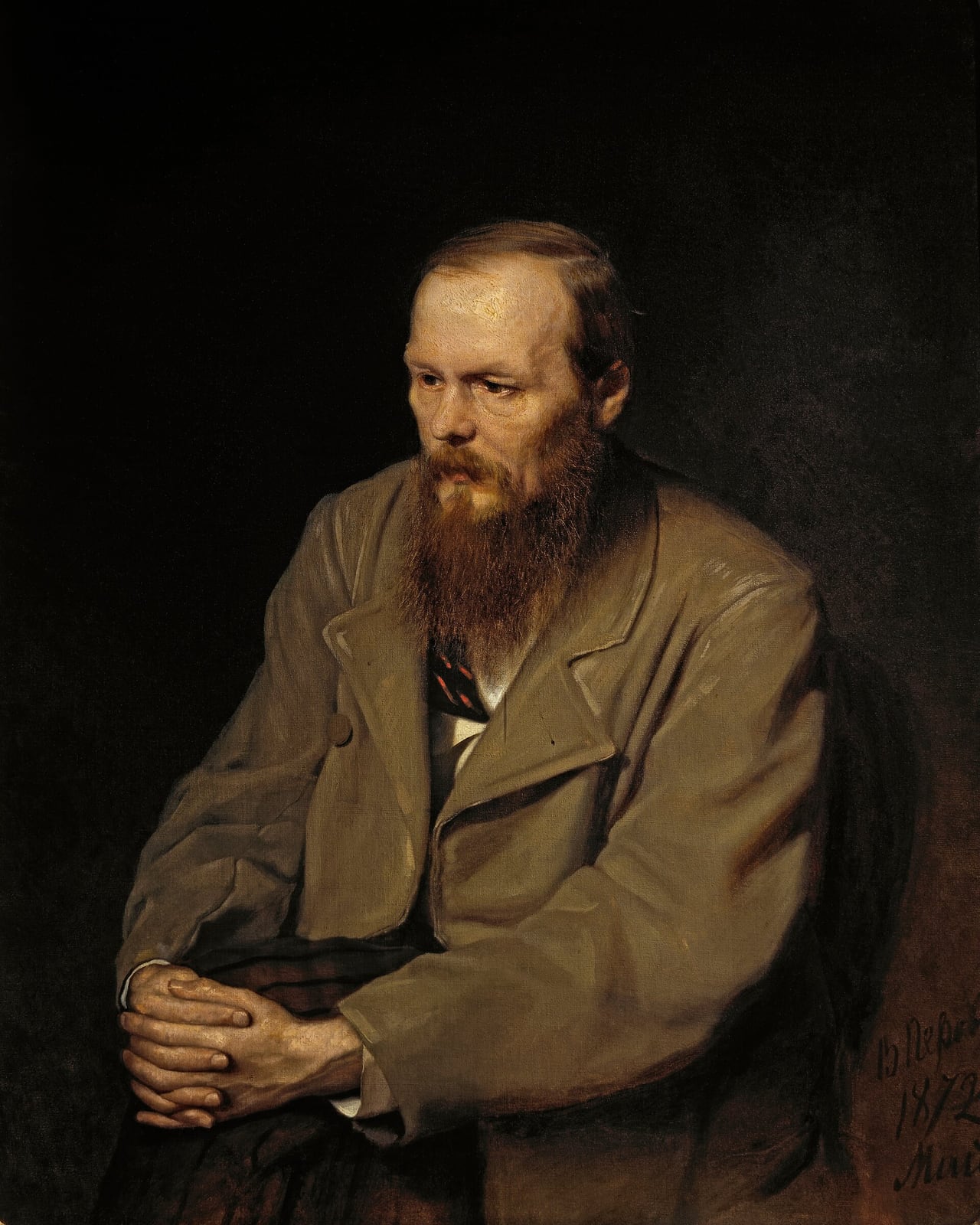
Fyodor Dostoevsky
इन पर सहमत: परम सत्य क्या है? क्या ईश्वर है? · मृत्यु के बाद क्या होता है? · मुक्ति या उद्धार कैसे प्राप्त होता है?
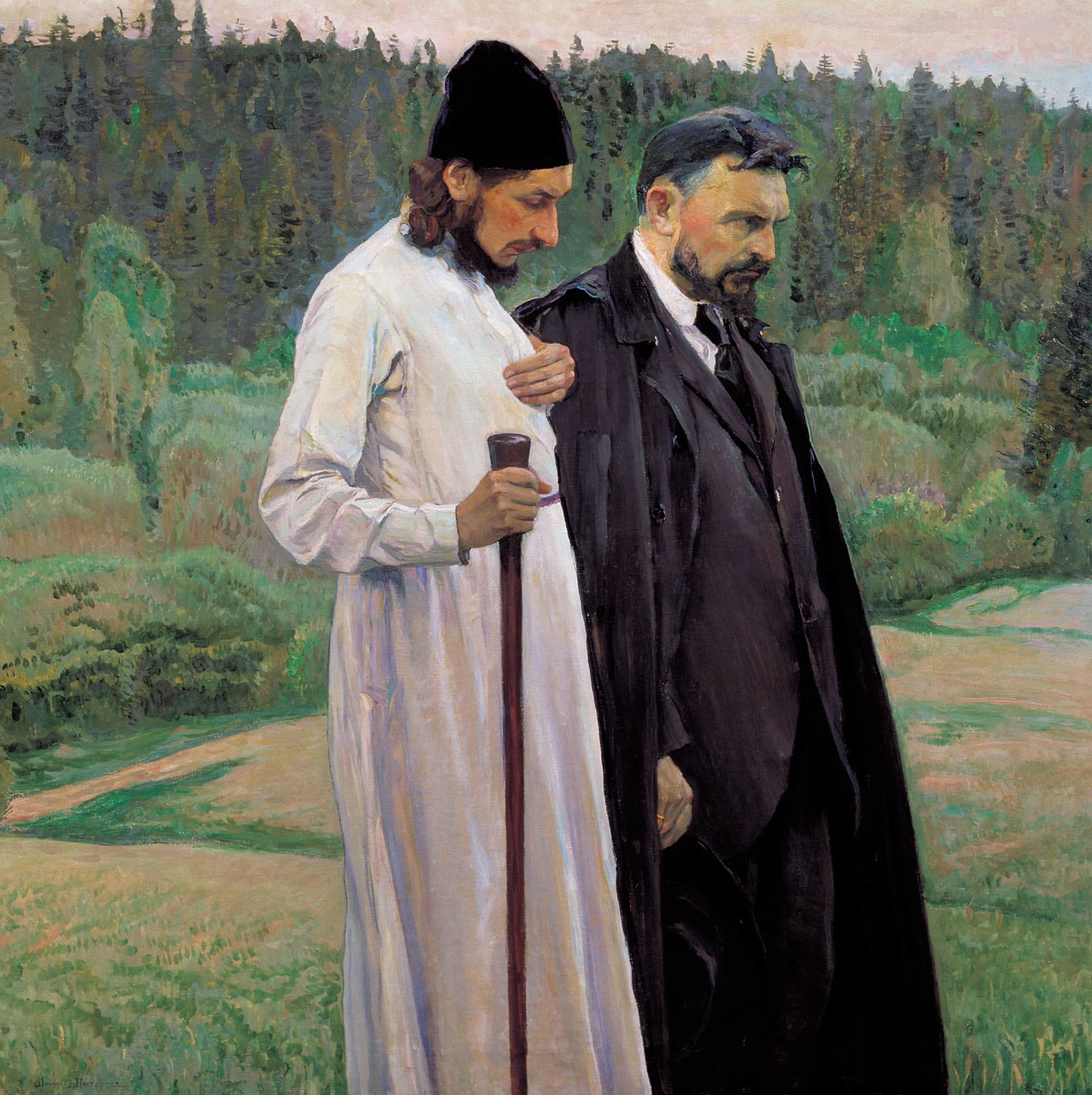
Pavel Florensky
इन पर सहमत: परम सत्य क्या है? क्या ईश्वर है? · मृत्यु के बाद क्या होता है? · मुक्ति या उद्धार कैसे प्राप्त होता है?

Francis of Assisi
इन पर सहमत: परम सत्य क्या है? क्या ईश्वर है? · मृत्यु के बाद क्या होता है? · मुक्ति या उद्धार कैसे प्राप्त होता है?
इनसे भिन्न सोचते हैं
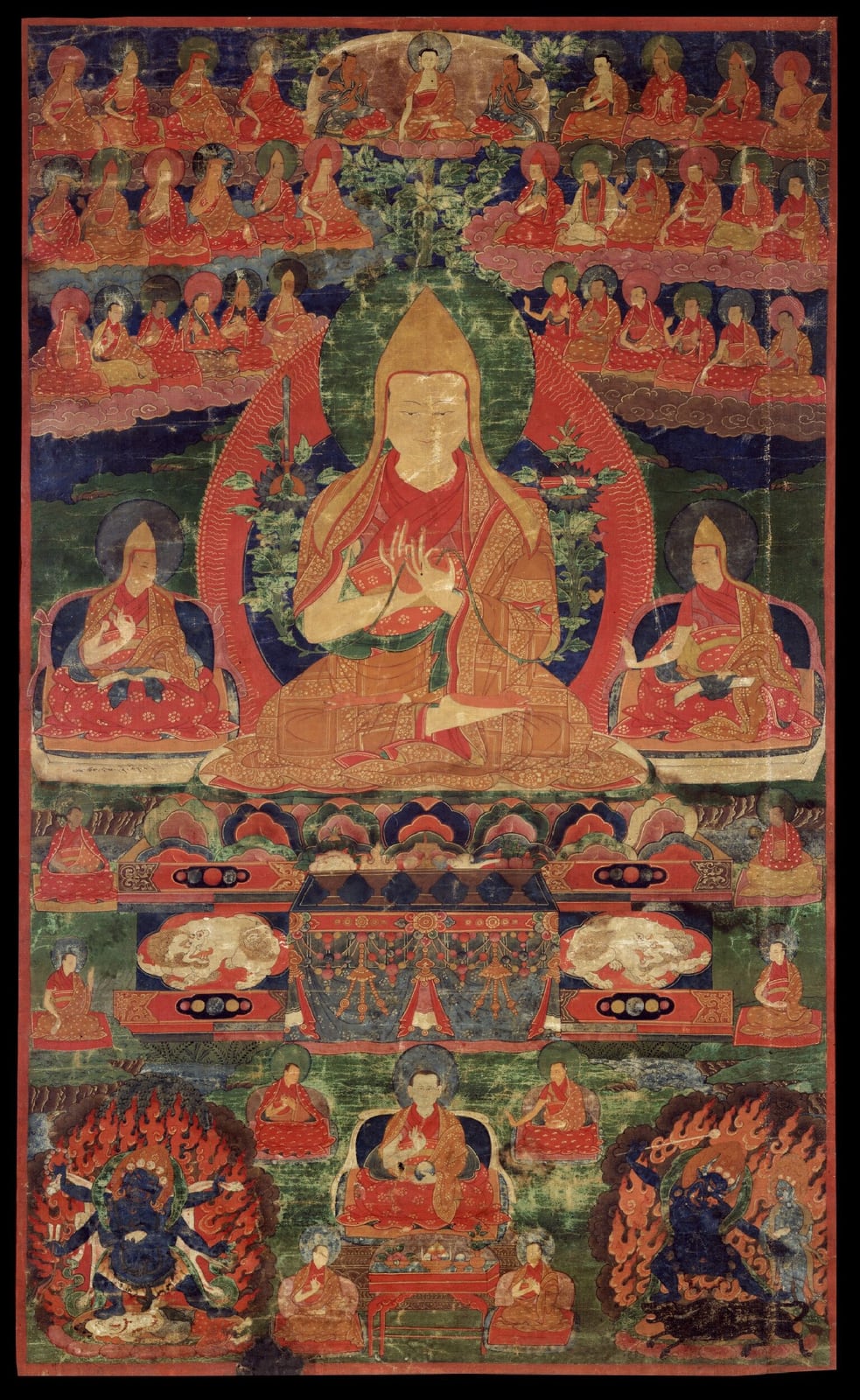
Tsongkhapa
इन पर टकराव: परम सत्य क्या है? क्या ईश्वर है? · मृत्यु के बाद क्या होता है?

Pema Chödrön
इन पर टकराव: परम सत्य क्या है? क्या ईश्वर है? · मृत्यु के बाद क्या होता है?
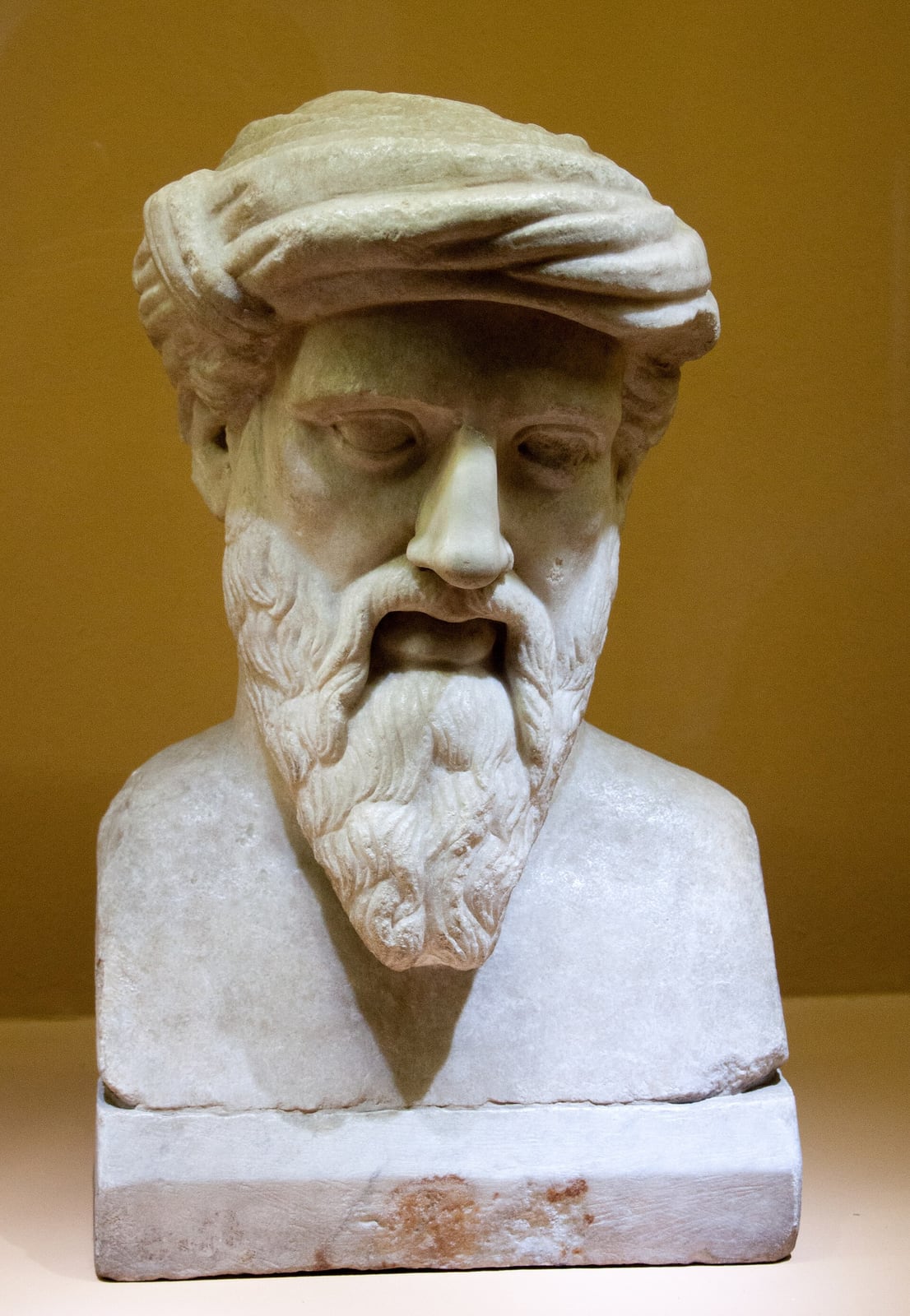
Pythagoras
इन पर टकराव: मृत्यु के बाद क्या होता है?

Nāgārjuna
इन पर टकराव: परम सत्य क्या है? क्या ईश्वर है? · मृत्यु के बाद क्या होता है?
प्रसंग और वृत्तांत
प्रसंग और वृत्तांत
साक्ष्य1938
The Hindu monk who sent him to Augustine
वृत्तांत का स्रोत: Merton's own account in The Seven Storey Mountain (part II). There is no other independent source for the content of the conversation.
स्रोत: Merton, Thomas. The Seven Storey Mountain. Nueva York: Harcourt, Brace and Company, 1948.
प्रमाणित1941
Three days before the door of Gethsemani
वृत्तांत का स्रोत: The dates are recorded in the Thomas Merton Center chronology and in Patrick Hart's epilogue to The Asian Journal; the detail of the window comes from the autobiographical account and is repeated in his biographies.
स्रोत: Thomas Merton Center, Bellarmine University. «Thomas Merton: Chronology of Life and Publications».
साक्ष्य1958
Fourth and Walnut
वृत्तांत का स्रोत: Merton's own testimony: journal entry of 19 March 1958 (A Search for Solitude) and reworked version in Conjectures of a Guilty Bystander (1966). The Louisville plaque is documented on Wikimedia Commons.
स्रोत: Merton, Thomas. Conjectures of a Guilty Bystander. Garden City (NY): Doubleday, 1966.
प्रमाणित1966
A Vietnamese monk at Gethsemani
वृत्तांत का स्रोत: The visit is documented in Merton's journals (Learning to Love) and in the article published in Jubilee in August 1966; the remark about the way of closing a door comes from the recollection of Gethsemani novices reported by his biographers (indirect testimony).
स्रोत: Merton, Thomas. «Nhat Hanh Is My Brother» (Jubilee, agosto de 1966), recogido en Faith and Violence. Notre Dame: University of Notre Dame Press, 1968.
प्रमाणित1966
'M.'
वृत्तांत का स्रोत: Main source: the sixth volume of his journals (Learning to Love, 1997), edited by Christine M. Bochen, which includes the 'Midsummer Diary'. Michael Mott's biography (1984) had already reported the episode with access to those papers.
स्रोत: Merton, Thomas. Learning to Love: Exploring Solitude and Freedom. The Journals of Thomas Merton, vol. 6 (1966–1967). Ed. Christine M. Bochen. San Francisco: HarperSanFrancisco, 1997.
साक्ष्य1968
'There must be something wrong here': Chatral Rinpoche
वृत्तांत का स्रोत: Merton's own account in The Asian Journal, mid-November 1968 entry (a photograph of the meeting is reproduced in the book). No account by Chatral has been published.
स्रोत: Merton, Thomas. The Asian Journal of Thomas Merton. Ed. Naomi Burton Stone, Patrick Hart y James Laughlin. Nueva York: New Directions, 1973 (incluye el epílogo de Patrick Hart y los apéndices VII, «Marxism and Monastic Perspectives», y VIII, carta de los delegados trapenses al abad Flavian Burns).
साक्ष्य1968
Barefoot before the Buddhas of Polonnaruwa
वृत्तांत का स्रोत: Account written by Merton a few days after the visit (the entry reads 'I visited Polonnaruwa on Monday. Today is Thursday'), published in The Asian Journal (1973).
स्रोत: Merton, Thomas. The Asian Journal of Thomas Merton. Ed. Naomi Burton Stone, Patrick Hart y James Laughlin. Nueva York: New Directions, 1973 (incluye el epílogo de Patrick Hart y los apéndices VII, «Marxism and Monastic Perspectives», y VIII, carta de los delegados trapenses al abad Flavian Burns).
विवादित1968
Death in Bangkok: the fan and the questions
वृत्तांत का स्रोत: The circumstances come from Patrick Hart's epilogue and the letter of six Trappist delegates to Abbot Flavian Burns (The Asian Journal, Appendix VIII); the Thai reports were published in The Catholic Historical Review (2024). The murder thesis comes from Turley and Martin (2018), and its critique from Dekar's review in The Merton Seasonal.
स्रोत: «The Official Thai Reports on Thomas Merton's Death». The Catholic Historical Review 110, n.º 2 (primavera de 2024): 384–396.
शिक्षाएँ
शिक्षाएँ
वे अवधारणाएँ जो उनके चिंतन को रूप देती हैं, उनके संदर्भ में समझाई गई।
True self and false selfyo-verdadero-y-yo-falso
It is rooted in the patristic tradition of the image of God, in Bernard and John of the Cross, but also engages existentialism and the Buddhist anatman, which Merton came to know through D. T. Suzuki.
स्रोत: Merton, Thomas. New Seeds of Contemplation. Nueva York: New Directions, 1961.
Contemplationcontemplacion
It draws on the mystical theology of Pseudo-Dionysius, John of the Cross and the Cistercian tradition, and anticipates the renewal of lay contemplative prayer (centering prayer, Christian meditation) in the following decades.
स्रोत: Merton, Thomas. New Seeds of Contemplation. Nueva York: New Directions, 1961.
Le point viergele-point-vierge
The fruit of his correspondence with Massignon (1959–1962) and his reading of the Sufi mystics, it is one of the clearest bridges between his Christian mysticism and Islam.
स्रोत: Merton, Thomas. Conjectures of a Guilty Bystander. Garden City (NY): Doubleday, 1966.
Solitudesoledad
It inherits the eremitic tradition of the Desert Fathers, Guigo the Carthusian and the Camaldolese, and anticipates the eremitic renewal within cenobitic orders after Vatican II.
स्रोत: Merton, Thomas. Thoughts in Solitude. Nueva York: Farrar, Straus & Cudahy, 1958.
Nonviolenceno-violencia
It belongs to the tradition of Christian pacifism (Dorothy Day, the Catholic Worker) and to Gandhi's thought, and precedes the conciliar teaching of Gaudium et spes on war.
स्रोत: Shannon, William H.; Bochen, Christine M.; O'Connell, Patrick F. The Thomas Merton Encyclopedia. Maryknoll (NY): Orbis Books, 2002.
Contemplative dialogue between religionsdialogo-contemplativo-interreligioso
It developed in contact with D. T. Suzuki, John C. H. Wu, Thich Nhat Hanh, the Dalai Lama and Chatral Rinpoche, and lies at the origin of the Monastic Interreligious Dialogue founded after his death.
स्रोत: Merton, Thomas. Zen and the Birds of Appetite. Nueva York: New Directions, 1968.
वीडियो
वीडियो
रिकॉर्डिंग, साक्षात्कार और वृत्तचित्र। वीडियो YouTube से चलते हैं; वे यहाँ संग्रहीत नहीं हैं।
Thomas Merton's final talk.
मूल रिकॉर्डिंग· EN· 1968
Witnify
Silence & Contemplation (PM) | Merton in His Own Words (2013)
मूल रिकॉर्डिंग· EN· 2013
Festival of Faithsआधिकारिक चैनल
His Holiness the Dalai Lama speaks on Thomas Merton and common ground for all religious traditions
व्याख्यान· EN· 1994
Festival of Faithsआधिकारिक चैनल
His Holiness the 14th Dalai Lama Remembering Thomas Merton
साक्षात्कार· EN· 2013
nunncenterआधिकारिक चैनल
The Dalai Lama reacts to Merton's death
वृत्तचित्र· EN· 2013
Morgan Atkinsonआधिकारिक चैनल
Thomas Merton's Legacy at Bellarmine
वृत्तचित्र· EN
bellarmineuniversityआधिकारिक चैनल
Thomas Merton and "M": What Merton's Affair with a Nurse Taught Him About Love and Humanity
व्याख्यान· EN
Curran Center for American Catholic Studiesआधिकारिक चैनल
Thomas Merton: Session 1
व्याख्यान· EN
Center for Action and Contemplationआधिकारिक चैनल
Bishop Barron on Thomas Merton, Spiritual Master
विश्लेषण· EN
Bishop Robert Barronआधिकारिक चैनल
Fiestas Teología 2024. Conferencia de Fernando Beltrán sobre Thomas Merton
व्याख्यान· ES· 2024
UPSALAMANCAआधिकारिक चैनल
Los diarios de Thomas Merton
विश्लेषण· ES
Grupo de Comunicación Loyolaआधिकारिक चैनल
चित्रशाला
चित्रशाला
सत्यापित लाइसेंस वाले चित्र। प्रत्येक में उसके रचयिता और श्रेय का उल्लेख सुरक्षित है।
संबंध
संबंध
प्रभाव, शिष्यत्व और वैचारिक निकटता। प्रमाणित संबंध को विश्लेषण से पहचानी गई समानता से अलग दर्शाया गया है।
इनसे भेंट
They met at Gethsemani on 28 May 1966; Merton then wrote 'Nhat Hanh Is My Brother'.
प्रमाणित संबंध
इनसे भेंट
The 14th Dalai Lama (Tenzin Gyatso)
Three audiences at Dharamsala on 4, 6 and 8 November 1968; the Dalai Lama remembered him in his autobiography.
प्रमाणित संबंध
इनसे प्रभावित
The Ascent to Truth (1951) is a study of his mystical theology; his doctrine of the dark night runs through all of Merton's work.
प्रमाणित संबंध
इनसे प्रभावित
Reading the Confessions, on Brahmachari's advice in 1938, was decisive for his conversion.
प्रमाणित संबंध
इनसे प्रभावित
He read The Imitation of Christ in 1938 on Brahmachari's advice, on the road to his conversion.
प्रमाणित संबंध
इनसे प्रभावित
He re-created passages of the Zhuangzi in English in The Way of Chuang Tzu (1965), one of his favourite books.
प्रमाणित संबंध
इनसे प्रभावित
In Zen and the Birds of Appetite he compares Eckhart's spiritual poverty with Zen experience.
प्रमाणित संबंध
इनसे प्रभावित
Before entering La Trappe he was a Franciscan tertiary and taught at the Franciscan college of St. Bonaventure.
प्रमाणित संबंध
इनसे मिलते-जुलते विचार
Merton devoted the essay 'Pacifism and Resistance in Simone Weil' (Faith and Violence) to her; both joined mysticism and commitment to the oppressed.
विश्लेषण से पहचानी गई समानता
इनसे मिलते-जुलते विचार
Merton was formed by the Spanish Carmelite mystics; the affinity with Teresa is one of tradition rather than concrete documented influence.
विश्लेषण से पहचानी गई समानता
अन्य प्रविष्टियों से जुड़ा
- Thich Nhat Hanh · इनसे भेंट
- John of the Cross · इन्हें प्रभावित किया
- Alan Watts · इनसे मिलते-जुलते विचार
- The 14th Dalai Lama (Tenzin Gyatso) · इनसे भेंट
- Martin Buber · इनसे मिलते-जुलते विचार
- Ignatius of Loyola · इनसे मिलते-जुलते विचार
- Shunryu Suzuki · इनके समकालीन
- Teresa of Ávila · इन्हें प्रभावित किया
- Zhuangzi · इन्हें प्रभावित किया
स्रोत
स्रोत
इस प्रविष्टि के लिए देखे गए ग्रंथ-सूची और सूचीपत्र।
- Wikidata, «Thomas Merton» (Q335011).
- Thomas Merton Center, Bellarmine University. «Thomas Merton: Chronology of Life and Publications».
- Mott, Michael. The Seven Mountains of Thomas Merton. Boston: Houghton Mifflin, 1984 (biografía autorizada por el Merton Legacy Trust).
- Merton, Thomas. The Seven Storey Mountain. Nueva York: Harcourt, Brace and Company, 1948.
- Merton, Thomas. The Asian Journal of Thomas Merton. Ed. Naomi Burton Stone, Patrick Hart y James Laughlin. Nueva York: New Directions, 1973 (incluye el epílogo de Patrick Hart y los apéndices VII, «Marxism and Monastic Perspectives», y VIII, carta de los delegados trapenses al abad Flavian Burns).
- Wikipedia (en), «Thomas Merton».
- Wikipedia (en), «Thomas Merton bibliography».
- Shannon, William H.; Bochen, Christine M.; O'Connell, Patrick F. The Thomas Merton Encyclopedia. Maryknoll (NY): Orbis Books, 2002.
- Merton, Thomas. Conjectures of a Guilty Bystander. Garden City (NY): Doubleday, 1966.
- Merton, Thomas. New Seeds of Contemplation. Nueva York: New Directions, 1961.
- Merton, Thomas. Learning to Love: Exploring Solitude and Freedom. The Journals of Thomas Merton, vol. 6 (1966–1967). Ed. Christine M. Bochen. San Francisco: HarperSanFrancisco, 1997.
- «The Official Thai Reports on Thomas Merton's Death». The Catholic Historical Review 110, n.º 2 (primavera de 2024): 384–396.
- Dekar, Paul R. Reseña de Hugh Turley y David Martin, The Martyrdom of Thomas Merton: An Investigation (2018). The Merton Seasonal 43, n.º 4 (2018).
- Papa Francisco. Discurso ante la sesión conjunta del Congreso de los Estados Unidos, Washington, 24 de septiembre de 2015. Santa Sede.
- Open Library, autor «Thomas Merton» (OL26986A): obras y ediciones con ISBN.
- Merton, Thomas. Thoughts in Solitude. Nueva York: Farrar, Straus & Cudahy, 1958.
- Merton, Thomas. The Hidden Ground of Love: Letters on Religious Experience and Social Concerns. Ed. William H. Shannon. Nueva York: Farrar, Straus & Giroux, 1985.
- New Directions Publishing, ficha de autor «Thomas Merton».
- Merton, Thomas. A Search for Solitude: Pursuing the Monk's True Life. The Journals of Thomas Merton, vol. 3 (1952–1960). Ed. Lawrence S. Cunningham. San Francisco: HarperSanFrancisco, 1996.
- Merton, Thomas. The Way of Chuang Tzu. Nueva York: New Directions, 1965.
- Merton, Thomas. «Nhat Hanh Is My Brother» (Jubilee, agosto de 1966), recogido en Faith and Violence. Notre Dame: University of Notre Dame Press, 1968.
- Merton, Thomas. Zen and the Birds of Appetite. Nueva York: New Directions, 1968.
- Wikipedia (es), «Thomas Merton».
- Furlong, Monica. Merton: A Biography. San Francisco: Harper & Row, 1980.
- Dalái Lama (Tenzin Gyatso). Freedom in Exile: The Autobiography of the Dalai Lama. Londres: Hodder & Stoughton; Nueva York: HarperCollins, 1990.
- अधिकार-धारक
- Merton Legacy Trust (constituido por el propio Merton en 1967), en beneficio de la abadía de Getsemaní; las ediciones concretas pertenecen a sus editoriales
- आधिकारिक वेबसाइट
- merton.org
पुष्टि की प्रतीक्षा में
जो यह प्रविष्टि अभी तक निश्चित नहीं कर सकी है। हम उसे भर देने के बजाय कह देना बेहतर समझते हैं।
- No hay en Wikimedia Commons ningún retrato fotográfico de Merton con licencia libre verificable: el único («Merton photo.jpg») declara PD-US-no notice sin fuente original fiable y se ha descartado; las fotos conocidas son de John Howard Griffin, Sibylle Akers y otros, con derechos vigentes.
- Localizar ISBN de las ediciones españolas actuales de La montaña de los siete círculos, El signo de Jonás y Ningún hombre es una isla (Edhasa, Sudamericana, PPC) y de Nuevas semillas (Sal Terrae: año de edición).
- Confirmar año y traductor de las ediciones francesa (Seuil) y alemana (Benziger) de No Man Is an Island registradas en Open Library.
- Contrastar la paginación exacta de las citas en las primeras ediciones (New Seeds, Conjectures, Thoughts in Solitude).
- Autoría del artículo «The Official Thai Reports on Thomas Merton's Death» (Catholic Historical Review 110/2, 2024): no consignada en los catálogos consultados.
- Muchas obras menores (opúsculos de la abadía, ediciones de bibliófilo) tienen descripción breve por falta de información verificable más detallada.
- Sin textos para la sala de lectura: toda su obra tiene derechos vigentes (Merton murió en 1968).
2026-10-25 को शोधित