ईसाई धर्म · ईसाई रहस्यवाद · कैथोलिक धर्म
Thomas à Kempis
Thomas Hemerken a Kempis
लगभग 1380 – 1471ऐतिहासिक रूप से प्रमाणित व्यक्ति
ऑगस्टीनी नियमित कैनन (लगभग 1380–1471), जिनका निर्माण डेवेंटर में ख़ेर्ट ग्रोटे की «आधुनिक भक्ति» (devotio moderna) के वातावरण में हुआ और जो ज़्वोले के निकट संत आग्नेस पर्वत के मठ में सत्तर वर्ष से अधिक रहे। अथक प्रतिलिपिकार, नवदीक्षार्थियों के आचार्य और अपने आश्रम तथा आंदोलन के संस्थापकों के इतिवृत्तकार टॉमस, विद्वानों की सर्वसम्मति के अनुसार, «मसीह का अनुकरण» के रचयिता हैं — बाइबिल के बाद सबसे अधिक प्रसारित ईसाई पुस्तक, जिसके लेखकत्व पर सदियों तक ज़ाँ जेरसों और एक कथित मठाधीश गेर्सेन के समर्थक दावा करते रहे।
- कृतियाँ
- 28कृतियाँ
- संस्करण
- 49संस्करण
- उद्धरण
- 8उद्धरण
- वीडियो
- 13वीडियो
- चित्र
- 8चित्र
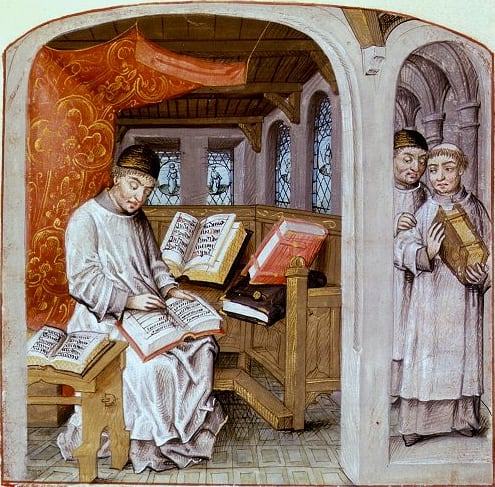
Thomas a Kempis escribiendo (miniatura de la Imitación) · Public domain
उनके अपने शब्दों में
«'He who follows me does not walk in darkness,' says the Lord. These are the words of Christ, by which we are exhorted to imitate his life and ways if we wish to be truly enlightened and freed from all blindness of heart.»De imitatione Christi, I, 1, 1 (texto latino de Wikisource; traducción propia).

मूल विचार
The imitation of Christ: The idea that gives the book its title is not new (it starts from St Paul, 'be imitators of me as I am of Christ', and runs through Bernard and Francis of Assisi), but Thomas makes it a programme for daily life.
संदर्भ में देखें
जीवनी
5 मिनट का पाठ
स्पैनिश मूल से सहायता-प्राप्त अनुवाद, मातृभाषी अनुवादक द्वारा समीक्षा लंबित।
केम्पेन के लोहार का बेटा
टॉमस हेमरकेन का जन्म लगभग 1379 या 1380 में केम्पेन में हुआ, जो राइन नदी के पास कोलोन के आर्चबिशप-शासित प्रदेश का एक छोटा नगर था। उसका कुलनाम, जिसका अर्थ है «छोटा हथौड़ा» और जिसका लैटिन रूप Malleolus बना, संभवतः उसके पिता योहान के धातु-शिल्प के पेशे की ओर संकेत करता है; परंपरा के अनुसार उसकी माँ गेरट्रूड बच्चों की एक पाठशाला चलाती थीं। संसार उसे उसके नगर के नाम से, टॉमस आ केम्पिस के रूप में, जानने वाला था: वह स्वयं Thomas Kempensis या Thomas de Kempis के नाम से हस्ताक्षर करता था। उसका एक भाई था, योहानेस, जो उससे लगभग पंद्रह वर्ष बड़ा था और जिसने उसके हर क़दम पर छाप छोड़ी।
लगभग 1392 या 1393 में वह योहानेस के पीछे-पीछे नीदरलैंड्स के डेवेंटर गया, ताकि वहाँ के प्रसिद्ध लैटिन विद्यालय में पढ़ सके। डेवेंटर उस समय devotio moderna — «आधुनिक भक्ति» — का हृदय था, वह आध्यात्मिक सुधार-आंदोलन जिसे ख़ेर्ट ग्रोटे (मृ. 1384) ने आरंभ किया था: बिना व्रत लिए साथ रहने वाले गृहस्थ और पुरोहित, जिन्हें «सामूहिक जीवन के बंधु» कहा जाता था, रोज़ी कमाने के लिए पुस्तकों की प्रतिलिपियाँ बनाते थे और ऐसी भक्ति खोजते थे जो आंतरिक, संयत और व्यावहारिक हो तथा मसीह के जीवन पर केंद्रित हो। युवा टॉमस ग्रोटे के उत्तराधिकारी फ़्लोरेंस राडेवाइन्स के घर रहा, प्रतिलिपिकार का शिल्प सीखा और उस वातावरण की छाप उस पर सदा के लिए पड़ गई, जिसका चित्रण उसने बाद में संस्थापकों की जीवनियों में किया।
संत आग्नेस पर्वत
1399 में वह ज़्वोले के बाहर संत आग्नेस पर्वत (आग्नीटेनबर्ग) के नियमित कैननों के मठ में पहुँचा, जो ग्रोटे के शिष्यों द्वारा स्थापित विंडेसहाइम संघ का एक आश्रम था और जिसके प्रायर उसका भाई अभी-अभी चुने गए थे। वहाँ उसे सत्तर वर्ष से अधिक बिताने थे। 1406 में उसने मठवासी परिधान धारण किया, अगले वर्ष व्रत लिए और लगभग 1413 में पुरोहित-दीक्षा पाई। वह दो बार उप-प्रायर और नवदीक्षार्थियों का आचार्य रहा, और उसने अपने जीवन का अधिकांश भाग प्रार्थना, मठ के भीतर प्रवचन और पांडुलिपियों की प्रतिलिपि में लगाया: उसने पूरी बाइबिल की कई बार प्रतिलिपि की, और उनमें से एक प्रति, पाँच खंडों में, डार्मश्टाट में सुरक्षित है।
उस जीवन में एकमात्र बड़ी उथल-पुथल बाहर से आई। 1429 में उट्रेक्ट के विभाजन के कारण पोप ने धर्मप्रांत पर धर्म-निषेधाज्ञा लगा दी, और रोम के प्रति निष्ठावान संत आग्नेस पर्वत के कैनन अपना आश्रम छोड़कर 1432 तक फ़्रीसलैंड के लूनेनकर्क में शरण लिए रहे। उस निर्वासन के दौरान टॉमस को अपने बीमार भाई योहानेस की सेवा के लिए आर्नहेम भेजा गया, और वह नवंबर 1432 में उनकी मृत्यु तक उनके साथ रहा। इसके बाद वह ज़्वोले लौट आया, जहाँ से फिर वह मुश्किल से ही कहीं गया।
मसीह का अनुकरण
1420 के दशक में धर्मसंघियों के प्रशिक्षण के लिए लिखी चार छोटी रचनाएँ, बिना लेखक के नाम के, प्रचलित होने लगीं: Admonitiones ad spiritualem vitam utiles, Admonitiones ad interna trahentes, De interna consolatione और यूखरिस्त पर एक ग्रंथ। पहली रचना यूहन्ना के सुसमाचार में मसीह के इन शब्दों से आरंभ होती थी — «जो मेरे पीछे चलता है, वह अंधकार में नहीं चलेगा» — और उसका पहला अध्याय De imitatione Christi शीर्षक से था; यही शीर्षक अंततः पूरी रचना का नाम बन गया। 1441 में टॉमस ने चारों पुस्तकों की, अपने अन्य ग्रंथों के साथ, अपने हाथ से एक पोथी में प्रतिलिपि की, जिस पर उसने हस्ताक्षर किए और तिथि डाली, और जो आज ब्रसेल्स में बेल्जियम के राजकीय पुस्तकालय में सुरक्षित है। यह पुस्तक सिद्धांत नहीं सिखाती: उपदेश देती है। यह कहती है कि उस ज्ञान पर भरोसा न करो जो मनुष्य को बेहतर नहीं बनाता, अज्ञात रहने से प्रेम करो, हर दिन का क्रूस अपनाओ, आंतरिक मौन में प्रवेश करो और मसीह को आत्मा से एक मित्र की तरह बात करने दो।
बाइबिल को छोड़कर किसी ईसाई पुस्तक का इतना प्रसार नहीं हुआ। इसकी सात सौ से अधिक पांडुलिपियाँ सुरक्षित हैं, और पहला मुद्रित संस्करण लगभग 1471–1472 में आउग्सबुर्ग में प्रकाशित हुआ; सोलहवीं शताब्दी तक यह यूरोप की सभी भाषाओं में अनूदित हो चुकी थी। किंतु कई आरंभिक संस्करण इसे पेरिस विश्वविद्यालय के कुलाधिपति ज़ाँ जेरसों की रचना बताते थे, और 1616 में बेनेडिक्टाइन मठवासी कोस्तांतीनो गाएतानी ने तेरहवीं शताब्दी के वेर्चेल्ली के एक कथित मठाधीश जोवान्नी गेर्सेन का नाम आगे बढ़ाया, जिसका कोई दस्तावेज़ी चिह्न नहीं मिलता। यह विवाद तीन शताब्दियों तक चला। आज आलोचनात्मक विद्वत्ता 1441 की स्वहस्तलिखित प्रति, उसके समकालीन और विंडेसहाइम के इतिवृत्तकार योहानेस बुश की गवाही, और उसकी अन्य रचनाओं की शैली के आधार पर इस कृति का श्रेय टॉमस को देती है; कुछ विद्वान अब भी इस पर बहस करते हैं कि उसने devotio moderna के परिवेश की पहले की सामग्री को किस हद तक संकलित करके नए रूप में ढाला।
इतिवृत्तकार और नवदीक्षार्थियों का आचार्य
«अनुकरण» उसकी विपुल रचनाओं का केवल एक अंश है, जो सब लैटिन में हैं और लगभग सभी मठ-जीवन के लिए लिखी गईं। उसने «आत्मा का स्वगत-कथन» लिखा, जो ईश्वर के साथ आंतरिक संवाद हैं; «गुलाबों की छोटी वाटिका» और «कुमुदिनियों की घाटी», जो सूक्तियों के संग्रह हैं; पश्चात्ताप, एकांत, दरिद्रता और मठवासी अनुशासन पर ग्रंथ; नवदीक्षार्थियों के लिए प्रवचन तथा मसीह के जीवन और दुःखभोग पर ध्यान; स्तोत्र, पत्र और प्रार्थनाएँ। वह एक सावधान इतिहासकार भी था: ख़ेर्ट ग्रोटे, फ़्लोरेंस राडेवाइन्स और अन्य बंधुओं की उसकी जीवनियाँ devotio moderna के इतिहास का एक अनिवार्य स्रोत हैं, और «संत आग्नेस पर्वत का इतिवृत्त», जिसे वह लगभग अपनी मृत्यु तक लिखता रहा, वर्ष-दर-वर्ष उसके आश्रम का जीवन दर्ज करता है। इसके अतिरिक्त उसने शीडाम की संत लिडविना की जीवनी भी लिखी।
मृत्यु और स्मृति
25 जुलाई 1471 को संत आग्नेस पर्वत पर नब्बे वर्ष से अधिक की आयु में उसकी मृत्यु हुई और उसे मठ के प्रांगण-गलियारे में दफ़नाया गया। आश्रम का इतिवृत्त, जिसे एक अन्य कैनन ने आगे बढ़ाया, उसकी आयु और मठवासी जीवन के वर्षों के साथ उसकी मृत्यु दर्ज करता है और उन अनेक पुस्तकों को याद करता है जिन्हें उसने लिखा और जिनकी प्रतिलिपि की। सोलहवीं शताब्दी के युद्धों में मठ नष्ट हो गया। 1672 में कोलोन के निर्वाचक राजकुमार, बवेरिया के माक्सिमिलियान हाइनरिख़, ने उसके अवशेष खोजवाए, जो 1674 से एक अवशेष-पात्र में रखे हैं; 2006 से उनकी वंदना ज़्वोले की हमारी माता (आवर लेडी) बासिलिका में होती है। उसे कभी संत घोषित नहीं किया गया, फिर भी केम्पेन उसे अपना संरक्षक मानता है और जर्मनी का इवेंजेलिकल चर्च 25 जुलाई को उसका स्मरण करता है।
उसकी पुस्तक का पढ़ा जाना, इसके विपरीत, कभी नहीं रुका। इग्नेशियस लोयोला उसे प्रतिदिन पढ़ते थे और उसे «गेर्सोन्सीतो», यानी «छोटा जेरसों», कहते थे; अविला की तेरेसा ने उसे उन पुस्तकों में रखा जो उनके मठों में होनी चाहिए थीं; जॉन वेस्ली ने मेथोडिस्टों के लिए उसका एक संक्षिप्त संस्करण प्रकाशित किया; लिज़्यो की तेरेसा को वह लगभग कंठस्थ थी। कैथोलिकों और प्रोटेस्टेंटों ने उसे समान श्रद्धा से पढ़ा, यद्यपि सबने उसकी प्रशंसा नहीं की: रूढ़िवादी (ऑर्थोडॉक्स) बिशप इग्नाती ब्रियान्चानिनोव ने कल्पना-प्रधान धर्मनिष्ठा की उपज बताकर उसके प्रति सावधान किया। उसकी शक्ति उसकी सरलता में है: छोटे, लयबद्ध, लगभग लोकोक्ति जैसे वाक्य, जो किसी विद्वत्ता की माँग नहीं करते और जिन्हें हर पाठक मानो केवल अपने लिए कहे गए सुनता है।
स्रोत: Kettlewell, Samuel. Thomas à Kempis and the Brothers of Common Life. 2 vols. Londres: Kegan Paul, Trench & Co., 1882. · Van Engen, John. Sisters and Brothers of the Common Life: The Devotio Moderna and the World of the Later Middle Ages. Filadelfia: University of Pennsylvania Press, 2008. · Thomas à Kempis. The Founders of the New Devotion, being the Lives of Gerard Groote, Florentius Radewin and their Followers. Trad. J. P. Arthur. Londres: Kegan Paul, Trench, Trübner, 1905. · Pohl, Michael Joseph (ed.). Thomae Hemerken a Kempis Opera omnia. 7 vols. Friburgo de Brisgovia: Herder, 1902–1922. · Thomas à Kempis. The Chronicle of the Canons Regular of Mount St. Agnes. Trad. J. P. Arthur. Londres: Kegan Paul, Trench, Trübner, 1906 (Project Gutenberg n.º 16759; incluye la continuación con la noticia de su muerte).
कालक्रम
जीवन, वर्ष-दर-वर्ष
प्रत्येक बिंदु एक प्रमाणित घटना है। उसे स्रोत और निश्चितता के स्तर सहित पढ़ने के लिए क्लिक करें।
लगभग 13800 वर्षKempen
Birth
Born at Kempen, son of Johann and Gertrud Hemerken. The sources vary between 1379 and 1380.
संभावितKettlewell, Samuel. Thomas à Kempis and the Brothers of Common Life. 2 vols. Londres: Kegan Paul, Trench & Co., 1882.
उनके निधन के बाद
- लगभग 1472First printed edition
- 1604The Gersen thesis
- 1672Exhumation of his remains
- जून 2006Transfer to the Zwolle basilica
लगभग 1380 · 0 वर्ष
Birth
Born at Kempen, son of Johann and Gertrud Hemerken. The sources vary between 1379 and 1380.
संभावित
लगभग 1392 – 1399 · 12 वर्ष
Studies at Deventer
He follows his brother Johannes to Deventer, studies at the Latin school and lives with the Brethren of the Common Life in the house of Florens Radewijns (until 1399).
प्रमाणित
1399 · 19 वर्ष
Entry into Mount St Agnes
He arrives at the monastery of canons regular of Agnietenberg, near Zwolle, where his brother is prior.
प्रमाणित
1406 · 26 वर्ष
Clothing
He receives the habit of a canon regular; he makes his profession the following year.
प्रमाणित
1413 · 33 वर्ष
Ordination to the priesthood
He is ordained priest (some sources give 1414).
संभावित
लगभग 1424 · 44 वर्ष
The Imitation circulates
The oldest known copy of the first book of the Imitation is dated around this year; the four books circulate anonymously in the 1420s.
संभावित
1425 · 45 वर्ष
Subprior and master of novices
He is elected subprior for the first time; he takes charge of the formation of novices, for whom he writes sermons and booklets.
प्रमाणित
1429 – 1432 · 49 वर्ष
Exile over the Utrecht schism
Because of the papal interdict on the diocese of Utrecht, the community takes refuge at Lunenkerk (Friesland) until 1432.
प्रमाणित
नवंबर 1432 · 52 वर्ष
Death of his brother Johannes
Having cared for him at Arnhem since 1431, he is present at his brother's death in November; he returns to Mount St Agnes.
प्रमाणित
1441 · 61 वर्ष
The Brussels autograph
He finishes copying in his own hand a codex with the four books of the Imitation and other treatises, signed and dated (now KBR, ms. 5855–5861).
प्रमाणित
लगभग 1448 · 68 वर्ष
Subprior a second time
He again holds the office of subprior.
संभावित
लगभग 1464 · 84 वर्ष
Johannes Busch's testimony
The Windesheim chronicler Johannes Busch attributes the Imitation to Thomas in his Chronicon Windeshemense, in the author's lifetime.
प्रमाणित
25 जुलाई 1471 · 91 वर्ष
Death
He dies at Mount St Agnes on 25 July, aged over ninety; the house chronicle records his death.
प्रमाणित
लगभग 1472
First printed edition
Günther Zainer prints the Imitation in Augsburg around 1471–1472; a circulation begins that will make it the most published Christian book after the Bible.
संभावित
1604
The Gersen thesis
The Benedictine Constantino Gaetani attributes the Imitation to a supposed abbot Johannes Gersen of Vercelli; a three-century controversy opens with the partisans of Kempis and of Gerson.
प्रमाणित
1672
Exhumation of his remains
The Elector of Cologne, Maximilian Henry of Bavaria, has his remains sought and raised; since 1674 they rest in a reliquary.
प्रमाणित
जून 2006
Transfer to the Zwolle basilica
The reliquary, which had been in St Michael's church since 1897, is carried in procession to the basilica of Our Lady in Zwolle.
प्रमाणित
कृतियाँ
आवश्यक कृतियाँ
वे कृतियाँ जिनके बिना उनकी विरासत को समझा नहीं जा सकता।
लिखित कृति · 1441
The Imitation of Christ
De imitatione Christi (Libri quattuor)
Four booklets written for the spiritual formation of religious which circulated anonymously from the 1420s and which Thomas copied in his own hand, signed and dated, in 1441. The first counsels detachment from vanity and from knowledge that does not make one better; the second invites to the inner life and culminates in 'the royal way of the holy cross'; the third, the longest, is a dialogue between Christ and the disciple on inner consolation and love; the fourth prepares for communion. With more than seven hundred manuscripts and thousands of editions, it is the most widely circulated Christian book after the Bible. For centuries it was also attributed to Jean Gerson and to a supposed abbot Johannes Gersen; the Brussels autograph and Johannes Busch's testimony support Thomas's authorship.
14 संस्करण

लिखित कृति · लगभग 1471
The Chronicle of the Canons Regular of Mount St Agnes
Chronica Montis Sanctae Agnetis
Annals of the monastery of Agnietenberg from its foundation (1398) to Thomas's last years: professions, deaths, works, financial difficulties, the exile of 1429–1432, with notes on his brother Johannes and his teacher Johannes Cele. Another canon continued it after his death and recorded Thomas's own.
2 संस्करण
संपूर्ण कृतित्व (28)
Thomas à Kempis
Imitation of Christ, Book I: Admonitions Useful for the Spiritual Life
The Conscious LibraryImitation of Christ, Book I: Admonitions Useful for the Spiritual Life
1424
Thomas à Kempis
Imitation of Christ, Book II: Admonitions Drawing toward the Inner Life
The Conscious LibraryImitation of Christ, Book II: Admonitions Drawing toward the Inner Life
1427
Thomas à Kempis
Imitation of Christ, Book III: On Inner Consolation
The Conscious LibraryImitation of Christ, Book III: On Inner Consolation
1430
Thomas à Kempis
Imitation of Christ, Book IV: On the Blessed Sacrament
The Conscious LibraryImitation of Christ, Book IV: On the Blessed Sacrament
1430

The Soliloquy of the Soul
1435

The Little Garden of Roses
1440

The Valley of Lilies
1440
Thomas à Kempis
Of the Three Tabernacles
The Conscious LibraryOf the Three Tabernacles
1440
Thomas à Kempis
On the Discipline of Cloistered Religious
The Conscious LibraryOn the Discipline of Cloistered Religious
1440

Of the Faithful Steward
1440
Thomas à Kempis
Letter to a Cellarer
The Conscious LibraryLetter to a Cellarer
1440
Thomas à Kempis
Of True Compunction of Heart
The Conscious LibraryOf True Compunction of Heart
1440
Thomas à Kempis
Little Book of Spiritual Exercise
The Conscious LibraryLittle Book of Spiritual Exercise
1440
Thomas à Kempis
On the Elevation of the Mind
The Conscious LibraryOn the Elevation of the Mind
1440
Thomas à Kempis
Manual for the Young
The Conscious LibraryManual for the Young
1440
Thomas à Kempis
Manual for Little Ones
The Conscious LibraryManual for Little Ones
1440
Thomas à Kempis
Hospice of the Poor
The Conscious LibraryHospice of the Poor
1440
Thomas à Kempis
Consolation of the Poor and the Sick
The Conscious LibraryConsolation of the Poor and the Sick
1440
Thomas à Kempis
Little Alphabet of a Good Monk
The Conscious LibraryLittle Alphabet of a Good Monk
1440

Sermons to the Novices Regular
1440
Thomas à Kempis
Sermons on the Life and Passion of Our Lord; A Meditation on the Incarnation
The Conscious LibrarySermons on the Life and Passion of Our Lord; A Meditation on the Incarnation
1440

Prayers and Meditations on the Life of Christ
1440
Thomas à Kempis
Dialogues of the Novices and Lives of the Founders
The Conscious LibraryDialogues of the Novices and Lives of the Founders
1450
Thomas à Kempis
Life of St Lidwina of Schiedam
The Conscious LibraryLife of St Lidwina of Schiedam
1448
वचन
किसी निश्चित कृति में स्थित वचन। प्रत्येक के साथ उसका स्रोत और विश्वसनीयता का स्तर है।
'He who follows me does not walk in darkness,' says the Lord. These are the words of Christ, by which we are exhorted to imitate his life and ways if we wish to be truly enlightened and freed from all blindness of heart.Qui sequitur me non ambulat in tenebris, dicit Dominus. Hæc sunt verba Christi, quibus admonemur quatenus vitam eius et mores imitemur, si volumus veraciter illuminari, et ab omni cæcitate cordis liberari.
सत्यापितDe imitatione Christi, I, 1, 1 (texto latino de Wikisource; traducción propia).
अप्रामाणिक या विवादित आरोपण वाले उद्धरण (1)
«In all things I have sought rest and found it nowhere save in a corner with a book.»
A Latin saying ('In omnibus requiem quaesivi et nusquam inveni nisi in angulo cum libro') which has long accompanied some portraits of Thomas and which tradition attributes to him; it does not appear in his known works and its first attestation has not been established. It expresses his ideal well, but it is a traditional attribution.
अंतिम शब्द
उनके अंतिम शब्दों का कोई सत्यापन-योग्य अभिलेख उपलब्ध नहीं है।
No last words survive. The continuation of the Chronicle of Mount St Agnes records his death on 25 July 1471, with his age and his years of religious life, without transmitting any final sentence.
स्रोत: Thomas à Kempis. The Chronicle of the Canons Regular of Mount St. Agnes. Trad. J. P. Arthur. Londres: Kegan Paul, Trench, Trübner, 1906 (Project Gutenberg n.º 16759; incluye la continuación con la noticia de su muerte).
पूछें
उनकी कृतियाँ क्या उत्तर देती हैं
मानवता के बारह महान प्रश्न और उनके ग्रंथ उनका जो उत्तर देने देते हैं, संदर्भों सहित। हम कभी उनके मुख में अपने शब्द नहीं रखते।
परम सत्य क्या है? क्या ईश्वर है?
God is the Lord who speaks to the soul and consoles it
साकार, व्यक्तिगत ईश्वरस्पष्ट रूप से कहा है
Thomas à Kempis does no speculative theology; he distrusts it. In The Imitation of Christ, God is someone one speaks with: book III is built as a dialogue between the disciple and Christ, who teaches inwardly, consoles, corrects and asks for the surrender of one's own will. Book I warns that it profits little to dispute loftily about the Trinity if one lacks humility and thus displeases the Trinity. Kempis's God is that of the Catholic faith and the Modern Devotion: provident Father, Christ present in the sacrament of the altar (book IV), truth that speaks within without the noise of words. The Absolute is a personal Thou, close and demanding.
इस प्रश्न की अन्य गुरुओं से तुलना करेंमैं कौन हूँ? क्या कोई सच्चा आत्म है?
Humble self-knowledge is the surest way to God
सृजित, अमर आत्माउनके सिद्धांत से निष्कर्षित
Thomas à Kempis does not speculate about the nature of the soul; he takes for granted the Christian doctrine of an immortal soul and concerns himself with practical knowledge of it. The Imitation of Christ teaches that humble self-knowledge is a surer road to God than a deep search for learning, and recommends loving to be unknown and accounted as nothing. The self to be overcome is self-will and self-love, from which restlessness and vainglory arise; book III insists on denying oneself in order to follow Christ. The true self is the soul which, stripped of itself, finds itself small and loved.
इस प्रश्न की अन्य गुरुओं से तुलना करेंहम दुःख क्यों भोगते हैं?
The cross carried willingly ends up carrying you
ईश्वर से वियोगस्पष्ट रूप से कहा है
For Thomas à Kempis, suffering is inevitable in this life and the question is how it is borne. The chapter on the royal road of the holy cross, in book II of The Imitation of Christ, holds that in the cross lie health and life, and that if one carries the cross willingly, it will carry its bearer to the desired end; if dragged by force, it weighs more. Tribulation is useful because it returns the human being to his heart, reminds him that he is in exile and keeps him from placing his hope in the world. Suffering arises from being far from one's homeland and, accepted, unites with Christ.
इस प्रश्न की अन्य गुरुओं से तुलना करेंमृत्यु के बाद क्या होता है?
Live each day as if it were your last
अनंत जीवन और पुनरुत्थानस्पष्ट रूप से कहा है
The Imitation of Christ devotes an entire chapter to meditation on death. Thomas à Kempis urges living in such a way that death does not find one unprepared: blessed is the one who keeps the hour of his death daily before his eyes and makes ready to die each day. He recalls that the glory of the world passes quickly, that a man is here today and gone tomorrow, and that one should make friends of the saints while there is time. After death await judgement and eternal life, which book III describes as the homeland where the soul will rest in God without fear of losing him. Death is the door to the true homeland.
इस प्रश्न की अन्य गुरुओं से तुलना करेंमुक्ति या उद्धार कैसे प्राप्त होता है?
Imitate Christ's life and love him above all things
भक्ति और समर्पण सेस्पष्ट रूप से कहा है
The Imitation of Christ is the most widely read fruit of the devotio moderna, the movement of the Brethren of the Common Life to which Thomas à Kempis belonged. Its first line marks the path: whoever follows Christ does not walk in darkness, and therefore one must imitate his life and ways. Salvation is received in grace, which book III carefully distinguishes from nature, but it is lived as personal love for Jesus: book II asks that one love him above all things and keep a familiar friendship with him. Humility, renunciation of self-will, daily examination and frequent communion (book IV) are the concrete forms of that surrender.
इस प्रश्न की अन्य गुरुओं से तुलना करेंक्या गुरु आवश्यक है?
Truth speaks within, without the noise of words
गुरु भीतर हैस्पष्ट रूप से कहा है
Thomas à Kempis lived in obedience to his superiors at the monastery of Mount Saint Agnes, and The Imitation of Christ recommends living under a superior rather than being one's own master. But his most characteristic teaching places the teacher within. Book III, built as a dialogue between the soul and Christ, opens with the request to hear what the Lord says inwardly, and states that truth speaks within without the noise of words. Later on, Christ declares that it is he who teaches man knowledge and gives the little ones a clearer understanding than any man can teach. Human masters speak; he alone teaches.
इस प्रश्न की अन्य गुरुओं से तुलना करेंक्या संसार वास्तविक है?
With an upright heart, every creature is a mirror of life
शुभ और वास्तविक सृष्टिस्पष्ट रूप से कहा है
Thomas à Kempis does not dispute the reality of the world, but its value. The Imitation of Christ begins with contempt for the world: vanity of vanities, all is vanity except to love God and serve him alone; the glory of the world passes quickly. But that contempt is not dualist: it is detachment from what passes. Book II offers the other side: if the heart were upright, every creature would be a mirror of life and a book of holy doctrine, for there is no creature so small and lowly that it does not show forth God's goodness. The world is good creation, but deceives whoever stops at it; purity of heart makes it transparent.
इस प्रश्न की अन्य गुरुओं से तुलना करेंप्रेम क्या है?
Love is born of God and rests only in God
विरह और मिलनस्पष्ट रूप से कहा है
The chapter of The Imitation of Christ on the wonderful effects of divine love is one of the most widely read texts of Western piety. Thomas à Kempis praises love as a great good that makes light all that is heavy, bears the burden without burden and makes the bitter sweet; nothing is sweeter, stronger, higher or wider. The reason he gives is its origin: love is born of God and can rest only in God, above all created things. It is therefore a movement of return, a longing that rises. Book II makes it concrete as love of Jesus above all things and familiar friendship with him.
इस प्रश्न की अन्य गुरुओं से तुलना करेंक्या हम स्वतंत्र हैं, या सब कुछ पूर्वनिर्धारित है?
Man proposes and God disposes, yet each answers for himself
नियति और उत्तरदायित्वस्पष्ट रूप से कहा है
Thomas à Kempis develops no theory of freedom, but his work holds two certainties at once. The first is providence: man proposes and God disposes, and a man's way is not in his own hands, says The Imitation of Christ, taking up a formula with biblical roots. The second is responsibility: daily resolutions, examination of conscience, the struggle against the passions and the judgement awaiting each person presuppose that one answers for one's acts. Between the two there is no contradiction, but trust: one must do all that lies in one's power and leave the outcome in God's hands. Book III insists on handing him one's own will.
इस प्रश्न की अन्य गुरुओं से तुलना करेंध्यान या प्रार्थना क्यों करें?
Familiar friendship with Jesus, in inner conversation
ईश्वर से मैत्रीस्पष्ट रूप से कहा है
Thomas à Kempis understands prayer as personal converse with Christ. Book II of The Imitation of Christ describes the inner life as Christ's frequent visiting of the inner man, with sweet conversation, consolation, peace and an astonishing familiarity, and devotes a chapter to familiar friendship with Jesus. Book III is itself written as a dialogue between the disciple and the Lord, and book IV prepares for Eucharistic communion as the meeting of beloved and lover. Kempis's meditation is affective, not speculative: he would rather feel compunction than know how to define it, and he recommends retreat, silence and the reading of Scripture in order to hear that voice.
इस प्रश्न की अन्य गुरुओं से तुलना करेंक्या बुद्धि परम को जान सकती है?
I would rather feel compunction than know how to define it
परम मन से परे हैस्पष्ट रूप से कहा है
Thomas à Kempis distrusts speculative learning. The Imitation of Christ begins by asking what use it is to dispute loftily about the Trinity if one lacks humility, and states that he would rather feel compunction than know how to define it. Book I advises against wanting to know too much, for there is distraction and deceit in it, and places humble self-knowledge above learning. In book III, Christ declares that he teaches without the noise of words and that in a moment he raises the humble mind to grasp more of the reasons of eternal truth than ten years of study in the schools. He does not condemn learning, which is good in itself, but learning cut off from life.
इस प्रश्न की अन्य गुरुओं से तुलना करेंसंसार से हटें या उसे बदलें?
As often as I was among men, I came back less a man
पाने के लिए हटनास्पष्ट रूप से कहा है
Thomas à Kempis spent more than seventy years at the monastery of canons regular of Mount Saint Agnes, near Zwolle, copying manuscripts, writing and training novices. The Imitation of Christ devotes a chapter to the love of solitude and silence, where it quotes Seneca without naming him: as often as he was among men, he came back less a man. It recommends avoiding idle conversation, remaining in the cell, which grows sweet the more it is kept, and seeking the right time to attend to oneself. The world and its glory pass; whoever would reach what is inward and spiritual must withdraw with Jesus from the crowd.
इस प्रश्न की अन्य गुरुओं से तुलना करें
निकटता और तनाव
निकटता और तनाव
उनके मतों के आधार पर प्रश्न-दर-प्रश्न आकलित। प्रत्येक सहमति या टकराव का कारण क्लिक करने पर।
इनसे मिलता-जुलता सोचते हैं

Rabia al-Adawiyya
इन पर सहमत: हम दुःख क्यों भोगते हैं? · परम सत्य क्या है? क्या ईश्वर है? · मृत्यु के बाद क्या होता है?

Mirabai
इन पर सहमत: परम सत्य क्या है? क्या ईश्वर है? · हम दुःख क्यों भोगते हैं? · मुक्ति या उद्धार कैसे प्राप्त होता है?
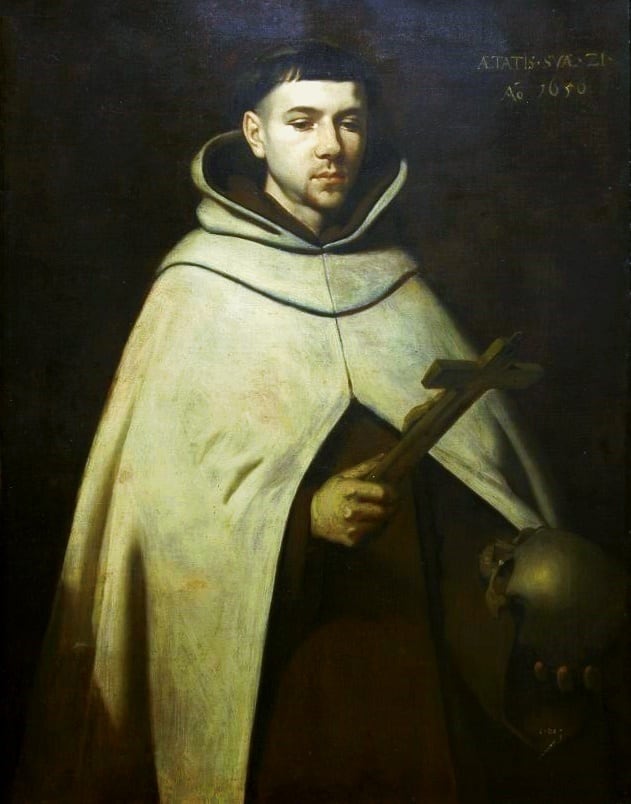
John of the Cross
इन पर सहमत: परम सत्य क्या है? क्या ईश्वर है? · मैं कौन हूँ? क्या कोई सच्चा आत्म है? · हम दुःख क्यों भोगते हैं?
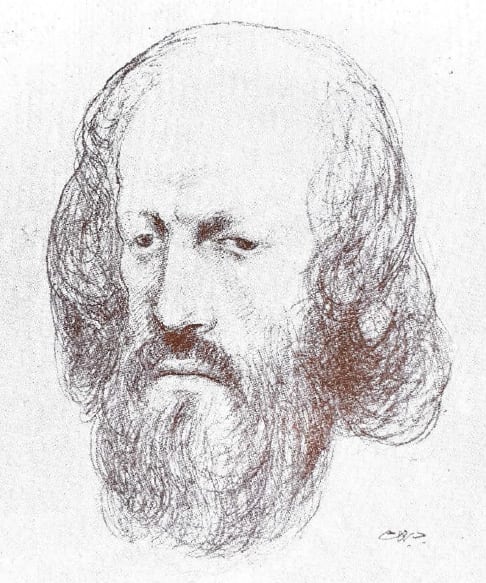
Al-Ghazali
इन पर सहमत: हम दुःख क्यों भोगते हैं? · परम सत्य क्या है? क्या ईश्वर है? · मैं कौन हूँ? क्या कोई सच्चा आत्म है?
इनसे भिन्न सोचते हैं

Pema Chödrön
इन पर टकराव: परम सत्य क्या है? क्या ईश्वर है? · मैं कौन हूँ? क्या कोई सच्चा आत्म है? · मृत्यु के बाद क्या होता है?

The 14th Dalai Lama (Tenzin Gyatso)
इन पर टकराव: परम सत्य क्या है? क्या ईश्वर है? · मैं कौन हूँ? क्या कोई सच्चा आत्म है? · मृत्यु के बाद क्या होता है?
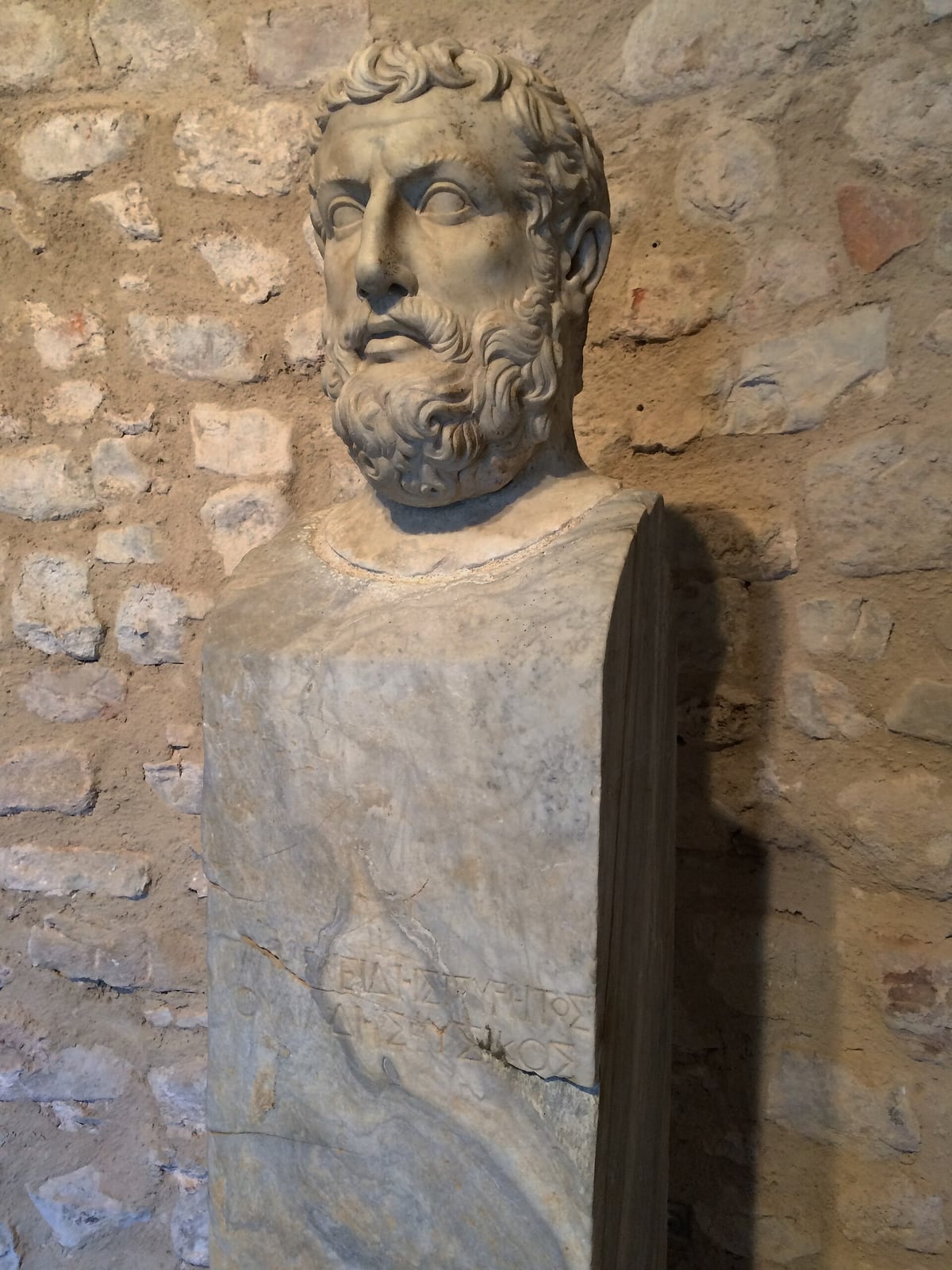
Parmenides
इन पर टकराव: क्या संसार वास्तविक है?

Nāgārjuna
इन पर टकराव: परम सत्य क्या है? क्या ईश्वर है? · मैं कौन हूँ? क्या कोई सच्चा आत्म है? · मृत्यु के बाद क्या होता है?
प्रसंग और वृत्तांत
प्रसंग और वृत्तांत
प्रमाणित1441
The codex of 1441
वृत्तांत का स्रोत: KBR, ms. 5855–5861; diplomatic edition and study by L. M. J. Delaissé (1956).
स्रोत: Delaissé, L. M. J. Le manuscrit autographe de Thomas a Kempis et «L'Imitation de Jésus-Christ»: examen archéologique et édition diplomatique du Bruxellensis 5855–61. 2 vols. París y Bruselas: Érasme, 1956.
प्रमाणित1604–1900
The war of the three authors
वृत्तांत का स्रोत: History of the controversy in Ampe (1973) and Van Engen (2008); Gaetani's thesis, in his Roman edition of 1616 and writings from 1604; the attribution to Thomas, in Busch's Chronicon Windeshemense (1464).
स्रोत: Ampe, Albert. L'Imitation de Jésus-Christ et son auteur: réflexions critiques. Roma: Edizioni di Storia e Letteratura, 1973.
प्रमाणित1522–1556
Ignatius's 'little Gerson'
वृत्तांत का स्रोत: Gonçalves da Câmara, Memoriale (1555), §§ 97–98; Spiritual Exercises, n. 100 (readings 'from the Imitation of Christ or the Gospels and lives of saints').
स्रोत: Gonçalves da Câmara, Luís. Memoriale (1555), en Fontes narrativi de S. Ignatio, vol. I (Monumenta Historica Societatis Iesu 66). Roma, 1943. Trad. española: Recuerdos ignacianos. Memorial de Luis Gonçalves da Câmara, ed. Benigno Hernández Montes. Bilbao y Santander: Mensajero y Sal Terrae, 1992.
प्रमाणित1429–1432
Exile in Friesland and his brother's death
वृत्तांत का स्रोत: Chronica Montis Sanctae Agnetis, years 1429–1432 (trans. Arthur, 1906); Catholic Encyclopedia (1912).
सत्यापन-योग्य नहीं1672 (supuesto)
The legend of the scratched coffin
वृत्तांत का स्रोत: No printed source earlier than its internet circulation has been located; the English Wikipedia itself marks it as unsupported. The data on the exhumation come from the Catholic Encyclopedia (1912).
शिक्षाएँ
शिक्षाएँ
वे अवधारणाएँ जो उनके चिंतन को रूप देती हैं, उनके संदर्भ में समझाई गई।
The imitation of Christimitatio-christi
De imitatione Christi, I, 1; Christocentric spirituality of the devotio moderna.
स्रोत: Thomas a Kempis. De imitatione Christi, libros I–IV (texto latino). Wikisource en latín.
Devotio modernadevotio-moderna
Lives of the founders (Dialogus noviciorum), Chronicle of Mount St Agnes; Van Engen (2008).
स्रोत: Van Engen, John. Sisters and Brothers of the Common Life: The Devotio Moderna and the World of the Later Middle Ages. Filadelfia: University of Pennsylvania Press, 2008.
Compunction of heartcompunctio
De imitatione Christi, I, 1 and I, 21; De vera compunctione cordis.
स्रोत: Thomas a Kempis. De imitatione Christi, libros I–IV (texto latino). Wikisource en latín.
The royal way of the holy crossvia-regia-crucis
De imitatione Christi, II, 11–12.
स्रोत: Thomas a Kempis. De imitatione Christi, libros I–IV (texto latino). Wikisource en latín.
'Ama nesciri': humility and hidden lifeama-nesciri
De imitatione Christi, I, 2; I, 20; III, 50; Alphabetum parvum boni monachi.
स्रोत: Thomas a Kempis. De imitatione Christi, libros I–IV (texto latino). Wikisource en latín.
वीडियो
वीडियो
रिकॉर्डिंग, साक्षात्कार और वृत्तचित्र। वीडियो YouTube से चलते हैं; वे यहाँ संग्रहीत नहीं हैं।
The Imitation of Christ by Thomas à KEMPIS read by David Barnes | Full Audio Book
तृतीय पक्ष की रिकॉर्डिंग· EN· 522 min
LibriVox Audiobooksआधिकारिक चैनल
De la imitación de Cristo by Thomas à Kempis read by Mongope Part 1/2 | Full Audio Book
तृतीय पक्ष की रिकॉर्डिंग· ES· 404 min
LibriVox Audiobooksआधिकारिक चैनल
La Devotio moderna, par Benoît Beyer de Ryke
व्याख्यान· FR· 79 min
Académie royale de Belgiqueआधिकारिक चैनल
Geschichte des christlichen Mönchtums 11 – Leben in der Nachfolge – Die Brüder vom gemeinsamen Leben
व्याख्यान· DE· 17 min
Athina Lexutt
Thomas a Kempis - L'Imitation de Jésus-Christ
विश्लेषण· FR· 2019· 53 min
KTO TVआधिकारिक चैनल
Thomas a Kempis (ca. 1380-1471) | Zwolle, Nederland
वृत्तचित्र· NL· 2010· 2 min
LetterkundigMuseum2आधिकारिक चैनल
Thomas à Kempis Part 1: Historical Background #SpirtualMasters
व्याख्यान· EN· 41 min
TAN Booksआधिकारिक चैनल
Episode 1: Avoid Vanity, Seek Humility | The Commentaries: The Imitation of Christ
विश्लेषण· EN· 20 min
TAN Booksआधिकारिक चैनल
Second Only to the Bible: The Imitation of Christ (Fr. Mike Schmitz & Fr. Gregory Pine)
विश्लेषण· EN· 31 min
Ascension Presentsआधिकारिक चैनल
Pfarrer Dr. Peter Dyckhoff: Nachfolge Christi - geistlich leben nach Thomas von Kempen
साक्षात्कार· DE· 14 min
KIRCHE IN NOT Deutschlandआधिकारिक चैनल
Nachfolge Christi – Grundlagen für ein geistliches Leben (Teil 1)
विश्लेषण· DE· 12 min
KIRCHE IN NOT Deutschlandआधिकारिक चैनल
Imitación de Cristo - Tomás de Kempis
विश्लेषण· ES· 41 min
Bibliopolis - Ivo Hernandez
¿Es posible imitar a CRISTO como lo hizo Tomás de Kempis?
विश्लेषण· ES· 10 min
Creer para Comprender
चित्रशाला
चित्रशाला
सत्यापित लाइसेंस वाले चित्र। प्रत्येक में उसके रचयिता और श्रेय का उल्लेख सुरक्षित है।
पांडुलिपियाँ
पांडुलिपियाँ
पांडुलिपि-साक्ष्य और प्राचीन पाठ, उनके संरक्षक और अध्ययन की शर्तों सहित।
LA · Gótica libraria (textualis) de los Países Bajos · c. 1420–1441
De imitatione Christi libri IV et alia opuscula (autógrafo)
- संरक्षित पाठ-साक्ष्य
- Códice autógrafo terminado en 1441 con la Imitación y otros opúsculos; colofón con su nombre y la fecha
- संरक्षक
- KBR, Biblioteca Real de Bélgica, Bruselas · ms. 5855–5861
LA · Gótica libraria · c. 1427–1439
Biblia (copia de Thomas a Kempis)
- संरक्षित पाठ-साक्ष्य
- Biblia completa en cinco volúmenes, una de las varias que copió
- संरक्षक
- Universitäts- und Landesbibliothek Darmstadt
संबंध
संबंध
प्रभाव, शिष्यत्व और वैचारिक निकटता। प्रमाणित संबंध को विश्लेषण से पहचानी गई समानता से अलग दर्शाया गया है।
इनसे मिलते-जुलते विचार
The imitation of the poor and humble Christ unites them; the Imitation expressly quotes a saying of Francis ('as much as each one is in your eyes, so much he is, and no more').
प्रमाणित संबंध
इन्हें प्रभावित किया
Ignatius came to know the Imitation at Manresa (1522), read it daily, called it 'the little Gerson' and recommended it in the Spiritual Exercises (n. 100).
प्रमाणित संबंध
इन्हें प्रभावित किया
Teresa included the Contemptus mundi (the Castilian name of the Imitation) among the books her convents should have in the Constitutions of 1567.
प्रमाणित संबंध
इनसे मतभेद
Brianchaninov judged the Imitation a fruit of 'prelest', an imaginative and exalted piety, and advised the Orthodox against reading it. The criticism is his; Thomas never knew him.
प्रमाणित संबंध
इनसे मिलते-जुलते विचार
The devotio moderna comes from the same Rhenish-Netherlandish world as the mysticism of Eckhart, Tauler and Ruusbroec, and shares its detachment and inner life; but it distrusts speculation and translates mysticism into practical exercise. There is no evidence that Thomas read Eckhart.
विश्लेषण से पहचानी गई समानता
इनसे मिलते-जुलते विचार
The devotional treatises of The Way to Christ share with the Imitation the renunciation of self-will and the distrust of knowledge that does not transform; Böhme adds a cosmology the Imitation ignores.
विश्लेषण से पहचानी गई समानता
स्रोत
स्रोत
इस प्रविष्टि के लिए देखे गए ग्रंथ-सूची और सूचीपत्र।
- Wikidata, Q220976 «Thomas à Kempis» (P31=Q5; 78 enlaces entre wikis; P569 1379/1380; P570 1471-07-25; P20 Zwolle).
- Kettlewell, Samuel. Thomas à Kempis and the Brothers of Common Life. 2 vols. Londres: Kegan Paul, Trench & Co., 1882.
- Van Engen, John. Sisters and Brothers of the Common Life: The Devotio Moderna and the World of the Later Middle Ages. Filadelfia: University of Pennsylvania Press, 2008.
- Thomas à Kempis. The Founders of the New Devotion, being the Lives of Gerard Groote, Florentius Radewin and their Followers. Trad. J. P. Arthur. Londres: Kegan Paul, Trench, Trübner, 1905.
- Pohl, Michael Joseph (ed.). Thomae Hemerken a Kempis Opera omnia. 7 vols. Friburgo de Brisgovia: Herder, 1902–1922.
- Thomas à Kempis. The Chronicle of the Canons Regular of Mount St. Agnes. Trad. J. P. Arthur. Londres: Kegan Paul, Trench, Trübner, 1906 (Project Gutenberg n.º 16759; incluye la continuación con la noticia de su muerte).
- Delaissé, L. M. J. Le manuscrit autographe de Thomas a Kempis et «L'Imitation de Jésus-Christ»: examen archéologique et édition diplomatique du Bruxellensis 5855–61. 2 vols. París y Bruselas: Érasme, 1956.
- Thomas a Kempis. De imitatione Christi, libros I–IV (texto latino). Wikisource en latín.
- Busch, Johannes. Chronicon Windeshemense und Liber de reformatione monasteriorum (1464). Ed. Karl Grube. Halle: Otto Hendel, 1886 (Geschichtsquellen der Provinz Sachsen 19), con la atribución de la Imitación a Thomas.
- Scully, Vincent. «Thomas à Kempis». The Catholic Encyclopedia, vol. 14. Nueva York: Robert Appleton, 1912.
- Gonçalves da Câmara, Luís. Memoriale (1555), en Fontes narrativi de S. Ignatio, vol. I (Monumenta Historica Societatis Iesu 66). Roma, 1943. Trad. española: Recuerdos ignacianos. Memorial de Luis Gonçalves da Câmara, ed. Benigno Hernández Montes. Bilbao y Santander: Mensajero y Sal Terrae, 1992.
- Teresa de Jesús. Constituciones de las carmelitas descalzas (1567), «De los libros» (recomienda el Contemptus mundi). En Obras completas, ed. Efrén de la Madre de Dios y Otger Steggink. Madrid: BAC, 1962 y ediciones posteriores.
- Wesley, John (ed.). The Christian's Pattern: or, a Treatise of the Imitation of Christ. Londres: C. Rivington, 1735.
- Thérèse de l'Enfant-Jésus. Histoire d'une âme écrite par elle-même. Lisieux, 1898 (manuscrito A, cap. V: conocía casi de memoria la Imitación).
- Ignati (Brianchanínov). «О прелести», en Аскетические опыты, t. I (crítica de la Imitación de Cristo). Texto en Azbuka very.
- Open Library (Internet Archive): registros consultados por autor, título e ISBN para las ediciones listadas.
- Wikimedia Commons: metadatos de licencia (extmetadata) de cada fichero, leídos por la API imageinfo el 2026-10-25.
- KBR, Biblioteca Real de Bélgica (Bruselas): manuscrito autógrafo de Thomas a Kempis, ms. 5855–5861 (1441).
- Ampe, Albert. L'Imitation de Jésus-Christ et son auteur: réflexions critiques. Roma: Edizioni di Storia e Letteratura, 1973.
- अधिकार-धारक
- Dominio público (Thomas murió en 1471). Las traducciones antiguas (Nieremberg, Challoner, Benham, Lamennais, Sailer) son de dominio público; las modernas (Edibesa, Debate, Vintage, Mercer, Dover y otras) pertenecen a sus editores y traductores.
पुष्टि की प्रतीक्षा में
जो यह प्रविष्टि अभी तक निश्चित नहीं कर सकी है। हम उसे भर देने के बजाय कह देना बेहतर समझते हैं।
- Verificar las fechas de muerte de los traductores J. P. Arthur, Vincent Scully y William Duthoit para levantar la cautela sobre la Crónica, las Vidas de los fundadores, los Sermones a los novicios y las Oraciones y meditaciones.
- La edición española de la Imitación en Internet Archive (Nieremberg, 1876) carece de datos de imprenta: localizar una digitalización bibliotecaria (BNE, Biblioteca Digital Hispánica) de la traducción de Nieremberg o de la atribuida a fray Luis de Granada.
- No existe la Imitación en la Wikisource en español (comprobado el 2026-10-25), contra lo que se esperaba; la sala de lectura en español queda con el ejemplar de Internet Archive.
- Opúsculos menores (De tribus tabernaculis, De disciplina claustralium, Hortulus rosarum, Vallis liliorum, Doctrinale iuvenum, etc.): solo en los volúmenes de Pohl (1902–1922) en Internet Archive, que reúnen varias obras por volumen; buscar URL propia por obra.
- Precisar fechas de composición de los opúsculos (se dan aproximadas) con la introducción de la edición de Pohl.
- Confirmar traductor y año de la edición de Debate (2000) y del Libro de remedar a Christo (1495; ejemplar en la Biblioteca Digital Hispánica).
- Confirmar el ISBN de la nueva traducción alemana de Bernhard Lang (Reclam, 2022) y de Das Leben Meister Gerhards (2016): no localizados en Open Library.
- No hay retrato de Thomas hecho del natural: todas las imágenes de su persona son posteriores e imaginarias.
- Programas de afiliación: ninguno verificado; lista vacía.
- Documentar la procedencia del autógrafo de Bruselas (KBR ms. 5855–5861) entre Agnietenberg y la Biblioteca Real, y si existe digitalización pública.
2026-10-25 को शोधित