इस्लाम · सूफ़ीवाद
Al-Ghazali
أبو حامد محمد بن محمد الغزالي الطوسي · حجة الإسلام · ابوحامد محمد غزالی
लगभग 1058 – 1111ऐतिहासिक रूप से प्रमाणित व्यक्ति
शाफ़ई फ़क़ीह, अशअरी धर्मशास्त्री और फ़ारसी सूफ़ी (तूस, लगभग 1058 – तूस, 1111), जिन्हें "हुज्जत-उल-इस्लाम" अर्थात "इस्लाम का प्रमाण" कहा गया और लैटिन यूरोप में "अल्गाज़ेल" नाम से जाना गया। बग़दाद के निज़ामिया में अध्यापक रहते हुए उन्होंने तहाफ़ुत अल-फ़लासिफ़ा में दार्शनिकों की आलोचना की, और अपनी आत्मकथा अल-मुनक़िज़ मिन अद-दलाल में वर्णित संकट के बाद 1095 में सूफ़ी मार्ग के लिए पीठ छोड़ दी। चालीस पुस्तकों वाली उनकी इह्या उलूम अद-दीन ने तसव्वुफ़ को सुन्नी धार्मिक जीवन में पिरोया और क़ुरआन तथा हदीस के बाद वह इस्लाम की सबसे अधिक पढ़ी जाने वाली पुस्तकों में है।
- कृतियाँ
- 44कृतियाँ
- संस्करण
- 86संस्करण
- उद्धरण
- 9उद्धरण
- वीडियो
- 13वीडियो
- चित्र
- 7चित्र
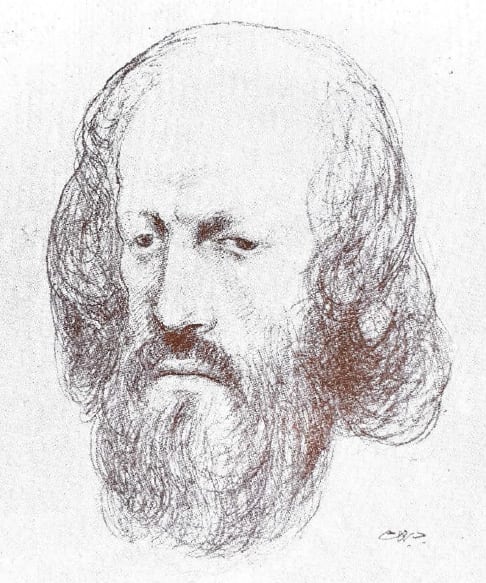
Al-Ghazali según Khalil Gibran · Public domain
उनके अपने शब्दों में
«The thirst for knowledge was innate in me from an early age; it was like a second nature implanted by God, without any will on my part.»al-Munqidh min al-dalal, introducción (texto árabe de Wikisource; trad. inglesa de Claud Field, 1909; trad. española propia)

मूल विचार
Certainty (yaqin) and the light in the breast: The *Munqidh* defines certainty as knowledge in which the known is disclosed so as to leave no room for doubt or the possibility of error.
संदर्भ में देखें
जीवनी
5 मिनट का पाठ
स्पैनिश मूल से सहायता-प्राप्त अनुवाद, मातृभाषी अनुवादक द्वारा समीक्षा लंबित।
तूस का एक अनाथ
अबू हामिद मुहम्मद इब्न मुहम्मद अल-ग़ज़ाली का जन्म ख़ुरासान के नगर तूस की दो बस्तियों में से एक, तबरान में हुआ, जो आज के मशहद से लगभग पच्चीस किलोमीटर दूर है। मध्यकालीन जीवनीकार उनका जन्म हिजरी सन 450 में बताते हैं, जो 1058–1059 ई. के बराबर है; फ़्रैंक ग्रिफ़ेल ने ध्यान दिलाया है कि उनके पत्रों और आत्मकथा में आयु के जो संकेत मिलते हैं, वे बल्कि 448 हि./1056 ई. या 1055 ई. की ओर इशारा करते हैं। अस-सुबकी द्वारा दर्ज परंपरा के अनुसार उनके पिता ऊन कातते और बेचते थे — इसी से ग़ज़्ज़ाली, "कातने वाला", नाम का रूप निकला, जिसकी होड़ ग़ज़ाला नामक एक गाँव से बने ग़ज़ाली रूप से है — और मृत्यु के समय उन्होंने अपने दोनों बेटों, मुहम्मद और अहमद, को एक सूफ़ी मित्र को सौंप दिया, जिसने छोटी-सी विरासत समाप्त होने तक उन्हें पढ़ाया-पाला और फिर ऐसे मदरसे में भेज दिया जहाँ विद्यार्थियों को भोजन मिलता था। दोनों भाइयों की नियति समानांतर रही: अहमद उपदेशक और सूफ़ी गुरु बने और सवानेह के लेखक हुए, जो इश्क़-ए-हक़ीक़ी पर फ़ारसी का पहला बड़ा ग्रंथ है।
जुर्जान से वज़ीर के दरबार तक
तूस और जुर्जान में फ़िक़्ह की आरंभिक शिक्षा के बाद वे निशापुर गए, ताकि इमाम-उल-हरमैन अल-जुवैनी से पढ़ सकें, जो अपने युग के सबसे बड़े अशअरी धर्मशास्त्री (मुतकल्लिम) और शाफ़ई फ़क़ीह थे; वहीं उनकी संगत सूफ़ी शैख़ अबू अली अल-फ़ारमज़ी से भी हुई। 478 हि./1085 ई. में अल-जुवैनी के देहांत के बाद युवा ग़ज़ाली निज़ाम-उल-मुल्क के चलते-फिरते दरबार में शामिल हो गए — वह सल्जूक़ सुल्तानों का वज़ीर था, जिसने अपने नाम से जाने जाने वाले मदरसों का जाल बिछाया था। 484 हि./1091 ई. में वज़ीर ने उन्हें बग़दाद के निज़ामिया का अध्यापक नियुक्त किया, जो सुन्नी जगत की सबसे प्रतिष्ठित पीठ थी। उनकी आयु तीस से कुछ ही अधिक थी, और उनका प्रभाव ऐसा था कि ख़लीफ़ा और सुल्तान दोनों उनकी बात सुनते थे।
बग़दाद: अध्यापक और दार्शनिक
बग़दाद में उन्होंने सैकड़ों शिष्यों को शाफ़ई फ़िक़्ह पढ़ाई और, जैसा वे स्वयं बताते हैं, अपने ख़ाली घंटे यूनानी परंपरा के दार्शनिकों — विशेषकर अल-फ़ाराबी और इब्न सीना — को अकेले पढ़ने में लगाए। इससे दो परस्पर पूरक पुस्तकें निकलीं: मक़ासिद अल-फ़लासिफ़ा, इब्न सीना के सिद्धांत की निष्ठापूर्ण प्रस्तुति, और तहाफ़ुत अल-फ़लासिफ़ा, "दार्शनिकों की असंगति", जो 488 हि. (1095 ई.) के पहले महीने के पूर्वार्ध में पूरी हुई। इसमें उनकी बीस स्थापनाओं की जाँच की गई है और तीन को इस्लाम से असंगत घोषित किया गया है: जगत की अनादिता, ईश्वर का विशेष वस्तुओं से अनभिज्ञ होना, और शरीरों के पुनरुत्थान का निषेध। यहीं कार्य-कारण का उनका प्रसिद्ध विश्लेषण है: आग के संपर्क में आकर रुई का जलना ईश्वर द्वारा रची गई एक आदत है, कोई अनिवार्य संबंध नहीं। ख़लीफ़ा अल-मुस्तज़हिर के आदेश पर उन्होंने बातिनी इस्माइलियों का खंडन भी लिखा, जिन पर 1092 ई. में निज़ाम-उल-मुल्क की हत्या का आरोप था।
1095 का संकट
जीवन के अंतिम वर्षों में लिखी उनकी आत्मकथा, अल-मुनक़िज़ मिन अद-दलाल ("भटकाव से उबारने वाली"), उन वर्षों के संकट को ऐसी स्पष्टवादिता से सुनाती है जिसकी अरबी साहित्य में कोई मिसाल नहीं थी। संशय का पहला दौर लगभग दो महीने चला और, वे कहते हैं, तर्कों से नहीं, बल्कि "उस प्रकाश से सुलझा जिसे ईश्वर ने सीने में डाल दिया"। दूसरा संकट नैतिक था: उन्होंने समझा कि सूफ़ियों का ज्ञान किताबों से नहीं सीखा जाता, उसे "चखा" जाता है (ज़ौक़), और यह कि उनके पेशेवर जीवन को प्रतिष्ठा की लालसा चला रही थी। रजब 488 हि. (जुलाई 1095 ई.) से छह महीने तक वे दुविधा में रहे; अंततः, वे लिखते हैं, ईश्वर ने उनकी ज़बान पर ताला लगा दिया, वे पढ़ा न सके, भूख जाती रही और हकीमों ने हार मान ली। ज़िलक़ादा 488 हि. (नवंबर 1095 ई.) में वे हज के बहाने बग़दाद से निकल गए और पीठ अपने भाई अहमद को सौंप दी। इतिहासकार बहस करते हैं कि इस निर्णय में आध्यात्मिक मोहभंग का कितना हाथ था और निज़ाम-उल-मुल्क की हत्या तथा सुल्तान मलिकशाह की मृत्यु के बाद राजनीतिक हिंसा के भय का कितना: मुनक़िज़ बाद में की गई एक पुनर्रचना है, जिसका उद्देश्य समर्थनात्मक है — वह कोई डायरी नहीं।
एकांत के दस वर्ष
उन्होंने लगभग दो वर्ष शाम (सीरिया) में बिताए; दमिश्क़ में वे बड़ी मस्जिद की मीनार में एकांतवास करते थे। उन्होंने यरूशलम और अल-ख़लील (हेब्रोन) में हज़रत इब्राहीम की समाधि की ज़ियारत की, जहाँ 489 हि./1096 ई. में उन्होंने प्रतिज्ञा की कि वे किसी शासक की सेवा नहीं करेंगे, सत्ता से धन नहीं लेंगे और शास्त्रार्थों में भाग नहीं लेंगे; उन्होंने मक्का और मदीना की यात्रा की और दमिश्क़ तथा बग़दाद होते हुए तूस लौटे, जहाँ उन्होंने एक छोटा मदरसा और एक ख़ानक़ाह खोली। इन्हीं वर्षों में उन्होंने अपनी महान कृति रची, इह्या उलूम अद-दीन, "धर्म-विज्ञानों का पुनरुज्जीवन": चार खंडों में चालीस पुस्तकें, जो उपासना, दैनिक आचार, विनाशकारी दोषों और मुक्तिदायी गुणों से गुज़रती हैं और तसव्वुफ़ को आस्तिक के साधारण जीवन में पिरो देती हैं। फ़ारसी में उन्होंने इसका सार कीमिया-ए-सआदत, "सौभाग्य की कीमिया", में प्रस्तुत किया। मुराबितों (अल्मोराविदों) के पश्चिम में इसका स्वागत शत्रुतापूर्ण रहा: 1109 ई. में मालिकी फ़क़ीहों के आग्रह पर क़ुर्तुबा (कोर्डोबा) में इह्या को सार्वजनिक रूप से जलाया गया।
अध्यापन में वापसी
499 हि./1106 ई. में निज़ाम-उल-मुल्क के बेटे और ख़ुरासान में सुल्तान संजर के वज़ीर फ़ख़्र-उल-मुल्क ने उन्हें निशापुर के निज़ामिया में फिर से पढ़ाने के लिए मना लिया। अल-ग़ज़ाली ने हेब्रोन की प्रतिज्ञा तोड़ दी, इस विश्वास के साथ, जैसा वे लिखते हैं, कि ईश्वर हर शताब्दी के आरंभ में एक मुजद्दिद (नवीकरणकर्ता) भेजता है और हिजरी की छठी शताब्दी का मुजद्दिद वे स्वयं थे। लगभग 503 हि./1109 ई. में विरोधियों के आरोपों पर उन्हें संजर के सामने बुलाया गया और वे निर्दोष ठहरे; उसी वर्ष उन्होंने अल-मुस्तस्फ़ा पूरी की, जो फ़िक़्ह के मूल सिद्धांतों (उसूल-उल-फ़िक़्ह) पर उनका महान ग्रंथ है। अंतिम महीने उन्होंने तूस में बिताए, जहाँ इब्न अल-जौज़ी द्वारा सुरक्षित उनके भाई अहमद के वृत्तांत के अनुसार, सोमवार, 14 जुमादा-उल-आख़िर 505 हि., अर्थात 18 दिसंबर 1111 ई. की भोर में उनका देहांत हुआ: उन्होंने वुज़ू किया, नमाज़ पढ़ी, अपना कफ़न माँगा, उसे चूमा, आँखों पर रखा और क़िबले की ओर मुँह करके लेट गए।
इस्लाम का प्रमाण
उत्तरवर्ती पीढ़ियों ने उन्हें हुज्जत-उल-इस्लाम, "इस्लाम का प्रमाण", कहा, और सुन्नी परंपरा ने इह्या में वह पुस्तक देखी जिसने शरीअत, कलाम और आध्यात्मिक जीवन में सामंजस्य स्थापित किया। उनकी प्रामाणिक रचनाएँ साठ-सत्तर के आसपास हैं, पर मध्यकालीन सूचियाँ लगभग तीन सौ और रचनाएँ उनके नाम करती हैं, और आधुनिक आलोचना, मॉरिस बुइज और मॉन्टगोमरी वॉट से लेकर अब तक, मिश्कात अल-अनवार, मिनहाज अल-आबिदीन, अय्युहल-वलद या नसीहत अल-मुलूक के दूसरे भाग जैसे ग्रंथों के लेखकत्व पर अब भी विचार कर रही है। लैटिन यूरोप ने उन्हें "अल्गाज़ेल" के नाम से जाना, मुख्यतः एक तर्कशास्त्र और तत्त्वमीमांसा के लेखक के रूप में, जो वस्तुतः मक़ासिद में दी गई इब्न सीना की प्रस्तुति के सिवा कुछ न थे। इब्न रुश्द (एवेरोस) ने तहाफ़ुत का उत्तर अपनी तहाफ़ुत अत-तहाफ़ुत से दिया; यह आम धारणा कि अल-ग़ज़ाली ने "इस्लाम में दर्शन की हत्या कर दी", हाल के इतिहास-लेखन ने संशोधित की है, जो दिखाता है कि बाद के कलाम ने उस तर्कशास्त्र और तत्त्वमीमांसा को किस हद तक आत्मसात किया, जिनका उपयोग करना उन्होंने ही सिखाया था।
स्रोत: al-Ghazali. al-Munqidh min al-dalal. Texto árabe en Wikisource; trad. inglesa de Claud Field, The Confessions of Al Ghazzali, Londres: John Murray (Wisdom of the East), 1909. · al-Ghazali. Mishkat al-anwar («The Niche for Lights»). Trad. e introd. de W. H. T. Gairdner. Londres: Royal Asiatic Society (Monographs, vol. XIX), 1924; reimpr. Lahore: Sh. Muhammad Ashraf, 1952. · Bouyges, Maurice. Essai de chronologie des œuvres de al-Ghazali (Algazel). Ed. Michel Allard. Beirut: Imprimerie Catholique, 1959. · Badawi, Abd al-Rahman. Mu'allafat al-Ghazali. El Cairo, 1961; 2.ª ed., Kuwait, 1977. · Watt, W. Montgomery. Muslim Intellectual: A Study of al-Ghazali. Edimburgo: Edinburgh University Press, 1963; y «The Authenticity of the Works Attributed to al-Ghazali», Journal of the Royal Asiatic Society, 1952.
कालक्रम
जीवन, वर्ष-दर-वर्ष
प्रत्येक बिंदु एक प्रमाणित घटना है। उसे स्रोत और निश्चितता के स्तर सहित पढ़ने के लिए क्लिक करें।
लगभग 10580 वर्षTabarán, Tus (Jorasán)
Birth in Tus
Born in Tabaran (Tus, Khorasan) in 450 AH (1058–1059), according to medieval biographers; Griffel proposes 448/1056 or 1055 on the basis of his own letters.
संभावितBöwering, Gerhard. «Ḡazālī, Abū Ḥāmed Moḥammad i. Biography». Encyclopædia Iranica, vol. X, fasc. 4 (2001), ed. en línea.
उनके निधन के बाद
- लगभग 1150Algazel in Latin Europe
- लगभग 1180Averroes replies: Tahafut al-tahafut
लगभग 1058 · 0 वर्ष
Birth in Tus
Born in Tabaran (Tus, Khorasan) in 450 AH (1058–1059), according to medieval biographers; Griffel proposes 448/1056 or 1055 on the basis of his own letters.
संभावित
लगभग 1075
Studies in Jurjan and Nishapur
After studying law in Tus and Jurjan, he trains in Nishapur under al-Juwayni (Ash'ari theology, Shafi'i law) and comes to know the Sufi Abu Ali al-Farmadhi.
संभावित
1085
In the service of Nizam al-Mulk
With al-Juwayni dead (478 AH), he joins the camp and court of the Seljuq vizier Nizam al-Mulk.
प्रमाणित
1091
Professor at the Baghdad Nizamiyya
Appointed by Nizam al-Mulk in 484 AH (1091), he teaches Shafi'i law at the most prestigious madrasa of the Sunni world.
प्रमाणित
1092
Assassination of Nizam al-Mulk
The vizier is assassinated (485 AH), a crime attributed to the Nizari Isma'ilis; shortly afterwards Sultan Malikshah dies.
प्रमाणित
जनवरी 1095
Completes the Tahafut al-falasifa
Completes the "Incoherence of the Philosophers" in the first fortnight of 488 AH (January 1095), after setting out their doctrine in the Maqasid.
प्रमाणित
जुलाई 1095
The crisis: the locked tongue
From Rajab 488 (July 1095) he wavers for six months between career and the Sufi path; he becomes unable to speak in class, according to the Munqidh.
प्रमाणित
नवंबर 1095
Leaves Baghdad
In Dhu l-Qa'da 488 (November 1095) he hands the chair to his brother Ahmad and leaves on the pretext of pilgrimage.
प्रमाणित
1096
Damascus, Jerusalem, Hebron and Mecca
Retreat in the minaret of the Damascus mosque; in Hebron he vows never to serve the powerful (489 AH); pilgrimage to Mecca and Medina.
प्रमाणित
लगभग 1097
Return to Tus; the Ihya
After passing through Baghdad (490 AH) he settles in Tus, opens a school and a Sufi convent and composes the Ihya ulum al-din and, in Persian, the Kimiya-yi saadat.
संभावित
1106
Returns to teach in Nishapur
In 499 AH, invited by Fakhr al-Mulk, Sanjar's vizier, he teaches at the Nishapur Nizamiyya; he presents himself as the century's renewer.
प्रमाणित
लगभग 1109
Before Sanjar; the Ihya burned in Cordoba
Around 503 AH he is summoned before Sanjar and acquitted; he completes al-Mustasfa. In Almoravid Cordoba the Ihya is publicly burned.
संभावित
18 दिसंबर 1111 · 53 वर्ष
Death in Tus
Dies at dawn on Monday 14 Jumada al-Akhira 505 (18 December 1111), according to his brother Ahmad's account transmitted by Ibn al-Jawzi.
प्रमाणित
लगभग 1150
Algazel in Latin Europe
Dominicus Gundissalinus and John of Spain translate the Maqasid into Latin (Logica et philosophia Algazelis); Europe will read him as an Avicennian philosopher.
प्रमाणित
लगभग 1180
Averroes replies: Tahafut al-tahafut
Ibn Rushd writes the "Incoherence of the Incoherence", a point-by-point refutation of the Tahafut.
प्रमाणित
कृतियाँ
आवश्यक कृतियाँ
वे कृतियाँ जिनके बिना उनकी विरासत को समझा नहीं जा सकता।
लिखित कृति · लगभग 1097
The Revival of the Religious Sciences (Ihya ulum al-din)
إحياء علوم الدين (Ihya' 'ulum al-din)
Al-Ghazali's major work and one of the most widely read in Islam: a complete guide to religious life in four "quarters" of ten books each. The first two deal with worship and customs (prayer, fasting, eating, marriage, trade, friendship, music); the last two with the science of the heart: the vices that destroy the soul (anger, avarice, ostentation, pride) and the virtues that save it (repentance, patience, trust, the love of God). Its thesis is that the scholars of his time had reduced religion to law and polemic, and that its inner life must be restored. It draws on Abu Talib al-Makki and al-Qushayri but reorganises their material into a system of its own.
12 संस्करण · amazon.com

लिखित कृति · 1095
The Incoherence of the Philosophers
تهافت الفلاسفة (Tahafut al-falasifa)
A refutation of twenty theses of the Aristotelian philosophers, above all Avicenna, using their own logical methods. Three of them (the eternity of the world, that God knows only universals, and the denial of bodily resurrection) are in his judgement unbelief; the other seventeen, innovations. The seventeenth question contains his analysis of causality: the connection between what we call cause and effect is not necessary but a habit created by God, as the example of cotton and fire shows. Averroes replied with the *Tahafut al-tahafut*.
5 संस्करण · amazon.com

लिखित कृति · लगभग 1108
Deliverance from Error
المنقذ من الضلال (al-Munqidh min al-dalal)
Al-Ghazali's intellectual autobiography, written in reply to a "brother in faith" who asks how he reached the truth. It recounts his sceptical crisis, cured by a light God placed in his breast, and examines the four classes of seekers (theologians, philosophers, Isma'ilis and Sufis) to conclude that only the Sufi path, known by experience and not by definition, gives certainty. It also relates his departure from Baghdad and his return to teaching. It has often been compared to Saint Augustine's *Confessions*.
8 संस्करण · amazon.com

लिखित कृति · लगभग 1105
The Alchemy of Happiness
کیمیای سعادت (Kimiya-yi sa'adat)
A shorter, reorganised Persian version of the *Ihya*. Four opening "headings" (knowledge of self, of God, of the world and of the hereafter) precede four "pillars" corresponding to the quarters of the *Ihya*. Its starting point is that knowledge of self is the key to knowledge of God, and its central image is the heart as a mirror that "alchemical" discipline polishes until it reflects the divine. It is one of the great works of eleventh-century Persian prose.
7 संस्करण · amazon.com
संपूर्ण कृतित्व (44)
Al-Ghazali
The Extensive (Shafi'i law)
The Conscious LibraryThe Extensive (Shafi'i law)
1088
Al-Ghazali
The Intermediate (Shafi'i law)
The Conscious LibraryThe Intermediate (Shafi'i law)
1090
Al-Ghazali
The Concise (Shafi'i law)
The Conscious LibraryThe Concise (Shafi'i law)
1101
Al-Ghazali
The Quintessence of the Epitome
The Conscious LibraryThe Quintessence of the Epitome
Al-Ghazali
The Sifted Notes on the Foundations
The Conscious LibraryThe Sifted Notes on the Foundations
1085
Al-Ghazali
The Healing of the Thirsty (on legal reasoning)
The Conscious LibraryThe Healing of the Thirsty (on legal reasoning)
1093
Al-Ghazali
The Essentials of Legal Theory
The Conscious LibraryThe Essentials of Legal Theory
1109
Al-Ghazali
The Foundation of Analogy
The Conscious LibraryThe Foundation of Analogy
Al-Ghazali
The Aims of the Philosophers
The Conscious LibraryThe Aims of the Philosophers
1094
Al-Ghazali
The Standard of Knowledge (logic)
The Conscious LibraryThe Standard of Knowledge (logic)
1095
Al-Ghazali
The Touchstone of Reasoning (logic)
The Conscious LibraryThe Touchstone of Reasoning (logic)
1095
Al-Ghazali
The Criterion of Action
The Conscious LibraryThe Criterion of Action
1095
Al-Ghazali
The Correct Balance
The Conscious LibraryThe Correct Balance
1100

Moderation in Belief
1095
Al-Ghazali
The Jerusalem Epistle
The Conscious LibraryThe Jerusalem Epistle
1096

The Decisive Criterion for Distinguishing Islam from Clandestine Unbelief
1101
Al-Ghazali
The Rule of Interpretation
The Conscious LibraryThe Rule of Interpretation
1105
Al-Ghazali
Restraining the Common People from Theology
The Conscious LibraryRestraining the Common People from Theology
1111
Al-Ghazali
The Infamies of the Batinis (al-Mustazhiri)
The Conscious LibraryThe Infamies of the Batinis (al-Mustazhiri)
1095
Al-Ghazali
The Excellent Refutation of the Divinity of Jesus from the Gospel
The Conscious LibraryThe Excellent Refutation of the Divinity of Jesus from the Gospel
Al-Ghazali
The Book of the Forty (principles of religion)
The Conscious LibraryThe Book of the Forty (principles of religion)
1100

The Jewels of the Qur'an
1100

The Noblest Aim: on the Beautiful Names of God
1100
Al-Ghazali
Dictation on the Difficult Passages of the Ihya
The Conscious LibraryDictation on the Difficult Passages of the Ihya
1105
वचन
किसी निश्चित कृति में स्थित वचन। प्रत्येक के साथ उसका स्रोत और विश्वसनीयता का स्तर है।
The thirst for knowledge was innate in me from an early age; it was like a second nature implanted by God, without any will on my part.وقد كان التعطش إلى درك حقائق الأمور دأبي وديدني من أول أمري وريعان عمري، غريزة وفطرة من الله وضعتا في جبلتي، لا باختياري وحيلتي
सत्यापितal-Munqidh min al-dalal, introducción (texto árabe de Wikisource; trad. inglesa de Claud Field, 1909; trad. española propia)
अंतिम शब्द
साक्षियों का परवर्ती वृत्तांत
«I hear and obey, to enter into the presence of the King.»سمعاً وطاعة للدخول على الملك
Account of his brother Ahmad al-Ghazali, transmitted by Ibn al-Jawzi in *al-Thabat 'inda l-mamat*: on Monday at dawn he performed his ablutions, prayed, asked for his shroud, kissed it, laid it on his eyes, spoke these words, stretched his legs towards the qibla and died before daybreak. It is a family testimony transmitted by an author of the following century, with features of an exemplary death.
स्रोत: Ibn al-Yawzi, Abu l-Faraj. al-Thabat 'inda l-mamat (relato de Ahmad al-Ghazali sobre la muerte de su hermano), citado en la introducción del editor a Jawahir al-Qur'an (texto en Wikisource árabe).
पूछें
उनकी कृतियाँ क्या उत्तर देती हैं
मानवता के बारह महान प्रश्न और उनके ग्रंथ उनका जो उत्तर देने देते हैं, संदर्भों सहित। हम कभी उनके मुख में अपने शब्द नहीं रखते।
परम सत्य क्या है? क्या ईश्वर है?
A living God who creates by will and is the only true light
साकार, व्यक्तिगत ईश्वरस्पष्ट रूप से कहा है
Al-Ghazali defends, as an Ash'ari theologian, a single God who is living, knowing, powerful and endowed with will, who creates the world from nothing and sustains it at every instant. In The Just Mean in Belief he argues that the world had a beginning and that whatever begins needs someone to bring it into existence; in The Incoherence of the Philosophers he rejects Avicenna's God, from whom the world emanates by necessity, because that God is denied free will and knowledge of particulars. His mystical work does not depersonalise this God but intensifies Him: in The Niche of Lights he holds that the only true light is God and that all other lights are borrowed, and his commentary on the ninety-nine names makes each divine attribute a model the believer can imitate within human measure.
इस प्रश्न की अन्य गुरुओं से तुलना करेंमैं कौन हूँ? क्या कोई सच्चा आत्म है?
The true self is the heart, a mirror created to know God
सृजित, अमर आत्मास्पष्ट रूप से कहा है
Al-Ghazali opens The Alchemy of Happiness with knowledge of the self, because knowledge of the self is the key to knowledge of God. What man truly is is not the body, which is his mount and his tool, but the heart (qalb): a subtle, spiritual reality of a divine order, able to know God and destined to survive death. The book on the marvels of the heart, in the Revival, describes it as a mirror that is clouded by sins and passions and polished by discipline and remembrance of God, until it reflects the realities of the unseen world. The passional self (nafs), with its appetites, is not the absolute enemy but the animal the heart must govern. The soul is created, not eternal; but its destiny is immortal.
इस प्रश्न की अन्य गुरुओं से तुलना करेंहम दुःख क्यों भोगते हैं?
A heart sick with the world is veiled from God
ईश्वर से वियोगस्पष्ट रूप से कहा है
Al-Ghazali devotes an entire quarter of the Revival, that of the «vices leading to perdition», to the diseases of the heart: gluttony, lust, anger, envy, love of money and fame, pride, ostentation. They all share one root, love of the world, which clouds the mirror of the heart and veils it from God; that distance is the true misery, here and in the next life. He lived it himself: in Deliverance from Error he tells how, in 1095, God locked his tongue until he could no longer teach, and the physicians said the illness lay in the heart and their art had no remedy for it. Outward afflictions, by contrast, are trials to be borne with patience and gratitude, and they can bring one closer to God.
इस प्रश्न की अन्य गुरुओं से तुलना करेंमृत्यु के बाद क्या होता है?
Death is the passage to meeting the King, and the body will be raised
अनंत जीवन और पुनरुत्थानस्पष्ट रूप से कहा है
Al-Ghazali closes the Revival with an entire book on the remembrance of death and what comes after: the agony, the grave, the resurrection, the judgement, the balance, the bridge, paradise and the fire, and also the vision of God, which is the supreme bliss. The Precious Pearl follows the same itinerary with abundant traditions. Against the philosophers, who admitted only the immortality of the soul, he holds in The Incoherence that denying the resurrection of bodies is unbelief, for nothing prevents God from giving the soul back a body. Remembering death every day is not morbid: it detaches from the world and prepares the encounter. According to his brother Ahmad's account, he died in Tus at dawn, after asking for his shroud and declaring himself ready to enter into the presence of the King.
इस प्रश्न की अन्य गुरुओं से तुलना करेंमुक्ति या उद्धार कैसे प्राप्त होता है?
Knowing is not enough: the heart must be purified and the path tasted
अनुशासित साधना सेस्पष्ट रूप से कहा है
Al-Ghazali came to the Sufi way after exhausting theology, philosophy and the teaching of the Ismailis, and what he discovered was that salvation is not reached by reading. In Deliverance from Error he puts it in an image: what a difference there is between knowing the definition of health and satiety and being healthy and sated. The Sufis, he writes, were men of lived states, not of words. That is why the Revival is a programme of practice: acts of worship performed with inner attention, discipline of the soul (riyada), struggle against vices, acquisition of virtues and constant remembrance of God. In the Letter to a Disciple he insists that knowledge without deeds is madness. The goal is knowledge of God, but the path is purification.
इस प्रश्न की अन्य गुरुओं से तुलना करेंक्या गुरु आवश्यक है?
The disciple needs a master to train him, but not an infallible imam
अनिवार्यस्पष्ट रूप से कहा है
Al-Ghazali distinguishes two questions. On the spiritual path the master is indispensable: in the Letter to a Disciple and in the Revival's book on the discipline of the soul he explains that whoever seeks God needs a shaykh to train him, to uproot his bad traits of character and replace them with good ones, as the farmer pulls up weeds; the disciple must entrust himself to him as the sick man to the physician. But in matters of religious truth he rejects the authority the Ismailis claimed for their hidden, infallible imam: in Deliverance from Error and in his refutations he holds that the only infallible teacher is the Prophet, and that his teaching is already in the Qur'an and the sunna, within reach of reason and of the scholars.
इस प्रश्न की अन्य गुरुओं से तुलना करेंक्या संसार वास्तविक है?
A world created anew at every instant, and none better is possible
शुभ और वास्तविक सृष्टिस्पष्ट रूप से कहा है
For al-Ghazali the world is real and good, but it does not sustain itself. In The Incoherence of the Philosophers he denies any necessary connection between what we call cause and effect: cotton does not burn because fire touches it, but because God creates the burning when the contact occurs, according to a custom (ada) He can suspend. The world is thus a continuous work of the divine will. In the Revival's book on divine unity and trust in God he states that there is nothing in the realm of possibility more wonderful than what exists: the present order is the best that could have been. And in The Niche of Lights he adds that the existence of creatures is borrowed, as the moon's light comes from the sun.
इस प्रश्न की अन्य गुरुओं से तुलना करेंप्रेम क्या है?
Only God truly deserves love: love crowns the path
विरह और मिलनस्पष्ट रूप से कहा है
Al-Ghazali devotes one of the final books of the Revival to love, longing, intimacy and contentment, and presents it as the goal of all the preceding stations: repentance, patience or trust are preparations for loving. He analyses the causes for which one loves — love of one's own existence, of the benefactor, of beauty, of affinity — and shows that all of them, carried to their end, find a full object only in God, the origin of being, of every good and of all beauty. From love springs the longing to see Him and intimacy with Him. To illustrate pure love he quotes the verses of the two loves attributed to Rabia, thereby making them the canonical example of the tradition.
इस प्रश्न की अन्य गुरुओं से तुलना करेंक्या हम स्वतंत्र हैं, या सब कुछ पूर्वनिर्धारित है?
There is no agent but God: the pen does not write by itself
कोई कर्ता नहींस्पष्ट रूप से कहा है
In the Revival's book on divine unity and trust in God, al-Ghazali describes the highest degree of faith in unity: to see that there is no agent but God. He illustrates it with a parable: a traveller sees a blackened sheet and questions the ink, which refers him to the pen, which refers him to the hand, which refers him to will, knowledge and power, until all acknowledge that they obey another. Secondary causes are intermediaries; the only actor is God, who also creates human acts. Nevertheless, as an Ash'ari theologian he holds that man acquires (kasb) his acts and answers for them before the law and at the judgement. Trust in God does not abolish effort: the one who trusts goes on working.
इस प्रश्न की अन्य गुरुओं से तुलना करेंध्यान या प्रार्थना क्यों करें?
The rites of the law, lived with presence of heart, transform the believer
अनुष्ठान और आत्म-संस्कारस्पष्ट रूप से कहा है
Al-Ghazali's great contribution was to give the rites back their soul. The first quarter of the Revival goes through purification, prayer, almsgiving, fasting, pilgrimage, recitation of the Qur'an and remembrance of God, and for each act sets out its outward rules and its inner secrets. Ritual prayer is fully valid only when accompanied by presence of heart, understanding of what is said, reverence, awe, hope and shame. The Beginning of Guidance orders the believer's day from waking to sleep. Beyond the rites lie constant remembrance (dhikr) and retreat (khalwa), which he himself practised for years; but he never set them against the law: Sufi practice flourishes within it.
इस प्रश्न की अन्य गुरुओं से तुलना करेंक्या बुद्धि परम को जान सकती है?
Reason has a limit; beyond it, a light that God casts
परम मन से परे हैस्पष्ट रूप से कहा है
Al-Ghazali was a master of logic, who wrote two manuals to teach it and defended its use in law and theology; in The Incoherence of the Philosophers he fought Avicenna with his own weapons. But Deliverance from Error tells how a crisis of doubt made him distrust both the senses and the first principles of reason, and how he came out of it not through a chain of proofs but through a light God cast into his breast, the key to most knowledge. The ultimate is not demonstrated: it is tasted (dhawq). Above reason lies the degree of prophecy, of which the Sufis attain a sample. Reason is an indispensable instrument, but it is not the supreme judge.
इस प्रश्न की अन्य गुरुओं से तुलना करेंसंसार से हटें या उसे बदलें?
He left his Baghdad chair to withdraw, and returned to teach years later
पाने के लिए हटनास्पष्ट रूप से कहा है
Al-Ghazali's most famous decision was a withdrawal. In 1095, at the peak of his career as professor at the Nizamiyya of Baghdad, he realised he was teaching out of ambition and not for God, lost his speech and left the city. For some eleven years he lived in Damascus, Jerusalem, Hebron and Mecca, given to retreat, asceticism and the remembrance of God. In the Revival he devotes a book to weighing the advantages of seclusion and of life in company, and concludes that it depends on each person and each moment. But in 1106 he agreed to teach again in Nishapur, convinced that the corruption of his age demanded speaking out; he also wrote counsel for sultans. Retreat was for him a necessary purification, not a definitive flight.
इस प्रश्न की अन्य गुरुओं से तुलना करें
निकटता और तनाव
निकटता और तनाव
उनके मतों के आधार पर प्रश्न-दर-प्रश्न आकलित। प्रत्येक सहमति या टकराव का कारण क्लिक करने पर।
इनसे मिलता-जुलता सोचते हैं

Rabia al-Adawiyya
इन पर सहमत: हम दुःख क्यों भोगते हैं? · परम सत्य क्या है? क्या ईश्वर है? · मृत्यु के बाद क्या होता है?
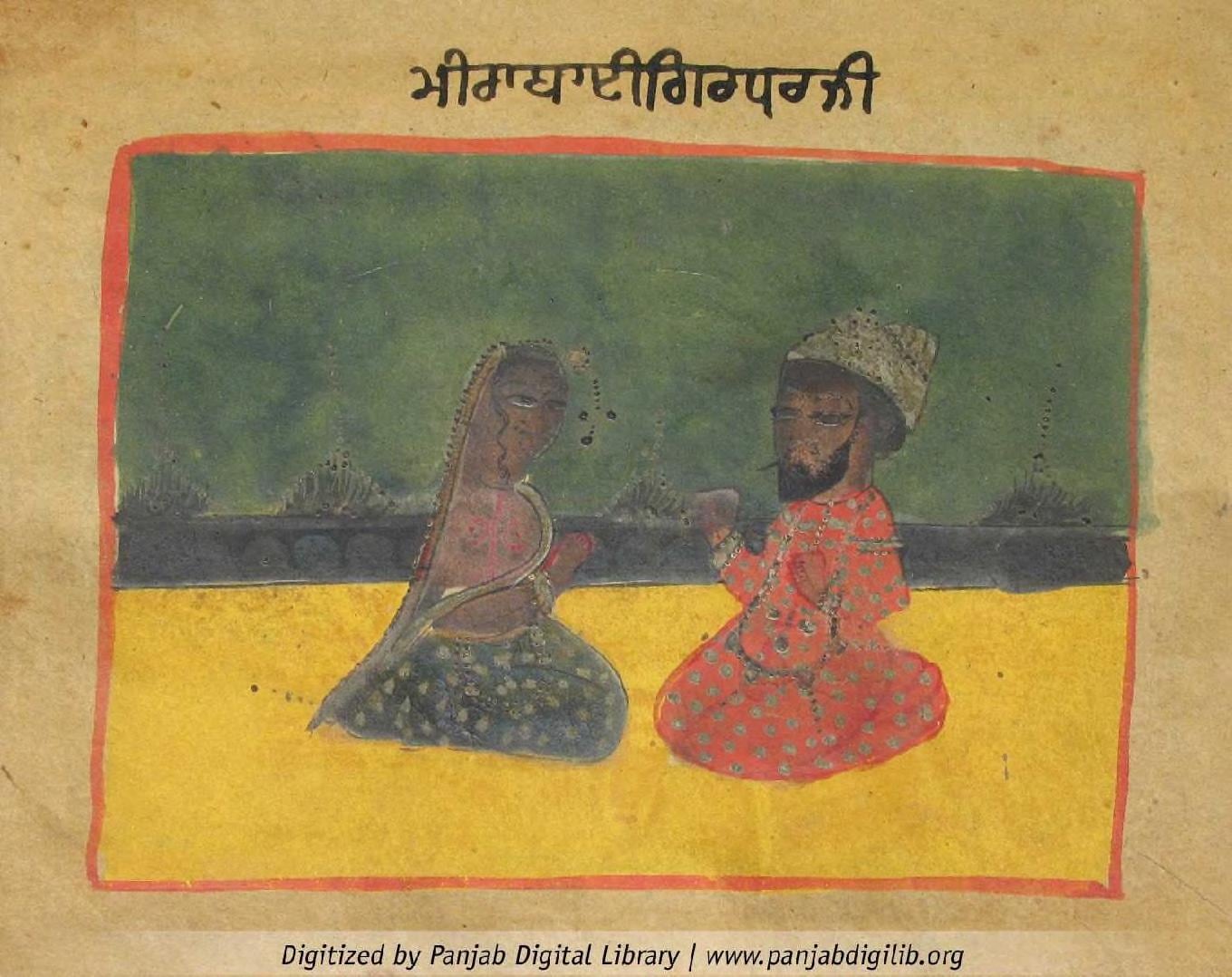
Mirabai
इन पर सहमत: परम सत्य क्या है? क्या ईश्वर है? · हम दुःख क्यों भोगते हैं? · क्या गुरु आवश्यक है?
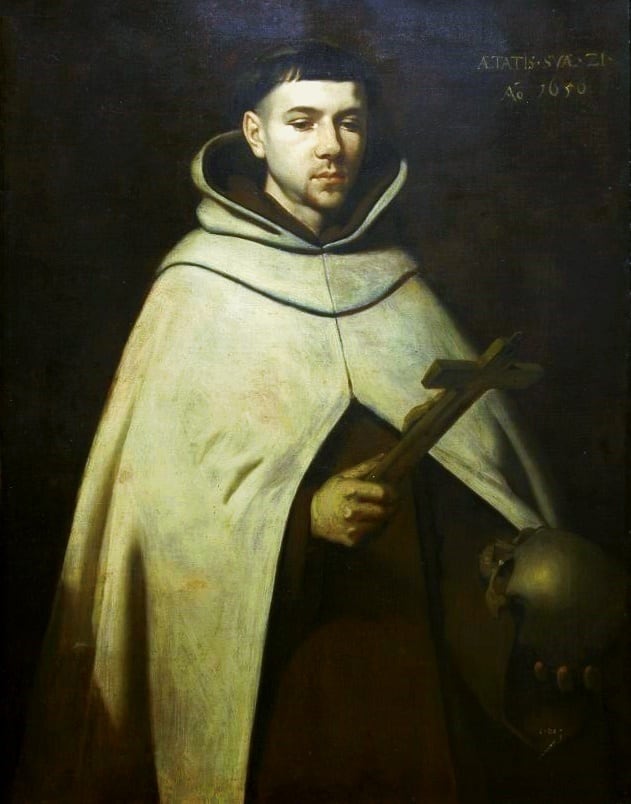
John of the Cross
इन पर सहमत: परम सत्य क्या है? क्या ईश्वर है? · मैं कौन हूँ? क्या कोई सच्चा आत्म है? · हम दुःख क्यों भोगते हैं?
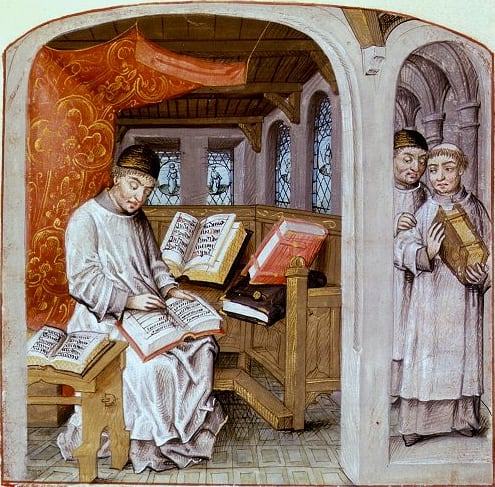
Thomas à Kempis
इन पर सहमत: परम सत्य क्या है? क्या ईश्वर है? · मैं कौन हूँ? क्या कोई सच्चा आत्म है? · हम दुःख क्यों भोगते हैं?
इनसे भिन्न सोचते हैं
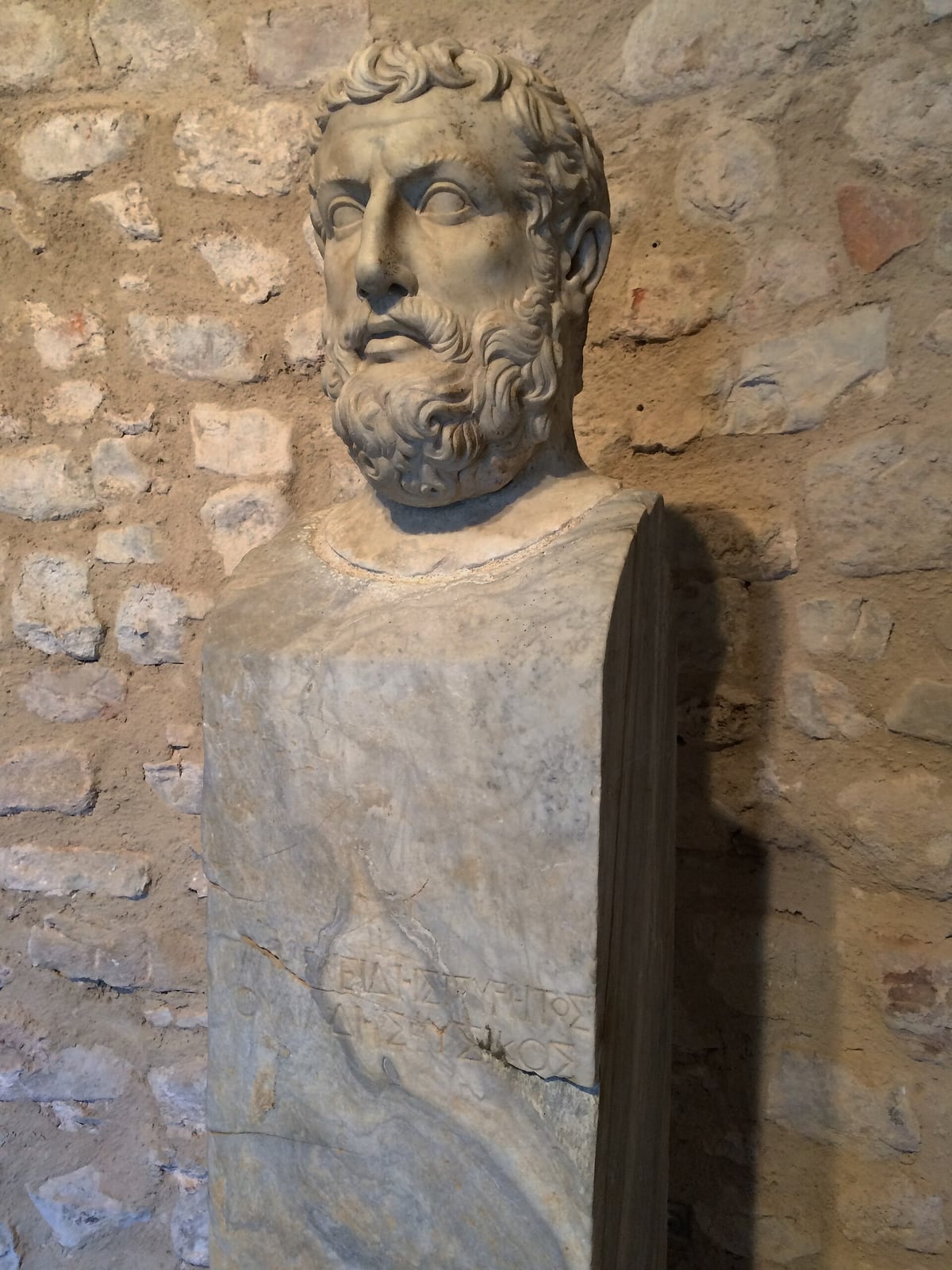
Parmenides
इन पर टकराव: क्या संसार वास्तविक है?

Pema Chödrön
इन पर टकराव: परम सत्य क्या है? क्या ईश्वर है? · मैं कौन हूँ? क्या कोई सच्चा आत्म है? · मृत्यु के बाद क्या होता है?
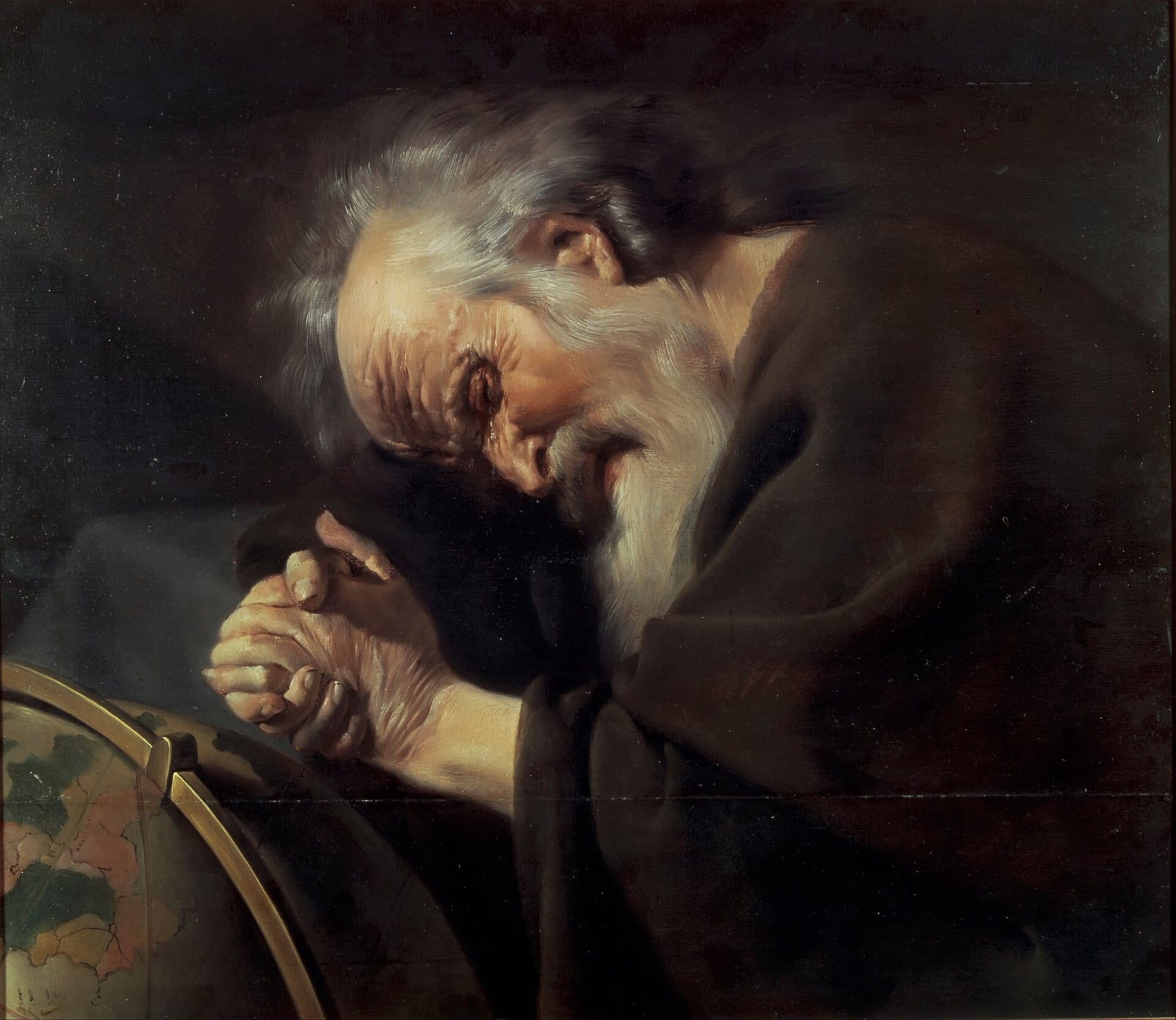
Heraclitus
इन पर टकराव: मैं कौन हूँ? क्या कोई सच्चा आत्म है? · क्या गुरु आवश्यक है?
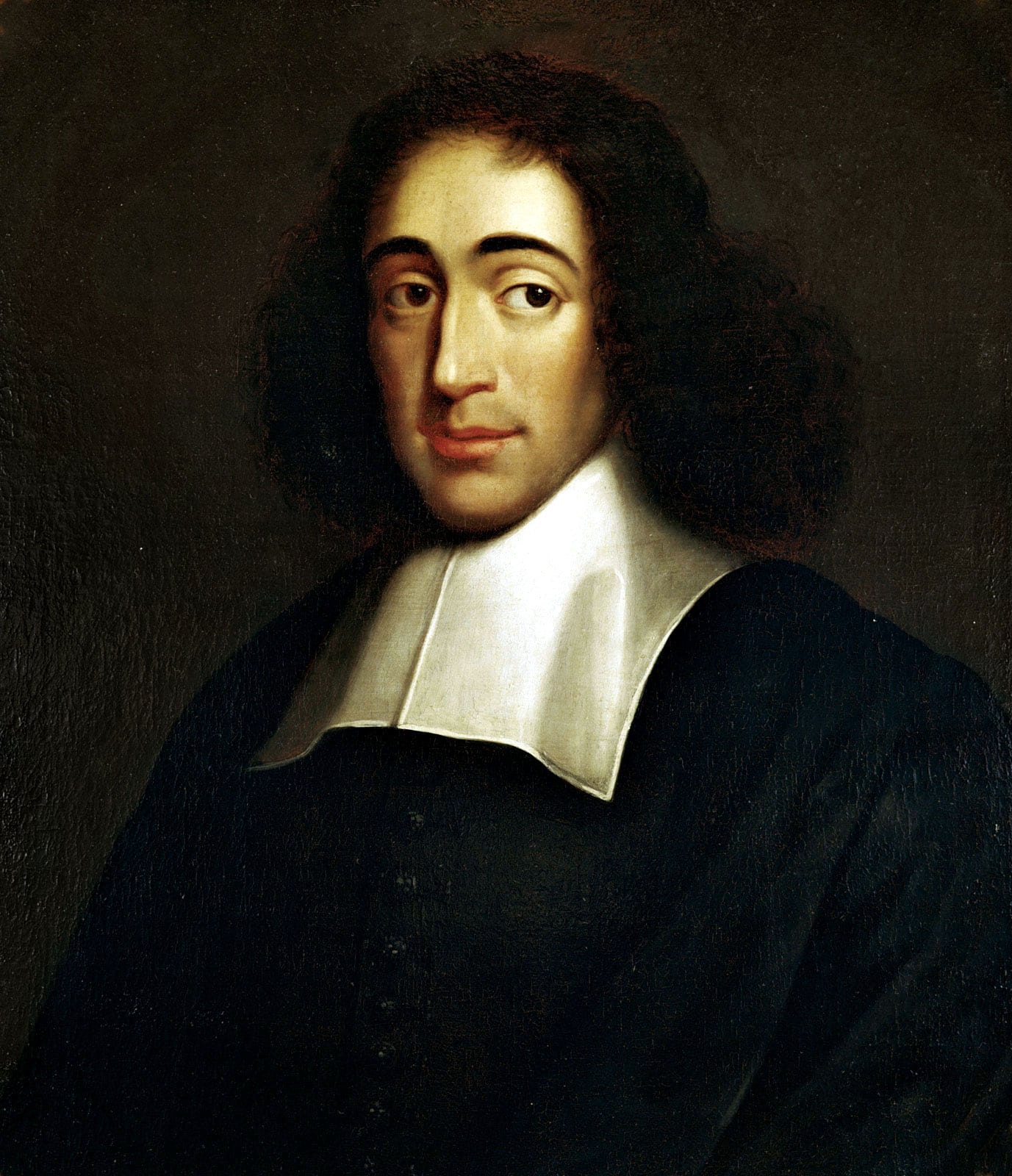
Baruch Spinoza
इन पर टकराव: मैं कौन हूँ? क्या कोई सच्चा आत्म है? · क्या गुरु आवश्यक है?
प्रसंग और वृत्तांत
प्रसंग और वृत्तांत
साक्ष्यc. 1070s
The robbers of Jurjan
वृत्तांत का स्रोत: Taj al-Din al-Subki, *Tabaqat al-shafi'iyya al-kubra* (14th c.), citing As'ad al-Mayhani as hearer of the story; Griffel (2009) discusses its chronological problems.
स्रोत: Griffel, Frank. Al-Ghazali's Philosophical Theology. Nueva York: Oxford University Press, 2009 (cap. 1: biografía y cronología).
साक्ष्य1095
The locked tongue
वृत्तांत का स्रोत: Autobiographical account in *al-Munqidh min al-dalal* (c. 1106–1110); historians (Griffel, Garden) discuss the weight of the political factors the text passes over.
संत-चरित वृत्तांतc. 1096
The Damascus minaret and the lesson at the Aminiyya
वृत्तांत का स्रोत: The minaret: *al-Munqidh*. The Aminiyya lesson: traditional biography (Ibn Asakir, al-Subki), summarised in the editor's introduction to *Jawahir al-Qur'an* (Arabic Wikisource).
विवादित1109–1143
The bonfire of Cordoba and the legend of Ibn Tumart
वृत्तांत का स्रोत: The burning: Maghrebi and Andalusi chronicles studied by Bennison (2016) and Garden (2014). The meeting with Ibn Tumart: Almohad tradition, described as doubtful by the Encyclopædia Iranica.
स्रोत: Bennison, Amira K. The Almoravid and Almohad Empires. Edimburgo: Edinburgh University Press, 2016, pp. 243–244 (quema del Ihya en Córdoba); y Garden, Kenneth. The First Islamic Reviver: Abu Hamid al-Ghazali and His Revival of the Religious Sciences. Oxford University Press, 2014.
साक्ष्य1111
The shroud
वृत्तांत का स्रोत: Ibn al-Jawzi (d. 1201), *al-Thabat 'inda l-mamat*, citing Ahmad al-Ghazali; also recorded by al-Subki.
शिक्षाएँ
शिक्षाएँ
वे अवधारणाएँ जो उनके चिंतन को रूप देती हैं, उनके संदर्भ में समझाई गई।
Certainty (yaqin) and the light in the breastyaqin
The *Munqidh*'s epistemology; modern discussion of its relation to ancient scepticism and to Descartes.
Tasting (dhawq): knowledge of states, not wordsdhawq
Classical Sufi distinction between *qal* and *hal*; al-Qushayri and Abu Talib al-Makki as sources.
Divine habit (ada) and the critique of causalityada-causalidad
Ash'ari occasionalism; Averroes's reply in the *Tahafut al-tahafut*.
The heart as mirror (qalb)qalb
Sufi and Avicennian psychology; the saying "whoever knows himself knows his Lord".
The degrees of divine unity and trust in Godtawhid-tawakkul
Doctrine of *fana'* since al-Junayd; later reformulated by the school of Ibn Arabi.
The love of God (mahabba)mahabba
Love mysticism of the Baghdad school; his brother Ahmad developed the theory of love in the *Sawanih*.
वीडियो
वीडियो
रिकॉर्डिंग, साक्षात्कार और वृत्तचित्र। वीडियो YouTube से चलते हैं; वे यहाँ संग्रहीत नहीं हैं।
Al-Ghazali's Philosophical Theology
व्याख्यान· EN
Yale Universityआधिकारिक चैनल
Special Lecture: The Philosophical Foundations of al-Ghazali's Sufism - Frank Griffel
व्याख्यान· EN
Centre for Advanced Irfan Studies - TRADISI
HoP 145 - Frank Griffel on al-Ghazali
साक्षात्कार· EN
History of Philosophy without any gaps
Islamic Philosophy before the "Incoherence", w/ Prof. Frank Griffel
साक्षात्कार· EN
Averroes
Ep 49: Al-Ghazali [feat. Frank Griffel]
साक्षात्कार· EN
Dogs with Torches
Al-Ghazali - The Reviver of Religious Sciences
विश्लेषण· EN
Let's Talk Religion
Al-Ghazali: The Muslim Theologian Who Lost Faith in Theology
विश्लेषण· EN
ReligionForBreakfast
Al Ghazali - The Alchemist of Happiness - Documentary Trailer
वृत्तचित्र· EN
IslamLite
Interview mit Prof. Dr. Frank Griffel, Islamkolleg Deutschland
साक्षात्कार· DE
Islamkolleg Deutschland e.V.आधिकारिक चैनल
Al Ghazâlî (1058-1111) Philosophie et religion
व्याख्यान· FR
Hervé Pasqua
Al-Ghazali - El que salva del error
विश्लेषण· ES
Filosofía Apuntes
La Historia del FILÓSOFO AL-GHAZALI - FILOSOFÍA ISLAMICA
विश्लेषण· ES
Filosoando
#موسوعة_العربية .. أبو حامد الغزالي
वृत्तचित्र· AR
AlArabiya العربيةआधिकारिक चैनल
चित्रशाला
चित्रशाला
सत्यापित लाइसेंस वाले चित्र। प्रत्येक में उसके रचयिता और श्रेय का उल्लेख सुरक्षित है।
पांडुलिपियाँ
पांडुलिपियाँ
पांडुलिपि-साक्ष्य और प्राचीन पाठ, उनके संरक्षक और अध्ययन की शर्तों सहित।
AR · Nasj · c. 1095–1110 (textos); 509 H / 1115–1116 (copia)
مجموع رسائل الغزالي (المنقذ من الضلال، مشكاة الأنوار وغيرهما)
- संरक्षित पाठ-साक्ष्य
- Manuscrito colectivo de obras de al-Ghazali copiado cuatro años después de su muerte; incluye el Munqidh y la Mishkat completa
- संरक्षक
- Biblioteca Süleymaniye, Estambul · Şehid Ali Paşa 1712
- डिजिटलीकरण
- commons.wikimedia.org/wiki/File:Munqidh_min_al-d…
AR · Nasj · c. 1100 (texto); 800 H / 1397 (copia)
بداية الهداية (Bidayat al-hidaya)
- संरक्षित पाठ-साक्ष्य
- Copia fechada
- संरक्षक
- British Library, Londres · Add 9517/1
- डिजिटलीकरण
- blogs.bl.uk/asian-and-african/2017/02/arabic-man…
FA · Nasj / nastaliq · c. 1105 (texto); 2 safar 781 / 19 de mayo de 1379 (copia)
کیمیای سعادت (Kimiya-yi sa'adat)
- संरक्षित पाठ-साक्ष्य
- Códice encuadernado para el sah de Shirván Hushang
- संरक्षक
- Museo de Arte Turco e Islámico, Estambul · T. 1999
- डिजिटलीकरण
- commons.wikimedia.org/wiki/File:Outer_front_cove…
AR · Nasj · c. 1100 (texto)
المقصد الأسنى (al-Maqsad al-asna)
- संरक्षित पाठ-साक्ष्य
- Copia árabe
- संरक्षक
- British Library (antes British Museum), Londres · Or 7357
- डिजिटलीकरण
- commons.wikimedia.org/wiki/File:Almaqsad_alasna_…
संबंध
संबंध
प्रभाव, शिष्यत्व और वैचारिक निकटता। प्रमाणित संबंध को विश्लेषण से पहचानी गई समानता से अलग दर्शाया गया है।
इन्हें प्रभावित किया
The *Masnavi* draws tales and arguments from the Ghazalian tradition; Nicholson's commentary notes many parallels with the *Ihya*. The influence of his brother Ahmad, the theorist of love, reached Rumi through Sanai and Attar.
प्रमाणित संबंध
इन्हें प्रभावित किया
Ibn Arabi read and cites al-Ghazali, sharing his critique of the limits of speculative reason while disagreeing with him in metaphysics. The Iranica observes that after the spread of Ibn Arabi's work dubious esoteric texts were attributed to al-Ghazali.
प्रमाणित संबंध
इनसे मतभेद
In the *Mishkat al-anwar* al-Ghazali quotes al-Hallaj's "I am the Truth" as the word of a drunken lover that should be concealed: he acknowledges the experience but disapproves of its disclosure, explaining that it is not real identity but something resembling it.
प्रमाणित संबंध
इनसे प्रभावित
In book XXXVI of the *Ihya*, on the love of God, al-Ghazali quotes and comments on the verses attributed to Rabia on the "two loves" as an expression of pure love.
प्रमाणित संबंध
इन्हें प्रभावित किया
Attar, a poet of Nishapur a generation later, shares with al-Ghazali the critique of book learning and the pedagogy of tales; several stories in his work have parallels in the *Ihya*. No study of direct dependence is cited here.
विश्लेषण से पहचानी गई समानता
इनसे मिलते-जुलते विचार
The critique of the scholars' hypocrisy and of ostentatious religiosity that runs through the *Ihya* reappears, in a poetic and ironic key, in Hafez's ghazals. A thematic affinity, not documented influence.
विश्लेषण से पहचानी गई समानता
इनसे मिलते-जुलते विचार
The *Maqasid* circulated in Hebrew and were read by Jewish philosophers; Maimonides shares with al-Ghazali the critique of kalam and the debate on the creation of the world against Aristotelian eternity. A direct reading has been discussed, but Maimonides does not cite him.
विश्लेषण से पहचानी गई समानता
इनसे मिलते-जुलते विचार
The *Munqidh* has often been compared with the *Confessions*: both narrate an intellectual and moral conversion, a sceptical crisis overcome by illumination and the renunciation of a brilliant career. There is no contact or influence.
विश्लेषण से पहचानी गई समानता
इनसे मतभेद
The *Tahafut* attacks the Aristotelian theses transmitted by al-Farabi and Avicenna, above all the eternity of the world, while the *Mi'yar* adopts Aristotelian logic as an instrument.
प्रमाणित संबंध
स्रोत
स्रोत
इस प्रविष्टि के लिए देखे गए ग्रंथ-सूची और सूचीपत्र।
- Wikidata, Q9546 «Al-Ghazali» (P31=Q5; 145 enlaces entre wikis; P569 1058 y 1056; P570 1111-12-19).
- Griffel, Frank. «al-Ghazali». Stanford Encyclopedia of Philosophy, publicado el 14 de agosto de 2007; revisión sustancial del 15 de enero de 2026.
- Böwering, Gerhard. «Ḡazālī, Abū Ḥāmed Moḥammad i. Biography». Encyclopædia Iranica, vol. X, fasc. 4 (2001), ed. en línea.
- al-Ghazali. al-Munqidh min al-dalal. Texto árabe en Wikisource; trad. inglesa de Claud Field, The Confessions of Al Ghazzali, Londres: John Murray (Wisdom of the East), 1909.
- al-Ghazali. Mishkat al-anwar («The Niche for Lights»). Trad. e introd. de W. H. T. Gairdner. Londres: Royal Asiatic Society (Monographs, vol. XIX), 1924; reimpr. Lahore: Sh. Muhammad Ashraf, 1952.
- Bouyges, Maurice. Essai de chronologie des œuvres de al-Ghazali (Algazel). Ed. Michel Allard. Beirut: Imprimerie Catholique, 1959.
- Badawi, Abd al-Rahman. Mu'allafat al-Ghazali. El Cairo, 1961; 2.ª ed., Kuwait, 1977.
- Watt, W. Montgomery. Muslim Intellectual: A Study of al-Ghazali. Edimburgo: Edinburgh University Press, 1963; y «The Authenticity of the Works Attributed to al-Ghazali», Journal of the Royal Asiatic Society, 1952.
- Griffel, Frank. Al-Ghazali's Philosophical Theology. Nueva York: Oxford University Press, 2009 (cap. 1: biografía y cronología).
- al-Ghazali. The Alchemy of Happiness. Trad. de Claud Field. Londres: John Murray (Wisdom of the East), 1910. Texto en Wikisource.
- Bennison, Amira K. The Almoravid and Almohad Empires. Edimburgo: Edinburgh University Press, 2016, pp. 243–244 (quema del Ihya en Córdoba); y Garden, Kenneth. The First Islamic Reviver: Abu Hamid al-Ghazali and His Revival of the Religious Sciences. Oxford University Press, 2014.
- Open Library, registros de ediciones de las obras de al-Ghazali (autor OL: al-Ghazzālī).
- Wikipedia (en), «Al-Ghazali», secciones Works y Works in Persian (resumen de la tesis de A. Khismatulin sobre la falsificación de Ay farzand y de la segunda parte de Nasihat al-muluk).
- Ibn al-Yawzi, Abu l-Faraj. al-Thabat 'inda l-mamat (relato de Ahmad al-Ghazali sobre la muerte de su hermano), citado en la introducción del editor a Jawahir al-Qur'an (texto en Wikisource árabe).
- Ghazali.org, «Oeuvre: Philosophy and Logic» (ediciones y traducciones de Maqasid, Tahafut, Mi'yar, Mihakk, al-Madnun, al-Qistas y Ma'arij al-quds).
- अधिकार-धारक
- Dominio público (obra del siglo XI–XII). Las ediciones críticas y las traducciones modernas (Islamic Texts Society, Fons Vitae, Brigham Young University Press, University of Chicago Press, Oxford University Press, Alianza, Trotta, Seuil…) están sujetas a los derechos de sus editores.
पुष्टि की प्रतीक्षा में
जो यह प्रविष्टि अभी तक निश्चित नहीं कर सकी है। हम उसे भर देने के बजाय कह देना बेहतर समझते हैं।
- Fecha de nacimiento: se registra 1058 (450 H, biógrafos medievales); Griffel propone 448/1056 o 1055. Wikidata da 19-12-1111 como fecha de muerte; aquí se usa el lunes 14 de yumada al-ajira de 505 = 18-12-1111 (juliano), que coincide con el día de la semana del relato de Ahmad.
- Obra completa (2026-10-25): se registran 44 títulos (auténticos, dudosos y apócrifos) a partir de la Encyclopædia Iranica, Bouyges (1959) y Ghazali.org. Quedan fuera, por falta de verificación: al-Muntakhal fi 'ilm al-jadal, Hujjat al-haqq y Qawasim al-batiniyya (refutaciones antiismailíes perdidas o parciales), Yaqut al-ta'wil (supuesto tafsir de cuarenta volúmenes, perdido), Zad-i akhirat, Adab al-suhba, Tahdhib al-usul y las Teshuvot she'elot hebreas de atribución dudosa. Catálogo completo: Badawi, Mu'allafat al-Ghazali (1961; 457 títulos).
- Ediciones en español: localizar en la BNE las traducciones parciales del Ihya y de Ayyuha l-walad, y confirmar en el catálogo de Almuzara el ISBN 9791370202217 (Tahafut, 2026), tomado de la ficha de una reseña.
- Sala de lectura: localizar un escaneo con OCR limpio de El justo medio en la creencia (Asín Palacios, 1929; libre en España, la UE y EE. UU.) y de la traducción francesa de Schmölders (1842), que en Internet Archive va dentro de un volumen con otros textos. Verificar la fecha de muerte de Syed Nawab Ali (Gutenberg 73140, marcado con caution).
- Vídeos: duraciones y años no comprobados (null); no se ha localizado un documental institucional completo en castellano ni la versión íntegra autorizada de «Al-Ghazali: The Alchemist of Happiness» (2004).
- Citas apócrifas: no se registran; circulan en redes frases como la de los «trece enemigos invisibles» atribuidas a al-Ghazali sin fuente, pero no se ha localizado un estudio que documente su origen.
- Citas: cotejar con el texto árabe de la Mishkat (ed. Afifi) las dos citas de Gairdner y con la Kimiya persa (ed. Khadiv-Jam) la cita de Field, que son traducciones indirectas.
2026-10-25 को शोधित