इस्लाम · सूफ़ीवाद
Attar
فریدالدین ابوحامد محمد عطار نیشابوری · عطار
लगभग 1145 – 1221ऐतिहासिक रूप से प्रमाणित व्यक्ति
फ़ारसी कवि और संत-चरित लेखक (निशापुर, लगभग 1145 – लगभग 1221), पेशे से अत्तार अर्थात् औषधि-विक्रेता, और सूफ़ी काव्य की एक महान विभूति। उनकी «मंतिक़-उत-तैर» पक्षियों की उस यात्रा का वर्णन करती है जो सात घाटियों को पार कर यह जानने पर समाप्त होती है कि सीमुर्ग़ वे स्वयं हैं; «इलाही-नामा», «मुसीबत-नामा» और «असरार-नामा» के साथ यह रहस्यवादी मसनवियों का एक चक्र बनाती है, और उनकी «तज़्किरत-उल-औलिया» संतों की जीवनियों का महान फ़ारसी संग्रह है। उनके नाम से प्रचलित अनेक रचनाएँ किसी दूसरे अत्तार की हैं। रूमी उनके उत्तराधिकारी थे।
- कृतियाँ
- 29कृतियाँ
- संस्करण
- 32संस्करण
- उद्धरण
- 6उद्धरण
- वीडियो
- 13वीडियो
- चित्र
- 8चित्र
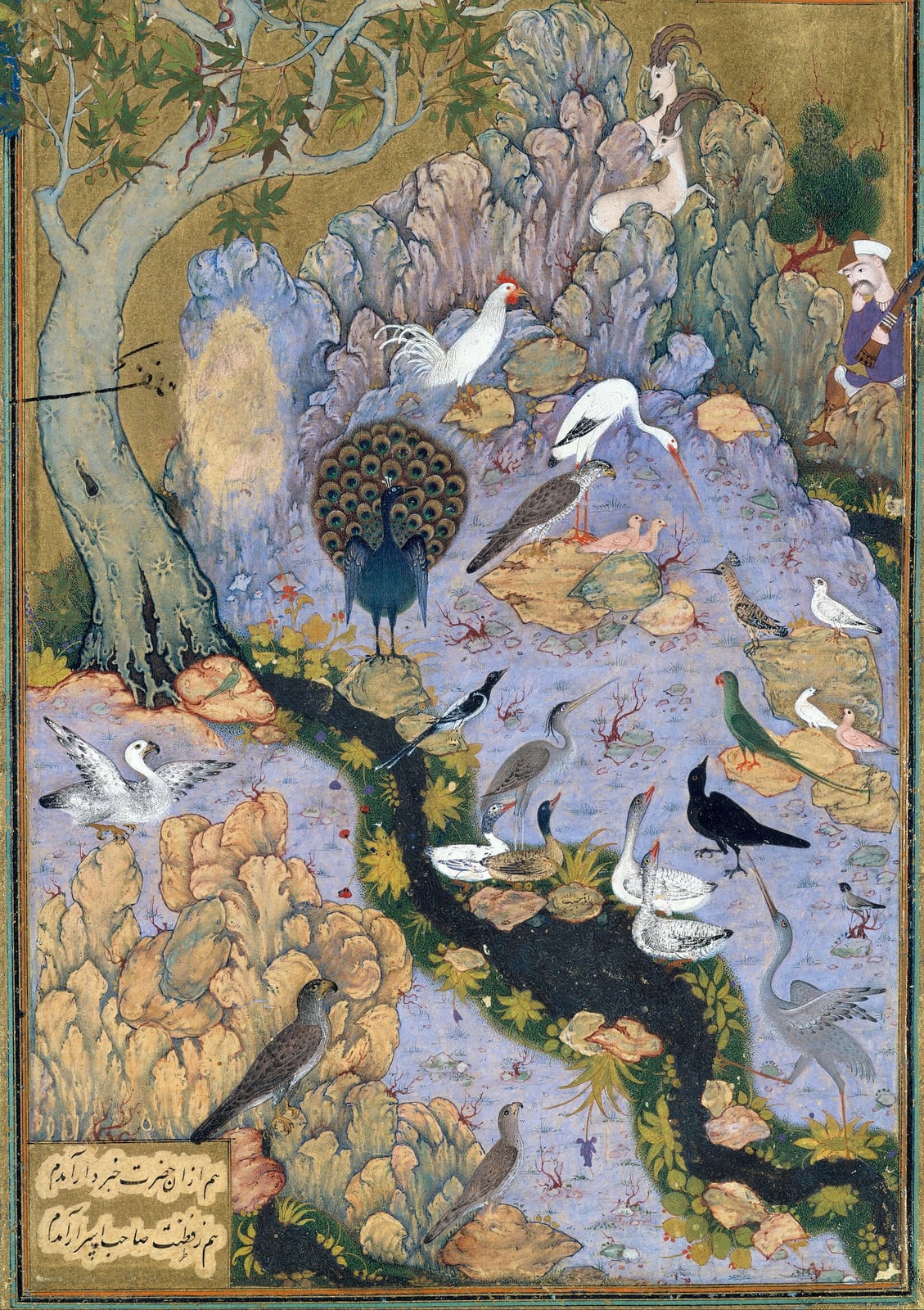
La asamblea de las aves · CC0
उनके अपने शब्दों में
«Praise to the pure Creator of the soul, who gave the dust a soul and gave it faith.»Mantiq al-tayr, dístico inicial («Fi al-tawhid»), texto persa según Ganjoor; traducciones propias.

मूल विचार
The Simorgh and the thirty birds: The Simorgh is a fabulous bird of Iranian tradition, wise and benevolent, which in the *Shahnameh* raises the hero Zal.
संदर्भ में देखें
जीवनी
6 मिनट का पाठ
स्पैनिश मूल से सहायता-प्राप्त अनुवाद, मातृभाषी अनुवादक द्वारा समीक्षा लंबित।
निशापुर का अत्तार
अबू हामिद मुहम्मद, अबू बक्र इब्राहीम के पुत्र, ने अपनी रचनाओं पर दो नाम अंकित किए: फ़रीदुद्दीन, अर्थात् «धर्म का मोती», और अत्तार, जो इत्र, जड़ी-बूटियाँ और औषधियाँ बेचने वाले का पेशा है। वे ख़ुरासान के महानगर निशापुर में रहे, और उनके जीवन के विषय में निश्चित रूप से बहुत कम ज्ञात है। केवल दो समकालीन उनका उल्लेख करते हैं: संकलनकर्ता मुहम्मद औफ़ी, जो उन्हें सल्जूक़ युग के कवियों में गिनते हैं, और दार्शनिक नसीरुद्दीन तूसी, जो विद्यार्थी अवस्था में उनसे मिलने गए थे जब अत्तार वृद्ध हो चुके थे, और जिन्होंने वर्षों बाद अपने शिष्य इब्न अल-फ़ुवती को बताया कि उनकी वाग्मिता ने उन्हें मुग्ध कर दिया था। अगला उल्लेख, हमदुल्लाह मुस्तौफ़ी का «तारीख़-ए-गुज़ीदा», सन् 1330 का है।
उनकी अपनी रचनाएँ उनके बारे में कम बताती हैं, पर एक बात स्पष्ट रूप से कहती हैं: कि वे औषधि-विक्रेता का काम करते थे और स्वयं बहुत बड़ी संख्या में ग्राहकों को देखते थे, और कि उन्होंने «मुसीबत-नामा» और «इलाही-नामा» अपने दवाख़ाने में काम करते हुए रचे। आजीविका के लिए कविता पर निर्भर न होने के कारण वे दरबारी प्रशस्ति-गायक के धंधे को तुच्छ समझ सके, जिसे उन्होंने कभी नहीं अपनाया। बेर्न्ड राइनर्ट रेखांकित करते हैं कि औषधि-विक्रेता और सूफ़ी के रूप में उनका जीवन यात्राओं से बाधित हुआ प्रतीत नहीं होता, और वृद्धावस्था में वे अत्यंत एकांत में रहे; परवर्ती जीवनियाँ उन्हें मक्का, दमिश्क़ या हिंदुस्तान की जो लंबी यात्राएँ करवाती हैं, वे किंवदंती का अंश हैं।
अनिश्चित तिथियाँ
बदीउज़्ज़मान फ़ुरूज़ानफ़र ने अनुमान लगाया कि उनका जन्म हिजरी 540 (1145–1146) के आसपास हुआ; एकमात्र तिथि जिसका उल्लेख स्वयं अत्तार करते हैं — हिजरी 573 (1177), वह वर्ष जब उन्होंने «मंतिक़-उत-तैर» पूरी की — एक ऐसे शेर में आती है जो सभी पांडुलिपियों में नहीं मिलता। मृत्यु के विषय में सबसे प्रचलित मत, जिसे फ़ुरूज़ानफ़र और राइनर्ट मानते हैं, यह है कि वे उस नरसंहार में मारे गए जिसके साथ मंगोलों ने सफ़र 618 हिजरी, अर्थात् अप्रैल 1221 में निशापुर को उजाड़ दिया; हेरमान लांडोल्ट याद दिलाते हैं कि 1230 भी संभव है। 1911 का «एनसाइक्लोपीडिया ब्रिटानिका», परवर्ती स्रोतों के प्रति निष्ठावान रहते हुए, उन्हें अब भी एक सौ दस वर्ष की आयु देता था, 1119 से 1229 तक: इस बात का उदाहरण कि उनकी रचनाओं की ख्याति के साथ उनका व्यक्तित्व कैसे बढ़ता गया।
किंवदंतियाँ
अपने जीवनकाल में अत्तार निशापुर के बाहर शायद ही जाने जाते थे। रहस्यदर्शी और कथाकार के रूप में उनकी महानता पंद्रहवीं शताब्दी में पहचानी गई, और तभी जामी और समरक़ंद के दौलतशाह ने उनकी जीवनी को अद्भुत कथाओं से सजाया। दौलतशाह के अनुसार, एक दरवेश ने उनकी दुकान को निहारते हुए पूछा कि इतना माल-असबाब पीछे छोड़कर वे किस तरह मरने की सोचते हैं; अत्तार ने दवाख़ाना छोड़ दिया और सूफ़ी बन गए। उसी लेखक के अनुसार, उन्हें बंदी बनाने वाले एक मंगोल सैनिक ने उनके बदले एक हज़ार दिरहम ठुकरा दिए, और जब किसी दूसरे ने भूसे की एक बोरी की पेशकश की, तो अत्तार ने उससे कहा कि बेच दो, क्योंकि मेरा मूल्य इससे अधिक नहीं; क्रुद्ध सैनिक ने उनकी हत्या कर दी। फ़ुरूज़ानफ़र ने सिद्ध किया कि उनसे जोड़े गए गुरु — नज्मुद्दीन कुबरा, क़ुतुबुद्दीन हैदर और अन्य — कल्पित हैं; संभव केवल मज्दुद्दीन बग़दादी से उनका संबंध है, जिनसे मिलने की बात वे स्वयं कहते हैं, और शायद अबू सईद अबुल-ख़ैर से एक आंतरिक, उवैसी आध्यात्मिक संबंध।
ख्याति के साथ बढ़ती रचनाएँ
किंवदंती ने उन्हें उतनी ही रचनाएँ सौंप दीं जितनी क़ुरआन में सूरतें हैं, और यह सुलझाना कि उनमें से कौन-सी सचमुच उनकी हैं, विद्वानों को एक सदी तक व्यस्त रखे रहा। हेल्मुट रिटर ने शैली और मसलक के अंतर देखे — कुछ रचनाएँ सुन्नी हैं, कुछ शिया — और पहले कवि के विकास की कल्पना की; 1941 में सईद नफ़ीसी ने सिद्ध किया कि शिया प्रेरणा वाली रचनाएँ, जैसे «मज़हर-उल-अजाइब» और «लिसान-उल-ग़ैब», तून के निवासी एक दूसरे अत्तार की हैं, जो लगभग ढाई सौ वर्ष बाद मशहद में रहा। दूसरा समूह भी, जिसकी अगुवाई «जौहर-उज़-ज़ात» करती है और जो मंसूर अल-हल्लाज के व्यक्तित्व पर केंद्रित है, शैलीगत कारणों से उनका नहीं है, यद्यपि उसका लेखक अब तक अज्ञात है। अत्तार स्वयं अपनी भूमिकाओं में अपनी रचनाएँ गिनाते हैं: «दीवान», «असरार-नामा», «मंतिक़-उत-तैर», «मुसीबत-नामा», «इलाही-नामा», «जवाहिर-नामा» और «शरह-उल-क़ल्ब», और जोड़ते हैं कि अंतिम दोनों को उन्होंने अपने हाथों नष्ट कर दिया।
इस सूची में «मुख़्तार-नामा», उनकी रुबाइयों का चयन, और «तज़्किरत-उल-औलिया», उनकी एकमात्र गद्य-रचना, भी जुड़ती हैं। सबसे विवादित मामला «ख़ुसरव-नामा» का है, एक दरबारी प्रेमाख्यान जिसे «गुल-ओ-हुरमुज़» भी कहा जाता है: राइनर्ट इसे प्रामाणिक मानते थे; मुहम्मद रज़ा शफ़ीई-कदकनी ने तर्क दिया कि यह बाद की जालसाज़ी है और कि अत्तार जिस शीर्षक से अपनी एक दूसरी रचना का उल्लेख करते थे, वह वास्तव में «इलाही-नामा» का था — एक स्थापना जिसे लांडोल्ट सिद्ध मानते हैं; 2019 में ऑस्टिन ओ'मैली ने 1297 की एक पांडुलिपि के आधार पर, जो इसे पहले से ही अत्तार की रचना बताती है, यह प्रश्न फिर से खोल दिया है।
चार रहस्यवादी मसनवियाँ
«असरार-नामा», जिसमें कोई ढाँचा-कथा नहीं है, बाईस प्रवचनों में आत्मा के पतन और संसार के बंधनों से उसकी मुक्ति पर चिंतन करती है। «मंतिक़-उत-तैर» (पक्षियों की वार्ता), उनकी सर्वश्रेष्ठ कृति, ग़ज़ाली बंधुओं से जोड़ी जाने वाली «रिसालत-उत-तैर» से उन पक्षियों की सभा का विषय लेती है जो अपने लिए एक राजा खोज रहे हैं: हुदहुद के नेतृत्व में वे सात घाटियाँ पार करते हैं और उनमें से केवल तीस सीमुर्ग़ तक पहुँचते हैं, यह जानने के लिए कि सीमुर्ग़ वे स्वयं हैं — सी मुर्ग़, अर्थात् फ़ारसी में «तीस पक्षी»। «मुसीबत-नामा» एक साधक का अनुसरण करती है जो फ़रिश्ते जिब्रील से लेकर पैग़म्बरों तक चालीस प्राणियों से पूछता है, जब तक कि विश्वात्मा उसे नहीं बताती कि जिसे वह खोज रहा है वह उसी के भीतर है। «इलाही-नामा» में एक ख़लीफ़ा अपने छह बेटों की सांसारिक कामनाओं — परियों के राजा की बेटी, जादू, जमशेद का प्याला, आब-ए-हयात, सुलेमान की अँगूठी, कीमिया — का उत्तर उनका आंतरिक अर्थ दिखाकर देता है। चारों रचनाएँ एक ही बात चार प्रकार से कहती हैं: मनुष्य का लक्ष्य उसके भीतर छिपा है।
संतों का स्मरण-ग्रंथ
«तज़्किरत-उल-औलिया» शास्त्रीय सूफ़ीवाद के गुरुओं के जीवन और वचनों को संकलित करती है, इमाम जाफ़र सादिक़, उवैस क़रनी और हसन बसरी से लेकर मंसूर अल-हल्लाज तक, जिन्हें अत्तार सूफ़ीवाद को पूर्णता तक पहुँचाने वाला मानते थे। कुछ प्रतियों में मिलने वाली परवर्ती जीवनियाँ उनकी नहीं हैं। अत्तार अपने स्रोतों का नाम शायद ही कभी लेते हैं और कथाओं को अपने ढंग से नया रूप देते हैं, अतः यह पुस्तक जिन व्यक्तियों का चित्रण करती है उनके इतिहास के रूप में कम, किंतु सूफ़ी संवेदना के दस्तावेज़ के रूप में बहुत उपयोगी है; इसके अतिरिक्त उन्होंने अरबी में प्रचलित वचनों का बड़ी निष्ठा से फ़ारसी में अनुवाद किया। तेरहवीं शताब्दी के उत्तरार्ध से यह बहुत पढ़ी गई; पूर्वी तुर्की में उइग़ुर लिपि में लिखे इसके एक प्राचीन रूपांतर का अनुवाद पावे द कुर्तेय ने 1889 में फ़्रांसीसी में किया।
विरासत
मौलाना रूमी ने अपनी «मसनवी» के लिए «मंतिक़-उत-तैर» का छंद अपनाया और अत्तार की कथाओं को नए सिरे से रचा। परंपरा ने इससे भी अधिक चाहा: कि वृद्ध कवि ने बहाउद्दीन वलद के परिवार को निशापुर से गुज़रते देख बालक रूमी को «असरार-नामा» की एक प्रति भेंट की। रिटर ने इस किंवदंती को «मसनवी» की भूमिका पर उस रचना के प्रभाव का परिणाम बताया, और फ़्रैंकलिन लुईस इसे उत्तराधिकार का मिथक मानते हैं। अलीशेर नवाई ने «मंतिक़-उत-तैर» को चग़ताई तुर्की में ढाला और निशापुर का मक़बरा बनवाया, जिसका 1940 में जीर्णोद्धार हुआ। यूरोप ने उन्हें सिल्वेस्त्र द सासी द्वारा 1819 में अनूदित «पंद-नामा» से जाना, जिसे आज अप्रामाणिक माना जाता है, और गार्सां द तासी द्वारा «मंतिक़-उत-तैर» के संपादन (1857) और अनुवाद (1863) से, जिन्होंने एडवर्ड फ़िट्ज़जेराल्ड को इतना मुग्ध किया कि उन्होंने इसे अपनी मुक्त रूपांतर-कृति «बर्ड-पार्लियामेंट» (Bird-Parliament) में ढाला, जो उनके जीवनकाल में अप्रकाशित रही और 1889 में मरणोपरांत छपी।
स्रोत: «Farīd ud-Dīn ʽAttār». Encyclopædia Britannica, 11.ª ed., vol. 10. Cambridge, 1910–1911 (resume los relatos de Dawlatshah sobre su conversión y su muerte). Texto en Wikisource. · FitzGerald, Edward. Letters and Literary Remains of Edward FitzGerald, ed. William Aldis Wright, vol. II. Londres: Macmillan, 1889 (incluye «Bird-Parliament» con la nota de E. B. Cowell sobre su génesis). · Attar, Farid al-Din. The Tadhkiratu 'l-awliya («Memoirs of the saints»), ed. Reynold A. Nicholson, con introducción de Mirza Muhammad Qazvini. 2 vols. Londres y Leiden: Luzac / Brill, 1905–1907 (Persian Historical Texts).
कालक्रम
जीवन, वर्ष-दर-वर्ष
प्रत्येक बिंदु एक प्रमाणित घटना है। उसे स्रोत और निश्चितता के स्तर सहित पढ़ने के लिए क्लिक करें।
लगभग 11450 वर्षNishapur
Birth in Nishapur
Abu Hamid Muhammad, son of Abu Bakr Ibrahim, is born. Foruzanfar calculates c. 540/1145–1146; the 1911 Britannica, following late sources, gave 1119.
संभावितReinert, Bernd. «ʿAṭṭār, Farīd-al-Dīn». Encyclopaedia Iranica, vol. III, fasc. 1, pp. 20–25. Publicado el 15-12-1987.
उनके निधन के बाद
- 1297Oldest manuscript of the Khusraw-nama
- 1330Mustawfi's mention
- लगभग 1486The legend is born
- 1819The Pand-nama in Europe
- 1857 – 1863Garcin de Tassy's edition
- 1905 – 1907Nicholson's edition of the Tadhkirat
- 1940Ilahi-nama edition and renovation of the mausoleum
- 1941Nafisi identifies the 'other Attar'
- 1984Davis and Darbandi translation
लगभग 1145 · 0 वर्ष
Birth in Nishapur
Abu Hamid Muhammad, son of Abu Bakr Ibrahim, is born. Foruzanfar calculates c. 540/1145–1146; the 1911 Britannica, following late sources, gave 1119.
संभावित
लगभग 1170 – 1221
Druggist and Sufi
He practises pharmacy in Nishapur and attends many customers; according to his prefaces, he composes the *Musibat-nama* and the *Ilahi-nama* in the shop. The legends of his conversion by a dervish date from the fifteenth century.
प्रमाणित
1177
Date of the Mantiq al-tayr
A closing line of the *Mantiq al-tayr* dates its completion to 573/1177, but it is not found in all manuscripts.
विवादित
लगभग 1209
Meeting with Majd al-Din Baghdadi
Attar says in the *Tadhkirat al-awliya* that he met Majd al-Din Baghdadi, disciple of Najm al-Din Kubra, who died around 1209; he is the only plausible master among those tradition ascribed to him.
संभावित
लगभग 1215 – 1221
Visit of Nasir al-Din Tusi
The young Tusi visits the aged Attar in Nishapur (between 612/1215 and 618/1221, according to Foruzanfar) and praises his eloquence, as transmitted by his pupil Ibn al-Fuwati.
प्रमाणित
अप्रैल 1221
Death in the Mongol sack of Nishapur
According to the most widespread opinion (Foruzanfar, Reinert), he dies violently in the massacre of Safar 618/April 1221; Landolt considers 1230 possible. The tale of the sack of straw is Dawlatshah's legend.
संभावित
1297
Oldest manuscript of the Khusraw-nama
A copy of 1297, now in the Bibliothèque nationale de France, already contains the romance and its preface under Attar's name: Austin O'Malley adduces it in 2019 against the forgery thesis.
प्रमाणित
1330
Mustawfi's mention
Hamdallah Mustawfi mentions him in the *Tarikh-e guzida*, the third surviving notice after those of Awfi and Tusi.
प्रमाणित
लगभग 1486
The legend is born
In the fifteenth century his work is rediscovered; Jami (*Nafahat al-uns*, 1476–1478) and Dawlatshah (*Tadhkirat al-shu'ara*, 1486) embroider his life with tales of conversion, masters and death. Ali Shir Nava'i raises a mausoleum for him in Nishapur.
प्रमाणित
1819
The Pand-nama in Europe
Silvestre de Sacy publishes in Paris the *Pend-Namèh, ou le Livre des conseils*, the first 'Attar' work translated in Europe; modern scholarship considers it apocryphal.
प्रमाणित
1857 – 1863
Garcin de Tassy's edition
Joseph Garcin de Tassy edits the Persian text of the *Mantiq al-tayr* (1857) and publishes his French translation in 1863; Edward FitzGerald, delighted, composes his free version *Bird-Parliament* (1862, posthumous in 1889).
प्रमाणित
1905 – 1907
Nicholson's edition of the Tadhkirat
Reynold A. Nicholson publishes in London and Leiden, with an introduction by Muhammad Qazvini, the edition of the *Tadhkirat al-awliya* (1905–1907).
प्रमाणित
1940
Ilahi-nama edition and renovation of the mausoleum
Hellmut Ritter publishes the critical edition of the *Ilahi-nama* (Leipzig and Istanbul); the Nishapur mausoleum is fully renovated under Reza Shah.
प्रमाणित
1941
Nafisi identifies the 'other Attar'
Sa'id Nafisi shows in his *Jostoju dar ahval o asar-e Farid al-Din Attar* that the Shi'ite works ascribed to Attar belong to a namesake from Tun who lived in Mashhad some two and a half centuries later.
प्रमाणित
1984
Davis and Darbandi translation
Afkham Darbandi and Dick Davis publish *The Conference of the Birds* in Penguin Classics, the most widely read English verse version.
प्रमाणित
कृतियाँ
आवश्यक कृतियाँ
वे कृतियाँ जिनके बिना उनकी विरासत को समझा नहीं जा सकता।
लिखित कृति · लगभग 1177
Mantiq al-tayr (The Conference of the Birds)
منطقالطیر (Mantiq al-tayr), también مقامات الطیور (Maqamat al-tuyur)
A masnavi of several thousand couplets and Attar's masterpiece. The birds of the world gather to choose a king; the hoopoe, Solomon's messenger, proposes that they seek the Simorgh. Each bird excuses itself with a human weakness (the nightingale's love for the rose, the parrot's longing for immortality, the peacock's paradise) and the hoopoe answers with stories, among them that of Shaykh San'an in love with a Christian girl. Those who set out cross seven valleys: quest, love, knowledge, detachment, unity, bewilderment, and poverty and annihilation. Only thirty arrive, and they discover that the Simorgh is their own reflection: *si morgh*, 'thirty birds'. The frame story comes from the Ghazalis' *Risalat al-tayr*.
14 संस्करण
Attar
Ilahi-nama (The Book of God)
लिखित कृति
Ilahi-nama (The Book of God)
الهینامه (Ilahi-nama)
A masnavi of some 6,500 couplets with a frame story: a caliph asks his six sons what they desire, and each asks for something marvellous (the daughter of the king of the fairies, mastery of magic, Jamshid's world-reflecting cup, the water of life, Solomon's ring, alchemy). The father shows them that, taken literally, these wishes are absurd, but that understood inwardly they can be fulfilled: the princess is the purified soul, the cup is the mystic united with God, the elixir is the divine light that transforms everything. Hundreds of stories, from three to four hundred lines, illustrate the same message as the *Mantiq al-tayr*: what man seeks is within him.
3 संस्करण

लिखित कृति
Tadhkirat al-awliya (Memorial of God's Friends)
تذکرة الأولیاء (Tadhkirat al-awliya)
Attar's only prose work and the great Persian collection of saints' lives: some seventy biographies of masters of classical Sufism, from Ja'far al-Sadiq, Uways al-Qarani and Hasan of Basra to al-Hallaj, with their sayings and anecdotes, among them those of Rabi'a al-Adawiyya. Attar relies almost solely on written sources he rarely names and reworks the stories with a taste of his own, but he translates the Arabic sayings faithfully. The account of al-Hallaj's execution is its most famous page. Widely read since the thirteenth century, it also matters as a specimen of early Persian prose.
6 संस्करण
संपूर्ण कृतित्व (29)

Musibat-nama (The Book of Affliction)
Attar
Asrar-nama (The Book of Secrets)
The Conscious LibraryAsrar-nama (The Book of Secrets)

Divan
Attar
Mukhtar-nama (The Book of Selections)
The Conscious LibraryMukhtar-nama (The Book of Selections)
Attar
Khusraw-nama (Gol and Hormoz)
The Conscious LibraryKhusraw-nama (Gol and Hormoz)
Attar
Mi'raj-nama (Book of the Ascension)
The Conscious LibraryMi'raj-nama (Book of the Ascension)
Attar
Jumjuma-nama (Book of the Skull)
The Conscious LibraryJumjuma-nama (Book of the Skull)
Attar
Jawahir-nama (Book of Jewels)
The Conscious LibraryJawahir-nama (Book of Jewels)
Attar
Sharh al-qalb (Commentary on the Heart)
The Conscious LibrarySharh al-qalb (Commentary on the Heart)
Attar
Kashf al-asrar and Ma'rifat al-nafs
The Conscious LibraryKashf al-asrar and Ma'rifat al-nafs
Attar
Pand-nama (Book of Counsel)
The Conscious LibraryPand-nama (Book of Counsel)
Attar
Bulbul-nama (Book of the Nightingale)
The Conscious LibraryBulbul-nama (Book of the Nightingale)
Attar
Jawhar al-dhat (The Essence of Essence)
The Conscious LibraryJawhar al-dhat (The Essence of Essence)
Attar
Ushtur-nama (Book of the Camel)
The Conscious LibraryUshtur-nama (Book of the Camel)
Attar
Haylaj-nama
The Conscious LibraryHaylaj-nama
Attar
Mansur-nama
The Conscious LibraryMansur-nama
Attar
Bisar-nama (Book of the Headless)
The Conscious LibraryBisar-nama (Book of the Headless)
Attar
Mazhar al-aja'ib (Manifestation of Wonders)
The Conscious LibraryMazhar al-aja'ib (Manifestation of Wonders)
Attar
Lisan al-ghayb (The Tongue of the Unseen)
The Conscious LibraryLisan al-ghayb (The Tongue of the Unseen)
Attar
Waslat-nama (Book of Union)
The Conscious LibraryWaslat-nama (Book of Union)
Attar
Khayyat-nama (Book of the Tailor)
The Conscious LibraryKhayyat-nama (Book of the Tailor)
Attar
Kanz al-asrar (The Treasure of Secrets)
The Conscious LibraryKanz al-asrar (The Treasure of Secrets)
Attar
Miftah al-futuh (The Key of Openings)
The Conscious LibraryMiftah al-futuh (The Key of Openings)
Attar
Wasiyat-nama (Book of the Testament)
The Conscious LibraryWasiyat-nama (Book of the Testament)
वचन
किसी निश्चित कृति में स्थित वचन। प्रत्येक के साथ उसका स्रोत और विश्वसनीयता का स्तर है।
Praise to the pure Creator of the soul, who gave the dust a soul and gave it faith.آفرین جان آفرین پاک را / آن که جان بخشید و ایمان خاک را
सत्यापितMantiq al-tayr, dístico inicial («Fi al-tawhid»), texto persa según Ganjoor; traducciones propias.
अप्रामाणिक या विवादित आरोपण वाले उद्धरण (2)
«Boundless praise to that pure God who gave faith to a handful of dust.»
Opening couplet of the *Pand-nama*, which imitates the beginning of the *Mantiq al-tayr*. Ritter considers it apocryphal: there is no trace of the work before the fifteenth century and its language is alien to Attar's, although it was the first work 'of his' translated in Europe (Silvestre de Sacy, 1819).
«Praise to the Creator of the soul and soul of the soul, who is both manifest and hidden.»
Opening of the *Mazhar al-aja'ib*, a fifteenth-century Shi'ite poem composed by the Attar of Tun and ascribed for centuries to Farid al-Din; Sa'id Nafisi showed in 1941 that it belongs to that late namesake.
अंतिम शब्द
पारंपरिक आरोपण
«Sell me for the sack of straw, for I am worth no more.»Words put in his mouth by the legend transmitted by Dawlatshah of Samarkand (1486), more than two and a half centuries later: captured by a Mongol soldier, he is said to have refused to be sold for a thousand dirhams and then advised accepting a sack of straw (or fodder), which enraged the soldier, who killed him. It is a Sufi parable on the worth of the self, not a testimony; it is not even certain that he died in 1221.
स्रोत: «Farīd ud-Dīn ʽAttār». Encyclopædia Britannica, 11.ª ed., vol. 10. Cambridge, 1910–1911 (resume los relatos de Dawlatshah sobre su conversión y su muerte). Texto en Wikisource.
पूछें
उनकी कृतियाँ क्या उत्तर देती हैं
मानवता के बारह महान प्रश्न और उनके ग्रंथ उनका जो उत्तर देने देते हैं, संदर्भों सहित। हम कभी उनके मुख में अपने शब्द नहीं रखते।
परम सत्य क्या है? क्या ईश्वर है?
The Creator praised is also the mirror where the seeker is lost
साकार भी, निराकार भीस्पष्ट रूप से कहा है
Attar opens The Conference of the Birds by praising a personal Creator who gave soul to dust and granted it faith, and in the Memorial of the Saints he gathers prayers addressed to a Thou who answers. But the ending of the same poem shows another face of the divine. The Simurgh, the king the birds seek through seven valleys, turns out to be a mirror: the thirty birds who arrive — si murgh, in Persian — see that those thirty birds are the Simurgh, and the Presence explains to them, without tongue, that whoever arrives sees himself in it. Then they are lost in Him like a shadow in the sun. The Absolute is at once the King who is sought and entreated and the faceless unity in which the seeker is extinguished.
इस प्रश्न की अन्य गुरुओं से तुलना करेंमैं कौन हूँ? क्या कोई सच्चा आत्म है?
The thirty birds discover that they are the Simurgh
आत्मन् ही ब्रह्म हैस्पष्ट रूप से कहा है
Attar's answer lies in the ending of The Conference of the Birds. Thousands of birds set out in search of their king, the Simurgh; only thirty survive the seven valleys. On arriving, they see that those thirty birds, si murgh in Persian, are the Simurgh, and the Presence tells them it is a mirror in which whoever arrives sees himself, soul and body. What the seeker finds at the end of the path is not a different object but his own reality in God. To get there one must cross the valley of poverty and annihilation (fana), where the self is consumed like the moth in the flame. The self being sought is not the one that sets out on the journey: it is the one that appears when that one has been extinguished.
इस प्रश्न की अन्य गुरुओं से तुलना करेंहम दुःख क्यों भोगते हैं?
The soul's unrest is longing for the King; its pain is already the path
ईश्वर से वियोगस्पष्ट रूप से कहा है
Attar wrote an entire book on affliction, the Musibat-nama: a restless wayfarer, guided by his master, questions angels, prophets, elements and creatures without anything calming his unrest, until he discovers that what he seeks lies in the ocean of the soul. The root of suffering is separation from the King: the birds of The Conference of the Birds live without a sovereign, scattered and busy with their attachments, and each makes an excuse not to set out. But Attar does not want to suppress this pain. The pain (dard) of the search is precious, because it is what sets one moving: whoever enters the valley of the quest meets a hundred hardships at every moment, and only through them advances. What is truly tragic is not to feel the lack.
इस प्रश्न की अन्य गुरुओं से तुलना करेंमृत्यु के बाद क्या होता है?
Dying to oneself in the valley of annihilation to subsist in God
अनंत जीवन और पुनरुत्थानस्पष्ट रूप से कहा है
Attar shares the eschatology of Islam, but his attention lies on another death: the one the seeker must pass through in life. The seventh valley of The Conference of the Birds is that of poverty and annihilation (fana), where the self is lost like a drop in the ocean or a moth in the flame; the poem adds that after this extinction the birds are returned to themselves and subsist in God. In the Memorial of the Saints he narrates the death of many masters as the culmination of their path, and his account of the execution of al-Hallaj is one of the most famous. Legend attributes to Attar himself a death at the hands of a Mongol soldier, with a last gesture of detachment, but it is a late account.
इस प्रश्न की अन्य गुरुओं से तुलना करेंमुक्ति या उद्धार कैसे प्राप्त होता है?
Crossing seven valleys with a guide: of thousands of birds, thirty arrive
अनुशासित साधना सेस्पष्ट रूप से कहा है
The Conference of the Birds is an itinerary. The hoopoe announces to the birds that there are seven valleys on the way: the quest, love, knowledge, detachment, unity, bewilderment and, finally, poverty and annihilation; after that lies the King's court. Before setting out, each bird presents its excuse — the nightingale its rose, the hawk its king, the duck its water — and the hoopoe answers each with a story that dismantles its attachment. Liberation thus requires sustained effort, a guide and the progressive renunciation of all that holds one back. Many die on the way or give up; only thirty arrive. What they find at the end, however, is not a reward earned: it is their own annihilation in the Simurgh.
इस प्रश्न की अन्य गुरुओं से तुलना करेंक्या गुरु आवश्यक है?
Without the hoopoe, no bird would have set out to seek the King
अनिवार्यस्पष्ट रूप से कहा है
In The Conference of the Birds the birds do not set out on their own: they need the hoopoe, who knows the way, has been with Solomon and knows where the Simurgh lives. Before leaving they cast lots to choose a guide, and the lot falls on her; from then on they follow her, question her and confide their fears to her, and she answers each with a story. In The Book of Affliction the wayfarer also advances accompanied by a master who interprets what each creature tells him. For Attar, without a guide the soul gets lost in its excuses and in the dangers of the journey. The Memorial of the Saints is, at bottom, a gallery of masters whose lives and words serve as a guide to the reader.
इस प्रश्न की अन्य गुरुओं से तुलना करेंक्या संसार वास्तविक है?
All the birds are the shadow of the Simurgh
दिव्य की अभिव्यक्तिस्पष्ट रूप से कहा है
In The Conference of the Birds the hoopoe tells that the Simurgh first manifested itself in China, at midnight, and let fall a feather; all the images and arts of the world arise from the attempt to reproduce it. Later she explains to the birds that when the Simurgh showed its face its shadow fell upon the earth, and from that shadow came the birds: each of them is a shadow of the King it seeks. The world, then, is neither illusion nor autonomous reality but manifestation: reflection, shadow or trace of a beauty that exceeds it. That is why it can lead the seeker to that beauty, and why it can also hold him back, when the shadow is mistaken for the one who casts it.
इस प्रश्न की अन्य गुरुओं से तुलना करेंप्रेम क्या है?
Love is a fire that burns reason: the valley of love
विरह और मिलनस्पष्ट रूप से कहा है
In The Conference of the Birds the second valley is that of love: whoever enters it must be all fire, and whoever is not cannot cross it. Love does not calculate, knows neither prudence nor reputation, and that is why Attar constantly sets it against reason, which stops at the threshold. His most famous story shows it to the point of scandal: Shaykh San'an, a venerated master, falls in love with a Christian girl, abandons his faith, tends pigs for her, and returns to Islam only through his disciples' intercession. The story does not approve of apostasy; it teaches that love drags one on to lose everything and that only such total detachment prepares for true Love, in which the lover is finally consumed.
इस प्रश्न की अन्य गुरुओं से तुलना करेंक्या हम स्वतंत्र हैं, या सब कुछ पूर्वनिर्धारित है?
No theory of freedom: in the valley of independence, all is God's
इस पर कुछ नहीं कहा
Attar does not address free will as a theological problem. His poems presuppose both the seeker's decision and God's sovereignty. The birds of The Conference of the Birds choose to set out or to stay, and each is responsible for its excuses; but in the fourth valley, that of independence (istighna), the hoopoe describes a God who needs nothing and no one, before whom a hundred worlds may burn without its mattering. And in the valley of unity everything is discovered to be one, so that the distinction between the one who acts and what happens fades away. Attar lets effort and absolute divine self-sufficiency coexist without trying to reconcile them in a doctrine.
इस प्रश्न की अन्य गुरुओं से तुलना करेंध्यान या प्रार्थना क्यों करें?
The prayer of the saints: intimate converse with God, without calculation
ईश्वर से मैत्रीउनके सिद्धांत से निष्कर्षित
Attar wrote no treatise on prayer, but his work is full of it. His masnavis open with praises and supplications to God, and the Memorial of the Saints gathers dozens of prayers of the Sufi masters, among them Rabia's famous one, which asks to be burned in hell if she worships from fear and not to be deprived of eternal beauty if she worships for God Himself. In the stories of his poems, the one who truly prays is often God's madman or the beggar, who speaks to the Lord with a frankness that would scandalise the pious. What Attar celebrates is that relationship without intermediaries or calculation, in which the soul addresses God as a Friend, with complaints, entreaties and love.
इस प्रश्न की अन्य गुरुओं से तुलना करेंक्या बुद्धि परम को जान सकती है?
Reason stops at the threshold; love and bewilderment go on
परम मन से परे हैस्पष्ट रूप से कहा है
Attar insistently sets love against reason. In the valley of love of The Conference of the Birds reason has no place: love is fire and reason, smoke. In the valley of knowledge each traveller sees according to his capacity, and no knowledge is the same for all. Further on, in the valley of bewilderment (hayrat), the seeker no longer knows anything, not even whether he exists or not, whether he is inside or outside; it is a perplexity worth more than all certainties. The stories of God's madmen that fill his masnavis say the same with humour: the one who has lost his mind sometimes sees more than the sage. For Attar the ultimate is not thought: it is suffered and loved.
इस प्रश्न की अन्य गुरुओं से तुलना करेंसंसार से हटें या उसे बदलें?
He wrote his poems in the pharmacy, among hundreds of patients
कर्म में ध्यानउनके सिद्धांत से निष्कर्षित
Attar was neither a withdrawn ascetic nor the shaykh of an order, but a pharmacist of Nishapur. In the introduction to the Khusraw-nama he tells that he composed The Book of Affliction and The Divine Book in his pharmacy, where hundreds of patients consulted him every day. His doctrine, however, demands radical detachment: the birds of The Conference of the Birds must abandon wealth, affections and securities, and the fourth valley is that of independence from everything. Attar resolves the tension in a way characteristic of Persian Sufism: detachment is inward and does not require giving up one's trade. One can heal bodies, sell remedies and write verses while the heart travels the valleys of the path.
इस प्रश्न की अन्य गुरुओं से तुलना करें
निकटता और तनाव
निकटता और तनाव
उनके मतों के आधार पर प्रश्न-दर-प्रश्न आकलित। प्रत्येक सहमति या टकराव का कारण क्लिक करने पर।
इनसे मिलता-जुलता सोचते हैं
Ibn Arabi
इन पर सहमत: परम सत्य क्या है? क्या ईश्वर है? · मैं कौन हूँ? क्या कोई सच्चा आत्म है? · हम दुःख क्यों भोगते हैं?
Anandamayi Ma
इन पर सहमत: ध्यान या प्रार्थना क्यों करें? · परम सत्य क्या है? क्या ईश्वर है? · मैं कौन हूँ? क्या कोई सच्चा आत्म है?

Al-Hallaj
इन पर सहमत: हम दुःख क्यों भोगते हैं? · मैं कौन हूँ? क्या कोई सच्चा आत्म है? · मृत्यु के बाद क्या होता है?
Rumi
इन पर सहमत: हम दुःख क्यों भोगते हैं? · मृत्यु के बाद क्या होता है? · क्या गुरु आवश्यक है?
इनसे भिन्न सोचते हैं
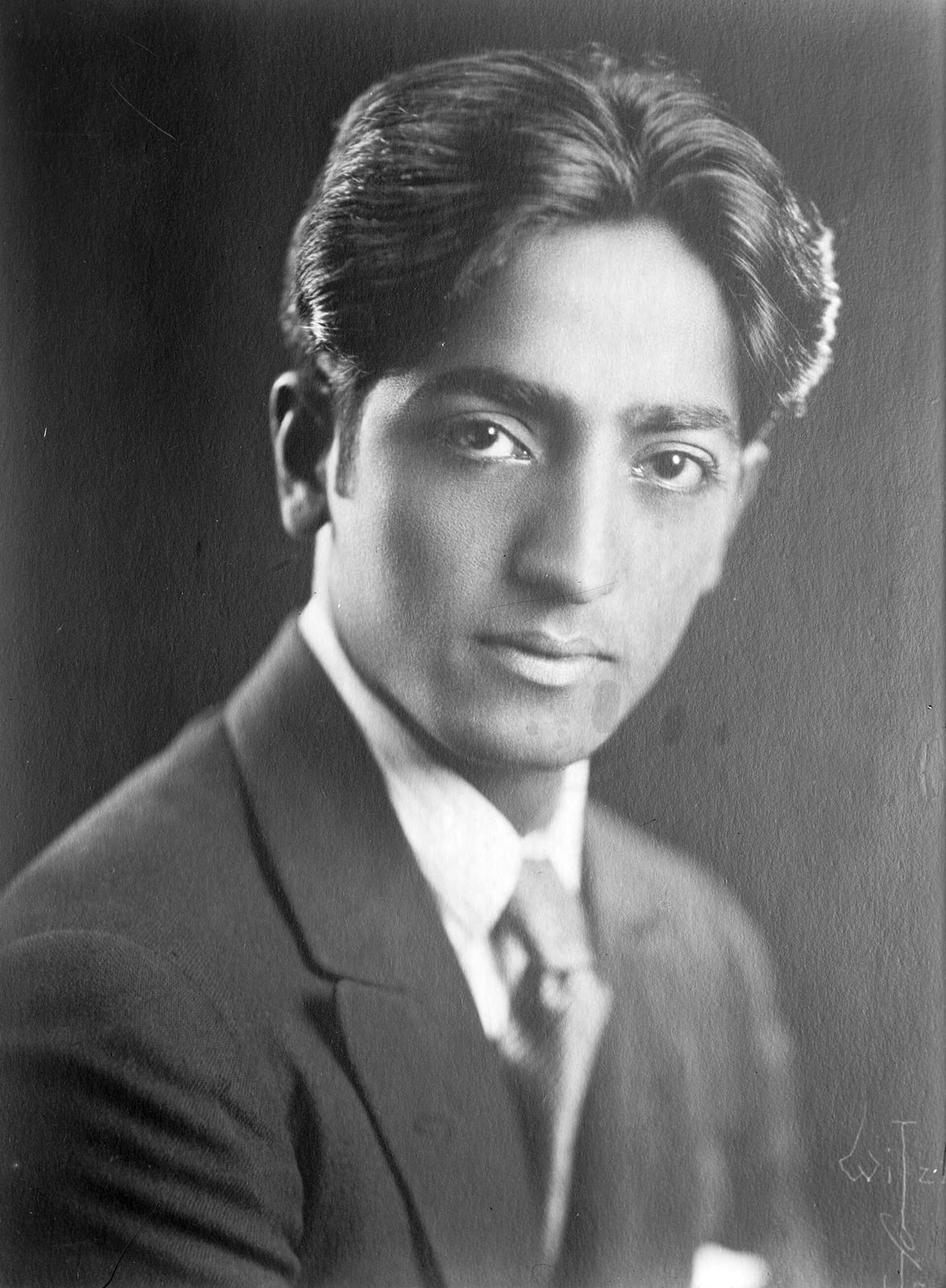
Jiddu Krishnamurti
इन पर टकराव: मुक्ति या उद्धार कैसे प्राप्त होता है? · क्या गुरु आवश्यक है?

Pema Chödrön
इन पर टकराव: मैं कौन हूँ? क्या कोई सच्चा आत्म है? · मृत्यु के बाद क्या होता है?

Nāgārjuna
इन पर टकराव: मैं कौन हूँ? क्या कोई सच्चा आत्म है? · मृत्यु के बाद क्या होता है?

Epicurus
इन पर टकराव: मैं कौन हूँ? क्या कोई सच्चा आत्म है? · मृत्यु के बाद क्या होता है?
प्रसंग और वृत्तांत
प्रसंग और वृत्तांत
संत-चरित वृत्तांतs. XII (según la leyenda)
The dervish at the shop
वृत्तांत का स्रोत: A story transmitted by Dawlatshah of Samarkand (*Tadhkirat al-shu'ara*, 1486) and summarised by the 1911 *Britannica*; Reinert counts it among the initiation myths created in the fifteenth century. Attar's own work shows that he went on practising as a pharmacist while writing his poems.
संत-चरित वृत्तांत1221 (según la leyenda)
A thousand dirhams or a sack of straw
वृत्तांत का स्रोत: Dawlatshah (1486), summarised by the 1911 *Britannica*. That Attar died in the Nishapur massacre of 1221 is the most widespread opinion (Foruzanfar, Reinert), but Landolt allows for 1230; the details of the dialogue are legend.
संत-चरित वृत्तांतc. 1216 (según la leyenda)
The old poet and the boy Rumi
वृत्तांत का स्रोत: A tradition of the late anthologies. Hellmut Ritter explained it as a reflection of the *Asrar-nama*'s influence on the prologue of the *Masnavi* (Reinert), and Franklin Lewis (2000) considers it a succession myth, as summarised by Landolt. There is no contemporary source for the meeting.
साक्ष्य1215–1221
Tusi visits the old druggist
वृत्तांत का स्रोत: Tusi's report transmitted by his pupil Ibn al-Fuwati (d. 1323); dates according to Foruzanfar's reckoning. Recorded by Reinert and Landolt.
प्रमाणितs. XII–XIII
Poems written in the pharmacy
वृत्तांत का स्रोत: Attar's own statements in the *Asrar-nama* (p. 170 and vv. 3146–3151 of Gowharin's edition) and in the second preface of the *Khusraw-nama* (Ritter, 'Philologika X', 1939), recorded by Reinert. Should the *Khusraw-nama* not be his, as Shafi'i-Kadkani argues, this last point would lose support.
प्रमाणितs. XII–XIII
Two books cast into the fire
वृत्तांत का स्रोत: Preface to the *Mukhtar-nama* (text in Ritter, 'Philologika X', pp. 147–153), cited by Reinert and Landolt.
शिक्षाएँ
शिक्षाएँ
वे अवधारणाएँ जो उनके चिंतन को रूप देती हैं, उनके संदर्भ में समझाई गई।
The Simorgh and the thirty birdssimurgh
It reworks the motif of the birds' journey to the king from the *Risalat al-tayr* of Avicenna and the Ghazalis.
The seven valleyshaft-vadi
It turns into an itinerary the stations (*maqamat*) and states (*ahwal*) of the Sufi manuals.
Love and reasonishq-o-aql
A common theme of Persian mysticism since Ahmad Ghazali and Sanai; Rumi inherited it from Attar.
Hayrat: bewildermenthayrat
A concept present in Islamic mysticism since Dhu'l-Nun and al-Junayd.
Faqr and fana: poverty and annihilationfana
Classical Sufi doctrine formulated by al-Junayd and Bayazid; in al-Hallaj, hero of the *Tadhkirat*, it reaches its extreme expression.
वीडियो
वीडियो
रिकॉर्डिंग, साक्षात्कार और वृत्तचित्र। वीडियो YouTube से चलते हैं; वे यहाँ संग्रहीत नहीं हैं।
The Long Journey Home | Attar's «The Conference of the Birds» | Spotlight
विश्लेषण· EN· 2022· 7 min
The Metआधिकारिक चैनल
Attar's «Conference of the Birds» — The Greatest Sufi Masterpiece?
विश्लेषण· EN· 25 min
Let's Talk Religion
Life-changing power of Attar's Conference of the Birds
साक्षात्कार· EN· 3 min
Sholeh Wolpéआधिकारिक चैनल
La quête de l'Autre : «Le cantique des oiseaux» d'Attâr par Leili Anvar
व्याख्यान· FR· 2014· 59 min
Résonance[s]
Et Dieu dans tout ça : «Le cantique des oiseaux» d'Attâr avec Leili Anvar
साक्षात्कार· FR· 2012· 18 min
Résonance[s]
Leili Anvar présente le livre d'art Le Cantique des oiseaux sur Public Sénat
साक्षात्कार· FR· 9 min
Éditions Diane de Selliersआधिकारिक चैनल
Lecture du Cantique des Oiseaux d'Attâr au Festival des Musiques Sacrées de Fès 2014
तृतीय पक्ष की रिकॉर्डिंग· FR· 2014· 68 min
Transcordancias | Global Music Live
Philosophie et Littérature — Attar : La Conférence des Oiseaux (Jeudis Philo)
व्याख्यान· FR· 106 min
Ancrages Éditions
هفت شهر عشق عطار ۱ (Las siete ciudades del amor de Attar, 1)
व्याख्यान· FA· 26 min
Dr Elahi Ghomshei — canal oficialआधिकारिक चैनल
دکتر الهی قمشهای — آشنایی با عطار نیشابوری
व्याख्यान· FA· 2025· 39 min
Majalle-ye farhangi-honari-ye Attar
حکایت نوشیروان و پیرمرد | الهی نامه عطار نیشابوری
तृतीय पक्ष की रिकॉर्डिंग· FA· 28 min
Rashid Kakavandआधिकारिक चैनल
مختارنامه | رباعیات عطار نیشابوری
तृतीय पक्ष की रिकॉर्डिंग· FA· 2026· 24 min
Rashid Kakavandआधिकारिक चैनल
La conferencia de los pájaros — Farid ud-Din Attar
विश्लेषण· ES· 2022· 3 min
Universidad Externado de Colombiaआधिकारिक चैनल
चित्रशाला
चित्रशाला
सत्यापित लाइसेंस वाले चित्र। प्रत्येक में उसके रचयिता और श्रेय का उल्लेख सुरक्षित है।
पांडुलिपियाँ
पांडुलिपियाँ
पांडुलिपि-साक्ष्य और प्राचीन पाठ, उनके संरक्षक और अध्ययन की शर्तों सहित।
FA · Nastaliq · c. 1177 (texto)
منطقالطیر (Mantiq al-tayr), manuscrito de Herat
- संरक्षित पाठ-साक्ष्य
- Códice copiado en 892/1487 por Sultán Ali Mashhadi; pinturas timúridas y otras añadidas hacia 1600 por Habiballah de Saveh
- संरक्षक
- Metropolitan Museum of Art, Nueva York · 63.210
FA · Perso-árabe · s. XII–XIII
خسرونامه (Khusraw-nama), copia de 1297
- संरक्षित पाठ-साक्ष्य
- Manuscrito fechado en 1297 que contiene el romance y su prólogo atribuido a Attar
- संरक्षक
- Bibliothèque nationale de France, París
CHG · Uigur · s. XIII (original persa)
تذکرة الأولیاء (Tadhkirat al-awliya), versión turca oriental en escritura uigur
- संरक्षित पाठ-साक्ष्य
- Manuscrito de la Biblioteca Nacional de Francia traducido por Pavet de Courteille (*Tezkereh-i-Evliâ*, 1889-1890)
- संरक्षक
- Bibliothèque nationale de France, París
संबंध
संबंध
प्रभाव, शिष्यत्व और वैचारिक निकटता। प्रमाणित संबंध को विश्लेषण से पहचानी गई समानता से अलग दर्शाया गया है।
इन्हें प्रभावित किया
Documented literary influence: Rumi adopted the metre of the *Mantiq al-tayr* for the *Masnavi* and reworked Attar's stories. By contrast, the meeting in Nishapur in which the aged Attar supposedly gave the *Asrar-nama* to the boy Rumi is a late legend: Ritter explained it by that work's influence on the prologue of the *Masnavi*, and Franklin Lewis considers it a succession myth (classification: hagiographic, no contemporary source).
प्रमाणित संबंध
इनसे प्रभावित
The frame story of the *Mantiq al-tayr* comes from the *Risalat al-tayr* ascribed to Ahmad Ghazali or to his brother Abu Hamid Muhammad al-Ghazali; Attar expanded and deepened the allegory.
प्रमाणित संबंध
इनसे प्रभावित
Attar closes the *Tadhkirat al-awliya* with the life and martyrdom of al-Hallaj, whom he regarded as the perfecter of Sufism; the apocryphal *Jawhar al-dhat* and other 'second group' works make him their central figure.
प्रमाणित संबंध
इनसे प्रभावित
Attar devotes a chapter of the *Tadhkirat al-awliya* to Rabi'a, the main source for many of her sayings and anecdotes in the Persian tradition, among them the prayer of disinterested love.
प्रमाणित संबंध
इनके समकालीन
Contemporaries (Ibn Arabi was born in 1165 and Attar died around 1221), at the two ends of the Islamic world; no contact or mutual knowledge of their works is recorded.
प्रमाणित संबंध
इनसे मिलते-जुलते विचार
Attar's *qalandari* ghazals, with their language of wine and the libertine, anticipate the figure of the *rend* that Hafez brought to its most refined form.
विश्लेषण से पहचानी गई समानता
इनसे मिलते-जुलते विचार
Both teach that what is sought lies within the seeker and distrust outward religion; no historical connection is known.
विश्लेषण से पहचानी गई समानता
स्रोत
स्रोत
इस प्रविष्टि के लिए देखे गए ग्रंथ-सूची और सूचीपत्र।
- Wikidata, Q194091 «Attar of Nishapur» (P31=Q5; 69 enlaces entre wikis; P569 1145-03; P570 1221-04-26; P1559 فَریدالدّین ابوحامِد محمّد عطّار نِیشابوری).
- Reinert, Bernd. «ʿAṭṭār, Farīd-al-Dīn». Encyclopaedia Iranica, vol. III, fasc. 1, pp. 20–25. Publicado el 15-12-1987.
- Landolt, Hermann. «Farid al-Din 'Attar». En Medieval Islamic Civilization: An Encyclopaedia. Nueva York: Routledge, 2006; versión publicada por The Institute of Ismaili Studies.
- O'Malley, Austin. «An Unexpected Romance: Reevaluating the Authorship of the Khosrow-nāma». Al-'Usur al-Wusta 27 (2019), pp. 201–232. DOI 10.7916/alusur.v27i1.6785.
- «Farīd ud-Dīn ʽAttār». Encyclopædia Britannica, 11.ª ed., vol. 10. Cambridge, 1910–1911 (resume los relatos de Dawlatshah sobre su conversión y su muerte). Texto en Wikisource.
- Attar. Obras en persa: Diván, Mantiq al-tayr, Ilahi-nama, Asrar-nama, Musibat-nama, Mujtar-nama, Tadhkirat al-awliya y obras atribuidas (Pand-nama, Bulbul-nama, Ushtur-nama, Yawhar al-dhat, Mazhar al-ayaib, Haylay-nama, Bisar-nama, Waslat-nama, Si fasl, Bayan al-irshad, Nuzhat al-ahbab, Jusraw-nama). Ganjoor.
- «Attar of Nishapur». Wikipedia en inglés (mausoleo de Navai y su renovación de 1940; recepción moderna).
- FitzGerald, Edward. Letters and Literary Remains of Edward FitzGerald, ed. William Aldis Wright, vol. II. Londres: Macmillan, 1889 (incluye «Bird-Parliament» con la nota de E. B. Cowell sobre su génesis).
- Attar, Farid al-Din. The Tadhkiratu 'l-awliya («Memoirs of the saints»), ed. Reynold A. Nicholson, con introducción de Mirza Muhammad Qazvini. 2 vols. Londres y Leiden: Luzac / Brill, 1905–1907 (Persian Historical Texts).
- अधिकार-धारक
- Dominio público (obra de los siglos XII–XIII). Las ediciones críticas (Shafii-Kadkani, Sukhan) y las traducciones modernas (Penguin, Norton, Islamic Texts Society, Paulist Press, Manchester University Press, Cerf, Diane de Selliers, Seuil, Fayard…) están sujetas a los derechos de sus editores y traductores.
पुष्टि की प्रतीक्षा में
जो यह प्रविष्टि अभी तक निश्चित नहीं कर सकी है। हम उसे भर देने के बजाय कह देना बेहतर समझते हैं।
- Sala de lectura en inglés: el *Bird-Parliament* de FitzGerald (dominio público) solo se ha encontrado dentro del vol. II de *Letters and Literary Remains* (archive.org/details/lettersliteraryr02fitziala, OCR limpio), que contiene otras obras; no se registra hasta hallar una página propia.
- Sala de lectura en francés: la traducción de Garcin de Tassy (1863) está en Internet Archive con un OCR inservible (texto francés leído como persa); buscar una transcripción limpia (Wikisource o Gallica en modo texto).
- No se ha encontrado traducción española del *Ilahi-nama*, del *Musibat-nama* ni del *Asrar-nama* en Open Library; confirmar traductor de las ediciones de Humanitas (2007), Troquel (1994) y de «72 santos sufíes» (Hastinapura, 2000), y si esta última procede del *Tadhkirat*.
- Localizar ISBN de las ediciones críticas de Shafii-Kadkani del *Ilahi-nama*, *Asrar-nama*, *Musibat-nama*, *Mujtar-nama* y *Tadhkirat* (Sukhan).
- Imagen: la miniatura de Hossein Behzad (1960) que usa Wikidata como retrato figura en Commons como dominio público por la ley iraní, pero el pintor murió en 1968; no se ha incluido por dudas sobre su situación en la UE.
- Verificar con la edición impresa (Shafii-Kadkani, introducción al *Ilahi-nama*) la tesis de que el *Jusraw-nama* citado por Attar es el *Ilahi-nama*; aquí se apoya en Landolt (2006). Leer el artículo de O'Malley (2019), del que solo se ha consultado el resumen.
- Comprobar el enlace de la ficha del Met (63.210) y la signatura del manuscrito de 1297 del *Jusraw-nama* en la BnF.
- Vídeos en español de canales institucionales: solo uno (Universidad Externado de Colombia); faltan documentales de televisiones públicas.
2026-10-25 को शोधित