इस्लाम · सूफ़ीवाद
Rabia al-Adawiyya
رابعة العدوية القيسية · رابعة بنت إسماعيل · رابعه عدویه
लगभग 717 – लगभग 801ऐतिहासिकता विवादित
आठवीं शताब्दी के बसरा की तपस्विनी और शिक्षिका (मृ. लगभग 801), जिन्हें इस्लाम की पहली महान संत और ईश्वर के निःस्वार्थ प्रेम के रहस्यवाद की प्रवर्तक के रूप में पूजा जाता है। उन्होंने कोई लिखित रचना नहीं छोड़ी: उनके वचन और उनसे जुड़े गिने-चुने शेर बाद के स्रोतों से हम तक पहुँचे हैं — इब्न अबी अद-दुन्या और अल-मक्की से लेकर चार शताब्दियों बाद फ़ारसी कवि अत्तार की लिखी किंवदंती-भरी जीवनी तक। आधुनिक आलोचना, विशेषकर रुक़िया कॉर्नेल, ऐतिहासिक राबिया को, जिनके बारे में बहुत कम ज्ञात है, परंपरा द्वारा गढ़ी गई राबिया से अलग करती है।
- कृतियाँ
- 9कृतियाँ
- संस्करण
- 17संस्करण
- उद्धरण
- 7उद्धरण
- वीडियो
- 14वीडियो
- चित्र
- 4चित्र
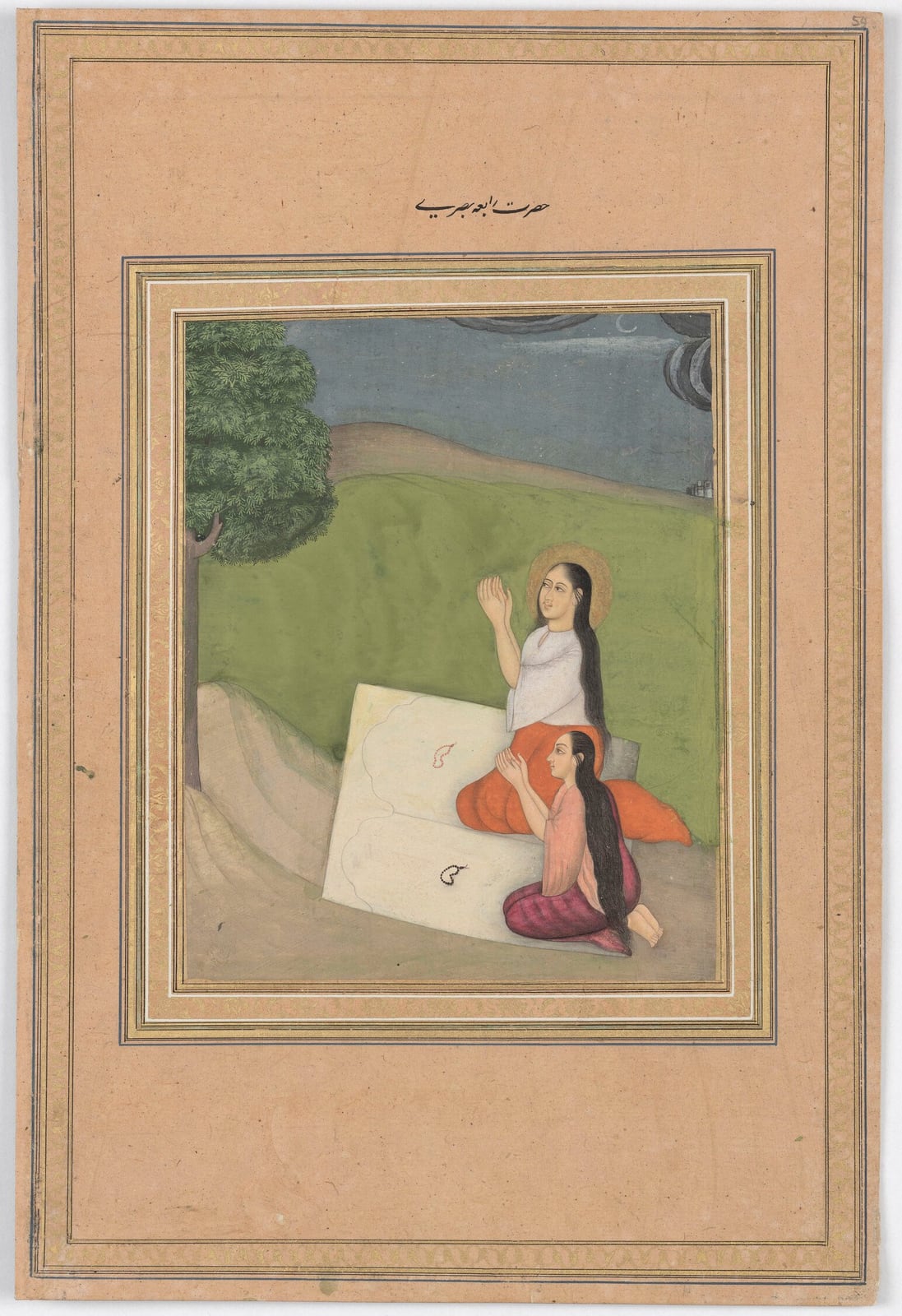
Rabia de Basora y su sirvienta en oración · Public domain
उनके अपने शब्दों में
«I love You with two loves: a love of desire, and a love because You are worthy of it. The love of desire is that I am occupied with remembering You to the exclusion of all else; the love of which You are worthy is that You lift the veils for me until I see You. Neither in this nor in that is the praise mine: Yours is the praise in this and in that.»Atribuido; Abu Talib al-Makki, Qut al-qulub (s. X), y al-Ghazali, Ihya ulum al-din, libro XXXVI. Texto árabe según la versión que reproduce Abd al-Ghani al-Nabulsi (Wikisource); traducción propia.
शुरुआत के लिए एक रचना
The Two Loves (attributed verses)मूल विचार
Disinterested love of God: The idea associated with Rabia is that God must be loved for His own sake and not as a means of escaping Hell or gaining Paradise.
संदर्भ में देखें
जीवनी
5 मिनट का पाठ
स्पैनिश मूल से सहायता-प्राप्त अनुवाद, मातृभाषी अनुवादक द्वारा समीक्षा लंबित।
बसरा की एक स्त्री
राबिया अल-अदविया के बारे में निश्चित रूप से बहुत कम ज्ञात है: बस इतना कि इस नाम की — या राबिया अल-क़ैसिया नाम की, जो उनके क़बीले की ओर संकेत करता है, जबकि अल-अदविया उनके कुल को दर्शाता है — एक तपस्विनी और शिक्षिका आठवीं शताब्दी में दक्षिणी इराक़ के बसरा नगर में रहती थीं। स्रोत उन्हें राबिया बिन्त इस्माईल कहते हैं, उन्हें कुन्नियत उम्मे-अम्र देते हैं और अतीक़ परिवार की आज़ाद की गई दासी (मौला) बताते हैं। प्रायः दोहराई जाने वाली जन्म-तिथि, लगभग 717 ई., और मृत्यु-तिथि, हिजरी सन 185 (801 ई.), बहुत बाद के लेखकों से आती हैं और एकमात्र भी नहीं हैं: अज़-ज़हबी लिखते हैं कि वे लगभग अस्सी वर्ष जीवित रहीं और 180 हि. (796 ई.) में उनका देहांत हुआ, और कुछ अन्य उनकी मृत्यु 135 हि. (752 ई.) में बताते हैं। सबसे विस्तृत अध्ययन की लेखिका रुक़िया एलारूई कॉर्नेल इस निष्कर्ष पर भी पहुँचती हैं कि कोई भी लिखित रचना निश्चितता के साथ उनकी नहीं मानी जा सकती।
तपस्वियों का बसरा
638 ई. में एक सैनिक छावनी के रूप में बसाया गया बसरा आठवीं शताब्दी में एक समृद्ध नगर था — फ़ारस की खाड़ी का बंदरगाह और व्याकरण, कलाम तथा फ़िक़्ह के अध्ययन का केंद्र। वहाँ कठोर धर्मनिष्ठा का एक आंदोलन भी फला-फूला: ऐसे स्त्री-पुरुष जो अपने पापों पर रोते, रोज़े रखते, रातें जागकर बिताते और शासकों की संपत्ति पर संदेह करते थे। हसन बसरी, मालिक इब्न दीनार, रियाह अल-क़ैसी या अब्दुल-वाहिद इब्न ज़ैद इसके सबसे प्रसिद्ध नाम हैं, पर सूफ़ी स्त्रियों पर अस-सुलमी की पुस्तक दिखाती है कि अनेक तपस्विनियाँ और शिक्षिकाएँ भी थीं, जिनमें से कुछ आज़ाद की गई दासियाँ थीं। राबिया इसी परिवेश की हैं: बसरा के "रोने वालों" (बक्काईन) और भक्तों का परिवेश, जिनकी ईश्वर-भय पर टिकी आध्यात्मिकता प्रेम के रहस्यवाद से पहले आई।
सबसे प्राचीन स्रोत क्या कहते हैं
उनके अस्तित्व का सबसे अच्छा प्रमाण स्थानीय स्मृति है: नौवीं शताब्दी के बसरा के दो लेखक, जिनमें अल-जाहिज़ भी हैं, उनका उल्लेख एक जानी-मानी हस्ती के रूप में करते हैं। अज़-ज़हबी द्वारा उद्धृत इब्न अबी अद-दुन्या (मृ. 894) के तपस्वी वचनों के संग्रह ऐसे संयत दृश्य सुरक्षित रखते हैं जिनके साक्षियों के नाम ज्ञात हैं। उनकी सेविका अब्दा बताती थी कि राबिया पूरी रात नमाज़ पढ़तीं और भोर होने पर अपनी छोटी-सी नींद के लिए स्वयं को धिक्कारतीं: "ऐ मन, तू कब तक सोएगा? जल्द ही तू ऐसी नींद सोएगा जिससे क़यामत के दिन से पहले न उठेगा।" कूफ़ा के महान मुहद्दिस सुफ़यान अस-सौरी उनसे मिलने आए; जब उन्होंने आह भरकर कहा, "हाय, कितना दुःख!", तो राबिया ने उन्हें टोका: "झूठ मत बोलो; कहो: हाय, कितना कम दुःख!" जो आगंतुक दुनियादारी की बातें करते, उन्हें वे भीतर नहीं आने देती थीं। यह किसी प्रेम-कवयित्री से अधिक एक कठोर तपस्विनी और अपने युग के सबसे विद्वान पुरुषों द्वारा सम्मानित शिक्षिका की छवि है।
तीन राबियाएँ और एक संदेह
परंपरा ने जल्दी ही कई स्त्रियों को आपस में मिला दिया। अस-सुलमी (मृ. 1021) सूफ़ी स्त्रियों पर अपनी पुस्तक में राबिया अल-अदविया को उस युग की दो अन्य राबियाओं से अलग करते हैं: तपस्वी अब्दुल-वाहिद इब्न ज़ैद की पत्नी राबिया अल-अज़दिया, और अहमद इब्न अबी अल-हवारी (मृ. 844) की पत्नी, दमिश्क़ की राबिया बिन्त इस्माईल। यही भ्रम यरूशलम के ज़ैतून पर्वत पर उनकी बताई जाने वाली क़ब्र की व्याख्या करता है, जिसका उल्लेख इब्न कसीर करते हैं; इब्न बतूता पहले ही सचेत कर चुके थे कि वहाँ दफ़न स्त्री कोई और थी। संदेहों की भी कमी न रही: इब्न कसीर के अनुसार मुहद्दिस अबू दाऊद अस-सिजिस्तानी ने उन पर विधर्म का आरोप लगाया, और अज़-ज़हबी को उनका बचाव उन लोगों के सामने करना पड़ा जो उनके एक शेर में — "मैंने तुझे अपने हृदय का अंतरंग बनाया है, और अपना शरीर उसके लिए छोड़ दिया है जो मेरे पास बैठना चाहे" — हुलूल, अर्थात ईश्वर के देहधारण का सिद्धांत पढ़ते थे।
प्रेम की संत
जिस राबिया को उत्तरवर्ती पीढ़ियाँ जानती हैं, वह दसवीं से तेरहवीं शताब्दी के बीच जन्म लेती है। अबू तालिब अल-मक्की (मृ. 996) उन्हें "दो प्रेमों" वाले शेर का श्रेय देते हैं — कामना का प्रेम और वह प्रेम जो ईश्वर का हक़ है क्योंकि वह उसके योग्य है —, जिन पर अल-ग़ज़ाली इह्या में टीका करेंगे; अल-क़ुशैरी, अबू नुऐम और इब्न अल-जौज़ी, जिन्होंने उन पर एक छोटी पुस्तिका लिखी, उनके वचनों की संख्या बढ़ाते जाते हैं। पर महान जीवनी फ़ारसी कवि फ़रीदुद्दीन अत्तार की है, जो तेरहवीं शताब्दी के आरंभ में, चार सौ से अधिक वर्ष बाद, लिखते हैं: उसमें एक निर्धन परिवार की चौथी बेटी — इसी से उनका नाम, "चौथी" — आती है, अकाल, दासी के रूप में बिक्री, सिर के ऊपर का वह प्रकाश जो उनके स्वामी को उन्हें आज़ाद करने को प्रेरित करता है, हसन बसरी के साथ संवाद, और वह प्रसिद्ध प्रार्थना जिसमें वे माँगती हैं कि यदि वे नरक के भय से ईश्वर की उपासना करती हैं तो उन्हें नरक में जला दिया जाए, और यदि स्वर्ग की आशा से करती हैं तो उन्हें स्वर्ग से वंचित कर दिया जाए। इनमें से अनेक कथाएँ कालक्रम की दृष्टि से असंभव हैं — हसन बसरी का देहांत 728 ई. में हुआ, जब वे बालिका रही होंगी — और जानी-पहचानी संत-कथाओं के साँचों का अनुसरण करती हैं।
उनकी छवि ने क्या संभव किया
कॉर्नेल इस प्रक्रिया में एक-दूसरे पर चढ़ी कई राबियाओं को अलग करती हैं: शिक्षिका, तपस्विनी, ईश्वर-प्रेमिका और सूफ़ी। तीसरी ही प्रबल हुई। उसमें परंपरा को उस विचार की सबसे शुद्ध अभिव्यक्ति मिली जिसने इस्लामी धर्मनिष्ठा को बदल दिया: कि ईश्वर से उसके अपने लिए प्रेम किया जाना चाहिए, दंड के भय या पुरस्कार की कामना के बिना। यह विषय इश्क़ के रहस्यवाद के महान सिद्धांतकारों तक पहुँचा, अहमद अल-ग़ज़ाली से लेकर रूमी तक, और यूरोप भी पहुँचा। जाँ द जुआँविल अपनी संत लुई का जीवन (1309) में बताते हैं कि धर्मयुद्ध के एक संन्यासी, ईव ब्रेतों, को दमिश्क़ में एक वृद्धा मिली जो एक हाथ में आग और दूसरे में पानी लिए थी, ताकि स्वर्ग को जला दे और नरक को बुझा दे, जिससे कोई भी भय या स्वार्थ के कारण भलाई न करे; सत्रहवीं शताब्दी के फ़्रांस में यह दृश्य "शुद्ध प्रेम" का प्रतीक बन गया। बाद के इस्लामी संस्करण यह भंगिमा राबिया के हाथों में रखते हैं।
निरंतर बढ़ती उपस्थिति
बीसवीं शताब्दी में राबिया को इस्लाम की पहली संत और धार्मिक प्रामाणिकता की स्त्री-प्रतिमा के रूप में प्रतिष्ठित किया गया। मार्गरेट स्मिथ ने 1928 में उन पर पहला पश्चिमी शोध-ग्रंथ लिखा; अब्दुर्रहमान बदवी ने एक पुस्तक, जिसमें उन्हें "ईश्वरीय प्रेम की शहीद" कहा गया; मिस्री और तुर्की सिनेमा ने लोकप्रिय फ़िल्में बनाईं, जिनमें से दो 1973 में तुर्की में प्रदर्शित हुईं। आधुनिक संकलन उन्हें अनिश्चित स्रोत वाली कविताएँ और प्रार्थनाएँ सौंपते हैं, और उनके अनेक वाक्य बिना किसी संदर्भ के प्रचलित हैं। स्रोतों के आलोक में पढ़ें तो राबिया एक साथ उमय्या और अब्बासी काल के बसरा की एक वास्तविक स्त्री हैं, जिनके बारे में हम लगभग कुछ नहीं जानते, और कई शताब्दियों की एक सामूहिक रचना भी, जिसने ईश्वर के निःस्वार्थ प्रेम के विचार को आकार दिया।
स्रोत: Cornell, Rkia Elaroui. Rabi'a from Narrative to Myth: The Many Faces of Islam's Most Famous Woman Saint, Rabi'a al-'Adawiyya. Londres: Oneworld Academic, 2019. · Smith, Margaret. Rabi'a the Mystic and Her Fellow-Saints in Islam. Cambridge: Cambridge University Press, 1928; reed. 1984 con introducción de Annemarie Schimmel. · al-Dhahabi, Shams al-Din. Siyar a'lam al-nubala', entrada «Rabi'a al-'Adawiyya» (texto árabe en Wikisource). · Ibn Kathir. al-Bidaya wa-l-nihaya, vol. X, obituarios del año 185 H, entrada «Rabi'a al-'Adawiyya» (texto árabe en Wikisource). · Attar, Farid al-Din. Tadhkirat al-awliya', capítulo de Rabia; en la adaptación inglesa de Claud Field, Mystics and Saints of Islam, Londres: Francis Griffiths, 1910, cap. III «Rabia, the Woman Sufi» (Project Gutenberg 24314).
कालक्रम
जीवन, वर्ष-दर-वर्ष
प्रत्येक बिंदु एक प्रमाणित घटना है। उसे स्रोत और निश्चितता के स्तर सहित पढ़ने के लिए क्लिक करें।
लगभग 7170 वर्षBasora
Birth (traditional date)
The usual date (c. 95–99 AH / 714–718) comes from late sources of uncertain origin, according to Cornell; placed in Basra.
परंपराCornell, Rkia Elaroui. Rabi'a from Narrative to Myth: The Many Faces of Islam's Most Famous Woman Saint, Rabi'a al-'Adawiyya. Londres: Oneworld Academic, 2019.
उनके निधन के बाद
- लगभग 869Al-Jahiz mentions her
- लगभग 996The verses of the "two loves"
- लगभग 1021Al-Sulami distinguishes three Rabias
- लगभग 1221Attar's biography
- 1309The woman of fire and water reaches Europe
- 1928First Western monograph
- 2019From narrative to myth
लगभग 717 · 0 वर्ष
Birth (traditional date)
The usual date (c. 95–99 AH / 714–718) comes from late sources of uncertain origin, according to Cornell; placed in Basra.
परंपरा
728
Death of Hasan al-Basri
Death of the great preacher of Basra (110 AH). The dialogues between him and Rabia narrated by Attar are therefore chronologically impossible.
प्रमाणित
लगभग 770
Visits of Sufyan al-Thawri
Ibn Abi l-Dunya and others transmit encounters with the traditionist Sufyan al-Thawri (d. 778) and other Basran ascetics; this is the oldest layer of her memory.
संभावित
801
Death (185 AH, most cited date)
Ibn Kathir lists her among those who died in 185 AH (801); al-Dhahabi gives 180 (796) and other sources 135 (752). She probably died in Basra.
विवादित
लगभग 869
Al-Jahiz mentions her
The Basran polymath al-Jahiz (d. 868–869) is one of the two ninth-century authors who cite her: the oldest surviving mention.
प्रमाणित
लगभग 996
The verses of the "two loves"
Abu Talib al-Makki (d. 996) attributes to her in the Qut al-qulub the verses on the two loves, which al-Ghazali would comment on in the Ihya.
प्रमाणित
लगभग 1021
Al-Sulami distinguishes three Rabias
In his book on Sufi women, al-Sulami (d. 1021) separates Rabia al-Adawiyya from Rabia al-Azdiyya and Rabia of Damascus.
प्रमाणित
लगभग 1221
Attar's biography
Farid al-Din Attar writes in Persian the biography that fixes the legend: slavery, liberation, dialogues with Hasan al-Basri, the Kaaba coming out to meet her.
प्रमाणित
1309
The woman of fire and water reaches Europe
Joinville narrates in his Life of Saint Louis Yves the Breton's encounter in Damascus with a woman who wanted to burn Paradise and quench Hell.
प्रमाणित
1928
First Western monograph
Margaret Smith publishes Rabi'a the Mystic and Her Fellow-Saints in Islam in Cambridge.
प्रमाणित
2019
From narrative to myth
Rkia Elaroui Cornell publishes the critical study separating the historical and legendary layers of her figure.
प्रमाणित
कृतियाँ
आवश्यक कृतियाँ
वे कृतियाँ जिनके बिना उनकी विरासत को समझा नहीं जा सकता।
पारंपरिक आरोपण · लगभग 996
The Two Loves (attributed verses)
أحبك حبين: حب الهوى * وحباً لأنك أهل لذاكا
The most famous of the poems attributed to Rabia distinguishes two loves for God: the "love of desire", which occupies her in remembering Him to the exclusion of all else, and the love owed to Him "because He is worthy of it", in which God lifts the veils until He lets Himself be seen. It ends by denying any merit of her own: the praise, in both cases, belongs to God alone. Al-Ghazali made it the canonical example of pure love, and since then it has summed up the doctrine tradition associates with her name.
3 संस्करण
पारंपरिक आरोपण · लगभग 1221
Prayers and Sayings in Attar's Memorial of the Saints
تذکرة الاولیاء، ذکر رابعه عدویه (Tadhkirat al-awliya', capítulo de Rabia)
The chapter devoted to Rabia in the *Tadhkirat al-awliya* is the fullest and most influential biography: it narrates her poor childhood, slavery, liberation, the pilgrimage in which the Kaaba comes out to meet her, her dialogues with the ascetics of Basra and her prayers. The most famous of these asks God to burn her in Hell if she worships Him from fear and to shut Paradise to her if she worships Him from hope. Attar presents her as "the woman worth a hundred men".
4 संस्करण
संपूर्ण कृतित्व (9)
Rabia al-Adawiyya
I Have Made You the Confidant of My Heart (attributed verses)
The Conscious LibraryI Have Made You the Confidant of My Heart (attributed verses)
1000
Rabia al-Adawiyya
Ascetic Sayings Transmitted with Chains (Ibn Abi l-Dunya, al-Dhahabi)
The Conscious LibraryAscetic Sayings Transmitted with Chains (Ibn Abi l-Dunya, al-Dhahabi)
894
Sayings in al-Sulami and al-Qushayri's Epistle
1045
Rabia al-Adawiyya
First among Sufis
The Conscious LibraryFirst among Sufis
1982
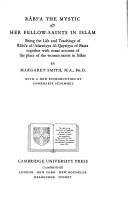
Rabi'a the Mystic and Her Fellow-Saints in Islam
1928
Rabia al-Adawiyya
Rabi'a from Narrative to Myth
The Conscious LibraryRabi'a from Narrative to Myth
2019

Doorkeeper of the Heart: Versions of Rabi'a
1988
वचन
किसी निश्चित कृति में स्थित वचन। प्रत्येक के साथ उसका स्रोत और विश्वसनीयता का स्तर है।
I love You with two loves: a love of desire, and a love because You are worthy of it. The love of desire is that I am occupied with remembering You to the exclusion of all else; the love of which You are worthy is that You lift the veils for me until I see You. Neither in this nor in that is the praise mine: Yours is the praise in this and in that.أحبك حبين: حب الهوى * وحباً لأنك أهل لذاكا / فأما الذي هو حب الهوى * فشغلي بذكرك عمن سواكا / وأما الذي أنت أهل له * فكشفك لي الحجب حتى أراكا / فلا الحمد في ذا ولا ذاك لي * ولكن لك الحمد في ذا وذاكا
विवादितAtribuido; Abu Talib al-Makki, Qut al-qulub (s. X), y al-Ghazali, Ihya ulum al-din, libro XXXVI. Texto árabe según la versión que reproduce Abd al-Ghani al-Nabulsi (Wikisource); traducción propia.
अप्रामाणिक या विवादित आरोपण वाले उद्धरण (1)
«I carry a torch in one hand and a bucket of water in the other: with these I will set fire to Heaven and put out the flames of Hell, so that voyagers to God can rip the veils and see the real goal.»
A modern poem, spread above all through Charles Upton's free versions (1988), that puts a hagiographical anecdote into the first person. The story of the woman with fire and water appears without a name in Joinville's *Life of Saint Louis* (1309), and later Islamic versions attribute it to Rabia; no Arabic poem by Rabia with this text exists.
अंतिम शब्द
उनके अंतिम शब्दों का कोई सत्यापन-योग्य अभिलेख उपलब्ध नहीं है।
No attested last words survive. The early sources do not even agree on the year of her death. Attar and later hagiography narrate an exemplary death (Rabia asks those with her to make way for God's messengers, and the verse "O soul at peace, return to your Lord!" (Qur'an 89:27–28) is heard), but it is a late account and is not recorded as testimony.
स्रोत: Attar, Farid al-Din. Tadhkirat al-awliya', capítulo de Rabia; en la adaptación inglesa de Claud Field, Mystics and Saints of Islam, Londres: Francis Griffiths, 1910, cap. III «Rabia, the Woman Sufi» (Project Gutenberg 24314).
पूछें
उनकी कृतियाँ क्या उत्तर देती हैं
मानवता के बारह महान प्रश्न और उनके ग्रंथ उनका जो उत्तर देने देते हैं, संदर्भों सहित। हम कभी उनके मुख में अपने शब्द नहीं रखते।
परम सत्य क्या है? क्या ईश्वर है?
God is the Beloved, loved for His own sake
साकार, व्यक्तिगत ईश्वरस्पष्ट रूप से कहा है
Rabia left no writings and formulated no theology: what we know of her comes through sayings and verses gathered by later authors, from Ibn Abi l-Dunya and al-Makki to Attar, four centuries later. In those texts the Absolute is always a Thou: the Beloved spoken to at night, whom she asks to worship for His own sake, not in hope of paradise nor for fear of hell. The poem of the two loves, made canonical by al-Makki and al-Ghazali, distinguishes the love of desire, which turns her away from everything that is not God, from the love God deserves, in which He lifts the veils until He lets Himself be seen. There is no speculation about the divine essence: there is a personal, demanding and exclusive relationship, in which all praise returns to God.
इस प्रश्न की अन्य गुरुओं से तुलना करेंमैं कौन हूँ? क्या कोई सच्चा आत्म है?
She did not theorise the self: she urged a sleeping soul to wake
इस पर कुछ नहीं कहा
Rabia left no writings, and among the sayings her biographers attribute to her there is no doctrine of the self. The closest thing is her exhortations to the soul. According to the oldest ascetic accounts, she kept vigil at night and at dawn reproached herself for having slept: she asked her soul how long it would sleep, for soon it would sleep a sleep from which it would wake only on the Day of Resurrection. That soul is the soul of Islam: created, responsible and called to account. What the later tradition adds is a demand for sincerity: to strip worship of all self-interest, not to worship for paradise or for fear of hell, and to deny any merit, for praise belongs to God alone. It is an ascesis of the self-interested self, not a metaphysics of the subject.
इस प्रश्न की अन्य गुरुओं से तुलना करेंहम दुःख क्यों भोगते हैं?
The only true pain is not knowing whether God is pleased
ईश्वर से वियोगउनके सिद्धांत से निष्कर्षित
Rabia did not write, and what is attributed to her on pain consists of transmitted scenes. In the oldest she corrects Sufyan al-Thawri when he laments his sadness: he should not lie, but rather say how little sadness he has. The only worthy grief is that of one who knows herself far from God, and hardly anyone feels it enough. Attar, four centuries later, tells that as a child and a slave she fell and broke her wrist, and that in her prayer she said she did not grieve over being orphaned, enslaved or wounded, but only over not knowing whether God was pleased with her. Outward suffering is received with contentment (rida); what truly wounds is the Beloved's distance, and the only thing that matters is His good pleasure.
इस प्रश्न की अन्य गुरुओं से तुलना करेंमृत्यु के बाद क्या होता है?
Resurrection and judgement, yes; but God is not loved for paradise
अनंत जीवन और पुनरुत्थानस्पष्ट रूप से कहा है
Rabia did not write, but the sayings her biographers attribute to her take Islamic eschatology for granted. In the oldest ascetic accounts she reproaches herself for having slept and warns her soul that soon it will sleep a sleep from which it will wake only on the Day of Resurrection. What is distinctive of the tradition bearing her name is not denying the hereafter but displacing it: the prayer recorded by Attar asks God to burn her in hell if she worships Him from fear, to shut paradise to her if she worships Him from hope, and not to deny her His eternal beauty if she worships Him for Himself. The paradise desired is not a garden but the vision of the Beloved. The image of a Rabia who wants to burn paradise and quench hell is much later.
इस प्रश्न की अन्य गुरुओं से तुलना करेंमुक्ति या उद्धार कैसे प्राप्त होता है?
To love God expecting nothing, and to know that returning is His gift
भक्ति और समर्पण सेस्पष्ट रूप से कहा है
The tradition bearing Rabia's name, transmitted by her biographers and not written by her, makes disinterested love the path. Worshipping God from fear of hell or desire for paradise is still trading with Him; the only thing that saves is to love Him for Himself. Her poem of the two loves describes that surrender: a love that turns away from all that is not God and another in which He lifts the veils. But the surrender is not her own merit. The manuals of al-Sulami and al-Qushayri attribute to her a reply to someone who asked whether God would accept his repentance: no, unless He first turns towards you; if He turns towards you, you will turn towards Him. Love is the way; grace, its source.
इस प्रश्न की अन्य गुरुओं से तुलना करेंक्या गुरु आवश्यक है?
With no known master, tradition shows her teaching the masters
इस पर कुछ नहीं कहा
No saying attributed to Rabia deals with the need for a master, and the sources know of none for her. On the contrary, the accounts show her correcting men of authority. In the oldest ascetic sources she rebukes Sufyan al-Thawri for boasting of his sadness; in Attar's Memorial of the Saints her dialogues with Hasan of Basra place her above the famous preacher, though chronology makes such meetings unlikely. What these scenes convey is the figure of a saint taught directly by God, whose authority springs from her sincerity and asceticism, not from a chain of initiation. It is not a doctrine about masters but the portrait of someone who depended on none.
इस प्रश्न की अन्य गुरुओं से तुलना करेंक्या संसार वास्तविक है?
Come in to see the Creator instead of going out to look at creation
इस पर कुछ नहीं कहा
Rabia did not pronounce on the reality of the world, and nothing in the sayings attributed to her suggests she took it for an illusion. What they convey is an ascetic attitude: the world distracts. The early sources show her shutting the door on those who came to talk to her about worldly matters. Attar, much later, tells that one spring morning her servant invited her to come out and contemplate the works of God, and she answered that the servant should rather come in and contemplate the One who had made them. Creation is good, but whoever has known the Creator no longer needs to linger over it. It is a hierarchy of attention, not a metaphysics of the real.
इस प्रश्न की अन्य गुरुओं से तुलना करेंप्रेम क्या है?
Two loves: the love of desire and the love God deserves for Himself
विरह और मिलनस्पष्ट रूप से कहा है
The figure of Rabia has become the emblem of mystical love in Islam, though what survives are verses and sayings transmitted by others. In the poem of the two loves, the first is the love of desire, which keeps her occupied in remembering God and turns her away from everything else; the second is the love God deserves because He is worthy of it, in which He lifts the veils until He lets Himself be seen. In other verses she says she has made God the confidant of her heart: her body keeps company with whoever sits beside her, but the Beloved is her only intimate companion. And the prayer transmitted by Attar sums up the demand: to love God not for paradise nor from fear of hell, but for His eternal beauty.
इस प्रश्न की अन्य गुरुओं से तुलना करेंक्या हम स्वतंत्र हैं, या सब कुछ पूर्वनिर्धारित है?
She did not debate freedom: she practised contentment with what God disposes
इस पर कुछ नहीं कहा
The question of free will, which divided the theologians of Basra in her time, does not appear in the sayings attributed to Rabia. What her biographers transmit is an attitude towards what happens: contentment (rida) with the divine will. According to the accounts, she did not ask God to free her from poverty or illness, because to desire anything other than what He wills would be to oppose her Beloved. Al-Qushayri and other manuals also attribute to her the idea that repentance itself is a gift: man turns towards God when God has first turned towards him. There is no theory of freedom in this, but a spirituality of surrender that leaves the initiative to God.
इस प्रश्न की अन्य गुरुओं से तुलना करेंध्यान या प्रार्थना क्यों करें?
Keeping vigil at night alone with the Beloved, confidant of the heart
ईश्वर से मैत्रीस्पष्ट रूप से कहा है
The scenes transmitted about Rabia show her above all praying at night. The oldest ascetic sources tell that she kept vigil until dawn and reproached herself for every sleep as time stolen from God. Later tradition attributes to her night prayers in which, with the doors of kings closed and lovers lying together, she remains alone with her Beloved. Her verses say the same: she has made God the confidant of her heart, and while her body keeps visitors company, her heart converses with Him. Prayer is not for her a means of obtaining anything, not even paradise, but the very form of intimacy with God, an exclusive friendship that admits no third party.
इस प्रश्न की अन्य गुरुओं से तुलना करेंक्या बुद्धि परम को जान सकती है?
No word on reason: her authority did not come from learning
इस पर कुछ नहीं कहा
Rabia did not write, and among the sayings attributed to her there is no reflection on the powers or limits of reason. What the sources convey is an implicit contrast. In them Rabia appears alongside traditionists, ascetics and preachers of Basra, men of religious learning, and her authority comes not from study or argument but from her sincerity, her asceticism and the intensity of her love for God. When she corrects Sufyan al-Thawri she does not oppose an argument to him, but a truth about his heart. Later tradition made her an example of a knowledge of God that does not pass through the schools, but that is a reading by her biographers, not a doctrine of hers.
इस प्रश्न की अन्य गुरुओं से तुलना करेंसंसार से हटें या उसे बदलें?
Poverty, celibacy and a door shut to whoever spoke of the world
पाने के लिए हटनास्पष्ट रूप से कहा है
The Rabia transmitted by the sources is a withdrawn ascetic. The oldest accounts show her shutting the door on those who came to talk of worldly matters and preferring conversation about God to any comfort. Later tradition, recorded by Attar, adds that she turned down marriage proposals from powerful and pious men because her heart was occupied, and that she accepted no gifts or help, not even from those who venerated her, so as to owe nothing to anyone but God. She lived, according to those sources, in the voluntary poverty of Basra. She preached no reforms and did not intervene in public life: her testimony is a life set apart, devoted to prayer and the love of God.
इस प्रश्न की अन्य गुरुओं से तुलना करें
निकटता और तनाव
निकटता और तनाव
उनके मतों के आधार पर प्रश्न-दर-प्रश्न आकलित। प्रत्येक सहमति या टकराव का कारण क्लिक करने पर।
इनसे मिलता-जुलता सोचते हैं
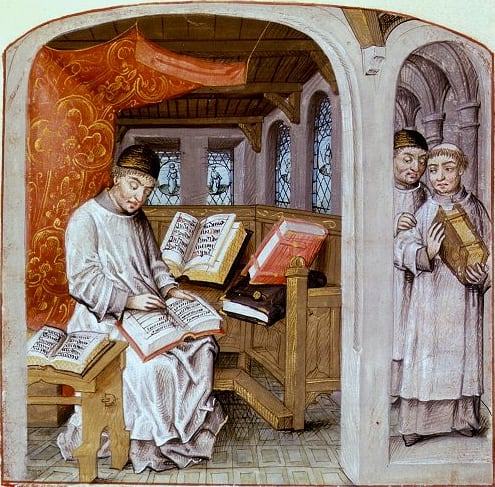
Thomas à Kempis
इन पर सहमत: परम सत्य क्या है? क्या ईश्वर है? · हम दुःख क्यों भोगते हैं? · मृत्यु के बाद क्या होता है?
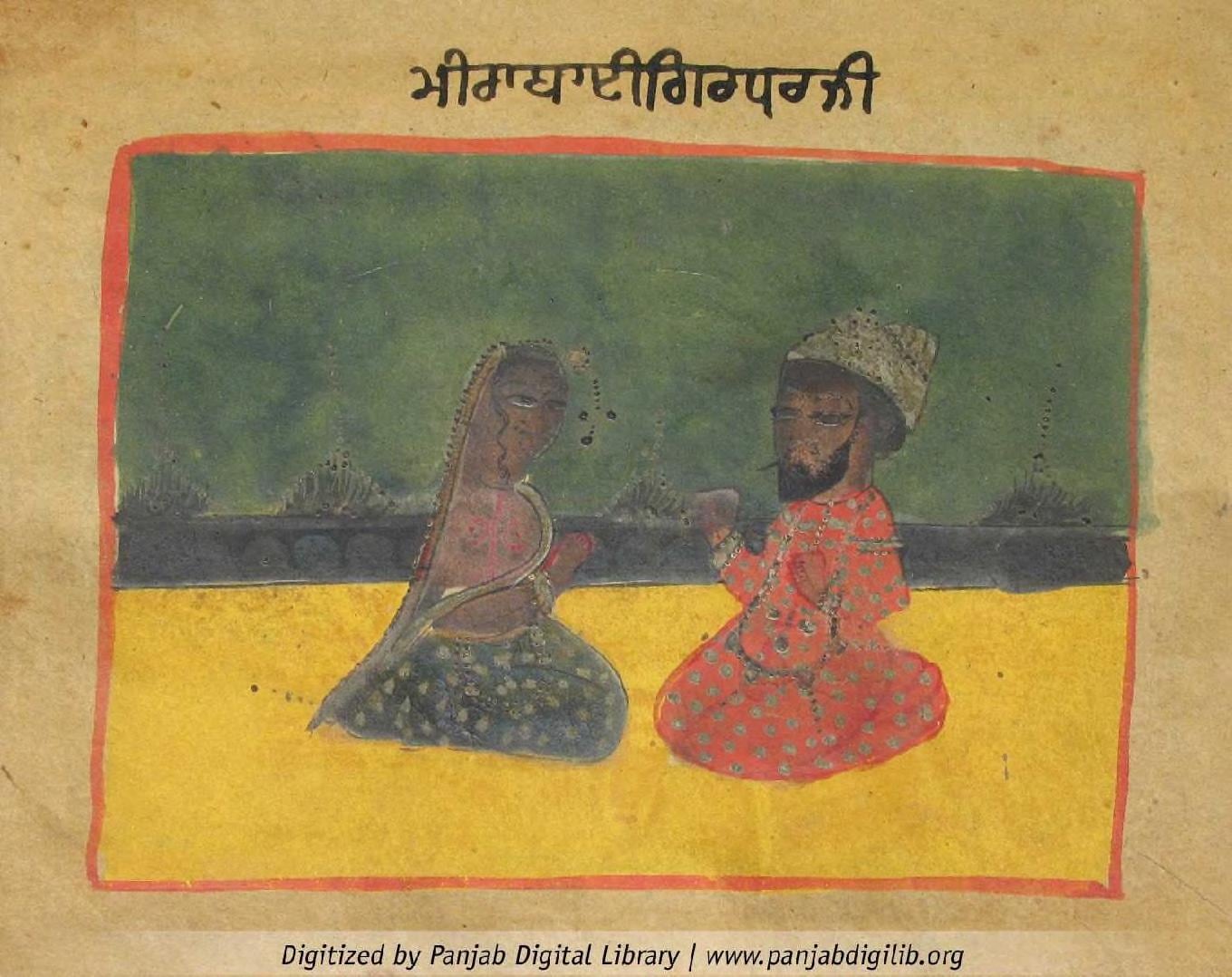
Mirabai
इन पर सहमत: परम सत्य क्या है? क्या ईश्वर है? · हम दुःख क्यों भोगते हैं? · मुक्ति या उद्धार कैसे प्राप्त होता है?
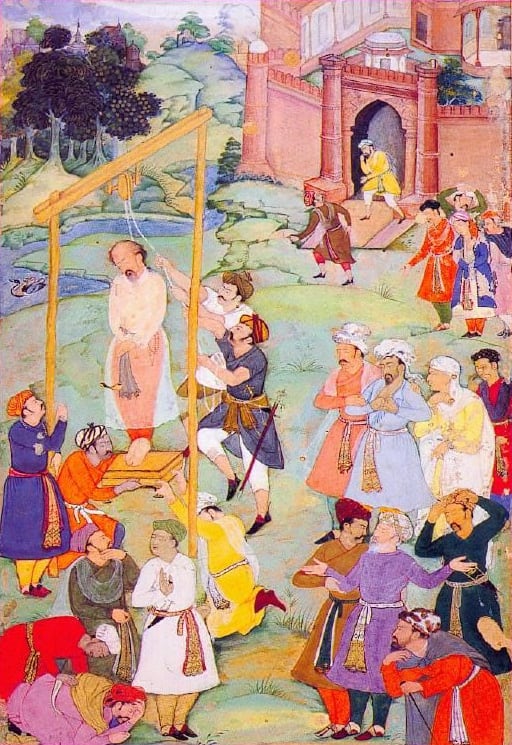
Al-Hallaj
इन पर सहमत: हम दुःख क्यों भोगते हैं? · परम सत्य क्या है? क्या ईश्वर है? · मृत्यु के बाद क्या होता है?
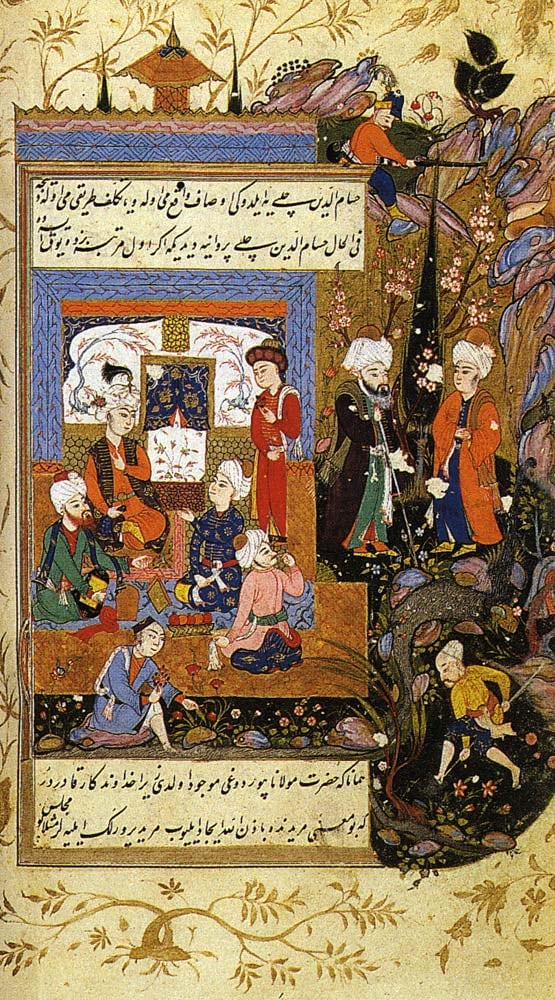
Rumi
इन पर सहमत: परम सत्य क्या है? क्या ईश्वर है? · हम दुःख क्यों भोगते हैं? · मृत्यु के बाद क्या होता है?
इनसे भिन्न सोचते हैं

Pema Chödrön
इन पर टकराव: परम सत्य क्या है? क्या ईश्वर है? · मृत्यु के बाद क्या होता है?
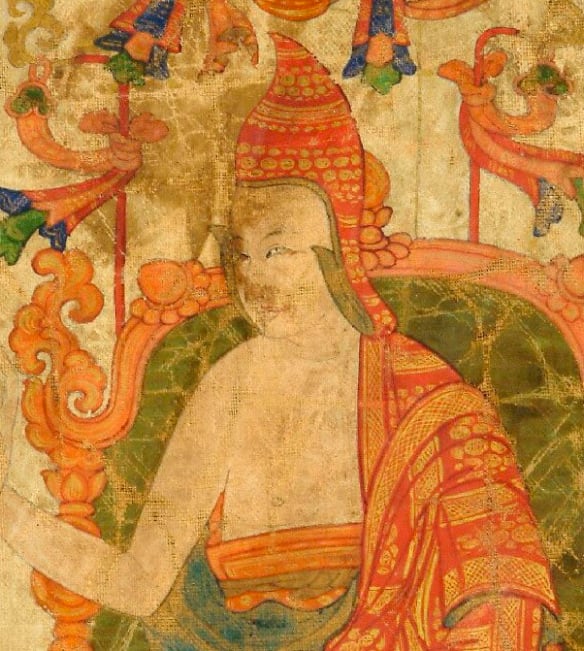
Śāntideva
इन पर टकराव: परम सत्य क्या है? क्या ईश्वर है? · मृत्यु के बाद क्या होता है?

Nāgārjuna
इन पर टकराव: परम सत्य क्या है? क्या ईश्वर है? · मृत्यु के बाद क्या होता है?

The 14th Dalai Lama (Tenzin Gyatso)
इन पर टकराव: परम सत्य क्या है? क्या ईश्वर है? · मृत्यु के बाद क्या होता है?
प्रसंग और वृत्तांत
प्रसंग और वृत्तांत
सत्यापन-योग्य नहींc. 1250 (relato de Joinville)
Fire and water
वृत्तांत का स्रोत: Joinville, *Vie de saint Louis* (1309), without a name; later attribution to Rabia in the Persian Sufi tradition. Schimmel (1975) and Cornell (2019) discuss its spread.
स्रोत: Schimmel, Annemarie. Mystical Dimensions of Islam. Chapel Hill: University of North Carolina Press, 1975 (sobre Rabia y la difusión europea del relato del fuego y el agua a través de Joinville).
संत-चरित वृत्तांतs. VIII (según Attar)
The freed slave
वृत्तांत का स्रोत: Attar, *Tadhkirat al-awliya* (13th c.); English adaptation in Field (1910). Cornell notes that slavery does not appear in the ninth- to eleventh-century sources, which call her the freedwoman of a clan.
संत-चरित वृत्तांतs. VIII (según Attar)
The Kaaba comes out to meet her
वृत्तांत का स्रोत: Attar, *Tadhkirat al-awliya*. Ibrahim ibn Adham died around 777; the meeting has no basis in the early sources.
साक्ष्यc. 760–778
Sufyan al-Thawri and sorrow
वृत्तांत का स्रोत: Al-Dhahabi, *Siyar a'lam al-nubala'*, entry on Rabia (Arabic Wikisource), with chains going back to Ibn Abi l-Dunya and Basran witnesses.
संत-चरित वृत्तांतs. VIII (según la tradición)
Hasan al-Basri's proposal
वृत्तांत का स्रोत: Attar, *Tadhkirat al-awliya*, adapted by Field (1910). Wikipedia (en), summarising Cornell, stresses that there is no evidence they ever met.
शिक्षाएँ
शिक्षाएँ
वे अवधारणाएँ जो उनके चिंतन को रूप देती हैं, उनके संदर्भ में समझाई गई।
Disinterested love of Godhubb-ilahi
The passage from the asceticism of fear (*khawf*) to the mysticism of love (*mahabba*); Nicholson, Schimmel and Cornell.
स्रोत: Cornell, Rkia Elaroui. Rabi'a from Narrative to Myth: The Many Faces of Islam's Most Famous Woman Saint, Rabi'a al-'Adawiyya. Londres: Oneworld Academic, 2019.
Asceticism (zuhd)zuhd
Basran asceticism in the seventh and eighth centuries.
स्रोत: Cornell, Rkia Elaroui. Rabi'a from Narrative to Myth: The Many Faces of Islam's Most Famous Woman Saint, Rabi'a al-'Adawiyya. Londres: Oneworld Academic, 2019.
Sincerity (sidq)sidq
Sufi doctrine of states and stations; *ikhlas* and *sidq* in al-Qushayri.
Contentment with the divine will (rida)rida
The station of *rida* in Sufi manuals; link with trust (*tawakkul*).
Repentance as gracetawba-como-gracia
Sufi doctrine of *tawba*; Nicholson, The Mystics of Islam (1914).
स्रोत: Nicholson, Reynold A. The Mystics of Islam. Londres: G. Bell & Sons, 1914 (Project Gutenberg 67388).
वीडियो
वीडियो
रिकॉर्डिंग, साक्षात्कार और वृत्तचित्र। वीडियो YouTube से चलते हैं; वे यहाँ संग्रहीत नहीं हैं।
The Woman Who Rejected Heaven and Hell
विश्लेषण· EN· 50 min
Let's Talk Religion
Mystical Love & Sufi Women
विश्लेषण· EN· 20 min
Let's Talk Religion
"The life and significance of Rab'ia al-Adawiyya" - Dr. Sophia Pandya
व्याख्यान· EN· 43 min
Salaam Islamic Center
First Female Sufi - Rabia al-Adawiyya
व्याख्यान· EN· 27 min
Claudia Yaghoobi
Great Figures of Islam – Rabi'a al-'Adawiyyah - Lecture Series (Session 6)
व्याख्यान· EN· 39 min
ISRA Academyआधिकारिक चैनल
Episode 4: Rabiah Al-Adawiyya | Inspirational Muslim Women
विश्लेषण· EN· 6 min
Yaqeen Instituteआधिकारिक चैनल
Conferencia: Rabi'a Al-'adawiyya. Dra. Paulina Pezzat
व्याख्यान· ES· 89 min
Seminario de Historia de la Filosofía Canal
Dolors Bramon - Los sufíes Al-Khallaj y la ex esclava Rabia Al-Adawiyya
व्याख्यान· ES· 49 min
Espacio Ronda Barcelona
Hasnat Mustafa Hashmi - Rabiya Basri, la mujer sufí
व्याख्यान· ES· 58 min
Espacio Ronda Barcelona
Mundo Poesía. Capítulo 17: Poesía sufí. Primera parte. Rābia'a al-'Adawiyya
विश्लेषण· ES· 3 min
Culturas Veintidós
Râbi'a al-'Adawiyya : Femme, Mystique et Sainte musulmane - Focus #1
विश्लेषण· FR· 30 min
Ave'Roes
Râbi'a al-'Adawiyya, mystique et liberté, par Asma Lamrabet
व्याख्यान· FR· 85 min
Conscience Soufie
RÂBI'AH al-'Adawiyyah – Une Vie, une Œuvre : l'amour spirituel (France Culture, 2006)
वृत्तचित्र· FR· 2006· 88 min
ÉCLAIR BRUT
Rabia-i Adviyye Hazretleri: Hazreti Rabia (ARŞİV FİLM)
तृतीय पक्ष की रिकॉर्डिंग· TR· 77 min
TGRT Belgesel TV
चित्रशाला
चित्रशाला
सत्यापित लाइसेंस वाले चित्र। प्रत्येक में उसके रचयिता और श्रेय का उल्लेख सुरक्षित है।
संबंध
संबंध
प्रभाव, शिष्यत्व और वैचारिक निकटता। प्रमाणित संबंध को विश्लेषण से पहचानी गई समानता से अलग दर्शाया गया है।
इन्हें प्रभावित किया
Al-Ghazali quotes and comments on the verses of the "two loves" attributed to Rabia in book XXXVI of the *Ihya* as an example of pure love.
प्रमाणित संबंध
इन्हें प्रभावित किया
Attar wrote in the *Tadhkirat al-awliya* the legendary biography of Rabia that fixed her image in the Persian, Turkish and Indian worlds.
प्रमाणित संबंध
इनसे मिलते-जुलते विचार
Rumi, Attar's heir, develops the mysticism of disinterested love that tradition associates with Rabia. No direct mention in his work is cited here.
विश्लेषण से पहचानी गई समानता
इनसे मिलते-जुलते विचार
Both are central figures of love mysticism in early Sufism and appear together in modern anthologies and studies; there was no contact (Rabia died around 801, al-Hallaj was born around 858).
विश्लेषण से पहचानी गई समानता
इनसे मिलते-जुलते विचार
Ibn Arabi studied with women Sufi masters in al-Andalus and defended women's full spiritual capacity, a theme Rabia's figure embodies in the tradition. An affinity, not influence documented here.
विश्लेषण से पहचानी गई समानता
इनसे मिलते-जुलते विचार
Rabia's detachment before the Kaaba has been compared with Teresa of Jesus's degrees of prayer (Salto Sánchez del Corral, 2017). An academic comparison, with no contact.
विश्लेषण से पहचानी गई समानता
इनसे मिलते-जुलते विचार
Rabia's hagiographical stories share with the Christian tradition of women saints and desert fathers motifs such as voluntary poverty and the love of God for His own sake; the story of fire and water circulated in Christian Europe. A thematic affinity.
विश्लेषण से पहचानी गई समानता
स्रोत
स्रोत
इस प्रविष्टि के लिए देखे गए ग्रंथ-सूची और सूचीपत्र।
- Wikidata, Q256506 «Rabia of Basri» (P31=Q5; 65 enlaces entre wikis; P569 710 (década); P570 801).
- Cornell, Rkia Elaroui. Rabi'a from Narrative to Myth: The Many Faces of Islam's Most Famous Woman Saint, Rabi'a al-'Adawiyya. Londres: Oneworld Academic, 2019.
- Smith, Margaret. Rabi'a the Mystic and Her Fellow-Saints in Islam. Cambridge: Cambridge University Press, 1928; reed. 1984 con introducción de Annemarie Schimmel.
- al-Dhahabi, Shams al-Din. Siyar a'lam al-nubala', entrada «Rabi'a al-'Adawiyya» (texto árabe en Wikisource).
- Ibn Kathir. al-Bidaya wa-l-nihaya, vol. X, obituarios del año 185 H, entrada «Rabi'a al-'Adawiyya» (texto árabe en Wikisource).
- Attar, Farid al-Din. Tadhkirat al-awliya', capítulo de Rabia; en la adaptación inglesa de Claud Field, Mystics and Saints of Islam, Londres: Francis Griffiths, 1910, cap. III «Rabia, the Woman Sufi» (Project Gutenberg 24314).
- Nicholson, Reynold A. The Mystics of Islam. Londres: G. Bell & Sons, 1914 (Project Gutenberg 67388).
- al-Sulami, Abu Abd al-Rahman. Dhikr al-niswa al-muta'abbidat al-sufiyyat. Ed. y trad. de Rkia Elaroui Cornell: Early Sufi Women. Louisville: Fons Vitae, 1999.
- al-Qushayri. al-Risala al-qushayriyya. Trad. de Alexander D. Knysh: Al-Qushayri's Epistle on Sufism. Reading: Garnet, 2007.
- Schimmel, Annemarie. Mystical Dimensions of Islam. Chapel Hill: University of North Carolina Press, 1975 (sobre Rabia y la difusión europea del relato del fuego y el agua a través de Joinville).
- Abu Talib al-Makki, Qut al-qulub (s. X), y al-Ghazali, Ihya ulum al-din, libro XXXVI (Kitab al-mahabba), trad. Eric Ormsby, Love, Longing, Intimacy and Contentment, Islamic Texts Society, 2012; texto árabe de los versos reproducido por Abd al-Ghani al-Nabulsi en Wikisource.
- Wikipedia (en), «Rabia of Basra» (citas de Cornell 2019 sobre la escasez de datos históricos, las tres Rabias de al-Sulami y su recepción moderna).
- Ibn Battuta. Tuhfat al-nuzzar fi ghara'ib al-amsar, vol. I, descripción de Jerusalén: la tumba del monte de los Olivos es de «Rabi'a al-Badawiyya», distinta de la célebre al-Adawiyya (texto árabe en Wikisource).
- Open Library, registros de ediciones de Smith, Cornell, al-Sulami, al-Qushayri, Attar (Arberry, Pavet de Courteille), Lings, Upton y Oudaimah.
- अधिकार-धारक
- Sin titular: no hay obra de Rabia. Los textos que se le atribuyen proceden de autores medievales de dominio público; las traducciones y estudios modernos (Cambridge University Press, Oneworld, Fons Vitae, Islamic Texts Society, Arfuyen, Seuil…) están sujetos a los derechos de sus editores.
पुष्टि की प्रतीक्षा में
जो यह प्रविष्टि अभी तक निश्चित नहीं कर सकी है। हम उसे भर देने के बजाय कह देना बेहतर समझते हैं।
- Obra: Rabia no dejó escritos. Se registran como «obras» los conjuntos de versos y dichos que se le atribuyen, cada uno con su fuente de transmisión (al-Makki, al-Dhahabi/Ibn Abi l-Dunya, al-Sulami, al-Qushayri, Attar), y los estudios y antologías principales como academic_about o compilation. No se ha podido verificar en el texto de Kitab al-luma' de al-Sarraj (ed. Nicholson, 1914) qué dichos de Rabia recoge: el OCR de Internet Archive no permite buscarlos.
- Ediciones en español: no se ha localizado ninguna traducción castellana con ISBN de los dichos o poemas atribuidos a Rabia, ni del Tadhkirat al-awliya de Attar.
- Sala de lectura: los textos de dominio público que contienen sus dichos (Attar en la edición persa de Nicholson, 1905–1907; la traducción francesa de Pavet de Courteille, 1889; Field, Mystics and Saints of Islam, 1910; Nicholson, The Mystics of Islam, 1914) son libros de otros autores en los que Rabia ocupa un capítulo; no se registran porque el importador no puede separar el capítulo. Margaret Smith (1928) es libre en EE. UU. pero no en la UE ni en España (Smith murió en 1970).
- Fechas: el nacimiento c. 717 y la muerte en 185/801 son tradicionales; Cornell subraya que su origen es incierto. Verificar en Cornell 2019 qué dos autores basrenses del siglo IX la mencionan (se cita a al-Jahiz).
- Citas: cotejar con el texto árabe de Qut al-qulub y del Ihya los versos de los «dos amores» (se ha usado la versión reproducida por al-Nabulsi en Wikisource) y localizar el texto árabe del dicho sobre el arrepentimiento citado por Nicholson.
- Vídeos: no se ha localizado un documental institucional; el programa de France Culture (2006) está subido por un canal no oficial.
2026-10-25 को शोधित