ईसाई धर्म · ईसाई रहस्यवाद · कैथोलिक धर्म
Teresa of Ávila
1515 – 1582ऐतिहासिक रूप से प्रमाणित व्यक्ति
कास्तीया की कार्मेलाइट धर्मबहन, लेखिका और मठ-संस्थापिका (1515–1582)। देहधारण के मठ में बीस वर्षों की उदासीनता के बाद, उनतालीस वर्ष की आयु के हृदय-परिवर्तन ने उन्हें प्रगाढ़ रहस्यवादी जीवन और कार्मेल के सुधार की ओर मोड़ा: उन्होंने नंगे पाँव वाली धर्मबहनों के सत्रह मठ स्थापित किए और क्रूस के संत योहन के साथ पुरुष शाखा की नींव रखी। उनकी पुस्तकें — जीवन की पुस्तक, पूर्णता का मार्ग, आंतरिक दुर्ग, स्थापनाएँ — और पत्र कास्तीयाई गद्य का शिखर और मित्रता-रूपी प्रार्थना का मानचित्र हैं। 1622 में संत घोषित, वे 1970 में कलीसिया की पहली स्त्री धर्माचार्या बनीं।
- कृतियाँ
- 17कृतियाँ
- संस्करण
- 36संस्करण
- उद्धरण
- 9उद्धरण
- वीडियो
- 11वीडियो
- चित्र
- 6चित्र

Retrato de Santa Teresa de Jesús por fray Juan de la Miseria (1576) · CC BY-SA 4.0
उनके अपने शब्दों में
«Let nothing disturb you, let nothing frighten you; all things pass away, God does not change; patience obtains everything; whoever has God lacks nothing: God alone suffices.»Poesías, letrilla hallada en su breviario («Nada te turbe»)

मूल विचार
Prayer as friendship: Teresa defines mental prayer, in Life 8,5, as 'an intimate sharing between friends, taking time frequently to be alone with him who we know loves us'.
संदर्भ में देखें
जीवनी
7 मिनट का पाठ
स्पैनिश मूल से सहायता-प्राप्त अनुवाद, मातृभाषी अनुवादक द्वारा समीक्षा लंबित।
अविला की एक हिदाल्गा, जिसका रक्त धारा के विरुद्ध बहता था
तेरेसा सांचेज़ दे सेपेदा इ आउमादा का जन्म 28 मार्च 1515 को अविला में हुआ, नए-नए कुलीन बने हिदाल्गो परिवार के घर में, जिसकी प्रतिष्ठा एक मौन पर टिकी थी। उनके दादा, कपड़े के व्यापारी ख़ुआन सांचेज़ दे तोलेदो, को 1485 में तोलेदो की धर्म-न्यायाधिकरण (इन्क्विज़िशन) ने यहूदी आचरण अपनाने के आरोप में "मेल-मिलाप" कराकर दंडित किया था, और बाद में उन्होंने अविला जाकर बसने और कुलीनता का मुक़दमा लड़कर उस प्रायश्चित्त-वस्त्र (सांबेनितो) की स्मृति मिटवा दी थी। तेरेसा ने इस विषय में कभी कुछ नहीं लिखा; दस्तावेज़ बीसवीं शताब्दी में सामने आए, और वे उनके जीवन को एक दूसरी दृष्टि से पढ़ने को विवश करते हैं: एक ऐसी स्त्री की दृष्टि से, जिसने जल्दी ही जान लिया कि कास्तीया में मान-मर्यादा का क्या मूल्य था और उसे बनाए रखने की क्या क़ीमत चुकानी पड़ती थी।
वे उन संतानों में तीसरी थीं जो आलोंसो सांचेज़ दे सेपेदा को अपनी दूसरी पत्नी बेआत्रिज़ दे आउमादा से हुईं; कुल मिलाकर घर में बारह भाई-बहन थे। पिता के घर की स्मृतियों में वे अपनी जीवन की पुस्तक में उन शूरवीर-कथाओं का उल्लेख करती हैं जिन्हें वे माँ के साथ छिपकर पढ़ती थीं, और उस अकाल-प्रौढ़ भक्ति का, जिसने उन्हें लगभग सात वर्ष की आयु में अपने भाई रोद्रिगो के साथ मूरों के देश की ओर भाग जाने को प्रेरित किया, ताकि मसीह के लिए उनके सिर काट दिए जाएँ। एक चाचा उन्हें घर लौटा लाए। यह प्रसंग, जिसे वे स्वयं व्यंग्य के साथ सुनाती हैं, पूरे जीवन का स्वर पहले ही तय कर देता है: असीम आकांक्षा, और उस पर हँस सकने की क्षमता।
देहधारण का मठ और लंबी बीमारी
1528 में माँ की मृत्यु और एक ऐसी किशोरावस्था ने, जिसे उन्होंने स्वयं चंचल माना, पिता को 1531 में उन्हें सांता मारिया दे ग्रासिया की ऑगस्टिनी धर्मबहनों के विद्यालय में भेजने को प्रेरित किया। वहीं, किसी स्पष्ट बुलाहट के बिना, मठ का विचार अंकुरित हुआ। 2 नवंबर 1535 को, पिता की इच्छा के विरुद्ध, उन्होंने अविला की प्राचीर के बाहर स्थित देहधारण (एन्कार्नासियोन) के कार्मेलाइट मठ में प्रवेश किया; नवंबर 1537 में उन्होंने व्रत लिए। उस समय यह मठ एक बड़ा और निर्धन समुदाय था, जहाँ क्लॉज़र (एकांत-नियम) ढीला था, धर्मबहनें आगंतुकों से मिलती थीं और ऊँचे कुल की बहनों के पास बड़े कक्ष और दासियाँ होती थीं।
लगभग तुरंत ही वे बीमार पड़ गईं। 1538 और 1539 में उन्होंने बेसेदास में और अपनी बहन के घर उपचार खोजा, चार दिन के एक ऐसे दौरे से गुज़रीं जिसमें उन्हें मृत मान लिया गया — उनकी क़ब्र तक खोद दी गई थी — और लगभग तीन वर्ष तक अपंग रहीं। उस स्वास्थ्य-लाभ के दौरान उन्होंने फ़्रांसिस्को दे ओसूना की तीसरी आध्यात्मिक वर्णमाला पढ़ी, जिसने उन्हें अंतर्मुखी एकाग्रता की प्रार्थना सिखाई। फिर भी, लगभग दो दशकों तक वे उस अवस्था में रहीं जिसे वे अपना "तूफ़ानी सागर" कहती हैं: रुक-रुककर होने वाली प्रार्थना, भेंट-कक्ष की बातचीत, बिखेर देने वाली मित्रताएँ, और यह अनुभूति कि वे किसी ऐसी चीज़ से विश्वासघात कर रही हैं जिसे अभी नाम देना भी उन्हें नहीं आता था।
हृदय-परिवर्तन और दर्शनों का विवाद
1554 के चालीसे (लेंट) में, "घावों से भरे" मसीह की एक मूर्ति के सामने, जिसे देहधारण के मठ में लाया गया था, वे टूट गईं। वे उनतालीस वर्ष की थीं। तब से उनकी प्रार्थना "अलौकिक" हो गई: शांति, मिलन, आत्म-विस्मृत भाव-समाधियाँ, आंतरिक वाणियाँ, मसीह के बौद्धिक दर्शन। ऐसे कास्तीया में, जो हाल ही में "आलुम्ब्रादोस" (प्रबुद्धतावादियों) और 1559 की निषिद्ध-ग्रंथ सूची से आशंकित था — जिसने जनभाषा में लिखी आध्यात्मिक पुस्तकें चलन से हटा दी थीं — ऐसे अनुभवों वाली एक धर्मबहन एक समस्या थी। उनके पाप-स्वीकार सुनने वाले पुरोहितों ने उन्हें भ्रम में पड़ी माना; कुछ ने आदेश दिया कि वे उन दर्शनों को तिरस्कार का इशारा करें। युवा जेसुइट — दिएगो दे सेतीना, ख़ुआन दे प्रादानोस, बाल्तासार आल्वारेज़ — और फ़्रांसिस्कन संत पेद्रो दे आल्कांतारा ही थे जिन्होंने उन्हें आश्वस्त किया और विवेक करना सिखाया।
इन्हीं वर्षों का वह अनुभव है जिसे आगे की पीढ़ियों ने "हृदय-भेदन" (ट्रांसवर्बरेशन) कहा: एक देवदूत जो सोने के तीर से उनका हृदय बेध देता है। इसका वर्णन जीवन के उनतीसवें अध्याय में है, और एक शताब्दी बाद बर्नीनी ने इसे संगमरमर में तराशा। तेरेसा इसे सटीकता और संकोच के उस मेल के साथ सुनाती हैं जो एक लेखिका के रूप में उनकी पहचान है।
संत योसेफ़ का मठ और "सुधार"
कुछ सहेलियों के एक छोटे समूह के साथ और बिशप आल्वारो दे मेंदोसा के समर्थन से तेरेसा ने 24 अगस्त 1562 को अविला में संत योसेफ़ (सान ख़ोसे) का मठ स्थापित किया: तेरह धर्मबहनें, बिना किसी नियत आय के, टाट के वस्त्रों में, नंगे पाँव केवल रस्सी की चप्पलें पहने, और कार्मेल के मूल नियम के अधीन। नगर में खलबली मच गई — स्थापना के विरोध में खुली नगर-सभा बुलाई गई — और देहधारण के मठ की प्रधान ने उन्हें वापस बुला लिया। वे डटी रहीं। संत योसेफ़ के पाँच वर्ष, उनके अनुसार, उनके जीवन के सबसे शांत वर्ष थे; उन्हीं में उन्होंने जीवन के दोनों संस्करण (1562 और 1565), पूर्णता का मार्ग और पहले संविधान लिखे।
1567 में संघ के महाधिपति जोवान्नी बत्तिस्ता रॉसी — स्पेनवासियों के लिए रूबेओ — अविला आए, जो देखा उसे स्वीकार किया और उन्हें धर्मबहनों के और मठ तथा धर्मबंधुओं के दो मठ स्थापित करने की अनुमति दी। तब "घुमक्कड़" तेरेसा का युग आरंभ हुआ: मेदीना देल कांपो (अगस्त 1567), जहाँ उनकी भेंट एक युवा धर्मबंधु ख़ुआन दे येपेस से हुई, जो शीघ्र ही क्रूस के संत योहन (ख़ुआन दे ला क्रूज़) बने; फिर मालागोन, वाय्यादोलिद, तोलेदो, पास्त्राना, सालामांका, आल्बा दे तोर्मेस, सेगोविया, बेआस, सेविया, काराबाका। वे ढकी हुई गाड़ियों में, गर्मी और बर्फ़ में यात्रा करती थीं, और मकानों, आय और अनुमतियों पर ऐसी कुशलता से मोल-भाव करती थीं जिसे उनके पत्र बिना किसी सजावट के दिखाते हैं। 1571 से 1574 तक, प्रेरितिक निरीक्षक के आदेश से, वे देहधारण के उसी मठ की प्रधान भी रहीं जिसने उन्हें रोके रखना चाहा था।
मुक़दमे, शिकायतें और "दुर्ग"
इनमें से कुछ भी शांतिपूर्ण नहीं था। 1575 में एक पूर्व नवदीक्षिता ने सेविया के धर्म-न्यायाधिकरण में जीवन के विरुद्ध शिकायत की, और पांडुलिपि उनकी मृत्यु के बाद तक न्यायाधिकरण की परिषद में ज़ब्त रही; दोमिंगो बान्येज़ ने लिखित रूप में उसका बचाव किया और उसे स्वीकृति दी। उसी वर्ष पियाचेंज़ा की महासभा ने आदेश दिया कि वे किसी मठ में एकांतवास करें और नई स्थापनाएँ बंद कर दें। पोप के दूत फ़िलिप्पो सेगा ने, उनके पहली पीढ़ी के जीवनीकारों के अनुसार, उन्हें "बेचैन और घुमक्कड़ औरत" कहा। 1577 और 1578 के बीच "जूताधारी" कार्मेलाइटों ने क्रूस के संत योहन का अपहरण कर उन्हें तोलेदो में क़ैद कर दिया। ठीक तभी, तोलेदो और अविला में, जून से नवंबर 1577 के बीच, उन्होंने एक ही प्रवाह में निवास अथवा आंतरिक दुर्ग लिखा — उनकी सबसे शांत और सबसे स्थापत्यपूर्ण कृति, जो आत्मा को हीरे के एक ऐसे दुर्ग के रूप में चित्रित करती है जिसमें सात संकेंद्रित निवास हैं।
नंगे पाँव वाली शाखा का वैधानिक पृथक्करण पोप ग्रेगरी तेरहवें के आज्ञा-पत्र पिया कोन्सिदेरात्सिओने (22 जून 1580) और 1581 की आल्काला की सभा से हुआ। तेरेसा, अब बीमार और वृद्ध, फिर राहों पर निकल पड़ीं: बियानुएवा दे ला ख़ारा, पालेंसिया, सोरिया और, 1582 की सर्दियों में, बुर्गोस — उनकी अंतिम स्थापना, जब नगर बाढ़ में डूबा था और आर्चबिशप अनिच्छुक थे।
आल्बा दे तोर्मेस
लौटते समय प्रांतीय उप-अधिकारी ने डचेस को प्रसन्न करने के लिए उनका मार्ग आल्बा दे तोर्मेस की ओर मोड़ दिया। वे 20 सितंबर 1582 को थकी-हारी वहाँ पहुँचीं। 4 अक्टूबर को, रात नौ और दस बजे के बीच, अपनी परिचारिका और सचिव आना दे सान बार्तोलोमे की बाँहों में उनका देहांत हुआ; उपस्थित धर्मबहनों की उन गवाहियों के अनुसार जो संत-घोषणा की प्रक्रियाओं में दर्ज की गईं, वे बार-बार कहती रहीं कि वे कलीसिया की बेटी के रूप में मर रही हैं। अगले ही दिन पंचांग का ग्रेगोरियन सुधार लागू हुआ और 5 अक्टूबर 15 अक्टूबर बन गया: इसीलिए उनका पर्व उसी दिन मनाया जाता है।
फ़्राय लुइस दे लेओन ने उनकी रचनाओं का पहला संस्करण तैयार किया (सालामांका, 1588)। 1614 में उन्हें धन्य घोषित किया गया, 12 मार्च 1622 को इग्नेशियस लोयोला, फ़्रांसिस ज़ेवियर, किसान संत इसिदोर और फ़िलिप नेरी के साथ संत घोषित किया गया, और 27 सितंबर 1970 को पोप पॉल षष्ठम ने उन्हें कलीसिया की धर्माचार्या (डॉक्टर ऑफ़ द चर्च) घोषित किया — यह उपाधि पाने वाली वे पहली स्त्री थीं।
जो शेष रहता है
सबसे पहले शेष रहता है एक गद्य। तेरेसा वैसे ही लिखती थीं जैसे बोलती थीं — विषयांतरों के साथ, "पता नहीं, मैं अपनी बात समझा पा रही हूँ या नहीं" जैसे वाक्यों के साथ, बग़ीचे, पानी और हांडियों के रूपकों के साथ — और यह मौखिकता एक रणनीति थी: लातीनी न जानने वाली, धर्मांतरित यहूदियों की वंशज एक ऐसी स्त्री की रणनीति, जिसे जो कुछ वह कहती थी उसे कह पाने के लिए निरापद दिखना आवश्यक था। शेष रहती है मित्रता के रूप में प्रार्थना की एक शिक्षा, मनुष्य के अंतर्जगत का एक भूगोल जिसे आधुनिक मनोविज्ञान पढ़ता रहा है, और धर्मबहनों के सत्रह मठों का एक जाल तथा धर्मबंधुओं का एक संघ, जो उन्हें माँ के रूप में मानते हैं। और शेष रहती है एक ऐसी छवि जिस पर स्पेनी संस्कृति ने अपना-अपना दावा जताया है: लेखकों की संरक्षिका, बीसवीं शताब्दी में राष्ट्रीय प्रतीक, कुछ के लिए अपने समय से पहले की नारीवादी, दूसरों के लिए बारोक संत। वे, जिन्होंने अपनी बेटियों से "पौरुषपूर्ण आत्माएँ" रखने को कहा और चेताया कि "बात बहुत सोचने में नहीं, बहुत प्रेम करने में है", इनमें से अधिकांश लेबलों पर हँस देतीं।
स्रोत: Efrén de la Madre de Dios, O.C.D., y Otger Steggink, O.Carm. Tiempo y vida de Santa Teresa. Madrid: Biblioteca de Autores Cristianos, 1968 (3.ª ed., 1996). · Teresa de Jesús. Obras completas. Transcripción, introducciones y notas de Efrén de la Madre de Dios y Otger Steggink. Madrid: Biblioteca de Autores Cristianos, 1962 (ediciones posteriores revisadas). · Teresa de Jesús. Obras completas. Edición de Tomás Álvarez. Burgos: Monte Carmelo, 2006 (col. Maestros Espirituales Carmelitas). ISBN 9788472398948. · Teresa of Avila. The Collected Works of St. Teresa of Avila. Translated by Kieran Kavanaugh, O.C.D., and Otilio Rodriguez, O.C.D. 3 vols. Washington, D.C.: ICS Publications, 1976–1985 (reed. 2011). · Ana de San Bartolomé. Obras completas. Edición de Julián Urkiza, O.C.D. 2 vols. Burgos: Monte Carmelo, 1998–1999 (incluye la Autobiografía con el relato de la última enfermedad y muerte de Teresa). Trad. inglesa: Autobiography and Other Writings, ed. Darcy Donahue, University of Chicago Press, 2008.
कालक्रम
जीवन, वर्ष-दर-वर्ष
प्रत्येक बिंदु एक प्रमाणित घटना है। उसे स्रोत और निश्चितता के स्तर सहित पढ़ने के लिए क्लिक करें।
28 मार्च 15150 वर्षÁvila
Birth
Teresa Sánchez de Cepeda y Ahumada is born to Alonso Sánchez de Cepeda and Beatriz de Ahumada. The family is of recent hidalgo status and converso descent on the father's side.
प्रमाणितEfrén de la Madre de Dios, O.C.D., y Otger Steggink, O.Carm. Tiempo y vida de Santa Teresa. Madrid: Biblioteca de Autores Cristianos, 1968 (3.ª ed., 1996).
उनके निधन के बाद
- 1588First edition of her works
- 12 मार्च 1622Canonisation
- 27 सितंबर 1970Doctor of the Church
28 मार्च 1515 · 0 वर्ष
Birth
Teresa Sánchez de Cepeda y Ahumada is born to Alonso Sánchez de Cepeda and Beatriz de Ahumada. The family is of recent hidalgo status and converso descent on the father's side.
प्रमाणित
लगभग 1522 · 7 वर्ष
The flight towards martyrdom
At about seven she runs away with her brother Rodrigo towards the land of the Moors to be martyred; an uncle brings them back. She tells it herself in Life 1,4.
प्रमाणित
1528 · 13 वर्ष
Death of her mother
Beatriz de Ahumada dies. Teresa, an adolescent, entrusts herself to the Virgin as her mother (Life 1,7).
प्रमाणित
1531 · 16 वर्ष
Boarder at Santa María de Gracia
Her father places her with the Augustinian nuns of Santa María de Gracia, where the idea of religious life takes root.
प्रमाणित
2 नवंबर 1535 · 20 वर्ष
Enters the Incarnation
She enters the Carmelite monastery of the Incarnation against her father's wishes. She makes her profession in November 1537.
प्रमाणित
अगस्त 1539 · 24 वर्ष
The paroxysm that left her for dead
After treatment in Becedas she suffers a four-day attack during which she is taken for dead; she remains crippled for nearly three years. During convalescence she reads Osuna's Third Alphabet.
प्रमाणित
1554 · 39 वर्ष
The 'conversion' before the wounded Christ
In Lent, before an image of a much-wounded Christ, the definitive turn of her life of prayer takes place (Life 9).
प्रमाणित
लगभग 1560 · 45 वर्ष
The transverberation
Experience of the angel piercing her heart with a golden dart (Life 29,13), dated by biographers to about 1560.
संभावित
24 अगस्त 1562 · 47 वर्ष
Foundation of Saint Joseph's, Ávila
The first convent of Discalced Carmelite nuns is founded, without endowment and under the primitive Rule. The city opposes it in open council. That year she finishes the first redaction of the Life.
प्रमाणित
1565 · 50 वर्ष
Second redaction of the Life
She completes the definitive redaction of the Book of Her Life at her confessors' request; shortly afterwards she writes the Way of Perfection.
प्रमाणित
15 अगस्त 1567 · 52 वर्ष
Second foundation and meeting with John of the Cross
With the general Rubeo's licence she founds at Medina del Campo. There she meets Friar Juan de Santo Matía (John of the Cross), whom she wins over to the Discalced.
प्रमाणित
1571 – 1574 · 56 वर्ष
Prioress of the Incarnation
The apostolic visitor imposes her as prioress of the Incarnation (1571–1574), with John of the Cross as confessor of the community.
प्रमाणित
1575 · 60 वर्ष
Denunciation to the Inquisition and order of confinement
The Book of Her Life is denounced to the Inquisition of Seville and impounded; the general chapter of Piacenza orders her confinement to a convent.
प्रमाणित
2 जून 1577 · 62 वर्ष
The Interior Castle
Between 2 June and 29 November she writes the Interior Castle. In December John of the Cross is imprisoned in Toledo by the Calced friars.
प्रमाणित
22 जून 1580 · 65 वर्ष
Separation of the Discalced
Gregory XIII's brief Pia consideratione erects the Discalced as a separate province; the chapter of Alcalá (1581) carries it out.
प्रमाणित
अप्रैल 1582 · 67 वर्ष
Last foundation
She founds at Burgos, her seventeenth convent of nuns, after a winter of floods and resistance from the archbishop.
प्रमाणित
4 अक्टूबर 1582 · 67 वर्ष
Death
She dies in the convent of Alba de Tormes, in the arms of Ana de San Bartolomé. The next day the Gregorian calendar comes into force (5 October becomes 15 October).
प्रमाणित
1588
First edition of her works
Fray Luis de León edits Los libros de la Madre Teresa de Jesús (Salamanca, Guillermo Foquel), with the Life, the Way and the Castle.
प्रमाणित
12 मार्च 1622
Canonisation
Gregory XV canonises her together with Ignatius of Loyola, Francis Xavier, Isidore the Labourer and Philip Neri. She had been beatified in 1614.
प्रमाणित
27 सितंबर 1970
Doctor of the Church
Paul VI proclaims her a Doctor of the Universal Church: the first woman to receive the title.
प्रमाणित
कृतियाँ
आवश्यक कृतियाँ
वे कृतियाँ जिनके बिना उनकी विरासत को समझा नहीं जा सकता।
लिखित कृति · 1565
The Book of Her Life
Libro de la vida
An autobiographical account in forty chapters: childhood, illness, twenty lukewarm years at the Incarnation, the conversion of 1554 and, at its centre, a treatise on prayer set out through the allegory of the 'four waters' used to irrigate a garden (chs. 11–22). The second part describes the 'favours' (locutions, visions, raptures, the transverberation) with unusual phenomenological precision, always under the gaze of the confessors who would read it. It is at once confession, a defence against the suspicion of Illuminism, and the first great work of autobiographical prose in Castilian.
5 संस्करण · amazon.com

लिखित कृति · लगभग 1566
The Way of Perfection
Camino de perfección
Written for the thirteen nuns of Saint Joseph's in Ávila, who asked her to speak to them about prayer. It begins with the three virtues that make community life possible (mutual love, detachment, humility) and flows into a commentary on the Lord's Prayer, petition by petition, which is in fact a treatise on the prayer of recollection and quiet. It is her most pedagogical and direct book, with its famous demand for a 'determined determination' (ch. 21) not to abandon the way.
3 संस्करण · amazon.com

लिखित कृति · 1577
The Interior Castle (The Mansions)
Castillo interior o Las moradas
Her mature masterpiece. The soul is a castle of diamond with seven concentric dwelling places; in the centre the King dwells. The first three describe ordinary ascetic life; the fourth, the threshold of the supernatural (prayer of quiet, 'spiritual delights' versus 'consolations'); the fifth, union; the sixth, betrothal with its trials, raptures and wounds of love; the seventh, spiritual marriage, where contemplation issues in works: 'this is what prayer is for'. It is the most influential map of the inner life written in Castilian.
2 संस्करण · amazon.com

लिखित कृति · 1582
The Book of the Foundations
Libro de las fundaciones
A chronicle of the foundations from Medina to Burgos, with portraits of nuns, benefactors and adversaries, negotiations over houses and incomes, journeys by cart and episodes of humour. It interleaves doctrinal chapters on obedience, melancholy in convents and the discernment of revelations. It is the principal source for the history of the Teresian reform and a first-rate document of urban and ecclesiastical life in Philip II's Castile. It contains the phrase about the Lord who 'walks among the pots and pans' (5,8).
3 संस्करण · amazon.es
संपूर्ण कृतित्व (17)

Spiritual Testimonies (Accounts of Conscience)
1581

Meditations on the Song of Songs
1567
Teresa of Ávila
Soliloquies (Exclamations of the Soul to God)
The Conscious LibrarySoliloquies (Exclamations of the Soul to God)
1569
Teresa of Ávila
Constitutions
The Conscious LibraryConstitutions
1567
Teresa of Ávila
On Making the Visitation
The Conscious LibraryOn Making the Visitation
1576
Teresa of Ávila
Poems
The Conscious LibraryPoems
1570
Teresa of Ávila
Letters
The Conscious LibraryLetters
1582
Teresa of Ávila
A Satirical Critique
The Conscious LibraryA Satirical Critique
1577
Teresa of Ávila
Maxims (Counsels)
The Conscious LibraryMaxims (Counsels)
1580

Complete Works (collected editions)
1588
Teresa of Ávila
Response to a Spiritual Challenge
The Conscious LibraryResponse to a Spiritual Challenge
1573
Teresa of Ávila
Ordinances for a Confraternity
The Conscious LibraryOrdinances for a Confraternity
1571
Teresa of Ávila
Seven Meditations on the Lord's Prayer
The Conscious LibrarySeven Meditations on the Lord's Prayer
1630
वचन
किसी निश्चित कृति में स्थित वचन। प्रत्येक के साथ उसका स्रोत और विश्वसनीयता का स्तर है।
Let nothing disturb you, let nothing frighten you; all things pass away, God does not change; patience obtains everything; whoever has God lacks nothing: God alone suffices.Nada te turbe, / nada te espante, / todo se pasa, / Dios no se muda; / la paciencia / todo lo alcanza; / quien a Dios tiene / nada le falta: / solo Dios basta.
सत्यापितPoesías, letrilla hallada en su breviario («Nada te turbe»)
अप्रामाणिक या विवादित आरोपण वाले उद्धरण (2)
«This is how I treat my friends. — That is why you have so few.»
Dialogue with God after a fall into the mud; it appears in no work, letter or sixteenth-century testimony. See the corresponding anecdote.
«More tears are shed over answered prayers than unanswered ones.»
Modern attribution with no source in the Teresian corpus; the phrase has circulated in English since the twentieth century and seems to derive from the novel Mr. Blue (Myles Connolly, 1928) or its later diffusion.
अंतिम शब्द
साक्षियों का परवर्ती वृत्तांत
«In the end, Lord, I am a daughter of the Church.»En fin, Señor, soy hija de la Iglesia.
Teresa died at Alba de Tormes on 4 October 1582 in the arms of Ana de San Bartolomé, her nurse and secretary, who recounted the last illness and death in her Autobiography (ed. Urkiza) and later testified in the beatification processes. According to those testimonies, in her final hours she repeated many times that she was dying 'a daughter of the Church' (the wording varies among witnesses: 'in the end, Lord, I am a daughter of the Church' / 'I die a daughter of the Church'), recited the verse 'Cor contritum et humiliatum, Deus, non despicies' (Ps 50:19) and, on receiving Viaticum, spoke words of joy that the hour to see her Spouse had come, also transmitted by Ribera. There is no single literal final sentence: what exists is a set of eyewitness accounts convergent in meaning and divergent in detail.
स्रोत: Ana de San Bartolomé. Obras completas. Edición de Julián Urkiza, O.C.D. 2 vols. Burgos: Monte Carmelo, 1998–1999 (incluye la Autobiografía con el relato de la última enfermedad y muerte de Teresa). Trad. inglesa: Autobiography and Other Writings, ed. Darcy Donahue, University of Chicago Press, 2008.
पूछें
उनकी कृतियाँ क्या उत्तर देती हैं
मानवता के बारह महान प्रश्न और उनके ग्रंथ उनका जो उत्तर देने देते हैं, संदर्भों सहित। हम कभी उनके मुख में अपने शब्द नहीं रखते।
परम सत्य क्या है? क्या ईश्वर है?
God is someone with whom one keeps friendship: a Trinity dwelling in the soul
साकार, व्यक्तिगत ईश्वरस्पष्ट रूप से कहा है
For Teresa of Ávila, God's existence is not a matter for demonstration but for intimacy. Her work starts from Catholic faith and lives it as relationship: in the Book of Her Life she defines mental prayer as a friendly exchange, alone, with the One we know loves us. In the Interior Castle she describes a journey through seven dwelling places whose centre is occupied by God himself; in the seventh, the soul receives, by intellectual vision, the presence of the three Persons of the Trinity, who communicate themselves and remain there. This God knows, calls, hides and bestows; humility consists in «walking in truth» before the One who is supreme Truth. The Absolute is thus, for her, a personal and Trinitarian Thou, more intimate to the soul than the soul itself, never a faceless principle.
इस प्रश्न की अन्य गुरुओं से तुलना करेंमैं कौन हूँ? क्या कोई सच्चा आत्म है?
The soul is a diamond castle with God dwelling at its centre
सृजित, अमर आत्मास्पष्ट रूप से कहा है
Teresa of Ávila answers the question of the self with an image: at the start of the Interior Castle she proposes considering the soul as a castle made entirely of diamond or very clear crystal, with many dwelling places, at whose centre is the King. She laments that most people do not know who they are: they know their body and lineage, but not the dignity and beauty of their soul. To know oneself is therefore to enter that castle, and the door is prayer. The soul is created, unique and immortal, and called to a union with God that in the seventh dwelling places she calls spiritual marriage; even then, she insists, it does not cease to be a creature nor is it confused with God. Self-knowledge and humility go together: there is no true knowledge of oneself without looking at God, nor of God without knowing oneself.
इस प्रश्न की अन्य गुरुओं से तुलना करेंहम दुःख क्यों भोगते हैं?
Trials purify the soul and prepare it for union
ईश्वर से वियोगस्पष्ट रूप से कहा है
Teresa of Ávila does not write a theory of suffering, but she knows it closely: serious illness, opposition, her confessors' suspicions, dryness in prayer. She interprets it within Catholic theology: the soul estranged from God is scattered and suffers, and pain accepted with love purifies it and makes it like the crucified Christ. In the sixth dwelling places of the Interior Castle she lists the inner and outer trials that precede spiritual marriage — gossip, unsettling praise, illnesses, fears of being deceived — and presents them as preparation. In the Book of Her Life she records her plea to suffer or to die, which expresses not a taste for pain but a desire for union: if she cannot yet enjoy God, she wishes at least to share his cross. Suffering far from God is the penalty of one's own dispersion; suffering with Him is a path.
इस प्रश्न की अन्य गुरुओं से तुलना करेंमृत्यु के बाद क्या होता है?
Death opens true life with God, which the soul already longs for
अनंत जीवन और पुनरुत्थानस्पष्ट रूप से कहा है
Teresa of Ávila thinks about death within the Catholic faith: judgement, purgatory, hell and glory, and the eternal life of the person before God. What is distinctive is the tone in which she lives it. In the gloss «I live without living in myself» death appears as the longed-for door to a higher life, and present life as exile: she dies because she does not die. In the Book of Her Life she recounts a vision of the place which, as she understood it, had been prepared for her in hell, and which led her to fear sin more than death; in other chapters she reports visions of glory and of souls rising to it. In the seventh dwelling places of the Interior Castle, however, the soul already united with God stops longing for death and accepts living in order to serve him: what is decisive is not the moment of dying but union, which death consummates.
इस प्रश्न की अन्य गुरुओं से तुलना करेंमुक्ति या उद्धार कैसे प्राप्त होता है?
Union with God is a free gift; the soul must dispose itself with determination
कृपा और प्रेम सेस्पष्ट रूप से कहा है
For Teresa of Ávila, the end of the path is the soul's union with God, which in the Interior Castle culminates in the «spiritual marriage» of the seventh dwelling places. That union is not conquered: it is God's work, who enters the centre of the soul when He wills. What does belong to the person is to dispose herself: persevering prayer, humility, detachment and what The Way of Perfection calls a very determined determination not to stop until arriving. Teresa carefully distinguishes the «consolations», obtained partly by one's own meditative effort, from the «spiritual delights» or supernatural prayer, which are received. Effort prepares the ground, but the decisive step is always grace, and its proof is not ecstasy but love of neighbour and deeds.
इस प्रश्न की अन्य गुरुओं से तुलना करेंक्या गुरु आवश्यक है?
A learned, experienced confessor is a great help; a bad one does harm
सहायक, पर अनिवार्य नहींस्पष्ट रूप से कहा है
Teresa of Ávila attaches great importance to the spiritual director, but from an ambivalent experience: in the Book of Her Life she recounts the years of harm caused by poorly instructed confessors, who reassured or frightened her without grounds. Hence her insistence, in chapter 13 of the Life and in The Way of Perfection, on seeking «learned» confessors, who know Scripture and doctrine, and if possible have experience of prayer. The human teacher guides, discerns and protects from deception, but does not replace the soul's personal relationship with God, who is the one who teaches in prayer. Teresa herself acted as teacher to her nuns, and her books were born as a response to that role.
इस प्रश्न की अन्य गुरुओं से तुलना करेंक्या संसार वास्तविक है?
God is in all things, but the world passes: God alone suffices
शुभ और वास्तविक सृष्टिउनके सिद्धांत से निष्कर्षित
Teresa of Ávila does not elaborate an ontology of the world; her attention is on the soul and on God. What she does make clear is her framework: the world is God's creation, real and distinct from Him. In the Book of Her Life she recounts that it took her a long time to learn that God is present in all things by presence, power and essence, and that a learned man confirmed it to her. God also walks among the pots and pans, as she writes in the Foundations. At the same time, she shares the ascetic assessment of her age: the things of the world are fleeting and vain if sought for their own sake, and the little poem she kept in her breviary recalls that all things pass and God alone does not change.
इस प्रश्न की अन्य गुरुओं से तुलना करेंप्रेम क्या है?
The important thing is not to think much but to love much
ईश्वर और पड़ोसी से प्रेमस्पष्ट रूप से कहा है
For Teresa of Ávila love is the criterion of the whole spiritual life. In the fourth dwelling places of the Interior Castle she warns that the important thing is not to think much but to love much, and in the fifth she gives the proof that one loves God: love of neighbour, which cannot be feigned. In The Way of Perfection she devotes several chapters to love among the sisters, which she distinguishes from particular, possessive affection: true love wills the other's good and wills it for God. Her prayer is defined as friendly converse with one we know loves us, and in the Book of Her Life she recounts the transverberation, an angel wounding her heart with a dart of fire. Everything culminates in the spiritual marriage of the seventh dwelling places, which ends not in ecstasy but in works.
इस प्रश्न की अन्य गुरुओं से तुलना करेंक्या हम स्वतंत्र हैं, या सब कुछ पूर्वनिर्धारित है?
The soul decides to enter its castle; grace does not cancel resolve
वास्तविक स्वतंत्र इच्छास्पष्ट रूप से कहा है
Teresa wrote no treatise on free will, but her whole teaching presupposes it. In the *Interior Castle* the soul must want to enter itself, and the door is prayer; whoever does not enter stays among the vermin of the courtyard. In *The Way of Perfection* she asks her nuns for a «great and very determined determination» not to stop until they reach the spring, and in *The Book of Her Life* she recounts her years of lukewarmness as her own responsibility, not as fate. At the same time, everything decisive in the inner mansions is God's work: the soul disposes itself and He grants. Her position is the Catholic one of her time, lived rather than argued: grace does everything, and yet the person responds and can refuse.
इस प्रश्न की अन्य गुरुओं से तुलना करेंध्यान या प्रार्थना क्यों करें?
Prayer is intimate friendship with the one we know loves us
ईश्वर से मैत्रीस्पष्ट रूप से कहा है
Teresa gives the definition this key would later borrow: mental prayer, in her view, is nothing other than an intimate sharing between friends, often spending time alone with the one we know loves us (*The Book of Her Life*, 8, 5). Prayer is neither a technique for emptying the mind nor an intellectual exercise, but a personal relationship with Christ, cultivated with perseverance even in dryness. In the *Interior Castle* prayer is the door through which one enters the soul, and the way through the mansions is the growth of that friendship up to spiritual marriage. She warns against confusing prayer with discourse: the important thing is not to think much but to love much. Its fruit is not a state but works, humility and service.
इस प्रश्न की अन्य गुरुओं से तुलना करेंक्या बुद्धि परम को जान सकती है?
Loving more than thinking, yet experiences are submitted to the learned
श्रद्धा और तर्क एक-दूसरे के सहायकस्पष्ट रूप से कहा है
Teresa does not reason about the ultimate: she recounts it from experience. In the *Interior Castle* she says that in prayer the important thing is not to think much but to love much, and in the Fifth Mansions she describes union with God as a certainty the soul cannot doubt, though it cannot explain it. Yet she does not scorn theological reason. In *The Book of Her Life* (ch. 13) she praises learned confessors over those with half-knowledge, and again and again submits her visions to the judgement of theologians and the doctrine of the Church. Hers is the stance of a mystic who gives primacy to the experience of God, but trusts theological learning to discern it and avoid delusion.
इस प्रश्न की अन्य गुरुओं से तुलना करेंसंसार से हटें या उसे बदलें?
Martha and Mary must go together: the Lord walks among the pots and pans
कर्म में ध्यानस्पष्ट रूप से कहा है
Teresa of Ávila lived in an enclosed order, and her reform of the Carmel sought precisely a stricter withdrawal: small convents, poverty, silence. But her life and her teaching belie the opposition between contemplation and action. She founded seventeen convents in twenty years, negotiated with nobles, bishops and Philip II himself, travelled the roads of Castile and Andalusia and left in the Book of the Foundations a chronicle of dealings, lawsuits and house purchases. There she consoles nuns busy with domestic tasks by reminding them that the Lord walks among the pots and pans. In the seventh dwelling places of the Interior Castle she concludes that union with God has works as its end, and that Martha and Mary must go together to give the Lord lodging. The highest contemplation, for her, is proven in service, not in flight.
इस प्रश्न की अन्य गुरुओं से तुलना करें
निकटता और तनाव
निकटता और तनाव
उनके मतों के आधार पर प्रश्न-दर-प्रश्न आकलित। प्रत्येक सहमति या टकराव का कारण क्लिक करने पर।
इनसे मिलता-जुलता सोचते हैं
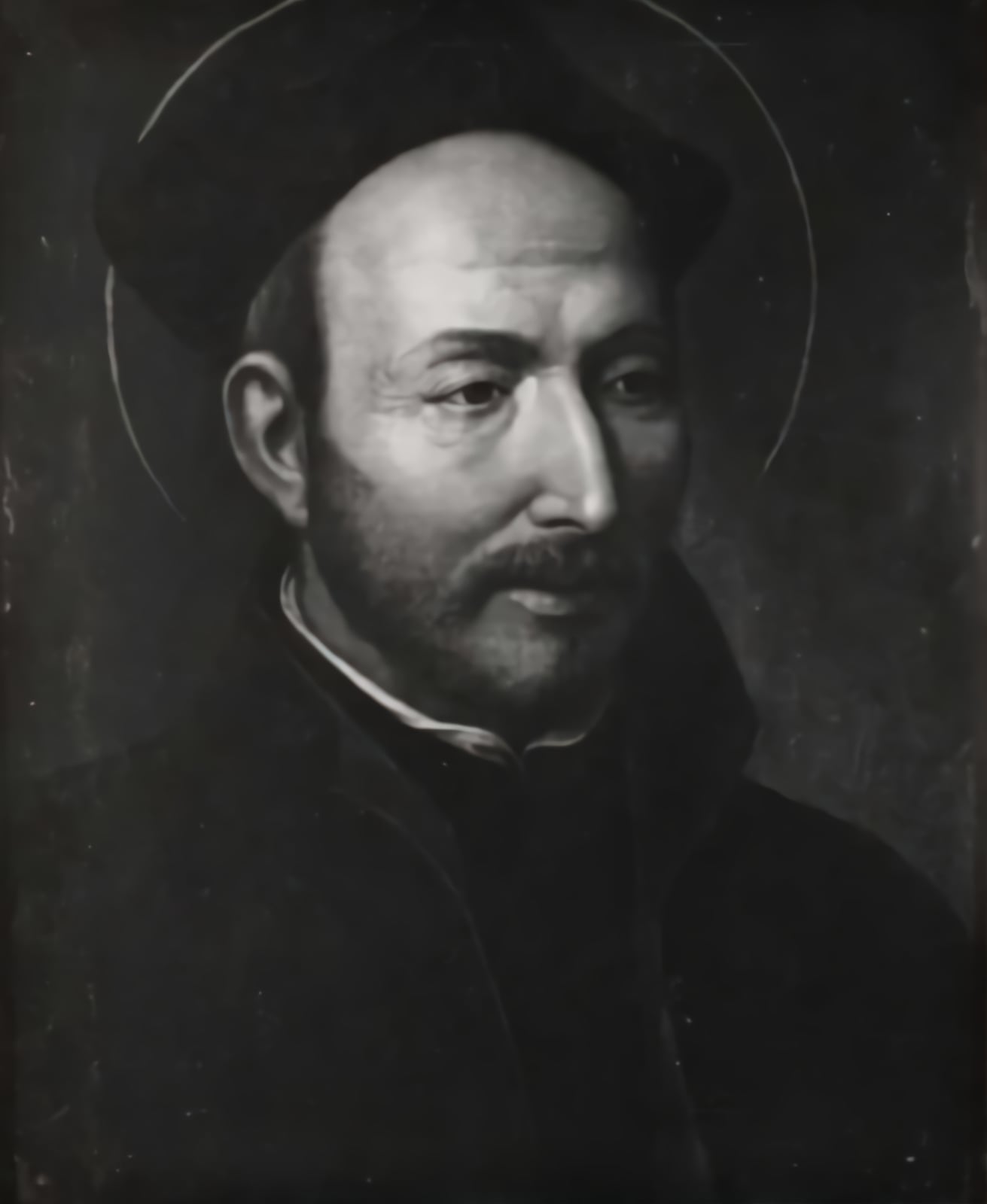
Ignatius of Loyola
इन पर सहमत: परम सत्य क्या है? क्या ईश्वर है? · मैं कौन हूँ? क्या कोई सच्चा आत्म है? · हम दुःख क्यों भोगते हैं?

Francis of Assisi
इन पर सहमत: परम सत्य क्या है? क्या ईश्वर है? · मैं कौन हूँ? क्या कोई सच्चा आत्म है? · हम दुःख क्यों भोगते हैं?
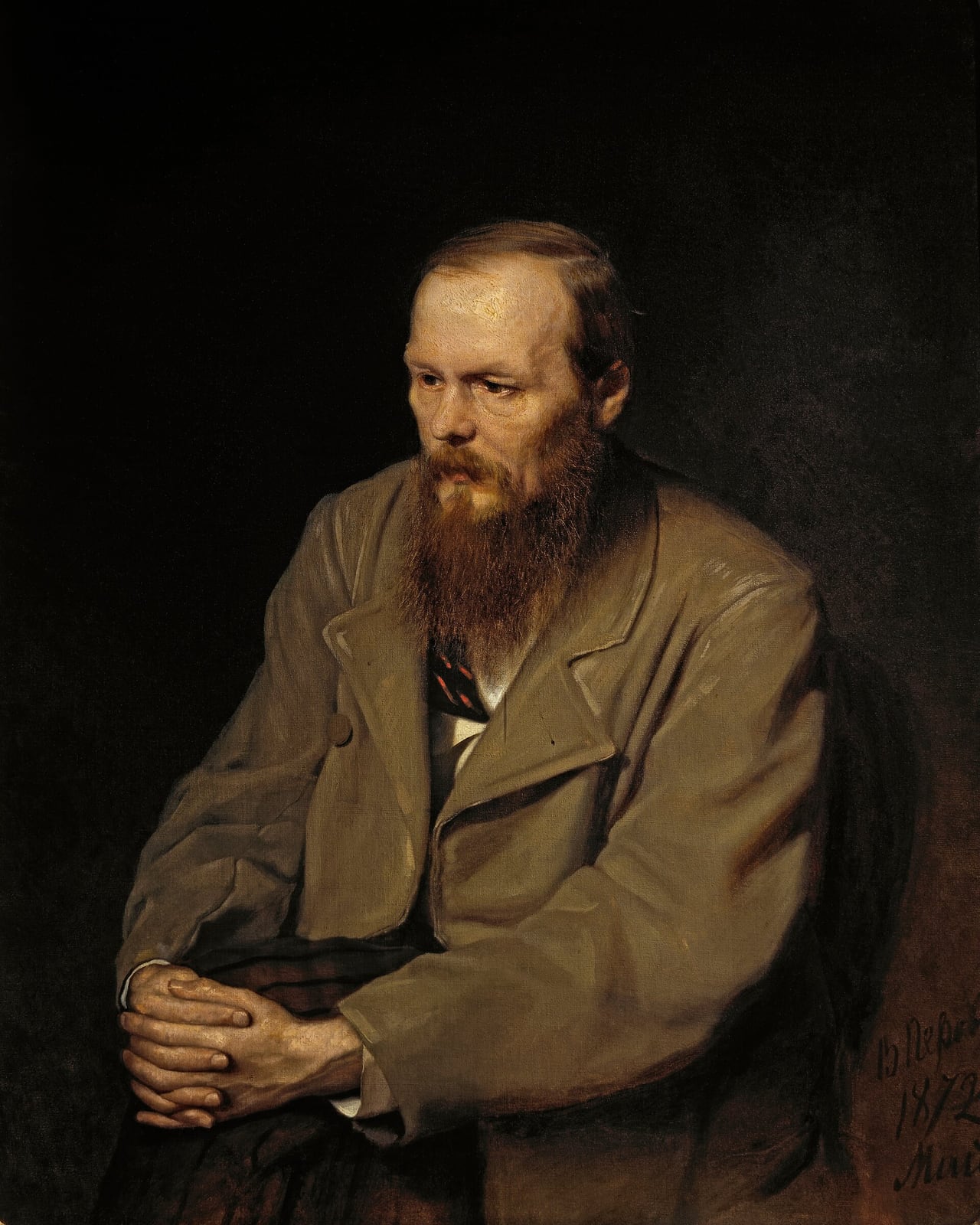
Fyodor Dostoevsky
इन पर सहमत: परम सत्य क्या है? क्या ईश्वर है? · मैं कौन हूँ? क्या कोई सच्चा आत्म है? · हम दुःख क्यों भोगते हैं?
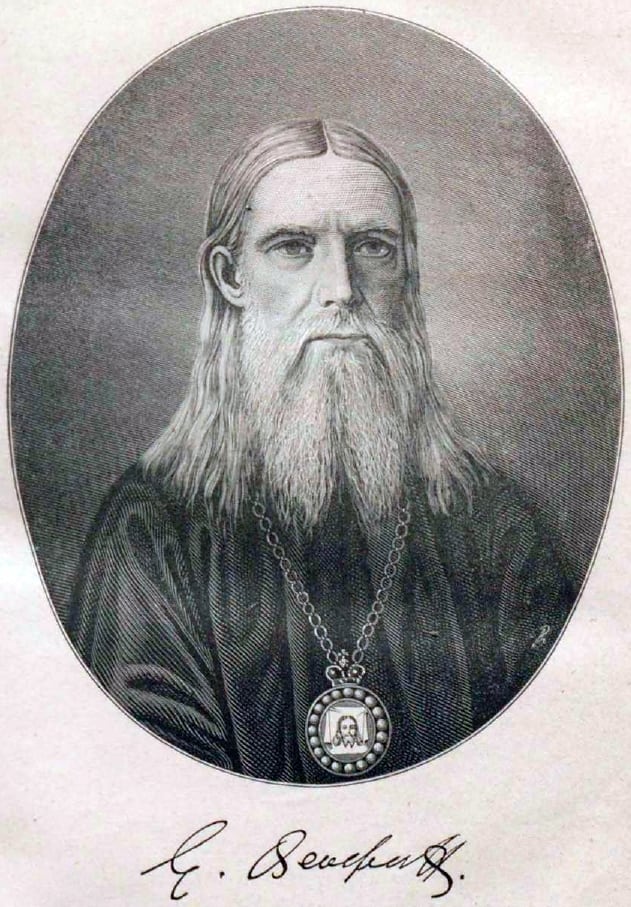
Theophan the Recluse
इन पर सहमत: परम सत्य क्या है? क्या ईश्वर है? · मैं कौन हूँ? क्या कोई सच्चा आत्म है? · हम दुःख क्यों भोगते हैं?
इनसे भिन्न सोचते हैं

Patañjali
इन पर टकराव: परम सत्य क्या है? क्या ईश्वर है? · मैं कौन हूँ? क्या कोई सच्चा आत्म है? · मृत्यु के बाद क्या होता है?

Nāgārjuna
इन पर टकराव: परम सत्य क्या है? क्या ईश्वर है? · मैं कौन हूँ? क्या कोई सच्चा आत्म है? · मृत्यु के बाद क्या होता है?
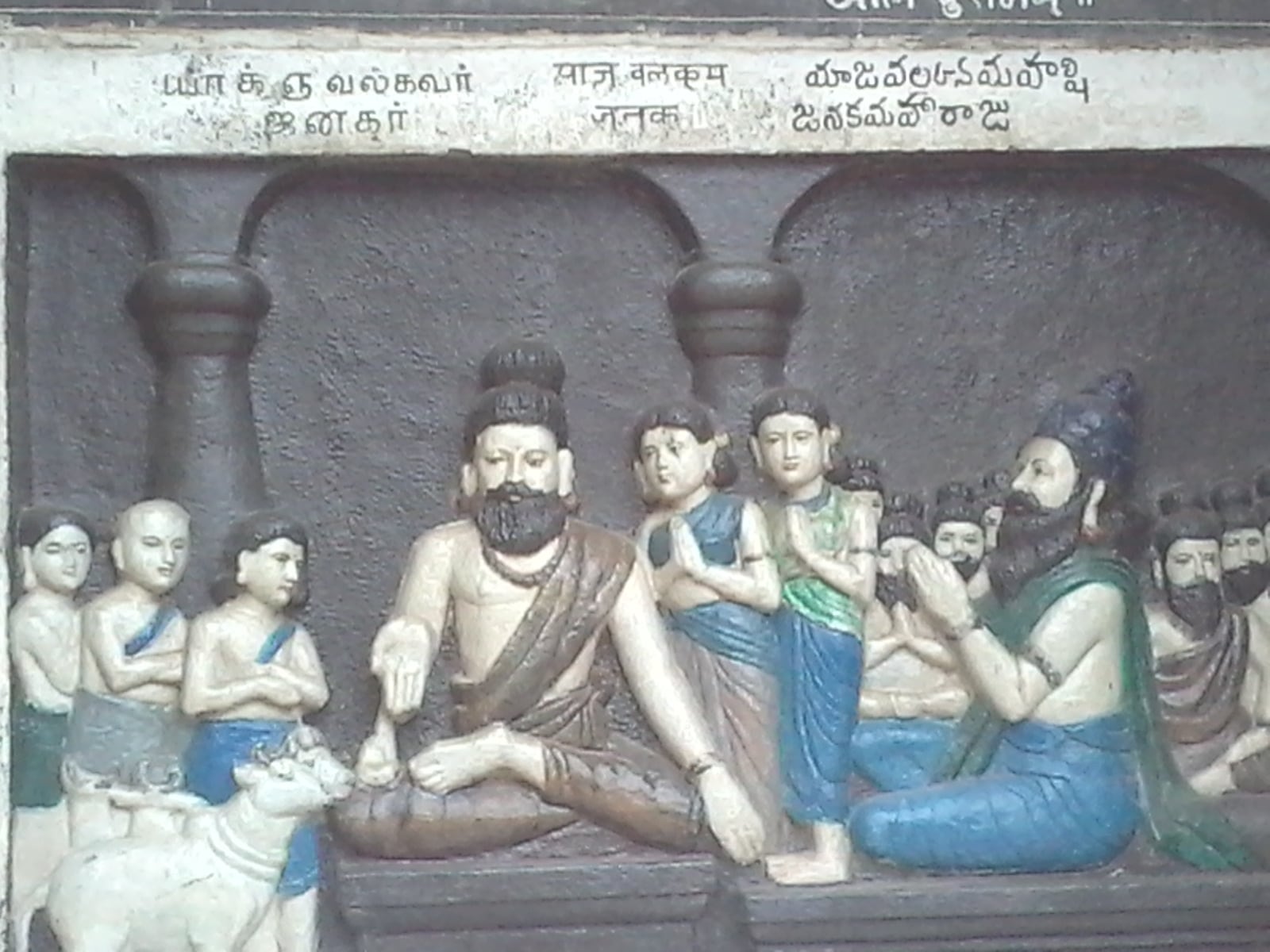
Yajnavalkya
इन पर टकराव: मैं कौन हूँ? क्या कोई सच्चा आत्म है? · मृत्यु के बाद क्या होता है? · क्या संसार वास्तविक है?

Dōgen
इन पर टकराव: परम सत्य क्या है? क्या ईश्वर है? · मैं कौन हूँ? क्या कोई सच्चा आत्म है? · मृत्यु के बाद क्या होता है?
इन पर टकरावमूलभूत असहमति
Teresa of Ávila · Laozi
A Thou who loves versus a Way without a name
क्यों: The contradiction is substantive, not verbal. Teresa writes within the Catholic faith and for nuns who pray; her language is that of the revelation of a God who has made himself known as a person in Christ, and her whole itinerary depends on someone answering. The Daodejing is an anthology of aphorisms from the fourth and third centuries BCE, addressed partly to rulers, which describes the course of things and distrusts any preached benevolence. There is a point of contact: Teresa too admits that what is received in the higher dwelling places exceeds the understanding. But in her that ineffability is that of a friend too great; in the Daodejing, that of a principle that is no one's friend.
इन पर सहमत
Teresa of Ávila · Thich Nhat Hanh
Among the pots and at the sink: attention in small things
क्यों: The convergence is one of practice, not doctrine. Teresa prays to a personal God present in all things, the kitchen included; Thich Nhat Hanh addresses no one, but looks deeply into the impermanence and interbeing of what he holds in his hands. Yet both face the same difficulty: communities with daily manual work, where contemplation cannot depend on free time. The reformed Carmel and Vietnamese Zen solve it in the same way, making the task the place of presence. No relation between them is recorded; the affinity stems from the community life both organised and from their shared distrust of a merely intellectual spirituality.
इन पर टकरावआभासी विरोधाभास
Teresa of Ávila · Ibn Arabi
Always a creature, or He and not He: two languages for a union without confusion
क्यों: The tension is apparent because they use different categories for a similar experience. Teresa writes under the scrutiny of the Inquisition and of her learned confessors, within a theology that distinguishes creator and creature at the level of being, and so she stresses the distinction every time she describes union. Ibn Arabi works with a metaphysics of the single existence and of the mirror, in which saying that the creature has no being of its own does not mean it is God in his Essence, which remains unknowable. She speaks of what the soul lives; he, of what being is. They agree in practice: knowing oneself and knowing God go together, and the goal is intimacy without confusion.
इन पर टकरावमूलभूत असहमति
Teresa of Ávila · G. I. Gurdjieff
The soul as gift or as achievement: the diamond castle versus an immortality to be manufactured
क्यों: The contradiction is real and touches the core of both anthropologies. Teresa speaks from the Christian doctrine of creation, in which God gives each soul its immortal being and grace precedes effort. Gurdjieff builds a cosmology of his own, of laws and materials, in which immortality is conditional and must be acquired. There is nonetheless a point of contact: both think that most people live outside themselves, in the outer courtyard of the castle or in sleep, and that knowing oneself demands long and painful work. But in Teresa what is unknown is already there, and in Gurdjieff what is unknown is that there is not yet anyone.
इन पर सहमत
Teresa of Ávila · Milarepa
Suffering that purifies: Marpa's towers and the trials of the sixth dwelling places
क्यों: The affinity is comparative: there is no relation between the eleventh-century Tibetan yogi and the sixteenth-century Castilian Carmelite. They converge because their traditions share an ascetic anthropology: the human being is bound by something that must be undone, and that undoing hurts. The explanation of pain, however, differs. In the Life of Milarepa suffering is the fruit of past actions and is exhausted through purification under a master; in Teresa it is participation in the cross of Christ and preparation for a union that God grants by grace. It should also be remembered that the Life is a fifteenth-century hagiography, whereas Teresa writes in the first person about what she lived.
इन पर टकरावमूलभूत असहमति
Teresa of Ávila · Helena Blavatsky
Praying to someone or commanding the inner god: grace versus self-effort
क्यों: The contradiction is real and Blavatsky framed it as such: her Theosophy was born in polemic against the ecclesiastical Christianity of her day and against scientific materialism, and sought to offer a wisdom-religion without a personal God or redemption by another. Teresa writes within the Catholic faith, for which grace precedes and accompanies effort, and her language is that of a relationship between persons. There is, however, a point of contact that should not be forgotten: both seek the divine within the soul, at the centre of the castle or in the higher Self, and neither accepts a religion of formulas without transformation. They differ over whether that interior answers or simply is.
इन पर सहमत
Teresa of Ávila · Rumi
It is not a matter of thinking much: love knows more than reasoning
क्यों: The affinity is comparative: there is no relation between the Castilian Carmelite and the poet of Konya. They converge because both speak from monotheistic traditions with a highly developed scholastic theology, Christian and Islamic, which reserved for mysticism a knowledge through love and experience that does not contradict theology but exceeds it. Both also write for readers who are not professional theologians: nuns in one case, disciples and listeners in the other. The difference lies in the form of that experience: Teresa lives it as friendship with a personal Christ and describes it with almost clinical precision; Rumi, as longing and fire, in poetic images.
प्रसंग और वृत्तांत
प्रसंग और वृत्तांत
प्रमाणितc. 1522
The two children who wanted to be martyrs
वृत्तांत का स्रोत: Told by Teresa herself in the Book of Her Life 1,4–5. The detail of the uncle who found them is added by Ribera (1590) from family information.
स्रोत: Teresa de Jesús. Obras completas. Transcripción, introducciones y notas de Efrén de la Madre de Dios y Otger Steggink. Madrid: Biblioteca de Autores Cristianos, 1962 (ediciones posteriores revisadas).
प्रमाणित1573–1582
'The Lord walks among the pots and pans'
वृत्तांत का स्रोत: Literal text of the Book of the Foundations 5,8.
स्रोत: Teresa de Jesús. Obras completas. Transcripción, introducciones y notas de Efrén de la Madre de Dios y Otger Steggink. Madrid: Biblioteca de Autores Cristianos, 1962 (ediciones posteriores revisadas).
प्रमाणित1574–1588
The book impounded by the Inquisition
वृत्तांत का स्रोत: Reconstructed by Efrén de la Madre de Dios and Steggink (Tiempo y vida) from the Inquisition file and Báñez's autograph censure (7 July 1575) preserved in the Escorial codex.
स्रोत: Efrén de la Madre de Dios, O.C.D., y Otger Steggink, O.Carm. Tiempo y vida de Santa Teresa. Madrid: Biblioteca de Autores Cristianos, 1968 (3.ª ed., 1996).
मौखिक परंपरा1567–1568
'A friar and a half'
वृत्तांत का स्रोत: The expression 'a friar and a half' belongs to Carmelite oral tradition and popular biographies; it appears neither in the letters nor in the Foundations. The meeting and her judgement of John are documented (Foundations 3,16–17; Tiempo y vida).
स्रोत: Efrén de la Madre de Dios, O.C.D., y Otger Steggink, O.Carm. Tiempo y vida de Santa Teresa. Madrid: Biblioteca de Autores Cristianos, 1968 (3.ª ed., 1996).
सत्यापन-योग्य नहींs. XVI (tradición)
'This is how you treat your friends'
वृत्तांत का स्रोत: In circulation since at least the nineteenth century in devotional biographies and anthologies; it has not been traced to any sixteenth-century source or to the processes. Recorded here as a characteristic legend, not as fact.
स्रोत: Efrén de la Madre de Dios, O.C.D., y Otger Steggink, O.Carm. Tiempo y vida de Santa Teresa. Madrid: Biblioteca de Autores Cristianos, 1968 (3.ª ed., 1996).
साक्ष्य1578
'A restless, gadabout female'
वृत्तांत का स्रोत: The nuncio's words are known through the tradition of the first Discalced generation (Gracián and the chroniclers), not from a document by Sega himself; Efrén/Steggink record them with that caution. Philip II's intervention and the ordered confinement are documented.
स्रोत: Efrén de la Madre de Dios, O.C.D., y Otger Steggink, O.Carm. Tiempo y vida de Santa Teresa. Madrid: Biblioteca de Autores Cristianos, 1968 (3.ª ed., 1996).
प्रमाणित1582
The night ten days went missing
वृत्तांत का स्रोत: Ana de San Bartolomé's Autobiography (ed. Urkiza) and the process depositions; the date and the calendar reform, in Tiempo y vida and in the Gregorian bull itself. The 1583 exhumation is recorded in the processes.
स्रोत: Ana de San Bartolomé. Obras completas. Edición de Julián Urkiza, O.C.D. 2 vols. Burgos: Monte Carmelo, 1998–1999 (incluye la Autobiografía con el relato de la última enfermedad y muerte de Teresa). Trad. inglesa: Autobiography and Other Writings, ed. Darcy Donahue, University of Chicago Press, 2008.
शिक्षाएँ
शिक्षाएँ
वे अवधारणाएँ जो उनके चिंतन को रूप देती हैं, उनके संदर्भ में समझाई गई।
Prayer as friendshiporacion-como-amistad
Sixteenth-century Castilian mental prayer (Osuna, Laredo, Granada), under Inquisitorial suspicion of 'wordless' prayer.
स्रोत: Teresa de Jesús. Obras completas. Transcripción, introducciones y notas de Efrén de la Madre de Dios y Otger Steggink. Madrid: Biblioteca de Autores Cristianos, 1962 (ediciones posteriores revisadas).
The interior castle and the seven dwelling placescastillo-interior
The tradition of the 'degrees' of the spiritual life (Bernard, Bonaventure, Richard of Saint Victor) rewritten from experience and in the vernacular.
स्रोत: Teresa de Jesús. Obras completas. Transcripción, introducciones y notas de Efrén de la Madre de Dios y Otger Steggink. Madrid: Biblioteca de Autores Cristianos, 1962 (ediciones posteriores revisadas).
The degrees of prayer: the four waterscuatro-aguas
Teresa's first systematisation of the degrees of prayer, earlier than and complementary to the dwelling places.
स्रोत: Teresa de Jesús. Obras completas. Transcripción, introducciones y notas de Efrén de la Madre de Dios y Otger Steggink. Madrid: Biblioteca de Autores Cristianos, 1962 (ediciones posteriores revisadas).
Determined determinationdeterminada-determinacion
The psychology of the faculties (intellect, memory, will) inherited from scholasticism, placed at the service of a pedagogy of perseverance.
स्रोत: Teresa de Jesús. Obras completas. Transcripción, introducciones y notas de Efrén de la Madre de Dios y Otger Steggink. Madrid: Biblioteca de Autores Cristianos, 1962 (ediciones posteriores revisadas).
Humility as walking in truthhumildad-andar-en-verdad
The doctrine of self-knowledge (Augustine, Bernard) reformulated as a criterion against false humility and conventual melancholy.
स्रोत: Teresa de Jesús. Obras completas. Transcripción, introducciones y notas de Efrén de la Madre de Dios y Otger Steggink. Madrid: Biblioteca de Autores Cristianos, 1962 (ediciones posteriores revisadas).
The Humanity of Christ as the wayhumanidad-de-cristo
The sixteenth-century debate on 'imageless' prayer (recollection versus abandonment) in the context of suspicion of Illuminism.
स्रोत: Teresa de Jesús. Obras completas. Transcripción, introducciones y notas de Efrén de la Madre de Dios y Otger Steggink. Madrid: Biblioteca de Autores Cristianos, 1962 (ediciones posteriores revisadas).
साधना-शिविर
साधना-शिविर और केंद्र
उनकी शिक्षा से जुड़े स्थान और समागम। हम आपको उनके आयोजकों से जोड़ते हैं।
Ávila, Alba de Tormes, Medina del Campo, Toledo, Sevilla y otras fundaciones · España
Footprints of Teresa: network of Teresian cities
Red de Ciudades Teresianas de España – Huellas de Teresa
Footprints of Teresa is the network linking the cities where Teresa of Jesus founded her reformed convents, from Ávila, where she was born and opened San José, to Alba de Tormes, where she died and is buried, by way of Medina del Campo, Valladolid, Segovia, Salamanca, Toledo, Pastrana, Caravaca de la Cruz, Beas de Segura and Seville. It grew out of the fifth centenary of her birth and offers a self-guided route through the heritage linked to the saint, with an interactive map, an app and a virtual tour. It is the most faithful way to follow the travels of a woman who called herself a wanderer of God.
Alba de Tormes, Salamanca · España
Alba de Tormes: tomb of Saint Teresa
Carmelitas Descalzas de la Anunciación (información: Turismo de Castilla y León)
In the convent of the Annunciation at Alba de Tormes, the eighth foundation of Teresa of Jesus, the saint died in October 1582, and her body and principal relics rest there. The church of the Discalced Carmelite nuns keeps her tomb above the high altar, and a Teresian museum completes the site. Alba is the natural end point of any Teresian pilgrimage and the destination of the route linking it with Ávila, known as from the cradle to the tomb. Visiting information is published by the official tourism body of the Castilla y León regional government, which should be checked before travelling.
Ávila, Castilla y León · España
CITeS – University of Mysticism, Ávila
Centro Internacional Teresiano Sanjuanista (Carmelitas Descalzos)
The International Teresian-Sanjuanist Centre, known as the University of Mysticism, was established by the Discalced Carmelite Order in 1986 in Ávila, the birthplace of Teresa of Jesus. It is devoted to the study and dissemination of the teaching of Teresa and John of the Cross, and hosts summer courses, gatherings, specialisation programmes and a master's degree run with a partner university, both in person and online. It has also promoted dialogue between Christian mysticism and other traditions. Its website sometimes rejects automated requests, but it is the centre's official site.
वीडियो
वीडियो
रिकॉर्डिंग, साक्षात्कार और वृत्तचित्र। वीडियो YouTube से चलते हैं; वे यहाँ संग्रहीत नहीं हैं।
Teresa de Jesús: Capítulo 1 - Camino de perfección | RTVE Archivo
तृतीय पक्ष की रिकॉर्डिंग· ES· 1984· 61 min
RTVE Archivoआधिकारिक चैनल
Teresa de Jesús: Capítulo 5 - Fundaciones | RTVE Archivo
तृतीय पक्ष की रिकॉर्डिंग· ES· 1984· 55 min
RTVE Archivoआधिकारिक चैनल
Santa Teresa de Jesús: un don para la humanidad
वृत्तचित्र· ES· 2024· 93 min
Testimonios católicos
Santa Teresa de Jesús (1961). Película completa
तृतीय पक्ष की रिकॉर्डिंग· ES· 1961· 127 min
Alma Católica
Teresa de Jesús, teología de la amistad – Maximiliano Herráiz García
व्याख्यान· ES· 43 min
Universidad de la Mística (CITeS, Ávila)आधिकारिक चैनल
Lectura y comentario de textos del libro de las Moradas – Maximiliano Herráiz
व्याख्यान· ES· 45 min
Universidad de la Mística (CITeS, Ávila)आधिकारिक चैनल
Santa Teresa, escritora de cartas – Juan Luis Rodríguez
व्याख्यान· ES· 47 min
Iglesia en Valladolidआधिकारिक चैनल
Rev. Kieran Kavanaugh, OCD on the Book of Life by St. Teresa of Avila
व्याख्यान· EN· 14 min
russelocd
Rev. Kieran Kavanaugh, OCD on the Way of Perfection by St. Teresa of Avila
व्याख्यान· EN· 15 min
russelocd
Carmelite Authors 101: St. Teresa of Avila
व्याख्यान· EN· 54 min
BC Clough School of Theology and Ministryआधिकारिक चैनल
Founder of Discalced Carmel and author of The Interior Castle: Saint Teresa of Jesus
वृत्तचित्र· EN· 42 min
Fides Viva in English
चित्रशाला
चित्रशाला
सत्यापित लाइसेंस वाले चित्र। प्रत्येक में उसके रचयिता और श्रेय का उल्लेख सुरक्षित है।
पांडुलिपियाँ
पांडुलिपियाँ
पांडुलिपि-साक्ष्य और प्राचीन पाठ, उनके संरक्षक और अध्ययन की शर्तों सहित।
ES · Latina (cursiva castellana del s. XVI) · 1562–1565
Libro de la vida (autógrafo)
- संरक्षित पाठ-साक्ष्य
- Autógrafo completo, con la censura autógrafa de Domingo Báñez (1575)
- संरक्षक
- Real Biblioteca del Monasterio de San Lorenzo de El Escorial (Patrimonio Nacional)
ES · Latina · c. 1566
Camino de perfección (primera redacción, códice de El Escorial)
- संरक्षित पाठ-साक्ष्य
- Autógrafo
- संरक्षक
- Real Biblioteca del Monasterio de San Lorenzo de El Escorial (Patrimonio Nacional)
ES · Latina · c. 1566–1569
Camino de perfección (segunda redacción, códice de Valladolid)
- संरक्षित पाठ-साक्ष्य
- Autógrafo revisado; base de las ediciones modernas
- संरक्षक
- Monasterio de las Carmelitas Descalzas de la Concepción, Valladolid
ES · Latina · 2 de junio – 29 de noviembre de 1577
Castillo interior o Las moradas (autógrafo)
- संरक्षित पाठ-साक्ष्य
- Autógrafo con notas de Gracián y de otros censores
- संरक्षक
- Monasterio de las Carmelitas Descalzas de San José, Sevilla
ES · Latina · 1573–1582
Libro de las fundaciones (autógrafo)
- संरक्षित पाठ-साक्ष्य
- Autógrafo
- संरक्षक
- Real Biblioteca del Monasterio de San Lorenzo de El Escorial (Patrimonio Nacional)
ES · Latina · 1546–1582
Cartas (autógrafos dispersos)
- संरक्षित पाठ-साक्ष्य
- Unos 470 originales y copias antiguas, muchos fragmentarios por el reparto como reliquias
- संरक्षक
- Diversos (destacan los carmelos de Valladolid, Sevilla, Alba de Tormes y la Biblioteca Nacional de España)
संबंध
संबंध
प्रभाव, शिष्यत्व और वैचारिक निकटता। प्रमाणित संबंध को विश्लेषण से पहचानी गई समानता से अलग दर्शाया गया है।
इनसे भेंट
They met at Medina del Campo in 1567; Teresa won him over to the reform and he was confessor at the Incarnation during her priorate (1572–1574). Teresa calls him 'my little Seneca' in her letters.
प्रमाणित संबंध
इन्हें प्रभावित किया
John received from Teresa the project of the male reform and her reading of the degrees of prayer; his work systematises the same experience in another register.
प्रमाणित संबंध
इनसे प्रभावित
The unendowed poverty of Saint Joseph's in Ávila was expressly inspired by the Franciscan ideal, transmitted by Peter of Alcántara, Franciscan reformer and Teresa's adviser (Life 35).
प्रमाणित संबंध
इनसे मिलते-जुलते विचार
Two women without formal theological training who wrote under their confessors' command, justified their authority by experience and were proclaimed Doctors of the Church (1970 and 2012). There is no evidence Teresa read Hildegard.
विश्लेषण से पहचानी गई समानता
इनसे मिलते-जुलते विचार
Both describe a 'ground' or centre of the soul where God dwells; Teresa, however, expressly refuses to leave behind the Humanity of Christ, distancing herself from the abstract reading of Rhenish mysticism.
विश्लेषण से पहचानी गई समानता
इन्हें प्रभावित किया
Merton read and commented on Teresa as a teacher of contemplation; the relation is one of reception, not contact.
विश्लेषण से पहचानी गई समानता
अन्य प्रविष्टियों से जुड़ा
- John of the Cross · इनसे भेंट
- John of the Cross · इनसे प्रभावित
- Francis of Assisi · इन्हें प्रभावित किया
- Hildegard of Bingen · इनसे मिलते-जुलते विचार
- Catherine of Siena · इनसे मिलते-जुलते विचार
- Ignatius of Loyola · इनके समकालीन
- Thomas à Kempis · इन्हें प्रभावित किया
- Julian of Norwich · इनसे मिलते-जुलते विचार
- Thomas Merton · इनसे मिलते-जुलते विचार
- Jakob Böhme · इनसे मिलते-जुलते विचार
- Mirabai · इनसे मिलते-जुलते विचार
- Meister Eckhart · इनसे मिलते-जुलते विचार
- Rabia al-Adawiyya · इनसे मिलते-जुलते विचार
- Augustine of Hippo · इन्हें प्रभावित किया
- Ignatius Brianchaninov · इनसे मतभेद
स्रोत
स्रोत
इस प्रविष्टि के लिए देखे गए ग्रंथ-सूची और सूचीपत्र।
- Wikidata, Q174880 «Teresa de Jesús / Teresa of Ávila» (P31=Q5; 110 enlaces entre wikis).
- Efrén de la Madre de Dios, O.C.D., y Otger Steggink, O.Carm. Tiempo y vida de Santa Teresa. Madrid: Biblioteca de Autores Cristianos, 1968 (3.ª ed., 1996).
- Teresa de Jesús. Obras completas. Transcripción, introducciones y notas de Efrén de la Madre de Dios y Otger Steggink. Madrid: Biblioteca de Autores Cristianos, 1962 (ediciones posteriores revisadas).
- Teresa de Jesús. Obras completas. Edición de Tomás Álvarez. Burgos: Monte Carmelo, 2006 (col. Maestros Espirituales Carmelitas). ISBN 9788472398948.
- Teresa of Avila. The Collected Works of St. Teresa of Avila. Translated by Kieran Kavanaugh, O.C.D., and Otilio Rodriguez, O.C.D. 3 vols. Washington, D.C.: ICS Publications, 1976–1985 (reed. 2011).
- Ana de San Bartolomé. Obras completas. Edición de Julián Urkiza, O.C.D. 2 vols. Burgos: Monte Carmelo, 1998–1999 (incluye la Autobiografía con el relato de la última enfermedad y muerte de Teresa). Trad. inglesa: Autobiography and Other Writings, ed. Darcy Donahue, University of Chicago Press, 2008.
- Procesos de beatificación y canonización de Santa Teresa de Jesús. Edición de Silverio de Santa Teresa, O.C.D. Biblioteca Mística Carmelitana, vols. 18–20. Burgos: Monte Carmelo, 1934–1935.
- Ribera, Francisco de, S.J. La vida de la Madre Teresa de Jesús, fundadora de las Descalzas y Descalzos Carmelitas. Salamanca: Pedro Lasso, 1590.
- Pablo VI. Carta apostólica Multiformis sapientia Dei por la que se proclama a Santa Teresa de Jesús doctora de la Iglesia universal, 27 de septiembre de 1970.
- Egido, Teófanes. El linaje judeoconverso de Santa Teresa (pleito de hidalguía de los Cepeda). Madrid: Editorial de Espiritualidad, 1986.
- Weber, Alison. Teresa of Avila and the Rhetoric of Femininity. Princeton: Princeton University Press, 1990.
- Bilinkoff, Jodi. The Avila of Saint Teresa: Religious Reform in a Sixteenth-Century City. Ithaca: Cornell University Press, 1989.
- Williams, Rowan. Teresa of Avila. London: Geoffrey Chapman / Continuum, 1991.
- Open Library (Internet Archive): registros bibliográficos consultados por autor, título e ISBN para las ediciones listadas.
- Wikimedia Commons: metadatos de licencia (extmetadata) de cada fichero, leídos por la API imageinfo el 2026-10-22.
- Sitio oficial de la Orden de los Carmelitas Descalzos (Curia general, Roma).
- Monte Carmelo (ed.). «Respuesta de un desafío», en Santa Teresa en 100 fichas. teresavila.com (Burgos: Editorial Monte Carmelo).
- Monte Carmelo (ed.). «Seudoautógrafos y escritos espurios», en Santa Teresa en 100 fichas. teresavila.com (Burgos: Editorial Monte Carmelo).
- Teresa de Jesús. Escritos de Santa Teresa, añadidos e ilustrados por Vicente de la Fuente. Tomo I. Biblioteca de Autores Españoles, 53. Madrid: M. Rivadeneyra, 1861 (ejemplar digitalizado de la Universidad de Harvard en Internet Archive).
- Wikisource en español: página de autor «Santa Teresa de Jesús» (relación de obras y ediciones transcritas).
- अधिकार-धारक
- Dominio público (obra del siglo XVI). Las ediciones críticas, traducciones y aparatos modernos están sujetos a los derechos de sus editores (BAC, Monte Carmelo, Editorial de Espiritualidad, ICS Publications, Cerf, Herder…). La Orden de los Carmelitas Descalzos custodia la mayor parte de los autógrafos.
- आधिकारिक वेबसाइट
- www.carmelitaniscalzi.com/es/
पुष्टि की प्रतीक्षा में
जो यह प्रविष्टि अभी तक निश्चित नहीं कर सकी है। हम उसे भर देने के बजाय कह देना बेहतर समझते हैं।
- Localizar la digitalización oficial de los autógrafos de El Escorial (Vida, Camino, Fundaciones) en la Real Biblioteca (rbme.patrimonionacional.es): la búsqueda automática no devolvió fichas de ítem y no se ha querido inventar una URL.
- Confirmar en catálogo el año de impresión correspondiente al ISBN 9788422012627 de las Obras completas de la BAC (Efrén/Steggink); Open Library indexa el ISBN pero no el registro de edición.
- Localizar ISBN en catálogo de las Œuvres complètes (Cerf) y de una edición italiana de conjunto (Opere complete, Paoline/OCD) y de ediciones en ruso y árabe: no aparecen en Open Library y Google Books devuelve cuota 0 sin clave.
- Verificar la signatura exacta (shelfmark) de los autógrafos en la Real Biblioteca de El Escorial.
- Fijar con la edición crítica de Ana de San Bartolomé (Urkiza) y con los Procesos (BMC 18–20) la formulación exacta y el testigo de cada una de las frases finales transmitidas; aquí se ha registrado la versión más difundida con nota sobre las variantes.
- El lugar de nacimiento (Ávila) es el aceptado por la biografía crítica; una tradición alternativa lo sitúa en Gotarrendura. No se ha incorporado por falta de respaldo documental.
- Programas de afiliación: ninguno verificado para las editoriales listadas (no se ha encontrado página de programa en sus webs); se deja la lista vacía.
- Wikisource (página de autor) enumera también «Apuntaciones» entre los escritos breves; no se ha podido verificar en una edición crítica su contenido ni su fecha, por lo que no se ha registrado como obra.
- Los textos de Internet Archive registrados en reading_texts son OCR de ediciones antiguas (BAE 1861–1862, BMC 1916–1919, traducciones inglesas de 1871–1921): conviene revisar la calidad de la ingesta; las versiones de Wikisource (Vida, Exclamaciones) y Gutenberg (Life) son las más limpias.
2026-10-22 को शोधित