हिन्दू धर्म · भक्ति
Mirabai
मीराबाई · મીરાંબાઈ
लगभग 1498 – लगभग 1547ऐतिहासिकता विवादित
सोलहवीं शताब्दी की राजपूत कवयित्री और संत (लगभग 1498–लगभग 1547), कृष्ण की भक्त, जिन्होंने स्वयं को उनकी ब्याहता घोषित किया। मेड़ता के राठौड़ कुल की राजकुमारी और मेवाड़ के युवराज की विधवा मीराबाई ने अपनी जाति और स्थिति के बन्धनों को चुनौती दी; परम्परा उन्हें ससुराल वालों द्वारा सताई गई और द्वारका में अन्तर्धान हुई संत के रूप में याद करती है। उनके नाम सैकड़ों पद जोड़े जाते हैं जो आज भी पूरे भारत में गाए जाते हैं, यद्यपि उनमें से लगभग कोई भी अठारहवीं शताब्दी से पहले की पाण्डुलिपियों में नहीं मिलता।
- कृतियाँ
- 11कृतियाँ
- संस्करण
- 14संस्करण
- उद्धरण
- 5उद्धरण
- वीडियो
- 11वीडियो
- चित्र
- 7चित्र
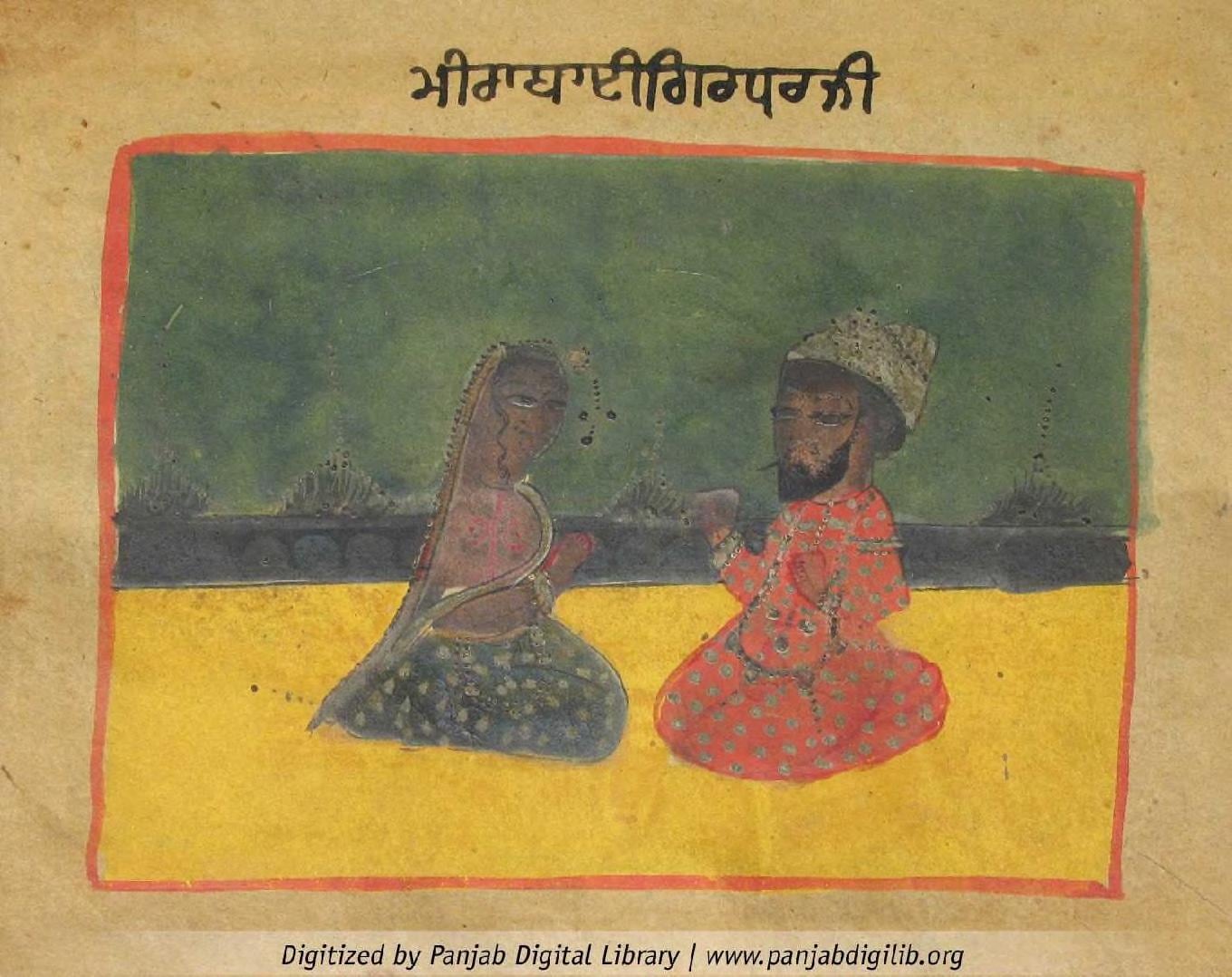
Mirabai y Girdharji en la Prem Ambodh Pothi · Public domain
उनके अपने शब्दों में
«Mine is Giridhar Gopal, and no one else. The one who wears the peacock-feather crown on his head, he is my husband.»Pada atribuido, en la Mīrāṃbāī kī padāvalī de P. Chaturvedi. Traducción propia.

शुरुआत के लिए एक रचना
Padavali (Mirabai's songs)मूल विचार
Krishna as husband (Giridhar Nagar): The most personal feature of Mira's devotion is its form: she does not love Krishna as one of the many cowherd women of legend, but as a wife married to him, and she calls her god by the epithet Giridhar Nagar, the gallant who held up Mount Govardhana to protect the herders.
संदर्भ में देखें
जीवनी
5 मिनट का पाठ
स्पैनिश मूल से सहायता-प्राप्त अनुवाद, मातृभाषी अनुवादक द्वारा समीक्षा लंबित।
मेड़ता की राजकुमारी
मीरा — आदरसूचक प्रत्यय के साथ मीराबाई — का जन्म लगभग 1498 में राजस्थान के हृदय में स्थित मेड़ता क्षेत्र के कुड़की गाँव में हुआ। वे राजपूतों के राठौड़ कुल की मेड़तिया शाखा से थीं: रतन सिंह की पुत्री, नगर के संस्थापक राव दूदा की पौत्री और चित्तौड़ के रक्षक जयमल की चचेरी बहन। परम्परा कहती है कि बचपन में उन्हें कृष्ण की एक छोटी-सी मूर्ति मिली थी, और एक बार बारात को जाते देखकर उन्होंने माँ से पूछा कि उनका दूल्हा कौन होगा; माँ ने मूर्ति की ओर संकेत कर दिया। यह दृश्य किंवदन्ती का है, पर इसमें उनके व्यक्तित्व का सार सिमट आया है: एक स्त्री जिसने स्वयं को कृष्ण की ब्याहता घोषित किया — उन गिरधर की, «जिन्होंने पर्वत उठाया था» — और जिसके नाम से गाया जाने वाला पद आज भी कहता है: «मेरे तो गिरधर गोपाल, दूसरो न कोई»।
जो ज्ञात है और जो कहा जाता है
आरम्भ में ही दो परतों को अलग कर लेना उचित है। पहली परत बहुत पतली है: उनके समय का कोई इतिवृत्त उनका नाम नहीं लेता, और सबसे पुराने उल्लेख सत्रहवीं शताब्दी के हैं, सभी उनकी मृत्यु के डेढ़ सौ वर्ष के भीतर के। जिसका काल निश्चित किया जा सके, उनमें सबसे प्राचीन है नाभादास के भक्तमाल (लगभग 1600) का एक छप्पय, जो उनकी तुलना कृष्ण की गोपियों से करता है — «सदृस गोपिका प्रेम प्रगट कलिजुगहिं दिखायो» —, कहता है कि उन्होंने लोक-लाज और कुल की बेड़ियाँ त्याग दीं — «लोक लाज कुल सृंखला तजि मीरा गिरधर भजी» — और दुष्टों का दिया विष अमृत की तरह पी लिया: «गरल अमृत ज्यों पीयो»। दूसरी परत अपार है: प्रियादास की टीका (1712), क्षेत्रीय किंवदन्तियाँ, गीत, सिनेमा। इन दोनों के बीच एक ऐसा जीवन गढ़ा गया है जिसके लगभग किसी भी ब्योरे की इतिहासकार पुष्टि नहीं कर सकते, और जिसे लोग आज भी गाते हैं।
चित्तौड़
लगभग 1516 में उनका विवाह मेवाड़ के शासक राणा साँगा के ज्येष्ठ पुत्र भोजराज से हुआ — मेवाड़, राजपूतों का सबसे प्रतिष्ठित राज्य, जिसकी राजधानी चित्तौड़ का दुर्ग था। भोजराज की मृत्यु युवावस्था में, पिता से पहले, लगभग 1521 में हुई, सम्भवतः युद्ध में लगे घावों से। फिर विपत्ति आई: 1527 में बाबर ने खानवा में राजपूत संघ को पराजित किया; मीरा के पिता उसी युद्ध के परिणामस्वरूप मारे गए, और कुछ ही समय बाद साँगा भी। आगे के वर्ष मेवाड़ में उत्तराधिकार के संघर्षों और घेराबन्दी के रहे: 1535 में गुजरात के बहादुर शाह ने चित्तौड़ ले लिया। जैसा नैन्सी मार्टिन सुझाती हैं, यह मानना तर्कसंगत है कि दरबार से मीरा का संघर्ष जितना धार्मिक था, उतना ही राजनीतिक भी: एक उच्च पद की विधवा, पहले मित्र और फिर प्रतिद्वन्द्वी बने कुल की, जो विधवा जैसा आचरण करने से इनकार करती थी।
वह विधवा जिसने विधवा होना स्वीकार नहीं किया
परम्परागत कथा कुछ और है। मीरा राजपूत विधवाओं का शोक-आचार निभाने से इनकार करती हैं और, परवर्ती संस्करणों के अनुसार, चिता पर सती होने से भी; वे मन्दिरों में हर जाति के साधुओं के सामने गाती और नाचती हैं; तीर्थयात्रियों का स्वागत करती हैं; कहती हैं कि उनके पति कृष्ण हैं। उनके देवर विक्रमादित्य, जिसने 1530 के दशक के आरम्भ में मेवाड़ पर शासन किया, उन्हें मारने का प्रयास करता है: विष का प्याला जो अमृत बन जाता है, फूलों की टोकरी में रखा साँप जो कृष्ण की मूर्ति या माला में बदल जाता है, कीलों की सेज जो फूलों की सेज हो जाती है। विष का प्रसंग नाभादास में ही है; शेष प्रियादास और मौखिक परम्परा ने जोड़ा। उनकी छाप वाले पद यह व्यथा सँजोए हुए हैं: «लोग कहैं मीरा भई बावरी, सासु कहै कुलनासी रे» — लोग कहते हैं मीरा बावरी हो गई, सास कहती है कि वह कुल का नाश कर रही है।
वृन्दावन और द्वारका
परम्पराएँ इस पर एकमत हैं कि उन्होंने चित्तौड़ छोड़ा, कुछ समय मेड़ता लौटीं और फिर कृष्ण की भूमि वृन्दावन की तीर्थयात्रा पर निकलीं, जहाँ प्रियादास उनकी भेंट उन धर्मशास्त्री जीव गोस्वामी से कराते हैं जो स्त्रियों से नहीं मिलते थे। वहाँ से वे गुजरात के समुद्र-तट पर, राजा कृष्ण की नगरी द्वारका पहुँचीं। अन्तिम किंवदन्ती कहती है कि उन्हें वापस ले जाने के लिए मेवाड़ से ब्राह्मणों का एक दल आया और उसने धमकी दी कि यदि वे न लौटीं तो वह आमरण अनशन करेगा; मीरा ने मन्दिर में रणछोड़जी की मूर्ति से विदा लेने की अनुमति माँगी, भीतर गईं और फिर कभी बाहर नहीं आईं: मूर्ति से लिपटी केवल उनकी साड़ी रह गई। इसे लगभग 1546 या 1547 का माना जाता है, किसी दस्तावेज़ के प्रमाण के बिना।
उनके साथ बढ़ता गया एक पद-संग्रह
उनके नाम सैकड़ों पद जोड़े जाते हैं — छोटे गीत, जिनकी अन्तिम पंक्ति में उनकी छाप होती है, राजस्थानी और ब्रजभाषा के मिश्रण में, और गुजराती में भी। पर पाण्डुलिपियों का आधार आश्चर्यजनक रूप से कमज़ोर है। जॉन स्ट्रैटन हॉली, जिन्होंने उनका अध्ययन किसी भी और से अधिक किया है, को अठारहवीं शताब्दी से पहले की पाण्डुलिपियों में मीरा के नाम के केवल दो पद मिले; संग्रह का अधिकांश भाग अठारहवीं शताब्दी के अन्त और उन्नीसवीं शताब्दी की प्रतियों में ही दिखाई देता है। परशुराम चतुर्वेदी का समालोचनात्मक संस्करण, मीराँबाई की पदावली (1932), जिस पर लगभग सभी आधुनिक अनुवाद टिके हैं, लगभग दो सौ पद एकत्र करता है, पर यह नहीं बताता कि किन पाण्डुलिपियों का उपयोग किया गया। इसीलिए हॉली की सावधानी: मीराबाई की कविता की बात करना सदा एक पहेली की बात करना है। हाँ, एक शैली का वर्णन अवश्य किया जा सकता है: कृष्ण-प्रेम जिसे विवाह की तरह जिया गया, प्रतीक्षा करती प्रेयसी की अधीरता, जोगी कृष्ण जो मोहकर चला जाता है, कुल की मर्यादा को खुली चुनौती।
लोक की संत
मीरा, जैसा परिता मुक्ता ने लिखा है, दरबार से पहले लोक की संत हैं: राजस्थान में उन्हें मुख्यतः किसान, बुनकर और निचली जातियाँ गाती हैं, जो उन्हें उस रानी के रूप में याद करती हैं जिसने चर्मकार संत रैदास को गुरु चुना और अपने वंश की मर्यादा को ठुकरा दिया, जबकि राजपूत अभिजात वर्ग की स्मृति ने सदियों तक उन्हें असहजता से देखा। बीसवीं शताब्दी ने उन्हें प्रतीक बना दिया। गांधी ने उनके अहिंसक प्रतिरोध में एक आदर्श देखा और अपनी अंग्रेज़ शिष्या मेडलिन स्लेड को उनका नाम दिया — मीराबहन; एम. एस. सुब्बुलक्ष्मी ने 1945 में सिनेमा में उनकी भूमिका निभाई; गुलज़ार ने 1979 में उन पर फ़िल्म बनाई। रॉबर्ट ब्लाइ, जेन हर्शफ़ील्ड और एंड्रयू शेलिंग के अनुवादों ने उन्हें आन्तरिक स्वतन्त्रता की कवयित्री के रूप में दूसरी भाषाओं तक पहुँचाया। इन सभी मीराओं के पीछे एक वास्तविक स्त्री है, जिसके बारे में हम बहुत कम जानते हैं, और एक स्वर, जो कभी बदलना बन्द नहीं हुआ।
स्रोत: Hawley, John Stratton. Three Bhakti Voices: Mirabai, Surdas, and Kabir in Their Times and Ours. Nueva Delhi: Oxford University Press, 2005. ISBN 9780195670851. · Hawley, John Stratton, y Mark Juergensmeyer. Songs of the Saints of India. Nueva York: Oxford University Press, 1988. ISBN 9780195052213. · Mukta, Parita. Upholding the Common Life: The Community of Mirabai. Delhi: Oxford University Press, 1994. ISBN 9780195631159. · Nābhādās. Bhaktamāl (c. 1600), con el comentario Bhaktirasabodhinī de Priyādās (1712). Ed. y trad. parcial en Hawley, Three Bhakti Voices, y en Mukta, Upholding the Common Life. · Martin, Nancy M. Mirabai: The Making of a Saint. Nueva York: Oxford University Press, 2023. ISBN 9780195153903.
कालक्रम
जीवन, वर्ष-दर-वर्ष
प्रत्येक बिंदु एक प्रमाणित घटना है। उसे स्रोत और निश्चितता के स्तर सहित पढ़ने के लिए क्लिक करें।
लगभग 14980 वर्षKudki, territorio de Merta (Rajastán)
Birth
Born into the Merta branch of the Rathor clan, daughter of Ratan Singh and granddaughter of Rao Duda. The year is a historians' estimate; other proposals go as late as 1504.
संभावितGoetz, Hermann. Mira Bai: Her Life and Times. Bombay: Bharatiya Vidya Bhavan, 1966.
उनके निधन के बाद
- लगभग 1600Nabhadas's Bhaktamal
- 1712Priyadas's commentary
- 1829James Tod confuses her with Rana Kumbha's wife
- 1932Parashuram Chaturvedi's edition
- 1945Meera, with M. S. Subbulakshmi
लगभग 1498 · 0 वर्ष
Birth
Born into the Merta branch of the Rathor clan, daughter of Ratan Singh and granddaughter of Rao Duda. The year is a historians' estimate; other proposals go as late as 1504.
संभावित
लगभग 1516 · 18 वर्ष
Marriage to Bhoj Raj
She is married to the heir of Rana Sanga of Mewar. Tradition says she already considered herself married to Krishna.
संभावित
लगभग 1521 · 23 वर्ष
Death of Bhoj Raj
Her husband dies before succeeding his father, probably of war wounds. Mira is left a childless widow.
संभावित
मार्च 1527 · 29 वर्ष
Battle of Khanwa
Babur defeats Rana Sanga's Rajput coalition; Mira's father dies as a result of the battle and Sanga soon afterwards.
प्रमाणित
लगभग 1531 · 33 वर्ष
The persecution
Under Vikramaditya (c. 1531-1536), according to tradition, she suffers poisoning attempts and the court's hostility for her public devotion. Nabhadas (c. 1600) already mentions the poison.
परंपरा
लगभग 1535 · 37 वर्ष
Departure from Mewar and pilgrimage
She leaves Chittor, returns to Merta and makes the pilgrimage to Vrindavan. Priyadas places her meeting with Jiva Gosvamin there.
परंपरा
लगभग 1540
Dwarka
She settles in Dwarka, the city of Krishna as king, where she will spend her last years.
परंपरा
लगभग 1547 · 49 वर्ष
Death or disappearance
Legend has her vanish into the image of Ranchhodji when a delegation from Mewar comes for her. It is dated to around 1546-1547; other sources give later dates.
विवादित
लगभग 1600
Nabhadas's Bhaktamal
The first datable reference to Mira: a stanza presenting her as a fearless devotee who drank poison as nectar.
प्रमाणित
1712
Priyadas's commentary
Priyadas's Bhaktirasabodhini expands Mira's life with the episodes of the snake, Jiva Gosvamin and Dwarka.
प्रमाणित
1829
James Tod confuses her with Rana Kumbha's wife
The Annals and Antiquities of Rajast'han place her a century earlier, as Kumbha's wife; the error was repeated for decades.
प्रमाणित
1932
Parashuram Chaturvedi's edition
The Hindi Sahitya Sammelan's Mīrāṃbāī kī padāvalī fixes the corpus of some two hundred padas on which almost all translators work.
प्रमाणित
1945
Meera, with M. S. Subbulakshmi
Tamil film by Ellis R. Dungan with the singer in the lead role; the 1947 Hindi version was introduced by Sarojini Naidu.
प्रमाणित
कृतियाँ
आवश्यक कृतियाँ
वे कृतियाँ जिनके बिना उनकी विरासत को समझा नहीं जा सकता।
परवर्ती संकलन
Padavali (Mirabai's songs)
मीराँबाई की पदावली
Short songs, composed to be sung to a raga, ending with the signature "Mira ke prabhu Giridhar Nagar" ("Mira's lord is the gallant Giridhar"). They speak of Krishna as a husband chosen against the family's will, of waiting and separation, of the yogi Krishna who seduces and leaves, of mockery and persecution, of the joy of meeting. The language mixes Rajasthani and Braj Bhasha; there is also a Gujarati corpus. Musical tradition also attributes to her a variant of raga Malhar, called "Mira ki Malhar". It is the work for which she is known throughout India.
8 संस्करण
Mirabai
"Mere to Giridhar Gopal" ("Mine is Giridhar Gopal")
पारंपरिक आरोपण
"Mere to Giridhar Gopal" ("Mine is Giridhar Gopal")
मेरे तो गिरधर गोपाल, दूसरो न कोई
Probably the pada most associated with her name. The singer declares she has no one but Krishna, the one with the peacock-feather crown, and that for him she has lost the family's honour: she has sat with the saints, cast off public shame, watered the creeper of love with her tears. It sums up the break with lineage that defines her figure.
1 संस्करण
Mirabai
"Payoji maine Ram ratan dhan payo" ("I have found the jewel of Ram's name")
पारंपरिक आरोपण
"Payoji maine Ram ratan dhan payo" ("I have found the jewel of Ram's name")
पायो जी मैंने राम रतन धन पायो
A song of gratitude for the divine name, presented as a treasure that is never spent, that thieves cannot steal and that grows every day. It is one of the most popular bhajans of modern India, spread by Lata Mangeshkar's recording and by singing in temples and schools.
1 संस्करण
संपूर्ण कृतित्व (11)
Mirabai
Narsi ji ro Mahero
The Conscious LibraryNarsi ji ro Mahero
Mirabai
Commentary on the Gita Govinda
The Conscious LibraryCommentary on the Gita Govinda
Mirabai
Rag Govind
The Conscious LibraryRag Govind
Mirabai
Padas in raga Sorath
The Conscious LibraryPadas in raga Sorath

Three Bhakti Voices (John Stratton Hawley)
2005
Mirabai
Upholding the Common Life (Parita Mukta)
The Conscious LibraryUpholding the Common Life (Parita Mukta)
1994
Mirabai
Mirabai: The Making of a Saint (Nancy M. Martin)
The Conscious LibraryMirabai: The Making of a Saint (Nancy M. Martin)
2023
Mirabai
Mira Bai: Her Life and Times (Hermann Goetz)
The Conscious LibraryMira Bai: Her Life and Times (Hermann Goetz)
1966
वचन
किसी निश्चित कृति में स्थित वचन। प्रत्येक के साथ उसका स्रोत और विश्वसनीयता का स्तर है।
Mine is Giridhar Gopal, and no one else. The one who wears the peacock-feather crown on his head, he is my husband.मेरे तो गिरधर गोपाल, दूसरो न कोई। जाके सिर मोर मुकुट, मेरो पति सोई॥
विवादितPada atribuido, en la Mīrāṃbāī kī padāvalī de P. Chaturvedi. Traducción propia.
अंतिम शब्द
उनके अंतिम शब्दों का कोई सत्यापन-योग्य अभिलेख उपलब्ध नहीं है।
There is no testimony of her last words or her death. The legend transmitted since Priyadas (1712) has her enter the temple of Ranchhodji in Dwarka and vanish into the image; some popular versions attribute a final song to her, but there is no fixed form and no early source that records it.
स्रोत: Nābhādās. Bhaktamāl (c. 1600), con el comentario Bhaktirasabodhinī de Priyādās (1712). Ed. y trad. parcial en Hawley, Three Bhakti Voices, y en Mukta, Upholding the Common Life.
पूछें
उनकी कृतियाँ क्या उत्तर देती हैं
मानवता के बारह महान प्रश्न और उनके ग्रंथ उनका जो उत्तर देने देते हैं, संदर्भों सहित। हम कभी उनके मुख में अपने शब्द नहीं रखते।
परम सत्य क्या है? क्या ईश्वर है?
The ultimate has a name and a face: Giridhar Gopal, her husband
साकार, व्यक्तिगत ईश्वरस्पष्ट रूप से कहा है
In the songs attributed to Mirabai the divine is neither a principle nor an idea: it is Krishna, Giridhar Gopal, the one who lifts the mountain, the cowherd with the peacock-feather crown. Her most famous pada declares him hers and no one else’s, and calls him husband. Mirabai does not debate the nature of the Absolute or compare schools; her theology is that of loving bhakti, which presupposes a personal God who can be loved, awaited and lost. In other songs she also invokes the name of Ram as a jewel received from her teacher, but the figure that dominates her work is a concrete lover with a face, to whom she gives herself above family and convention.
इस प्रश्न की अन्य गुरुओं से तुलना करेंमैं कौन हूँ? क्या कोई सच्चा आत्म है?
She does not theorise the self: she knows herself as Krishna’s bride
इस पर कुछ नहीं कहा
The songs attributed to Mirabai contain no doctrine of soul or ego. The closest thing to an answer is the way she names herself: as the bride of Giridhar Gopal, as the one who has lost all shame before public opinion (lok-laj), as a woman mad with love whom nobody understands. Her identity is defined by her relation to Krishna and by her break with the roles assigned to her by caste, by the royal family of Mewar and by widowhood. In some songs she says she was his in earlier lives, which presupposes a persisting soul, but she draws no theory from it. Asking her for an anthropology would force a voice that is, above all, lyrical.
इस प्रश्न की अन्य गुरुओं से तुलना करेंहम दुःख क्यों भोगते हैं?
The pain of separation from the Beloved, which no one else understands
ईश्वर से वियोगस्पष्ट रूप से कहा है
The songs attributed to Mirabai are shot through with viraha, the pain of separation from Krishna: sleepless nights, eyes that never dry, a wound no physician can heal. One of the most quoted lines says it plainly: she is mad with love and no one knows her pain. To that suffering is added another, inflicted by her in-laws and by society for choosing Krishna above the norms of caste and widowhood; tradition tells of attempts to poison her. Mirabai does not explain the origin of pain: she sings it. But in her songs the suffering of separation is inseparable from love, and the only possible cure is the Beloved’s coming.
इस प्रश्न की अन्य गुरुओं से तुलना करेंमृत्यु के बाद क्या होता है?
No speculation on the afterlife: she sings a love across lives
इस पर कुछ नहीं कहा
The songs attributed to Mirabai contain no teaching about what happens after death. What appears is the conviction of a bond with Krishna that precedes this life and outlives it: in some padas she presents herself as his bride from previous births and asks not to be separated from him in those to come. Hagiography gives her a symbolic end: in Dwarka, before the image of Krishna, she is said to have vanished into it, leaving no body. That story expresses the devotional hope of a union that death does not interrupt, but it is not a doctrine of Mirabai’s, rather a later legend. In her voice death hardly matters: what matters is not being far from the Beloved.
इस प्रश्न की अन्य गुरुओं से तुलना करेंमुक्ति या उद्धार कैसे प्राप्त होता है?
Giving herself wholly to Giridhar, though the world calls her mad
भक्ति और समर्पण सेस्पष्ट रूप से कहा है
In the songs attributed to Mirabai the only path is love of Krishna lived without reserve. She does not speak of liberation in a technical sense; what she seeks is the Beloved’s presence. Her devotion is expressed in song and dance: one of her best-known verses shows her dancing with bells on her ankles while people say she has gone mad and her mother-in-law that she is the ruin of the family. Another pada speaks of the Name of Ram as a priceless jewel received from her true teacher. Surrendering like this means breaking with public opinion (lok-laj), with caste and with the royal family: for Mirabai devotion is also a form of freedom.
इस प्रश्न की अन्य गुरुओं से तुलना करेंक्या गुरु आवश्यक है?
The true master gave her the jewel of the Name
अनिवार्यउनके सिद्धांत से निष्कर्षित
The songs attributed to Mirabai mention the teacher in few places, but with weight. In the pada that begins by saying she has found the treasure, the jewel of Ram’s name, she states that her true teacher gave her something priceless and, by his grace, made her his own. Another verse says she found her guru, Raidas, the saintly cobbler, who gave her the pill of knowledge. The link with Raidas, of untouchable caste, carries a strong social meaning: a Rajput princess declaring herself the disciple of an untouchable. Whatever the historicity, Mirabai’s tradition makes the teacher the one who hands over the Name, without which devotion does not catch fire.
इस प्रश्न की अन्य गुरुओं से तुलना करेंक्या संसार वास्तविक है?
She does not ask about the world’s reality: she turns from it for love
इस पर कुछ नहीं कहा
The songs attributed to Mirabai do not ask whether the world is real or illusory. What they do is relativise it from love: palaces, jewels, honours and kinship are worthless beside Giridhar Gopal, and other people’s opinion (lok-laj) ceases to matter. Some padas call the world fleeting, a fair of a few days, in the common language of North Indian bhakti, but without developing an ontology. Her relation to the world is more ethical and social than metaphysical: she leaves the one assigned to her as princess and widow to live among devotees. Attributing to her a doctrine on the nature of the real would go beyond what the texts say.
इस प्रश्न की अन्य गुरुओं से तुलना करेंप्रेम क्या है?
Mad with love for Giridhar, defying the world
विरह और मिलनस्पष्ट रूप से कहा है
The songs attributed to Mirabai are above all love songs. Krishna is her husband, to whom she has always belonged; she waits for him at night, calls him, complains of his absence and celebrates his arrival. One of her most quoted lines shows her mad with love with no one to understand her pain. Her love is not abstract: it has body, desire and jealousy, and uses the language of lover and wife. What sets it apart from human love is its object and its radicality: for it she renounces honour, family and the social place that was hers. In Mirabai divine love is longing for union lived as transgression.
इस प्रश्न की अन्य गुरुओं से तुलना करेंक्या हम स्वतंत्र हैं, या सब कुछ पूर्वनिर्धारित है?
She does not speak of fate: she chooses Krishna against what was imposed
इस पर कुछ नहीं कहा
The songs attributed to Mirabai do not deal with the problem of freedom and fate. What they show is a radical choice: against marriage, caste, the widow’s duty and the royal family’s honour, she chooses Krishna and declares him her only husband. In some padas she ascribes that choice to a bond older than this life, as if her destiny were precisely to belong to Giridhar, and in others to the grace of the teacher who gave her the Name. But none of this is presented as doctrine. Modern readings that see Mirabai as an emblem of women’s freedom start from that choice, not from any theory of hers.
इस प्रश्न की अन्य गुरुओं से तुलना करेंध्यान या प्रार्थना क्यों करें?
Singing and dancing before Giridhar: prayer as love song
ईश्वर से मैत्रीस्पष्ट रूप से कहा है
Mirabai’s prayer, as the songs attributed to her preserve it, is song and dance before the image of Krishna. One of her verses shows her dancing with bells on her ankles amid people’s mockery and her family’s scandal; others show her keeping vigil at night, talking to the Beloved, complaining of his absence or begging him to come. There is no technique or method: prayer is the direct expression of a loving relationship with a personal God. The songs themselves serve that function for those who sing them, which is why they have survived in the oral tradition of northern India. To pray, for Mirabai, is to speak to the Beloved.
इस प्रश्न की अन्य गुरुओं से तुलना करेंक्या बुद्धि परम को जान सकती है?
She does not discuss knowledge: love suffices her
इस पर कुछ नहीं कहा
The songs attributed to Mirabai do not address the relation between reason and the divine. They contain no arguments nor any critique of scholars comparable to Kabir’s; what they contain is the affirmation that love of Krishna suffices and that no one who has not felt it can understand her pain or her madness. One pada speaks of the pill of knowledge received from the teacher, but that knowledge is of the Name, not a doctrine. Her voice belongs to the bhakti tradition that values loving experience above learning, but she does not formulate that hierarchy as a theory. Attributing an epistemology to her would go beyond the texts.
इस प्रश्न की अन्य गुरुओं से तुलना करेंसंसार से हटें या उसे बदलें?
Breaking with court and convention to live among devotees
पाने के लिए हटनाउनके सिद्धांत से निष्कर्षित
Mirabai’s tradition narrates a rupture: a Rajput princess married into the royal house of Mewar, she refused the roles of wife and widow, kept company with devotees and wandering saints, endured her in-laws’ hostility and finally left court to live in Vrindavan and Dwarka. Her songs repeat that she has abandoned shame before public opinion (lok-laj) and cares nothing for palace or jewels. It is not the regulated renunciation of the monastery but the abandonment of a social order for love of Krishna. Some studies have read that rupture as social protest, but its meaning in the texts is above all devotional.
इस प्रश्न की अन्य गुरुओं से तुलना करें
निकटता और तनाव
निकटता और तनाव
उनके मतों के आधार पर प्रश्न-दर-प्रश्न आकलित। प्रत्येक सहमति या टकराव का कारण क्लिक करने पर।
इनसे मिलता-जुलता सोचते हैं

Rabia al-Adawiyya
इन पर सहमत: हम दुःख क्यों भोगते हैं? · परम सत्य क्या है? क्या ईश्वर है? · मुक्ति या उद्धार कैसे प्राप्त होता है?
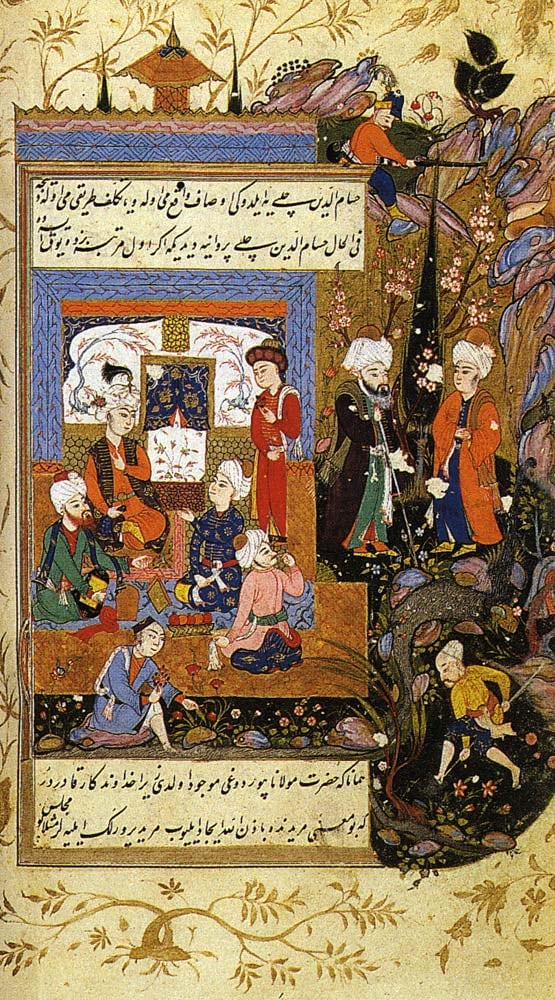
Rumi
इन पर सहमत: परम सत्य क्या है? क्या ईश्वर है? · हम दुःख क्यों भोगते हैं? · मुक्ति या उद्धार कैसे प्राप्त होता है?
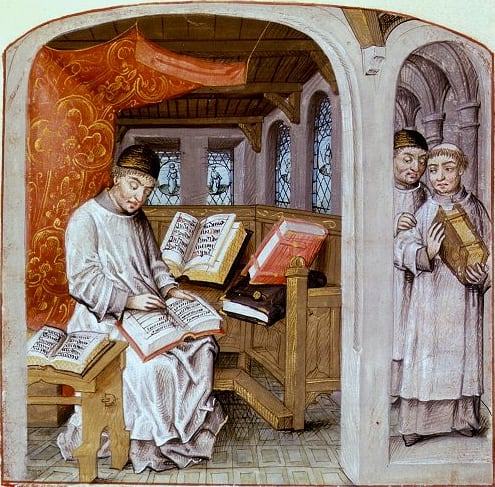
Thomas à Kempis
इन पर सहमत: परम सत्य क्या है? क्या ईश्वर है? · हम दुःख क्यों भोगते हैं? · मुक्ति या उद्धार कैसे प्राप्त होता है?
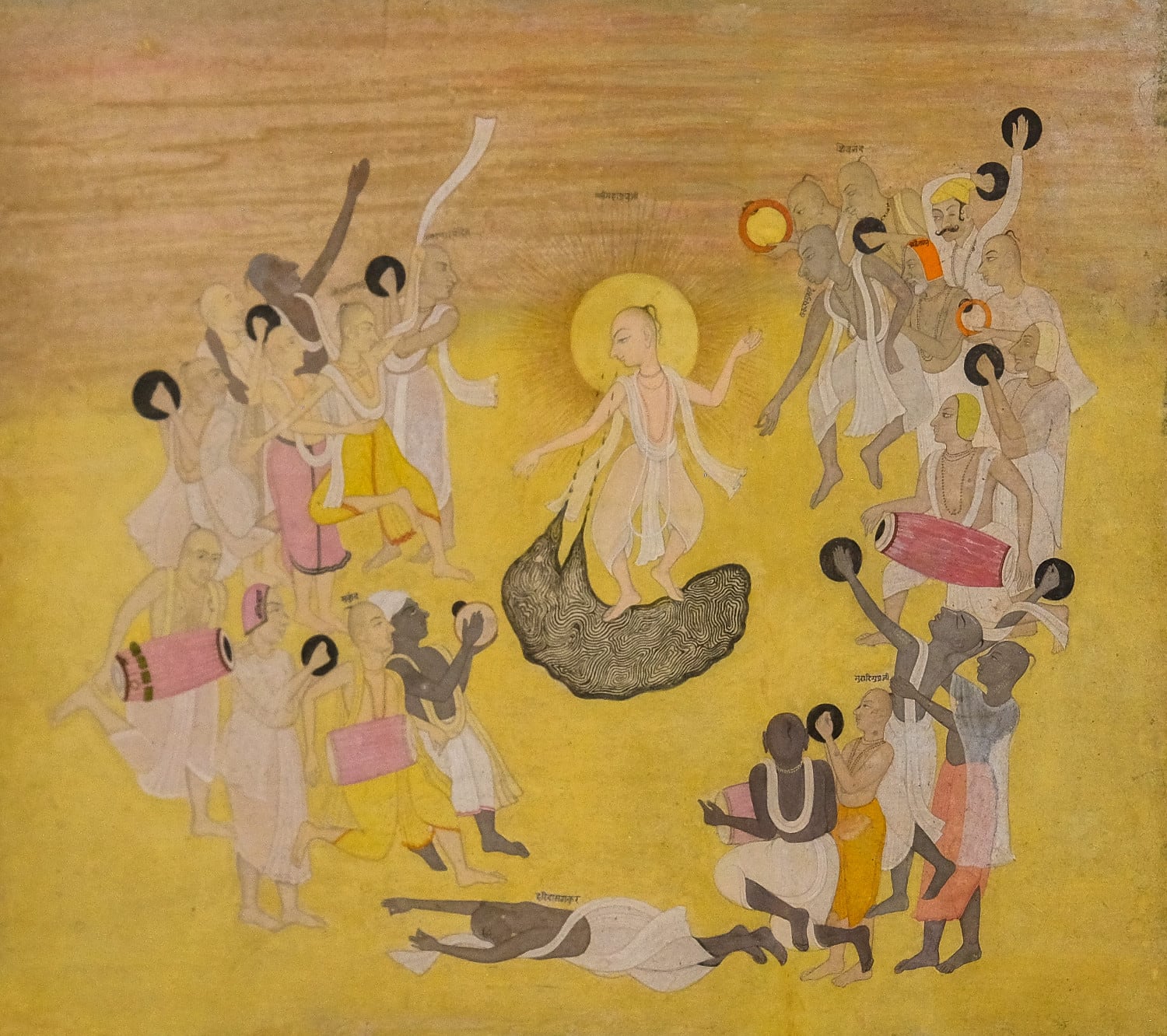
Chaitanya Mahaprabhu
इन पर सहमत: परम सत्य क्या है? क्या ईश्वर है? · हम दुःख क्यों भोगते हैं? · मुक्ति या उद्धार कैसे प्राप्त होता है?

प्रसंग और वृत्तांत
प्रसंग और वृत्तांत
संत-चरित वृत्तांतc. 1530
The cup of poison
वृत्तांत का स्रोत: Nabhadas's Bhaktamal (c. 1600), stanza on Mira; developed by Priyadas (1712) and by the attributed poems ("the Rana sent me a cup of poison").
स्रोत: Nābhādās. Bhaktamāl (c. 1600), con el comentario Bhaktirasabodhinī de Priyādās (1712). Ed. y trad. parcial en Hawley, Three Bhakti Voices, y en Mukta, Upholding the Common Life.
संत-चरित वृत्तांतc. 1530
The snake in the basket
वृत्तांत का स्रोत: Absent from Nabhadas; it appears in Priyadas's commentary (1712) and in attributed padas. No documentary basis.
स्रोत: Nābhādās. Bhaktamāl (c. 1600), con el comentario Bhaktirasabodhinī de Priyādās (1712). Ed. y trad. parcial en Hawley, Three Bhakti Voices, y en Mukta, Upholding the Common Life.
संत-चरित वृत्तांतc. 1540
"I thought there was only one male in Vrindavan"
वृत्तांत का स्रोत: Priyadas's Bhaktirasabodhini (1712); it does not appear in Gaudiya sources. The meeting is chronologically possible but undocumented.
स्रोत: Nābhādās. Bhaktamāl (c. 1600), con el comentario Bhaktirasabodhinī de Priyādās (1712). Ed. y trad. parcial en Hawley, Three Bhakti Voices, y en Mukta, Upholding the Common Life.
विवादितs. XVI (legendario)
Akbar and Tansen at the temple
वृत्तांत का स्रोत: Popular tradition recorded in modern biographies and in films; it does not appear in Nabhadas and is anachronistic.
स्रोत: Goetz, Hermann. Mira Bai: Her Life and Times. Bombay: Bharatiya Vidya Bhavan, 1966.
सत्यापन-योग्य नहींs. XVI (legendario)
The letter to Tulsidas
वृत्तांत का स्रोत: Tulsidas's poem exists in the Vinaya Patrika; Mira's letter and its connection with the poem come from late oral tradition and have no documentary support.
स्रोत: Nilsson, Usha S. Mira Bai. Nueva Delhi: Sahitya Akademi (Makers of Indian Literature), 1969.
संत-चरित वृत्तांतc. 1546-1547
The sari on the image of Ranchhodji
वृत्तांत का स्रोत: Priyadas (1712) and later tradition of Dwarka and Mewar. There is no historical record of her death.
स्रोत: Nābhādās. Bhaktamāl (c. 1600), con el comentario Bhaktirasabodhinī de Priyādās (1712). Ed. y trad. parcial en Hawley, Three Bhakti Voices, y en Mukta, Upholding the Common Life.
प्रमाणित1925
Gandhi and Mirabehn
वृत्तांत का स्रोत: Madeleine Slade, The Spirit's Pilgrimage (1960); Mukta (1994) analyses the nationalist appropriation of Mira.
स्रोत: Slade, Madeleine (Mirabehn). The Spirit's Pilgrimage. Londres: Longmans, 1960.
शिक्षाएँ
शिक्षाएँ
वे अवधारणाएँ जो उनके चिंतन को रूप देती हैं, उनके संदर्भ में समझाई गई।
Krishna as husband (Giridhar Nagar)giridhar-nagar
Krishnaite bhakti of northern India; madhurya attitude; comparison with the gopis in Nabhadas.
स्रोत: Hawley, John Stratton. Three Bhakti Voices: Mirabai, Surdas, and Kabir in Their Times and Ours. Nueva Delhi: Oxford University Press, 2005. ISBN 9780195670851.
Separation (viraha)viraha
Lyric of the seasons (baramasa) and the poetics of viraha; compare with the vipralambha of Chaitanya's school.
स्रोत: Hawley, John Stratton. Three Bhakti Voices: Mirabai, Surdas, and Kabir in Their Times and Ours. Nueva Delhi: Oxford University Press, 2005. ISBN 9780195670851.
Casting off "public shame" (lok laj)lok-laj
Rajput ethics of honour; critique of caste in bhakti; Mukta's study (1994).
स्रोत: Mukta, Parita. Upholding the Common Life: The Community of Mirabai. Delhi: Oxford University Press, 1994. ISBN 9780195631159.
The yogi and the yoginijogi
Nath and Sant traditions of Rajasthan; the literary motif of the yogi lover.
स्रोत: Hawley, John Stratton, y Mark Juergensmeyer. Songs of the Saints of India. Nueva York: Oxford University Press, 1988. ISBN 9780195052213.
वीडियो
वीडियो
रिकॉर्डिंग, साक्षात्कार और वृत्तचित्र। वीडियो YouTube से चलते हैं; वे यहाँ संग्रहीत नहीं हैं।
"Seeking Mirabai: Scholarly Engagement and Personal Empowerment" lecture with Nancy M. Martin, PhD
व्याख्यान· EN· 71 min
Loyola Marymount University, BCLA Yoga Studiesआधिकारिक चैनल
"Mirabai speaks....": The Emergent Voice of Medieval Saint
व्याख्यान· EN· 2017· 70 min
Claremont McKenna Collegeआधिकारिक चैनल
Meera, Thaare Kain Laage Gopal? | Meera, Who Is Krishna To You After All?
वृत्तचित्र· HI· 41 min
ajab shahar - kabir projectआधिकारिक चैनल
Meera | Movie | 1945 | Part-1
तृतीय पक्ष की रिकॉर्डिंग· HI· 1947· 35 min
Prasar Bharati Archivesआधिकारिक चैनल
Meera Bhajan by M.S. Subbulakshmi
YouTube पर देखें
यह वीडियो एम्बेड करने की अनुमति नहीं देता; यह YouTube पर खुलेगा।
Meera Bhajan by M.S. Subbulakshmi
तृतीय पक्ष की रिकॉर्डिंग· HI· 5 min
Prasar Bharati Archivesआधिकारिक चैनल
Pandit Kumar Gandharva sings a Meerabai Bhajan
तृतीय पक्ष की रिकॉर्डिंग· HI· 11 min
Sangeetveda1
Payoji Maine Ram Ratan Dhan Payo (Official Lyric Video) | Lata Mangeshkar
तृतीय पक्ष की रिकॉर्डिंग· HI· 4 min
Universal Music Indiaआधिकारिक चैनल
Meera (1979) {HD + Eng Subs}
तृतीय पक्ष की रिकॉर्डिंग· HI· 1979· 140 min
Shemarooआधिकारिक चैनल
Mirabai's Life and Teachings – Swami Mukundananda | Saints of India
व्याख्यान· EN· 48 min
Swami Mukundanandaआधिकारिक चैनल
Mirabai (Meera) - Selected Poems for Meditation
तृतीय पक्ष की रिकॉर्डिंग· EN· 22 min
Samaneri Jayasāra - Wisdom of the Masters
Mirabai: La princesa que dejó un reino por amor a un dios (Audio Podcast)
विश्लेषण· ES· 36 min
Almas de la Historia
चित्रशाला
चित्रशाला
सत्यापित लाइसेंस वाले चित्र। प्रत्येक में उसके रचयिता और श्रेय का उल्लेख सुरक्षित है।
संबंध
संबंध
प्रभाव, शिष्यत्व और वैचारिक निकटता। प्रमाणित संबंध को विश्लेषण से पहचानी गई समानता से अलग दर्शाया गया है।
इनसे मिलते-जुलते विचार
Both belong to northern bhakti and share the challenge to caste and ritualism; Kabir sings to a formless God, Mira to Krishna. Tradition links both with Raidas.
विश्लेषण से पहचानी गई समानता
इनसे मिलते-जुलते विचार
Contemporaries and devotees of Krishna in the language of the separated lover; Priyadas brings her into contact with Jiva Gosvamin, of Chaitanya's school, not with him.
विश्लेषण से पहचानी गई समानता
इनके समकालीन
Contemporaries. A Mira pada appears in the Bhai Banno recension of the Adi Granth, which the Sikh canon excluded, and the Prem Ambodh Pothi (1693) counts her among the bhakti saints.
विश्लेषण से पहचानी गई समानता
इनसे मिलते-जुलते विचार
A frequent comparison: two contemporary women who lived their relationship with God as betrothal and confronted the norms of their milieu. No historical connection.
विश्लेषण से पहचानी गई समानता
इनसे मिलते-जुलते विचार
Two female figures of the love of God turned into legend, with an attributed corpus of uncertain authenticity. No historical connection.
विश्लेषण से पहचानी गई समानता
अन्य प्रविष्टियों से जुड़ा
स्रोत
स्रोत
इस प्रविष्टि के लिए देखे गए ग्रंथ-सूची और सूचीपत्र।
- Hawley, John Stratton. Three Bhakti Voices: Mirabai, Surdas, and Kabir in Their Times and Ours. Nueva Delhi: Oxford University Press, 2005. ISBN 9780195670851.
- Hawley, John Stratton, y Mark Juergensmeyer. Songs of the Saints of India. Nueva York: Oxford University Press, 1988. ISBN 9780195052213.
- Mukta, Parita. Upholding the Common Life: The Community of Mirabai. Delhi: Oxford University Press, 1994. ISBN 9780195631159.
- Nābhādās. Bhaktamāl (c. 1600), con el comentario Bhaktirasabodhinī de Priyādās (1712). Ed. y trad. parcial en Hawley, Three Bhakti Voices, y en Mukta, Upholding the Common Life.
- Martin, Nancy M. Mirabai: The Making of a Saint. Nueva York: Oxford University Press, 2023. ISBN 9780195153903.
- Alston, A. J. (trad.). The Devotional Poems of Mīrābāī. Delhi: Motilal Banarsidass, 1980 (reimpr. 1998, ISBN 9788120804425).
- Caturvedī, Paraśurām (ed.). Mīrāṃbāī kī padāvalī. Prayāg: Hindī Sāhitya Sammelan, 1932 (ediciones posteriores de 1947 y 1966).
- Tod, James. Annals and Antiquities of Rajast'han, or the Central and Western Rajpoot States of India. 2 vols. Londres: Smith, Elder, 1829-1832.
- Wikidata, «Meera / Mirabai» (Q466330).
- Bly, Robert, y Jane Hirshfield. Mirabai: Ecstatic Poems. Epílogo de John Stratton Hawley. Boston: Beacon Press, 2004. ISBN 9780807063866.
- Schelling, Andrew (trad.). For Love of the Dark One: Songs of Mirabai. Boston: Shambhala, 1993 (ISBN 9780877738725); ed. rev. Prescott: Hohm Press, 1998 (ISBN 9780934252843).
- Goetz, Hermann. Mira Bai: Her Life and Times. Bombay: Bharatiya Vidya Bhavan, 1966.
- Nilsson, Usha S. Mira Bai. Nueva Delhi: Sahitya Akademi (Makers of Indian Literature), 1969.
- Futehally, Shama (trad.). In the Dark of the Heart: Songs of Meera. Prólogo de M. S. Subbulakshmi. San Francisco: HarperCollins, 1994. ISBN 9780060628819.
- Slade, Madeleine (Mirabehn). The Spirit's Pilgrimage. Londres: Longmans, 1960.
- Prasar Bharati Archives. «Meera | Movie | 1945 | Part-1» (versión hindi de 1947 con la presentación de Sarojini Naidu). YouTube, 2020.
- Mīrābāī kī śabdāvalī aura jīvana-caritra. Allahabad: Belvedere Printing Works (serie Santbānī), principios del siglo XX. Ejemplar digitalizado en Internet Archive (colección hindi-urdu de Sarai, CSDS).
- अधिकार-धारक
- Los padas atribuidos a Mirabai son de dominio público. Las traducciones y ediciones modernas tienen titulares propios (Beacon Press, Shambhala y Hohm Press, Motilal Banarsidass, Oxford University Press, HarperCollins; la edición de Chaturvedi, el Hindi Sahitya Sammelan).
पुष्टि की प्रतीक्षा में
जो यह प्रविष्टि अभी तक निश्चित नहीं कर सकी है। हम उसे भर देने के बजाय कह देना बेहतर समझते हैं।
- No se localizó ninguna traducción española publicada de los padas de Mirabai con ISBN (consultas en Open Library y en la web).
- No hay en Wikisource ni en Project Gutenberg una edición en dominio público de la Padavali; la de Belvedere en Internet Archive queda con cautela (editor desconocido, OCR sin verificar).
- Localizar los dos manuscritos anteriores al siglo XVIII que, según Hawley, contienen poemas de Mira, para fichar su signatura en manuscripts[].
- Contrastar la datación (1498-1547) con Martin (2023); las fechas proceden en buena parte de Goetz (1966) y son conjeturales.
- Confirmar la numeración de los padas citados en la edición de Chaturvedi.
2026-10-25 को शोधित