बौद्ध धर्म · ज़ेन / चान · ताओ धर्म · ईसाई रहस्यवाद · अद्वैत वेदान्त
Alan Watts
1915 – 1973ऐतिहासिक रूप से प्रमाणित व्यक्ति
ब्रिटेन में जन्मे और बाद में अमेरिकी नागरिक बने दार्शनिक और लोकव्याख्याता (1915–1973), जिन्होंने ज़ेन बौद्ध धर्म, ताओ धर्म और वेदांत को पश्चिम के लिए सुलभ बनाया। कुछ वर्ष एपिस्कोपल पादरी रहे, फिर सैन फ़्रांसिस्को में अध्यापक और रेडियो KPFA तथा सार्वजनिक टेलीविज़न की जानी-पहचानी आवाज़ बने। उन्होंने «ज़ेन का मार्ग», «असुरक्षा का विवेक», «पूर्व और पश्चिम की मनोचिकित्सा» और «द बुक» जैसी कृतियाँ लिखीं। उनके रिकॉर्ड किए गए व्याख्यान आज भी बड़े पैमाने पर सुने और प्रसारित किए जाते हैं।
- कृतियाँ
- 59कृतियाँ
- संस्करण
- 150संस्करण
- उद्धरण
- 8उद्धरण
- वीडियो
- 13वीडियो
- चित्र
- 5चित्र
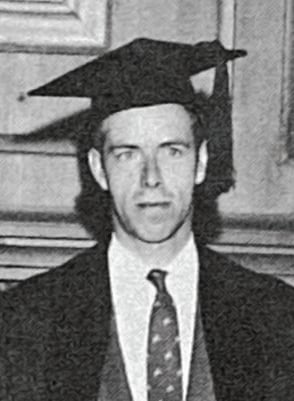
Alan Watts en la Universidad de Vermont (1958) · Public domain
उनके अपने शब्दों में
«If you get the message, hang up the phone.»The Joyous Cosmology, ed. Vintage 1970, p. 26 (sobre los psicodélicos como instrumentos)

शुरुआत के लिए एक रचना
The Wisdom of Insecurityमूल विचार
The feeling of being an isolated self inside the body, facing an alien world, is not a datum of experience but a learned social convention; organism and environment form a single field.
संदर्भ में देखें
जीवनी
6 मिनट का पाठ
स्पैनिश मूल से सहायता-प्राप्त अनुवाद, मातृभाषी अनुवादक द्वारा समीक्षा लंबित।
पूरब के जादू में बँधा केंट का एक लड़का
एलन विल्सन वॉट्स का जन्म 6 जनवरी 1915 को केंट काउंटी के चिज़लहर्स्ट में हुआ। वे लॉरेंस विल्सन वॉट्स की इकलौती संतान थे, जो लंदन में मिशलें कंपनी के प्रतिनिधि थे; उनकी माँ एमिली मेरी ब्यूकैन एक मिशनरी की बेटी थीं। उनका बचपन देहात के एक साधारण घर में बीता, जहाँ उन्होंने फूलों और तितलियों के नाम सीखे और उन कढ़ाइयों और चित्रों के बीच बड़े हुए जो चीन से लौटे मिशनरियों ने उनकी माँ को भेंट किए थे। वयस्क होकर भी उन्हें उन छवियों में बसी «एक विशेष निर्मलता, पारदर्शिता और विस्तार» का आकर्षण याद रहा, जो उन्हें अंग्रेज़ी कला में नहीं मिलता था।
सात वर्ष की आयु से वे आवासीय विद्यालयों में रहे — पहले सेंट ह्यूज़ के प्रारंभिक विद्यालय में और फिर कैंटरबरी के किंग्स स्कूल में — और उन्हें ऐसी एंग्लिकन शिक्षा मिली जिसे उन्होंने नीरस और उदास बताया। छुट्टियों में वे बौद्ध धर्म में रुचि रखने वाले एक सुसंस्कृत रसिक, फ़्रांसिस क्रॉशॉ, के साथ फ़्रांस में घूमे, और उन्हीं के पुस्तकालय में उन्हें वे ग्रंथ मिले जिन्होंने उनकी दिशा तय कर दी। सोलह वर्ष की आयु में वे लंदन की बौद्ध लॉज के सचिव थे, जिसका संचालन वकील क्रिसमस हम्फ़्रीज़ करते थे। विवेक से अधिक साहस के साथ लिखे गए एक परीक्षा-निबंध के कारण ऑक्सफ़र्ड की छात्रवृत्ति उनके हाथ से निकल गई, और युवक ने अपनी शिक्षा स्वयं गढ़ी — लॉज में, पुस्तकालयों में और विलक्षण सर्बियाई चिंतक दिमित्रिए मित्रिनोविच की संगति में। उनकी जीवनीकार मोनिका फ़र्लोंग उन्हें सबसे बढ़कर एक स्वाध्यायी के रूप में देखती हैं।
ज़ेन का युवा व्याख्याता
1936 में, इक्कीस वर्ष की आयु में, वे लंदन में आयोजित विश्व धर्म सम्मेलन में शामिल हुए और वहाँ डी. टी. सुज़ुकी से मिले, जिनके कार्य को उन्होंने उसी वर्ष अपनी पुस्तक The Spirit of Zen («ज़ेन की आत्मा») में सरल रूप में प्रस्तुत किया था। इसके बाद The Legacy of Asia and Western Man (1937) आई। दो दशक बाद वे स्वयं इस पहली पुस्तक को अपर्याप्त रूप से प्रामाणिक और कई अर्थों में भ्रामक मानने लगे; पर उनका जीवन-लक्ष्य तय हो चुका था — ज़ेन बौद्ध धर्म, ताओ धर्म और वेदांत को पश्चिम के लिए बोधगम्य बनाना।
लॉज में उनकी भेंट एलेनॉर एवरेट से हुई, जो रूथ फ़ुलर एवरेट की बेटी थीं — वही अमेरिकी महिला जिन्होंने वर्षों बाद रूथ फ़ुलर सासाकी के नाम से क्योटो के ज़ेन में एक अनूठा स्थान बनाया। अप्रैल 1938 में दोनों का विवाह हुआ और वे न्यूयॉर्क में बस गए, जहाँ वॉट्स आचार्य सोकेई-आन सासाकी के पास आते-जाते रहे, पर उनसे विधिवत साधना-प्रशिक्षण के लिए कभी बँधे नहीं। 1940 में उन्होंने The Meaning of Happiness प्रकाशित की और 1943 में अमेरिकी नागरिकता प्राप्त की।
एपिस्कोपल पादरी
अपने जीवन-लक्ष्य के लिए एक पेशेवर मार्ग की तलाश में उन्होंने इवैन्स्टन (इलिनॉय) के सीबरी-वेस्टर्न एपिस्कोपल धर्मविद्यालय में प्रवेश लिया और 1940 के दशक के मध्य में पादरी के रूप में अभिषिक्त हुए: उनकी आत्मकथा 1945 का वर्ष बताती है, जबकि उनकी बेटियों द्वारा संकलित पत्र 1944 की ओर संकेत करते हैं। वे नॉर्थवेस्टर्न विश्वविद्यालय में एपिस्कोपल चैपलेन रहे, उन्होंने छद्म-दियोनुसियुस के «रहस्यवादी धर्मशास्त्र» (Mystical Theology, 1944) का अनुवाद किया और Behold the Spirit (1947) में ईसाई रहस्यवाद और एशियाई दर्शन के बीच सामंजस्य बिठाने का प्रयास किया। उनका एकनिष्ठता से दूर रहने वाला स्वभाव विवाह को टिकने न दे सका: एलेनॉर ने विवाह-निरसन प्राप्त किया और 1950 में वॉट्स ने पादरी-पद त्याग दिया। उसी वर्ष उन्होंने डोरोथी डेविट से विवाह किया।
सैन फ़्रांसिस्को: अकादमी, रेडियो और टेलीविज़न
1951 में वे सैन फ़्रांसिस्को की अमेरिकन एकेडमी ऑफ़ एशियन स्टडीज़ में पढ़ाने के लिए कैलिफ़ोर्निया चले गए; वे इस संस्था के प्रशासक भी रहे, और वहाँ उनके साथ फ़्रेडरिक स्पीगलबर्ग, हरिदास चौधरी और चित्रकार साबुरो हासेगावा थे, जिनके साथ उन्होंने चीनी सुलेखन का अभ्यास किया। 1953 से वे बर्कली के रेडियो स्टेशन KPFA पर एक साप्ताहिक, अवैतनिक कार्यक्रम प्रस्तुत करने लगे, जिससे उन्हें एक निष्ठावान श्रोता-वर्ग मिला। 1951 में वे The Wisdom of Insecurity प्रकाशित कर चुके थे, जो आधुनिक चिंता पर एक मनन है; 1957 में The Way of Zen («ज़ेन का मार्ग») आई — वह ऐतिहासिक और दार्शनिक प्रस्तुति जिसने उन्हें प्रतिष्ठित किया और जिसके संस्करण आज तक निरंतर छपते आ रहे हैं।
1958 में वर्मॉन्ट विश्वविद्यालय ने उन्हें धर्मशास्त्र में मानद डॉक्टरेट प्रदान की, और उसी ग्रीष्म में वे अपने पिता के साथ यूरोप घूमे तथा कार्ल गुस्ताव युंग और कार्लफ़्रीड ग्राफ़ ड्यूर्कहाइम से मिले। 1959 और 1960 में उन्होंने सैन फ़्रांसिस्को के सार्वजनिक टेलीविज़न KQED के लिए Eastern Wisdom and Modern Life नामक धारावाहिक रिकॉर्ड किया। Psychotherapy East and West (1961) में उन्होंने प्रस्ताव रखा कि बौद्ध धर्म, ताओ धर्म और वेदांत को पश्चिमी अर्थ में धर्म या दर्शन के रूप में नहीं, बल्कि मनोचिकित्सा से संबद्ध «मुक्ति के मार्गों» के रूप में पढ़ा जाए।
साइकेडेलिक अनुभव, प्रतिसंस्कृति और आलोचना
1950 के दशक के अंत से वे कैलिफ़ोर्निया के शोधकर्ताओं द्वारा संचालित मेस्कलीन और एलएसडी के प्रयोगों में भाग लेने लगे; उन्हीं से The Joyous Cosmology (1962) का जन्म हुआ, जिसमें उन्होंने चेताया कि ये पदार्थ सूक्ष्मदर्शी या टेलीफ़ोन जैसे उपकरण भर हैं, और संदेश मिल जाने के बाद फ़ोन रख देना ही उचित है। 1962 से 1964 तक उन्हें हार्वर्ड की एक फ़ेलोशिप मिली; वे डोरोथी से अलग हुए और मैरी जेन येट्स किंग से विवाह किया। उनके साथ उन्होंने अपना जीवन सौसालितो में किनारे पर अटकी नौका «वायेहो» और ड्रुइड हाइट्स की एक कुटिया के बीच बाँटा — ड्रुइड हाइट्स, वह बोहेमियन बस्ती जिसे कवयित्री एल्सा गिडलो ने माउंट टमालपाइस की ढलानों पर बसाया था।
इन्हीं वर्षों की कृतियाँ हैं Beyond Theology (1964) और The Book: On the Taboo Against Knowing Who You Are (1966), जो उनका सबसे निजी संश्लेषण है: इसमें ब्रह्मांड एक लौकिक आँख-मिचौली का खेल है, जिसमें त्वचा की थैली में बंद पृथक अहं एक मतिभ्रम सिद्ध होता है। वॉट्स स्वयं को विद्वान नहीं मानते थे। आपत्तियाँ ज़ेन की ओर से भी आईं: फ़िलिप कैप्लो ने उन पर बैठकर की जाने वाली ध्यान-साधना की उपेक्षा का आरोप लगाया, और रॉबर्ट एटकेन ने डी. टी. सुज़ुकी का यह मत दर्ज किया कि वॉट्स एक विशेष शास्त्रीय कथा को नहीं समझ पाए थे। इसके विपरीत, सैन फ़्रांसिस्को ज़ेन सेंटर के संस्थापक शुनर्यू सुज़ुकी ने उन्हें «एक महान बोधिसत्त्व» कहकर उनका पक्ष लिया।
अंतिम वर्ष
1971 में उन्होंने ड्रुइड हाइट्स में शैक्षिक टेलीविज़न के लिए A Conversation with Myself कार्यक्रम रिकॉर्ड किया, और 1972 में एल्सा गिडलो को समर्पित अपनी आत्मकथा In My Own Way प्रकाशित की। ये वर्ष बढ़ती मदिरा-लत के भी थे, जिससे उनके मित्र और परिजन चिंतित रहते थे। अक्टूबर 1973 में वे यूरोप की एक व्याख्यान-यात्रा से लौटे और 16 नवंबर को अट्ठावन वर्ष की आयु में ड्रुइड हाइट्स स्थित अपने घर में नींद में ही चल बसे। उनकी अस्थियाँ ड्रुइड हाइट्स और ग्रीन गल्च ज़ेन केंद्र के बीच बाँटी गईं। ताई ची के आचार्य अल चुंग-लियांग हुआंग के साथ वे जो पुस्तक तैयार कर रहे थे, Tao: The Watercourse Way, वह 1975 में हुआंग के एक उपसंहार के साथ प्रकाशित हुई, जिसमें उनके अंतिम महीनों का वर्णन है।
एक स्वर की विरासत
वॉट्स पच्चीस से अधिक पुस्तकें और सैकड़ों घंटों के व्याख्यान छोड़ गए, जिन्हें उनके पुत्र मार्क वॉट्स ने सहेजा और प्रतिलेखों के आधार पर मरणोपरांत पुस्तकों का रूप दिया। ब्रिटिश उच्चारण और चुटीले हास्य वाली वह आवाज़ उन पीढ़ियों तक पहुँची है जिन्होंने उनकी पुस्तकें कभी नहीं पढ़ीं: धारावाहिक, फ़िल्में, गीत और वीडियो उसका निरंतर उपयोग करते हैं, अक्सर संदर्भ से काटकर। आलोचक इस बात पर एकमत हैं कि वे न तो बौद्ध धर्म के विद्वान थे और न किसी गुरु-परंपरा के आचार्य, बल्कि एक असाधारण लोकव्याख्याता थे, जिनकी उपलब्धि पूरब और पश्चिम के बीच, धर्म और मनोविज्ञान के बीच, तथा संस्कृति और प्रकृति के बीच सेतु बाँधना थी।
स्रोत: Watts, Alan. In My Own Way: An Autobiography, 1915–1965. Nueva York: Pantheon Books, 1972 (reed. New World Library, 2007, ISBN 9781577315841). · Furlong, Monica. Zen Effects: The Life of Alan Watts. Boston: Houghton Mifflin, 1986 (publicado en Reino Unido como Genuine Fake, Heinemann, 1986; reed. SkyLight Paths, 2001, ISBN 9781893361324). · Columbus, Peter J. y Rice, Donadrian L. (eds.). Alan Watts—Here and Now: Contributions to Psychology, Philosophy, and Religion. Albany: State University of New York Press, 2012 (ISBN 9781438441993). · Watts, Joan y Watts, Anne (eds.). The Collected Letters of Alan Watts. Novato: New World Library, 2017 (ISBN 9781608684151). · Chadwick, David. Crooked Cucumber: The Life and Zen Teaching of Shunryu Suzuki. Nueva York: Broadway Books, 1999.
कालक्रम
जीवन, वर्ष-दर-वर्ष
प्रत्येक बिंदु एक प्रमाणित घटना है। उसे स्रोत और निश्चितता के स्तर सहित पढ़ने के लिए क्लिक करें।
6 जनवरी 19150 वर्षChislehurst, Kent
Born in Chislehurst
Born on 6 January in Chislehurst, Kent, the only child of Laurence Wilson Watts and Emily Mary Buchan.
प्रमाणितWatts, Alan. In My Own Way: An Autobiography, 1915–1965. Nueva York: Pantheon Books, 1972 (reed. New World Library, 2007, ISBN 9781577315841).
उनके निधन के बाद
- 1975Tao: The Watercourse Way
6 जनवरी 1915 · 0 वर्ष
Born in Chislehurst
Born on 6 January in Chislehurst, Kent, the only child of Laurence Wilson Watts and Emily Mary Buchan.
प्रमाणित
1922 · 7 वर्ष
Boarder at St Hugh's
Aged seven he is sent as a boarder to St Hugh's preparatory school; he will later attend The King's School, Canterbury.
प्रमाणित
1931 · 16 वर्ष
Secretary of the Buddhist Lodge
At sixteen he becomes secretary of the Buddhist Lodge in London, run by Christmas Humphreys.
प्रमाणित
1936 · 21 वर्ष
The Spirit of Zen and D. T. Suzuki
Publishes The Spirit of Zen and meets D. T. Suzuki at the World Congress of Faiths in London.
प्रमाणित
अप्रैल 1938 · 23 वर्ष
Marriage and emigration
In April he marries Eleanor Everett and the couple settle in New York.
प्रमाणित
1943 · 28 वर्ष
US citizenship
Becomes a United States citizen.
प्रमाणित
1945 · 30 वर्ष
Ordination
Ordained an Episcopal priest after studying at Seabury-Western seminary. His autobiography gives 1945; his published letters suggest 1944.
विवादित
1947 · 32 वर्ष
Behold the Spirit
Publishes Behold the Spirit, an attempt to unite mystical Christianity and Eastern philosophy.
प्रमाणित
अगस्त 1950 · 35 वर्ष
Leaves the priesthood
After the annulment of his marriage he resigns from the priesthood in August; he marries Dorothy DeWitt.
प्रमाणित
1951 · 36 वर्ष
American Academy of Asian Studies
Moves to San Francisco to teach at the American Academy of Asian Studies; publishes The Wisdom of Insecurity.
प्रमाणित
1953 – 1962 · 38 वर्ष
KPFA programme
Begins a weekly programme on KPFA radio in Berkeley, which he will keep until 1962.
प्रमाणित
1957 · 42 वर्ष
The Way of Zen
Publishes The Way of Zen, his most influential book on Zen Buddhism.
प्रमाणित
15 जून 1958 · 43 वर्ष
Honorary doctorate and visit to Jung
On 15 June he receives an honorary Doctor of Divinity from the University of Vermont; that summer he visits Carl Jung in Switzerland.
प्रमाणित
1959 – 1960 · 44 वर्ष
Eastern Wisdom and Modern Life
Records the television series Eastern Wisdom and Modern Life for KQED (two seasons, 1959–1960).
प्रमाणित
1961 · 46 वर्ष
Psychotherapy East and West
Publishes Psychotherapy East and West.
प्रमाणित
1962 – 1964 · 47 वर्ष
The Joyous Cosmology and Harvard
Publishes The Joyous Cosmology; holds a Harvard fellowship until 1964.
प्रमाणित
1966 · 51 वर्ष
The Book
Publishes The Book: On the Taboo Against Knowing Who You Are.
प्रमाणित
1971 · 56 वर्ष
A Conversation with Myself
Films A Conversation with Myself at Druid Heights for educational television.
प्रमाणित
1972 · 57 वर्ष
In My Own Way
Publishes his autobiography, In My Own Way, dedicated to Elsa Gidlow.
प्रमाणित
16 नवंबर 1973 · 58 वर्ष
Death at Druid Heights
Dies in his sleep on 16 November at his home in Druid Heights, after returning from a European tour.
प्रमाणित
1975
Tao: The Watercourse Way
Tao: The Watercourse Way appears posthumously, completed by Al Chung-liang Huang.
प्रमाणित
कृतियाँ
आवश्यक कृतियाँ
वे कृतियाँ जिनके बिना उनकी विरासत को समझा नहीं जा सकता।
लिखित कृति · 1951
The Wisdom of Insecurity
The Wisdom of Insecurity: A Message for an Age of Anxiety
Short treatise written after he left the priesthood and one of his most widely read books. It argues that modern anxiety springs from seeking security in a future that does not exist and from splitting the observing 'I' off from experience; the way out is not another belief but full attention to the present and acceptance of change. Without technical vocabulary it distils what Watts had learned from Zen, Taoism and Christian mysticism.
11 संस्करण

लिखित कृति · 1957
The Way of Zen
His standard work and the book that made him internationally known. Part one reconstructs Zen's background — Indian thought, Taoism and Mahayana Buddhism — and its formation in China; part two sets out its principles and practice: zazen, koans and Zen's expression in the arts. Watts draws on general semantics and cybernetics to explain non-dual experience. In print continuously since 1957 and translated into many languages.
9 संस्करण

लिखित कृति · 1961
Psychotherapy East and West
Proposes that Buddhism, Vedanta, Taoism and Zen are better understood as 'ways of liberation' — disciplines for undoing the social conditioning that produces the feeling of an isolated self — than as religions or philosophies. From there he engages Freud, Jung, existential psychology and Gregory Bateson's double-bind theory, suggesting that the Western therapist and the Eastern teacher perform similar functions. It is one of his most cited books in psychology.
7 संस्करण

लिखित कृति · 1966
The Book
The Book: On the Taboo Against Knowing Who You Are
His most personal and accessible statement. Written as the book a parent might give a child on entering adult life, it argues that the sense of being an ego enclosed in a bag of skin is a social hallucination and that the universe is a single process playing hide-and-seek with itself. It blends Vedanta, Taoism, ecology and cybernetics in a lively, humorous style and became an emblematic book of the counterculture.
6 संस्करण
संपूर्ण कृतित्व (59)
Alan Watts
An Outline of Zen Buddhism
The Conscious LibraryAn Outline of Zen Buddhism
1932

The Spirit of Zen
1936
Alan Watts
The Legacy of Asia and Western Man
The Conscious LibraryThe Legacy of Asia and Western Man
1937
Alan Watts
The Meaning of Happiness
The Conscious LibraryThe Meaning of Happiness
1940
Alan Watts
Theologia Mystica (translation of Pseudo-Dionysius)
The Conscious LibraryTheologia Mystica (translation of Pseudo-Dionysius)
1944

Behold the Spirit
1947
Alan Watts
Easter: Its Story and Meaning
The Conscious LibraryEaster: Its Story and Meaning
1950

The Supreme Identity
1950

Myth and Ritual in Christianity
1953

Nature, Man and Woman
1958

Beat Zen, Square Zen, and Zen
1959

This Is It
1960

The Joyous Cosmology
1962

The Two Hands of God
1963

Beyond Theology
1964
Alan Watts
Nonsense
The Conscious LibraryNonsense
1967
Alan Watts
Psychedelics and Religious Experience
The Conscious LibraryPsychedelics and Religious Experience
1968

Does It Matter?
1970
Alan Watts
Erotic Spirituality
The Conscious LibraryErotic Spirituality
1971
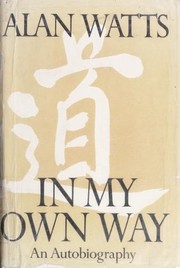
In My Own Way
1972

The Art of Contemplation
1972

Cloud-Hidden, Whereabouts Unknown
1973

Tao: The Watercourse Way
1975

The Essence of Alan Watts
1974
वचन
किसी निश्चित कृति में स्थित वचन। प्रत्येक के साथ उसका स्रोत और विश्वसनीयता का स्तर है।
If you get the message, hang up the phone.सत्यापितThe Joyous Cosmology, ed. Vintage 1970, p. 26 (sobre los psicodélicos como instrumentos)
मूल विचार (संपादकीय सार)
कॉपीराइट के सम्मान में, ये विचार हमारे अपने शब्दों में संक्षेपित हैं और इन्हें शब्दशः उद्धरण के रूप में प्रस्तुत नहीं किया गया है।
- The feeling of being an isolated self inside the body, facing an alien world, is not a datum of experience but a learned social convention; organism and environment form a single field.
- Seeking psychological security in the future produces the very anxiety one wishes to escape; only acceptance of change and attention to the present dissolve it.
- Asian traditions such as Buddhism, Vedanta and Taoism resemble psychotherapy more than religion: their aim is to free one from conditioning, not to impose beliefs.
- The universe can be understood as a game in which a single reality hides from itself by taking every form, and enlightenment is the moment the player recognises itself.
- The West is not too materialistic but not materialistic enough: it confuses money and symbols with real things and therefore mistreats matter, the body and nature.
- Meditation is not a means of reaching a future state but a purposeless game, like music or dance, whose meaning lies in the act itself.
- Opposites — pleasure and pain, life and death, good and evil — are inseparable poles of one process, and wanting to keep only one of them is the root of frustration.
अप्रामाणिक या विवादित आरोपण वाले उद्धरण (2)
«Trying to define yourself is like trying to bite your own teeth.»
Widely circulated online under Watts's name. It expresses an image he used in lectures (the eye that cannot see itself, teeth that cannot bite themselves), but it has not been located in this wording in any of his published books; it may paraphrase a talk.
«You are an aperture through which the universe is looking at and exploring itself.»
Spread as a Watts quotation on posters and videos with no indication of work. The idea is consistent with his thought, but the sentence has not been found in his books; if it comes from a recorded lecture, the exact source remains to be identified.
अंतिम शब्द
उनके अंतिम शब्दों का कोई सत्यापन-योग्य अभिलेख उपलब्ध नहीं है।
There is no reliable record of any last words. He died in his sleep at Druid Heights on the night of 15–16 November 1973. The phrase 'the secret of life is knowing when to stop', which his widow Mary Jane Watts attributed to him and Monica Furlong records, is presented not as his last words but as something he had told her.
स्रोत: Furlong, Monica. Zen Effects: The Life of Alan Watts. Boston: Houghton Mifflin, 1986 (publicado en Reino Unido como Genuine Fake, Heinemann, 1986; reed. SkyLight Paths, 2001, ISBN 9781893361324).
पूछें
उनकी कृतियाँ क्या उत्तर देती हैं
मानवता के बारह महान प्रश्न और उनके ग्रंथ उनका जो उत्तर देने देते हैं, संदर्भों सहित। हम कभी उनके मुख में अपने शब्द नहीं रखते।
परम सत्य क्या है? क्या ईश्वर है?
God is no separate monarch: he is the whole playing at being each one
निराकार परम सत्तास्पष्ट रूप से कहा है
Alan Watts, an Episcopal priest until 1950 and afterwards a popular expositor of Asian traditions, rejected the image of God as a monarch separate from his work. In The Book he contrasts the ceramic model of the world, made by an outside craftsman, and the mechanical model with a dramatic model drawn from his reading of Vedānta: the ultimate hides from and finds itself in all beings, as in a game of hide-and-seek. Beyond Theology carries the idea into Christianity and reproaches it for having made God a jealous king. Already in The Supreme Identity, under the influence of Coomaraswamy and Guénon, he had presented the identity of the human ground with the Absolute as the common core of the great traditions.
इस प्रश्न की अन्य गुरुओं से तुलना करेंमैं कौन हूँ? क्या कोई सच्चा आत्म है?
The skin-encapsulated ego is a hallucination: what you are is the whole
आत्मन् ही ब्रह्म हैस्पष्ट रूप से कहा है
The Book, Watts's most personal work, is subtitled on the taboo against knowing who you are, and answers bluntly: the prevalent sensation of oneself as a separate ego enclosed in a bag of skin is a hallucination. For him that ego is a social convention, reinforced by language and upbringing. What one really is, is the whole process of the universe, which manifests as this person just as a wave is the ocean at one point. Watts takes this thesis from his reading of Vedānta, the identity of ātman and brahman, which he had already set out in The Supreme Identity, and combines it with Buddhism and Western psychology; in Psychotherapy East and West he presents those traditions as ways of undoing the feeling of an isolated self.
इस प्रश्न की अन्य गुरुओं से तुलना करेंहम दुःख क्यों भोगते हैं?
Anxiety comes from seeking security in a future that does not exist
विचार और मनोवैज्ञानिक समयस्पष्ट रूप से कहा है
The Wisdom of Insecurity, one of Watts's most widely read books, states the problem clearly: modern man suffers because he seeks security in a world that is essentially changing, and seeks it in a future that exists only as an idea. Living for a tomorrow that never comes, he misses the only real moment. To this is added an inner split: the self that observes and tries to control experience separates itself from experience itself, and the harder it strives to secure itself the more anxious it becomes; Watts calls this the law of reversed effort. The only way to make sense out of change, he writes, is to plunge into it, move with it and join the dance. It is his own synthesis of Buddhism, Taoism and psychology.
इस प्रश्न की अन्य गुरुओं से तुलना करेंमृत्यु के बाद क्या होता है?
The ego dies, not what we are: the universe wakes up again as others
जो मैं हूँ, वह न जन्मता है न मरता हैउनके सिद्धांत से निष्कर्षित
Watts did not uphold personal survival or a judgement after death. But, consistently with his reading of Vedānta, he held that what we really are is not the ego that dies. In The Book and in his lectures he proposes imagining death as the end of one waking and the beginning of another: if the ego is a function of the universe, when one dies the universe goes on waking up as every new being that is born, and each of them says «I» as we did. Death for him is the other side of life, as the valley is of the mountain. In Cloud-Hidden, Whereabouts Unknown, his last book, written shortly before he died, he meditates on it with the same serenity.
इस प्रश्न की अन्य गुरुओं से तुलना करेंमुक्ति या उद्धार कैसे प्राप्त होता है?
Wanting liberation is the trap: there is nothing to get, only something to see
बिना विधि: संपूर्ण अवधानउनके सिद्धांत से निष्कर्षित
Watts held that seeking liberation as an achievement prevents it. In The Wisdom of Insecurity he calls this the law of reversed effort: the more one tries to secure oneself or to stop thinking, the more the striving self is reinforced. In Psychotherapy East and West he presents Buddhism, Vedānta and Taoism not as religions but as ways of liberation that undo the double binds by which society convinces us we are a separate self, and notes that Zen masters often use tricks to show the disciple there is nothing to attain. On psychedelics he wrote: if you get the message, hang up the phone. Liberation is sudden understanding, not the accumulation of merit.
इस प्रश्न की अन्य गुरुओं से तुलना करेंक्या गुरु आवश्यक है?
A philosophical entertainer, not a guru: there is nothing to transmit
कोई आध्यात्मिक सत्ता नहींउनके सिद्धांत से निष्कर्षित
Watts declined to present himself as a spiritual teacher; he preferred to describe himself as a philosopher and popular expositor, and in his memoir, In My Own Way, he portrays himself ironically as an intellectual, a mystic and a disreputable epicurean. He was not a formal disciple of any lineage, though he acknowledged his debt to D. T. Suzuki and to the texts. On the teacher's role, his thesis, set out in Psychotherapy East and West and in many lectures, is that the authentic teacher transmits nothing: with paradoxes and tricks he leads the disciple to discover that what he sought was not lacking, and then the disciple no longer needs him. He distrusted dependence on gurus and on religious organisations as a substitute for understanding.
इस प्रश्न की अन्य गुरुओं से तुलना करेंक्या संसार वास्तविक है?
The world is a game in which the One hides and finds itself
दिव्य की अभिव्यक्तिस्पष्ट रूप से कहा है
For Watts, the world is not a machine nor a work made from outside, but a game. From his reading of Hinduism he takes the idea of līlā, divine play, and develops it in The Book and in his lectures: the ultimate hides from itself in the multitude of beings and finds itself again in them, with no purpose but play, just as music does not exist to reach the end of the piece. With the Buddhist image of Indra's net, which he sets out in The Diamond Web, he adds that each thing reflects all the others. Hence his critique of the Western contempt for matter in Does It Matter?: the concrete world is not something to overcome, but the place where the game is played.
इस प्रश्न की अन्य गुरुओं से तुलना करेंप्रेम क्या है?
Love cannot be commanded: it springs up when the self stops watching itself
जो अहं के मिटने पर प्रकट होता हैउनके सिद्धांत से निष्कर्षित
Watts applied his analysis of the double bind to love: the command to love, whether religious or social, demands something that cannot be produced at will, and generates a feigned and guilty love. Authentic love is spontaneous, like everything alive, and appears when the person stops seeing himself as a separate ego that calculates and watches itself. In Nature, Man and Woman he carries this idea into love between the sexes: against the Christian distrust of the body he proposes, drawing on Taoism and tantra, a relationship in which sexual love is a form of contemplation and neither a conquest nor an obligation. For Watts, love is not a virtue to be acquired but what flows when it is not forced.
इस प्रश्न की अन्य गुरुओं से तुलना करेंक्या हम स्वतंत्र हैं, या सब कुछ पूर्वनिर्धारित है?
Neither free will nor determinism: both assume a separate self that does not exist
कोई कर्ता नहींस्पष्ट रूप से कहा है
Watts considered the dilemma badly framed. Both free will and determinism assume a self separate from the world: one that controls it or one the world pushes around. If, as he holds in The Book, that skin-encapsulated self is a hallucination, the question loses its basis: what one is is not an agent facing the universe, but the universe acting here. That is why the distinction between voluntary and involuntary, as between the heart beating and the hand moving, is for him conventional. In his expositions of Taoism, from The Way of Zen to Tao: The Watercourse Way, he finds the same idea in wu wei, action that does not force and springs up spontaneously.
इस प्रश्न की अन्य गुरुओं से तुलना करेंध्यान या प्रार्थना क्यों करें?
Meditating is attending to what is without purpose, like listening to music
उपस्थित रहनास्पष्ट रूप से कहा है
Watts understood meditation as purposeless attention to the present. In The Art of Contemplation, published in facsimile of his own handwriting, and in the lectures collected in Still the Mind, he describes it as ceasing to talk inwardly and listening to what is happening, the sounds, the breath, thoughts themselves as if they were noises, without trying to control anything. Meditating to obtain something, enlightenment or calm, would repeat the trap of goal-directed effort; true meditation has no goal, just as music is not played to reach the end. In The Wisdom of Insecurity he had already put it: the only real moment is this one, and full awareness of it dissolves anxiety.
इस प्रश्न की अन्य गुरुओं से तुलना करेंक्या बुद्धि परम को जान सकती है?
The word is not the thing: reality slips through the net of concepts
परम मन से परे हैस्पष्ट रूप से कहा है
Watts was a brilliant intellectual who devoted much of his work to explaining that what is essential is not grasped by the intellect. In The Way of Zen he shows how conventional thought divides the world into useful things and categories, but confuses that net of concepts with the reality it tries to catch; Zen, in his reading, seeks to return to direct experience, prior to words. In The Wisdom of Insecurity he insists that thinking about life is not living it, and in his lectures he repeated the image that the menu is not the meal. He does not reject reason, which he uses with relish, but its claim to encompass everything.
इस प्रश्न की अन्य गुरुओं से तुलना करेंसंसार से हटें या उसे बदलें?
Neither flee nor reform from the ego: live the everyday without standing apart
कर्म में ध्यानउनके सिद्धांत से निष्कर्षित
Watts distrusted both ascetic flight and the reformism that springs from a separate self. He was drawn to the Zen and Taoist ideal of one who returns to the marketplace after awakening and lives the everyday without pose: in Beat Zen, Square Zen, and Zen he criticised both the use of Zen as an alibi for rebellion and its conversion into a rigid discipline. At the same time he took an interest in the problems of his time: in Does It Matter? he argued that the West is not too materialistic but not materialistic enough, because it despises the matter it consumes, and he wrote about money, technology and ecology. His proposal is not to withdraw, but to live in the world without feeling a stranger in it, and to care for it from there.
इस प्रश्न की अन्य गुरुओं से तुलना करें
निकटता और तनाव
निकटता और तनाव
उनके मतों के आधार पर प्रश्न-दर-प्रश्न आकलित। प्रत्येक सहमति या टकराव का कारण क्लिक करने पर।
इनसे मिलता-जुलता सोचते हैं
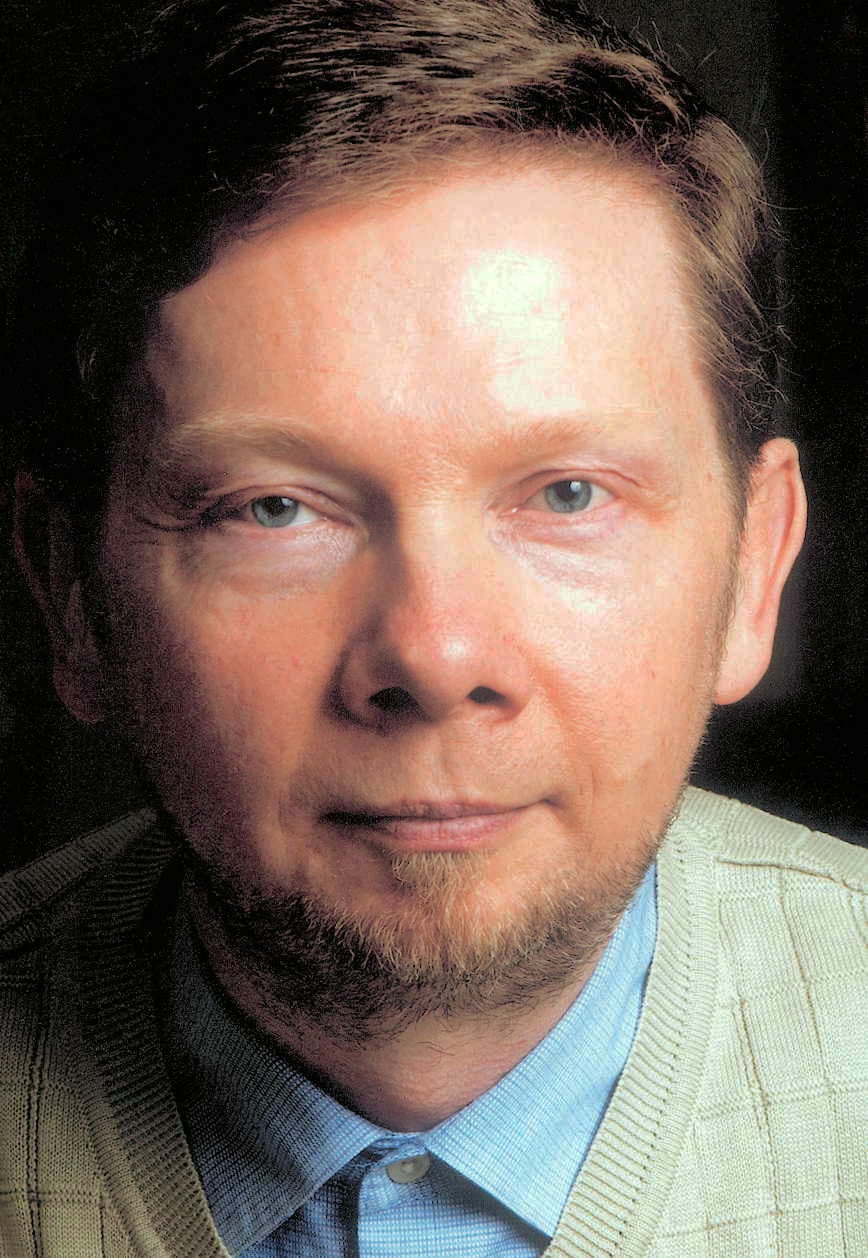
Eckhart Tolle
इन पर सहमत: परम सत्य क्या है? क्या ईश्वर है? · हम दुःख क्यों भोगते हैं? · मृत्यु के बाद क्या होता है?
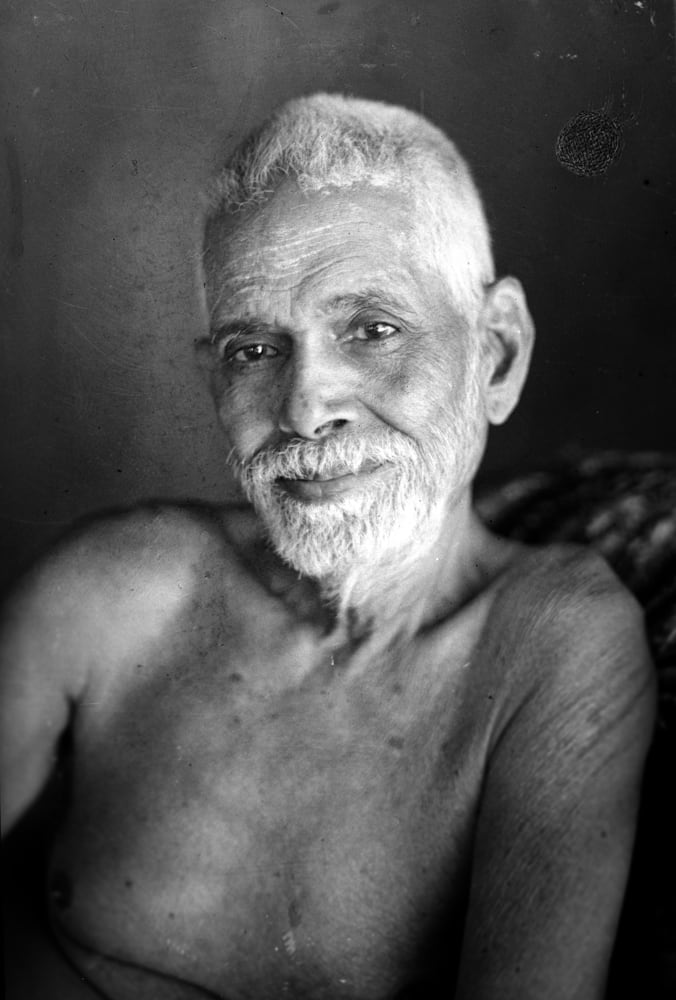
Ramana Maharshi
इन पर सहमत: परम सत्य क्या है? क्या ईश्वर है? · मैं कौन हूँ? क्या कोई सच्चा आत्म है? · मृत्यु के बाद क्या होता है?
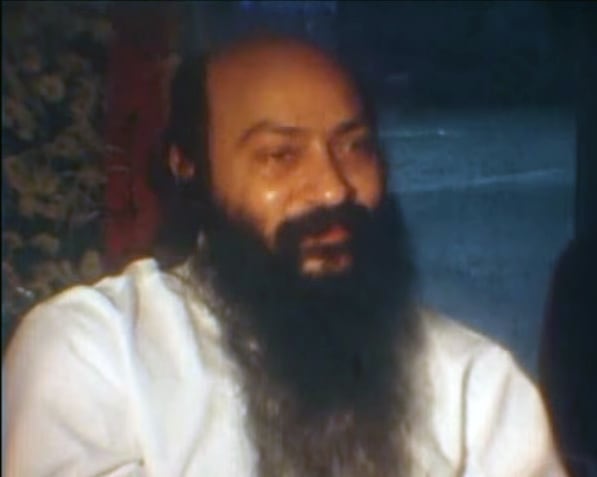
Osho
इन पर सहमत: परम सत्य क्या है? क्या ईश्वर है? · हम दुःख क्यों भोगते हैं? · मृत्यु के बाद क्या होता है?
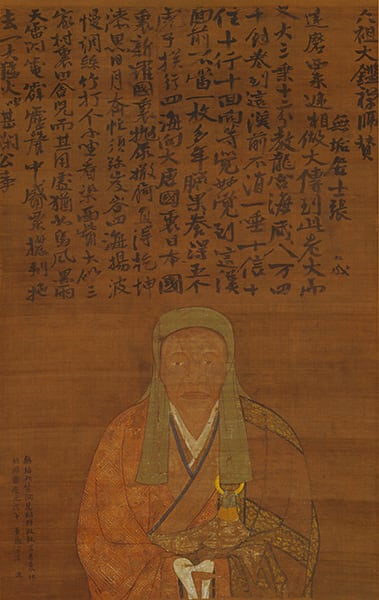
Huineng
इन पर सहमत: परम सत्य क्या है? क्या ईश्वर है? · मैं कौन हूँ? क्या कोई सच्चा आत्म है? · मृत्यु के बाद क्या होता है?
इनसे भिन्न सोचते हैं

Mirabai
इन पर टकराव: मुक्ति या उद्धार कैसे प्राप्त होता है? · क्या गुरु आवश्यक है?

Tsongkhapa
इन पर टकराव: मुक्ति या उद्धार कैसे प्राप्त होता है? · मैं कौन हूँ? क्या कोई सच्चा आत्म है? · क्या गुरु आवश्यक है?
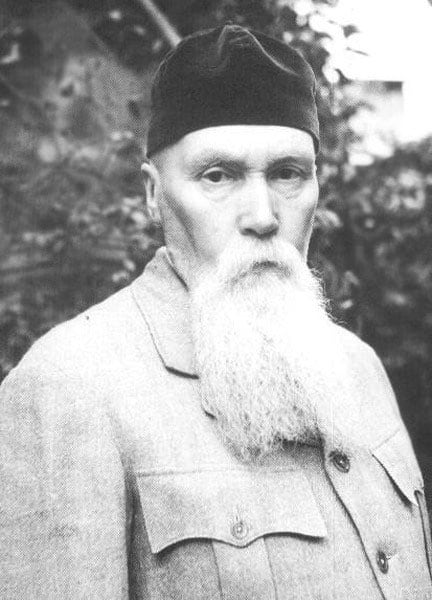
Nicholas Roerich
इन पर टकराव: क्या गुरु आवश्यक है?

Pema Chödrön
इन पर टकराव: मैं कौन हूँ? क्या कोई सच्चा आत्म है? · मुक्ति या उद्धार कैसे प्राप्त होता है?
प्रसंग और वृत्तांत
प्रसंग और वृत्तांत
साक्ष्य1936
The lecture in a diving suit
वृत्तांत का स्रोत: It comes from Watts's own account in In My Own Way (1972) and is recorded by Monica Furlong in her biography. Later versions differ in details — who helped him remove the helmet and at exactly which event it occurred; it is usually placed in the context of the 1936 World Congress of Faiths.
स्रोत: Watts, Alan. In My Own Way: An Autobiography, 1915–1965. Nueva York: Pantheon Books, 1972 (reed. New World Library, 2007, ISBN 9781577315841).
साक्ष्यdécada de 1960
'He is a great bodhisattva'
वृत्तांत का स्रोत: Recorded by David Chadwick in Crooked Cucumber (1999), from testimony by students of the San Francisco Zen Center.
स्रोत: Chadwick, David. Crooked Cucumber: The Life and Zen Teaching of Shunryu Suzuki. Nueva York: Broadway Books, 1999.
साक्ष्य1960s–1990s
Half a koan
वृत्तांत का स्रोत: Kapleau, The Three Pillars of Zen (1967 ed.), pp. 21–22; D. T. Suzuki's remark is reported by Robert Aitken in Original Dwelling Place (1997). The Zen story in question is the dialogue of Mazu and Nanyue about the polished tile.
स्रोत: Kapleau, Philip. The Three Pillars of Zen. Boston: Beacon Press, 1967 (ed. citada), pp. 21–22.
साक्ष्य1958
A visit to Küsnacht
वृत्तांत का स्रोत: Watts's own account in In My Own Way (1972), p. 321.
स्रोत: Watts, Alan. In My Own Way: An Autobiography, 1915–1965. Nueva York: Pantheon Books, 1972 (reed. New World Library, 2007, ISBN 9781577315841).
प्रमाणित1958–1970
Hanging up the phone
वृत्तांत का स्रोत: The phrase comes from the Vintage edition of The Joyous Cosmology (1970), p. 26; the researchers' identities are recorded in the biographical literature drawing on In My Own Way.
स्रोत: Watts, Alan. The Joyous Cosmology: Adventures in the Chemistry of Consciousness. Nueva York: Vintage Books, 1970 (1.ª ed. Pantheon, 1962).
प्रमाणित1960s–1973
Between a beached ferry and a cabin in the woods
वृत्तांत का स्रोत: In My Own Way (1972), pp. 300–304, and the dedications of The Joyous Cosmology and the autobiography; Elsa Gidlow's memoir, Elsa: I Come with My Songs (1986), completes the picture of Druid Heights.
स्रोत: Watts, Alan. In My Own Way: An Autobiography, 1915–1965. Nueva York: Pantheon Books, 1972 (reed. New World Library, 2007, ISBN 9781577315841).
शिक्षाएँ
शिक्षाएँ
वे अवधारणाएँ जो उनके चिंतन को रूप देती हैं, उनके संदर्भ में समझाई गई।
The skin-encapsulated egoego-encerrado-en-la-piel
Developed above all in The Book (1966) and his 1960s lectures, under the influence of Vedanta, cybernetics and general semantics.
स्रोत: Watts, Alan. The Book: On the Taboo Against Knowing Who You Are. Nueva York: Pantheon Books, 1966.
The cosmic game of hide-and-seekjuego-cosmico
The Book (1966) and Beyond Theology (1964); drawn from Vedanta and devotional Hinduism, freely reinterpreted.
स्रोत: Watts, Alan. The Book: On the Taboo Against Knowing Who You Are. Nueva York: Pantheon Books, 1966.
The law of reversed effortley-del-esfuerzo-invertido
The Wisdom of Insecurity (1951) and later lectures; connected with the Taoism of Laozi and Zhuangzi.
स्रोत: Watts, Alan. The Wisdom of Insecurity: A Message for an Age of Anxiety. Nueva York: Pantheon Books, 1951.
Ways of liberationvias-de-liberacion
Psychotherapy East and West (1961); a forerunner of transpersonal psychology.
स्रोत: Watts, Alan. Psychotherapy East and West. Nueva York: Pantheon Books, 1961.
The social double binddoble-vinculo
Psychotherapy East and West (1961) and The Book (1966).
स्रोत: Watts, Alan. Psychotherapy East and West. Nueva York: Pantheon Books, 1961.
Beat Zen and square Zenzen-beat-y-zen-cuadrado
Essay published in Chicago Review (1958) and as a City Lights pamphlet (1959).
वीडियो
वीडियो
रिकॉर्डिंग, साक्षात्कार और वृत्तचित्र। वीडियो YouTube से चलते हैं; वे यहाँ संग्रहीत नहीं हैं।
Alan Watts: A Conversation with Myself - Part 1
मूल रिकॉर्डिंग· EN· 1971· 28 min
Mark Wattsआधिकारिक चैनल
Alan Watts: A Conversation with Myself - Part 2
मूल रिकॉर्डिंग· EN· 1971· 28 min
Mark Wattsआधिकारिक चैनल
Eastern Wisdom & Modern Life (1959) with Alan Watts - Program 1: Man & Nature (Recolored)
मूल रिकॉर्डिंग· EN· 1959· 29 min
HermesTrismegistus
Eastern Wisdom and Modern Life - Alan Watts: The Silent Mind, program five (1959)
मूल रिकॉर्डिंग· EN· 1959· 28 min
Torridstream12
Eastern Wisdom and Modern Life - Alan Watts: Death, program six (1959)
मूल रिकॉर्डिंग· EN· 1959· 27 min
Torridstream12
Alan Watts - Myth of Myself Full Lecture Part 1
व्याख्यान· EN· 37 min
Official Alan Watts Orgआधिकारिक चैनल
Alan Watts - Individual and the World Pt 1 Full Lecture
व्याख्यान· EN· 47 min
Official Alan Watts Orgआधिकारिक चैनल
Alan Watts - Taoist Way Full Lecture
व्याख्यान· EN· 27 min
Official Alan Watts Orgआधिकारिक चैनल
Alan Watts - What Is Reality?
व्याख्यान· EN· 53 min
Official Alan Watts Orgआधिकारिक चैनल
Alan Watts In Conversation With Elliot Mintz
साक्षात्कार· EN· 1972· 48 min
Elliot Mintzआधिकारिक चैनल
Alan Watts Interview in Dallas - March 1970
साक्षात्कार· EN· 1970· 2 min
SMU Jones Filmआधिकारिक चैनल
First Wednesday: Following Alan Watts with Mark Watts
व्याख्यान· EN· 106 min
MillValleyLibraryआधिकारिक चैनल
Alan Watts en español - Conferencia - El mito del yo
व्याख्यान· ES· 35 min
fer.de.erratas
चित्रशाला
चित्रशाला
सत्यापित लाइसेंस वाले चित्र। प्रत्येक में उसके रचयिता और श्रेय का उल्लेख सुरक्षित है।
संबंध
संबंध
प्रभाव, शिष्यत्व और वैचारिक निकटता। प्रमाणित संबंध को विश्लेषण से पहचानी गई समानता से अलग दर्शाया गया है।
इनसे प्रभावित
His last book expounds the Taoism of Laozi and Zhuangzi.
प्रमाणित संबंध
इनसे प्रभावित
A constant source of his lectures on Taoism and wu wei.
प्रमाणित संबंध
इनसे मिलते-जुलते विचार
The identity of self and ultimate ground, central to Watts, comes from the Advaita Vedanta systematised by Shankara.
विश्लेषण से पहचानी गई समानता
इनसे मिलते-जुलते विचार
Both popularise attention to the present and the critique of identification with thought for a wide audience.
विश्लेषण से पहचानी गई समानता
इनके समकालीन
Contemporaries who spread Zen, Tantra and Taoism in the West in a free and provocative style; there is no record that they met.
विश्लेषण से पहचानी गई समानता
इनसे मिलते-जुलते विचार
Both explored the dialogue between contemplative Christianity and Zen in the 1950s and 1960s.
विश्लेषण से पहचानी गई समानता
इनसे प्रभावित
D. T. Suzuki
Watts met him in 1936 and his first book popularised Suzuki's work.
प्रमाणित संबंध
इनसे भेंट
Founder of the San Francisco Zen Center; defended Watts as 'a great bodhisattva'.
प्रमाणित संबंध
इनसे भेंट
Watts visited him in Switzerland in 1958; his psychology influenced The Meaning of Happiness.
प्रमाणित संबंध
इनसे मिलते-जुलते विचार
Both question the separate self and spiritual authority; Watts discussed Krishnamurti in his 1968 radio interview with Laura Huxley.
विश्लेषण से पहचानी गई समानता
इनके शिष्य
Christmas Humphreys
Watts was secretary of the London Buddhist Lodge, which Humphreys led, and was formed there.
प्रमाणित संबंध
इनके परिवार से
Ruth Fuller Sasaki
His mother-in-law during his first marriage and a key figure of American Zen.
प्रमाणित संबंध
इनसे भेंट
Sokei-an Sasaki
New York Zen teacher with whom Watts kept in contact without entering formal training.
प्रमाणित संबंध
इनसे पत्राचार
Al Chung-liang Huang
Collaborator on Tao: The Watercourse Way, which he completed after Watts's death.
प्रमाणित संबंध
इनसे भेंट
Elsa Gidlow
Poet who founded Druid Heights, neighbour and friend; Watts dedicated his autobiography to her.
प्रमाणित संबंध
अन्य प्रविष्टियों से जुड़ा
स्रोत
स्रोत
इस प्रविष्टि के लिए देखे गए ग्रंथ-सूची और सूचीपत्र।
- Wikidata, «Alan Watts» (Q354867).
- Watts, Alan. In My Own Way: An Autobiography, 1915–1965. Nueva York: Pantheon Books, 1972 (reed. New World Library, 2007, ISBN 9781577315841).
- Furlong, Monica. Zen Effects: The Life of Alan Watts. Boston: Houghton Mifflin, 1986 (publicado en Reino Unido como Genuine Fake, Heinemann, 1986; reed. SkyLight Paths, 2001, ISBN 9781893361324).
- Columbus, Peter J. y Rice, Donadrian L. (eds.). Alan Watts—Here and Now: Contributions to Psychology, Philosophy, and Religion. Albany: State University of New York Press, 2012 (ISBN 9781438441993).
- Watts, Joan y Watts, Anne (eds.). The Collected Letters of Alan Watts. Novato: New World Library, 2017 (ISBN 9781608684151).
- «Alan Watts» y «Alan Watts bibliography», Wikipedia en inglés (consultadas para cotejar hechos y bibliografía; texto propio).
- Open Library: obras y ediciones de Alan Watts (autor OL…; búsqueda por autor y por título, ediciones con ISBN).
- Chadwick, David. Crooked Cucumber: The Life and Zen Teaching of Shunryu Suzuki. Nueva York: Broadway Books, 1999.
- Aitken, Robert. Original Dwelling Place: Zen Buddhist Essays. Washington D. C.: Counterpoint, 1997 (ISBN 1887178414).
- Kapleau, Philip. The Three Pillars of Zen. Boston: Beacon Press, 1967 (ed. citada), pp. 21–22.
- Alan Watts Organization (archivo de grabaciones gestionado por la familia Watts) y Alan Watts Official Store.
- Watts, Alan. The Joyous Cosmology: Adventures in the Chemistry of Consciousness. Nueva York: Vintage Books, 1970 (1.ª ed. Pantheon, 1962).
- Watts, Alan. The Book: On the Taboo Against Knowing Who You Are. Nueva York: Pantheon Books, 1966.
- Watts, Alan. The Wisdom of Insecurity: A Message for an Age of Anxiety. Nueva York: Pantheon Books, 1951.
- Watts, Alan. The Way of Zen. Nueva York: Pantheon Books, 1957.
- Stirling, Isabel. Zen Pioneer: The Life and Works of Ruth Fuller Sasaki. Emeryville: Shoemaker & Hoard, 2006 (ISBN 9781593761103).
- University of Vermont, programa de la 154.ª ceremonia de graduación (15 de junio de 1958) y UVM Alumni Magazine, vol. 39, n.º 1, p. 22 (UVM Digital Collections; reproducido en Wikimedia Commons).
- Indiana University Libraries Moving Image Archive, exposición «Eastern Wisdom and Modern Life» (KQED, San Francisco, 1959–1960).
- Watts, Alan. Psychotherapy East and West. Nueva York: Pantheon Books, 1961.
- Gidlow, Elsa. Elsa: I Come with My Songs. San Francisco: Bootlegger Press y Druid Heights Books, 1986.
- Watts, Alan y Huang, Al Chung-liang. Tao: The Watercourse Way. Nueva York: Pantheon Books, 1975 (prólogo y epílogo de Al Chung-liang Huang).
- Open Culture, «Alan Watts Brings Eastern Wisdom to American TV Viewers in 1959» (2012).
- अधिकार-धारक
- Herederos de Alan Watts (gestión de grabaciones: Alan Watts Organization / Electronic University, Mark Watts); derechos de los libros según cada editorial
- आधिकारिक वेबसाइट
- alanwatts.org
पुष्टि की प्रतीक्षा में
जो यह प्रविष्टि अभी तक निश्चित नहीं कर सकी है। हम उसे भर देने के बजाय कह देना बेहतर समझते हैं।
- Localizar página exacta de las citas marcadas como «probable» (The Book, cap. 1; The Wisdom of Insecurity, cap. 3) en una edición impresa.
- Ediciones con ISBN no verificadas en catálogo: The Book (Vintage, 1989), Tao for Now (2023), Taoism: Way Beyond Seeking (Tuttle, 1997), The Way of Liberation (Weatherhill, 1983), Om: Creative Meditations (1979) y The Essential Alan Watts (1976).
- Identificar la obra inglesa de la que procede «Qué es la realidad» (Kairós, 1995, ISBN 9788472453630), registrada en Open Library sin correspondencia clara.
- Ediciones en español sin ISBN verificado de In My Own Way, The Joyous Cosmology, Does It Matter?, Cloud-Hidden y Tao: The Watercourse Way (Kairós).
- Fecha exacta de la ordenación (1944 según las cartas, 1945 según la autobiografía) y del matrimonio con Mary Jane Yates King.
- Detalles del episodio de la escafandra (acto exacto y quién le ayudó) en la edición impresa de In My Own Way.
- Catálogo de grabaciones: la obra oral (cientos de conferencias en alanwatts.org y alanwatts.com) no se registra pieza a pieza; se incluyen las series de televisión y la antología Out of Your Mind.
- Vídeos: no hay en YouTube conferencias oficiales de Watts en español; el único vídeo en castellano registrado es una versión preparada por un tercero.
2026-10-25 को शोधित