हिन्दू धर्म · बौद्ध धर्म · रूढ़िवादी ईसाई धर्म · थियोसोफी
Nicholas Roerich
Николай Константинович Рерих
1874 – 1947ऐतिहासिक रूप से प्रमाणित व्यक्ति
निकोलस रोरिक (1874–1947) रूसी चित्रकार, लेखक, पुरातत्त्ववेत्ता और मंच-सज्जाकार थे, और अपने देश के महान प्रतीकवादियों में से एक: उन्होंने स्ट्राविंस्की के साथ “द राइट ऑफ़ स्प्रिंग” की रचना की, सात हज़ार से अधिक कृतियाँ चित्रित कीं — जिनमें से बहुत-सी हिमालय की हैं — और मध्य एशिया अभियान (1925–1928) का नेतृत्व किया। वे रोरिक संधि (1935) के प्रेरणा-स्रोत थे, जो युद्धकाल में सांस्कृतिक धरोहर की रक्षा की आरंभिक संधियों में से एक है, और उन्होंने अपनी पत्नी हेलेना के साथ अग्नि योग की शिक्षा की नींव रखी। उनका देहांत भारत की कुल्लू घाटी में हुआ।
- कृतियाँ
- 33कृतियाँ
- संस्करण
- 77संस्करण
- उद्धरण
- 6उद्धरण
- वीडियो
- 15वीडियो
- चित्र
- 10चित्र
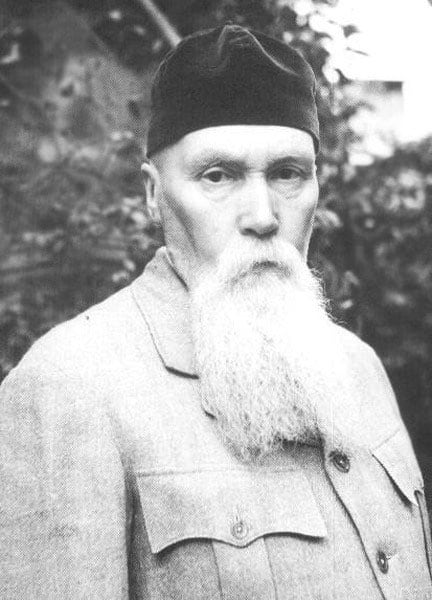
Nicolás Roerich en la India, década de 1940 · Public domain
उनके अपने शब्दों में
«Simplicity — Beauty — Fearlessness: so it is ordained! Fearlessness is our guide. Beauty is the ray of comprehension and upliftment.»Shambhala (Nueva York: Stokes, 1930), ensayo «Star of the Mother of the World» (Talai-Pho-Brang, 1924), p. 141

शुरुआत के लिए एक रचना
Altai-Himalayaमूल विचार
Peace through Culture: A formula summing up Roerich's public programme from the 1920s on: culture—art, science, education, heritage—is not an ornament of civilisation but its moral foundation, and defending it is the surest road to peace between peoples.
संदर्भ में देखें
जीवनी
6 मिनट का पाठ
स्पैनिश मूल से सहायता-प्राप्त अनुवाद, मातृभाषी अनुवादक द्वारा समीक्षा लंबित।
पत्थरों और किंवदंतियों का अभिलेखागार
निकोलाई कोंस्तांतिनोविच रेरिख — जिन्हें भारत और पश्चिम में निकोलस रोरिक के नाम से जाना जाता है — का जन्म 9 अक्टूबर 1874 को (जूलियन पंचांग के अनुसार 27 सितंबर को) सेंट पीटर्सबर्ग में हुआ। वे बाल्टिक-जर्मन मूल के नोटरी कोंस्तांतिन रेरिख और व्यापारी परिवार से आई मारिया कलाश्निकोवा की पहली संतान थे। पारिवारिक घर में और राजधानी के दक्षिण में स्थित इज़्वारा की जागीर में बालक ने खनिज और सिक्के एकत्र किए, और नौ वर्ष की आयु में उस अंचल के समाधि-टीलों की खुदाई में एक पुरातत्त्ववेत्ता के साथ गया: धरती में दबा अतीत ही उसके संपूर्ण कृतित्व की सामग्री बनने वाला था। 1893 में उन्होंने एक साथ सेंट पीटर्सबर्ग विश्वविद्यालय के विधि संकाय और शाही ललित कला अकादमी में प्रवेश लिया, और 1895 से भूदृश्य-चित्रकार आर्खिप कुइंद्ज़ी के स्टूडियो में काम किया।
1897 में उन्होंने संदेशवाहक नामक चित्र के साथ अकादमी की पढ़ाई पूरी की — आदिकालीन रूस का एक दृश्य, जिसे पावेल त्रेत्याकोव ने अपनी कलादीर्घा के लिए ख़रीद लिया। स्वयं रोरिक द्वारा दशकों बाद लिखे गए वृत्तांत के अनुसार, आलोचक व्लादिमीर स्तासोव ने उन्हें तब लेव तोल्स्तोय से मिलने भेजा, जिन्होंने उन्हें सलाह दी कि नाव को सदा उस बिंदु से ऊपर की ओर खेना चाहिए जहाँ पहुँचना है, क्योंकि धारा बहा ले जाती है। इसी समय वे सेंट पीटर्सबर्ग, नोवगोरोद और त्वेर प्रांतों में उत्खनन कर रहे थे और क्षेत्र-कार्य की अपनी पहली रिपोर्टें प्रकाशित कर रहे थे; पाषाण युग की वस्तुओं का उनका संग्रह, जो अंततः तीस हज़ार से अधिक वस्तुओं तक पहुँचा, आज हर्मिटाज संग्रहालय में सुरक्षित है।
प्राचीन रूस का चित्रकार
1901 में उन्होंने एक वास्तुकार की पुत्री येलेना इवानोव्ना शापोश्निकोवा से विवाह किया, जो माँ की ओर से मुसोर्गस्की की संबंधी थीं, पियानोवादक और अतृप्त पाठिका थीं, और जो हर काम में उनकी सहयोगिनी बनने वाली थीं; 1902 में यूरी (जॉर्ज) का जन्म हुआ, जो आगे चलकर तिब्बतविद् बने, और 1904 में स्व्यातोस्लाव का, जो स्वयं भी चित्रकार हुए। 1903 और 1904 में दंपति ने रूस के चालीस से अधिक प्राचीन नगरों की यात्रा की; उस यात्रा से वास्तुकला के लगभग नब्बे अध्ययन-चित्र निकले और उपेक्षित गिरजाघरों, परकोटों और प्रतिमाओं (आइकनों) की रक्षा के लिए एक अग्रणी अभियान भी। 1906 से उन्होंने शाही कला-प्रोत्साहन सोसाइटी के विद्यालय का संचालन किया, जिसे उन्होंने एक ही छत के नीचे सभी कलाओं की कार्यशाला में बदल दिया, और 1910 में “मीर इस्कुस्स्त्वा” (“कला का संसार”) समूह की अध्यक्षता सँभाली।
उन्हें यूरोपीय ख्याति रंगमंच से मिली। सेर्गेई दिआगिलेव के बैले रूस के लिए उन्होंने 1909 में प्रिंस इगोर के “पोलोवत्सियन नृत्य” की रूपरेखा रची और 1913 में द राइट ऑफ़ स्प्रिंग (वसंत का अनुष्ठान) के मंच-दृश्य और वेशभूषा तैयार की, जिसका कथानक — मूर्तिपूजक रूस में एक अनुष्ठानिक बलि — उन्होंने इगोर स्ट्राविंस्की के साथ मिलकर कल्पित किया था। 29 मई 1913 को पेरिस के थिएटर दे शाँज़-एलिज़े में हुआ प्रथम प्रदर्शन हंगामे में समाप्त हुआ। उन्होंने उपासना-स्थलों के लिए भी काम किया: तालाश्किनो में राजकुमारी मारिया तेनिशेवा के पवित्र आत्मा गिरजाघर का भित्तिचित्र और पच्चीकारी, और सेंट पीटर्सबर्ग के बौद्ध मंदिर की रंगीन काँच की खिड़कियाँ।
युद्ध और पूर्व की ओर मोड़
लगभग 1905 से उनके निबंधों और कैनवसों में भारत के विषय दिखने लगते हैं। रोरिक दंपति रामकृष्ण और विवेकानंद, भगवद्गीता, रवींद्रनाथ ठाकुर और थियोसॉफ़िकल साहित्य पढ़ते थे; येलेना ने वर्षों बाद ब्लावात्स्की की द सीक्रेट डॉक्ट्रिन (गुप्त सिद्धांत) का रूसी में अनुवाद किया। 1916 में निमोनिया से ग्रस्त होकर वे परिवार सहित फ़िनलैंड के करेलिया में सेर्दोबोल (सोर्तावाला) चले गए; अक्टूबर क्रांति के बाद, जिसकी हिंसा से वे सबसे अधिक कलात्मक धरोहर के भविष्य को लेकर आशंकित थे, परिवार सीमा के फ़िनिश पक्ष में रह गया और फिर कभी नहीं लौटा।
स्वीडन होते हुए वे 1919 में लंदन पहुँचे, जहाँ रोरिक ने थॉमस बीचम के लिए मंच-सज्जाकार के रूप में काम किया। वहीं 1920 के वसंत में पारिवारिक प्रेत-विद्या बैठकें — मेज़ घुमाने और स्वचालित लेखन की — आरंभ हुईं, जिनमें रोरिक परिवार के अनुसार महात्मा मोर्य प्रकट हुए: यही उस शिक्षा का केंद्र था जो आगे चलकर अग्नि योग या “जीवंत नीतिशास्त्र” बनी, जिसे येलेना ने बाद में “दिव्य श्रवण” द्वारा ग्रहण किया। 1907 में आरंभ हुआ कविता-चक्र मोर्य के पुष्प 1921 में बर्लिन से प्रकाशित हुआ। जैसा कि अलेक्सांद्र आंद्रेयेव ने उनकी नोटबुकों के आधार पर पुनर्निर्मित किया है, तब से ये संदेश परिवार के निर्णयों का मार्गदर्शन करते रहे।
न्यूयॉर्क और मध्य एशिया अभियान
शिकागो के आर्ट इंस्टीट्यूट के निमंत्रण पर रोरिक अक्टूबर 1920 में एक प्रदर्शनी के साथ संयुक्त राज्य अमेरिका पहुँचे, जो पूरे देश में घूमी। न्यूयॉर्क में उन्होंने मास्टर इंस्टीट्यूट ऑफ़ यूनाइटेड आर्ट्स (1921), कोरोना मुंडी केंद्र (1922) और नवंबर 1923 में पहला रोरिक संग्रहालय स्थापित किया, जिसका वित्तपोषण शेयर-दलाल लुइस हॉर्च ने किया; 1929 में ये सभी संस्थाएँ रिवरसाइड ड्राइव की एक गगनचुंबी इमारत, मास्टर बिल्डिंग, में चली गईं। मई 1923 में परिवार भारत के लिए रवाना हुआ और दार्जिलिंग में बस गया।
1925 से 1928 तक रोरिक परिवार ने तथाकथित मध्य एशिया अभियान में कश्मीर, लद्दाख, चीनी तुर्किस्तान, अल्ताई, मंगोलिया और तिब्बत की यात्रा की। अमेरिकी ध्वज के तले एक कलात्मक और वैज्ञानिक उपक्रम के रूप में प्रस्तुत यह अभियान एक अपना लक्ष्य भी रखता था: “पूर्व का पवित्र संघ”, आंतरिक एशिया का एक बौद्ध महासंघ, जिसकी घोषणा मैत्रेय और शंभल राज्य के आगमन से होनी थी। 1926 की गर्मियों में रोरिक मॉस्को में रुके, विदेश मामलों के जन-कमिसारियत को महात्माओं के नाम से जुड़ा एक संदेश और लेनिन की समाधि के लिए हिमालय की मिट्टी से भरी एक मंजूषा सौंपी, और योजना के लिए समर्थन माँगा; सोवियत अधिकारियों ने उन्हें सुविधाएँ तो दीं, पर कोई वचन नहीं दिया। अक्टूबर 1927 में तिब्बती अधिकारियों ने नागचू के उत्तर में कारवाँ को रोक लिया: उसने लगभग साढ़े चार हज़ार मीटर की ऊँचाई पर ग्रीष्मकालीन तंबुओं में पाँच महीने बिताए, और उसके पाँच सदस्यों की मृत्यु हो गई।
संधि और अमेरिका से विच्छेद
1928 में परिवार कुल्लू घाटी के नग्गर में बस गया, जहाँ उसने उरुस्वती हिमालयी शोध संस्थान की स्थापना की। अगले वर्ष रोरिक ने विधिवेत्ताओं जॉर्ज श्क्लावेर और आल्बेर द ला प्रादेल के साथ युद्धकाल में स्मारकों और सांस्कृतिक संस्थाओं की रक्षा के लिए एक संधि का प्रारूप प्रस्तुत किया, जिसका अपना प्रतीक था — “शांति ध्वज”: एक वृत्त के भीतर तीन गोले। 15 अप्रैल 1935 को व्हाइट हाउस में संयुक्त राज्य अमेरिका और बीस अन्य अमेरिकी गणराज्यों ने “कलात्मक और वैज्ञानिक संस्थाओं तथा ऐतिहासिक स्मारकों के संरक्षण की संधि” पर हस्ताक्षर किए, जो रोरिक संधि के नाम से प्रसिद्ध है। इसके प्रवर्तक को 1929, 1932 और 1935 में नोबेल शांति पुरस्कार के लिए नामित किया गया।
कृषि सचिव हेनरी ए. वॉलेस ने, जो रोरिक के प्रशंसक थे, 1934–1935 में उन्हें सूखा-सहिष्णु पौधों के बीज एकत्र करने के लिए मंचूरिया और भीतरी मंगोलिया के एक अभियान का दायित्व सौंपा। यह मिशन कूटनीतिक तनावों में समाप्त हुआ; 1935 में वॉलेस ने उनसे संबंध तोड़ लिए और उसी वर्ष लुइस हॉर्च तथा अन्य न्यासियों ने उन्हें उनकी न्यूयॉर्क की संस्थाओं से अलग कर दिया; बाद में एक मुक़दमे ने मास्टर बिल्डिंग का स्वामित्व उन्हीं को दे दिया। वे पत्र, जिनमें वॉलेस रोरिक को “प्रिय गुरु” कहकर संबोधित करते थे, 1948 में समाचार-पत्रों में छपे और अपने राष्ट्रपति-चुनाव अभियान के दौरान वे उस राजनेता का पीछा करते रहे।
कुल्लू
1935 के अंत से रोरिक ने भारत फिर कभी नहीं छोड़ा। नग्गर में उन्होंने हिमालय के हज़ारों अध्ययन-चित्र और शंभल, तिब्बत तथा कुल्लू पर चित्र-शृंखलाएँ बनाईं। उन्होंने रीगा और भारत से निबंधों के संग्रह प्रकाशित किए — भविष्य के द्वार, अविनाशी, हिमवत्, हिमालय: प्रकाश का धाम — और लगभग प्रतिदिन अपने “डायरी के पन्ने” लिखे। 1942 में उन्होंने जवाहरलाल नेहरू और उनकी पुत्री इंदिरा का स्वागत किया। सोवियत संघ लौटने के उनके अनुरोध, जो 1936 से बार-बार किए गए, अनुत्तरित रहे। 13 दिसंबर 1947 को नग्गर में उनका देहांत हुआ और दो दिन बाद उनका दाह-संस्कार किया गया; उस स्थान पर अभिलेखयुक्त एक शिला लगी है।
प्रलेखित और परंपरा से प्राप्त
जो प्रलेखित है, वह है सात हज़ार से अधिक कृतियों का एक चित्रकार, सदी के मोड़ पर रूस का एक अग्रणी पुरातत्त्ववेत्ता और मंच-सज्जाकार, संस्थाओं का एक अथक संस्थापक और सांस्कृतिक धरोहर को समर्पित पहली अंतरराष्ट्रीय संधियों में से एक का प्रेरणा-स्रोत। जो रोरिक-आंदोलनों के माध्यम से परंपरा में चला आया है — कि महात्मा मोर्य उनके क़दमों का मार्गदर्शन करते थे, कि अभियान शंभल की खोज में था, या कि कुछ लामाओं ने उन्हें पाँचवें दलाई लामा का अवतार माना — वह परिवार और उसके अनुयायियों की डायरियों से आता है; हाल का शोध इसे उनकी जीवनी के अंग के रूप में पढ़ता है, किंतु प्रमाणित मानकर नहीं। उनके चित्र आज न्यूयॉर्क, मॉस्को, सेंट पीटर्सबर्ग, भारत, लातविया और बुल्गारिया में बिखरे हुए हैं।
स्रोत: Decter, Jacqueline (con el Nicholas Roerich Museum). Nicholas Roerich: The Life and Art of a Russian Master. Rochester (Vermont): Park Street Press, 1989. · McCannon, John. Nicholas Roerich: The Artist Who Would Be King. Pittsburgh: University of Pittsburgh Press, 2022. · Andreyev, Alexandre. The Myth of the Masters Revived: The Occult Lives of Nikolai and Elena Roerich. Leiden/Boston: Brill, 2014 (Aries Book Series, 18). · Znamenski, Andrei. Red Shambhala: Magic, Prophecy, and Geopolitics in the Heart of Asia. Wheaton (Illinois): Quest Books, 2011. · Roerich, Nicholas. Altai-Himalaya: A Travel Diary. Introducción de Claude Bragdon. Nueva York: Frederick A. Stokes, 1929.
कालक्रम
जीवन, वर्ष-दर-वर्ष
प्रत्येक बिंदु एक प्रमाणित घटना है। उसे स्रोत और निश्चितता के स्तर सहित पढ़ने के लिए क्लिक करें।
9 अक्टूबर 18740 वर्षSan Petersburgo
Birth
Nikolai Konstantinovich Rerikh is born, son of the notary Konstantin Rerikh and Maria Kalashnikova. The date corresponds to 27 September in the Julian calendar.
प्रमाणितNicholas Roerich Museum (Nueva York). «Nicholas Roerich: biographical outline» (Early Years, The Theatrical Years, The Clouds of War, Travel to Other Shores, America, India).
उनके निधन के बाद
- 1949The museum refounded
9 अक्टूबर 1874 · 0 वर्ष
Birth
Nikolai Konstantinovich Rerikh is born, son of the notary Konstantin Rerikh and Maria Kalashnikova. The date corresponds to 27 September in the Julian calendar.
प्रमाणित
1893 · 18 वर्ष
Law and Fine Arts
He enrols simultaneously in the University's Faculty of Law and the Imperial Academy of Arts; from 1895 he studies in Arkhip Kuindzhi's studio.
प्रमाणित
1897 · 23 वर्ष
The Messenger
His graduation picture, The Messenger, is bought by Pavel Tretyakov. According to his own later account, he visits Leo Tolstoy on Stasov's advice.
प्रमाणित
28 अक्टूबर 1901 · 27 वर्ष
Marriage to Helena Shaposhnikova
He marries Helena Ivanovna Shaposhnikova in the church of the Academy of Arts (date in the Julian calendar). Their sons Yuri (1902) and Svetoslav (1904) will follow.
प्रमाणित
1903 – 1904 · 28 वर्ष
Journey through ancient Russia
With Helena he visits more than forty historic towns, paints some ninety architectural studies and begins his campaign for the preservation of monuments.
प्रमाणित
1906 · 31 वर्ष
Director of the School of the Society for the Encouragement of the Arts
He takes over the school, reorganising it with workshops for icons, ceramics, weaving and engraving; he will direct it until the revolution.
प्रमाणित
29 मई 1913 · 38 वर्ष
Premiere of The Rite of Spring
The Ballets Russes premiere at the Théâtre des Champs-Élysées the ballet whose scenario he conceived with Stravinsky and whose sets and costumes he designed. The performance ends in uproar.
प्रमाणित
1916 · 41 वर्ष
Move to Karelia
Ill with pneumonia, he settles with his family on the shore of Lake Ladoga. After the October Revolution the family remains on the Finnish side and will never return to Russia.
प्रमाणित
मार्च 1920 · 45 वर्ष
Beginning of Agni Yoga
In family spiritualist sessions the first messages attributed to the Mahatma Morya are recorded—the origin of the Living Ethics teaching.
प्रमाणित
अक्टूबर 1920 · 46 वर्ष
Arrival in the United States
Invited by the Art Institute of Chicago, he begins a touring exhibition across the country. In 1921 he founds the Master Institute of United Arts.
प्रमाणित
नवंबर 1923 · 49 वर्ष
Founding of the Roerich Museum
The first museum devoted to his work opens on Riverside Drive, financed by Louis Horch. The family had already left for India in May.
प्रमाणित
1925 – 1928 · 50 वर्ष
The Central Asian Expedition
The family's crossing of Inner Asia begins; it will last until 1928 and Roerich will narrate it in Altai-Himalaya and Heart of Asia.
प्रमाणित
जून 1926 · 51 वर्ष
The Moscow visit
He hands the Soviet authorities a message attributed to the Mahatmas and a casket of Himalayan earth for Lenin's tomb, and seeks support for his project of a Buddhist federation in Asia.
प्रमाणित
6 अक्टूबर 1927 · 52 वर्ष
Detention in Tibet
The Tibetan authorities halt the caravan; it spends five months in summer tents at high altitude and five of its members die. In March 1928 it is allowed to leave for Sikkim.
प्रमाणित
जुलाई 1928 · 53 वर्ष
The Urusvati Institute
The family settles in the Kullu valley and founds the Urusvati Himalayan Research Institute, directed by their son George.
प्रमाणित
1929 · 54 वर्ष
Draft Pact and Nobel nomination
He presents the draft treaty for the protection of cultural heritage, prepared with Georges Chklaver and Albert de La Pradelle. He is nominated for the Nobel Peace Prize, and will be again in 1932 and 1935.
प्रमाणित
1934 – 1935 · 59 वर्ष
The Manchurian expedition
He leads, for the US Department of Agriculture, an expedition in search of drought-resistant plants commissioned by Henry A. Wallace. It ends in diplomatic friction.
प्रमाणित
15 अप्रैल 1935 · 60 वर्ष
Signing of the Roerich Pact
The United States and twenty other American republics sign the Treaty on the Protection of Artistic and Scientific Institutions and Historic Monuments, in the presence of Franklin D. Roosevelt.
प्रमाणित
1935 · 61 वर्ष
Break with Louis Horch and with Wallace
The trustees of his New York institutions, led by Horch, remove him from them; a later lawsuit gives them ownership of the Master Building. Wallace also breaks with him.
प्रमाणित
1942 · 67 वर्ष
Visit of Nehru and Indira
He receives Jawaharlal Nehru and his daughter Indira in Kullu; they discuss an Indo-Russian cultural association.
प्रमाणित
13 दिसंबर 1947 · 73 वर्ष
Death
He dies at his house in Naggar. He is cremated on 15 December; an inscribed stone marks the place of cremation.
प्रमाणित
1949
The museum refounded
Sina Fosdick and other associates open the Nicholas Roerich Museum on West 107th Street, which remains open.
प्रमाणित
कृतियाँ
आवश्यक कृतियाँ
वे कृतियाँ जिनके बिना उनकी विरासत को समझा नहीं जा सकता।
लिखित कृति · 1927
Altai-Himalaya
Алтай — Гималаи (Мысли на коне и в шатре)
Travel diary of the Central Asian Expedition from the voyage to India (1923) to Mongolia (1926), written 'on horseback and in the tent'. It alternates landscape notes, observations on monasteries, legends of Shambhala and Maitreya, stories of Issa gathered in Ladakh, political remarks and reflections on culture. It is the main source for reconstructing Roerich's itinerary and thought in those years, and contains his description of the shining object the caravan saw in the sky over Kukunor on 5 August 1927.
7 संस्करण

लिखित कृति · 1929
Heart of Asia
Сердце Азии
A concise account of the Central Asian Expedition written after it ended: the route from Sikkim to Tibet, the detention at Chunargen, the monasteries, the prophecies of Shambhala and Maitreya that Roerich gathered among Buddhists and Old Believers, and a closing essay on the teaching of Shambhala. Shorter and more orderly than Altai-Himalaya, it was the book with which Roerich presented to Western readers the meaning he gave his journey. It was translated into English and Spanish in 1930.
6 संस्करण

लिखित कृति · 1930
Shambhala
A book of essays dated between 1925 and 1929 at the places of the expedition, opened by 'Shambhala the Resplendent', a dialogue with a lama about the hidden kingdom of the Kalachakra tradition, and followed by texts on Tibetan Buddhism and art, the 'subterranean dwellers', the 'Star of the Mother of the World', the Urusvati institute, the gods of Kullu and the guru. It is the text in which Roerich sets out most clearly his reading of Shambhala as both symbol and reality, and the one that fixed the Western image of the subject for decades. It should be read as the work of a believer, not as a study of Tibetan Buddhism.
6 संस्करण

लिखित कृति · 1921
Flowers of Morya
Цветы Мории
Roerich's only book of poetry: short unrhymed poems grouped in cycles—one of them 'To the Boy'—written between pre-war Russia and emigration. Their tone is that of parable and exhortation; already present are the inner master, the path, the light and the expectation of a new era that would later dominate Agni Yoga. The title alludes to Morya, the Mahatma to whom the family attributed its communications. It has been included in anthologies of Russian free verse.
5 संस्करण
संपूर्ण कृतित्व (33)

Realm of Light
1931
Nicholas Roerich
Gates into the Future
The Conscious LibraryGates into the Future
1936

The Invincible
1936

Himavat: Diary Leaves
1946

Himalayas — Abode of Light
1947

Beautiful Unity
1946

Fiery Stronghold
1932

Adamant
1923

Paths of Blessing
1924
Nicholas Roerich
Sacred Vigil
The Conscious LibrarySacred Vigil
1934
Nicholas Roerich
Banner of Peace
The Conscious LibraryBanner of Peace
1934
Nicholas Roerich
To the Woman's Heart
The Conscious LibraryTo the Woman's Heart
1931
Nicholas Roerich
Maitreya
The Conscious LibraryMaitreya
1932
Nicholas Roerich
The Joy of Art
The Conscious LibraryThe Joy of Art
1928
Nicholas Roerich
Collected Works, Book One
The Conscious LibraryCollected Works, Book One
1914
Nicholas Roerich
The Rite of Spring (scenario)
The Conscious LibraryThe Rite of Spring (scenario)
1913
Nicholas Roerich
Violators of Art
The Conscious LibraryViolators of Art
1919
Nicholas Roerich
Tales and Parables
The Conscious LibraryTales and Parables
1916
Nicholas Roerich
Art and Archaeology
The Conscious LibraryArt and Archaeology
1898
Nicholas Roerich
Some Antiquities of the Shelon Pyatina and the Bezhetsk End
The Conscious LibrarySome Antiquities of the Shelon Pyatina and the Bezhetsk End
1899
Nicholas Roerich
The 1899 Excursion of the Archaeological Institute and the Finnic Burials of Saint Petersburg Province
The Conscious LibraryThe 1899 Excursion of the Archaeological Institute and the Finnic Burials of Saint Petersburg Province
1900
Nicholas Roerich
Some Antiquities of the Derevskaya and Bezhetsk Pyatinas
The Conscious LibrarySome Antiquities of the Derevskaya and Bezhetsk Pyatinas
1903
Nicholas Roerich
Through the Old Days
The Conscious LibraryThrough the Old Days
1904
Nicholas Roerich
The Stone Age on Lake Piros
The Conscious LibraryThe Stone Age on Lake Piros
1905
वचन
किसी निश्चित कृति में स्थित वचन। प्रत्येक के साथ उसका स्रोत और विश्वसनीयता का स्तर है।
Simplicity — Beauty — Fearlessness: so it is ordained! Fearlessness is our guide. Beauty is the ray of comprehension and upliftment.सत्यापितShambhala (Nueva York: Stokes, 1930), ensayo «Star of the Mother of the World» (Talai-Pho-Brang, 1924), p. 141
अप्रामाणिक या विवादित आरोपण वाले उद्धरण (1)
«'Art will unify all humanity.'»
A widely circulated phrase, used by the Nicholas Roerich Museum itself in its presentation, but quoted without reference to a specific work. It has not been found in the texts consulted (Altai-Himalaya, Shambhala, Heart of Asia, Himalayas—Abode of Light); it is recorded as of unverified origin until the source essay is found.
अंतिम शब्द
उनके अंतिम शब्दों का कोई सत्यापन-योग्य अभिलेख उपलब्ध नहीं है।
There is no reliable record of his last words. He died at his house in Naggar on 13 December 1947 surrounded by his family; what survives from those days are Helena Roerich's letters, which describe the day of the cremation—windless, the mountains freshly covered in snow—and the inscription on the stone raised at the spot.
स्रोत: «Nicholas Roerich», Wikipedia en inglés (Biography, Asian expedition, Manchurian expedition, Later life, Cultural legacy), revisión consultada el 2026-10-25.
पूछें
उनकी कृतियाँ क्या उत्तर देती हैं
मानवता के बारह महान प्रश्न और उनके ग्रंथ उनका जो उत्तर देने देते हैं, संदर्भों सहित। हम कभी उनके मुख में अपने शब्द नहीं रखते।
परम सत्य क्या है? क्या ईश्वर है?
He does not theorise about God: he speaks of Beauty, Knowledge and the mahatmas
इस पर कुछ नहीं कहा
Nicholas Roerich left no explicit doctrine of the Absolute. His essays in Shambhala, Altai-Himalaya or Heart of Asia speak of Beauty as a ray of understanding and elevation, of Knowledge, of the mahatmas said to have lived in Sikkim and of the expectation of Maitreya, and they treat Orthodox saints, Tibetan Buddhism and Hindu traditions with equal respect. The question of God's nature is, in his work, absorbed into a religiosity of culture and sacred landscape. The metaphysical formulation of the family circle belongs to Agni Yoga, written down by his wife Helena and presented as dictated by the mahatma Morya; ascribing that theology to Nicholas would go beyond what he signed.
इस प्रश्न की अन्य गुरुओं से तुलना करेंमैं कौन हूँ? क्या कोई सच्चा आत्म है?
He left no doctrine of the self; his work looks to culture and landscape
इस पर कुछ नहीं कहा
Nicholas Roerich did not address the question of the self systematically. His books of essays and travel diaries, such as Altai-Himalaya, Heart of Asia or Shambhala, collect legends, conversations with lamas and reflections on art, beauty and peace, but do not propose an anthropology. He shares with his wife the general framework of Theosophy and Agni Yoga, in which the human being is a soul evolving through many lives, and he mentions Asian beliefs in rebirth as a matter of course; but that doctrine is formulated in Helena's books, not in his. The nearest thing to an answer of his own is his insistence that the human being is raised by beauty and culture, which he considers the way to the best in oneself.
इस प्रश्न की अन्य गुरुओं से तुलना करेंहम दुःख क्यों भोगते हैं?
Ignorance and the destruction of culture breed war and pain
सामाजिक और नैतिक अव्यवस्थाउनके सिद्धांत से निष्कर्षित
Nicholas Roerich did not elaborate a theory of individual suffering, but he did offer a diagnosis of collective pain. A witness of the First World War and the revolution, he attributed barbarism to ignorance and to the loss of the sense of beauty and the sacred, and saw in culture, which he understood as the cult of light, the remedy against violence. From that conviction arose his campaign for an international treaty protecting monuments, museums and scientific institutions in wartime, with the Banner of Peace as its emblem, signed in 1935 as the Roerich Pact. His essays, gathered in books such as Banner of Peace, repeat that where culture degrades, hatred and destruction grow. Suffering is, in his work, above all a disorder of civilisation.
इस प्रश्न की अन्य गुरुओं से तुलना करेंमृत्यु के बाद क्या होता है?
He wrote no doctrine of the afterlife; he leaves it to Agni Yoga
इस पर कुछ नहीं कहा
Nicholas Roerich devoted no writings of his own to explaining what happens after death. In his travel diaries through Central Asia he records with interest Tibetan and Mongolian beliefs about rebirth, reincarnated lamas and subtle worlds, and his painting often depicts saints, ascetics and heavenly dwellings; but these are the materials of a chronicler and an artist, not a systematic teaching. The doctrinal framework in which the family moved, that of Theosophy and Agni Yoga, teaches reincarnation according to karma and life in the subtle and fiery worlds, and it is formulated in the books Helena Roerich wrote down. Ascribing that doctrine to him as a position he wrote would go beyond what his texts allow us to state.
इस प्रश्न की अन्य गुरुओं से तुलना करेंमुक्ति या उद्धार कैसे प्राप्त होता है?
He does not speak of personal salvation: his horizon is raising human culture
इस पर कुछ नहीं कहा
Nicholas Roerich formulated no doctrine of liberation or individual salvation. His essays speak of elevation, of ascent towards light and of a better future, which he associates with the coming of Maitreya and the tradition of Shambhala, but that hope is collective and bound up with culture, beauty and peace among peoples. Labour, simplicity and fearlessness appear as virtues of the way, and beauty as a ray of understanding, without being ordered into a method. The disciplines of thought and heart the family followed are set out in Agni Yoga, written down by Helena Roerich. His painting and writings prefer to show the horizon rather than trace the path.
इस प्रश्न की अन्य गुरुओं से तुलना करेंक्या गुरु आवश्यक है?
He reveres the Asian figure of the Teacher and the mahatmas of the Himalaya
अनिवार्यउनके सिद्धांत से निष्कर्षित
In his travel books and essays, Nicholas Roerich treats with reverence the relation between teacher and disciple as he saw it in India, Tibet and Mongolia, and proposes it as a model against Western individualism. His pages on Sikkim recall that the mahatmas were said to have been there, and the Central Asian Expedition was presented in part as a mission connected with them; Helena and he regarded themselves as disciples of the mahatma Morya, from whom the teaching of Agni Yoga was said to come. He also admired the Russian saintly teachers, such as Sergius of Radonezh, whom he painted repeatedly. His work sets out no theory of initiation, but it takes for granted that the highest knowledge is received from those who guard it and is not improvised.
इस प्रश्न की अन्य गुरुओं से तुलना करेंक्या संसार वास्तविक है?
Behind the visible mountains lies a subtler reality: Shambhala
अस्तित्व के लोकउनके सिद्धांत से निष्कर्षित
Nicholas Roerich's painting and writing present the visible world as the veil of a subtler one. His Himalayan pictures, with almost transparent mountains and figures of saints and messengers, and his books Shambhala and Heart of Asia, which gather Tibetan and Mongolian legends about a hidden kingdom of sages, suggest a reality in planes, in which the highest exists but reveals itself only to those who are prepared. In Altai-Himalaya he also records phenomena he interpreted as signs of that other reality. He built no cosmology of his own: the framework of planes of existence he takes from Theosophy and Agni Yoga. His contribution is that of an artist who sought to show the invisible through the visible, without denying the latter its beauty and worth.
इस प्रश्न की अन्य गुरुओं से तुलना करेंप्रेम क्या है?
He left no reflection of his own on love; he speaks of beauty, peace and brotherhood
इस पर कुछ नहीं कहा
Nicholas Roerich did not write on love as a theme of its own. His essays insist on related values, beauty that unites, peace among peoples, respect for the work and culture of others, the brotherhood of those who seek the light, and his campaign for the Pact that bears his name can be read as a form of care for humanity's common heritage. But his books contain no doctrine of love like those of the mystics or the philosophers of his generation, nor any reflection on personal love. Agni Yoga, written down by his wife, treats the heart and love as energy, and its book Brotherhood develops the idea of community, but these are Helena's texts, not Nicholas's.
इस प्रश्न की अन्य गुरुओं से तुलना करेंक्या हम स्वतंत्र हैं, या सब कुछ पूर्वनिर्धारित है?
He did not address the question; his work speaks of duty, labour and fearlessness
इस पर कुछ नहीं कहा
Nicholas Roerich did not write on the problem of freedom and determinism. His essays constantly urge action, work, fearlessness and the building of a better future, which presupposes a practical confidence in the human capacity to choose and transform one's surroundings; and his idea that the past is good as long as it does not hinder the future expresses that orientation. At the same time, he shares with Theosophy and Agni Yoga the belief in a cosmic plan and in the law of karma, which his wife sets out in the books she wrote down. There is no attempt in his writings to articulate the two, nor any reflection on individual destiny. The question lies outside his field, which is culture.
इस प्रश्न की अन्य गुरुओं से तुलना करेंध्यान या प्रार्थना क्यों करें?
He painted ascetics and saints, but did not write on prayer or meditation
इस पर कुछ नहीं कहा
Nicholas Roerich depicted many people at prayer in his painting: Saint Sergius of Radonezh, Himalayan ascetics, Tibetan monks, lamas in meditation. In his travel diaries he describes Central Asian monasteries, rites and practices with respect. But he left no reflection of his own on the meaning of prayer or meditation, nor did he prescribe practices. His essays suggest that the contemplation of beauty, nature and art raises the human being, and that the thought of beauty is so powerful it cannot be kept in silence, but that idea does not become a doctrine of prayer. The indications on communion with the Master and the discipline of the heart belong to Agni Yoga, written down by his wife.
इस प्रश्न की अन्य गुरुओं से तुलना करेंक्या बुद्धि परम को जान सकती है?
Beauty and knowledge united; the highest knowledge is kept by hidden sages
गूढ़ ज्ञानउनके सिद्धांत से निष्कर्षित
Nicholas Roerich placed great value on knowledge: he was an archaeologist, founded educational and scientific institutions, such as the Himalayan research institute Urusvati, and in his essays joined science, art and spirituality in a single quest. In Heart of Asia he notes that in Asia, if one speaks in the name of Beauty and Knowledge, one is immediately asked which Beauty and which Knowledge: not just any learning, but the kind that elevates. His books on Shambhala gather the tradition of a kingdom of sages who guard a higher knowledge, and he regarded himself as the bearer of a teaching received from the mahatmas. He wrote no theory of knowledge, but his work assumes that ultimate knowledge exists, is transmitted and can be verified through inner experience.
इस प्रश्न की अन्य गुरुओं से तुलना करेंसंसार से हटें या उसे बदलें?
Peace through culture: the Roerich Pact and the Banner of Peace
संसार में जुड़नास्पष्ट रूप से कहा है
Nicholas Roerich made cultural action his way of transforming the world. From 1929 he promoted an international treaty to protect monuments, museums and scientific and artistic institutions in time of war and peace, with its own emblem, the Banner of Peace: three spheres within a circle. The Roerich Pact was signed in Washington in 1935 by some twenty American countries and is one of the precedents of the Hague Convention of 1954. His essays, gathered in books such as Banner of Peace or Fiery Stronghold, argue that culture is the path to peace among peoples. He also founded museums, schools and a research institute in the Himalaya. His spirituality did not draw him away from the world: it committed him to the preservation of its beauty.
इस प्रश्न की अन्य गुरुओं से तुलना करें
निकटता और तनाव
निकटता और तनाव
उनके मतों के आधार पर प्रश्न-दर-प्रश्न आकलित। प्रत्येक सहमति या टकराव का कारण क्लिक करने पर।
इनसे मिलता-जुलता सोचते हैं
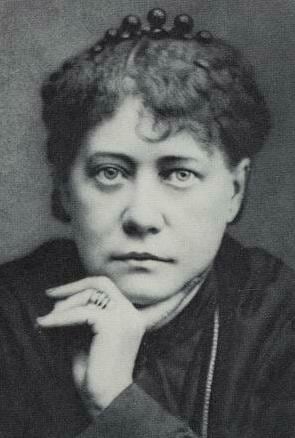
Helena Blavatsky
इन पर सहमत: क्या गुरु आवश्यक है? · क्या संसार वास्तविक है? · क्या बुद्धि परम को जान सकती है?
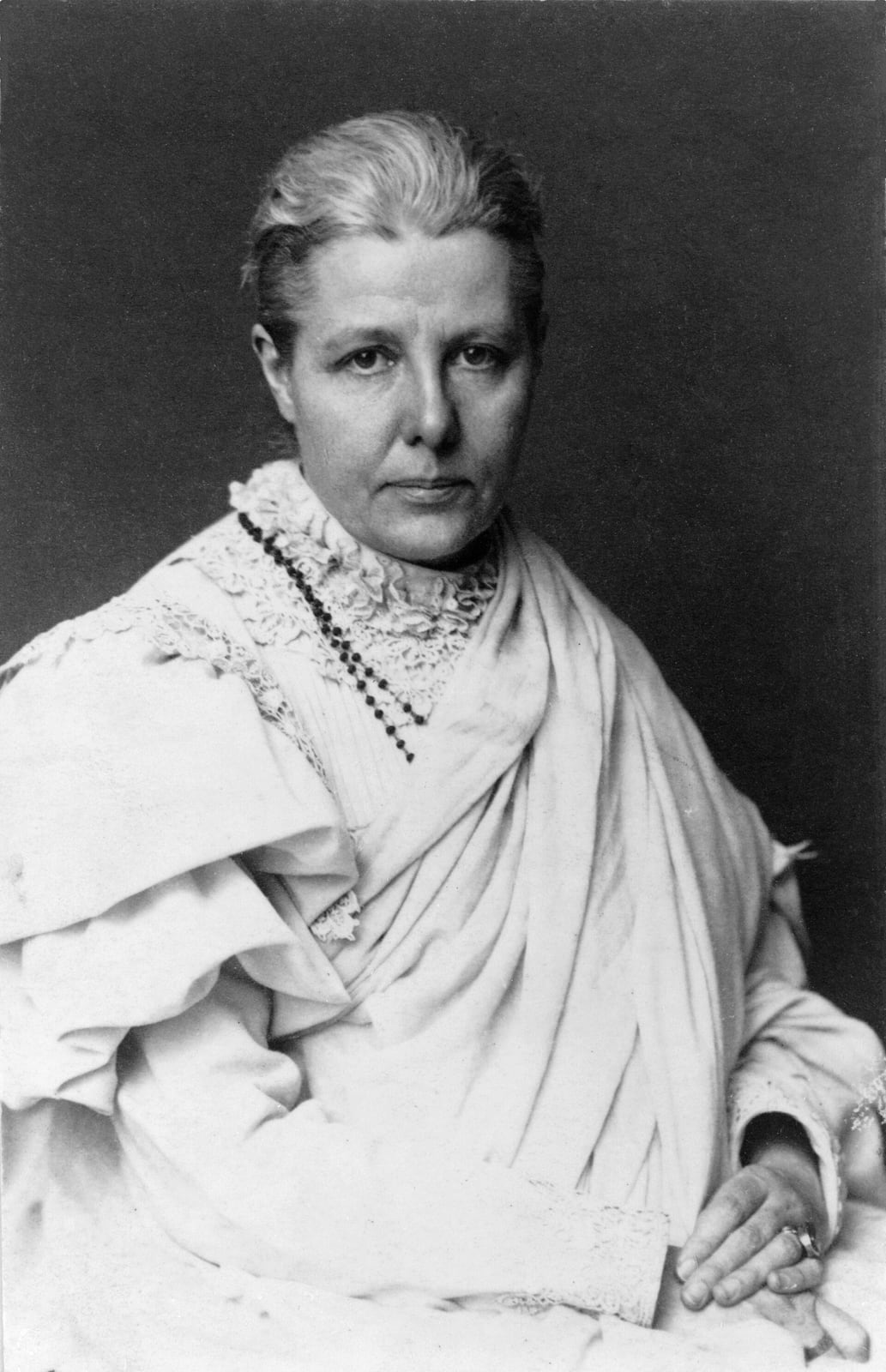
Annie Besant
इन पर सहमत: क्या गुरु आवश्यक है? · क्या संसार वास्तविक है? · क्या बुद्धि परम को जान सकती है?
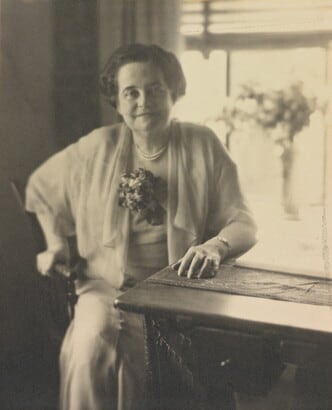
Alice A. Bailey
इन पर सहमत: क्या गुरु आवश्यक है? · क्या संसार वास्तविक है? · क्या बुद्धि परम को जान सकती है?
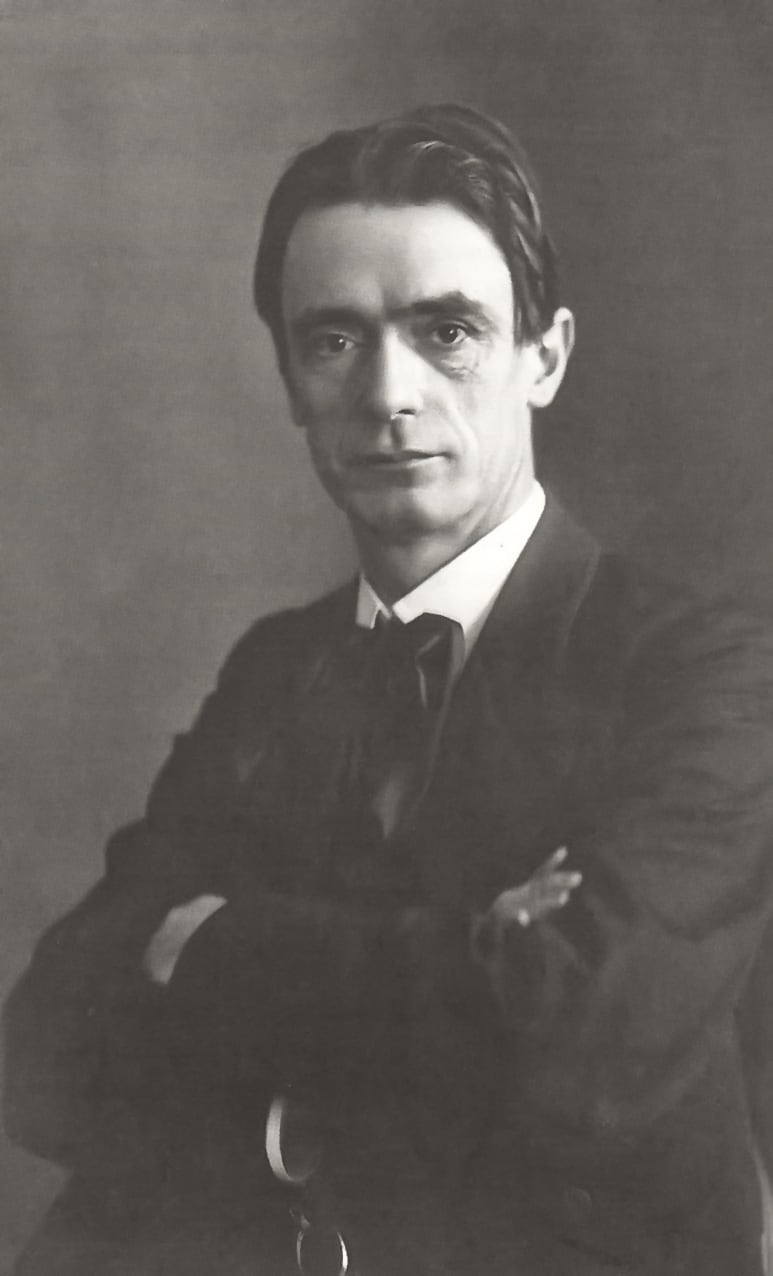
Rudolf Steiner
इन पर सहमत: क्या संसार वास्तविक है? · क्या बुद्धि परम को जान सकती है? · संसार से हटें या उसे बदलें?

प्रसंग और वृत्तांत
प्रसंग और वृत्तांत
साक्ष्य1897
'Steer higher': the visit to Tolstoy
वृत्तांत का स्रोत: We know it only from Roerich's own account, written decades later in his autobiographical essays and repeated by his biographers (Belikov and Kniazeva, 1972). There is no testimony from Tolstoy or third parties about the conversation; the visit itself is plausible and dated to 1897.
प्रमाणित1911–1913
The premiere of The Rite
वृत्तांत का स्रोत: The uproar at the premiere is documented by the Paris press and numerous witnesses. The shared authorship of the scenario has been debated ever since: Taruskin (1996) reconstructs the collaboration from the correspondence; Roerich's reflection comes from his writings, quoted by the Nicholas Roerich Museum.
स्रोत: Taruskin, Richard. Stravinsky and the Russian Traditions: A Biography of the Works through Mavra. 2 vols. Berkeley: University of California Press, 1996.
प्रमाणित1926
A casket for Lenin's tomb
वृत्तांत का स्रोत: Documented in the Soviet archives and studied by Rosov (2002–2004), Andreyev (2014), Znamenski (2011) and McCannon (2022). The text of the Mahatmas' message has been published; the Roerich movements dispute its political interpretation.
स्रोत: Znamenski, Andrei. Red Shambhala: Magic, Prophecy, and Geopolitics in the Heart of Asia. Wheaton (Illinois): Quest Books, 2011.
साक्ष्य1927
The shining oval over Kukunor
वृत्तांत का स्रोत: Altai-Himalaya (1929), p. 361, entry for 5 August. It is the only written testimony; since the 1950s UFO literature has presented it as a 'flying saucer' sighting, an interpretation not found in the text.
प्रमाणित1927–1928
Five months at Chunargen
वृत्तांत का स्रोत: Telegram of 24 May 1928 reproduced in the publisher's note to Altai-Himalaya (1929) and George N. Roerich's detailed account in Trails to Inmost Asia (1931). The figure of five dead comes from those family sources.
विवादित1925
The legends of Issa in Ladakh
वृत्तांत का स्रोत: Roerich tells it in Altai-Himalaya (1929) and Heart of Asia (1929–1930). The source of the story is Notovitch's book (1894), refuted by Max Müller (The Nineteenth Century, 1894) and J. Archibald Douglas (The Nineteenth Century, 1896). That Roerich heard oral versions in Ladakh does not prove the manuscript existed.
प्रमाणित1929–1948
'Dear Guru'
वृत्तांत का स्रोत: Culver and Hyde, American Dreamer (2000), reconstruct the episode from the correspondence and the press of the time; Wallace never fully denied authorship of the letters.
स्रोत: Culver, John C., y John Hyde. American Dreamer: The Life and Times of Henry A. Wallace. Nueva York: W. W. Norton, 2000.
शिक्षाएँ
शिक्षाएँ
वे अवधारणाएँ जो उनके चिंतन को रूप देती हैं, उनके संदर्भ में समझाई गई।
Peace through Culturepaz-por-la-cultura
Set out in Realm of Light, Fiery Stronghold and Gates into the Future; its legal expression is the Roerich Pact.
स्रोत: McCannon, John. Nicholas Roerich: The Artist Who Would Be King. Pittsburgh: University of Pittsburgh Press, 2022.
Roerich Pact and Banner of Peacepacto-roerich
Legal culmination of the 'Peace through Culture' programme; text in the ICRC database.
Shambhalashambhala
Central theme of Shambhala (1930), Heart of Asia and Altai-Himalaya.
स्रोत: Znamenski, Andrei. Red Shambhala: Magic, Prophecy, and Geopolitics in the Heart of Asia. Wheaton (Illinois): Quest Books, 2011.
Maitreya and the 'Great Plan'maitreya-gran-plan
Reconstructed by Rosov, Andreyev, Znamenski and McCannon from Russian and American archives.
स्रोत: Znamenski, Andrei. Red Shambhala: Magic, Prophecy, and Geopolitics in the Heart of Asia. Wheaton (Illinois): Quest Books, 2011.
Unity of the artssintesis-de-las-artes
Developed in Adamant and Beautiful Unity.
वीडियो
वीडियो
रिकॉर्डिंग, साक्षात्कार और वृत्तचित्र। वीडियो YouTube से चलते हैं; वे यहाँ संग्रहीत नहीं हैं।
«Рерих. Искусство возрождать» (documental)
वृत्तचित्र· RU· 2026· 27 min
Третьяковская галерея (Galería Tretiakov)आधिकारिक चैनल
Интервью с куратором выставки Николая Рериха
साक्षात्कार· RU· 43 min
Третьяковская галерея (Galería Tretiakov)आधिकारिक चैनल
«Неизвестный художник Николай Рерих»: «Чудо» (1923)
व्याख्यान· RU· 38 min
Музей Востока (Museo Estatal de Arte Oriental, Moscú)आधिकारिक चैनल
«Неизвестный художник Николай Рерих. Священный дар (1924)»
व्याख्यान· RU· 38 min
Музей Востока (Museo Estatal de Arte Oriental, Moscú)आधिकारिक चैनल
Онлайн-лекция «Мемориальный кабинет Н. К. Рериха»
व्याख्यान· RU· 43 min
Музей Востока (Museo Estatal de Arte Oriental, Moscú)आधिकारिक चैनल
Круглый стол «Актуальность пакта Рериха в XXI веке»
व्याख्यान· RU· 56 min
Музей Востока (Museo Estatal de Arte Oriental, Moscú)आधिकारिक चैनल
Honoring a Legacy of Peace: The 90th Anniversary of the Roerich Pact
व्याख्यान· EN· 2025· 25 min
Nicholas Roerich Museum - New Yorkआधिकारिक चैनल
Street scenes — Nicholas Roerich in Darjeeling, West Bengal, India, 1928
मूल रिकॉर्डिंग· 1928· 5 min
Nicholas Roerich Museum - New Yorkआधिकारिक चैनल
Николай Рерих. Фильм (1976)
वृत्तचित्र· RU· 1976· 54 min
Международный Центр Рерихов
Roerich. The Call of Cosmic Evolution (2013)
वृत्तचित्र· EN· 2013· 69 min
Международный Центр Рериховआधिकारिक चैनल
Фильм Татьяны Борщ «Николай Рерих. Под Знаменем Мира» (2019)
वृत्तचित्र· RU· 2019· 51 min
Международный Центр Рериховआधिकारिक चैनल
Nicholas Roerich (UNED, emitido en TVE-2)
वृत्तचित्र· ES· 2008· 23 min
UNED Documentosआधिकारिक चैनल
SER Historia: Nicolás Roerich, un místico pacifista
विश्लेषण· ES· 110 min
SER Podcast (Cadena SER)आधिकारिक चैनल
Shambhala. Nicholas Roerich and the Tibetan Buddhism (Guido Ferrari, 2012)
वृत्तचित्र· EN· 2012· 58 min
Guido Ferrari
«Николай и Елена Рерих. Больше, чем любовь»
YouTube पर देखें
यह वीडियो एम्बेड करने की अनुमति नहीं देता; यह YouTube पर खुलेगा।
«Николай и Елена Рерих. Больше, чем любовь»
वृत्तचित्र· RU· 39 min
Телеканал Культураआधिकारिक चैनल
चित्रशाला
चित्रशाला
सत्यापित लाइसेंस वाले चित्र। प्रत्येक में उसके रचयिता और श्रेय का उल्लेख सुरक्षित है।
पांडुलिपियाँ
पांडुलिपियाँ
पांडुलिपि-साक्ष्य और प्राचीन पाठ, उनके संरक्षक और अध्ययन की शर्तों सहित।
1897–1901
«Гонец» (1897) y la serie «Начало Руси. Славяне» (1901)
- संरक्षित पाठ-साक्ष्य
- Cuadros de historia de la Rus primitiva: «El mensajero», «Huéspedes de ultramar» y otros.
- संरक्षक
- Galería Tretiakov, Moscú (también Museo Estatal Ruso, San Petersburgo, para otras obras de la serie)
- डिजिटलीकरण
- commons.wikimedia.org/wiki/Category:Paintings_by…
1903–1904
Архитектурные этюды (1903–1904)
- संरक्षित पाठ-साक्ष्य
- Unos noventa estudios de iglesias, monasterios y fortalezas pintados durante el viaje por más de cuarenta ciudades antiguas de Rusia.
- संरक्षक
- Repartidos entre museos rusos; custodia actual no verificada
1910–1914
Fresco «Царица Небесная» y mosaico «Спас Нерукотворный», iglesia del Espíritu Santo de Talashkino (1910–1914)
- संरक्षित पाठ-साक्ष्य
- Pintura mural y mosaico del pórtico.
- संरक्षक
- In situ: iglesia del Espíritu Santo, Flyónovo, cerca de Talashkino (región de Smolensk)
- डिजिटलीकरण
- commons.wikimedia.org/wiki/Category:Holy_Spirit_…
1924–1925
Серия «Знамёна Востока» (Banners of the East, 1924–1925)
- संरक्षित पाठ-साक्ष्य
- Diecinueve lienzos sobre maestros de las tradiciones religiosas —Buda, Moisés, san Sergio, Confucio, Mahoma en el monte Hira, Milarepa, Lao-Tse, Tsongkhapa, Padmasambhava, la «Madre del Mundo», los «Signos de Cristo»—, enumerados por el propio Roerich en «Altái-Himalaya».
- संरक्षक
- Mayoritariamente en Moscú, en la colección vinculada al Centro Internacional de los Roerich; tras el cierre de su museo en 2017, la custodia ha sido objeto de litigio
1925
Серия «Майтрейя» (1925)
- संरक्षित पाठ-साक्ष्य
- Ocho lienzos sobre la venida de Maitreya, el buda futuro.
- संरक्षक
- Museo Estatal de Arte de Nizhni Nóvgorod
c. 1933–1947
Серия «Гималаи» (1933–1947) y series «Шамбала», «Тибет», «Кулута»
- संरक्षित पाठ-साक्ष्य
- Más de dos mil estudios de montaña del periodo indio, además de series temáticas sobre Shambhala, el Tíbet y el valle de Kullu.
- संरक्षक
- Museo Estatal de Arte Oriental, Moscú (y su filial Museo de los Roerich); Nicholas Roerich Museum, Nueva York; Karnataka Chitrakala Parishath, Bangalore (36 estudios); Roerich Hall, Naggar
- डिजिटलीकरण
- www.roerich.org/museum-paintings-catalogue.php…
1900–1947
Colección del Nicholas Roerich Museum (Nueva York)
- संरक्षित पाठ-साक्ष्य
- Obras de todos los periodos, con especial peso del americano y el indio, como «Madonna Oriflamma» (1932); archivo de cartas, fotografías, filmaciones de 1928 y primeras ediciones.
- संरक्षक
- Nicholas Roerich Museum, 319 West 107th Street, Nueva York
- डिजिटलीकरण
- www.roerich.org/museum-paintings-catalogue.php…
संबंध
संबंध
प्रभाव, शिष्यत्व और वैचारिक निकटता। प्रमाणित संबंध को विश्लेषण से पहचानी गई समानता से अलग दर्शाया गया है।
इनके परिवार से
His wife from 1901 and collaborator in all his undertakings; co-founder of Agni Yoga, of which she was the recipient and writer.
प्रमाणित संबंध
इनके परिवार से
Sviatoslav Roerich
Younger son (1904–1993), a painter; he lived with his parents in India, married the actress Devika Rani and gave part of his father's artistic legacy to the Soviet Union.
प्रमाणित संबंध
इनके परिवार से
George (Yuri) Roerich
Elder son (1902–1960), a Tibetologist; he took part in the Central Asian expedition, directed the Urusvati Institute and returned to Moscow in 1957.
प्रमाणित संबंध
इनसे प्रभावित
Blavatsky's Theosophy—the Mahatmas Morya and Koot Hoomi, the hidden wisdom of Asia—is the main source of the Roerichs' spiritual universe; Helena translated The Secret Doctrine into Russian.
प्रमाणित संबंध
इनके समकालीन
In July 1920, in London, the Roerichs received membership certificates of the Theosophical Society signed by Besant as president; Agni Yoga then developed outside that organisation.
प्रमाणित संबंध
इनसे मिलते-जुलते विचार
Both movements were born from Theosophy in the 1920s and presented books dictated by Himalayan masters—the 'Tibetan' for Bailey, Morya for the Roerichs—with a shared expectation of a new era.
विश्लेषण से पहचानी गई समानता
इनसे भेंट
He visited him in 1897 on Stasov's advice; the writer's advice to 'steer higher' is known from Roerich's own account.
प्रमाणित संबंध
इनसे प्रभावित
The Roerichs avidly read Vivekananda and Ramakrishna in the years before emigration.
प्रमाणित संबंध
इनसे प्रभावित
A key reading for the Roerichs in Saint Petersburg, together with Vivekananda and the Bhagavad Gita.
प्रमाणित संबंध
इनसे भेंट
Ígor Stravinski
Together they conceived the scenario of The Rite of Spring (1913), whose designs were Roerich's.
प्रमाणित संबंध
इनसे भेंट
Serguéi Diáguilev
Fellow members of Mir iskusstva; Diaghilev commissioned from him the designs for Prince Igor (1909) and The Rite (1913).
प्रमाणित संबंध
इनसे भेंट
Rabindranath Tagore
They met in London in 1920 and remained friends; Tagore's grand-niece Devika Rani married Svetoslav Roerich.
प्रमाणित संबंध
इनसे पत्राचार
Henry A. Wallace
The American politician was his admirer and correspondent ('Dear Guru'), commissioned the Manchurian expedition and broke with him in 1935.
प्रमाणित संबंध
इनसे भेंट
Jawaharlal Nehru
He visited him in Kullu in 1942 with his daughter Indira.
प्रमाणित संबंध
अन्य प्रविष्टियों से जुड़ा
स्रोत
स्रोत
इस प्रविष्टि के लिए देखे गए ग्रंथ-सूची और सूचीपत्र।
- Decter, Jacqueline (con el Nicholas Roerich Museum). Nicholas Roerich: The Life and Art of a Russian Master. Rochester (Vermont): Park Street Press, 1989.
- McCannon, John. Nicholas Roerich: The Artist Who Would Be King. Pittsburgh: University of Pittsburgh Press, 2022.
- Andreyev, Alexandre. The Myth of the Masters Revived: The Occult Lives of Nikolai and Elena Roerich. Leiden/Boston: Brill, 2014 (Aries Book Series, 18).
- Znamenski, Andrei. Red Shambhala: Magic, Prophecy, and Geopolitics in the Heart of Asia. Wheaton (Illinois): Quest Books, 2011.
- Wikidata, entidad Q208993 («Nicholas Roerich»): fechas (gregorianas y julianas), lugares, identificadores de autoridad (VIAF 14852765, Open Library OL47610A).
- Nicholas Roerich Museum (Nueva York). «Nicholas Roerich: biographical outline» (Early Years, The Theatrical Years, The Clouds of War, Travel to Other Shores, America, India).
- Nicholas Roerich Museum (Nueva York), Archivo: «Nicholas Roerich's writings / Книги Николая Рериха», reproducciones digitales de las primeras ediciones (1899–1974) y de artículos en revistas (1904–1947).
- Roerich, Nicholas. Altai-Himalaya: A Travel Diary. Introducción de Claude Bragdon. Nueva York: Frederick A. Stokes, 1929.
- Roerich, Nicholas. Shambhala. Nueva York: Frederick A. Stokes, 1930.
- Roerich, Nicholas. Heart of Asia. Nueva York: Roerich Museum Press, 1930 (1.ª ed. rusa: Сердце Азии, Southbury, Alatas, 1929).
- Roerich, Nicholas. Himalayas — Abode of Light. Bombay: Nalanda Publications, 1947.
- Treaty on the Protection of Artistic and Scientific Institutions and Historic Monuments (Roerich Pact). Washington, 15 de abril de 1935. Texto y estados parte en la base de datos de derecho internacional humanitario del Comité Internacional de la Cruz Roja.
- Culver, John C., y John Hyde. American Dreamer: The Life and Times of Henry A. Wallace. Nueva York: W. W. Norton, 2000.
- Open Library, autor Nicholas Roerich (OL47610A): registros de obras y ediciones con ISBN consultados el 2026-10-25.
- «Рерих, Николай Константинович», Wikipedia en ruso (secciones de biografía, «Основные труды», «Наследство» y «Музеи Рериха»), revisión consultada el 2026-10-25.
- «Nicholas Roerich», Wikipedia en inglés (Biography, Asian expedition, Manchurian expedition, Later life, Cultural legacy), revisión consultada el 2026-10-25.
- Rosov, Vladímir A. Николай Рерих — Вестник Звенигорода: экспедиции Н. К. Рериха по окраинам пустыни Гоби. 2 vols. San Petersburgo/Moscú, 2002–2004.
- Belikov, P. F., y V. P. Kniázeva. Рерих. Moscú: Molodaya Gvardiya (serie Жизнь замечательных людей), 1972.
- Roerich, George N. Trails to Inmost Asia: Five Years of Exploration with the Roerich Central Asian Expedition. New Haven: Yale University Press, 1931.
- Taruskin, Richard. Stravinsky and the Russian Traditions: A Biography of the Works through Mavra. 2 vols. Berkeley: University of California Press, 1996.
- Международный Центр Рерихов. «Картины Н. К. Рериха из серии „Знамена Востока“ в экспозиции зала „Живая Этика“» (conferencia en vídeo, YouTube).
- Wikimedia Commons, «Category:Paintings by Nicholas Roerich» y fichas de las obras «Guests from Overseas» (institución: Galería Tretiakov) y «Messenger» (1897).
- Рерих, Н. К. «Алтай — Гималаи. Путевой дневник», texto íntegro en ruso en Lib.ru/Классика (az.lib.ru).
- अधिकार-धारक
- Roerich murió en 1947: su obra es de dominio público en la Unión Europea y en Rusia desde 2018, pero en España (80 años) solo lo será desde el 1 de enero de 2028. Las traducciones inglesas posteriores y las ediciones del Nicholas Roerich Museum (Nueva York), que renovó en Estados Unidos los derechos de varias ediciones, tienen derechos propios; el museo y el Centro Internacional de los Roerich (Moscú) gestionan reproducciones de su pintura.
- आधिकारिक वेबसाइट
- www.roerich.org/
पुष्टि की प्रतीक्षा में
जो यह प्रविष्टि अभी तक निश्चित नहीं कर सकी है। हम उसे भर देने के बजाय कह देना बेहतर समझते हैं।
- Obra pictórica: el contrato de la ficha (SCHEMA.md) no tiene un apartado para pintura; las series principales y sus museos se han registrado en manuscripts[]. Proponer un campo propio (p. ej. artworks[] con serie, fechas, técnica, número de obras y custodio).
- Ediciones en español: solo se ha localizado «El corazón de Asia» (Nueva York, Ediciones del Museo Roerich, 1930), sin ISBN. Open Library, Google Books (cuota agotada) y búsquedas generales no devuelven ediciones españolas modernas de Altái-Himalaya, Shambhala o Flores de Moria; consultar la base del ISBN de España y catálogos argentinos.
- Comprobar «Знамя Мира» (Harbin, 1934) y «Сказки и притчи» (Petrogrado, 1916), que figuran en la Wikipedia rusa pero no en el archivo del Nicholas Roerich Museum.
- Identificar «Roerich Essays: One hundred essays» (2 vols., India, 1937), citado en la Wikipedia rusa; podría coincidir con el manuscrito de «Vigil» (cien ensayos de 1934–1938).
- Los cientos de artículos de revista (el archivo del museo enumera más de trescientos, 1904–1947) no se registran uno a uno: quedan dentro de las colecciones y de «Hojas de diario».
- Fechas y editoriales sin confirmar: año de las ediciones del NRM de «Vigil» y «Diary Leaves»; editorial de «Fiery Stronghold» (1933) y de «Beautiful Unity» (1946); contenido del folleto «Maitreya» (1932).
- Custodia de la serie «Banderas de Oriente» tras el cierre del museo del Centro Internacional de los Roerich (2017); custodia de los estudios de arquitectura de 1903–1904 y de los diseños escénicos.
- Localizar el ensayo original en que Roerich relata la visita a Tolstói (se cita en la Wikipedia rusa y en Belikov y Kniázeva, sin referencia exacta).
- Origen de la frase «Art will unify all humanity», usada por el Nicholas Roerich Museum, sin localizar en las obras consultadas.
- Vídeo de Guido Ferrari (5A5M9EzENNk): comprobar el idioma del audio.
2026-10-25 को शोधित