हिन्दू धर्म · बौद्ध धर्म · थियोसोफी · हर्मेटिकवाद
Helena Blavatsky
Елена Петровна Блаватская
1831 – 1891ऐतिहासिक रूप से प्रमाणित व्यक्ति
हेलेना पेत्रोव्ना ब्लावात्स्की (1831–1891), रूसी लेखिका और न्यूयॉर्क में थियोसॉफ़िकल सोसाइटी (1875) की सह-संस्थापक, आधुनिक गुह्यविद्या की केंद्रीय व्यक्तित्व हैं। अनावृत आइसिस और गुप्त सिद्धांत में उन्होंने सभी धर्मों में साझा एक “प्राचीन प्रज्ञा” प्रस्तावित की, जो पूर्वी महात्माओं द्वारा संचरित हुई, और पश्चिम को कर्म और पुनर्जन्म जैसी अवधारणाओं से परिचित कराया। उनकी प्रशंसा और निंदा बराबर हुई — 1885 की हॉजसन रिपोर्ट ने उन्हें धोखेबाज़ ठहराया — और उनका प्रभाव एंथ्रोपोसॉफ़ी से लेकर कलात्मक अवांगार्द तक फैला है।
- कृतियाँ
- 29कृतियाँ
- संस्करण
- 99संस्करण
- उद्धरण
- 10उद्धरण
- वीडियो
- 15वीडियो
- चित्र
- 6चित्र
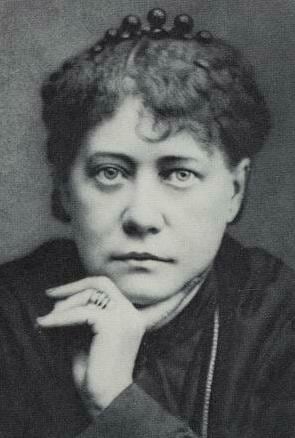
Helena Petrovna Blavatsky, 1877 · Public domain
उनके अपने शब्दों में
«There is no religion higher than truth.»The Key to Theosophy (1889), sección I, «El significado del nombre»; lema de la Sociedad Teosófica, también en la portada de La Doctrina Secreta (1888)

मूल विचार
Wisdom-Religion: The guiding idea of all Blavatsky's work: there exists a primordial, single and universal wisdom of which the historical religions are fragments deformed by time, priesthood and dogma.
संदर्भ में देखें
जीवनी
6 मिनट का पाठ
स्पैनिश मूल से सहायता-प्राप्त अनुवाद, मातृभाषी अनुवादक द्वारा समीक्षा लंबित।
साम्राज्य की एक बालिका
हेलेना पेत्रोव्ना फ़ॉन हान का जन्म 12 अगस्त 1831 (जूलियन पंचांग के अनुसार 31 जुलाई) को आज के यूक्रेन में स्थित येकातेरिनोस्लाव में जर्मन मूल के एक रूसी कुलीन परिवार में हुआ। उनके पिता प्योत्र फ़ॉन हान तोपख़ाने के अधिकारी थे; उनकी माता हेलेना आन्द्रेयेव्ना फ़ादेयेवा कम आयु में ही उपन्यासकार के रूप में ख्याति पा चुकी थीं — बेलिंस्की ने उनकी तुलना जॉर्ज सैंड से की थी — और उनका देहांत तब हुआ जब बालिका ग्यारह वर्ष की थी। हेलेना सैनिक छावनियों के बीच और सारातोव तथा तिफ़्लिस में अपने नाना-नानी के घर पली-बढ़ीं, जहाँ उनकी नानी, राजकुमारी येलेना दोल्गोरुकोवा, वनस्पतिशास्त्र में रुचि रखती थीं और अठारहवीं शताब्दी की फ़्रीमेसन और कीमियागरी संबंधी पुस्तकों का एक पुस्तकालय सँजोए हुए थीं। पारिवारिक गवाहियाँ — जिन्हें उनकी बहन वेरा झेलिखोव्स्काया ने और ए. पी. सिनेट ने Incidents in the Life of Madame Blavatsky (1886) में संकलित किया — एक उद्दंड, नींद में चलने वाली लड़की का चित्र खींचती हैं, जो अदृश्य के प्रति और भूदासों की लोककथाओं के प्रति मुग्ध थी। इन वृत्तांतों को सावधानी से पढ़ना चाहिए: वे तब लिखे गए जब वे प्रसिद्ध हो चुकी थीं, और उनका उद्देश्य उनकी व्याख्या करना था।
जुलाई 1849 में, सत्रह वर्ष की आयु में, उनका विवाह एरिवान के उप-राज्यपाल निकिफ़ोर ब्लावात्स्की से हुआ, जो उनसे बीस वर्ष से भी अधिक बड़े थे। विवाह कुछ ही सप्ताह चला। हेलेना भाग निकलीं, और यहीं से वह दौर शुरू होता है जिसे उनके जीवनीकार “आवृत वर्ष” कहते हैं: दो दशक, जिनके बारे में लगभग कोई स्वतंत्र दस्तावेज़ नहीं है। उन्होंने स्वयं दावा किया कि वे मिस्र, यूरोप, अमेरिका, भारत और 1868 से 1870 के बीच तिब्बत गईं, जहाँ उन्हें “महात्माओं” से शिक्षा मिली। कोई भी शोधकर्ता तिब्बत-प्रवास की पुष्टि नहीं कर सका है; हाँ, 1871 में उनका काहिरा में होना प्रलेखित है, जहाँ उन्होंने एक “सोसिएते स्पिरीत” (प्रेतविद्या सभा) की स्थापना की जो कांड में समाप्त हुई, और 1873 के वसंत में पेरिस में उनकी उपस्थिति भी।
न्यूयॉर्क और थियोसॉफ़िकल सोसाइटी का जन्म
जुलाई 1873 में ब्लावात्स्की न्यूयॉर्क पहुँचीं। अक्टूबर 1874 में चिटेंडन (वर्मॉन्ट) में एडी बंधुओं के फ़ार्म पर उनकी भेंट कर्नल हेनरी स्टील ऑलकॉट से हुई, जो वकील और पत्रकार थे और New York Daily Graphic के लिए प्रेतात्मवादी घटनाओं की जाँच कर रहे थे। उस भेंट ने — जिसका वर्णन ऑलकॉट ने People from the Other World में और बाद में Old Diary Leaves में किया — दोनों का जीवन बदल दिया। 7 सितंबर 1875 को इरविंग प्लेस स्थित ब्लावात्स्की के फ़्लैट में जिज्ञासुओं के एक समूह ने “प्रकृति के गुह्य नियमों” के अध्ययन के लिए एक संस्था बनाने का निर्णय लिया; 17 नवंबर को ऑलकॉट ने थियोसॉफ़िकल सोसाइटी (ब्रह्मविद्या समाज) का उद्घाटन भाषण दिया, जिसके वे अध्यक्ष बने, ब्लावात्स्की पत्राचार-सचिव और विलियम क्वान जज विधि-सलाहकार।
1875 से 1877 के बीच, एक ऐसी अंग्रेज़ी में जिस पर उनका अधिकार मुश्किल से था, उन्होंने आइसिस अनवेल्ड (अनावृत आइसिस) लिखी — बारह सौ से अधिक पृष्ठों के दो खंड, जो वैज्ञानिक भौतिकवाद और ईसाई रूढ़िवाद के विरुद्ध और प्राचीन रहस्य-संप्रदायों द्वारा सुरक्षित एक आदिम “प्रज्ञा-धर्म” के पक्ष में थे। एक हज़ार प्रतियों का पहला संस्करण दस दिनों में बिक गया। ऑलकॉट ने उनकी कार्य-पद्धति के बारे में एक प्रसिद्ध गवाही छोड़ी: उनके अनुसार लेखिका उद्धरणों के ढेरों के सहारे लिखती थीं जिन्हें वे हवा में “देखती” थीं, और कुछ पृष्ठ अलग-अलग लिखावटों में थे। आलोचक विलियम एमेट कोलमैन ने बाद में लगभग सौ ग्रंथों से बिना उल्लेख के लिए गए क़रीब दो हज़ार अंश गिनाए, और यही आज भी उन लोगों का मुख्य तर्क है जो पुस्तक के किसी भी अलौकिक स्रोत को नकारते हैं। 8 जुलाई 1878 को ब्लावात्स्की को अमेरिकी नागरिकता मिली।
भारत, महात्मा और अड्यार का कांड
दिसंबर 1878 में संस्थापक भारत के लिए जहाज़ पर सवार हुए। फ़रवरी 1879 में वे बंबई पहुँचे और अक्टूबर में The Theosophist पत्रिका आरंभ की। यह यात्रा एक नई संवेदना के साथ आई: सोसाइटी मिशनरियों के विरुद्ध भारत और सीलोन के धर्मों के पक्ष में खड़ी थी, और ऑलकॉट तथा ब्लावात्स्की ने मई 1880 में गाले में सार्वजनिक रूप से बौद्ध पंचशील ग्रहण किया। उसी शरद में शिमला में पायनियर के संपादक अल्फ़्रेड पर्सी सिनेट उन चमत्कारिक घटनाओं के साक्षी बने जिनका वर्णन उन्होंने The Occult World (1881) में किया, और उन्हें महात्मा कूट हूमी और मोरया के नाम से जुड़े पत्र मिलने लगे, जो आज ब्रिटिश लाइब्रेरी में सुरक्षित हैं। दिसंबर 1882 में मुख्यालय मद्रास के पास अड्यार ले जाया गया।
वहीं संकट ने आकार लिया। 1884 में, जब संस्थापक यूरोप में थे, काहिरा की पुरानी परिचित और मुख्यालय में काम करने वाली एम्मा कूलॉम्ब ने मद्रास के स्कॉटिश मिशनरियों को कुछ पत्र सौंपे, जो उनके अनुसार यह सिद्ध करते थे कि ब्लावात्स्की अड्यार के “देवस्थान” की घटनाएँ खिसकने वाले पटलों और गुप्त द्वारों के सहारे रचती थीं। Madras Christian College Magazine ने सितंबर में उन्हें प्रकाशित किया। लंदन की सोसाइटी फ़ॉर साइकिकल रिसर्च, जिसने थियोसॉफ़िकल सोसाइटी पर पहले ही एक समिति बना रखी थी, ने एक युवा अन्वेषक रिचर्ड हॉजसन को भारत भेजा। दिसंबर 1885 के Proceedings में प्रकाशित उनकी रिपोर्ट ने निष्कर्ष निकाला कि महात्माओं के पत्र ब्लावात्स्की की रचना थे और उन्हें “इतिहास की सबसे सिद्धहस्त, चतुर और दिलचस्प धोखेबाज़ों में से एक” बताया। बीमार और मुक़दमा लड़ने के लिए सोसाइटी के समर्थन से वंचित ब्लावात्स्की ने 31 मार्च 1885 को भारत छोड़ दिया और फिर कभी नहीं लौटीं। एक शताब्दी बाद, 1986 में, हस्तलेख-विशेषज्ञ वर्नन हैरिसन ने, जो स्वयं SPR के सदस्य थे, उसके Journal में हॉजसन की पद्धतियों की धज्जियाँ उड़ाने वाली एक समीक्षा प्रकाशित की; SPR ने ब्लावात्स्की को “दोषमुक्त” नहीं किया — यह संस्था सामूहिक निर्णय नहीं देती — पर मामला फिर से खुल गया।
लंदन के वर्ष
वुर्ज़बुर्ग और ओस्टेंड में रहने के बाद, जहाँ उन्होंने अपनी महान कृति का लेखन आरंभ किया, मई 1887 में वे लंदन में बस गईं। उन्होंने Lucifer पत्रिका, ब्लावात्स्की लॉज और अक्टूबर 1888 में एसोटेरिक सेक्शन (गुह्य विभाग) की स्थापना की, जो गोपनीय शिक्षा का एक मंडल था। उसी शरद में द सीक्रेट डॉक्ट्रिन (गुप्त सिद्धांत) प्रकाशित हुई — दो खंड, “कॉस्मोजेनेसिस” (सृष्टि-उत्पत्ति) और “एंथ्रोपोजेनेसिस” (मानव-उत्पत्ति) — जिन्हें “ज़्यान के श्लोकों” (स्टैंज़ाज़ ऑफ़ ज़्यान) पर भाष्य के रूप में प्रस्तुत किया गया, एक ऐसा ग्रंथ जिसे देखने का दावा केवल वही करती थीं। 1889 में उन्होंने द की टू थियोसॉफ़ी (थियोसॉफ़ी की कुंजी) प्रकाशित की, संवाद-रूप में उनकी प्रश्नोत्तरी, और द वॉयस ऑफ़ द साइलेंस (मौन की वाणी), आध्यात्मिक मार्ग की एक संक्षिप्त पुस्तिका, जिसे श्रीलंका और जापान के बौद्ध धर्म ने सहानुभूति से अपनाया। उसी वर्ष वसंत में ऐनी बेसेंट ने, जो तब तक स्वतंत्र-चिंतक और समाजवादी थीं, गुप्त सिद्धांत की समीक्षा लिखी और उनकी सबसे निकट शिष्या बन गईं; डब्ल्यू. बी. येट्स, जो उन दिनों उनसे मिले, उन्हें “हास्य और साहसी शक्ति की आभा वाली एक बूढ़ी आयरिश किसान स्त्री” के रूप में याद करते रहे।
8 मई 1891 को 19 एवेन्यू रोड में इन्फ़्लुएंज़ा से उनका देहांत हुआ, जिसे पुराने नेफ़्राइटिस (गुर्दे की सूजन) ने और गंभीर बना दिया था। वोकिंग में उनका दाह-संस्कार हुआ और उनकी अस्थियाँ अड्यार, लंदन और न्यूयॉर्क में बाँटी गईं। थियोसॉफ़िस्ट इस तिथि को श्वेत कमल दिवस के रूप में मनाते हैं।
क्या शेष है
जो प्रलेखित है, वह है असाधारण रूप से अध्ययनशील एक लेखिका, एक अंतरराष्ट्रीय संगठन की सह-संस्थापक जिसने पश्चिम में कर्म, पुनर्जन्म और महात्मा जैसे शब्दों को प्रचलित किया, धर्मों की एकता की पक्षधर, और — 1880 के दशक के भारत में — उस सांस्कृतिक स्वाभिमान की सहयोगी जिसने राष्ट्रवाद का पूर्वाभास दिया। उनके शिष्यों द्वारा जो परंपरा से आया, वह कुछ और है: चमत्कार, तिब्बत की यात्राएँ, “अवतरित” पत्र। इन दोनों परतों के बीच रुडोल्फ़ श्टाइनर, ऐलिस बेली, कैंडिंस्की और मॉन्ड्रियन, लंदन में अपनी युवावस्था के दिनों के गांधी, और समकालीन आध्यात्मिकता का बड़ा हिस्सा विचरते रहे हैं, जो ब्लावात्स्की का उससे कहीं अधिक ऋणी है जितना वह प्रायः स्वीकार करता है।
स्रोत: Cranston, Sylvia. HPB: The Extraordinary Life and Influence of Helena Blavatsky, Founder of the Modern Theosophical Movement. Nueva York: Tarcher/Putnam, 1993. · Goodrick-Clarke, Nicholas. Helena Blavatsky (Western Esoteric Masters). Berkeley: North Atlantic Books, 2004. · Olcott, Henry Steel. Old Diary Leaves: The True Story of the Theosophical Society. First Series. Nueva York/Londres: Putnam / Theosophical Publishing Society, 1895. · Sinnett, A. P. Incidents in the Life of Madame Blavatsky. Londres: George Redway, 1886. · Harrison, Vernon. H. P. Blavatsky and the SPR: An Examination of the Hodgson Report of 1885. Pasadena: Theosophical University Press, 1997 (incluye «J'Accuse», Journal of the SPR, vol. 53, abril de 1986, pp. 286–310).
कालक्रम
जीवन, वर्ष-दर-वर्ष
प्रत्येक बिंदु एक प्रमाणित घटना है। उसे स्रोत और निश्चितता के स्तर सहित पढ़ने के लिए क्लिक करें।
12 अगस्त 18310 वर्षYekaterinoslav (hoy Dnipró)
Birth
Helena Petrovna von Hahn is born, daughter of the officer Pyotr von Hahn and the novelist Helena Fadeyeva. The date corresponds to 31 July in the Julian calendar.
प्रमाणितCranston, Sylvia. HPB: The Extraordinary Life and Influence of Helena Blavatsky, Founder of the Modern Theosophical Movement. Nueva York: Tarcher/Putnam, 1993.
उनके निधन के बाद
- अप्रैल 1986Harrison re-examines the Hodgson Report
12 अगस्त 1831 · 0 वर्ष
Birth
Helena Petrovna von Hahn is born, daughter of the officer Pyotr von Hahn and the novelist Helena Fadeyeva. The date corresponds to 31 July in the Julian calendar.
प्रमाणित
1842 · 11 वर्ष
Death of her mother
Helena Andreyevna Fadeyeva dies. The child goes to live with her maternal grandparents, the Fadeyevs, in Saratov and later in Tiflis.
प्रमाणित
7 जुलाई 1849 · 17 वर्ष
Marriage to Nikifor Blavatsky
She marries Nikifor Blavatsky, vice-governor of Erivan, much older than herself. She leaves him within weeks and keeps the surname for life.
प्रमाणित
1849 – 1873 · 18 वर्ष
The 'veiled years'
Two decades of travel begin for which there is hardly any independent evidence. She claimed to have been in Egypt, America, India and Tibet (1868–1870), where she said the Masters instructed her. The Tibetan stay has never been confirmed.
परंपरा
1871 · 40 वर्ष
The 'Société Spirite'
In Cairo she founds a spiritualist society that dissolves amid accusations of fraud against the hired mediums. There she meets Emma Cutting, the future Emma Coulomb.
प्रमाणित
7 जुलाई 1873 · 41 वर्ष
Arrival in New York
She lands in New York, where she lives in straitened circumstances in a working women's boarding house and writes for the press.
प्रमाणित
14 अक्टूबर 1874 · 43 वर्ष
Meeting Henry Steel Olcott
At the Eddy farm she meets Colonel Olcott, who was investigating the apparitions for the New York Daily Graphic. The partnership that will give rise to the Theosophical Society begins.
प्रमाणित
17 नवंबर 1875 · 44 वर्ष
Founding of the Theosophical Society
After the preliminary meeting of 7 September, Olcott delivers the inaugural address. Blavatsky is corresponding secretary; William Q. Judge, counsel.
प्रमाणित
29 सितंबर 1877 · 46 वर्ष
Publication of 'Isis Unveiled'
J. W. Bouton publishes the two volumes. The first run of a thousand copies sells out in ten days. The New York Herald calls it 'one of the remarkable productions of the century'.
प्रमाणित
8 जुलाई 1878 · 46 वर्ष
United States citizenship
She becomes a naturalised United States citizen, the first Russian woman to do so according to the press of the day.
प्रमाणित
16 फ़रवरी 1879 · 47 वर्ष
Arrival in India
The founders land in Bombay. In October the first issue of The Theosophist appears.
प्रमाणित
25 मई 1880 · 48 वर्ष
Taking the Buddhist precepts
Blavatsky and Olcott publicly take pansil (the five precepts) at a temple in Galle, among the first Westerners to do so.
प्रमाणित
अक्टूबर 1880 · 49 वर्ष
The Simla phenomena
At A. P. Sinnett's house the phenomena occur (the buried cup, the Koot Hoomi letters) that Sinnett will narrate in The Occult World (1881).
प्रमाणित
दिसंबर 1882 · 51 वर्ष
Headquarters at Adyar
The Society buys the Huddlestone Gardens estate by the Adyar river, which remains its international headquarters.
प्रमाणित
सितंबर 1884 · 53 वर्ष
The Coulomb affair
The Madras Christian College Magazine publishes letters handed over by Emma Coulomb which, according to the missionaries, prove that the Adyar phenomena were tricks. Blavatsky declares them forgeries.
प्रमाणित
31 मार्च 1885 · 53 वर्ष
Final departure from India
Ill and without support to sue the Coulombs, she leaves India and settles in Europe (Naples, Würzburg, Ostend).
प्रमाणित
दिसंबर 1885 · 54 वर्ष
The Hodgson Report
The Society for Psychical Research publishes Richard Hodgson's report (Proceedings, vol. 3): it concludes that the Mahatma letters are Blavatsky's work and brands her an impostor. In 1986 Vernon Harrison, an SPR member, showed in its Journal that Hodgson's handwriting analysis was untenable.
प्रमाणित
1 मई 1887 · 55 वर्ष
Settling in London
She settles at Maycot (Norwood) and then in Lansdowne Road. In September she founds the journal Lucifer and the Blavatsky Lodge.
प्रमाणित
अक्टूबर 1888 · 57 वर्ष
'The Secret Doctrine' and the Esoteric Section
The two volumes of The Secret Doctrine appear. On 9 October the Esoteric Section of the Society is announced, under her sole direction.
प्रमाणित
मई 1889 · 57 वर्ष
Annie Besant joins the Society
After reviewing The Secret Doctrine for the Pall Mall Gazette, Besant joins the Theosophical Society and becomes her closest disciple. That year The Key to Theosophy and The Voice of the Silence are published.
प्रमाणित
8 मई 1891 · 59 वर्ष
Death
She dies of influenza, aggravated by chronic nephritis, at the Society's European headquarters. She is cremated at Woking on 11 May; Theosophists commemorate the date as White Lotus Day.
प्रमाणित
अप्रैल 1986
Harrison re-examines the Hodgson Report
Vernon Harrison publishes 'J'Accuse' in the Journal of the SPR: the 1885 report is 'badly flawed' and its handwriting conclusions do not stand. The SPR notes that it issues no corporate verdicts.
प्रमाणित
कृतियाँ
आवश्यक कृतियाँ
वे कृतियाँ जिनके बिना उनकी विरासत को समझा नहीं जा सकता।
लिखित कृति · 1877
Isis Unveiled
Isis Unveiled: A Master-Key to the Mysteries of Ancient and Modern Science and Theology
Blavatsky's first major work, in two volumes ('Science' and 'Theology'). It attacks both the materialism of Huxley and Tyndall and the dogmatism of the churches, arguing that a primordial 'Wisdom-Religion', guarded by the ancient mysteries, the Kabbalah, Hermeticism and the schools of India, underlies all religions as their fragments. It ranges over magic, spiritualism, Paracelsus, the Vedas and the Gospels with torrential and disorderly erudition. The doctrine of reincarnation does not yet appear clearly; the author would develop it later. It is, above all, the manifesto of an occultism that wants to be science.
10 संस्करण · amazon.com

लिखित कृति · 1888
The Secret Doctrine
The Secret Doctrine: The Synthesis of Science, Religion, and Philosophy
Blavatsky's major work and the founding text of modern Theosophy. It is presented as a commentary on the 'Stanzas of Dzyan', a cosmogonic poem the author claimed to have translated from a secret language and which no one else has seen. Volume I, 'Cosmogenesis', sets out the three fundamental propositions (an absolute and unknowable Principle, the universal law of periodicity, and the identity of all souls with the Universal Over-Soul) and the cyclical emanation of the cosmos. Volume II, 'Anthropogenesis', describes human evolution through seven 'root races' on vanished continents such as Lemuria and Atlantis. A third part engages with the science and religious symbolism of her day. Its readers have included Steiner, Yeats, Kandinsky, Scriabin and Mondrian.
14 संस्करण · amazon.com

लिखित कृति · 1889
The Key to Theosophy
A catechism of Theosophy written in questions and answers. It explains what the Theosophical Society is and is not, the difference between Theosophy and occultism, the sevenfold constitution of the human being, the post-mortem states (kama-loka and devachan), karma and reincarnation, and the movement's relations with spiritualism and the churches. It is Blavatsky's most accessible text and the one most used as an introduction; it contains the motto 'There is no religion higher than truth' and a long defence against the SPR's accusations.
8 संस्करण · amazon.com

लिखित कृति · 1889
The Voice of the Silence
The Voice of the Silence, being Chosen Fragments from the «Book of the Golden Precepts»
A short prose poem on the spiritual path, in three fragments: 'The Voice of the Silence', 'The Two Paths' and 'The Seven Portals'. It teaches the stilling of the mind ('the mind is the great slayer of the real'), the passage through the three halls of ignorance, learning and wisdom, and the choice between the path of personal liberation and the path of renunciation, that of the bodhisattva who remains to help others. It is the devotional text of Theosophy par excellence and one of the first to bring the Mahayana ethic of compassion to a Western public; the 14th Dalai Lama wrote a foreword to a centenary edition.
8 संस्करण · amazon.com
संपूर्ण कृतित्व (29)

The Theosophical Glossary
1892

From the Caves and Jungles of Hindostan
1879

Nightmare Tales
1892

Studies in Occultism
1895
Helena Blavatsky
A Modern Panarion
The Conscious LibraryA Modern Panarion
1895
Helena Blavatsky
Collected Writings
The Conscious LibraryCollected Writings
1950
Helena Blavatsky
Esoteric Instructions
The Conscious LibraryEsoteric Instructions
1889

Gems from the East
1890

Transactions of the Blavatsky Lodge
1890

The Letters of H. P. Blavatsky to A. P. Sinnett
1925

The Letters of H. P. Blavatsky, vol. 1
2003
Helena Blavatsky
The Durbar in Lahore
The Conscious LibraryThe Durbar in Lahore
1881

The Secret Doctrine, Volume III
1897

The People of the Blue Mountains
1883
Helena Blavatsky
Some Unpublished Letters of Helena Petrovna Blavatsky
The Conscious LibrarySome Unpublished Letters of Helena Petrovna Blavatsky
1929

Five Messages to the American Theosophists
1888

The Original Programme of the Theosophical Society
1931

Practical Occultism
1888

Raja-Yoga, or Occultism
1931
Helena Blavatsky
Dynamics of the Psychic World
The Conscious LibraryDynamics of the Psychic World
1972

Personal Memoirs of H. P. Blavatsky
1937

H. P. B. Speaks
1950
Helena Blavatsky
The Inner Group Teachings of H. P. Blavatsky
The Conscious LibraryThe Inner Group Teachings of H. P. Blavatsky
1985

The Esoteric Character of the Gospels
1887
वचन
किसी निश्चित कृति में स्थित वचन। प्रत्येक के साथ उसका स्रोत और विश्वसनीयता का स्तर है।
There is no religion higher than truth.सत्यापितThe Key to Theosophy (1889), sección I, «El significado del nombre»; lema de la Sociedad Teosófica, también en la portada de La Doctrina Secreta (1888)
अप्रामाणिक या विवादित आरोपण वाले उद्धरण (1)
«'Occultism is not magic.'»
Often quoted as Blavatsky's. What she actually wrote, in 'Occultism versus the Occult Arts' (Lucifer, 1888), is an extended distinction between occultism as the science of the spirit and the 'occult arts' (magic, hypnotism), without that lapidary formulation.
अंतिम शब्द
साक्षियों का परवर्ती वृत्तांत
«Keep the link unbroken! Do not let my last incarnation be a failure.»Keep the link unbroken! Do not let my last incarnation be a failure.
A tradition handed down by the residents of 19 Avenue Road who nursed her in her last days (Laura Cooper, Claude Falls Wright, Walter Old and Isabel Cooper-Oakley). Laura M. Cooper's account, 'How She Left Us', appeared in Lucifer (June 1891) and underlies the versions gathered by Cranston (1993). The words are said to have been spoken the day before or on the morning of her death, not with her last breath; Cooper describes the end as silent, the patient's hand in hers. No independent record exists.
स्रोत: Cooper, Laura M. «How She Left Us», en Lucifer, vol. VIII, n.º 46 (junio de 1891), número en memoria de H. P. B. Londres: Theosophical Publishing Society.
पूछें
उनकी कृतियाँ क्या उत्तर देती हैं
मानवता के बारह महान प्रश्न और उनके ग्रंथ उनका जो उत्तर देने देते हैं, संदर्भों सहित। हम कभी उनके मुख में अपने शब्द नहीं रखते।
परम सत्य क्या है? क्या ईश्वर है?
An eternal, boundless Principle beyond speculation; no personal God
निराकार परम सत्तास्पष्ट रूप से कहा है
Helena Blavatsky answers explicitly. The first of the three fundamental propositions in the Proem of The Secret Doctrine affirms an omnipresent, eternal, boundless and immutable Principle, on which all speculation is impossible because it transcends the power of human conception. That Principle is not a creator: universes emanate from it periodically according to the law of cycles, and gods and logoi are beings and powers within manifestation. In The Key to Theosophy, in the section on God and prayer, she rejects the idea of a personal, extra-cosmic and anthropomorphic God, which she regards as a gigantic shadow of man, and defends instead an impersonal divinity present in everything and in the human being. Prayer, accordingly, is not addressed to someone who grants favours; it is will and inner aspiration.
इस प्रश्न की अन्य गुरुओं से तुलना करेंमैं कौन हूँ? क्या कोई सच्चा आत्म है?
An individuality that reincarnates beneath passing personalities
विकसित होती आत्मास्पष्ट रूप से कहा है
Helena Blavatsky describes the human being as a compound of seven principles, from the physical body to spirit (atma), and carefully distinguishes personality from individuality. The personality is the transient set of body, vital energy, desires and lower mind that make up the individual of a given life, and it disintegrates after death. The individuality is the higher Ego, the spiritual mind (higher manas joined to buddhi), which reincarnates from life to life accumulating experience. In The Key to Theosophy she sets out this distinction in the sections on the nature of man and on reincarnation, and in The Secret Doctrine the third fundamental proposition establishes the obligatory pilgrimage of every soul through the cycle of incarnation. The true self therefore exists, but it is not the one we believe ourselves to be: it is an evolving soul.
इस प्रश्न की अन्य गुरुओं से तुलना करेंहम दुःख क्यों भोगते हैं?
Karma readjusts what we disturb; pain educates the reincarnating Ego
कर्म और आत्मा की सीखस्पष्ट रूप से कहा है
Helena Blavatsky explains suffering through karma, which she defines as a law of readjustment: every cause set in motion produces its effect, and the harmony disturbed by a selfish act is restored, in this life or another. In The Key to Theosophy, in the section on the mysteries of reincarnation, she rejects both the idea of a punishment imposed by a God and that of blind chance: each person is their own lawgiver and reaps what they sowed. She adds that karma is also collective, of families, nations and races, which explains sufferings that do not seem individually deserved. Pain, in this framework, has a pedagogical function: it forces the reincarnating Ego to learn, and forms part of the soul's evolution towards its source. The Voice of the Silence further insists on compassion for the pain of others.
इस प्रश्न की अन्य गुरुओं से तुलना करेंमृत्यु के बाद क्या होता है?
After kama-loka and devachan, the Ego reincarnates according to its karma
कर्म के अनुसार पुनर्जन्मस्पष्ट रूप से कहा है
Blavatsky offers one of the most detailed maps of the beyond in modern esotericism. In The Key to Theosophy she explains that at death the human being sheds the lower principles: the body, the etheric double and the life energy dissolve; in kama-loka the envelope of desires falls away, and may persist for a time as a «shell» without consciousness of its own. The higher Ego then passes into devachan, a state of subjective bliss in which it assimilates the fruits of the life lived, and afterwards reincarnates in a new body in accordance with its karma. For her this is neither punishment nor arbitrary reward, but the obligatory pilgrimage of every soul through the cycle of incarnations, which The Secret Doctrine states as its third fundamental proposition, until it consciously rejoins the universal Over-Soul.
इस प्रश्न की अन्य गुरुओं से तुलना करेंमुक्ति या उद्धार कैसे प्राप्त होता है?
Self-effort across lifetimes, without vicarious redemption, through the transcendent virtues
अनुशासित साधना सेस्पष्ट रूप से कहा है
Helena Blavatsky denies that anyone can be saved by another: in The Key to Theosophy she criticises vicarious atonement and holds that each person reaps what they sow under the law of karma, across a cycle of reincarnations. Liberation is therefore the fruit of one's own effort sustained over many lives. The Voice of the Silence, which she presents as a translation of an Eastern text, describes that effort as passing through «seven portals», the transcendent virtues (paramitas) of charity, harmony, patience, dispassion, energy, meditation and wisdom. Its culmination is not individual rest in nirvana but renouncing it in order to help humanity, which the work presents as the highest path.
इस प्रश्न की अन्य गुरुओं से तुलना करेंक्या गुरु आवश्यक है?
The occult path needs Masters; truth itself needs no dogmatic authority
अनिवार्यउनके सिद्धांत से निष्कर्षित
Helena Blavatsky claimed that her teaching came from Masters or Mahatmas, living adepts of an occult brotherhood, and that she herself had been their disciple. In that system, progress on the occult path requires becoming a chela, an accepted disciple of a Master, a condition she wrote about in articles such as «Chelas and Lay Chelas». At the same time, The Key to Theosophy rejects any dogmatic authority for the public: the Theosophical Society imposes no beliefs, and the motto that there is no religion higher than truth invites people to examine for themselves. The position thus combines an initiatory hierarchy for those who enter the esoteric path with freedom of judgement for the ordinary student.
इस प्रश्न की अन्य गुरुओं से तुलना करेंक्या संसार वास्तविक है?
A periodic universe of seven planes emanating from an unknowable Principle
अस्तित्व के लोकस्पष्ट रूप से कहा है
Helena Blavatsky's Secret Doctrine starts from three fundamental propositions, set out in the Proem: an omnipresent, eternal and immutable Principle about which no speculation is possible; the periodicity of the universe, which appears and disappears in cycles of manifestation and rest; and the identity of all souls with the universal Oversoul and their obligatory pilgrimage through the cycles of incarnation. The manifested universe is organised into seven planes of matter and consciousness, from the densest, the physical, to the subtlest. Relative to the Absolute, the world is maya, illusion, because it is temporary; but it is real for the beings who live in it and is the necessary field of their evolution.
इस प्रश्न की अन्य गुरुओं से तुलना करेंप्रेम क्या है?
Compassion is no attribute but the law of laws
असीम करुणास्पष्ट रूप से कहा है
Blavatsky places love on the level of a cosmic law rather than a feeling. In The Voice of the Silence, inspired by the Mahayana tradition, she declares that compassion is no attribute but the law of laws: eternal harmony, the shoreless universal essence, the law of love eternal. From this she derives the ideal she proposes to the disciple: to renounce personal nirvana and remain in the world helping others, the «secret path» of the bodhisattva, which in fragment II she places above the «open path» leading to the bliss of nirvana. On the social plane, Theosophy is founded on universal brotherhood without distinction of race, creed, sex, caste or colour, the first object of the Theosophical Society. Blavatsky distrusts, on the other hand, personal and possessive love, which she considers a form of selfishness the disciple must transcend.
इस प्रश्न की अन्य गुरुओं से तुलना करेंक्या हम स्वतंत्र हैं, या सब कुछ पूर्वनिर्धारित है?
Karma neither creates nor designs: it is the human being who sows the causes
कर्म और चुनावस्पष्ट रूप से कहा है
Blavatsky presents karma as a universal law of adjustment, not as blind fate. In *The Secret Doctrine* she insists that karma neither creates nor designs anything: it is man who plans and sets causes in motion, and the law merely restores the balance of their effects. In *The Key to Theosophy*, in the section on reincarnation, she defines it as the law of retribution that accompanies the ego through its lives. A real freedom within a cyclic frame follows: the soul's pilgrimage through the wheel of necessity is obligatory, but each incarnation inherits what was sown and sows again. Moral responsibility stays intact and, in her argument, becomes stricter than under the idea of forgiveness.
इस प्रश्न की अन्य गुरुओं से तुलना करेंध्यान या प्रार्थना क्यों करें?
Not praying to an outer god: will-prayer to the inner God
'मैं' के स्रोत पर लौटनास्पष्ट रूप से कहा है
In section V of *The Key to Theosophy*, Blavatsky rejects prayer understood as petition to a personal, external god, which she sees as a source of selfishness and passivity. In its place she proposes what she calls «will-prayer»: an inner command addressed to the Father in secret, that is, to the divine principle in the human being. *The Voice of the Silence* develops the practice in a contemplative key: the disciple must still the mind, the great slayer of the real, and pass through the seven portals, among them that of meditation (*dhyāna*), until personal consciousness is united with the Higher Self. To meditate, for her, is to travel back to one's own divine source.
इस प्रश्न की अन्य गुरुओं से तुलना करेंक्या बुद्धि परम को जान सकती है?
An ancient hidden wisdom, divine science higher than any religion
गूढ़ ज्ञानस्पष्ट रूप से कहा है
For Blavatsky there is a secret doctrine, the wisdom-religion of antiquity, preserved by a brotherhood of adepts and present in veiled form in every tradition. *The Key to Theosophy* defines theosophy as divine knowledge or science, and its motto states that there is no religion higher than truth. Her method combines comparative erudition, critique of scientific materialism and ecclesiastical dogma, and the claim of inner faculties able to verify that wisdom. In the proem of *The Secret Doctrine*, however, she sets a limit: the ultimate principle is omnipresent, eternal and immutable, and all speculation about it is impossible, for it transcends the power of human conception.
इस प्रश्न की अन्य गुरुओं से तुलना करेंसंसार से हटें या उसे बदलें?
Renouncing one's own nirvana to stay and serve humanity
संसार में जुड़नास्पष्ट रूप से कहा है
Blavatsky distrusts a spirituality that seeks only one's own liberation. In The Voice of the Silence she presents as the higher ideal that of the bodhisattva who, able to enter nirvana, renounces it out of compassion for a suffering world, and warns the disciple that inaction in the face of another's misfortune is a form of sin. In The Key to Theosophy she holds that practical Theosophy consists of duty, altruism and self-sacrifice for others, and that a Theosophist is recognised by what he does, not by what he believes. The Theosophical Society she founded in 1875 had as its first object to form a nucleus of universal brotherhood without distinction of race, creed, sex, caste or colour. Her own field of action was mainly intellectual and organisational: spreading a synthesis of religion, science and philosophy against materialism and dogmatism.
इस प्रश्न की अन्य गुरुओं से तुलना करें
निकटता और तनाव
निकटता और तनाव
उनके मतों के आधार पर प्रश्न-दर-प्रश्न आकलित। प्रत्येक सहमति या टकराव का कारण क्लिक करने पर।
इनसे मिलता-जुलता सोचते हैं
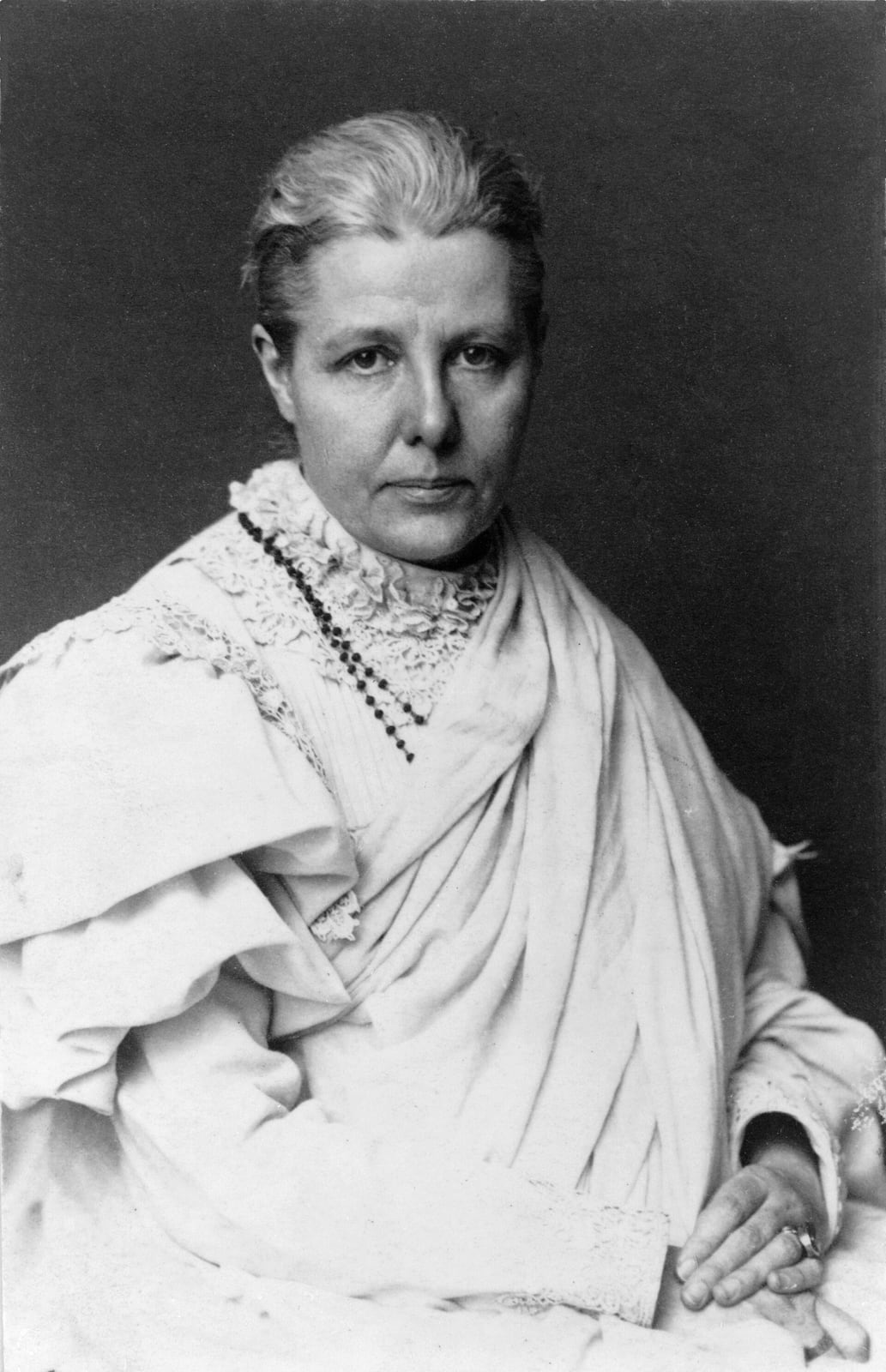
Annie Besant
इन पर सहमत: क्या संसार वास्तविक है? · मैं कौन हूँ? क्या कोई सच्चा आत्म है? · हम दुःख क्यों भोगते हैं?
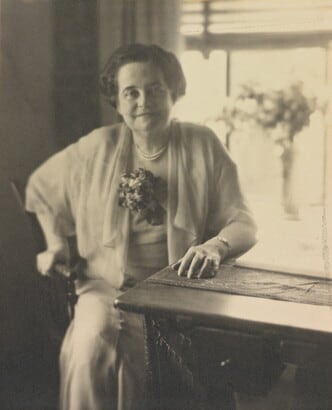
Alice A. Bailey
इन पर सहमत: मैं कौन हूँ? क्या कोई सच्चा आत्म है? · हम दुःख क्यों भोगते हैं? · मृत्यु के बाद क्या होता है?
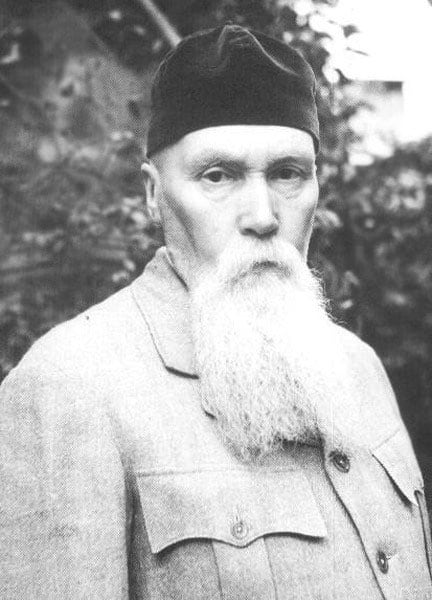
Nicholas Roerich
इन पर सहमत: क्या गुरु आवश्यक है? · क्या संसार वास्तविक है? · क्या बुद्धि परम को जान सकती है?
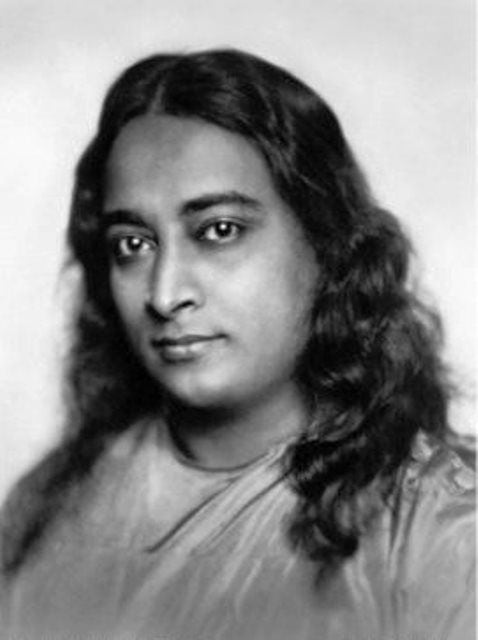
Paramahansa Yogananda
इन पर सहमत: मैं कौन हूँ? क्या कोई सच्चा आत्म है? · हम दुःख क्यों भोगते हैं? · मृत्यु के बाद क्या होता है?
इनसे भिन्न सोचते हैं

Nikolai Berdyaev
इन पर टकराव: मृत्यु के बाद क्या होता है? · क्या गुरु आवश्यक है?
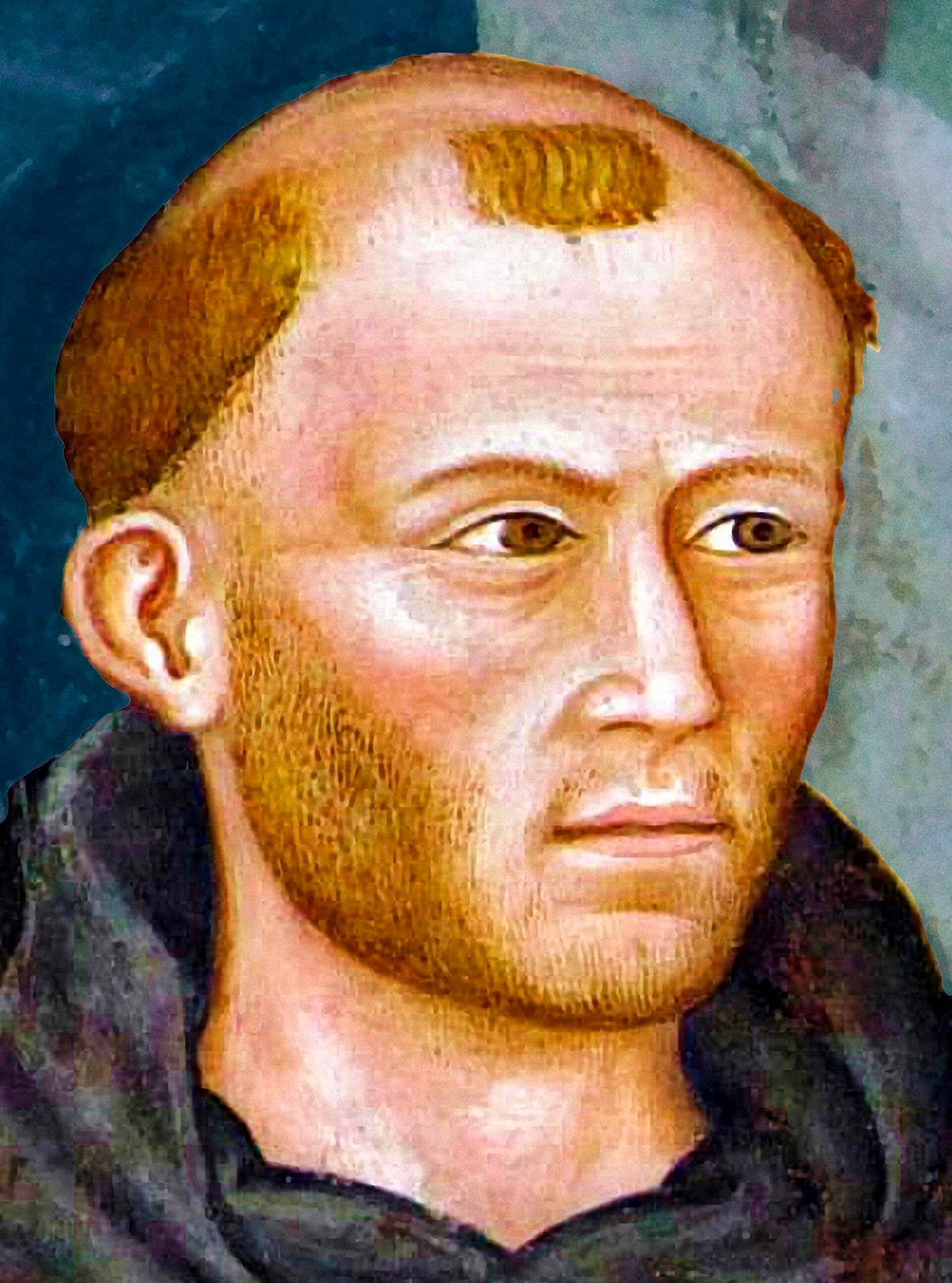
Meister Eckhart
इन पर टकराव: मृत्यु के बाद क्या होता है? · मुक्ति या उद्धार कैसे प्राप्त होता है?
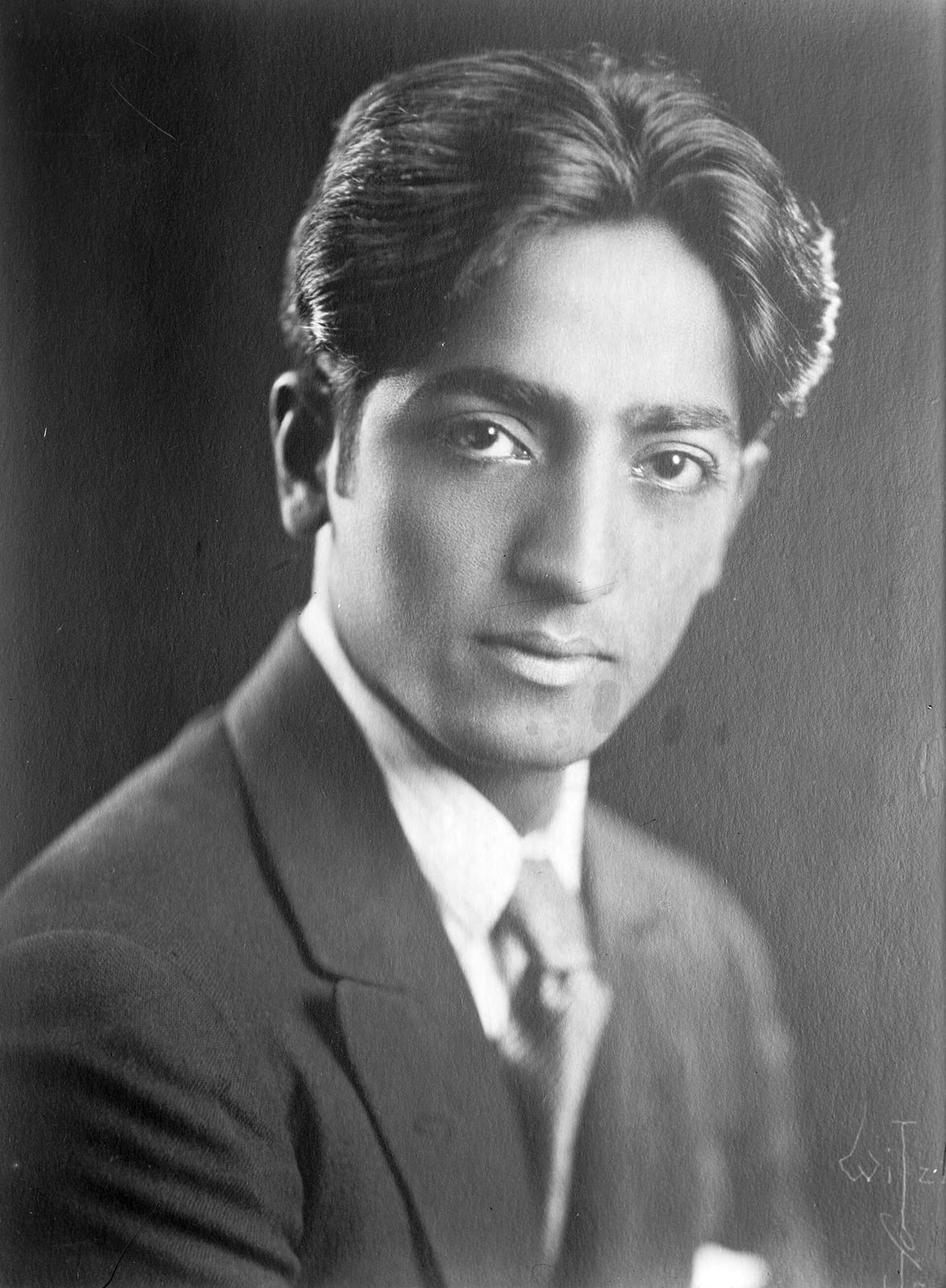
Jiddu Krishnamurti
इन पर टकराव: मुक्ति या उद्धार कैसे प्राप्त होता है? · क्या गुरु आवश्यक है?

Rabia al-Adawiyya
इन पर टकराव: मृत्यु के बाद क्या होता है?
इन पर सहमत
Helena Blavatsky · Annie Besant
A soul that learns from life to life: the founder and the systematiser of Theosophy
क्यों: The affinity is one of direct descent. Besant, then a freethinker and activist, reviewed The Secret Doctrine in 1889, met Blavatsky that same year and became her disciple; after Blavatsky's death in 1891 she became a central figure of the movement and presided over the Theosophical Society from 1907. The theological difference is explained by trajectory and audience: Blavatsky polemicised against ecclesiastical Christianity and materialism; Besant, who came from militant atheism, later sought to build bridges with Christianity and with the devotional Hinduism of the India where she lived. She systematised what Blavatsky had left scattered.
इन पर टकरावमूलभूत असहमति
Helena Blavatsky · Teresa of Ávila
Praying to someone or commanding the inner god: grace versus self-effort
क्यों: The contradiction is real and Blavatsky framed it as such: her Theosophy was born in polemic against the ecclesiastical Christianity of her day and against scientific materialism, and sought to offer a wisdom-religion without a personal God or redemption by another. Teresa writes within the Catholic faith, for which grace precedes and accompanies effort, and her language is that of a relationship between persons. There is, however, a point of contact that should not be forgotten: both seek the divine within the soul, at the centre of the castle or in the higher Self, and neither accepts a religion of formulas without transformation. They differ over whether that interior answers or simply is.
इन पर टकरावमूलभूत असहमति
Helena Blavatsky · Siddhartha Gautama, the Buddha
A Theosophist who took refuge in the Buddha, and an Ego that reincarnates
क्यों: The relationship is documented: in 1880, in Ceylon, Blavatsky and Henry Olcott publicly took the Buddhist refuges and precepts, and Theosophy contributed to the island's Buddhist revival. Her Buddhism, however, was esoteric: Theosophists held that what the Buddha denies is the passing personality and not a higher individuality, a reading the Theravada tradition does not accept. The tension is real because no-self, in the canon, also extends to any entity that transmigrates. It is explained by Blavatsky's project, which sought a primordial wisdom common to all traditions and read each of them through her own scheme of principles and planes.
इन पर सहमत
Helena Blavatsky · Alice A. Bailey
Seven planes and a nameless Principle: Theosophical cosmology and its second generation
क्यों: The affinity is one of direct inheritance: Bailey was formed in the Theosophical Society, where she worked in California until her break with its leadership around 1920, and she presented her work as a continuation of the line opened by The Secret Doctrine. She attributes most of her books to a Tibetan master, Djwhal Khul, a claim of hers that cannot be verified, just as the existence of Blavatsky's Mahatmas could not be verified. The differences are of emphasis and period: Blavatsky polemicises against the dogma and materialism of the nineteenth century; Bailey writes in the interwar years, with a strong emphasis on service, goodwill and the preparation of a new age.
प्रसंग और वृत्तांत
प्रसंग और वृत्तांत
साक्ष्य1874
The Eddy farm
वृत्तांत का स्रोत: Olcott's account in People from the Other World (1875) and Old Diary Leaves, First Series, ch. I (1895). There is no independent witness to the meeting.
साक्ष्य1876–1877
How 'Isis Unveiled' was written
वृत्तांत का स्रोत: Olcott, Old Diary Leaves, First Series, chs. XIII–XIV; Coleman, 'The Sources of Madame Blavatsky's Writings', appendix to V. S. Solovyoff, A Modern Priestess of Isis (1895).
विवादित1880
The buried cup at Simla
वृत्तांत का स्रोत: Sinnett, The Occult World (1881), first-hand account; critical examination in the Hodgson Report (Proceedings SPR, vol. 3, 1885).
स्रोत: Sinnett, A. P. The Occult World. Londres: Trübner & Co., 1881.
विवादित1884–1885
The Adyar shrine and the Coulomb letters
वृत्तांत का स्रोत: Madras Christian College Magazine (Sept.–Oct. 1884); Hodgson, Proceedings SPR vol. 3 (1885); Harrison, JSPR 53 (1986).
साक्ष्य1887–1890
Yeats and the Irish peasant woman
वृत्तांत का स्रोत: Yeats, Four Years: 1887–1891 (Cuala Press, 1921), later in Autobiographies. A direct testimony, written three decades later.
स्रोत: Yeats, W. B. Four Years: 1887–1891. Dundrum: Cuala Press, 1921 (recogido en Autobiographies, 1926).
साक्ष्य1889
Annie Besant and the report she flung aside
वृत्तांत का स्रोत: Annie Besant, An Autobiography (1893), ch. XIV 'Through Storm to Peace'. Besant's own autobiographical account.
शिक्षाएँ
शिक्षाएँ
वे अवधारणाएँ जो उनके चिंतन को रूप देती हैं, उनके संदर्भ में समझाई गई।
Wisdom-Religionwisdom-religion
Foundation of the first and second of the Theosophical Society's three objects; crystallised in Isis Unveiled and systematised in The Key to Theosophy.
स्रोत: Goodrick-Clarke, Nicholas. Helena Blavatsky (Western Esoteric Masters). Berkeley: North Atlantic Books, 2004.
The three fundamental propositionsthree-fundamental-propositions
Proem to The Secret Doctrine (1888), vol. I, pp. 14–17 of the first edition. The most frequently cited doctrinal synthesis of Theosophy.
The Masters or Mahatmasmahatmas
The original letters (The Mahatma Letters to A. P. Sinnett, ed. Barker, 1923) are kept in the British Library. The concept reappears in Steiner, Bailey and the New Age as 'ascended masters'.
स्रोत: Goodrick-Clarke, Nicholas. Helena Blavatsky (Western Esoteric Masters). Berkeley: North Atlantic Books, 2004.
Karma and reincarnationkarma-and-reincarnation
Developed in The Key to Theosophy (sections VIII–XI) and in the third fundamental proposition of The Secret Doctrine; Annie Besant systematised it in Karma (1895) and Reincarnation (1892).
The sevenfold constitution of the human beingseven-principles
Set out in Sinnett's Esoteric Buddhism (1883) from the Masters' letters, and fixed by Blavatsky in The Key to Theosophy, section VI. Besant popularised it in The Seven Principles of Man (1892).
Root races and cyclic evolutionroot-races
Volume II of The Secret Doctrine (1888). On its later use and abuse see Goodrick-Clarke, The Occult Roots of Nazism (1985), which clearly distinguishes Blavatsky from Ariosophy.
स्रोत: Goodrick-Clarke, Nicholas. Helena Blavatsky (Western Esoteric Masters). Berkeley: North Atlantic Books, 2004.
The Esoteric Sectionesoteric-section
Announced in Lucifer, October 1888; rules and instructions in Collected Writings XII. Besant and Judge directed it jointly after 1891 until the split of 1895.
साधना-शिविर
साधना-शिविर और केंद्र
उनकी शिक्षा से जुड़े स्थान और समागम। हम आपको उनके आयोजकों से जोड़ते हैं।
Adyar, Chennai, Tamil Nadu · India
International headquarters of the Theosophical Society, Adyar
The Theosophical Society (Adyar)
The Adyar campus, on the river of the same name in Chennai, has been the international headquarters of the Theosophical Society since 1882, a few years after Helena Blavatsky and Henry Olcott founded it in New York in 1875. Annie Besant presided over it for more than a quarter of a century and died there in 1933. The grounds hold the headquarters building, the Adyar Library and Research Centre, the archives, gardens with shrines of different religions and a famous banyan tree. It hosts the International Convention around each new year and offers accommodation for visitors and members.
Wheaton, Illinois · Estados Unidos
Theosophical Society in America (Olcott, Wheaton)
The Theosophical Society in America
The Theosophical Society in America is the US section of the society founded in New York in 1875 by Helena Blavatsky and Henry Olcott. Its national centre in Wheaton, near Chicago, runs a weekly lecture series, spiritual workshops, meditation retreats, yoga classes and study groups, and keeps an extensive library devoted to the traditions of East and West, with particular attention to Theosophy. It also offers online webinars, a distance school of Theosophy and Quest magazine, making it possible to study Blavatsky and Besant without travelling to its campus.
Ramas en Madrid, Barcelona y otras ciudades · España
Spanish Theosophical Society: summer school and retreats
Sociedad Teosófica Española
The Spanish Theosophical Society is the Spanish section of the Theosophical Society headquartered at Adyar. Through its branches in Madrid, Barcelona and other cities it organises lectures, study groups and an annual summer school, as well as silent retreats reserved for members and joint gatherings with the Portuguese section. It marks the movement's own dates, such as White Lotus Day in memory of Helena Blavatsky, and keeps an online programme of talks and video meetings. It is the most accessible route in Spanish for studying the work of Blavatsky and Annie Besant in a group.
Adyar, Chennai, Tamil Nadu · India
School of the Wisdom, Adyar
The Theosophical Society (Adyar)
The School of the Wisdom is the intensive study programme the Theosophical Society runs at its international headquarters in Adyar. Its multi-day sessions are devoted to particular themes in Theosophy and its founding texts, those of Helena Blavatsky and Annie Besant among them, as well as to dialogue between religious and philosophical traditions. Classes are concentrated in the morning, leaving time for personal study in the library and gardens of the campus. It draws members and scholars from many countries who wish to go deeper into the movement's sources in the very place where its leading figures lived and worked.
वीडियो
वीडियो
रिकॉर्डिंग, साक्षात्कार और वृत्तचित्र। वीडियो YouTube से चलते हैं; वे यहाँ संग्रहीत नहीं हैं।
H. P. Blavatsky — Biographical Documentary (Theosophy UK)
वृत्तचित्र· EN· 67 min
Theosophical Society in England & Walesआधिकारिक चैनल
Madame Blavatsky Rediscovered (Theosophy UK)
वृत्तचित्र· EN· 63 min
Theosophical Society in England & Walesआधिकारिक चैनल
Who Are You, Madame Blavatsky? (documental teosófico)
वृत्तचित्र· EN· 50 min
Balham Theosophy Group
Helena Petrovna Blavatsky — Documental biográfico
वृत्तचित्र· ES· 50 min
America Teosofica - FTI Oficialआधिकारिक चैनल
How to Study The Secret Doctrine — Pablo Sender (parte 1)
व्याख्यान· EN· 52 min
Theosophical Society (in America)आधिकारिक चैनल
Fundamental Teachings in The Secret Doctrine, Part 1
व्याख्यान· EN· 2019· 70 min
Theosophical Society (in America)आधिकारिक चैनल
H.P. Blavatsky — Enlightened beings who stay in touch with humanity
विश्लेषण· EN· 13 min
Theosophical Society (in America)आधिकारिक चैनल
The Voice of the Silence — audiolibro íntegro
मूल रिकॉर्डिंग· EN· 107 min
European School of Theosophy
H. P. Blavatsky y la Doctrina Secreta: 1.ª sesión — Àngels Torra
व्याख्यान· ES· 43 min
Sociedad Teosófica Española, Rama Arjunaआधिकारिक चैनल
La Doctrina Secreta: aspectos esotéricos
व्याख्यान· ES· 55 min
Sociedad Teosófica en Argentinaआधिकारिक चैनल
Кто Вы, мадам Блаватская? (Центрнаучфильм, 1991)
वृत्तचित्र· RU· 1991· 49 min
Deodarvostok (copia; producción Tsentrnauchfilm)
Елена Петровна Блаватская — film de Oleg Martynov (Moscú, 2018)
वृत्तचित्र· RU· 2018· 89 min
Теософия в России — Theosophy in Russiaआधिकारिक चैनल
Dr. Peter Michel — Helena Blavatsky und die Theosophie (Teil 1)
साक्षात्कार· DE· 10 min
MYSTICA Magazin
H.P. Blavatsky — Le mystère de l'Unité, l'origine de l'univers
व्याख्यान· FR· 69 min
Nouvelle Acropole France
ONE FIRE — The enduring legacy of Theosophy and Helena Blavatsky (documental completo)
YouTube पर देखें
यह वीडियो एम्बेड करने की अनुमति नहीं देता; यह YouTube पर खुलेगा।
ONE FIRE — The enduring legacy of Theosophy and Helena Blavatsky (documental completo)
वृत्तचित्र· EN· 103 min
ONE FIRE - A Film on Theosophy and H.P.B.
चित्रशाला
चित्रशाला
सत्यापित लाइसेंस वाले चित्र। प्रत्येक में उसके रचयिता और श्रेय का उल्लेख सुरक्षित है।
पांडुलिपियाँ
पांडुलिपियाँ
पांडुलिपि-साक्ष्य और प्राचीन पाठ, उनके संरक्षक और अध्ययन की शर्तों सहित।
EN · Latin · 1880–1885
The Mahatma Letters to A. P. Sinnett (Mahatma Papers)
- संरक्षित पाठ-साक्ष्य
- Originales (cartas, telegramas, sobres) legados por A. P. Sinnett a A. T. Barker
- संरक्षक
- British Library, Londres · Add MS 45284–45286
संबंध
संबंध
प्रभाव, शिष्यत्व और वैचारिक निकटता। प्रमाणित संबंध को विश्लेषण से पहचानी गई समानता से अलग दर्शाया गया है।
इनके गुरु
Besant joined the Society in May 1889 after reviewing The Secret Doctrine; Blavatsky made her co-head of the Esoteric Section and lived in her house at Avenue Road until her death.
प्रमाणित संबंध
इन्हें प्रभावित किया
Steiner led the German Section of the Theosophical Society (1902–1912) and acknowledged his debt to The Secret Doctrine before founding Anthroposophy.
प्रमाणित संबंध
इन्हें प्रभावित किया
Bailey was trained in the Theosophical Society at Pacific Grove (1915) reading The Secret Doctrine and presented her own books as a continuation of Blavatsky's teaching.
प्रमाणित संबंध
इन्हें प्रभावित किया
Krishnamurti was raised by the Society she founded and, in rejecting the role of 'World Teacher' in 1929, broke with the doctrine of the Masters Blavatsky had introduced.
प्रमाणित संबंध
इनसे मतभेद
Vivekananda publicly denied any link with the Theosophical Society ('My Plan of Campaign', Madras, 1897) and criticised the Mahatma doctrine, while acknowledging that Theosophists had awakened interest in India.
प्रमाणित संबंध
इनसे मिलते-जुलते विचार
Both presented their teaching as coming from a hidden brotherhood in Central Asia and as a 'science' of human development; Ouspensky had passed through Theosophy before meeting Gurdjieff.
विश्लेषण से पहचानी गई समानता
इनसे मिलते-जुलते विचार
The spiritual evolution of humanity through cycles and the unity of religions are common themes, although Aurobindo was critical of Theosophical occultism.
विश्लेषण से पहचानी गई समानता
अन्य प्रविष्टियों से जुड़ा
- Annie Besant · इनके शिष्य
- P. D. Ouspensky · इनसे प्रभावित
- Nikolai Berdyaev · इनसे मतभेद
- Emanuel Swedenborg · इन्हें प्रभावित किया
- Jiddu Krishnamurti · इनसे प्रभावित
- Rudolf Steiner · इनसे प्रभावित
- G. I. Gurdjieff · इनसे मिलते-जुलते विचार
- Jakob Böhme · इन्हें प्रभावित किया
- Nicholas Roerich · इनसे प्रभावित
- Helena Roerich · इनसे प्रभावित
- Vladimir Solovyov · इनसे मतभेद
- Alice A. Bailey · इनसे प्रभावित
स्रोत
स्रोत
इस प्रविष्टि के लिए देखे गए ग्रंथ-सूची और सूचीपत्र।
- Cranston, Sylvia. HPB: The Extraordinary Life and Influence of Helena Blavatsky, Founder of the Modern Theosophical Movement. Nueva York: Tarcher/Putnam, 1993.
- Goodrick-Clarke, Nicholas. Helena Blavatsky (Western Esoteric Masters). Berkeley: North Atlantic Books, 2004.
- Olcott, Henry Steel. Old Diary Leaves: The True Story of the Theosophical Society. First Series. Nueva York/Londres: Putnam / Theosophical Publishing Society, 1895.
- Sinnett, A. P. Incidents in the Life of Madame Blavatsky. Londres: George Redway, 1886.
- Hodgson, Richard, et al. «Report of the Committee Appointed to Investigate Phenomena Connected with the Theosophical Society». Proceedings of the Society for Psychical Research, vol. 3 (1885), pp. 201–400.
- Harrison, Vernon. H. P. Blavatsky and the SPR: An Examination of the Hodgson Report of 1885. Pasadena: Theosophical University Press, 1997 (incluye «J'Accuse», Journal of the SPR, vol. 53, abril de 1986, pp. 286–310).
- Washington, Peter. Madame Blavatsky's Baboon: A History of the Mystics, Mediums, and Misfits Who Brought Spiritualism to America. Nueva York: Schocken, 1995 (1.ª ed. Londres: Secker & Warburg, 1993).
- Wikidata, entidad Q189454 («Helena Blavatsky»): fechas, lugares, identificadores de autoridad (VIAF 29530438, Open Library OL2889852A, Project Gutenberg 2154).
- Project Gutenberg, obras de H. P. Blavatsky (autor 2154): Isis Unveiled (#68705, #75871), The Secret Doctrine (#54824, #54488, #56880, #61626), The Key to Theosophy (#55618), Studies in Occultism (#17009), Nightmare Tales (#44559), From the Caves and Jungles of Hindostan (#6687).
- Sinnett, A. P. The Occult World. Londres: Trübner & Co., 1881.
- Cooper, Laura M. «How She Left Us», en Lucifer, vol. VIII, n.º 46 (junio de 1891), número en memoria de H. P. B. Londres: Theosophical Publishing Society.
- Yeats, W. B. Four Years: 1887–1891. Dundrum: Cuala Press, 1921 (recogido en Autobiographies, 1926).
- Lachman, Gary. Madame Blavatsky: The Mother of Modern Spirituality. Nueva York: Tarcher/Penguin, 2012.
- Open Library, autora H. P. Blavatsky (OL2889852A): registros de obras y ediciones con ISBN consultados el 2026-10-22.
- «The Collapse of Koot Hoomi». Madras Christian College Magazine, vol. II, septiembre–octubre de 1884.
- Blavatsky, H. P. Collected Writings, 15 vols. Ed. Boris de Zirkoff. Wheaton/Adyar: Theosophical Publishing House, 1950–1991.
- Blavatsky, H. P. The Voice of the Silence (1889), texto íntegro en línea (edición verbatim). Pasadena: Theosophical University Press.
- Algeo, John (ed.). The Letters of H. P. Blavatsky, Volume 1: 1861–1879. Wheaton: Quest Books, 2003.
- Besant, Annie. An Autobiography. Londres: T. Fisher Unwin, 1893 (cap. XIV, «Through Storm to Peace»).
- Santucci, James A. «Blavatsky, Helena Petrovna», en Wouter J. Hanegraaff (ed.), Dictionary of Gnosis & Western Esotericism. Leiden: Brill, 2006, pp. 177–185.
- Olcott, Henry Steel. People from the Other World. Hartford: American Publishing Company, 1875.
- Coleman, William Emmette. «The Sources of Madame Blavatsky's Writings», apéndice C en Vsevolod Sergyeevich Solovyoff, A Modern Priestess of Isis, trad. Walter Leaf. Londres: Longmans, Green & Co., 1895, pp. 353–366.
- Gandhi, M. K. An Autobiography, or The Story of My Experiments with Truth, trad. Mahadev Desai. Ahmedabad: Navajivan, 1927–1929, parte I, cap. XX («Acquaintance with Religions»).
- अधिकार-धारक
- Dominio público (obras anteriores a 1891). Los Collected Writings (ed. Boris de Zirkoff) y las ediciones críticas modernas pertenecen a la Theosophical Publishing House (Adyar/Wheaton).
- आधिकारिक वेबसाइट
- www.ts-adyar.org/
पुष्टि की प्रतीक्षा में
जो यह प्रविष्टि अभी तक निश्चित नहीं कर सकी है। हम उसे भर देने के बजाय कह देना बेहतर समझते हैं।
- Confirmar en el ejemplar de Lucifer (junio de 1891) la redacción exacta de las últimas palabras según Laura Cooper: el OCR del volumen VIII en Internet Archive no permite localizar la frase «Keep the link unbroken».
- Verificar la signatura exacta de las Mahatma Letters en la British Library (Add MS 45284–45286 según la literatura teosófica; no comprobado en el catálogo en línea).
- Localizar ISBN de catálogo para ediciones italianas de editoriales establecidas (Edizioni Teosofiche Italiane): Open Library solo recoge autoediciones.
- Añadir ediciones en hindi y árabe si existen en catálogos: Open Library no devuelve ninguna.
- Obras completas (2026-10-25): no se registran como obras las antologías temáticas modernas (H.P.B. Teaches, Adyar; Foundations of Esoteric Philosophy, 1980; An Invitation to The Secret Doctrine, TUP 1988; The Vedanta Commentaries y The Veda Commentaries de H. J. Spierenburg, Point Loma 1992/1996), las recopilaciones españolas de artículos (Kier, Berbera: La cábala y los cabalistas, Misterios de los estados después de la muerte, La teosofía trascendental, Doctrinas y enseñanzas teosóficas) ni los centenares de folletos de Kessinger que extraen artículos sueltos: todo ello está dentro de los Collected Writings. Catálogo completo: Open Library OL2889852A (614 registros).
- Confirmar la fecha y la publicación rusa de la primera entrega de «Загадочные племена на «Голубых горах»» (se cita 1883–1884); en libro, Moscú 1893.
- Confirmar el año de la primera edición en folleto de los Five Messages (se cita la década de 1920; la primera fecha verificada en catálogo es la de TUP, 1979).
- Sala de lectura (2026-10-25): no se registran The Theosophical Glossary (archive.org/details/theosophicalglos00blav), A Modern Panarion (archive.org/details/modernpanarionco00blav) ni Transactions of the Blavatsky Lodge (archive.org/details/transactionsbla00lodggoog) porque su OCR tiene errores en términos sánscritos y hebreos; buscar transcripción limpia.
- Sala de lectura: no se ha localizado en línea ninguna traducción española de Blavatsky con traductor identificado y fallecido hace más de 80 años (las copias de Isis sin velo y La Doctrina Secreta en archive.org son ediciones modernas o sin traductor acreditado). Pendiente revisar las traducciones españolas de finales del siglo XIX y comienzos del XX y las fechas de muerte de sus traductores.
- Sala de lectura: la Theosophical University Press (theosociety.org) responde 406 a peticiones sin User-Agent; si el importador no lo envía, las seis entradas de ese sitio fallarán.
2026-10-22 को शोधित