हिन्दू धर्म · योग · तन्त्र · अद्वैत वेदान्त
Sri Aurobindo
শ্রীঅরবিন্দ · অরবিন্দ ঘোষ · श्री अरविन्द
1872 – 1950ऐतिहासिक रूप से प्रमाणित व्यक्ति
इंग्लैंड में शिक्षित बंगाली दार्शनिक, कवि और योगी, जो उग्र भारतीय राष्ट्रवाद के नेतृत्व से हटकर पांडिचेरी में एकांत जीवन की ओर मुड़े। «आर्य» पत्रिका (1914–1921) और विशाल पत्राचार में उन्होंने पूर्ण योग का प्रतिपादन किया: जड़ से मन की ओर और मन से अतिमानस की ओर चेतना का विकास, तथा संसार से पलायन के स्थान पर जीवन का रूपांतर। उनकी प्रमुख कृतियाँ हैं «दिव्य जीवन», «योग समन्वय», «गीता प्रबंध» और महाकाव्य «सावित्री»।
- कृतियाँ
- 65कृतियाँ
- संस्करण
- 126संस्करण
- उद्धरण
- 8उद्धरण
- वीडियो
- 15वीडियो
- चित्र
- 7चित्र
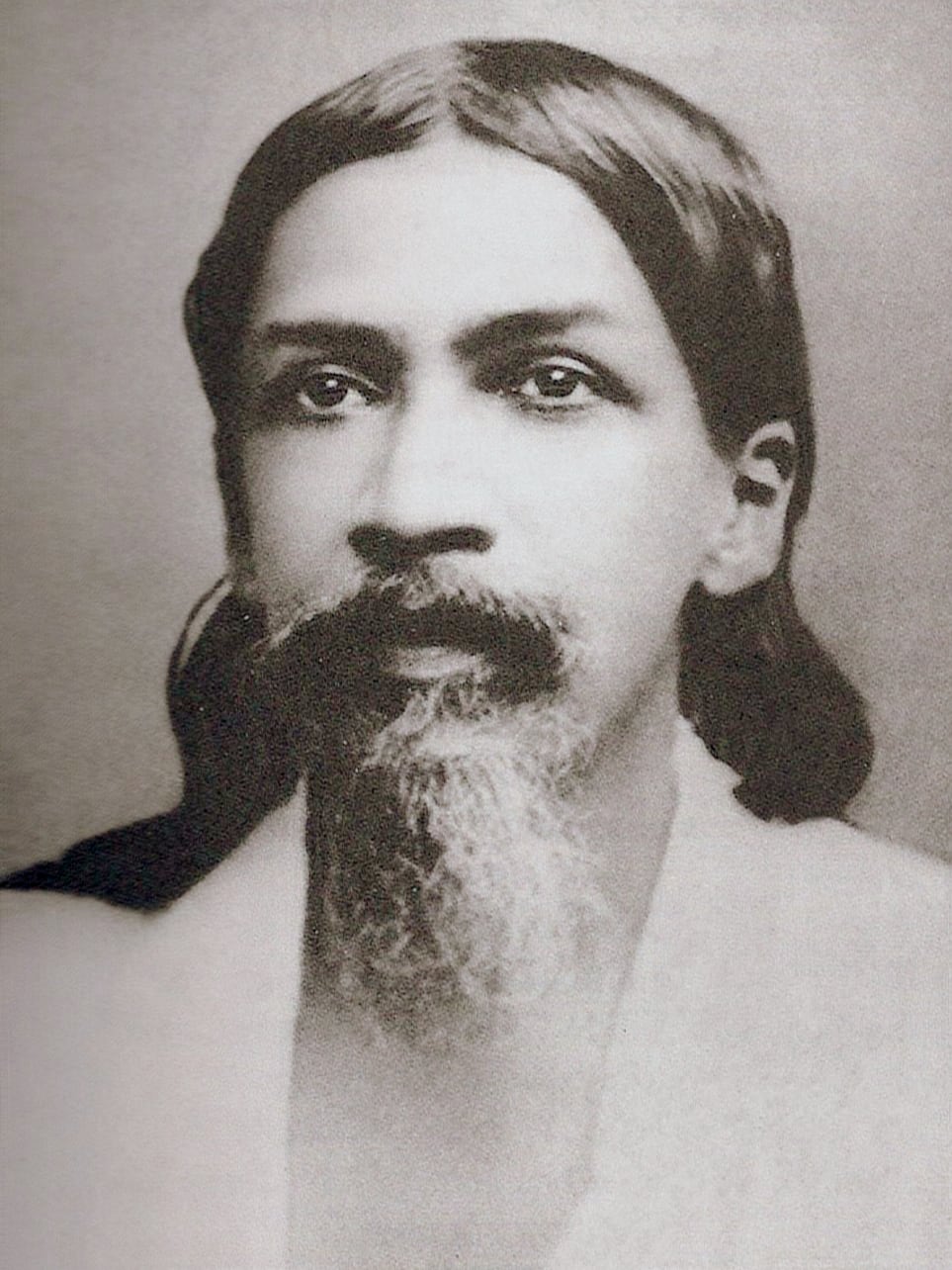
Sri Aurobindo hacia 1900 · Public domain
उनके अपने शब्दों में
«The earliest preoccupation of man in his awakened thoughts and, as it seems, his inevitable and ultimate preoccupation,—for it survives the longest periods of scepticism and returns after every banishment,—is also the highest which his thought can envisage.»The Life Divine, libro I, cap. I («The Human Aspiration»); primera frase del libro (texto revisado de 1939, ed. de Nueva York 1951)

शुरुआत के लिए एक रचना
The Life Divineमूल विचार
The Supermind (supramental): The Supermind is the central notion of his thought: a truth-consciousness (rita-chit) intermediate between the absolute Sachchidananda and mind, in which knowledge does not split into subject and object nor proceed by reasoning, but sees unity in diversity directly.
संदर्भ में देखें
जीवनी
5 मिनट का पाठ
स्पैनिश मूल से सहायता-प्राप्त अनुवाद, मातृभाषी अनुवादक द्वारा समीक्षा लंबित।
अंग्रेज़ बनाने के लिए पाला गया बालक
अरविंद घोष का जन्म 15 अगस्त 1872 को कलकत्ता में हुआ। वे कृष्णधन घोष के तीसरे पुत्र थे — एडिनबरा में प्रशिक्षित एक चिकित्सक, जो अंग्रेज़ियत के प्रेमी और नास्तिक थे — और उनकी माता स्वर्णलता देवी ब्राह्म समाज के सुधारक राजनारायण बसु की पुत्री थीं। पिता अपने पुत्रों को अंग्रेज़ भद्रपुरुष बनाना चाहते थे: दार्जिलिंग में आयरिश ननों के एक विद्यालय के बाद वे 1879 में उन्हें इंग्लैंड ले गए और मैनचेस्टर के एक कॉन्ग्रिगेशनलिस्ट पादरी की देखरेख में छोड़ आए, इस निर्देश के साथ कि उनका किसी भारतीय से कोई संपर्क न हो। इसके बाद अरविंद ने लंदन के सेंट पॉल्स स्कूल में और फिर छात्रवृत्ति पाकर कैंब्रिज के किंग्स कॉलेज में अध्ययन किया, जहाँ वे शास्त्रीय भाषाओं में चमके। उन्होंने इंडियन सिविल सर्विस की परीक्षा उत्तीर्ण की, किंतु 1892 में घुड़सवारी की परीक्षा में उपस्थित नहीं हुए और अयोग्य ठहरा दिए गए; बाद में उन्होंने बताया कि वे ब्रिटिश सरकार की सेवा नहीं करना चाहते थे। फ़रवरी 1893 में वे भारत लौटे; उनके पिता कुछ ही समय पहले यह झूठा समाचार पाकर चल बसे थे कि उनके पुत्र का जहाज़ डूब गया है।
बड़ौदा: अधिकारी और षड्यंत्रकारी
तेरह वर्षों तक उन्होंने बड़ौदा के महाराजा की सेवा अधिकारी, सचिव और प्राध्यापक के रूप में की — वे बड़ौदा कॉलेज के उप-प्राचार्य तक बने —, और इसी बीच बंगला और संस्कृत सीखी तथा उपनिषद, गीता और कालिदास का अध्ययन किया। 1893 और 1894 में उन्होंने बंबई के «इंदुप्रकाश» में «New Lamps for Old» (पुराने के बदले नए दीपक) नाम से एक अनाम लेखमाला प्रकाशित की, जिसमें भारतीय राष्ट्रीय कांग्रेस पर चाटुकारिता का आरोप लगाया गया। पर्दे के पीछे वे अपने भाई बारींद्र के साथ बंगाल में क्रांतिकारी दलों का संगठन कर रहे थे। 1901 में उन्होंने चौदह वर्ष की मृणालिनी बसु से विवाह किया, जिन्हें 1905 में उन्होंने अपने तीन «पागलपनों» के विषय में एक प्रसिद्ध पत्र लिखा: जो कुछ कमाएँ वह देश को अर्पित कर देना, ईश्वर का साक्षात् दर्शन करना, और भारत को माँ मानकर उससे व्यवहार करना। लगभग 1904 में उन्होंने प्राणायाम का अभ्यास शुरू किया, और 1908 के आरंभ में बड़ौदा में तीन दिनों तक एक मराठी योगी विष्णु भास्कर लेले के निर्देशों का पालन करते हुए उस अवस्था का अनुभव किया जिसे उन्होंने मन की पूर्ण नीरवता कहा।
वंदे मातरम्
1905 का बंग-भंग उन्हें कलकत्ता ले आया। वे बंगाल नेशनल कॉलेज के पहले प्राचार्य बने और 1906 से दैनिक «वंदे मातरम्» की प्रमुख लेखनी, जिसमें उन्होंने सबसे पहले खुलकर पूर्ण स्वराज की माँग करने वालों में स्थान पाया और ऐसे निष्क्रिय प्रतिरोध — बहिष्कार, राष्ट्रीय शिक्षा, स्वशासन — का समर्थन किया जो बल-प्रयोग को वर्जित नहीं मानता था। दिसंबर 1907 के सूरत अधिवेशन में उन्होंने बाल गंगाधर तिलक के साथ तथाकथित गरम दल का नेतृत्व किया। 2 मई 1908 को, मुज़फ़्फ़रपुर कांड के बाद, उन्हें मानिकतला षड्यंत्र — अलीपुर बम कांड — के संदिग्ध प्रेरक के रूप में गिरफ़्तार किया गया, और उन्होंने एक वर्ष विचाराधीन बंदी के रूप में बिताया, अधिकांश समय एकांत कोठरी में। वहीं, जैसा कि उन्होंने उत्तरपाड़ा भाषण में बताया, उन्होंने गीता पढ़ी और दीवारों में, वृक्षों में, क़ैदियों में और पहरेदारों में वासुदेव — श्रीकृष्ण — के दर्शन किए। चित्तरंजन दास ने उनकी पैरवी की, और 6 मई 1909 को वे निर्दोष घोषित हुए।
पांडिचेरी और «आर्य» पत्रिका
रिहाई के बाद उन्होंने दो साप्ताहिक निकाले, अंग्रेज़ी में «कर्मयोगिन» और बंगला में «धर्म», पर पुलिस एक नया मुक़दमा तैयार कर रही थी। फ़रवरी 1910 में, जिसे उन्होंने आंतरिक आदेश कहा उसका पालन करते हुए, वे चंदननगर में जा छिपे, और 4 अप्रैल को फ़्रांसीसी क्षेत्र पांडिचेरी पहुँचे। सक्रिय राजनीति में वे फिर नहीं लौटे। मार्च 1914 में उनकी भेंट गुह्यविद्या में पारंगत एक फ़्रांसीसी महिला मीरा अल्फ़ासा से हुई, और उनके पति पॉल रिशार के साथ उन्होंने मासिक पत्रिका «आर्य» की स्थापना की, जिसने अगस्त 1914 से जनवरी 1921 के बीच धारावाहिक रूप में उनका लगभग समूचा प्रमुख गद्य प्रकाशित किया: «दिव्य जीवन», «योग समन्वय», «गीता प्रबंध», «वेद रहस्य», «मानव चक्र», «मानव एकता का आदर्श», «भावी कविता»। साथ ही वे अपनी साधना की दैनंदिनी, «Record of Yoga» (योग की दैनंदिनी), लिखते रहे, जो एक सूक्ष्म पद्धति और ऐसे अनुभवों को उजागर करती है जिन्हें केवल वही जाँच सकते थे।
आश्रम और मौन
मीरा अल्फ़ासा 1920 में सदा के लिए रहने लौट आईं। 24 नवंबर 1926 को — जिसे उनके अनुयायी निर्णायक तिथि मानते हैं — अरविंद अपने कक्षों में एकांतवासी हो गए और समूह का संचालन उन्हें सौंप दिया, जिन्हें वे तब से श्रीमाँ कहने लगे; यही समूह श्री अरविंद आश्रम बना। चौबीस वर्षों तक वे वर्ष में केवल कुछ ही बार दर्शन देते थे। हाँ, वे लिखकर उत्तर अवश्य देते थे, प्रायः रात में और शिष्यों की कॉपियों के हाशियों पर: हज़ारों पत्र, जो आज «योग पर पत्र» के चार खंडों में संकलित हैं। उन्होंने पुस्तक-संस्करण के लिए «दिव्य जीवन» का संशोधन किया (1939–1940), «सावित्री» को लिखा और बार-बार लिखा — लगभग चौबीस हज़ार पंक्तियों का अतुकांत छंद में रचा महाकाव्य, जो महाभारत के एक उपाख्यान की पुनर्रचना है —, और विश्व की गतिविधियों पर पैनी दृष्टि रखी: उन्होंने हिटलर के विरुद्ध मित्र राष्ट्रों का और 1942 के क्रिप्स प्रस्ताव का समर्थन किया, और 15 अगस्त 1947 को, स्वतंत्रता दिवस और अपने पचहत्तरवें जन्मदिन पर, एक संदेश प्रसारित किया जिसमें विभाजन पर खेद प्रकट किया।
चेतना का विकास
उनका चिंतन एक सोचा-समझा समन्वय है। वह एक साथ उस भौतिकवाद को अस्वीकार करता है जो आत्मा को नकारता है, और उस वैराग्यपूर्ण संन्यास को भी जो जगत् को माया मानता है: आत्मा जड़ में अंतर्लीन हुई है, और विकास उसे जीवन से मन की ओर, और मन से एक उच्चतर चेतना — अतिमानस — की ओर प्रकट करता जाता है। पूर्ण योग संसार से पलायन नहीं, बल्कि शरीर सहित उसका रूपांतर चाहता है। यही क्षितिज — पृथ्वी पर एक नई चेतना — उनकी कृतियों की महत्त्वाकांक्षा को भी समझाता है और इतिहासकार की दृष्टि में उनकी कमज़ोरी को भी: उनके अनेक कथन ऐसे अनुभवों पर टिके हैं जिन्हें बाहर से परखा नहीं जा सकता।
मृत्यु और स्मृति
5 दिसंबर 1950 को रात एक बजकर छब्बीस मिनट पर पांडिचेरी में यूरीमिया से उनका देहांत हुआ; इससे पहले उन्होंने अपने सेवकों से कहा था कि वे रोग के विरुद्ध उस आध्यात्मिक शक्ति का प्रयोग नहीं कर रहे जो लोग उनमें मानते थे। आश्रम के अनुसार उनका शरीर सौ घंटे से अधिक समय तक विघटन के किसी चिह्न के बिना रहा; 9 दिसंबर को उन्हें मुख्य भवन के प्रांगण में समाधि दी गई। श्रीमाँ ने उनका कार्य आगे बढ़ाया और 1968 में ऑरोविल नगरी की स्थापना की। सैंतीस खंडों में उनकी समग्र रचनाओं का संस्करण और पीटर हीस की आलोचनात्मक जीवनी «The Lives of Sri Aurobindo» (2008), जिसे भक्तों के एक वर्ग ने आक्रोश के साथ ग्रहण किया, आज उनकी ग्रहणशीलता के दो ध्रुवों को चिह्नित करते हैं: संपूर्ण पाठ और ऐतिहासिक परीक्षण — उस संत-चरित के सामने जो उन्हें अवतार के रूप में प्रस्तुत करता है।
स्रोत: Sri Aurobindo. Complete Works of Sri Aurobindo (CWSA). 37 vols. Pondicherry: Sri Aurobindo Ashram Publication Department, 1997–2025. Sustituye a la Sri Aurobindo Birth Centenary Library (SABCL, 30 vols., 1972). · Heehs, Peter. The Lives of Sri Aurobindo. Nueva York: Columbia University Press, 2008. · Sri Aurobindo. Autobiographical Notes and Other Writings of Historical Interest. CWSA 36. Pondicherry: Sri Aurobindo Ashram, 2006. · Purani, A. B. The Life of Sri Aurobindo. Pondicherry: Sri Aurobindo Ashram, 1958 (4.ª ed., 1978). · Nirodbaran. Twelve Years with Sri Aurobindo. Pondicherry: Sri Aurobindo Ashram, 1972.
कालक्रम
जीवन, वर्ष-दर-वर्ष
प्रत्येक बिंदु एक प्रमाणित घटना है। उसे स्रोत और निश्चितता के स्तर सहित पढ़ने के लिए क्लिक करें।
15 अगस्त 18720 वर्षCalcuta
Birth
Aurobindo Ghose is born, third son of the physician Krishna Dhun Ghose and Swarnalata Devi.
प्रमाणितWikidata, «Aurobindo Ghosh» (Q192207): fechas y lugares, 99 enlaces entre wikis.
उनके निधन के बाद
- 28 फ़रवरी 1968Founding of Auroville
- 1997Complete Works of Sri Aurobindo
- 2008The Lives of Sri Aurobindo
15 अगस्त 1872 · 0 वर्ष
Birth
Aurobindo Ghose is born, third son of the physician Krishna Dhun Ghose and Swarnalata Devi.
प्रमाणित
1879 · 7 वर्ष
To England
His father takes him and his brothers to England; he lives with the Rev. W. H. Drewett in Manchester.
प्रमाणित
1890 · 18 वर्ष
King’s College and the ICS examination
He enters King’s College on a scholarship and passes the written Indian Civil Service examination.
प्रमाणित
1892 · 20 वर्ष
Disqualified from the civil service
He fails to appear for the riding test and is disqualified from the ICS.
प्रमाणित
फ़रवरी 1893 · 20 वर्ष
Return to India
He lands at Bombay and enters the service of Baroda State. In August he begins “New Lamps for Old” in the Indu Prakash.
प्रमाणित
अप्रैल 1901 · 28 वर्ष
Marriage to Mrinalini Bose
He marries Mrinalini, daughter of Bhupal Chandra Bose; she will die in December 1918.
प्रमाणित
1906 · 34 वर्ष
Bande Mataram and the National College
He settles in Calcutta, heads the Bengal National College and writes for the daily Bande Mataram.
प्रमाणित
दिसंबर 1907 · 35 वर्ष
The Surat split
At the Surat Congress he leads the radical nationalist wing with Tilak; the Congress splits.
प्रमाणित
जनवरी 1908 · 35 वर्ष
Silence of mind with Lele
With the yogi Vishnu Bhaskar Lele he experiences the silent Brahman within three days.
प्रमाणित
2 मई 1908 · 35 वर्ष
Arrest: the Alipore Bomb Case
Arrested after the Muzaffarpur bombing; he spends a year in Alipore jail.
प्रमाणित
30 मई 1909 · 36 वर्ष
Acquittal and the Uttarpara speech
Acquitted on 6 May, on 30 May at Uttarpara he recounts his experiences in prison.
प्रमाणित
4 अप्रैल 1910 · 37 वर्ष
Arrival in Pondicherry
After hiding in Chandernagore, he settles in French India and leaves politics.
प्रमाणित
29 मार्च 1914 · 41 वर्ष
Meeting Mirra Alfassa
He meets Mirra and Paul Richard; on 15 August the first issue of Arya appears.
प्रमाणित
जनवरी 1921 · 48 वर्ष
End of the Arya
The review ceases publication after six and a half years of monthly instalments.
प्रमाणित
24 नवंबर 1926 · 54 वर्ष
The “day of siddhi” and the withdrawal
He withdraws to his rooms; the Mother takes charge of the Sri Aurobindo Ashram.
प्रमाणित
1939 · 67 वर्ष
The Life Divine in book form
The revised Life Divine appears (1939–1940), published by Arya Publishing House.
प्रमाणित
15 अगस्त 1947 · 75 वर्ष
Message of 15 August
On Indian Independence Day and his birthday he issues a message on India’s future, lamenting partition.
प्रमाणित
1950 · 78 वर्ष
Publication of Savitri
The first part of Savitri is published (the other two in 1951).
प्रमाणित
5 दिसंबर 1950 · 78 वर्ष
Death
He dies at 1.26 a.m.; he is buried on 9 December in the ashram courtyard.
प्रमाणित
28 फ़रवरी 1968
Founding of Auroville
The Mother founds the experimental city inspired by his vision of human unity.
प्रमाणित
1997
Complete Works of Sri Aurobindo
The 37-volume edition begins, completed in 2025.
प्रमाणित
2008
The Lives of Sri Aurobindo
Peter Heehs publishes his critical biography, sparking a long controversy with parts of the ashram.
प्रमाणित
कृतियाँ
आवश्यक कृतियाँ
वे कृतियाँ जिनके बिना उनकी विरासत को समझा नहीं जा सकता।
लिखित कृति · 1939
The Life Divine
His great metaphysical treatise. It starts from the human aspiration towards God, light, freedom and immortality, and reads it as the sign of an unfinished evolution: the Spirit (Sachchidananda) has involved itself in matter and emerges in it as life, mind and, in the future, supermind. It argues against materialism and against the illusionism of the Vedantins, analyses the Ignorance as partial knowledge rather than error, and culminates in the description of the “gnostic being” and of a divine life on earth. It is the philosophical basis of his whole yoga.
10 संस्करण

लिखित कृति · 1948
The Synthesis of Yoga
The manual of his integral yoga. After an introduction on the conditions of the synthesis—where he cites Ramakrishna’s life as an example of passing through every path—, it studies in turn the yoga of divine works, of integral knowledge, of divine love and of self-perfection, which was to culminate in supramental transformation. It takes up the Gita, Tantra and Vedanta and reorders them around surrender to the divine Shakti. It is his most technical work and the most read by practitioners.
8 संस्करण

लिखित कृति · 1922
Essays on the Gita
A reading of the Bhagavad Gita as a guide to active spirituality rather than a text of renunciation. Aurobindo seeks its “living message”: the union of knowledge, works and devotion, the sacrifice of action to the Lord, the doctrine of the avatar and, in the Second Series, that of the Purushottama, the supreme Being embracing personal and impersonal. Written in implicit dialogue with Tilak, Gandhi and Shankara, it is one of the most influential modern interpretations of the Gita.
5 संस्करण

लिखित कृति · 1950
Savitri: A Legend and a Symbol
A blank-verse epic of some twenty-four thousand lines in twelve books that turns into symbol the Mahabharata episode in which Savitri overcomes Death to win back her husband Satyavan. King Aswapati journeys through the worlds of consciousness; Savitri, incarnation of the divine Mother, confronts Death in a metaphysical dialogue and obtains not only Satyavan’s life but the promise of a divine life on earth. Aurobindo regarded it as his main work and wrote it as mantric poetry.
6 संस्करण
संपूर्ण कृतित्व (65)

The Secret of the Veda
1956

Hymns to the Mystic Fire
1946

Isha Upanishad
1914

Kena and Other Upanishads
1915

The Human Cycle
1949
Sri Aurobindo
The Ideal of Human Unity
The Conscious LibraryThe Ideal of Human Unity
1919

War and Self-Determination
1920

The Future Poetry
1953
Sri Aurobindo
The Renaissance in India
The Conscious LibraryThe Renaissance in India
1920
Sri Aurobindo
A Defence of Indian Culture (The Foundations of Indian Culture)
The Conscious LibraryA Defence of Indian Culture (The Foundations of Indian Culture)
1953

The Problem of Rebirth
1952
Sri Aurobindo
Heraclitus
The Conscious LibraryHeraclitus
1941

The Mother
1928
Sri Aurobindo
Lights on Yoga
The Conscious LibraryLights on Yoga
1935

Bases of Yoga
1936
Sri Aurobindo
More Lights on Yoga
The Conscious LibraryMore Lights on Yoga
1948
Sri Aurobindo
The Riddle of This World
The Conscious LibraryThe Riddle of This World
1933

Letters on Yoga
1958

Letters on Himself and the Ashram
2011

Letters on Poetry and Art
2004

Thoughts and Glimpses
1920

Thoughts and Aphorisms
1958

Essays Divine and Human
1994
Sri Aurobindo
Essays in Philosophy and Yoga
The Conscious LibraryEssays in Philosophy and Yoga
1998
वचन
किसी निश्चित कृति में स्थित वचन। प्रत्येक के साथ उसका स्रोत और विश्वसनीयता का स्तर है।
The earliest preoccupation of man in his awakened thoughts and, as it seems, his inevitable and ultimate preoccupation,—for it survives the longest periods of scepticism and returns after every banishment,—is also the highest which his thought can envisage.सत्यापितThe Life Divine, libro I, cap. I («The Human Aspiration»); primera frase del libro (texto revisado de 1939, ed. de Nueva York 1951)
अंतिम शब्द
साक्षियों का परवर्ती वृत्तांत
«“No.” … “Can’t explain; you won’t understand.”»No. … Can’t explain; you won’t understand.
No farewell sentence survives. The last words recorded by his attendants are from the day before, 4 December 1950: asked by Nirodbaran whether he was using his spiritual force to rid himself of the illness, he said no, and when pressed added that he could not explain and that they would not understand. Versions differ in the wording of the question (Nirodbaran, Twelve Years with Sri Aurobindo; Amal Kiran recalls “Aren’t you using your Yogic force on yourself?”). He died at 1.26 a.m. on 5 December. The Mother later stated that he had told her he was leaving the body on purpose; this is second-hand testimony.
स्रोत: Nirodbaran. Twelve Years with Sri Aurobindo. Pondicherry: Sri Aurobindo Ashram, 1972.
पूछें
उनकी कृतियाँ क्या उत्तर देती हैं
मानवता के बारह महान प्रश्न और उनके ग्रंथ उनका जो उत्तर देने देते हैं, संदर्भों सहित। हम कभी उनके मुख में अपने शब्द नहीं रखते।
परम सत्य क्या है? क्या ईश्वर है?
Sachchidananda is at once impersonal Being and divine Person
साकार भी, निराकार भीस्पष्ट रूप से कहा है
In The Life Divine Sri Aurobindo builds a metaphysics in which the Absolute is Sachchidananda, existence, consciousness-force and bliss, not merely a featureless silence. He rejects both the materialist denial and the ascetic refusal that declares illusory everything except the motionless Brahman. The Supreme is at once impersonal and personal: a limitless being and a conscious Ishvara who, through his Shakti, involves himself in matter and re-emerges through evolution. In his writings on the Mother he presents that Shakti as the consciousness and force of the Supreme, at once transcendent, universal and individual. For Aurobindo the personal God is no concession to human weakness, nor is the impersonal Absolute the last word: both are truths of a reality that exceeds and integrates them.
इस प्रश्न की अन्य गुरुओं से तुलना करेंमैं कौन हूँ? क्या कोई सच्चा आत्म है?
The psychic being, a divine spark that grows from life to life
विकसित होती आत्मास्पष्ट रूप से कहा है
Sri Aurobindo distinguishes several levels in the person. The ego is a provisional formation of nature, useful while ignorance lasts. Behind body, life and mind stands the psychic being, a spark of the Divine in the heart that grows and takes shape over many lives, assimilating the essence of each experience. Above it is the Jivatman, the central being, eternal and one with the Divine, which does not evolve but presides. In The Life Divine and in his Letters on Yoga he explains that the task of sadhana is to discover the psychic being, bring it forward and let it transform mind, life and body. The true self does not merely contemplate its origin: it takes part in the evolution of consciousness on earth.
इस प्रश्न की अन्य गुरुओं से तुलना करेंहम दुःख क्यों भोगते हैं?
Pain arises from separative consciousness, a stage in an evolution
हम क्या हैं, इसका अज्ञानस्पष्ट रूप से कहा है
In The Life Divine Sri Aurobindo devotes several chapters to the origin of falsehood, evil and suffering. His answer is that pain does not belong to the ultimate nature of things, which is bliss (ananda), but to the Ignorance: the consciousness that, emerging from inconscient matter, perceives itself as a separate ego and experiences the world as foreign and threatening. Suffering is the reaction of a limited being not yet able to receive with equanimity the touch of universal life. It is neither a punishment nor a mistake of the Creator but a condition of evolution, meant to disappear when consciousness opens to its source and is transformed. Hence he rejects both resignation and flight from the world.
इस प्रश्न की अन्य गुरुओं से तुलना करेंमृत्यु के बाद क्या होता है?
The psychic being is reborn to grow, not merely to pay debts
कर्म के अनुसार पुनर्जन्मस्पष्ट रूप से कहा है
In The Problem of Rebirth Sri Aurobindo accepts reincarnation but reinterprets it. He does not understand it as a punishment or a mechanical chain of moral causes, but as the means by which the psychic being grows and consciousness evolves on earth. After death the outer parts of the personality dissolve; the psychic being withdraws to its own world, assimilates the experience of the life and is born again when its development requires. Unlike the schools that seek to escape the cycle, Aurobindo does not see liberation as the end of rebirth: the goal is a divine life on earth, which even envisages the transformation of the body and the overcoming of physical death.
इस प्रश्न की अन्य गुरुओं से तुलना करेंमुक्ति या उद्धार कैसे प्राप्त होता है?
Aspiration from below, grace from above: surrender to the Mother
कृपा और प्रेम सेस्पष्ट रूप से कहा है
Sri Aurobindo proposes an integral yoga that seeks not merely individual liberation but the transformation of the whole nature. In The Synthesis of Yoga he integrates knowledge, works and devotion, and in The Mother he sums up practice in three movements: aspiration, rejection of what opposes the light, and surrender. But he insists that personal effort is not enough: only two powers can accomplish the work, a constant aspiration calling from below and a supreme grace answering from above. That grace acts through the divine Shakti, the Mother, to whom the disciple must open ever more. Liberation is the first step; the goal is to let the Divine do the yoga in oneself.
इस प्रश्न की अन्य गुरुओं से तुलना करेंक्या गुरु आवश्यक है?
The true guru is the Divine in the heart; the human guru helps
गुरु भीतर हैस्पष्ट रूप से कहा है
In the introduction to The Synthesis of Yoga Sri Aurobindo lists four aids to yoga: knowledge of the scriptures, persistent enthusiasm, the teacher and time. Of the teacher he says that the true guru is the Lord dwelling in the heart, the world-teacher, who guides the seeker even when the seeker does not know it. The human teacher is valuable when acting as a channel for that presence and teaching by example and influence more than by precept; he should not impose himself or create dependence. In practice, however, Aurobindo and the Mother acted as guides of the Pondicherry ashram, and in his letters he insists that the disciple must open to the Mother’s force.
इस प्रश्न की अन्य गुरुओं से तुलना करेंक्या संसार वास्तविक है?
The world is real: Spirit involved in matter, now evolving
दिव्य की अभिव्यक्तिस्पष्ट रूप से कहा है
Sri Aurobindo expressly rejects the idea that the world is an illusion. In the first chapters of The Life Divine he examines two negations: the materialist’s, which denies Spirit, and the ascetic’s, which denies the world; he considers both partial truths. The universe is a real manifestation of Sachchidananda, which has involved itself in inconscient matter and emerges again, through evolution, as life, mind and, in the future, supermind. That evolution also passes through planes of consciousness, from matter up to spiritual levels. The world is not a mistake to escape from but the stage on which the Divine discovers itself and is called to be transformed.
इस प्रश्न की अन्य गुरुओं से तुलना करेंप्रेम क्या है?
Divine love descends and transforms; Savitri sets it against death
विरह और मिलनस्पष्ट रूप से कहा है
The third part of The Synthesis of Yoga is devoted to the yoga of divine love: Sri Aurobindo presents it as one of the great paths to the Supreme, in which the soul turns to the Divine with all its emotions and discovers that He is the Beloved in all beings. Human love, mixed with desire and ego, is for him a still obscure form of a force that comes from the Divine. In Savitri, his epic poem, the heroine’s love defies Death to restore Satyavan to life, a symbol of a spiritual love able to overcome the law of mortality. Love is not merely longing for union: it is a force that transforms life.
इस प्रश्न की अन्य गुरुओं से तुलना करेंक्या हम स्वतंत्र हैं, या सब कुछ पूर्वनिर्धारित है?
Lower nature is determined; freedom lies in the Spirit
जागने तक हम यंत्र हैंस्पष्ट रूप से कहा है
In the Essays on the Gita Sri Aurobindo devotes a chapter to the determinism of nature. Following the Gita, he holds that on the level of lower nature all acts are performed by the qualities (gunas) of prakriti, and that the ego which thinks itself free is only an instrument of those forces; its supposed freedom is that of choosing among already conditioned impulses. True freedom exists, but on another level: in the Purusha, the spiritual being, which can awaken to itself, rise above the qualities and become a conscious instrument of the divine Will. One who is freed does not stop acting, but stops being moved by blind nature.
इस प्रश्न की अन्य गुरुओं से तुलना करेंध्यान या प्रार्थना क्यों करें?
Go within, find the psychic being and open upward
'मैं' के स्रोत पर लौटनास्पष्ट रूप से कहा है
Sri Aurobindo proposes no single technique: in The Synthesis of Yoga he states that all life is yoga. But in his Letters on Yoga he gives concrete guidance for meditation: quieten the mind, concentrate in the heart to discover the psychic being, the inner divine presence, or above the head to open to the higher consciousness, and offer up whatever arises. The aim is not only silence but for that silence to allow the descent of a force that transforms nature. He distinguishes meditation, which works with ideas, from contemplation and concentration, and warns against tense effort. To meditate is to return to the inner source so that it may act in life.
इस प्रश्न की अन्य गुरुओं से तुलना करेंक्या बुद्धि परम को जान सकती है?
Reason is an intermediate instrument; above it lie intuition and supermind
परम मन से परे हैस्पष्ट रूप से कहा है
Sri Aurobindo, educated at Cambridge and author of an extensive philosophical body of work, does not despise reason: in The Human Cycle he analyses its historical role as an agent of progress and critic of custom. But he holds that it is an intermediate instrument, unable on its own to reach ultimate truth, because it divides and works with concepts. Above the rational mind he describes a ladder of planes of consciousness: higher mind, illumined mind, intuition, overmind and, at the summit, supermind, a truth-consciousness that knows by identity. Spiritual experience completes what reason cannot, and reason then serves to order and communicate what has been experienced. His own work is an example of that use.
इस प्रश्न की अन्य गुरुओं से तुलना करेंसंसार से हटें या उसे बदलें?
Without a change of consciousness, no social reform suffices
क्रांति भीतर हैस्पष्ट रूप से कहा है
Sri Aurobindo was first a leader of radical Indian nationalism, imprisoned by the British in 1908. In prison he had spiritual experiences that led him in 1910 to withdraw to Pondicherry. He did not experience this as flight: in The Human Cycle and The Ideal of Human Unity he argues that political, economic or cultural revolutions fail if human consciousness does not change, and that humanity is heading towards a subjective and then a spiritual age. His yoga rejects both the asceticism that abandons the world and the activism that reforms it without transforming itself. The goal is a divine life on earth, which can only arise from a collective inner transformation.
इस प्रश्न की अन्य गुरुओं से तुलना करें
निकटता और तनाव
निकटता और तनाव
उनके मतों के आधार पर प्रश्न-दर-प्रश्न आकलित। प्रत्येक सहमति या टकराव का कारण क्लिक करने पर।
इनसे मिलता-जुलता सोचते हैं
Ramakrishna
इन पर सहमत: परम सत्य क्या है? क्या ईश्वर है? · मृत्यु के बाद क्या होता है? · क्या गुरु आवश्यक है?
Kahlil Gibran
इन पर सहमत: परम सत्य क्या है? क्या ईश्वर है? · मैं कौन हूँ? क्या कोई सच्चा आत्म है? · मृत्यु के बाद क्या होता है?
Carl Gustav Jung
इन पर सहमत: मैं कौन हूँ? क्या कोई सच्चा आत्म है? · हम दुःख क्यों भोगते हैं? · क्या गुरु आवश्यक है?
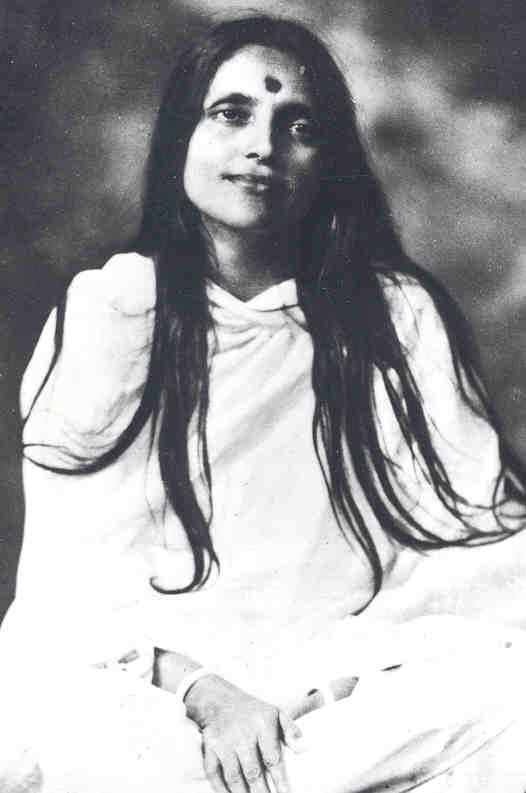
Anandamayi Ma
इन पर सहमत: परम सत्य क्या है? क्या ईश्वर है? · हम दुःख क्यों भोगते हैं? · क्या संसार वास्तविक है?


प्रसंग और वृत्तांत
प्रसंग और वृत्तांत
प्रमाणित1892
The riding test
वृत्तांत का स्रोत: The facts are recorded in the Civil Service Commission files studied by Peter Heehs; the deliberate intent comes from Aurobindo’s own later statements (Autobiographical Notes, CWSA 36).
स्रोत: Heehs, Peter. The Lives of Sri Aurobindo. Nueva York: Columbia University Press, 2008.
साक्ष्यdiciembre de 1892 - febrero de 1893
The ship that did not sink
वृत्तांत का स्रोत: Aurobindo tells it himself in his autobiographical notes and his biographers repeat it (Purani, Heehs); the detail of the father’s last words is family tradition.
साक्ष्यenero de 1908
Three days with Lele
वृत्तांत का स्रोत: Aurobindo’s account in letters of the 1930s (CWSA 35) and in conversations noted by disciples; there is no testimony from Lele about the inner experience.
स्रोत: Sri Aurobindo. Letters on Himself and the Ashram. CWSA 35. Pondicherry: Sri Aurobindo Ashram, 2011.
साक्ष्य1908-1909
Vasudeva in Alipore jail
वृत्तांत का स्रोत: Primary source: the Uttarpara speech (30 May 1909) and the Bengali account Kara-kahini; Vivekananda’s voice in letters of the 1930s (CWSA 35). They are the protagonist’s own testimony.
साक्ष्यfebrero-abril de 1910
The command to leave
वृत्तांत का स्रोत: Aurobindo’s own account (Autobiographical Notes, CWSA 36) and that of witnesses from his Calcutta circle; police reports confirm the flight and the dates, not the voice.
प्रमाणित29-30 de marzo de 1914
“He whom we saw yesterday”
वृत्तांत का स्रोत: The entry of 30 March 1914 appears in the Mother’s Prières et méditations (published 1932); the recognition of the figure of her visions comes from the Mother’s later conversations recorded at the ashram.
स्रोत: La Mère (Mirra Alfassa). Prières et méditations. Pondicherry: Sri Aurobindo Ashram, 1932 (anotación del 30 de marzo de 1914).
साक्ष्य5-9 de diciembre de 1950
The hundred hours
वृत्तांत का स्रोत: It comes from ashram witnesses and statements by the Mother recorded in ashram publications; the existence and wording of the medical certificate are cited in those sources and have not been checked against an original.
शिक्षाएँ
शिक्षाएँ
वे अवधारणाएँ जो उनके चिंतन को रूप देती हैं, उनके संदर्भ में समझाई गई।
The Supermind (supramental)supramental
Aurobindo links the term to the Vedic notion of rita (truth-order) and the vijnana of the Upanishads; historians stress its relation to nineteenth-century evolutionary theories.
Integral yoga (purna yoga)yoga-integral
Set out in The Synthesis of Yoga and the Letters on Yoga; Aurobindo distinguished it from all earlier yogas, which he regarded as stages or fragments of a possible synthesis.
Involution and evolutioninvolucion-y-evolucion
Developed in The Life Divine; it has been compared with Teilhard de Chardin, Bergson and Whitehead, without demonstrated direct influence.
The psychic beingser-psiquico
Explained above all in the Letters on Yoga and The Life Divine; the Mother made it the axis of her educational teaching.
स्रोत: Sri Aurobindo. Letters on Himself and the Ashram. CWSA 35. Pondicherry: Sri Aurobindo Ashram, 2011.
The ladder of mind: from higher mind to overmindplanos-de-la-mente
Set out in The Life Divine (Book II) and in the letters on poetry, where he applies it to the quality of inspiration.
Surrender to the divine Motherentrega-a-la-madre
Set out in The Mother (1928) and in the letters on the Mother (CWSA 32).
वीडियो
वीडियो
रिकॉर्डिंग, साक्षात्कार और वृत्तचित्र। वीडियो YouTube से चलते हैं; वे यहाँ संग्रहीत नहीं हैं।
Rare Footage of Sri Aurobindo’s Mahasamadhi (5 December 1950)
मूल रिकॉर्डिंग· 1950· 7 min
Overman Foundation
The Mother on Sri Aurobindo’s Mahasamadhi, 5th Dec 1950
मूल रिकॉर्डिंग· EN· 12 min
Arvind T Akki Sri Aurobindo Ashram, Pondicherry
Sri Aurobindo: A Life Divine [a 1993 film]
वृत्तचित्र· EN· 1993· 21 min
AuroMaa
THE TRANSFORMATION - A documentary film on Sri Aurobindo
वृत्तचित्र· EN· 54 min
Sri Aurobindo Societyआधिकारिक चैनल
नया जन्म | Naya Janma | The Transformation (versión hindi)
वृत्तचित्र· HI· 54 min
Sri Aurobindo
Journey To The Life Divine — Part I
वृत्तचित्र· EN· 104 min
Sri Aurobindo Ashramआधिकारिक चैनल
Sri Aurobindo: An Indian Mystic Who Worked for Human Unity
वृत्तचित्र· EN· 49 min
Sri Aurobindo Ashram Delhi Branchआधिकारिक चैनल
Film: “Sri Aurobindo Ghose: The Beginning of Spiritual Journey”
वृत्तचित्र· EN· 2022· 38 min
Consulado General de la India en Hamburgo (congendiahamburg)आधिकारिक चैनल
The Mother reads Savitri by Sri Aurobindo: Book 01 Canto 01
मूल रिकॉर्डिंग· EN· 23 min
AuroMaa
Sri Aurobindo’s Uttarpara Speech
व्याख्यान· EN· 32 min
Savitri Bhavan Auroville
Dr. Alok Pandey on Sri Aurobindo’s The Life Divine
व्याख्यान· EN· 60 min
Savitri Bhavan Auroville
Sri Aurobindo’s Savitri - Theme, Structure and Message (Part 1 of 3)
व्याख्यान· EN· 108 min
Debashish Banerji
Conversation with Peter Heehs - History, Spirituality, and Sri Aurobindo
साक्षात्कार· EN· 45 min
Academia Surge
Vicente Merlo - La conciencia y la evolución espiritual en Sri Aurobindo
व्याख्यान· ES· 61 min
Taller de Espiritualidad
¿Es Sri Aurobindo uno de los místicos más grandes de todos los tiempos? Un día con… Vicente Merlo
साक्षात्कार· ES· 58 min
Siglantana editorial
चित्रशाला
चित्रशाला
सत्यापित लाइसेंस वाले चित्र। प्रत्येक में उसके रचयिता और श्रेय का उल्लेख सुरक्षित है।
संबंध
संबंध
प्रभाव, शिष्यत्व और वैचारिक निकटता। प्रमाणित संबंध को विश्लेषण से पहचानी गई समानता से अलग दर्शाया गया है।
इनके गुरु
La Madre (Mirra Alfassa)
He met her on 29 March 1914 and from 1920 she was his spiritual collaborator; he regarded her as an incarnation of the divine Mother and in 1926 entrusted her with the direction of the ashram, which she continued to lead after his death.
प्रमाणित संबंध
इनसे प्रभावित
He wrote that in Alipore jail he heard for a fortnight Vivekananda’s voice guiding him in meditation; they never met in life.
प्रमाणित संबंध
इनसे प्रभावित
In the introduction to The Synthesis of Yoga he presents Ramakrishna’s life as an example of a spiritual capacity running through all the disciplines and prefiguring the synthesis.
प्रमाणित संबंध
इनके शिष्य
Vishnu Bhaskar Lele
Maharashtrian yogi with whom he experienced silence of mind in January 1908; his only outer guide, briefly.
प्रमाणित संबंध
इनसे भेंट
Bal Gangadhar Tilak
Companion in the radical wing of Congress; he presided with him over the Nationalist meeting at Surat (1907) and devoted an essay to him in 1918.
प्रमाणित संबंध
इनसे प्रभावित
Bankim Chandra Chattopadhyay
He devoted essays to him in 1894 and 1907 and translated part of his novel Anandamath, source of the hymn Bande Mataram that named his daily.
प्रमाणित संबंध
इनसे भेंट
Rabindranath Tagore
Tagore dedicated the poem “Namaskar” to him in 1907 and visited him in Pondicherry in 1928.
प्रमाणित संबंध
इनसे भेंट
Sister Nivedita (Margaret Noble)
He worked with her in the Bengal nationalist circles from 1902; after his departure for Chandernagore in 1910 she took charge of Karmayogin.
प्रमाणित संबंध
इनसे मतभेद
In The Life Divine he criticises the “illusionism” (mayavada) of Shankara’s Advaita, which holds the world unreal, while acknowledging the truth of the experience of the silent Brahman.
प्रमाणित संबंध
इनसे मिलते-जुलते विचार
He devoted the study Heraclitus (Arya, 1916–1917) to him, comparing his doctrine of fire and becoming with that of the Vedic rishis.
प्रमाणित संबंध
इनके समकालीन
Contemporaries in South India; some disciples (such as T. V. Kapali Sastri) frequented both. There is no record of a meeting. Relationship noted by the editors.
विश्लेषण से पहचानी गई समानता
इनसे मिलते-जुलते विचार
Two Bengalis who presented yoga as a science of the evolution of consciousness and whose work found a wide echo in the West. Similarity identified by the editors; no meeting is recorded.
विश्लेषण से पहचानी गई समानता
इनके समकालीन
Contemporaries with teachings opposed in method: Krishnamurti rejected all spiritual authority and every system; Aurobindo built one. No personal relationship is recorded.
विश्लेषण से पहचानी गई समानता
इनके समकालीन
Bengali contemporaries of the independence generation; there is no record that they met.
विश्लेषण से पहचानी गई समानता
इनसे मिलते-जुलते विचार
Both conceived evolution as an ascent of consciousness towards a spiritual culmination; the comparison is common in the literature, without documented mutual influence.
विश्लेषण से पहचानी गई समानता
अन्य प्रविष्टियों से जुड़ा
- Annie Besant · इनके समकालीन
- Ramana Maharshi · इनके समकालीन
- Swami Vivekananda · इन्हें प्रभावित किया
- Swami Vivekananda · इनसे मिलते-जुलते विचार
- Helena Blavatsky · इनसे मिलते-जुलते विचार
- Anandamayi Ma · इनके समकालीन
- Ramakrishna · इन्हें प्रभावित किया
- Paramahansa Yogananda · इनके समकालीन
- Pierre Teilhard de Chardin · इनसे मिलते-जुलते विचार
स्रोत
स्रोत
इस प्रविष्टि के लिए देखे गए ग्रंथ-सूची और सूचीपत्र।
- Sri Aurobindo. Complete Works of Sri Aurobindo (CWSA). 37 vols. Pondicherry: Sri Aurobindo Ashram Publication Department, 1997–2025. Sustituye a la Sri Aurobindo Birth Centenary Library (SABCL, 30 vols., 1972).
- Heehs, Peter. The Lives of Sri Aurobindo. Nueva York: Columbia University Press, 2008.
- Sri Aurobindo. Autobiographical Notes and Other Writings of Historical Interest. CWSA 36. Pondicherry: Sri Aurobindo Ashram, 2006.
- Purani, A. B. The Life of Sri Aurobindo. Pondicherry: Sri Aurobindo Ashram, 1958 (4.ª ed., 1978).
- Nirodbaran. Twelve Years with Sri Aurobindo. Pondicherry: Sri Aurobindo Ashram, 1972.
- Satprem. Sri Aurobindo ou l’aventure de la conscience. París: Buchet-Chastel, 1964 (trad. inglesa de Luc Venet, 1984).
- Wikidata, «Aurobindo Ghosh» (Q192207): fechas y lugares, 99 enlaces entre wikis.
- Wikipedia en inglés, «Sri Aurobindo» (cronología política, Alipore, Arya, ashram y ediciones).
- Wikimedia Commons, «Category:Sri Aurobindo» y ficheros asociados (metadatos y licencias consultados por API).
- Heehs, Peter. Sri Aurobindo: A Brief Biography. Delhi: Oxford University Press, 1989.
- Sri Aurobindo. «Uttarpara Speech» (30 de mayo de 1909), Karmayogin, 19 de junio de 1909. CWSA 8. Texto en Wikisource.
- SABDA (distribuidora del Sri Aurobindo Ashram), catálogo de las Complete Works y de las ediciones sueltas.
- Wikipedia en inglés, «Savitri: A Legend and a Symbol» (composición 1916–1950, edición 1950–1951).
- Deshpande, R. Y. «Sri Aurobindo’s Withdrawal — 5 December 1950». Overman Foundation (relato de los últimos días a partir de Nirodbaran, Champaklal y la Madre).
- «Yogic Sadhan». Sri Aurobindo: Archives and Research 10, n.º 1 (abril de 1986): texto de la edición de 1920 y notas sobre su origen en escritura automática.
- Sri Aurobindo. Record of Yoga. CWSA 10–11. Pondicherry: Sri Aurobindo Ashram, 2001.
- Sri Aurobindo. Essays on the Gita (First Series). Madrás: V. Ramaswamy Sastrulu & Sons, 1922. Texto parcial en Wikisource.
- Sri Aurobindo. The Life Divine. Nueva York: The Sri Aurobindo Library, 1949–1951 (texto de la edición revisada de 1939–1940). Copia digital en Internet Archive.
- Sri Aurobindo. Letters on Himself and the Ashram. CWSA 35. Pondicherry: Sri Aurobindo Ashram, 2011.
- Sri Aurobindo. The Mother. Calcuta: Arya Publishing House, 1928 (reimpr. 1937–1949). Copia digital en Internet Archive.
- La Mère (Mirra Alfassa). Prières et méditations. Pondicherry: Sri Aurobindo Ashram, 1932 (anotación del 30 de marzo de 1914).
- अधिकार-धारक
- Sri Aurobindo Ashram Trust (Pondicherry), que reivindica los derechos de todos sus textos. Situación por territorios: Aurobindo murió en 1950, por lo que su obra es de dominio público en la UE desde 2021 (70 años) y en la India desde 2011 (60 años); en España (80 años para autores fallecidos antes de 1987) no lo será hasta el 1 de enero de 2031; en EE. UU. solo lo publicado antes de 1931 es seguro dominio público. Las ediciones de la CWSA, con aparato y textos inéditos, tienen derechos propios.
- आधिकारिक वेबसाइट
- www.sriaurobindoashram.org/
पुष्टि की प्रतीक्षा में
जो यह प्रविष्टि अभी तक निश्चित नहीं कर सकी है। हम उसे भर देने के बजाय कह देना बेहतर समझते हैं।
- Ediciones españolas con ISBN de Ensayos sobre la Gita, Savitri, El ciclo humano, El ideal de la unidad humana, La Madre, Bases del yoga y Cartas sobre el yoga: no localizadas en Open Library (Google Books sin cuota). Revisar catálogos de Kier, Plaza & Janés, Obelisco y del Centro Sri Aurobindo de Barcelona.
- Comprobar la autoría de «La aventura de la consciencia» (Obelisco, 1993, ISBN 9788477200857): Open Library la atribuye a Aurobindo, pero el título corresponde al libro de Satprem.
- Fechas y editoriales de las primeras ediciones de Thoughts and Glimpses (c. 1920), War and Self-Determination (1920), Love and Death (1921), Ahana and Other Poems (1915), Heraclitus (1941) y The Ideal of the Karmayogin.
- Año de la primera compilación titulada Letters on Yoga (se da 1958, aproximado).
- Fecha exacta del primer libro de Satprem (se da 1964) y existencia de una traducción española íntegra con ISBN.
- Cotejar el certificado médico del doctor Barbet (diciembre de 1950) con un original o con una publicación del ashram que lo reproduzca.
- Precisar el barco (y la fecha) cuya noticia falsa de naufragio recibió su padre en 1892.
- Imagen: localizar en Commons un retrato de la etapa de Pondicherry con licencia libre verificada (las fotos de Henri Cartier-Bresson de 1950 están protegidas).
- Sala de lectura: todos los textos llevan caution por la regla española (libres desde 2031). Buscar transcripciones completas de Essays on the Gita y de los artículos de Arya.
2026-10-25 को शोधित