ईसाई धर्म · ईसाई रहस्यवाद · कैथोलिक धर्म
Pierre Teilhard de Chardin
1881 – 1955ऐतिहासिक रूप से प्रमाणित व्यक्ति
फ़्रांसीसी जेसुइट, भूविज्ञानी और जीवाश्मविज्ञानी (1881–1955), जिन्होंने पेकिंग मानव के अध्ययन में भाग लिया और बीस वर्ष चीन में अनुसंधान किया। वे विकासवाद के सिद्धांत को ईसाई आस्था से जोड़ना चाहते थे: मानव परिघटना में वे एक ऐसे ब्रह्मांड का वर्णन करते हैं जो अधिकाधिक जटिलता और चेतना की ओर आरोहण करता है, “मनोमंडल” (नूस्फ़ियर) रचता है और एक ओमेगा बिंदु में अभिसरित होता है, जिसे वे ख्रीस्त से अभिन्न मानते हैं। रोम ने उन्हें दार्शनिक रचनाएँ प्रकाशित करने से रोक दिया; वे दिव्य परिवेश और संसार पर मिस्सा के साथ मृत्यु के बाद छपीं और अत्यंत प्रभावशाली रहीं।
- कृतियाँ
- 31कृतियाँ
- संस्करण
- 39संस्करण
- उद्धरण
- 8उद्धरण
- वीडियो
- 12वीडियो
- चित्र
- 9चित्र
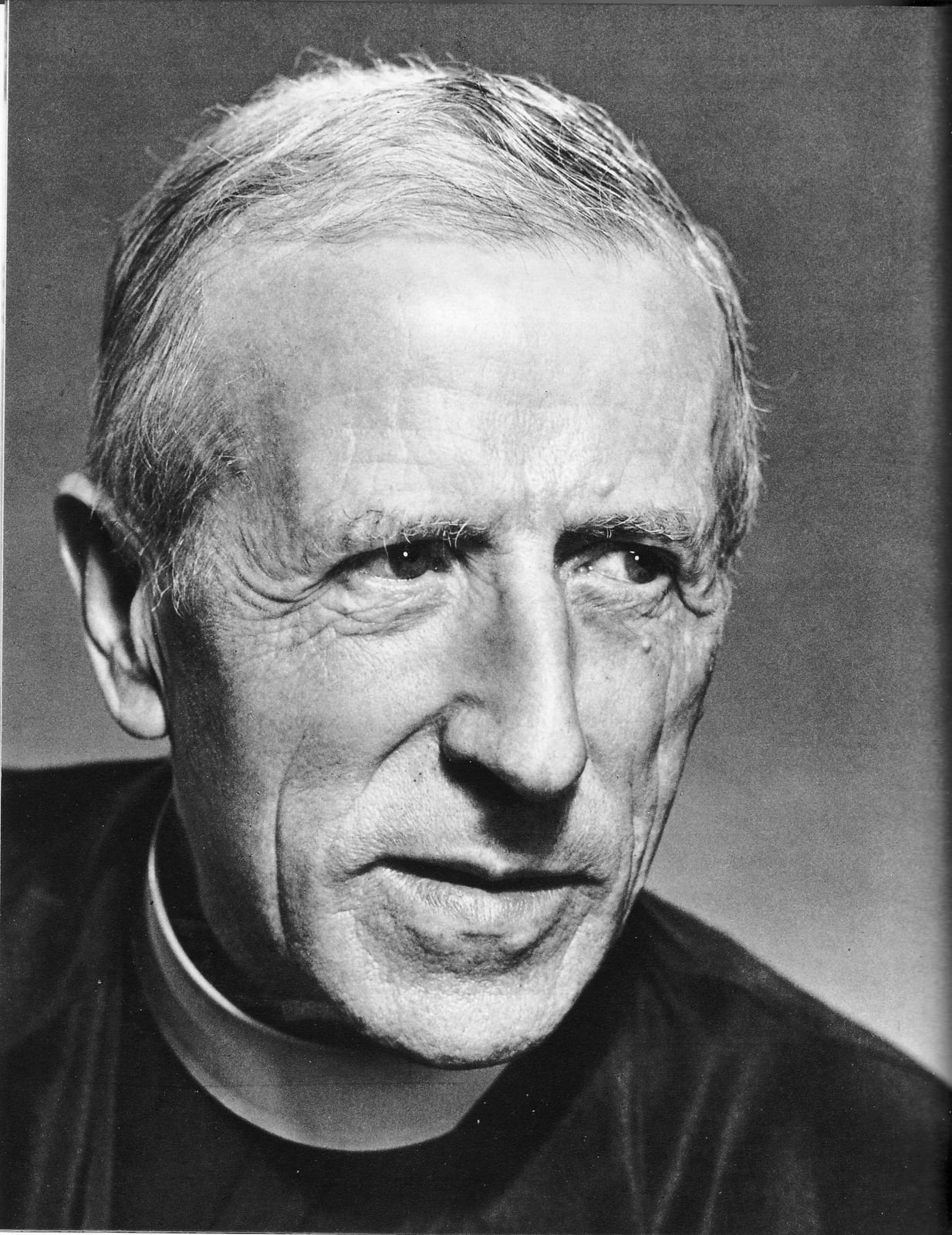
Pierre Teilhard de Chardin en 1955 · CC BY-SA 3.0
उनके अपने शब्दों में
«To see. One could say that the whole of Life lies in that, if not finally, at least essentially.»Le Phénomène humain, prólogo «Voir»

शुरुआत के लिए एक रचना
The Human Phenomenon (The Phenomenon of Man)मूल विचार
Evolution is not merely a biological fact but the movement of the whole universe: matter arranges itself into ever more complex and, at the same time, ever more conscious structures. Teilhard formulates this as the law of complexity-consciousness and takes it as the thread of all cosmic history.
संदर्भ में देखें
जीवनी
5 मिनट का पाठ
स्पैनिश मूल से सहायता-प्राप्त अनुवाद, मातृभाषी अनुवादक द्वारा समीक्षा लंबित।
एक बालक और उसका “लोहे का ईश्वर”
मारी-जोज़ेफ़ पियेर तेयार द शार्दें का जन्म 1 मई 1881 को क्लेरमों-फ़ेरां के पास ओर्सीन में सार्सना के क़िले में हुआ। वे एमानुएल तेयार द शार्दें — अभिलेखपाल और शौक़िया प्रकृतिविद् — और वोल्तेयर की परपोती-भतीजी बेर्त-अदेल द दोंपियेर दोर्नोआ की ग्यारह संतानों में चौथे थे। पिता से उन्हें पत्थरों और कीटों के प्रति लगाव विरासत में मिला; माँ से येसु के पवित्र हृदय पर केंद्रित एक प्रखर भक्ति। जीवन के अंतिम दिनों में लिखी पदार्थ का हृदय में उन्होंने याद किया कि छह-सात वर्ष की आयु में वे गुप्त रूप से अपने “लोहे के ईश्वर” की पूजा करते थे — हल की एक कील, एक बोल्ट का सिरा, गोले के कुछ टुकड़े — क्योंकि उन्हें इससे अधिक कठोर और टिकाऊ कुछ नहीं लगता था: वे लिखते हैं कि “दृढ़ता” उनके लिए सत्ता का मूल गुण थी, और तभी से वे पदार्थ के हृदय में अविनाशी की खोज कर रहे थे।
निर्वासन में एक जेसुइट
उन्होंने विलफ़्रांश-स्यूर-सोन के मोंग्रे जेसुइट कॉलेज में पढ़ाई की और मार्च 1899 में एक्स-आँ-प्रोवाँस में येसु समाज के नवदीक्षा-गृह में प्रवेश लिया। 1901 के धर्मसंघ-विरोधी क़ानूनों ने फ़्रांसीसी जेसुइटों को निर्वासन के लिए विवश किया, और तेयार ने अपना दार्शनिक प्रशिक्षण जर्सी द्वीप पर पूरा किया, जहाँ भूविज्ञान उनकी बुलाहट बन गया। 1905 से 1908 तक उन्होंने काहिरा के पवित्र परिवार कॉलेज में भौतिकी और रसायन पढ़ाया, और 1908 से 1912 तक हेस्टिंग्स के ओर प्लेस में धर्मशास्त्र का अध्ययन किया, जहाँ उन्होंने आँरी बर्गसाँ की सृजनात्मक विकास पढ़ी। 24 अगस्त 1911 को उन्हें पुरोहित-दीक्षा मिली।
युद्ध: परम से साक्षात्कार
1912 से 1914 तक उन्होंने पेरिस के राष्ट्रीय प्राकृतिक इतिहास संग्रहालय में मार्सलें बूल के अधीन जीवाश्मविज्ञान का प्रशिक्षण लिया। 1913 में उन्होंने कुछ दिन पिल्टडाउन की खुदाई में भाग लिया, जो वर्षों बाद एक जालसाज़ी सिद्ध हुई। दिसंबर 1914 में सेना में बुलाए जाने पर उन्होंने मोरक्को के राइफ़ल-सैनिकों की एक रेजिमेंट में स्ट्रेचर-वाहक के रूप में ईप्र, वर्दें और शमें दे दाम में सेवा की और उन्हें मेदाय मिलितेर (सैन्य पदक) तथा लेजियन द'ऑनर से सम्मानित किया गया। खाइयों में उन्होंने अपने पहले निबंध लिखे — ब्रह्मांडीय जीवन (1916), रहस्यवादी परिवेश, पदार्थ की आध्यात्मिक शक्ति (1919) — और अपनी चचेरी बहन मार्गरीत तेयार-शांबों के साथ पत्राचार किया, जिसमें उनके चिंतन को जन्म लेते देखा जा सकता है। 26 मई 1918 को उन्होंने अपने विधिवत अंतिम व्रत लिए।
कैथोलिक संस्थान से चीन तक
1922 में फ़्रांस के निम्न इओसीन युग के स्तनधारियों पर शोधप्रबंध के साथ सोरबोन से विज्ञान में डॉक्टरेट पाकर उन्होंने पेरिस के कैथोलिक संस्थान में भूविज्ञान पढ़ाया। 1923 में वे जेसुइट एमील लिसाँ के साथ काम करने त्येनजिन गए; ओर्दोस के मरुस्थल में, जहाँ मिस्सा-बलिदान चढ़ाने के लिए न रोटी थी न दाखरस, उन्होंने संसार पर मिस्सा लिखा। आदि पाप पर एक निजी टिप्पणी, जो उनकी अनुमति के बिना प्रसारित हो गई थी, रोम के हस्तक्षेप का कारण बनी: 1925 में उनसे अध्यापन छीन लिया गया और 1926 में वे चीन लौट गए, जो बीस वर्ष तक उनका आधार रहा। वहीं उन्होंने दिव्य परिवेश (1926–1927) लिखा, जिसके प्रकाशन की अनुमति उन्हें नहीं मिली।
एशिया के भूविज्ञानी
पेकिंग की सीनोज़ोइक अनुसंधान प्रयोगशाला के सलाहकार के रूप में उन्होंने झोउकोउदियान की खुदाई में भाग लिया, जहाँ 1929 में पेई वेनझोंग को सिनैन्थ्रोपस, यानी “पेकिंग मानव”, की खोपड़ी मिली; तेयार ने उस स्थल का भूविज्ञान निर्धारित किया और आँरी ब्रय के साथ वहाँ औज़ारों और आग की उपस्थिति स्थापित की। उन्होंने सित्रोएन के ‘पीले अभियान’ (क्रुआज़ीएर जोन, 1931–1932) में भाग लिया, यांग्त्सी, भारत, बर्मा और जावा की यात्राएँ कीं और चीन का एक सामान्य भूवैज्ञानिक मानचित्र तैयार किया। ग्यारह खंडों में संकलित उनके सैकड़ों वैज्ञानिक लेखों ने उन्हें महाद्वीप के महान भूविज्ञानियों की पंक्ति में ला खड़ा किया। पेकिंग में मूर्तिकार ल्यूसिल स्वॉन के साथ उनकी गहरी और पवित्र मित्रता रही, जिसका साक्ष्य एक लंबा पत्राचार है।
मानव परिघटना
1938 से 1940 के बीच पेकिंग में उन्होंने अपनी प्रमुख कृति मानव परिघटना लिखी: विकास को जटिलता और चेतना के आरोहण के रूप में पढ़ने का एक प्रयास, जो जैवमंडल के बाद “मनोमंडल” (नूस्फ़ियर) को जन्म देता है और व्यक्तिगत एकता के एक ध्रुव — ओमेगा बिंदु — की ओर अभिसरित होता है, जिसे वे ब्रह्मांडीय ख्रीस्त से अभिन्न मानते हैं। द्वितीय विश्वयुद्ध के दौरान चीन में रुके रहने को विवश, उन्होंने पियेर लरुआ के साथ भू-जीवविज्ञान संस्थान की स्थापना की। 1946 में पेरिस लौटने पर उनकी प्रतिष्ठा बढ़ती गई, पर रोम ने उन्हें दार्शनिक रचनाएँ प्रकाशित करने से रोक दिया, 1948 में मानव परिघटना को छापने से फिर इनकार किया और उन्हें कॉलेज द फ़्रांस में एक पीठ स्वीकार करने से रोका। 1950 में वे विज्ञान अकादमी (अकादेमी दे सियांस) के सदस्य चुने गए।
न्यूयॉर्क और ईस्टर पर मृत्यु
1951 में वे वेनर-ग्रेन फ़ाउंडेशन से जुड़कर न्यूयॉर्क में बस गए, जहाँ से वे ऑस्ट्रेलोपिथेकस का अध्ययन करने दो बार दक्षिण अफ़्रीका गए। उनका लेखन जारी रहा: पदार्थ का हृदय (1950) और ख्रीस्तीय तत्त्व (1955) उनका आध्यात्मिक वसीयतनामा हैं। कई साक्षियों के अनुसार उन्होंने पुनरुत्थान के रविवार को मरने की इच्छा प्रकट की थी। ईस्टर रविवार, 10 अप्रैल 1955 को न्यूयॉर्क में दिल के दौरे से उनका देहांत हुआ, और उन्हें हडसन नदी के किनारे सेंट एंड्रयू-ऑन-हडसन के जेसुइट नवदीक्षा-गृह के क़ब्रिस्तान में दफ़नाया गया।
बाद में प्रकाश में आई रचना
मृत्यु से पहले उन्होंने अपनी पांडुलिपियाँ अपनी सचिव ज़ान मोर्तिये को सौंप दी थीं, ताकि प्रकाशन पर लगे उस प्रतिबंध से बचा जा सके जो किसी दिवंगत की अप्रकाशित रचनाओं पर लागू नहीं होता था। मानव परिघटना 1955 में स्योय प्रकाशन से छपी और उनकी रचनावली तेरह खंडों तक पहुँची। साठ के दशक में उनका प्रसार अपार रहा; पवित्र कार्यालय (होली ऑफ़िस) ने 1962 में एक चेतावनी (मोनितुम) जारी करके उनके लेखन की अस्पष्टताओं और त्रुटियों के प्रति सावधान किया, जिसे कभी औपचारिक रूप से वापस नहीं लिया गया। पीटर मेडावर जैसे वैज्ञानिकों ने उनकी भाषा की कड़ी आलोचना की, जबकि आँरी द लुबाक जैसे धर्मशास्त्रियों ने उनका बचाव किया। बेनेडिक्ट सोलहवें ने 2009 में उनकी “महान दृष्टि” का स्मरण किया और पोप फ़्रांसिस ने लौदातो सी' (2015) में उन्हें उद्धृत किया। उनका व्यक्तित्व आज भी रहस्यवाद और विज्ञान के बीच खड़ा है: एक आज्ञाकारी जेसुइट, जिसने सोचना कभी नहीं छोड़ा।
स्रोत: Cuénot, Claude. Pierre Teilhard de Chardin: les grandes étapes de son évolution. Paris: Plon, 1958. · Speaight, Robert. Teilhard de Chardin: A Biography. London: Collins, 1967. · King, Ursula. Spirit of Fire: The Life and Vision of Teilhard de Chardin. Maryknoll (N.Y.): Orbis Books, 1996 (ed. revisada, 2015). · Teilhard de Chardin, Pierre. Le Phénomène humain. Paris: Éditions du Seuil, 1955 (Œuvres, t. I). Texto en Wikisource. · Teilhard de Chardin, Pierre. Le Milieu divin. Paris: Éditions du Seuil, 1957 (Œuvres, t. IV). Texto en Wikisource.
कालक्रम
जीवन, वर्ष-दर-वर्ष
प्रत्येक बिंदु एक प्रमाणित घटना है। उसे स्रोत और निश्चितता के स्तर सहित पढ़ने के लिए क्लिक करें।
1 मई 18810 वर्षSarcenat, Orcines
Birth
Fourth of eleven children of Emmanuel Teilhard de Chardin and Berthe-Adèle de Dompierre d'Hornoy.
प्रमाणितWikipedia en inglés, «Pierre Teilhard de Chardin» (consultada para fechas y trayectoria, contrastada con las demás fuentes).
उनके निधन के बाद
- 30 जून 1962Monitum of the Holy Office
- 24 मई 2015Laudato si'
1 मई 1881 · 0 वर्ष
Birth
Fourth of eleven children of Emmanuel Teilhard de Chardin and Berthe-Adèle de Dompierre d'Hornoy.
प्रमाणित
मार्च 1899 · 17 वर्ष
Jesuit novice
He enters the Society of Jesus's novitiate.
प्रमाणित
लगभग 1902
Exile in Jersey
With the Jesuits expelled from France, he studies philosophy in Jersey and becomes passionate about the island's geology.
प्रमाणित
1905
Teacher in Cairo
He teaches physics and chemistry at the Holy Family college (1905–1908).
प्रमाणित
24 अगस्त 1911 · 30 वर्ष
Ordination
Ordained priest at the end of his theology studies at Ore Place.
प्रमाणित
1913
Piltdown excavations
He spends a few days at the Piltdown excavations with Charles Dawson; 'Piltdown Man' was exposed as a hoax in 1953.
प्रमाणित
दिसंबर 1914
Stretcher-bearer in the Great War
Mobilised as a stretcher-bearer in a regiment of Moroccan riflemen; Médaille militaire and Legion of Honour.
प्रमाणित
1916
Cosmic Life
He writes his first essay, the core of all his later work.
प्रमाणित
26 मई 1918
Solemn vows
During military leave he takes his final vows as a Jesuit.
प्रमाणित
1922
Doctorate in science
He defends at the Sorbonne his thesis on the mammals of the French Lower Eocene.
प्रमाणित
1923
The Mass on the World
On his first Chinese expedition, with no bread or wine to celebrate, he writes the offering of 'the whole Earth'.
प्रमाणित
अप्रैल 1926
Exile in China
Removed from teaching in Paris over a note on original sin, he returns to China; he writes The Divine Milieu (1926–1927).
प्रमाणित
दिसंबर 1929
Peking Man
Pei Wenzhong finds the skull of Sinanthropus; Teilhard is the site's geologist.
प्रमाणित
1931
Croisière jaune
He takes part as a scientist in the Citroën expedition across Central Asia (1931–1932).
प्रमाणित
1938
The Human Phenomenon
He writes his major work (1938–1940); Rome refuses permission to publish it.
प्रमाणित
1946
Return to France
After the war he returns to Paris, where his thought circulates in typescript copies.
प्रमाणित
1950
Academy of Sciences
Elected to the Academy of Sciences; he writes The Heart of Matter.
प्रमाणित
1951
New York
He settles in New York, attached to the Wenner-Gren Foundation; he travels to South Africa in 1951 and 1953.
प्रमाणित
10 अप्रैल 1955 · 73 वर्ष
Death on Easter Sunday
He dies of a heart attack; he is buried in the cemetery of the Saint Andrew-on-Hudson novitiate.
प्रमाणित
नवंबर 1955
Publication of The Human Phenomenon
Éditions du Seuil publishes the first volume of his Works, made possible because he had bequeathed his manuscripts to Jeanne Mortier.
प्रमाणित
30 जून 1962
Monitum of the Holy Office
A warning to bishops and superiors about ambiguities and doctrinal errors in his works.
प्रमाणित
24 मई 2015
Laudato si'
Pope Francis cites his contribution in the encyclical on integral ecology (no. 83, note 53).
प्रमाणित
कृतियाँ
आवश्यक कृतियाँ
वे कृतियाँ जिनके बिना उनकी विरासत को समझा नहीं जा सकता।
मरणोपरांत कृति · 1955
The Human Phenomenon (The Phenomenon of Man)
Le Phénomène humain
His major work, presented as a 'purely phenomenological' essay. It covers Before Life (matter and its 'within'), Life (the biosphere and the law of complexity-consciousness), Thought (the threshold of reflection and the noosphere) and Survival, in which humanity, compressed on the closed surface of the planet, converges toward a personal centre, the Omega Point. An epilogue on the 'Christian phenomenon' identifies that centre with Christ. Its visionary prose fascinated millions of readers and exasperated scientists such as Peter Medawar.
6 संस्करण

मरणोपरांत कृति · 1957
The Divine Milieu
Le Milieu divin. Essai de vie intérieure
A treatise on spirituality for Christians living in the world. The first part shows the 'divinisation of activities': all human work, brought to perfection, collaborates in the consummation of the world in Christ, because God waits 'at the tip of my pen, my pick, my paintbrush'. The second deals with the 'divinisation of passivities' —what is undergone, diminishment, death—, and the third describes the 'divine milieu', the presence of Christ that envelops everything. It is his most widely read book as a spiritual guide.
5 संस्करण

मरणोपरांत कृति · 1923
The Mass on the World
La Messe sur le Monde
A prayer in the form of a cosmic Mass: with neither bread, wine nor altar, the priest offers 'on the altar of the whole Earth' the labour and suffering of the world, and asks that the consecration reach the entire universe. Its parts —the offering, fire over the world, fire in the world, communion, prayer— distil his mysticism of matter and his intuition of the cosmic Christ.
3 संस्करण
मरणोपरांत कृति · 1976
The Heart of Matter
Le Cœur de la Matière
A spiritual autobiography in three parts —the cosmic, the human, the christic— telling how the child fascinated by his 'iron God' came to discover the convergence of the universe and the personal 'heart' that draws it. Together with The Christic, written a month before his death, it is the final synthesis of his vision and the best biographical gateway to his thought.
2 संस्करण
संपूर्ण कृतित्व (31)
Pierre Teilhard de Chardin
The Christic
The Conscious LibraryThe Christic
1955
Hymn of the Universe
1961

The Appearance of Man
1956

The Vision of the Past
1957
Pierre Teilhard de Chardin
Man's Place in Nature
The Conscious LibraryMan's Place in Nature
1956
The Future of Man
1959

Human Energy
1962

Activation of Energy
1963

Science and Christ
1965

Christianity and Evolution (How I Believe)
1969

Toward the Future
1973

Writings in Time of War
1965
Pierre Teilhard de Chardin
Cosmic Life
The Conscious LibraryCosmic Life
1916
Pierre Teilhard de Chardin
The Spiritual Power of Matter
The Conscious LibraryThe Spiritual Power of Matter
1919
Pierre Teilhard de Chardin
My Universe
The Conscious LibraryMy Universe
1924
The Spirit of the Earth
1931
Pierre Teilhard de Chardin
The Phenomenon of Spirituality
The Conscious LibraryThe Phenomenon of Spirituality
1937
Note on Some Possible Historical Representations of Original Sin
1922
Pierre Teilhard de Chardin
The Mammals of the French Lower Eocene and their Deposits
The Conscious LibraryThe Mammals of the French Lower Eocene and their Deposits
1922

Early Man in China
1941
Pierre Teilhard de Chardin
The Scientific Work
The Conscious LibraryThe Scientific Work
1971

The Making of a Mind
1961

Letters from a Traveller
1956
Pierre Teilhard de Chardin
Letters from Egypt and from Hastings and Paris
The Conscious LibraryLetters from Egypt and from Hastings and Paris
1963
वचन
किसी निश्चित कृति में स्थित वचन। प्रत्येक के साथ उसका स्रोत और विश्वसनीयता का स्तर है।
To see. One could say that the whole of Life lies in that, if not finally, at least essentially.Voir. On pourrait dire que toute la Vie est là, — sinon finalement, du moins essentiellement.
सत्यापितLe Phénomène humain, prólogo «Voir»
मूल विचार (संपादकीय सार)
कॉपीराइट के सम्मान में, ये विचार हमारे अपने शब्दों में संक्षेपित हैं और इन्हें शब्दशः उद्धरण के रूप में प्रस्तुत नहीं किया गया है।
- Evolution is not merely a biological fact but the movement of the whole universe: matter arranges itself into ever more complex and, at the same time, ever more conscious structures. Teilhard formulates this as the law of complexity-consciousness and takes it as the thread of all cosmic history.
- Every being has a 'without', what science measures, and a 'within', a degree of interiority or psychism, minute in atoms and greatest in human beings; without admitting that within, he says, the appearance of thought cannot be understood.
- With human beings evolution crosses a threshold: reflection, knowing that one knows. From then on evolution continues above all at the cultural and collective level, and the Earth is covered with a thinking layer, the noosphere, which grows denser as humanity communicates and unifies.
- The convergence of humanity does not lead to a depersonalised collective but to a union that differentiates: the more persons unite, the more personal they become. This process points to a supreme centre, personal and already existing, which Teilhard calls the Omega Point.
- For the believer, the Omega Point is the risen Christ: the cosmic Christ of the Pauline letters, in whom all things hold together, drawing evolution from ahead. The history of the cosmos is thus a christogenesis.
- Human work, research and technology do not lead away from God: brought to their perfection, they are collaboration in the consummation of the world. Likewise, what is undergone —illness, diminishment, death— can be taken up as communion. These are the two faces, active and passive, of his spirituality.
- Love is the energy that unites beings by what is most intimate in them; Teilhard speaks of the 'amorisation' of the universe and predicts that one day humanity will learn to harness that energy as it once harnessed fire.
अप्रामाणिक या विवादित आरोपण वाले उद्धरण (1)
«'We are not human beings having a spiritual experience; we are spiritual beings having a human experience.'»
It is the most widely circulated saying under his name and it appears in none of his published writings. It was popularised in American self-help literature of the 1990s, without a source; some also attribute it to G. I. Gurdjieff or Wayne Dyer. It matches neither his vocabulary nor his thought, which does not oppose spirit and human experience.
अंतिम शब्द
उनके अंतिम शब्दों का कोई सत्यापन-योग्य अभिलेख उपलब्ध नहीं है।
No reliable record of his last words survives. He died of a heart attack on the afternoon of Easter Sunday, 10 April 1955, at friends' home in New York, after attending Mass that morning. Several sources hand down, in differing versions and without precise documentary citation, that shortly before he had expressed the wish to die on the day of the Resurrection. The last thing in his hand that survives is the Journal page of Holy Thursday, 7 April 1955, which sums up his creed in two articles: the cosmos is centred and 'Christ is its centre' (published in Le Cœur de la Matière).
स्रोत: Teilhard de Chardin, Pierre. Le Cœur de la Matière (incluye Le Christique y la última página del Diario, 1955). Paris: Éditions du Seuil, 1976 (Œuvres, t. XIII). Texto en Wikisource.
पूछें
उनकी कृतियाँ क्या उत्तर देती हैं
मानवता के बारह महान प्रश्न और उनके ग्रंथ उनका जो उत्तर देने देते हैं, संदर्भों सहित। हम कभी उनके मुख में अपने शब्द नहीं रखते।
परम सत्य क्या है? क्या ईश्वर है?
God is the personal Omega toward which evolution converges
साकार, व्यक्तिगत ईश्वरस्पष्ट रूप से कहा है
Teilhard de Chardin thinks of God from evolution. In The Human Phenomenon, the law of complexity-consciousness leads the universe to converge on an Omega point, which cannot be an abstraction: it must be already actual, transcendent and personal, because only a personal centre can unite persons without dissolving them. His faith identifies this Omega with the cosmic Christ, in whom all things are recapitulated: in How I Believe he sums up his journey as faith in the world, in Spirit, in immortality and in personality. The Divine Milieu describes this God present in all matter and in every action. The Absolute is for him hyper-personal: more a person, not less, than the human.
इस प्रश्न की अन्य गुरुओं से तुलना करेंमैं कौन हूँ? क्या कोई सच्चा आत्म है?
To be more is to be more united: union differentiates the person
संबंधों में विकसित होता आत्मस्पष्ट रूप से कहा है
Teilhard de Chardin thinks of the self within evolution. In The Human Phenomenon, reflective consciousness appears when the universe, growing more complex, centres upon itself: the human being is evolution become conscious of itself. But that personal centre is not perfected by isolating itself, but by uniting: «to be more is to be more united» sums up the work, and its law is that true union does not confuse, it differentiates. The person is fulfilled in a process of centration, decentration in the other and super-centration in God. The self is not a closed substance, but a growing centre whose fullness lies in the convergence of all in Omega.
इस प्रश्न की अन्य गुरुओं से तुलना करेंहम दुःख क्यों भोगते हैं?
Evil is the statistical price of a world in evolution
कर्म और आत्मा की सीखस्पष्ट रूप से कहा है
Teilhard de Chardin places evil within evolution. In the appendix to The Human Phenomenon on the place and part of evil, he explains that a universe advancing by trial and error toward unity inevitably produces disorder, failure, decomposition, loneliness and anguish: evil is the statistical by-product of a creation under way. The Divine Milieu adds the other half: the «passivities of diminishment» —illness, old age, death— can be taken up in communion with God, who does not will them for themselves but transforms them. Suffering is the cost of growth and can become an energy of union.
इस प्रश्न की अन्य गुरुओं से तुलना करेंमृत्यु के बाद क्या होता है?
Death is the final diminishment, in which God takes us
अनंत जीवन और पुनरुत्थानस्पष्ट रूप से कहा है
Teilhard de Chardin believes in personal immortality and thinks of it on a cosmic scale. In The Human Phenomenon he argues that a universe that has produced consciousness cannot end in nothingness: evolution requires the irreversibility of the personal, which is preserved and consummated in Omega. In The Divine Milieu, death is the last and most radical of the passivities of diminishment, the one that strips us of everything; and his prayer asks that, at that moment, it be God who, from within, detaches us from ourselves in order to take us into him. Individual death is set within a collective consummation: humanity as a whole maturing toward its encounter with Christ.
इस प्रश्न की अन्य गुरुओं से तुलना करेंमुक्ति या उद्धार कैसे प्राप्त होता है?
God divinises both our activities and our passivities
कृपा और प्रेम सेउनके सिद्धांत से निष्कर्षित
Teilhard de Chardin does not conceive salvation as flight from the world, but as the divinisation of everything human. The Divine Milieu distinguishes two sides: activities, in which the human being cooperates with creation and, with right intention, builds something that Christ gathers up; and passivities, of growth and of diminishment, in which God acts upon us. Both, lived in communion, unite us to God. Salvation is personal and collective at once: all of humanity, converging on Omega, prepares the fullness of Christ. Human effort counts, but what divinises is God's presence in all things, received in faith.
इस प्रश्न की अन्य गुरुओं से तुलना करेंक्या गुरु आवश्यक है?
Leaving the current of Catholicism would be a biological error
संघ और परंपरास्पष्ट रूप से कहा है
Teilhard de Chardin suffered for decades the censorship of his Jesuit superiors and of Rome: he was removed from teaching in Paris and forbidden to publish his philosophical and religious works, which appeared only after his death. Even so, he refused to leave the order or the Church. In the text «On my attitude toward the official Church», collected in The Heart of Matter, he justified this with a characteristic formula: it would be for him a biological error to break away from the religious current of Catholicism, because it is in that living trunk that Christian consciousness continues to grow. He claims no personal teacher, but belonging to an evolving organism, with its tensions, which he hopes will eventually take up his vision.
इस प्रश्न की अन्य गुरुओं से तुलना करेंक्या संसार वास्तविक है?
For one who knows how to see, nothing here below is profane
दिव्य की अभिव्यक्तिस्पष्ट रूप से कहा है
Teilhard de Chardin loves matter as the place of the divine. In The Divine Milieu he states that, by virtue of creation and still more of the incarnation, nothing here below is profane for one who knows how to see; God is found at the tip of the pen, the pick, the paintbrush or the needle. The world is neither a static backdrop nor an illusion: it is a cosmogenesis, a process of increasing complexity which, in The Human Phenomenon, moves toward consciousness and unity. In The Mass on the World, celebrated without an altar in the Ordos desert, he offers to God the labour and suffering of the whole Earth. The world is the divine becoming visible, on its way toward Christ.
इस प्रश्न की अन्य गुरुओं से तुलना करेंप्रेम क्या है?
Love is the energy uniting beings toward Omega
विरह और मिलनस्पष्ट रूप से कहा है
Teilhard de Chardin gives love a cosmic reach. In The Human Phenomenon he holds that love, in its biological reality, is the affinity of one being for another, present in rudimentary form throughout matter and fully conscious in the human being; it is the only force capable of uniting beings so that they complete one another without destruction, because it takes hold of them by what is deepest in them. Humanity will only be able to converge if it learns to love beyond its immediate circle, and that is possible only if there exists a loving and lovable centre toward which everything tends: Omega, which he identifies with Christ. Love is the energy that drives evolution toward its consummation.
इस प्रश्न की अन्य गुरुओं से तुलना करेंक्या हम स्वतंत्र हैं, या सब कुछ पूर्वनिर्धारित है?
Freedom grows with consciousness: evolution passes into our hands
वास्तविक स्वतंत्र इच्छास्पष्ट रूप से कहा है
Teilhard de Chardin sees freedom as a fruit of evolution. In The Human Phenomenon, as matter grows more complex, interiority grows, and with reflective thought appears a being capable of foreseeing, choosing and orienting itself: evolution, which advanced by groping, becomes conscious of itself and passes partly into human hands. Hence his insistence on the collective responsibility to build the Earth and on the «zest for living», without which humanity might refuse to go forward. Convergence toward Omega is no mechanical fate: it requires that human freedoms consent to unite. Providence acts through that freedom, not in its place.
इस प्रश्न की अन्य गुरुओं से तुलना करेंध्यान या प्रार्थना क्यों करें?
Offer on the altar of the Earth the labour and pain of the world
अनुष्ठान और आत्म-संस्कारस्पष्ट रूप से कहा है
Teilhard de Chardin's most famous prayer was born from the impossibility of celebrating: in 1923, in the Ordos desert, with no bread, no wine and no altar, he composed The Mass on the World, in which he offers to God, on the altar of the whole Earth, the labour and suffering of the world. The liturgy expands to cosmic scale: the consecration reaches matter, which becomes the body of Christ. The Divine Milieu proposes a prayer united to action: purity of intention turns every work into communion, and daily faithfulness is the way of entering into contact with God. To meditate is to learn to see the divine in all things.
इस प्रश्न की अन्य गुरुओं से तुलना करेंक्या बुद्धि परम को जान सकती है?
Science and faith converge in seeing the whole phenomenon
श्रद्धा और तर्क एक-दूसरे के सहायकस्पष्ट रूप से कहा है
Teilhard de Chardin was a palaeontologist and a Jesuit, and sought to unite both vocations. The Human Phenomenon presents itself as a scientific work, neither theological nor metaphysical: an attempt to see the whole human phenomenon, consciousness included, within evolution. That gaze leads, by extrapolation from the facts, to the hypothesis of an Omega point; Christian faith recognises Christ in that Omega. In Science and Christ and How I Believe he argues that scientific research, carried through to the end, does not lead away from God but raises the questions that revelation answers. Reason prepares and faith consummates, without either absorbing the other.
इस प्रश्न की अन्य गुरुओं से तुलना करेंसंसार से हटें या उसे बदलें?
Building the Earth is cooperating in God's work
संसार में जुड़नास्पष्ट रूप से कहा है
Teilhard de Chardin rejects the spirituality that sees the world as an obstacle. In The Divine Milieu he holds that human effort —research, work, technology, art— is not indifferent to salvation: through right intention, every work contributes to the world's consummation in Christ, and nothing that is built is lost. In The Spirit of the Earth and the essays collected in The Future of Man he calls humanity to become aware of its unity and to build the Earth, joining forces across nations and races. The Christian must not flee the world, but be the first to work for its progress, knowing that it is ordered to something greater.
इस प्रश्न की अन्य गुरुओं से तुलना करें
निकटता और तनाव
निकटता और तनाव
उनके मतों के आधार पर प्रश्न-दर-प्रश्न आकलित। प्रत्येक सहमति या टकराव का कारण क्लिक करने पर।
इनसे मिलता-जुलता सोचते हैं
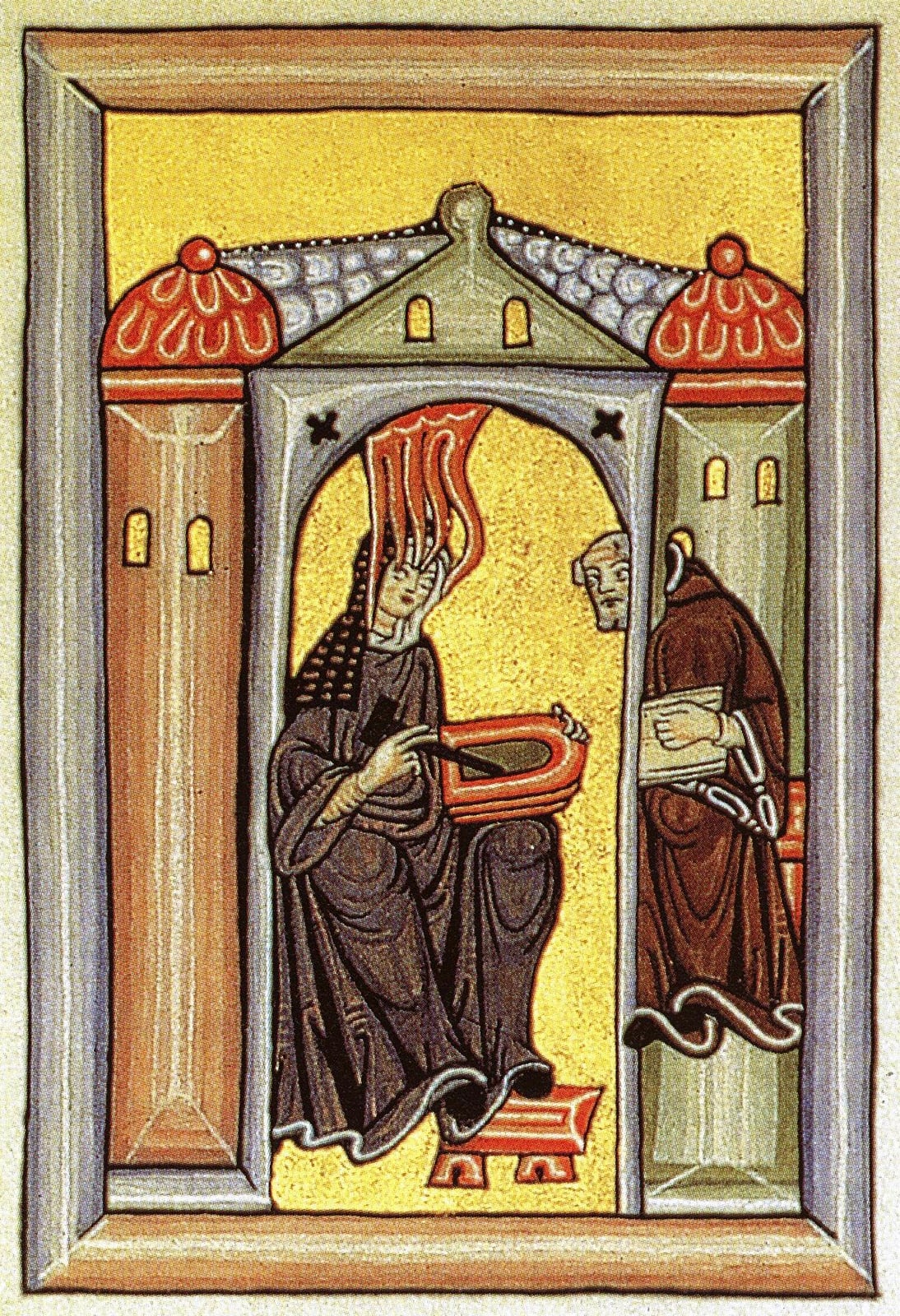
Hildegard of Bingen
इन पर सहमत: परम सत्य क्या है? क्या ईश्वर है? · मृत्यु के बाद क्या होता है? · मुक्ति या उद्धार कैसे प्राप्त होता है?
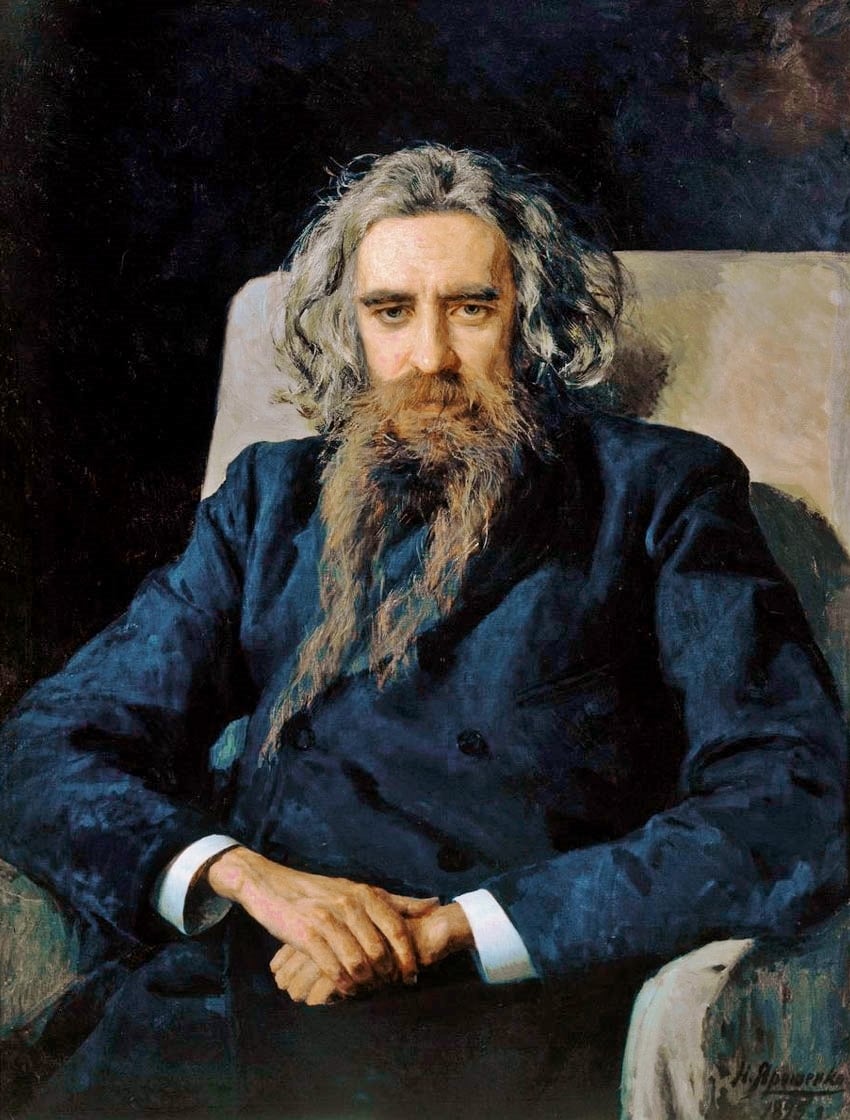
Vladimir Solovyov
इन पर सहमत: मृत्यु के बाद क्या होता है? · मुक्ति या उद्धार कैसे प्राप्त होता है? · क्या गुरु आवश्यक है?
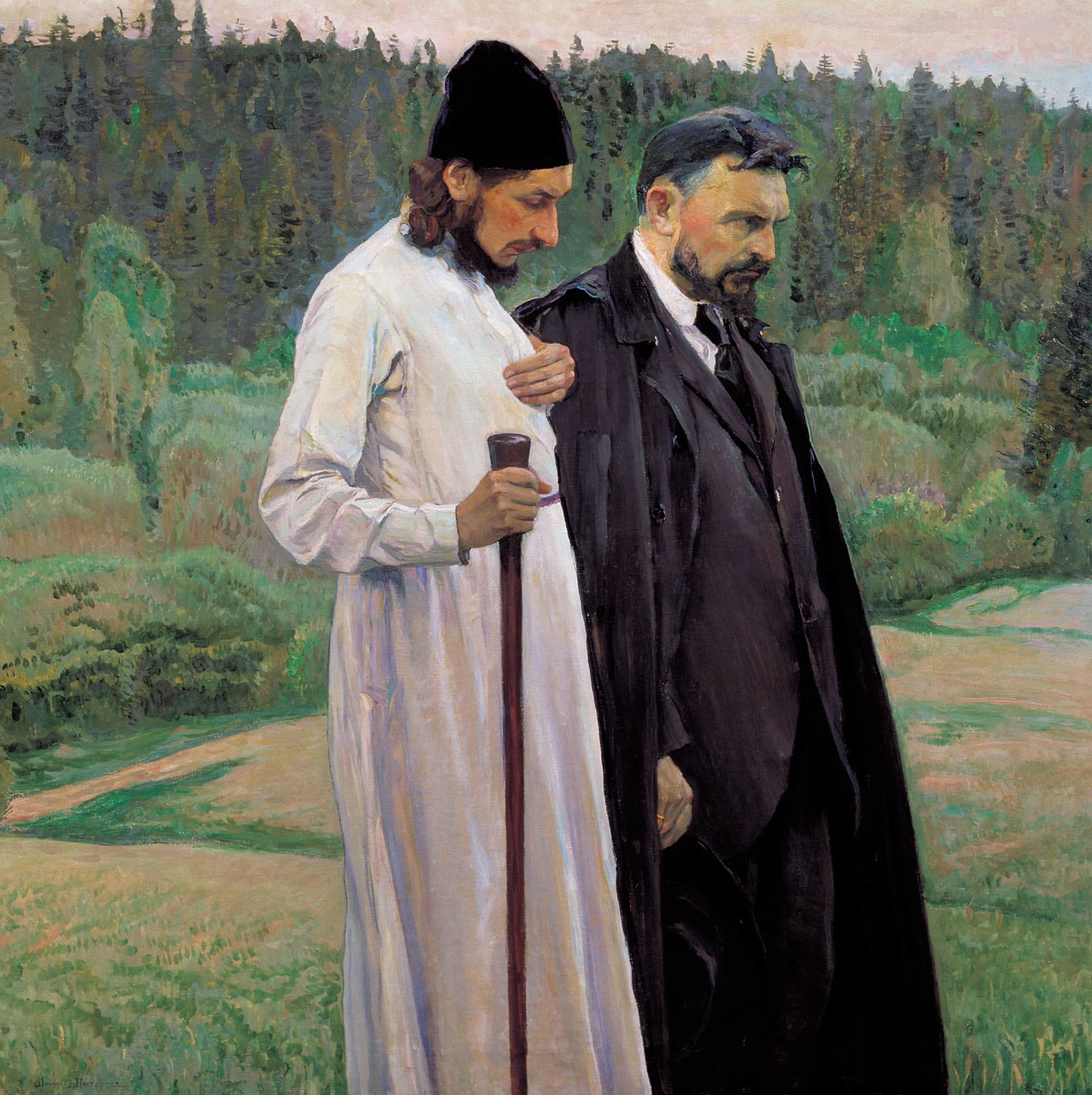
Pavel Florensky
इन पर सहमत: परम सत्य क्या है? क्या ईश्वर है? · मैं कौन हूँ? क्या कोई सच्चा आत्म है? · मृत्यु के बाद क्या होता है?
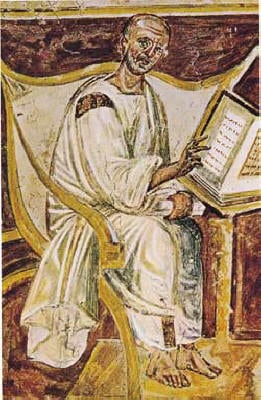
Augustine of Hippo
इन पर सहमत: परम सत्य क्या है? क्या ईश्वर है? · मृत्यु के बाद क्या होता है? · मुक्ति या उद्धार कैसे प्राप्त होता है?
इनसे भिन्न सोचते हैं
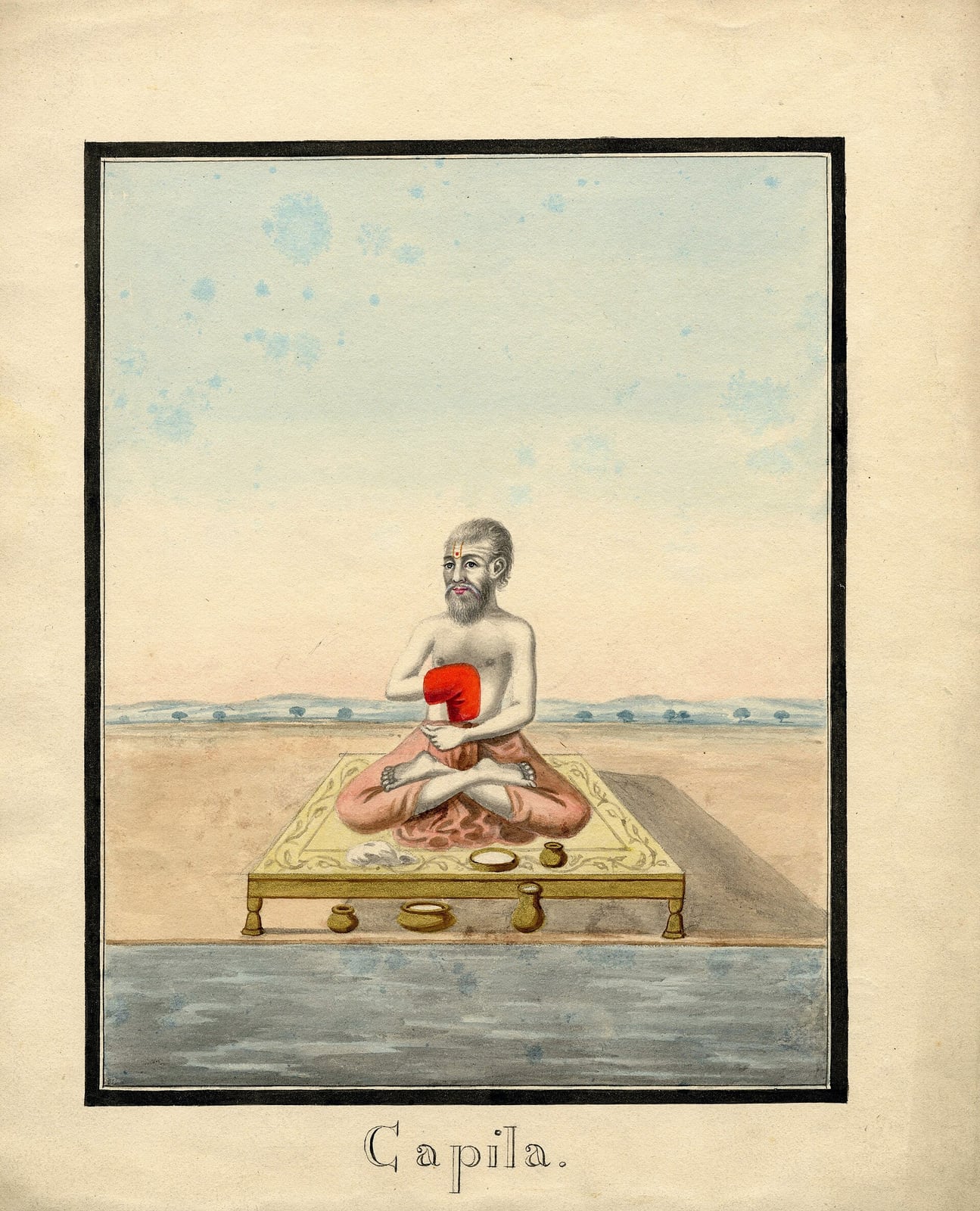
Kapila
इन पर टकराव: परम सत्य क्या है? क्या ईश्वर है? · मृत्यु के बाद क्या होता है?

Patañjali
इन पर टकराव: परम सत्य क्या है? क्या ईश्वर है? · मृत्यु के बाद क्या होता है?

Pema Chödrön
इन पर टकराव: परम सत्य क्या है? क्या ईश्वर है? · मृत्यु के बाद क्या होता है?

Nāgārjuna
इन पर टकराव: परम सत्य क्या है? क्या ईश्वर है? · मृत्यु के बाद क्या होता है?
प्रसंग और वृत्तांत
प्रसंग और वृत्तांत
साक्ष्यc. 1887–1888
The 'iron God'
वृत्तांत का स्रोत: His own account in Le Cœur de la Matière (1950), part I, 'Le Cosmique'.
प्रमाणित1914–1919
The stretcher-bearer of Verdun
वृत्तांत का स्रोत: Letters from the front published in Genèse d'une pensée (1961); decorations and postings according to the biographies and Wikipedia (s11).
साक्ष्य1923
The Mass in the Ordos desert
वृत्तांत का स्रोत: The text itself places the scene 'in the steppes of Asia'; the dating to Ordos, 1923, comes from the edition of Hymne de l'Univers and the travel letters.
विवादित1913 / 1980
The shadow of Piltdown
वृत्तांत का स्रोत: The accusation was made in Gould (Natural History, 1980); its general rejection is summarised by Wikipedia (s11).
स्रोत: Gould, Stephen Jay. «The Piltdown Conspiracy». Natural History 89, n.º 8 (1980): 8–28.
प्रमाणित1929–1931
The Zhoukoudian skull
वृत्तांत का स्रोत: Facts from the history of palaeoanthropology recorded in Wikipedia and in his own articles in L'Apparition de l'Homme ('La découverte du Sinanthrope').
साक्ष्य1920s–1955
A biological blunder
वृत्तांत का स्रोत: Text collected in Le Cœur de la Matière (1976), pp. 133–137.
साक्ष्य1955
To die at Easter
वृत्तांत का स्रोत: It circulates in the biographies (Cuénot, King) in differing versions; the original testimony has not been checked.
स्रोत: King, Ursula. Spirit of Fire: The Life and Vision of Teilhard de Chardin. Maryknoll (N.Y.): Orbis Books, 1996 (ed. revisada, 2015).
शिक्षाएँ
शिक्षाएँ
वे अवधारणाएँ जो उनके चिंतन को रूप देती हैं, उनके संदर्भ में समझाई गई।
Law of complexity-consciousnesscomplejidad-conciencia
The guiding thread of The Human Phenomenon (1938–1940).
Noospherenoosfera
A term coined around 1922–1925; central in The Human Phenomenon and The Future of Man.
Omega Pointpunto-omega
Introduced in The Human Phenomenon (book IV, 'Survival').
The cosmic Christ and christogenesiscristo-cosmico
Present from 1916; formulated on the last page of the Journal (1955): 'Christ is the centre of the Cosmos'.
The divine milieu: activities and passivitiesmedio-divino
Written in 1926–1927; his most widely read text as a spiritual guide.
Hominisation and the threshold of reflectionhominizacion
A theme of La Vision du Passé, The Human Zoological Group and book III of The Human Phenomenon.
वीडियो
वीडियो
रिकॉर्डिंग, साक्षात्कार और वृत्तचित्र। वीडियो YouTube से चलते हैं; वे यहाँ संग्रहीत नहीं हैं।
Portrait en 1981 de Teilhard de Chardin, théologien et paléontologue
वृत्तचित्र· FR· 28 min
Radio-Canada Archivesआधिकारिक चैनल
Teilhard de Chardin
वृत्तचित्र· FR· 52 min
KTO TV
L'Unité créatrice du monde - Pierre Teilhard de Chardin
YouTube पर देखें
यह वीडियो एम्बेड करने की अनुमति नहीं देता; यह YouTube पर खुलेगा।
L'Unité créatrice du monde - Pierre Teilhard de Chardin
वृत्तचित्र· FR· 52 min
KTO TV
Le Centre Teilhard-de-Chardin : un lieu de dialogue entre sciences et spiritualité
वृत्तचित्र· FR· 9 min
KTO TV
Teilhard et la Chine, un documentaire de Benoît Vermander
वृत्तचित्र· FR· 44 min
Benoît Vermander Videos
Ilia Delio / Why Science and Religion Need Each Other: Teilhard de Chardin's Deep Catholicity
व्याख्यान· EN· 61 min
College of the Holy Crossआधिकारिक चैनल
Ilia Delio: Teilhard's Evolution and the Body of Christ
व्याख्यान· EN· 48 min
Centre for Catholic Studies, Durham Universityआधिकारिक चैनल
Ilia Delio: "Teilhard de Chardin and World Religions"
व्याख्यान· EN· 100 min
Yale Forum on Religion and Ecologyआधिकारिक चैनल
Annual Teilhard de Chardin, S.J. Lecture feat. Sr. Ilia Delio
व्याख्यान· EN· 90 min
Hank Center for the Catholic Intellectual Heritageआधिकारिक चैनल
Teilhard de Chardin, entre el cielo y el suelo: Testimonios para la Iglesia del futuro
व्याख्यान· ES· 68 min
Centro Loyola - Loiola Zentroaआधिकारिक चैनल
Teilhard de Chardin | Ciclo Los viernes de la evolución
व्याख्यान· ES· 146 min
El Colegio Nacional (México)आधिकारिक चैनल
Ringvorlesung: Pierre Teilhard de Chardin
व्याख्यान· DE· 69 min
CTS Berlin
चित्रशाला
चित्रशाला
सत्यापित लाइसेंस वाले चित्र। प्रत्येक में उसके रचयिता और श्रेय का उल्लेख सुरक्षित है।
पांडुलिपियाँ
पांडुलिपियाँ
पांडुलिपि-साक्ष्य और प्राचीन पाठ, उनके संरक्षक और अध्ययन की शर्तों सहित।
FR · Latin · 1932–1955
Teilhard de Chardin Manuscripts (cartas a Lucile Swan y otras colecciones)
- संरक्षित पाठ-साक्ष्य
- 205 cartas a Lucile Swan, 77 cartas a un sacerdote biólogo francés (1938–1952) y documentos de su etapa china
- संरक्षक
- Booth Family Center for Special Collections, Georgetown University Library (Washington)
- डिजिटलीकरण
- guides.library.georgetown.edu/teilhard-de-chardi…
संबंध
संबंध
प्रभाव, शिष्यत्व और वैचारिक निकटता। प्रमाणित संबंध को विश्लेषण से पहचानी गई समानता से अलग दर्शाया गया है।
इनसे प्रभावित
A Jesuit from 1899, formed by the Spiritual Exercises; his search for God 'in all things' of matter extends Ignatian spirituality.
प्रमाणित संबंध
इनसे प्रभावित
The risen Christ, read through Saint Paul, is the centre of his vision: Omega and centre of the cosmos.
प्रमाणित संबंध
इनसे मिलते-जुलते विचार
Both, contemporaries with no known contact, interpreted evolution as the rise of consciousness toward divine fulfilment (Aurobindo's Supermind, Teilhard's Omega Point); the comparison is common in comparative religion.
विश्लेषण से पहचानी गई समानता
इनसे मिलते-जुलते विचार
Soloviov's vision of a cosmic process culminating in Godmanhood has been compared with Teilhardian christogenesis.
विश्लेषण से पहचानी गई समानता
इनके समकालीन
A French contemporary engaging with Catholicism from an opposite position: Weil focused on affliction and necessity, Teilhard on convergence and progress. There is no record that they met.
विश्लेषण से पहचानी गई समानता
इनसे मिलते-जुलते विचार
Franciscan cosmic fraternity and Teilhard's 'Hymn to Matter' share a mysticism of creation; Pope Francis, who took his name from the saint, cites Teilhard in Laudato si'.
विश्लेषण से पहचानी गई समानता
स्रोत
स्रोत
इस प्रविष्टि के लिए देखे गए ग्रंथ-सूची और सूचीपत्र।
- Wikidata, «Pierre Teilhard de Chardin» (Q189564); orden religiosa: Compañía de Jesús (P611 = Q36380).
- Cuénot, Claude. Pierre Teilhard de Chardin: les grandes étapes de son évolution. Paris: Plon, 1958.
- Speaight, Robert. Teilhard de Chardin: A Biography. London: Collins, 1967.
- King, Ursula. Spirit of Fire: The Life and Vision of Teilhard de Chardin. Maryknoll (N.Y.): Orbis Books, 1996 (ed. revisada, 2015).
- Teilhard de Chardin, Pierre. Le Phénomène humain. Paris: Éditions du Seuil, 1955 (Œuvres, t. I). Texto en Wikisource.
- Teilhard de Chardin, Pierre. Le Milieu divin. Paris: Éditions du Seuil, 1957 (Œuvres, t. IV). Texto en Wikisource.
- Teilhard de Chardin, Pierre. Hymne de l'Univers (incluye La Messe sur le Monde, 1923). Paris: Éditions du Seuil, 1961. Texto en Wikisource.
- Teilhard de Chardin, Pierre. Le Cœur de la Matière (incluye Le Christique y la última página del Diario, 1955). Paris: Éditions du Seuil, 1976 (Œuvres, t. XIII). Texto en Wikisource.
- Teilhard de Chardin, Pierre. Écrits du temps de la guerre (1916–1919). Paris: Grasset, 1965; Seuil, 1976 (Œuvres, t. XII). Texto en Wikisource.
- Teilhard de Chardin, Pierre. Genèse d'une pensée: lettres 1914–1919. Ed. Alice Teillard-Chambon y Max Henri Begouën. Paris: Grasset, 1961. Texto en Wikisource.
- Wikipedia en inglés, «Pierre Teilhard de Chardin» (consultada para fechas y trayectoria, contrastada con las demás fuentes).
- Wikisource en francés, «Auteur:Pierre Teilhard de Chardin» (relación de las Œuvres de Seuil, 1955–1976, y de la correspondencia).
- Suprema Sagrada Congregación del Santo Oficio. Monitum sobre los escritos del P. Pierre Teilhard de Chardin, 30 de junio de 1962. Acta Apostolicae Sedis 54 (1962), p. 526.
- Francisco. Carta encíclica Laudato si' sobre el cuidado de la casa común, 24 de mayo de 2015, n.º 83 y nota 53.
- Teilhard de Chardin, Pierre, y Lucile Swan. The Letters of Teilhard de Chardin and Lucile Swan. Ed. Thomas M. King y Mary Wood Gilbert. Washington: Georgetown University Press, 1993. ISBN 9780878405220.
- Open Library, registros de edición consultados por ISBN (obras de Pierre Teilhard de Chardin).
- Teilhard de Chardin, Pierre. Comment je crois. Paris: Éditions du Seuil, 1969 (Œuvres, t. X). Texto en Wikisource.
- Teilhard de Chardin, Pierre. Science et Christ. Paris: Éditions du Seuil, 1965 (Œuvres, t. IX). Texto en Wikisource.
- Medawar, Peter B. Reseña de The Phenomenon of Man. Mind 70, n.º 277 (1961): 99–106.
- Gould, Stephen Jay. «The Piltdown Conspiracy». Natural History 89, n.º 8 (1980): 8–28.
- अधिकार-धारक
- Éditions du Seuil (Œuvres) y los derechohabientes de la Fondation Teilhard de Chardin; dominio público en la UE desde 2026, no en España (2036) ni en EE. UU. Traducciones con derechos propios (Trotta, Sussex Academic Press, HarperCollins, etc.).
पुष्टि की प्रतीक्षा में
जो यह प्रविष्टि अभी तक निश्चित नहीं कर सकी है। हम उसे भर देने के बजाय कह देना बेहतर समझते हैं।
- Últimas palabras: localizar el testimonio de primera mano (Pierre Leroy, Cuénot o la familia) sobre la tarde del 10 de abril de 1955 y sobre el deseo de morir en Pascua, con su formulación exacta.
- Derechos: todas las entradas de reading_texts llevan caution (España hasta 2036; EE. UU. 95 años desde la publicación póstuma). La tesis de 1921–1922 será plenamente de dominio público en 2036.
- Comprobar si la Wikisource francesa ofrece páginas «Texte entier» para Le Phénomène humain y Le Milieu divin; ahora se registran las páginas índice con subpáginas.
- Verificar la autoría y licencia de las fotografías TeilhardP 1947 y 1955 en Commons (autor desconocido con licencia CC BY-SA).
- Localizar ISBN de ediciones actuales en español de El fenómeno humano y El porvenir del hombre (Taurus), y de ediciones en italiano (Queriniana, Il Saggiatore) y alemán de El medio divino.
- Sitio oficial: no se ha verificado la web de la Fondation Teilhard de Chardin ni de la Association des Amis de Pierre Teilhard de Chardin; se deja official_site en null.
- Localizar el fondo principal de manuscritos de los ensayos (depositados por Jeanne Mortier y la Fondation Teilhard de Chardin) y sus signaturas; solo se ha verificado la guía de Georgetown.
- Programas de afiliación: ninguno verificado.
2026-10-25 को शोधित