ईसाई धर्म · ईसाई रहस्यवाद · प्लेटोवाद
Simone Weil
1909 – 1943ऐतिहासिक रूप से प्रमाणित व्यक्ति
फ़्रांसीसी दार्शनिक (1909–1943), आलें की शिष्या और लीसे की अध्यापिका, जो उत्पीड़ितों के अनुभव से सोचना चाहती थीं: उन्होंने एक वर्ष कारख़ानों में काम किया, स्पेन के गृहयुद्ध में थोड़े समय लड़ीं और 1937 से एक ईसाई रहस्यानुभूति से गुज़रीं, पर बपतिस्मा कभी नहीं लिया। स्वतंत्र फ़्रांस की सेवा करते हुए, चौंतीस वर्ष की आयु में, इंग्लैंड में तपेदिक और कुपोषण से उनकी मृत्यु हुई। उनकी लगभग पूरी तरह मरणोपरांत प्रकाशित रचना — गुरुत्व और अनुग्रह, जड़ें जमाना, ईश्वर की प्रतीक्षा, नोटबुकें — ध्यान, दुःख-विपदा और बल पर विचार करती है।
- कृतियाँ
- 33कृतियाँ
- संस्करण
- 63संस्करण
- उद्धरण
- 8उद्धरण
- वीडियो
- 13वीडियो
- चित्र
- 8चित्र
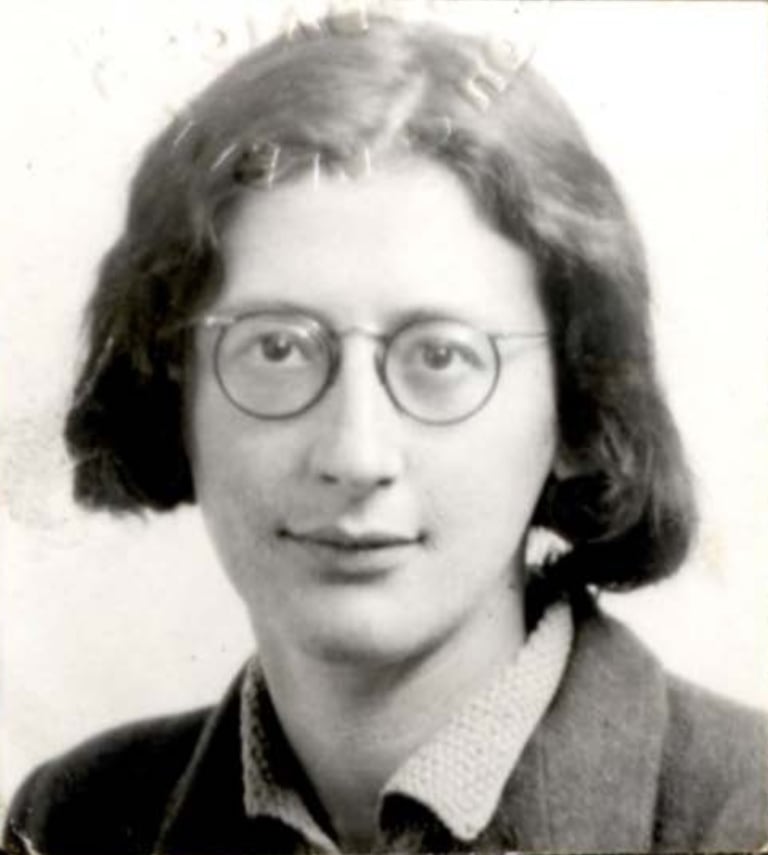
Simone Weil en 1943 · Public domain
उनके अपने शब्दों में
«The true hero, the true subject, the centre of the Iliad is force.»«L'Iliade ou le poème de la force», primera frase (Cahiers du Sud, 1940–1941)

शुरुआत के लिए एक रचना
Gravity and Graceमूल विचार
For Weil, attention is the highest faculty of the soul: it consists in suspending thought, leaving it empty and available, without searching, so that the object may enter it. In its purest form it is prayer, and turned toward an afflicted person it is the rarest form of love of neighbour.
संदर्भ में देखें
जीवनी
6 मिनट का पाठ
स्पैनिश मूल से सहायता-प्राप्त अनुवाद, मातृभाषी अनुवादक द्वारा समीक्षा लंबित।
बिना किसी रियायत का बचपन
सिमोन अदोल्फ़ीन वेय का जन्म 3 फ़रवरी 1909 को पेरिस में एक यहूदी, धर्मनिरपेक्ष और संपन्न परिवार में हुआ: उनके पिता बेर्नार वेय चिकित्सक थे, और उनकी माँ सालोमेया राइनहेर्त्स रोस्तोव और बेल्जियम में पली-बढ़ी थीं। उनके बड़े भाई आंद्रे आगे चलकर सदी के महान गणितज्ञों में से एक और बूरबाकी समूह के संस्थापक बने। परिवार में याद किया जाता था कि पाँच वर्ष की आयु में, प्रथम विश्वयुद्ध के दौरान, बच्ची ने चीनी खाना छोड़ दिया क्योंकि मोर्चे पर सैनिकों को वह नहीं मिलती थी; अपनों द्वारा सुनाई गई और उनकी जीवनीकार सिमोन पेत्रमाँ द्वारा दर्ज की गई यह घटना एक ऐसे जीवन की सूचना देती है जिसमें करुणा भावना पर रुकती नहीं थी, बल्कि शरीर में उतर आती थी।
आलें की शिष्या
उन्होंने विक्तोर-दुरुई लीसे में रेने ल सेन से और 1925 से हेनरी-चतुर्थ लीसे की तैयारी कक्षा में एमील शार्तिये, जिन्हें आलें के नाम से जाना जाता है, से शिक्षा पाई, जिन्होंने उन्हें प्रचलित विचारों के विरुद्ध सोचना और हर उस अमूर्तन पर संदेह करना सिखाया जिसे कर्म में परखा न जा सके। 1928 में उन्होंने इकोल नॉर्मल सुपीरियर में प्रवेश लिया और अपने बैच में अकेली स्त्री थीं। संस्था के उप-निदेशक सेलेस्तें बूगले ने उनकी ट्रेड-यूनियन और शांतिवादी सक्रियता के कारण उन्हें “लाल कुमारी” का उपनाम दिया। उनका डिप्लोमा-शोधप्रबंध, देकार्त में विज्ञान और प्रत्यक्ष-बोध (1930), तभी एक ऐसे विचार का पक्ष लेता है जिसे वे कभी नहीं छोड़ेंगी: ज्ञान श्रम से जन्म लेता है, संसार के प्रतिरोध से मन के संपर्क से। 1931 में उन्होंने दर्शनशास्त्र में अग्रेगासियों परीक्षा उत्तीर्ण की।
अध्यापिका और आंदोलनकारी
ल पुई (1931–1932), ओसेर (1932–1933) और रोआन (1933–1934) के लीसे में अध्यापिका रहते हुए उन्होंने बेरोज़गारों के प्रतिनिधिमंडलों का नेतृत्व करके और अपने वेतन का वह हिस्सा, जो एक बेरोज़गार को मिलने वाले भत्ते से अधिक था, एकजुटता-कोष में देकर अधिकारियों को स्तब्ध कर दिया। 1932 की गर्मियों में वे जर्मनी गईं और उस विघटन का पैनी दृष्टि से वर्णन किया जो नाज़ीवाद की ज़मीन तैयार कर रहा था; उन्होंने क्रांतिकारी सिंडिकलवादी पत्र-पत्रिकाओं में लिखा और 1934 में स्वतंत्रता और सामाजिक उत्पीड़न के कारणों पर चिंतन लिखा, उत्पीड़न का ऐसा विश्लेषण जिसे न मार्क्सवाद में समेटा जा सकता है, न उदारवाद में। रोआन में एक छात्रा द्वारा लिए गए नोट्स बाद में दर्शनशास्त्र के व्याख्यान नाम से प्रकाशित हुए।
कारख़ाने का वर्ष
दिसंबर 1934 में उन्होंने अवकाश लिया और पेरिस के आल्स्टॉम कारख़ाने में अकुशल मज़दूर के रूप में काम शुरू किया; फिर अगस्त 1935 तक बास-एंद्र के लौह-कारख़ानों में और रेनो में काम किया। उनकी कारख़ाना डायरी किसी नृवंशविज्ञानी की सूक्ष्मता से काम की लय, उत्पादन की रफ़्तार, नौकरी खोने का डर और आदेशों का अपमान दर्ज करती है। उस अनुभव के बारे में उन्होंने लिखा कि वहाँ उन्हें “सदा के लिए दासता का दाग़” मिला और दूसरों का दुःख उनकी देह में उतर गया। देह और आत्मा से “टुकड़े-टुकड़े” होकर वे अपने माता-पिता के साथ पुर्तगाल गईं; मछुआरों के एक गाँव में उन्होंने चाँदनी में गाती स्त्रियों का एक जुलूस देखा और उन्हें यह निश्चय हो गया कि ईसाई धर्म “दासों का धर्म” है।
स्पेन, असीसी, सोलेम
अगस्त 1936 में, स्पेन का गृहयुद्ध छिड़ने पर, वे बार्सेलोना पहुँचीं और आरागोन के मोर्चे पर एक अराजकतावादी टुकड़ी के अंतरराष्ट्रीय दल में शामिल हो गईं। 20 अगस्त को खौलते तेल से उनकी टाँग जल गई और माता-पिता उन्हें लेने आए। वहाँ उन्होंने जो देखा — दोनों पक्षों द्वारा सराही गई बिना मुक़दमे की हत्याएँ — उसका वर्णन उन्होंने 1938 में जॉर्ज बेर्नानोस को लिखे एक पत्र में किया। 1937 के वसंत में असीसी के सांता मारिया देल्यी आंजेली के छोटे गिरजे में अकेली बैठी थीं, जब उनसे “अधिक शक्तिशाली” किसी चीज़ ने उन्हें पहली बार घुटने टेकने पर विवश कर दिया। 1938 के पवित्र सप्ताह में सोलेम के मठ में ग्रेगोरियन गायन ने उन्हें भयानक माइग्रेन झेलने की शक्ति दी; वहीं एक युवा अंग्रेज़ कैथोलिक ने उनका परिचय कवि जॉर्ज हर्बर्ट से कराया। वे लिखती हैं कि जब वे पूरे ध्यान से उनकी कविता लव का पाठ कर रही थीं, तब “स्वयं ख्रीस्त उतर आए और उन्होंने मुझे अपना लिया”।
मार्सेय: गुप्त रचना
जून 1940 में पेरिस पर क़ब्ज़े के बाद परिवार ने पहले विशी में और फिर मार्सेय में शरण ली। यहूदी-विरोधी क़ानूनों के कारण अध्यापन से वंचित वेय ने काइए द्यू स्यूद पत्रिका में लिखा — वहीं, एमील नोविस नामक वर्ण-विपर्यय (अनाग्राम) छद्मनाम से, इलियड या बल का काव्य छपा —, यूनानी और संस्कृत पढ़ी, प्रतिरोध के गुप्त जालों में भाग लिया और उन टुकड़ा-टुकड़ा विचारों से नोटबुकें भर दीं जो उनकी विरासत बनने वाली थीं। डोमिनिकन संन्यासी जोज़ेफ़-मारी पेरें उनके संवाद-साथी बने; उन्हें पत्रों में उन्होंने समझाया कि वे बपतिस्मा लिए बिना कलीसिया की दहलीज़ पर ही क्यों रुकी हुई हैं — उस सब के साथ एकजुटता के कारण जिसे कलीसिया बाहर छोड़ देती थी। पेरें ने उनका परिचय किसान-दार्शनिक गुस्ताव तिबों से कराया, जिनके आर्देश के खेत पर उन्होंने काम किया और जिनके साथ 1941 में अंगूर की फ़सल उतारी, हर सुबह यूनानी में ‘हे हमारे पिता’ प्रार्थना का पाठ करते हुए।
न्यूयॉर्क और लंदन
मई 1942 में वे अपने माता-पिता के साथ कासाब्लांका और न्यूयॉर्क के लिए जहाज़ पर सवार हुईं, इस संकल्प के साथ कि जितनी जल्दी हो सके संघर्ष में लौटेंगी। वहाँ से उन्होंने एक धर्मसंघी को पत्र लिखा, जो कलीसिया पर उनकी आपत्तियों की सूची है, और नवंबर में स्वतंत्र फ़्रांस (फ़्री फ़्रांस) में काम करने के लिए लंदन पहुँचने में सफल रहीं। उनके वरिष्ठों ने अग्रिम मोर्चे पर नर्सें भेजने की उनकी योजना ठुकरा दी और उन्हें फ़्रांस के पुनर्निर्माण पर रिपोर्टें लिखने का काम सौंपा। उसी दायित्व से जड़ें जमाना (ल'आंरासीनमां) का जन्म हुआ, जो “आत्मा की आवश्यकताओं” और आधुनिक उन्मूलन पर एक चिंतन है, और उसके साथ व्यक्ति और पवित्र तथा राजनीतिक दलों के सर्वसामान्य उन्मूलन पर टिप्पणी भी।
ऐशफ़ोर्ड में मृत्यु
15 अप्रैल 1943 को वे अपने कमरे में अचेत पाई गईं; मिडलसेक्स अस्पताल में उन्हें तपेदिक होने का पता चला। वे बहुत कम खाती थीं, और उनके आसपास कहा गया कि वे क़ब्ज़े वाले फ़्रांस में मिलने वाले राशन से अधिक लेने से इनकार करती थीं। जुलाई के अंत में उन्होंने स्वतंत्र फ़्रांस से त्यागपत्र दे दिया और 17 अगस्त को उन्हें केंट के ऐशफ़ोर्ड स्थित ग्रोवनर सैनेटोरियम ले जाया गया, जहाँ 24 अगस्त 1943 को चौंतीस वर्ष की आयु में उनका देहांत हुआ। मृत्यु-जाँच अधिकारी (कोरोनर) ने निर्णय दिया कि मानसिक असंतुलन की अवस्था में भोजन से इनकार करके उन्होंने आत्महत्या की, एक ऐसा निर्णय जिस पर उनके जीवनीकार प्रश्न उठाते हैं। उन्हें ऐशफ़ोर्ड के क़ब्रिस्तान में यहूदी और कैथोलिक हिस्सों के बीच दफ़नाया गया।
मृत्यु के बाद प्रकाशित रचना
जिन रचनाओं ने उन्हें प्रसिद्ध किया, उनमें से लगभग कुछ भी उनके जीवनकाल में प्रकाशित नहीं हुआ। तिबों ने नोटबुकों के अंशों को गुरुत्व और अनुग्रह (1947) में संकलित किया; आल्बेर कामू ने गालिमार प्रकाशन से जड़ें जमाना और अप्रकाशित सामग्री का बड़ा भाग प्रकाशित किया; पेरें ने ईश्वर की प्रतीक्षा (1950) छापी। तब से उनका चिंतन — प्रार्थना के रूप में ध्यान, दुःख-विपदा, “अ-सृजन”, अधिकारों पर दायित्वों की प्रधानता — आस्तिकों और अज्ञेयवादियों, राजनीतिक दार्शनिकों और रहस्यदर्शियों को समान रूप से झकझोरता रहा है। ऐतिहासिक व्यक्तित्व किंवदंती से कम संतसुलभ और अधिक असुविधाजनक है: एक कठोर चिंतक, स्वयं के प्रति समझौताहीन, जिसने विचार और जीवन के बीच संगति को एक अविराम माँग बना दिया।
स्रोत: Pétrement, Simone. La Vie de Simone Weil. 2 vols. Paris: Fayard, 1973 (reed. en un volumen, 1997). · Weil, Simone. Attente de Dieu. Ed. Joseph-Marie Perrin. Paris: La Colombe, 1950 (incluye la «Autobiographie spirituelle», carta al P. Perrin de mayo de 1942). Texto en Wikisource. · Weil, Simone. La Pesanteur et la Grâce. Ed. Gustave Thibon. Paris: Plon, 1947. Texto en Wikisource. · Weil, Simone. L'Enracinement: prélude à une déclaration des devoirs envers l'être humain. Paris: Gallimard (col. «Espoir»), 1949. Texto en Wikisource. · Weil, Simone. La Condition ouvrière. Paris: Gallimard (col. «Espoir»), 1951 (incluye el Journal d'usine). Texto en Wikisource.
कालक्रम
जीवन, वर्ष-दर-वर्ष
प्रत्येक बिंदु एक प्रमाणित घटना है। उसे स्रोत और निश्चितता के स्तर सहित पढ़ने के लिए क्लिक करें।
3 फ़रवरी 19090 वर्षParís
Birth
Born into a secular Jewish family; her brother André is almost three.
प्रमाणितRozelle-Stone, A. Rebecca, y Benjamin P. Davis. «Simone Weil». Stanford Encyclopedia of Philosophy, publicado el 10 de marzo de 2018, revisión sustantiva del 18 de septiembre de 2025.
उनके निधन के बाद
- 1947Gravity and Grace
- 1949The Need for Roots in the 'Espoir' series
- 1988Complete works
3 फ़रवरी 1909 · 0 वर्ष
Birth
Born into a secular Jewish family; her brother André is almost three.
प्रमाणित
अक्टूबर 1925 · 16 वर्ष
Pupil of Alain
She enters the khâgne of the Lycée Henri-IV, where Émile Chartier (Alain) shapes her philosophical method.
प्रमाणित
1928
Admission to the École normale supérieure
The only woman in her year; Célestin Bouglé nicknames her the 'Red Virgin'.
प्रमाणित
1931
Agrégation and first post
She passes the agrégation in philosophy and is posted to the lycée at Le Puy, where she supports the unemployed.
प्रमाणित
अगस्त 1932
Journey to Germany
She observes the German crisis on the eve of Nazism and publishes a series of articles.
प्रमाणित
1934
Reflections on oppression
She writes the Reflections concerning the Causes of Liberty and Social Oppression, which she calls her 'great work'.
प्रमाणित
दिसंबर 1934
Factory worker at Alsthom
She begins her factory year (Alsthom, Basse-Indre, Renault), which lasts until August 1935.
प्रमाणित
अगस्त 1935
The fishermen's procession
In a Portuguese village she feels that Christianity is 'the religion of slaves': her first decisive contact with Catholicism.
प्रमाणित
20 अगस्त 1936
Injured in the Spanish war
A militia volunteer in an anarchist column, she burns her leg with boiling oil and returns to France.
प्रमाणित
अप्रैल 1937
Santa Maria degli Angeli
Alone in Saint Francis's chapel, something 'stronger' than herself makes her kneel for the first time.
प्रमाणित
अप्रैल 1938
Solesmes and the poem 'Love'
She attends the Holy Week offices; she discovers George Herbert's poem whose recitation will lead her to feel that 'Christ himself came down'.
प्रमाणित
दिसंबर 1940
The Iliad, or the Poem of Force
The Cahiers du Sud publish the essay under the anagram Émile Novis (December 1940–January 1941).
प्रमाणित
सितंबर 1941
Grape harvest with Gustave Thibon
She works on the land and recites the Lord's Prayer in Greek daily, making it her only practice of prayer.
प्रमाणित
मई 1942
Exile in New York
She leaves with her parents for the United States; there she writes the Letter to a Priest.
प्रमाणित
नवंबर 1942
In the service of Free France
She reaches England; in the office of the Commissariat for the Interior she writes The Need for Roots and the London Writings.
प्रमाणित
15 अप्रैल 1943
Hospitalised
She is found unconscious; at the Middlesex Hospital she is diagnosed with tuberculosis.
प्रमाणित
24 अगस्त 1943 · 34 वर्ष
Death
She dies at the Grosvenor Sanatorium; the coroner returns a verdict of suicide by refusing to eat.
प्रमाणित
1947
Gravity and Grace
Gustave Thibon publishes with Plon the anthology from the notebooks that makes her known.
प्रमाणित
1949
The Need for Roots in the 'Espoir' series
Albert Camus publishes L'Enracinement with Gallimard and begins editing her unpublished writings.
प्रमाणित
1988
Complete works
Gallimard begins the edition of the Œuvres complètes directed by André A. Devaux and Florence de Lussy.
प्रमाणित
कृतियाँ
आवश्यक कृतियाँ
वे कृतियाँ जिनके बिना उनकी विरासत को समझा नहीं जा सकता।
मरणोपरांत कृति · 1947
Gravity and Grace
La Pesanteur et la Grâce
Short fragments grouped into chapters —gravity and grace, the void, detachment, decreation, the self, affliction, violence, attention and will, love, chance, the sacred— which set out her metaphysics: every natural movement of the soul obeys a law analogous to gravity, and only grace, which needs a void in order to enter, is the exception. This was the book that revealed Weil to the public and it remains the most widespread entry point to her thought, although Thibon's edition emphasises her spiritual side.
5 संस्करण

मरणोपरांत कृति · 1949
The Need for Roots
L'Enracinement. Prélude à une déclaration des devoirs envers l'être humain
It starts from a principle: obligation precedes right. The first part lists the 'needs of the soul' (order, liberty, obedience, responsibility, equality, hierarchy, honour, punishment, freedom of opinion, security, risk, property, truth…); the second analyses the uprootedness of workers, peasants and nations; the third sketches how to give a people roots again through education and work with a spiritual meaning. It is her major political work and a radical critique both of the modern state and of the cult of greatness.
5 संस्करण

मरणोपरांत कृति · 1950
Waiting for God
Attente de Dieu
It contains the six letters to Perrin —among them 'Hesitations concerning Baptism' and the 'Spiritual Autobiography', which recounts Portugal, Assisi, Solesmes and Herbert's poem— and the essays 'Reflections on the Right Use of School Studies', 'The Love of God and Affliction', 'Forms of the Implicit Love of God', 'Concerning the Our Father' and 'The Three Sons of Noah'. It is Weil's most personal text and the one that fixes her position on the threshold of the Church.
4 संस्करण

मरणोपरांत कृति · 1951
Notebooks
Cahiers
The laboratory of all her thought: reading notes on Plato, the Upanishads and the Gita, the Pythagoreans and the Gospels, exercises in Greek and Sanskrit, problems of mathematics and physics, and fragments on gravity, grace, the void, necessity, beauty and decreation. They are the source of Gravity and Grace and the most direct way to read Weil without an editor's mediation.
3 संस्करण
संपूर्ण कृतित्व (33)

First and Last Notebooks (Supernatural Knowledge)
1950

Reflections concerning the Causes of Liberty and Social Oppression
1934
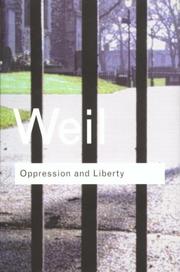
Oppression and Liberty
1955

The Worker's Condition (La Condition ouvrière)
1951
Factory Journal
1935

The Iliad, or the Poem of Force
1940

The Greek Source
1953

Intimations of Christianity among the Ancient Greeks
1951

Letter to a Priest
1951

London Writings and Last Letters
1957

Human Personality (The Person and the Sacred)
1943

On the Abolition of All Political Parties
1943
Simone Weil
Draft for a Statement of Human Obligations
The Conscious LibraryDraft for a Statement of Human Obligations
1943
Simone Weil
Project for a Formation of Front-Line Nurses
The Conscious LibraryProject for a Formation of Front-Line Nurses
1940

Reflections on the Right Use of School Studies with a View to the Love of God
1942
The Love of God and Affliction
1942

Forms of the Implicit Love of God
1942
Spiritual Autobiography
1942

Unordered Thoughts on the Love of God
1962

Lectures on Philosophy
1959
Simone Weil
Science and Perception in Descartes
The Conscious LibraryScience and Perception in Descartes
1930

On Science
1966

Historical and Political Writings
1960
Letter to Georges Bernanos
1938
वचन
किसी निश्चित कृति में स्थित वचन। प्रत्येक के साथ उसका स्रोत और विश्वसनीयता का स्तर है।
The true hero, the true subject, the centre of the Iliad is force.Le vrai héros, le vrai sujet, le centre de l’Iliade, c’est la force.
सत्यापित«L'Iliade ou le poème de la force», primera frase (Cahiers du Sud, 1940–1941)
मूल विचार (संपादकीय सार)
कॉपीराइट के सम्मान में, ये विचार हमारे अपने शब्दों में संक्षेपित हैं और इन्हें शब्दशः उद्धरण के रूप में प्रस्तुत नहीं किया गया है।
- For Weil, attention is the highest faculty of the soul: it consists in suspending thought, leaving it empty and available, without searching, so that the object may enter it. In its purest form it is prayer, and turned toward an afflicted person it is the rarest form of love of neighbour.
- Affliction (malheur) is not simply pain but a simultaneous destruction of body, soul and social place that marks the victim with contempt, even in their own eyes; that is why it can scarcely be looked at directly and almost no one is capable of true compassion.
- Creation is an act of withdrawal: God limits himself to let the world be. 'Decreation' is the reverse movement asked of human beings: renouncing the self so that God may love through them, without destroying themselves by force of will.
- Force, in her reading of the Iliad, is what turns a person into a thing; it intoxicates those who wield it and petrifies those who suffer it, and no one truly possesses it. Justice begins by recognising that law without being deceived by it.
- Obligations come before rights: a right exists only if someone recognises an obligation to respect it. Hence her proposal to replace the declaration of the rights of man with a declaration of obligations toward the human being, founded on the needs of body and soul.
- Uprootedness —of workers by the factory, of peasants by the rural exodus, of peoples by conquest and the centralised state— is the gravest disease of modern societies, because it spreads: the uprooted uproot others.
- Manual work, carried out with attention and free from haste and fear, can be contact with the necessity of the world and therefore a form of spirituality; a well-ordered civilisation would place physical work at its spiritual centre.
- The 'metaxu' (intermediaries, in Plato's word) are the relative goods —homeland, home, culture, beauty— that must not be mistaken for the absolute good, yet cannot be taken from anyone without harming their soul.
अंतिम शब्द
उनके अंतिम शब्दों का कोई सत्यापन-योग्य अभिलेख उपलब्ध नहीं है।
No reliable final words survive. Weil died at the Grosvenor Sanatorium in Ashford on the night of 24 August 1943, after falling into a coma, with no family or friends present; her parents were still in New York and did not know how ill she was, because her last letters concealed it. The last written words that survive are those letters to her family (Écrits de Londres et dernières lettres).
स्रोत: Weil, Simone. Écrits de Londres et dernières lettres. Paris: Gallimard (col. «Espoir»), 1957. Texto en Wikisource.
पूछें
उनकी कृतियाँ क्या उत्तर देती हैं
मानवता के बारह महान प्रश्न और उनके ग्रंथ उनका जो उत्तर देने देते हैं, संदर्भों सहित। हम कभी उनके मुख में अपने शब्द नहीं रखते।
परम सत्य क्या है? क्या ईश्वर है?
God is love that withdraws in creating: personal and impersonal at once
साकार भी, निराकार भीस्पष्ट रूप से कहा है
Simone Weil, raised in agnosticism, recounts in her Spiritual Autobiography that in 1938 Christ himself came down and took her, without her having sought it. Her God is love, but a love that shows itself as renunciation: in creating, God withdraws, abdicates, ceases to be everything so that something other than him may exist, and the world is handed over to necessity. In the Notebooks and in The Love of God and Affliction, the cross is the infinite distance between God and God crossed by love. Weil insists that God is at once personal and impersonal: personal in Christ and in the relationship of love; impersonal in the order of the world, in beauty, and in the sacred that dwells in every human being.
इस प्रश्न की अन्य गुरुओं से तुलना करेंमैं कौन हूँ? क्या कोई सच्चा आत्म है?
We own only the power to say «I»: it must be surrendered
अहं विचार की रचना हैस्पष्ट रूप से कहा है
Simone Weil does not look for a true self to discover, but for a self to undo. In Gravity and Grace, the «I» is what a human being believes to be their own and which actually belongs to gravity: psychological necessity, the imagination that fills voids, the will to be the centre. The only thing that truly belongs to us is the faculty of saying «I», and that is what must be offered to God. She calls this process decreation: undoing in ourselves what is created so that God may love himself through us. In Human Personality she adds that what is sacred in each human being is not their person, but something impersonal that expects good.
इस प्रश्न की अन्य गुरुओं से तुलना करेंहम दुःख क्यों भोगते हैं?
Affliction is distance from God that love can cross
ईश्वर से वियोगस्पष्ट रूप से कहा है
Simone Weil distinguishes mere suffering from affliction (malheur), which strikes body, soul and social standing at once, and marks the one who undergoes it like a slave. In The Love of God and Affliction she maintains that affliction is not punishment: it is the effect of the mechanical necessity to which God handed over the world when he withdrew so that it could exist. That is why it makes God absent for a time. But the cross reveals that this distance is the one separating God from God, and that love crosses it: if the soul goes on loving in the void, even if only by wanting to love, affliction becomes the place where God touches it.
इस प्रश्न की अन्य गुरुओं से तुलना करेंमृत्यु के बाद क्या होता है?
Belief in immortality robs us of the use of death
मौन या संयमस्पष्ट रूप से कहा है
Simone Weil distrusts hope in another life as consolation. In the texts gathered in Gravity and Grace she writes that belief in the immortality of the soul is harmful, because we cannot picture the soul as truly incorporeal: it becomes belief in a prolongation of life and takes away the use of death. What matters is to love God without expecting reward, to consent to necessity and to one's own disappearance, and to accept the void without filling it with imagination. She does not deny eternal life, which in her Spiritual Autobiography she associates with grace, but refuses to speculate on it: death teaches renunciation of the self here.
इस प्रश्न की अन्य गुरुओं से तुलना करेंमुक्ति या उद्धार कैसे प्राप्त होता है?
Only grace escapes gravity; ours is to wait
कृपा और प्रेम सेस्पष्ट रूप से कहा है
Simone Weil frames the question with a physical image: all the natural movements of the soul are governed by laws analogous to those of gravity, and grace alone is the exception. The human being cannot rise by himself; every effort of the will to be good returns him to gravity. What is his to do is attention and waiting (attente): to look, to desire, not to fill the void with imaginings, to consent. In her Reflections on the Right Use of School Studies she argues that a geometry problem solved with true attention prepares for prayer. Salvation is grace descending into the soul that has emptied itself to receive it.
इस प्रश्न की अन्य गुरुओं से तुलना करेंक्या गुरु आवश्यक है?
Intelligence needs total freedom, even before the Church
कोई आध्यात्मिक सत्ता नहींस्पष्ट रूप से कहा है
Simone Weil stresses that no human being played a part in her encounter with Christ: neither in her reasoning nor in her reading had she foreseen the possibility of a real contact, person to person, with God. She had decisive interlocutors, such as the Dominican Joseph-Marie Perrin and Gustave Thibon, but declined baptism. In the Spiritual Autobiography and the Letter to a Priest she explains that the proper function of the intelligence demands total freedom, implying the right to deny everything and the absence of all domination; the Church's anathema sit, as an instrument of collective power, seemed to her incompatible with that freedom. No authority can take the place of personal attention to truth.
इस प्रश्न की अन्य गुरुओं से तुलना करेंक्या संसार वास्तविक है?
Love the order of the world and consent to necessity
परिवर्तनशील प्राकृतिक व्यवस्थास्पष्ट रूप से कहा है
Simone Weil sees the world as a fabric of necessity: blind forces, mechanical laws, gravity, to which God handed it over when he withdrew to let it be. That necessity crushes, produces affliction and takes no account of anyone. And yet it is beautiful: in Forms of the Implicit Love of God, love of the order of the world and its beauty appears as one of the ways in which the soul loves God without knowing it, and Weil links it with the Stoic tradition of amor fati. The sea is no less beautiful because it sinks ships. The right attitude is consent: to obey necessity as the stars do, without rebellion and without imagination, until one recognises in it the world's obedience to God.
इस प्रश्न की अन्य गुरुओं से तुलना करेंप्रेम क्या है?
To love is to give attention to the afflicted
असीम करुणास्पष्ट रूप से कहा है
For Simone Weil, love of neighbour begins with attention. In the Reflections on the Right Use of School Studies she writes that the afflicted need nothing else in this world than people capable of giving them their attention, and that to ask the other «what are you going through?» is to recognise them as a fellow being, not as a specimen of the category of the afflicted. In Forms of the Implicit Love of God, love of neighbour is one of the ways God is loved without being named, and she describes it as a creative love which, like the Samaritan's, gives existence to one whom affliction had reduced to a thing. That love requires renouncing being the centre: it is attention emptied of self.
इस प्रश्न की अन्य गुरुओं से तुलना करेंक्या हम स्वतंत्र हैं, या सब कुछ पूर्वनिर्धारित है?
The soul obeys a gravity; only grace is the exception
जागने तक हम यंत्र हैंस्पष्ट रूप से कहा है
Simone Weil opens the selection Gravity and Grace with a thesis that sounds like physics: all the natural movements of the soul are governed by laws analogous to those of physical gravity, and grace alone is the exception. The human being, left to himself, does nothing but fall: he seeks compensations, fills voids with imagination, yields to force. What we call will changes hardly anything essential. The only true freedom is consent: accepting necessity and desiring the good without claiming to reach it by one's own effort, leaving a void through which grace may descend. Apart from that consented obedience, the soul is mechanism.
इस प्रश्न की अन्य गुरुओं से तुलना करेंध्यान या प्रार्थना क्यों करें?
Attention, at its highest, is prayer
उपस्थित रहनास्पष्ट रूप से कहा है
For Simone Weil, prayer consists in attention. In the Reflections on the Right Use of School Studies she argues that attention consists in suspending thought, leaving it available, empty and open to its object, and that this capacity, exercised even on a geometry problem, prepares for prayer; elsewhere she writes that attention, at its highest degree, is the same thing as prayer. In the Spiritual Autobiography she recounts that she made herself recite the Our Father in Greek each day with absolute attention, and that sometimes, during that recitation, Christ was present in person. To pray is to stop filling the void and to look without appropriating.
इस प्रश्न की अन्य गुरुओं से तुलना करेंक्या बुद्धि परम को जान सकती है?
Intelligence must go to its limit, where contradiction opens the way
श्रद्धा और तर्क एक-दूसरे के सहायकस्पष्ट रूप से कहा है
Simone Weil, agrégée in philosophy and a pupil of Alain, always defended the honesty of the intelligence. In the Spiritual Autobiography she recounts that, even after Christ took her, she continued to think that one can never wrestle enough with God if one does so out of pure regard for truth, because Christ likes us to prefer truth to him, since before being Christ he is truth. The intelligence must be exercised with total freedom and go to its limit; there it meets contradictions —necessity and the good, justice and affliction— that it cannot resolve, and which, held with attention, open it to the supernatural. Faith does not cancel reason: reason pushed to the extreme makes way for mystery.
इस प्रश्न की अन्य गुरुओं से तुलना करेंसंसार से हटें या उसे बदलें?
Share the condition of the oppressed and think through rootedness
संसार में जुड़नास्पष्ट रूप से कहा है
Simone Weil carried engagement into her own body. A philosophy teacher, she was active in trade unionism, took leave to work as a labourer in metalworking factories in 1934–1935 —an experience recorded in the Factory Journal and The Workers' Condition—, enlisted in Durruti's anarchist column in the Spanish war and, in London, worked for Free France. There she wrote The Need for Roots, a programme for the reconstruction of France based on the needs of the soul and on obligations toward the human being. But her engagement was never merely political: in The Iliad, or the Poem of Force she analyses the force that turns people into things, which only attention and grace can counter.
इस प्रश्न की अन्य गुरुओं से तुलना करें
निकटता और तनाव
निकटता और तनाव
उनके मतों के आधार पर प्रश्न-दर-प्रश्न आकलित। प्रत्येक सहमति या टकराव का कारण क्लिक करने पर।
इनसे मिलता-जुलता सोचते हैं

Nikolai Berdyaev
इन पर सहमत: परम सत्य क्या है? क्या ईश्वर है? · हम दुःख क्यों भोगते हैं? · मुक्ति या उद्धार कैसे प्राप्त होता है?
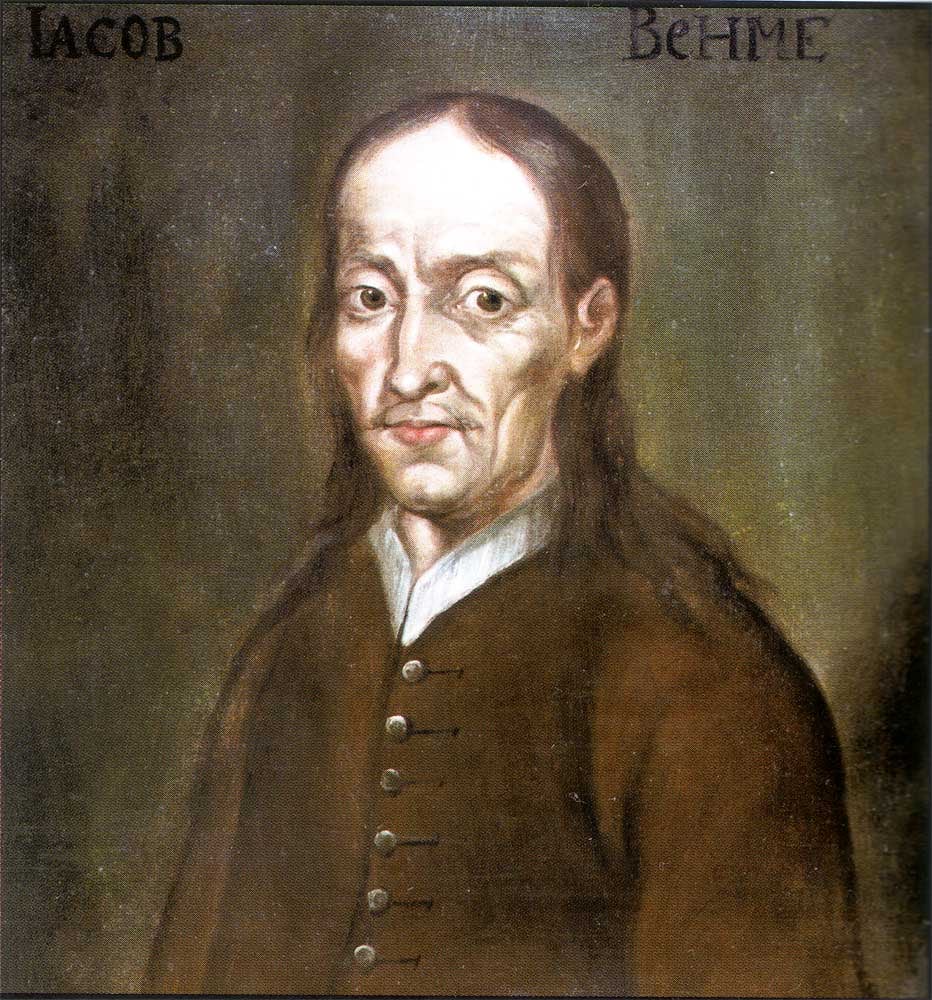
Jakob Böhme
इन पर सहमत: परम सत्य क्या है? क्या ईश्वर है? · हम दुःख क्यों भोगते हैं? · मुक्ति या उद्धार कैसे प्राप्त होता है?
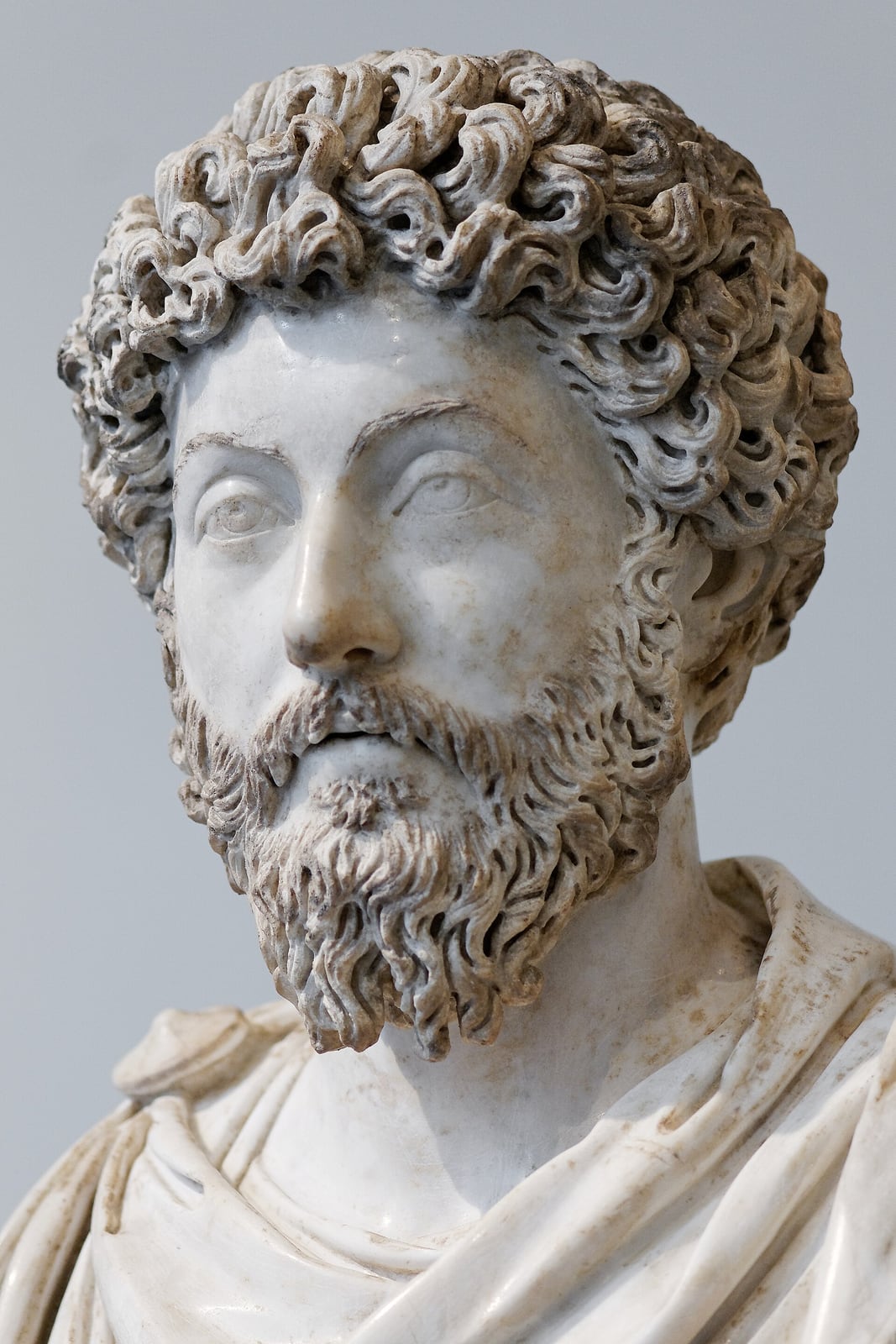
Marcus Aurelius
इन पर सहमत: परम सत्य क्या है? क्या ईश्वर है? · मृत्यु के बाद क्या होता है? · क्या संसार वास्तविक है?
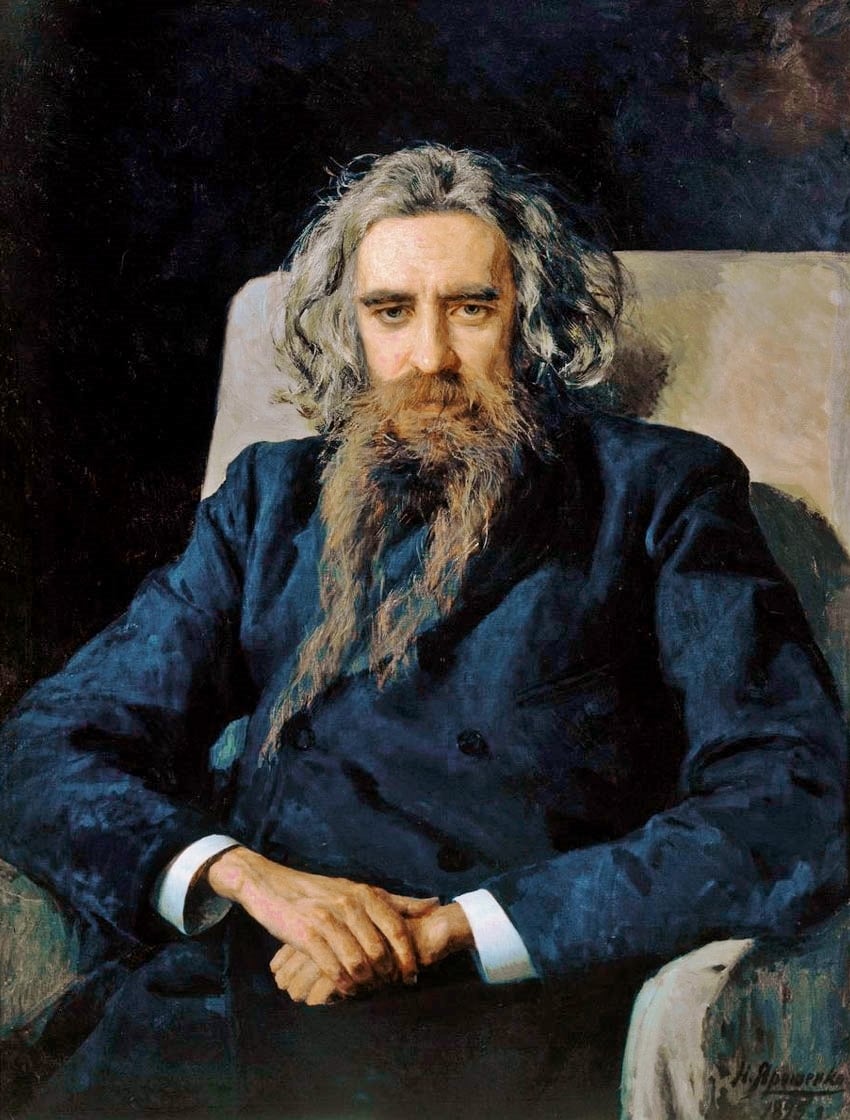
Vladimir Solovyov
इन पर सहमत: परम सत्य क्या है? क्या ईश्वर है? · हम दुःख क्यों भोगते हैं? · मुक्ति या उद्धार कैसे प्राप्त होता है?
प्रसंग और वृत्तांत
प्रसंग और वृत्तांत
साक्ष्य1914–1915
The soldiers' sugar
वृत्तांत का स्रोत: Family recollections gathered by Simone Pétrement, her friend and fellow student, in La Vie de Simone Weil (1973).
स्रोत: Pétrement, Simone. La Vie de Simone Weil. 2 vols. Paris: Fayard, 1973 (reed. en un volumen, 1997).
साक्ष्य1931–1932
The 'Red Virgin' of Le Puy
वृत्तांत का स्रोत: Told by Pétrement on the basis of the local press and testimony; the reply about dismissal is handed down in several versions.
स्रोत: Pétrement, Simone. La Vie de Simone Weil. 2 vols. Paris: Fayard, 1973 (reed. en un volumen, 1997).
साक्ष्य1933
Trotsky in the flat on rue Auguste-Comte
वृत्तांत का स्रोत: Pétrement (La Vie de Simone Weil), from her parents' recollections and Simone's notes on the discussion.
स्रोत: Pétrement, Simone. La Vie de Simone Weil. 2 vols. Paris: Fayard, 1973 (reed. en un volumen, 1997).
साक्ष्य1934–1935
The mark of slavery
वृत्तांत का स्रोत: Her own testimony in the 'Spiritual Autobiography' (1942) and the Journal d'usine published in La Condition ouvrière.
प्रमाणित1936
The boiling oil on the Aragon front
वृत्तांत का स्रोत: Date of the accident according to the Stanford Encyclopedia of Philosophy; details of the stay in Pétrement and in the letter to Bernanos (Écrits historiques et politiques).
साक्ष्य1938
George Herbert's poem 'Love'
वृत्तांत का स्रोत: 'Spiritual Autobiography', letter to Fr. Perrin of May 1942 (Attente de Dieu). Weil does not give the young Englishman's name.
साक्ष्य1941
The Greek Our Father in the vineyard
वृत्तांत का स्रोत: 'Spiritual Autobiography' (Attente de Dieu), where Thibon appears as 'T…'; Thibon gave his version in Simone Weil telle que nous l'avons connue (1952).
विवादित1943
The rations of occupied France
वृत्तांत का स्रोत: The verdict appears on the death certificate and is cited by the Stanford Encyclopedia of Philosophy and the biographies by Pétrement and Du Plessix Gray; the ration motive comes from testimony by those around her in London.
शिक्षाएँ
शिक्षाएँ
वे अवधारणाएँ जो उनके चिंतन को रूप देती हैं, उनके संदर्भ में समझाई गई।
Attentionattention
Developed above all in Marseille (1941–1942), rooted in Alain's teaching on perception.
Affliction (malheur)malheur
Born of the factory experience (1934–1935) and formulated in 'L'Amour de Dieu et le malheur' (1942).
Decreationdecreation
A term coined in the Marseille Notebooks; gathered by Thibon into a chapter of La Pesanteur et la Grâce.
स्रोत: Weil, Simone. La Pesanteur et la Grâce. Ed. Gustave Thibon. Paris: Plon, 1947. Texto en Wikisource.
Gravity and gracepesanteur-et-grace
The founding metaphor of the 1940–1942 Notebooks.
स्रोत: Weil, Simone. La Pesanteur et la Grâce. Ed. Gustave Thibon. Paris: Plon, 1947. Texto en Wikisource.
Forceforce
Written in 1939–1940, in the face of war.
Rootedness and uprootednessenracinement
The core of L'Enracinement (London, 1943).
Obligations and the needs of the soulobligations
First part of L'Enracinement and the 'Draft for a Statement of Obligations'.
Metaxu (intermediaries)metaxu
Fragments from the Notebooks gathered in La Pesanteur et la Grâce (chapter 'Metaxu').
स्रोत: Weil, Simone. La Pesanteur et la Grâce. Ed. Gustave Thibon. Paris: Plon, 1947. Texto en Wikisource.
वीडियो
वीडियो
रिकॉर्डिंग, साक्षात्कार और वृत्तचित्र। वीडियो YouTube से चलते हैं; वे यहाँ संग्रहीत नहीं हैं।
Simone Weil "L'irrégulière" | Documentaire
वृत्तचित्र· FR· 26 min
Le Jour du Seigneurआधिकारिक चैनल
Pourquoi il faut lire Simone Weil aujourd'hui - #CulturePrime
विश्लेषण· FR· 4 min
France Cultureआधिकारिक चैनल
Relire la philosophe Simone Weil - L'édito culture
विश्लेषण· FR· 5 min
France Interआधिकारिक चैनल
Colloque Simone Weil - Emmanuel Gabellieri
व्याख्यान· FR· 52 min
Institut du Pont-Neuf
Conférence de Christian Loubère, Simone Weil et le poème de la force
व्याख्यान· FR· 75 min
Société toulousaine de philosophie
An Encounter with Simone Weil: trailer (documentary feature)
वृत्तचित्र· EN· 3 min
SimoneWeilMovieआधिकारिक चैनल
Sylvie Weil talks about what it was like growing up as Simone Weil's niece
साक्षात्कार· EN· 1 min
SimoneWeilMovieआधिकारिक चैनल
Why Study Simone Weil with Philip Goodchild
व्याख्यान· EN· 6 min
University of Nottinghamआधिकारिक चैनल
Simone Weil, Waiting for God
व्याख्यान· EN· 62 min
The Philosophical Research Society
Remedios Zafra. Conversando con la obra de Simone Weil
व्याख्यान· ES· 62 min
La Casa Encendidaआधिकारिक चैनल
«Simone Weil: una filosofía nueva y muy antigua» por Laia Colell. Foro Arte y Pensamiento
व्याख्यान· ES· 70 min
Fundación CajaCanariasआधिकारिक चैनल
En torno a la cuestión colonial. Simone Weil y el destino de Europa — Cristina Basili
व्याख्यान· ES· 75 min
Círculo de Bellas Artesआधिकारिक चैनल
Hebe Uhart - «¿Para qué le sirve Simone Weil a los escritores?»
व्याख्यान· ES· 68 min
Cátedra Abierta Roberto Bolaño
चित्रशाला
चित्रशाला
सत्यापित लाइसेंस वाले चित्र। प्रत्येक में उसके रचयिता और श्रेय का उल्लेख सुरक्षित है।
पांडुलिपियाँ
पांडुलिपियाँ
पांडुलिपि-साक्ष्य और प्राचीन पाठ, उनके संरक्षक और अध्ययन की शर्तों सहित।
FR · Latin · 1925–1943
Fonds Simone Weil (cuadernos, manuscritos y correspondencia)
- संरक्षित पाठ-साक्ष्य
- Cuadernos de Marsella, Nueva York y Londres; borradores de L'Enracinement y de los ensayos
- संरक्षक
- Bibliothèque nationale de France, departamento de Manuscritos (París)
संबंध
संबंध
प्रभाव, शिष्यत्व और वैचारिक निकटता। प्रमाणित संबंध को विश्लेषण से पहचानी गई समानता से अलग दर्शाया गया है।
इनसे प्रभावित
She considered him the father of Western mysticism; she translated and commented on him at length in Intuitions pré-chrétiennes and La Source grecque.
प्रमाणित संबंध
इनसे प्रभावित
She devoted her longest study in Intuitions pré-chrétiennes to 'The Pythagorean Doctrine', seeing in harmony and mediation Christian foreshadowings.
प्रमाणित संबंध
इनसे प्रभावित
'I fell in love with Saint Francis as soon as I came to know of him,' she writes; in his chapel at Assisi she knelt for the first time (1937).
प्रमाणित संबंध
इनसे प्रभावित
She quotes him repeatedly in the Notebooks and the letters to Perrin (the image of the thread that holds the bird down).
प्रमाणित संबंध
इनसे प्रभावित
In the Spiritual Autobiography she acknowledges having found in Marcus Aurelius, as amor fati, the duty of accepting God's will.
प्रमाणित संबंध
इनसे प्रभावित
In the fragments on non-action she states that the highest 'passive activity' is perfectly described in the Bhagavad Gita and in Lao Tzu.
प्रमाणित संबंध
इनसे प्रभावित
Her mystical experience of 1938 was, by her own account, a personal contact with Christ; the Passion is at the centre of her theology of affliction.
प्रमाणित संबंध
इनसे मिलते-जुलते विचार
'Decreation' and the critique of self-will have been compared with Eckhart's detachment (Abgeschiedenheit); no significant direct reading is recorded.
विश्लेषण से पहचानी गई समानता
इनके समकालीन
French contemporaries engaging with Catholicism from opposite positions: Teilhard optimistic about evolution, Weil focused on affliction and necessity. There is no record that they met.
विश्लेषण से पहचानी गई समानता
स्रोत
स्रोत
इस प्रविष्टि के लिए देखे गए ग्रंथ-सूची और सूचीपत्र।
- Wikidata, «Simone Weil» (Q157309).
- Pétrement, Simone. La Vie de Simone Weil. 2 vols. Paris: Fayard, 1973 (reed. en un volumen, 1997).
- Weil, Simone. Attente de Dieu. Ed. Joseph-Marie Perrin. Paris: La Colombe, 1950 (incluye la «Autobiographie spirituelle», carta al P. Perrin de mayo de 1942). Texto en Wikisource.
- Rozelle-Stone, A. Rebecca, y Benjamin P. Davis. «Simone Weil». Stanford Encyclopedia of Philosophy, publicado el 10 de marzo de 2018, revisión sustantiva del 18 de septiembre de 2025.
- Weil, Simone. La Pesanteur et la Grâce. Ed. Gustave Thibon. Paris: Plon, 1947. Texto en Wikisource.
- Weil, Simone. L'Enracinement: prélude à une déclaration des devoirs envers l'être humain. Paris: Gallimard (col. «Espoir»), 1949. Texto en Wikisource.
- Weil, Simone [Émile Novis]. «L'Iliade ou le poème de la force». Cahiers du Sud, n.º 230–231, diciembre de 1940 – enero de 1941; recogido en La Source grecque, Gallimard, 1953. Texto en Wikisource.
- Weil, Simone. La Condition ouvrière. Paris: Gallimard (col. «Espoir»), 1951 (incluye el Journal d'usine). Texto en Wikisource.
- Fiori, Gabriella. Simone Weil: biografia di un pensiero. Milano: Garzanti, 1981.
- Du Plessix Gray, Francine. Simone Weil. New York: Viking (Penguin Lives), 2001.
- Perrin, Joseph-Marie, y Gustave Thibon. Simone Weil telle que nous l'avons connue. Paris: La Colombe, 1952.
- Weil, Simone. Œuvres complètes. Dir. André A. Devaux y Florence de Lussy. Paris: Gallimard, 1988– (7 tomos previstos en 16 volúmenes).
- Wikisource en francés, «Auteur:Simone Weil» (relación de obras con fechas de redacción y publicación).
- Weil, Simone. Écrits de Londres et dernières lettres. Paris: Gallimard (col. «Espoir»), 1957. Texto en Wikisource.
- Weil, Simone. Oppression et Liberté. Paris: Gallimard (col. «Espoir»), 1955 (incluye las Réflexions sur les causes de la liberté et de l'oppression sociale, 1934). Texto en Wikisource.
- Weil, Simone. Lettre à un religieux. Paris: Gallimard (col. «Espoir»), 1951. Texto en Wikisource.
- Weil, Simone. Intuitions pré-chrétiennes. Paris: La Colombe, 1951. Texto en Wikisource.
- Open Library, registros de edición consultados por ISBN (obras de Simone Weil).
- Haslett, Julia (dir.). An Encounter with Simone Weil. Documental, Line Street Productions, 2010.
- Weil, Simone, y Joë Bousquet. Correspondance 1942. Paris: Éditions Claire Paulhan, 2019 (primera ed.: Lausanne, L'Âge d'homme, 1982).
- अधिकार-धारक
- Éditions Gallimard (ediciones francesas) y los herederos de Simone Weil; obra de dominio público en la UE desde 2014 y en España desde 2024, pero no en EE. UU. Las traducciones tienen derechos propios (Trotta, Routledge, NYRB, Harper, etc.).
- आधिकारिक वेबसाइट
- www.simoneweil-association.com/
पुष्टि की प्रतीक्षा में
जो यह प्रविष्टि अभी तक निश्चित नहीं कर सकी है। हम उसे भर देने के बजाय कह देना बेहतर समझते हैं।
- Derechos: comprobar si Simone Weil fue declarada «morte pour la France», lo que en Francia añadiría 30 años de protección a sus obras; no afecta a la regla UE/España/EE. UU. aplicada aquí, pero sí a la difusión en Francia.
- Todas las entradas de reading_texts llevan caution: la obra no es de dominio público en EE. UU. (publicaciones francesas de 1940–1968 restauradas por la URAA). Reevaluar a partir de 2036 (La Ilíada) y de 2043 (primeras obras póstumas).
- Verificar en la biografía de Pétrement los detalles de la anécdota de Trotski (fecha exacta y lugar) y la réplica de Le Puy sobre la destitución.
- Localizar ISBN de ediciones en alemán, italiano y ruso de La gravedad y la gracia, Echar raíces y A la espera de Dios; y de la edición castellana de Venecia salvada.
- Confirmar los traductores de las ediciones de Trotta sin traductor registrado (A la espera de Dios, Intuiciones precristianas, Escritos de Londres).
- Confirmar la signatura del fondo Simone Weil en la Bibliothèque nationale de France y si existe digitalización en Gallica.
- Vídeos: no se encontraron en YouTube documentales completos de televisiones públicas en alemán o italiano con canal oficial; se registran 13.
- Programas de afiliación: ninguno verificado.
2026-10-25 को शोधित