यहूदी धर्म · अरस्तूवाद
Maimonides
משה בן מימון · רמב״ם · أبو عمران موسى بن ميمون بن عبيد الله القرطبي
लगभग 1138 – 1204ऐतिहासिक रूप से प्रमाणित व्यक्ति
मैमोनिडीज़ (कोर्दोबा, लगभग 1138 – फ़ुस्तात, 1204), रब्बी, दार्शनिक और चिकित्सक, मध्यकालीन यहूदी चिंतन की सबसे बड़ी विभूति हैं। अलमोहादों के कारण निर्वासित होकर वे मिस्र में बस गए, जहाँ वे यहूदी समुदाय के प्रमुख और अय्यूबी दरबार के चिकित्सक रहे। उन्होंने संपूर्ण यहूदी विधि की संहिता «मिश्ने तोरा»; बाइबल और अरस्तू के दर्शन में सामंजस्य बिठाने वाला «भ्रमितों का मार्गदर्शक»; और आस्था के तेरह सिद्धांतों से युक्त «मिश्ना पर भाष्य» लिखा।
- कृतियाँ
- 35कृतियाँ
- संस्करण
- 46संस्करण
- उद्धरण
- 11उद्धरण
- वीडियो
- 13वीडियो
- चित्र
- 9चित्र
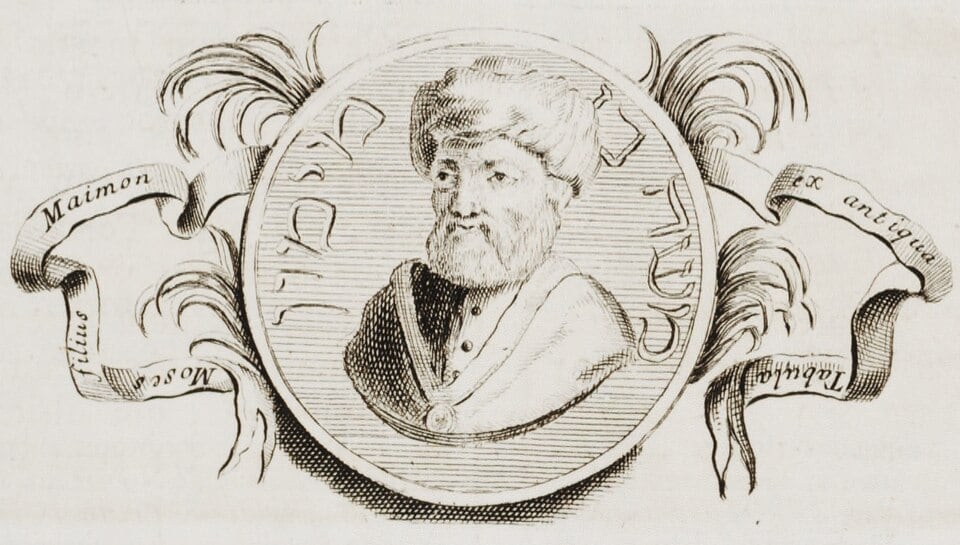
Retrato imaginario de Maimónides (Ugolini, 1744) · Public domain
उनके अपने शब्दों में
«The foundation of foundations and the pillar of the sciences is to know that there is a First Being, and that He brings into being all that exists.»Mishné Torá, Leyes de los fundamentos de la Torá 1:1
Maimonides
Commentary on the Mishnah (Kitāb al-Sirāj)
शुरुआत के लिए एक रचना
Commentary on the Mishnah (Kitāb al-Sirāj)मूल विचार
The thirteen principles of faith: At the end of the introduction to chapter *Helek*, Maimonides lists thirteen "foundations" (*yesodot*) whose acceptance defines whoever belongs to Israel and has a share in the world to come: God's existence; His unity; His incorporeality; His eternity; that worship is due to Him alone; prophecy; the superiority of Moses's prophecy; the divine origin of the Torah; its immutability; God's knowledge of human deeds; reward and punishment; the coming of the Messiah; and the resurrection of the dead.
संदर्भ में देखें
जीवनी
5 मिनट का पाठ
स्पैनिश मूल से सहायता-प्राप्त अनुवाद, मातृभाषी अनुवादक द्वारा समीक्षा लंबित।
निर्वासन में एक कोर्दोबावासी
मोशे बेन मैमोन — जिन्हें यहूदी उनके आद्याक्षरों से «रम्बाम» कहते हैं, अरब जगत मूसा इब्न मैमून के नाम से जानता है और लातीनी जगत मैमोनिडीज़ के नाम से — का जन्म कोर्दोबा में 1138 के पेसाख पर्व की पूर्वसंध्या को हुआ, उस गणना के अनुसार जिसे आज अधिकांश विद्वान वरीयता देते हैं; एक पुरानी परंपरा 1135 बताती है। उनके पिता मैमोन रब्बीनी न्यायाधीश और अंदलूसिया के महान तलमूद-विद्वानों के शिष्य थे, और बालक अल-अंदलुस की यहूदी संस्कृति के अंतिम वैभव में पला-बढ़ा — धर्मग्रंथ की हिब्रू और दर्शन, चिकित्सा तथा खगोलशास्त्र की अरबी के बीच। 1148 में अल-मुवह्हिदों (अलमोहादों) ने कोर्दोबा पर अधिकार कर लिया और उस सहिष्णुता को समाप्त कर दिया जो तब तक यहूदियों और ईसाइयों की रक्षा करती आई थी; परिवार ने अल-अंदलुस और उत्तरी अफ़्रीका में एक लंबी भटकन शुरू की, जो लगभग 1160 में उसे एक और अलमोहाद नगर फ़ेज़ ले आई। क्या उन वर्षों में वे ऊपर से मुसलमान बनकर रहे, जैसा कुछ अरब लेखकों ने दावा किया, यह प्रश्न इतिहासकारों के बीच आज भी विवादित है।
फ़ुस्तात
1165 के वसंत में परिवार जलमार्ग से यरूशलम के क्रूसेडर राज्य के बंदरगाह अक्को पहुँचा; शरद ऋतु में मोशे ने यरूशलम और हेब्रोन की यात्रा की, और इसके कुछ ही समय बाद मिस्र में बस गए — पहले अलेक्ज़ान्द्रिया में और 1168 से काहिरा के पास स्थित पुरानी राजधानी फ़ुस्तात में। वहीं उन्होंने उसी वर्ष अपना पहला महान ग्रंथ, मिश्ना पर भाष्य, पूरा किया, जो हिब्रू लिपि में अरबी भाषा में लिखा गया था; इसकी भूमिकाओं में नीतिशास्त्र पर एक प्रबंध, आठ अध्याय, और यहूदी आस्था के तेरह सिद्धांतों का प्रसिद्ध सूत्रीकरण है। काहिरा गेनिज़ा के दस्तावेज़ उन्हें शीघ्र ही एक सार्वजनिक व्यक्तित्व के रूप में दिखाते हैं: उन्होंने बिलबेस में क्रूसेडरों द्वारा बंदी बनाए गए यहूदियों की मुक्ति-राशि का प्रबंध किया और कुछ अवधियों में मिस्र के यहूदी समुदाय के प्रमुख रहे।
दूर के समुदायों को पत्र
फ़ुस्तात से वे पूरे यहूदी जगत से — यमन से प्रोवांस तक — आने वाले प्रश्नों के उत्तर देते थे। लगभग 1172 में उन्होंने यमन के यहूदियों को, जिन पर बलपूर्वक धर्म-परिवर्तन थोपा जा रहा था और जो स्वयं को मसीहा घोषित करने वाले एक व्यक्ति से उद्वेलित थे, एक पत्र लिखा, जिसमें उन्हें सांत्वना दी, उद्धार की तिथि की गणना करने से मना किया और उस ढोंगी का पर्दाफ़ाश किया। ओबद्याह नामक एक धर्मांतरित व्यक्ति ने पूछा कि क्या वह प्रार्थना में «हमारे पूर्वजों के ईश्वर» कह सकता है; उन्होंने उत्तर दिया कि हाँ, क्योंकि अब्राहम उन सबके पिता हैं जो दिव्य उपस्थिति के पंखों की छाया में शरण लेते हैं। और जब 1191 में उन पर मृतकों के पुनरुत्थान को नकारने का आरोप लगा, तो उन्होंने एक प्रबंध से उत्तर दिया जिसमें उसे आस्था के एक सिद्धांत के रूप में प्रतिपादित किया। गेनिज़ा में अंशतः सुरक्षित ये पत्र विधिवेत्ता और दार्शनिक के पीछे छिपे धर्मपालक को उजागर करते हैं।
संहिता
परिवार की आजीविका रत्नों के व्यापार से चलती थी, जिसे उनके छोटे भाई दाविद सँभालते थे। लगभग 1170 में दाविद सबकी पूँजी के साथ हिंद महासागर में डूब गए; मोशे ने वर्षों बाद लिखा कि यह उनके जीवन का सबसे बड़ा आघात था और वे लगभग एक वर्ष तक बीमार रहे। उन्हें चिकित्सक के रूप में जीविका कमानी पड़ी, और साथ ही उन्होंने वह कार्य आरंभ किया जिसने उन्हें अपरिहार्य बना दिया: मिश्ने तोरा, «विधि की पुनरावृत्ति», स्पष्ट हिब्रू में लिखी एक संहिता, जो चौदह पुस्तकों में संपूर्ण यहूदी विधि को — आस्था की नींव से लेकर राजाओं और मसीहा के नियमों तक — तलमूद की बहसों के बिना व्यवस्थित करती है। उन्होंने इसे लगभग 1178 में पूरा किया। उनकी महत्त्वाकांक्षा — कि तोरा और फिर यह पुस्तक पढ़ लेना ही समूची मौखिक विधि जानने के लिए पर्याप्त हो — ने पूर्व में प्रशंसा और प्रोवांस में कठोर आलोचना जगाई, जहाँ पोस्कियेर के अब्राहम बेन दाविद ने उन पर अपने स्रोत न बताने का आरोप लगाया।
वज़ीर के चिकित्सक
चिकित्सक के रूप में उनकी ख्याति उन्हें सलादीन के महामंत्री वज़ीर अल-क़ाज़ी अल-फ़ाज़िल की सेवा में ले गई, और बाद में सुल्तान के पुत्र अल-अफ़ज़ल की, जिनके लिए उन्होंने स्वास्थ्य-विधान लिखा। उन्होंने गैलेन की परंपरा में अरबी में लगभग दस चिकित्सा-ग्रंथ रचे: सूक्तियाँ, हिप्पोक्रेटीज़ पर भाष्य, विष, दमा, बवासीर। 1199 में अपने अनुवादक शमूएल इब्न तिब्बोन को लिखे एक पत्र में उन्होंने अपनी दिनचर्या का वर्णन किया: सुबह दरबार में, दोपहर बाद घर पर यहूदी और ग़ैर-यहूदी रोगियों की भीड़ का उपचार करते हुए थककर चूर हो जाने तक, और अपने समुदाय को शिक्षा देने के लिए केवल शब्बात। मिस्र में उन्होंने राजकर्मचारियों के एक परिवार की स्त्री से विवाह किया, और 1186 में उनके पुत्र अब्राहम का जन्म हुआ, जो चिकित्सक और समुदाय-प्रमुख दोनों रूपों में उनके उत्तराधिकारी बने।
भ्रमितों का मार्गदर्शक
उनकी दार्शनिक कृति, दलालत अल-हाइरीन — भ्रमितों का मार्गदर्शक — जो लगभग 1190 में पूरी हुई, एक शिष्य योसेफ़ बेन यहूदा को और उन सबको संबोधित है जो उसी की तरह विधि का पालन करते थे, दर्शन पढ़ चुके थे, और बाइबल के उन अंशों के सामने उलझन में पड़ जाते थे जो ईश्वर में शरीर या भावावेग आरोपित करते प्रतीत होते हैं। मैमोनिडीज़ इन शब्दों को अनेकार्थी या रूपक के रूप में समझाते हैं; उनका मत है कि ईश्वर के विषय में हम केवल यही कह सकते हैं कि वह क्या नहीं है, और उसके गुण उसके कर्मों का वर्णन करते हैं, उसके सार का नहीं; वे संसार की शाश्वतता पर अरस्तू से विवाद करते हैं और सृष्टि को अधिक तर्कसंगत पक्ष के रूप में प्रतिपादित करते हैं; वे भविष्यवाणी का एक प्राकृतिक सिद्धांत देते हैं और आदेशों के कारणों की खोज करते हैं। उन्होंने जान-बूझकर दुर्बोध शैली में लिखा, अपने सबसे नाज़ुक मतों को बिखेरकर, ताकि जो तैयार नहीं थे वे विचलित न हों।
मृत्यु और विवाद
उनकी मृत्यु फ़ुस्तात में यहूदी पंचांग के 4965 वर्ष के तेवेत मास की 20 तारीख़ को हुई, जो जूलियन कैलेंडर के अनुसार 13 दिसंबर 1204 था। तेरहवीं सदी से प्रमाणित एक परंपरा के अनुसार उनका पार्थिव शरीर तिबेरियास ले जाया गया, जहाँ आज उनकी समाधि पूजित है। उसी वर्ष शमूएल इब्न तिब्बोन ने मार्गदर्शक का हिब्रू अनुवाद पूरा किया, और उनकी कृतियों ने प्रोवांस और कातालोनिया में एक ऐसा विवाद छेड़ दिया जिसने एक सदी तक दर्शन के अध्ययन के समर्थकों और विरोधियों को आमने-सामने रखा; लगभग 1232 में मोंपेलिए में उनकी पुस्तकें जला तक दी गईं। लातीनी में Dux neutrorum नाम से अनूदित मार्गदर्शक को टॉमस एक्विनास और माइस्टर एकहार्ट ने पढ़ा, जो उन्हें «रब्बी मोयसेस» कहकर उद्धृत करते हैं, और बाद में स्पिनोज़ा ने, जिन्होंने उनसे वाद-विवाद किया। यहूदी परंपरा में उनके बारे में कहा गया: «मूसा से मूसा तक, मूसा जैसा कोई नहीं हुआ।»
स्रोत: Davidson, Herbert A. Moses Maimonides: The Man and His Works. Oxford/Nueva York: Oxford University Press, 2005. · Kraemer, Joel L. Maimonides: The Life and World of One of Civilization's Greatest Minds. Nueva York: Doubleday, 2008. · Halbertal, Moshe. Maimonides: Life and Thought. Trad. Joel Linsider. Princeton: Princeton University Press, 2014. · Maimonides, Moses. The Guide for the Perplexed. Trad. del árabe por M. Friedländer. 2.ª ed. revisada en un volumen. Londres: George Routledge & Sons, 1904 (Project Gutenberg n.º 73584). · Maimonides, Moses. The Guide of the Perplexed. Trad. Shlomo Pines, con ensayo introductorio de Leo Strauss. 2 vols. Chicago: University of Chicago Press, 1963.
कालक्रम
जीवन, वर्ष-दर-वर्ष
प्रत्येक बिंदु एक प्रमाणित घटना है। उसे स्रोत और निश्चितता के स्तर सहित पढ़ने के लिए क्लिक करें।
लगभग 11380 वर्षCórdoba
Birth
Born in Córdoba on the eve of Passover (14 Nisan). Most scholars prefer 1138, on the basis of a statement in his own Commentary on the Mishnah; an old tradition gives 30 March 1135.
संभावितDavidson, Herbert A. Moses Maimonides: The Man and His Works. Oxford/Nueva York: Oxford University Press, 2005.
उनके निधन के बाद
- लगभग 1232His books burned
- लगभग 1240Dux neutrorum
लगभग 1138 · 0 वर्ष
Birth
Born in Córdoba on the eve of Passover (14 Nisan). Most scholars prefer 1138, on the basis of a statement in his own Commentary on the Mishnah; an old tradition gives 30 March 1135.
संभावित
1148 · 10 वर्ष
The Almohads take Córdoba
The Almohad conquest abolishes the protection of Jews and Christians; Maimon's family leaves the city and wanders through al-Andalus and the Maghreb.
प्रमाणित
लगभग 1160 · 22 वर्ष
In Fez
The family settles in Fez, under Almohad rule. The Epistle on Apostasy is placed there and, according to Arabic writers, an outward conversion to Islam, now disputed.
संभावित
मई 1165 · 27 वर्ष
Journey to the Holy Land
After a stormy crossing he reaches Acre; in the autumn he visits the Temple Mount in Jerusalem and the Cave of the Patriarchs in Hebron, according to a note attributed to his hand.
संभावित
1168 · 30 वर्ष
Commentary on the Mishnah
Settled in Egypt, he completes the Commentary on the Mishnah in Arabic, with the Eight Chapters and the thirteen principles of faith.
प्रमाणित
लगभग 1169 · 31 वर्ष
Ransom of the Bilbeis captives
He writes to the Jewish communities of Egypt to raise the ransom of Jews captured by the crusaders at Bilbeis; the autograph letter survives in the Genizah.
प्रमाणित
लगभग 1170 · 32 वर्ष
Death of his brother David
David, who traded precious stones for the family, drowns in the Indian Ocean; Maimonides spends nearly a year ill and turns to medicine.
प्रमाणित
लगभग 1172 · 34 वर्ष
Epistle to Yemen
He writes to the Jews of Yemen, persecuted and stirred by a false messiah, a letter of consolation and warning.
प्रमाणित
लगभग 1178 · 40 वर्ष
Mishneh Torah
Completes the Mishneh Torah, a code of the whole of Jewish law in fourteen books, written in Hebrew.
प्रमाणित
1186 · 48 वर्ष
Birth of his son Abraham
Abraham ben Moses is born, who will succeed him as court physician and head of the Jewish community of Egypt.
प्रमाणित
लगभग 1190 · 52 वर्ष
Guide of the Perplexed
Completes the Dalālat al-ḥā'irīn, addressed to his disciple Joseph ben Judah.
प्रमाणित
1191 · 53 वर्ष
Treatise on Resurrection
Answers those who accused him of denying the resurrection of the dead with the Ma'amar teḥiyyat ha-metim.
प्रमाणित
1199 · 61 वर्ष
Letter to Samuel ibn Tibbon
Writes to his Hebrew translator with advice on translation and a description of his exhausting day as a physician.
प्रमाणित
13 दिसंबर 1204 · 66 वर्ष
Death
Dies in Fustat on 20 Tevet 4965. Tradition, recorded from the thirteenth century, holds that he was buried in Tiberias.
प्रमाणित
1204
Hebrew translation of the Guide
Samuel ibn Tibbon completes the Hebrew translation of the Guide, Moreh nevukhim.
प्रमाणित
लगभग 1232
His books burned
At the height of the Maimonidean controversy, his philosophical works are burned in Montpellier after his opponents denounce them to church authorities.
संभावित
लगभग 1240
Dux neutrorum
The Latin translation of the Guide (Dux neutrorum) appears, to be read by Thomas Aquinas and Meister Eckhart.
संभावित
कृतियाँ
आवश्यक कृतियाँ
वे कृतियाँ जिनके बिना उनकी विरासत को समझा नहीं जा सकता।
Maimonides
Commentary on the Mishnah (Kitāb al-Sirāj)
लिखित कृति · 1168
Commentary on the Mishnah (Kitāb al-Sirāj)
كتاب السراج (Kitāb al-Sirāj) / פירוש המשניות
Maimonides' first great book, begun at about twenty-three during the exile and completed in Fustat in 1168. Written in Arabic in Hebrew characters, it is the first complete commentary on the Mishnah: it explains each rule clearly and indicates the legal decision. Its three introductions are independent and highly influential treatises: the general Introduction on the oral tradition and the difference between prophet and sage; the introduction to chapter *Helek* of tractate Sanhedrin, with the thirteen principles of faith; and the *Eight Chapters*, an ethical introduction to tractate *Avot*. It survives partly in autograph (Bodleian, MS. Pococke 295) and circulated in medieval Hebrew translations.
1 संस्करण
Maimonides
Introduction to Perek Helek: the Thirteen Principles of Faith
लिखित कृति · 1168
Introduction to Perek Helek: the Thirteen Principles of Faith
הקדמה לפרק חלק (שלושה עשר עיקרים)
Eschatological essay introducing the tenth chapter of tractate Sanhedrin ("All Israel have a share in the world to come"). It distinguishes vulgar conceptions of reward from the true happiness of the soul, and concludes with thirteen principles every Jew must believe: God's existence, unity and incorporeality, His eternity, that worship is due to Him alone, prophecy, the primacy of Moses's prophecy, the divine origin of the Torah and its immutability, providence, reward and punishment, the coming of the Messiah and the resurrection. They entered the liturgy as a hymn (*Yigdal*) and a creed (*Ani maamin*) composed by others.
1 संस्करण
Maimonides
Mishneh Torah (The Strong Hand)
लिखित कृति · लगभग 1178
Mishneh Torah (The Strong Hand)
משנה תורה (Mishneh Torah) / היד החזקה
Complete code of Jewish law in fourteen books (hence the nickname *Yad ha-Hazakah*, "the strong hand", since *yad* equals fourteen), written in clear Mishnaic Hebrew between about 1168 and 1178. It covers everything: the *Book of Knowledge*, with the foundations of faith, ethics and repentance; prayer, the Sabbath and festivals; marriage; food; the Temple and sacrifices; civil and criminal law; and it concludes with the laws of kings and the messianic era. It omits the Talmudic discussions and the sources to give only the decision, which provoked criticism such as the glosses of Abraham ben David of Posquières, printed ever since alongside the text. It became the basis of later codes such as the *Arba'ah Turim* and the *Shulhan Arukh*, and is still studied daily.
8 संस्करण

लिखित कृति · लगभग 1190
The Guide of the Perplexed
دلالة الحائرين (Dalālat al-ḥā'irīn) / מורה נבוכים
His philosophical work, written in Arabic in Hebrew letters around 1185–1190 for his disciple Joseph ben Judah. In three parts: the first explains biblical terms that seem to attribute to God a body, place or passions, and develops negative theology; the second discusses the proofs of God's existence, creation versus Aristotle's eternity of the world and the nature of prophecy; the third treats Ezekiel's divine chariot, evil, providence, the reasons for the commandments and human perfection, and concludes with the imitation of God's ways. Maimonides warns that he writes with deliberate contradictions to guide only those who are prepared, which has given rise to widely divergent readings. Translated into Hebrew by Samuel ibn Tibbon (1204) and Judah al-Harizi, and into Latin as *Dux neutrorum*, it influenced Christian scholasticism and Spinoza.
12 संस्करण
संपूर्ण कृतित्व (35)

Introduction to the Mishnah
1168

Eight Chapters
1168
Maimonides
Book of the Commandments (Sefer ha-Mitzvot)
The Conscious LibraryBook of the Commandments (Sefer ha-Mitzvot)
1170

Epistle to Yemen
1172
Epistle on Martyrdom (Iggeret ha-Shemad)
1165
Treatise on Resurrection
1191

Letter on Astrology (to the Sages of Montpellier)
1195
Letter to Obadiah the Proselyte
1180
Letter to Samuel ibn Tibbon
1199
Maimonides
Responsa (Teshuvot)
The Conscious LibraryResponsa (Teshuvot)
1204
Maimonides
Letters (Iggerot)
The Conscious LibraryLetters (Iggerot)
1204
Maimonides
Laws of the Jerusalem Talmud (fragment)
The Conscious LibraryLaws of the Jerusalem Talmud (fragment)
1170
Maimonides
Commentaries on the Babylonian Talmud (lost)
The Conscious LibraryCommentaries on the Babylonian Talmud (lost)
1160
Maimonides
Treatise on the Art of Logic
The Conscious LibraryTreatise on the Art of Logic
1160
Maimonides
Treatise on the Calendar
The Conscious LibraryTreatise on the Calendar
1158
Maimonides
Extracts from Galen (The Art of Cure)
The Conscious LibraryExtracts from Galen (The Art of Cure)
1190
Maimonides
Commentary on Hippocrates' Aphorisms
The Conscious LibraryCommentary on Hippocrates' Aphorisms
1195

Medical Aphorisms (Chapters of Moses)
1190
Maimonides
Treatise on Hemorrhoids
The Conscious LibraryTreatise on Hemorrhoids
1190
Maimonides
Treatise on Cohabitation
The Conscious LibraryTreatise on Cohabitation
1190

Treatise on Asthma
1190
Maimonides
Treatise on Poisons and Their Antidotes
The Conscious LibraryTreatise on Poisons and Their Antidotes
1199
Maimonides
Regimen of Health
The Conscious LibraryRegimen of Health
1198
Maimonides
On the Elucidation of Some Symptoms and the Response to Them
The Conscious LibraryOn the Elucidation of Some Symptoms and the Response to Them
1200
वचन
किसी निश्चित कृति में स्थित वचन। प्रत्येक के साथ उसका स्रोत और विश्वसनीयता का स्तर है।
The foundation of foundations and the pillar of the sciences is to know that there is a First Being, and that He brings into being all that exists.יְסוֹד הַיְסוֹדוֹת וְעַמּוּד הַחָכְמוֹת לֵידַע שֶׁיֵּשׁ שָׁם מָצוּי רִאשׁוֹן. וְהוּא מַמְצִיא כָּל נִמְצָא
सत्यापितMishné Torá, Leyes de los fundamentos de la Torá 1:1
अप्रामाणिक या विवादित आरोपण वाले उद्धरण (2)
«"It is better to acquit a thousand guilty persons than to put a single innocent one to death."»
A widely quoted paraphrase of negative commandment 290 of the Book of Commandments. The idea is his, but the figure of "a thousand" comes from modern translations of the Arabic original; the medieval Hebrew version consulted (Warsaw, 1883) states the argument without that formula.
«"The risk of a wrong decision is preferable to the terror of indecision."»
A phrase widely circulated online attributed to Maimonides. It has not been located in any of his works.
अंतिम शब्द
उनके अंतिम शब्दों का कोई सत्यापन-योग्य अभिलेख उपलब्ध नहीं है।
No reliable account of his last words survives. Arabic chronicles (Ibn al-Qifti, Ibn Abi Usaybi'a) and Jewish sources record his death in Fustat in December 1204 and the public mourning, without attributing a final sentence to him.
स्रोत: Kraemer, Joel L. Maimonides: The Life and World of One of Civilization's Greatest Minds. Nueva York: Doubleday, 2008.
पूछें
उनकी कृतियाँ क्या उत्तर देती हैं
मानवता के बारह महान प्रश्न और उनके ग्रंथ उनका जो उत्तर देने देते हैं, संदर्भों सहित। हम कभी उनके मुख में अपने शब्द नहीं रखते।
परम सत्य क्या है? क्या ईश्वर है?
A free Creator of whom one can only say what He is not
साकार, व्यक्तिगत ईश्वरस्पष्ट रूप से कहा है
Maimonides places at the foundation of the whole law the knowledge that there exists a First Being who gives existence to all that exists, and in the Guide of the Perplexed he defends that the world was created by divine will, and does not emanate from God by necessity as the Aristotelians held; he grants that the question cannot be demonstrated, but holds creation to be the more reasonable thesis and the one the Torah requires. This God creates, reveals Himself to the prophets and exercises providence. But Maimonides is also the great master of negative theology: God has no positive attributes, His names describe His actions and not His essence, and everything said to praise Him contains something that diminishes Him, so that silence is most fitting. His God is personal in what He does and unsayable in what He is.
इस प्रश्न की अन्य गुरुओं से तुलना करेंमैं कौन हूँ? क्या कोई सच्चा आत्म है?
What we are is intellect, and only the intellect that knows endures
सृजित, अमर आत्मास्पष्ट रूप से कहा है
Maimonides opens the Guide of the Perplexed by explaining that the image of God in which man was created is not a bodily shape but his natural form: the intellect. That is what man properly is. In the Mishneh Torah he distinguishes the soul that animates the body, which perishes with it, from the form that knows the separate intelligences, which comes from God and does not die. The world to come consists, for him, in this existence of souls without bodies, like the angels, enjoying the knowledge of God. But that immortality is not received ready-made: it depends on what each person has come to know. The true self is the intellect which, through study and right living, has passed from potentiality to act.
इस प्रश्न की अन्य गुरुओं से तुलना करेंहम दुःख क्यों भोगते हैं?
Most evils we bring on ourselves by desiring the superfluous
तृष्णा और आसक्तिस्पष्ट रूप से कहा है
In the third part of the Guide of the Perplexed, Maimonides classifies evils into three species. The first come from matter: man, like everything that is born, falls ill and dies, and to complain of it is to ask to be something else. The second are those some men inflict on others, wars and tyrannies, rarer than they seem. The third, the most numerous, are those each person brings on himself through his vices: excess in food, drink and sex, and above all the desire for the superfluous, which has no limit, whereas what is necessary is little and easily obtained. He has noted earlier that evils are at bottom born of ignorance, a privation of knowledge. The remedy is the middle way and knowledge.
इस प्रश्न की अन्य गुरुओं से तुलना करेंमृत्यु के बाद क्या होता है?
The world to come is the intellect's life; resurrection, a principle of faith
अनंत जीवन और पुनरुत्थानस्पष्ट रूप से कहा है
Maimonides distinguishes three things that tradition confused. The messianic era is a historical time of peace and study, with no alteration of the natural order. The world to come, the ultimate reward, is the soul's existence without a body, like that of the angels, enjoying the knowledge of God: there is no food or drink there, and whoever imagines it as a feast has understood nothing. The resurrection of the dead is among his thirteen principles of faith; accused of denying it because the Mishneh Torah barely mentions it, he wrote a treatise to affirm it, while maintaining that the resurrected will die again and that the final destiny remains the life of the soul. What endures is the intellect that has known God.
इस प्रश्न की अन्य गुरुओं से तुलना करेंमुक्ति या उद्धार कैसे प्राप्त होता है?
Ultimate perfection is to know God, and from that knowledge love is born
प्रत्यक्ष ज्ञान सेस्पष्ट रूप से कहा है
At the end of the Guide of the Perplexed, Maimonides distinguishes four perfections: of possessions, of the body, of the moral virtues and of the intellect. Only the last truly belongs to man and gives him eternal life: to know God as far as possible. The commandments and the virtues are necessary, for they order the body and society and prepare the mind, but they are not the end. In the Mishneh Torah he describes the love of God as the fruit of this knowledge: whoever contemplates the works and creatures and sees in them a wisdom beyond measure at once loves. And knowledge flows into action: whoever knows God seeks to imitate His ways of lovingkindness, judgement and righteousness on earth.
इस प्रश्न की अन्य गुरुओं से तुलना करेंक्या गुरु आवश्यक है?
A chain of tradition from Moses, and truth from whoever speaks it
संघ और परंपरास्पष्ट रूप से कहा है
Maimonides opens his Introduction to the Mishnah and the Mishneh Torah by tracing the chain of transmission of the oral law from Moses, generation after generation, down to the sages of the Talmud: Judaism is received within a community and its teachers. For the secrets of the Torah — the work of creation and the work of the chariot — he requires a master: they are transmitted only from mouth to mouth to a wise and able disciple, and the Guide itself is written as a letter to a pupil. But that authority does not replace reason. In the preface to the Eight Chapters he declares that he has taken ideas from ancient and modern philosophers and that one should hear the truth from whoever speaks it. Tradition transmits; the intellect examines.
इस प्रश्न की अन्य गुरुओं से तुलना करेंक्या संसार वास्तविक है?
A world created, ordered and good: evil is privation
शुभ और वास्तविक सृष्टिस्पष्ट रूप से कहा है
Maimonides defends in the Guide of the Perplexed that the world was created by God's will and does not exist eternally by necessity, and describes it as an ordered whole, comparable to a single living individual whose parts are related to one another. His acts are neither vain nor arbitrary, though their ultimate ends are not always accessible to us. Evil is not a positive reality created by God but privation: illness is absence of health, ignorance absence of knowledge, and what proceeds from God is only existence, which is a good; hence the Torah declares the work of the six days very good. The world is real, has stable laws, and its study, the science of nature, leads to knowledge and love of its Creator.
इस प्रश्न की अन्य गुरुओं से तुलना करेंप्रेम क्या है?
To love God like a lover who cannot stop thinking of his beloved
विरह और मिलनस्पष्ट रूप से कहा है
Maimonides, the most rationalist of medieval Jewish thinkers, describes the love of God with the most passionate image. In the Mishneh Torah he says one must love Him with a great and very strong love, until the soul is bound to Him and thinks of Him always, like someone lovesick who cannot turn his thoughts from a woman and thinks of her sitting, standing, eating and drinking. But that love is born of knowledge and is proportional to it: whoever contemplates the creatures and discovers in them a wisdom beyond measure at once loves, and the more he knows, the more he loves. That is why serving God out of love, and not in hope of reward, is the rank of the wise. Love of others is ordered in charity.
इस प्रश्न की अन्य गुरुओं से तुलना करेंक्या हम स्वतंत्र हैं, या सब कुछ पूर्वनिर्धारित है?
Every man can be righteous like Moses or wicked like Jeroboam
वास्तविक स्वतंत्र इच्छास्पष्ट रूप से कहा है
Maimonides makes free will a pillar of the Torah. In the laws of repentance in the Mishneh Torah he states that every man has been given the power to choose: if he wishes to incline towards the good way and be righteous, he can; if he wishes to incline towards the evil one and be wicked, he can too. Each can become righteous like Moses or wicked like Jeroboam, and no one compels him or decrees his path. Without that freedom, the commandments, repentance, reward and punishment would be meaningless. That is why he rejects astrology, which in his letter to the sages of Montpellier he calls superstition, and the opinions that make destiny something fixed. He grants that reconciling this freedom with divine knowledge exceeds human understanding.
इस प्रश्न की अन्य गुरुओं से तुलना करेंध्यान या प्रार्थना क्यों करें?
Prayer culminates in continuous intellectual contemplation of God
यथार्थ को जैसा है वैसा देखनास्पष्ट रूप से कहा है
In chapter 51 of the third part of the Guide of the Perplexed, Maimonides describes the worship proper to one who has attained knowledge of God: it is no longer the outward repetition of words but the concentration of the intellect upon Him. He proposes a gradual exercise: begin by reciting the Shema and the prayers with full attention, without being distracted by anything else; then extend that attention to the reading of the Torah and the other commandments; and finally keep one's thought on God even while eating or conversing. Solitude and retreat favour that state. In the Mishneh Torah he rules that prayer without intention is not prayer; the end of worship is to contemplate, not to ask.
इस प्रश्न की अन्य गुरुओं से तुलना करेंक्या बुद्धि परम को जान सकती है?
Torah and demonstration cannot contradict each other; if they clash, the text is interpreted
शास्त्र और तर्कस्पष्ट रूप से कहा है
The Guide of the Perplexed was born for the reader who, trained in Torah and in philosophy, feels perplexed by their apparent contradictions. Maimonides holds that revealed truth and demonstrated truth cannot be opposed: when Scripture seems to ascribe a body or passions to God, it must be interpreted, because demonstration proves He has none. But he also marks the limits of reason: there are things the human intellect cannot reach, such as God's essence, and questions it cannot demonstrate, such as the eternity or creation of the world; on these, and only these, prophetic tradition decides. The study of science and philosophy is therefore a religious duty, and the summit of worship is knowledge.
इस प्रश्न की अन्य गुरुओं से तुलना करेंसंसार से हटें या उसे बदलें?
The intellect with God and the body among men, like Moses
कर्म में ध्यानस्पष्ट रूप से कहा है
Maimonides rejects extreme asceticism: in the Mishneh Torah he teaches the middle way and warns against those who deprive themselves of food, abstain from marriage or withdraw to the deserts thinking they thus serve God better. His ideal appears in chapter 51 of the third part of the Guide: the patriarchs and Moses had their intellect always united with God while their bodies were busy with flocks, family and the government of the people. And the Guide ends by asking us to imitate God's ways by practising lovingkindness, judgement and righteousness on earth. He lived it himself: physician at Saladin's court, head of the Jewish community of Egypt and lawgiver, without abandoning contemplation.
इस प्रश्न की अन्य गुरुओं से तुलना करें
निकटता और तनाव
निकटता और तनाव
उनके मतों के आधार पर प्रश्न-दर-प्रश्न आकलित। प्रत्येक सहमति या टकराव का कारण क्लिक करने पर।
इनसे मिलता-जुलता सोचते हैं

Theophan the Recluse
इन पर सहमत: परम सत्य क्या है? क्या ईश्वर है? · मैं कौन हूँ? क्या कोई सच्चा आत्म है? · मृत्यु के बाद क्या होता है?

Francis of Assisi
इन पर सहमत: परम सत्य क्या है? क्या ईश्वर है? · मैं कौन हूँ? क्या कोई सच्चा आत्म है? · मृत्यु के बाद क्या होता है?
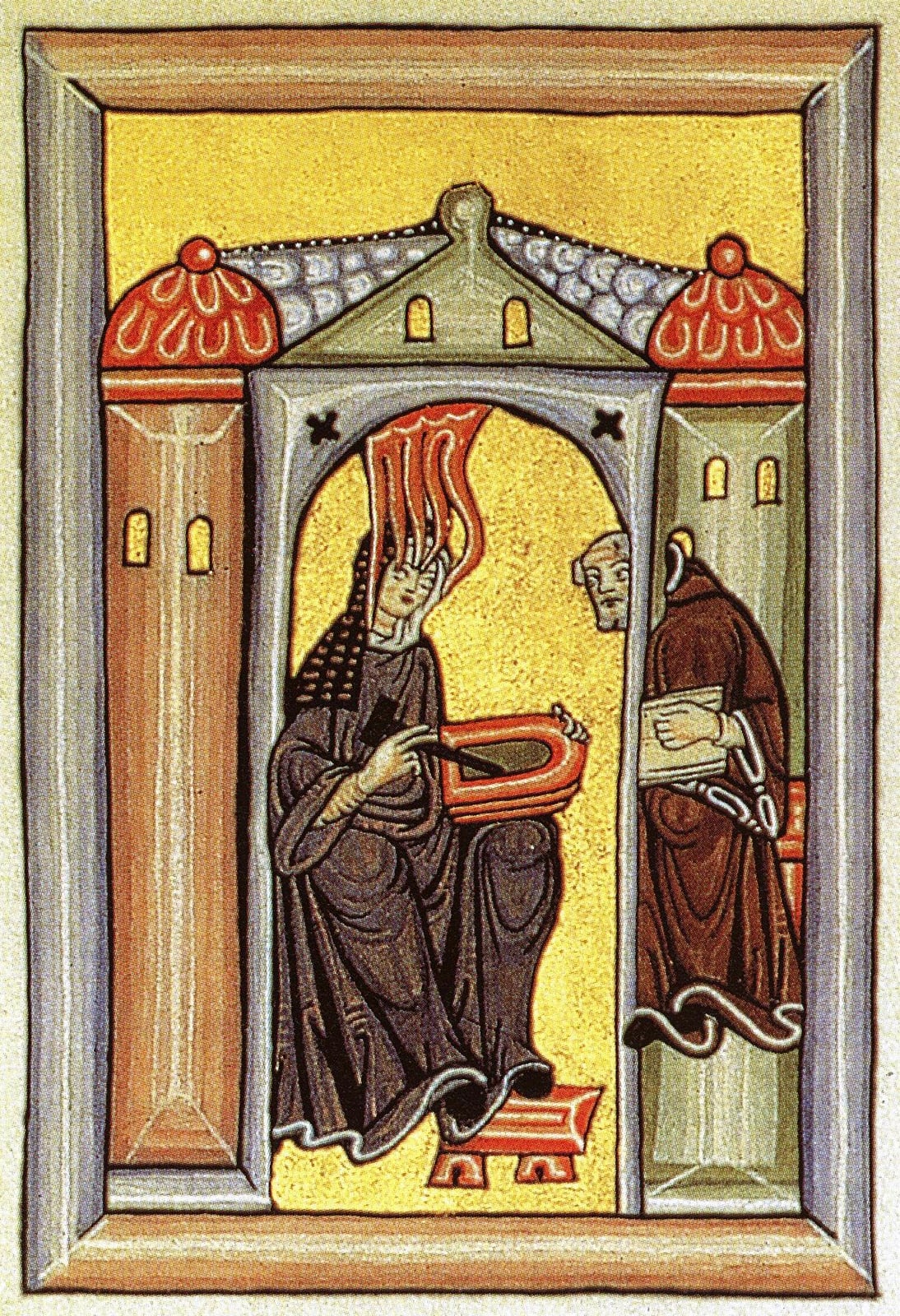
Hildegard of Bingen
इन पर सहमत: क्या हम स्वतंत्र हैं, या सब कुछ पूर्वनिर्धारित है? · परम सत्य क्या है? क्या ईश्वर है? · मैं कौन हूँ? क्या कोई सच्चा आत्म है?
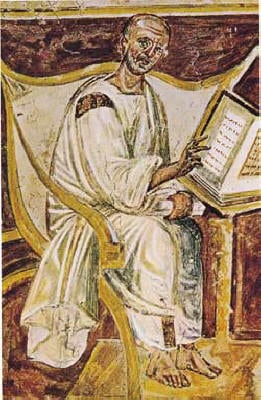
Augustine of Hippo
इन पर सहमत: परम सत्य क्या है? क्या ईश्वर है? · मैं कौन हूँ? क्या कोई सच्चा आत्म है? · मृत्यु के बाद क्या होता है?
इनसे भिन्न सोचते हैं

Patañjali
इन पर टकराव: परम सत्य क्या है? क्या ईश्वर है? · मैं कौन हूँ? क्या कोई सच्चा आत्म है? · मृत्यु के बाद क्या होता है?

Dōgen
इन पर टकराव: परम सत्य क्या है? क्या ईश्वर है? · मैं कौन हूँ? क्या कोई सच्चा आत्म है? · मृत्यु के बाद क्या होता है?

David R. Hawkins
इन पर टकराव: मैं कौन हूँ? क्या कोई सच्चा आत्म है? · क्या संसार वास्तविक है?
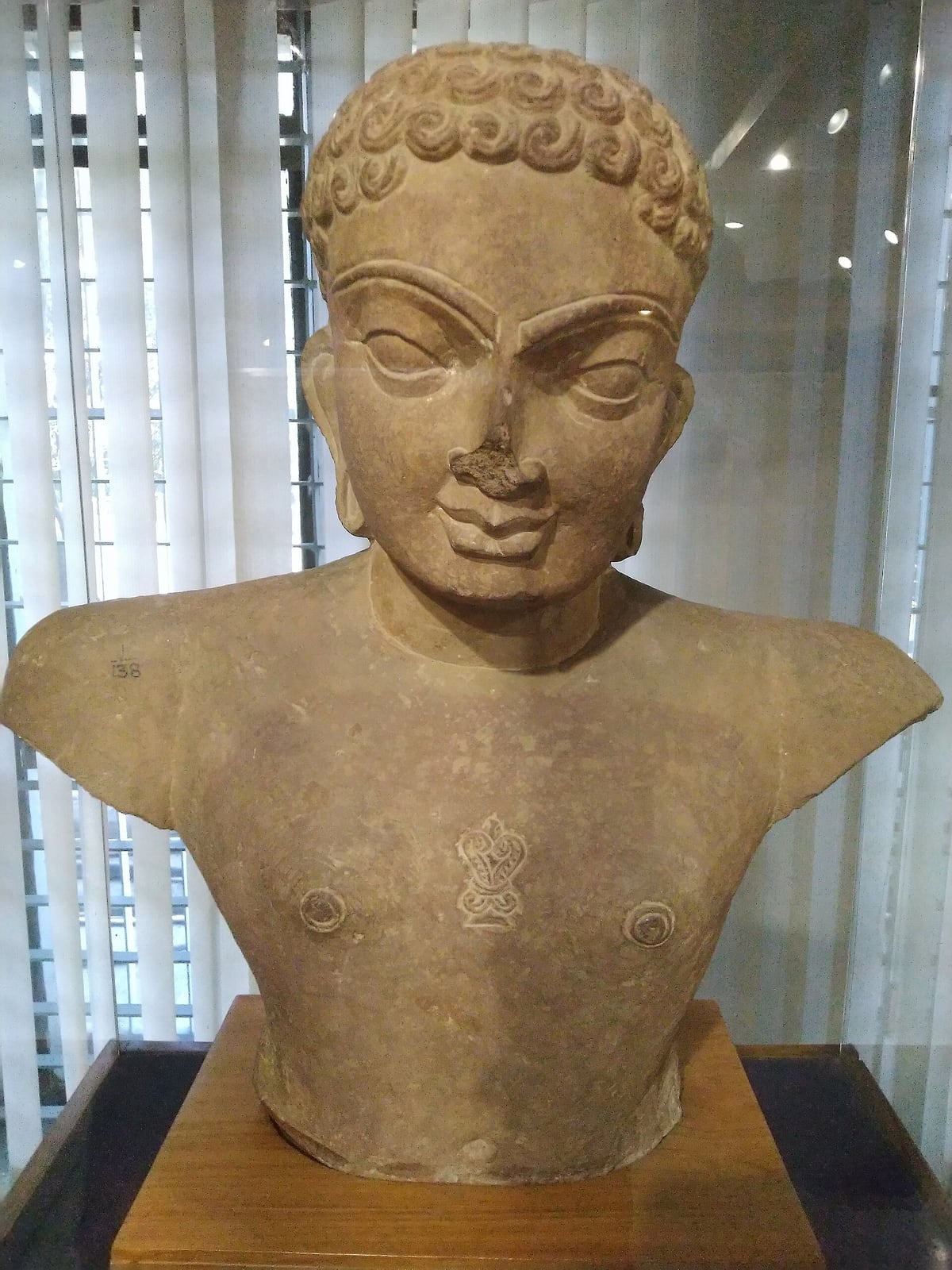
Mahāvīra
इन पर टकराव: परम सत्य क्या है? क्या ईश्वर है? · मृत्यु के बाद क्या होता है?
प्रसंग और वृत्तांत
प्रसंग और वृत्तांत
साक्ष्य1165
The storm and the Temple Mount
वृत्तांत का स्रोत: The note is known from Eleazar Azikri's quotation of it in Sefer Haredim (Safed, sixteenth century), who says he copied it from a writing of Maimonides; historians accept it with caution.
स्रोत: Kraemer, Joel L. Maimonides: The Life and World of One of Civilization's Greatest Minds. Nueva York: Doubleday, 2008.
प्रमाणित1168–1169
The captives of Bilbeis
वृत्तांत का स्रोत: Autograph letter from the Cairo Genizah, edited by S. D. Goitein and analysed by Kraemer (2008).
स्रोत: Kraemer, Joel L. Maimonides: The Life and World of One of Civilization's Greatest Minds. Nueva York: Doubleday, 2008.
प्रमाणितc. 1170–1178
The death of David
वृत्तांत का स्रोत: Maimonides's letter to Japheth ben Elijah, preserved in the epistolary tradition (ed. Shailat) and partly confirmed by a letter from David at Aydhab found in the Genizah.
स्रोत: Kraemer, Joel L. Maimonides: The Life and World of One of Civilization's Greatest Minds. Nueva York: Doubleday, 2008.
प्रमाणित1199
The physician's day
वृत्तांत का स्रोत: Maimonides's letter to Samuel ibn Tibbon (1199), preserved in Hebrew translation (ed. Shailat, Iggerot).
स्रोत: Kraemer, Joel L. Maimonides: The Life and World of One of Civilization's Greatest Minds. Nueva York: Doubleday, 2008.
विवादितc. 1160–1190
The accusation of apostasy
वृत्तांत का स्रोत: Ibn al-Qifti, Ta'rikh al-hukama' (13th century); discussed by Davidson (2005), Kraemer (2008) and Stroumsa (2009).
स्रोत: Kraemer, Joel L. Maimonides: The Life and World of One of Civilization's Greatest Minds. Nueva York: Doubleday, 2008.
प्रमाणित1232–1242
Books on the pyre
वृत्तांत का स्रोत: Letters of the Maimonidean controversy and thirteenth-century Jewish chronicles; the link between the 1232 burning and the burning of the Talmuds in Paris is a contemporary interpretation taken up by historians.
स्रोत: Kraemer, Joel L. Maimonides: The Life and World of One of Civilization's Greatest Minds. Nueva York: Doubleday, 2008.
विवादितs. XIII–XVI
The epitaph of Tiberias
वृत्तांत का स्रोत: Gedaliah ibn Yahya, Shalshelet ha-Kabbalah (Venice, 1587). Not confirmed by contemporary sources.
स्रोत: Kraemer, Joel L. Maimonides: The Life and World of One of Civilization's Greatest Minds. Nueva York: Doubleday, 2008.
शिक्षाएँ
शिक्षाएँ
वे अवधारणाएँ जो उनके चिंतन को रूप देती हैं, उनके संदर्भ में समझाई गई।
The thirteen principles of faithtrece-principios
Commentary on the Mishnah, Sanhedrin 10; taken up in the Mishneh Torah, Laws of Repentance 3.
Negative theology and attributes of actionteologia-negativa
Guide of the Perplexed I, 50–60; sources in kalam and Arabic philosophy (Avicenna).
The middle wayjusto-medio
Eight Chapters, ch. 4; Mishneh Torah, Laws of Dispositions 1–2.
स्रोत: Mishneh Torah, texto hebreo de la edición Torat Emet (dominio público) en Sefaria.
Prophecyprofecia
Guide of the Perplexed II, 32–48; Mishneh Torah, Laws of the Foundations of the Torah 7.
The reasons for the commandmentsrazones-de-los-preceptos
Guide of the Perplexed III, 25–49.
Human perfection and imitation of Godimitatio-dei
Guide of the Perplexed III, 51 and 54.
The eight degrees of charitygrados-de-la-tsedaka
Mishneh Torah, Laws of Gifts to the Poor 10:7–14.
स्रोत: Mishneh Torah, texto hebreo de la edición Torat Emet (dominio público) en Sefaria.
वीडियो
वीडियो
रिकॉर्डिंग, साक्षात्कार और वृत्तचित्र। वीडियो YouTube से चलते हैं; वे यहाँ संग्रहीत नहीं हैं।
Maimónides, entre la filosofía y la medicina | Mariano Gómez Aranda
व्याख्यान· ES· 53 min
Fundación Juan Marchआधिकारिक चैनल
MAIMONIDES
वृत्तचित्र· ES· 4 min
PTV Córdoba
Conferencia: Maimónides en los documentos de la Genizah por Dr. Mario Eduardo Cohén
व्याख्यान· ES· 71 min
Mem Guímel
Kenneth Seeskin, "What the Guide of the Perplexed is Really About"
व्याख्यान· EN· 52 min
Anne Tanenbaum Centre for Jewish Studiesआधिकारिक चैनल
Maimonides on Monotheism - Prof. Kenneth Seeskin
व्याख्यान· EN· 51 min
Institute for Tolerance Studies
The Essence of Maimonides: Sherwin B. Nuland (2005)
व्याख्यान· EN· 67 min
The 92nd Street Y, New Yorkआधिकारिक चैनल
Who Was Moses Maimonides? The Life of the Mind | Dr. Henry Abramson
व्याख्यान· EN· 57 min
Henry Abramson
Maimonides: The Revered & Controversial Sephardic Rabbi | The Jewish Story | Unpacked
वृत्तचित्र· EN· 5 min
Unpacked
Maimonides on Mourning: Jewish Law and Emotion
व्याख्यान· EN· 80 min
UC Berkeley School of Lawआधिकारिक चैनल
10 - רמב"ם - חלק א: תולדות חייו וכתביו
व्याख्यान· HE· 36 min
The Open University of Israelआधिकारिक चैनल
Moshe Halbertal: "Maimonides: Life and Thought" Book Launch
व्याख्यान· HE· 57 min
NYU School of Lawआधिकारिक चैनल
Maïmonide : entre judaïsme, islam et christianisme
साक्षात्कार· FR· 30 min
Storiavoce, un podcast d'Histoire & Civilisations
René Levy : si l'Occident avait lu Maïmonide...
व्याख्यान· FR· 32 min
Akademआधिकारिक चैनल
चित्रशाला
चित्रशाला
सत्यापित लाइसेंस वाले चित्र। प्रत्येक में उसके रचयिता और श्रेय का उल्लेख सुरक्षित है।
पांडुलिपियाँ
पांडुलिपियाँ
पांडुलिपि-साक्ष्य और प्राचीन पाठ, उनके संरक्षक और अध्ययन की शर्तों सहित।
HE · Hebrew · c. 1178
משנה תורה (ספר המדע וספר אהבה)
- संरक्षित पाठ-साक्ष्य
- Copia egipcia de finales del siglo XII con la nota autógrafa «corregido sobre mi libro, yo, Moisés hijo de Rabí Maimón» (fol. 165r)
- संरक्षक
- Bodleian Library, Oxford · MS. Huntington 80
- डिजिटलीकरण
- iiif.biblissima.fr/collections/manifest/de2371fd…
AR · Hebrew · c. 1167–1168
كتاب السراج (פירוש המשניות), סדר נזיקין וקדשים
- संरक्षित पाठ-साक्ष्य
- Borrador autógrafo con correcciones del autor
- संरक्षक
- Bodleian Library, Oxford · MS. Pococke 295
AR · Hebrew · 1168–1204
קטעי גניזה בכתב ידו של הרמב״ם
- संरक्षित पाठ-साक्ष्य
- Borradores de responsa, cartas y fragmentos de obras halladas en la Genizá de la sinagoga Ben Ezra de Fustat
- संरक्षक
- Cambridge University Library (colección Taylor-Schechter) y otras bibliotecas
- डिजिटलीकरण
- cudl.lib.cam.ac.uk/collections/genizah…
संबंध
संबंध
प्रभाव, शिष्यत्व और वैचारिक निकटता। प्रमाणित संबंध को विश्लेषण से पहचानी गई समानता से अलग दर्शाया गया है।
इनसे प्रभावित
The *Guide* relies on Aristotle's physics, metaphysics and ethics; Maimonides regards him as the summit of human knowledge in the sublunar realm, but disagrees with him on the eternity of the world, which he does not consider demonstrated.
प्रमाणित संबंध
इन्हें प्रभावित किया
Eckhart frequently cites "Rabbi Moyses" and draws from the *Guide* (in Latin translation) elements of his doctrine of the divine names and of negative theology.
प्रमाणित संबंध
इन्हें प्रभावित किया
Spinoza studied the *Guide* and argued against its method of allegorical interpretation of the Bible in the *Theological-Political Treatise* (ch. 7); the one's critique grew out of reading the other.
प्रमाणित संबंध
इनसे मिलते-जुलते विचार
Both lived the tension between Aristotelian philosophy and revelation; Maimonides knew the philosophical and theological literature of Islam, and it has been suggested that the title of the *Guide* echoes an expression used by al-Ghazali. No direct dependence is documented.
विश्लेषण से पहचानी गई समानता
इनके समकालीन
Contemporaries born in al-Andalus (Ibn Arabi in Murcia in 1165), they represent two opposite paths of Andalusian thought: Aristotelian rationalism and visionary mysticism. There is no record that they met.
प्रमाणित संबंध
इनसे मिलते-जुलते विचार
Opposite poles of Jewish spirituality in a frequent reading: the intellectualism of the *Guide* and the affective mysticism of Hasidism. Both, however, place cleaving to God at the centre of religious life.
विश्लेषण से पहचानी गई समानता
इनसे मिलते-जुलते विचार
Buber opposes to Maimonidean negative theology and intellectualism the personal relation with the eternal Thou; both deny, however, that God can be an object of description.
विश्लेषण से पहचानी गई समानता
इनसे मिलते-जुलते विचार
Like Augustine in *De doctrina christiana*, Maimonides proposes rules for interpreting figuratively those passages of Scripture that, read literally, would contradict reason or faith.
विश्लेषण से पहचानी गई समानता
स्रोत
स्रोत
इस प्रविष्टि के लिए देखे गए ग्रंथ-सूची और सूचीपत्र।
- Davidson, Herbert A. Moses Maimonides: The Man and His Works. Oxford/Nueva York: Oxford University Press, 2005.
- Kraemer, Joel L. Maimonides: The Life and World of One of Civilization's Greatest Minds. Nueva York: Doubleday, 2008.
- Seeskin, Kenneth. «Maimonides». Stanford Encyclopedia of Philosophy (primera publicación 2006; revisión sustancial 2024).
- Halbertal, Moshe. Maimonides: Life and Thought. Trad. Joel Linsider. Princeton: Princeton University Press, 2014.
- Wikidata, Q127398: «Moshe ben Maimon» (Maimónides), 110 enlaces entre wikis.
- Maimonides, Moses. The Guide for the Perplexed. Trad. del árabe por M. Friedländer. 2.ª ed. revisada en un volumen. Londres: George Routledge & Sons, 1904 (Project Gutenberg n.º 73584).
- Maimonides, Moses. The Guide of the Perplexed. Trad. Shlomo Pines, con ensayo introductorio de Leo Strauss. 2 vols. Chicago: University of Chicago Press, 1963.
- Mishneh Torah, texto hebreo de la edición Torat Emet (dominio público) en Sefaria.
- Stroumsa, Sarah. Maimonides in His World: Portrait of a Mediterranean Thinker. Princeton: Princeton University Press, 2009.
- Gorfinkle, Joseph I. (ed. y trad.). The Eight Chapters of Maimonides on Ethics (Shemonah Perakim). Nueva York: Columbia University Press, 1912 (ejemplar digitalizado en Internet Archive).
- Wikimedia Commons, categoría «Moshe ben Maimon» y subcategorías (licencias leídas por la API imageinfo).
- Bos, Gerrit (ed. y trad.). Maimonides, Medical Aphorisms: A Parallel Arabic-English Edition (The Medical Works of Moses Maimonides). Provo: Brigham Young University Press, 2004–2017.
- Sefaria: Sefer ha-Mitzvot (Varsovia, 1883), Shemonah Perakim (Wikisource) y Moreh Nevukhim en la traducción hebrea de Samuel ibn Tibbon.
- Bodleian Library, Oxford, MS. Huntington 80 (Mishneh Torah, libros I–II, con certificación autógrafa de Maimónides) y MS. Pococke 295 (Comentario a la Misná, autógrafo); registros de Biblissima y del antiguo portal Maimonides de la Bodleiana.
- Twersky, Isadore. Introduction to the Code of Maimonides (Mishneh Torah). New Haven: Yale University Press, 1980.
- अधिकार-धारक
- Dominio público: los textos de Maimónides y sus traducciones medievales. Las ediciones críticas y las traducciones modernas (Pines, Gonzalo Maeso, Munk-Verdier, Weiss-Meiner, Touger, Bos) tienen derechos de sus editores y traductores.
पुष्टि की प्रतीक्षा में
जो यह प्रविष्टि अभी तक निश्चित नहीं कर सकी है। हम उसे भर देने के बजाय कह देना बेहतर समझते हैं।
- Confirmar la fecha de muerte de Joseph I. Gorfinkle (n. 1880) para decidir si su traducción de los Ocho capítulos es de dominio público en la UE y en España (registrada con caution: true).
- Localizar ISBN de una edición española completa de la Mishné Torá (solo hay traducciones parciales registradas) y de la Epístola al Yemen.
- Verificar en Kraemer (2008) la fecha exacta del rescate de los cautivos de Bilbeis (1168 o 1169) y de la quema de Montpellier (1232 o 1233).
- Comprobar en Digital Bodleian el enlace estable de MS. Huntington 80 y MS. Pococke 295.
- Confirmar qué traducción hebrea de la Epístola al Yemen reproduce Wikisource (Nahum ha-Ma'aravi u otra).
- Buscar vídeos en alemán (televisión pública) y en árabe sobre Maimónides; no se han encontrado en canales solventes.
- Las fichas de los tratados médicos menores no tienen ediciones con ISBN verificadas (Rosner, Maimonides Research Institute; Bos, BYU Press): completar con el catálogo de BYU Press.
2026-10-25 को शोधित