अरस्तूवाद
Aristotle
Ἀριστοτέλης · أرسطوطاليس
384 ई.पू. – 322 ई.पू.ऐतिहासिक रूप से प्रमाणित व्यक्ति
यूनानी दार्शनिक और वैज्ञानिक (384–322 ई.पू.), बीस वर्ष तक प्लेटो के शिष्य, सिकंदर महान के शिक्षक और एथेंस में लाइसियम के संस्थापक। उन्होंने औपचारिक तर्कशास्त्र की रचना की, ज्ञान को विभिन्न शास्त्रों में व्यवस्थित किया और भौतिकी, जीवविज्ञान, मनोविज्ञान, तत्त्वमीमांसा, नीतिशास्त्र, राजनीति, वक्तृत्व-शास्त्र और काव्यशास्त्र पर ऐसे ग्रंथ छोड़े जो दो सहस्राब्दियों तक यूनानी, अरबी, यहूदी और ईसाई दर्शन पर छाए रहे। चिंतनशील जीवन को सुख का सर्वोच्च रूप मानने का उनका विचार आज भी एक केंद्रीय संदर्भ है।
- कृतियाँ
- 67कृतियाँ
- संस्करण
- 245संस्करण
- उद्धरण
- 18उद्धरण
- वीडियो
- 15वीडियो
- चित्र
- 9चित्र
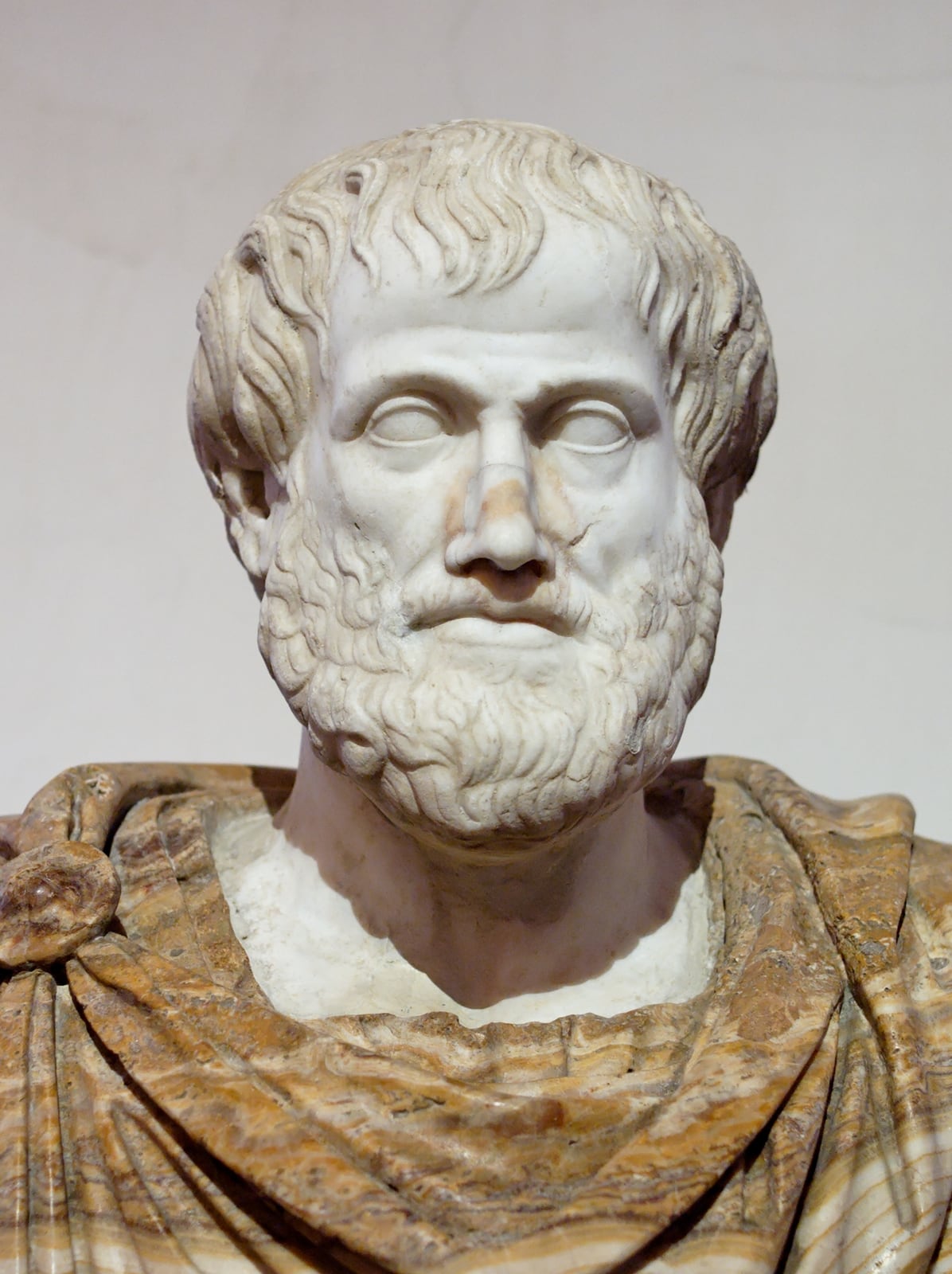
Busto de Aristóteles (Museo Nacional Romano, Palazzo Altemps) · Public domain
उनके अपने शब्दों में
«“All men by nature desire to know.”»Metafísica I (A) 1, 980a21. Inglés: trad. de W. D. Ross (Oxford, 1908); español: trad. propia del griego.

मूल विचार
Substance (ousia): For Aristotle, “being” is said in many ways, but all of them refer to a first one: substance.
संदर्भ में देखें
जीवनी
7 मिनट का पाठ
स्पैनिश मूल से सहायता-प्राप्त अनुवाद, मातृभाषी अनुवादक द्वारा समीक्षा लंबित।
मकदूनिया की सीमा पर एक वैद्य का पुत्र
अरस्तू का जन्म 384 ई.पू. में स्टैगिरा में हुआ, जो एजियन सागर के उत्तरी तट पर खाल्किडिकी प्रायद्वीप का एक छोटा-सा यूनानी नगर था। उनके पिता निकोमैकस वैद्य थे और मकदूनिया के राजा अमिन्तास तृतीय के मित्र; परिवार स्वयं को मैकाओन के माध्यम से आरोग्य-देवता एस्क्लेपियस का वंशज बताता था। उनकी माता फ़ैस्टिस यूबोइया द्वीप के खाल्किस नगर की थीं। दोनों का देहांत तब हो गया जब वे अभी किशोर ही थे, और उनकी संरक्षकता अटार्नियस के प्रॉक्सेनस को मिली, जिन्हें दार्शनिक ने अपनी वसीयत में उनकी स्मृति में एक प्रतिमा बनवाने का निर्देश देकर याद किया। अनेक विद्वानों के अनुसार वैद्यों और दरबारियों के बीच बीता यह बचपन उनके जीवन की दो विशेषताओं को समझाता है: जीवित प्राणियों को निहारने का गहरा अनुराग, और मकदूनिया के राजघराने से ऐसा संबंध जिसने अंततः उनकी नियति तय की।
आरंभ में ही यह कह देना उचित है कि उनके जीवन के बारे में हम जो कुछ जानते हैं, वह लगभग सब परवर्ती स्रोतों से आता है। सबसे विस्तृत जीवनी डायोजिनीज़ लेर्टियस की है, जो तीसरी शताब्दी ईसवी में हर्मिप्पस और अपोलोडोरस जैसे हेलेनिस्टिक लेखकों के आधार पर लिखी गई; इसके साथ नव-प्लेटोवादी भाष्यकारों द्वारा रचित जीवन-चरित हैं, जो आलोचनात्मक कम और श्रद्धामय अधिक हैं, और एक विरोधी परंपरा भी है जो उन्हें दंभी और राजाओं का चाटुकार चित्रित करती थी। आधुनिक शोध, इंगेमार ड्यूरिंग के समय से, कालक्रम संबंधी तथ्यों को—जो संभवतः विश्वसनीय हैं—किस्से-कहानियों से सावधानीपूर्वक अलग करता है।
अकादमी में बीस वर्ष
सत्रह वर्ष की आयु में, लगभग 367 ई.पू. में, वे एथेंस पहुँचे और प्लेटो की अकादमी में प्रविष्ट हुए, जहाँ गुरु की मृत्यु तक बीस वर्ष रहे। वहाँ वे विद्यार्थी रहे, शोधकर्ता रहे और शीघ्र ही वक्तृत्व-कला के अध्यापक बन गए। इसी काल में उन्होंने सामान्य पाठकों के लिए संवाद लिखे—ग्रिलस, यूडेमस, प्रोट्रेप्टिकस, दर्शन पर—जिनके गद्य को सिसरो ने "सोने की नदी" कहकर सराहा; इनके अब केवल अंश ही बचे हैं। संभवतः उनके तर्कशास्त्रीय लेखन के प्रारंभिक रूप भी इन्हीं वर्षों के हैं।
प्लेटो के साथ उनका संबंध एक ऐसे शिष्य का था जो प्रश्न करता है। डायोजिनीज़ लेर्टियस गुरु से जोड़ा गया एक कथन दर्ज करते हैं: अरस्तू ने उन्हें वैसे ही दुलत्ती मारी "जैसे बछेड़े उस माँ को मारते हैं जिसने उन्हें जन्म दिया"। प्रत्ययों (आइडियाज़) के सिद्धांत की उनकी आलोचना तत्त्वमीमांसा और निकोमैकियन नीतिशास्त्र में व्याप्त है, जहाँ वे स्वीकार करते हैं कि मित्रों का खंडन करना उन्हें कष्टकर लगता है, किंतु धर्मनिष्ठा सत्य को वरीयता देने का आदेश देती है। वर्नर येगर ने 1923 में सुझाया कि उनकी कृतियों को प्लेटोवाद से क्रमिक दूरी के रूप में पढ़ा जाए; आज यह कालक्रम अत्यधिक सुस्पष्ट माना जाता है, पर जिस तनाव की ओर उन्होंने संकेत किया था, वह वास्तविक है।
एशिया माइनर, लेस्बोस और मकदूनिया का दरबार
348/347 ई.पू. में प्लेटो की मृत्यु के बाद, जब अकादमी उनके भांजे स्प्यूसिप्पस के हाथ में चली गई, अरस्तू ने एथेंस छोड़ दिया। वे ट्रोआड प्रदेश के असोस नगर में अटार्नियस के शासक हर्मियास के संरक्षण में जा बसे, जिनसे उनकी घनिष्ठ मित्रता थी, और उनकी भतीजी तथा दत्तक पुत्री पिथियास से विवाह किया; उनकी एक बेटी हुई जिसका नाम भी यही रखा गया। लगभग 345/344 में वे लेस्बोस द्वीप के मितिलीनी नगर चले गए, जहाँ उन्होंने एरेसोस-निवासी थियोफ्रेस्टस के साथ काम किया। प्राणियों का इतिहास (हिस्टोरिया एनिमेलियम) में पिरा के लैगून के अनेक उल्लेखों के कारण विद्वान मछलियों, घोंघों-सीपियों और पक्षियों संबंधी उनके निरीक्षणों का बड़ा भाग वहीं का मानते हैं।
343/342 में फ़िलिप द्वितीय ने उन्हें अपने पुत्र सिकंदर को शिक्षा देने के लिए मकदूनिया बुलाया, जो तब तेरह वर्ष का था। प्लूटार्क के अनुसार पाठ मीएज़ा के अप्सराओं (निम्फ़ों) के मंदिर में होते थे, और राजकुमार ने आजीवन अपने गुरु द्वारा संशोधित इलियड की एक प्रति अपने पास रखी। अरस्तू ने मकदूनियावासियों द्वारा ध्वस्त स्टैगिरा का पुनर्निर्माण करवाया। लगभग 341 में फ़ारसियों ने हर्मियास को छल से बंदी बनाकर मृत्युदंड दिया; अरस्तू ने उन्हें सद्गुण पर एक स्तोत्र और डेल्फ़ी में उनकी प्रतिमा के लिए एक लघुकाव्य समर्पित किया, जो आगे चलकर उन्हें बहुत महँगे पड़े।
लाइसियम
335/334 में, सिकंदर के सिंहासनारूढ़ होने के कुछ ही समय बाद, वे एथेंस लौटे। विदेशी निवासी होने के कारण वे भूमि के स्वामी नहीं हो सकते थे, इसलिए उन्होंने लाइसियम में पढ़ाया, जो अपोलो लाइकियस को समर्पित एक सार्वजनिक व्यायामशाला थी; उसके छत वाले टहलने के गलियारों—पेरिपेटोस—के कारण यह विद्यालय "पेरिपेटेटिक" अर्थात् चलते-फिरते दर्शन करने वालों का संप्रदाय कहलाया। वहाँ उन्होंने एक पुस्तकालय जुटाया और अभूतपूर्व सामूहिक कार्य का आयोजन किया: यूनानी नगरों के एक सौ अट्ठावन संविधानों का संकलन, अपने संबंधी कैलिस्थनीज़ के साथ तैयार की गई पाइथियन खेलों के विजेताओं की सूची, और प्राणिशास्त्र तथा वनस्पतिशास्त्र के प्रेक्षणों का विशाल भंडार।
जो ग्रंथ हमें प्राप्त हैं, वे जनसाधारण के लिए सँवारी गई पुस्तकें नहीं, बल्कि बार-बार संशोधित शिक्षण-सामग्री हैं: तर्कशास्त्र, भौतिकी, मनोविज्ञान, जीवविज्ञान, तत्त्वमीमांसा, नीतिशास्त्र, राजनीति, वक्तृत्व-शास्त्र और काव्यशास्त्र। यही स्वरूप उनकी सघनता, उनकी पुनरावृत्तियों और उनके विस्मयकारी विस्तार को समझाता है। एथेंस में पिथियास का देहांत हुआ; इसके बाद अरस्तू स्टैगिरा की हर्पिलिस के साथ रहे, जिनसे उन्हें एक पुत्र हुआ, निकोमैकस। 327 में राजा के विरुद्ध षड्यंत्र के आरोपी कैलिस्थनीज़ की मृत्यु के बाद सिकंदर से उनके संबंधों में ठंडापन आ गया।
खाल्किस, वसीयत और पुस्तकों की नियति
जून 323 में बेबीलोन में सिकंदर की मृत्यु ने एथेंस में मकदूनिया-विरोधी लहर छेड़ दी। प्रधान पुरोहित यूरीमेडॉन ने हर्मियास को समर्पित स्तोत्र को बहाना बनाकर अरस्तू पर अधार्मिकता का आरोप लगाया, और दार्शनिक खाल्किस में अपने ननिहाल के घर चले गए। एक प्राचीन परंपरा उनके मुख से यह वाक्य कहलवाती है कि वे एथेंसवासियों को दर्शन के विरुद्ध दूसरी बार पाप नहीं करने देंगे—सुकरात की ओर संकेत करते हुए। वहीं 322 में बासठ या तिरसठ वर्ष की आयु में उनकी मृत्यु हुई, अपोलोडोरस के कालक्रम के अनुसार स्वाभाविक मृत्यु; यह कथा कि उन्होंने वत्सनाभ विष पी लिया था, जिसे डायोजिनीज़ लेर्टियस यूमेलस से लेते हैं, विश्वसनीय नहीं है।
डायोजिनीज़ लेर्टियस ने उनकी वसीयत की प्रतिलिपि सुरक्षित रखी, जो प्राचीन काल के सबसे मार्मिक व्यक्तिगत दस्तावेज़ों में से एक है। उसमें वे एंटिपेटर को निष्पादक नियुक्त करते हैं, हर्पिलिस और अपनी संतानों की देखभाल का भार सौंपते हैं, कई दासों को मुक्त करते हैं, अपनी सेवा करने वालों को बेचने का निषेध करते हैं और यह इच्छा प्रकट करते हैं कि उन्हें जहाँ भी दफ़नाया जाए, पिथियास की अस्थियाँ उनके पास रखी जाएँ, जैसा कि स्वयं उन्होंने चाहा था।
स्ट्रैबो और प्लूटार्क के अनुसार उनका पुस्तकालय थियोफ्रेस्टस को मिला और उनसे स्केप्सिस के नीलियस को, जिनके उत्तराधिकारियों ने उसे एक तहख़ाने में छिपा दिया; फिर टिओस के संग्राहक एपेलिकॉन ने उसे ख़रीदा, और 86 ई.पू. में एथेंस पर अधिकार करने के बाद सुल्ला उसे रोम ले गया। कहा जाता है कि वहीं रोड्स के एंड्रोनिकस ने ग्रंथों का उस क्रम में संपादन किया जिसमें हम उन्हें मूलतः आज भी पढ़ते हैं। विद्वान इस कथा की सीमा पर बहस करते हैं, पर वर्तमान ग्रंथ-संग्रह वस्तुतः पहली शताब्दी ई.पू. के एक संस्करण से ही आता है।
दो सहस्राब्दियों का आचार्यत्व
किसी भी दार्शनिक की परंपरा इतनी लंबी नहीं चली। अफ़्रोडिसियास के सिकंदर से लेकर एथेंस और अलेक्ज़ेंड्रिया के नव-प्लेटोवादियों तक, यूनानी भाष्यकारों ने उनके तर्कशास्त्र को समूचे दर्शन का प्रवेश-द्वार बना दिया, यद्यपि प्लोटिनस ने उनकी पदार्थ-कोटियों (कैटेगरीज़) की कठोर आलोचना की। नौवीं शताब्दी में बग़दाद में उनकी कृतियों का अरबी में अनुवाद हुआ; अल-फ़ाराबी को "द्वितीय गुरु" (अल-मुअल्लिम अल-सानी) कहा गया, इब्न सीना ने उनकी तत्त्वमीमांसा का पुनर्निर्माण किया और इब्न रुश्द ने "भाष्यकार" की उपाधि अर्जित की। अल-ग़ज़ाली ने उनके अनुयायी दार्शनिकों का विरोध किया, और मैमोनाइड्स ने चंद्रमा के नीचे के जगत से संबंधित विषयों में उन्हें मानवीय बुद्धि का शिखर माना।
बारहवीं शताब्दी में तोलेदो से, और तेरहवीं में मोरबेके के विलियम के अनुवादों के माध्यम से, उनकी कृतियाँ लैटिन विश्वविद्यालयों में पहुँचीं। थॉमस एक्विनास के लिए वे बस "दार्शनिक" थे, और दांते ने उन्हें लिम्बो में "ज्ञानियों के गुरु" के रूप में स्थान दिया। वैज्ञानिक क्रांति ने उनकी भौतिकी को ढहा दिया, पर उनका जीवविज्ञान टिका रहा: डार्विन ने 1882 में लिखा कि उनके दो आराध्य, लिनियस और क्यूविये, बूढ़े अरस्तू के सामने "मात्र स्कूली बच्चे" हैं।
बर्लिन अकादमी के संस्करण ने, जिसका संपादन 1831 से इमैनुएल बेकर ने किया, पृष्ठ, स्तंभ और पंक्ति के अनुसार वह क्रमांकन स्थिर किया जिससे आज भी उन्हें उद्धृत किया जाता है—तत्त्वमीमांसा 980a21—, और 1891 में ब्रिटिश संग्रहालय के एक पपाइरस ने एथेंसवासियों का संविधान लौटा दिया। बीसवीं शताब्दी में उनका सद्गुण-नीतिशास्त्र फिर से नैतिक विमर्श के केंद्र में आ गया। चेतना के एक पुस्तकालय के पाठक को अरस्तू किसी आध्यात्मिक सिद्धांत से कम स्पष्ट कुछ देते हैं: यह दृढ़ विश्वास कि सर्वोच्च जीवन चिंतनशील जीवन है, उस बुद्धि का जीवन जो स्वयं को जानती है, और यह कि वहाँ तक प्रतिदिन की आदतों को धैर्यपूर्वक साधकर ही पहुँचा जा सकता है।
स्रोत: Cicerón. Académicos II (Lúculo), 119: «veniet flumen orationis aureum fundens Aristoteles». · Diógenes Laercio. Vidas de los filósofos ilustres, libro V, 1–35 («Aristóteles»). Trad. inglesa de R. D. Hicks, Lives of Eminent Philosophers, vol. I, Loeb Classical Library 184. Londres: Heinemann, 1925 (texto en Wikisource). · Natali, Carlo. Aristotle: His Life and School. Ed. D. S. Hutchinson. Princeton: Princeton University Press, 2013. · Düring, Ingemar. Aristotle in the Ancient Biographical Tradition. Göteborg: Acta Universitatis Gothoburgensis, 1957. · Barnes, Jonathan (ed.). The Complete Works of Aristotle: The Revised Oxford Translation. 2 vols. Princeton: Princeton University Press (Bollingen Series LXXI.2), 1984.
कालक्रम
जीवन, वर्ष-दर-वर्ष
प्रत्येक बिंदु एक प्रमाणित घटना है। उसे स्रोत और निश्चितता के स्तर सहित पढ़ने के लिए क्लिक करें।
384 ई.पू.0 वर्षEstagira (Calcídica)
Birth at Stagira
Aristotle is born, son of the physician Nicomachus and of Phaestis. Apollodorus, quoted by Diogenes Laertius, dates the birth to the first year of the 99th Olympiad (384/383 BCE).
प्रमाणितDiógenes Laercio. Vidas de los filósofos ilustres, libro V, 1–35 («Aristóteles»). Trad. inglesa de R. D. Hicks, Lives of Eminent Philosophers, vol. I, Loeb Classical Library 184. Londres: Heinemann, 1925 (texto en Wikisource).
उनके निधन के बाद
- 86 ई.पू.The library reaches Rome
- Iवीं सदी ई.पू.Andronicus of Rhodes's edition
- IXवीं सदीTranslations into Arabic
- 1255Aristotle in the University of Paris curriculum
- 1495Aldus Manutius's editio princeps
- 1831Bekker's edition
- 1891The Constitution of the Athenians reappears
384 ई.पू. · 0 वर्ष
Birth at Stagira
Aristotle is born, son of the physician Nicomachus and of Phaestis. Apollodorus, quoted by Diogenes Laertius, dates the birth to the first year of the 99th Olympiad (384/383 BCE).
प्रमाणित
लगभग 370 ई.पू.
Orphaned, in the care of Proxenus
His parents having died while he was still a child, he passes into the care of Proxenus of Atarneus. The detail comes from the late Lives; the will confirms the bond by commissioning a statue of Proxenus.
संभावित
367 ई.पू. · 17 वर्ष
Entry into Plato's Academy
At seventeen he comes to Athens and enters the Academy, where he will remain for twenty years as student, researcher and teacher.
प्रमाणित
लगभग 360 ई.पू.
The public dialogues
He writes dialogues and exhortations for a wide readership — Gryllus, Eudemus, Protrepticus, On Philosophy — now lost except for fragments.
संभावित
347 ई.पू. · 37 वर्ष
Plato's death and departure from Athens
After Plato's death and Speusippus's election as head of the Academy, he leaves Athens and settles at Assos with Hermias of Atarneus.
प्रमाणित
लगभग 346 ई.पू.
Marriage to Pythias
He marries Pythias, Hermias's niece and adopted daughter; they will have a daughter of the same name.
संभावित
345 ई.पू.
Lesbos and biological research
In the archonship of Eubulus (345/344) he moves to Mytilene. With Theophrastus he studies the fauna of the lagoon of Pyrrha, the basis of much of his zoological work.
प्रमाणित
343 ई.पू. · 41 वर्ष
Tutor to Alexander
Philip II summons him to Macedonia to educate the thirteen-year-old Alexander. According to Plutarch, the lessons take place in the sanctuary of the Nymphs at Mieza.
प्रमाणित
लगभग 341 ई.पू.
Execution of Hermias; the hymn to Virtue
Hermias is treacherously captured by the Persians and executed. Aristotle composes in his honour a hymn to Virtue and an epigram for his statue at Delphi, both preserved by Diogenes Laertius.
प्रमाणित
335 ई.पू. · 49 वर्ष
Foundation of the Lyceum
He returns to Athens (335/334) and teaches in the gymnasium of the Lyceum for thirteen years. His followers will be called Peripatetics.
प्रमाणित
लगभग 330 ई.पू.
The 158 constitutions and the Pythian list
He directs the collection of the constitutions of 158 cities and, with Callisthenes, the list of victors at the Pythian Games, honoured by Delphi with an inscription.
प्रमाणित
327 ई.पू.
Death of Callisthenes
Callisthenes, Aristotle's kinsman and historian of the expedition, dies accused of conspiring against Alexander; ancient sources place here the cooling between the king and his former teacher.
संभावित
323 ई.पू. · 61 वर्ष
Charge of impiety and retreat to Chalcis
After Alexander's death, the hierophant Eurymedon charges him with impiety over the hymn to Hermias. He withdraws to Chalcis in Euboea, to his mother's family house.
प्रमाणित
322 ई.पू. · 62 वर्ष
Death at Chalcis
He dies at Chalcis aged sixty-two or sixty-three, a natural death according to Apollodorus, in the same year as Demosthenes. His will is preserved by Diogenes Laertius.
प्रमाणित
86 ई.पू.
The library reaches Rome
According to Strabo and Plutarch, Sulla carries off to Rome the library of Apellicon of Teos, which contained the manuscripts of Aristotle and Theophrastus.
विवादित
Iवीं सदी ई.पू.
Andronicus of Rhodes's edition
Andronicus of Rhodes arranges and edits the school treatises in the first century BCE; the corpus we possess derives from his edition.
संभावित
IXवीं सदी
Translations into Arabic
In the ninth century the Baghdad translators, among them Hunayn ibn Ishaq and his son Ishaq, render most of the corpus into Arabic, the foundation of falsafa.
प्रमाणित
1255
Aristotle in the University of Paris curriculum
A 1255 statute of the Paris Faculty of Arts places practically all the known works of Aristotle on the curriculum, after decades of prohibitions.
प्रमाणित
1495
Aldus Manutius's editio princeps
Aldus Manutius prints in Venice (1495–1498) the first edition of Aristotle's Greek text, in five volumes.
प्रमाणित
1831
Bekker's edition
The Prussian Academy publishes Immanuel Bekker's edition, whose pagination (for example, 980a21) remains the universal system of reference.
प्रमाणित
1891
The Constitution of the Athenians reappears
Frederic Kenyon publishes, from a papyrus acquired by the British Museum, the Constitution of the Athenians, lost since antiquity.
प्रमाणित
कृतियाँ
आवश्यक कृतियाँ
वे कृतियाँ जिनके बिना उनकी विरासत को समझा नहीं जा सकता।
लिखित कृति
Metaphysics
Τὰ μετὰ τὰ φυσικά
The work in which Aristotle seeks “first science”: the study of being qua being, of the highest causes and principles and of divine substance. It opens with the famous sentence “all men by nature desire to know” and with a history of earlier philosophy read as a progressive discovery of the four causes. Book B sets out the puzzles; Γ defends the principle of non-contradiction; Δ is a philosophical lexicon; Z, H and Θ, the core, examine substance, form, matter, actuality and potentiality; Λ culminates in the first unmoved mover, “thinking of thinking”; M and N criticise the Platonic theory of Forms and numbers. No work has influenced Western, Islamic and Jewish metaphysics more.
6 संस्करण · amazon.com

लिखित कृति
Nicomachean Ethics
Ἠθικὰ Νικομάχεια
The most influential work of ethics in history. It starts from the question of the highest human good, which everyone calls happiness, and defines it as an activity of the soul in accordance with virtue over a complete life. It explains ethical virtue as habit and as a mean chosen according to right reason, analyses courage, temperance, liberality, magnanimity and justice, distinguishes the intellectual virtues — with practical wisdom at their centre —, studies incontinence and pleasure, and devotes two admirable books to friendship. Book X concludes that the happiest life is the contemplative one, in which a human being lives according to what is divine in him, and leads into the Politics.
4 संस्करण · amazon.com

लिखित कृति
Politics
Πολιτικά
A continuation of the Ethics: if happiness is the end of the individual, the city is the community that makes it possible. Book I holds that the human being is by nature a political animal, endowed with speech, and studies the household, economics and — in pages unacceptable today — natural slavery. Book II criticises Plato's Republic and the constitutions of Sparta, Crete and Carthage; book III defines the citizen and classifies regimes into correct (monarchy, aristocracy, polity) and deviant (tyranny, oligarchy, democracy); books IV–VI, based on the 158 constitutions collected at the Lyceum, analyse the causes of revolutions and praise the mixed regime resting on the middle classes; books VII–VIII describe the ideal city and its education.
4 संस्करण · amazon.com

लिखित कृति
Poetics
Περὶ ποιητικῆς
The founding text of Western literary theory. It conceives poetry as imitation (mimesis) of human actions, natural to human beings and a source of knowledge and pleasure, and claims it is more philosophical than history because it speaks of the universal. It defines tragedy as the imitation of a serious and complete action which, through pity and fear, accomplishes the purification (katharsis) of such emotions, and analyses its six parts, with the plot as the “soul” of the work, reversal, recognition and the tragic error (hamartia). Rediscovered in the Renaissance, it dictated the rules of classical drama for centuries.
5 संस्करण · amazon.com
संपूर्ण कृतित्व (67)

Categories

On Interpretation (De interpretatione)
Prior Analytics
Posterior Analytics
Topics
Sophistical Refutations

Physics

On the Heavens (De caelo)

On Generation and Corruption
Meteorology (Meteorologica)

On the Cosmos (De mundo)

On the Soul (De anima)
On Sense and the Sensible
On Memory and Recollection
On Sleep and Waking
On Dreams
On Divination in Sleep
On Length and Shortness of Life
On Youth and Old Age, On Life and Death
On Respiration

On Breath (De spiritu)

History of Animals (Historia animalium)

Parts of Animals
Movement of Animals (De motu animalium)
वचन
किसी निश्चित कृति में स्थित वचन। प्रत्येक के साथ उसका स्रोत और विश्वसनीयता का स्तर है।
“All men by nature desire to know.”Πάντες ἄνθρωποι τοῦ εἰδέναι ὀρέγονται φύσει.
सत्यापितMetafísica I (A) 1, 980a21. Inglés: trad. de W. D. Ross (Oxford, 1908); español: trad. propia del griego.
अप्रामाणिक या विवादित आरोपण वाले उद्धरण (3)
«“We are what we repeatedly do. Excellence, then, is not an act, but a habit.”»
Not Aristotle's: it is a paraphrase by Will Durant in The Story of Philosophy (1926), chapter on Aristotle, summarising in his own words the doctrine of Nicomachean Ethics II 1 on virtue as habit. The sentence circulates as if it were a direct quotation.
«“Amicus Plato, sed magis amica veritas” (“Plato is a friend, but truth is a greater friend”).»
The idea is in Nicomachean Ethics I 6, 1096a16, but the Latin formula is not his. An ancient Life of Aristotle attributed to Ammonius transmits it as “Socrates is a friend, but truth is a greater friend”; Roger Bacon uses it with Socrates, Newton writes “amicus Plato, amicus Aristoteles, magis amica veritas”, and the version with Plato appears in Don Quixote.
«“It is the mark of an educated mind to be able to entertain a thought without accepting it.”»
It is found in no work of Aristotle. It appears attributed to him in American books from 1959 (Lowell L. Bennion, Religion and the Pursuit of Truth) and seems a distortion of Nicomachean Ethics I 3, 1094b23–25, which says that an educated person looks for as much precision in each subject as its nature admits.
अंतिम शब्द
उनके अंतिम शब्दों का कोई सत्यापन-योग्य अभिलेख उपलब्ध नहीं है।
No reliable final sentence survives. The nearest thing to last words is his will, copied by Diogenes Laertius (V 11–16): it opens “All will be well; but, in case anything should happen, Aristotle has made these dispositions”, and closes with the instruction to lay the bones of Pythias beside him and to set up statues of Zeus and Athena the Saviours at Stagira. Contradictory accounts of his death circulated: a natural death at sixty-three (Apollodorus, accepted by Diogenes Laertius), poisoning with aconite (Eumelus, rejected by Diogenes himself) and, in late authors, the legend that he threw himself into the strait of Euripus because he could not explain its currents, with no basis in the early sources. The remark about not letting Athens “sin twice against philosophy” belongs to his departure from Athens, not to his deathbed.
स्रोत: Diógenes Laercio. Vidas de los filósofos ilustres, libro V, 1–35 («Aristóteles»). Trad. inglesa de R. D. Hicks, Lives of Eminent Philosophers, vol. I, Loeb Classical Library 184. Londres: Heinemann, 1925 (texto en Wikisource).
पूछें
उनकी कृतियाँ क्या उत्तर देती हैं
मानवता के बारह महान प्रश्न और उनके ग्रंथ उनका जो उत्तर देने देते हैं, संदर्भों सहित। हम कभी उनके मुख में अपने शब्द नहीं रखते।
परम सत्य क्या है? क्या ईश्वर है?
A first unmoved mover that is thought thinking itself
निराकार परम सत्तास्पष्ट रूप से कहा है
Aristotle reaches God through physics and metaphysics, not revelation. If there is eternal motion, there must be a first mover that moves without being moved; in book Lambda of the Metaphysics this mover is pure actuality, without matter, and moves as the beloved moves, by attraction. Its life is the best: it is thought, and since the most excellent can only think itself, it is thought of thought. Aristotle calls it god and an eternal living being, but it does not create the world, which is eternal, nor know individuals nor answer prayer. It is an absolute that is faceless intelligence, final cause of everything, closer to a principle than to someone.
इस प्रश्न की अन्य गुरुओं से तुलना करेंमैं कौन हूँ? क्या कोई सच्चा आत्म है?
The soul is the body's form; character is forged by habit and friendship
संबंधों में विकसित होता आत्मस्पष्ट रूप से कहा है
Aristotle rejects both Plato's separate soul and the atomists' materialism. In On the Soul he defines it as the form, the first actuality of a natural body that has life potentially: it makes no sense to ask whether soul and body are one, any more than to ask it of the wax and its shape. What we call character is not given: virtues are acquired by habit, becoming just by doing just acts. And the human being, by nature a political animal, is fulfilled only in the city and in friendship: the friend is another self. Only intellect, which in an obscure passage he calls separable, immortal and eternal, escapes this embodied form.
इस प्रश्न की अन्य गुरुओं से तुलना करेंहम दुःख क्यों भोगते हैं?
Happiness depends on virtue, but also on fortune and the city
सामाजिक और नैतिक अव्यवस्थाउनके सिद्धांत से निष्कर्षित
Aristotle does not ask about suffering in general but about why a life fails. His answer has several layers. The main one is vice: an ill-formed character, which does not feel pleasure and pain at the right things, lives in conflict with itself, and in book IX he describes the wicked man as someone who flees from himself. But virtue is not enough: happiness also needs external goods, and great misfortunes like Priam's can ruin it, though the good man bears them nobly. And since we are political animals, a badly ordered city and a bad education deform their citizens. Pain comes from disorder of character, from fortune and from the community.
इस प्रश्न की अन्य गुरुओं से तुलना करेंमृत्यु के बाद क्या होता है?
The soul dies with the body; perhaps only intellect is immortal
मौन या संयमउनके सिद्धांत से निष्कर्षित
If the soul is the form of the living body, as On the Soul maintains, it cannot exist without it, just as shape does not exist without wax; Aristotle describes no destiny of the individual soul after death. The exception is a brief and obscure passage: the intellect that makes all things is separable, impassive and unmixed, and it alone is immortal and eternal, though “we do not remember”. Since antiquity it has been debated whether that intellect is personal, common to all humans or even divine. The Ethics treats death as the most fearful of evils because it is an end, and the courageous man is the one who faces it nobly. About the beyond, Aristotle keeps his reserve.
इस प्रश्न की अन्य गुरुओं से तुलना करेंमुक्ति या उद्धार कैसे प्राप्त होता है?
Happiness is activity of the soul according to virtue, culminating in contemplation
सद्गुण और सामंजस्य सेस्पष्ट रूप से कहा है
Aristotle seeks no exit from the world but the accomplished life within it. The Nicomachean Ethics defines happiness as activity of the soul in accordance with virtue over a complete life: one swallow does not make a spring. Moral virtues are acquired by habit and consist in a mean determined by practical reason; friendship and the city are their natural setting. In book X he adds that the highest activity is contemplation, because it is that of intellect, the most divine thing in us, and urges us to make ourselves immortal as far as possible. There is no grace or sudden illumination: there is cultivated excellence that makes a human happy insofar as one can be.
इस प्रश्न की अन्य गुरुओं से तुलना करेंक्या गुरु आवश्यक है?
Virtues are learned through good habits, laws and educators
सहायक, पर अनिवार्य नहींस्पष्ट रूप से कहा है
Aristotle, who spent twenty years in the Academy and later founded the Lyceum, gives great weight to education but does not make it initiatory transmission. Moral virtues are acquired by habit, so it matters a great deal, or rather everything, to be habituated one way or another from youth. For this good educators and good laws are needed, and the Ethics ends by passing to the Politics precisely because the legislator is the great educator. But nobody can be virtuous for another: we become just by doing just acts. And in theoretical knowledge, loyalty to the teacher yields to truth: both being dear, piety requires preferring truth, he says when criticising Plato.
इस प्रश्न की अन्य गुरुओं से तुलना करेंक्या संसार वास्तविक है?
An eternal nature, in motion, that does nothing in vain
परिवर्तनशील प्राकृतिक व्यवस्थास्पष्ट रूप से कहा है
Aristotle is the defender par excellence of the reality of the sensible world. Against Parmenides, he explains change through potentiality and actuality; against Plato, he places forms in things themselves. Nature is a principle of motion and rest in what possesses it, and acts for an end: it does nothing in vain. The cosmos is eternal, without beginning or end, with a heaven of perfect circular motion and a sublunary region of ceaseless generation and corruption. Even the humblest animals deserve study, because in all natural things there is something marvellous. The world is real, ordered and changing, and knowing it is the task of science.
इस प्रश्न की अन्य गुरुओं से तुलना करेंप्रेम क्या है?
Perfect friendship is wishing the other's good for their own sake
मर्यादित सद्भावस्पष्ट रूप से कहा है
Aristotle devotes two books of the Nicomachean Ethics to friendship (philia), which he considers necessary for life: no one would choose to live without friends even with all other goods. He distinguishes three kinds by their motive — utility, pleasure and the good — and only the last is perfect and lasting: that of good people who wish the friend's good for the friend's sake. The friend is another self, and right self-love, that of one who loves the best in himself, is its foundation. Friendship has its degrees and proportions: that of parents and children, of spouses, of fellow citizens. It is an ordered goodwill that begins in the household and sustains the city.
इस प्रश्न की अन्य गुरुओं से तुलना करेंक्या हम स्वतंत्र हैं, या सब कुछ पूर्वनिर्धारित है?
It is in our power to be virtuous and also to be vicious
वास्तविक स्वतंत्र इच्छास्पष्ट रूप से कहा है
In book III of the Nicomachean Ethics Aristotle analyses the voluntary and the involuntary to delimit responsibility. Involuntary are acts forced from outside or done through ignorance of the circumstances; the others have their principle in the agent. Deliberate choice (prohairesis) bears on what depends on us, and it follows that virtue and vice are in our power: where it is up to us to act, it is also up to us not to act. Even character, once formed, is our responsibility, because we formed it by our acts. In On Interpretation he further argues that future contingents are not already settled.
इस प्रश्न की अन्य गुरुओं से तुलना करेंध्यान या प्रार्थना क्यों करें?
Contemplation is the highest and happiest activity
यथार्थ को जैसा है वैसा देखनास्पष्ट रूप से कहा है
Aristotle does not speak of prayer in a personal sense; his god hears no supplications. But he places at the summit of human life an activity that has something of what other traditions call meditation: contemplation (theoria). In book X of the Nicomachean Ethics he describes it as the activity of intellect, the most divine thing in us; it is the most continuous, the most pleasant, the most self-sufficient, the only one loved for its own sake, and in it a human lives according to what is divine in him. Its object is truth: causes, principles, the eternal. To contemplate is to see what is as it is, with no other end than seeing it.
इस प्रश्न की अन्य गुरुओं से तुलना करेंक्या बुद्धि परम को जान सकती है?
All humans by nature desire to know, up to the first causes
अध्ययन और विद्यास्पष्ट रूप से कहा है
The Metaphysics opens by stating that all humans by nature desire to know, and that philosophy was born of wonder. For Aristotle reason can know the ultimate: wisdom is the science of first causes and principles, and it culminates in theology, the study of the first mover. The way is long and gradual: from sensation to memory, from memory to experience, from experience to art and science; first principles are grasped by intellect through induction. None of this is received by revelation: it is learned by inquiry, gathering the opinions of predecessors and examining their puzzles. Knowledge of the divine is the highest fruit of study.
इस प्रश्न की अन्य गुरुओं से तुलना करेंसंसार से हटें या उसे बदलें?
Man is a political animal: the good life is realised in the city
समाज को व्यवस्थित करनास्पष्ट रूप से कहा है
For Aristotle the human being is by nature a political animal, and whoever cannot live in community or does not need it is either a beast or a god. The city exists for the sake of living well, and its good is greater and more complete than the individual's; that is why ethics leads into politics and legislation. Aristotle studied one hundred and fifty-eight constitutions and discussed in the Politics which regime is best. At the same time, in book X of the Ethics he places the contemplative life, the most divine and happiest, above the political life. But even the contemplative, as a human, lives among others and chooses to act in accordance with virtue.
इस प्रश्न की अन्य गुरुओं से तुलना करें
निकटता और तनाव
निकटता और तनाव
उनके मतों के आधार पर प्रश्न-दर-प्रश्न आकलित। प्रत्येक सहमति या टकराव का कारण क्लिक करने पर।
इनसे मिलता-जुलता सोचते हैं
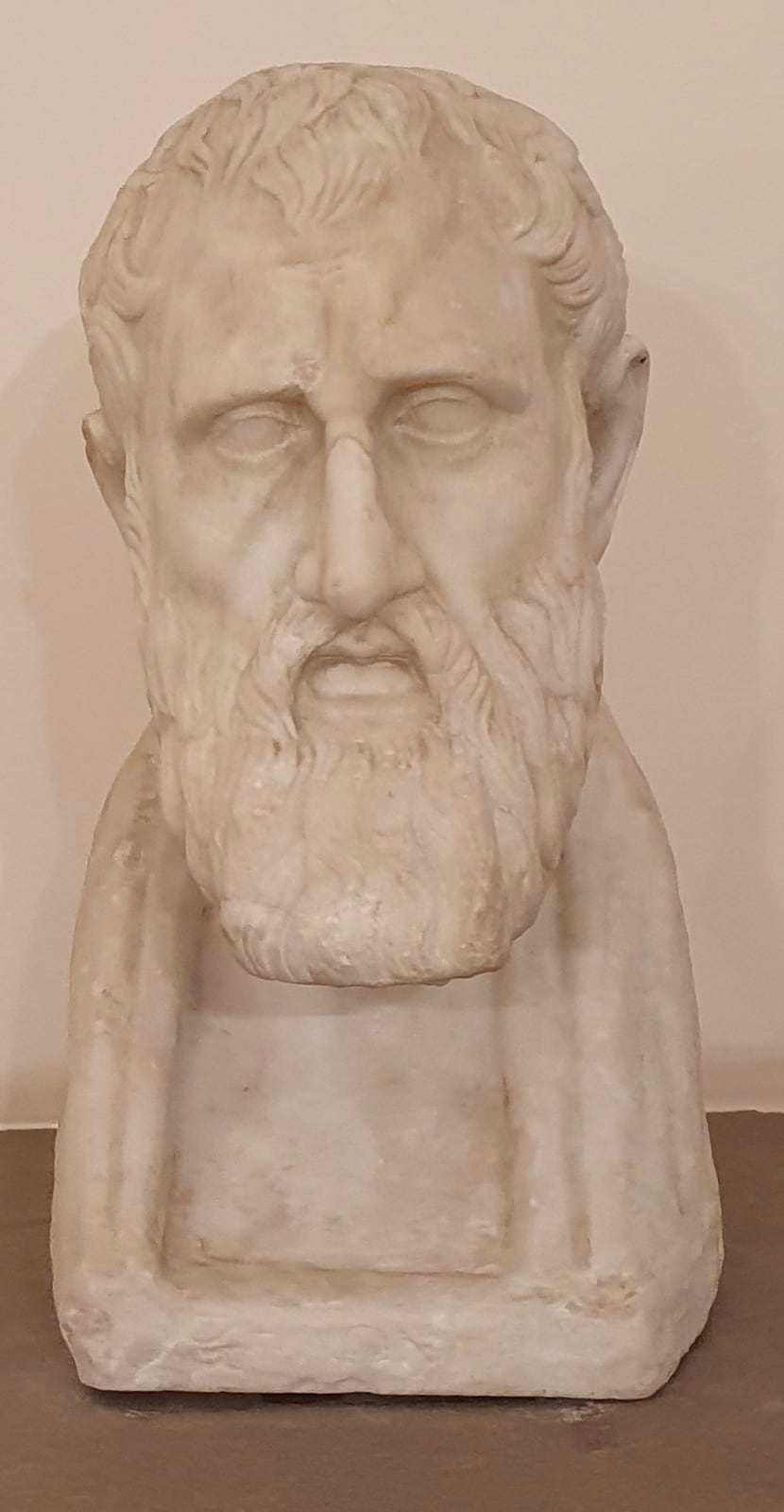
Zeno of Citium
इन पर सहमत: परम सत्य क्या है? क्या ईश्वर है? · मैं कौन हूँ? क्या कोई सच्चा आत्म है? · हम दुःख क्यों भोगते हैं?
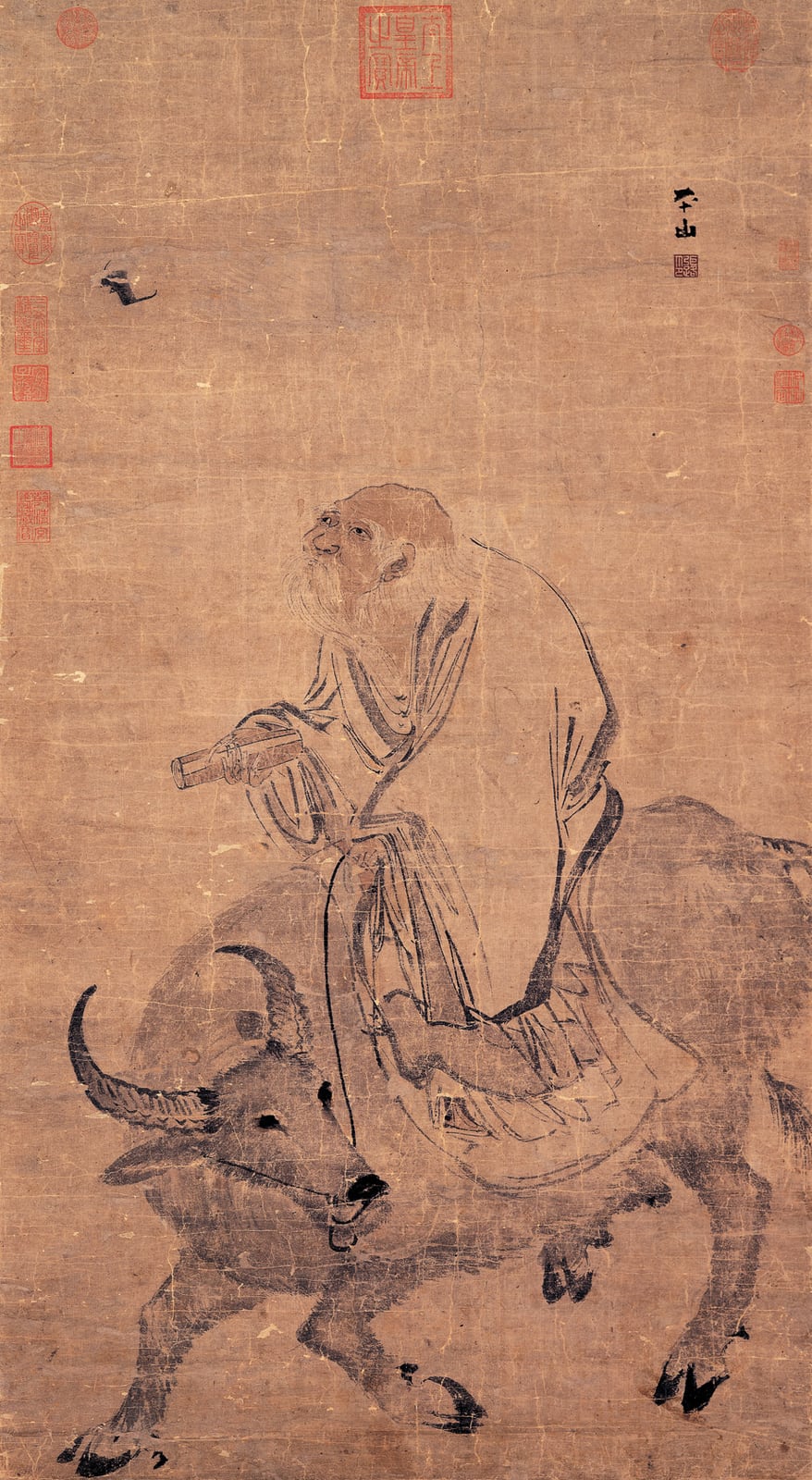
Laozi
इन पर सहमत: हम दुःख क्यों भोगते हैं? · मृत्यु के बाद क्या होता है? · मुक्ति या उद्धार कैसे प्राप्त होता है?
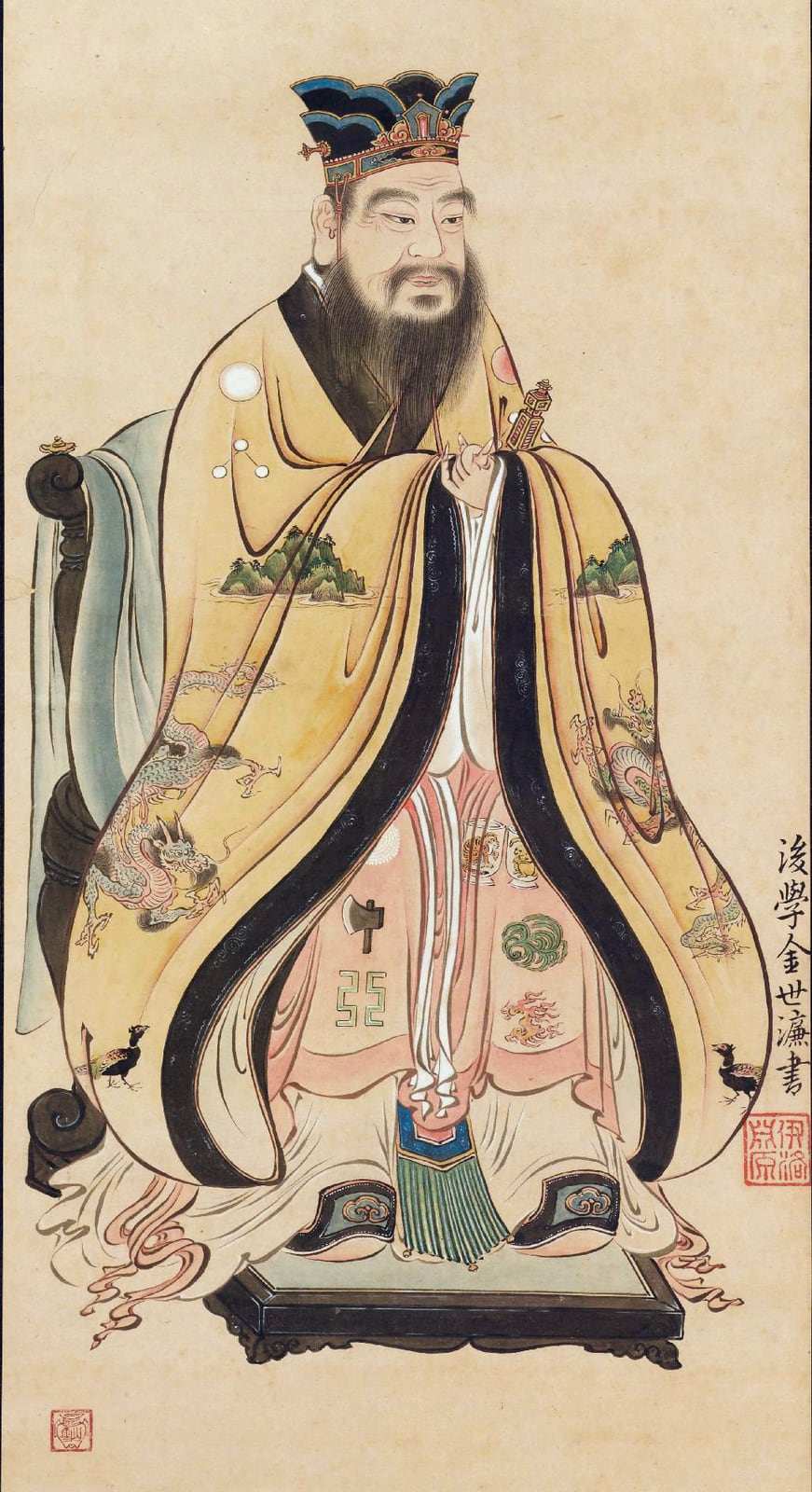
Confucius
इन पर सहमत: मैं कौन हूँ? क्या कोई सच्चा आत्म है? · हम दुःख क्यों भोगते हैं? · मृत्यु के बाद क्या होता है?
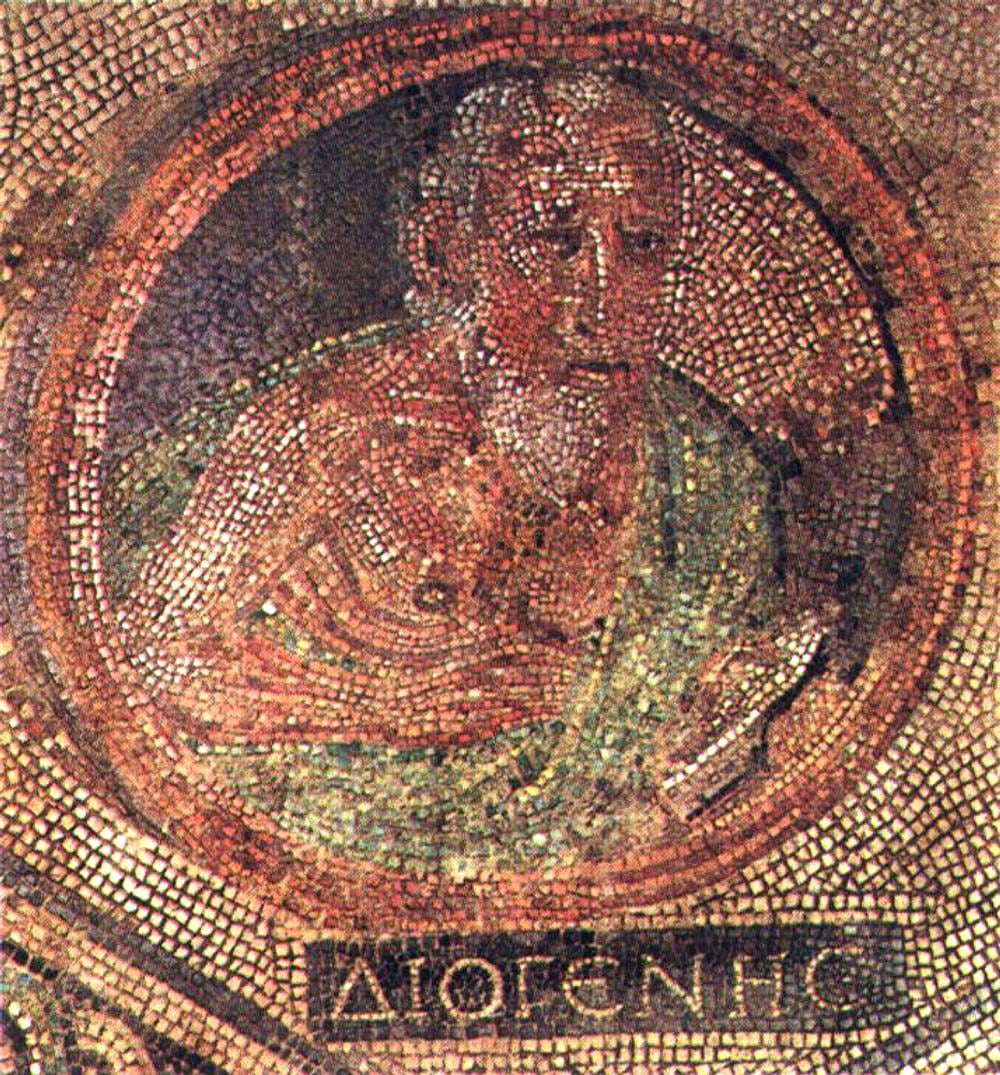
Diogenes of Sinope
इन पर सहमत: मृत्यु के बाद क्या होता है? · क्या गुरु आवश्यक है? · क्या संसार वास्तविक है?
इनसे भिन्न सोचते हैं
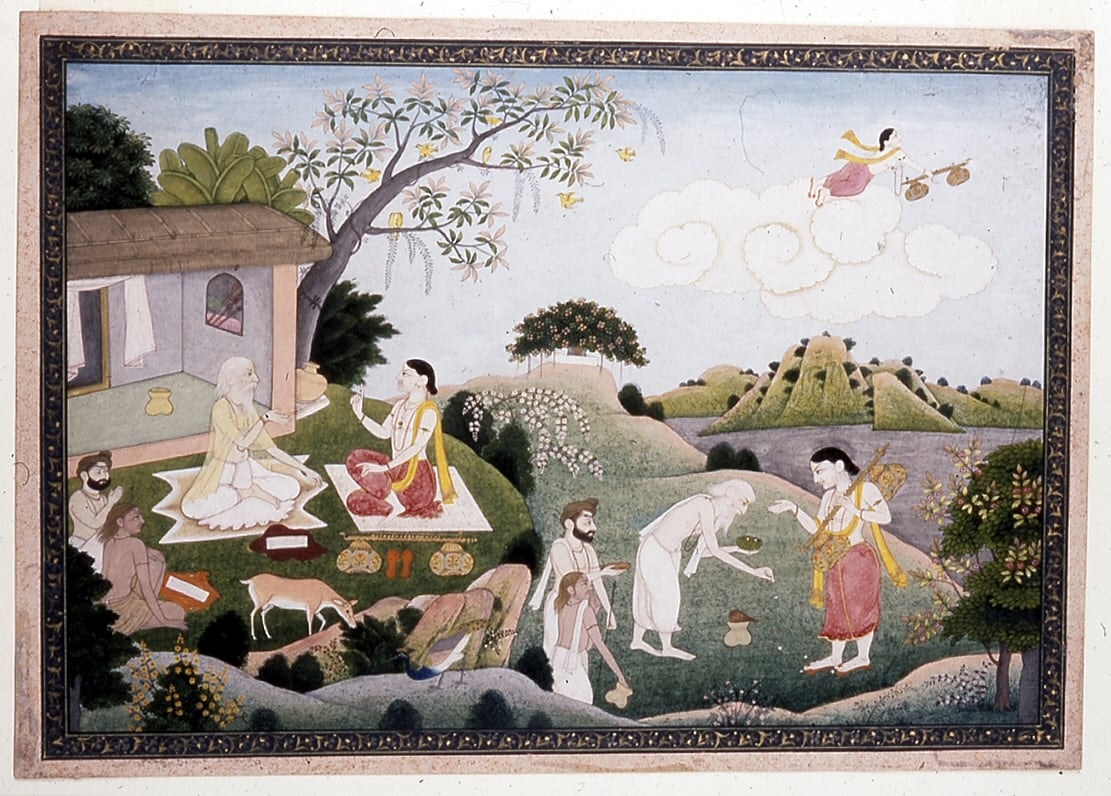
Narada
इन पर टकराव: परम सत्य क्या है? क्या ईश्वर है? · हम दुःख क्यों भोगते हैं? · मुक्ति या उद्धार कैसे प्राप्त होता है?
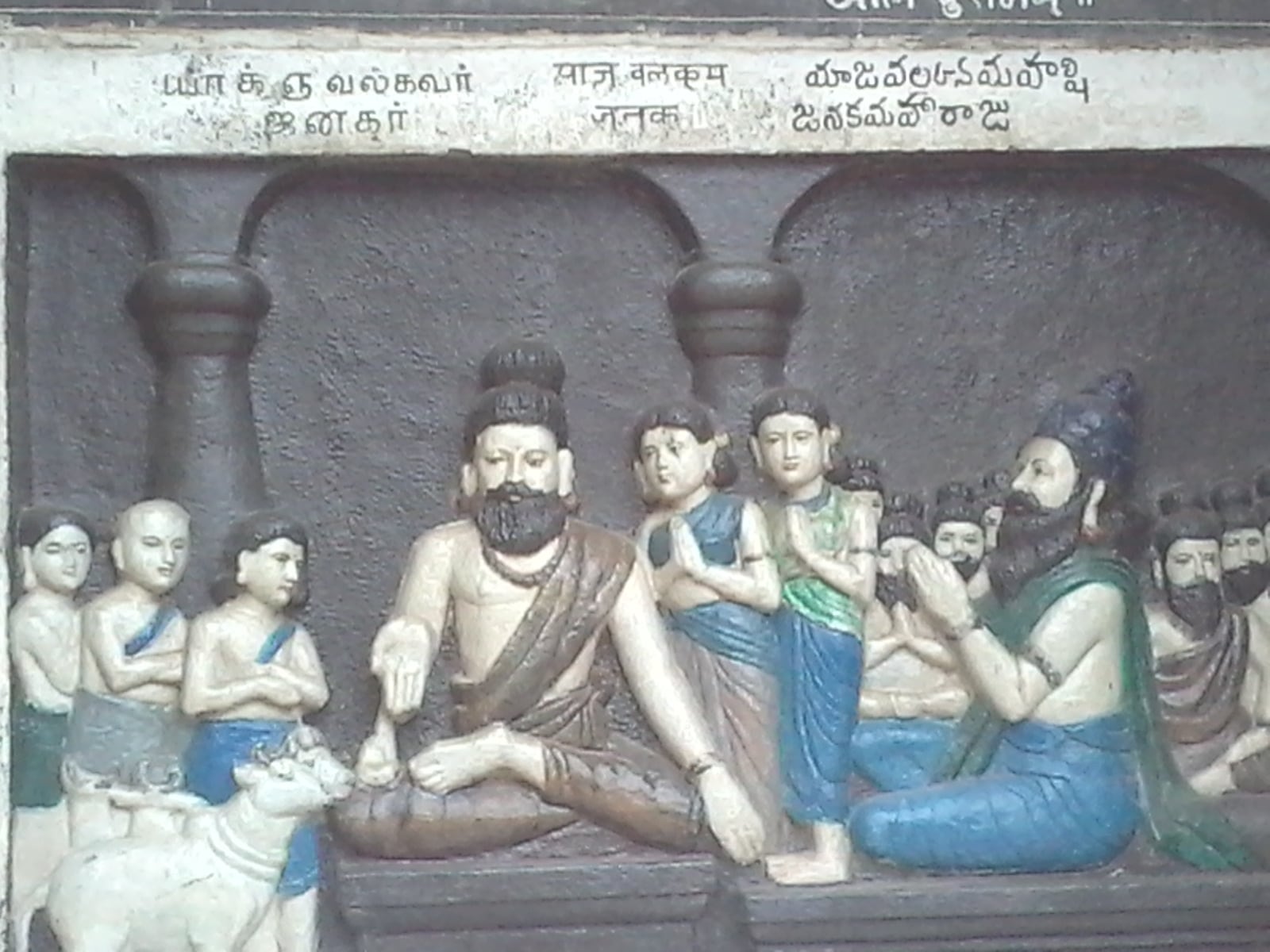
Yajnavalkya
इन पर टकराव: परम सत्य क्या है? क्या ईश्वर है? · मैं कौन हूँ? क्या कोई सच्चा आत्म है? · हम दुःख क्यों भोगते हैं?
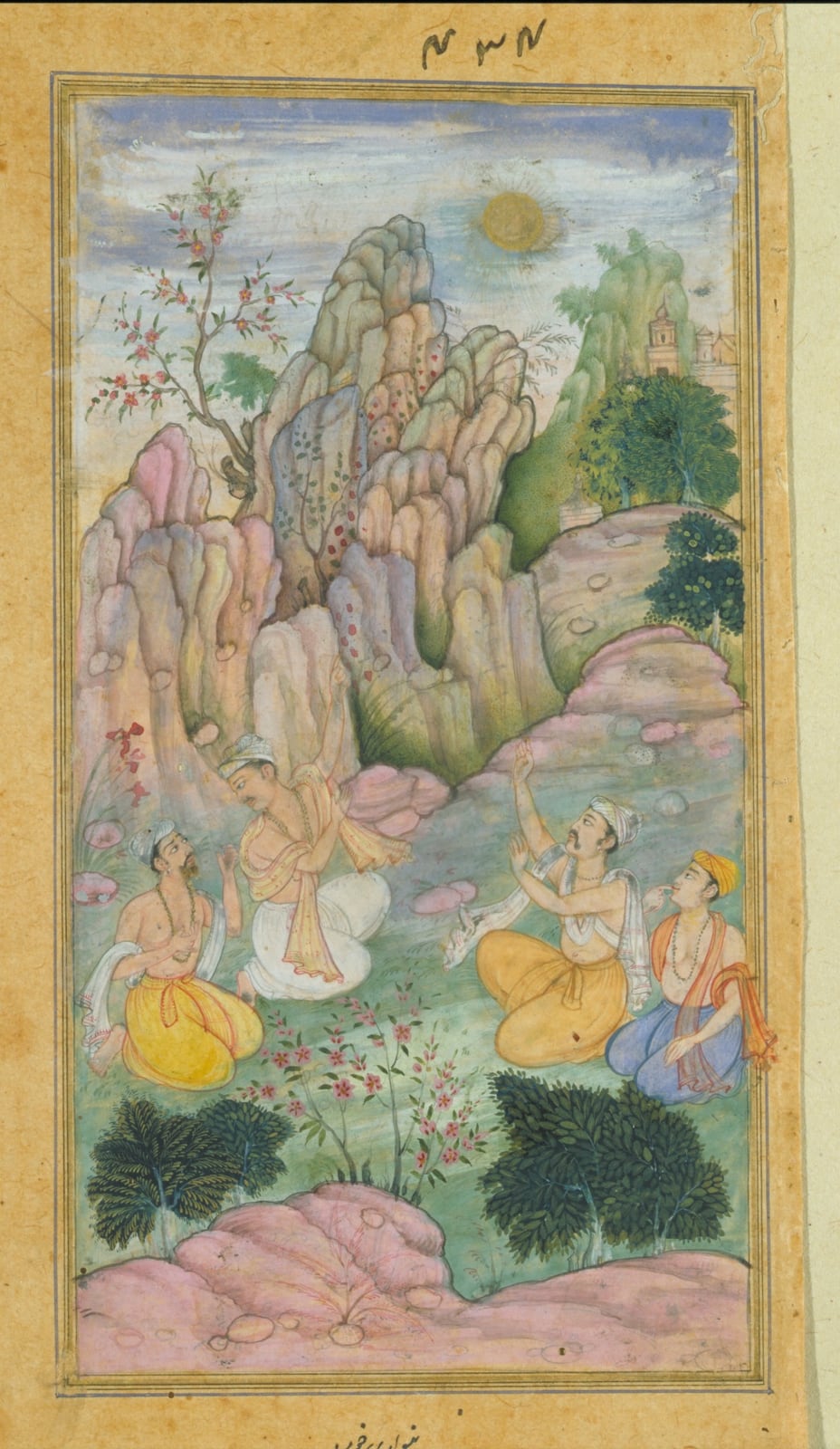
Vyasa
इन पर टकराव: परम सत्य क्या है? क्या ईश्वर है? · मैं कौन हूँ? क्या कोई सच्चा आत्म है? · हम दुःख क्यों भोगते हैं?
Baal Shem Tov
इन पर टकराव: परम सत्य क्या है? क्या ईश्वर है? · मैं कौन हूँ? क्या कोई सच्चा आत्म है? · हम दुःख क्यों भोगते हैं?
प्रसंग और वृत्तांत
प्रसंग और वृत्तांत
मौखिक परंपराc. 367–347 a. C.
The colt that kicked its mother
वृत्तांत का स्रोत: The colt remark is in Diogenes Laertius V 2 (“they say Plato said”); the nicknames “reader” and “mind” come from the Neoplatonic Lives (Vita Marciana and related texts), collected by Düring (1957). None is contemporary.
साक्ष्य343/342–340 a. C.
Alexander's tutor at Mieza
वृत्तांत का स्रोत: Plutarch, Life of Alexander 7–8 (late first century CE). The exchange of letters he quotes is almost certainly a later composition; the stay at Mieza and the teacher-pupil relationship are well attested.
प्रमाणितc. 341 y 323 a. C.
A hymn for an executed friend
वृत्तांत का स्रोत: Diogenes Laertius V 5–8 transmits the hymn, the epigram and the charge; Athenaeus (Deipnosophists XV 696a–697b) also preserves the hymn and part of the ancient debate about its religious character.
मौखिक परंपरा323 a. C.
“I will not let Athens sin twice against philosophy”
वृत्तांत का स्रोत: The remark is recorded by Aelian (Varia Historia III 36) and the Neoplatonic Lives, several centuries later. Diogenes Laertius documents the charge and the retreat to Chalcis, but not the remark; handbooks cite it as traditional.
स्रोत: Eliano. Historias curiosas (Varia historia) III, 36; Aulo Gelio. Noches áticas XIII, 5 y XX, 5.
प्रमाणित322 a. C.
The will of Chalcis
वृत्तांत का स्रोत: Diogenes Laertius V 11–16, who states that he found the document. Most specialists (Düring, Natali) consider it substantially authentic; Arabic versions of the will also exist.
मौखिक परंपराc. 323–322 a. C.
The wine of Lesbos
वृत्तांत का स्रोत: Aulus Gellius, Attic Nights XIII 5 (second century CE), with no known earlier source. That Theophrastus succeeded Aristotle is documented; the wine scene is a late anecdote.
स्रोत: Eliano. Historias curiosas (Varia historia) III, 36; Aulo Gelio. Noches áticas XIII, 5 y XX, 5.
विवादितc. 287–40 a. C.
The books in the cellar
वृत्तांत का स्रोत: Strabo, Geography XIII 1, 54, and Plutarch, Life of Sulla 26. Modern scholars accept the library's journey to Rome and Andronicus's edition but doubt that the treatises were unknown for two centuries: there are signs that copies circulated.
स्रोत: Estrabón. Geografía XIII, 1, 54; y Plutarco, Vida de Sila, 26 (sobre la biblioteca de Aristóteles y Teofrasto, Neleo de Escepsis, Apelicón y Andrónico de Rodas).
प्रमाणितc. 330 a. C. (redacción de la Ética nicomáquea)
Plato is a friend, but truth is a greater friend
वृत्तांत का स्रोत: The passage is Nicomachean Ethics I 6, 1096a11–17 (documented). The Latin formula “Amicus Plato, sed magis amica veritas” is later: the Life attributed to Ammonius, Roger Bacon (Opus maius I 7), Newton (Quaestiones quaedam philosophicae, c. 1664) and Cervantes mark its spread.
शिक्षाएँ
शिक्षाएँ
वे अवधारणाएँ जो उनके चिंतन को रूप देती हैं, उनके संदर्भ में समझाई गई।
Substance (ousia)ousia
Aristotle's answer to the question about being raised by Parmenides and Plato; the basis of scholastic, Arabic and modern ontology.
Matter and form, potentiality and actualityhilemorfismo
A solution to the puzzles about change inherited from Parmenides; the basis of Aristotelian psychology and of the scholastic theory of the soul as the form of the body.
The four causescuatro-causas
Physics II and Metaphysics A; the framework of natural science until the seventeenth century.
The unmoved movermotor-inmovil
The philosophical theology of Physics VIII and Metaphysics Λ; the point of contact between Greek philosophy and monotheistic theology.
The soul as the form of the bodypsyche
The psychology of On the Soul and the Parva naturalia; the origin of the medieval dispute over the agent intellect.
Happiness (eudaimonia) and the contemplative lifeeudaimonia
The core of both Ethics; an inspiration for the contemplative ideal in later philosophy and mysticism.
Virtue as a meantermino-medio
Books II–VI of the Nicomachean Ethics; the basis of virtue ethics.
Syllogism and logicsilogismo
The Organon (“instrument”), the name the commentators gave to the logical treatises.
वीडियो
वीडियो
रिकॉर्डिंग, साक्षात्कार और वृत्तचित्र। वीडियो YouTube से चलते हैं; वे यहाँ संग्रहीत नहीं हैं।
Aristotle
व्याख्यान· EN· 2021· 44 min
Gresham Collegeआधिकारिक चैनल
Aristotle's Lyceum - Edith Hall
व्याख्यान· EN· 2019· 49 min
Gresham Collegeआधिकारिक चैनल
Armand Marie Leroi, "The Lagoon: how Aristotle invented science"
व्याख्यान· EN· 2018· 57 min
British School at Athensआधिकारिक चैनल
7. The Mixed Regime and the Rule of Law: Aristotle's Politics, I, III
व्याख्यान· EN· 2008· 44 min
YaleCoursesआधिकारिक चैनल
8. The Mixed Regime and the Rule of Law: Aristotle's Politics, IV
व्याख्यान· EN· 2008· 48 min
YaleCoursesआधिकारिक चैनल
9. The Mixed Regime and the Rule of Law: Aristotle's Politics, VII
व्याख्यान· EN· 2008· 46 min
YaleCoursesआधिकारिक चैनल
Justice: What's The Right Thing To Do? Episode 10: "THE GOOD CITIZEN"
व्याख्यान· EN· 2009· 55 min
Harvard Universityआधिकारिक चैनल
Edith Hall • Aristotle and the Future of the Human Race
व्याख्यान· EN· 2023· 81 min
Wolf Humanities Centerआधिकारिक चैनल
Aristotle & Virtue Theory: Crash Course Philosophy #38
विश्लेषण· EN· 2016· 9 min
CrashCourseआधिकारिक चैनल
Aristóteles | Por Darío Sztajnszrajber
व्याख्यान· ES· 2016· 153 min
Facultad Libreआधिकारिक चैनल
Mentira la verdad IV: Aristóteles, Metafísica - Canal Encuentro
वृत्तचित्र· ES· 2016· 28 min
Canal Encuentroआधिकारिक चैनल
7ª - 8ª Introducción a la Filosofía de Aristóteles
व्याख्यान· ES· 2022· 157 min
Fundación Universitaria Españolaआधिकारिक चैनल
Aristóteles: el discípulo díscolo de Platón | Introduc. Seminario | Filosofía Clásica | Ginés Marco
व्याख्यान· ES· 2023· 72 min
Ateneo Mercantil de Valenciaआधिकारिक चैनल
Aristóteles, Galeno y Avicena en la Escuela de Traductores de Toledo | Mariano Gómez Aranda
व्याख्यान· ES· 2023· 61 min
Fundación Juan Marchआधिकारिक चैनल
Aristóteles, ¿el primer ecologista?
YouTube पर देखें
यह वीडियो एम्बेड करने की अनुमति नहीं देता; यह YouTube पर खुलेगा।
Aristóteles, ¿el primer ecologista?
वृत्तचित्र· ES· 2025· 25 min
UNEDआधिकारिक चैनल
चित्रशाला
चित्रशाला
सत्यापित लाइसेंस वाले चित्र। प्रत्येक में उसके रचयिता और श्रेय का उल्लेख सुरक्षित है।
पांडुलिपियाँ
पांडुलिपियाँ
पांडुलिपि-साक्ष्य और प्राचीन पाठ, उनके संरक्षक और अध्ययन की शर्तों सहित।
GRC · Griego (minúscula) · s. IV a. C.
Κατηγορίαι κ.ἄ. (Ὄργανον)
- संरक्षित पाठ-साक्ष्य
- Códice fechado en el año 954
- संरक्षक
- Biblioteca Nazionale Marciana, Venecia · Gr. 201
- डिजिटलीकरण
- commons.wikimedia.org/wiki/File:Aristotle,_Categ…
GRC · Griego (minúscula) · s. IV a. C.
Τὰ μετὰ τὰ φυσικά
- संरक्षित पाठ-साक्ष्य
- Códice copiado entre 1311 y 1321
- संरक्षक
- Biblioteca Apostolica Vaticana · Vat. gr. 256
- डिजिटलीकरण
- commons.wikimedia.org/wiki/File:Aristotle,_Metap…
GRC · Griego (minúscula) · s. IV a. C.
Ἀριστοτέλους ἔργα (miscelánea)
- संरक्षित पाठ-साक्ष्य
- Manuscrito de 1457 con miniatura de Aristóteles (fol. 8v)
- संरक्षक
- Österreichische Nationalbibliothek, Viena · Cod. phil. gr. 64
- डिजिटलीकरण
- commons.wikimedia.org/wiki/File:Aristotle,_Vienn…
GRC · Griego (cursiva sobre papiro) · c. 330–322 a. C.
Ἀθηναίων πολιτεία
- संरक्षित पाठ-साक्ष्य
- Papiro egipcio de finales del siglo I d. C., escrito en el reverso de unas cuentas agrícolas
- संरक्षक
- British Library, Londres · Papyrus 131
- डिजिटलीकरण
- www.bl.uk/manuscripts/FullDisplay.aspx?ref=Papyr…
संबंध
संबंध
प्रभाव, शिष्यत्व और वैचारिक निकटता। प्रमाणित संबंध को विश्लेषण से पहचानी गई समानता से अलग दर्शाया गया है।
इनके शिष्य
He was Plato's student in the Academy for twenty years (c. 367–347 BCE) and his most influential critic: he rejected the separation of the Forms but kept the primacy of form and of knowledge of the universal.
प्रमाणित संबंध
इनसे प्रभावित
He never met him (Socrates died in 399), but knew him through Plato and discusses him in the Metaphysics (A 6, M 4), crediting him with the search for universal definitions and inductive arguments, and in the Ethics, where he criticises his thesis that no one does wrong knowingly.
प्रमाणित संबंध
इनसे मतभेद
Book I of the Physics answers the Eleatic denial of change with the notions of subject, privation and form, and of potentiality and actuality.
प्रमाणित संबंध
इनसे मतभेद
In Metaphysics Γ he argues against those who, following Heraclitus, seem to deny the principle of non-contradiction; in Parts of Animals I 5 he recalls with appreciation his saying “here too there are gods”.
प्रमाणित संबंध
इनसे मतभेद
He discusses him often in the Physics, On the Soul and On Generation and Corruption; he criticises his explanation of living beings by chance combinations.
प्रमाणित संबंध
इनसे मतभेद
In Metaphysics A 5 he expounds and criticises the Pythagorean doctrine that the principles of numbers are the principles of all things; he also wrote a lost treatise on the Pythagoreans.
प्रमाणित संबंध
इनके समकालीन
Diogenes Laertius (V 18) records an anecdotal encounter between the two over some dried figs; the episode's historicity is doubtful.
प्रमाणित संबंध
इन्हें प्रभावित किया
Plotinus integrated Aristotelian concepts into his system — actuality and potentiality, the intellect thinking itself — and devoted treatises VI 1–3 of the Enneads to criticising the doctrine of the categories.
प्रमाणित संबंध
इन्हें प्रभावित किया
In the Confessions (IV 16) he relates that he read and understood on his own, at about twenty, Aristotle's Categories in Latin translation, and that they did him little good in thinking about God.
प्रमाणित संबंध
इनसे मतभेद
The Incoherence of the Philosophers attacks the falasifa who followed Aristotle through al-Farabi and Avicenna, naming him explicitly as the source of their errors, although al-Ghazali accepted and spread Aristotelian logic.
प्रमाणित संबंध
इन्हें प्रभावित किया
The Guide of the Perplexed relies on Aristotelian physics and metaphysics and holds that what Aristotle says about the sublunary world is true, while rejecting his thesis of the eternity of the world.
प्रमाणित संबंध
इनसे मिलते-जुलते विचार
Indirect relation: Ibn Arabi knew the Aristotelian vocabulary (form, matter, intellect) through falsafa and transformed it in a mystical key; there is no record that he discussed Aristotle's texts.
विश्लेषण से पहचानी गई समानता
इन्हें प्रभावित किया
As a Dominican master at Paris, Eckhart worked within scholastic Aristotelianism and frequently cites On the Soul and the Metaphysics, particularly the doctrine of the intellect. A general relation, with no specific source recorded in this entry.
विश्लेषण से पहचानी गई समानता
इनसे मतभेद
The appendix to part one of Spinoza's Ethics rejects final causes, a pillar of Aristotelian physics, as an anthropomorphic prejudice.
प्रमाणित संबंध
इनसे मिलते-जुलते विचार
A parallel often drawn by comparative philosophy: virtue as cultivated habit and the Aristotelian mean are compared with the Confucian doctrine of the mean. There was no historical contact.
विश्लेषण से पहचानी गई समानता
इनसे मिलते-जुलते विचार
Siddhartha Gautama, the Buddha
A thematic parallel: the ethics of the mean and the Buddhist “middle way” between asceticism and pleasure; the underlying conceptions are very different and there was no contact.
विश्लेषण से पहचानी गई समानता
इनके समकालीन
Epicurus (b. 341 BCE) belongs to the following generation; his atomist physics and his ethics of pleasure developed in polemic with the Platonic and Peripatetic tradition.
विश्लेषण से पहचानी गई समानता
अन्य प्रविष्टियों से जुड़ा
- Plotinus · इनसे प्रभावित
- Socrates · इन्हें प्रभावित किया
- Heraclitus · इन्हें प्रभावित किया
- Marcus Aurelius · इनसे मिलते-जुलते विचार
- Epicurus · इनसे मतभेद
- Zeno of Citium · इनके समकालीन
- Empedocles · इन्हें प्रभावित किया
- Diogenes of Sinope · इनके समकालीन
- Epictetus · इनसे मिलते-जुलते विचार
- Maimonides · इनसे प्रभावित
- Al-Ghazali · इनसे मतभेद
- Parmenides · इन्हें प्रभावित किया
- Pythagoras · इन्हें प्रभावित किया
- Plato · इनके गुरु
स्रोत
स्रोत
इस प्रविष्टि के लिए देखे गए ग्रंथ-सूची और सूचीपत्र।
- Cicerón. Académicos II (Lúculo), 119: «veniet flumen orationis aureum fundens Aristoteles».
- Wikimedia Commons: metadatos y licencias de las imágenes, verificados por la API imageinfo el 25 de octubre de 2026.
- Diógenes Laercio. Vidas de los filósofos ilustres, libro V, 1–35 («Aristóteles»). Trad. inglesa de R. D. Hicks, Lives of Eminent Philosophers, vol. I, Loeb Classical Library 184. Londres: Heinemann, 1925 (texto en Wikisource).
- Shields, Christopher. «Aristotle». Stanford Encyclopedia of Philosophy, ed. Edward N. Zalta (revisión de 2020).
- «Aristotle», Wikipedia en inglés, y «Aristóteles», Wikipedia en español (consultadas para hechos verificables y bibliografía; texto propio).
- Natali, Carlo. Aristotle: His Life and School. Ed. D. S. Hutchinson. Princeton: Princeton University Press, 2013.
- Düring, Ingemar. Aristotle in the Ancient Biographical Tradition. Göteborg: Acta Universitatis Gothoburgensis, 1957.
- Barnes, Jonathan (ed.). The Complete Works of Aristotle: The Revised Oxford Translation. 2 vols. Princeton: Princeton University Press (Bollingen Series LXXI.2), 1984.
- Plutarco. Vida de Alejandro, 7–8. Trad. inglesa de Bernadotte Perrin, Plutarch's Lives, vol. VII, Loeb Classical Library 99. Cambridge (Mass.): Harvard University Press, 1919.
- Estrabón. Geografía XIII, 1, 54; y Plutarco, Vida de Sila, 26 (sobre la biblioteca de Aristóteles y Teofrasto, Neleo de Escepsis, Apelicón y Andrónico de Rodas).
- Wikidata, «Aristotle» (Q868).
- Bekker, Immanuel (ed.). Aristotelis Opera, edidit Academia Regia Borussica. 5 vols. Berlín: G. Reimer, 1831–1870 (vols. I–II, texto griego, 1831).
- Open Library (Internet Archive): registros de edición e ISBN de la Biblioteca Clásica Gredos, la Loeb Classical Library (Harvard University Press) y Princeton University Press consultados el 25 de octubre de 2026.
- Eliano. Historias curiosas (Varia historia) III, 36; Aulo Gelio. Noches áticas XIII, 5 y XX, 5.
- Jaeger, Werner. Aristoteles: Grundlegung einer Geschichte seiner Entwicklung. Berlín: Weidmann, 1923 (trad. esp.: Aristóteles. Bases para la historia de su desarrollo intelectual. México: Fondo de Cultura Económica, 1946).
- Leroi, Armand Marie. The Lagoon: How Aristotle Invented Science. Londres: Bloomsbury, 2014.
- Kenyon, Frederic G. (ed.). Aristotle on the Constitution of Athens. Londres: British Museum, 1891 (editio princeps del Papiro 131 de la British Library).
- Project Gutenberg (catálogo vía Gutendex) e Internet Classics Archive del MIT (traducciones de Oxford y otras), consultados el 25 de octubre de 2026.
- Azcárate, Patricio de (trad.). Obras de Aristóteles. 10 vols. Madrid: Medina y Navarro, 1873–1875 (digitalización parcial en el Proyecto Filosofía en español y facsímiles completos en Wikimedia Commons).
- Darwin, Charles. Carta a William Ogle, 22 de febrero de 1882. Darwin Correspondence Project, DCP-LETT-13697.
- Moraux, Paul. Les listes anciennes des ouvrages d'Aristote. Lovaina: Éditions Universitaires, 1951.
- Kraye, Jill; Ryan, W. F.; Schmitt, C. B. (eds.). Pseudo-Aristotle in the Middle Ages: The Theology and Other Texts. Londres: The Warburg Institute, 1986.
- Rose, Valentin (ed.). Aristotelis qui ferebantur librorum fragmenta. Leipzig: Teubner, 1886; y Gigon, Olof (ed.). Aristotelis Opera III: Librorum deperditorum fragmenta. Berlín: De Gruyter, 1987.
- Hutchinson, D. S.; Johnson, Monte Ransome. «Authenticating Aristotle's Protrepticus». Oxford Studies in Ancient Philosophy 29 (2005): 193–294.
- Maimónides. Guía de perplejos II, 22 (trad. inglesa de Shlomo Pines, The Guide of the Perplexed, Chicago: University of Chicago Press, 1963); y carta a Samuel ibn Tibón (1199) sobre los libros de Aristóteles.
- al-Ghazali. Tahafut al-falasifa (La incoherencia de los filósofos), introducción. Trad. inglesa de Michael E. Marmura, The Incoherence of the Philosophers. Provo: Brigham Young University Press, 2000.
- Agustín de Hipona. Confesiones IV, 16, 28–29 (lectura de las Categorías de Aristóteles hacia los veinte años).
- Plotino. Enéadas VI, 1–3 («Sobre los géneros del ser»), con la crítica de las categorías aristotélicas. Trad. inglesa de A. H. Armstrong, Loeb Classical Library 445. Cambridge (Mass.): Harvard University Press, 1988.
- YouTube: verificación de cada vídeo mediante el servicio oEmbed, 25 de octubre de 2026.
- Spinoza, Baruch. Ethica ordine geometrico demonstrata (1677), parte I, apéndice (crítica de las causas finales).
- Wikiquote en inglés, «Aristotle», secciones «Disputed» y «Misattributed» (atribuciones dudosas y falsas, con sus fuentes).
- अधिकार-धारक
- Los textos griegos de Aristóteles son de dominio público. Las traducciones y ediciones modernas pertenecen a sus traductores y editoriales: Editorial Gredos (Biblioteca Clásica Gredos, hoy en RBA Libros), Harvard University Press (Loeb Classical Library), Princeton University Press (The Complete Works of Aristotle, ed. Barnes), Oxford University Press (Oxford Classical Texts y Clarendon Aristotle Series), Alianza Editorial, Abada y otras.
पुष्टि की प्रतीक्षा में
जो यह प्रविष्टि अभी तक निश्चित नहीं कर सकी है। हम उसे भर देने के बजाय कह देना बेहतर समझते हैं।
- Ediciones en español con ISBN no localizadas en catálogo para los opúsculos espurios Sobre el mundo, Sobre el aliento, Sobre los colores, Sobre las cosas audibles, Sobre las plantas, Relatos maravillosos, Situación y nombres de los vientos y Sobre Meliso, Jenófanes y Gorgias, ni para la Teología de Aristóteles; tampoco ediciones inglesas con ISBN del Libro de las causas y del Secreto de los secretos.
- ISBN de la Política en la Biblioteca Clásica Gredos n.º 116 (1988) no visto en Open Library: se ha registrado la reedición de Gredos de 2022 con la misma traducción. Falta también el ISBN de History of Animals VII–X (Loeb 439, Balme).
- Los años de primera edición de los volúmenes Loeb y de la Biblioteca Clásica Gredos proceden de la bibliografía general; los ISBN corresponden a las reimpresiones registradas en Open Library. Confirmar con los catálogos de las editoriales.
- Gredos 2020, «Poética. Magna Moralia» (ISBN 9788424939151): confirmar qué traductor firma cada obra (el registro cita a Teresa Martínez Manzano y Leonardo Martínez Dupla).
- Tomo V de las Obras de Aristóteles de Azcárate («Psicología: Opúsculos»): confirmar qué tratados de los Parva naturalia contiene antes de enlazarlo a cada uno por separado; hoy solo se enlaza a Acerca del sentido y lo sensible.
- Derechos de las traducciones de Oxford en la UE: verificar las fechas de muerte de A. J. Jenkinson, W. A. Pickard-Cambridge, R. P. Hardie, E. W. Webster, G. R. T. Ross y J. Solomon. En EE. UU. todas son de dominio público por ser anteriores a 1931, salvo la de Acerca del alma de J. A. Smith (1931), que lo será el 1 de enero de 2027.
- Traductor de la Ética nicomáquea de Project Gutenberg n.º 8438 (edición Everyman de 1911): el ebook no lo nombra; identificarlo en la edición impresa.
- Catálogo antiguo de obras (Diógenes Laercio V 22–27, unos ciento cincuenta títulos, y las listas de Hesiquio y de Ptolomeo el Árabe estudiadas por Moraux): se han registrado las obras perdidas principales y mejor documentadas, no todos los títulos de la lista.
- Manuscritos: añadir el Parisinus graecus 1741 (Poética y Retórica, s. X), el Vindobonensis phil. gr. 100 (s. IX, Física, Del cielo, Metafísica) y el Parisinus gr. 1853 (s. X) con sus digitalizaciones oficiales (Gallica, ÖNB), no verificadas en esta pasada; tampoco se ha verificado la digitalización íntegra del Vat. gr. 256 en DigiVatLib.
- Wikidata registra como fecha de muerte el 7 de marzo del 322 a. C. sin fuente primaria localizada; se mantiene solo el año.
- Vídeos: el programa de la UNED «Aristóteles, ¿el primer ecologista?» no permite inserción (oEmbed 401). No se ha encontrado un documental de televisión pública española dedicado íntegramente a Aristóteles en un canal oficial.
- Imagen descartada: «Stagira, an ancient Greek city, birth place of Aristotle.jpg» (CC BY-SA 4.0) por metadatos de fecha anómalos (2026-06-16); revisar antes de usarla. No hay retrato de Aristóteles anterior a la copia romana del tipo de Lisipo.
- Sin programa de afiliación verificado ni web oficial: Aristóteles no tiene titular de derechos; las editoriales citadas no se han comprobado como programas de afiliados.
2026-10-25 को शोधित