पूर्व-सुकराती दर्शन
Empedocles
Ἐμπεδοκλῆς ὁ Ἀκραγαντῖνος
लगभग 494 ई.पू. – लगभग 434 ई.पू.ऐतिहासिक रूप से प्रमाणित व्यक्ति
सिसिली के अक्रागास के दार्शनिक, वैद्य और राजनेता (लगभग 494–434 ई.पू.), षट्पदी छंद में रची दो कविताओं — «प्रकृति के विषय में» और «शुद्धियाँ» — के रचयिता, जिनकी लगभग पाँच सौ पंक्तियाँ और स्ट्रासबर्ग पपाइरस बचे हैं। उन्होंने सिखाया कि सब कुछ चार शाश्वत मूलों से बना है, जिन्हें प्रेम मिलाता है और कलह अलग करता है, और कि बहाए गए रक्त के कारण निर्वासित आत्मा सभी जीवित रूपों में देहांतरण करती है। एटना में उनकी छलाँग की किंवदंती ने उन्हें एक साहित्यिक पात्र बना दिया।
- कृतियाँ
- 11कृतियाँ
- संस्करण
- 25संस्करण
- उद्धरण
- 14उद्धरण
- वीडियो
- 10वीडियो
- चित्र
- 7चित्र
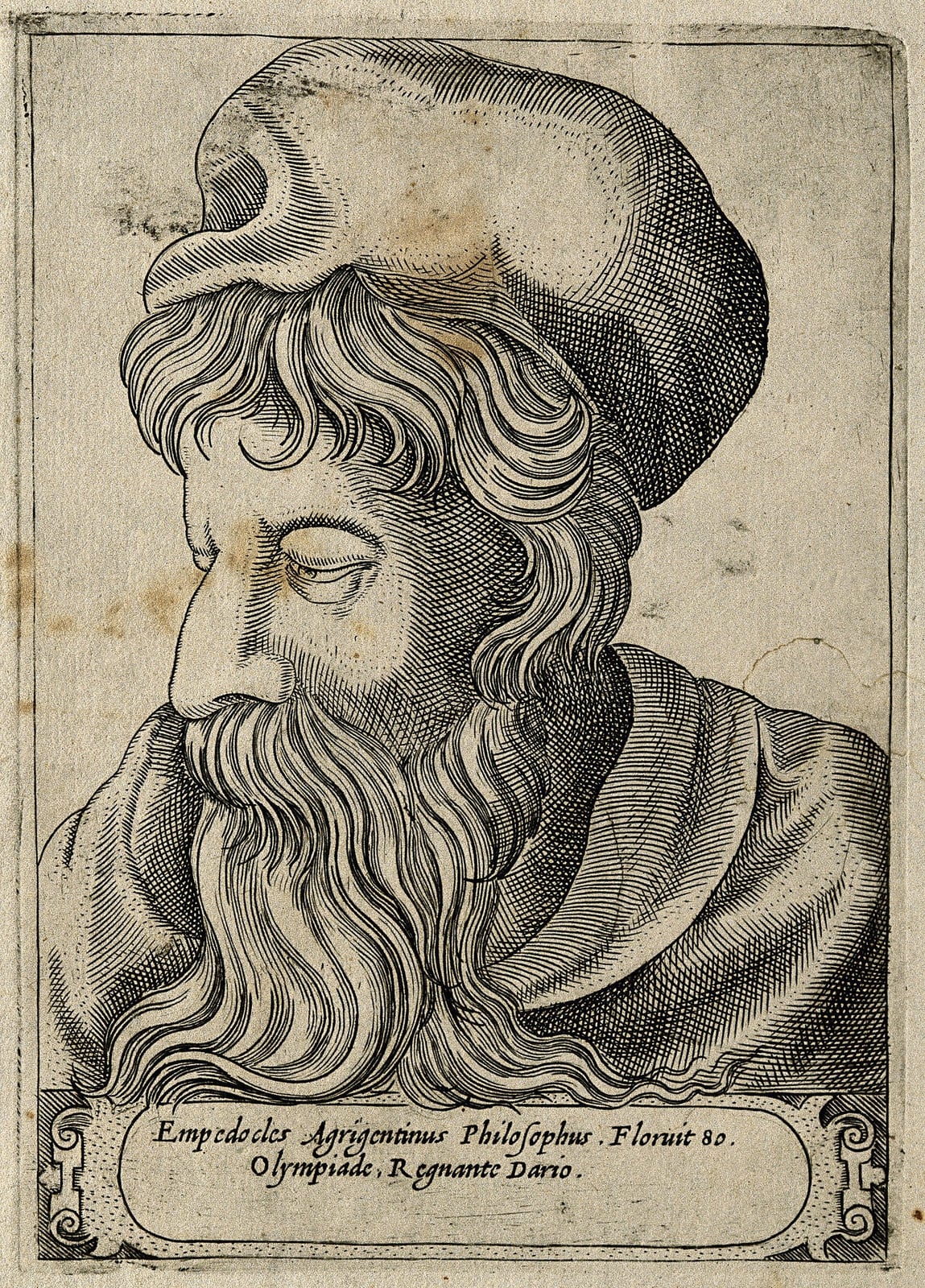
Empédocles, grabado de 1580 · CC BY 4.0
उनके अपने शब्दों में
«For straitened are the powers that are spread over their bodily parts.»DK 31 B2.1, en Sexto Empírico, Contra los matemáticos VII 123. Griego: texto de Fairbanks (1898), basado en la edición de Stein; numeración Diels-Kranz. Inglés: John Burnet, Early Greek Philosophy (1908). Español: traducción propia.

मूल विचार
The four roots (rhizomata): Empedocles accepts with Parmenides that nothing comes from what is not or is annihilated, but he does not give up explaining change.
संदर्भ में देखें
जीवनी
6 मिनट का पाठ
स्पैनिश मूल से सहायता-प्राप्त अनुवाद, मातृभाषी अनुवादक द्वारा समीक्षा लंबित।
वह दार्शनिक जिसने स्वयं को देवता कहा
किसी भी पूर्व-सुकराती दार्शनिक की इतनी पंक्तियाँ नहीं बचीं जितनी एम्पेडोक्लीज़ की: लगभग पाँच सौ, जिनमें 1999 में स्ट्रासबर्ग पपाइरस ने कई दर्जन और जोड़ दीं। पार्मेनिडीज़ की तरह उन्होंने भी षट्पदी छंद में लिखा, और वे एक साथ प्रकृति-विज्ञानी, वैद्य, वक्ता, लोकतंत्रवादी राजनेता, पवित्रता के पैगंबर और चमत्कारी थे। प्रेम और कलह द्वारा गतिमान चार «मूलों» — अग्नि, वायु, जल और पृथ्वी — का उनका सिद्धांत दो हज़ार वर्षों तक यूरोपीय विज्ञान पर छाया रहा; उनकी यह घोषणा कि वे «एक अमर देवता हैं, अब नश्वर नहीं», और एटना ज्वालामुखी में उनकी छलाँग की किंवदंती ने उन्हें प्राचीन काल की सबसे उपन्यास-सरीखी विभूतियों में से एक बना दिया। अरस्तू ने उन्हें वक्तृत्व-कला का आविष्कारक कहा, और साथ ही यह आक्षेप भी किया कि उनमें कवि जैसा छंद के सिवा कुछ नहीं।
अक्रागास
उनका जन्म अक्रागास में हुआ, जो आज का आग्रिजेंतो है — यूनानी सिसिली का सबसे धनी नगर, जिसके डोरिक मंदिर आज भी घाटी पर छाए हुए हैं। उनके पिता का नाम मेटोन था, और उनके पितामह ने, जिनका नाम भी एम्पेडोक्लीज़ था, अरस्तू के अनुसार — जिन्हें एराटोस्थनीज़ उद्धृत करते हैं — 496 ई.पू. में ओलंपिया की घुड़दौड़ जीती थी। अपोलोडोरस ने उनकी प्रौढ़ावस्था 444–443 ई.पू. में रखी, थूरियोई की स्थापना का वर्ष, जहाँ रेगियम के ग्लॉकस के अनुसार वे गए थे; अरस्तू का कहना था कि साठ वर्ष की आयु में उनकी मृत्यु हुई। बर्नेट ने जो जाना जा सकता है उसे संक्षेप में रखा है: वे अत्याचारी शासक थेरोन के समय बालक थे, 472 के बाद अक्रागास में सक्रिय रहे, जब थेरोन का पुत्र थ्रासिडेयस सत्ता से गिरा और नगर ने स्वतंत्र शासन फिर पा लिया, और 444 के बाद उनकी मृत्यु हुई। इसी से सामान्य तिथियाँ निकलती हैं: लगभग 494–434 ई.पू.।
लोकतंत्रवादी
सिसिली के इतिहासकार टिमियस ने, जिन्होंने डेढ़ शताब्दी बाद स्थानीय परंपराएँ एकत्र करते हुए लिखा, बताया कि उनका राजनीतिक जीवन एक भोज से शुरू हुआ: वहाँ एक अधिकारी ने नौसिखिए अत्याचारी जैसा आचरण किया, और अगले दिन एम्पेडोक्लीज़ उसे न्यायालय ले गए और उसे मृत्युदंड दिलवाया। उन्होंने परिषद द्वारा वैद्य एक्रोन को उसके पिता की समाधि के लिए भूमि देने का भी विरोध किया, और «हज़ार» की सभा को भंग कर दिया, जो शायद एक अल्पतंत्री संघ थी। अरस्तू ने जोड़ा कि जब उन्हें राजपद की पेशकश हुई तो उन्होंने उसे ठुकरा दिया। टिमियस के अनुसार बाद में उनके शत्रुओं के वंशजों ने उनकी वापसी रोक दी, और एम्पेडोक्लीज़ की मृत्यु पेलोपोनीज़ में निर्वासन में हुई।
वैद्य, वक्ता और जादूगर
गैलेन ने उन्हें फ़िलिस्टियोन और पॉसेनियस के साथ इटैलिक चिकित्सा-संप्रदाय के मूल में रखा, जो कोस और क्नीडस के संप्रदायों का प्रतिद्वंद्वी था। उनके शिष्य, महान सोफ़िस्ट लियोंटिनी के गॉर्जियस, सैटिरस के अनुसार बताते थे कि उन्होंने उन्हें जादू करते देखा था; पोंटस के हेराक्लाइडीज़ ने वर्णन किया कि कैसे उन्होंने बिना श्वास और नाड़ी वाली एक स्त्री को तीस दिन तक जीवित रखा। टिमियस ने उन्हें «पवन-निरोधक» कहा, क्योंकि उन्होंने इटेशियन हवाओं को रोकने के लिए गधों की खालें टाँग दी थीं, और अन्य लोगों ने सेलिनुस के दलदलों को सुखाने का श्रेय उन्हें दिया। बर्नेट ने ध्यान दिलाया कि ये लगभग सभी चमत्कार उनकी अपनी पंक्तियों से निकाले गए हैं, जिनमें वे अपने शिष्य पॉसेनियस को बुढ़ापे की औषधियों, हवाओं और वर्षा पर अधिकार, और यहाँ तक कि किसी मृत को हेडीज़ से लौटा लाने की क्षमता का वचन देते हैं।
दो कविताएँ
डायोजिनीज़ लेर्शियस उनकी दो महान कविताओं, «प्रकृति के विषय में» और «शुद्धियाँ», की कुल पंक्तियाँ लगभग पाँच हज़ार बताते हैं। पहली, पॉसेनियस को समर्पित, एक भौतिकी प्रस्तुत करती है: न कुछ जन्मता है न कुछ मरता है, केवल चार शाश्वत मूल मिलते और अलग होते हैं, जिन्हें वे दैवी नाम देते हैं — ज़्यूस, हेरा, एडोनियस और नेस्टिस — और यह सब प्रेम, जो जोड़ता है, और कलह, जो अलग करता है, की बारी-बारी से होने वाली क्रिया के अधीन होता है। इस प्रकार ब्रह्मांड स्फ़ाइरोस की पूर्ण एकता और संपूर्ण बिखराव के बीच दोलन करता है, और बीच के चरणों में जीव उत्पन्न होते हैं — पहले बिखरे हुए अंगों के रूप में: बिना गर्दन के सिर, बिना कंधों की भुजाएँ — जो संयोग से जुड़ते हैं। दूसरी कविता, अक्रागास के अपने सह-नागरिकों को संबोधित, एक ऐसे दाइमोन की बात करती है जो रक्त बहाने के कारण तीस हज़ार ऋतुओं के लिए निर्वासित है और सभी नश्वर रूपों में पुनर्जन्म लेता है; इसी से मांस खाने और पशु-बलि देने का निषेध निकलता है।
आधुनिक आलोचना एक शताब्दी तक इस पर बहस करती रही कि क्या दोनों कविताएँ परस्पर संगत हैं — एक यंत्रवादी भौतिकीविद् और एक धार्मिक पैगंबर — या वास्तव में एक ही कविता हैं। ब्रैड इनवुड और कुछ अन्य विद्वानों ने यहाँ तक प्रस्ताव रखा कि वे एक ही कृति थीं; कैथरीन ऑस्बर्न ने भौतिकी और धर्म के बीच निरंतरता पर बल दिया।
स्ट्रासबर्ग पपाइरस
1904 में स्ट्रासबर्ग की राष्ट्रीय और विश्वविद्यालयी पुस्तकालय ने मिस्र से पानोपोलिस (अख़मीम) से आए पपाइरस के कुछ टुकड़े ख़रीदे, जो नब्बे वर्ष तक अपहचाने पड़े रहे। 1994 में पपाइरस-विद् आलैं मार्तें ने उनमें एम्पेडोक्लीज़ की पंक्तियाँ पहचानीं, और 1999 में ओलिवर प्रिमावेज़ी के साथ उन्हें प्रकाशित किया। ईसवी पहली शताब्दी के अंत में प्रतिलिपि किए गए इन टुकड़ों में भौतिकी की पहली पुस्तक की लगभग चौहत्तर पंक्तियों के अवशेष हैं, जिनमें से कुछ पहले अज्ञात थीं, और एक चिह्न भी है जो तीन सौवीं पंक्ति को दर्शाता है। इस खोज ने दिखाया कि उस पुस्तक में ब्रह्मांडीय चक्र उस «निर्दय दिन» पर विलापों के साथ आता था जिस दिन मांस खाया गया, अर्थात् भौतिकी और अपराध-बोध का सिद्धांत जितना माना जाता था उससे कहीं अधिक गुँथे हुए थे।
एटना और मृत्यु के अन्य वृत्तांत
डायोजिनीज़ लेर्शियस उनके अंत के परस्पर-विरोधी वृत्तांत एकत्र करते हैं। पोंटस के हेराक्लाइडीज़ बताते थे कि एक यज्ञ के बाद वे रात में अदृश्य हो गए; एक सेवक ने उन्हें पुकारती एक आवाज़ सुनी और आकाश में एक प्रकाश देखा, और पॉसेनियस ने आदेश दिया कि उन्हें देवता की भाँति पूजा जाए। हिप्पोबोटस ने जोड़ा कि उन्होंने एटना के क्रेटर में छलाँग लगा दी ताकि लोग उन्हें अमर समझें, पर ज्वालामुखी ने उनकी काँसे की एक चप्पल बाहर उगल दी। टिमियस इसका खंडन करते थे: एम्पेडोक्लीज़ पेलोपोनीज़ चले गए और कभी नहीं लौटे। नियेंथीज़ कहते थे कि उनकी मृत्यु अपने रथ से गिरने से हुई, और अन्य कहते थे कि उन्होंने फाँसी लगा ली। होरेस ने आने वाली पीढ़ियों के लिए एटना वाला वृत्तांत स्थिर कर दिया। आवा चिटवुड ने दिखाया है कि, हेराक्लिटस की तरह, ये मृत्यु-कथाएँ उनकी कविताओं से गढ़ी गईं: जो स्वयं को अमर देवता घोषित करता था और अग्नि को संसार का एक मूल मानता था, उसकी मृत्यु या तो देवत्व-प्राप्ति में होनी थी या अग्नि में भस्म होकर।
विरासत
अरस्तू ने उनके चार तत्त्व अपनाए, उनमें ईथर जोड़कर, और उनके साथ चार देह-रसों (ह्यूमरों) वाली चिकित्सा भी; प्लेटो ने «सिसिली की म्यूज़ों» की ओर संकेत किया, और ल्यूक्रेटियस ने उन्हें सिसिली की संतानों में सबसे महान कहकर सराहा। आधुनिक युग में होल्डरलिन ने त्रासदी «एम्पेडोक्लीज़ की मृत्यु» (1797–1800) लिखी, जिसे वे पूरा न कर सके; मैथ्यू आर्नल्ड ने नाट्य-काव्य «एटना पर एम्पेडोक्लीज़» (1852) लिखा, और फ़्रायड ने प्रेम और कलह में इरोस और मृत्यु-वृत्ति के अपने विरोध का पूर्वरूप पहचाना। वे आज भी इस बात का सबसे स्पष्ट उदाहरण हैं कि अपने उद्गम पर यूनानी दर्शन विज्ञान, काव्य और मुक्ति को अलग नहीं करता था।
स्रोत: Diógenes Laercio. Vidas y opiniones de los filósofos ilustres VIII 51–77 (Empédocles), s. III d. C. Trad. inglesa de C. D. Yonge, Bohn, Londres, 1853 (Project Gutenberg n.º 57342); trad. inglesa de R. D. Hicks, Loeb, 1925 (Wikisource). · Diels, Hermann y Kranz, Walther. Die Fragmente der Vorsokratiker, 6.ª ed. Weidmann, Berlín, 1951–1952, cap. 31 (Empedokles), A (testimonios) y B 1–154. · Kirk, G. S., Raven, J. E. y Schofield, M. The Presocratic Philosophers, 2.ª ed. Cambridge University Press, 1983, cap. X (Empedocles of Acragas). Trad. esp. de Jesús García Fernández, Gredos, 1987. · Burnet, John. Early Greek Philosophy, 2.ª ed. A. and C. Black, Londres, 1908, cap. V (Empedokles of Akragas), §§ 98–105 y traducción de los fragmentos (Project Gutenberg n.º 67097). · Martin, Alain y Primavesi, Oliver. L'Empédocle de Strasbourg (P. Strasb. gr. Inv. 1665–1666): introduction, édition et commentaire. Walter de Gruyter / Bibliothèque Nationale et Universitaire de Strasbourg, Berlín, Nueva York y Estrasburgo, 1999.
कालक्रम
जीवन, वर्ष-दर-वर्ष
प्रत्येक बिंदु एक प्रमाणित घटना है। उसे स्रोत और निश्चितता के स्तर सहित पढ़ने के लिए क्लिक करें।
496 ई.पू.Olimpia
His grandfather's Olympic victory
His grandfather Empedocles wins the horse race at the 71st Olympiad (496 BCE), according to Eratosthenes citing Aristotle (Diogenes Laertius VIII 51). Years BCE are expressed as negative numbers.
संभावितDiógenes Laercio. Vidas y opiniones de los filósofos ilustres VIII 51–77 (Empédocles), s. III d. C. Trad. inglesa de C. D. Yonge, Bohn, Londres, 1853 (Project Gutenberg n.º 57342); trad. inglesa de R. D. Hicks, Loeb, 1925 (Wikisource).
उनके निधन के बाद
- 427 ई.पू.Gorgias in Athens
- लगभग 90 ई.पू.Copy of the Strasbourg papyrus
- लगभग 55 ई.पू.Lucretius praises him
- लगभग 1798Hölderlin's Death of Empedocles
- 1852Matthew Arnold's Empedocles on Etna
- 1994Identification of the papyrus
- 1999L'Empédocle de Strasbourg
496 ई.पू.
His grandfather's Olympic victory
His grandfather Empedocles wins the horse race at the 71st Olympiad (496 BCE), according to Eratosthenes citing Aristotle (Diogenes Laertius VIII 51). Years BCE are expressed as negative numbers.
संभावित
लगभग 494 ई.पू. · 0 वर्ष
Birth
Born at Acragas, son of Meton, of a wealthy and distinguished family. The date is inferred from his death at sixty (Aristotle) and his activity after 472; Wikidata records 494, 492 and 490.
संभावित
लगभग 471 ई.पू. · 23 वर्ष
Fall of Thrasydaeus and free government
After Theron's death (472 BCE), his son Thrasydaeus is defeated by Hieron of Syracuse and expelled; Acragas recovers a free government in which Empedocles will be a democratic leader.
प्रमाणित
लगभग 460 ई.पू.
Dissolution of the assembly of the Thousand
According to Timaeus (in Diogenes Laertius VIII 64–66), he prosecutes two magistrates with tyrannical airs, opposes Acron's funerary privilege and dissolves the assembly of the Thousand. He refuses the kingship offered to him (Aristotle). Dates unknown.
परंपरा
लगभग 450 ई.पू.
Composition of the poems
He composes On Nature, dedicated to Pausanias, and the Purifications, addressed to the people of Acragas. The date and order of composition are conjectural.
विवादित
444 ई.पू.
Visit to Thurii
Glaucus of Rhegium relates that he came to Thurii shortly after its foundation (444–443 BCE); Apollodorus fixed his prime in that year.
संभावित
लगभग 440 ई.पू.
Exile
According to Timaeus, the descendants of his enemies oppose his return to Acragas and he withdraws to the Peloponnese. Date unknown.
परंपरा
लगभग 434 ई.पू. · 60 वर्ष
Death
Dies at about sixty (Aristotle in Diogenes Laertius VIII 52 and 74). The versions of the manner and place—vanishing after a sacrifice, leaping into Etna, falling from his chariot, dying in the Peloponnese—are contradictory.
विवादित
427 ई.पू.
Gorgias in Athens
His pupil Gorgias of Leontini comes to Athens as ambassador and dazzles with an artistic prose that, according to Diels, owed much to Empedocles' style.
प्रमाणित
लगभग 90 ई.पू.
Copy of the Strasbourg papyrus
A scribe copies the first book of Empedocles' physics on a roll; its remains, reused in a funerary ornament, are the only direct witness to the poem.
प्रमाणित
लगभग 55 ई.पू.
Lucretius praises him
In De rerum natura (I 716–733) Lucretius celebrates Empedocles as the most admirable man Sicily produced, though he criticises his theory of elements.
प्रमाणित
लगभग 1798
Hölderlin's Death of Empedocles
Friedrich Hölderlin writes three unfinished versions of the tragedy Der Tod des Empedokles (1797–1800).
प्रमाणित
1852
Matthew Arnold's Empedocles on Etna
Matthew Arnold publishes the dramatic poem Empedocles on Etna, and Other Poems.
प्रमाणित
1994
Identification of the papyrus
Alain Martin identifies as lines of Empedocles the fragments P. Strasb. gr. Inv. 1665–1666, acquired in 1904.
प्रमाणित
1999
L'Empédocle de Strasbourg
Alain Martin and Oliver Primavesi publish the edition of the papyrus, adding some seventy-four lines, partly new, to the corpus.
प्रमाणित
कृतियाँ
आवश्यक कृतियाँ
वे कृतियाँ जिनके बिना उनकी विरासत को समझा नहीं जा सकता।
लिखित कृति · लगभग 450 ई.पू.
On Nature
Περὶ φύσεως (Φυσικά)
A didactic poem in hexameters setting out Empedocles' physics. Nothing is born or perishes: four eternal roots—Zeus, Hera, Aidoneus and Nestis, that is, fire, air or earth, and water depending on the interpretation—are only mixed and separated under Love, which unites, and Strife, which separates. The cosmos alternates between the unity of the Sphere and dispersion, and in the intermediate phases living beings arise, first as loose limbs combining at random. It includes a theory of perception through effluences and pores, the comparison of breathing with the clepsydra and a physiology of the blood as the seat of thought.
12 संस्करण · amazon.com

लिखित कृति · लगभग 445 ई.पू.
Purifications
Καθαρμοί
A poem addressed to the "friends who dwell in the great city by yellow Acragas", to whom Empedocles presents himself as "an immortal god, no longer mortal", followed by crowds asking for oracles and cures. It sets out the oracle of Necessity: the daimon who stains his hands with blood is banished for thirty thousand seasons and reborn in every mortal form; the poet himself has been boy, girl, bush, bird and fish. Hence the condemnation of animal sacrifice and meat-eating—the father who kills his transformed son without recognising him—and the evocation of a golden age under Cypris when no altar was stained with bulls' blood. Favorinus relates that the rhapsode Cleomenes recited it at Olympia.
9 संस्करण · amazon.com

पांडुलिपि · लगभग 90
Strasbourg papyrus (fragments of On Nature, book I)
P. Strasb. gr. Inv. 1665–1666
Remains of a papyrus roll from Panopolis (Akhmim, Egypt), acquired in 1904 by the Strasbourg library and reused in antiquity, according to its editors, for a funerary ornament. Its fragments—52, according to the editors—fall into several ensembles; the main one (a) contains lines 233–300 of the first book, identified by a stichometric mark (the letter gamma, 300), and connects with fragment B17. Besides new details of the cosmic cycle and zoogony, it includes first-person lines on the "pitiless day" on which the crime of eating flesh was committed, forcing a rethinking of the separation between the two poems.
4 संस्करण · amazon.com
संपूर्ण कृतित्व (11)
Empedocles
The Crossing of Xerxes (lost)
The Conscious LibraryThe Crossing of Xerxes (lost)
Empedocles
Proem to Apollo (lost)
The Conscious LibraryProem to Apollo (lost)
Empedocles
Tragedies (disputed attribution)
The Conscious LibraryTragedies (disputed attribution)
Empedocles
Political writings (lost)
The Conscious LibraryPolitical writings (lost)
Empedocles
Medical Discourse (lost)
The Conscious LibraryMedical Discourse (lost)
Empedocles
Epigrams (doubtful attribution)
The Conscious LibraryEpigrams (doubtful attribution)
Empedocles
The Sphere (spurious)
The Conscious LibraryThe Sphere (spurious)
Empedocles
Book of the Five Substances and other Arabic texts (spurious)
The Conscious LibraryBook of the Five Substances and other Arabic texts (spurious)
वचन
किसी निश्चित कृति में स्थित वचन। प्रत्येक के साथ उसका स्रोत और विश्वसनीयता का स्तर है।
For straitened are the powers that are spread over their bodily parts.στεινωποὶ μὲν γὰρ παλάμαι κατὰ γυῖα κέχυνται.
सत्यापितDK 31 B2.1, en Sexto Empírico, Contra los matemáticos VII 123. Griego: texto de Fairbanks (1898), basado en la edición de Stein; numeración Diels-Kranz. Inglés: John Burnet, Early Greek Philosophy (1908). Español: traducción propia.
अप्रामाणिक या विवादित आरोपण वाले उद्धरण (3)
«Everything is composed of four elements: earth, water, air and fire.»
The doctrine is his, but not the vocabulary: Empedocles speaks of "roots" (rhizomata) and names them after gods. The term "elements" (stoicheia) comes from Plato and Aristotle.
«The nature of God is a circle whose centre is everywhere and whose circumference is nowhere.»
Often ascribed to Empedocles, it comes from the Book of the Twenty-Four Philosophers (12th century), proposition II, and was spread by Alan of Lille, Meister Eckhart, Nicholas of Cusa and Pascal.
«The people of Acragas indulge in pleasure as if they were to die tomorrow, and build their houses as if they were to live for ever.»
Diogenes Laertius (VIII 63) puts it in Empedocles' mouth, but Aelian (Varia Historia XII 29) ascribes an almost identical saying to Plato. It is a wandering apophthegm with no secure source.
अंतिम शब्द
उनके अंतिम शब्दों का कोई सत्यापन-योग्य अभिलेख उपलब्ध नहीं है।
No record of his last words survives. The versions of his death collected by Diogenes Laertius (VIII 67–75) are contradictory and legendary; in Heraclides of Pontus' version the only thing heard is a voice calling him in the night.
स्रोत: Diógenes Laercio. Vidas y opiniones de los filósofos ilustres VIII 51–77 (Empédocles), s. III d. C. Trad. inglesa de C. D. Yonge, Bohn, Londres, 1853 (Project Gutenberg n.º 57342); trad. inglesa de R. D. Hicks, Loeb, 1925 (Wikisource).
पूछें
उनकी कृतियाँ क्या उत्तर देती हैं
मानवता के बारह महान प्रश्न और उनके ग्रंथ उनका जो उत्तर देने देते हैं, संदर्भों सहित। हम कभी उनके मुख में अपने शब्द नहीं रखते।
परम सत्य क्या है? क्या ईश्वर है?
A holy and ineffable mind, with neither head nor human limbs
निराकार परम सत्तास्पष्ट रूप से कहा है
Empedocles fills his physics with divine names: the four roots are called Zeus, Hera, Aidoneus and Nestis, and the two forces that join and separate them are Love and Strife. When Love prevails, everything fuses in the Sphere, round and rejoicing in its solitude, which fragments B27–29 treat as a god. But in fragment B134 he explicitly rejects the anthropomorphic image: the divine has no human head upon its limbs, no arms or feet, but is only a holy and ineffable mind that darts through the whole cosmos with swift thoughts. The ultimate is thus divine and intelligent, yet faceless: a principle that thinks the world, not a lord who governs it from outside.
इस प्रश्न की अन्य गुरुओं से तुलना करेंमैं कौन हूँ? क्या कोई सच्चा आत्म है?
A daimon exiled from the gods, wandering through many forms
विकसित होती आत्मास्पष्ट रूप से कहा है
In the Purifications Empedocles speaks of himself as one of the long-lived daimons who, for having stained their hands with blood and trusted in Strife, have been exiled far from the blessed for thrice ten thousand seasons, being born in all kinds of mortal forms. He claims to have been already a boy and a girl, a bush, a bird and a mute fish of the sea, and describes the weeping of the newcomer to an unfamiliar place. The end of the journey is return: the best become seers, poets, physicians and leaders, and from there they spring up as gods, table companions of the immortals. The true self is that daimon passing through lives until it recovers its divine condition.
इस प्रश्न की अन्य गुरुओं से तुलना करेंहम दुःख क्यों भोगते हैं?
We suffer because Strife exiled us from the blessed
ईश्वर से वियोगस्पष्ट रूप से कहा है
In the Purifications suffering has a precise origin. Empedocles counts himself among the daimons who, for having shed blood and trusted in raging Strife, were cast far from the gods and condemned to be born in mortal forms. The world they reach is a joyless place of murder, wrath and disease, and he himself says he wept on seeing the unfamiliar place. The slaughter continues: humans sacrifice and eat animals without seeing that they devour one another, and a father slaughters among prayers his son changed in form. Pain is exile, and its causes are bloodshed and the dominion of Strife over Love.
इस प्रश्न की अन्य गुरुओं से तुलना करेंमृत्यु के बाद क्या होता है?
There is no birth or death, only mixture; the daimon transmigrates until it returns
कर्म के अनुसार पुनर्जन्मस्पष्ट रूप से कहा है
Empedocles answers in two registers. In On Nature he denies that there is properly birth or death of mortal things: there is only mixture and exchange of what is mixed, and “birth” is a name humans give them. In the Purifications the exiled daimon passes for thrice ten thousand seasons through every kind of form — boy and girl, bush, bird and fish — and that is why eating meat is killing a kinsman. At the end of the cycle, the purified are born as seers, poets, physicians and leaders, and from there rise as gods, free of human pains and table companions of the immortals. Death is a step in the journey home.
इस प्रश्न की अन्य गुरुओं से तुलना करेंमुक्ति या उद्धार कैसे प्राप्त होता है?
Abstain from blood, purify oneself and reach divine thoughts
अनुशासित साधना सेस्पष्ट रूप से कहा है
The poem tradition calls the Purifications offers a way for the exiled daimon to return among the gods. Its core is an ethic of non-violence: to stop shedding blood, because the sacrificed animal may be a kinsman changed in form, and to abstain from certain foods, including beans and laurel. Knowledge is added to that discipline: blessed is he who has gained the wealth of divine thoughts, and wretched he who holds a dark opinion about the gods. The purified ascend through the highest callings — seers, poets, physicians, leaders — until they spring up as gods. It is a way of practice and sustained purification.
इस प्रश्न की अन्य गुरुओं से तुलना करेंक्या गुरु आवश्यक है?
A sage who speaks as a god passes a guarded knowledge to his disciple
अनिवार्यउनके सिद्धांत से निष्कर्षित
On Nature is addressed to a disciple, Pausanias, and Empedocles asks him to keep what he hears in his silent heart. He promises him knowledge of remedies against ills and old age, of stilling the winds and bringing a dead man back from Hades: a knowledge only he can impart. In the Purifications he presents himself to the citizens of Acragas as an immortal god, followed by crowds asking for oracles and cures. At the same time he acknowledges the limits of mortal knowledge and entreats the Muse. The figure that emerges is that of an inspired sage whose word is the necessary vehicle of truth, though the disciple must test it with all his senses.
इस प्रश्न की अन्य गुरुओं से तुलना करेंक्या संसार वास्तविक है?
Four roots that Love unites and Strife divides, in an endless cycle
परिवर्तनशील प्राकृतिक व्यवस्थास्पष्ट रूप से कहा है
Empedocles accepts from Parmenides that nothing comes from nothing nor is annihilated, but he saves the reality of the sensible world: what there is are four eternal roots — fire, air, earth and water — which mix and separate. Two forces move them: Love, which unites, and Strife, which divides. The account is double: sometimes everything comes together into one through Love, sometimes each thing is borne apart by the hatred of Strife, and this alternating change never ceases. Living beings, including the strange creatures of a primitive zoogony, arise from these combinations. The world is real and is a cyclical process of union and separation.
इस प्रश्न की अन्य गुरुओं से तुलना करेंप्रेम क्या है?
Love gathers what is separated until it fuses all in the Sphere
विरह और मिलनस्पष्ट रूप से कहा है
In Empedocles Love (Philotes, also called Aphrodite or Cypris) is one of the two forces moving the cosmos. It unites the separated roots and, when it rules completely, everything gathers in the Sphere, a round god rejoicing in its solitude, in which there is no strife. Humans know that force in their own limbs, he says, when they think loving thoughts and perform works of concord, but they do not see that it is the same one that whirls in the universe. In the Purifications the reign of Cypris is the golden age when no blood was shed. Love is thus the cosmic force returning what is scattered to the original unity, the exiled soul included.
इस प्रश्न की अन्य गुरुओं से तुलना करेंक्या हम स्वतंत्र हैं, या सब कुछ पूर्वनिर्धारित है?
A decree of Necessity punishes shed blood, but purification is possible
कर्म और चुनावस्पष्ट रूप से कहा है
Empedocles opens fragment B115 with an oracle of Necessity, an ancient decree of the gods, eternal and sealed with broad oaths: when one of the daimons stains his limbs with blood or swears falsely following Strife, he wanders far from the blessed for thrice ten thousand seasons. There is thus a cosmic law binding faults to their consequences over many lives. But that law does not cancel responsibility: Empedocles urges his hearers to leave off slaughter and abstain from the impure, and states that the purified ascend until they become gods. The past conditions; the present can change the course.
इस प्रश्न की अन्य गुरुओं से तुलना करेंध्यान या प्रार्थना क्यों करें?
A bloodless worship and a pure mind contemplating what it has learned
अनुष्ठान और आत्म-संस्कारस्पष्ट रूप से कहा है
The Purifications propose a reform of worship. In the golden age, when Cypris reigned, humans honoured the goddess with painted images, perfumes, myrrh and incense, and the altar was not drenched with the blood of bulls, which was the greatest abomination. The religious practice Empedocles defends consists in abstaining from slaughter and certain foods, purifying oneself and leading a pure life. In On Nature he adds a form of contemplation: if you fix these teachings in your firm mind and contemplate them with goodwill and pure meditation, they will stay with you all your life and grow. Purified rite and attention to doctrine form a single practice.
इस प्रश्न की अन्य गुरुओं से तुलना करेंक्या बुद्धि परम को जान सकती है?
The means of knowing are narrow: the Muse helps the mortal mind
श्रद्धा और तर्क एक-दूसरे के सहायकस्पष्ट रूप से कहा है
Empedocles opens On Nature with a warning about human limits: narrow are the means of knowing spread through the limbs, many the miseries that blunt thought, and humans, having seen a small part of life, think they have found the whole. He asks the gods to turn madness from his tongue and the Muse to grant him what is lawful for ephemeral beings to hear. And he advises the disciple not to trust one sense more than another, but to consider each thing by every way it becomes evident. Observation, reasoning and divine inspiration cooperate in a knowledge aware of its limits, though it promises divine thoughts.
इस प्रश्न की अन्य गुरुओं से तुलना करेंसंसार से हटें या उसे बदलें?
Physician, orator and democrat who refused kingship and toured the cities
संसार में जुड़नाउनके सिद्धांत से निष्कर्षित
Empedocles lived in the midst of his city. According to Diogenes Laertius, drawing on Timaeus and Aristotle, he championed democracy in Acragas, helped dissolve an oligarchic assembly and refused the kingship offered to him; he was famed as a physician and Aristotle considered him the inventor of rhetoric. His own verses show him touring the cities, followed by thousands asking him the way to profit, oracles and remedies for disease. And the summit he promises the purified is not isolation but the callings that serve humans: seers, poets, physicians and leaders. Wisdom proves itself in service to the community.
इस प्रश्न की अन्य गुरुओं से तुलना करें
निकटता और तनाव
निकटता और तनाव
उनके मतों के आधार पर प्रश्न-दर-प्रश्न आकलित। प्रत्येक सहमति या टकराव का कारण क्लिक करने पर।
इनसे मिलता-जुलता सोचते हैं
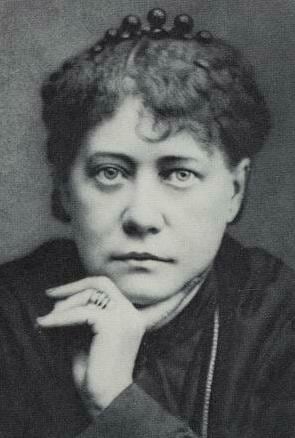
Helena Blavatsky
इन पर सहमत: क्या हम स्वतंत्र हैं, या सब कुछ पूर्वनिर्धारित है? · परम सत्य क्या है? क्या ईश्वर है? · मैं कौन हूँ? क्या कोई सच्चा आत्म है?
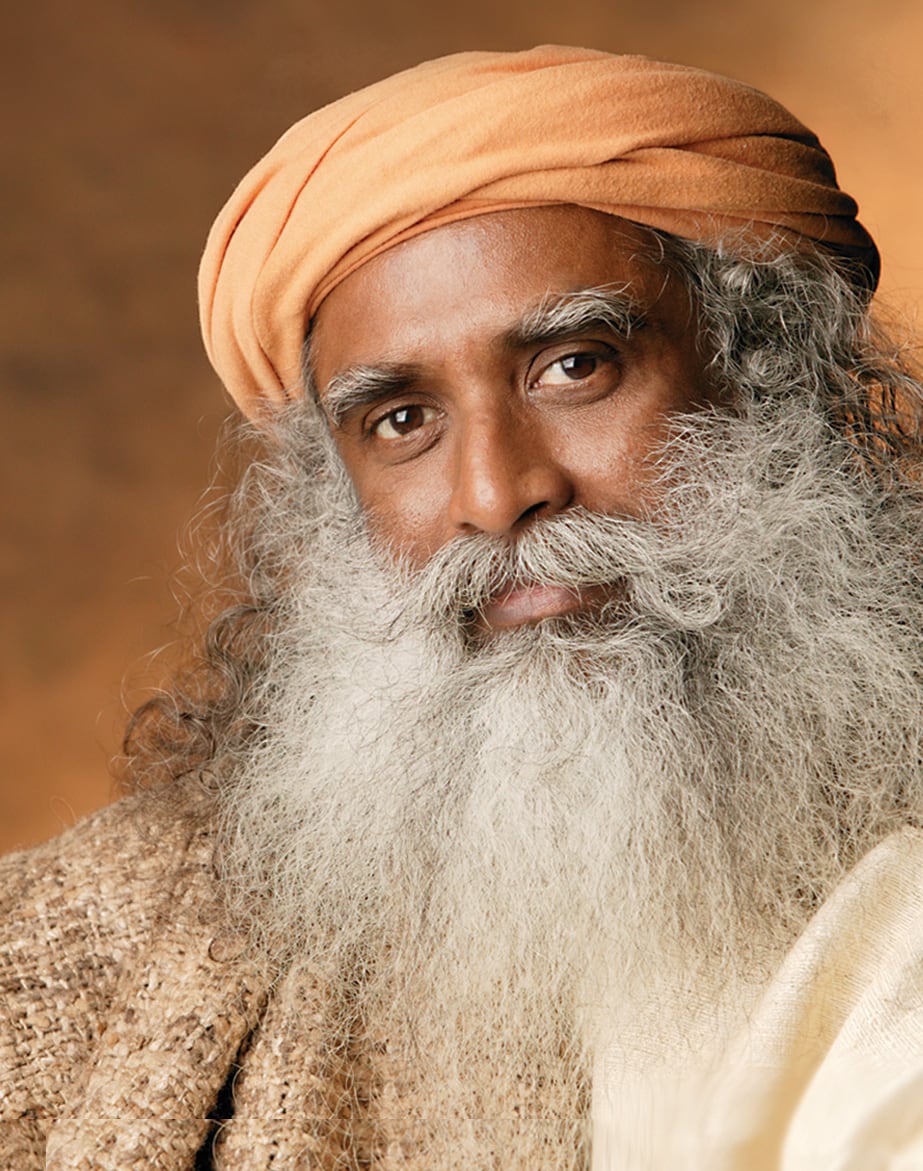
Sadhguru
इन पर सहमत: मुक्ति या उद्धार कैसे प्राप्त होता है? · परम सत्य क्या है? क्या ईश्वर है? · मृत्यु के बाद क्या होता है?
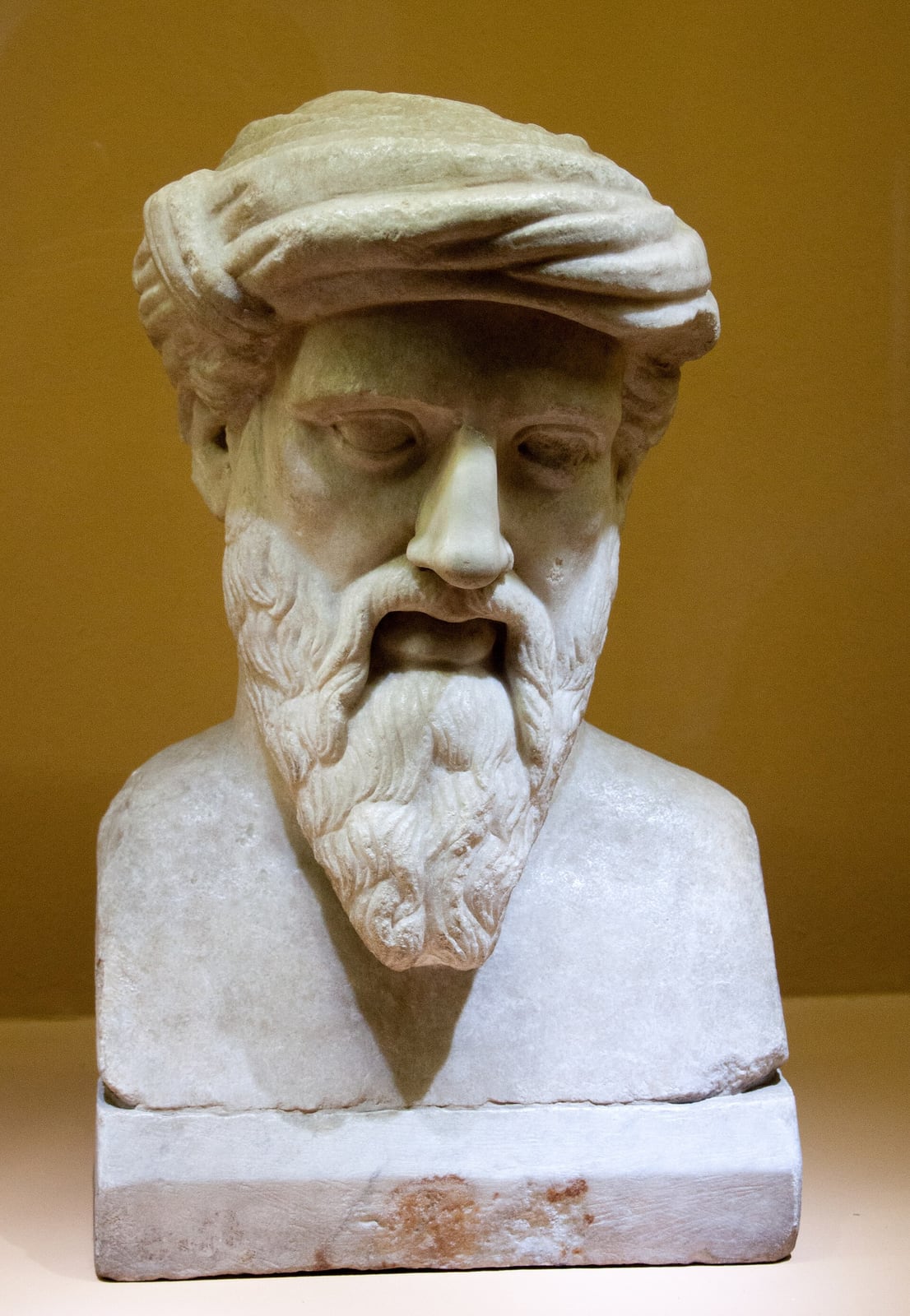
Pythagoras
इन पर सहमत: परम सत्य क्या है? क्या ईश्वर है? · मैं कौन हूँ? क्या कोई सच्चा आत्म है? · मृत्यु के बाद क्या होता है?
Annie Besant
इन पर सहमत: क्या हम स्वतंत्र हैं, या सब कुछ पूर्वनिर्धारित है? · मैं कौन हूँ? क्या कोई सच्चा आत्म है? · मृत्यु के बाद क्या होता है?
इनसे भिन्न सोचते हैं
Jiddu Krishnamurti
इन पर टकराव: मुक्ति या उद्धार कैसे प्राप्त होता है? · क्या गुरु आवश्यक है?

Nikolai Berdyaev
इन पर टकराव: मृत्यु के बाद क्या होता है? · क्या गुरु आवश्यक है?
Shinran
इन पर टकराव: मृत्यु के बाद क्या होता है?
Alan Watts
इन पर टकराव: मुक्ति या उद्धार कैसे प्राप्त होता है? · क्या गुरु आवश्यक है?
प्रसंग और वृत्तांत
प्रसंग और वृत्तांत
विवादितc. 434 a. C. (tradicional)
The bronze sandal of Etna
वृत्तांत का स्रोत: Diogenes Laertius VIII 67–75, with the versions of Heraclides of Pontus, Hippobotus, Diodorus of Ephesus, Timaeus, Neanthes and Demetrius of Troezen. Horace (Ars poetica 463–466) fixed the Etna version. Ava Chitwood (2004) analyses how they derive from the poems.
स्रोत: Chitwood, Ava. Death by Philosophy: The Biographical Tradition in the Life and Death of the Archaic Philosophers Empedocles, Heraclitus, and Democritus. University of Michigan Press, Ann Arbor, 2004.
संत-चरित वृत्तांतs. V a. C. (tradicional)
The breathless woman
वृत्तांत का स्रोत: Diogenes Laertius VIII 60–61 and 67–69 (Heraclides of Pontus, Hermippus). Heraclides' treatise, lost, was a literary work of a medico-philosophical kind, not a clinical record.
सत्यापन-योग्य नहींs. V a. C. (tradicional)
The wind-stopper
वृत्तांत का स्रोत: Diogenes Laertius VIII 60 (Timaeus); Plutarch, Against Colotes 1126b and On Curiosity 515c. Burnet (Early Greek Philosophy, § 100) considers it deduced from B111.
मौखिक परंपराc. 470–460 a. C.
The magistrate's banquet
वृत्तांत का स्रोत: Diogenes Laertius VIII 64–66, quoting Timaeus of Tauromenium (4th–3rd century BCE). Burnet (§ 99) considers them genuine local traditions gathered a century and a half later, though confused in their details.
साक्ष्यs. V a. C.
The refused crown
वृत्तांत का स्रोत: Diogenes Laertius VIII 63 (Aristotle, probably in the Sophist; Xanthus) and VIII 73 (the attire). It is one of the few reports going back to Aristotle.
विवादितs. V a. C. (tradicional)
The marshes of Selinus
वृत्तांत का स्रोत: Diogenes Laertius VIII 70 (Diodorus of Ephesus). The Selinus coins showing the drainage (Head's Historia Numorum) prove the event, not Empedocles' involvement.
सत्यापन-योग्य नहींs. V a. C. (tradicional)
Expelled by the Pythagoreans
वृत्तांत का स्रोत: Diogenes Laertius VIII 54–55 (Timaeus, Neanthes). Fragment B129 is quoted by Porphyry (Life of Pythagoras 30) and Iamblichus (On the Pythagorean Life 67) as referring to Pythagoras.
शिक्षाएँ
शिक्षाएँ
वे अवधारणाएँ जो उनके चिंतन को रूप देती हैं, उनके संदर्भ में समझाई गई।
The four roots (rhizomata)cuatro-raices
Fragments B6, B8, B12, B17, B21, B23; reception in Aristotle, Metaphysics A 3–4.
स्रोत: Kirk, G. S., Raven, J. E. y Schofield, M. The Presocratic Philosophers, 2.ª ed. Cambridge University Press, 1983, cap. X (Empedocles of Acragas). Trad. esp. de Jesús García Fernández, Gredos, 1987.
Love (Philotes) and Strife (Neikos)amor-y-discordia
Fragments B17, B20, B22, B26, B35; Aristotle, Metaphysics A 4, 985a21–b4.
The cosmic cycle and the Sphereciclo-cosmico
Fragments B17, B26–B31, B35; Strasbourg papyrus, ensemble a.
स्रोत: Martin, Alain y Primavesi, Oliver. L'Empédocle de Strasbourg (P. Strasb. gr. Inv. 1665–1666): introduction, édition et commentaire. Walter de Gruyter / Bibliothèque Nationale et Universitaire de Strasbourg, Berlín, Nueva York y Estrasburgo, 1999.
The exiled daimon and transmigrationdaimon-y-transmigracion
Fragments B112, B115, B117, B136–B137, B146–B147.
स्रोत: Zuntz, Günther. Persephone: Three Essays on Religion and Thought in Magna Graecia. Clarendon Press, Oxford, 1971.
Effluences and pores: perception and thoughtefluvios-y-poros
Fragments B84, B89, B100, B105, B109; Plato, Meno 76c–d; Theophrastus, On the Senses 7–24.
Zoogony: wandering limbs and combinationszoogonia
Fragments B57–B62; Aristotle, Physics II 8, 198b29–32.
वीडियो
वीडियो
रिकॉर्डिंग, साक्षात्कार और वृत्तचित्र। वीडियो YouTube से चलते हैं; वे यहाँ संग्रहीत नहीं हैं।
Empedocles – Autobiography of a Demon
व्याख्यान· EN· 2020· 19 min
Jackman Humanities Instituteआधिकारिक चैनल
HoP 011 - All You Need Is Love, and Five Other Things - Empedocles
व्याख्यान· EN· 2020· 17 min
history of philosophy without any gapsआधिकारिक चैनल
4) The Pluralists and The Sophists
व्याख्यान· EN· 2016· 74 min
Adam Rosenfeldआधिकारिक चैनल
3-5 Empedocles
व्याख्यान· EN· 2026· 12 min
Nicholaos Jonesआधिकारिक चैनल
Aristotle, Metaphysics (Empedocles, love, and final causes) - Introduction to Philosophy
विश्लेषण· EN· 2013· 64 min
Gregory B. Sadler - That Philosophy Guyआधिकारिक चैनल
Empédocles de Agrigento
वृत्तचित्र· ES· 2018· 27 min
UNEDआधिकारिक चैनल
Conferencia David Hernández Castro "Empédocles"
व्याख्यान· ES· 2018· 88 min
Hercritia-Cátedra de Hermenéutica Críticaआधिकारिक चैनल
Heráclito, Empédocles y Anaxágoras | Historia de la filosofía (7/61)
व्याख्यान· ES· 2017· 68 min
Ernesto Castroआधिकारिक चैनल
EMPÉDOCLE – De l'un au multiple - Sur les traces du présocratique (France Culture, 1997)
वृत्तचित्र· FR· 1997· 85 min
ÉCLAIR BRUT
EMPÉDOCLE d'Agrigente – Un présocratique en terre arabe (France Culture, 2007)
साक्षात्कार· FR· 2007· 46 min
ÉCLAIR BRUT
चित्रशाला
चित्रशाला
सत्यापित लाइसेंस वाले चित्र। प्रत्येक में उसके रचयिता और श्रेय का उल्लेख सुरक्षित है।
पांडुलिपियाँ
पांडुलिपियाँ
पांडुलिपि-साक्ष्य और प्राचीन पाठ, उनके संरक्षक और अध्ययन की शर्तों सहित।
GRC · Escritura libraria griega sobre papiro · Poema compuesto en el s. V a. C.; copia de finales del s. I d. C.
P. Strasb. gr. Inv. 1665–1666
- संरक्षित पाठ-साक्ष्य
- Fragmentos de un rollo de papiro (52 según los editores), con restos de unos 74 versos
- संरक्षक
- Bibliothèque nationale et universitaire de Strasbourg · P. Strasb. gr. Inv. 1665–1666
- डिजिटलीकरण
- commons.wikimedia.org/wiki/File:Empedokles_fragm…
संबंध
संबंध
प्रभाव, शिष्यत्व और वैचारिक निकटता। प्रमाणित संबंध को विश्लेषण से पहचानी गई समानता से अलग दर्शाया गया है।
इनसे प्रभावित
Theophrastus calls him an "emulator and imitator" of Parmenides (Diogenes Laertius VIII 55); he accepts that nothing comes to be or perishes and writes, like him, in hexameters.
प्रमाणित संबंध
इनसे प्रभावित
Timaeus and Neanthes make him a pupil of the Pythagoreans; Porphyry and Iamblichus refer the praise of B129 to Pythagoras. He shares with Pythagoreanism transmigration and abstinence from meat.
प्रमाणित संबंध
इनसे प्रभावित
Jenófanes
Hermippus, according to Diogenes Laertius (VIII 56), considered him an imitator of Xenophanes, with whom he supposedly lived; the report is isolated.
विश्लेषण से पहचानी गई समानता
इनके समकालीन
Anaxágoras
Aristotle (Metaphysics A 3, 984a11) says Anaxagoras was older than Empedocles but later in his works; both explain change as mixture.
प्रमाणित संबंध
इनके समकालीन
Zenón de Elea
Alcidamas, according to Diogenes Laertius (VIII 56), made them fellow pupils of Parmenides.
विश्लेषण से पहचानी गई समानता
इनके गुरु
Gorgias de Leontinos
Satyrus, probably following Alcidamas, makes him Empedocles' pupil (Diogenes Laertius VIII 58); Plato ascribes to Gorgias the Empedoclean theory of effluences (Meno 76c).
प्रमाणित संबंध
इनके गुरु
Pausanias de Gela
Physician, pupil and beloved of Empedocles, addressee of On Nature (B1).
प्रमाणित संबंध
इन्हें प्रभावित किया
He alludes to the "Sicilian muses" (Sophist 242d–243a), ascribes his theory of effluences to Gorgias (Meno 76c) and adopts the four elements in the Timaeus.
प्रमाणित संबंध
इन्हें प्रभावित किया
He adopts the four roots as elements, calls him the inventor of rhetoric and discusses his zoogony (Physics II 8) and his causes (Metaphysics A 4).
प्रमाणित संबंध
इन्हें प्रभावित किया
Lucrecio
In De rerum natura (I 716–733) he praises him as Sicily's most admirable man and takes from him the model of the physical poem.
प्रमाणित संबंध
इनसे मिलते-जुलते विचार
The alternation of Love and Strife extends, in another key, the Heraclitean tension between harmony and war.
विश्लेषण से पहचानी गई समानता
इनसे मिलते-जुलते विचार
Approximate contemporaries: the doctrine of transmigration through all living forms and the refusal to kill animals bring the Purifications close to Jain ethics, without known historical contact.
विश्लेषण से पहचानी गई समानता
इन्हें प्रभावित किया
Sigmund Freud
In Analysis Terminable and Interminable (1937) he recognises in Empedocles' Love and Strife a precedent of his theory of Eros and the death drive.
प्रमाणित संबंध
स्रोत
स्रोत
इस प्रविष्टि के लिए देखे गए ग्रंथ-सूची और सूचीपत्र।
- Open Library (Internet Archive): ediciones de los fragmentos de Empédocles verificadas por ISBN.
- Wikidata, entidad Q83375 «Empedocles» (107 enlaces entre wikis; P31=Q5). Registra varios años de nacimiento (494, 492, 490 a. C.) y de muerte (444, 434, 432, 430 a. C.), Acragante como lugar de nacimiento y el Etna o el Peloponeso como lugar de muerte.
- Diógenes Laercio. Vidas y opiniones de los filósofos ilustres VIII 51–77 (Empédocles), s. III d. C. Trad. inglesa de C. D. Yonge, Bohn, Londres, 1853 (Project Gutenberg n.º 57342); trad. inglesa de R. D. Hicks, Loeb, 1925 (Wikisource).
- Diels, Hermann y Kranz, Walther. Die Fragmente der Vorsokratiker, 6.ª ed. Weidmann, Berlín, 1951–1952, cap. 31 (Empedokles), A (testimonios) y B 1–154.
- Kirk, G. S., Raven, J. E. y Schofield, M. The Presocratic Philosophers, 2.ª ed. Cambridge University Press, 1983, cap. X (Empedocles of Acragas). Trad. esp. de Jesús García Fernández, Gredos, 1987.
- Kingsley, K. Scarlett y Parry, Richard. «Empedocles». The Stanford Encyclopedia of Philosophy, ed. Edward N. Zalta y Uri Nodelman; primera publicación el 26 de septiembre de 2019, revisión sustancial del 25 de septiembre de 2024.
- Burnet, John. Early Greek Philosophy, 2.ª ed. A. and C. Black, Londres, 1908, cap. V (Empedokles of Akragas), §§ 98–105 y traducción de los fragmentos (Project Gutenberg n.º 67097).
- Martin, Alain y Primavesi, Oliver. L'Empédocle de Strasbourg (P. Strasb. gr. Inv. 1665–1666): introduction, édition et commentaire. Walter de Gruyter / Bibliothèque Nationale et Universitaire de Strasbourg, Berlín, Nueva York y Estrasburgo, 1999.
- Laks, André y Most, Glenn W. (eds. y trads.). Early Greek Philosophy, vol. V: Western Greek Thinkers, Part 2. Loeb Classical Library 528, Harvard University Press, 2016.
- Inwood, Brad. The Poem of Empedocles: A Text and Translation with an Introduction, ed. revisada. University of Toronto Press, Toronto, 2001 (1.ª ed. 1992).
- Wright, M. R. Empedocles: The Extant Fragments. Yale University Press, New Haven, 1981 (reed. Bristol Classical Press, 1995).
- Chitwood, Ava. Death by Philosophy: The Biographical Tradition in the Life and Death of the Archaic Philosophers Empedocles, Heraclitus, and Democritus. University of Michigan Press, Ann Arbor, 2004.
- Aristóteles. Metafísica A 3, 984a8–11, y A 4, 985a21–b4; Poética 1, 1447b17–20; Física II 8, 198b29–32; Sobre el alma I 2, 404b11–15; fragmentos del Sofista y de Sobre los poetas citados por Diógenes Laercio VIII 57 y 63. Trad. inglesa de W. D. Ross y otros (Internet Classics Archive, MIT).
- Kingsley, Peter. Ancient Philosophy, Mystery, and Magic: Empedocles and Pythagorean Tradition. Clarendon Press, Oxford, 1995.
- Zuntz, Günther. Persephone: Three Essays on Religion and Thought in Magna Graecia. Clarendon Press, Oxford, 1971.
- Lucrecio. De rerum natura I 716–733 (elogio de Empédocles), s. I a. C.
- Horacio. Arte poética 463–466 («deus immortalis haberi / dum cupit Empedocles, ardentem frigidus Aetnam / insiluit»).
- Hölderlin, Friedrich. Der Tod des Empedokles (tres versiones, 1797–1800); Arnold, Matthew, Empedocles on Etna, and Other Poems, B. Fellowes, Londres, 1852 (Internet Archive).
- Leonard, William Ellery (trad.). The Fragments of Empedocles, Translated into English Verse. Open Court, Chicago, 1908 (Internet Archive).
- Fairbanks, Arthur (ed. y trad.). The First Philosophers of Greece. Kegan Paul, Trench, Trübner, Londres, 1898, cap. X (Empedokles), texto griego según la edición de H. Stein (1852) (Project Gutenberg n.º 78670).
- «Empedocles», Wikipedia en inglés, y «Empédocles», Wikipedia en español (consultadas para contrastar datos y bibliografía; texto propio).
- De Smet, Daniel. Empedocles Arabus. Une lecture néoplatonicienne tardive. Paleis der Academiën (Koninklijke Academie voor Wetenschappen, Letteren en Schone Kunsten van België), Bruselas, 1998.
- Eggers Lan, Conrado (dir.), Cordero, Néstor Luis, Olivieri, Francisco J., La Croce, Ernesto y Santa Cruz, María Isabel. Los filósofos presocráticos II. Biblioteca Clásica Gredos 24, Gredos, Madrid, 1979 (Empédocles, trad. de Ernesto La Croce).
- Bollack, Jean. Empédocle, 3 vols. (4 tomos). Éditions de Minuit, París, 1965–1969; reed. Gallimard (Tel), 1992.
- Platón. Menón 76c–d (efluvios y poros); Sofista 242d–243a (las «musas sicilianas»). Trad. inglesa de Benjamin Jowett, 1892 (Project Gutenberg n.º 1643, Meno).
- Galeno. De methodo medendi I 1 (X 5–6 Kühn): la escuela médica itálica de Filistión, Empédocles y Pausanias.
- Primavesi, Oliver. Empedokles Physika I: eine Rekonstruktion des zentralen Gedankengangs. Archiv für Papyrusforschung, Beiheft 22, Walter de Gruyter, Berlín, 2008.
- Osborne, Catherine. «Empedocles Recycled». The Classical Quarterly, 37 (1987), pp. 24–50; y Trépanier, Simon, Empedocles: An Interpretation, Routledge, Nueva York, 2004.
- Freud, Sigmund. «Die endliche und die unendliche Analyse». Internationale Zeitschrift für Psychoanalyse, 23 (1937), sección VI (Empédocles, el Amor y la Discordia).
- अधिकार-धारक
- Textos antiguos en dominio público; cada traducción y edición crítica pertenece a su traductor o editorial
पुष्टि की प्रतीक्षा में
जो यह प्रविष्टि अभी तक निश्चित नहीं कर सकी है। हम उसे भर देने के बजाय कह देना बेहतर समझते हैं।
- Fechas: se adopta c. 494–434 a. C. (muerte a los sesenta años según Aristóteles y actividad posterior al 472, Burnet); Apolodoro situaba la madurez en 444–443 y Wikidata registra varios años alternativos.
- Ediciones españolas específicas de Empédocles (aparte de Gredos, Kirk-Raven-Schofield y Bernabé): no verificadas en catálogo en esta sesión (la API de Google Books agotó su cuota).
- «La esfera» pseudoempedoclea: verificar la edición de 1898 (probablemente E. Maass, Commentariorum in Aratum reliquiae) antes de citarla con detalle.
- Papiro de Estrasburgo: comprobar si la BNU de Estrasburgo ofrece digitalización completa y sus condiciones; fecha exacta de adquisición (1904 o 1905).
- Texto griego de las citas tomado de Fairbanks (edición de Stein, 1852); cotejar con Diels-Kranz (diferencias menores señaladas en B6 y B117).
- Vídeos: diez verificados; faltan clases universitarias en español dedicadas monográficamente al papiro de Estrasburgo.
- Programas de afiliación: ninguno verificado. Lista vacía.
- Año de los vídeos: el de la grabación cuando la descripción lo indica y, si no, el de publicación en YouTube.
2026-10-25 को शोधित