बौद्ध धर्म · महायान
Shinran
親鸞 · 愚禿釋親鸞 · 範宴 · 藤井善信 · 見真大師
1173 – 1263ऐतिहासिक रूप से प्रमाणित व्यक्ति
जापानी भिक्षु (1173–1263), होनेन के शिष्य और जोदो शिनशू — “शुद्ध भूमि के सच्चे संप्रदाय” — के मरणोपरांत संस्थापक। हिएई पर्वत पर बीस वर्ष बिताने के बाद उन्होंने अमिदा के नाम के जप को अपनाया, 1207 में निर्वासित हुए और तब से “न भिक्षु, न गृहस्थ” के रूप में, विवाहित और संतानवान जीवन जिया। उन्होंने सिखाया कि शुद्ध भूमि में जन्म अपने प्रयत्न पर नहीं, बल्कि अमिदा के प्रणिधान द्वारा प्रदत्त आस्था (शिनजिन) पर निर्भर है। उनकी प्रमुख कृति क्योग्योशिनशो है; उनके सबसे अधिक पढ़े जाने वाले वचन तान्निशो में हैं।
- कृतियाँ
- 30कृतियाँ
- संस्करण
- 37संस्करण
- उद्धरण
- 9उद्धरण
- वीडियो
- 11वीडियो
- चित्र
- 6चित्र
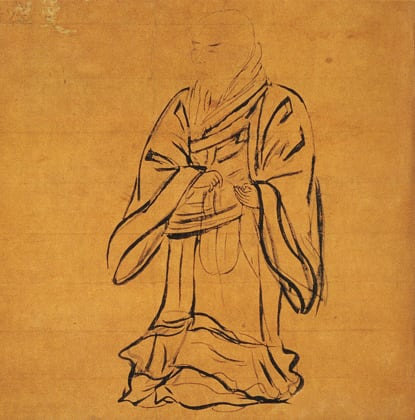
Retrato de Shinran «del espejo» (Kagami no goei) · Public domain
उनके अपने शब्दों में
«I, Shaku Shinran, the foolish bald-headed one, in the year of the metal rooster of the Kennin era [1201], abandoned the sundry practices and took refuge in the Primal Vow.»Kyōgyōshinshō, epílogo del capítulo sobre los budas y tierras transformados. Traducción propia.
Shinran
Kyōgyōshinshō (The True Teaching, Practice and Realization of the Pure Land Way)
शुरुआत के लिए एक रचना
Kyōgyōshinshō (The True Teaching, Practice and Realization of the Pure Land Way)मूल विचार
Other Power (tariki): A term taken from Tanluan's commentary that Shinran makes the key to his whole teaching.
संदर्भ में देखें
जीवनी
5 मिनट का पाठ
स्पैनिश मूल से सहायता-प्राप्त अनुवाद, मातृभाषी अनुवादक द्वारा समीक्षा लंबित।
पर्वत पर एक छोटा अभिजात
शिनरान का जन्म 1173 में क्योतो के दक्षिण-पूर्व में स्थित हिनो में, फ़ुजिवारा कुल की एक साधारण शाखा में हुआ; उनके पिता, हिनो आरिनोरी, दरबार के एक अधिकारी थे। उनके बचपन के बारे में निश्चित रूप से लगभग कुछ भी ज्ञात नहीं है। उनके प्रपौत्र काकुन्यो द्वारा 1295 में रची गई जीवनी बताती है कि नौ वर्ष की आयु में उन्हें शोरेन-इन के मठाधीश और आगे चलकर तेंदाई संप्रदाय के प्रमुख बने जिएन ने प्रव्रज्या दी, और अगले दो दशक उन्होंने हिएई पर्वत पर बिताए। उनकी पत्नी एशिन्नी के पत्रों से पता चलता है कि वहाँ वे उन मंडपों में से एक में “कक्ष-भिक्षु” (दोसो) के रूप में सेवा करते थे, जो अमिदा बुद्ध के नाम के अविराम जप के लिए समर्पित थे।
रोक्काकुदो का स्वप्न और होनेन से भेंट
1201 में, उनतीस वर्ष की आयु में, उन्होंने पर्वत छोड़ दिया। एशिन्नी के वृत्तांत के अनुसार उन्होंने राजकुमार शोतोकु को समर्पित क्योतो के रोक्काकुदो मंदिर में सौ दिन का एकांतवास किया, और पंचानबेवें दिन की भोर में स्वप्न में राजकुमार से एक दिव्य संदेश पाया। तब वे होनेन के पास पहुँचे, जो योशिमिज़ु में उपदेश देते थे कि अमिदा की शुद्ध भूमि में जन्म के लिए उनके नाम का जप (नेम्बुत्सु) ही पर्याप्त है, और अगले सौ दिन उन्हें सुनते रहे। वर्षों बाद शिनरान ने इसे एक प्रसिद्ध वाक्य में समेटा: उस वर्ष “मैंने विविध साधनाओं को त्यागकर मूल प्रणिधान की शरण ली”।
वे होनेन के निकट शिष्य बने। 1205 में होनेन ने उन्हें अपनी प्रमुख कृति सेनचाकुशू और अपने चित्र की प्रतिलिपि बनाने की अनुमति दी, और अपने हाथ से शिष्य का नया नाम लिखा। शिनरान ने क्योग्योशिनशो के उपसंहार में भावविभोर होकर इसका उल्लेख किया, क्योंकि यह सौभाग्य बहुत कम लोगों को मिला था।
न भिक्षु, न गृहस्थ
1207 में, राजमहल की कुछ महिलाओं से जुड़े एक कांड के बाद, दरबार ने नेम्बुत्सु आंदोलन पर प्रतिबंध लगा दिया; चार शिष्यों को मृत्युदंड दिया गया, होनेन को तोसा प्रांत में और शिनरान को जापान सागर के तट पर स्थित एचिगो में निर्वासित किया गया, जहाँ उन्हें भिक्षु-पद से च्युत कर फ़ुजी योशिज़ाने नाम दिया गया। उन्होंने इसका उत्तर एक नई पहचान अपनाकर दिया: अब वे न भिक्षु थे, न गृहस्थ, और तब से उन्होंने अपना नाम गुतोकु — “मूढ़ मुंडित” — लिखना शुरू किया। उन्हीं वर्षों में किसी समय उन्होंने एशिन्नी से विवाह किया, जो परंपरा के अनुसार एचिगो में हित रखने वाले अधिकारी मियोशी तामेनोरी की पुत्री थीं; उनसे उनकी कई संतानें हुईं।
1211 में क्षमादान मिलने पर भी वे क्योतो नहीं लौटे; अगले वर्ष होनेन का देहांत हो गया। 1214 में वे सपरिवार देश के पूर्व में स्थित कान्तो क्षेत्र में जा बसे। एशिन्नी ने बाद में उस यात्रा का एक प्रसंग याद किया: शिनरान ने प्राणियों के कल्याण के लिए शुद्ध भूमि के तीन सूत्रों का सहस्र बार पाठ आरंभ किया, पर कुछ ही दिनों में यह समझकर रुक गए कि वे अमिदा के नाम के बजाय अपने ही प्रयत्न पर भरोसा कर रहे थे।
कान्तो में बीस वर्ष
लगभग दो दशक तक शिनरान हिताची प्रांत और उसके आसपास रहे, और उन किसानों, योद्धाओं और व्यापारियों को शिक्षा देते रहे जो मंदिरों में नहीं, बल्कि साधना के छोटे कक्षों (दोजो) में एकत्र होते थे। इसी काल का है क्योग्योशिनशो का पहला प्रारूप, जिसे संप्रदाय ग्रंथ के भीतर के एक संकेत के आधार पर 1224 का मानता है; उनकी स्वहस्तलिखित पांडुलिपि, जिसे बांदो प्रति कहा जाता है और जिसमें जीवन भर के संशोधन हैं, हिगाशी होंगान्जी में सुरक्षित है और राष्ट्रीय निधि घोषित है।
क्योतो: वृद्धावस्था का लेखन
लगभग 1235 में, साठ वर्ष की आयु पार कर, वे क्योतो लौटे, जहाँ मृत्यु तक वे उधार के घरों में रहे और कान्तो के अपने अनुयायियों के दान पर निर्भर रहे। यह उनके लेखन का सबसे उर्वर काल था: उन्होंने क्योग्योशिनशो पूरा किया, जिसकी प्रतिलिपि बनाने की अनुमति वे 1247 तक देने लगे थे; जापानी में सैकड़ों स्तोत्र (वासान) रचे, जिन्होंने चीनी न पढ़ सकने वालों के लिए सिद्धांत को सुलभ बनाया; अन्य आचार्यों के ग्रंथों पर टीकाएँ लिखीं, और पूर्व के समुदायों के साथ विपुल पत्र-व्यवहार किया।
यही पत्र-व्यवहार उनके अंतिम वर्षों की त्रासदी को भी उजागर करता है। कान्तो के समुदाय दो खेमों में बँट गए: एक ओर वे, जो मानते थे कि अमिदा द्वारा उद्धार पा लेने के बाद वे निश्चिंत होकर पाप कर सकते हैं, और दूसरी ओर वे, जो नैतिक प्रयत्न और अतिरिक्त साधनाओं की माँग करते थे। शिनरान ने व्यवस्था स्थापित करने के लिए अपने पुत्र ज़ेनरान को भेजा, पर उसने अपनी ही शिक्षाएँ फैलानी शुरू कर दीं और दावा किया कि उसे पिता से एक गुप्त सिद्धांत मिला है। 1256 में, तिरासी वर्ष की आयु में, शिनरान ने पत्र लिखकर उसका परित्याग कर दिया।
प्रदत्त श्रद्धा
उनके चिंतन का केंद्र होनेन की शिक्षा को उसकी चरम परिणति तक ले जाना है। शिनरान के लिए कोई भी मानवीय कर्म, यहाँ तक कि नाम का जप भी, शुद्ध भूमि में जन्म नहीं दिला सकता: सब कुछ “पर-शक्ति” (तारिकी) से उद्भूत होता है, अर्थात् उस प्रणिधान से जिसके द्वारा अमिदा ने सभी प्राणियों के उद्धार का संकल्प लिया। निर्णायक है सच्ची आस्था (शिनजिन), जो साधक की उपलब्धि नहीं, बल्कि अमिदा द्वारा प्रदत्त वरदान है; जिस क्षण वह उदित होती है, उसी क्षण इसी जीवन में शुद्ध भूमि में जन्म सुनिश्चित हो जाता है। नाम का जप पुण्य अर्जित करने वाली साधना नहीं रह जाता, बल्कि कृतज्ञता की अभिव्यक्ति बन जाता है।
मृत्यु और संप्रदाय
उनका देहांत क्योतो में, जापानी पंचांग के अनुसार 1262 के ग्यारहवें महीने में — अर्थात् जनवरी 1263 में — नवासी वर्ष की आयु में, उनके छोटे भाई के घर हुआ। उनकी पुत्री काकुशिन्नी ने, जो अंत तक उनके साथ रहीं, एचिगो में अपनी माँ को पत्र लिखा; एशिन्नी का सुरक्षित उत्तर पुत्री को ढाढ़स बँधाता है कि उनकी मृत्यु जिस भी प्रकार हुई हो, शुद्ध भूमि में शिनरान का जन्म सुनिश्चित है। काकुशिन्नी ने 1272 में ओतानी में एक समाधि-स्थल बनवाया, जो आगे चलकर होंगान्जी बना, और उनके पौत्र काकुन्यो ने उसी के आधार पर जोदो शिनशू संप्रदाय को संगठित किया।
लगभग 1290 में एक शिष्य, युइएन, ने अपने समुदाय में दिखने वाले विचलनों को सुधारने के लिए गुरु के वे वचन, जो उसने स्वयं उनके मुख से सुने थे, तान्निशो में संकलित किए; प्रणिधान के वास्तविक पात्र के रूप में “दुष्ट मनुष्य” के अपने विरोधाभास के कारण यह उन्नीसवीं शताब्दी के उत्तरार्ध से शिनरान का सबसे अधिक पढ़ा जाने वाला ग्रंथ बन गया। बीसवीं शताब्दी के आरंभ में कुछ इतिहासकारों ने उनके ऐतिहासिक अस्तित्व पर भी संदेह किया, क्योंकि उनके बारे में ज्ञात लगभग सब कुछ उनके अपने संप्रदाय से आता था; 1921 में निशि होंगान्जी के अभिलेखागार में एशिन्नी के पत्रों की खोज ने यह प्रश्न सुलझा दिया। आज जोदो शिनशू की दो प्रमुख शाखाएँ मिलकर जापान का सबसे बड़ा बौद्ध परिवार हैं।
स्रोत: Dobbins, James C. Jōdo Shinshū: Shin Buddhism in Medieval Japan. Bloomington: Indiana University Press, 1989 (reimpr. Honolulu: University of Hawai'i Press, 2002, ISBN 9780824826208). · Dobbins, James C. Letters of the Nun Eshinni: Images of Pure Land Buddhism in Medieval Japan. Honolulu: University of Hawai'i Press, 2004. ISBN 9780824826673. · Hirota, Dennis (dir.) et al. (trads.). The Collected Works of Shinran. 2 vols. Kioto: Jōdo Shinshū Hongwanji-ha, 1997. Edición en línea del Hongwanji. · Bloom, Alfred. Shinran's Gospel of Pure Grace. Tucson: University of Arizona Press, 1965. ISBN 9780816504053. · Ueda, Yoshifumi; Hirota, Dennis. Shinran: An Introduction to His Thought. Kioto: Hongwanji International Center, 1989.
कालक्रम
जीवन, वर्ष-दर-वर्ष
प्रत्येक बिंदु एक प्रमाणित घटना है। उसे स्रोत और निश्चितता के स्तर सहित पढ़ने के लिए क्लिक करें।
14 मई 11730 वर्षHino (Kioto)
Birth
Born on the 1st day of the 4th month of Jōan 3 (14 May 1173 Julian; 21 May proleptic Gregorian, the date celebrated by the school), son of Hino Arinori.
प्रमाणितWikidata, entidad Q512934 «Shinran» (P31=Q5; 28 enlaces entre wikis; nacimiento 1173, muerte 1263 en Kioto; firma 愚禿釋親鸞).
उनके निधन के बाद
- 1272Ōtani mausoleum
- 1295Kakunyo's illustrated biography
- 1876Title of Kenshin Daishi
- 1921Discovery of Eshinni's letters
14 मई 1173 · 0 वर्ष
Birth
Born on the 1st day of the 4th month of Jōan 3 (14 May 1173 Julian; 21 May proleptic Gregorian, the date celebrated by the school), son of Hino Arinori.
प्रमाणित
1181 · 8 वर्ष
Ordination
According to Kakunyo's biography, he receives the tonsure at nine from Jien under the name Han'en.
परंपरा
1201 · 28 वर्ष
Rokkakudō retreat and joining Hōnen
Leaves Mount Hiei after twenty years, receives a revelatory dream at the Rokkakudō and becomes Hōnen's disciple: "I abandoned the sundry practices and took refuge in the Primal Vow".
प्रमाणित
1205 · 32 वर्ष
Copy of the Senchakushū
Hōnen allows him to copy the Senchakushū and his portrait and gives him a new name, according to the postscript of the Kyōgyōshinshō.
प्रमाणित
1207 · 34 वर्ष
Exile to Echigo
The Jōgen persecution: Hōnen is exiled to Tosa and Shinran to Echigo under a lay name. From then on he declares himself "neither monk nor layman" and signs as Gutoku.
प्रमाणित
1211 · 38 वर्ष
Pardon
Receives a pardon but remains in Echigo; Hōnen dies in Kyoto the following year.
प्रमाणित
1214 · 41 वर्ष
Move to Kantō
Settles with his family in the Kantō region, where he will teach for some twenty years.
प्रमाणित
1224 · 51 वर्ष
First draft of the Kyōgyōshinshō
The date the school assigns to the composition of the Kyōgyōshinshō, on the basis of an internal reference to the year Gennin 1, and regards as its founding.
संभावित
लगभग 1235 · 62 वर्ष
Return to Kyoto
Returns to Kyoto at about sixty-two; he will live there on the donations of his followers.
संभावित
1248 · 75 वर्ष
Hymns of the Pure Land and of the Masters
Composes the Jōdo wasan and the Kōsō wasan, aged seventy-five.
प्रमाणित
1256 · 83 वर्ष
Disowning of Zenran
On the 29th day of the 5th month he signs the letter breaking with his son Zenran over his teachings.
प्रमाणित
1258 · 85 वर्ष
Hymns of the Dharma-Ages
Completes the Shōzōmatsu wasan; the same year his disciple Kenchi records his words on jinen hōni.
प्रमाणित
9 जनवरी 1263 · 89 वर्ष
Death
Dies on the 28th day of the 11th month of Kōchō 2 (9 January 1263 Julian; 16 January proleptic Gregorian) at his brother Jin'u's house, aged eighty-nine.
प्रमाणित
1272
Ōtani mausoleum
His daughter Kakushinni builds a mausoleum that will be the origin of the Honganji.
प्रमाणित
1295
Kakunyo's illustrated biography
Kakunyo composes the Godenshō, the basis of the traditional image of Shinran.
प्रमाणित
1876
Title of Kenshin Daishi
Emperor Meiji grants him the posthumous title Kenshin Daishi.
प्रमाणित
1921
Discovery of Eshinni's letters
His wife's letters are discovered in the Nishi Honganji archives, confirming the essential facts of his life.
प्रमाणित
कृतियाँ
आवश्यक कृतियाँ
वे कृतियाँ जिनके बिना उनकी विरासत को समझा नहीं जा सकता।
Shinran
Kyōgyōshinshō (The True Teaching, Practice and Realization of the Pure Land Way)
लिखित कृति · लगभग 1247
Kyōgyōshinshō (The True Teaching, Practice and Realization of the Pure Land Way)
顕浄土真実教行証文類
Shinran's major doctrinal work and the founding text of Jōdo Shinshū. In six chapters —Teaching, Practice, Shinjin, Realization, True Buddha and Land, Transformed Buddhas and Lands— it gathers and comments on hundreds of passages from sutras and the seven Pure Land patriarchs to show that everything, from practice to entrusting, is transferred by Amida. It includes the "Hymn of True Shinjin and the Nembutsu" (Shōshinge) and an autobiographical postscript.
4 संस्करण
Shinran
Shōshinge (Hymn of True Shinjin and the Nembutsu)
लिखित कृति · लगभग 1247
Shōshinge (Hymn of True Shinjin and the Nembutsu)
正信念仏偈
Sixty seven-character verses (120 lines) summarising Jōdo Shinshū doctrine: they praise Amida and his Vow and celebrate the teaching of the seven patriarchs of India, China and Japan. Since Rennyo in the 15th century it has been the text recited daily by the school's followers.
1 संस्करण
Shinran
Sanjō wasan (The Three Collections of Hymns)
परवर्ती संकलन · लगभग 1258
Sanjō wasan (The Three Collections of Hymns)
三帖和讃
Some three hundred and fifty four-line Japanese hymns that spread the doctrine among followers who could not read Chinese and form, with the Shōshinge, the core of the school's liturgy. They celebrate Amida and his land, the seven patriarchs and the situation of beings in the final Dharma age, culminating in Gutoku's hymns of lament and reflection.
2 संस्करण

परवर्ती संकलन · लगभग 1288
Tannishō (A Record in Lament of Divergences)
歎異抄
A short book of eighteen chapters with preface and epilogue, the most read text of the tradition. It contains the most famous sayings attributed to Shinran: "if even a good person attains birth, how much more the evil person!", that he has not a single disciple, that he never recited the nembutsu for his parents, or that the Vow, properly considered, was "for me, Shinran, alone". Popularised from the Meiji era, it influenced 20th-century Japanese philosophers and writers.
7 संस्करण
संपूर्ण कृतित्व (30)
Shinran
Kyōgyōshinshō, ch. 1: Chapter on Teaching
The Conscious LibraryKyōgyōshinshō, ch. 1: Chapter on Teaching
1247
Shinran
Kyōgyōshinshō, ch. 2: Chapter on Practice
The Conscious LibraryKyōgyōshinshō, ch. 2: Chapter on Practice
1247
Shinran
Kyōgyōshinshō, ch. 3: Chapter on Shinjin
The Conscious LibraryKyōgyōshinshō, ch. 3: Chapter on Shinjin
1247
Shinran
Kyōgyōshinshō, ch. 4: Chapter on Realization
The Conscious LibraryKyōgyōshinshō, ch. 4: Chapter on Realization
1247
Shinran
Kyōgyōshinshō, ch. 5: Chapter on the True Buddha and Land
The Conscious LibraryKyōgyōshinshō, ch. 5: Chapter on the True Buddha and Land
1247
Shinran
Kyōgyōshinshō, ch. 6: Chapter on Transformed Buddha-Bodies and Lands
The Conscious LibraryKyōgyōshinshō, ch. 6: Chapter on Transformed Buddha-Bodies and Lands
1247
Shinran
Jōdo monrui jushō (Passages on the Pure Land Way)
The Conscious LibraryJōdo monrui jushō (Passages on the Pure Land Way)
1251
Shinran
Gutokushō (Gutoku's Notes)
The Conscious LibraryGutokushō (Gutoku's Notes)
1255
Shinran
Nyūshutsu nimon geju (Hymn of the Two Gateways of Entrance and Emergence)
The Conscious LibraryNyūshutsu nimon geju (Hymn of the Two Gateways of Entrance and Emergence)
1256
Shinran
Jōdo sangyō ōjō monrui (Passages on the Types of Birth in the Three Pure Land Sutras)
The Conscious LibraryJōdo sangyō ōjō monrui (Passages on the Types of Birth in the Three Pure Land Sutras)
1255
Shinran
Songō shinzō meimon (Notes on the Inscriptions on Sacred Scrolls)
The Conscious LibrarySongō shinzō meimon (Notes on the Inscriptions on Sacred Scrolls)
1255
Shinran
Ichinen tanen mon'i (Notes on Once-calling and Many-calling)
The Conscious LibraryIchinen tanen mon'i (Notes on Once-calling and Many-calling)
1257
Shinran
Yuishinshō mon'i (Notes on Essentials of Faith Alone)
The Conscious LibraryYuishinshō mon'i (Notes on Essentials of Faith Alone)
1250
Shinran
Nyorai nishu ekō mon (Passages on the Two Aspects of the Tathāgata's Directing of Virtue)
The Conscious LibraryNyorai nishu ekō mon (Passages on the Two Aspects of the Tathāgata's Directing of Virtue)
1256
Shinran
Mida nyorai myōgō toku (The Virtue of the Name of Amida Tathāgata)
The Conscious LibraryMida nyorai myōgō toku (The Virtue of the Name of Amida Tathāgata)
1260
Shinran
Jōdo wasan (Hymns of the Pure Land)
The Conscious LibraryJōdo wasan (Hymns of the Pure Land)
1248
Shinran
Kōsō wasan (Hymns of the Pure Land Masters)
The Conscious LibraryKōsō wasan (Hymns of the Pure Land Masters)
1248
Shinran
Shōzōmatsu wasan (Hymns of the Dharma-Ages)
The Conscious LibraryShōzōmatsu wasan (Hymns of the Dharma-Ages)
1258
Shinran
Kōtaishi Shōtoku hōsan (Hymns in Praise of Prince Shōtoku)
The Conscious LibraryKōtaishi Shōtoku hōsan (Hymns in Praise of Prince Shōtoku)
1255
Shinran
Dai Nihonkoku zokusan-ō Shōtoku taishi hōsan (Hymns to Prince Shōtoku, Ruler of Great Japan)
The Conscious LibraryDai Nihonkoku zokusan-ō Shōtoku taishi hōsan (Hymns to Prince Shōtoku, Ruler of Great Japan)
1257
Shinran
Jinen hōni shō (On Jinen Hōni)
The Conscious LibraryJinen hōni shō (On Jinen Hōni)
1258
Shinran
Mattōshō (Lamp for the Latter Ages)
The Conscious LibraryMattōshō (Lamp for the Latter Ages)
1333
Shinran
Goshōsoku shū (A Collection of Letters)
The Conscious LibraryGoshōsoku shū (A Collection of Letters)
1260
Shinran
Letter Disowning Zenran
The Conscious LibraryLetter Disowning Zenran
1256
वचन
किसी निश्चित कृति में स्थित वचन। प्रत्येक के साथ उसका स्रोत और विश्वसनीयता का स्तर है।
I, Shaku Shinran, the foolish bald-headed one, in the year of the metal rooster of the Kennin era [1201], abandoned the sundry practices and took refuge in the Primal Vow.然愚禿釋鸞、建仁辛酉暦、棄雜行兮歸本願。
सत्यापितKyōgyōshinshō, epílogo del capítulo sobre los budas y tierras transformados. Traducción propia.
अप्रामाणिक या विवादित आरोपण वाले उद्धरण (1)
«"Though my life come to its end and I return to the Pure Land, I shall come back again and again like the waves of Waka bay. When you are alone and rejoice, think that there are two; when you are two and rejoice, think that there are three: that other one is Shinran."»
This is the so-called Gorinmatsu no gosho ("Deathbed Writing"), dated the 11th month of 1262 and signed "Gutoku Shinran, fully ninety years old". Widespread in popular piety, scholarship regards it as apocryphal: it appears neither in the early collections of his writings nor in Kakunyo's biography. It was transmitted in later compilations, such as Shimaji Daitō's Seiten (1928).
अंतिम शब्द
पारंपरिक आरोपण
«"He did not mingle worldly matters in his words; he spoke only of the depth of the Buddha's benevolence. His voice uttered nothing else: the invocation of the name never ceased."»口に世事をまじへず、ただ仏恩のふかきことをのぶ。声に余言をあらはさず、もつぱら称名たゆることなし。
No last words of Shinran survive. This passage from Kakunyo's biography (Godenshō, 1295), written thirty-two years later, describes his last days: from the end of the 11th month he was ill, spoke only of gratitude to the Buddha and recited Amida's name unceasingly, until he died lying on his right side, head to the north and face to the west. Eshinni's letter to her daughter Kakushinni, written after receiving the news, transmits no words of his and simply affirms that his birth in the Pure Land was certain. The "Deathbed Writing" circulating under his name is apocryphal.
स्रोत: Kakunyo. Honganji Shōnin Shinran den'e (Godenshō, «Biografía ilustrada de Shinran»), 1295. Trad. inglesa en The Life of Shinran Shonin: The Journey to Self-Acceptance, de Alfred Bloom (Leiden: Brill, 1968).
पूछें
उनकी कृतियाँ क्या उत्तर देती हैं
मानवता के बारह महान प्रश्न और उनके ग्रंथ उनका जो उत्तर देने देते हैं, संदर्भों सहित। हम कभी उनके मुख में अपने शब्द नहीं रखते।
परम सत्य क्या है? क्या ईश्वर है?
Amida is compassion that calls, and also the form of the formless
साकार भी, निराकार भीस्पष्ट रूप से कहा है
For Shinran, the ultimate manifests as Amida, the Buddha of Immeasurable Light and Immeasurable Life, whose Vow seeks out and embraces beings: a face that knows and calls. But Amida is not a creator god, and Shinran does not stop at the face. Following Tanluan, in his Notes on «Essentials of Faith Alone» he distinguishes a dharma-body as suchness, without colour or form, and a dharma-body as compassionate means, from which the bodhisattva Dharmākara and his Vow arise. In the brief On Jinen Hōni he says it more plainly: the supreme Buddha is formless, and Amida is the means by which we come to know that reality which works of itself (jinen). The personal face is true, but it is the form the formless takes to reach beings.
इस प्रश्न की अन्य गुरुओं से तुलना करेंमैं कौन हूँ? क्या कोई सच्चा आत्म है?
No speculation on the self: he knows himself a fool full of passions
इस पर कुछ नहीं कहा
Shinran does not pronounce on the ontology of the self; he takes the Buddhist framework for granted and does not discuss it. What he says of himself is of another order: existential and moral. He calls himself Gutoku, the foolish bald one; in the Hymns of the Dharma Ages he confesses that, though he has taken refuge in the true teaching, he is false and insincere and there is no trace of a pure heart in him. In the chapter on shinjin of the Kyōgyōshinshō he takes from Shandao the two sides of deep faith: recognising oneself as an ordinary being, bound by karma from time without beginning, with no way out by one's own powers, and trusting at the same time that Amida's Vow embraces one. Who am I, for Shinran, is answered in the light of the Vow, not by introspection.
इस प्रश्न की अन्य गुरुओं से तुलना करेंहम दुःख क्यों भोगते हैं?
We are beings bound by blind passions, unable to escape by our own power
तृष्णा और आसक्तिस्पष्ट रूप से कहा है
Shinran locates the root of suffering in the blind passions (bonnō) that fill the ordinary being until the last moment of life, and in the karma carried from a beginningless past. What is specific to his diagnosis is what he adds: in the final age of the Dharma, lamented in his Hymns of the Dharma Ages, no one can cut off those passions by their own effort. The Tannishō, compiled by his disciple Yuien, attributes to him the idea that the good and evil we do depend on past karma more than on our will. Hence the remedy is not a discipline but Amida's Vow, which embraces beings as they are, without requiring them first to stop suffering or desiring.
इस प्रश्न की अन्य गुरुओं से तुलना करेंमृत्यु के बाद क्या होता है?
With shinjin, birth is already settled: at death one attains nirvana
अनंत जीवन और पुनरुत्थानस्पष्ट रूप से कहा है
For Shinran, whoever has received shinjin is already, in this life, among those whose birth in the Pure Land is assured. That is why, in the first of the letters collected in Lamp for the Latter Ages, he holds that one need not wait for the hour of death nor rely on Amida's coming at the deathbed, as other schools taught: birth is settled at the moment shinjin arises. At death the ordinary being is born in the Pure Land, which for Shinran is not a paradise of enjoyment but the immediate realisation of great nirvana, as the chapter on realisation of the Kyōgyōshinshō sets out. And from there one returns to this world to guide others.
इस प्रश्न की अन्य गुरुओं से तुलना करेंमुक्ति या उद्धार कैसे प्राप्त होता है?
Not even faith is one's own merit: all is the work of Amida's Vow
कृपा और प्रेम सेस्पष्ट रूप से कहा है
Shinran takes the doctrine of other-power (tariki) further than anyone in his tradition. Birth in the Pure Land depends not on practices, merits or virtues but on Amida's Vow; and shinjin itself is not an act of the practitioner but Amida's mind given to him, as the third chapter of the Kyōgyōshinshō argues. Even the nembutsu is the activity of the name, not an effort. Hence the sentence the Tannishō attributes to him: if even the good person attains birth, how much more the evil one, because whoever relies on good works still leans on their own power. The human being neither prepares nor cooperates: he receives, and responds with gratitude.
इस प्रश्न की अन्य गुरुओं से तुलना करेंक्या गुरु आवश्यक है?
He has no disciples: all are companions receiving the same Vow
संघ और परंपरास्पष्ट रूप से कहा है
Shinran acknowledges an immense debt to his teacher Hōnen: according to the Tannishō, he said that even if Hōnen had deceived him and he fell into hell for saying the nembutsu, he would have no regrets. And he devoted the Hymns of the Pure Land Masters to the seven patriarchs who transmitted the teaching from India onwards. But he refuses to occupy the place of teacher himself: the same text attributes to him the sentence «I, Shinran, do not have a single disciple», because shinjin is given by no human being but by Amida. Those who listen with him are companions on the way (dōbō), and the teaching lives in that community of equals and in the texts that transmit it, not in a personal authority.
इस प्रश्न की अन्य गुरुओं से तुलना करेंक्या संसार वास्तविक है?
This world is a burning house; only the nembutsu is true
एक सत्य पर आभासस्पष्ट रूप से कहा है
Shinran does not develop a metaphysics of the world, but he judges it harshly. In the epilogue of the Tannishō, his disciple Yuien records a sentence he attributes to him: for an ordinary being full of passions, in this impermanent world, which is like a burning house, all things are empty and false, with nothing true; only the nembutsu is true. The Hymns of the Dharma Ages also describe the period as the final age, in which the teaching declines and practices no longer bear fruit. The world is real as a place of suffering and karma, but lacks ultimate truth; the only true thing is what comes from Amida's Vow, and the Pure Land is a realm of light beyond any conceivable form.
इस प्रश्न की अन्य गुरुओं से तुलना करेंप्रेम क्या है?
Our compassion falls short; only Amida's saves all
असीम करुणास्पष्ट रूप से कहा है
Shinran is clear-sighted about the limits of human love. The fourth chapter of the Tannishō attributes to him a distinction between two compassions: that of the path of sages, which consists in pitying, loving and caring for beings, but rarely manages to save them completely; and that of the Pure Land, which consists in saying the nembutsu, swiftly attaining buddhahood and, with great compassion, freely benefiting beings. However much one loves and pities in this life, that love does not persevere. True compassion is Amida's, whose Vow, according to a sentence the same text's epilogue attributes to him, was for him, Shinran, alone. The human response is gratitude and return to the world after birth.
इस प्रश्न की अन्य गुरुओं से तुलना करेंक्या हम स्वतंत्र हैं, या सब कुछ पूर्वनिर्धारित है?
Nothing rests on one's calculation: evil comes from karma, salvation from the Vow
कोई कर्ता नहींस्पष्ट रूप से कहा है
Shinran radically distrusts self-will where salvation is concerned. In On Jinen Hōni he explains that birth in the Pure Land comes about of itself (jinen), without the practitioner's calculation (hakarai), because it is the working of the Vow; shinjin itself is given, not chosen. The Tannishō, compiled by Yuien, further attributes to him the idea that the good and evil we do depend on the conditions of past karma: if conditions led to it, one might kill a thousand people. But Shinran does not draw a licence from this: in his letters he rebukes those who justify evil by the Vow, like someone who takes poison because an antidote exists.
इस प्रश्न की अन्य गुरुओं से तुलना करेंध्यान या प्रार्थना क्यों करें?
The nembutsu is neither practice nor merit: it is gratitude to one who embraces
ईश्वर से मैत्रीस्पष्ट रूप से कहा है
Shinran does not teach meditation: he regards meditative practices and good works as efforts of self-power, insufficient in the final age. What remains is the nembutsu, saying the name of Amida. But its meaning changes completely: according to the Tannishō, for the one who says it, it is neither a practice nor a good act, because it is not done by one's own calculation and produces no merit. In the chapter on practice of the Kyōgyōshinshō he presents it as the working of the name itself, transferred by the Vow. Saying it is, at bottom, a response of gratitude to a compassion that has already embraced the person, as the opening lines of the Shōshinge express: I take refuge in the Tathāgata of Immeasurable Life.
इस प्रश्न की अन्य गुरुओं से तुलना करेंक्या बुद्धि परम को जान सकती है?
The sutras and the masters, not one's own judgement, show the way
शास्त्र और तर्कस्पष्ट रूप से कहा है
Shinran's major work, the Kyōgyōshinshō, is largely an anthology: it gathers passages from the sutras and from the masters of India, China and Japan, and orders and comments on them to show the true teaching. His method is scriptural: authority lies in the Larger Sutra of Immeasurable Life, which reveals the Vow, and in the chain of the seven patriarchs. Shinran interprets with great freedom, sometimes reading the Chinese in unusual ways to draw out a new sense, but he does not appeal to autonomous reason; he distrusts one's own calculation (hakarai), which he treats as a way of leaning on self-power. The ultimate, nirvana or what is naturally so, lies beyond what the mind can conceive.
इस प्रश्न की अन्य गुरुओं से तुलना करेंसंसार से हटें या उसे बदलें?
Neither monk nor layman: ordinary family life is the place of the Vow
कर्म में ध्यानस्पष्ट रूप से कहा है
Shinran broke with the monastic model in which he had trained for twenty years on Mount Hiei. After the exile of 1207 he declared himself, in the epilogue of the Kyōgyōshinshō, neither monk nor layman, and took as his surname the character for «bald». He married, had children and lived among peasants and ordinary people in the Kantō region, where the first communities formed. Since Amida's Vow embraces beings as they are, there is no need to abandon ordinary life to receive it: the home, the trade and the family are the place where shinjin is lived and answered with gratitude. He preached no organised social action, but no withdrawal either.
इस प्रश्न की अन्य गुरुओं से तुलना करें
निकटता और तनाव
निकटता और तनाव
उनके मतों के आधार पर प्रश्न-दर-प्रश्न आकलित। प्रत्येक सहमति या टकराव का कारण क्लिक करने पर।
इनसे मिलता-जुलता सोचते हैं

Theophan the Recluse
इन पर सहमत: मृत्यु के बाद क्या होता है? · मुक्ति या उद्धार कैसे प्राप्त होता है? · क्या गुरु आवश्यक है?
Ibn Arabi
इन पर सहमत: परम सत्य क्या है? क्या ईश्वर है? · मृत्यु के बाद क्या होता है? · क्या हम स्वतंत्र हैं, या सब कुछ पूर्वनिर्धारित है?
Vladimir Solovyov
इन पर सहमत: परम सत्य क्या है? क्या ईश्वर है? · मृत्यु के बाद क्या होता है? · मुक्ति या उद्धार कैसे प्राप्त होता है?

Francis of Assisi
इन पर सहमत: मृत्यु के बाद क्या होता है? · मुक्ति या उद्धार कैसे प्राप्त होता है? · क्या गुरु आवश्यक है?
इनसे भिन्न सोचते हैं
Socrates
इन पर टकराव: क्या संसार वास्तविक है?
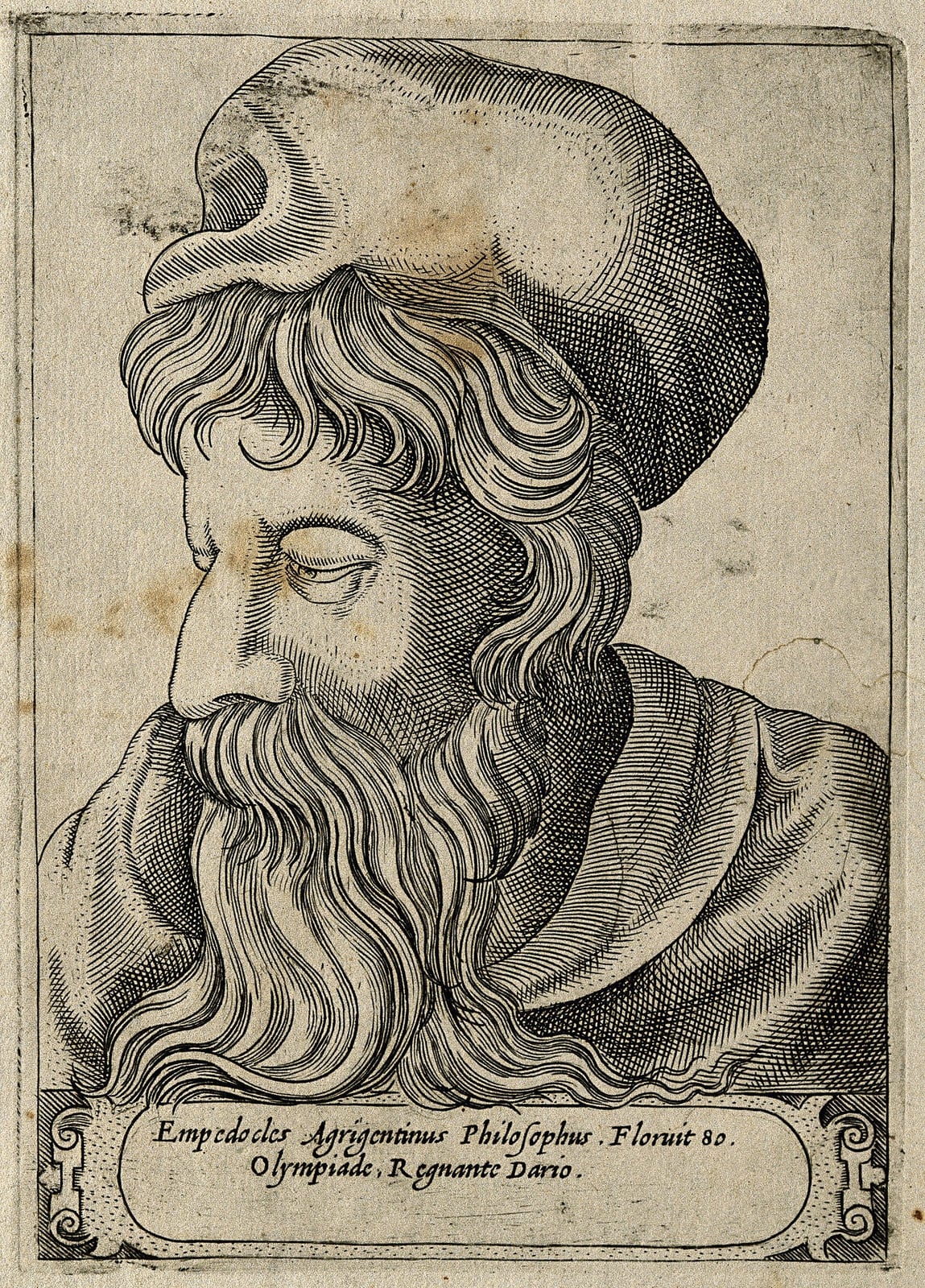
Empedocles
इन पर टकराव: मृत्यु के बाद क्या होता है?
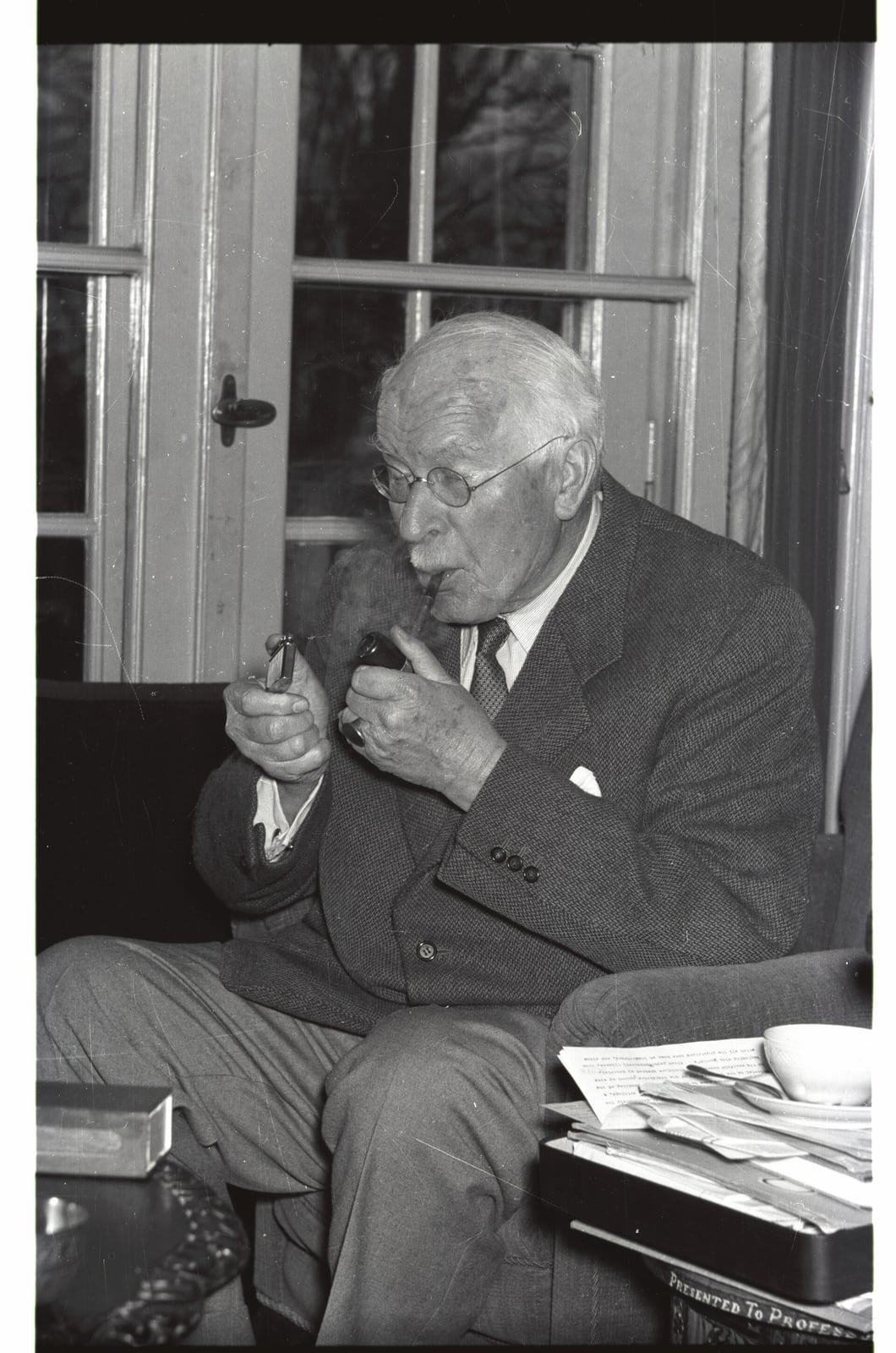
Carl Gustav Jung
इन पर टकराव: परम सत्य क्या है? क्या ईश्वर है? · हम दुःख क्यों भोगते हैं? · मृत्यु के बाद क्या होता है?
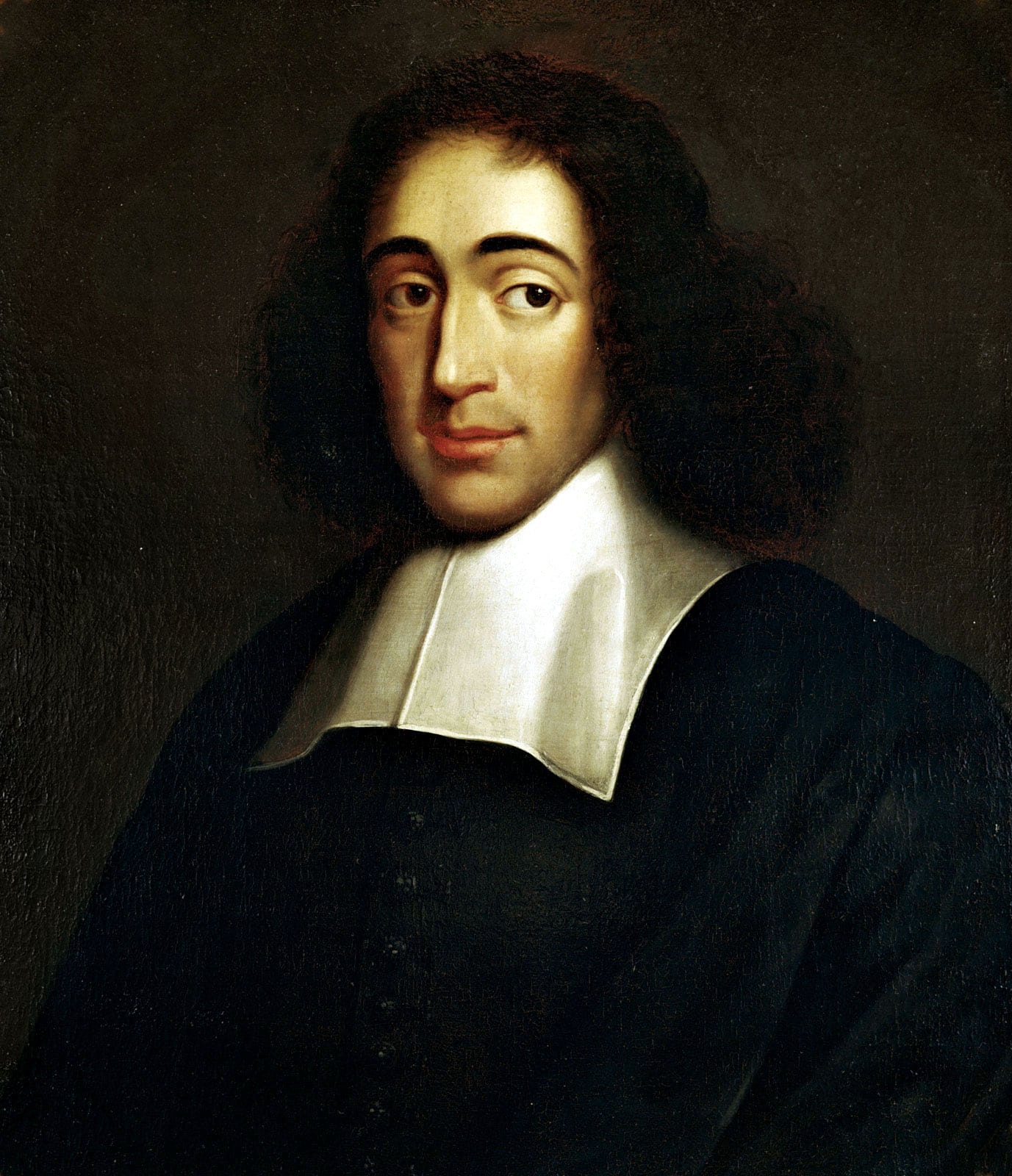
Baruch Spinoza
इन पर टकराव: परम सत्य क्या है? क्या ईश्वर है? · हम दुःख क्यों भोगते हैं? · मृत्यु के बाद क्या होता है?
प्रसंग और वृत्तांत
प्रसंग और वृत्तांत
साक्ष्य1201
The dream of the ninety-fifth day
वृत्तांत का स्रोत: Eshinni's letter to her daughter Kakushinni (1263), discovered in 1921 at Nishi Honganji: testimony of his wife, who heard it from him. The Kannon verse comes from the so-called Shinran muki and Kakunyo's biography.
स्रोत: Dobbins, James C. Letters of the Nun Eshinni: Images of Pure Land Buddhism in Medieval Japan. Honolulu: University of Hawai'i Press, 2004. ISBN 9780824826673.
साक्ष्य1214 y 1231
The interrupted thousand readings
वृत्तांत का स्रोत: Eshinni's letters (1263), written half a century later but by a direct witness.
स्रोत: Dobbins, James C. Letters of the Nun Eshinni: Images of Pure Land Buddhism in Medieval Japan. Honolulu: University of Hawai'i Press, 2004. ISBN 9780824826673.
प्रमाणित1207
"Neither monk nor layman"
वृत्तांत का स्रोत: Postscript of the Kyōgyōshinshō, in Shinran's own words; the list of those executed and exiled appears in the appendix to the Tannishō.
प्रमाणित1256
The disowning of Zenran
वृत्तांत का स्रोत: Letter of disownment (Kenchi's copy, Senju-ji) and letter to Shōshin of the same date, in the collections of Shinran's letters.
प्रमाणित1263
Eshinni's letter to her daughter
वृत्तांत का स्रोत: Eshinni's autograph letters (Nishi Honganji), discovered in 1921 and published by Washio Kyōdō.
स्रोत: Dobbins, James C. Letters of the Nun Eshinni: Images of Pure Land Buddhism in Medieval Japan. Honolulu: University of Hawai'i Press, 2004. ISBN 9780824826673.
शिक्षाएँ
शिक्षाएँ
वे अवधारणाएँ जो उनके चिंतन को रूप देती हैं, उनके संदर्भ में समझाई गई।
Other Power (tariki)tariki
Kyōgyōshinshō, Yuishinshō mon'i, letters and Tannishō.
स्रोत: Ueda, Yoshifumi; Hirota, Dennis. Shinran: An Introduction to His Thought. Kioto: Hongwanji International Center, 1989.
True entrusting (shinjin)shinjin
Kyōgyōshinshō, third chapter (Shinjin).
The evil person as the true object of the Vow (akunin shōki)akunin-shoki
Tannishō, ch. 3; letters of the Mattōshō.
स्रोत: Unno, Taitetsu (trad.). Tannisho: A Shin Buddhist Classic. Honolulu: Buddhist Study Center Press, 1984 (ed. rev. 1996). ISBN 9780938474043.
Naturalness (jinen hōni)jinen-honi
Jinen hōni shō (1258), recorded by Kenchi; Yuishinshō mon'i.
Neither monk nor layman (hisō hizoku)hiso-hizoku
Postscript of the Kyōgyōshinshō.
स्रोत: Dobbins, James C. Jōdo Shinshū: Shin Buddhism in Medieval Japan. Bloomington: Indiana University Press, 1989 (reimpr. Honolulu: University of Hawai'i Press, 2002, ISBN 9780824826208).
The two aspects of transference: going and returning (ōsō ekō, gensō ekō)oso-genso-eko
Kyōgyōshinshō (chs. 1 and 4); Nyorai nishu ekō mon.
The truly settled (shōjōju)shojoju
Kyōgyōshinshō (chs. 3 and 4); Mattōshō, letter 1.
वीडियो
वीडियो
रिकॉर्डिंग, साक्षात्कार और वृत्तचित्र। वीडियो YouTube से चलते हैं; वे यहाँ संग्रहीत नहीं हैं।
親鸞聖人の生涯~ご誕生から入滅まで~
वृत्तचित्र· JA· 2024· 5 min
真宗大谷派東本願寺【公式】आधिकारिक चैनल
立教開宗の書 教行信証《坂東本》の世界
वृत्तचित्र· JA· 2023· 36 min
真宗大谷派東本願寺【公式】आधिकारिक चैनल
本廟創立と東本願寺の歴史―親鸞聖人の示寂と大谷廟堂の創建―
वृत्तचित्र· JA· 2021· 4 min
真宗大谷派東本願寺【公式】आधिकारिक चैनल
「初めて学ぶ〈親鸞聖人のご生涯〉講座」第1回(比叡山時代の親鸞聖人)
व्याख्यान· JA· 2025· 63 min
浄土真宗本願寺派आधिकारिक चैनल
2021 Annual Symposium: The Radical Other Power of Shinran (1173-1263)
व्याख्यान· EN· 2022· 107 min
UBC Asian Studiesआधिकारिक चैनल
Mark Blum, "Critically Reading the Tannisho", February 10, 2017
व्याख्यान· EN· 2017· 77 min
Smith College Buddhist Studiesआधिकारिक चैनल
Mark Unno - Shin Buddhism in Interreligious Dialogue: A World of Teaching and Learning
व्याख्यान· EN· 2010· 46 min
The University of British Columbiaआधिकारिक चैनल
Introduction to Buddhism-Shinran ①
व्याख्यान· EN· 2021· 22 min
American Buddhist Study Center
Shinran's Understanding of Pure Land Buddhism by Reverend Professor Kemmyo Taira Sato
YouTube पर देखें
यह वीडियो एम्बेड करने की अनुमति नहीं देता; यह YouTube पर खुलेगा।
Shinran's Understanding of Pure Land Buddhism by Reverend Professor Kemmyo Taira Sato
व्याख्यान· EN· 2025· 89 min
The Buddhist Societyआधिकारिक चैनल
El Buda Amida y Su Tierra Pura y La Fe y el Nembutsu no son creados por nuestras mentes
तृतीय पक्ष की रिकॉर्डिंग· ES· 2020· 14 min
Templo Internacional Amidaji de Hispanoamérica
Shinran et le bouddhisme de la Terre Pure - Sagesses bouddhistes - France 2
वृत्तचित्र· FR· 2022· 15 min
Inspiration- Zen
चित्रशाला
चित्रशाला
सत्यापित लाइसेंस वाले चित्र। प्रत्येक में उसके रचयिता और श्रेय का उल्लेख सुरक्षित है।
पांडुलिपियाँ
पांडुलिपियाँ
पांडुलिपि-साक्ष्य और प्राचीन पाठ, उनके संरक्षक और अध्ययन की शर्तों सहित।
ZH · Kanji con anotaciones en katakana · Redacción iniciada hacia 1224 y corregida hasta la década de 1250
顕浄土真実教行証文類 (坂東本)
- संरक्षित पाठ-साक्ष्य
- Seis volúmenes con numerosas correcciones, tachaduras y hojas añadidas por el autor
- संरक्षक
- Shinshū Ōtani-ha, Higashi Honganji (Kioto)
- डिजिटलीकरण
- commons.wikimedia.org/wiki/File:Kyogyoshinsho.jp…
JA · s. XIII
紙本墨画親鸞聖人像 (鏡御影)
- संरक्षित पाठ-साक्ष्य
- Rollo colgante, tinta sobre papel, 35,2 × 33 cm
- संरक्षक
- Jōdo Shinshū Hongwanji-ha, Nishi Honganji (Kioto)
- डिजिटलीकरण
- commons.wikimedia.org/wiki/File:Shinran_Shonin.j…
JA · Kana y kanji · 1256–1268
恵信尼消息
- संरक्षित पाठ-साक्ष्य
- Diez cartas de Eshinni a su hija Kakushinni
- संरक्षक
- Nishi Honganji (Kioto)
JA · Kanji y kana · Copia del siglo XV
歎異抄 (蓮如書写本)
- संरक्षित पाठ-साक्ष्य
- Manuscrito más antiguo conservado del Tannishō, con la nota de Rennyo que restringe su lectura
- संरक्षक
- Nishi Honganji (Kioto)
संबंध
संबंध
प्रभाव, शिष्यत्व और वैचारिक निकटता। प्रमाणित संबंध को विश्लेषण से पहचानी गई समानता से अलग दर्शाया गया है।
इनके शिष्य
Hōnen
Shinran's teacher from 1201; Shinran regards him as the true master who revealed to him the nembutsu path and includes him among the seven patriarchs.
प्रमाणित संबंध
इनके परिवार से
Eshinni
His wife; her letters to their daughter Kakushinni (1256–1268) are the main independent source on his life.
प्रमाणित संबंध
इनके परिवार से
Kakushinni
His youngest daughter, who cared for him at the end of his life and founded the Ōtani mausoleum, origin of the Honganji.
प्रमाणित संबंध
इनके परिवार से
Zenran
His eldest son, whom he disowned in 1256 for spreading teachings he attributed to a secret transmission from his father.
प्रमाणित संबंध
इनके गुरु
Yuien
A Kantō disciple, compiler of the Tannishō around 1288.
प्रमाणित संबंध
इन्हें प्रभावित किया
Kakunyo
Shinran's great-grandson and third custodian of the mausoleum, author of the illustrated biography (1295) and organiser of the Honganji as a school.
प्रमाणित संबंध
इनसे प्रभावित
First of the seven Pure Land patriarchs in the Shōshinge and the Kōsō wasan, for his presentation of the "easy path".
प्रमाणित संबंध
इनके समकालीन
Contemporaries in Kamakura-period Kyoto and founders of the two most numerous Japanese schools, with opposite paths: trust in Amida's power and seated practice. There is no record that they met.
प्रमाणित संबंध
इनसे मिलते-जुलते विचार
A distant contemporary: poverty, preaching to simple people and a movement that overflowed the religious institutions of its time. A typological comparison, without contact.
विश्लेषण से पहचानी गई समानता
अन्य प्रविष्टियों से जुड़ा
स्रोत
स्रोत
इस प्रविष्टि के लिए देखे गए ग्रंथ-सूची और सूचीपत्र।
- Wikidata, entidad Q512934 «Shinran» (P31=Q5; 28 enlaces entre wikis; nacimiento 1173, muerte 1263 en Kioto; firma 愚禿釋親鸞).
- Dobbins, James C. Jōdo Shinshū: Shin Buddhism in Medieval Japan. Bloomington: Indiana University Press, 1989 (reimpr. Honolulu: University of Hawai'i Press, 2002, ISBN 9780824826208).
- Dobbins, James C. Letters of the Nun Eshinni: Images of Pure Land Buddhism in Medieval Japan. Honolulu: University of Hawai'i Press, 2004. ISBN 9780824826673.
- Hirota, Dennis (dir.) et al. (trads.). The Collected Works of Shinran. 2 vols. Kioto: Jōdo Shinshū Hongwanji-ha, 1997. Edición en línea del Hongwanji.
- Bloom, Alfred. Shinran's Gospel of Pure Grace. Tucson: University of Arizona Press, 1965. ISBN 9780816504053.
- Ueda, Yoshifumi; Hirota, Dennis. Shinran: An Introduction to His Thought. Kioto: Hongwanji International Center, 1989.
- Kakunyo. Honganji Shōnin Shinran den'e (Godenshō, «Biografía ilustrada de Shinran»), 1295. Trad. inglesa en The Life of Shinran Shonin: The Journey to Self-Acceptance, de Alfred Bloom (Leiden: Brill, 1968).
- Akamatsu Toshihide. Shinran. Tokio: Yoshikawa Kōbunkan (Jinbutsu sōsho), 1961.
- «正信念仏偈», texto original de Shinran (final del capítulo de la Práctica del Kyōgyōshinshō), en Wikisource japonés, con nota sobre la variante del manuscrito autógrafo de Bandō.
- «善鸞義絶状» (carta de repudio de Zenran, 1256), texto según la copia de Kenchi conservada en el Senju-ji, en Wikisource japonés.
- Imadate, Tosui (trad.). The Tannisho (Tract on Deploring the Heterodoxies). Kioto: The Eastern Buddhist Society, 1928. Ejemplar digitalizado en Internet Archive.
- Yamabe, S.; Beck, L. Adams (trads.). Buddhist Psalms Translated from the Japanese of Shinran Shōnin. Londres: John Murray (Wisdom of the East), 1921. Project Gutenberg n.º 7015.
- Shinshū Ōtani-ha (Higashi Honganji). «親鸞聖人の生涯» (La vida de Shinran), sitio oficial.
- Unno, Taitetsu (trad.). Tannisho: A Shin Buddhist Classic. Honolulu: Buddhist Study Center Press, 1984 (ed. rev. 1996). ISBN 9780938474043.
- Suzuki, Daisetz Teitaro (trad.). The Kyōgyōshinshō. Kioto: Shinshū Ōtaniha, 1973; reed. como Shinran's Kyogyoshinsho, Nueva York: Oxford University Press, 2012. ISBN 9780199863105.
- Inagaki, Hisao (trad.). Kyōgyōshinshō: On Teaching, Practice, Faith, and Enlightenment. Berkeley: Numata Center for Buddhist Translation and Research (BDK English Tripiṭaka 105-I), 2003. ISBN 9781886439160.
- Ducor, Jérôme (trad.). Le Tannishô. Paris: Cerf (Patrimoines – Orient), 2011. ISBN 9782204093781.
- Wikipedia en japonés, «親鸞» (cronología, obras y títulos póstumos). Consultada el 25-10-2026 y contrastada con s2, s3 y s13.
- «歎異抄 (意訳聖典)», versión en japonés moderno publicada por el Honganji en Iyaku seiten (Naigai shuppan, 1923), en Wikisource japonés.
- Bandō, Shōjun; Stewart, Harold (trads.). Tannishō: Passages Deploring Deviations of Faith. Berkeley: Numata Center for Buddhist Translation and Research, 1996. ISBN 9781886439030.
- अधिकार-धारक
- Obra en dominio público. Las traducciones modernas pertenecen a sus traductores o editoriales; la traducción inglesa completa (The Collected Works of Shinran, 1997) es del Jōdo Shinshū Hongwanji-ha, que la ofrece gratuitamente en línea.
- आधिकारिक वेबसाइट
- www.higashihonganji.or.jp/about/shinran/
पुष्टि की प्रतीक्षा में
जो यह प्रविष्टि अभी तक निश्चित नहीं कर सकी है। हम उसे भर देने के बजाय कह देना बेहतर समझते हैं।
- Ediciones en español: no se ha localizado en catálogos (Open Library, búsquedas generales) ninguna traducción española publicada con ISBN del Kyōgyōshinshō ni del Tannishō; existen versiones de comunidades jōdo shinshū hispanohablantes sin datos editoriales comprobados y una traducción española de «Las canciones de Shinran Shōnin» de Beatrice Lane Suzuki en Internet Archive sin traductor identificado (no incluida en la sala de lectura). Buscar en la BNE y en el Hongwanji International Center.
- Fechas en calendario juliano (14-05-1173 y 09-01-1263, como Wikidata); la escuela celebra el 21 de mayo y el 16 de enero, equivalentes en gregoriano proléptico.
- Datación de obras menores aproximada (Jōdo monrui jushō, Nyūshutsu nimon geju, Nyorai nishu ekō mon, Mida nyorai myōgō toku, notas a los sutras); confirmar con la cronología de la edición Teihon Shinran Shōnin zenshū.
- Sala de lectura: no hay en línea un texto original completo del Kyōgyōshinshō ni del Tannishō en una fuente libre de derechos editoriales comprobada (WikiArc reproduce la edición anotada del Hongwanji). Se registran el Shōshinge, la carta a Zenran, la versión de 1923 del Tannishō, la traducción inglesa de Imadate (1928) y Buddhist Psalms (1921).
- Confirmar la condición de Bien Cultural Importante de las cartas de Eshinni y la autoría tradicional del «retrato del espejo» (Sen'amidabutsu).
- Relaciones con slugs no presentes en el catálogo del Atlas (honen, eshinni, kakushinni, zenran, yuien, kakunyo): revisar si se crean fichas.
- Vídeos: la conferencia de Kemmyo Taira Sato (The Buddhist Society) no es insertable (oEmbed 401); la emisión de France 2 procede de un canal de terceros.
2026-10-25 को शोधित