ईसाई धर्म · चेतना अनुसंधान · हर्मेटिकवाद
Carl Gustav Jung
1875 – 1961ऐतिहासिक रूप से प्रमाणित व्यक्ति
स्विस मनोचिकित्सक (1875–1961), विश्लेषणात्मक मनोविज्ञान के संस्थापक। पहले फ़्रायड के सहयोगी और बाद में उनसे अलग राह पर चलने वाले युंग ने सामूहिक अचेतन, आदिरूप (आर्कीटाइप), छाया, एनिमा, मनोवैज्ञानिक प्रकार, वैयक्तिकरण और समकालिकता की अवधारणाएँ प्रतिपादित कीं। उन्होंने कीमिया, ज्ञानवाद और पूर्वी धर्मों को मानस के दर्पण के रूप में खोजा और 'द रेड बुक' में अचेतन से अपने व्यक्तिगत साक्षात्कार का अभिलेख छोड़ा। उनके कार्य ने मनश्चिकित्सा, धर्म-अध्ययन और बीसवीं शताब्दी की संस्कृति को गहराई से प्रभावित किया।
- कृतियाँ
- 56कृतियाँ
- संस्करण
- 121संस्करण
- उद्धरण
- 8उद्धरण
- वीडियो
- 13वीडियो
- चित्र
- 10चित्र
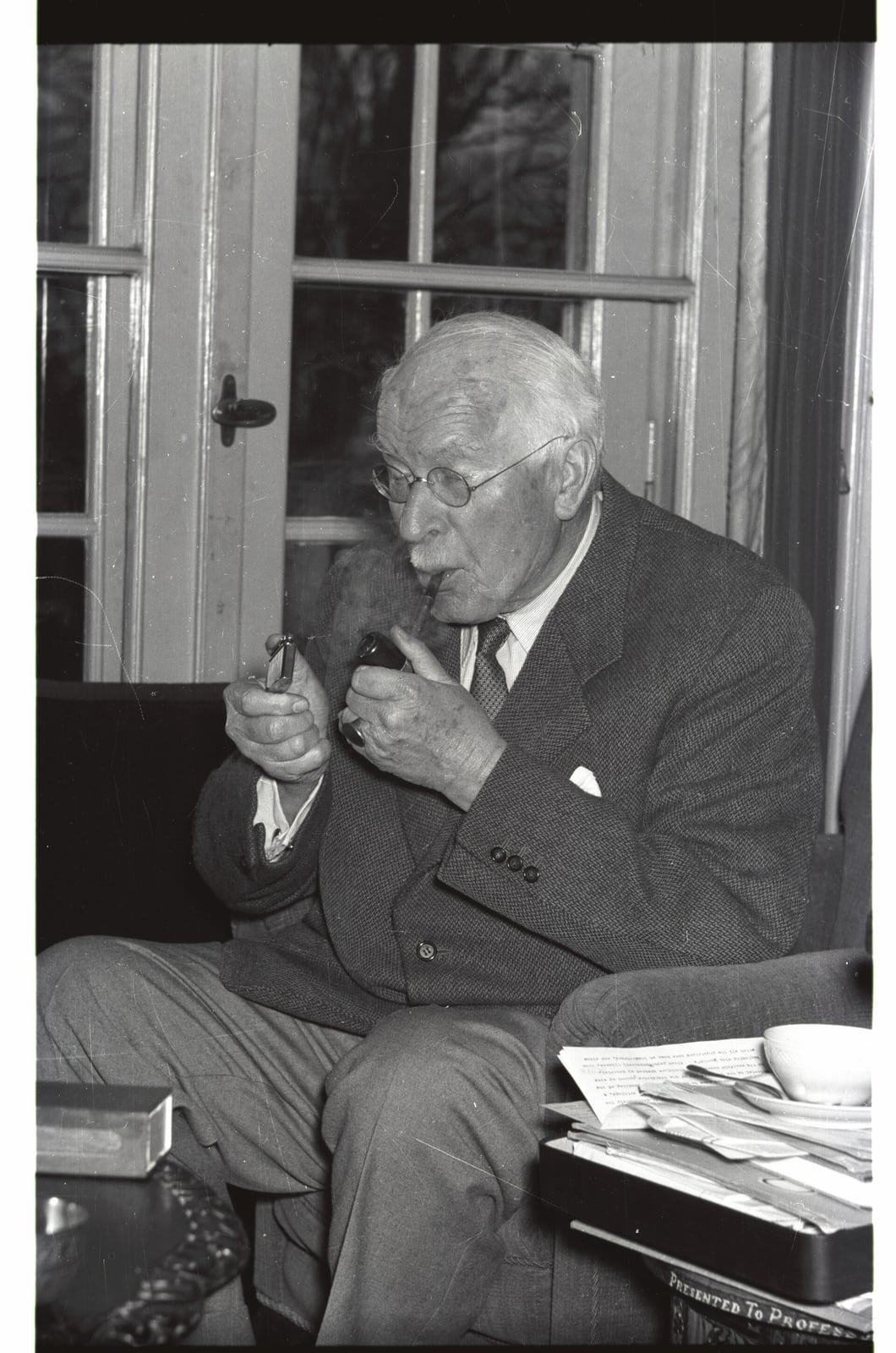
C. G. Jung en Küsnacht, 1955 · CC BY-SA 4.0
उनके अपने शब्दों में
«My life is a story of the self-realization of the unconscious.»Erinnerungen, Träume, Gedanken (1962), prólogo, primera frase

शुरुआत के लिए एक रचना
Psychological Typesमूल विचार
The unconscious is not merely the store of what each individual has repressed: it has a collective layer, common to the species, which shows itself in images and motifs that recur in the myths, religions, dreams and delusions of times and cultures with no contact with one another.
संदर्भ में देखें
जीवनी
5 मिनट का पाठ
स्पैनिश मूल से सहायता-प्राप्त अनुवाद, मातृभाषी अनुवादक द्वारा समीक्षा लंबित।
राइन के तट पर एक पादरी का बेटा
कार्ल गुस्ताव युंग का जन्म 26 जुलाई 1875 को स्विट्ज़रलैंड के थुर्गाउ कैंटन में, कॉन्स्टेंस झील के किनारे बसे केसविल में हुआ। उनके पिता पाउल आख़िलेस युंग सुधारवादी चर्च के पादरी थे और प्राच्य भाषाओं में डॉक्टरेट थे; उनकी माता एमिली प्राइसवेर्क बाज़ेल के धर्मशास्त्रियों के एक ऐसे परिवार से थीं जिसका झुकाव प्रेतवाद की ओर था। परिवार जल्द ही राइन जलप्रपात के पास लाउफ़ेन चला गया और 1879 में बाज़ेल के निकट क्लाइन-ह्यूनिंगेन आ बसा। नौ वर्ष तक वे इकलौती संतान रहे — उनकी बहन गेरट्रूड का जन्म 1884 में हुआ — और एकाकी बालक के रूप में बड़े हुए। जीवन के अंत में बोलकर लिखवाई गई अपनी स्मृतियों में उन्होंने निर्णायक स्वप्नों से भरे बचपन का और पिता की आस्था के प्रति आरंभिक अविश्वास का वर्णन किया, जो उन्हें बुझी हुई प्रतीत होती थी; इन्हीं पृष्ठों से उस किशोर की छवि आती है — जिसे स्मृति ने शायद कुछ सँवार दिया हो — जो जानता था कि उसके भीतर "दो व्यक्तित्व" वास करते हैं।
चिकित्सा, मनोरोग-विज्ञान और बुर्गह्योल्त्सली
1895 से 1900 तक उन्होंने बाज़ेल विश्वविद्यालय में चिकित्सा की पढ़ाई की और साथ ही अपनी ममेरी बहन हेलेन प्राइसवेर्क की प्रेत-बैठकों में भाग लेते रहे, जो उनके डॉक्टरेट शोध-प्रबंध तथाकथित गुह्य घटनाओं के मनोविज्ञान और विकृति-विज्ञान पर (1902) की सामग्री बनीं। दिसंबर 1900 में वे बुर्गह्योल्त्सली में सहायक चिकित्सक नियुक्त हुए — यह ज़्यूरिख़ विश्वविद्यालय का मनोरोग चिकित्सालय था, जिसका संचालन ऑयगेन ब्लॉयलर करते थे और जो यूरोप के सबसे नवोन्मेषी केंद्रों में गिना जाता था। वहाँ उन्होंने फ़्रांत्स रिकलिन के साथ शब्द-साहचर्य प्रयोग विकसित किया, जो प्रतिक्रिया-समय और विचलित उत्तरों को मापकर अचेतन भावात्मक केंद्रों का पता लगाता था; इन्हें उन्होंने "ग्रंथियाँ" (कॉम्प्लेक्स) कहा। 1903 में उन्होंने शाफ़हाउज़ेन के एक उद्योगपति की पुत्री एम्मा राउशेनबाख़ से विवाह किया, जिनसे उनकी पाँच संतानें हुईं; 1907 में उन्होंने डिमेंशिया प्रीकॉक्स के मनोविज्ञान पर प्रकाशित किया, स्किज़ोफ़्रेनिया का एक अध्ययन जिसने उन्हें अंतरराष्ट्रीय प्रतिष्ठा दिलाई।
फ़्रायड
इसी पुस्तक ने उन्हें सिगमंड फ़्रायड के निकट ला दिया, जिनसे 1906 से उनका पत्र-व्यवहार चल रहा था। 3 मार्च 1907 को वियना में दोनों की भेंट हुई और, युंग के स्मरण के अनुसार, वे लगातार तेरह घंटे बात करते रहे। फ़्रायड ने उनमें वह उत्तराधिकारी देखा जो मनोविश्लेषण को वियना के घेरे से बाहर ले जा सकता था; 1909 में युंग उनके साथ मैसाचुसेट्स के क्लार्क विश्वविद्यालय गए और अंतरराष्ट्रीय मनोविश्लेषण संघ के पहले अध्यक्ष बने (1910)। दोनों का पत्राचार इस मैत्री की प्रगाढ़ता और उसके तीव्र विघटन — दोनों का साक्षी है। लिबिडो के रूपांतरण और प्रतीक (1911–1912) में युंग ने लिबिडो की अवधारणा को विस्तार देकर उसे सामान्य मानसिक ऊर्जा बना दिया और मिथकों को मानस की एक सामूहिक परत की अभिव्यक्ति के रूप में पढ़ा। फ़्रायड ने इसे विचलन माना; 1912 के अंत तक संबंध-विच्छेद व्यक्तिगत रूप ले चुका था, और 1913–1914 में युंग ने संघ तथा विश्वविद्यालय का अध्यापन छोड़ दिया।
अचेतन से साक्षात्कार
इसके बाद वे वर्ष आए जिन्हें उन्होंने स्वयं "अचेतन से साक्षात्कार" कहा। नवंबर 1913 से वे अपनी कल्पनाएँ और दृश्यानुभूतियाँ कुछ नोटबुकों में दर्ज करने लगे — जिन्हें ब्लैक बुक्स (काली पुस्तिकाएँ) कहा जाता है — और फिर उन्हें गॉथिक लिपि में, अपने बनाए चित्रों के साथ, लाल चमड़े में जिल्दबंद एक विशाल ग्रंथ लिबेर नोवुस में उतारा, जिस पर वे 1930 तक काम करते रहे। उसमें वे एलियाह, सलोमी और फ़िलेमॉन जैसी आकृतियों से संवाद करते हैं — फ़िलेमॉन एक पंखधारी वृद्ध था, जिसे वे अपना आंतरिक मार्गदर्शक मानते थे। द रेड बुक (लाल ग्रंथ) 2009 तक अप्रकाशित रहा, और सोनू शामदासानी द्वारा संपादित उसके संस्करण ने दिखाया कि उनके लगभग सभी परवर्ती विचार उसी अनुभव से जन्मे थे। 1916 में उन्होंने मृतकों को सात उपदेश निजी तौर पर छपवाए और ज़्यूरिख़ के मनोवैज्ञानिक क्लब की स्थापना की; 1921 में उन्होंने मनोवैज्ञानिक प्रकार प्रकाशित किया, जिसमें अंतर्मुखता और बहिर्मुखता की अवधारणाएँ प्रस्तुत की गईं।
यात्राएँ, बॉलिंगेन और कीमिया
1920 के दशक में उन्होंने उत्तरी अफ़्रीका की, न्यू मेक्सिको के ताओस में पुएब्लो इंडियनों की, और केन्या तथा युगांडा के बीच स्थित एल्गॉन पर्वत की यात्रा की; 1937–1938 में वे भारत आए। वे यूरोपीय चेतना से बाहर का कोई दृष्टि-बिंदु खोज रहे थे। 1923 से उन्होंने ज़्यूरिख़ झील के किनारे अपने हाथों से बॉलिंगेन की मीनार बनानी शुरू की — बिना बिजली का एक एकांत आश्रय, जिसका वे दशकों तक विस्तार करते रहे। चीनी विद्या के विद्वान रिचर्ड विल्हेल्म से उनकी मित्रता ने, जिनके साथ उन्होंने 1929 में स्वर्ण पुष्प का रहस्य प्रकाशित किया, उनके लिए कीमिया (रसविद्या) का मार्ग खोला। उन्होंने तीस वर्षों तक कीमिया का अध्ययन उन रूपांतरण-प्रक्रियाओं के ऐतिहासिक दर्पण के रूप में किया जिन्हें वे अपने रोगियों में देखते थे: मनोविज्ञान और कीमिया (1944), आयोन (1951) और मिस्टेरियुम कोनियुंक्तियोनिस (1955–1956) इसी अनुसंधान के फल हैं।
एक विवादास्पद अध्यक्षता
1933 में उन्होंने अंतरराष्ट्रीय सामान्य चिकित्सकीय मनश्चिकित्सा सोसाइटी की अध्यक्षता स्वीकार की, जिसकी जर्मन शाखा मात्थियास हाइनरिख़ गोरिंग के नेतृत्व में नए शासन के अधीन कर दी गई थी। युंग का कहना था कि उन्होंने यह पद यहूदी मनश्चिकित्सकों की रक्षा के लिए स्वीकार किया, और उन्होंने नियमावली में संशोधन कर उन्हें व्यक्तिगत सदस्यता का अधिकार दिलाया; किंतु उन वर्षों में "यहूदी" और "जर्मनिक" मनोविज्ञान के अंतर पर दिए गए उनके कुछ वक्तव्यों के कारण उन पर यहूदी-विरोध के आरोप लगे, जिन पर इतिहासकार आज भी बहस करते हैं। 1940 में उन्होंने त्यागपत्र दे दिया।
वृद्धावस्था और विरासत
1944 में उन्हें अस्थि-भंग और हृदयाघात हुआ, और स्वास्थ्य-लाभ के दौरान उन्हें ऐसी दृश्यानुभूतियाँ हुईं जिन्हें उन्होंने अपने जीवन की सबसे सुंदर बताया। 1948 में ज़्यूरिख़ में सी. जी. युंग संस्थान की स्थापना हुई। अपने अंतिम वर्षों में उन्होंने अय्यूब को उत्तर (1952) लिखा, ईश्वर की छवि पर उनका सबसे विवादास्पद ग्रंथ, और भौतिकविज्ञानी वोल्फ़गांग पाउली के साथ संवाद में समकालिकता पर निबंध लिखा। 1955 में एम्मा का देहांत हुआ; 1959 में उन्होंने बीबीसी को एक प्रसिद्ध साक्षात्कार दिया, जिसमें यह पूछे जाने पर कि क्या वे ईश्वर में विश्वास करते हैं, उन्होंने उत्तर दिया कि उन्हें विश्वास करने की आवश्यकता नहीं, क्योंकि वे जानते हैं। 6 जून 1961 को पचासी वर्ष की आयु में क्यूसनाख़्त स्थित अपने घर में उनका निधन हुआ। मृत्यु के बाद अनिएला याफ़े के साथ तैयार की गई स्मृतियाँ, स्वप्न, चिंतन (1962) और मनुष्य और उसके प्रतीक (1964) प्रकाशित हुईं। उनका विश्लेषणात्मक मनोविज्ञान, जिस पर प्रायोगिक विज्ञान ने प्रश्न उठाए हैं, मनश्चिकित्सा, धर्म और मिथक-अध्ययन तथा बीसवीं शताब्दी की संस्कृति पर स्थायी छाप छोड़ गया है।
स्रोत: Jung, C. G. Erinnerungen, Träume, Gedanken von C. G. Jung. Aufgezeichnet und herausgegeben von Aniela Jaffé. Zúrich: Rascher, 1962 (trad. ingl. Memories, Dreams, Reflections, Nueva York: Pantheon, 1963; trad. esp. Recuerdos, sueños, pensamientos, Barcelona: Seix Barral). · Bair, Deirdre. Jung: A Biography. Boston: Little, Brown and Company, 2003. · Shamdasani, Sonu. Jung and the Making of Modern Psychology: The Dream of a Science. Cambridge: Cambridge University Press, 2003. · McGuire, William (ed.). The Freud/Jung Letters: The Correspondence between Sigmund Freud and C. G. Jung. Trad. R. Manheim y R. F. C. Hull. Princeton: Princeton University Press (Bollingen Series XCIV), 1974. · Jung, C. G. The Red Book: Liber Novus. Ed. e introducción de Sonu Shamdasani. Nueva York: W. W. Norton / Philemon Series, 2009.
कालक्रम
जीवन, वर्ष-दर-वर्ष
प्रत्येक बिंदु एक प्रमाणित घटना है। उसे स्रोत और निश्चितता के स्तर सहित पढ़ने के लिए क्लिक करें।
26 जुलाई 18750 वर्षKesswil, Turgovia (Suiza)
Birth
Born in the parsonage at Kesswil, son of the pastor Paul Achilles Jung and Emilie Preiswerk.
प्रमाणितBair, Deirdre. Jung: A Biography. Boston: Little, Brown and Company, 2003.
उनके निधन के बाद
- 1962Memories, Dreams, Reflections
- अक्टूबर 2009Publication of The Red Book
26 जुलाई 1875 · 0 वर्ष
Birth
Born in the parsonage at Kesswil, son of the pastor Paul Achilles Jung and Emilie Preiswerk.
प्रमाणित
1879 · 4 वर्ष
Move to Klein-Hüningen
After some years in Laufen by the Rhine Falls, the family settles in Klein-Hüningen near Basel.
प्रमाणित
1895 – 1900 · 20 वर्ष
Medical studies
He enters the Faculty of Medicine at Basel; he takes part in the Zofingia student society and in séances with his cousin Hélène Preiswerk. His father dies in 1896.
प्रमाणित
10 दिसंबर 1900 · 25 वर्ष
Assistant at the Burghölzli
He joins Zurich's university psychiatric clinic under Eugen Bleuler, where he develops the word-association experiment.
संभावित
1902 · 27 वर्ष
Doctoral thesis
He publishes Zur Psychologie und Pathologie sogenannter occulter Phänomene; in the winter of 1902–1903 he studies with Pierre Janet in Paris.
प्रमाणित
14 फ़रवरी 1903 · 27 वर्ष
Marriage to Emma Rauschenbach
He marries Emma Rauschenbach (1882–1955), with whom he will have five children; in 1908–1909 they build their house in Küsnacht.
संभावित
3 मार्च 1907 · 31 वर्ष
First meeting with Freud
After a year of correspondence he visits Freud in Vienna; according to Jung they talk for thirteen hours. He publishes Über die Psychologie der Dementia praecox.
प्रमाणित
सितंबर 1909 · 34 वर्ष
Clark University
He travels with Freud and Ferenczi to the United States; both receive honorary doctorates at Clark University.
प्रमाणित
1910 · 35 वर्ष
President of the IPA
Elected first president of the International Psychoanalytical Association at the Nuremberg congress.
प्रमाणित
1912 · 37 वर्ष
Transformations and Symbols of the Libido
He publishes the second part of the book and lectures at Fordham University; the break with Freud is consummated at the year's end.
प्रमाणित
नवंबर 1913 – 1930 · 38 वर्ष
The confrontation with the unconscious
He begins recording his fantasies in the Black Books, the origin of the Liber Novus (Red Book), on which he works until 1930.
प्रमाणित
1921 · 46 वर्ष
Psychological Types
He publishes Psychologische Typen, introducing introversion, extraversion and the four functions.
प्रमाणित
1923 · 48 वर्ष
The tower at Bollingen
He begins building the tower by Lake Zurich, extended in several stages until 1955. His mother dies.
प्रमाणित
जनवरी 1925 · 49 वर्ष
Visit to the Pueblo Indians
In Taos he talks with chief Ochwiay Biano (Mountain Lake); in October he sets out for Mount Elgon in East Africa.
प्रमाणित
1929 · 54 वर्ष
The Secret of the Golden Flower
He publishes with Richard Wilhelm the commentary on the Taoist treatise, the starting point of his studies of alchemy.
प्रमाणित
1933 – 1940 · 58 वर्ष
Presidency of the psychotherapy society
He agrees to preside over the International General Medical Society for Psychotherapy; the Eranos lectures begin at Ascona. He resigns in 1940.
प्रमाणित
दिसंबर 1937 – 1938 · 62 वर्ष
Journey to India
Invited to the jubilee of the University of Calcutta, he travels in India until 1938 and receives honorary doctorates.
प्रमाणित
फ़रवरी 1944 · 68 वर्ष
Heart attack and visions
After breaking a foot he suffers a heart attack; during convalescence he has the visions narrated in his memoirs. He publishes Psychologie und Alchemie.
प्रमाणित
24 अप्रैल 1948 · 72 वर्ष
C. G. Jung Institute
The C. G. Jung Institute for the training of analysts is founded in Zurich.
संभावित
1952 · 77 वर्ष
Answer to Job and synchronicity
He publishes Antwort auf Hiob and, with Wolfgang Pauli, Naturerklärung und Psyche, including his essay on synchronicity.
प्रमाणित
27 नवंबर 1955 · 80 वर्ष
Death of Emma Jung
His wife dies; that year he completes Mysterium Coniunctionis.
प्रमाणित
22 अक्टूबर 1959 · 84 वर्ष
'Face to Face' interview
The BBC broadcasts John Freeman's interview, filmed at his home in Küsnacht.
प्रमाणित
6 जून 1961 · 85 वर्ष
Death
He dies at home after several weeks of circulatory illness.
प्रमाणित
1962
Memories, Dreams, Reflections
The memoirs written with Aniela Jaffé are published.
प्रमाणित
अक्टूबर 2009
Publication of The Red Book
W. W. Norton and the Philemon Foundation publish the Liber Novus in facsimile, edited by Sonu Shamdasani.
प्रमाणित
कृतियाँ
आवश्यक कृतियाँ
वे कृतियाँ जिनके बिना उनकी विरासत को समझा नहीं जा सकता।
लिखित कृति · 1921
Psychological Types
Psychologische Typen
A large treatise distinguishing two attitudes—introversion and extraversion—and four functions—thinking, feeling, sensation and intuition—whose combinations yield eight types. Half the book is a history of the problem of types in theology, philosophy and poetry (Tertullian, Schiller, Nietzsche, Spitteler); it includes a glossary of concepts. It later inspired, without Jung's involvement, the Myers-Briggs indicator. GW/CW 6.
4 संस्करण

मरणोपरांत कृति · 1962
Memories, Dreams, Reflections
Erinnerungen, Träume, Gedanken von C. G. Jung
An inner autobiography: Jung tells his life not through outward events but through dreams, visions and inner encounters, from childhood in Klein-Hüningen to old age at Bollingen. It covers the relationship with Freud, the confrontation with the unconscious, his travels and the visions of 1944. It appeared a year after his death and is his most widely read book.
5 संस्करण

मरणोपरांत कृति · 1964
Man and His Symbols
A popular work conceived for the general public at the request of John Freeman after the BBC interview. Jung wrote the first chapter, 'Approaching the Unconscious', shortly before his death; the others are by his collaborators Marie-Louise von Franz, Joseph L. Henderson, Jolande Jacobi and Aniela Jaffé. Richly illustrated.
4 संस्करण

पांडुलिपि · 2009
The Red Book: Liber Novus
Liber Novus (Das Rote Buch)
A large folio volume bound in red leather, written between 1914 and 1930 in medieval script and adorned with 53 paintings by Jung. It contains, reworked, the fantasies of the Black Books: the descent into the unconscious, dialogues with the soul, with Elijah and Salome, with Philemon and with Izdubhar, and a visionary theology. It remained with the family until its facsimile edition in 2009 and is the source of all his later work.
4 संस्करण
संपूर्ण कृतित्व (56)

On the Psychology and Pathology of So-Called Occult Phenomena
1902

Studies in Word-Association
1906

The Psychology of Dementia Praecox
1907

Psychology of the Unconscious (Transformations and Symbols of the Libido)
1912
Carl Gustav Jung
Seven Sermons to the Dead
The Conscious LibrarySeven Sermons to the Dead
1916

Collected Papers on Analytical Psychology
1916

The Relations between the Ego and the Unconscious
1928
Carl Gustav Jung
The Secret of the Golden Flower
The Conscious LibraryThe Secret of the Golden Flower
1929

Modern Man in Search of a Soul
1931
Psychology and Religion
1938

Psychology and Alchemy
1944

The Psychology of the Transference
1946

Aion: Researches into the Phenomenology of the Self
1951

Answer to Job
1952

Synchronicity: An Acausal Connecting Principle
1952

Symbols of Transformation
1952

Mysterium Coniunctionis
1955

The Undiscovered Self
1957

Flying Saucers: A Modern Myth of Things Seen in the Skies
1958
Carl Gustav Jung
The Black Books
The Conscious LibraryThe Black Books
2020
Carl Gustav Jung
Introduction to Jungian Psychology: Notes of the Seminar on Analytical Psychology Given in 1925
The Conscious LibraryIntroduction to Jungian Psychology: Notes of the Seminar on Analytical Psychology Given in 1925
1925

Dream Analysis
1928

Visions
1930

The Psychology of Kundalini Yoga
1932
वचन
किसी निश्चित कृति में स्थित वचन। प्रत्येक के साथ उसका स्रोत और विश्वसनीयता का स्तर है।
My life is a story of the self-realization of the unconscious.Mein Leben ist eine Geschichte der Selbstverwirklichung des Unbewußten.
सत्यापितErinnerungen, Träume, Gedanken (1962), prólogo, primera frase
मूल विचार (संपादकीय सार)
कॉपीराइट के सम्मान में, ये विचार हमारे अपने शब्दों में संक्षेपित हैं और इन्हें शब्दशः उद्धरण के रूप में प्रस्तुत नहीं किया गया है।
- The unconscious is not merely the store of what each individual has repressed: it has a collective layer, common to the species, which shows itself in images and motifs that recur in the myths, religions, dreams and delusions of times and cultures with no contact with one another.
- The task of the second half of life differs from the first: having adapted to the outer world, a person must turn inward, integrate what was left aside and orient towards meaning rather than success.
- The shadow—what we do not wish to be—is not overcome by denying it or projecting it onto others, but by recognising it as one's own; much collective evil arises from unacknowledged shadows projected onto an enemy.
- Religious symbols are not errors for science to dispel but expressions of psychic realities; when a civilisation loses them without replacing them, the energy they held pours into mass ideologies.
- Neurosis is not merely a disorder to be removed: it is often the psyche's still clumsy attempt at a development the conscious attitude prevents; hence the symptom may contain an indication of the way forward.
- The therapist cannot take the patient further than he himself has gone; analysis is an encounter between two persons in which both are involved, which is why the analyst must have been analysed.
- The West should not imitate the spiritual techniques of the East like a borrowed garment: it must find its own way inward from its own tradition, from Christianity, Gnosticism and alchemy.
अप्रामाणिक या विवादित आरोपण वाले उद्धरण (2)
«"Until you make the unconscious conscious, it will direct your life and you will call it fate."»
One of the most widely circulated sayings under his name, but it does not appear in his work. It is a modern paraphrase of Aion (CW 9/II, § 126), where Jung writes that an inner situation not made conscious happens outside as fate.
«"I am not what happened to me, I am what I choose to become."»
Attributed to Jung on social media since the 2010s without any reference; it does not appear in the collected works, letters or memoirs, and its voluntarist tone contradicts his emphasis on the weight of the unconscious.
अंतिम शब्द
साक्षियों का परवर्ती वृत्तांत
«Now I know the truth down to a very little bit that is still missing. When I know this too, then I will have died.»Now I know the truth down to a very little bit that is still missing. When I know this too, then I will have died.
These are not literally his last words: according to the account Barbara Hannah gives on the testimony of Ruth Bailey, his housekeeper and companion, he said this on the terrace at Küsnacht in his last weeks while recounting a dream. He died on the afternoon of 6 June 1961, peacefully and with no recorded final words, after several days in a semi-conscious state. Marie-Louise von Franz also reported his last dream: a great round stone on a high place inscribed 'And this shall be a sign unto you of Wholeness and Oneness'. The wording varies between sources.
स्रोत: Hannah, Barbara. Jung: His Life and Work. A Biographical Memoir. Nueva York: G. P. Putnam's Sons, 1976.
पूछें
उनकी कृतियाँ क्या उत्तर देती हैं
मानवता के बारह महान प्रश्न और उनके ग्रंथ उनका जो उत्तर देने देते हैं, संदर्भों सहित। हम कभी उनके मुख में अपने शब्द नहीं रखते।
परम सत्य क्या है? क्या ईश्वर है?
Psychology reaches only the God-image in the soul, not God Himself
पारलौकिक के प्रति संयमस्पष्ट रूप से कहा है
Jung insists on distinguishing between the image of God in the psyche and God in Himself. As a psychologist, he says, he can speak only of the former: of numinous experience, of symbols of wholeness and of the archetype of the self, which empirically cannot be distinguished from the God-image. About the existence of a metaphysical God he declares that science can neither affirm nor deny anything. That is why Psychology and Religion presents itself as a study of psychic facts and not as an apology, and Answer to Job deals with the divine image as Western man experiences it, not with God. This methodological reserve coexists with a personal conviction: asked by the BBC in 1959 whether he believed in God, he answered that he did not need to believe, he knew.
इस प्रश्न की अन्य गुरुओं से तुलना करेंमैं कौन हूँ? क्या कोई सच्चा आत्म है?
The self, greater than the ego, is realised over a lifetime
विकसित होती आत्माउनके सिद्धांत से निष्कर्षित
Jung distinguishes between the ego (Ich), the centre of consciousness and one complex among others in the psyche, and the self (Selbst), which is both the centre and the totality of the conscious and unconscious psyche. The persona, the social mask, is not the true self; the shadow and the anima or animus are parts of oneself that go unrecognised. The process of individuation consists in integrating them so as to become the individual one is, and it lasts a lifetime. Jung said this of himself at the start of his autobiography: his life was the story of a self-realisation of the unconscious. The true self is not given in advance nor reached by denying the ego: it becomes conscious in stages.
इस प्रश्न की अन्य गुरुओं से तुलना करेंहम दुःख क्यों भोगते हैं?
What is not made conscious is lived outside, as fate
हम क्या हैं, इसका अज्ञानस्पष्ट रूप से कहा है
Jung locates the root of much psychic suffering in unconsciousness: what a person does not recognise in himself, his shadow, his complexes, his one-sidedness, acts behind his back. According to the psychological rule he formulates, when an inner situation is not made conscious, it happens outside, as fate. Neurosis, he wrote in Psychology and Religion, is always a substitute for legitimate suffering: it appears when one evades the pain that belongs to life. And in his essays on modern man he defined it as the suffering of a soul that has not found its meaning. Jung does not promise the absence of pain: he considers conscious suffering part of individuation, and what is pathological is the suffering endured without understanding it.
इस प्रश्न की अन्य गुरुओं से तुलना करेंमृत्यु के बाद क्या होता है?
On life after death he can only tell myths, not prove
मौन या संयमस्पष्ट रूप से कहा है
Jung devoted a chapter of Memories, Dreams, Reflections to life after death, and opens it by warning that he can prove nothing: he can only tell stories, mythologise. He offers dreams, experiences of his own and the vision he had in 1944, on the brink of death after a heart attack. His psychological argument is that the psyche is not wholly subject to space and time, as synchronistic phenomena suggest, so it is not absurd to think that something of it continues. He adds that it is healthy for psychic life to have a myth about death, and that reason alone cannot provide one. In The Structure and Dynamics of the Psyche he holds that death, seen from the soul, is a goal rather than an end.
इस प्रश्न की अन्य गुरुओं से तुलना करेंमुक्ति या उद्धार कैसे प्राप्त होता है?
One is not enlightened by imagining light but by making the darkness conscious
सचेत आंतरिक कार्य सेस्पष्ट रूप से कहा है
Jung speaks not of salvation but of individuation: the process by which a person becomes the indivisible individual he is. It is not travelled with imported techniques or luminous ideals; one does not become enlightened by imagining figures of light but by making the darkness conscious. The work consists in recognising the shadow, differentiating oneself from the social persona, entering into dialogue with the anima or animus through dreams and active imagination, and letting the self, the centre of psychic totality, manifest in symbols. It is conscious, long and often painful work, which Jung compared to the opus of the alchemists. It promises not a final state of perfection but a greater wholeness, with its opposites integrated.
इस प्रश्न की अन्य गुरुओं से तुलना करेंक्या गुरु आवश्यक है?
His own guide was Philemon, an inner figure
गुरु भीतर हैस्पष्ट रूप से कहा है
Jung asked for no disciples to follow him and advised Westerners against imitating the methods of Eastern gurus. His own decisive master was inner. In Memories, Dreams, Reflections he tells that during his confrontation with the unconscious there appeared in his fantasies Philemon, an old man with kingfisher's wings with whom he conversed and who taught him the objectivity of the psyche: that there are things in it the ego does not produce. Years later a cultivated Indian, a friend of Gandhi, told him that his guru was Shankaracharya, dead for centuries; Jung then understood that Philemon had been a guru of that kind for him. The analyst accompanies, but the true guide of individuation is the self that speaks in dreams and symbols.
इस प्रश्न की अन्य गुरुओं से तुलना करेंक्या संसार वास्तविक है?
We know the world only as psychic image; its essence remains open
इस पर कुछ नहीं कहा
Jung gives no metaphysical answer to the question, and does so on purpose. As a psychologist he holds that the only thing we experience immediately is psychic reality: the world always reaches us as an image in the psyche. In Psychological Types he proposes the formula esse in anima to escape both idealism, which reduces everything to idea, and naive materialism. He does not thereby deny the outer world. In his last works, starting from synchronicity and his dialogue with the physicist Wolfgang Pauli, he takes from the alchemists the notion of unus mundus: the hypothesis of a single reality of which psyche and matter would be two aspects. He presents it as conjecture, not knowledge; about what the world is in itself he keeps his reserve.
इस प्रश्न की अन्य गुरुओं से तुलना करेंप्रेम क्या है?
Before the mystery of love, Jung turns to Paul: it bears all things
ईश्वर और पड़ोसी से प्रेमस्पष्ट रूप से कहा है
Jung admitted he could not say what love is. In the closing reflections of his autobiography he writes that he felt unable to find a language for its paradoxes: love, Eros, is for him a cosmogonic power, prior and superior to consciousness, of which man is not master but victim and instrument. Before that mystery, he says, nothing expresses it better than Paul's words in the first letter to the Corinthians: love bears all things, hopes all things. In his clinical writings he sets it against the will to power: where love reigns there is no will to power, and where power predominates love is lacking. Human love, with its projections, is also a field of individuation.
इस प्रश्न की अन्य गुरुओं से तुलना करेंक्या हम स्वतंत्र हैं, या सब कुछ पूर्वनिर्धारित है?
The unconscious is lived as fate; making it conscious is taking it on
नियति और उत्तरदायित्वस्पष्ट रूप से कहा है
Jung defends neither unlimited free will nor complete determinism. Ego-consciousness is small before the autonomous forces of the psyche: complexes and archetypes act on their own, and what is not made conscious, according to his psychological rule, happens outside as fate. Freedom, for him, grows with consciousness: integrating the shadow and unconscious contents widens the margin of choice and, at the same time, responsibility, because one can no longer blame others for what one now recognises in oneself. In his autobiography he describes his life as the self-realisation of the unconscious: something given to him which he had to take on and work through. Destiny becomes a task.
इस प्रश्न की अन्य गुरुओं से तुलना करेंध्यान या प्रार्थना क्यों करें?
Who looks outside, dreams; who looks inside, awakes
'मैं' के स्रोत पर लौटनास्पष्ट रूप से कहा है
Jung proposes no prayers and no Eastern techniques; indeed he warned Westerners against imitating yoga and Asian meditation, which in his view uproot the European from his own psychic history. His practice was different: active imagination, that is, letting the images of the unconscious emerge and conversing with them in full consciousness, attention to dreams, and the drawing of mandalas, which he himself did for years. All of this points inward: in a letter he wrote that who looks outside dreams and who looks inside awakes. His commentaries on The Secret of the Golden Flower and on Buddhist texts read those practices as paths towards the self.
इस प्रश्न की अन्य गुरुओं से तुलना करेंक्या बुद्धि परम को जान सकती है?
We cannot leave the psyche: of the transcendent, reason can affirm nothing
विचार सीमित हैस्पष्ट रूप से कहा है
Jung declared himself an empiricist and, in theory of knowledge, relied on Kant: everything we know reaches us through the psyche, and we cannot step outside it to check whether its images correspond to a transcendent reality. That is why reason can neither affirm nor deny anything about God, the immortal soul or ultimate meaning; metaphysical statements are, for the psychologist, psychic facts whose truth in itself remains open. At the same time Jung distrusted the hypertrophy of intellect in Western man, which cuts him off from symbols and feeling. Numinous experience has its own evidence, and he himself claimed to know, not to believe; but that knowing is not a rational demonstration.
इस प्रश्न की अन्य गुरुओं से तुलना करेंसंसार से हटें या उसे बदलें?
The only real danger is man: change begins in the individual
क्रांति भीतर हैस्पष्ट रूप से कहा है
Jung lived in the world as a physician, teacher and father, and did not preach withdrawal; but he distrusted collective solutions. In The Undiscovered Self, written in the midst of the Cold War, he argues that mass society, the totalitarian State and ideologies absorb the individual and make him irresponsible, and that the only counterweight is the self-aware individual, who recognises his own shadow instead of projecting it onto the enemy. Already in his writings on the age, such as the 1936 essay «Wotan», he had read mass movements as psychic epidemics. In 1959 he told the BBC that the only real danger that exists is man himself. The transformation of the world passes through that of each person.
इस प्रश्न की अन्य गुरुओं से तुलना करें
निकटता और तनाव
निकटता और तनाव
उनके मतों के आधार पर प्रश्न-दर-प्रश्न आकलित। प्रत्येक सहमति या टकराव का कारण क्लिक करने पर।
इनसे मिलता-जुलता सोचते हैं
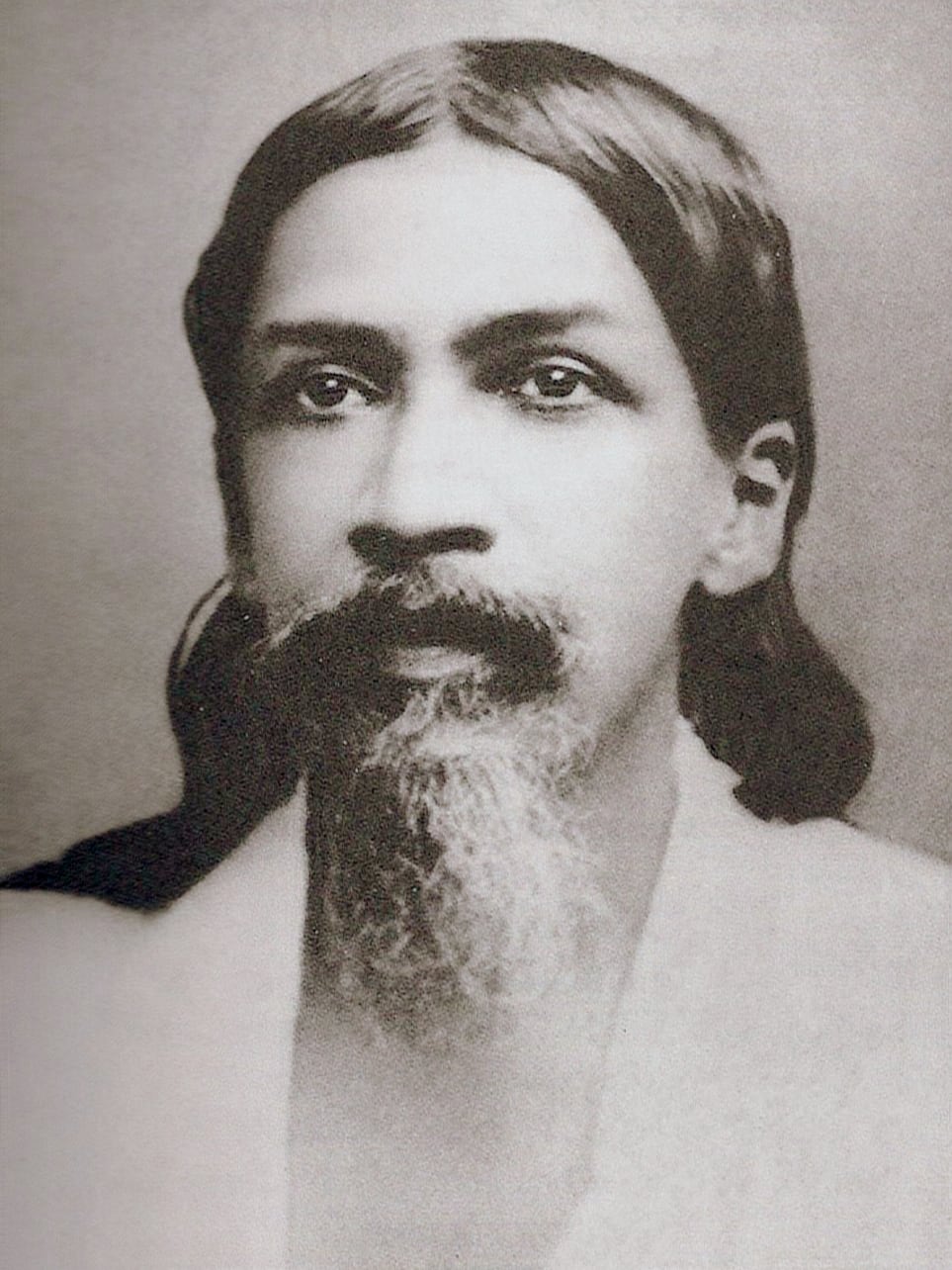
Sri Aurobindo
इन पर सहमत: ध्यान या प्रार्थना क्यों करें? · मैं कौन हूँ? क्या कोई सच्चा आत्म है? · हम दुःख क्यों भोगते हैं?
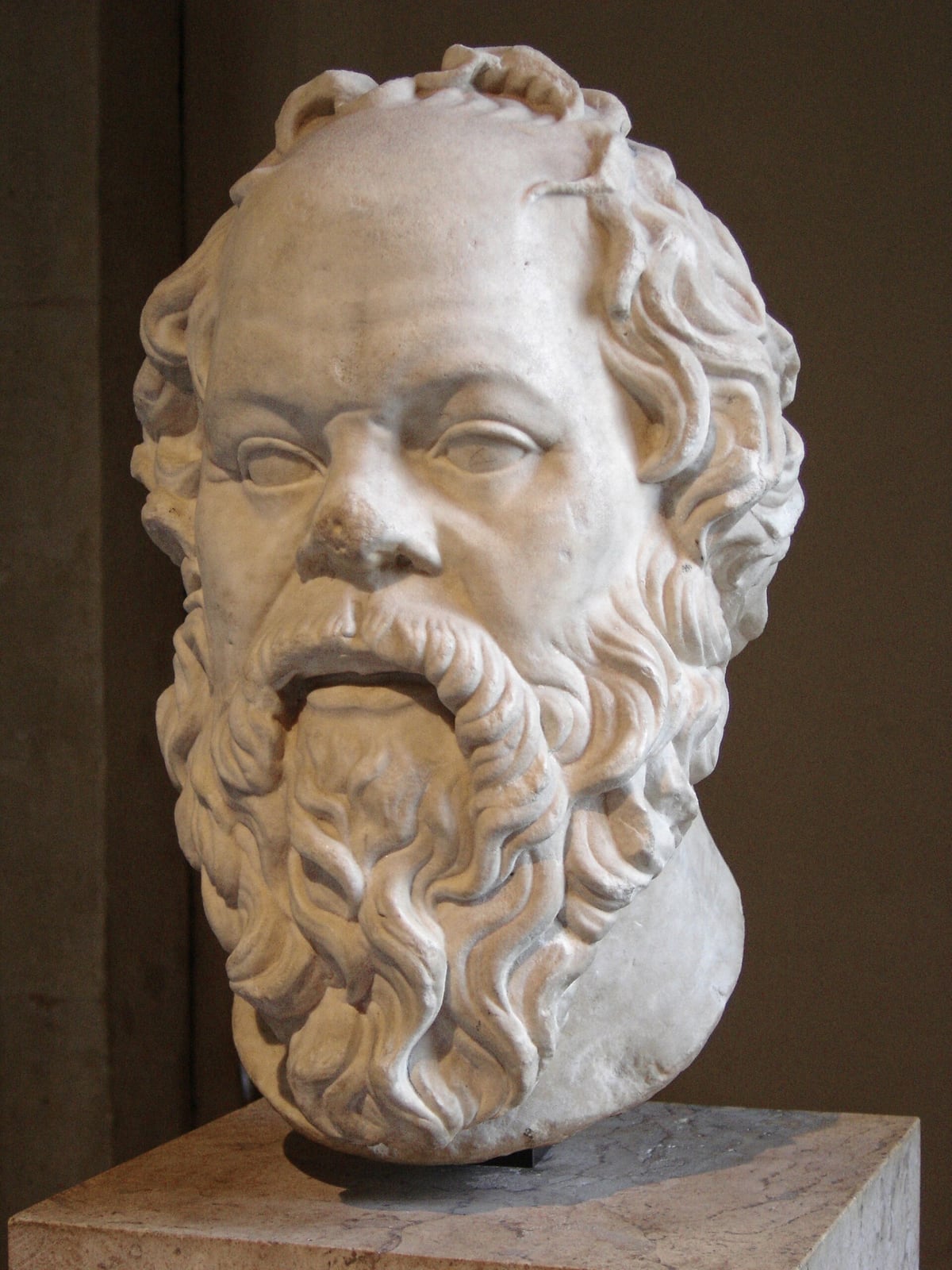
Socrates
इन पर सहमत: हम दुःख क्यों भोगते हैं? · मृत्यु के बाद क्या होता है? · क्या गुरु आवश्यक है?
- BKByron Katie
Byron Katie
इन पर सहमत: मृत्यु के बाद क्या होता है? · क्या गुरु आवश्यक है? · ध्यान या प्रार्थना क्यों करें?
Diogenes of Sinope
इन पर सहमत: परम सत्य क्या है? क्या ईश्वर है? · मृत्यु के बाद क्या होता है? · संसार से हटें या उसे बदलें?
इनसे भिन्न सोचते हैं
Maimonides
इन पर टकराव: परम सत्य क्या है? क्या ईश्वर है? · मैं कौन हूँ? क्या कोई सच्चा आत्म है? · हम दुःख क्यों भोगते हैं?
Attar
इन पर टकराव: परम सत्य क्या है? क्या ईश्वर है? · मैं कौन हूँ? क्या कोई सच्चा आत्म है? · हम दुःख क्यों भोगते हैं?
Nicholas Roerich
इन पर टकराव: हम दुःख क्यों भोगते हैं? · क्या गुरु आवश्यक है? · क्या बुद्धि परम को जान सकती है?
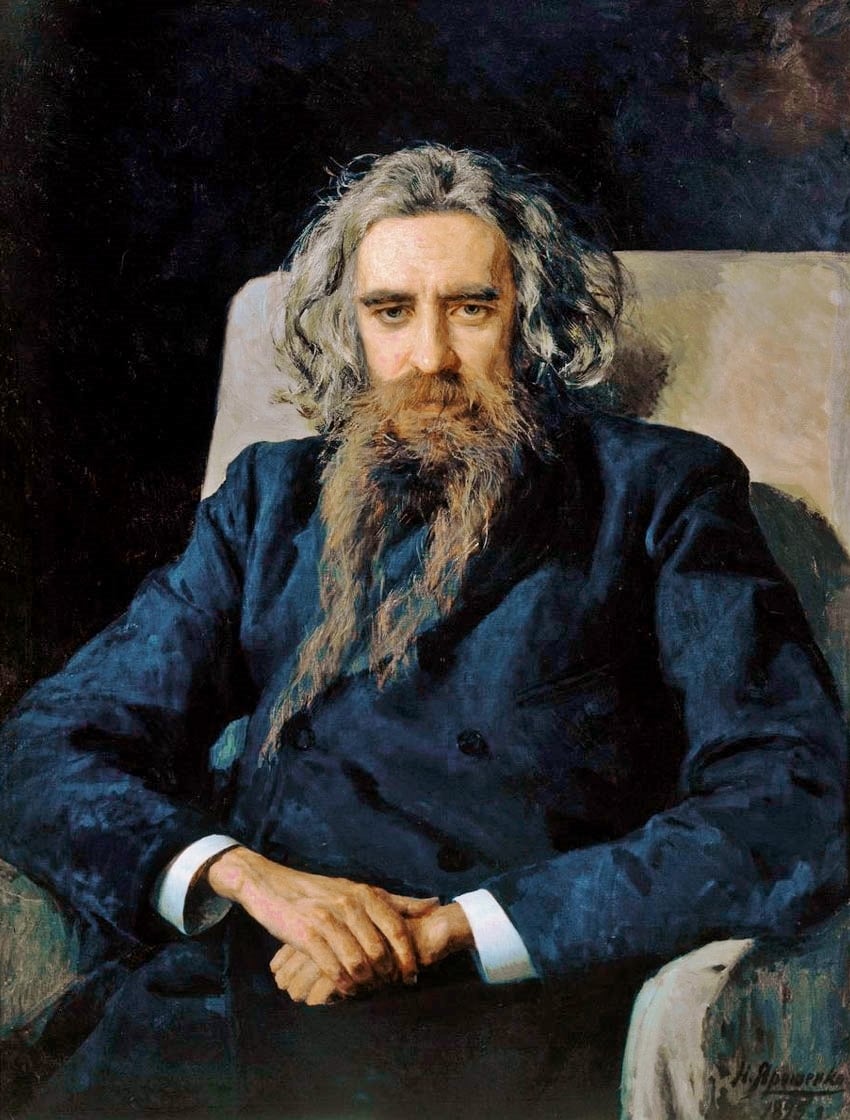
Vladimir Solovyov
इन पर टकराव: परम सत्य क्या है? क्या ईश्वर है? · मैं कौन हूँ? क्या कोई सच्चा आत्म है? · हम दुःख क्यों भोगते हैं?
प्रसंग और वृत्तांत
प्रसंग और वृत्तांत
साक्ष्यc. 1882–1884
The stone in the garden
वृत्तांत का स्रोत: Autobiographical account in Memories, Dreams, Reflections, ch. 'First Years', written by Jung himself around 1957–1958; there is no other source.
स्रोत: Jung, C. G. Erinnerungen, Träume, Gedanken von C. G. Jung. Aufgezeichnet und herausgegeben von Aniela Jaffé. Zúrich: Rascher, 1962 (trad. ingl. Memories, Dreams, Reflections, Nueva York: Pantheon, 1963; trad. esp. Recuerdos, sueños, pensamientos, Barcelona: Seix Barral).
साक्ष्य1909
The crack in the bookcase
वृत्तांत का स्रोत: Jung's account in his memoirs (ch. 'Sigmund Freud') and Freud's letter to Jung of 16 April 1909 (Freud/Jung Letters, 139F), which confirms the conversation from his side.
स्रोत: McGuire, William (ed.). The Freud/Jung Letters: The Correspondence between Sigmund Freud and C. G. Jung. Trad. R. Manheim y R. F. C. Hull. Princeton: Princeton University Press (Bollingen Series XCIV), 1974.
साक्ष्यdécada de 1920 (fecha no precisada)
The golden scarab
वृत्तांत का स्रोत: Related by Jung in 'Synchronicity: An Acausal Connecting Principle' (1952; CW 8, §§ 843 and 982); there is no independent testimony from the patient.
स्रोत: Jung, C. G. y Pauli, Wolfgang. Naturerklärung und Psyche. Zúrich: Rascher, 1952 (incluye «Synchronizität als ein Prinzip akausaler Zusammenhänge»; CW 8).
साक्ष्य1925
'The whites think with their heads'
वृत्तांत का स्रोत: Account in the memoirs (ch. 'Travels. America: The Pueblo Indians'); Jung already cited it in writings of the 1930s. The identification of the chief with Antonio Mirabal comes from later studies.
स्रोत: Jung, C. G. Erinnerungen, Träume, Gedanken von C. G. Jung. Aufgezeichnet und herausgegeben von Aniela Jaffé. Zúrich: Rascher, 1962 (trad. ingl. Memories, Dreams, Reflections, Nueva York: Pantheon, 1963; trad. esp. Recuerdos, sueños, pensamientos, Barcelona: Seix Barral).
साक्ष्य1944
The visions of 1944
वृत्तांत का स्रोत: Autobiographical account in Memories, Dreams, Reflections, ch. 'Visions'. The illness and death of Dr Haemmerli in 1944 are documented; the content of the visions is known only from Jung.
स्रोत: Jung, C. G. Erinnerungen, Träume, Gedanken von C. G. Jung. Aufgezeichnet und herausgegeben von Aniela Jaffé. Zúrich: Rascher, 1962 (trad. ingl. Memories, Dreams, Reflections, Nueva York: Pantheon, 1963; trad. esp. Recuerdos, sueños, pensamientos, Barcelona: Seix Barral).
साक्ष्य1914
Philemon and the kingfisher
वृत्तांत का स्रोत: Account in the memoirs (ch. 'Confrontation with the Unconscious'); the painting of Philemon is reproduced in The Red Book (2009 ed.). The Bollingen inscription survives.
स्रोत: Jung, C. G. Erinnerungen, Träume, Gedanken von C. G. Jung. Aufgezeichnet und herausgegeben von Aniela Jaffé. Zúrich: Rascher, 1962 (trad. ingl. Memories, Dreams, Reflections, Nueva York: Pantheon, 1963; trad. esp. Recuerdos, sueños, pensamientos, Barcelona: Seix Barral).
शिक्षाएँ
शिक्षाएँ
वे अवधारणाएँ जो उनके चिंतन को रूप देती हैं, उनके संदर्भ में समझाई गई।
Collective unconsciousinconsciente-colectivo
Analytical psychology; break with the Freudian theory of the unconscious.
स्रोत: Jung, C. G. The Collected Works of C. G. Jung. Ed. Herbert Read, Michael Fordham, Gerhard Adler y William McGuire; trad. R. F. C. Hull. 20 vols. Princeton: Princeton University Press (Bollingen Series XX) / Londres: Routledge & Kegan Paul, 1953–1979. Ed. alemana: Gesammelte Werke, Olten/Zúrich: Walter-Verlag, 1958–1994.
Archetypearquetipo
Platonism, Kant and comparative ethnology (Bastian, Lévy-Bruhl).
स्रोत: Jung, C. G. The Collected Works of C. G. Jung. Ed. Herbert Read, Michael Fordham, Gerhard Adler y William McGuire; trad. R. F. C. Hull. 20 vols. Princeton: Princeton University Press (Bollingen Series XX) / Londres: Routledge & Kegan Paul, 1953–1979. Ed. alemana: Gesammelte Werke, Olten/Zúrich: Walter-Verlag, 1958–1994.
Shadowsombra
Personality psychology; ethics and collective psychology.
स्रोत: Jung, C. G. The Collected Works of C. G. Jung. Ed. Herbert Read, Michael Fordham, Gerhard Adler y William McGuire; trad. R. F. C. Hull. 20 vols. Princeton: Princeton University Press (Bollingen Series XX) / Londres: Routledge & Kegan Paul, 1953–1979. Ed. alemana: Gesammelte Werke, Olten/Zúrich: Walter-Verlag, 1958–1994.
Anima and animusanima-animus
Analytical psychology; symbolism of the syzygy in Gnosticism and alchemy.
स्रोत: Jung, C. G. The Collected Works of C. G. Jung. Ed. Herbert Read, Michael Fordham, Gerhard Adler y William McGuire; trad. R. F. C. Hull. 20 vols. Princeton: Princeton University Press (Bollingen Series XX) / Londres: Routledge & Kegan Paul, 1953–1979. Ed. alemana: Gesammelte Werke, Olten/Zúrich: Walter-Verlag, 1958–1994.
Self and individuationsi-mismo-individuacion
Analytical psychology, comparative mysticism and alchemy.
स्रोत: Jung, C. G. The Collected Works of C. G. Jung. Ed. Herbert Read, Michael Fordham, Gerhard Adler y William McGuire; trad. R. F. C. Hull. 20 vols. Princeton: Princeton University Press (Bollingen Series XX) / Londres: Routledge & Kegan Paul, 1953–1979. Ed. alemana: Gesammelte Werke, Olten/Zúrich: Walter-Verlag, 1958–1994.
Synchronicitysincronicidad
Dialogue with physics (Pauli); I Ching; philosophy of nature.
स्रोत: Jung, C. G. y Pauli, Wolfgang. Naturerklärung und Psyche. Zúrich: Rascher, 1952 (incluye «Synchronizität als ein Prinzip akausaler Zusammenhänge»; CW 8).
Psychological typestipos-psicologicos
Differential psychology; history of ideas.
स्रोत: Jung, C. G. The Collected Works of C. G. Jung. Ed. Herbert Read, Michael Fordham, Gerhard Adler y William McGuire; trad. R. F. C. Hull. 20 vols. Princeton: Princeton University Press (Bollingen Series XX) / Londres: Routledge & Kegan Paul, 1953–1979. Ed. alemana: Gesammelte Werke, Olten/Zúrich: Walter-Verlag, 1958–1994.
Complexcomplejo
Early twentieth-century experimental psychiatry.
स्रोत: Ellenberger, Henri F. The Discovery of the Unconscious: The History and Evolution of Dynamic Psychiatry. Nueva York: Basic Books, 1970 (cap. 9, «Carl Gustav Jung and Analytical Psychology»).
वीडियो
वीडियो
रिकॉर्डिंग, साक्षात्कार और वृत्तचित्र। वीडियो YouTube से चलते हैं; वे यहाँ संग्रहीत नहीं हैं।
Face to Face: Carl Gustav Jung (BBC, 1959)
साक्षात्कार· EN· 1959· 38 min
KidMillions
Richard Evans interviews Carl Jung — Personality, organization, fundamental concepts (1957)
YouTube पर देखें
यह वीडियो एम्बेड करने की अनुमति नहीं देता; यह YouTube पर खुलेगा।
Richard Evans interviews Carl Jung — Personality, organization, fundamental concepts (1957)
साक्षात्कार· EN· 1957· 59 min
Cummings Center for the History of Psychologyआधिकारिक चैनल
Richard Evans interviews Carl Jung — Introversion, extroversion and other contributions (1957)
YouTube पर देखें
यह वीडियो एम्बेड करने की अनुमति नहीं देता; यह YouTube पर खुलेगा।
Richard Evans interviews Carl Jung — Introversion, extroversion and other contributions (1957)
साक्षात्कार· EN· 1957· 36 min
Cummings Center for the History of Psychologyआधिकारिक चैनल
Carl Gustav Jung & The Red Book (part 1)
व्याख्यान· EN· 2010· 150 min
Library of Congressआधिकारिक चैनल
Sonu Shamdasani introduces The Red Book
व्याख्यान· EN· 2009· 7 min
Rubin Museum of Himalayan Artआधिकारिक चैनल
Sternstunde Philosophie — Das Rote Buch von C. G. Jung
वृत्तचित्र· DE· 2009· 62 min
Schweizer Radio und Fernsehenआधिकारिक चैनल
150 Jahre C. G. Jung und das Erbe der modernen Psychotherapie (Sternstunde Philosophie)
व्याख्यान· DE· 2025· 59 min
SRF Kultur Sternstundenआधिकारिक चैनल
Carl Gustav Jung (1875–1961) – Une vie, une œuvre (France Culture, 1985)
वृत्तचित्र· FR· 1985· 83 min
Rien ne veut rien dire
Jung. La sabiduría de los sueños (documental completo)
वृत्तचित्र· ES· 155 min
Casa Jung - Psicología
Matter of Heart (1986)
वृत्तचित्र· EN· 1986· 106 min
Howl in the Wilderness
The World Within: C. G. Jung in His Own Words (1990)
वृत्तचित्र· EN· 1990· 44 min
History of Ideas
Jung's ETH Lectures on Yoga and Meditation
तृतीय पक्ष की रिकॉर्डिंग· EN· 2021· 1 min
Philemon Foundationआधिकारिक चैनल
The Black Books by C. G. Jung
तृतीय पक्ष की रिकॉर्डिंग· EN· 2020· 1 min
Philemon Foundationआधिकारिक चैनल
चित्रशाला
चित्रशाला
सत्यापित लाइसेंस वाले चित्र। प्रत्येक में उसके रचयिता और श्रेय का उल्लेख सुरक्षित है।
पांडुलिपियाँ
पांडुलिपियाँ
पांडुलिपि-साक्ष्य और प्राचीन पाठ, उनके संरक्षक और अध्ययन की शर्तों सहित।
DE · Latin (escritura gótica caligráfica) · 1914–1930
Liber Novus (Das Rote Buch)
- संरक्षित पाठ-साक्ष्य
- Volumen autógrafo en folio, encuadernado en piel roja, con 53 pinturas
- संरक्षक
- Stiftung der Werke von C. G. Jung (Zúrich), en depósito
DE · Latin · 1913–1932
Schwarze Bücher
- संरक्षित पाठ-साक्ष्य
- Siete cuadernos autógrafos
- संरक्षक
- Familia Jung / Stiftung der Werke von C. G. Jung
DE · Latin · 1896–1961
Nachlass C. G. Jung
- संरक्षित पाठ-साक्ष्य
- Manuscritos, correspondencia y documentos
- संरक्षक
- ETH-Bibliothek, Hochschularchiv, Zúrich (Hs 1055 y otros) · Hs 1055
संबंध
संबंध
प्रभाव, शिष्यत्व और वैचारिक निकटता। प्रमाणित संबंध को विश्लेषण से पहचानी गई समानता से अलग दर्शाया गया है।
इनसे प्रभावित
Sigmund Freud
Close collaborator from 1906 to 1913; Freud designated him his successor before the break.
प्रमाणित संबंध
इनसे मतभेद
Sigmund Freud
Break of 1912–1913 over the theory of libido, the role of sexuality and religion.
प्रमाणित संबंध
इनके शिष्य
Eugen Bleuler
His chief at the Burghölzli (1900–1909), who introduced him to Freud's work.
प्रमाणित संबंध
इनके शिष्य
Pierre Janet
He attended Janet's lectures in Paris in the winter of 1902–1903; his idea of dissociation influenced the theory of the complex.
प्रमाणित संबंध
इनसे पत्राचार
Richard Wilhelm
Sinologist and friend; they published The Secret of the Golden Flower together (1929).
प्रमाणित संबंध
इनसे पत्राचार
Wolfgang Pauli
Patient and later interlocutor for 26 years on psyche, matter and synchronicity.
प्रमाणित संबंध
इनसे प्रभावित
Friedrich Nietzsche
A decisive youthful reading; he devoted a five-year seminar to Thus Spoke Zarathustra.
प्रमाणित संबंध
इनसे प्रभावित
Jung cites him in Psychological Types and in his memoirs as the author in whom he found 'the breath of life'.
प्रमाणित संबंध
इनसे प्रभावित
A source for his study of mandala symbolism and of the inner opposition in God (GW 9/I).
प्रमाणित संबंध
इनसे प्रभावित
Read in his student years; discussed in the Zofingia lectures and in the essay on synchronicity.
प्रमाणित संबंध
इनसे प्रभावित
He commented on the Yoga Sutras in his ETH lectures of 1938–1939.
प्रमाणित संबंध
इनसे प्रभावित
He analysed the Spiritual Exercises in his ETH lectures of 1939–1940.
प्रमाणित संबंध
इनसे प्रभावित
The Tao as the union of opposites is a constant reference from Psychological Types onwards.
प्रमाणित संबंध
इनके समकालीन
Jung did not visit him on his 1937–1938 journey to India, but wrote about him in 'The Holy Men of India' (1944), foreword to Heinrich Zimmer's book.
प्रमाणित संबंध
इन्हें प्रभावित किया
Watts discussed Jung's psychology at length in Psychotherapy East and West (1961).
प्रमाणित संबंध
इनसे भेंट
Hermann Hesse
Hesse was analysed by J. B. Lang, a pupil of Jung, and met Jung; they corresponded.
प्रमाणित संबंध
इनके गुरु
Marie-Louise von Franz
His closest collaborator from 1933 in the study of alchemy and fairy tales.
प्रमाणित संबंध
इनके परिवार से
Emma Jung
Wife (1903–1955) and analyst; co-author of The Grail Legend with Marie-Louise von Franz.
प्रमाणित संबंध
इनके समकालीन
Contemporaries in the German-speaking world with shared interests (Goethe, Gnosis, the spiritual), with no documented relationship.
विश्लेषण से पहचानी गई समानता
इनसे मिलते-जुलते विचार
Siddhartha Gautama, the Buddha
Jung compared the Buddhist path with individuation in his writings on the East; the analogy is interpretive.
विश्लेषण से पहचानी गई समानता
स्रोत
स्रोत
इस प्रविष्टि के लिए देखे गए ग्रंथ-सूची और सूचीपत्र।
- Jung, C. G. Erinnerungen, Träume, Gedanken von C. G. Jung. Aufgezeichnet und herausgegeben von Aniela Jaffé. Zúrich: Rascher, 1962 (trad. ingl. Memories, Dreams, Reflections, Nueva York: Pantheon, 1963; trad. esp. Recuerdos, sueños, pensamientos, Barcelona: Seix Barral).
- Bair, Deirdre. Jung: A Biography. Boston: Little, Brown and Company, 2003.
- Shamdasani, Sonu. Jung and the Making of Modern Psychology: The Dream of a Science. Cambridge: Cambridge University Press, 2003.
- McGuire, William (ed.). The Freud/Jung Letters: The Correspondence between Sigmund Freud and C. G. Jung. Trad. R. Manheim y R. F. C. Hull. Princeton: Princeton University Press (Bollingen Series XCIV), 1974.
- Jung, C. G. The Red Book: Liber Novus. Ed. e introducción de Sonu Shamdasani. Nueva York: W. W. Norton / Philemon Series, 2009.
- Hannah, Barbara. Jung: His Life and Work. A Biographical Memoir. Nueva York: G. P. Putnam's Sons, 1976.
- Wikidata, «Carl Gustav Jung» (Q41532).
- Jung, C. G. The Collected Works of C. G. Jung. Ed. Herbert Read, Michael Fordham, Gerhard Adler y William McGuire; trad. R. F. C. Hull. 20 vols. Princeton: Princeton University Press (Bollingen Series XX) / Londres: Routledge & Kegan Paul, 1953–1979. Ed. alemana: Gesammelte Werke, Olten/Zúrich: Walter-Verlag, 1958–1994.
- Wikipedia (en), «Carl Jung» y «Carl Jung publications», consultadas el 25 de octubre de 2026.
- Ellenberger, Henri F. The Discovery of the Unconscious: The History and Evolution of Dynamic Psychiatry. Nueva York: Basic Books, 1970 (cap. 9, «Carl Gustav Jung and Analytical Psychology»).
- Jung, C. G. y Pauli, Wolfgang. Naturerklärung und Psyche. Zúrich: Rascher, 1952 (incluye «Synchronizität als ein Prinzip akausaler Zusammenhänge»; CW 8).
- «Face to Face: Professor Carl Gustav Jung», entrevista de John Freeman, BBC Television, emitida el 22 de octubre de 1959.
- Philemon Foundation: edición de las obras inéditas de C. G. Jung (Philemon Series).
- Haus C.G. Jung (Stiftung C. G. Jung Küsnacht), casa-museo de Jung en Küsnacht.
- Wikisource en inglés: Author:Carl Gustav Jung (traducciones inglesas anteriores a 1930).
- Jung, C. G. Briefe. Ed. Aniela Jaffé y Gerhard Adler. 3 vols. Olten: Walter-Verlag, 1972–1973 (trad. ingl. Letters, 2 vols., Princeton University Press, 1973–1975).
- Cocks, Geoffrey. Psychotherapy in the Third Reich: The Göring Institute. Nueva York: Oxford University Press, 1985 (2.ª ed. Transaction, 1997).
- Jung, C. G. Psychology of Yoga and Meditation: Lectures Delivered at ETH Zurich, vol. 6: 1938–1940. Ed. Martin Liebscher. Princeton: Princeton University Press (Philemon Series), 2021.
- Watts, Alan. Psychotherapy East and West. Nueva York: Pantheon Books, 1961.
- Von Franz, Marie-Louise. C. G. Jung: His Myth in Our Time. Nueva York: Putnam / C. G. Jung Foundation, 1975 (orig. alemán, 1972).
- अधिकार-धारक
- Stiftung der Werke von C. G. Jung (Zúrich), titular de los derechos de autor; en vigor hasta el 31 de diciembre de 2031 en la UE (70 años post mortem) y de 2041 en España para las obras publicadas en vida. En EE. UU. son de dominio público las ediciones publicadas antes de 1930.
- आधिकारिक वेबसाइट
- philemonfoundation.org/
पुष्टि की प्रतीक्षा में
जो यह प्रविष्टि अभी तक निश्चित नहीं कर सकी है। हम उसे भर देने के बजाय कह देना बेहतर समझते हैं।
- Cotejar con las ediciones impresas las citas marcadas como «probable» (Aion § 126, CW 13 § 335, carta a Fanny Bowditch, Modern Man in Search of a Soul, MDR «Late Thoughts»).
- Confirmar fechas exactas marcadas como probables en la cronología: ingreso en el Burghölzli (10-XII-1900), boda (14-II-1903) y fundación del Instituto (24-IV-1948).
- Fechas de publicación de cada volumen de las Gesammelte Werke (Walter-Verlag) registradas como aproximadas: verificar en el catálogo de la Deutsche Nationalbibliothek.
- Registrar uno por uno los volúmenes de seminarios y lecciones de la Philemon Series aún no incluidos (ETH vols. 1–8, seminarios de 1931 sobre imaginación activa, de Berlín de 1933, Children's Dreams, sueños de Pauli, correspondencias con White, Neumann, Keller, Kirsch).
- Localizar ediciones con ISBN en italiano, ruso, árabe e hindi de Recuerdos, sueños, pensamientos y de El libro rojo.
- Comprobar en la ETH-Bibliothek las signaturas exactas del legado (Hs 1055 es la principal; hay otras).
2026-10-25 को शोधित