ईसाई रहस्यवाद · थियोसोफी · एंथ्रोपोसोफी
Rudolf Steiner
1861 – 1925ऐतिहासिक रूप से प्रमाणित व्यक्ति
ऑस्ट्रियाई दार्शनिक, गुह्यविद्या के साधक और सुधारक (1861–1925)। गोएथे के वैज्ञानिक लेखन के संपादक और 'स्वतंत्रता का दर्शन' (1894) के लेखक स्टाइनर ने थियोसॉफ़िकल सोसाइटी की जर्मन शाखा का नेतृत्व किया और 1913 में एंथ्रोपोसोफ़ी की स्थापना की, जो ईसाई और गोएथे-परंपरा में निहित एक "आध्यात्मिक विज्ञान" है। उनके कार्य से वाल्डॉर्फ़ शिक्षा-पद्धति, बायोडायनामिक कृषि, एंथ्रोपोसोफ़िकल चिकित्सा और यूरिद्मी का जन्म हुआ। वे तीस से अधिक पुस्तकें और लगभग छह हज़ार व्याख्यान छोड़ गए, जिन्हें उनके छद्म-वैज्ञानिक स्वरूप के कारण विवादास्पद माना जाता है।
- कृतियाँ
- 68कृतियाँ
- संस्करण
- 131संस्करण
- उद्धरण
- 7उद्धरण
- वीडियो
- 12वीडियो
- चित्र
- 10चित्र
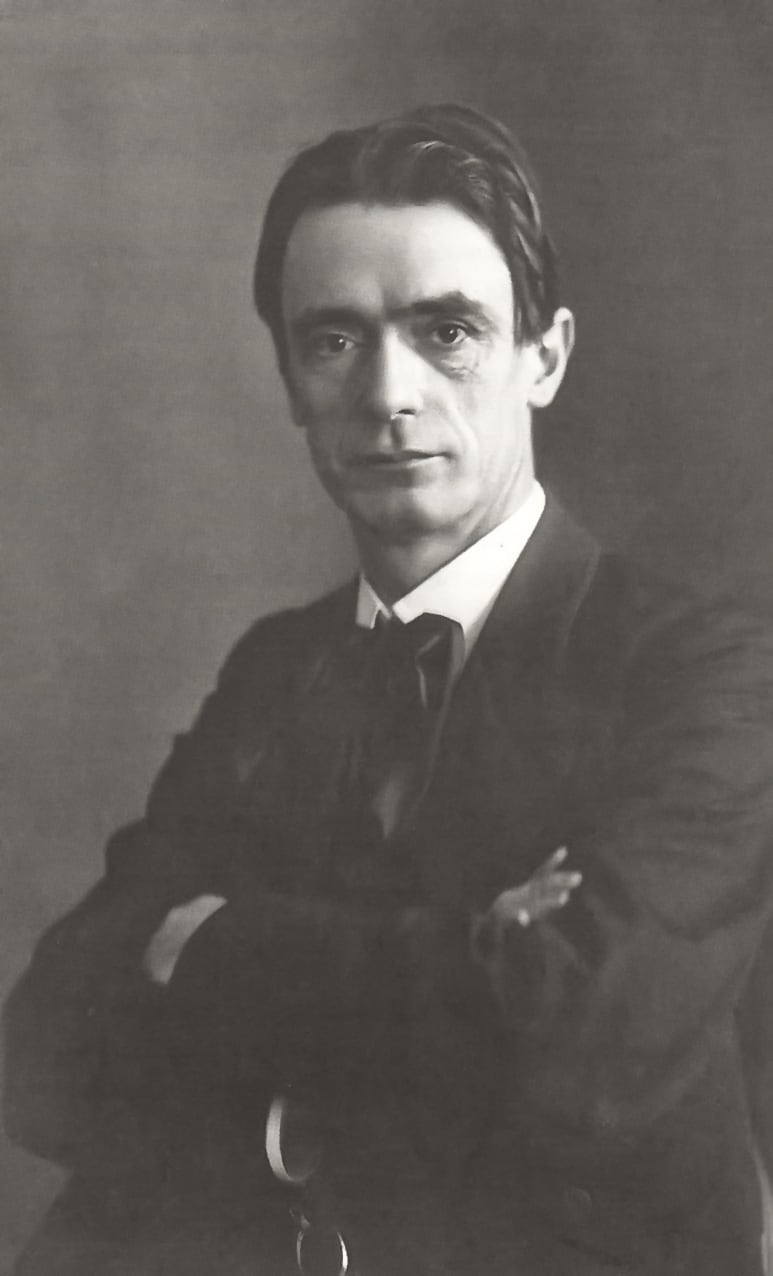
Rudolf Steiner hacia 1905 · Public domain
उनके अपने शब्दों में
«Only when I follow my love for the object is it I myself who act.»Die Philosophie der Freiheit (1894), cap. «Die Idee der Freiheit»

शुरुआत के लिए एक रचना
The Philosophy of Freedom (Intuitive Thinking as a Spiritual Path)मूल विचार
Anthroposophy (spiritual science): Steiner took the term 'anthroposophy' from a book by the Austrian philosopher Robert Zimmermann (1856) and defined it as 'a path of knowledge that would lead the spiritual in the human being to the spiritual in the universe'.
संदर्भ में देखें
जीवनी
5 मिनट का पाठ
स्पैनिश मूल से सहायता-प्राप्त अनुवाद, मातृभाषी अनुवादक द्वारा समीक्षा लंबित।
टेलीग्राफ़ कर्मचारी का बेटा
रुडोल्फ़ योज़ेफ़ लोरेंत्स स्टाइनर का जन्म क्राल्येवेत्स में हुआ, जो मुराकोज़ क्षेत्र में स्थित है — यह क्षेत्र तब हंगरी राज्य का अंग था और आज क्रोएशिया का है। उनकी जन्मतिथि 27 फ़रवरी 1861 है, जैसा वे स्वयं सदा बताते रहे, यद्यपि पारिवारिक दस्तावेज़ 25 फ़रवरी की ओर संकेत करते हैं। उनके पिता योहान स्टाइनर होयोस के काउंटों के यहाँ वनरक्षक रह चुके थे और ऑस्ट्रियाई दक्षिणी रेलवे में टेलीग्राफ़ कर्मचारी थे; माता फ़्रांत्सिस्का ब्ली ने भी उसी घराने में सेवा की थी। परिवार निचले ऑस्ट्रिया के छोटे-छोटे स्टेशनों — म्यौडलिंग और पॉट्शाख़ — में और 1869 से निचले ऑस्ट्रिया की सीमा पर बसे हंगेरियाई गाँव नॉयडर्फ़्ल में रहा, जहाँ जीवन टेलीग्राफ़, रेलगाड़ियों और आल्प्स के दृश्यों के बीच बीता। अपनी आत्मकथा में स्टाइनर बताते हैं कि बचपन में उन्हें ज्यामिति में इस बात का प्रमाण मिला कि आत्मा वह भी जान सकती है जो इंद्रियों को दिखाई नहीं देता, और आठ-नौ वर्ष की आयु में उन्हें पहली बार उस वस्तु की अनुभूति हुई जिसे वे आगे चलकर आध्यात्मिक जगत कहेंगे। ये स्मृतियाँ साठ वर्ष बाद लिखी गईं, और आलोचक इन्हें उनकी अपनी छवि के सुनियोजित निर्माण का अंग मानते हैं।
वियना और गोएथे
उन्होंने वीनर नॉयश्टाट के रेआलशूले में और फिर 1879 से 1883 तक वियना के उच्च तकनीकी विद्यालय में अध्ययन किया, जहाँ उन्होंने गणित, प्राकृतिक विज्ञान, साहित्य और दर्शन की कक्षाओं में भाग लिया, किंतु उपाधि प्राप्त नहीं की। वहीं उन्हें अपने गुरु, जर्मन भाषा-साहित्य के विद्वान कार्ल यूलियुस श्र्योअर मिले, जिन्होंने 1882 में योज़ेफ़ क्यूर्श्नर से उनकी सिफ़ारिश की ताकि वे 'डॉयचे नात्सियोनाल-लिटेरातुर' ग्रंथमाला में गोएथे के वैज्ञानिक लेखन का संपादन करें। इक्कीस वर्ष के इस युवक ने उन खंडों की भूमिकाएँ (1883–1897) लिखीं और 'गोएथे की विश्वदृष्टि के ज्ञानमीमांसीय आधार' (1886) की रचना की। जीविका के लिए वे छह वर्ष तक वियना में श्पेख़्ट परिवार के गृह-शिक्षक रहे, जहाँ उन्होंने जलशीर्ष (हाइड्रोसेफ़ली) से ग्रस्त एक ऐसे बालक को सफलतापूर्वक पढ़ाया जिसे सीखने में असमर्थ समझा जाता था, और जो आगे चलकर चिकित्सक बना।
वाइमार और स्वतंत्रता का दर्शन
1890 में वे वाइमार चले गए, जहाँ उन्होंने गोएथे और शिलर अभिलेखागार में गोएथे की रचनाओं के बृहत् संस्करण पर काम किया। 1891 में रोस्टॉक विश्वविद्यालय से उन्होंने फ़िख़्टे की ज्ञानमीमांसा पर शोध-प्रबंध लिखकर दर्शनशास्त्र में डॉक्टरेट प्राप्त की, जिसे अगले वर्ष विस्तार देकर 'सत्य और विज्ञान' के नाम से प्रकाशित किया। 1894 में उन्होंने 'स्वतंत्रता का दर्शन' प्रकाशित किया, जिसे वे सदा अपने समस्त परवर्ती कार्य की नींव मानते रहे: यह एक ज्ञानमीमांसा है जो चिंतन को वह क्रिया मानती है जिसमें मनुष्य स्वयं को स्वतंत्र अनुभव करता है, और "नैतिक व्यक्तिवाद" का एक नीतिशास्त्र है, जिसमें स्वतंत्र कर्म बाहरी नियमों से नहीं, स्वयं कर्म के प्रति प्रेम से जन्म लेता है। इन वर्षों में उनका एर्न्स्ट हेकेल से संपर्क रहा, वे माक्स श्टिर्नर के प्रशंसक बने और उन्होंने 'फ़्रीड्रिख़ नीत्शे: अपने युग के विरुद्ध एक योद्धा' (1895) लिखी; 1896 में एलिज़ाबेथ फ़ोर्स्टर-नीत्शे उन्हें रुग्ण दार्शनिक के पास ले गईं।
बर्लिन: स्वतंत्र चिंतन से थियोसॉफ़ी तक
1897 में वे 'मागात्सीन फ़्यूर लिटेरातुर' पत्रिका के संपादक बनकर बर्लिन में बस गए और राजधानी के बोहेमियन तथा व्यक्तिवादी अराजकतावादी मंडलों में घूमते रहे। विल्हेल्म लीबक्नेख़्त द्वारा स्थापित श्रमिक शिक्षा विद्यालय में उन्होंने इतिहास और वक्तृत्व-कला पढ़ाई (1899–1904), और 1899 में आन्ना यूनिके से विवाह किया, जो एक विधवा थीं और जिनके घर में वे रहते थे। अगले वर्ष, 1900 में, उन्होंने ब्रोकडॉर्फ़ के काउंट और काउंटेस के थियोसॉफ़िकल पुस्तकालय में व्याख्यान देने आरंभ किए; 1902 में — जब वे उसी वर्ष जनवरी में ही थियोसॉफ़िकल सोसाइटी के सदस्य बने थे — उन्होंने उसकी नई जर्मन शाखा के महासचिव का पद स्वीकार किया, और उनके साथ मारी फ़ॉन ज़िफ़र्स थीं, जो उनकी सहयोगिनी और 1914 से उनकी दूसरी पत्नी बनीं। कुछ ही वर्षों में उन्होंने वे पुस्तकें प्रकाशित कीं जो उनकी शिक्षा का केंद्र हैं: 'थियोसॉफ़ी' (1904), 'उच्चतर लोकों का ज्ञान कैसे प्राप्त हो?' (1904–1905) और 'गुह्य विज्ञान की रूपरेखा' (1910)।
एंथ्रोपोसोफ़ी और गोएथेनम
स्टाइनर ने थियोसॉफ़ी को पश्चिमी गूढ़ परंपरा — रोज़िक्रूशियन धारा, जर्मन रहस्यवाद और गोएथे — की ओर मोड़ा और उसके केंद्र में "गोलगोथा का रहस्य" रखा, अर्थात् ईसा मसीह के देहधारण को एक अद्वितीय ब्रह्मांडीय घटना के रूप में। अड्यार के नेतृत्व से तनाव तब चरम पर पहुँचा जब एनी बेसेंट ने युवा जिद्दू कृष्णमूर्ति को भावी जगद्गुरु घोषित किया; 1912–1913 में जर्मन शाखा का बहुमत अलग हो गया और उसने एंथ्रोपोसोफ़िकल सोसाइटी की स्थापना की। 1910 से 1913 के बीच उन्होंने चार रहस्य-नाटक लिखे और म्यूनिख़ में उनका प्रथम मंचन किया, तथा मारी फ़ॉन ज़िफ़र्स के साथ मिलकर यूरिद्मी नामक गति-कला विकसित की। 1913 में बाज़ेल के निकट दोर्नाख़ में गोएथेनम की आधारशिला रखी गई — दो गुंबदों वाला एक विशाल काष्ठ-भवन, जिसकी रूपरेखा उन्होंने स्वयं बनाई और जिसे प्रथम विश्वयुद्ध के दौरान सत्रह देशों से आए स्वयंसेवकों ने खड़ा किया।
व्यावहारिक प्रेरणाएँ
1918 की जर्मन पराजय ने स्टाइनर को सामाजिक कर्म की ओर प्रेरित किया। 'सामाजिक प्रश्न के मूल बिंदु' (1919) में उन्होंने "सामाजिक जीव के त्रिविध विभाजन" का प्रस्ताव रखा — सांस्कृतिक, विधिक और आर्थिक जीवन का पृथक्करण। उसी वर्ष उद्योगपति एमिल मोल्ट के अनुरोध पर उन्होंने श्टुटगार्ट में वाल्डॉर्फ़-एस्टोरिया सिगरेट कारख़ाने के मज़दूरों के बच्चों के लिए पहला वाल्डॉर्फ़ विद्यालय स्थापित किया। इसके बाद इटा वेगमन के साथ चिकित्सकों के लिए पाठ्यक्रम हुए, जिनसे एंथ्रोपोसोफ़िकल चिकित्सा और वेलेडा प्रयोगशाला का उदय हुआ; पुरोहितों के लिए एक पाठ्यक्रम हुआ, जिससे 1922 में फ़्रीड्रिख़ रिटेलमायर का 'ईसाई समुदाय' जन्मा; और 1924 में कोबरवित्स का कृषि-पाठ्यक्रम हुआ, जो बायोडायनामिक कृषि का स्रोत बना। साथ ही राष्ट्रवादी दक्षिणपंथ उन पर आक्रमण कर रहा था: 1922 में म्यूनिख़ में उनका एक व्याख्यान हिंसा द्वारा भंग कर दिया गया।
अग्निकांड और 1923 का क्रिसमस
1922 की नववर्ष-संध्या की रात पहला गोएथेनम पूरी तरह जलकर नष्ट हो गया; पुलिस ने इस आग को संभवतः जान-बूझकर लगाई गई माना। स्टाइनर ने दूसरा भवन, इस बार कंक्रीट का, परिकल्पित किया, जो 1928 में पूरा हुआ। 1923 के क्रिसमस पर उन्होंने सोसाइटी की पुनर्स्थापना 'सामान्य एंथ्रोपोसोफ़िकल सोसाइटी' के रूप में की, उसकी अध्यक्षता और उसके 'आध्यात्मिक विज्ञान के मुक्त उच्च विद्यालय' का नेतृत्व स्वयं सँभाला, और 'आधारशिला ध्यान' का पाठ किया। 1924 का वर्ष थका देने वाली सक्रियता का था: सैकड़ों व्याख्यान, जिनमें कार्मिक संबंधों पर व्याख्यानमालाएँ तथा उपचारात्मक शिक्षा, कृषि और वाणी-कला के पाठ्यक्रम शामिल थे।
अंत और विरासत
28 सितंबर 1924 को उन्होंने अपना अंतिम व्याख्यान दिया; अस्वस्थ होकर उन्होंने अगले महीने दोर्नाख़ स्थित अपनी कार्यशाला में बिताए, जहाँ वे अपनी आत्मकथा 'मेरी जीवन-यात्रा' लिखते रहे, जो 1907 के आसपास की घटनाओं पर आकर अधूरी रह गई। वहीं 30 मार्च 1925 को चौंसठ वर्ष की आयु में उनका देहांत हुआ। वे तीस से अधिक पुस्तकें और लगभग छह हज़ार व्याख्यान छोड़ गए, जिनमें से अधिकांश आशुलिपिकों ने लिखे और जिन्हें उन्होंने स्वयं नहीं दोहराया; आज ये 350 से अधिक खंडों वाली संपूर्ण रचनावली (गेज़ाम्टआउसगाबे) बनाते हैं। उनके कार्य ने निष्ठा भी जगाई और कठोर आलोचना भी: हेल्मुट त्सांडर जैसे इतिहासकारों ने थियोसॉफ़िकल साहित्य से उनके उधार, उनके अनेक कथनों के छद्म-वैज्ञानिक स्वरूप और उनके नस्ल-सिद्धांत की ओर ध्यान दिलाया है, जबकि उनकी पहलें — एक हज़ार से अधिक वाल्डॉर्फ़ विद्यालय, बायोडायनामिक कृषि, एंथ्रोपोसोफ़िकल चिकित्सा, कैंपहिल समुदाय — आज भी विश्व भर में सक्रिय हैं।
स्रोत: Steiner, Rudolf. Mein Lebensgang. Eine nicht vollendete Autobiographie (GA 28). Dornach: Philosophisch-Anthroposophischer Verlag, 1925; ed. actual Basilea: Rudolf Steiner Verlag. · Lindenberg, Christoph. Rudolf Steiner. Eine Biographie. 2 vols. Stuttgart: Verlag Freies Geistesleben, 1997. · Zander, Helmut. Rudolf Steiner. Die Biografie. Múnich: Piper, 2011 (ed. rústica 2016). · Lachman, Gary. Rudolf Steiner: An Introduction to His Life and Work. Nueva York: Jeremy P. Tarcher/Penguin, 2007. · Steiner, Rudolf. Die Philosophie der Freiheit. Grundzüge einer modernen Weltanschauung. Berlín: Emil Felber, 1894 (texto en Project Gutenberg, ebook n.º 53493).
कालक्रम
जीवन, वर्ष-दर-वर्ष
प्रत्येक बिंदु एक प्रमाणित घटना है। उसे स्रोत और निश्चितता के स्तर सहित पढ़ने के लिए क्लिक करें।
27 फ़रवरी 18610 वर्षKraljevec (Muraköz, Reino de Hungría; hoy Donji Kraljevec, Croacia)
Birth
The first child of the railway telegraphist Johann Steiner and Franziska Blie is born. Steiner always gave 27 February; family documents suggest the 25th.
विवादितSteiner, Rudolf. Mein Lebensgang. Eine nicht vollendete Autobiographie (GA 28). Dornach: Philosophisch-Anthroposophischer Verlag, 1925; ed. actual Basilea: Rudolf Steiner Verlag.
उनके निधन के बाद
- 29 सितंबर 1928Second Goetheanum
- 1956The Gesamtausgabe begins
27 फ़रवरी 1861 · 0 वर्ष
Birth
The first child of the railway telegraphist Johann Steiner and Franziska Blie is born. Steiner always gave 27 February; family documents suggest the 25th.
विवादित
1869 · 8 वर्ष
Neudörfl
The family settles in Neudörfl; Steiner would date his first supersensible experiences and his fascination with geometry to these years.
संभावित
1879 – 1883 · 18 वर्ष
Vienna Technical University
He studies science and attends Karl Julius Schröer's literature lectures; he leaves in 1883 without a degree.
प्रमाणित
1882 · 21 वर्ष
Editor of Goethe
On Schröer's recommendation, Joseph Kürschner commissions him to edit Goethe's scientific writings (published 1883–1897).
प्रमाणित
1884 – 1890 · 23 वर्ष
Tutor to the Specht family
For six years he tutors the children of the merchant Ladislaus Specht, among them a hydrocephalic boy who later becomes a physician.
प्रमाणित
1890 – 1897 · 29 वर्ष
Goethe and Schiller Archive
He works on the Weimar (Sophien) edition of Goethe's scientific works until 1897.
प्रमाणित
अक्टूबर 1891 · 30 वर्ष
Doctorate
He takes his doctorate at the University of Rostock with a thesis on Fichte's theory of knowledge.
संभावित
1894 · 33 वर्ष
The Philosophy of Freedom
He publishes Die Philosophie der Freiheit (dated 1894, issued at the end of 1893).
प्रमाणित
जनवरी 1896 · 34 वर्ष
Before Nietzsche
Elisabeth Förster-Nietzsche takes him to see her brother, already incapacitated; for a time Steiner arranges the philosopher's library.
संभावित
1897 · 36 वर्ष
Magazin für Literatur
He moves to Berlin as co-owner and editor of the literary magazine; in 1899 he marries Anna Eunike and begins teaching at the Workers' Education School.
प्रमाणित
अक्टूबर 1902 · 41 वर्ष
General Secretary of the German Section of the Theosophical Society
With Marie von Sivers he takes charge of the new German Section; he publishes Christianity as Mystical Fact.
प्रमाणित
1904 · 43 वर्ष
Theosophy and the path of knowledge
He publishes Theosophy and begins serialising How to Know Higher Worlds in Lucifer-Gnosis.
प्रमाणित
मई 1907 · 46 वर्ष
Munich Congress
He organises the congress of the Federation of European Sections of the Theosophical Society, with a Rosicrucian aesthetic announcing his own direction.
प्रमाणित
1910 · 49 वर्ष
Occult Science and the first mystery drama
Die Geheimwissenschaft im Umriss appears (dated 1910) and The Portal of Initiation is premiered in Munich.
प्रमाणित
फ़रवरी 1913 · 51 वर्ष
Founding of the Anthroposophical Society
After expulsion from the Theosophical Society over the Krishnamurti dispute, most of the German Section forms the Anthroposophical Society.
प्रमाणित
20 सितंबर 1913 · 52 वर्ष
Foundation stone of the Goetheanum
The foundation stone of the double-domed wooden building designed by Steiner is laid.
प्रमाणित
24 दिसंबर 1914 · 53 वर्ष
Marriage to Marie von Sivers
He marries his collaborator of twelve years; Anna Eunike had died in 1911.
संभावित
7 सितंबर 1919 · 58 वर्ष
First Waldorf school
He opens the Freie Waldorfschule for the children of workers at Emil Molt's Waldorf-Astoria factory; that year he publishes Towards Social Renewal.
प्रमाणित
31 दिसंबर 1922 · 61 वर्ष
Fire at the Goetheanum
On New Year's Eve the first Goetheanum burns to the ground; police point to arson.
प्रमाणित
24 दिसंबर 1923 – 1924 · 62 वर्ष
Christmas Conference
He refounds the General Anthroposophical Society, assumes its presidency and gives the Foundation Stone Meditation (24 December 1923 – 1 January 1924).
प्रमाणित
7 जून 1924 · 63 वर्ष
Agriculture course
He gives the eight lectures that originate biodynamic agriculture (7–16 June).
प्रमाणित
28 सितंबर 1924 · 63 वर्ष
Last lecture
He gives his last address, on the eve of Michaelmas; thereafter he remains ill in his studio.
प्रमाणित
30 मार्च 1925 · 64 वर्ष
Death
He dies in his studio beside the Goetheanum under construction; the autobiography is left unfinished.
प्रमाणित
29 सितंबर 1928
Second Goetheanum
The second Goetheanum, in concrete, built to Steiner's model, is inaugurated.
संभावित
1956
The Gesamtausgabe begins
The Rudolf Steiner Nachlassverwaltung begins the complete edition (GA), which today exceeds 350 volumes.
संभावित
कृतियाँ
आवश्यक कृतियाँ
वे कृतियाँ जिनके बिना उनकी विरासत को समझा नहीं जा सकता।
लिखित कृति · 1894
The Philosophy of Freedom (Intuitive Thinking as a Spiritual Path)
Die Philosophie der Freiheit. Grundzüge einer modernen Weltanschauung (GA 4)
Steiner's central philosophical work. Part one, 'The Science of Freedom', analyses the observation of thinking as the secure starting point of knowledge and the relation between percept and concept; part two, 'The Reality of Freedom', founds an 'ethical individualism': free action springs from a moral intuition loved for its own sake, guided by 'moral imagination'. Steiner reissued it in 1918 with additions and regarded it as the philosophical germ of anthroposophy.
5 संस्करण
लिखित कृति · 1904
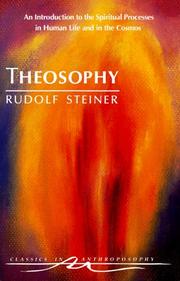
Theosophy
Theosophie. Einführung in übersinnliche Welterkenntnis und Menschenbestimmung (GA 9)
A fundamental book of his teaching. It describes the human being in three aspects—body, soul and spirit—subdivided into nine members; explains reincarnation and karma as spiritual law; surveys the three worlds (physical, soul and spiritual) through which the human being passes between death and a new birth; and ends with an outline of the 'path of knowledge'. Steiner revised it in many editions.
4 संस्करण

लिखित कृति · लगभग 1904
How to Know Higher Worlds
Wie erlangt man Erkenntnisse der höheren Welten? (GA 10)
A manual of inner development serialised in Lucifer-Gnosis (1904–1905) and published as a book in 1909. It describes the conditions of discipleship—reverence, inner calm, control of thought, equanimity—meditation exercises and the stages of preparation, illumination and initiation, with the warning to take three steps in moral improvement for every step in occult knowledge.
5 संस्करण

लिखित कृति · 1910
An Outline of Esoteric Science
Die Geheimwissenschaft im Umriss (GA 13)
His principal cosmological work, issued in December 1909 with the date 1910. It describes the nature of the human being, sleep and death, and the evolution of the cosmos through the planetary states of Saturn, Sun, Moon, Earth and the future Jupiter, Venus and Vulcan, with the intervention of the spiritual hierarchies, of Lucifer and Ahriman and of Christ; it closes with the path of knowledge of higher worlds.
5 संस्करण
संपूर्ण कृतित्व (68)

Goethean Science
1883

A Theory of Knowledge Implicit in Goethe's World-Conception
1886

Truth and Knowledge
1892

Documents on The Philosophy of Freedom
1994

Friedrich Nietzsche, Fighter for Freedom
1895

Goethe's World View
1897

Mysticism at the Dawn of the Modern Age
1901

Christianity as Mystical Fact
1902

Cosmic Memory
1904

The Stages of Higher Knowledge
1905

The Education of the Child in the Light of Anthroposophy
1907

Four Mystery Dramas
1910

The Spiritual Guidance of the Individual and Humanity
1911

A Way of Self-Knowledge
1912

The Threshold of the Spiritual World
1913

The Riddles of Philosophy
1914

The Riddle of Man
1916

Riddles of the Soul
1917

Goethe's Standard of the Soul
1918

Towards Social Renewal (The Threefold Commonwealth)
1919

The Renewal of the Social Organism
1961
Rudolf Steiner
Cosmology, Religion and Philosophy
The Conscious LibraryCosmology, Religion and Philosophy
1922

Anthroposophical Leading Thoughts
1925
Rudolf Steiner
Extending Practical Medicine (Fundamentals of Therapy)
The Conscious LibraryExtending Practical Medicine (Fundamentals of Therapy)
1925
वचन
किसी निश्चित कृति में स्थित वचन। प्रत्येक के साथ उसका स्रोत और विश्वसनीयता का स्तर है।
Only when I follow my love for the object is it I myself who act.Nur wenn ich meiner Liebe zu dem Objekte folge, dann bin ich es selbst, der handelt.
सत्यापितDie Philosophie der Freiheit (1894), cap. «Die Idee der Freiheit»
अप्रामाणिक या विवादित आरोपण वाले उद्धरण (1)
«"Receive the child in reverence, educate him in love, and send him forth in freedom."»
A widely circulated Waldorf motto attributed to Steiner. We have not found this literal wording in his books or in the GA education cycles; it summarises ideas from his lectures to teachers and appears to be a later synthesis by the Waldorf movement. It should be cited as a motto, not as a verbatim quotation.
अंतिम शब्द
उनके अंतिम शब्दों का कोई सत्यापन-योग्य अभिलेख उपलब्ध नहीं है।
No reliable last words survive. He died on the morning of 30 March 1925 in his studio at Dornach, attended by the physician Ita Wegman; Marie Steiner arrived from Stuttgart after he had died. The accounts of those present, gathered by Guenther Wachsmuth, describe a peaceful death, with his hands crossed on his breast, but record no final sentence.
स्रोत: Wachsmuth, Guenther. Die Geburt der Geisteswissenschaft. Rudolf Steiners Lebensgang von der Jahrhundertwende bis zum Tode. Dornach: Philosophisch-Anthroposophischer Verlag, 1941 (trad. ingl. The Life and Work of Rudolf Steiner, 1955).
पूछें
उनकी कृतियाँ क्या उत्तर देती हैं
मानवता के बारह महान प्रश्न और उनके ग्रंथ उनका जो उत्तर देने देते हैं, संदर्भों सहित। हम कभी उनके मुख में अपने शब्द नहीं रखते।
परम सत्य क्या है? क्या ईश्वर है?
A divine-spiritual world with hierarchies of beings and a cosmic Christ
साकार भी, निराकार भीउनके सिद्धांत से निष्कर्षित
Steiner hardly uses the word God in the abstract. In The Philosophy of Freedom he defends a monism that needs no lawgiver outside the world. In his anthroposophical period he describes, in An Outline of Esoteric Science, a divine-spiritual world populated by hierarchies of beings who, through the cosmic phases he calls Saturn, Sun, Moon and Earth, have guided the evolution of the human being. Within that picture he places a trinity: the paternal ground of the world, Christ as a cosmic being incarnated in Jesus, whose death at Golgotha he regards as the centre of earthly evolution, and the Spirit. The divine thus has an aspect of universal ground and another of personal beings with whom the human being relates, but both are to be known through spiritual research, not accepted on faith.
इस प्रश्न की अन्य गुरुओं से तुलना करेंमैं कौन हूँ? क्या कोई सच्चा आत्म है?
The I is the spiritual core that reincarnates in body, soul and spirit
विकसित होती आत्मास्पष्ट रूप से कहा है
In Theosophy, of 1904, Steiner describes the human being as body, soul and spirit, and divides these members into a physical body, an etheric or life body, an astral body and the I, to which are added spiritual members still in germ. The I is the centre: the instance that says I of itself and that no other person can utter for it. This spiritual core is not exhausted in one life; in the chapter on the reincarnation of the spirit and destiny he maintains that it incarnates again, and that the capacities and destiny of each biography are the fruit of earlier lives. Already in The Philosophy of Freedom he had placed individuality in thinking and free action. The true self is not an illusion: it is a spiritual individuality in evolution.
इस प्रश्न की अन्य गुरुओं से तुलना करेंहम दुःख क्यों भोगते हैं?
Destiny is the fruit of earlier lives and an organ of the I's development
कर्म और आत्मा की सीखस्पष्ट रूप से कहा है
Steiner approaches suffering through karma. In Theosophy he maintains that each person's destiny, including their pains, is the consequence of what their individuality did in earlier lives; and in the lecture cycle Manifestations of Karma, of 1910, he studies how illnesses, accidents and catastrophes relate to spiritual causes. But he insists that karma is neither punishment nor fatalism: the I, before birth, in some way seeks out the circumstances it needs in order to compensate and develop, and pain can become strength and capacity in a future life. In his cosmology, moreover, suffering is inscribed in the evolution of humanity, in which act powers he calls Luciferic and Ahrimanic, which the Christ impulse makes it possible to balance.
इस प्रश्न की अन्य गुरुओं से तुलना करेंमृत्यु के बाद क्या होता है?
The I passes through the soul world and spirit land before reincarnating
कर्म के अनुसार पुनर्जन्मस्पष्ट रूप से कहा है
Steiner describes the path after death in the chapter on the three worlds in Theosophy. At death the human being leaves the physical body and, shortly afterwards, the etheric, at which point he beholds his past life as a great tableau. He then passes through the soul world, where he must free himself from desires bound to the physical, a phase he elsewhere calls kamaloka, and enters spirit land, where he works over the fruits of the completed life and prepares the next. Afterwards he incarnates again, according to accumulated karma. In his lectures he developed these stages in detail, as well as the relation between the living and the dead, to whom he recommended reading spiritual texts. Death is neither end nor fusion, but a rhythm in the evolution of the I.
इस प्रश्न की अन्य गुरुओं से तुलना करेंमुक्ति या उद्धार कैसे प्राप्त होता है?
A path of conscious exercises awakening organs of spiritual perception
सचेत आंतरिक कार्य सेस्पष्ट रूप से कहा है
Steiner does not speak of salvation in an ecclesiastical sense, but of a development of the human being that each person can freely undertake. In How to Know Higher Worlds and in An Outline of Esoteric Science he describes a path of exercises: reverence, inner calm, a retrospective review of the day, concentration of thought, control of the will, equanimity, unprejudiced openness and meditation on images and phrases, which gradually awaken faculties of spiritual perception he calls imagination, inspiration and intuition. The moral condition is strict: for every step in occult knowledge, three must be taken in the perfection of character. To one's own work he adds the Christ impulse, which he regards as the force that makes the freedom of the I possible in the Earth's evolution, but which does not replace conscious effort.
इस प्रश्न की अन्य गुरुओं से तुलना करेंक्या गुरु आवश्यक है?
The teacher gives directions, but the modern pupil must test everything by thinking
सहायक, पर अनिवार्य नहींस्पष्ट रूप से कहा है
Steiner was for decades the teacher of a large movement and gave personal esoteric instruction to many pupils, but he insisted that the modern path of knowledge does not require blind obedience. In How to Know Higher Worlds he explains that the spiritual teacher can indicate the exercises and conditions, but that the pupil must travel them freely and understand what he is doing; the communications of spiritual research, he adds in other writings, can be examined with sound thinking even before one has verified them by one's own vision. Already in The Philosophy of Freedom he had argued that authentic moral action springs from one's own intuition and not from authority. He therefore recognises the guide's value, but subordinates it to the freedom of the I.
इस प्रश्न की अन्य गुरुओं से तुलना करेंक्या संसार वास्तविक है?
Physical world, soul world and spirit land, in cosmic evolution
अस्तित्व के लोकस्पष्ट रूप से कहा है
In Theosophy, Steiner describes three worlds: the physical, perceived by the senses; the soul world, made of forces of sympathy and antipathy, desires and feelings; and spirit land, where the archetypes of everything that exists reside. The human being belongs to all three through body, soul and spirit. In An Outline of Esoteric Science he adds a temporal dimension: the present world is the fourth phase of a cosmic evolution, preceded by those he calls Saturn, Sun and Moon, in which hierarchies of spiritual beings have gradually formed the cosmos and the human being. The physical world is real and must be studied with the rigour of natural science, which Steiner admired since his work on Goethe, but it is the outer manifestation of spiritual realities accessible to an extended knowledge.
इस प्रश्न की अन्य गुरुओं से तुलना करेंप्रेम क्या है?
The Earth is the cosmos of love; free action is born of love for the deed
ईश्वर और पड़ोसी से प्रेमस्पष्ट रूप से कहा है
Steiner treats love on two levels. In The Philosophy of Freedom, truly free action proceeds not from duty or authority but from love of the action's object: only when I follow my love for the object am I the one who acts; and the maxim of free human beings is to live in love for the deed and let live in understanding of the other's will. In An Outline of Esoteric Science he gives love a cosmic dimension: the old Moon was the cosmos of wisdom, and the Earth's mission is to become the cosmos of love. In that process he assigns a central role to the Christ impulse, which he regards as the source of a love able to unite human beings without cancelling their individuality. Love is thus both the fruit of freedom and the task of evolution.
इस प्रश्न की अन्य गुरुओं से तुलना करेंक्या हम स्वतंत्र हैं, या सब कुछ पूर्वनिर्धारित है?
Freedom is not given: it is won in pure thinking, within karma
कर्म और चुनावस्पष्ट रूप से कहा है
The Philosophy of Freedom, of 1894, asks whether the human being is free or determined, and answers that he is neither in advance: he can become free. He is free when he acts moved by moral intuitions he himself grasps through thinking, and not by impulses, habits or others' commands; Steiner calls this view ethical individualism. In his anthroposophical period he adds the law of karma: the circumstances of each life are the consequence of earlier lives, but they do not determine how the I responds to them, which can transform them and, by present action, sow future destiny. In his writings and lectures on karma he insists that it does not contradict freedom: it inherits the starting situation, not the response.
इस प्रश्न की अन्य गुरुओं से तुलना करेंध्यान या प्रार्थना क्यों करें?
Meditating to awaken organs that perceive spiritual reality
यथार्थ को जैसा है वैसा देखनास्पष्ट रूप से कहा है
Steiner conceives meditation as an instrument of knowledge. In How to Know Higher Worlds and An Outline of Esoteric Science he proposes exercises of concentration on symbolic images and phrases, such as the cross with roses, which strengthen the soul until faculties of spiritual perception awaken in it: imagination, inspiration and intuition. The aim is to see reality as it is, including what the senses do not reach, with the same clarity with which scientific thinking sees nature. Meditation must be practised in full consciousness, without losing the I or falling into trance states, and accompanied by moral work. He also wrote meditative verses for each week of the year in the Calendar of the Soul.
इस प्रश्न की अन्य गुरुओं से तुलना करेंक्या बुद्धि परम को जान सकती है?
There are no limits to knowledge: thinking can investigate the spiritual
गूढ़ ज्ञानस्पष्ट रूप से कहा है
Steiner argues expressly with Kant and with those who assert insuperable limits to knowledge. In Truth and Knowledge, in A Theory of Knowledge Implicit in Goethe's World-Conception and in The Philosophy of Freedom he holds that knowing is the synthesis of percept and concept, and that thinking, which lies beyond subject and object, grasps reality itself, not a subjective representation of it. From there he takes the step to his spiritual science: if thinking is strengthened through meditative exercises, it can investigate the spiritual worlds with a rigour comparable to that of natural science. He calls this research anthroposophy and maintains that its results, though born of supersensible experience, can be examined with sound thinking.
इस प्रश्न की अन्य गुरुओं से तुलना करेंसंसार से हटें या उसे बदलें?
Spiritual science must fertilise school, farm, medicine and social order
संसार में जुड़नास्पष्ट रूप से कहा है
Few spiritual teachers have left so practical a mark as Steiner. From 1919 he applied his spiritual science to almost every field: he founded in Stuttgart the first Waldorf school for the children of workers at a cigarette factory; in 1924 he gave the agriculture course from which biodynamic farming arose; with the physician Ita Wegman he developed anthroposophical medicine and a curative education; and in The Threefold Social Order he proposed a threefolding of the social organism into three autonomous spheres, free spiritual life, egalitarian legal life and fraternal economic life. He warned that there is no panacea for ordering social relations. Inner life is not separated from the world: it must transform it.
इस प्रश्न की अन्य गुरुओं से तुलना करें
निकटता और तनाव
निकटता और तनाव
उनके मतों के आधार पर प्रश्न-दर-प्रश्न आकलित। प्रत्येक सहमति या टकराव का कारण क्लिक करने पर।
इनसे मिलता-जुलता सोचते हैं
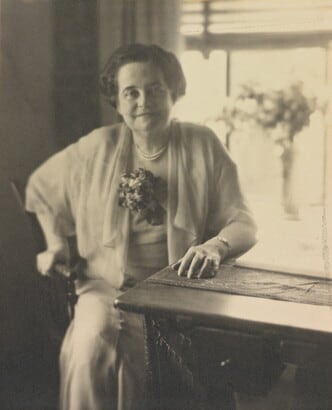
Alice A. Bailey
इन पर सहमत: परम सत्य क्या है? क्या ईश्वर है? · मैं कौन हूँ? क्या कोई सच्चा आत्म है? · हम दुःख क्यों भोगते हैं?
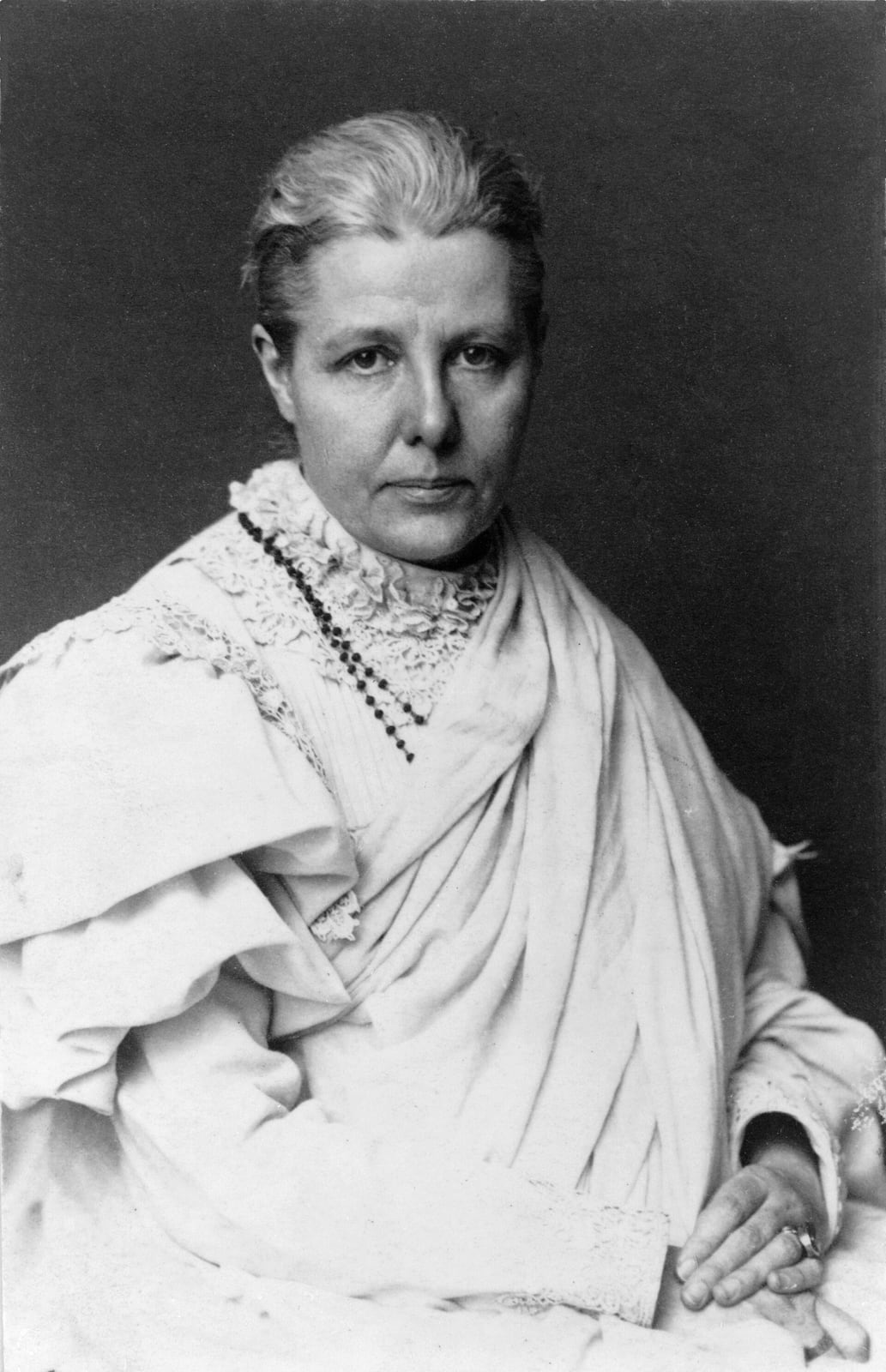
Annie Besant
इन पर सहमत: क्या हम स्वतंत्र हैं, या सब कुछ पूर्वनिर्धारित है? · परम सत्य क्या है? क्या ईश्वर है? · मैं कौन हूँ? क्या कोई सच्चा आत्म है?
Nicholas Roerich
इन पर सहमत: क्या संसार वास्तविक है? · क्या बुद्धि परम को जान सकती है? · संसार से हटें या उसे बदलें?
Helena Blavatsky
इन पर सहमत: क्या हम स्वतंत्र हैं, या सब कुछ पूर्वनिर्धारित है? · मैं कौन हूँ? क्या कोई सच्चा आत्म है? · हम दुःख क्यों भोगते हैं?


प्रसंग और वृत्तांत
प्रसंग और वृत्तांत
साक्ष्यc. 1868
The visit of the dead aunt
वृत्तांत का स्रोत: Steiner's autobiographical lecture in Berlin, 4 February 1913 (published in the Beiträge zur Rudolf Steiner Gesamtausgabe); recorded by Lindenberg and critically discussed by Zander.
स्रोत: Lindenberg, Christoph. Rudolf Steiner. Eine Biographie. 2 vols. Stuttgart: Verlag Freies Geistesleben, 1997.
साक्ष्यc. 1879–1882
The herb gatherer on the train
वृत्तांत का स्रोत: The Course of My Life, ch. III; Koguzki's identity and house were documented by anthroposophical researchers. The figure of the 'Master' has no documentary support (Zander).
स्रोत: Steiner, Rudolf. Mein Lebensgang. Eine nicht vollendete Autobiographie (GA 28). Dornach: Philosophisch-Anthroposophischer Verlag, 1925; ed. actual Basilea: Rudolf Steiner Verlag.
साक्ष्य1884–1890
The boy who could not learn
वृत्तांत का स्रोत: The Course of My Life, ch. VI. Otto Specht's medical career and death in the war are confirmed by biographers (Lindenberg); the degree of his initial disability is known only from Steiner.
स्रोत: Steiner, Rudolf. Mein Lebensgang. Eine nicht vollendete Autobiographie (GA 28). Dornach: Philosophisch-Anthroposophischer Verlag, 1925; ed. actual Basilea: Rudolf Steiner Verlag.
प्रमाणित1896
Before the sick Nietzsche
वृत्तांत का स्रोत: The Course of My Life, ch. XVIII, and Steiner's articles on the Nietzsche archive (1900). The lessons and the break with Elisabeth Förster-Nietzsche are documented in letters.
स्रोत: Steiner, Rudolf. Mein Lebensgang. Eine nicht vollendete Autobiographie (GA 28). Dornach: Philosophisch-Anthroposophischer Verlag, 1925; ed. actual Basilea: Rudolf Steiner Verlag.
प्रमाणित1922–1923
The night of the fire
वृत्तांत का स्रोत: Police reports and contemporary press; eyewitness accounts gathered by Wachsmuth and Lindenberg. Responsibility for the fire remains unproven.
स्रोत: Zander, Helmut. Rudolf Steiner. Die Biografie. Múnich: Piper, 2011 (ed. rústica 2016).
प्रमाणित1924
The farmers of Koberwitz
वृत्तांत का स्रोत: Transcript of the course (GA 327) and documentation of the Agriculture Section of the Goetheanum.
स्रोत: Steiner, Rudolf. Geisteswissenschaftliche Grundlagen zum Gedeihen der Landwirtschaft. Landwirtschaftlicher Kurs (GA 327). Koberwitz, 7–16 de junio de 1924.
शिक्षाएँ
शिक्षाएँ
वे अवधारणाएँ जो उनके चिंतन को रूप देती हैं, उनके संदर्भ में समझाई गई।
Anthroposophy (spiritual science)antroposofia
From German idealism and Goethe to Theosophy and Western esotericism.
स्रोत: Zander, Helmut. Rudolf Steiner. Die Biografie. Múnich: Piper, 2011 (ed. rústica 2016).
Ethical individualism and free thinkingindividualismo-etico
Post-Kantian epistemology; nineteenth-century individualism.
The members of the human beingmiembros-del-ser-humano
Reworked Theosophical anthropology.
स्रोत: Zander, Helmut. Rudolf Steiner. Die Biografie. Múnich: Piper, 2011 (ed. rústica 2016).
Reincarnation and karmareencarnacion-y-karma
Theosophy; German idealism (Lessing).
स्रोत: Zander, Helmut. Rudolf Steiner. Die Biografie. Múnich: Piper, 2011 (ed. rústica 2016).
Imagination, Inspiration, Intuitionimaginacion-inspiracion-intuicion
Western mysticism and Rosicrucian esotericism.
स्रोत: Steiner, Rudolf. Mein Lebensgang. Eine nicht vollendete Autobiographie (GA 28). Dornach: Philosophisch-Anthroposophischer Verlag, 1925; ed. actual Basilea: Rudolf Steiner Verlag.
The threefold social ordertriformacion-social
Postwar German crisis; European social thought.
The Mystery of Golgotha, Lucifer and Ahrimanmisterio-del-golgota
Esoteric Christology; break with the Theosophical Society.
स्रोत: Zander, Helmut. Rudolf Steiner. Die Biografie. Múnich: Piper, 2011 (ed. rústica 2016).
वीडियो
वीडियो
रिकॉर्डिंग, साक्षात्कार और वृत्तचित्र। वीडियो YouTube से चलते हैं; वे यहाँ संग्रहीत नहीं हैं।
Rudolf Steiner and his Waldorf philosophy
वृत्तचित्र· EN· 2025· 43 min
DW Documentaryआधिकारिक चैनल
Rudolf Steiner y su universo Waldorf
वृत्तचित्र· ES· 2025· 43 min
DW Documentalआधिकारिक चैनल
Mythos Rudolf Steiner – was steckt hinter Waldorfschulen, Weleda und Demeter?
वृत्तचित्र· DE· 2024· 30 min
Terra X Historyआधिकारिक चैनल
Rudolf Steiner und die Anthroposophie (Sternstunde Philosophie)
साक्षात्कार· DE· 2022· 65 min
SRF Kultur Sternstundenआधिकारिक चैनल
Dr. Rudolf Steiner, aus seinem Lebensgang (ARTE)
वृत्तचित्र· DE· 2025· 90 min
videoattac2
The Life of Rudolf Steiner (Rudolf Steiners Leben)
वृत्तचित्र· DE· 59 min
Steinerfilms
The Challenge of Rudolf Steiner, part one
वृत्तचित्र· DE· 93 min
Steinerfilms
The Life and Work of Rudolf Steiner with Gary Lachman
साक्षात्कार· EN· 2018· 66 min
New Thinking Allowed with Jeffrey Mishlove
Rudolf Steiner's First Goetheanum with Brian Gray
व्याख्यान· EN· 2022· 94 min
Anthroposophical Society · Faust Branch Sacramento
André Leu — Rudolf Steiner: 100 years ahead of the science of his time
व्याख्यान· EN· 2019· 31 min
Sektion für Landwirtschaftआधिकारिक चैनल
Intuitive Thinking as a Spiritual Path (The Philosophy of Freedom) — audiolibro
तृतीय पक्ष की रिकॉर्डिंग· EN· 2019· 457 min
Rudolf Steiner Press Audioआधिकारिक चैनल
El desafío de Rudolf Steiner
YouTube पर देखें
यह वीडियो एम्बेड करने की अनुमति नहीं देता; यह YouTube पर खुलेगा।
El desafío de Rudolf Steiner
वृत्तचित्र· ES· 93 min
Benjamin Moreno
चित्रशाला
चित्रशाला
सत्यापित लाइसेंस वाले चित्र। प्रत्येक में उसके रचयिता और श्रेय का उल्लेख सुरक्षित है।
पांडुलिपियाँ
पांडुलिपियाँ
पांडुलिपि-साक्ष्य और प्राचीन पाठ, उनके संरक्षक और अध्ययन की शर्तों सहित।
DE · Latin (Kurrent y escritura latina) · 1879–1925
Nachlass Rudolf Steiner (manuscritos, cuadernos de notas, cartas, dibujos de pizarra)
- संरक्षित पाठ-साक्ष्य
- Unos 600 cuadernos de notas, manuscritos de libros, cartas y alrededor de 1100 dibujos en pizarra
- संरक्षक
- Rudolf Steiner Archiv, Dornach (Suiza)
DE · Taquigrafía Gabelsberger · 1900–1924
Mitschriften der Vorträge (estenogramas)
- संरक्षित पाठ-साक्ष्य
- Unas 3700 transcripciones taquigráficas de conferencias
- संरक्षक
- Rudolf Steiner Archiv, Dornach
संबंध
संबंध
प्रभाव, शिष्यत्व और वैचारिक निकटता। प्रमाणित संबंध को विश्लेषण से पहचानी गई समानता से अलग दर्शाया गया है।
इनसे प्रभावित
Her cosmology (root races, Atlantis, planes) is a reworked source of Cosmic Memory and Occult Science; Steiner acknowledged her work and disagreed with its Eastern orientation.
प्रमाणित संबंध
इनसे मतभेद
She appointed him head of the Esoteric School in Germany (1904); the proclamation of Krishnamurti as World Teacher led to the 1912–1913 break.
प्रमाणित संबंध
इनसे मतभेद
Steiner publicly rejected the doctrine that Krishnamurti was the vehicle of the World Teacher; it was the immediate cause of the German Section's separation.
प्रमाणित संबंध
इनसे भेंट
Friedrich Nietzsche
He devoted a book to him (1895) and saw him ill at Naumburg in 1896.
प्रमाणित संबंध
इनसे प्रभावित
Johann Wolfgang von Goethe
Editor of his scientific writings (1883–1897); his method of observation is the basis of Steiner's theory of knowledge and gives the Goetheanum its name.
प्रमाणित संबंध
इनके शिष्य
Karl Julius Schröer
His teacher in Vienna, who introduced him to Goethe and recommended him to Kürschner.
प्रमाणित संबंध
इनके परिवार से
Marie Steiner-von Sivers
Collaborator from 1902 and wife from 1914; co-founder of eurythmy and speech formation and editor of his legacy.
प्रमाणित संबंध
इनसे भेंट
Ita Wegman
Physician, co-author of Extending Practical Medicine and member of the Society's executive from 1923; she attended him in his last illness.
प्रमाणित संबंध
इनसे प्रभावित
The first chapter of Mysticism at the Dawn of the Modern Age (1901).
प्रमाणित संबंध
इनसे प्रभावित
Studied in Mysticism at the Dawn of the Modern Age (1901) as a precursor of his spiritual science.
प्रमाणित संबंध
इनसे प्रभावित
The centre of his Christology: he devoted cycles to the four Gospels and to the 'fifth Gospel'.
प्रमाणित संबंध
इनसे भेंट
Édouard Schuré
Friend and collaborator; Steiner adapted and staged his dramas (GA 42), and Schuré prefaced the French translation of Christianity as Mystical Fact.
प्रमाणित संबंध
इनसे प्रभावित
Ernst Haeckel
Steiner defended his evolutionary monism in Haeckel and His Opponents (1900) before his Theosophical period.
प्रमाणित संबंध
इनके समकालीन
Contemporaries in the German-speaking world with shared interests in Goethe, Gnosis and the life of the spirit, with no documented relationship.
विश्लेषण से पहचानी गई समानता
इनके समकालीन
Contemporaries in early twentieth-century European esotericism; no direct relationship is recorded.
विश्लेषण से पहचानी गई समानता
इनसे मिलते-जुलते विचार
Both conceived Christ and Sophia within a religious philosophy of evolution; the affinity was noted by Russian anthroposophists, not by Steiner himself.
विश्लेषण से पहचानी गई समानता
इनके समकालीन
Both reworked Blavatsky's Theosophy in their own directions; there was no relationship.
विश्लेषण से पहचानी गई समानता
स्रोत
स्रोत
इस प्रविष्टि के लिए देखे गए ग्रंथ-सूची और सूचीपत्र।
- Steiner, Rudolf. Mein Lebensgang. Eine nicht vollendete Autobiographie (GA 28). Dornach: Philosophisch-Anthroposophischer Verlag, 1925; ed. actual Basilea: Rudolf Steiner Verlag.
- Lindenberg, Christoph. Rudolf Steiner. Eine Biographie. 2 vols. Stuttgart: Verlag Freies Geistesleben, 1997.
- Zander, Helmut. Rudolf Steiner. Die Biografie. Múnich: Piper, 2011 (ed. rústica 2016).
- Lachman, Gary. Rudolf Steiner: An Introduction to His Life and Work. Nueva York: Jeremy P. Tarcher/Penguin, 2007.
- Steiner, Rudolf. Die Philosophie der Freiheit. Grundzüge einer modernen Weltanschauung. Berlín: Emil Felber, 1894 (texto en Project Gutenberg, ebook n.º 53493).
- Goetheanum, Dornach: sede de la Sociedad Antroposófica General y de la Escuela Superior de Ciencia Espiritual.
- McDermott, Robert (ed.). The Essential Steiner. San Francisco: Harper & Row, 1984 (nueva ed. The New Essential Steiner, Lindisfarne, 2009).
- Wikipedia (de), «Rudolf Steiner» (secciones «Edition des Werkes» y «Schriften»), y Wikipedia (en), «Rudolf Steiner», consultadas el 25 de octubre de 2026.
- Wikidata, «Rudolf Steiner» (Q78484).
- Rudolf Steiner Archiv, Dornach / Rudolf Steiner Verlag, Basilea: Rudolf Steiner Gesamtausgabe (GA).
- Rudolf Steiner Archive (Steiner Online Library), rsarchive.org: índice de la GA con traducciones inglesas (p. ej. «GA 37. Writings on the History of the Anthroposophical Movement and Society 1902–1925»).
- Jonas, Margaret (comp.). GA–RSE Titles: Listing of GA volumes and published English translations. Londres: Rudolf Steiner House Library, 1999, act. 2019.
- Deutsche Nationalbibliothek, catálogo en línea (SRU): ediciones del Rudolf Steiner Verlag por número de GA.
- Project Gutenberg: obras de Rudolf Steiner en alemán e inglés (Die Philosophie der Freiheit, n.º 53493; Die Kernpunkte der sozialen Frage, n.º 28494; The Way of Initiation, n.º 39986; etc.).
- Wachsmuth, Guenther. Die Geburt der Geisteswissenschaft. Rudolf Steiners Lebensgang von der Jahrhundertwende bis zum Tode. Dornach: Philosophisch-Anthroposophischer Verlag, 1941 (trad. ingl. The Life and Work of Rudolf Steiner, 1955).
- Steiner, Rudolf. Geisteswissenschaftliche Grundlagen zum Gedeihen der Landwirtschaft. Landwirtschaftlicher Kurs (GA 327). Koberwitz, 7–16 de junio de 1924.
- अधिकार-धारक
- Dominio público en la UE (desde 1996) y en España (desde 2006) para toda la obra de Steiner (m. 1925), y en EE. UU. para lo publicado antes de 1930. Las ediciones de la GA, sus aparatos críticos y las traducciones modernas pertenecen a la Rudolf Steiner-Nachlassverwaltung / Rudolf Steiner Verlag (Basilea) y a sus editoriales.
- आधिकारिक वेबसाइट
- www.rudolf-steiner.com/
पुष्टि की प्रतीक्षा में
जो यह प्रविष्टि अभी तक निश्चित नहीं कर सकी है। हम उसे भर देने के बजाय कह देना बेहतर समझते हैं।
- Fecha de nacimiento: Steiner dio siempre el 27 de febrero de 1861; algunos documentos y biógrafos apuntan al 25. Se registra el 27 con certeza «disputed» en la cronología.
- Verificar el título y contenido exactos de la GA 41 y de la reordenación reciente de documentos (GA 46) que aparece en rsarchive.org; no se han registrado por falta de fuente fiable.
- Completar ISBN españoles e ingleses para varias obras escritas (GA 5, 7, 11, 14, 16, 18, 20, 22, 24–25, 29–39, 42–44) y localizar ediciones en francés, italiano y ruso.
- Registrar uno por uno los demás ciclos de conferencias significativos (p. ej. GA 107, 113, 129, 136, 146, 157, 194, 230, 233) siempre como transcripciones no revisadas.
- Cotejar con el texto alemán de GA 4 (ed. 1918) y GA 10 las dos citas marcadas como «probable».
- Confirmar las fechas marcadas como probables: doctorado (octubre de 1891), boda con Marie von Sivers (24-XII-1914), inauguración del segundo Goetheanum (29-IX-1928) e inicio de la GA (1956).
- Localizar textos alemanes de dominio público en línea (Wikisource alemán, Internet Archive con OCR limpio) de Theosophie, Wie erlangt man…? y Die Geheimwissenschaft im Umriss para la sala de lectura.
2026-10-25 को शोधित