ईसाई धर्म · ईसाई रहस्यवाद · प्रोटेस्टेंट धर्म
Emanuel Swedenborg
Emanuel Swedenborg
1688 – 1772ऐतिहासिक रूप से प्रमाणित व्यक्ति
स्वीडिश वैज्ञानिक, इंजीनियर और द्रष्टा (1688–1772)। खान-परिषद के सदस्य और 1719 में कुलीनता पाने वाले स्वीडनबोर्ग ने 1743 से 1745 के बीच एक आध्यात्मिक संकट से गुज़रने से पहले धातुकर्म, ब्रह्मांडविज्ञान (Principia, 1734) और मस्तिष्क की शरीर-रचना (Oeconomia regni animalis, Regnum animale) पर लिखा। उसके बाद उसने देवदूतों और आत्माओं से संपर्क का दावा किया और लैटिन में एक विशाल धर्मविज्ञान प्रकाशित किया: «स्वर्गीय रहस्य», «स्वर्ग और नरक», «देवदूतीय प्रज्ञा», «वैवाहिक प्रेम» और «सच्चा ईसाई धर्म»। कांट ने उस पर व्यंग्य किया; ब्लेक, बाल्ज़ाक, एमर्सन और बोर्हेस ने उसे उत्कट भाव से पढ़ा।
- कृतियाँ
- 38कृतियाँ
- संस्करण
- 60संस्करण
- उद्धरण
- 7उद्धरण
- वीडियो
- 12वीडियो
- चित्र
- 8चित्र

Retrato de Emanuel Swedenborg a los setenta y cinco años · Public domain
उनके अपने शब्दों में
«I am aware that many who read the following pages and the Memorable Relations annexed to the chapters, will believe that they are fictions of the imagination; but I solemnly declare they are not fictions, but were truly done and seen; and that I saw them, not in any state of the mind asleep, but in a state of perfect wakefulness.»De amore conjugiali (1768), n. 1, trad. inglesa de 1850 (reimpr. 1892). Se cita por la traducción inglesa de dominio público; original latino no cotejado.

मूल विचार
Correspondences: The doctrine of correspondences is the key to the whole of Swedenborg's theological work.
संदर्भ में देखें
जीवनी
5 मिनट का पाठ
स्पैनिश मूल से सहायता-प्राप्त अनुवाद, मातृभाषी अनुवादक द्वारा समीक्षा लंबित।
बिशप का बेटा
इमानुएल स्वेडबर्ग का जन्म स्टॉकहोम में 29 जनवरी 1688 को (उस समय के स्वीडिश पंचांग के अनुसार) हुआ। वह येस्पर स्वेडबर्ग की तीसरी संतान था, जो राजदरबार के पादरी और बाद में स्कारा के बिशप बने, और उसकी माँ सारा बेम खानों से समृद्ध हुए एक परिवार की बेटी थीं। पिता प्रखर धर्मनिष्ठा वाले लूथरवादी थे, जिन पर पवित्रतावाद (पाइटिज़्म) की ओर झुकाव का संदेह किया जाता था, और जिन्हें विश्वास था कि देवदूत दैनिक जीवन में हस्तक्षेप करते हैं; माँ की मृत्यु तब हुई जब बालक आठ वर्ष का था। 1699 से 1709 तक उसने उप्साला में अध्ययन किया, जहाँ वह अपने बहनोई एरिक बेन्ज़ेलियस के घर रहा, जो विश्वविद्यालय के पुस्तकालयाध्यक्ष थे, और सेनेका तथा पुब्लिलियस सिरस की सूक्तियों पर एक शोध-प्रबंध के साथ उपाधि प्राप्त की।
1710 में वह इंग्लैंड के लिए रवाना हुआ। पाँच वर्षों तक उसने लंदन, ऑक्सफ़र्ड, हॉलैंड, पेरिस और उत्तरी जर्मनी की यात्रा की; न्यूटन को पढ़ा, खगोलशास्त्री फ़्लैमस्टीड से भेंट की, लेंस घिसना और जिल्दसाज़ी सीखी, और बेन्ज़ेलियस को योजनाओं से भरे पत्र लिखे: एक पनडुब्बी, एक उड़न-यंत्र, समुद्र में देशांतर ज्ञात करने की एक विधि। 1715 में वह इस संकल्प के साथ लौटा कि वह अपने देश के लिए उपयोगी विज्ञानवेत्ता बनेगा।
खान-परिषद का सदस्य
1716 में उसने Daedalus Hyperboreus प्रकाशित किया, जो स्वीडन की पहली वैज्ञानिक पत्रिका थी, और राजा कार्ल बारहवें ने उसे खान-परिषद (कॉलेज ऑफ़ माइन्स) में असाधारण सदस्य नियुक्त किया, वह संस्था जो राज्य की सबसे बड़ी संपदा का प्रबंधन करती थी। उसने इंजीनियर क्रिस्टोफ़र पोल्हेम के साथ काम किया और 1718 में फ़्रेड्रिक्स्टेन के घेरे के लिए युद्धपोतों को स्थल-मार्ग से ले जाने के अभियान में भाग लिया। 1719 में रानी उलरिका एलेओनोरा ने परिवार को कुलीनता प्रदान की, जिसके बाद उसका नाम स्वीडनबोर्ग हो गया, और इमानुएल ने अभिजात-सभा में स्थान पाया, जहाँ उसने मुद्रा, खनन और व्यापार पर अपने विचार रखे। 1724 में उसने उप्साला में गणित की प्राध्यापकी अस्वीकार कर दी; वह हकलाता था और उसने कभी सार्वजनिक भाषण नहीं दिया।
बीस वर्षों तक उसने रसायन, धातुकर्म, भूविज्ञान और ब्रह्मांडविज्ञान पर लिखा। Opera philosophica et mineralia (लाइपज़िग, 1734) के तीन खंडों ने लोहे और ताँबे पर उसके ग्रंथों के कारण उसे यूरोप-भर में ख्याति दिलाई; पहला खंड, Principia, एक यांत्रिक ब्रह्मांडविज्ञान प्रस्तुत करता था, जिसमें सौरमंडल की उत्पत्ति के बारे में एक नीहारिका-परिकल्पना भी शामिल थी। उसी वर्ष उसने De infinito प्रकाशित किया, आत्मा और शरीर के संबंध को समझाने का उसका पहला प्रयास। आत्मा के आसन की खोज करते हुए वह शरीर-रचना की ओर मुड़ा: Oeconomia regni animalis (1740–1741) और Regnum animale (1744–1745) में प्रमस्तिष्क-वल्कुट, कार्यों के स्थानीकरण और मस्तिष्क-मेरु द्रव के परिसंचरण के बारे में ऐसी अंतर्दृष्टियाँ हैं जिनकी पुष्टि तंत्रिका-विज्ञान ने बहुत बाद में की।
1743–1745 का संकट
1743 में वह Regnum animale छपवाने हॉलैंड गया। अगले महीनों में उसने स्वप्नों की एक डायरी रखी, जो उन्नीसवीं शताब्दी में राजकीय पुस्तकालय में मिली और जो प्रलोभनों, आतंकों, कामनाओं और दर्शनों को अभूतपूर्व स्पष्टता से दर्ज करती है; 1744 की ईस्टर की रात, डेल्फ़्ट में, उसने लिखा कि उसने स्वयं मसीह को देखा है। अप्रैल 1745 में, जैसा उसने बाद में अपने मित्रों को बताया, लंदन की एक सराय में भोजन के अंत में एक आकृति ने उससे बात की और उसी रात स्वयं को प्रभु के रूप में प्रकट करके उसे पवित्र शास्त्र का आध्यात्मिक अर्थ समझाने का दायित्व सौंपा। स्वीडनबोर्ग ने शरीर-रचना छोड़ दी, इब्रानी भाषा सीखी और 1747 में आधी पेंशन के साथ खान-परिषद के अपने पद से त्यागपत्र दे दिया।
स्वर्गीय रहस्य
1749 से 1756 के बीच उसने लंदन में, गुमनाम रूप से और लैटिन में, Arcana Coelestia («स्वर्गीय रहस्य») के आठ खंड प्रकाशित किए, जो उत्पत्ति और निर्गमन ग्रंथों की उनके आंतरिक अर्थ के अनुसार पद-दर-पद व्याख्या है, और जिसमें बीच-बीच में उन बातों के वृत्तांत हैं जिन्हें वह आध्यात्मिक जगत में देखने और सुनने का दावा करता था। 1758 में, फिर लंदन में ही, «स्वर्ग और नरक», «अंतिम न्याय» — जिसमें उसने कहा कि न्याय 1757 में आत्माओं के जगत में संपन्न हो चुका है —, «श्वेत अश्व», «ब्रह्मांड के अन्य लोक» और «नया यरूशलेम» आए। फिर चार सिद्धांत-ग्रंथ (1763), «दिव्य प्रेम और दिव्य प्रज्ञा पर देवदूतीय प्रज्ञा» (1763), «दिव्य विधान पर देवदूतीय प्रज्ञा» (1764), «प्रकाशितवाक्य का उद्घाटन» (1766), «वैवाहिक प्रेम» (1768) और «सच्चा ईसाई धर्म» (आम्स्टर्डम, 1771) प्रकाशित हुए। उसका धर्मविज्ञान व्यक्तियों के त्रित्व और केवल विश्वास द्वारा धर्मीकरण को अस्वीकार करता है, मुक्ति को परोपकार और उपयोगी कर्मों में रखता है, और समूचे प्राकृतिक जगत को आध्यात्मिक जगत के «अनुरूपण» के रूप में पढ़ता है।
इन पुस्तकों की विलक्षणता केवल सिद्धांत में नहीं, स्वर में भी है। स्वीडनबोर्ग स्वर्ग और नरक का वर्णन खानों की किसी रिपोर्ट जैसी संयत भाषा में करता है: पूरा स्वर्ग मानव-रूप है, «महामानव»; देवदूत प्रेम की आत्मीयता के अनुसार गठित समाजों में रहते हैं; मृत्यु और अंतिम नियति के बीच «आत्माओं का जगत» फैला है, जहाँ हर कोई अंततः वही बन जाता है जिससे वह प्रेम करता है। किसी को नरक भेजा नहीं जाता: वहाँ वही जाता है जो उसे चुनता है। प्रभु एक ही दिव्य व्यक्ति है, यीशु मसीह, जिनमें पिता, पुत्र और पवित्र आत्मा वैसे ही हैं जैसे प्राण, शरीर और कर्म। वह ज़ोर देकर कहता है कि स्वर्ग तक ले जाने वाला जीवन संसार से भागने वाले तपस्वी का नहीं, बल्कि उस व्यक्ति का है जो अपना कर्तव्य न्याय और परोपकार के साथ निभाता है।
स्टॉकहोम का द्रष्टा
1759 से उसका नाम दिव्यदृष्टि की घटनाओं से जुड़ने लगा: स्टॉकहोम की आग, जिसका वर्णन उसने कथित रूप से गोथेनबर्ग से किया; रानी लुईसा उलरिका को बताया गया एक रहस्य; एक खोई हुई रसीद, जो एक दिवंगत के संकेत पर मिल गई। कांट ने इनमें रुचि ली, Arcana मँगवाए और 1766 में गुमनाम रूप से «एक प्रेतदर्शी के स्वप्न» प्रकाशित किया, जो स्वीडनबोर्ग पर व्यंग्य होने के साथ तत्त्वमीमांसा की आलोचना भी है। इस बीच स्वीडनबोर्ग एक व्यवस्थित, सौम्य और संयमी अभिजात बना रहा, जो हॉर्न्सगातान की अपनी बग़ीची सँवारता, लंदन और आम्स्टर्डम में समय बिताता और अपने ख़र्च पर पुस्तकें छपवाता था। 1768 से 1771 के बीच गोथेनबर्ग में उसके दो अनुयायियों पर विधर्म का मुक़दमा चला, और धर्मसभा ने उसकी पुस्तकों की धर्म-सम्मतता पर भी विचार किया।
लंदन, 1772
दिसंबर 1771 में लंदन में उसे आघात हुआ, जिससे वह आंशिक रूप से लकवाग्रस्त हो गया। क्लर्कनवेल में जिस घर में वह ठहरा था, उसकी नौकरानी के अनुसार उसने अपनी मृत्यु का दिन पहले ही बता दिया था। स्वीडिश पादरी आर्विद फ़ेरेलियस को, जिन्होंने उसे प्रभु-भोज दिया, उसने आश्वस्त किया कि उसने जो कुछ लिखा है वह सत्य है। 29 मार्च 1772 को उसकी मृत्यु हुई और उसे लंदन के स्वीडिश गिरजाघर में दफ़नाया गया; 1908 में उसके अवशेष उप्साला के महागिरजाघर में ले जाए गए। उसने कोई चर्च स्थापित नहीं किया: जिन पाठक-मंडलियों से नव यरूशलेम कलीसिया का उदय हुआ, वे उसकी मृत्यु के पंद्रह वर्ष बाद इंग्लैंड में बनीं। उसका प्रभाव ब्लेक, बाल्ज़ाक, एमर्सन, बॉदलेयर, स्ट्रिंडबर्ग, येट्स, हेलेन केलर और बोर्हेस तक पहुँचा, और 2005 में यूनेस्को ने उसकी पांडुलिपियों को «विश्व की स्मृति» रजिस्टर में शामिल किया।
स्रोत: Bergquist, Lars. Swedenborg's Secret: The Meaning and Significance of the Word of God, the Life of the Angels, and Service to God. A Biography. Londres: Swedenborg Society, 2005 (orig. sueco: Swedenborgs hemlighet, Estocolmo: Natur och Kultur, 1999). · Lachman, Gary. Swedenborg: An Introduction to His Life and Ideas. Nueva York: Tarcher/Penguin, 2012. · Tafel, Rudolph Leonhard (ed.). Documents Concerning the Life and Character of Emanuel Swedenborg. 2 vols. en 3. Londres: Swedenborg Society, 1875–1877 (incluye las memorias de Carl Robsahm, las declaraciones de Arvid Ferelius y de la familia Shearsmith y la carta de Kant a Charlotte von Knobloch). · Sigstedt, Cyriel Odhner. The Swedenborg Epic: The Life and Works of Emanuel Swedenborg. Nueva York: Bookman Associates, 1952. · Kant, Immanuel. Träume eines Geistersehers, erläutert durch Träume der Metaphysik. Königsberg: Kanter, 1766 (Project Gutenberg n.º 36076).
कालक्रम
जीवन, वर्ष-दर-वर्ष
प्रत्येक बिंदु एक प्रमाणित घटना है। उसे स्रोत और निश्चितता के स्तर सहित पढ़ने के लिए क्लिक करें।
29 जनवरी 16880 वर्षEstocolmo
Birth
Born in Stockholm, third child of Jesper Swedberg and Sara Behm. The date follows the Swedish calendar of the time.
प्रमाणितBergquist, Lars. Swedenborg's Secret: The Meaning and Significance of the Word of God, the Life of the Angels, and Service to God. A Biography. Londres: Swedenborg Society, 2005 (orig. sueco: Swedenborgs hemlighet, Estocolmo: Natur och Kultur, 1999).
उनके निधन के बाद
- लगभग 1787The New Church is born
- 1908Transfer to Uppsala
- 2005Memory of the World
29 जनवरी 1688 · 0 वर्ष
Birth
Born in Stockholm, third child of Jesper Swedberg and Sara Behm. The date follows the Swedish calendar of the time.
प्रमाणित
1699 – 1709 · 11 वर्ष
Studies at Uppsala
He enters Uppsala University and lives with his brother-in-law Erik Benzelius. He graduates in 1709 with a dissertation on maxims of Seneca and Publilius Syrus.
प्रमाणित
1710 – 1715 · 22 वर्ष
Grand tour
Five years in England, Holland, France and Germany: he reads Newton, visits Flamsteed, learns mechanical crafts and designs inventions.
प्रमाणित
1716 · 28 वर्ष
Daedalus Hyperboreus and the Board of Mines
He publishes the first Swedish scientific journal and Charles XII appoints him extraordinary assessor of the Board of Mines.
प्रमाणित
1719 · 31 वर्ष
Ennoblement
Queen Ulrika Eleonora ennobles Bishop Swedberg's children, who take the name Swedenborg; he takes a seat in the House of Nobles.
प्रमाणित
1734 · 46 वर्ष
Opera philosophica et mineralia
He publishes in Leipzig his three volumes of natural philosophy and metallurgy, including the Principia, and the treatise De infinito.
प्रमाणित
1740 – 1741 · 52 वर्ष
Oeconomia regni animalis
His great work of anatomy and physiology, searching for the seat of the soul, appears in Amsterdam (1740–1741). He joins the Royal Swedish Academy of Sciences.
प्रमाणित
अप्रैल 1744 · 56 वर्ष
The Delft vision
In his journal of dreams he notes that on Easter night (6–7 April) he saw Christ. The journal covers 1743 to 1744.
प्रमाणित
अप्रैल 1745 · 57 वर्ष
The London call
As he later told Carl Robsahm, in April, after a meal at a London inn, the Lord appeared to him and charged him with explaining the spiritual sense of Scripture.
संभावित
1747 · 59 वर्ष
Resignation from the Board of Mines
He leaves his post on half pay to devote himself to the study of Scripture; he learns Hebrew.
प्रमाणित
1749 – 1756 · 61 वर्ष
Arcana Coelestia
He begins publishing in London, anonymously, the eight volumes of Arcana Coelestia (1749–1756).
प्रमाणित
1758 · 70 वर्ष
Heaven and Hell and four other works
He publishes in London De caelo et inferno, De ultimo judicio, De equo albo, De telluribus and De nova Hierosolyma.
प्रमाणित
19 जुलाई 1759 · 71 वर्ष
The Stockholm fire
On 19 July a great fire destroys part of Stockholm. According to later accounts (Kant, 1763), Swedenborg described it in Gothenburg as it happened. The fire is documented; the vision is indirect testimony.
विवादित
10 अगस्त 1763 · 75 वर्ष
Kant's letter
Kant writes to Charlotte von Knobloch narrating the fire and other episodes and declaring that he wishes to meet Swedenborg. That year Swedenborg publishes the four doctrines and Angelic Wisdom concerning Divine Love.
प्रमाणित
1766 · 78 वर्ष
Dreams of a Spirit-Seer
Kant anonymously publishes his satire against Swedenborg. Swedenborg publishes the Apocalypsis revelata in Amsterdam.
प्रमाणित
1768 – 1771 · 80 वर्ष
The Gothenburg trial
A heresy trial opens in Gothenburg against his followers Gabriel Beyer and Johan Rosén, lasting until 1771. He publishes Conjugial Love.
प्रमाणित
1771 · 83 वर्ष
The True Christian Religion
He publishes Vera christiana religio in Amsterdam, the synthesis of his theology. In December, in London, he suffers a stroke that leaves him partly paralysed.
प्रमाणित
29 मार्च 1772 · 84 वर्ष
Death
He dies in London on 29 March at the house of Richard Shearsmith in Clerkenwell. He is buried in the Swedish church in Princes Square.
प्रमाणित
लगभग 1787
The New Church is born
In London, readers of his works organise the first groups of the Church of the New Jerusalem (1787–1789).
प्रमाणित
1908
Transfer to Uppsala
His remains are moved from London to Sweden and rest in Uppsala Cathedral.
प्रमाणित
2005
Memory of the World
UNESCO inscribes Swedenborg's manuscript collection, kept at the Royal Swedish Academy of Sciences, in the Memory of the World register.
प्रमाणित
कृतियाँ
आवश्यक कृतियाँ
वे कृतियाँ जिनके बिना उनकी विरासत को समझा नहीं जा सकता।
लिखित कृति · 1734
The Principia (The First Principles of Natural Things)
Opera philosophica et mineralia, I: Principia rerum naturalium
The first volume of the Opera philosophica et mineralia: a mechanical cosmology that derives the universe from a 'natural point' and successive particles in spiral motion, and includes a nebular hypothesis on the formation of the solar system from the Sun, earlier than those of Kant and Laplace. It is the work that gave him standing as a natural philosopher in Europe.
2 संस्करण · amazon.com

लिखित कृति · 1749
Arcana Coelestia (Secrets of Heaven / Heavenly Arcana)
Arcana Coelestia, quae in Scriptura Sacra seu Verbo Domini sunt, detecta
His chief work: eight volumes published anonymously in London between 1749 and 1756 commenting verse by verse on Genesis and Exodus according to their 'inner sense', where sacred history is read as the process of man's regeneration and the Lord's glorification. Between chapters he inserts accounts of what he says he saw and heard in the other world. It is the foundation of all his later theology.
3 संस्करण · amazon.com

लिखित कृति · 1758
Heaven and Hell (Heaven and its Wonders and Hell)
De Caelo et ejus Mirabilibus, et de Inferno, ex Auditis et Visis
Swedenborg's most widely read book (London, 1758): a systematic description, 'from things heard and seen', of heaven, the world of spirits and hell. Heaven has human form and is ordered in societies according to loves; after death man keeps his form and memory and ends up being what he loves; no one is damned: each goes where his ruling love leads him. It influenced Blake, Balzac, Emerson and Borges.
6 संस्करण · amazon.com

लिखित कृति · 1771
The True Christian Religion (True Christianity)
Vera Christiana Religio, continens Universam Theologiam Novae Ecclesiae
His last book (Amsterdam, 1771) and the synthesis of his whole theology, addressed above all to Lutherans: the one God, the Lord as redeemer, Scripture, the Decalogue, faith, charity, free will, repentance, regeneration, imputation, baptism, the Supper, the consummation of the age and the second coming, understood as the revelation of the inner sense of the Word. It ends with the declaration that the Lord founded the new Church on 19 June 1770.
3 संस्करण · amazon.com
संपूर्ण कृतित्व (38)
Emanuel Swedenborg
Selected Maxims of Seneca and Publilius Syrus
The Conscious LibrarySelected Maxims of Seneca and Publilius Syrus
1709

Ludus Heliconius (Latin poems)
1714
Emanuel Swedenborg
Daedalus Hyperboreus (The Northern Inventor)
The Conscious LibraryDaedalus Hyperboreus (The Northern Inventor)
1716
Emanuel Swedenborg
Modest Thoughts on the Raising and Lowering of the Coinage
The Conscious LibraryModest Thoughts on the Raising and Lowering of the Coinage
1722
Emanuel Swedenborg
Prodromus of the Principles of Natural Things (Principles of Chemistry)
The Conscious LibraryProdromus of the Principles of Natural Things (Principles of Chemistry)
1721
Emanuel Swedenborg
Miscellaneous Observations on Natural Things
The Conscious LibraryMiscellaneous Observations on Natural Things
1722
Emanuel Swedenborg
Treatises on Iron and on Copper and Brass
The Conscious LibraryTreatises on Iron and on Copper and Brass
1734

On the Infinite and the Final Cause of Creation
1734

The Economy of the Animal Kingdom
1740
Emanuel Swedenborg
The Animal Kingdom
The Conscious LibraryThe Animal Kingdom
1744

The Worship and Love of God
1745
Emanuel Swedenborg
The Brain
The Conscious LibraryThe Brain
1743

Rational Psychology
1742
Emanuel Swedenborg
A Hieroglyphic Key to Natural and Spiritual Mysteries
The Conscious LibraryA Hieroglyphic Key to Natural and Spiritual Mysteries
1742

Journal of Dreams
1744
Emanuel Swedenborg
Spiritual Diary (Spiritual Experiences)
The Conscious LibrarySpiritual Diary (Spiritual Experiences)
1765

The Word Explained (Adversaria)
1747
Emanuel Swedenborg
The Last Judgment
The Conscious LibraryThe Last Judgment
1758
Emanuel Swedenborg
The White Horse
The Conscious LibraryThe White Horse
1758

Earths in the Universe (Other Planets)
1758

The New Jerusalem and its Heavenly Doctrine
1758
Emanuel Swedenborg
The Doctrine of the Lord
The Conscious LibraryThe Doctrine of the Lord
1763

The Doctrine of Sacred Scripture
1763

The Doctrine of Life
1763
वचन
किसी निश्चित कृति में स्थित वचन। प्रत्येक के साथ उसका स्रोत और विश्वसनीयता का स्तर है।
I am aware that many who read the following pages and the Memorable Relations annexed to the chapters, will believe that they are fictions of the imagination; but I solemnly declare they are not fictions, but were truly done and seen; and that I saw them, not in any state of the mind asleep, but in a state of perfect wakefulness.सत्यापितDe amore conjugiali (1768), n. 1, trad. inglesa de 1850 (reimpr. 1892). Se cita por la traducción inglesa de dominio público; original latino no cotejado.
अप्रामाणिक या विवादित आरोपण वाले उद्धरण (1)
«What a man loves is what he is.»
A popular formula that faithfully sums up the doctrine of the ruling love (Heaven and Hell, n. 479: 'man after death is his own love'), but is not a literal sentence of Swedenborg's.
अंतिम शब्द
साक्षियों का परवर्ती वृत्तांत
«As truly as you see me before your eyes, so true is everything that I have written; and I could have said more had it been permitted. When you enter eternity you will see everything, and then you and I shall have much to talk about.»These are not, strictly speaking, his last words, but the last solemn declaration attributed to him: it was reported by the pastor of the Swedish church in London, Arvid Ferelius, who visited him in his last days and gave him communion, in a letter written years later and published by Tafel. The maid of the house, Elizabeth Reynolds, stated that Swedenborg had foretold the date of his death and died peacefully on the afternoon of 29 March 1772 after asking the time. Given in translation; Ferelius's original has not been checked.
स्रोत: Tafel, Rudolph Leonhard (ed.). Documents Concerning the Life and Character of Emanuel Swedenborg. 2 vols. en 3. Londres: Swedenborg Society, 1875–1877 (incluye las memorias de Carl Robsahm, las declaraciones de Arvid Ferelius y de la familia Shearsmith y la carta de Kant a Charlotte von Knobloch).
पूछें
उनकी कृतियाँ क्या उत्तर देती हैं
मानवता के बारह महान प्रश्न और उनके ग्रंथ उनका जो उत्तर देने देते हैं, संदर्भों सहित। हम कभी उनके मुख में अपने शब्द नहीं रखते।
परम सत्य क्या है? क्या ईश्वर है?
God is one, is a Man, and is the Lord Jesus Christ
साकार, व्यक्तिगत ईश्वरस्पष्ट रूप से कहा है
Swedenborg affirms a personal God to the utmost: in Angelic Wisdom concerning Divine Love he declares that in all the heavens there is no other idea of God than that of a Man, and in Heaven and Hell, that heaven as a whole reflects a single man because it proceeds from the Divine Human. God is in himself divine love and divine wisdom, life itself, from which all things receive life. But he rejects a Trinity of three Persons: in True Christian Religion he teaches that the Trinity —Father, Son and Spirit— is in one Person, the Lord Jesus Christ, as soul, body and activity are in one man. The Absolute is, for him, a single God, human in form and infinite in essence.
इस प्रश्न की अन्य गुरुओं से तुलना करेंमैं कौन हूँ? क्या कोई सच्चा आत्म है?
Man is his love: his will is his life
सृजित, अमर आत्मास्पष्ट रूप से कहा है
Emanuel Swedenborg, who before his visionary turn sought the soul in the anatomy of the brain, afterwards defines it by love. For him, the human being has no life of its own: it is a receptacle of the life that proceeds from the Lord, and what makes it who it is is its ruling love, which forms its will and understanding. Heaven and Hell sums it up: man after death is his own love or his own will. The soul is immortal and, at death, awakens in the spiritual world with its spiritual body, its memory and its character. The true self is what one truly loves, which death reveals without changing it.
इस प्रश्न की अन्य गुरुओं से तुलना करेंहम दुःख क्यों भोगते हैं?
Evil springs from love of self and the world, and hell is chosen
ईश्वर से वियोगस्पष्ट रूप से कहा है
For Emanuel Swedenborg, moral suffering stems from two loves he calls infernal: love of self and love of the world, opposed to love of the Lord and of the neighbour. Heaven and Hell maintains that the Lord casts no one into hell: it is the spirit who, through its ruling love, is drawn toward those who share its evil, and there finds the torment that evil produces. In Angelic Wisdom concerning Divine Providence he explains that providence permits evils so as not to violate human freedom, without which no one could be regenerated. Pain arises from turning away from divine order, and regeneration is the way back.
इस प्रश्न की अन्य गुरुओं से तुलना करेंमृत्यु के बाद क्या होता है?
Man rises at death and remains who he was
अनंत जीवन और पुनरुत्थानस्पष्ट रूप से कहा है
Emanuel Swedenborg describes what he claims to have seen in the spiritual world. In Heaven and Hell, death is merely the passage from one world to another: the human being rises immediately, not in earthly flesh but in a spiritual body, keeps his memory and senses, and at first hardly knows he has died. He passes through an intermediate world of spirits, where he sheds what is external until his ruling love appears; according to it, he goes freely to heaven or hell, where he remains for ever. That is why he rejects the expectation of a bodily resurrection at the end of time.
इस प्रश्न की अन्य गुरुओं से तुलना करेंमुक्ति या उद्धार कैसे प्राप्त होता है?
It is not so hard to live the life that leads to heaven
सद्गुण और सामंजस्य सेस्पष्ट रूप से कहा है
Emanuel Swedenborg explicitly rejects salvation by faith alone, which he regards as the great error of the Reformation. For him, salvation is regeneration and consists in living according to the commandments: Doctrine of Life teaches that all religion is life and that this life consists in shunning evils as sins against God, whereupon the Lord can bring in good. It does not require withdrawal from the world: Heaven and Hell maintains that it is not so hard as people think to live the life that leads to heaven, and that it is lived in work, trade and civil life, acting with justice and sincerity. Faith without charity does not save; charity is doing good to others.
इस प्रश्न की अन्य गुरुओं से तुलना करेंक्या गुरु आवश्यक है?
He ignores the human teacher and points to the Word, read through the Lord
इस पर कुछ नहीं कहा
Emanuel Swedenborg does not deal with the figure of the spiritual teacher or the direction of souls. His approach is different: he claims that the Lord opened his spiritual sight to reveal the inner sense of the Word, and presents his works as the doctrine of the New Jerusalem, not as personal teaching. He insists that each person should read the Word and understand it rationally: in True Christian Religion he proclaims that it is now permitted to enter with the understanding into the mysteries of faith. He founded no Church and gathered no disciples; the New Church was organised after his death. His silence on the human guide is consistent with that trust in the Word and in enlightened reason.
इस प्रश्न की अन्य गुरुओं से तुलना करेंक्या संसार वास्तविक है?
The whole natural world corresponds to the spiritual world
अस्तित्व के लोकस्पष्ट रूप से कहा है
Emanuel Swedenborg describes a tiered reality. There is a natural world, the one known to the senses and to science —which he himself cultivated for decades—, and a spiritual world, with the world of spirits, the heavens and the hells, in which every human being lives after death. Between them governs the law of correspondences: in Heaven and Hell he states that the whole natural world corresponds to the spiritual world, not only as a whole but in each of its parts. The heavens themselves are ordered in three degrees, celestial, spiritual and natural, through which the Lord's life descends. The visible world is real, but it is the last of the planes and an effect of the higher ones.
इस प्रश्न की अन्य गुरुओं से तुलना करेंप्रेम क्या है?
Love is man's very life, and God is Love itself
ईश्वर और पड़ोसी से प्रेमस्पष्ट रूप से कहा है
Angelic Wisdom concerning Divine Love opens with an observation: man knows that love exists, but does not know what it is. Swedenborg answers that love is the human being's very life, the warmth that animates him, and that its source is God, who is Love itself and Wisdom itself. He distinguishes four loves: two heavenly, love of the Lord and love of the neighbour or charity, and two infernal, love of self and love of the world. Charity consists in doing good to the neighbour for the love of good, above all by faithfully fulfilling one's own office. In Conjugial Love he sees in the union of spouses the image of the union of love and wisdom.
इस प्रश्न की अन्य गुरुओं से तुलना करेंक्या हम स्वतंत्र हैं, या सब कुछ पूर्वनिर्धारित है?
Providence wills that man act freely according to reason
वास्तविक स्वतंत्र इच्छास्पष्ट रूप से कहा है
Angelic Wisdom concerning Divine Providence lays down as a law that the human being must act from freedom according to reason. Swedenborg calls those two faculties liberty and rationality, and regards them as gifts of the Lord that are never withdrawn, not even in hell. Providence governs everything, even the smallest things, but in hidden fashion, so as to force no one: were the human being to see providence, or be compelled by miracles, he would cease to be free and could not be regenerated. That is why evils are permitted. Swedenborg rejects predestination to hell: all are born for heaven, and each chooses according to his love.
इस प्रश्न की अन्य गुरुओं से तुलना करेंध्यान या प्रार्थना क्यों करें?
True worship is a life of use and charity
अनुष्ठान और आत्म-संस्कारउनके सिद्धांत से निष्कर्षित
Emanuel Swedenborg develops no meditation techniques. For him, outward worship —prayer, sermon, sacraments— is good and necessary, but it has value only if it proceeds from inward worship, which is love and charity. Religion is life, he repeats in the Doctrine of Life, and true worship consists in doing good, faithfully fulfilling one's office and shunning evils as sins. Heaven and Hell describes angels who hold services in temples and hear sermons, but their essential worship is the life of use. Prayer, properly speaking, is conversation with the Lord, who grants what is asked when it coincides with the good.
इस प्रश्न की अन्य गुरुओं से तुलना करेंक्या बुद्धि परम को जान सकती है?
Now it is permitted to enter the mysteries of faith with the understanding
शास्त्र और तर्कस्पष्ट रूप से कहा है
Emanuel Swedenborg was a first-rate scientist before his visionary turn, and never renounced reason. His principal source is the Word, Scripture, which according to him has an inner spiritual sense, decipherable through the science of correspondences; the Arcana Coelestia thus comment on Genesis and Exodus verse by verse. Against the blind faith of the Churches, which commanded belief without understanding, True Christian Religion proclaims that now it is permitted to enter with the understanding into the mysteries of faith. Reason enlightened by the Lord interprets Scripture; what is not understood cannot truly be believed.
इस प्रश्न की अन्य गुरुओं से तुलना करेंसंसार से हटें या उसे बदलें?
Heaven is won by a useful life in the world, not by fleeing it
संसार में जुड़नास्पष्ट रूप से कहा है
Emanuel Swedenborg was an assessor of Sweden's Board of Mines, a member of the Diet and author of memoranda on economics and currency, and his doctrine reflects that public life. In Heaven and Hell he states that the life leading to heaven is not a life withdrawn from the world, but a life in the world: whoever carries out his office, trade or post with justice and sincerity, for the love of good, prepares himself for heaven. He relates that those who renounced the world to live in piety alone, secluded and sorrowful, do not reach heaven as easily as they thought, because angelic life consists of uses, that is, useful services to others. Charity is the active life of the good.
इस प्रश्न की अन्य गुरुओं से तुलना करें
निकटता और तनाव
निकटता और तनाव
उनके मतों के आधार पर प्रश्न-दर-प्रश्न आकलित। प्रत्येक सहमति या टकराव का कारण क्लिक करने पर।
इनसे मिलता-जुलता सोचते हैं
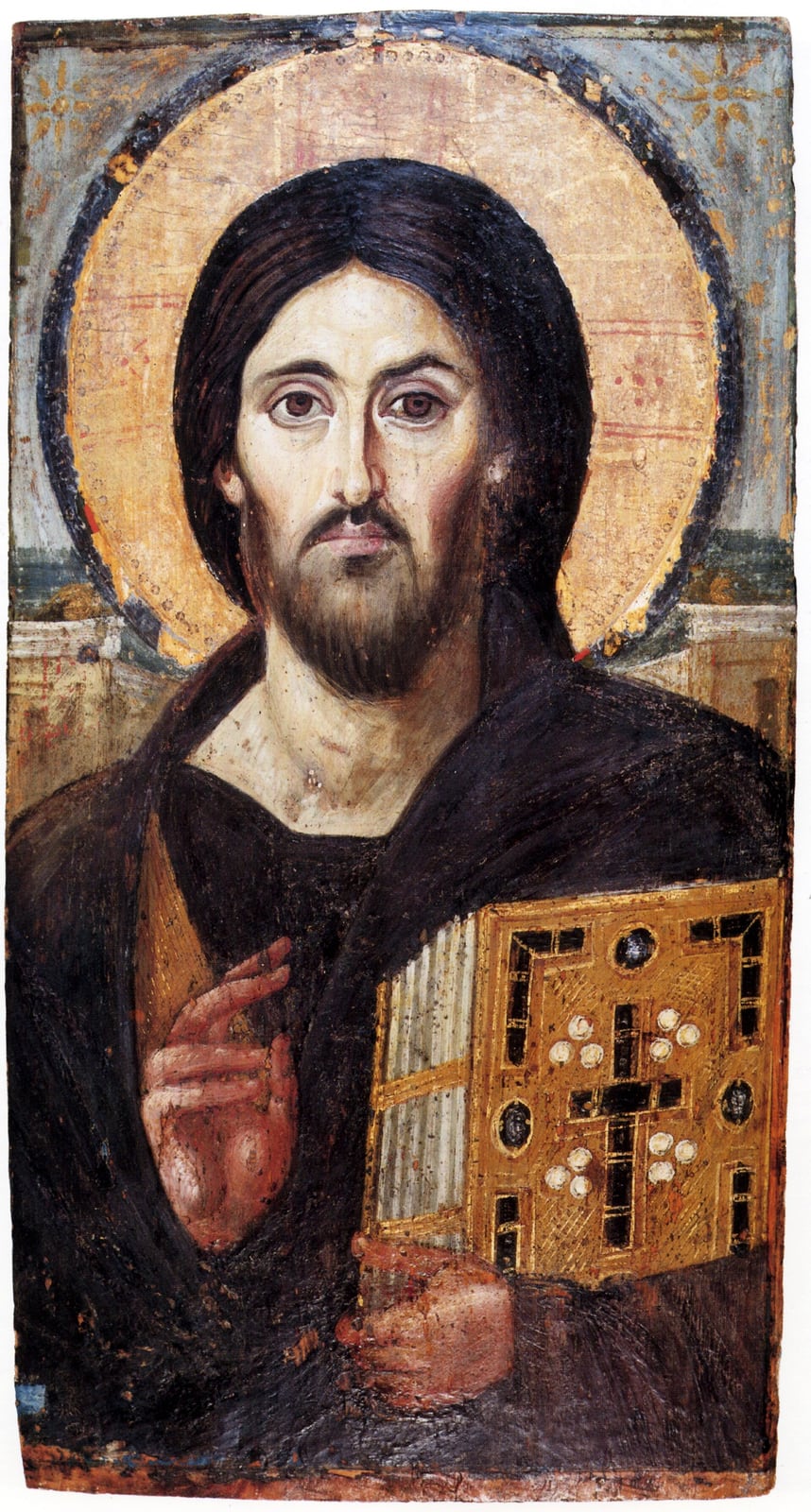
Jesus of Nazareth
इन पर सहमत: परम सत्य क्या है? क्या ईश्वर है? · मैं कौन हूँ? क्या कोई सच्चा आत्म है? · हम दुःख क्यों भोगते हैं?
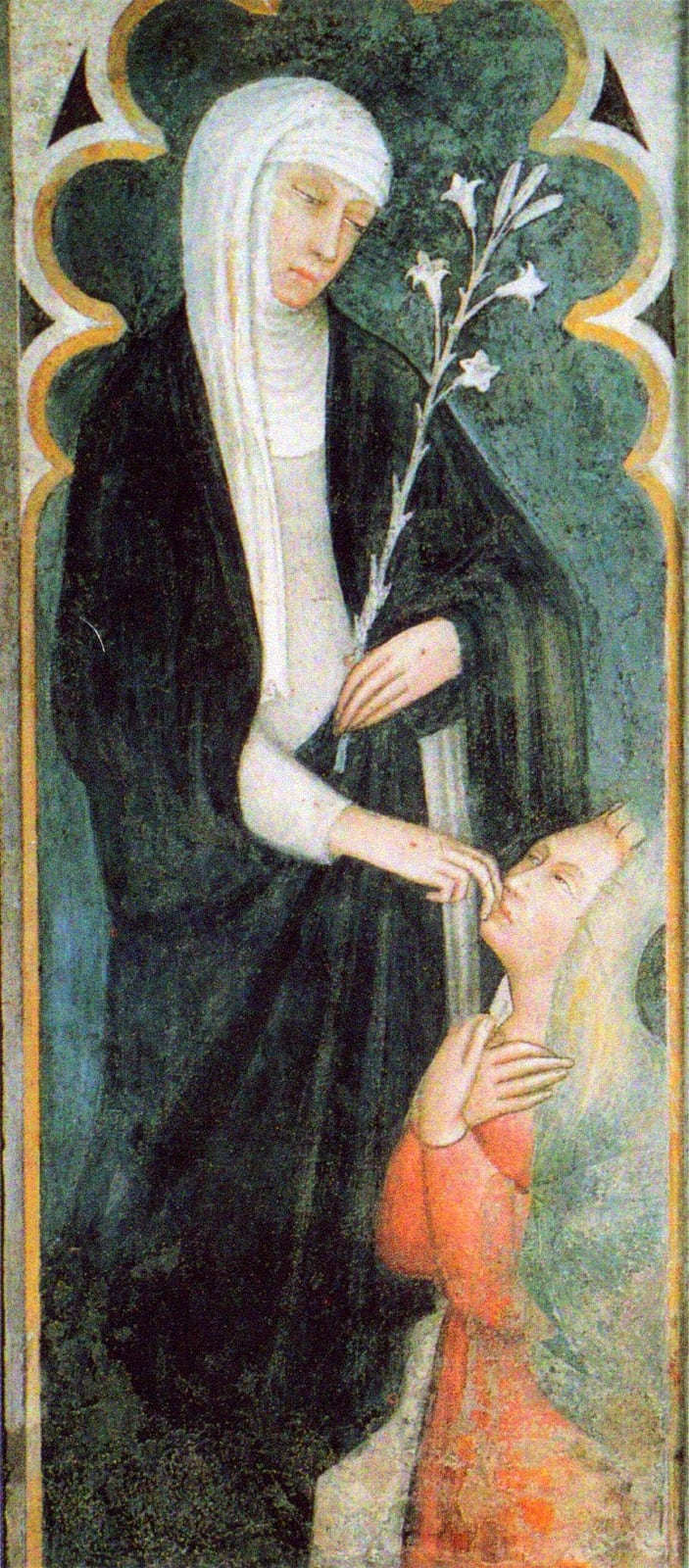
Catherine of Siena
इन पर सहमत: परम सत्य क्या है? क्या ईश्वर है? · मैं कौन हूँ? क्या कोई सच्चा आत्म है? · हम दुःख क्यों भोगते हैं?

Theophan the Recluse
इन पर सहमत: परम सत्य क्या है? क्या ईश्वर है? · मैं कौन हूँ? क्या कोई सच्चा आत्म है? · हम दुःख क्यों भोगते हैं?
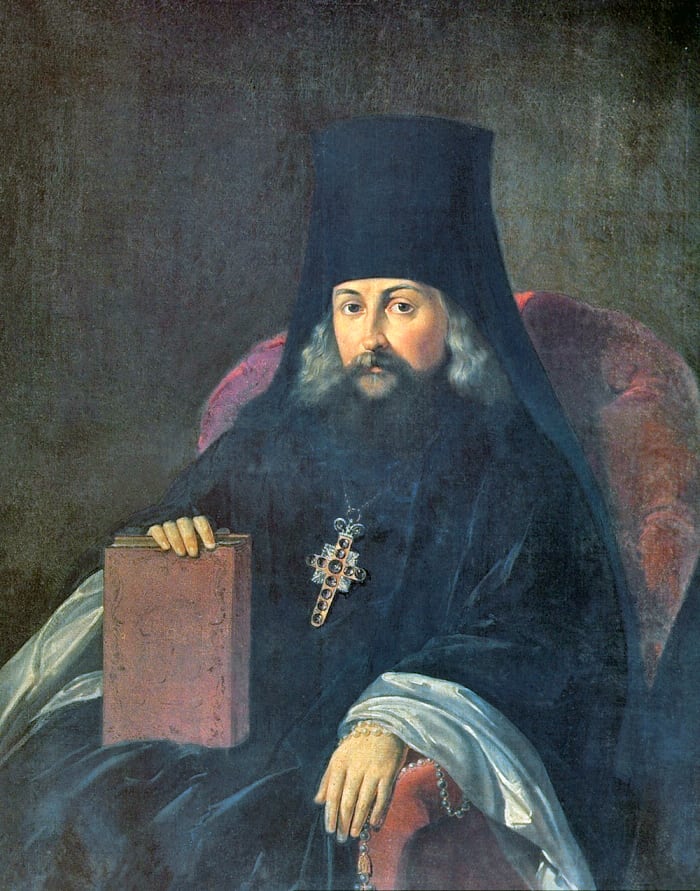
Ignatius Brianchaninov
इन पर सहमत: परम सत्य क्या है? क्या ईश्वर है? · मैं कौन हूँ? क्या कोई सच्चा आत्म है? · हम दुःख क्यों भोगते हैं?
इनसे भिन्न सोचते हैं

Pema Chödrön
इन पर टकराव: परम सत्य क्या है? क्या ईश्वर है? · मैं कौन हूँ? क्या कोई सच्चा आत्म है? · मृत्यु के बाद क्या होता है?

Dōgen
इन पर टकराव: परम सत्य क्या है? क्या ईश्वर है? · मैं कौन हूँ? क्या कोई सच्चा आत्म है? · मृत्यु के बाद क्या होता है?

Patañjali
इन पर टकराव: परम सत्य क्या है? क्या ईश्वर है? · मैं कौन हूँ? क्या कोई सच्चा आत्म है? · मृत्यु के बाद क्या होता है?

Nāgārjuna
इन पर टकराव: परम सत्य क्या है? क्या ईश्वर है? · मैं कौन हूँ? क्या कोई सच्चा आत्म है? · मृत्यु के बाद क्या होता है?
प्रसंग और वृत्तांत
प्रसंग और वृत्तांत
विवादित1759
The Stockholm fire
वृत्तांत का स्रोत: Kant's letter to Charlotte von Knobloch (10 August 1763) and accounts collected by Tafel (Documents, 1875–1877); critical discussion of dates in Bergquist (1999/2005).
स्रोत: Kant, Immanuel. Carta a Charlotte von Knobloch, 10 de agosto de 1763. En Kant's gesammelte Schriften (Akademie-Ausgabe), vol. X: Briefwechsel I, Berlín, 1900 (a menudo fechada erróneamente en 1758); trad. inglesa en Tafel, Documents, vol. I.
विवादित1761
The queen's secret
वृत्तांत का स्रोत: Versions collected by Tafel (Documents) and Kant's 1763 letter; Bergquist (pp. 314–315) stresses that the diversity of accounts makes it impossible to establish the facts.
स्रोत: Tafel, Rudolph Leonhard (ed.). Documents Concerning the Life and Character of Emanuel Swedenborg. 2 vols. en 3. Londres: Swedenborg Society, 1875–1877 (incluye las memorias de Carl Robsahm, las declaraciones de Arvid Ferelius y de la familia Shearsmith y la carta de Kant a Charlotte von Knobloch).
विवादितc. 1761
Madame de Marteville's receipt
वृत्तांत का स्रोत: Kant's letter (1763); memoirs of Carl Robsahm and a pastor's letter to the widow, in Tafel (Documents); critical assessment in Bergquist (p. 316).
स्रोत: Tafel, Rudolph Leonhard (ed.). Documents Concerning the Life and Character of Emanuel Swedenborg. 2 vols. en 3. Londres: Swedenborg Society, 1875–1877 (incluye las memorias de Carl Robsahm, las declaraciones de Arvid Ferelius y de la familia Shearsmith y la carta de Kant a Charlotte von Knobloch).
साक्ष्य1745
'Do not eat so much'
वृत्तांत का स्रोत: Memoirs of Carl Robsahm (Anteckningar om Swedenborg), written after 1772 and published in English translation by Tafel (Documents, vol. I).
स्रोत: Tafel, Rudolph Leonhard (ed.). Documents Concerning the Life and Character of Emanuel Swedenborg. 2 vols. en 3. Londres: Swedenborg Society, 1875–1877 (incluye las memorias de Carl Robsahm, las declaraciones de Arvid Ferelius y de la familia Shearsmith y la carta de Kant a Charlotte von Knobloch).
प्रमाणित1763–1766
Kant buys the Arcana
वृत्तांत का स्रोत: Kant's letter to Charlotte von Knobloch (1763), Träume eines Geistersehers (1766) and Kant's letter to Mendelssohn (8 April 1766).
प्रमाणित1744
The night at Delft
वृत्तांत का स्रोत: Swedenborg, Drömboken, entries of April 1744 (ed. Klemming, 1859); the text is autograph, the interpretation of the experience is his.
स्रोत: Swedenborg, Emanuel. Swedenborgs drömmar 1744 (Drömboken). Ed. G. E. Klemming. Estocolmo, 1859. Trad. inglesa: Swedenborg's Journal of Dreams, ed. William Ross Woofenden, Nueva York: Swedenborg Foundation, 1977.
शिक्षाएँ
शिक्षाएँ
वे अवधारणाएँ जो उनके चिंतन को रूप देती हैं, उनके संदर्भ में समझाई गई।
Correspondencescorrespondencias
Regnum animale, Clavis hieroglyphica, Arcana Coelestia, Heaven and Hell (nn. 87–115).
The Grand Man (Maximus Homo)maximus-homo
Heaven and Hell, nn. 59–86; Arcana Coelestia, nn. 3624–3649 ff.; Angelic Wisdom concerning Divine Love, n. 11.
World of spirits and ruling lovemundo-de-los-espiritus
Heaven and Hell, nn. 421–535; Arcana Coelestia, memorable relations.
One God, the Lord (the Trinity in one person)dios-hombre
Doctrine of the Lord (1763); True Christian Religion (1771), ch. 1–3.
Charity, uses and freedomcaridad-y-usos
Doctrine of Life (1763); Divine Providence (1764); Heaven and Hell, nn. 528–535; True Christian Religion.
The Last Judgment of 1757 and the New Churchjuicio-final-y-nueva-iglesia
The Last Judgment (1758); Continuation (1763); True Christian Religion, ch. 14.
स्रोत: Lachman, Gary. Swedenborg: An Introduction to His Life and Ideas. Nueva York: Tarcher/Penguin, 2012.
वीडियो
वीडियो
रिकॉर्डिंग, साक्षात्कार और वृत्तचित्र। वीडियो YouTube से चलते हैं; वे यहाँ संग्रहीत नहीं हैं।
Splendors of the Spirit: Swedenborg's Quest for Insight (Biographical Documentary)
वृत्तचित्र· EN· 2006· 59 min
Swedenborg Foundationआधिकारिक चैनल
Who Was Swedenborg?
वृत्तचित्र· EN· 8 min
Swedenborg Foundationआधिकारिक चैनल
Heaven, Hell and Other Places | a documentary about Emanuel Swedenborg
वृत्तचित्र· EN· 33 min
Swedenborg Houseआधिकारिक चैनल
The Other Side of Life - Swedenborg Foundation
वृत्तचित्र· EN· 28 min
Swedenborg Foundationआधिकारिक चैनल
What is Swedenborgianism?
व्याख्यान· EN· 3 min
Harvard Universityआधिकारिक चैनल
Swedenborg 101: The Basic Nature of Everything - Swedenborg and Life
व्याख्यान· EN· 90 min
Off The Left Eyeआधिकारिक चैनल
The Life and Ideas of Emanuel Swedenborg with Gary Lachman
साक्षात्कार· EN· 57 min
New Thinking Allowed with Jeffrey Mishlove
Why Metaphysics had to be Destroyed to Save It - Kant & Mysticism
विश्लेषण· EN· 43 min
ESOTERICA
Dreams of a Spirit-Seer by Immanuel Kant read by Peter Tucker | Full Audio Book
तृतीय पक्ष की रिकॉर्डिंग· EN· 126 min
LibriVox Audiobooksआधिकारिक चैनल
Swedenborg An Example of Difficulties in Entering Spiritual Worlds - Rudolf Steiner
व्याख्यान· EN· 35 min
Rudolf Steiner Press Audioआधिकारिक चैनल
Emanuel Swedenborg's Spiritual Experiences and the NDE Connection
व्याख्यान· EN· 92 min
IANDS
Emanuel Swedenborg: A most unusual mystic
विश्लेषण· EN· 51 min
The Christian Mysticism Podcast
चित्रशाला
चित्रशाला
सत्यापित लाइसेंस वाले चित्र। प्रत्येक में उसके रचयिता और श्रेय का उल्लेख सुरक्षित है।
पांडुलिपियाँ
पांडुलिपियाँ
पांडुलिपि-साक्ष्य और प्राचीन पाठ, उनके संरक्षक और अध्ययन की शर्तों सहित।
LA · Latina (cursiva del siglo XVIII) · c. 1710–1771
Colección de manuscritos de Emanuel Swedenborg
- संरक्षित पाठ-साक्ष्य
- Borradores y copias en limpio de obras científicas y teológicas, diarios e índices; incluye el manuscrito de los Arcana Coelestia
- संरक्षक
- Real Academia Sueca de Ciencias (Kungliga Vetenskapsakademien), Estocolmo
संबंध
संबंध
प्रभाव, शिष्यत्व और वैचारिक निकटता। प्रमाणित संबंध को विश्लेषण से पहचानी गई समानता से अलग दर्शाया गया है।
इनसे मिलते-जुलते विचार
Two Protestant visionaries who described the spiritual worlds and a correspondence between the visible and the invisible; the Pietist Oetinger compared them in the eighteenth century. Swedenborg acknowledged no debt to Böhme, and his Latin, systematic language is very different from the shoemaker's torrential German.
विश्लेषण से पहचानी गई समानता
इन्हें प्रभावित किया
Blavatsky quotes him frequently in Isis Unveiled (1877), where she regards him as a genuine seer though limited by his Christian theology, and adopts his language of correspondences. An acknowledged affinity, not discipleship.
प्रमाणित संबंध
इन्हें प्रभावित किया
Jung read Swedenborg as a student, cited him in his Zofingia lectures (1896–1899) and in his memoirs recalls reading several volumes; the Stockholm fire episode served him as an example of synchronicity.
प्रमाणित संबंध
इन्हें प्रभावित किया
In London in 1875 Solovyov read Swedenborg alongside Böhme, the Gnostics and the Kabbalah, readings that fed his early sophiology.
प्रमाणित संबंध
इनसे मिलते-जुलते विचार
The historian Martin Lamm (1915) argued that Swedenborg's theology develops Neoplatonic ideas (emanation, degrees, correspondence between levels of reality) already present in his scientific period; Swedenborg did not regard himself as a disciple of Plotinus.
विश्लेषण से पहचानी गई समानता
इनसे मतभेद
Steiner devoted several lectures to him in which he acknowledges his clairvoyance but judges it distorted by the concepts of his scientific training, as an example of the difficulties of entering the spiritual worlds.
प्रमाणित संबंध
अन्य प्रविष्टियों से जुड़ा
स्रोत
स्रोत
इस प्रविष्टि के लिए देखे गए ग्रंथ-सूची और सूचीपत्र।
- Wikidata, Q185832 «Emanuel Swedenborg» (P31=Q5; 88 enlaces entre wikis; P569 1688-01-29; P570 1772-03-29; P20 Londres).
- Bergquist, Lars. Swedenborg's Secret: The Meaning and Significance of the Word of God, the Life of the Angels, and Service to God. A Biography. Londres: Swedenborg Society, 2005 (orig. sueco: Swedenborgs hemlighet, Estocolmo: Natur och Kultur, 1999).
- Lachman, Gary. Swedenborg: An Introduction to His Life and Ideas. Nueva York: Tarcher/Penguin, 2012.
- Tafel, Rudolph Leonhard (ed.). Documents Concerning the Life and Character of Emanuel Swedenborg. 2 vols. en 3. Londres: Swedenborg Society, 1875–1877 (incluye las memorias de Carl Robsahm, las declaraciones de Arvid Ferelius y de la familia Shearsmith y la carta de Kant a Charlotte von Knobloch).
- Sigstedt, Cyriel Odhner. The Swedenborg Epic: The Life and Works of Emanuel Swedenborg. Nueva York: Bookman Associates, 1952.
- Kant, Immanuel. Träume eines Geistersehers, erläutert durch Träume der Metaphysik. Königsberg: Kanter, 1766 (Project Gutenberg n.º 36076).
- Kant, Immanuel. Carta a Charlotte von Knobloch, 10 de agosto de 1763. En Kant's gesammelte Schriften (Akademie-Ausgabe), vol. X: Briefwechsel I, Berlín, 1900 (a menudo fechada erróneamente en 1758); trad. inglesa en Tafel, Documents, vol. I.
- Swedenborg, Emanuel. Heaven and its Wonders and Hell. Trad. John C. Ager. Nueva York: Swedenborg Foundation (Project Gutenberg n.º 17368).
- Swedenborg, Emanuel. Swedenborgs drömmar 1744 (Drömboken). Ed. G. E. Klemming. Estocolmo, 1859. Trad. inglesa: Swedenborg's Journal of Dreams, ed. William Ross Woofenden, Nueva York: Swedenborg Foundation, 1977.
- Swedenborg, Emanuel. The Delights of Wisdom Pertaining to Conjugial Love. Trad. inglesa de 1850, reimpr. 1892 (Project Gutenberg n.º 11248).
- Swedenborg, Emanuel. The True Christian Religion; containing the Universal Theology of the New Church. Nueva York: American Swedenborg Printing and Publishing Society, 1886.
- Swedenborg, Emanuel. Angelic Wisdom concerning the Divine Love and the Divine Wisdom. Trad. John C. Ager. Nueva York: Swedenborg Foundation (Project Gutenberg n.º 16627).
- Hyde, James. A Bibliography of the Works of Emanuel Swedenborg, Original and Translated. Londres: Swedenborg Society, 1906.
- Jonsson, Inge. Emanuel Swedenborg. Trad. Catherine Djurklou. Nueva York: Twayne (Twayne's World Authors Series), 1971.
- Jung, C. G. Memories, Dreams, Reflections. Ed. Aniela Jaffé. Nueva York: Pantheon, 1963 (cap. «Student Years»: lectura de Swedenborg); y The Zofingia Lectures (1896–1899), Collected Works, suppl. vol. A. Princeton: Princeton University Press, 1983; y «Synchronicity: An Acausal Connecting Principle» (1952), Collected Works 8, donde cita la visión del incendio de Estocolmo.
- Blavatsky, H. P. Isis Unveiled. 2 vols. Nueva York: J. W. Bouton, 1877 (pasajes sobre Swedenborg y las correspondencias).
- Borges, Jorge Luis. «Emanuel Swedenborg», conferencia en la Universidad de Belgrano (1978). En Borges oral. Buenos Aires: Emecé/Editorial de Belgrano, 1979.
- Emerson, Ralph Waldo. «Swedenborg; or, the Mystic». En Representative Men: Seven Lectures. Boston: Phillips, Sampson, 1850 (Project Gutenberg n.º 6312).
- UNESCO, Memory of the World Register: «The Emanuel Swedenborg Collection» (Suecia, inscrita en 2005), conservada en la Real Academia Sueca de Ciencias.
- Open Library (Internet Archive): registros consultados por autor, título e ISBN para las ediciones listadas.
- Wikimedia Commons: metadatos de licencia (extmetadata) de cada fichero, leídos por la API imageinfo el 2026-10-25.
- Swedenborg Foundation (West Chester, Pensilvania): New Century Edition y Portable New Century Edition de las obras teológicas.
- Swedenborg Society (Londres), editorial y biblioteca de Swedenborg House.
- Kornblatt, Judith Deutsch (ed. y trad.). Divine Sophia: The Wisdom Writings of Vladimir Solovyov. Ithaca: Cornell University Press, 2009.
- Benz, Ernst. Emanuel Swedenborg: Visionary Savant in the Age of Reason. Trad. Nicholas Goodrick-Clarke. West Chester: Swedenborg Foundation, 2002 (orig. alemán, Múnich, 1948).
- Gross, Charles G. «Emanuel Swedenborg: A Neuroscientist before His Time». En Brain, Vision, Memory: Tales in the History of Neuroscience. Cambridge (Mass.): MIT Press, 1998, pp. 119–135.
- Steiner, Rudolf. «Swedenborg: An Example of Difficulties in Entering Spiritual Worlds», conferencia (lectura en audio publicada por Rudolf Steiner Press).
- अधिकार-धारक
- Dominio público (Swedenborg murió en 1772). Las traducciones del siglo XIX son de dominio público; las modernas (New Century Edition de la Swedenborg Foundation, Swedenborg Society, Siruela) pertenecen a sus editores y traductores.
- आधिकारिक वेबसाइट
- swedenborg.com/
पुष्टि की प्रतीक्षा में
जो यह प्रविष्टि अभी तक निश्चित नहीं कर सकी है। हम उसे भर देने के बजाय कह देना बेहतर समझते हैं।
- Cotejar las citas con el original latino (De caelo et inferno, Sapientia angelica, De amore conjugiali): hoy se dan en las traducciones inglesas de dominio público.
- Arcana Coelestia: localizar un texto completo y limpio (latín de 1749–1756 o traducción inglesa del siglo XIX) con todos los volúmenes; en Internet Archive aparecen series incompletas.
- Las cuatro doctrinas de 1763 comparten volumen en las ediciones antiguas (Four Leading Doctrines, 1892): buscar una URL propia para cada una antes de registrarlas en la sala de lectura.
- Verificar las fechas de muerte de William F. Wunsch y de James R. Rendell e Isaiah Tansley para levantar la cautela sobre Divine Providence y los Principia.
- Ediciones en español: solo se ha localizado con ISBN Del cielo y del infierno (Siruela, 2003; traductor por confirmar). Confirmar el contenido de El habitante de dos mundos (Trotta, 2000) y Arquitectura del cielo (Adriana Hidalgo, 2004), probablemente antologías, y la traducción española de 1912 de la Sociedad Americana Swedenborg.
- Vídeos: no se han encontrado vídeos en español ni en sueco de canales solventes; los doce registrados están en inglés.
- Precisar el año exacto del traslado de sus restos a Upsala (1908, según The Gist of Swedenborg, 1920; otras fuentes dan 1910–1913 para la inauguración del sarcófago).
- Fijar la fecha y el destinatario de la carta de Arvid Ferelius sobre los últimos días de Swedenborg.
- Programas de afiliación: ninguno verificado; lista vacía.
2026-10-25 को शोधित