ईसाई धर्म · ईसाई रहस्यवाद · रूढ़िवादी ईसाई धर्म
Ignatius Brianchaninov
Игнатий (Брянчанинов) · Дмитрий Александрович Брянчанинов
1807 – 1867ऐतिहासिक रूप से प्रमाणित व्यक्ति
रूसी बिशप और तपश्चर्या-साहित्य के लेखक (1807–1867)। सैन्य अभियंता, जिन्होंने परिवार और निकोलस प्रथम द्वारा तय किया गया जीवन-मार्ग ठुकरा दिया; वे पच्चीस वर्ष सेंट पीटर्सबर्ग के निकट संत सेर्गेई आश्रम के आर्किमंड्राइट रहे, फिर कॉकेशस के बिशप, और बाबायेवो में सेवानिवृत्ति के दौरान «तपश्चर्या के अनुभव», «समकालीन मठवाद को भेंट», «मृत्यु पर वचन» तथा यीशु-प्रार्थना और आध्यात्मिक भ्रम (प्रेलेस्त) पर उन लेखों के रचयिता बने, जिन्होंने उन्हें आधुनिक ऑर्थोडॉक्सी में संयम का महान आचार्य बना दिया। 1988 में संत घोषित।
- कृतियाँ
- 52कृतियाँ
- संस्करण
- 52संस्करण
- उद्धरण
- 9उद्धरण
- वीडियो
- 13वीडियो
- चित्र
- 7चित्र
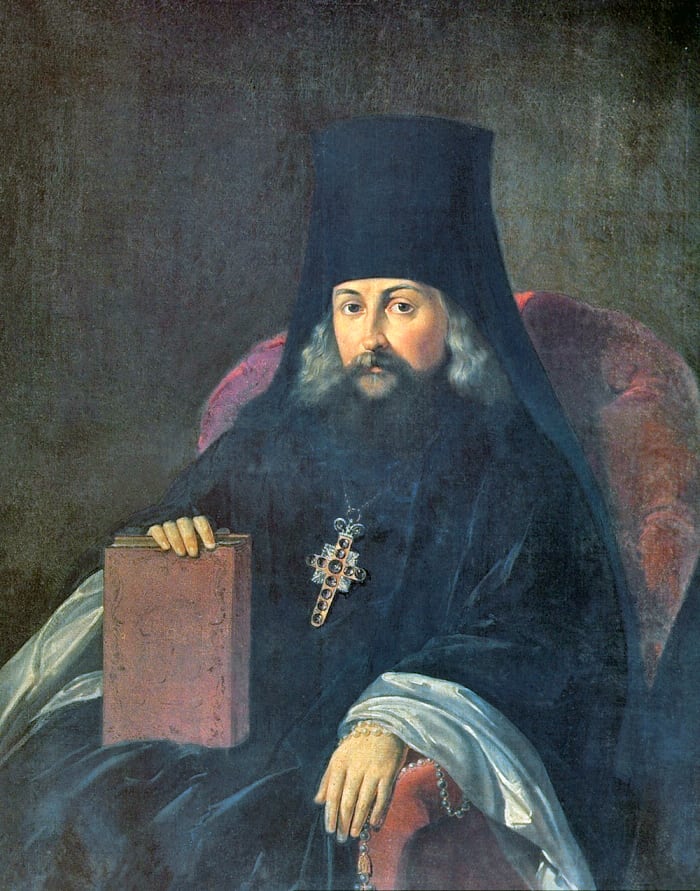
Retrato de Ignati Brianchanínov · Public domain
उनके अपने शब्दों में
«Delusion is the damaging of human nature by falsehood. Delusion is the state of all human beings without exception, produced by the fall of our forefathers. We are all in delusion. Knowing this is the greatest protection against delusion. The greatest delusion is to consider oneself free from delusion.»«О молитве Иисусовой», Отдел II, «О прелести» (Аскетические опыты, t. I, cap. 27).

मूल विचार
Prelest, or spiritual delusion: Prelest (from lest, deceit, seduction) is for Ignatius the damaging of human nature by falsehood: a state in which we have all been since the Fall and from which only the truth, which is Christ, frees us.
संदर्भ में देखें
जीवनी
5 मिनट का पाठ
स्पैनिश मूल से सहायता-प्राप्त अनुवाद, मातृभाषी अनुवादक द्वारा समीक्षा लंबित।
वोलोग्दा के कुलीन वर्ग का एक युवक
द्मित्री अलेक्सांद्रोविच ब्र्यांचानिनोव का जन्म जूलियन कैलेंडर के अनुसार 5 फ़रवरी 1807 (ग्रेगोरियन के अनुसार 17 फ़रवरी) को वोलोग्दा प्रांत के ग्र्याज़ोवेत्स ज़िले में स्थित पारिवारिक जागीर पोक्रोव्स्कोये में हुआ। ब्र्यांचानिनोव एक प्राचीन कुलीन परिवार था, जो अपनी वंश-परंपरा महान राजकुमार द्मित्री दोन्स्कोई के शस्त्रवाहक मिख़ाइल ब्रेन्को तक ले जाता था। वे जीवित बचे बच्चों में सबसे बड़े थे और उनका पालन-पोषण कठोर अनुशासन में हुआ: पारंपरिक जीवनी बताती है कि उन्हें गहरी सर्दी लग गई, जिसका असर जीवन भर रहा, क्योंकि वे पिता से पहले बर्फ़ीली नदी से बाहर निकलने का साहस नहीं कर सके। उन्होंने लैटिन और यूनानी सीखी, चित्र बनाते, गाते और वायलिन बजाते थे; संतों के जीवन-चरित पढ़ते और देर तक प्रार्थना करते। जब उन्होंने पिता से कहा कि वे भिक्षु बनना चाहते हैं, तो पिता ने इसे गंभीरता से नहीं लिया: वे उन्हें सैन्य जीवन और राजदरबार के लिए तैयार कर रहे थे।
वह अभियंता जो अभियंता नहीं बनना चाहता था
1822 में वे अपने बैच की सर्वश्रेष्ठ प्रवेश-परीक्षा के साथ सेंट पीटर्सबर्ग के मुख्य इंजीनियरिंग विद्यालय में दाख़िल हुए, जहाँ उन्होंने उस शाखा के निरीक्षक और भावी सम्राट, ग्रैंड ड्यूक निकोलस, का ध्यान आकर्षित किया। वे अभिजात और साहित्यिक बैठकों में जाते रहे; उनके समुदाय द्वारा लिखी जीवनी उनके परिचितों में क्रीलोव, ज़ुकोव्स्की, पुश्किन, बात्युश्कोव और ग्लिंका का नाम लेती है। पर जो उत्तर उन्हें न विज्ञान दे पाया, न दर्शन, उन्हें वे चर्च-पिताओं में खोजते थे। अपने मित्र मिख़ाइल चिख़ाचोव के साथ वे हर सप्ताह परम प्रसाद ग्रहण करते, जो उस समय अनसुनी बात थी, और 1826 में अलेक्सांद्र नेव्स्की लाव्रा में उनकी भेंट पुरोहित-भिक्षु लेओनिद (नागोल्किन) से हुई, जो आगे चलकर ऑप्तिना के स्तारेत्स बने और जिन्होंने उनकी बुलाहट को दृढ़ किया। अध्ययन पूरा होने पर उन्होंने सेवा-मुक्ति माँगी; निकोलस प्रथम ने इनकार किया, तपेदिक होने पर उनके पास अपने चिकित्सक भेजे और दक्षिण की सौम्य जलवायु में एक रेजिमेंट देने की पेशकश की। द्मित्री केवल सेवा-मुक्ति चाहते थे। उन्हें दीनाबुर्ग के क़िले में भेज दिया गया, और नवंबर 1827 में बीमारी के कारण अंततः उन्हें मुक्ति मिल गई।
नवदीक्षा के वर्ष
वे लेओनिद के पीछे-पीछे नवदीक्षित के रूप में स्विर के संत अलेक्सांद्र के मठ में, और फिर प्लोश्चान्स्क के आश्रम में गए। वे नानबाई, मछुआरे और कोचवान रहे, पर अपने गुरु की कुछ पद्धतियों पर संदेह भी करने लगे। 1829 में ऑप्तिना जाते हुए वे चिख़ाचोव के साथ बेलोबेरेज़्स्क आश्रम में महान स्कीमाधारी पुरोहित-भिक्षु अफ़ानासी के पास रुके, जो पाइसी वेलिच्कोव्स्की के शिष्य और हृदय की प्रार्थना के साधक थे। बीमार होकर वे कुछ समय माता-पिता के घर लौटे और 1830–1831 में सेमिगोरोद्नाया आश्रम में «भिक्षु का विलाप» लिखा, जिसे एक समकालीन ने मुश्किल से वयस्क हुए युवक के लिए अविश्वसनीय माना। 28 जून 1831 को वोलोग्दा के बिशप ने अंतिओख़ के संत इग्नेशियस के सम्मान में उन्हें इग्नाती नाम के साथ मठवासी वेश प्रदान किया; जुलाई में वे डीकन और पुरोहित अभिषिक्त हुए।
संत सेर्गेई का आश्रम
पेल्श्मा के उजड़े मठ का जीर्णोद्धार करने के बाद, जिसके वे 1833 में मठाधीश बनाए गए, निकोलस प्रथम ने उन्हें बुलाया। जीवनी-परंपरा के अनुसार सम्राट ने उनसे कहा कि उन पर उनकी पाई शिक्षा का ऋण है, और चूँकि उन्होंने दूसरा मार्ग चुना है, तो वे उसी मार्ग पर यह ऋण चुकाएँ: उन्होंने पीटरहॉफ़ मार्ग पर स्थित त्रिएक-संत सेर्गेई आश्रम उन्हें सौंप दिया, ताकि वे राजधानी की आँखों के सामने उसे एक आदर्श मठ बना दें। 1834 से आर्किमंड्राइट और 1838 से धर्मप्रांत के मठों के अधीक्षक इग्नाती ने लगभग पच्चीस वर्ष उसका संचालन किया: भिक्षु-समुदाय को भरा-पूरा किया, उपासना को व्यवस्थित किया, गायक-मंडली के लिए ग्लिंका से परामर्श लिया और चित्रकार कार्ल ब्र्यूलोव की मित्रता पाई। उन्होंने निंदा और अपमानजनक दंड भी सहे। अपने बिशप द्वारा दंडित लेओनिद के लिए उन्होंने मेट्रोपॉलिटन फ़िलारेत से अनुनय किया, और 1847 में बीमार होने पर सेवानिवृत्ति माँगी; उन्हें केवल ग्यारह महीने का अवकाश मिला, जो उन्होंने वोल्गा के तट पर बाबायेवो के संत निकोलस मठ में बिताया।
कॉकेशस में बिशप
27 अक्टूबर 1857 को उन्हें कॉकेशस और काला सागर का बिशप अभिषिक्त किया गया, जिसका मुख्यालय स्ताव्रोपोल था — एक ऐसा धर्मप्रांत जिसमें न बिशप-निवास था, न साधन; जिसकी आधी कज़ाक आबादी उनके अधिकार-क्षेत्र से बाहर थी और जहाँ बहुत-से शत्रुतापूर्ण पुरातनपंथी थे। चार वर्षों में, अपने भाई प्योत्र — जो उप-राज्यपाल थे — की सहायता से उन्होंने उपासना को व्यवस्थित किया, पादरियों का वेतन सुधारा और एक नई धर्म-पाठशाला बनवाई। वहीं उन्होंने «समकालीन मठवाद को भेंट» लिखी और मुक्ति तथा ईसाई पूर्णता पर, आत्माओं के दर्शन पर, और परमेश्वर की माता संबंधी ऑर्थोडॉक्स सिद्धांत पर ग्रंथ लिखे — अंतिम ग्रंथ निष्कलंक गर्भाधान के कैथोलिक सिद्धांत के उत्तर में लिखा गया। 1861 में, थककर चूर, उन्हें सेवानिवृत्ति मिल गई।
बाबायेवो
13 अक्टूबर 1861 को वे बाबायेवो में बस गए। वहाँ उन्होंने «मृत्यु पर वचन» (1862) लिखा या पूरा किया, जिसमें उन्होंने प्रतिपादित किया कि आत्माओं और देवदूतों का एक सूक्ष्म, अलौकिक शरीर होता है — एक ऐसी स्थापना जिसका एकांतवासी थियोफ़ान ने खंडन किया — और प्रकाशक इवान ग्लाज़ुनोव के प्रोत्साहन से उन्होंने अपने सभी लेखन का संशोधन कर उन्हें एकरूप किया। उनकी रचनाओं के पहले दो खंड, «तपश्चर्या के अनुभव», 1865 में प्रकाशित हुए। उन्होंने अपनी अंतिम दिव्य आराधना पास्का के रविवार, 16 अप्रैल 1867 को संपन्न की; 21 तारीख़ को उन्हें छपकर आए तीसरे और चौथे खंड मिले, और 30 अप्रैल (ग्रेगोरियन कैलेंडर के अनुसार 12 मई) को उनका देहांत हुआ। उनके चोगे की जेब में कुछ कोपेक मिले।
संयम के आचार्य
उनकी कृति का केंद्र एक चेतावनी है। इग्नाती ने यीशु-प्रार्थना और चर्च-पिताओं के अध्ययन का समर्थन किया, पर इस पर बल दिया कि विनम्रता और मार्गदर्शक के बिना आध्यात्मिक जीवन प्रेलेस्त में पतित हो जाता है — वह आध्यात्मिक भ्रम, जो इंद्रियों और कल्पना के उन्माद को अनुग्रह समझ बैठता है। इसी कारण पश्चिमी रहस्यवाद के प्रति उनका संदेह था — उन्होंने ख्रीष्ट का अनुकरण को «मोहक» कहा और असीसी के फ़्रांसिस और आविला की तेरेसा के लिए अत्यंत कठोर शब्द कहे — और अनुभवी स्तारेत्स-गुरुओं से रिक्त युग के लिए उनकी यह सलाह कि धर्मग्रंथ और चर्च-पिताओं से मार्गदर्शन लेते हुए «परामर्श के अनुसार» जिया जाए। उनके स्पष्ट गद्य और आधुनिक मन की उनकी समझ ने उनकी रचनाओं को, जो निरंतर पुनर्मुद्रित होती रहीं, रूसी चर्च के सबसे व्यापक रूप से पढ़े जाने वाले तपश्चर्या-साहित्य में से एक बना दिया। निकोलाई लेस्कोव ने उन्हें «निःस्वार्थ अभियंता» (1887) का एक पात्र बनाया, और पावेल फ़्लोरेंस्की ने आध्यात्मिक भ्रम के विषय में उन्हें प्रामाणिक आचार्य के रूप में उद्धृत किया।
रूसी चर्च की परिषद ने 6 जून 1988 को एकांतवासी थियोफ़ान के साथ उन्हें संत घोषित किया; उनके अवशेष यारोस्लाव्ल के निकट तोल्गा मठ में पूजे जाते हैं।
स्रोत: Ignati (Brianchanínov). Аскетические опыты, t. I. San Petersburgo: I. I. Glazunov, 1865; texto según Полное собрание творений и писем, 2.ª ed., Moscú: Palómnik, 2014, t. 1 (ISBN 978-5-88060-031-1). Texto en Azbuka very. · Ignati (Brianchanínov). Приношение современному монашеству. San Petersburgo, 1867; texto según Полное собрание творений и писем, Moscú: Palómnik, 2014, t. 4. Texto en Azbuka very. · Semiónova, T. N., y Redkina, Yu. R. (eds.). Полное жизнеописание святителя Игнатия Кавказского. Moscú–San Petersburgo: Izd-vo im. Sv. Ignatia Stavropolskogo / Biblioteca Nacional de Rusia, 2002. ISBN 5-88904-028-8. · Florenski, Pável. Столп и утверждение истины. Moscú: Put', 1914 (cita a Ignati en las cartas quinta, sexta, novena y décima: prelest, «Imitación de Cristo», monacato). Texto en Azbuka very. · Leskov, Nikolái S. Инженеры-бессребреники (1887). Texto en Wikisource.
कालक्रम
जीवन, वर्ष-दर-वर्ष
प्रत्येक बिंदु एक प्रमाणित घटना है। उसे स्रोत और निश्चितता के स्तर सहित पढ़ने के लिए क्लिक करें।
17 फ़रवरी 18070 वर्षPokróvskoie (prov. de Vólogda)
Birth
Dmitry Brianchaninov is born on the family estate (5 February, Julian).
प्रमाणित«Игнатий (Брянчанинов)», Wikipedia en ruso (biografía, teología —prelest, angelología, apologética—, Briulov, Leskov, bibliografía). Consultada el 25-10-2026.
उनके निधन के बाद
- 1870Posthumous Paterikon
- 6 जून 1988Canonisation
17 फ़रवरी 1807 · 0 वर्ष
Birth
Dmitry Brianchaninov is born on the family estate (5 February, Julian).
प्रमाणित
1822 · 15 वर्ष
Main Engineering School
He enters directly into the second year after the best examination of his intake.
प्रमाणित
1826 · 19 वर्ष
Meeting with Leonid (Nagolkin)
He meets the future Optina elder at the Alexander Nevsky Lavra; Nicholas I refuses his request to resign.
प्रमाणित
6 नवंबर 1827 · 20 वर्ष
Discharge from the army
With the rank of engineer lieutenant, he obtains his discharge on grounds of illness against his parents' wishes and enters the Alexander-Svirsky monastery as a novice.
प्रमाणित
अप्रैल 1829 · 22 वर्ष
With Paisius's disciple
With Mikhail Chikhachev he visits the hieroschemamonk Athanasius, a disciple of Paisius Velichkovsky, and passes through Optina.
प्रमाणित
28 जून 1831 · 24 वर्ष
Monastic tonsure: Ignatius
He is tonsured with the name Ignatius; in July he is ordained deacon (5th) and priest (20th).
प्रमाणित
नवंबर 1833 · 26 वर्ष
Superior of the St Sergius hermitage
Nicholas I entrusts him with the Trinity-St Sergius hermitage; archimandrite on 1 January 1834.
प्रमाणित
1838 · 31 वर्ष
Dean of the monasteries
Appointed dean (blagochinny) of the monasteries of the St Petersburg diocese.
प्रमाणित
1847 · 40 वर्ष
Leave and first publications
He spends eleven months at Babayevo monastery; his first articles appear in Biblioteka dlya chteniya.
प्रमाणित
27 अक्टूबर 1857 · 50 वर्ष
Bishop of the Caucasus and the Black Sea
Consecrated in the Kazan Cathedral; he arrives in Stavropol on 4 January 1858.
प्रमाणित
13 अक्टूबर 1861 · 54 वर्ष
Retirement to Babayevo
Retired through illness, he settles at Babayevo monastery in Kostroma province.
प्रमाणित
1862 · 55 वर्ष
Word on Death
He publishes the Word on Death and The Cup of Christ; in 1863–1864 follow the Word on Salvation, the one on the vision of spirits and the Supplement.
प्रमाणित
1865 · 58 वर्ष
Ascetic Experiences
The publisher Ivan Glazunov issues the first two volumes of his works.
प्रमाणित
12 मई 1867 · 60 वर्ष
Death
He dies on 30 April (Julian), the Sunday of the Myrrhbearers, days after receiving volumes III and IV of his works.
प्रमाणित
1870
Posthumous Paterikon
His annotated collection of sayings of the Desert Fathers, the Otechnik, is published.
प्रमाणित
6 जून 1988
Canonisation
Proclaimed a saint; on 26 May his relics had been translated to the Tolga monastery (Yaroslavl).
प्रमाणित
कृतियाँ
आवश्यक कृतियाँ
वे कृतियाँ जिनके बिना उनकी विरासत को समझा नहीं जा सकता।
लिखित कृति · 1865
Ascetic Experiences, vol. I
Аскетические опыты. Том I
The first volume of his works, gathered at Babayevo with the publisher Ivan Glazunov: fifty-seven pieces written over thirty years, from the prose poems of his youth ('The Garden in Winter', 'The Tree in Winter before the Cell Window', 'Thought on the Seashore') to the treatises on reading the Gospel and the Fathers, avoiding heterodox books, love of God and neighbour, fasting, prayer, the eight passions and their opposite virtues, tears, humility, patience, monasticism and the Gospel commandments. It includes the three sections 'On the Jesus Prayer' (with the one on spiritual delusion), the 'Rule of Attention to Oneself for Those Living in the World', 'The Cup of Christ' and 'My Lament'. It is the book through which most Russian readers have come to know Ignatius.
4 संस्करण · amazon.com
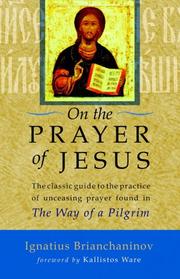
लिखित कृति · 1867
On the Prayer of Jesus (a conversation between an elder and his disciple)
О молитве Иисусовой. Беседа между старцем и учеником
A treatise in dialogue form, in three parts—the Jesus Prayer in general, spiritual delusion and the practice of the prayer—which belongs to the first volume of the Experiences and was also published separately in 1867. Ignatius maintains that the Jesus Prayer is the duty of every monk and the good of every Christian, recalls that at Sarov it was taught to every novice and that Seraphim recommended it, but insists on practising it with attention and humility, enclosing the mind in the words, without seeking sensations or resorting to the bodily techniques of the ancient hesychasts, which he considers dangerous without an experienced guide. He distinguishes oral prayer, mental prayer and prayer of the heart, which is God's gift and not the fruit of method. It is his most translated text.
6 संस्करण · amazon.com

लिखित कृति · 1867
An Offering to Contemporary Monasticism (The Arena)
Приношение современному монашеству
His 'spiritual testament' for monks, written largely at Stavropol and published as the last volume of his works. It opens with the 'Rules of Outward Conduct for Novice Monks', continues with fifty chapters of 'Counsels on the Inner Work of the Monk'—study and keeping of the Gospel commandments, reading the Fathers, the dangers of the hermit life, obedience to an elder and life 'by counsel' in an age without experienced guides, prayer and the Jesus Prayer, remembrance of death, sobriety, fasting, almsgiving, fallen angels, dreams—and ends with the 'Lament of a Monk'. It holds that the monasticism of his day must rest on Scripture and the Fathers rather than on charismatic directors, now almost non-existent. Translated into English as The Arena.
4 संस्करण · amazon.com
संपूर्ण कृतित्व (52)

Ascetic Experiences, vol. II
1865
Ignatius Brianchaninov
On Spiritual Delusion (prelest)
The Conscious LibraryOn Spiritual Delusion (prelest)
1865
Ignatius Brianchaninov
A Word on Death
The Conscious LibraryA Word on Death
1862
Ignatius Brianchaninov
Supplement to the Word on Death
The Conscious LibrarySupplement to the Word on Death
1864
Ignatius Brianchaninov
A Word on the Sensory and Spiritual Vision of Spirits
The Conscious LibraryA Word on the Sensory and Spiritual Vision of Spirits
1863
Ignatius Brianchaninov
A Word on Man
The Conscious LibraryA Word on Man
1862
Ignatius Brianchaninov
A Word on Angels
The Conscious LibraryA Word on Angels
Ignatius Brianchaninov
Letter to a Clergyman on Why He Called the Human Soul 'Ethereal'
The Conscious LibraryLetter to a Clergyman on Why He Called the Human Soul 'Ethereal'
Ignatius Brianchaninov
A Word on Salvation and Christian Perfection
The Conscious LibraryA Word on Salvation and Christian Perfection
1863
Ignatius Brianchaninov
On the Various States of Human Nature in Relation to Good and Evil
The Conscious LibraryOn the Various States of Human Nature in Relation to Good and Evil
Ignatius Brianchaninov
Exposition of the Teaching of the Orthodox Church on the Mother of God
The Conscious LibraryExposition of the Teaching of the Orthodox Church on the Mother of God

Ascetic Sermons
1867
Ignatius Brianchaninov
The Paterikon (Selected Sayings of the Holy Monks)
The Conscious LibraryThe Paterikon (Selected Sayings of the Holy Monks)
1870
Ignatius Brianchaninov
The Lament of a Monk for His Brother Who Has Fallen into Sinful Temptation
The Conscious LibraryThe Lament of a Monk for His Brother Who Has Fallen into Sinful Temptation
1831
Ignatius Brianchaninov
My Lament
The Conscious LibraryMy Lament
Ignatius Brianchaninov
The Cup of Christ
The Conscious LibraryThe Cup of Christ
1862
Ignatius Brianchaninov
The Garden in Winter
The Conscious LibraryThe Garden in Winter
Ignatius Brianchaninov
The Tree in Winter before the Cell Window
The Conscious LibraryThe Tree in Winter before the Cell Window
Ignatius Brianchaninov
A Rule of Attention to Oneself for Those Living in the World
The Conscious LibraryA Rule of Attention to Oneself for Those Living in the World
Ignatius Brianchaninov
The Judgements of God
The Conscious LibraryThe Judgements of God
1867
Ignatius Brianchaninov
On Monasticism (a dialogue between a layman and a monk)
The Conscious LibraryOn Monasticism (a dialogue between a layman and a monk)
1869
Ignatius Brianchaninov
On Miracles and Signs
The Conscious LibraryOn Miracles and Signs
1870
Ignatius Brianchaninov
On the End of the World (three teachings)
The Conscious LibraryOn the End of the World (three teachings)
1870
Ignatius Brianchaninov
Rules of Outward Conduct for Novice Monks
The Conscious LibraryRules of Outward Conduct for Novice Monks
वचन
किसी निश्चित कृति में स्थित वचन। प्रत्येक के साथ उसका स्रोत और विश्वसनीयता का स्तर है।
Delusion is the damaging of human nature by falsehood. Delusion is the state of all human beings without exception, produced by the fall of our forefathers. We are all in delusion. Knowing this is the greatest protection against delusion. The greatest delusion is to consider oneself free from delusion.Прелесть есть повреждение естества человеческого ложью. Прелесть есть состояние всех человеков, без исключения, произведенное падением праотцов наших. Все мы – в прелести. Знание этого есть величайшее предохранение от прелести. Величайшая прелесть – признавать себя свободным от прелести.
सत्यापित«О молитве Иисусовой», Отдел II, «О прелести» (Аскетические опыты, t. I, cap. 27).
अप्रामाणिक या विवादित आरोपण वाले उद्धरण (2)
«"He who is careless about prayer is careless about his salvation; he who quits prayer renounces his salvation."»
It circulates in English under his name (the English Wikipedia quotes it) without reference to a specific work; it has not been located in the chapters on prayer of the Ascetic Experiences consulted. It is consistent with his teaching, but the exact wording remains to be verified.
«Prophecies about Russia's destiny and the Antichrist attributed to him in devotional compilations.»
They have an authentic core—letter 29 to Muravyov-Karsky on Russia's 'enormous significance' and his teachings on the end of the world—but popular anthologies expand and rearrange them without citing the source.
अंतिम शब्द
उनके अंतिम शब्दों का कोई सत्यापन-योग्य अभिलेख उपलब्ध नहीं है।
The sources consulted (Russian Wikipedia, Azbuka very biography) record his last liturgy on Easter Sunday 1867, the arrival of volumes III and IV of his works on 21 April and his death on 30 April, the Sunday of the Myrrhbearers, but give no final words. The full biographies (2002, 2010) have not been consulted directly.
स्रोत: Azbuka very, «святитель Игнатий (Брянчанинов)»: biografía (familia, Escuela de Ingenieros, noviciado, ermita de San Sergio, episcopado, muerte), legado y catálogo de obras y cartas.
पूछें
उनकी कृतियाँ क्या उत्तर देती हैं
मानवता के बारह महान प्रश्न और उनके ग्रंथ उनका जो उत्तर देने देते हैं, संदर्भों सहित। हम कभी उनके मुख में अपने शब्द नहीं रखते।
परम सत्य क्या है? क्या ईश्वर है?
God is known through humility and prayer, not through speculation
साकार, व्यक्तिगत ईश्वरस्पष्ट रूप से कहा है
Ignatius Brianchaninov places God within the frame of Orthodox faith, Trinitarian and creator, and devotes his work not to proving him but to showing how one comes to him. In the Ascetic Essays the way to God is prayer, and its measure the states of prayer through which one who prays steadily advances. The precondition is to recognise oneself as fallen: what belongs to man impoverished by the fall is to pray, as what belongs to a beggar is to ask. He warns insistently against spiritual delusion, which consists in imagining God or feeling him according to one's own fancies; whoever believes himself free of delusion is in the greatest delusion of all. Ignatius's God is therefore personal, but hidden from pride and accessible only to humility, repentance and attentive reading of the Fathers.
इस प्रश्न की अन्य गुरुओं से तुलना करेंमैं कौन हूँ? क्या कोई सच्चा आत्म है?
A created, immortal and fallen soul, incorporeal only in comparison with God
सृजित, अमर आत्मास्पष्ट रूप से कहा है
Ignatius Brianchaninov starts from the Orthodox doctrine of the created, immortal soul, but stresses its fallen condition: in the Ascetic Essays and the Word on Man he insists that human nature has been damaged by falsehood since the fall, and that we all live in some degree of delusion about ourselves. In the Word on Death and in his letter on why he called the soul ethereal he held a disputed thesis: that souls and angels, compared with God, the only absolutely incorporeal spirit, possess a subtle corporeality, so that after death the soul keeps a form resembling that of the body. Theophan the Recluse replied to him. What matters to him is practical: to know oneself as fallen is the condition for the self to be healed by grace.
इस प्रश्न की अन्य गुरुओं से तुलना करेंहम दुःख क्यों भोगते हैं?
Fallen nature suffers; accepting sorrows is drinking the cup of Christ
ईश्वर से वियोगस्पष्ट रूप से कहा है
Ignatius Brianchaninov places the origin of suffering in the fall: human nature, damaged by falsehood, lives in a state of sickness that shows itself in the passions, death and delusion about oneself. In his essays he distinguishes several states of human nature with regard to good and evil, from the fallen natural state to the one renewed by grace. In the face of afflictions, his teaching is that of the Fathers he collected on patience in sorrows: they are not sought, but accepted as permitted by God, with thanksgiving and without murmuring, because they heal pride. In The Cup of Christ he presents sufferings as the cup the Lord drank first and offers to his disciples. He rejects every explanation that turns pain into energy or an impersonal law: it is a matter between the fallen creature and its God.
इस प्रश्न की अन्य गुरुओं से तुलना करेंमृत्यु के बाद क्या होता है?
The soul passes the aerial trials and awaits judgement: death is prepared for
अनंत जीवन और पुनरुत्थानस्पष्ट रूप से कहा है
Ignatius Brianchaninov devoted a specific treatise to the question, the Word on Death of 1862, later enlarged with a supplement. There he sets out, relying on the Fathers and the lives of the saints, that after death the soul, separated from the body but keeping a subtle form, passes through the aerial trials, in which the fallen spirits accuse it of its sins, and receives a particular judgement that determines its state until the resurrection and the last judgement. His intention is not to feed the imagination but to awaken sobriety: the memory of death is for him one of the Christian's fundamental exercises, because it undoes the illusion of an endless earthly life. His teaching on the aerial trials provoked debate within Russian Orthodoxy itself.
इस प्रश्न की अन्य गुरुओं से तुलना करेंमुक्ति या उद्धार कैसे प्राप्त होता है?
Christ saves us; man brings repentance, humility and keeping the commandments
कृपा और प्रेम सेस्पष्ट रूप से कहा है
In the Word on Salvation and Christian Perfection, Ignatius Brianchaninov holds that salvation is the work of Christ, received through faith and baptism and kept or recovered through repentance. What falls to man is not to earn it but to dispose himself: to recognise his fall, weep over his sins, keep the Gospel commandments and pray with attention. He warns sharply against the opposite path, that of one who seeks lofty spiritual states, visions or consolations before being purified: it is the way of delusion, which mistakes one's own imagination for grace. That is why he advises his contemporaries, who in his view lack true elders, to be guided by reading the Fathers and by prudent counsel. Perfection is God's gift to the humble.
इस प्रश्न की अन्य गुरुओं से तुलना करेंक्या गुरु आवश्यक है?
True elders are lacking: one must live by counsel and be guided by the Fathers
सहायक, पर अनिवार्य नहींस्पष्ट रूप से कहा है
Ignatius Brianchaninov knew in his youth the elders of the tradition of Paisius Velichkovsky and corresponded with the elders Leonid and Macarius of Optina. Yet his diagnosis of his own age is sober: authentic elders, bearers of the Spirit, have almost entirely disappeared, and surrendering oneself unreservedly to an inexperienced director is dangerous, because it can lead both into spiritual delusion. He therefore proposes, in The Arena: An Offering to Contemporary Monasticism, life by counsel: to be guided by Scripture and the Fathers, whose reading he considers indispensable for making their thought one's own, and to consult experienced brethren prudently, without depending blindly on anyone. The human teacher helps, but the sure authority lies in the Gospel as interpreted by the saints.
इस प्रश्न की अन्य गुरुओं से तुलना करेंक्या संसार वास्तविक है?
The created world is good; the «world» to be rejected is that of the passions
शुभ और वास्तविक सृष्टिउनके सिद्धांत से निष्कर्षित
Ignatius Brianchaninov affirms the goodness of creation, but his attention centres on the distinction, classic in ascetic writing, between the world as God's work and the world as the sum of passions that draw away from him. A former military engineer, he knew the science of his time well, and in the Word on the Sensory and Spiritual Vision of Spirits he holds that reality is not exhausted by what the senses perceive: around the human being there are spirits, angels and demons, which fallen nature does not see and which rarely manifest themselves. He warns, however, against the desire to see such realities, which he regards as a gateway to delusion. The visible world is real and good, but it is only part of creation, and fallen man perceives it in a limited way.
इस प्रश्न की अन्य गुरुओं से तुलना करेंप्रेम क्या है?
True love is born from keeping the commandments, not from emotion
ईश्वर और पड़ोसी से प्रेमस्पष्ट रूप से कहा है
In the Ascetic Essays, Ignatius Brianchaninov devotes chapters to love of neighbour and love of God, and his teaching is characteristically sober. He distinguishes natural love, mixed with passion, preference and attachment, from the spiritual love taught by the Gospel, which sees in each person the image of God and loves it in God. This second love is born not from feeling or exaltation, but from keeping the commandments, from humility and from prayer; whoever seeks to feel an ardent love before being purified risks mistaking for love an emotion of fallen nature. Love of neighbour is the path to love of God, and both culminate in a gift God grants to the humble.
इस प्रश्न की अन्य गुरुओं से तुलना करेंक्या हम स्वतंत्र हैं, या सब कुछ पूर्वनिर्धारित है?
Free but wounded by the fall, man must surrender his will to God
वास्तविक स्वतंत्र इच्छास्पष्ट रूप से कहा है
Ignatius Brianchaninov affirms human freedom with Orthodox tradition, but stresses how much the fall has damaged it: the will of natural man is inclined to evil and deceived by delusion, so that its freedom, without grace, tends to choose badly even while believing it chooses well. That is why his ascetic teaching insists on renouncing one's own will and surrendering to God's, by keeping the commandments. In The Judgements of God, written in his last years, he reflects on the providence that governs human events, painful ones included, and advises submitting to it humbly instead of judging it. That surrender, however, is a free act: no one can be saved without willing it, and personal responsibility never disappears.
इस प्रश्न की अन्य गुरुओं से तुलना करेंध्यान या प्रार्थना क्यों करें?
Prayer is what belongs to fallen man: asking with attention and humility
ईश्वर से मैत्रीस्पष्ट रूप से कहा है
For Ignatius Brianchaninov the way to God is prayer, and the measure of the way travelled is the states of prayer into which one who prays steadily gradually enters. His starting point is the fallen condition: what belongs to the beggar is to ask, and what belongs to man impoverished by the fall is to pray. The soul of every exercise is attention, without which prayer is dead; that is why he teaches enclosing the mind in the words of the prayer, and recommends the Jesus Prayer said slowly and attentively. He warns strongly against seeking sensations, images or mystical warmth, in which he sees the gateway to spiritual delusion, and prefers humble, repentant prayer to any psychophysical method practised without guidance.
इस प्रश्न की अन्य गुरुओं से तुलना करेंक्या बुद्धि परम को जान सकती है?
Fallen reason deceives itself; it must be formed by the Gospel and the Fathers
शास्त्र और तर्कस्पष्ट रूप से कहा है
Ignatius Brianchaninov, trained as an engineer, does not despise natural reason, but considers it damaged by the fall: the human mind is exposed to delusion and tends to take its own constructions for truth. It therefore cannot be the judge of revelation. The remedy is to form it with the Gospel, to which he devotes chapters of the Ascetic Essays, and with the writings of the holy Fathers, whose thought and spirit he urges making one's own through assiduous reading. With equal firmness he advises keeping away from books on Christianity written by false teachers, and judges severely works such as the Imitation of Christ, which he regards as the fruit of delusion. Reason, healed by humility and guided by tradition, can understand revealed truth.
इस प्रश्न की अन्य गुरुओं से तुलना करेंसंसार से हटें या उसे बदलें?
Monk means solitary: inner solitude is the condition of prayer
पाने के लिए हटनास्पष्ट रूप से कहा है
Ignatius Brianchaninov chose monastic life against the will of his family and of Nicholas I himself, who had destined him for military engineering, and he lived for monasticism, to which he devoted The Arena: An Offering to Contemporary Monasticism. His ideal is solitude: monk means solitary, and whoever has not gathered himself within is not yet a monk, even if he lives in the remotest monastery. That solitude is above all inward, which is why he also wrote a rule of attention to oneself for one living in the world, showing lay people how to guard mind and heart amid their occupations. But he does not trust the world: he sees it as a place of distraction and delusion, and considers withdrawal, outward when possible and inward always, the condition of the encounter with God.
इस प्रश्न की अन्य गुरुओं से तुलना करें
निकटता और तनाव
निकटता और तनाव
उनके मतों के आधार पर प्रश्न-दर-प्रश्न आकलित। प्रत्येक सहमति या टकराव का कारण क्लिक करने पर।
इनसे मिलता-जुलता सोचते हैं
Jesus of Nazareth
इन पर सहमत: परम सत्य क्या है? क्या ईश्वर है? · क्या संसार वास्तविक है? · मैं कौन हूँ? क्या कोई सच्चा आत्म है?
Teresa of Ávila
इन पर सहमत: परम सत्य क्या है? क्या ईश्वर है? · मैं कौन हूँ? क्या कोई सच्चा आत्म है? · हम दुःख क्यों भोगते हैं?
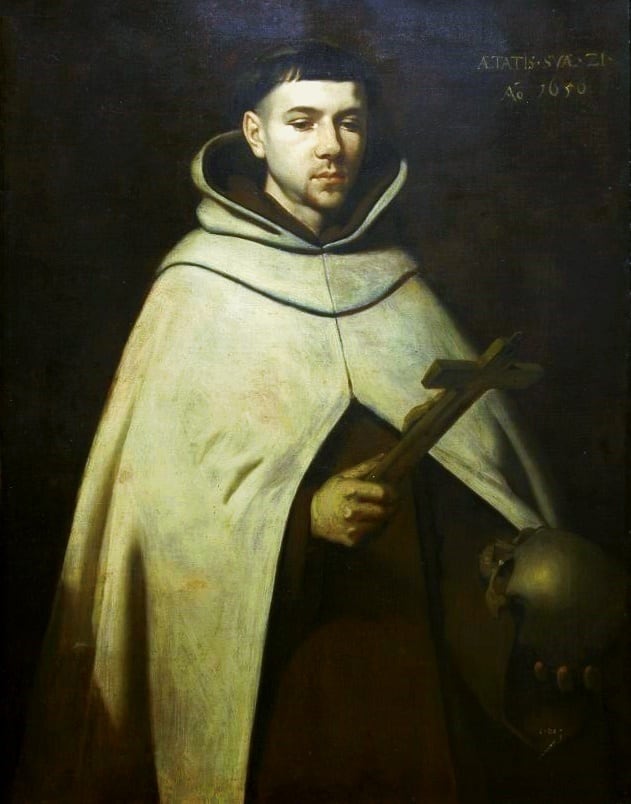
John of the Cross
इन पर सहमत: परम सत्य क्या है? क्या ईश्वर है? · मैं कौन हूँ? क्या कोई सच्चा आत्म है? · हम दुःख क्यों भोगते हैं?
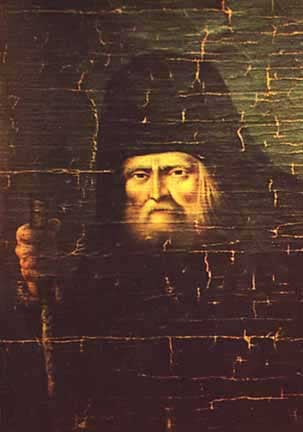
Seraphim of Sarov
इन पर सहमत: परम सत्य क्या है? क्या ईश्वर है? · मैं कौन हूँ? क्या कोई सच्चा आत्म है? · हम दुःख क्यों भोगते हैं?
इनसे भिन्न सोचते हैं

Nāgārjuna
इन पर टकराव: परम सत्य क्या है? क्या ईश्वर है? · मैं कौन हूँ? क्या कोई सच्चा आत्म है? · मृत्यु के बाद क्या होता है?
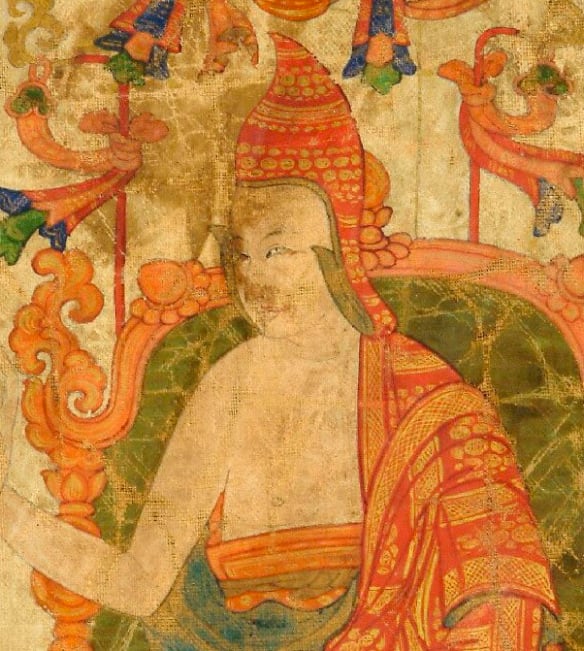
Śāntideva
इन पर टकराव: परम सत्य क्या है? क्या ईश्वर है? · मैं कौन हूँ? क्या कोई सच्चा आत्म है? · मृत्यु के बाद क्या होता है?
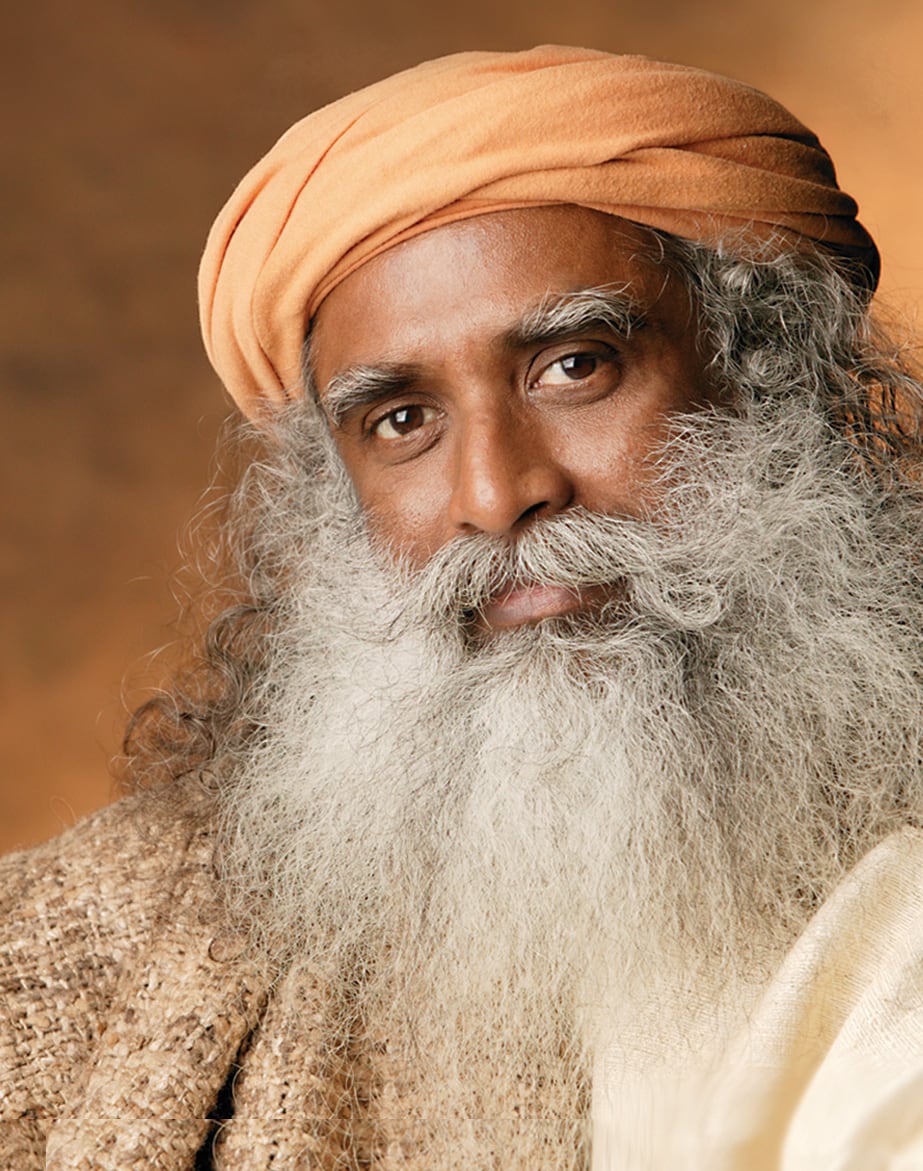
Sadhguru
इन पर टकराव: मैं कौन हूँ? क्या कोई सच्चा आत्म है? · मृत्यु के बाद क्या होता है? · क्या संसार वास्तविक है?

Patañjali
इन पर टकराव: परम सत्य क्या है? क्या ईश्वर है? · मैं कौन हूँ? क्या कोई सच्चा आत्म है? · मृत्यु के बाद क्या होता है?
प्रसंग और वृत्तांत
प्रसंग और वृत्तांत
साक्ष्य1833
The debt to the Emperor
वृत्तांत का स्रोत: The Emperor's words come from the saint's traditional biography, based on the recollections of his circle (Chikhachev and the St Sergius community); the facts—the refused resignation, the offer of the regiment, the appointment in 1833—are documented.
साक्ष्यdécada de 1830
The schemamonk Porphyry and the Ladoga ice
वृत्तांत का स्रोत: Ignatius's own account, who says he knew Porphyry, in 'On Delusion' (Ascetic Experiences, vol. I, ch. 27); there is no other independent source.
साक्ष्य1822–1826
Communion every week
वृत्तांत का स्रोत: Azbuka very biography, based on Chikhachev's memoirs and the biography published by his disciples.
प्रमाणित1830–1831
A novice's 'Lament of a Monk'
वृत्तांत का स्रोत: The date and place are given by the Russian Wikipedia together with the contemporary's remark; the text appears in the Offering (1867).
विवादित1845–1846
Bryullov and the painting from eternity
वृत्तांत का स्रोत: Ignatius's letter to Bryullov survives (Azbuka very); the link between it and Christ in the Tomb is an interpretation by Grigory Goldovsky reported in the Russian Wikipedia.
प्रमाणितfinales de la década de 1830
In defence of the elder Leonid
वृत्तांत का स्रोत: Azbuka very biography; the correspondence with Leonid and Macarius survives among his letters.
साक्ष्यabril de 1867
A few kopecks
वृत्तांत का स्रोत: The facts of the last weeks are recorded by the Russian Wikipedia and the Azbuka very biography; the detail of the kopecks comes from the traditional biography, based on the testimony of those around him.
शिक्षाएँ
शिक्षाएँ
वे अवधारणाएँ जो उनके चिंतन को रूप देती हैं, उनके संदर्भ में समझाई गई।
Prelest, or spiritual delusionprelest
It systematises the teaching of Gregory of Sinai, Symeon the New Theologian and John Climacus; Florensky cited it as the most detailed treatment of this 'spiritual disease'.
Living by counselvida-por-consejo
It contrasts with the revival of eldership at Optina, from which he himself came; developed in An Offering to Contemporary Monasticism, chs. 12–13.
Prayer with attentionoracion-con-atencion
It follows John Climacus ('enclose the mind in the words of the prayer'); it distances itself from a literal reading of the psychophysical methods of Nicephorus the Solitary and Gregory of Sinai.
Reading the Fatherslectura-de-los-padres
It partly replaces, for an age without elders, the living guidance of the starets; it gave his works their characteristic density of patristic quotation.
Souls and angels: spirits with an ethereal bodyalmas-y-angeles
In the Supplement he answers Western critics (among them the Abbé Bergier); the thesis also ties in with his response to the spiritualism fashionable in the 1860s.
वीडियो
वीडियो
रिकॉर्डिंग, साक्षात्कार और वृत्तचित्र। वीडियो YouTube से चलते हैं; वे यहाँ संग्रहीत नहीं हैं।
Игнатий Брянчанинов. «Плач инока» / Библейский сюжет / Телеканал Культура
YouTube पर देखें
यह वीडियो एम्बेड करने की अनुमति नहीं देता; यह YouTube पर खुलेगा।
Игнатий Брянчанинов. «Плач инока» / Библейский сюжет / Телеканал Культура
वृत्तचित्र· RU· 2019· 26 min
Телеканал Культураआधिकारिक चैनल
Учитель покаяния. Святитель Игнатий (Брянчанинов)
वृत्तचित्र· RU· 2020· 88 min
Свято-Елисаветинский монастырьआधिकारिक चैनल
Film about St. Ignatius Brianchaninov (with participation of A. Osipov)
वृत्तचित्र· RU· 2021· 97 min
Алексей Ильич Осиповआधिकारिक चैनल
Святитель Игнатий Брянчанинов — наставник духовной жизни
व्याख्यान· RU· 2019· 145 min
Алексей Ильич Осиповआधिकारिक चैनल
Святитель Игнатий Брянчанинов — духовное сокровище Церкви
व्याख्यान· RU· 2021· 45 min
Алексей Ильич Осиповआधिकारिक चैनल
150 лет преставления свт. Игнатия Брянчанинова — Осипов А. И.
व्याख्यान· RU· 2017· 59 min
Алексей Ильич Осиповआधिकारिक चैनल
Конференция «Святитель Игнатий Брянчанинов. 150 лет со дня преставления»
व्याख्यान· RU· 2017· 215 min
Алексей Ильич Осиповआधिकारिक चैनल
Конференция по наследию святителя Игнатия Брянчанинова. Ч. 1 (Абрамцево, 15.05.2012)
व्याख्यान· RU· 2012· 41 min
Алексей Ильич Осиповआधिकारिक चैनल
А. И. Осипов. Святитель Игнатий Брянчанинов
व्याख्यान· RU· 2017· 53 min
tvsoyuzआधिकारिक चैनल
Святитель Игнатий (Брянчанинов). Священник Валерий Духанин
व्याख्यान· RU· 2023· 87 min
БИБЛИЯ и толкования — Экзегет.руआधिकारिक चैनल
Святитель Игнатий (Брянчанинов) о прелести 1
व्याख्यान· RU· 2020· 102 min
ФИЛЬМИКИ © им. А. Осипова.
Book trailer: Harbor for Our Hope: St Ignatius (Brianchaninov) On Acquiring Peace Amidst Suffering
तृतीय पक्ष की रिकॉर्डिंग· EN· 2020· 5 min
Holy Trinity Publicationsआधिकारिक चैनल
Saint Ignatius Brianchaninov — The Field: Cultivating Salvation (Part 1)
तृतीय पक्ष की रिकॉर्डिंग· EN· 2023· 41 min
Orthodox Spiritual Heritage
चित्रशाला
चित्रशाला
सत्यापित लाइसेंस वाले चित्र। प्रत्येक में उसके रचयिता और श्रेय का उल्लेख सुरक्षित है।
संबंध
संबंध
प्रभाव, शिष्यत्व और वैचारिक निकटता। प्रमाणित संबंध को विश्लेषण से पहचानी गई समानता से अलग दर्शाया गया है।
इनके शिष्य
Leonid (Nagolkin) de Óptina
His first teacher: he met him in 1826 and followed him as a novice to Svir and Ploshchansk; later he doubted some of his methods but defended him before Metropolitan Philaret at the end of the 1830s.
प्रमाणित संबंध
इनसे प्रभावित
Paisi Velichkovski
He was formed in the Paisian tradition through Leonid and the hieroschemamonk Athanasius of Beloberezhsk, Paisius's direct disciple, whom he visited in 1829.
प्रमाणित संबंध
इनसे प्रभावित
In On the Jesus Prayer he quotes, on the word of old monks, 'the blessed elder Seraphim's' advice to unite outward and inward prayer, and recalls that at Sarov the Jesus Prayer was taught to every novice.
प्रमाणित संबंध
इनसे पत्राचार
They corresponded; in May 1865 Theophan confided to him his wish to follow him into retirement. They were canonised together in 1988.
प्रमाणित संबंध
इनसे मतभेद
Theophan refuted his teaching on the ethereal body of souls and angels in The Soul and the Angel Are Not Body but Spirit; even so he valued his works and recommended them.
प्रमाणित संबंध
इन्हें प्रभावित किया
Florensky cites him in The Pillar and Ground of the Truth (1914) for his definition of prelest, his judgement on The Imitation of Christ, 'The Garden in Winter' and his view of monasticism.
प्रमाणित संबंध
इनसे मतभेद
In On Delusion he judges The Imitation of Christ to be written 'out of opinion', that is, from the delusion of one's own holiness, and considers it dangerous for the Orthodox reader.
प्रमाणित संबंध
इनसे मतभेद
He cited him, together with Teresa of Ávila, as an example of the spiritual delusion of Western mysticism, in very harsh terms.
प्रमाणित संबंध
इनसे मतभेद
He regarded her, with Francis of Assisi, as an example of the spiritual delusion of Western mysticism.
प्रमाणित संबंध
इन्हें प्रभावित किया
Nikolái Leskov
Leskov made him a character in his story The Unmercenary Engineers (1887), about his fellow students at the Engineering School.
प्रमाणित संबंध
इनसे भेंट
Karl Briulov
Acquaintance at the St Sergius hermitage in 1845–1846 and Ignatius's letter to the painter about 'a painting from eternity'.
प्रमाणित संबंध
इनसे प्रभावित
Padres del desierto
He gathered and commented on their sayings in the Paterikon and quotes them constantly; he warns, however, against imitating them literally.
प्रमाणित संबंध
इनके समकालीन
Contemporaries; no documented relationship has been found.
विश्लेषण से पहचानी गई समानता
स्रोत
स्रोत
इस प्रविष्टि के लिए देखे गए ग्रंथ-सूची और सूचीपत्र।
- Wikidata, «Ignatius Bryanchaninov» (Q984143): P31=Q5, nacimiento 5-2-1807 (juliano), muerte 30-4-1867, 24 enlaces entre wikis.
- «Игнатий (Брянчанинов)», Wikipedia en ruso (biografía, teología —prelest, angelología, apologética—, Briulov, Leskov, bibliografía). Consultada el 25-10-2026.
- «Ignatius Brianchaninov», Wikipedia en inglés (reliquias en Tolga, traducciones inglesas). Consultada el 25-10-2026.
- Azbuka very, «святитель Игнатий (Брянчанинов)»: biografía (familia, Escuela de Ingenieros, noviciado, ermita de San Sergio, episcopado, muerte), legado y catálogo de obras y cartas.
- Ignati (Brianchanínov). Аскетические опыты, t. I. San Petersburgo: I. I. Glazunov, 1865; texto según Полное собрание творений и писем, 2.ª ed., Moscú: Palómnik, 2014, t. 1 (ISBN 978-5-88060-031-1). Texto en Azbuka very.
- Ignati (Brianchanínov). Приношение современному монашеству. San Petersburgo, 1867; texto según Полное собрание творений и писем, Moscú: Palómnik, 2014, t. 4. Texto en Azbuka very.
- Wikimedia Commons, «Category:Works of Ignatius Brianchaninov» (facsímiles de las Сочинения, 1886 y 1905, del Отечник de 1891 y de las cartas de 1913).
- Semiónova, T. N., y Redkina, Yu. R. (eds.). Полное жизнеописание святителя Игнатия Кавказского. Moscú–San Petersburgo: Izd-vo im. Sv. Ignatia Stavropolskogo / Biblioteca Nacional de Rusia, 2002. ISBN 5-88904-028-8.
- Jondzinski, P. V., Bezhanidze, G. V., Sújova, N. Yu., Yákovlev, A. I., y Bolshakova, S. E. «Игнатий (Брянчанинов)», en Православная энциклопедия, t. XXI. Moscú, 2009, pp. 74–89.
- Florenski, Pável. Столп и утверждение истины. Moscú: Put', 1914 (cita a Ignati en las cartas quinta, sexta, novena y décima: prelest, «Imitación de Cristo», monacato). Texto en Azbuka very.
- Leskov, Nikolái S. Инженеры-бессребреники (1887). Texto en Wikisource.
- Holy Trinity Publications, «Collected Works of St Ignatius (Brianchaninov)» (The Field, The Refuge, The Threshold, The Arena; trad. de Nicholas Kotar y del archimandrita Lazarus Moore).
- Open Library, registros de «On the Prayer of Jesus», «The Arena», «The Field», «The Refuge», «The Threshold» y «Harbor for Our Hope».
- Ignati (Brianchanínov). «О молитве Иисусовой» (Отделы I–III: «О молитве Иисусовой вообще», «О прелести», «Об упражнении молитвою Иисусовою»), en Аскетические опыты, t. I, caps. 26–28. Texto en Azbuka very.
- Teófano el Recluso. «Душа и ангел — не тело, а дух» y presentación de la polémica en Azbuka very («Творческое наследие» de Teófano).
- अधिकार-धारक
- Dominio público: Ignati murió en 1867. Las traducciones y ediciones modernas pertenecen a sus traductores y editoriales.
पुष्टि की प्रतीक्षा में
जो यह प्रविष्टि अभी तक निश्चित नहीं कर सकी है। हम उसे भर देने के बजाय कह देना बेहतर समझते हैं।
- Ediciones en español con ISBN: no se ha localizado ninguna traducción española de sus obras en Open Library ni en la búsqueda web (ni de «Sobre la oración de Jesús», ni de la «Ofrenda», ni de los «Ensayos»).
- Traducciones inglesas de dominio público: ninguna localizada (la de Father Lazarus, 1952, está protegida).
- Fuente primaria de los juicios sobre Francisco de Asís y Teresa de Ávila («западные сумасшедшие») y de la frase inglesa «He who is careless about prayer…»: se han tomado de la Wikipedia rusa e inglesa sin ver el pasaje.
- Fecha de redacción y primera edición de «Слово о человеке», «Слово об ангелах», «Лютеранизм», «Понятие о ереси и расколе» y «О необходимости Собора».
- Últimas palabras: consultar las biografías completas («Полное жизнеописание», 2002; «Ищите всюду Духа, а не буквы», 2010) y las memorias de su hermano Piotr y de Chijachov.
- Programa de afiliación de Holy Trinity Publications: no verificado.
- Relación con Lev Tolstói, Vladímir Soloviov y Dostoievski: no se ha encontrado ninguna documentada (Ignati murió en 1867); Dostoievski figura sólo como contemporáneo.
2026-10-25 को शोधित