ईसाई धर्म · ईसाई रहस्यवाद · रूढ़िवादी ईसाई धर्म
Seraphim of Sarov
Серафим Саровский · Прохор Исидорович Мошнин
1754 – 1833ऐतिहासिक रूप से प्रमाणित व्यक्ति
सरोव मठ के रूसी भिक्षु और स्तारेत्स (आध्यात्मिक गुरु) (1754–1833), दिवेयेवो मठ के आध्यात्मिक संस्थापक और रूसी ऑर्थोडॉक्स परंपरा के सबसे पूजित संतों में से एक। वे वन में एकांत तपस्वी रहे, पंद्रह वर्ष कोठरी में बंद रहे और फिर उन जनसमूहों के मार्गदर्शक बने जिनका स्वागत वे «मेरे आनंद, मसीह जी उठे हैं!» कहकर करते थे। उन्होंने कुछ नहीं लिखा: पवित्र आत्मा की प्राप्ति पर उनकी शिक्षा 1839 के «उपदेशों», दिवेयेवो के इतिवृत्त और 1903 में प्रकाशित, विवादित प्रामाणिकता वाले «मोतोविलोव से वार्तालाप» के माध्यम से पहुँची। 1903 में वे संत घोषित हुए।
- कृतियाँ
- 11कृतियाँ
- संस्करण
- 27संस्करण
- उद्धरण
- 11उद्धरण
- वीडियो
- 12वीडियो
- चित्र
- 9चित्र

Retrato de Serafín de Sarov pintado en vida · Public domain
उनके अपने शब्दों में
«Nothing so helps to acquire inner peace as silence and, as far as possible, constant converse with oneself and rare converse with others.»Instrucciones espirituales, cap. «О мире душевном» (De la paz del alma).

मूल विचार
The acquisition of the Holy Spirit: The Russian term stiazhanie means to acquire, gain, accumulate: it is the word of trade and saving.
संदर्भ में देखें
जीवनी
6 मिनट का पाठ
स्पैनिश मूल से सहायता-प्राप्त अनुवाद, मातृभाषी अनुवादक द्वारा समीक्षा लंबित।
कुर्स्क का एक बालक
प्रोख़ोर इसिदोरोविच मोश्निन का जन्म जूलियन कैलेंडर के अनुसार 19 जुलाई 1754 (ग्रेगोरियन के अनुसार 30 जुलाई) को कुर्स्क में, संपन्न व्यापारियों के एक परिवार में हुआ। वर्ष निश्चित नहीं है: क्रांति से पहले की जीवनियाँ 1759 बताती थीं, जो सरोव में उनकी समाधि-शिला पर खुदी आयु से निकाला गया था, और 2004 में जाकर, स्थानीय इतिहासकार व्लादिमीर स्तेपाश्किन द्वारा कुर्स्क के पल्ली-रजिस्टरों और मठ के अभिलेखागार में किए गए शोध के बाद, रूसी चर्च ने 1754 को स्वीकार किया। उनके पिता इसिदोर ठेके पर नगर का एक गिरजाघर बनवा रहे थे और तब चल बसे जब बालक छोटा था; माता अगाफ़िया ने निर्माण पूरा कराया। संत-चरित बताते हैं कि सात वर्ष की आयु में वह निर्माणाधीन गिरजाघर की ऊँचाई से गिरकर भी अछूता रहा, और लगभग दस वर्ष की आयु में बीमार पड़ने पर, उसके घर के सामने से शोभायात्रा में ले जाई जा रही परमेश्वर की माता की «चिह्न» (ज़्नामेनिये) प्रतिमा को चूमकर स्वस्थ हो गया। ये पारिवारिक परंपरा की कथाएँ हैं, जो दशकों बाद लिखी गईं: उदाहरण के लिए, घंटाघर का ब्योरा पहली बार 1863 में प्रकाशित जीवनी में आता है, और 1761 में वह घंटाघर अस्तित्व में ही नहीं था।
सरोव
कीव की तीर्थयात्रा के बाद — जहाँ परंपरा के अनुसार एकांतवासी दोसिफ़ेई ने उन्हें सरोव का मार्ग दिखाया — वे 20 नवंबर 1778 को ताम्बोव के वनों में स्थित उस मठ में नवदीक्षित के रूप में प्रविष्ट हुए। वे नानबाई, बढ़ई और गिरजे के सेवक रहे; एक बीमारी — जलोदर — से गुज़रे, जिसने उन्हें लगभग तीन वर्ष बिस्तर पर रखा; 13 अगस्त 1786 को सेराफ़िम नाम के साथ उन्होंने मठवासी वेश धारण किया, शीघ्र ही डीकन और 2 सितंबर 1793 को पुरोहित अभिषिक्त हुए। सरोव एक कठोर नियम का पालन करता था, जो उस मठवासी पुनर्जागरण की विरासत था जिसे पाइसी वेलिच्कोव्स्की ने फ़िलोकालिया के स्लावोनिक अनुवाद से गति दी थी, और युवा भिक्षु इन्हीं ग्रंथों में ढला: उनके नाम से प्रचलित «आध्यात्मिक उपदेश» बार-बार सीरियाई इसहाक, योहन क्लाइमेकस, बार्सानूफ़ियस या सिनाई के ग्रेगरी को उद्धृत करते हैं।
निर्जन वन
1794 में वे मठ से लगभग पाँच किलोमीटर दूर वन की एक कुटिया में चले गए, जिसे «दूर का निर्जन» कहा जाता था। वे एक बग़ीचा जोतते, सुसमाचार और चर्च-पिताओं के ग्रंथ पढ़ते, उपवास इस सीमा तक करते कि केवल सब्ज़ियों और एक जंगली घास — स्नित — पर निर्वाह करते, और रविवार को परम प्रसाद लेने सरोव लौटते। जीवनियों के अनुसार 1804 में दर्शनार्थियों के दिए धन की खोज में आए कुछ लुटेरों ने उन्हीं की कुल्हाड़ी के हत्थे से उन्हें बुरी तरह पीटा; वे सदा के लिए झुक गए और उन्होंने आग्रह किया कि उन्हें दंड न दिया जाए। उनकी तपस्या का सबसे प्रसिद्ध प्रसंग — एक शिला पर एक हज़ार दिन और एक हज़ार रात की प्रार्थना — इसी काल का है। सबसे प्राचीन स्रोत कहीं अधिक संयत है: 1848 में मठाधीश इसाइया ने लिखा कि वनवासी जीवन के आरंभ में सेराफ़िम ने एक साथी को बताया था कि वे खड़े होकर, निश्चल, प्रतिदिन सत्रह घंटे प्रार्थना करते हैं, और उन्होंने तीन वर्ष से अधिक ऐसा किया; «शिला पर एक हज़ार दिन» बाद की संत-जीवनियों में, विशेषकर चिचागोव की जीवनी में, स्थिर हुए।
भालू के साथ भी यही हुआ। 1849 में पुरोहित-भिक्षु इओआसाफ़ ने दिवेयेवो की एक भिक्षुणी, मात्रोना प्लेश्चेयेवा, की गवाही प्रकाशित की, जिसने कहा था कि उसने वृद्ध संत को एक भालू को रोटी खिलाते देखा। मॉस्को के मेट्रोपॉलिटन फ़िलारेत के काग़ज़ों में — जो आज रूसी राजकीय पुस्तकालय के पांडुलिपि विभाग में हैं — एक फ़ाइल सुरक्षित है, जिसके अनुसार स्वयं मात्रोना ने मृत्यु से पहले स्वीकार किया कि इओआसाफ़ ने उसे सिखाया था कि यदि राजपरिवार मठ में आए तो वह यह कथा सुनाए। इसलिए भालू के साथ वनवासी की वह छवि, जिसे प्रतिमा-कला ने लोकप्रिय बनाया, एक ऐसी किंवदंती है जिसके उद्गम की पहचान की जा सकती है।
एकांतवास और खुले द्वार
8 मई 1810 को वे मठ लौटे और अपनी कोठरी में बंद हो गए: पाँच वर्ष किसी से नहीं मिले, और अगले दस वर्ष हर आने वाले के लिए द्वार खुला रखा, पर स्वयं बाहर नहीं निकले — 25 नवंबर 1825 तक। तब से, और विशेषकर उनके अंतिम आठ वर्षों में, सरोव एक तीर्थ बन गया। वे सैकड़ों लोगों — किसानों और कुलीनों — से मिलते, वर्ष की किसी भी ऋतु में हर एक का स्वागत «मेरे आनंद, मसीह जी उठे हैं!» कहकर करते, उनके आगे झुकते और प्रायः प्रश्न पूछे जाने से पहले ही उत्तर दे देते। उन्होंने बारह किलोमीटर दूर दिवेयेवो के छोटे स्त्री-समुदाय का दायित्व सँभाला और उसके पास एक दूसरा समुदाय — तथाकथित पनचक्की-समुदाय — केवल कुमारियों के लिए स्थापित किया। उनके आगंतुकों में मिख़ाइल मांतुरोव थे, जिन्होंने दिवेयेवो की सेवा के लिए अपनी जागीर बेच दी, और सिम्बीर्स्क के एक युवा ज़मींदार निकोलाई मोतोविलोव, जिन्होंने सितंबर 1831 में अपने पक्षाघात से मुक्ति का श्रेय उनकी प्रार्थनाओं को दिया।
जो वे छोड़ गए
सेराफ़िम ने कोई पुस्तक नहीं लिखी। उनकी शिक्षा तीन मार्गों से पहुँची, और तीनों में से कोई भी उनके अपने हाथ का नहीं। पहला है «आध्यात्मिक उपदेश», जिन्हें सरोव के भिक्षु सेर्गेई ने संकलित किया और जो 1839 में वनवासी मार्क की एक जीवनी के भीतर प्रकाशित हुए — उसके बाद जब मेट्रोपॉलिटन फ़िलारेत ने कुछ अभिव्यक्तियाँ सुधारीं, «ताकि भाषा अधिक शुद्ध हो», और कुछ विचारों को «ग़लत व्याख्या से» बचाने के लिए, जैसा कि उन्होंने स्वयं 1838 में लिखा। दूसरा है दिवेयेवो में सुरक्षित वचन और कथाएँ, जिन्हें आर्किमंड्राइट सेराफ़िम चिचागोव ने «सेराफ़िम-दिवेयेवो मठ का इतिवृत्त» (1896, 1903 में परिवर्धित) में व्यवस्थित किया। तीसरा है «ईसाई जीवन के लक्ष्य पर वार्तालाप», जिसे मोतोविलोव पांडुलिपि के रूप में छोड़ गए।
उसमें, नवंबर 1831 के एक दिन, सरोव्का नदी के किनारे बर्फ़ से ढके एक खुले मैदान में, वृद्ध गुरु समझाते हैं कि प्रार्थना, उपवास, जागरण और दान केवल साधन हैं, और ईसाई जीवन का सच्चा लक्ष्य पवित्र आत्मा की प्राप्ति है; फिर युवक के कंधे पकड़कर वे उसे अपना मुख «सूर्य से भी अधिक दीप्तिमान» दिखाते हैं। यह पाठ 1903 में, संत-घोषणा की पूर्वसंध्या पर, सेर्गेई नीलुस की पुस्तक «छोटे में महान» में प्रकाशित हुआ; नीलुस ने बताया कि उन्हें यह पंखों और पक्षियों की बीट से ढके सत्तर किलो से अधिक काग़ज़ों के बीच मिला, जो मोतोविलोव की विधवा ने उन्हें सौंपे थे। इसकी अक्षरशः प्रामाणिकता विवादित है: आर्कप्रीस्ट व्सेवोलोद रोश्को, जो प्रसंग के मूल पर संदेह नहीं करते, बाईस वर्ष के एक युवक के लिए अविश्वसनीय धर्मशास्त्रीय उद्धरणों की सघनता, पशुओं की आत्मा के बारे में चर्च-पिताओं से अपरिचित विचारों और नीलुस के हाथ की ओर ध्यान दिलाते हैं, जिन्हें वे «मिथक-गढ़ने वाला, पर सचेत जालसाज़ नहीं» कहते हैं; यह वही संपादक है जिसने 1905 में अपनी पुस्तक में «सिय्योन के बुज़ुर्गों के प्रोटोकॉल» शामिल किए।
मृत्यु और संत-घोषणा
2 जनवरी 1833 (ग्रेगोरियन कैलेंडर के अनुसार 14 जनवरी) को वे अपनी कोठरी में अकेले चल बसे। जलने की गंध से सतर्क हुए भिक्षुओं ने उन्हें परमेश्वर की माता की «कोमलता» (उमिलेनिये) प्रतिमा के आगे घुटनों के बल पाया, जिसे वे «सब आनंदों का आनंद» कहते थे। आगामी दशकों में क्रमिक जीवनियों के साथ उनकी उपासना बढ़ती गई, और हर जीवनी पिछली से अधिक चमत्कारों से भरी थी। संत-घोषणा एक राजनीतिक मामला भी थी: आर्किमंड्राइट चिचागोव ने निकोलस द्वितीय के समक्ष इसका आग्रह किया, साम्राज्ञी के समर्थन से, जो उत्तराधिकारी की आशा कर रही थीं, और धर्मसभा के प्रोक्यूरेटर पोबेदोनोस्तसेव की आपत्तियों के बावजूद। जनवरी 1903 में अवशेषों की जाँच करने वाले आयोग को कोई अविकृत शरीर नहीं मिला, जैसी लोक-भक्ति अपेक्षा कर रही थी, और मेट्रोपॉलिटन अंतोनी को समाचार-पत्रों में स्पष्ट करना पड़ा कि यह आवश्यक नहीं है। 19 जुलाई 1903 को ज़ार और एक लाख से अधिक तीर्थयात्रियों के सामने सेराफ़िम को संत घोषित किया गया।
1920–1922 में बोल्शेविकों ने अवशेष ज़ब्त कर लिए; वे एक धर्म-विरोधी संग्रहालय के भंडार में खो गए और 1990 में लेनिनग्राद में पुनः मिले; 1 अगस्त 1991 को वे शोभायात्रा के साथ दिवेयेवो लौटाए गए। आज सेराफ़िम रूस के सबसे अधिक पूजित संतों में से एक हैं; एंग्लिकन कम्युनियन भी उनका स्मरण करता है, और जॉन पॉल द्वितीय ने उन्हें संत कहा। सबसे पुराने स्रोत जो छवि उभारते हैं — एक कठोर तपस्वी भिक्षु, निहत्था कर देने वाले आनंद से भरा, जो पूर्ण मौन से जनसमूहों के आध्यात्मिक मार्गदर्शन तक पहुँचा — वह किंवदंती की छवि से कम चमत्कारी है, और संभवतः अधिक दुर्लभ।
स्रोत: Roshko, Vsévolod, prot. [Rochcau, Vsévolod]. Преподобный Серафим: Саров и Дивеево. Исследования и материалы. Moscú: Sampo, 2001 (ed. francesa: Saint Séraphim, Sarov et Divéyevo. Bégrolles-en-Mauges: Abbaye de Bellefontaine, 1987). Primera parte, «Historia y crítica histórica». · Nilus, Serguéi A. «Цель жизни христианской» [El fin de la vida cristiana], en Великое в малом, 1.ª ed., 1903; epílogo del editor fechado el 19 de mayo de 1903. Texto en Azbuka very. · Serafín de Sarov (atrib.). Духовные наставления мирянам и инокам [Instrucciones espirituales a laicos y monjes]. Recogidas por el monje Sergio (Vasíliev) de Sarov, revisadas por el metropolita Filaret (Drozdov) y publicadas en Краткое начертание жизни старца Саровской пустыни, схимонаха и пустынника Марка. Troitse-Sérguieva Lavra, 1839. Texto cotejado (ediciones de 1839, 1856, 1863 y 1903–1904) en Azbuka very. · Serafín (Chichagov), archimandrita. Летопись Серафимо-Дивеевского монастыря Нижегородской губ. Ардатовского уезда. Moscú: Pechatnia A. I. Snegirevoi, 1896; 2.ª ed. ampliada, San Petersburgo, 1903. Reed. Diveyevo: Izd-vo Bratstva sv. Aleksandra Nevskogo, 2004 (ISBN 9785882130649). · Stepashkin, Vladímir A. Преподобный Серафим Саровский: предания и факты. 3.ª ed. corregida y aumentada. Sarov: ZAO «INFO», 2009. ISBN 978-5-89269-010-2; y Серафим Саровский. Moscú: Molodaya gvardiya (ЖЗЛ), 2018.
कालक्रम
जीवन, वर्ष-दर-वर्ष
प्रत्येक बिंदु एक प्रमाणित घटना है। उसे स्रोत और निश्चितता के स्तर सहित पढ़ने के लिए क्लिक करें।
30 जुलाई 17540 वर्षKursk
Birth of Prokhor Moshnin
Born into a merchant family of Kursk (19 July, Julian calendar). Nineteenth-century lives gave 1759; the Russian Church adopted 1754 in 2004 on the basis of parish registers and the Sarov archive.
संभावित«Серафим Саровский», Wikipedia en ruso (biografía, fuentes hagiográficas, expediente de Matrona Plescheeva en el fondo del metropolita Filaret, carta del abad Isaías II de 1848, canonización y reliquias). Consultada el 25-10-2026.
उनके निधन के बाद
- 1839First edition of the Instructions
- 19 जुलाई 1903Canonisation
- 1 अगस्त 1991Return of the relics
30 जुलाई 1754 · 0 वर्ष
Birth of Prokhor Moshnin
Born into a merchant family of Kursk (19 July, Julian calendar). Nineteenth-century lives gave 1759; the Russian Church adopted 1754 in 2004 on the basis of parish registers and the Sarov archive.
संभावित
लगभग 1761 · 7 वर्ष
The fall from the church under construction
According to the lives, he falls from the top of the church his family was building and is unhurt. Hieromonk Sergius (1841) speaks of 'the building'; the bell tower appears in 1863.
परंपरा
1776 · 22 वर्ष
Pilgrimage to Kiev
He visits the Kiev Caves Lavra; tradition says the recluse Dositheus directed him to Sarov monastery.
परंपरा
20 नवंबर 1778 · 24 वर्ष
Novice at Sarov
He enters Sarov monastery, in the forests of Tambov province, as a novice under the elder Joseph.
प्रमाणित
13 अगस्त 1786 · 32 वर्ष
Monastic profession as Seraphim
He is tonsured a monk with the name Seraphim; shortly afterwards he is ordained hierodeacon.
प्रमाणित
2 सितंबर 1793 · 39 वर्ष
Priestly ordination
He is ordained hieromonk (priest-monk).
प्रमाणित
1794 · 40 वर्ष
Hermit in the forest
He withdraws to a hut some five kilometres from the monastery, with a garden and beehives; he returns on Sundays for communion.
प्रमाणित
1804 · 50 वर्ष
The robbers' attack
Robbers beat him; he is left bent for life and asks that they go unpunished. He convalesces for five months in the monastery.
संभावित
लगभग 1807 – 1810 · 53 वर्ष
Prayer on the stone
A period of standing prayer that the hagiographies fixed as 'a thousand days on a stone'. Abbot Isaiah II's letter (1848) speaks of seventeen hours a day standing for more than three years.
विवादित
8 मई 1810 · 55 वर्ष
Return to the monastery and seclusion
He returns to Sarov at the decision of the council of elders and shuts himself in his cell: five years without receiving anyone.
प्रमाणित
1815 · 61 वर्ष
He opens the door of his cell
He begins to receive visitors without leaving his cell; sources differ on whether this was 1815 or, regularly, around 1823.
संभावित
25 नवंबर 1825 · 71 वर्ष
End of the seclusion
He ends his seclusion and again visits his forest hermitage; he begins his spiritual direction of the Diveyevo community.
प्रमाणित
लगभग 1827 – 1829 · 73 वर्ष
The Mill community
Next to the Kazan community at Diveyevo he founds a second community, for unmarried girls only; its Nativity church is built in 1828–1829.
प्रमाणित
1828 · 74 वर्ष
A portrait from life
The painter Serebryakov (later the monk Joseph of Sarov) makes the only portrait from life, the basis of later iconography.
संभावित
नवंबर 1831 · 77 वर्ष
Conversation with Motovilov
Date of the conversation on the acquisition of the Holy Spirit that Nikolai Motovilov left in writing; the text was published in 1903.
विवादित
14 जनवरी 1833 · 78 वर्ष
Death
He is found dead, kneeling before the icon of the Virgin of Tenderness (2 January, Julian calendar).
प्रमाणित
1839
First edition of the Instructions
The Spiritual Instructions, revised by Metropolitan Philaret, are published within the life of the hermit Mark; the first life of Seraphim, by the monk Sergius, appears in 1841.
प्रमाणित
19 जुलाई 1903
Canonisation
Following the Synod's decree of 29 January, his glorification is celebrated at Sarov in the presence of Nicholas II and over a hundred thousand pilgrims (19 July, Julian calendar). That same year Nilus publishes the Conversation with Motovilov.
प्रमाणित
1 अगस्त 1991
Return of the relics
The relics, seized in 1920–1922 and found in 1990 in the Museum of the History of Religion in Leningrad, arrive in procession at Diveyevo.
प्रमाणित
कृतियाँ
आवश्यक कृतियाँ
वे कृतियाँ जिनके बिना उनकी विरासत को समझा नहीं जा सकता।
पारंपरिक आरोपण · 1831
Conversation with Motovilov on the Aim of the Christian Life
О цели христианской жизни. Беседа преподобного Серафима Саровского с Н. А. Мотовиловым
In a snowy clearing by his hermitage, the elder answers the question Motovilov had asked since childhood: the aim of the Christian life is not prayer, fasting, vigil or almsgiving, which are means, but the acquisition of the Holy Spirit, likened to the accumulation of a capital 'of grace and eternal'; prayer is the means most to hand. When the young man asks how to know whether he is in the Spirit, Seraphim takes him by the shoulders and his face becomes 'brighter than the sun': Motovilov describes the light, peace, sweetness, warmth and fragrance he feels in the depth of winter. It is the most widely read text of modern Russian spirituality, the basis of Seraphim's iconography and of the interest of theologians such as Florensky and Lossky.
8 संस्करण

परवर्ती संकलन · 1839
Spiritual Instructions to Laypeople and Monks
Духовные наставления мирянам и инокам
Short chapters on God, faith, hope, prayer, tears, sorrow and despondency, peace of soul and its preservation, guarding the heart, the light of Christ, attention to oneself, silence, fasting and the active and contemplative life, with advice for the novice and for the superior. Woven from quotations of Isaac the Syrian, John Climacus, Barsanuphius, Gregory of Sinai, Ephrem and John Chrysostom, they convey a sober hesychast teaching: the Jesus Prayer repeated in the mind, inner peace as the condition of all light, and caution towards contemplation without a guide. It is the earliest and least manipulated source of his teaching.
7 संस्करण
Seraphim of Sarov
Chronicle of the Seraphim-Diveyevo Monastery (sayings and accounts)
परवर्ती संकलन · 1896
Chronicle of the Seraphim-Diveyevo Monastery (sayings and accounts)
Летопись Серафимо-Дивеевского монастыря
A history of the Diveyevo communities from their founder, Mother Alexandra, to the end of the nineteenth century, which is also the main collection of Seraphim's oral teaching to the sisters: advice on prayer, work, obedience and joy, prophecies about the convent, the ditch he had dug around the Mill community, his farewell words and the lives of his disciples. The second edition (1903) includes a new life of Seraphim and was the documentary basis for the canonisation.
3 संस्करण
संपूर्ण कृतित्व (11)
Seraphim of Sarov
The Short Prayer Rule for Laypeople
The Conscious LibraryThe Short Prayer Rule for Laypeople
Seraphim of Sarov
The Rule of the Theotokos
The Conscious LibraryThe Rule of the Theotokos
Seraphim of Sarov
Notes of Nikolai Motovilov, Servant of the Mother of God and of St Seraphim
The Conscious LibraryNotes of Nikolai Motovilov, Servant of the Mother of God and of St Seraphim
Seraphim of Sarov
The Great Mystery of Diveyevo and other prophecies
The Conscious LibraryThe Great Mystery of Diveyevo and other prophecies
Seraphim of Sarov
Account of the Life and Labours of Father Seraphim (Hieromonk Sergius, 1841)
The Conscious LibraryAccount of the Life and Labours of Father Seraphim (Hieromonk Sergius, 1841)
1841
Seraphim of Sarov
Accounts of the Life of the Elder Seraphim (Hieromonk Georgy, 1844)
The Conscious LibraryAccounts of the Life of the Elder Seraphim (Hieromonk Georgy, 1844)
1844
Seraphim of Sarov
Accounts of the Labours of the Elder Seraphim (Hieromonk Joasaph, 1849)
The Conscious LibraryAccounts of the Labours of the Elder Seraphim (Hieromonk Joasaph, 1849)
1849
Seraphim of Sarov
Life of the Elder Seraphim (Nikolai Elagin, 1863)
The Conscious LibraryLife of the Elder Seraphim (Nikolai Elagin, 1863)
1863
वचन
किसी निश्चित कृति में स्थित वचन। प्रत्येक के साथ उसका स्रोत और विश्वसनीयता का स्तर है।
The true aim of our Christian life consists in the acquisition of the Holy Spirit of God.Истинная же цель жизни нашей христианской состоит в стяжании Духа Святого Божьего.
संभावितConversación con Motovílov (noviembre de 1831), en Nilus, Великое в малом (1903). Atribución sujeta a las dudas sobre la literalidad del manuscrito.
अप्रामाणिक या विवादित आरोपण वाले उद्धरण (3)
«"Acquire the spirit of peace, and thousands around you will be saved."»
It is his most quoted saying, but it is not found in this form either in the Instructions of 1839 or in the Conversation with Motovilov as published by Nilus. The idea is in the chapter 'On peace of soul' of the Instructions ('when a man comes to a peaceful state, he can pour out on others the light…'); the short formula circulates in twentieth- and twenty-first-century devotional collections without reference to a primary source.
«Prophecies about the Antichrist, the fall of the dynasty and Seraphim's resurrection ('The Great Mystery of Diveyevo').»
They come from Motovilov manuscripts published by Nilus, who presented them as the elder's exact words; no independent source confirms them and church authority banned them.
«"This is the Christian way of crossing oneself! […] Crossing oneself with two fingers is contrary to the holy statutes."»
A condemnation of the Old Believer rite that first appears in the 1863 life (Elagin), written by a censor; the episode of the four Old Believers had been expanded in the 1844 life. Mikhail Novoselov held that Seraphim's polemic with the priestless Old Believers of Nizhny Novgorod became anti-ritual under the pen of synodal censors; the question remains open.
अंतिम शब्द
उनके अंतिम शब्दों का कोई सत्यापन-योग्य अभिलेख उपलब्ध नहीं है।
He died alone in his cell on the night of 1–2 January 1833 (Julian) and no one heard his last words: the monks, alerted by the smell of a candle that had set some books smouldering, found him dead, kneeling before the icon of the Virgin of Tenderness. The Diveyevo tradition recorded by Chichagov preserves as his farewell the charge he had earlier given the sisters: to come to his grave and tell him their sorrows 'as to a living man', for to them he would always be alive; these are not, however, words spoken at his death.
स्रोत: Serafín (Chichagov), archimandrita. Летопись Серафимо-Дивеевского монастыря Нижегородской губ. Ардатовского уезда. Moscú: Pechatnia A. I. Snegirevoi, 1896; 2.ª ed. ampliada, San Petersburgo, 1903. Reed. Diveyevo: Izd-vo Bratstva sv. Aleksandra Nevskogo, 2004 (ISBN 9785882130649).
पूछें
उनकी कृतियाँ क्या उत्तर देती हैं
मानवता के बारह महान प्रश्न और उनके ग्रंथ उनका जो उत्तर देने देते हैं, संदर्भों सहित। हम कभी उनके मुख में अपने शब्द नहीं रखते।
परम सत्य क्या है? क्या ईश्वर है?
God is the Trinity giving itself as the Holy Spirit to be acquired
साकार, व्यक्तिगत ईश्वरस्पष्ट रूप से कहा है
Seraphim of Sarov did not write; his teaching comes through testimonies. In them God is not an object of speculation but a presence to be received. The Spiritual Instructions of 1839 open with a chapter on God: where God is there is no evil, and everything that comes from him is peaceful and leads to humility. The Conversation with Motovilov, published in 1903, defines the aim of Christian life as the acquisition of the Holy Spirit of God, and recounts how Motovilov saw the elder's face illumined while both were, in his words, in the Spirit of God. The God of this testimony is that of the Orthodox faith: Father, Son and Spirit, who seeks the human heart as his throne and allows himself to be experienced as light, peace, sweetness and joy.
इस प्रश्न की अन्य गुरुओं से तुलना करेंमैं कौन हूँ? क्या कोई सच्चा आत्म है?
The human being is body, soul and spirit, made to receive the Holy Spirit
सृजित, अमर आत्मास्पष्ट रूप से कहा है
In the Conversation with Motovilov, a testimony published in 1903, Seraphim explains the creation of the human being on the basis of Genesis: Adam was formed from dust and received from God the breath of life, so that the complete man is body, soul and spirit, and was made to live in the Spirit of God. The fall made him lose that fullness, and the meaning of Christian life is to recover it by acquiring the Holy Spirit. The true self is not, in this testimony, an impersonal consciousness nor a flow of elements, but a created and immortal person whose heart is the place where God wishes to dwell. The Spiritual Instructions add that without humility there is nothing in man but darkness: the self is illumined by receiving, not by asserting itself.
इस प्रश्न की अन्य गुरुओं से तुलना करेंहम दुःख क्यों भोगते हैं?
Losing the Spirit of God darkened man; patience brings him back
ईश्वर से वियोगउनके सिद्धांत से निष्कर्षित
In the testimony of the Conversation with Motovilov, the root of human evil lies in Adam's fall, which lost the fullness of the Spirit of God with which he had been created; since then man has lived in darkness, and Christian life consists in recovering that grace. The Spiritual Instructions draw the practical consequences: where God is there is no evil, and what comes from him brings peace and humility, while agitation reveals another source. In the face of sorrows they recommend patience and humility, without which there is nothing in man but darkness. Seraphim, who according to the lives was beaten by robbers and remained bent for ever, does not speculate on the why of pain: he treats it as an occasion for acquiring inner peace, whose fruit reaches others as well.
इस प्रश्न की अन्य गुरुओं से तुलना करेंमृत्यु के बाद क्या होता है?
Christ is risen: the joy of the Kingdom can already be tasted in this life
अनंत जीवन और पुनरुत्थानस्पष्ट रूप से कहा है
Seraphim greeted everyone, at any time of year, with the words of Easter: my joy, Christ is risen. In the testimonies that preserve his teaching, death is viewed from the resurrection and eternal life of Orthodox faith, and what is distinctive is that this life is not postponed: in the Conversation with Motovilov, when his companion sees his face illumined, Seraphim asks him what he feels, and describes peace, sweetness, warmth and joy as a foretaste, a very small one, of what God prepares for those who love him. The Diveyevo chronicles also record his predictions of his own death and his promise to go on speaking with those who came to his grave. He died on his knees, at prayer, in 1833.
इस प्रश्न की अन्य गुरुओं से तुलना करेंमुक्ति या उद्धार कैसे प्राप्त होता है?
The aim of Christian life is to acquire the Holy Spirit; all else is means
कृपा और प्रेम सेस्पष्ट रूप से कहा है
Seraphim of Sarov's best-known formula, handed down by the Conversation with Motovilov, answers this question directly: the true aim of Christian life consists in the acquisition of the Holy Spirit of God. Fasting, vigil, prayer, almsgiving and every good deed done for Christ's sake are not the end, but means of acquiring it; and the acquisition of the Spirit is also a capital, but one of grace and eternal. Among the means, prayer is the most accessible, because it is always in anyone's hands. Salvation is thus God's gift, received and accumulated, not merit; and its sign is peace: according to the Instructions, whoever attains inner peace can pour out on others the light he has received. Motovilov claims to have seen it in the elder's luminous face.
इस प्रश्न की अन्य गुरुओं से तुलना करेंक्या गुरु आवश्यक है?
An elder within the Church, guiding towards the Spirit and not towards himself
संघ और परंपराउनके सिद्धांत से निष्कर्षित
Seraphim embodied the figure of the starets, the elder who, after years of solitude, receives those who come seeking counsel; in his last years crowds visited him, and he was spiritual director of the nuns of Diveyevo. He himself was formed in obedience to the superiors and confessors of Sarov, and his teaching, handed down by the Spiritual Instructions and testimonies, constantly relies on the Scriptures and the Fathers, whose reading he recommended. But the elder does not occupy the centre: in the Conversation with Motovilov, the true teacher is the Holy Spirit, acquired through prayer and good works within the life of the Church and its sacraments. His prayer rules for lay people show, moreover, that he did not require monastic life or constant direction of everyone.
इस प्रश्न की अन्य गुरुओं से तुलना करेंक्या संसार वास्तविक है?
Creation is good; the hermit lived in the forest at peace with the animals
शुभ और वास्तविक सृष्टिउनके सिद्धांत से निष्कर्षित
Seraphim left no reflections on the nature of the world, but his teaching and life presuppose the Orthodox vision of a good creation, God's work, wounded by the fall and called to transfiguration. In the Conversation with Motovilov the Genesis account serves as the starting point: Adam lived in a world created for him, in which nothing could harm him while he possessed the Spirit. During his years as a hermit in the forest near Sarov, according to the lives compiled after his death, he shared his bread with a bear and other animals, an image tradition read as a sign of paradisal harmony recovered through holiness. The world is neither illusion nor evil: it is the place where grace can become visible, like the light Motovilov claims to have seen.
इस प्रश्न की अन्य गुरुओं से तुलना करेंप्रेम क्या है?
God seeks a heart full of love for him and for neighbour: that is his throne
ईश्वर और पड़ोसी से प्रेमस्पष्ट रूप से कहा है
At the end of the Conversation with Motovilov, according to the testimony published in 1903, Seraphim sums up his teaching in an image: the Lord seeks a heart full of love for God and neighbour, and that is the throne on which he likes to sit and on which he appears in the fullness of his glory. Love is for him not an isolated moral effort, but the fruit and dwelling place of the acquired Spirit. His way of treating others expressed it: he called each visitor my joy, received everyone without distinction and, according to the lives, forgave the robbers who left him badly injured and asked that they not be punished. The Spiritual Instructions add that one must judge no one and that the inner peace of the one who loves is communicated to those around him.
इस प्रश्न की अन्य गुरुओं से तुलना करेंक्या हम स्वतंत्र हैं, या सब कुछ पूर्वनिर्धारित है?
Grace does not force: each person decides whether to acquire the Spirit
वास्तविक स्वतंत्र इच्छाउनके सिद्धांत से निष्कर्षित
Seraphim did not address the theoretical question of freedom and determinism, but the testimonies of his teaching presuppose the Orthodox doctrine of cooperation between grace and human freedom. In the Conversation with Motovilov, acquiring the Holy Spirit is compared to acquiring capital: each person chooses the good works that bear him most fruit and practises them, and what he receives depends on how he uses the means. God compels no one; he calls and awaits the answer. The Spiritual Instructions insist on vigilance over one's own thoughts and on repentance, which only make sense if the person can choose. God's providence governs all, but does not cancel each person's responsibility for his heart.
इस प्रश्न की अन्य गुरुओं से तुलना करेंध्यान या प्रार्थना क्यों करें?
Prayer is the most readily available means of acquiring the Holy Spirit
ईश्वर से मैत्रीस्पष्ट रूप से कहा है
In the Conversation with Motovilov, Seraphim explains that among all the good works that serve to acquire the Spirit, prayer is the one most easily within anyone's reach, rich or poor, learned or simple, and that when God himself comes to visit the one who prays, one must fall silent and let him act. The Spiritual Instructions advise those who wish to serve God to practise remembrance of God and unceasing prayer to Jesus Christ, saying with the mind: Lord Jesus Christ, Son of God, have mercy on me, a sinner; and a counsel handed down by Ignatius Brianchaninov warns that merely outward prayer is not enough. For lay people he left a small rule of prayer that could be said even while walking. To pray is to live before God until he himself speaks.
इस प्रश्न की अन्य गुरुओं से तुलना करेंक्या बुद्धि परम को जान सकती है?
The ultimate is known by the light of grace, which illumines the pacified mind
परम मन से परे हैउनके सिद्धांत से निष्कर्षित
Seraphim did not discuss the scope of reason, but the testimonies of his teaching place the knowledge of God on another plane. In the Conversation with Motovilov, his companion wants to understand how the presence of the Spirit is recognised, and Seraphim gives him not an explanation but an experience: he lets him see his illumined face and feel peace, warmth and joy. The Spiritual Instructions speak of the enlightenment of the mind attained by one who reaches inner peace and who can pour it out on others, and they recommend silence and recollection as its condition. Reason is not despised, and Seraphim read Scripture and the Fathers assiduously; but knowledge of the ultimate is a gift of grace, received in a humble heart, not the fruit of reasoning.
इस प्रश्न की अन्य गुरुओं से तुलना करेंसंसार से हटें या उसे बदलें?
Acquire peace in silence, and then you will be able to enlighten others
पाने के लिए हटनास्पष्ट रूप से कहा है
Seraphim's life has two halves. For decades he withdrew: he lived as a hermit in the forest near Sarov, spent, according to the lives, a thousand nights praying on a stone, kept silence for years and remained enclosed in his cell for another fifteen. Only then did he open his door and receive crowds. The Spiritual Instructions state the logic of that itinerary: nothing helps so much to acquire inner peace as silence and rare conversation with others; and when a man reaches a state of peace, he can pour out on others the light of the enlightenment of the mind. Withdrawal is not flight from one's neighbour, but preparation to serve him. Of lay people, however, he did not demand monastic life, but a small rule of prayer compatible with work.
इस प्रश्न की अन्य गुरुओं से तुलना करें
निकटता और तनाव
निकटता और तनाव
उनके मतों के आधार पर प्रश्न-दर-प्रश्न आकलित। प्रत्येक सहमति या टकराव का कारण क्लिक करने पर।
इनसे मिलता-जुलता सोचते हैं
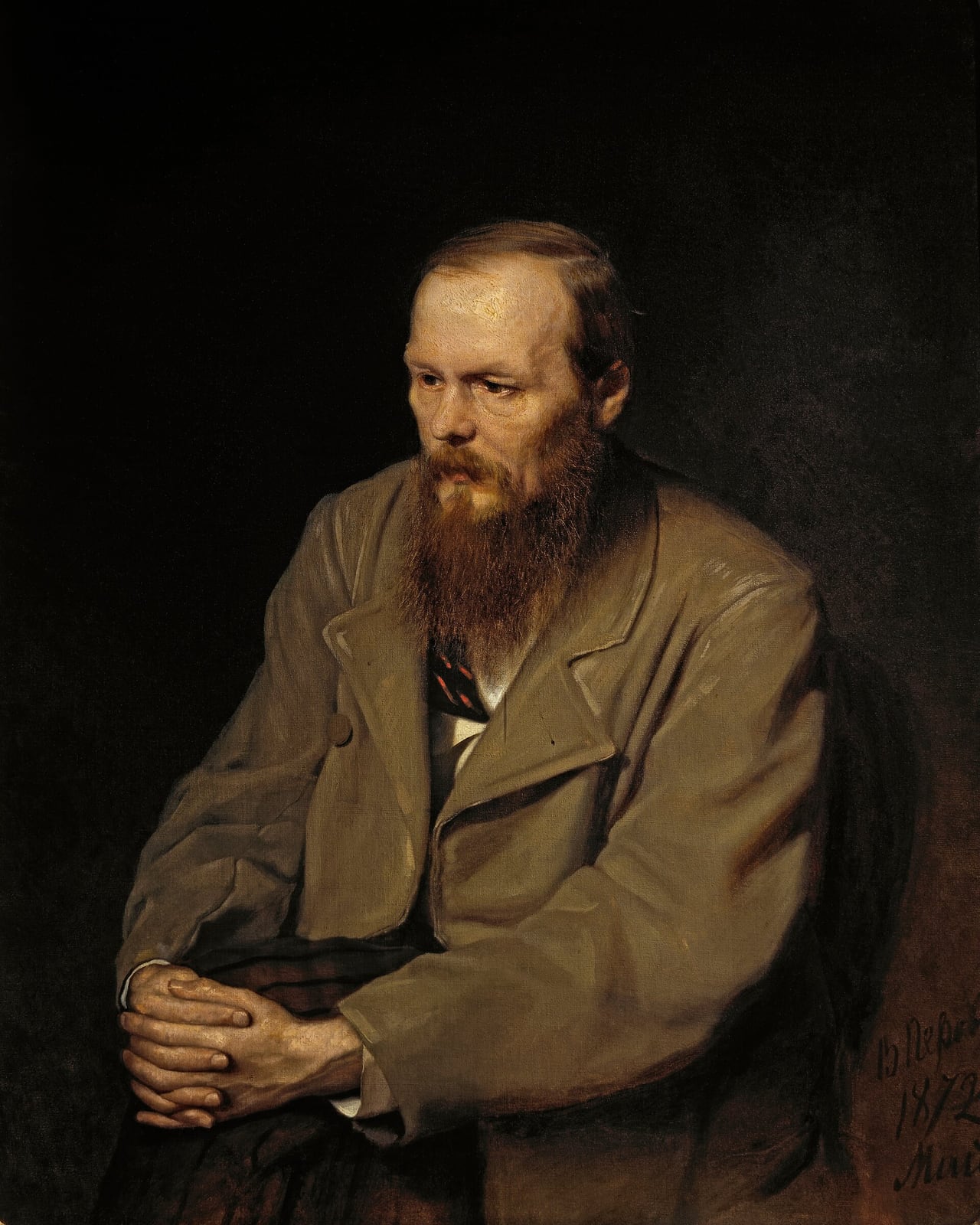
Fyodor Dostoevsky
इन पर सहमत: परम सत्य क्या है? क्या ईश्वर है? · मैं कौन हूँ? क्या कोई सच्चा आत्म है? · हम दुःख क्यों भोगते हैं?

Julian of Norwich
इन पर सहमत: परम सत्य क्या है? क्या ईश्वर है? · मैं कौन हूँ? क्या कोई सच्चा आत्म है? · हम दुःख क्यों भोगते हैं?

Francis of Assisi
इन पर सहमत: परम सत्य क्या है? क्या ईश्वर है? · मैं कौन हूँ? क्या कोई सच्चा आत्म है? · हम दुःख क्यों भोगते हैं?

Theophan the Recluse
इन पर सहमत: हम दुःख क्यों भोगते हैं? · परम सत्य क्या है? क्या ईश्वर है? · मैं कौन हूँ? क्या कोई सच्चा आत्म है?
इनसे भिन्न सोचते हैं

Pema Chödrön
इन पर टकराव: परम सत्य क्या है? क्या ईश्वर है? · मैं कौन हूँ? क्या कोई सच्चा आत्म है? · मृत्यु के बाद क्या होता है?

The 14th Dalai Lama (Tenzin Gyatso)
इन पर टकराव: परम सत्य क्या है? क्या ईश्वर है? · मैं कौन हूँ? क्या कोई सच्चा आत्म है? · मृत्यु के बाद क्या होता है?
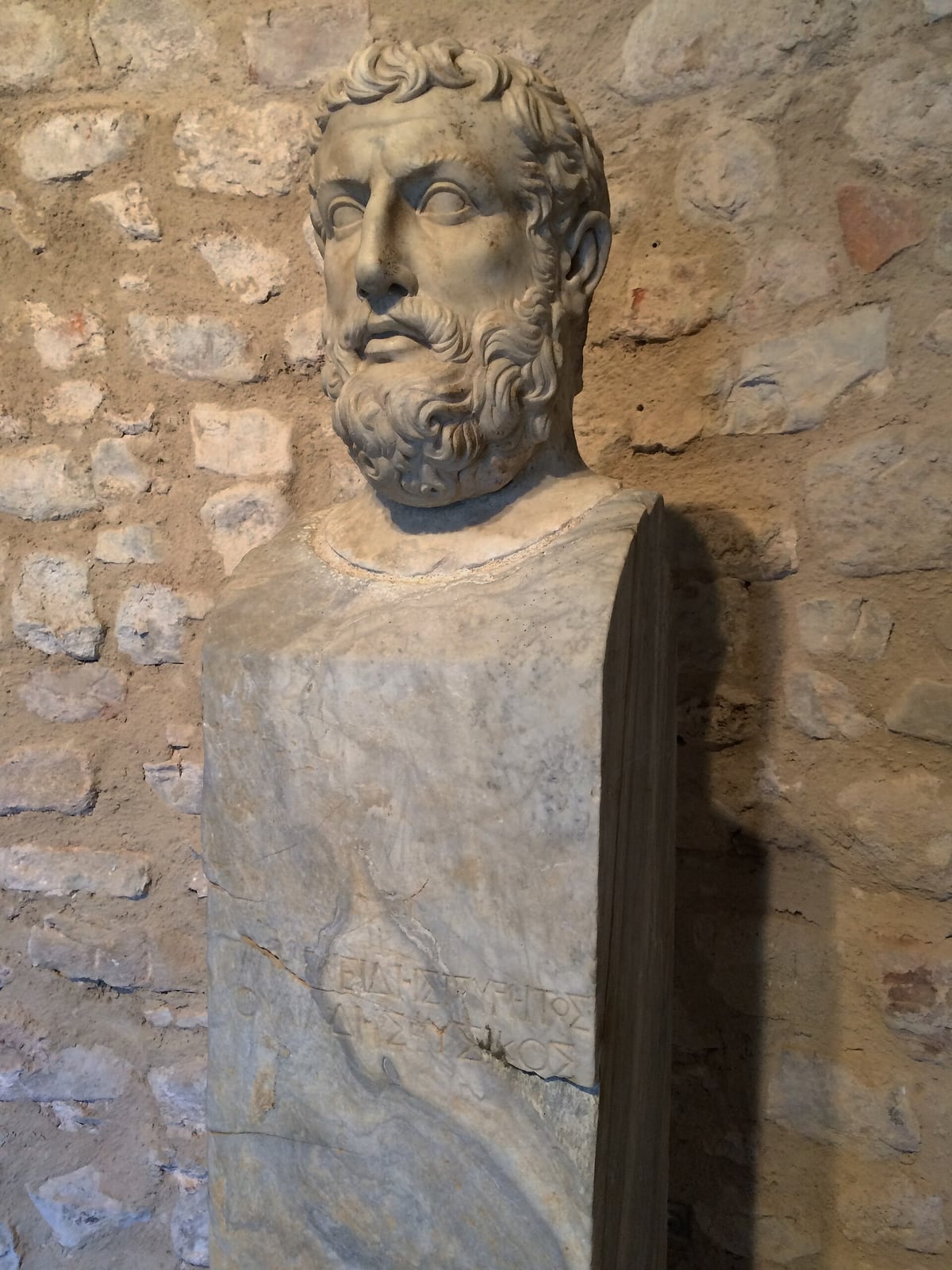
Parmenides
इन पर टकराव: क्या संसार वास्तविक है?

Nāgārjuna
इन पर टकराव: परम सत्य क्या है? क्या ईश्वर है? · मैं कौन हूँ? क्या कोई सच्चा आत्म है? · मृत्यु के बाद क्या होता है?
प्रसंग और वृत्तांत
प्रसंग और वृत्तांत
साक्ष्य1804
The robbers in the forest
वृत्तांत का स्रोत: The lives tell it from Sergius's (1841) onwards, written from the testimony of Sarov monks; the bent back is confirmed by the 1828 portrait. The apparition during convalescence is a hagiographic element of monastic transmission.
विवादितc. 1807–1810
A thousand days on the stone
वृत्तांत का स्रोत: Letter of Abbot Isaiah II (Putilov) to Hieromonk Abel (Vanyukov), December 1848, cited in Russian scholarship; the figure of a thousand days comes from the later lives, above all Chichagov's Chronicle (1903). The core—a long period of standing prayer—is plausible; the canonical form is undocumented.
विवादितpublicado en 1849
The bear
वृत्तांत का स्रोत: Published by Joasaph in 1849; the retraction is in the Manuscripts Department of the Russian State Library, papers of Metropolitan Philaret (Drozdov), according to recent Russian scholarship (Stepashkin). The 1844 life already mentioned animals coming to him; the bear as an episode with witnesses is a documented invention.
साक्ष्य1815–1833
"My joy, Christ is risen!"
वृत्तांत का स्रोत: The greeting and the form of address are attested by many visitors, gathered in the Diveyevo Chronicle and the lives; the advice to keep a joyful spirit appears in the Instructions ('On preserving peace of soul').
साक्ष्यnoviembre de 1831
The light on his face
वृत्तांत का स्रोत: A single witness: Motovilov's manuscript published by Nilus in 1903. Rochcau accepts the historicity of the episode; the literal wording is doubtful, and Sanidopoulos notes that another Motovilov manuscript claims he saw the illumined face many times, which weakens the uniqueness of the account. Florensky reproduced it in 1914 as an example of the light of grace.
संत-चरित वृत्तांतc. 1761
The fall from the church
वृत्तांत का स्रोत: Hieromonk Sergius, Account… (1841) for the original version; Elagin (1863) introduces the bell tower. A family tradition with no independent witnesses.
साक्ष्य1–2 de enero de 1833
Kneeling before the Tenderness icon
वृत्तांत का स्रोत: The Sarov monks' account handed down by the first life (1841) and its successors; the icon's fate, in the literature on the canonisation and relics.
शिक्षाएँ
शिक्षाएँ
वे अवधारणाएँ जो उनके चिंतन को रूप देती हैं, उनके संदर्भ में समझाई गई।
The acquisition of the Holy Spiritadquisicion-del-espiritu-santo
It gathers the patristic doctrine of deification (theosis) and the emphasis of Symeon the New Theologian and of hesychasm on the conscious experience of grace. Twentieth-century theologians such as Vladimir Lossky made it a summary of Orthodox spirituality.
Peace of soulpaz-del-alma
It develops the hesychast notion of hesychia (stillness) from Isaac the Syrian, Barsanuphius and John Climacus, whom the Instructions cite explicitly.
The Jesus Prayer and the short ruleoracion-de-jesus
It continues the hesychast practice spread in Russia by Paisius Velichkovsky's Slavonic Philokalia (1793), which half a century later Theophan the Recluse would expand in Russian.
The light of graceluz-de-la-gracia
Related to Gregory Palamas's fourteenth-century doctrine of the uncreated light of Tabor and to the Desert Fathers' accounts of faces illumined in prayer.
The starets and spiritual directionstarchestvo
The revival of Russian eldership goes back to Paisius Velichkovsky (1722–1794); Florensky cites Seraphim alongside the Optina elders as those who 'gather as in a burning focus' popular holiness.
वीडियो
वीडियो
रिकॉर्डिंग, साक्षात्कार और वृत्तचित्र। वीडियो YouTube से चलते हैं; वे यहाँ संग्रहीत नहीं हैं।
Великое чудо преподобного Серафима Саровского
वृत्तचित्र· RU· 2016· 43 min
Свято-Троицкий Серафимо-Дивеевский монастырьआधिकारिक चैनल
«Дивное Дивеево» — фильм о Серафимо-Дивеевском монастыре (2016)
वृत्तचित्र· RU· 2016· 53 min
Дивное Дивеевоआधिकारिक चैनल
Серафим Саровский. Рожденный пламенным
वृत्तचित्र· RU· 2008· 10 min
SpasTVआधिकारिक चैनल
Серафим Саровский и современность — А. И. Осипов
व्याख्यान· RU· 2023· 148 min
Алексей Ильич Осиповआधिकारिक चैनल
Преп. Серафим Саровский (святость и миф) — Вячеслав Рубский
व्याख्यान· RU· 2017· 89 min
Вячеслав Рубскийआधिकारिक चैनल
Преподобный Серафим Саровский. Священник Валерий Духанин
व्याख्यान· RU· 2026· 19 min
БИБЛИЯ и толкования — Экзегет.руआधिकारिक चैनल
Серафим Саровский. Фрагмент лекции К. В. Корепанова в Храме на Крови (23.12.2013)
व्याख्यान· RU· 2013· 48 min
Официальный лекторий свящ. Константина Корепановаआधिकारिक चैनल
Особая книга. В. Степашкин «Серафим Саровский»
विश्लेषण· RU· 2023· 3 min
Библиотека Маяковского Саровआधिकारिक चैनल
Metropolitan Kallistos Ware on Saint Seraphim of Sarov (Part 1/6)
व्याख्यान· EN· 2017· 56 min
OLTelevisionआधिकारिक चैनल
AE40: Saint Seraphim of Sarov: Part 2/6
व्याख्यान· EN· 2025· 42 min
OLTelevisionआधिकारिक चैनल
Saint Séraphim de Sarov 1/4 — Un moine russe
वृत्तचित्र· FR· 2023· 26 min
RCF Hauts de Franceआधिकारिक चैनल
Saint Séraphim de Sarov 4/4 — Sa spiritualité
विश्लेषण· FR· 2023· 25 min
RCF Hauts de Franceआधिकारिक चैनल
चित्रशाला
चित्रशाला
सत्यापित लाइसेंस वाले चित्र। प्रत्येक में उसके रचयिता और श्रेय का उल्लेख सुरक्षित है।
पांडुलिपियाँ
पांडुलिपियाँ
पांडुलिपि-साक्ष्य और प्राचीन पाठ, उनके संरक्षक और अध्ययन की शर्तों सहित।
RU · Cyrillic · Fecha de redacción desconocida (entre 1831 y 1879)
Рукопись Н. А. Мотовилова «Дух Божий, явно почивший на отце Серафиме Саровском, в беседе его о цели христианской жизни…» (гл. VI)
- संरक्षित पाठ-साक्ष्य
- Manuscrito único, conocido sólo por la edición de Nilus (1903)
संबंध
संबंध
प्रभाव, शिष्यत्व और वैचारिक निकटता। प्रमाणित संबंध को विश्लेषण से पहचानी गई समानता से अलग दर्शाया गया है।
इनके गुरु
Nikolái Motovílov
A Simbirsk landowner (1809–1879), healed by his own account through Seraphim's prayers in September 1831 and from then on a disciple, 'servant of the Mother of God and of Seraphim' and benefactor of Diveyevo. His manuscripts are the source of the Conversation and of many accounts, and of the doubtful prophecies as well.
प्रमाणित संबंध
इनसे प्रभावित
Isaac el Sirio
The author most quoted in the Spiritual Instructions (homilies on humility, despondency and stillness), together with John Climacus, Barsanuphius and Gregory of Sinai.
प्रमाणित संबंध
इनसे प्रभावित
Padres del desierto
The Instructions quote Barsanuphius, Antiochus, Ephrem and the apophthegms; his life of forest, fasting and silence was consciously modelled on that of the ancient hermits.
प्रमाणित संबंध
इनसे प्रभावित
Paisi Velichkovski
Sarov's spirituality belongs to the hesychast revival Paisius launched with the Slavonic Philokalia (1793); no personal link has been documented.
विश्लेषण से पहचानी गई समानता
इनसे मिलते-जुलते विचार
Gregorio Palamas
The light of the face in the Conversation has been read as a manifestation of the light of Tabor defended by Palamas in the fourteenth century.
विश्लेषण से पहचानी गई समानता
इन्हें प्रभावित किया
Florensky cites Seraphim in several letters of The Pillar and Ground of the Truth (1914) and reproduces in the fourth, 'The Light of Truth', the passage of the luminous face from the Conversation, following Nilus's 1905 edition; he places him alongside the Optina elders as a focus of Russian popular holiness.
प्रमाणित संबंध
इन्हें प्रभावित किया
Dmitri Merezhkovski
His essay 'The Last Saint' (in Not Peace but a Sword, 1908) examines Seraphim and his canonisation as a cipher of Russian religiosity; Florensky cites it.
प्रमाणित संबंध
इनसे मिलते-जुलते विचार
The Easter joy, the bowing before each visitor and the spiritual direction of laypeople of the elder Zosima in The Brothers Karamazov have been compared with Seraphim, though Dostoevsky's declared models were Tikhon of Zadonsk and the elder Ambrose of Optina.
विश्लेषण से पहचानी गई समानता
इनसे मिलते-जुलते विचार
Theophan carried into Russian, for laypeople, the hesychast teaching on the prayer of the heart and the acquisition of grace that Seraphim transmitted orally; they never met. As Bishop of Tambov he was for a few months in 1861 in charge of the Diveyevo convent founded by Seraphim, to end its disorders.
विश्लेषण से पहचानी गई समानता
इन्हें प्रभावित किया
In On the Jesus Prayer (Ascetic Experiences, vol. I) Ignatius relates, on the word of 'old monks', that at Sarov the Jesus Prayer was taught to everyone who entered and that 'the blessed elder Seraphim' advised monks to lead an attentive life and practise that prayer, and he quotes a saying of his on the insufficiency of merely outward prayer. There is no record that they met.
प्रमाणित संबंध
स्रोत
स्रोत
इस प्रविष्टि के लिए देखे गए ग्रंथ-सूची और सूचीपत्र।
- Wikidata, «Seraphim of Sarov» (Q44717): P31=Q5, nacimiento 1754/1759, muerte 1833, 48 enlaces entre wikis.
- Roshko, Vsévolod, prot. [Rochcau, Vsévolod]. Преподобный Серафим: Саров и Дивеево. Исследования и материалы. Moscú: Sampo, 2001 (ed. francesa: Saint Séraphim, Sarov et Divéyevo. Bégrolles-en-Mauges: Abbaye de Bellefontaine, 1987). Primera parte, «Historia y crítica histórica».
- Nilus, Serguéi A. «Цель жизни христианской» [El fin de la vida cristiana], en Великое в малом, 1.ª ed., 1903; epílogo del editor fechado el 19 de mayo de 1903. Texto en Azbuka very.
- Serafín de Sarov (atrib.). Духовные наставления мирянам и инокам [Instrucciones espirituales a laicos y monjes]. Recogidas por el monje Sergio (Vasíliev) de Sarov, revisadas por el metropolita Filaret (Drozdov) y publicadas en Краткое начертание жизни старца Саровской пустыни, схимонаха и пустынника Марка. Troitse-Sérguieva Lavra, 1839. Texto cotejado (ediciones de 1839, 1856, 1863 y 1903–1904) en Azbuka very.
- Serafín (Chichagov), archimandrita. Летопись Серафимо-Дивеевского монастыря Нижегородской губ. Ардатовского уезда. Moscú: Pechatnia A. I. Snegirevoi, 1896; 2.ª ed. ampliada, San Petersburgo, 1903. Reed. Diveyevo: Izd-vo Bratstva sv. Aleksandra Nevskogo, 2004 (ISBN 9785882130649).
- Stepashkin, Vladímir A. Преподобный Серафим Саровский: предания и факты. 3.ª ed. corregida y aumentada. Sarov: ZAO «INFO», 2009. ISBN 978-5-89269-010-2; y Серафим Саровский. Moscú: Molodaya gvardiya (ЖЗЛ), 2018.
- «Серафим Саровский», Wikipedia en ruso (biografía, fuentes hagiográficas, expediente de Matrona Plescheeva en el fondo del metropolita Filaret, carta del abad Isaías II de 1848, canonización y reliquias). Consultada el 25-10-2026.
- Polovtsov, A. A. (dir.). «Серафим (Мошнин)», en Русский биографический словарь, t. 18 (Sabanéiev–Smyslov). San Petersburgo, 1904, pp. 343–344. Texto en Wikisource.
- Sanidopoulos, John. «The Authenticity of the Conversation of St. Seraphim of Sarov with Nicholas Motovilov», Mystagogy Resource Center, 2 de enero de 2020.
- Zander, Valentine. St. Seraphim of Sarov. Trad. de la hermana Gabriel Anne; introducción de Boris Bobrinskoy. Crestwood (NY): St Vladimir's Seminary Press, 1975. ISBN 9780913836286.
- «Seraphim of Sarov», Wikipedia en inglés (reliquias, conmemoración anglicana, Juan Pablo II, bibliografía). Consultada el 25-10-2026.
- Motovílov, Nikolái A. Записки Николая Александровича Мотовилова, служки Божией Матери и преподобного Серафима. Ed. de Gueorgui Pávlovich. Moscú: Otchi dom, 2005. ISBN 9785873011278.
- Freeze, Gregory L. «Subversive Piety: Religion and the Political Crisis in Late Imperial Russia», The Journal of Modern History 68, n.º 2 (1996), pp. 308–350 (sobre la canonización de 1903).
- «Нилус, Сергей Александрович», Wikipedia en ruso (recepción del archivo de Motovílov en 1902, ediciones de Великое в малом de 1903, 1905 y 1911, inclusión de los «Protocolos» en la 2.ª ed.). Consultada el 25-10-2026.
- Azbuka very, página de autor «Серафим Саровский» (textos de la Conversación, las Instrucciones, el pequeño Правило y traducciones).
- Florenski, Pável. Столп и утверждение истины. Опыт православной теодицеи в двенадцати письмах. Moscú: Put', 1914. Carta cuarta, «Свет Истины» (cita la Conversación según Nilus, Великое в малом, 2.ª ed., Tsárskoie Seló, 1905, pp. 197–199) y cartas novena a duodécima. Texto en Azbuka very.
- Ignati (Brianchanínov). «О молитве Иисусовой. Отдел I», en Аскетические опыты, t. I (1865), cap. 26. Texto en Azbuka very.
- Merezhkovski, Dmitri S. «Последний святой» [El último santo], en Не мир, но меч. San Petersburgo, 1908. Texto en Wikisource.
- अधिकार-धारक
- Dominio público: Serafín no escribió; las fuentes rusas (Motovílov †1879, Nilus †1929, Sergio, Elaguin, Chichagov) están publicadas antes de 1917. Las traducciones modernas pertenecen a sus traductores y editoriales.
पुष्टि की प्रतीक्षा में
जो यह प्रविष्टि अभी तक निश्चित नहीं कर सकी है। हम उसे भर देने के बजाय कह देना बेहतर समझते हैं।
- Primera publicación de la Conversación: confirmar editorial y lugar de la 1.ª ed. de «Великое в малом» (1903) y si hubo publicación previa en prensa (se cita a veces «Московские ведомости», julio de 1903, sin verificar).
- Paradero actual del manuscrito de Motovílov de la Conversación y de los cuadernos 40–60 del archivo de Diveyevo.
- Fuente primaria exacta de la fórmula «Стяжи дух мирен…» (no está en las Instrucciones de 1839 ni en la Conversación según el texto de Nilus): revisar la Crónica de Chichagov y la vida de Elaguin.
- Texto completo de la carta del abad Isaías II al hieromonje Abel (1848) y signatura del expediente de Matrona Plescheeva en el fondo del metropolita Filaret (Biblioteca Estatal de Rusia).
- Traductor de la versión inglesa de la Conversación (SPCK, 1936) y de las traducciones del portal Azbuka very: sin identificar, por lo que no se han incluido en la sala de lectura en inglés.
- Ediciones inglesa e italiana de la Crónica de Diveyevo con ISBN verificado; edición española de la Crónica: no localizada.
- Web oficial del convento de Diveyevo (diveevo.ru): no respondió desde fuera de Rusia el 2026-10-25; no se ha consignado como official_site.
- Relación con León Tolstói y Vladímir Soloviov: no se ha encontrado ningún vínculo documentado; no se registran.
2026-10-25 को शोधित