बौद्ध धर्म · महायान · तिब्बती बौद्ध धर्म
Pema Chödrön
པདྨ་ཆོས་སྒྲོན།
1936 –जीवितऐतिहासिक रूप से प्रमाणित व्यक्ति
तिब्बती परंपरा की अमेरिकी बौद्ध भिक्षुणी (जन्म 1936), चोग्याम त्रुंग्पा की शिष्या और भिक्षुणी की पूर्ण दीक्षा पाने वाली वज्रयान परंपरा की पहली अमेरिकी (1981)। वे चार दशकों तक नोवा स्कोशिया स्थित गैम्पो ऐबी की प्रधान आचार्या रहीं और 2025 से उसकी मठाधीशा हैं। उनकी अत्यंत लोकप्रिय पुस्तकों में ‘जब सब कुछ बिखर जाए’ (When Things Fall Apart), ‘जहाँ हो, वहीं से आरंभ करो’ (Start Where You Are) और ‘वे स्थान जो तुम्हें डराते हैं’ (The Places That Scare You) प्रमुख हैं।
- कृतियाँ
- 40कृतियाँ
- संस्करण
- 64संस्करण
- उद्धरण
- 7उद्धरण
- वीडियो
- 13वीडियो
- चित्र
- 4चित्र

Pema Chödrön en 2007 · CC BY-SA 2.0
उनके अपने शब्दों में
«a big groundless moment»Entrevista con Bill Moyers (PBS), sobre el anuncio de su segundo marido; citada en Lion's Roar (2014)
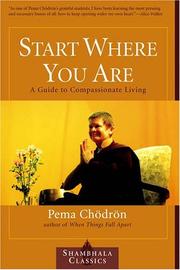
शुरुआत के लिए एक रचना
Start Where You Areमूल विचार
Insecurity and groundlessness are not a fault to be corrected but the real condition of life; learning to stay with them without running away is the heart of the spiritual path.
संदर्भ में देखें
जीवनी
5 मिनट का पाठ
स्पैनिश मूल से सहायता-प्राप्त अनुवाद, मातृभाषी अनुवादक द्वारा समीक्षा लंबित।
न्यू जर्सी में कैथोलिक बचपन
डियरड्री ब्लूमफ़ील्ड-ब्राउन का जन्म 14 जुलाई 1936 को न्यूयॉर्क के एक कैथोलिक परिवार में हुआ और उनका बचपन न्यू जर्सी के एक फ़ार्म पर अपने बड़े भाई और बड़ी बहन के साथ बीता। उन्होंने फ़ार्मिंगटन (कनेक्टिकट) के मिस पोर्टर्स आवासीय विद्यालय में पढ़ाई की, जहाँ — उनके अपने कथनानुसार — उनमें आध्यात्मिक जिज्ञासा जागी। उन्होंने सारा लॉरेंस कॉलेज से अंग्रेज़ी साहित्य में स्नातक उपाधि ली, कैलिफ़ोर्निया विश्वविद्यालय, बर्कले से प्राथमिक शिक्षा में स्नातकोत्तर उपाधि प्राप्त की, और अनेक वर्षों तक न्यू मेक्सिको तथा कैलिफ़ोर्निया में प्राथमिक विद्यालय की शिक्षिका रहीं।
पैरों तले ज़मीन न रहने का क्षण
इक्कीस वर्ष की आयु में उनका विवाह हुआ और दो संतानें हुईं, आर्लिन और एडवर्ड; जब वे लगभग पच्चीस वर्ष की थीं, यह विवाह टूट गया। उन्होंने दोबारा विवाह किया और लगभग आठ वर्ष बाद उनके दूसरे पति ने उन्हें बताया कि उनका किसी अन्य स्त्री से संबंध है और वे तलाक़ चाहते हैं। बिल मॉयर्स के साथ एक साक्षात्कार में उन्होंने उस क्षण को एक ऐसे बड़े पल के रूप में वर्णित किया है जब पैरों तले ज़मीन ही न रही: यह एक खोज का आरंभ था, जो उन्हें अनेक चिकित्सा-पद्धतियों और परंपराओं से होकर ले गई पर राहत नहीं दे सकी — जब तक कि उन्होंने चोग्याम त्रुंग्पा का एक लेख नहीं पढ़ा, यह जाने बिना कि उसका लेखक बौद्ध है, जिसमें भावनाओं से छुटकारा पाने के प्रयास के बजाय उनके साथ काम करने का सुझाव था।
गुरु और दीक्षा
इसके कुछ ही समय बाद उनकी भेंट लामा छिमे रिनपोछे से हुई, जिनके प्रति उन्हें गहरी आत्मीय पहचान का अनुभव हुआ; उन्होंने लंदन में उन्हें शिक्षा देना स्वीकार किया, और वर्षों तक वे अपना समय इंग्लैंड और संयुक्त राज्य अमेरिका के बीच बाँटती रहीं। उन्हीं की सलाह पर वे सैन फ़्रांसिस्को में त्रुंग्पा के पास गईं: 1972 में उनसे मिलीं, और 1987 में त्रुंग्पा की मृत्यु तक वे उनके मूल गुरु रहे। 1974 में उन्होंने सोलहवें करमापा, रंगजुंग रिग्पे दोरजे से श्रामणेरी (नवदीक्षिता) की दीक्षा ली, जिन्होंने 1977 में उन्हें पूर्ण दीक्षा प्राप्त करने के लिए प्रेरित किया — वह दीक्षा जो तिब्बती परंपरा में स्त्रियों को कभी प्रदान नहीं की गई थी। यह खोज उन्हें हांगकांग ले गई, जहाँ जुलाई 1981 में, एक चीनी परंपरा में, वे वज्रयान परंपरा की पहली अमेरिकी बनीं जिन्हें भिक्षुणी — पूर्ण अधिकार-प्राप्त भिक्षुणी — की दीक्षा मिली। उनके धार्मिक नाम पेमा चोद्रोन का अर्थ है «कमल का धर्म-दीप»।
बोल्डर से केप ब्रेटन तक
अस्सी के दशक के आरंभ में त्रुंग्पा ने उन्हें बोल्डर (कोलोराडो) में अपने समुदाय के केंद्र कर्म द्ज़ोंग की निदेशक नियुक्त किया। 1984 में वे नोवा स्कोशिया के केप ब्रेटन द्वीप चली गईं, ताकि गैम्पो ऐबी की स्थापना कर सकें — उत्तरी अमेरिका में पश्चिमी स्त्री-पुरुषों के लिए पहला तिब्बती बौद्ध मठ। 1986 से वे इसकी निदेशक रहीं और चार दशकों तक, मठाधीश खेनछेन थ्रांगु रिनपोछे के अधीन, इसकी प्रधान आचार्या।
पुस्तकें
उनकी पहली पुस्तक, The Wisdom of No Escape (1991), में मठ में हुए एक एकांतवास के प्रवचन संकलित थे। इसके बाद आईं Start Where You Are (1994), जो तिब्बती मन-प्रशिक्षण यानी लोजोंग पर है, और When Things Fall Apart (1997; ‘जब सब कुछ बिखर जाए’), जिसने उन्हें अंग्रेज़ी भाषा में सबसे अधिक पढ़ी जाने वाली बौद्ध शिक्षिकाओं में स्थान दिलाया। 1993 में, जब त्रुंग्पा के पुत्र साक्योंग मिफ़ाम रिनपोछे ने शंभाला का नेतृत्व सँभाला, उन्हें आचार्य — वरिष्ठ शिक्षिका — की उपाधि मिली। 1994 में उनमें क्रॉनिक फ़टीग सिंड्रोम (दीर्घकालिक थकान-संलक्षण) का निदान हुआ; उन्हीं वर्षों में उनकी भेंट द्ज़िगार कोंगत्रुल रिनपोछे से हुई, जो उनके गुरु बने। इसके बाद The Places That Scare You (2001), शांतिदेव के बोधिचर्यावतार पर टीका No Time to Lose (2005), Practicing Peace in Times of War (2006), Living Beautifully with Uncertainty and Change (2012), Welcoming the Unwelcome (2019) और How We Live Is How We Die (2022) प्रकाशित हुईं, साथ ही दर्जनों ध्वनि-रिकॉर्डिंग भी।
अनिश्चितता के लिए एक स्वर
उनकी शिक्षा महायान और वज्रयान बौद्ध धर्म की साधनाओं को सरल भाषा में प्रस्तुत करती है: तोंगलेन, यानी दूसरों का दुख ग्रहण करने और उन्हें राहत देने का ध्यान; लोजोंग के सूत्र; बोधिचित्त; और शेनपा की अवधारणा, वह क्षण जब मनुष्य किसी अभ्यस्त प्रतिक्रिया में «अटक» जाता है। सुरक्षा की खोज के स्थान पर वे अनिश्चितता में स्थिर होने, जो पीड़ा देता है उसके निकट जाने और कठिनाइयों को ही अपना मार्ग बना लेने का प्रस्ताव रखती हैं। 2006 में पेमा चोद्रोन फ़ाउंडेशन की स्थापना हुई, जिसे उनकी पुस्तकों और रिकॉर्डिंग की रॉयल्टी मिलती है और जो चिंतनशील जीवन को सहारा देता है; 2016 में उन्हें ताइवान के चीनी बौद्ध भिक्षुणी संघ द्वारा दिया जाने वाला ग्लोबल भिक्खुनी पुरस्कार मिला।
मठ और त्रुंग्पा की विरासत
गैम्पो ऐबी में उन्होंने हर शीतकाल में यार्ने का संचालन किया — वर्षाकाल का पारंपरिक मठवासी एकांतवास (वर्षावास), जिसे कनाडा की सर्दियों में स्थानांतरित कर दिया गया है — और वर्षों तक हर ग्रीष्म में बर्कले में शांतिदेव का बोधिचर्यावतार पढ़ाया। 2005 में वे पश्चिमी भिक्षुणी समिति में शामिल हुईं, जो पूर्ण दीक्षा-प्राप्त पश्चिमी भिक्षुणियों को एकत्र करती है। त्रुंग्पा के आचरण — मदिरा-सेवन, शिष्याओं के साथ यौन संबंध, उनके समुदाय की सत्तावादी शैली — की तीखी आलोचना होती रही है, और उनके प्रति पेमा चोद्रोन की निष्ठा के कारण उनसे अक्सर प्रश्न किए जाते हैं; उन्होंने इस विवादास्पद विरासत पर सार्वजनिक रूप से अपनी बात रखी है।
निवृत्ति और मठ में वापसी
जनवरी 2020 में उन्होंने शंभाला इंटरनेशनल की आचार्य की भूमिका त्याग दी, आंशिक रूप से इस कारण कि संगठन ने अपने प्रमुख साक्योंग मिफ़ाम पर लगे यौन दुराचार के आरोपों से किस प्रकार निपटा था, और लिखा कि जिस दिशा को वे अविवेकपूर्ण मानती हैं, उसे देखते हुए वे संगठन का प्रतिनिधित्व जारी नहीं रख सकतीं। इसके बाद वे नियमित सार्वजनिक शिक्षण से निवृत्त हो गईं। 2023 में थ्रांगु रिनपोछे के निधन के बाद, मई 2025 में उन्होंने गैम्पो ऐबी की मठाधीशा बनना स्वीकार किया, और 2026 में त्रुंग्पा की दो कृतियों पर उनकी टीका Another Kind of Freedom प्रकाशित हुई। उनकी दो संतानें और तीन पोते-पोतियाँ हैं।
स्रोत: Boucher, Sandy. Turning the Wheel: American Women Creating the New Buddhism. Boston: Beacon Press, 1993, pp. 93–97. · Chödrön, Pema. When Things Fall Apart: Heart Advice for Difficult Times. Boston: Shambhala Publications, 1997. · Chödrön, Pema. Start Where You Are: A Guide to Compassionate Living. Boston: Shambhala Publications, 1994. · Chödrön, Pema. The Places That Scare You: A Guide to Fearlessness in Difficult Times. Boston: Shambhala Publications, 2001. · Coleman, James William. The New Buddhism: The Western Transformation of an Ancient Tradition. Nueva York: Oxford University Press, 2001, p. 150.
कालक्रम
जीवन, वर्ष-दर-वर्ष
प्रत्येक बिंदु एक प्रमाणित घटना है। उसे स्रोत और निश्चितता के स्तर सहित पढ़ने के लिए क्लिक करें।
14 जुलाई 19360 वर्षNueva York / New York City
Birth
Deirdre Blomfield-Brown is born on 14 July in New York City into a Catholic family.
प्रमाणितWikidata, «Pema Chödrön» (Q442384).
14 जुलाई 1936 · 0 वर्ष
Birth
Deirdre Blomfield-Brown is born on 14 July in New York City into a Catholic family.
प्रमाणित
1957 · 21 वर्ष
First marriage
Marries at twenty-one; she will have two children, Arlyn and Edward.
संभावित
1972 · 36 वर्ष
Meets Chögyam Trungpa
Meets Chögyam Trungpa, who will be her root teacher until 1987.
प्रमाणित
1974 · 38 वर्ष
Novice ordination
Receives novice ordination from the Sixteenth Karmapa, Rangjung Rigpe Dorje.
प्रमाणित
जुलाई 1981 · 45 वर्ष
Full ordination in Hong Kong
In July she becomes the first American in the Vajrayana tradition to be ordained a bhikshuni.
प्रमाणित
1984 · 48 वर्ष
Move to Nova Scotia
Settles on Cape Breton to help establish Gampo Abbey.
प्रमाणित
1986 · 50 वर्ष
Director of Gampo Abbey
Becomes director of Gampo Abbey.
प्रमाणित
1987 · 50 वर्ष
Death of Trungpa
Chögyam Trungpa, her root teacher, dies.
प्रमाणित
1991 · 55 वर्ष
The Wisdom of No Escape
Publishes her first book.
प्रमाणित
1993 · 57 वर्ष
Shambhala acharya
Receives the title of acharya when Sakyong Mipham takes over the leadership of Shambhala.
संभावित
1994 · 58 वर्ष
Illness and a new teacher
She is diagnosed with chronic fatigue syndrome; meets Dzigar Kongtrul Rinpoche. Publishes Start Where You Are.
प्रमाणित
1997 · 61 वर्ष
When Things Fall Apart
Publishes When Things Fall Apart, her best-known book.
प्रमाणित
2006 · 70 वर्ष
Pema Chödrön Foundation
The foundation that receives the royalties from her books and recordings is created.
प्रमाणित
2016 · 80 वर्ष
Global Bhikkhuni Award
Receives the Global Bhikkhuni Award from the Chinese Buddhist Bhikkhuni Association of Taiwan.
प्रमाणित
16 जनवरी 2020 · 83 वर्ष
Resigns as acharya
In January she resigns her role in Shambhala International over the handling of allegations against its leader.
प्रमाणित
मई 2025 · 88 वर्ष
Abbess of Gampo Abbey
In May she agrees to become abbess of Gampo Abbey, following Thrangu Rinpoche's death (2023).
प्रमाणित
कृतियाँ
आवश्यक कृतियाँ
वे कृतियाँ जिनके बिना उनकी विरासत को समझा नहीं जा सकता।
लिखित कृति · 1994
Start Where You Are
Start Where You Are: A Guide to Compassionate Living
Commentary on the 59 slogans of lojong, the Tibetan Buddhist mind training attributed to Atisha and systematised by Chekawa Yeshe Dorje, and on the practice of tonglen. It shows how difficult situations in daily life can become occasions to awaken compassion, starting with oneself.
3 संस्करण

लिखित कृति · 1997
When Things Fall Apart
When Things Fall Apart: Heart Advice for Difficult Times
Her most widely read book. Drawing on talks given at Gampo Abbey, it proposes moving towards pain, fear and loss instead of fleeing them, and presents groundlessness as the very condition of awakening. It explains the practices of tonglen and maitri, the eight worldly concerns and the bodhisattva path in accessible language, and has become a reference book for people in grief or crisis, translated into many languages.
11 संस्करण
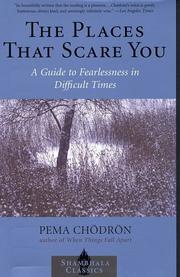
लिखित कृति · 2001
The Places That Scare You
The Places That Scare You: A Guide to Fearlessness in Difficult Times
Guide to fear and courage grounded in bodhichitta, the awakened heart. It sets out the four limitless qualities — love, compassion, joy and equanimity — and the practices for cultivating them, and describes how the ego's protective habits distance us from others. With When Things Fall Apart, it is her most widely read work.
5 संस्करण
संपूर्ण कृतित्व (40)

The Wisdom of No Escape
1991

Awakening Loving-Kindness
1996

Tonglen
2001

Comfortable with Uncertainty
2002

Hooked!
2005

No Time to Lose
2005

Practicing Peace in Times of War
2006

Always Maintain a Joyful Mind
2007

The Pocket Pema Chödrön
2008

Taking the Leap
2009

Living Beautifully with Uncertainty and Change
2012

Fail, Fail Again, Fail Better
2015

The Compassion Book
2017

Welcoming the Unwelcome
2019
Pema Chödrön
How We Live Is How We Die
The Conscious LibraryHow We Live Is How We Die
2022
Pema Chödrön
Another Kind of Freedom
The Conscious LibraryAnother Kind of Freedom
2026

How to Meditate
2007

Awakening Compassion
1995

Noble Heart
1998

Good Medicine
2001

From Fear to Fearlessness
2003

Pure Meditation
2004

Getting Unstuck
2004

In Conversation with Alice Walker
2005
वचन
किसी निश्चित कृति में स्थित वचन। प्रत्येक के साथ उसका स्रोत और विश्वसनीयता का स्तर है।
a big groundless momentसत्यापितEntrevista con Bill Moyers (PBS), sobre el anuncio de su segundo marido; citada en Lion's Roar (2014)
मूल विचार (संपादकीय सार)
कॉपीराइट के सम्मान में, ये विचार हमारे अपने शब्दों में संक्षेपित हैं और इन्हें शब्दशः उद्धरण के रूप में प्रस्तुत नहीं किया गया है।
- Insecurity and groundlessness are not a fault to be corrected but the real condition of life; learning to stay with them without running away is the heart of the spiritual path.
- Before reacting with anger or flight there is a moment of being 'hooked' that can be recognised; learning to see it and not bite the hook interrupts the cycle of habit.
- Compassion for others begins with unconditional friendship with oneself, which consists not in improving oneself but in knowing oneself with honesty and tenderness.
- Instead of rejecting pain, the practitioner can take it in with the breath and wish relief for all who suffer the same; one's own pain thus becomes a bridge to others.
- The difficult situations of daily life are the material of awakening: one starts where one is, not where one would like to be.
- World peace depends on each person learning not to feed their own aggression.
पूछें
उनकी कृतियाँ क्या उत्तर देती हैं
मानवता के बारह महान प्रश्न और उनके ग्रंथ उनका जो उत्तर देने देते हैं, संदर्भों सहित। हम कभी उनके मुख में अपने शब्द नहीं रखते।
परम सत्य क्या है? क्या ईश्वर है?
There is no one outside to save us: nontheism is relaxing into uncertainty
कोई सृष्टिकर्ता ईश्वर नहींस्पष्ट रूप से कहा है
Pema Chödrön, a nun of the Tibetan tradition trained by Chögyam Trungpa, addresses the question explicitly in When Things Fall Apart. There she presents Buddhism as nontheistic, but not in the sense of a thesis about the existence of God: nontheism consists in no longer seeking an outside figure, belief or babysitter to protect us from the ambiguity of the present moment. What she calls theism is the hope that someone will resolve our groundlessness for us; growing up means ceasing to wait for that. Instead of an absolute to be addressed, her teaching points to the openness of mind and to bodhichitta, the awakened heart, which are not held as beliefs but discovered by staying with experience as it is.
इस प्रश्न की अन्य गुरुओं से तुलना करेंमैं कौन हूँ? क्या कोई सच्चा आत्म है?
The self is an attempt at solid ground; egolessness is openness, not loss
कोई स्थायी आत्म नहींउनके सिद्धांत से निष्कर्षित
Pema Chödrön sets out the Buddhist teaching of the absence of a permanent self through the teaching of her teacher Chögyam Trungpa, whose work on ego she comments on in Another Kind of Freedom. Ego appears in her work less as a substance than as a strategy: the continual effort to manufacture a solid identity and firm ground in the face of a life that has none. In her teachings on the three marks of existence she presents egolessness as one of them, alongside impermanence and suffering. But she insists that discovering it is no threat: it is the condition of openness and of tenderness towards others, and what is found on letting go of identity is not a bleak void but an open mind that had never gone away.
इस प्रश्न की अन्य गुरुओं से तुलना करेंहम दुःख क्यों भोगते हैं?
We suffer from seeking firm ground and biting the hook of reaction
तृष्णा और आसक्तिस्पष्ट रूप से कहा है
Pema Chödrön describes suffering as the result of fleeing groundlessness, which is the real condition of life. In When Things Fall Apart she holds that crisis is not a fault to be corrected but a kind of testing and also a kind of healing, and that nothing ever goes away until it has taught us what we need to know. Her best-known contribution is the Tibetan notion of shenpa, developed in Taking the Leap: the hook, the instant in which something catches us and drags us into the habitual reaction of anger, desire or flight. Pain is inevitable; what turns it into repeated suffering is biting the hook again and again. Recognising the hook and staying with the discomfort without acting it out interrupts the cycle.
इस प्रश्न की अन्य गुरुओं से तुलना करेंमृत्यु के बाद क्या होता है?
The bardos teach how to die and to live: every ending is a transition
कर्म के अनुसार पुनर्जन्मस्पष्ट रूप से कहा है
Pema Chödrön devoted a whole book to the question, How We Live Is How We Die, based on the Tibetan teachings on the bardos, the intermediate states between death and rebirth. She sets out her tradition's view: after death consciousness passes through states in which its mental habits carry it away or in which it may recognise the open nature of mind, and rebirth depends on this. But she presents these teachings above all as a guide for living: every ending in daily life, every loss and every change is a bardo in miniature, and the way we meet them now is the way we will meet death. Already in When Things Fall Apart she linked death with giving up the hope of firm ground.
इस प्रश्न की अन्य गुरुओं से तुलना करेंमुक्ति या उद्धार कैसे प्राप्त होता है?
Start where you are: meditation, tonglen and mind training
अनुशासित साधना सेस्पष्ट रूप से कहा है
Pema Chödrön proposes a path of gradual practice taken from Tibetan Buddhism. Its basis is sitting meditation, which she understands as unconditional friendship with oneself (maitri): seeing what arises with honesty and tenderness, without trying to improve oneself. On this are built lojong, the mind-training slogans she comments on in Start Where You Are, and tonglen, the practice of breathing in one's own and others' pain and breathing out relief. Her principle is that the difficult situations of daily life are the material of awakening: there is no need to wait for ideal conditions. The goal is to awaken bodhichitta, the open heart, and to live the three commitments she sets out in Living Beautifully.
इस प्रश्न की अन्य गुरुओं से तुलना करेंक्या गुरु आवश्यक है?
She always sought a teacher, yet teaches a practice that starts where you are
सहायक, पर अनिवार्य नहींउनके सिद्धांत से निष्कर्षित
Pema Chödrön's path is bound up with her teachers. She trained for years with Chögyam Trungpa, whose teachings she still comments on, and after his death, as she has recounted, she felt a longing for someone to put her questions to, until she found Dzigar Kongtrul Rinpoche, on whose instruction she bases her commentary on Shantideva in No Time to Lose. In her tradition the teacher has a central role. But her books are addressed to any reader and offer practices that can be done alone, from one's own situation. Her relationship to the institution has not been uncritical: in 2020 she stepped down as senior teacher of Shambhala, in a public letter, because she disagreed with the direction the community was taking.
इस प्रश्न की अन्य गुरुओं से तुलना करेंक्या संसार वास्तविक है?
Nothing is solid or permanent: embracing the world as it is
बिना सार के कारणों का जालउनके सिद्धांत से निष्कर्षित
Pema Chödrön is not concerned with the reality of the world as a metaphysical problem; what interests her is how to live in it. Her view is the Buddhist one: everything is impermanent, nothing has a solid core, and life lacks firm ground. In Living Beautifully with Uncertainty and Change she organises her teaching around three commitments, the last of which consists in embracing the world as it is, with its chaos and unpredictability, without withdrawing into a refuge of certainties. The world is not a deception to escape from, but the only place where compassion can awaken; its instability, which frightens, is also what makes it alive and open.
इस प्रश्न की अन्य गुरुओं से तुलना करेंप्रेम क्या है?
Compassion begins with unconditional friendship with oneself
असीम करुणास्पष्ट रूप से कहा है
Compassion is the centre of Pema Chödrön's work. Her starting point is maitri, unconditional friendship with oneself, which consists not in improving oneself but in knowing oneself with honesty and tenderness; without it, she holds, compassion for others becomes idealistic or condescending. In The Places That Scare You she sets out her tradition's four limitless qualities, love, compassion, joy and equanimity, and warns against their near counterfeits. Tonglen turns one's own pain into a bridge to others: when suffering something, one thinks of all who suffer the same and wishes them relief. The goal is bodhichitta, a heart that does not close to anyone, not even to those who harm us.
इस प्रश्न की अन्य गुरुओं से तुलना करेंक्या हम स्वतंत्र हैं, या सब कुछ पूर्वनिर्धारित है?
Karma is habit, and habit can be interrupted in this very moment
कर्म और चुनावस्पष्ट रूप से कहा है
Pema Chödrön presents karma less as destiny than as a pattern of habits. Each repeated reaction, anger, flight, attachment, strengthens the tendency to repeat it, and so the past conditions the present. But in that same mechanism lies freedom: in the instant when something hooks us, the shenpa she describes in Taking the Leap, there is a space in which one can recognise the impulse and not bite the hook. Each time the habit is interrupted the chain is weakened and another seed is sown. Her recorded teachings on karma develop this idea: we are not condemned to repeat ourselves, though change demands patience and the willingness to stay with discomfort.
इस प्रश्न की अन्य गुरुओं से तुलना करेंध्यान या प्रार्थना क्यों करें?
Meditating is befriending oneself and seeing clearly what arises
यथार्थ को जैसा है वैसा देखनास्पष्ट रूप से कहा है
Pema Chödrön teaches the shamatha-vipashyana meditation of Trungpa's tradition: one attends lightly to the out-breath, recognises thoughts, labelling them «thinking» if need be, and returns to the breath without self-judgement. In The Wisdom of No Escape she presents this practice as a form of unconditional friendship with oneself: one does not meditate to become someone else, but to know with precision and tenderness the person one already is. From this comes the capacity to see clearly what is happening, the impermanence of states and the hook of reactions, and to stay with discomfort without running away. Meditation is thus training of attention and of the heart at once.
इस प्रश्न की अन्य गुरुओं से तुलना करेंक्या बुद्धि परम को जान सकती है?
She leaves the question aside: drop the storyline and touch experience
इस पर कुछ नहीं कहा
Pema Chödrön is not concerned with reason's capacity to know the ultimate; her work is practical, not epistemological. The closest thing is her advice, repeated in her books, to drop the storyline the mind tells itself, the story of why something offends or frightens us, and stay with the raw energy of experience without interpreting it. At the same time she values study: she has commented for years on Shantideva's Bodhicharyavatara and on the lojong slogans, and in Another Kind of Freedom she rereads Trungpa's work. The attitude she recommends is neither the sceptic's nor the believer's, but an open curiosity, interest in what is happening without needing to close the question.
इस प्रश्न की अन्य गुरुओं से तुलना करेंसंसार से हटें या उसे बदलें?
Peace in the world begins with not feeding one's own aggression
क्रांति भीतर हैस्पष्ट रूप से कहा है
Pema Chödrön, who lives as a nun at Gampo Abbey, preaches neither withdrawal nor activism, but a transformation that begins in each person. In Practicing Peace in Times of War she locates the origin of war in everyone's aggressive reactions: each time someone bites the hook of anger and clings to their position against another, they sow the same seed that on a large scale produces conflicts. Practising peace consists in recognising that impulse and not acting it out. In Welcoming the Unwelcome she applies this idea to contemporary polarisation, asking us to respond without closing down or attacking. She does not deny the value of action in the world, but holds that without that inner work the cycle repeats itself.
इस प्रश्न की अन्य गुरुओं से तुलना करें
निकटता और तनाव
निकटता और तनाव
उनके मतों के आधार पर प्रश्न-दर-प्रश्न आकलित। प्रत्येक सहमति या टकराव का कारण क्लिक करने पर।
इनसे मिलता-जुलता सोचते हैं

The 14th Dalai Lama (Tenzin Gyatso)
इन पर सहमत: मुक्ति या उद्धार कैसे प्राप्त होता है? · परम सत्य क्या है? क्या ईश्वर है? · मैं कौन हूँ? क्या कोई सच्चा आत्म है?

Siddhartha Gautama, the Buddha
इन पर सहमत: परम सत्य क्या है? क्या ईश्वर है? · मैं कौन हूँ? क्या कोई सच्चा आत्म है? · हम दुःख क्यों भोगते हैं?
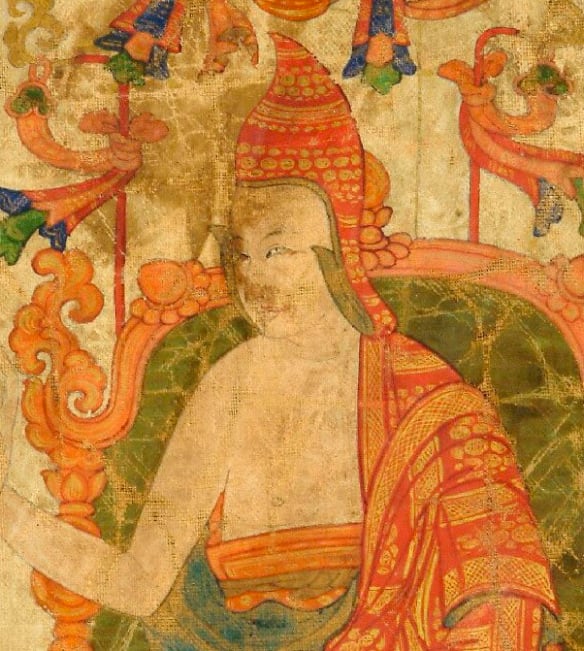
Śāntideva
इन पर सहमत: मुक्ति या उद्धार कैसे प्राप्त होता है? · परम सत्य क्या है? क्या ईश्वर है? · मैं कौन हूँ? क्या कोई सच्चा आत्म है?

Tsongkhapa
इन पर सहमत: मुक्ति या उद्धार कैसे प्राप्त होता है? · परम सत्य क्या है? क्या ईश्वर है? · मैं कौन हूँ? क्या कोई सच्चा आत्म है?
इनसे भिन्न सोचते हैं

Al-Hallaj
इन पर टकराव: परम सत्य क्या है? क्या ईश्वर है? · मैं कौन हूँ? क्या कोई सच्चा आत्म है? · मृत्यु के बाद क्या होता है?

Chaitanya Mahaprabhu
इन पर टकराव: परम सत्य क्या है? क्या ईश्वर है? · मैं कौन हूँ? क्या कोई सच्चा आत्म है? · मृत्यु के बाद क्या होता है?

Emanuel Swedenborg
इन पर टकराव: परम सत्य क्या है? क्या ईश्वर है? · मैं कौन हूँ? क्या कोई सच्चा आत्म है? · मृत्यु के बाद क्या होता है?
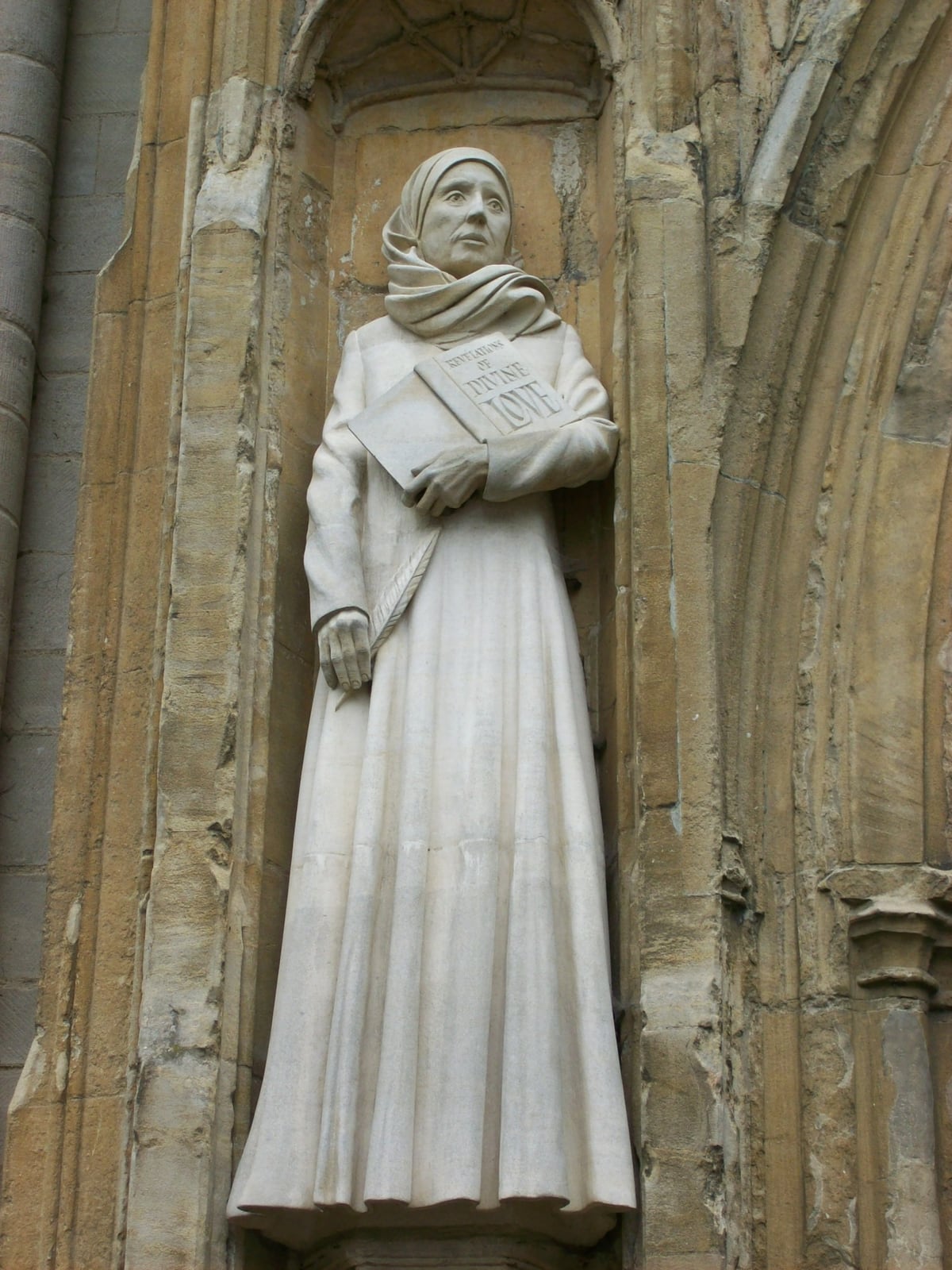
Julian of Norwich
इन पर टकराव: परम सत्य क्या है? क्या ईश्वर है? · मैं कौन हूँ? क्या कोई सच्चा आत्म है? · मृत्यु के बाद क्या होता है?
प्रसंग और वृत्तांत
प्रसंग और वृत्तांत
साक्ष्यaños sesenta y setenta
A groundless moment
वृत्तांत का स्रोत: Pema Chödrön's own account in the interview with Bill Moyers (PBS), recorded by Andrea Miller in 'Becoming Pema' (Lion's Roar, 2014).
स्रोत: Miller, Andrea. «Becoming Pema». Lion's Roar, 20 de octubre de 2014.
साक्ष्यcomienzos de los años setenta
An article with no Buddhist label
वृत्तांत का स्रोत: Lion's Roar, 'Becoming Pema' (2014); the date of the meeting with Trungpa comes from the Pema Chödrön Foundation biography.
स्रोत: Miller, Andrea. «Becoming Pema». Lion's Roar, 20 de octubre de 2014.
प्रमाणित1974–1981
The Hong Kong ordination
वृत्तांत का स्रोत: Lion's Roar (2014), Pema Chödrön Foundation and Sandy Boucher, Turning the Wheel (1993), pp. 93–97.
स्रोत: Miller, Andrea. «Becoming Pema». Lion's Roar, 20 de octubre de 2014.
प्रमाणित1984–
A monastery facing the Atlantic
वृत्तांत का स्रोत: Pema Chödrön Foundation, Lion's Roar (2014) and the Gampo Abbey website; the stupa and its relics, according to the description of the photographs on Wikimedia Commons.
स्रोत: Pema Chödrön Foundation, «Pema Chödrön» (biografía oficial y fines de la fundación).
साक्ष्य1994–
Someone to ask
वृत्तांत का स्रोत: Lion's Roar, 'Becoming Pema' (2014), with Pema Chödrön's own words.
स्रोत: Miller, Andrea. «Becoming Pema». Lion's Roar, 20 de octubre de 2014.
प्रमाणित2018–2025
The January 2020 letter
वृत्तांत का स्रोत: Letter published in the Shambhala Times (16 January 2020) and The Washington Post report (17 January 2020); the appointment as abbess, in the Shambhala Times (13 May 2025).
स्रोत: Chödrön, Pema. «Letter from Ani Pema Chödrön». Shambhala Times, 16 de enero de 2020.
शिक्षाएँ
शिक्षाएँ
वे अवधारणाएँ जो उनके चिंतन को रूप देती हैं, उनके संदर्भ में समझाई गई।
Shenpa (getting hooked)shenpa
Taking the Leap (2009), Don't Bite the Hook (2007) and Practicing Peace in Times of War (2006).
Tonglen (taking and sending)tonglen
Start Where You Are (1994), When Things Fall Apart (1997) and Tonglen: The Path of Transformation (2001); it derives from Atisha's lojong.
स्रोत: Chödrön, Pema. Start Where You Are: A Guide to Compassionate Living. Boston: Shambhala Publications, 1994.
Maitri (unconditional friendliness towards oneself)maitri
The Wisdom of No Escape (1991); Chögyam Trungpa's teaching.
स्रोत: Open Library: obras y ediciones de Pema Chödrön (comprobación de ISBN por catálogo).
Bodhichitta (the awakened heart)bodhichitta
The Places That Scare You (2001) and No Time to Lose (2005); Shantideva's tradition.
स्रोत: Chödrön, Pema. The Places That Scare You: A Guide to Fearlessness in Difficult Times. Boston: Shambhala Publications, 2001.
Groundlessnessfalta-de-suelo
When Things Fall Apart (1997); Comfortable with Uncertainty (2002); Living Beautifully with Uncertainty and Change (2012).
स्रोत: Chödrön, Pema. When Things Fall Apart: Heart Advice for Difficult Times. Boston: Shambhala Publications, 1997.
Lojong (mind training)lojong
Start Where You Are (1994), Always Maintain a Joyful Mind (2007), The Compassion Book (2017).
स्रोत: Chödrön, Pema. Start Where You Are: A Guide to Compassionate Living. Boston: Shambhala Publications, 1994.
वीडियो
वीडियो
रिकॉर्डिंग, साक्षात्कार और वृत्तचित्र। वीडियो YouTube से चलते हैं; वे यहाँ संग्रहीत नहीं हैं।
New Abbess - Pema Chödrön
मूल रिकॉर्डिंग· EN· 2025· 3 min
Gampo Abbeyआधिकारिक चैनल
Pema Chödrön reflections on Gampo Abbey
मूल रिकॉर्डिंग· EN· 4 min
Gampo Abbeyआधिकारिक चैनल
Anam Thubten & Abbess Pema Chödrön in Conversation
साक्षात्कार· EN· 16 min
Gampo Abbeyआधिकारिक चैनल
Pema Chödrön – What Is Bodhicitta?
मूल रिकॉर्डिंग· EN· 10 min
Pema Chödrön Foundationआधिकारिक चैनल
Pema Chödrön - Welcoming the Unwelcome | Super Soul Sunday S9E18 | Full Episode
साक्षात्कार· EN· 2019· 42 min
OWN
Breathing Space: Where Pema Chödrön Met Her True Self | SuperSoul Sunday
साक्षात्कार· EN· 2 min
OWN
Bill Moyers' interview of Pema Chödrön (PBS special)
साक्षात्कार· EN· 52 min
Palouse Mindfulness
Pema Chödrön on Chögyam Trungpa's controversial legacy
साक्षात्कार· EN· 2026· 8 min
Shambhala Publicationsआधिकारिक चैनल
Another Kind of Freedom with Pema Chödrön: This Very Moment Episode 10
साक्षात्कार· EN· 2026· 37 min
Shambhala Publicationsआधिकारिक चैनल
Smile at Fear with Pema Chödrön
व्याख्यान· EN· 2011· 5 min
Shambhala Publicationsआधिकारिक चैनल
What If Uncertainty Is the Practice: Pema Chödrön on Groundlessness
व्याख्यान· EN· 9 min
Sounds Trueआधिकारिक चैनल
Relajarse con la impermanencia y la muerte - Pema Chödrön (con subtítulos en español)
व्याख्यान· ES· 8 min
Sakyadhita Spain
Pema Chödrön - Cambiar tu corazón ante el dolor
व्याख्यान· ES· 19 min
Sakyadhita Spain
चित्रशाला
चित्रशाला
सत्यापित लाइसेंस वाले चित्र। प्रत्येक में उसके रचयिता और श्रेय का उल्लेख सुरक्षित है।
संबंध
संबंध
प्रभाव, शिष्यत्व और वैचारिक निकटता। प्रमाणित संबंध को विश्लेषण से पहचानी गई समानता से अलग दर्शाया गया है।
इनके शिष्य
Chögyam Trungpa
Her root teacher from 1972 until his death in 1987; he appointed her director in Boulder and entrusted Gampo Abbey to her.
प्रमाणित संबंध
इनके शिष्य
Chime Rinpoche
Her first teacher, with whom she studied in London in the early 1970s.
प्रमाणित संबंध
इनके शिष्य
Rangjung Rigpe Dorje, XVI Karmapa
Conferred novice ordination on her in 1974 and encouraged her to seek full ordination.
प्रमाणित संबंध
इनके शिष्य
Dzigar Kongtrul Rinpoche
Her teacher since the mid-1990s.
प्रमाणित संबंध
इनसे भेंट
Khenchen Thrangu Rinpoche
Abbot of Gampo Abbey during the years she was principal teacher; he died in 2023.
प्रमाणित संबंध
इनसे मतभेद
Sakyong Mipham Rinpoche
He gave her the title of acharya in 1993; she resigned in 2020 over the handling of the allegations against him.
प्रमाणित संबंध
इनसे प्रभावित
She commented on his Bodhicharyavatara in No Time to Lose and has taught it for decades.
प्रमाणित संबंध
इनसे भेंट
Alice Walker
Recorded dialogue published by Sounds True in 2005.
प्रमाणित संबंध
इनसे मिलते-जुलते विचार
Both rendered Buddhist practice in an everyday, compassion-centred language for Western readers.
विश्लेषण से पहचानी गई समानता
इनके समकालीन
Contemporary teachers with large English-speaking audiences who propose meeting distress rather than fleeing it, from different frameworks.
विश्लेषण से पहचानी गई समानता
इनसे मिलते-जुलते विचार
The 14th Dalai Lama (Tenzin Gyatso)
They share the tradition of Tibetan mind training and the teaching of bodhichitta to Western audiences.
विश्लेषण से पहचानी गई समानता
स्रोत
स्रोत
इस प्रविष्टि के लिए देखे गए ग्रंथ-सूची और सूचीपत्र।
- Wikidata, «Pema Chödrön» (Q442384).
- «Pema Chödrön» y «Pema Chödrön bibliography», Wikipedia en inglés (consultadas para cotejar hechos y bibliografía; texto propio).
- Miller, Andrea. «Becoming Pema». Lion's Roar, 20 de octubre de 2014.
- Pema Chödrön Foundation, «Pema Chödrön» (biografía oficial y fines de la fundación).
- Boucher, Sandy. Turning the Wheel: American Women Creating the New Buddhism. Boston: Beacon Press, 1993, pp. 93–97.
- Gampo Abbey, web oficial (historia del monasterio y de sus maestros).
- Open Library: obras y ediciones de Pema Chödrön (comprobación de ISBN por catálogo).
- Chödrön, Pema. When Things Fall Apart: Heart Advice for Difficult Times. Boston: Shambhala Publications, 1997.
- «Famed Buddhist nun Pema Chödrön retires, cites handling of sexual misconduct allegations against her group's leader». The Washington Post, 17 de enero de 2020.
- Chödrön, Pema. «Letter from Ani Pema Chödrön». Shambhala Times, 16 de enero de 2020.
- «Bhikshuni Pema Chödrön appointed Abbess of Gampo Abbey». Shambhala Times, 13 de mayo de 2025 (reproduce el boletín de Gampo Abbey).
- Chödrön, Pema. Start Where You Are: A Guide to Compassionate Living. Boston: Shambhala Publications, 1994.
- Chödrön, Pema. The Places That Scare You: A Guide to Fearlessness in Difficult Times. Boston: Shambhala Publications, 2001.
- «8 North American Buddhist nuns, including Pema Chödrön and Thubten Chodron, receive “Global Bhikkhuni Award”». Lion's Roar, 2016.
- Coleman, James William. The New Buddhism: The Western Transformation of an Ancient Tradition. Nueva York: Oxford University Press, 2001, p. 150.
- Bill Moyers, entrevista con Pema Chödrön (PBS); recogida en Lion's Roar (2014).
- Shambhala Publications, «Pema Chödrön on Chögyam Trungpa's controversial legacy» (vídeo, 2026).
- The Committee of Western Bhikshunis, «Ven. Bhiksuni Pema Chödrön» (2006).
- Chödrön, Pema. No Time to Lose: A Timely Guide to the Way of the Bodhisattva. Boston: Shambhala Publications, 2005.
- अधिकार-धारक
- Pema Chödrön Foundation (recibe los derechos de todos sus libros y grabaciones); edición a cargo de Shambhala Publications y Sounds True
- आधिकारिक वेबसाइट
- pemachodronfoundation.org
पुष्टि की प्रतीक्षा में
जो यह प्रविष्टि अभी तक निश्चित नहीं कर सकी है। हम उसे भर देने के बजाय कह देना बेहतर समझते हैं।
- Comprobar la página exacta de las dos citas marcadas como «probable» de When Things Fall Apart en la edición impresa.
- ISBN sin verificar en catálogo: Tonglen: The Path of Transformation (edición inglesa), The Three Commitments, Natural Awareness, When Pain Is the Doorway, Walking the Walk y Giving Our Best (agrupados como «otros retiros grabados»); Becoming Bodhisattvas (2018, reedición de No Time to Lose).
- Traducciones españolas de Comienza donde estás, Vivir bellamente (Gaia/Oniro), Cómoda con la incertidumbre y otras: localizar ISBN en catálogo.
- Año exacto del primer matrimonio (deducido de «a los veintiún años»: hacia 1957) y nombres de sus maridos.
- Confirmar en la web de Gampo Abbey el alcance de su papel de abadesa (2025) y su actividad docente actual.
- Persona viva: revisar periódicamente su actividad y nuevas publicaciones.
2026-10-25 को शोधित