समकालीन अद्वैत · धर्मनिरपेक्ष चिंतन
Byron Katie
1942 –जीवितऐतिहासिक रूप से प्रमाणित व्यक्ति
अमेरिकी लेखिका और वक्ता (जन्म 1942), ‘द वर्क’ की प्रवर्तक — आत्म-जिज्ञासा की एक पद्धति, जो चार प्रश्नों और दुख देने वाले विचारों को पलटने पर आधारित है। एक दशक के अवसाद के बाद 1986 में उन्होंने एक रूपांतरण का अनुभव किया, जिसे वे लॉस एंजेलिस के एक उपचार-केंद्र की एक सुबह से जोड़ती हैं। स्टीफ़न मिचेल के साथ उन्होंने ‘जो है उससे प्रेम’ (Loving What Is) और ‘स्वयं में स्थित मन’ (A Mind at Home with Itself) लिखीं।
- कृतियाँ
- 12कृतियाँ
- संस्करण
- 27संस्करण
- उद्धरण
- 7उद्धरण
- वीडियो
- 11वीडियो
- चित्र
- 0चित्र
उनके अपने शब्दों में
«I discovered that when I believed my thoughts, I suffered, but that when I didn't believe them, I didn't suffer»Relato de su experiencia de 1986 en la web oficial y en Loving What Is (2002)

मूल विचार
Suffering does not come from events but from believing the thoughts we have about them; when a stressful thought is examined and no longer believed, the distress it produced fades.
संदर्भ में देखें
जीवनी
5 मिनट का पाठ
स्पैनिश मूल से सहायता-प्राप्त अनुवाद, मातृभाषी अनुवादक द्वारा समीक्षा लंबित।
मोहावी मरुस्थल में बचपन
बायरन कैथलीन रीड का जन्म 6 दिसंबर 1942 को टेक्सास के ब्रेकनरिज में हुआ और उनका बचपन कैलिफ़ोर्निया के मोहावी मरुस्थल के छोटे-से नगर बार्स्टो में बीता। उनके पिता रॉडनी रीड रेल के इंजन-चालक थे और माँ मैरियन कैंपबेल गृहिणी। 1963 में, उन्नीस वर्ष की आयु में, उन्होंने सैन बर्नार्डिनो में रॉबर्ट रॉबिन्सन से विवाह किया; उनकी तीन संतानें हुईं — बॉब, रॉस और रॉक्सैन — और उन्होंने मकान किराये पर देकर अचल संपत्ति के कारोबार से जीविका चलाई। बरसों बाद उनकी बेटी ने उस परिवेश को चिकित्सा और आध्यात्मिकता, दोनों से सर्वथा अपरिचित बताया।
अंधकार के दस वर्ष
अस्सी के दशक के मध्य तक, दूसरे विवाह में बँधी केटी एक दशक से अवसाद, खुली जगहों के भय (एगोराफ़ोबिया), बाध्यकारी अतिभोजन और कोडीन तथा शराब की लत में धँसती जा रही थीं। उनकी संतानें उन्हें उन दिनों एक क्रोधी, अप्रत्याशित और लगभग हर समय बिस्तर पर पड़ी रहने वाली स्त्री के रूप में याद करती हैं। फ़रवरी 1986 में, तैंतालीस वर्ष की आयु में, उनकी स्वास्थ्य-बीमा कंपनी ने उन्हें लॉस एंजेलिस के होप हाउस भेजा, जो खान-पान संबंधी विकारों से ग्रस्त स्त्रियों का एक आवासीय केंद्र था और अब अस्तित्व में नहीं है।
तिलचट्टे वाली सुबह
उनके अपने वृत्तांत के अनुसार, भर्ती होने के दो सप्ताह के भीतर ही एक सुबह वे अपने पैर पर रेंगते एक तिलचट्टे के स्पर्श से जागीं। ‘जो है उससे प्रेम’ (Loving What Is) में वे बताती हैं कि आँखें खोलते ही ऐसा लगा मानो कुछ और ही जाग उठा हो और आनंद में मग्न होकर उनकी आँखों से देख रहा हो; क्रोध और भय तिरोहित हो चुके थे। वे कहती हैं कि उन्होंने पाया कि जब वे अपने विचारों पर विश्वास करती थीं तो दुख पाती थीं, और जब विश्वास नहीं करती थीं तो दुख नहीं होता था। इसी क्षण से वे उन प्रश्नों का जन्म मानती हैं, जिन्हें आगे चलकर उन्होंने ‘द वर्क’ के रूप में सूत्रबद्ध किया। उनकी संतानों और केंद्र की एक चिकित्सक ने लॉस एंजेलिस टाइम्स से उनके व्यक्तित्व में आमूल परिवर्तन की पुष्टि की; प्रसंग के अन्य ब्योरे केवल उनकी अपनी गवाही से ज्ञात हैं।
बार्स्टो से विश्व तक
बार्स्टो लौटकर उनका वज़न घटा, शराब छूट गई और वे घंटों निश्चल बैठी रहतीं — ऐसे मौन में, जो उनके परिवार को उलझन में डाल देता था। राह में मिलने वाले अजनबी यह देखने उनके पास आने लगे कि वे कैसे जीती हैं; वे उन्हें सिखातीं कि जो बात उन्हें व्यथित करती है उसे लिखें और फिर उसकी पड़ताल करें। उनका दूसरा विवाह टूट गया। बर्कले क्षेत्र के मनोवैज्ञानिकों और चिकित्सकों के एक समूह के निमंत्रण ने उनकी पहली कार्यशालाओं को आकार दिया, और 1992 से वे संयुक्त राज्य अमेरिका और यूरोप में सार्वजनिक सभाएँ करती घूमीं, जिनमें वे मंच पर स्वयंसेवकों के साथ काम करती थीं। गैर-लाभकारी वर्क फ़ाउंडेशन और बायरन केटी इंटरनेशनल नामक कंपनी की स्थापना हुई। 1999 में कैलिफ़ोर्निया के मनोविज्ञान बोर्ड ने जाँच की कि कहीं उनकी गतिविधि मनश्चिकित्सा की श्रेणी में तो नहीं आती, और उनके विरुद्ध कोई निष्कर्ष दिए बिना जाँच बंद कर दी।
पद्धति
‘द वर्क’ में उन विचारों को लिखा जाता है जो क्लेश देते हैं — जैसे «मेरे पति को मेरी बात सुननी चाहिए» — और फिर हर विचार को चार प्रश्नों की कसौटी पर रखा जाता है: क्या यह सच है? क्या आप पूरी निश्चितता से जान सकते हैं कि यह सच है? जब आप इस विचार पर विश्वास करते हैं तो आपकी क्या प्रतिक्रिया होती है, क्या घटित होता है? और इस विचार के बिना आप कौन होते? इसके बाद आता है ‘पलटाव’: वाक्य को उलट दिया जाता है — «मुझे अपनी बात सुननी चाहिए», «मुझे अपने पति की बात सुननी चाहिए» — और ऐसे ठोस उदाहरण खोजे जाते हैं जो दिखाएँ कि यह मूल वाक्य जितना ही सच क्यों हो सकता है। केटी का कहना है कि वे कोई सिद्धांत नहीं, बल्कि एक प्रक्रिया सिखाती हैं जिसे कोई भी स्वयं अभ्यास में ला सकता है, और वे स्वयं को प्रबुद्ध गुरु के रूप में प्रस्तुत करने से इनकार करती हैं। कुछ मनोवैज्ञानिकों ने संज्ञानात्मक चिकित्सा से इसकी निकटता की ओर ध्यान दिलाया है।
अध्यात्म और आत्म-सहायता के बीच
एलिसन अदातो ने 2002 में लॉस एंजेलिस टाइम्स में जो रिपोर्ताज प्रकाशित किया, उसने इस परिघटना का सूक्ष्म और संतुलित चित्र प्रस्तुत किया। तब तक यह पद्धति सामाजिक कार्यकर्ताओं, नर्सों और दांपत्य-परामर्शदाताओं के सतत प्रशिक्षण के रूप में मान्य हो चुकी थी; सार्वजनिक सभाएँ निःशुल्क थीं, पर स्कूल फ़ॉर द वर्क — एक सप्ताह से कुछ अधिक का गहन पाठ्यक्रम — 1,800 से 3,000 डॉलर तक का था, और कंपनी अपने प्रतीक-चिह्न वाली रिकॉर्डिंग और वस्तुएँ बेचती थी। एक मनोवैज्ञानिक ने टिप्पणी की कि पहले दो प्रश्न संज्ञानात्मक व्यवहार चिकित्सा के ही प्रश्न हैं और दर्शकों के सामने वास्तविक व्यक्तियों के साथ काम करना मनश्चिकित्सा से एक धुँधली सीमा पर चलता है; कुछ प्रतिभागियों ने पद्धति पर जो घटित होता है उसके प्रति एक प्रकार की निष्क्रियता का आरोप लगाया। केटी स्वयं कहती थीं कि वे वहीं जाती हैं जहाँ उन्हें बुलाया जाता है — 1996 में टेक्सास की एक जेल में, जर्मनी के समूहों में — और उनकी कोई महत्वाकांक्षा नहीं है: «मैं भविष्य-विहीन स्त्री हूँ», उन्होंने पत्रकार से कहा।
पुस्तकें और प्रसार
2000 में टाइम पत्रिका ने उन पर एक रिपोर्ट प्रकाशित की। 2002 में उन्होंने अपने पति, अनुवादक और लेखक स्टीफ़न मिचेल के साथ — जिनसे उनका विवाह कुछ ही समय पहले हुआ था — ‘जो है उससे प्रेम’ (Loving What Is) प्रकाशित की, जो इस पद्धति की व्यवस्थित प्रस्तुति है और अनेक भाषाओं में अनूदित हो चुकी है। इसके बाद आईं I Need Your Love—Is That True? (2005, माइकल कैट्ज़ के साथ), A Thousand Names for Joy (2007), जो मिचेल के रूपांतर में ताओ ते चिंग के अंशों पर टीका है, Who Would You Be Without Your Story? (2008), हांस विल्हेम के चित्रों वाली बच्चों की दो कहानियाँ, और वज्रच्छेदिका सूत्र (हीरक सूत्र) पर आधारित A Mind at Home with Itself (2017)। उनके पुत्र रॉस रॉबिन्सन एक जाने-माने संगीत-निर्माता हैं।
अध्ययन के दायरे में एक अभ्यास
2010 के दशक से इस पद्धति पर inquiry-based stress reduction (IBSR) — अर्थात् जिज्ञासा-आधारित तनाव-न्यूनीकरण — के नाम से अकादमिक शोध हो रहा है, मुख्यतः इज़राइली शोध-दलों द्वारा। 2021 में प्रकाशित एक व्यवस्थित समीक्षा ने सत्रह अध्ययनों को एकत्र किया, जिनमें से कई में तनाव, चिंता और कल्याण-भाव में सुधार दर्ज हुआ, पर उनमें यादृच्छिक परीक्षण केवल तीन थे, और समीक्षा का निष्कर्ष था कि अधिक उच्च गुणवत्ता के शोध की आवश्यकता है; उसी वर्ष BRCA जीन-रूपांतर वाली स्त्रियों पर किए गए एक नैदानिक परीक्षण ने अनुकूल परिणाम प्रकाशित किए। कैलिफ़ोर्निया के ओहाई में स्थित बायरन केटी इंटरनेशनल स्कूल फ़ॉर द वर्क और प्रमाणित सहायकों (फ़ैसिलिटेटर) का एक अंतरराष्ट्रीय तंत्र चलाती है, और इसकी संस्थापक प्रत्यक्ष तथा ऑनलाइन सभाओं में आज भी शिक्षा दे रही हैं।
स्रोत: Katie, Byron y Mitchell, Stephen. Loving What Is: Four Questions That Can Change Your Life. Nueva York: Harmony Books, 2002 (prólogo de Stephen Mitchell). · Katie, Byron y Mitchell, Stephen. A Thousand Names for Joy: Living in Harmony with the Way Things Are. Nueva York: Harmony Books, 2007. · Katie, Byron y Mitchell, Stephen. A Mind at Home with Itself: How Asking Four Questions Can Free Your Mind, Open Your Heart, and Turn Your World Around. Nueva York: HarperOne, 2017. · Mitchell, Stephen (ed.). Question Your Thinking, Change the World: Quotations from Byron Katie. Carlsbad: Hay House, 2007.
कालक्रम
जीवन, वर्ष-दर-वर्ष
प्रत्येक बिंदु एक प्रमाणित घटना है। उसे स्रोत और निश्चितता के स्तर सहित पढ़ने के लिए क्लिक करें।
6 दिसंबर 19420 वर्षBreckenridge, Texas
Birth
Byron Kathleen Reid is born on 6 December in Breckenridge, Texas; she will grow up in Barstow, California.
प्रमाणितWikidata, «Byron Katie» (Q437339).
6 दिसंबर 1942 · 0 वर्ष
Birth
Byron Kathleen Reid is born on 6 December in Breckenridge, Texas; she will grow up in Barstow, California.
प्रमाणित
1963
First marriage
Marries Robert Robinson in San Bernardino; they will have three children.
प्रमाणित
फ़रवरी 1986 · 43 वर्ष
The Hope House transformation
In February, while staying at Hope House (Los Angeles), she undergoes by her account the awakening from which The Work arises.
प्रमाणित
1992 · 49 वर्ष
First travelling workshops
Begins travelling across the United States and Europe with public events on The Work.
प्रमाणित
1996 · 53 वर्ष
The Work in a Texas prison
Takes her method to a Texas prison at the institution's request.
प्रमाणित
1998 · 55 वर्ष
Losing the Moon
The Work Foundation publishes Losing the Moon, the first collection of her dialogues.
प्रमाणित
1999 · 56 वर्ष
Board of Psychology inquiry
The California Board of Psychology examines her activity and closes the inquiry.
प्रमाणित
2001 · 58 वर्ष
Marriage to Stephen Mitchell
Marries the translator and writer Stephen Mitchell (date inferred from 2002 press coverage).
संभावित
2002 · 59 वर्ष
Loving What Is
Publishes Loving What Is with Stephen Mitchell (Harmony Books).
प्रमाणित
2007 · 64 वर्ष
A Thousand Names for Joy
Publishes A Thousand Names for Joy, based on the Tao Te Ching.
प्रमाणित
2010 · 67 वर्ष
Peace in the Present Moment
Peace in the Present Moment, a book shared with Eckhart Tolle, appears.
प्रमाणित
2017 · 74 वर्ष
A Mind at Home with Itself
Publishes A Mind at Home with Itself with Stephen Mitchell (HarperOne).
प्रमाणित
2021 · 78 वर्ष
Scientific review of the method
A systematic review in the Journal of Clinical Psychology assesses seventeen studies on IBSR; the revised edition of Loving What Is is also published.
प्रमाणित
कृतियाँ
आवश्यक कृतियाँ
वे कृतियाँ जिनके बिना उनकी विरासत को समझा नहीं जा सकता।
लिखित कृति · 2002
Loving What Is
Loving What Is: Four Questions That Can Change Your Life
Systematic account of The Work, written with Stephen Mitchell, who signs the foreword and narrates the 1986 awakening. It explains the Judge-Your-Neighbor Worksheet, the four questions and the turnaround, illustrating them with many transcripts of real dialogues about couples, family, work, money, illness or fear of death. It is the method's reference book, translated into many languages; a revised edition appeared in 2021.
6 संस्करण · amazon.com

लिखित कृति · 2007
A Thousand Names for Joy
A Thousand Names for Joy: Living in Harmony with the Way Things Are
Book structured on the 81 chapters of the Tao Te Ching: Stephen Mitchell selected passages from his version of the Taoist classic and Katie responds to each by describing her experience of living in harmony with what is, with no mind opposing reality. It is her most personal work and the closest to contemplative literature.
4 संस्करण · amazon.com

लिखित कृति · 2017
A Mind at Home with Itself
A Mind at Home with Itself: How Asking Four Questions Can Free Your Mind, Open Your Heart, and Turn Your World Around
Written with Stephen Mitchell on his version of the Diamond Sutra: Katie comments on passages of the Buddhist text from her own experience, alternating them with dialogues of The Work and autobiographical episodes. It is her most extensive book on the nature of mind and self.
4 संस्करण · amazon.com
संपूर्ण कृतित्व (12)
Byron Katie
Losing the Moon
The Conscious LibraryLosing the Moon
1998

The Work of Byron Katie: An Introduction
2002

I Need Your Love—Is That True?
2005

Your Inner Awakening
2005

Question Your Thinking, Change the World
2007

Who Would You Be Without Your Story?
2008

Tiger-Tiger, Is It True?
2009
Byron Katie
Peace in the Present Moment
The Conscious LibraryPeace in the Present Moment
2010

The Four Questions
2016
वचन
किसी निश्चित कृति में स्थित वचन। प्रत्येक के साथ उसका स्रोत और विश्वसनीयता का स्तर है।
I discovered that when I believed my thoughts, I suffered, but that when I didn't believe them, I didn't sufferसत्यापितRelato de su experiencia de 1986 en la web oficial y en Loving What Is (2002)
मूल विचार (संपादकीय सार)
कॉपीराइट के सम्मान में, ये विचार हमारे अपने शब्दों में संक्षेपित हैं और इन्हें शब्दशः उद्धरण के रूप में प्रस्तुत नहीं किया गया है।
- Suffering does not come from events but from believing the thoughts we have about them; when a stressful thought is examined and no longer believed, the distress it produced fades.
- Arguing with reality — thinking that what happens should not happen — is a battle lost in advance; accepting what is does not mean resignation but seeing clearly before acting.
- Much anguish comes from mentally minding other people's business, or reality's, instead of one's own.
- The judgements we make about others usually describe ourselves; turning them around reveals what truth they hold about the person making them.
- Inquiry does not seek positive thoughts to replace negative ones, but to understand the thought until it loses its power.
- Anyone can practise the method alone, with pen and paper, without believing in anything or depending on a teacher.
पूछें
उनकी कृतियाँ क्या उत्तर देती हैं
मानवता के बारह महान प्रश्न और उनके ग्रंथ उनका जो उत्तर देने देते हैं, संदर्भों सहित। हम कभी उनके मुख में अपने शब्द नहीं रखते।
परम सत्य क्या है? क्या ईश्वर है?
She calls reality as it is God, because it is reality that rules
निराकार परम सत्ताउनके सिद्धांत से निष्कर्षित
Byron Katie does not develop a theology. In Loving What Is she uses the word God in a deliberately bare way: she calls reality, what is, God, for the simple reason that it always prevails. Hence her maxim that arguing with reality is a battle lost one hundred per cent of the time. Her work contains no God who listens or intervenes, nor any doctrine of a hidden principle: the ultimate is the present fact, and what separates us from it are the thoughts we believe about it. In A Thousand Names for Joy, built on the Tao Te Ching, she describes that living in accord with what is as her experience, not as a thesis.
इस प्रश्न की अन्य गुरुओं से तुलना करेंमैं कौन हूँ? क्या कोई सच्चा आत्म है?
The self is a story believed; without it, someone remains who cannot be described
अहं विचार की रचना हैस्पष्ट रूप से कहा है
Byron Katie's question is the fourth in her method: who would you be without that thought. Her whole work applies it to identity. What we call self, in her account, is made of stories we believe about ourselves and about others: I am someone who was abandoned, someone who needs approval, someone who ought to be different. Who Would You Be Without Your Story?, a collection of dialogues with participants, shows how those identities loosen when examined. Katie proposes no alternative true self and no doctrine about one; she describes what remains when thought is no longer believed as something free, open and hard to name. In the account of her 1986 experience she puts it this way: it was as if something else had woken up.
इस प्रश्न की अन्य गुरुओं से तुलना करेंहम दुःख क्यों भोगते हैं?
We suffer not from what happens but from believing what we think about it
विचार और मनोवैज्ञानिक समयस्पष्ट रूप से कहा है
Byron Katie's diagnosis comes from her 1986 experience, which she sums up as follows: she discovered that when she believed her thoughts she suffered, and that when she did not believe them she did not suffer. Suffering is caused not by events but by the stressful thoughts we believe about them, especially those that argue with reality: he should not have left, I should be different. Since what has already happened cannot not have happened, that argument is always lost. In Loving What Is she adds that much anguish comes from mentally minding other people's business, or reality's, instead of one's own. The remedy is not positive thinking but examining each thought with the four questions until it loses its power.
इस प्रश्न की अन्य गुरुओं से तुलना करेंमृत्यु के बाद क्या होता है?
No speculation about the hereafter: she examines the thoughts that make death fearsome
मौन या संयमउनके सिद्धांत से निष्कर्षित
Byron Katie offers no doctrine about what happens after death. What she does is apply her method to death as to any other stressful situation: fear, in her account, comes not from death, which no one has experienced, but from the thoughts one has about it. In Who Would You Be Without Your Story? she collects dialogues with people facing the death of a child or a serious illness, and shows how beliefs such as «he shouldn't have died» or «I won't be able to bear it» produce the suffering attributed to the event. In A Thousand Names for Joy she describes her own serenity before death as the result of not arguing with what is. What matters is how one looks at what is happening now.
इस प्रश्न की अन्य गुरुओं से तुलना करेंमुक्ति या उद्धार कैसे प्राप्त होता है?
Four questions and a turnaround: inquiry undoes what was believed
प्रत्यक्ष ज्ञान सेस्पष्ट रूप से कहा है
What Byron Katie offers is neither years of practice nor a grace, but a method of inquiry anyone can apply with pen and paper. One writes down the stressful thought and asks it four questions: is it true?, can you absolutely know that it's true?, how do you react when you believe that thought?, who would you be without that thought? Then the statement is turned around, to oneself, to the other or to its opposite, and one looks for examples of how the turnaround is as true or truer. The aim is not to replace negative thoughts with positive ones but to understand them until they lose their power. Freedom, in Loving What Is, is that clarity: seeing what is without the story that covered it.
इस प्रश्न की अन्य गुरुओं से तुलना करेंक्या गुरु आवश्यक है?
The answers lie with the one asking; the method needs no teacher
गुरु भीतर हैउनके सिद्धांत से निष्कर्षित
Byron Katie does not present herself as a guru or ask for adherence. Her method was designed so that anyone could practise it alone, with pen and paper, without believing anything or depending on anyone: one asks the questions oneself, and the answers can come only from the one who answers them. In her public sessions, collected in Loving What Is and in Who Would You Be Without Your Story?, she simply asks the questions and waits; she describes her role in a terse sentence: she clears people's minds. At the same time she suggests that those who irritate us can act as teachers, because they show the judgements we still believe. Authority lies in one's own inquiry, not in her.
इस प्रश्न की अन्य गुरुओं से तुलना करेंक्या संसार वास्तविक है?
The world we suffer is the story we tell; what is, is kind
एक सत्य पर आभासउनके सिद्धांत से निष्कर्षित
Byron Katie distinguishes two things we usually confuse: what is and the story we tell about it. The first is not to be argued with; the second is projection. Much of what we call the world, the hostility of others, the injustice of what happens to us, is for her the image of our own thoughts projected outwards, which is why turning judgements around returns to the one judging what was attributed to the world. In A Mind at Home with Itself, her commentary on Stephen Mitchell's version of the Diamond Sutra, she relates this experience to the Buddhist teaching that things are not what the mind fixes in them. Without the story, what is always seems to her kinder than what was imagined.
इस प्रश्न की अन्य गुरुओं से तुलना करेंप्रेम क्या है?
Seeking love and approval drives it away; without the search, love is already there
जो अहं के मिटने पर प्रकट होता हैस्पष्ट रूप से कहा है
Byron Katie devoted a book to the question, I Need Your Love: Is That True?, written with Michael Katz. Her thesis is that the search for love, approval and recognition arises from thoughts we believe without examining them: I need her to love me, I cannot be happy without him. Those thoughts produce dependence, manipulation and fear, and drive away precisely what they seek. When they are examined and no longer believed, what remains is not a lack but a way of loving that needs nothing in return. In her account love is neither obtained from others nor cultivated as a technique: it is what appears when one is not busy defending one's own story.
इस प्रश्न की अन्य गुरुओं से तुलना करेंक्या हम स्वतंत्र हैं, या सब कुछ पूर्वनिर्धारित है?
Things do themselves; the problem is believing they should be otherwise
कोई कर्ता नहींउनके सिद्धांत से निष्कर्षित
Byron Katie does not frame the problem philosophically, but her descriptions come close to the idea that there is no separate doer. In A Thousand Names for Joy, commenting on the Tao Te Ching, she describes her own life as something that happens, rather than as a series of decisions taken by someone in control of it. Hence her maxim that arguing with what is is always lost: what happened could not have been otherwise, because it is what happened. This does not lead to passivity; she holds that without the argument with reality action is clearer and kinder. The responsibility she proposes is to mind one's own business.
इस प्रश्न की अन्य गुरुओं से तुलना करेंध्यान या प्रार्थना क्यों करें?
Inquiry is her meditation: questioning until the thought lets go
'मैं' के स्रोत पर लौटनास्पष्ट रूप से कहा है
Byron Katie teaches no techniques of concentration or prayer. What she proposes instead is inquiry, which she describes as a form of meditation: after writing down a stressful thought, one asks it the four questions and waits in silence for the answer to arise, instead of reasoning it out. The decisive question is the fourth, who would you be without that thought?, which leads one to observe what the present moment would be like without the story that covers it. The aim is not to reach a special state, but to see clearly what the mind believed, until it lets go of itself. In A Mind at Home with Itself she alternates this work with commentary on the Diamond Sutra.
इस प्रश्न की अन्य गुरुओं से तुलना करेंक्या बुद्धि परम को जान सकती है?
You cannot absolutely know that a thought is true
विचार सीमित हैउनके सिद्धांत से निष्कर्षित
The second of Byron Katie's four questions, can you absolutely know that it's true?, contains her epistemology. The thoughts that cause suffering present themselves as facts, but when examined turn out to be interpretations that cannot be proved. Katie does not despise the mind; in A Mind at Home with Itself she speaks of a mind that, by questioning itself, stops fighting with itself. But thought gives no access to an ultimate truth: the only incontestable thing is what is, before the story. Her method uses questions that look like reasoning, but the answers it seeks are not arguments but what is seen in silence while contemplating the question.
इस प्रश्न की अन्य गुरुओं से तुलना करेंसंसार से हटें या उसे बदलें?
Question your thinking, change the world
क्रांति भीतर हैस्पष्ट रूप से कहा है
The title of the anthology Stephen Mitchell compiled from her sayings sums up Byron Katie's position: Question Your Thinking, Change the World. She proposes neither withdrawal nor activism, but examining the thoughts through which one looks at what happens. She holds that action born of anger or fear, of the belief that the world should not be as it is, tends to reproduce what it fights, while action born of clarity is more effective and kinder. Loving what is, she insists, does not mean resignation or approving of injustice: it is seeing clearly before acting. Changing the world passes through changing the one who looks at it, one person at a time.
इस प्रश्न की अन्य गुरुओं से तुलना करें
निकटता और तनाव
निकटता और तनाव
उनके मतों के आधार पर प्रश्न-दर-प्रश्न आकलित। प्रत्येक सहमति या टकराव का कारण क्लिक करने पर।
इनसे मिलता-जुलता सोचते हैं
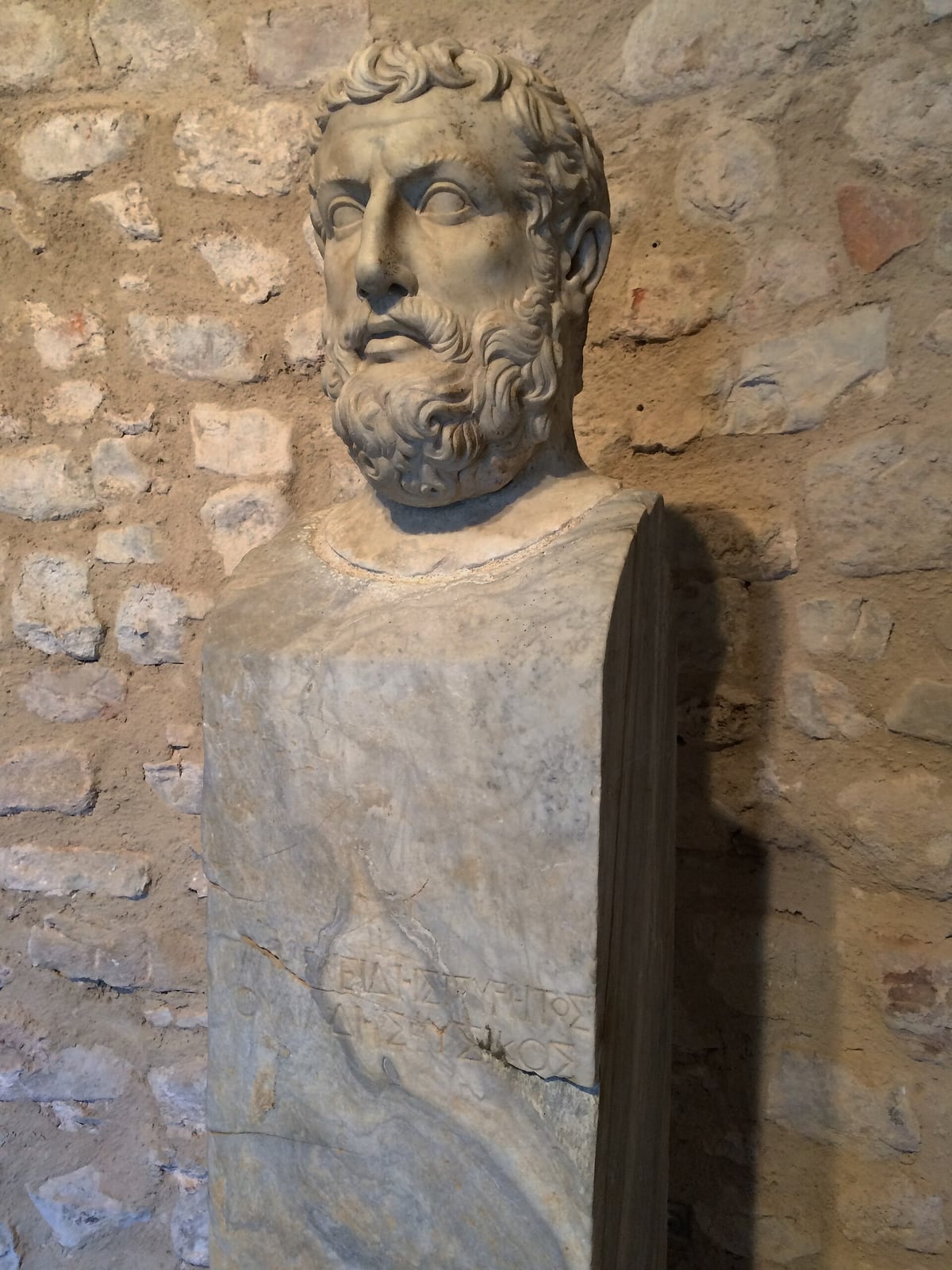
Parmenides
इन पर सहमत: परम सत्य क्या है? क्या ईश्वर है? · मुक्ति या उद्धार कैसे प्राप्त होता है? · क्या संसार वास्तविक है?
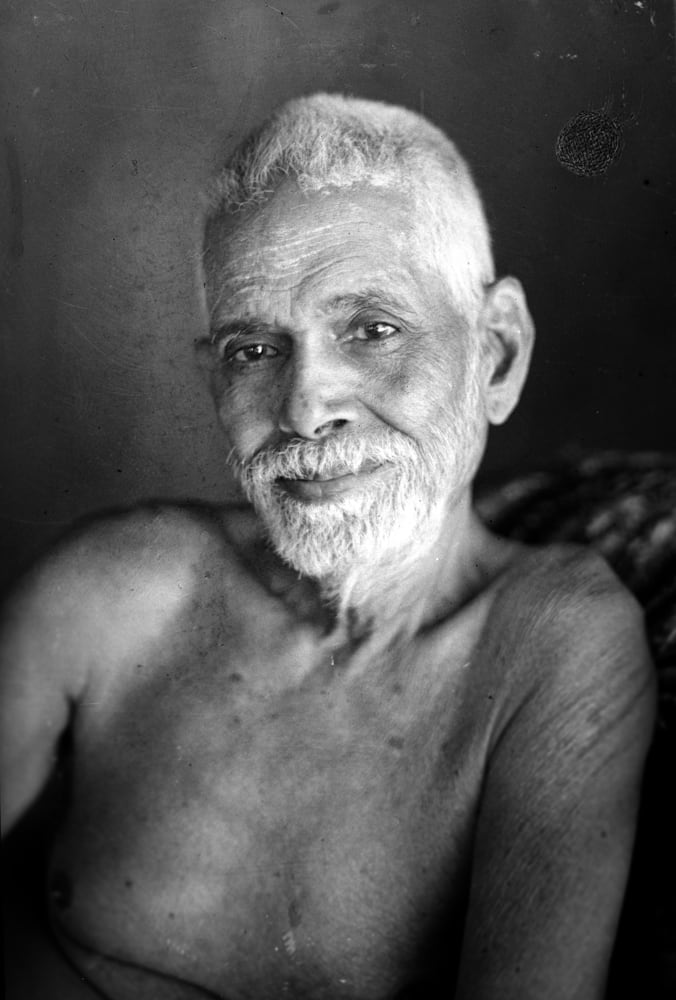
Ramana Maharshi
इन पर सहमत: परम सत्य क्या है? क्या ईश्वर है? · क्या संसार वास्तविक है? · मुक्ति या उद्धार कैसे प्राप्त होता है?

Nisargadatta Maharaj
इन पर सहमत: मुक्ति या उद्धार कैसे प्राप्त होता है? · क्या गुरु आवश्यक है? · क्या संसार वास्तविक है?
Osho
इन पर सहमत: परम सत्य क्या है? क्या ईश्वर है? · मैं कौन हूँ? क्या कोई सच्चा आत्म है? · हम दुःख क्यों भोगते हैं?

प्रसंग और वृत्तांत
प्रसंग और वृत्तांत
साक्ष्यfebrero de 1986
A cockroach on her foot
वृत्तांत का स्रोत: Katie's own account in the foreword of Loving What Is (2002) and in interviews. Allison Adato (Los Angeles Times, 2002) noted that the episode had been left out of the method's early literature and that several details cannot be corroborated; the detail of the mattress on the floor comes from her own account.
स्रोत: Katie, Byron y Mitchell, Stephen. Loving What Is: Four Questions That Can Change Your Life. Nueva York: Harmony Books, 2002 (prólogo de Stephen Mitchell).
साक्ष्य1986
'As if they had dropped off a different person'
वृत्तांत का स्रोत: Testimonies gathered by Allison Adato for the Los Angeles Times Magazine (24 November 2002).
साक्ष्य1986–1992
The Barstow living room
वृत्तांत का स्रोत: Katie's account and testimony from her son Bob Robinson and Judith Avalon in the Los Angeles Times Magazine (2002).
प्रमाणित1999
A tape before the Board of Psychology
वृत्तांत का स्रोत: Los Angeles Times Magazine (2002), based on Katie's account; the Board declined to comment and did not release the file.
प्रमाणित1992–
Only for those who ask
वृत्तांत का स्रोत: Los Angeles Times Magazine (2002) and the official website, which offers the method in more than thirty languages.
शिक्षाएँ
शिक्षाएँ
वे अवधारणाएँ जो उनके चिंतन को रूप देती हैं, उनके संदर्भ में समझाई गई।
The Workel-trabajo
Formulated from 1986; systematic account in Loving What Is (2002). In academic research it is called inquiry-based stress reduction (IBSR).
स्रोत: Katie, Byron y Mitchell, Stephen. Loving What Is: Four Questions That Can Change Your Life. Nueva York: Harmony Books, 2002 (prólogo de Stephen Mitchell).
The turnaroundla-inversion
Loving What Is (2002) and the official worksheet.
स्रोत: Katie, Byron y Mitchell, Stephen. Loving What Is: Four Questions That Can Change Your Life. Nueva York: Harmony Books, 2002 (prólogo de Stephen Mitchell).
The three kinds of businesstres-asuntos
Loving What Is (2002), ch. 1.
स्रोत: Katie, Byron y Mitchell, Stephen. Loving What Is: Four Questions That Can Change Your Life. Nueva York: Harmony Books, 2002 (prólogo de Stephen Mitchell).
Loving what isamar-lo-que-es
Loving What Is (2002); A Thousand Names for Joy (2007).
Inquiry-based stress reduction (IBSR)ibsr
Hook et al., Journal of Clinical Psychology (2021); Landau et al., JAMA Network Open (2021).
वीडियो
वीडियो
रिकॉर्डिंग, साक्षात्कार और वृत्तचित्र। वीडियो YouTube से चलते हैं; वे यहाँ संग्रहीत नहीं हैं।
No One Can Wrong Me—The Work of Byron Katie
मूल रिकॉर्डिंग· EN· 18 min
Byron Katieआधिकारिक चैनल
I Want Mom to Be Happy—The Work of Byron Katie
मूल रिकॉर्डिंग· EN· 41 min
Byron Katieआधिकारिक चैनल
How to be Successful—The Work of Byron Katie
मूल रिकॉर्डिंग· EN· 57 min
Byron Katieआधिकारिक चैनल
I'm Afraid of Trump—The Work of Byron Katie
मूल रिकॉर्डिंग· EN· 2016· 37 min
Byron Katieआधिकारिक चैनल
The Work: A Two Hour Intensive | Byron Katie | Wisdom 2.0
व्याख्यान· EN· 119 min
Wisdom 2.0 with Soren Gordhamer
The four questions that can help your mind heal | Byron Katie
साक्षात्कार· EN· 7 min
Big Think
Why You Shouldn't Look for Mr. Right | SuperSoul Sunday
साक्षात्कार· EN· 2 min
OWN
The Question to Ask Yourself Every Day | SuperSoul Sunday
साक्षात्कार· EN· 3 min
OWN
Cómo encontrar la iluminación con el poder de la auto indagación | Byron Katie & Lewis Howes
साक्षात्कार· ES· 87 min
Lewis Howes Español
El cáncer frente a la indagación - El Trabajo de Byron Katie (subtítulos en español)
मूल रिकॉर्डिंग· ES· 49 min
Sofía Torre
Le Travail de Byron Katie : Qui es tu sans ton histoire ?
मूल रिकॉर्डिंग· FR· 23 min
Le Travail en Francophonie
संबंध
संबंध
प्रभाव, शिष्यत्व और वैचारिक निकटता। प्रमाणित संबंध को विश्लेषण से पहचानी गई समानता से अलग दर्शाया गया है।
इनके परिवार से
Stephen Mitchell
Her husband since the early 2000s, translator and writer; co-author of Loving What Is, A Thousand Names for Joy and A Mind at Home with Itself.
प्रमाणित संबंध
इनके परिवार से
Ross Robinson
Her son, a music producer who credits The Work with improving his life.
प्रमाणित संबंध
इनके समकालीन
The two share the book of texts and photographs Peace in the Present Moment (2010).
प्रमाणित संबंध
इनसे पत्राचार
Michael Katz
Co-author of I Need Your Love—Is That True? (2005).
प्रमाणित संबंध
इनसे मिलते-जुलते विचार
A Thousand Names for Joy (2007) comments on the 81 chapters of the Tao Te Ching in Stephen Mitchell's version.
प्रमाणित संबंध
इनसे मिलते-जुलते विचार
Ramana's self-enquiry ('who am I?') and Katie's fourth question ('who would you be without the thought?') share the same movement back to the subject, though she comes from no tradition.
विश्लेषण से पहचानी गई समानता
इनसे मिलते-जुलते विचार
Both teach non-identification with thoughts and put direct experience above doctrine.
विश्लेषण से पहचानी गई समानता
इनके समकालीन
Contemporary teachers with large English-speaking audiences who propose meeting distress rather than fleeing it, from different frameworks.
विश्लेषण से पहचानी गई समानता
अन्य प्रविष्टियों से जुड़ा
स्रोत
स्रोत
इस प्रविष्टि के लिए देखे गए ग्रंथ-सूची और सूचीपत्र।
- Wikidata, «Byron Katie» (Q437339).
- «Byron Katie», Wikipedia en inglés y en español (consultadas para cotejar hechos y bibliografía; texto propio).
- Adato, Allison. «How a Self-Help Guru Is Born». Los Angeles Times Magazine, 24 de noviembre de 2002 (entrevistas con Byron Katie, Stephen Mitchell, sus hijos Roxann Burroughs, Bob y Ross Robinson y la terapeuta Pat Scales).
- Katie, Byron y Mitchell, Stephen. Loving What Is: Four Questions That Can Change Your Life. Nueva York: Harmony Books, 2002 (prólogo de Stephen Mitchell).
- The Work of Byron Katie, web oficial de Byron Katie International (método, hoja de trabajo, libros y actividades).
- «New Age: Four Questions to Inner Peace». Time, 11 de diciembre de 2000.
- Katie, Byron y Mitchell, Stephen. A Thousand Names for Joy: Living in Harmony with the Way Things Are. Nueva York: Harmony Books, 2007.
- Katie, Byron y Mitchell, Stephen. A Mind at Home with Itself: How Asking Four Questions Can Free Your Mind, Open Your Heart, and Turn Your World Around. Nueva York: HarperOne, 2017.
- Hook, Joshua N.; Penberthy, J. Kim; Davis, Don E.; Van Tongeren, Daryl R. «Inquiry-based stress reduction: A systematic review of the empirical literature». Journal of Clinical Psychology 77, n.º 6 (2021): 1280–1295.
- Landau, C. et al. «Effect of Inquiry-Based Stress Reduction on Well-being and Views on Risk-Reducing Surgery Among Women With BRCA Variants in Israel: A Randomized Clinical Trial». JAMA Network Open 4, n.º 12 (2021): e2139670.
- Open Library: obras y ediciones de Byron Katie (búsqueda por autor y por título).
- Matousek, Mark. «Quit Your Pain». AARP The Magazine, mayo-junio de 2006.
- Mitchell, Stephen (ed.). Question Your Thinking, Change the World: Quotations from Byron Katie. Carlsbad: Hay House, 2007.
- Registro bibliográfico de Mil nombres para el gozo (Barcelona: La Liebre de Marzo, 2009, trad. de Brianda Domecq), catálogo de bibliotecas públicas de Extremadura.
- अधिकार-धारक
- Byron Katie International, Inc. (marca «The Work of Byron Katie»); derechos de los libros según cada editorial
- आधिकारिक वेबसाइट
- thework.com
पुष्टि की प्रतीक्षा में
जो यह प्रविष्टि अभी तक निश्चित नहीं कर सकी है। हम उसे भर देने के बजाय कह देना बेहतर समझते हैं।
- Imágenes: no hay en Wikimedia Commons ningún retrato de Byron Katie con licencia libre verificada; no se incluye ninguna.
- ISBN sin verificar en catálogo: Losing the Moon (1998), Peace in the Present Moment (2010), las ediciones españolas de Faro (Cuestiona tu pensamiento, cambia el mundo, 2011; Necesito que me quieran, ¿es eso verdad?, 2012) y otras traducciones (francés, italiano, portugués).
- Año exacto del matrimonio con Stephen Mitchell (la prensa de noviembre de 2002 lo sitúa unos dieciocho meses antes).
- Localizar la página de la cita «When I argue with reality, I lose…» en la edición impresa de Loving What Is.
- Vídeos: no hay en el canal oficial versiones en español; los dos vídeos en castellano son de terceros (doblaje y subtítulos).
- Persona viva: revisar periódicamente su actividad y nuevas publicaciones.
2026-10-25 को शोधित