तन्त्र · ज़ेन / चान · जैन धर्म · समकालीन अद्वैत
Osho
चन्द्र मोहन जैन · ओशो
1931 – 1990ऐतिहासिक रूप से प्रमाणित व्यक्ति
भारतीय आध्यात्मिक गुरु (1931–1990), जो क्रमशः आचार्य रजनीश, भगवान श्री रजनीश और ओशो के नाम से जाने गए। दर्शनशास्त्र के प्राध्यापक से गुरु बने रजनीश ने गतिशील ध्यान की रचना की और नव-संन्यासियों का एक अंतरराष्ट्रीय आंदोलन खड़ा किया। ऑरेगन में उनका कम्यून रजनीशपुरम 1985 में समाप्त हो गया — 1984 में उनकी सचिव के निर्देशन में सदस्यों द्वारा किए गए जैव-आतंकवादी हमले और आप्रवासन-धोखाधड़ी के मामले में उनके अमेरिका छोड़ने के बाद। उनके छह सौ से अधिक शीर्षक प्रवचनों के प्रतिलेख हैं।
- कृतियाँ
- 54कृतियाँ
- संस्करण
- 95संस्करण
- उद्धरण
- 8उद्धरण
- वीडियो
- 14वीडियो
- चित्र
- 6चित्र
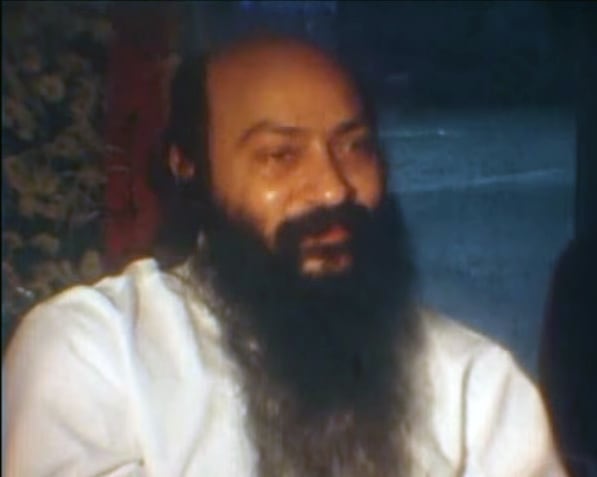
Osho en 1972 · CC BY-SA 3.0
उनके अपने शब्दों में
«Never Born – Never Died. Only visited this planet Earth between December 11, 1931 and January 19, 1990»Epitafio de su samadhi en la casa Lao Tzu, Pune; texto dictado por él semanas antes de morir

शुरुआत के लिए एक रचना
संभोग से समाधि की ओर (Sambhog se samadhi ki or)मूल विचार
Enlightenment is not the preserve of exceptional saints: every human being is a potential buddha, and what prevents it is the ego, formed by social conditioning.
संदर्भ में देखें
जीवनी
6 मिनट का पाठ
स्पैनिश मूल से सहायता-प्राप्त अनुवाद, मातृभाषी अनुवादक द्वारा समीक्षा लंबित।
मध्य प्रदेश का एक जैन बालक
चंद्र मोहन जैन का जन्म 11 दिसंबर 1931 को वर्तमान रायसेन ज़िले (मध्य प्रदेश) के गाँव कुचवाड़ा में अपने नाना-नानी के घर हुआ। वे दिगंबर जैन परिवार के कपड़ा व्यापारी बाबूलाल और सरस्वती की ग्यारह संतानों में सबसे बड़े थे। सात वर्ष की आयु तक वे नाना-नानी के पास रहे; नाना की मृत्यु के बाद वे गाडरवारा में अपने माता-पिता के पास आ गए। बचपन से ही उन्हें रजनीश — «रात का स्वामी» — कहा जाने लगा। स्वयं उन्होंने अपने स्वभाव की जड़ उस बचपन में देखी जिस पर कोई अनुशासन थोपा नहीं गया था, और मृत्यु से हुए आरंभिक साक्षात्कार में — पहले नाना की मृत्यु, फिर पंद्रह वर्ष की आयु में अपनी सखी शशि की। मेधावी छात्र और दुर्जेय वाद-विवादी, उन्होंने मार्क्स और रूसी अराजकतावादियों को पढ़ा और शीघ्र ही स्थापित धर्मों के प्रति संशयी हो गए।
विद्रोही प्राध्यापक
1951 में उन्होंने जबलपुर में विश्वविद्यालयी शिक्षा आरंभ की। उनके अपने वर्णन के अनुसार, 21 मार्च 1953 को, इक्कीस वर्ष की आयु में, भंवरताल उद्यान में एक वृक्ष के नीचे बैठे हुए उन्हें संबोधि का अनुभव हुआ; इसका उनके अपने कथन के अतिरिक्त कोई साक्ष्य नहीं है। 1955 में दर्शनशास्त्र में स्नातक और 1957 में सागर विश्वविद्यालय से स्नातकोत्तर उपाधि प्राप्त कर उन्होंने रायपुर के संस्कृत महाविद्यालय में और 1958 से जबलपुर विश्वविद्यालय में अध्यापन किया। साथ ही वे «आचार्य रजनीश» के रूप में भारत भर में भ्रमण करते हुए समाजवाद, गांधी और संस्थागत धर्मों की आलोचना करते रहे, और 1962 से ध्यान-शिविरों का संचालन करने लगे। 1966 में उन्होंने विश्वविद्यालय छोड़ दिया।
कामुकता पर दिए गए उनके 1968 के प्रवचन, जो बाद में «संभोग से समाधि की ओर» शीर्षक से प्रकाशित हुए, भारतीय प्रेस में उन्हें «सेक्स गुरु» का उपनाम दिला गए। 1969 में द्वितीय विश्व हिंदू सम्मेलन में उन्होंने कहा कि जो धर्म जीवन से घृणा करना सिखाता है वह सच्चा धर्म नहीं है, और इससे परंपरागत धर्माचार्य क्षुब्ध हो उठे।
बंबई और पुणे: नव-संन्यास
1970 में उन्होंने गतिशील ध्यान (डायनैमिक मेडिटेशन) प्रस्तुत किया — तेज़ श्वास, रेचन, उछलना, निश्चल ठहराव और नृत्य — और 26 सितंबर को अपने पहले शिष्यों को दीक्षा दी। ये नव-संन्यासी नया नाम पाते, केसरिया वस्त्र पहनते और उनके चित्र वाली माला धारण करते थे, किंतु उनसे संसार-त्याग की अपेक्षा नहीं की जाती थी। बंबई में बसने के बाद 1971 में उन्होंने भगवान श्री रजनीश की उपाधि ग्रहण की। 1974 में वे पुणे के कोरेगाँव पार्क चले गए, जहाँ आश्रम में प्रति वर्ष लगभग तीस हज़ार आगंतुक आने लगे, जिनमें अधिकांश पश्चिमी थे। वे प्रतिदिन प्रातः प्रवचन देते, हिंदी और अंग्रेज़ी की शृंखलाओं को बारी-बारी से — बुद्ध, लाओत्से, जीसस, सूफ़ियों, तंत्र या ज़ेन पर; रिकॉर्ड और लिपिबद्ध किए गए यही प्रवचन उनके लगभग समूचे साहित्य का स्रोत हैं। आश्रम में ध्यान के साथ मानव-संभाव्यता आंदोलन (ह्यूमन पोटेंशियल मूवमेंट) की समूह-चिकित्साएँ भी चलती थीं, जिनमें से कुछ इतनी हिंसक थीं कि 1979 में स्वयं आश्रम ने उन्हें बंद कर दिया।
ऑरेगन: रजनीशपुरम
1981 में वे लंबे सार्वजनिक मौन में चले गए और उनकी सचिव मा आनंद शीला ने संगठन की बागडोर सँभाल ली। उसी वर्ष वे चिकित्सा कारणों से पर्यटक वीज़ा पर संयुक्त राज्य अमेरिका गए, और फ़ाउंडेशन ने ऑरेगन में बिग मडी रैंच ख़रीदा, जहाँ शिष्यों ने एक नगर बसाया — रजनीशपुरम, जिसे 1982 में नगरपालिका का दर्जा मिला। भूमि-उपयोग को लेकर पड़ोसियों, राज्य और न्यायालयों से मुक़दमेबाज़ी निरंतर चलती रही, और नब्बे से अधिक रोल्स-रॉयस कारों का उनका संग्रह इस कम्यून का मीडिया-प्रतीक बन गया।
सितंबर 1984 में शीला के निर्देशन में कम्यून के सदस्यों ने द डैल्स के दस रेस्तराँओं के सलाद-बुफ़े को साल्मोनेला से दूषित कर दिया, ताकि वहाँ के निवासी काउंटी के चुनावों में मतदान न कर सकें। 751 लोग बीमार पड़े और 45 को अस्पताल में भर्ती करना पड़ा, किसी की मृत्यु नहीं हुई: यह संयुक्त राज्य अमेरिका के इतिहास का सबसे बड़ा जैव-आतंकवादी हमला है। यह जानबूझकर किया गया था, इसकी पुष्टि सितंबर 1985 में ही हो सकी, जब शीला और उनकी टीम के यूरोप भाग जाने के बाद स्वयं रजनीश ने एक संवाददाता सम्मेलन में उन पर यह और अन्य अपराध करने का आरोप लगाया और जाँच की माँग की। शीला और उनके कई सहयोगियों को दोषी ठहराया गया। अभियोजकों ने स्वीकार किया कि रजनीश की प्रत्यक्ष संलिप्तता के उनके पास अल्प प्रमाण थे, यद्यपि उनमें से कुछ ने सार्वजनिक रूप से कहा कि उनका उत्तरदायित्व उससे आगे जाता था जिस पर मुक़दमा चला।
अक्टूबर 1985 में एक संघीय ग्रैंड जूरी ने उन पर आप्रवासन-धोखाधड़ी का अभियोग लगाया। बरमूडा की ओर उड़ान भरते समय उन्हें शार्लट (नॉर्थ कैरोलाइना) में गिरफ़्तार किया गया, और अभियोजन पक्ष से हुए समझौते के तहत उन्होंने दो आरोपों में — देश में रहने के अपने इरादे को छिपाने और दिखावटी विवाहों को प्रोत्साहित करने में — «ऐल्फ़र्ड प्ली» के माध्यम से दोष स्वीकार किया, जिसमें तथ्यों की स्वीकृति निहित नहीं होती। उन्हें दस वर्ष के निलंबित कारावास, पाँच वर्ष की परिवीक्षा और जुर्माने तथा मुक़दमे के ख़र्च के रूप में 4,00,000 डॉलर का दंड मिला, और वे पाँच वर्ष तक वापस न लौटने के वचन के साथ संयुक्त राज्य अमेरिका से चले गए। इसके कुछ ही समय बाद कम्यून बिखर गया।
विश्व-यात्रा और पुणे वापसी
17 नवंबर 1985 को वे दिल्ली पहुँचे। अगले महीनों में वे नेपाल, यूनान, उरुग्वे और अन्य देशों से गुज़रे, जिनमें से कई ने उन्हें प्रवेश या निवास की अनुमति नहीं दी; जुलाई 1986 में वे बंबई लौटे और जनवरी 1987 में पुणे के आश्रम में। अपने स्वास्थ्य के क्षय का कारण उन्होंने अमेरिकी जेलों में दिए गए विष को बताया — एक ऐसा आरोप जिसे अभियोजन पक्ष ने कपोल-कल्पना कहा और जो कभी सिद्ध नहीं हुआ। उन्होंने भगवान की उपाधि त्याग दी और 1989 में ओशो नाम अपनाया। 19 जनवरी 1990 को अट्ठावन वर्ष की आयु में पुणे में उनका देहांत हुआ; आधिकारिक कारण हृदय-विफलता बताया गया। उनकी अस्थियाँ आश्रम के लाओत्से भवन में रखी हैं, एक ऐसे समाधि-लेख के नीचे जो कहता है कि वे न कभी जन्मे, न कभी मरे, केवल इन दो तिथियों के बीच इस पृथ्वी पर आए।
वाचिक कृतित्व और विवादित विरासत
ओशो ने कठोर अर्थ में शायद ही कोई पुस्तक लिखी: उनके नाम से प्रकाशित छह सौ से अधिक शीर्षक लगभग सभी प्रवचनों के संपादित प्रतिलेख हैं, जिनके साथ पत्र, दर्शन-संवाद और विषयवार संकलन जुड़ते हैं, जिन्हें उनकी मृत्यु के बाद ज़्यूरिख़ स्थित ओशो इंटरनेशनल फ़ाउंडेशन ने तैयार किया; यही फ़ाउंडेशन उनके अधिकारों और OSHO ट्रेडमार्क का प्रबंधन करता है, और 2017 में यूरोपीय संघ के जनरल कोर्ट ने शिष्यों के एक अन्य समूह के विरुद्ध उसके स्वामित्व की पुष्टि की। पुणे का आश्रम आज ओशो इंटरनेशनल मेडिटेशन रिज़ॉर्ट के रूप में चलता है।
उनके व्यक्तित्व पर मत आज भी बँटा हुआ है। लेखक खुशवंत सिंह और दार्शनिक पीटर स्लोटरडाइक ने उनमें एक मौलिक चिंतक देखा; ह्यू बी. अर्बन जैसे अध्येता उनके विचारों की सारग्राही प्रवृत्ति और उपभोक्ता संस्कृति से उनके मेल को रेखांकित करते हैं, और धर्म-अध्ययन के प्राध्यापक रोनाल्ड ओ. क्लार्क ने उनमें आत्ममुग्ध (नार्सिसिस्टिक) व्यक्तित्व के लक्षण बताए। 2022 से पूर्व शिष्याओं ने पुस्तकों, पॉडकास्टों और वृत्तचित्रों में उन पर निजी भेंटों के दौरान यौन शोषण के आरोप लगाए हैं, और 2024 की एक वृत्तचित्र-जाँच ने आंदोलन के भीतर नाबालिगों के शोषण की गवाहियाँ एकत्र की हैं; ये आरोप उनकी मृत्यु के बाद सामने आए और कभी किसी न्यायालय में परखे नहीं गए।
स्रोत: Joshi, Vasant. The Awakened One: The Life and Work of Bhagwan Shree Rajneesh. San Francisco: Harper & Row, 1982 (ISBN 006064205X). Biografía escrita por un discípulo. · Fox, Judith M. Osho Rajneesh. Studies in Contemporary Religion, 4. Salt Lake City: Signature Books, 2002 (ISBN 1560851562). · Carter, Lewis F. Charisma and Control in Rajneeshpuram: A Community without Shared Values. Cambridge: Cambridge University Press, 1990 (ISBN 0521385547). · Urban, Hugh B. Zorba the Buddha: Sex, Spirituality, and Capitalism in the Global Osho Movement. Oakland: University of California Press, 2015. · Gordon, James S. The Golden Guru: The Strange Journey of Bhagwan Shree Rajneesh. Lexington (Massachusetts): The Stephen Greene Press, 1987 (ISBN 0828906300).
कालक्रम
जीवन, वर्ष-दर-वर्ष
प्रत्येक बिंदु एक प्रमाणित घटना है। उसे स्रोत और निश्चितता के स्तर सहित पढ़ने के लिए क्लिक करें।
11 दिसंबर 19310 वर्षKuchwada, Madhya Pradesh
Born in Kuchwada
Chandra Mohan Jain is born on 11 December in Kuchwada (Madhya Pradesh) into a Jain family.
प्रमाणितWikidata, «Osho» (Q148285).
उनके निधन के बाद
- 11 अक्टूबर 2017Ruling on the OSHO trademark
- 2022Abuse allegations
11 दिसंबर 1931 · 0 वर्ष
Born in Kuchwada
Chandra Mohan Jain is born on 11 December in Kuchwada (Madhya Pradesh) into a Jain family.
प्रमाणित
1939 · 7 वर्ष
Move to Gadarwara
After his maternal grandfather's death he goes to live with his parents in Gadarwara.
संभावित
21 मार्च 1953 · 21 वर्ष
Enlightenment experience
By his own account, on 21 March he attains enlightenment under a tree in the Bhanvartal garden, Jabalpur.
परंपरा
1957 · 25 वर्ष
Master's in philosophy
Gains his master's in philosophy at the University of Sagar and begins teaching in Raipur.
प्रमाणित
1958 · 26 वर्ष
Lecturer at Jabalpur
Teaches philosophy at the University of Jabalpur, where he is made professor in 1960.
प्रमाणित
1966 · 34 वर्ष
Leaves the university
After a controversial lecture tour he leaves his university post.
प्रमाणित
1968 · 36 वर्ष
Talks on sex
The Bombay lectures later published as From Sex to Superconsciousness earn him the nickname 'sex guru'.
प्रमाणित
26 सितंबर 1970 · 38 वर्ष
Dynamic Meditation and first sannyasins
Introduces Dynamic Meditation and on 26 September initiates his first neo-sannyasins.
प्रमाणित
1971 · 39 वर्ष
Bhagwan Shree Rajneesh
Adopts the title Bhagwan Shree Rajneesh.
प्रमाणित
1974 · 42 वर्ष
Pune ashram
Settles in Koregaon Park (Pune), where he founds the ashram.
प्रमाणित
मई 1980 · 48 वर्ष
Attack during a talk
In May a young Hindu fundamentalist attempts to attack him during a discourse.
प्रमाणित
1981 · 49 वर्ष
Silence and move to the United States
On 10 April he begins a public silence; on 1 June he travels to the United States and in August settles on the Oregon ranch.
प्रमाणित
मई 1982 · 50 वर्ष
Rajneeshpuram
Ranch residents vote to incorporate it as the city of Rajneeshpuram.
प्रमाणित
सितंबर 1984 · 52 वर्ष
The Dalles bioterror attack
Commune members led by Ma Anand Sheela contaminate restaurants in The Dalles with salmonella: 751 people fall ill.
प्रमाणित
16 सितंबर 1985 · 53 वर्ष
Accusation against Sheela
On 16 September he accuses Sheela and her team of serious crimes at a press conference and asks for an investigation.
प्रमाणित
28 अक्टूबर 1985 · 53 वर्ष
Arrest and departure from the United States
Arrested on 28 October in Charlotte; in November he accepts a plea deal for immigration fraud and leaves the country. He lands in Delhi on 17 November.
प्रमाणित
1986 · 54 वर्ष
World tour
Travels through several countries that refuse him entry or residence; returns to Bombay on 30 July.
प्रमाणित
जनवरी 1987 · 55 वर्ष
Return to Pune
In January he returns to the Pune ashram and resumes his talks.
प्रमाणित
1989 · 57 वर्ष
Takes the name Osho
Drops the title Bhagwan and adopts the name Osho; in April he gives his last public discourse.
प्रमाणित
19 जनवरी 1990 · 58 वर्ष
Death in Pune
Dies on 19 January at the Pune ashram; official cause, heart failure.
प्रमाणित
11 अक्टूबर 2017
Ruling on the OSHO trademark
The EU General Court upholds the Osho International Foundation's ownership of the OSHO trademark.
प्रमाणित
2022
Abuse allegations
Former disciples publicly allege sexual abuse by Osho; the accusations have not been tried.
विवादित
कृतियाँ
आवश्यक कृतियाँ
वे कृतियाँ जिनके बिना उनकी विरासत को समझा नहीं जा सकता।
प्रकाशित व्याख्यान · 1968
संभोग से समाधि की ओर (Sambhog se samadhi ki or)
Series of talks given in Hindi in Bombay in 1968 that caused the scandal that made him famous in India. It argues that religious repression of sex produces sex-obsessed societies and that sexual energy, lived with full awareness, can be transformed into meditation and lead to samadhi. It is probably the best-selling and most controversial title of his Indian period.
5 संस्करण

प्रकाशित व्याख्यान · 1974
The Book of Secrets
Vigyan Bhairav Tantra
Commentary, in eighty talks given in Bombay and Pune in 1972–1973, on the 112 meditation techniques of the Vigyan Bhairav Tantra, a Kashmir Shaivite text framed as a dialogue between Shiva and Devi. Osho explains each technique — attention to breath, the senses, sound, emptiness — and relates it to modern psychology. His followers regard it as his central work on meditation.
2 संस्करण

परवर्ती संकलन · 1988
Meditation: The First and Last Freedom
Practical handbook gathering, from his talks, the active meditations Osho created — dynamic, kundalini, nadabrahma, nataraj — and techniques from various traditions, with instructions and answers to practitioners' questions. It is the Osho International Foundation's reference guide to his methods and one of his most translated works.
4 संस्करण

मरणोपरांत कृति · 2000
Autobiography of a Spiritually Incorrect Mystic
Account of his life assembled posthumously by the Osho International Foundation from excerpts of hundreds of talks in which he spoke of his childhood, student and teaching years, the 1953 experience, Pune, Oregon and his arrest. It is not a written autobiography but an editorial selection that presents events from his point of view and omits or softens the most controversial episodes.
3 संस्करण
संपूर्ण कृतित्व (54)

Glimpses of a Golden Childhood
1985

Notes of a Madman
1985
Osho
Books I Have Loved
The Conscious LibraryBooks I Have Loved
1985

The Mustard Seed
1975
Osho
Come Follow Me
The Conscious LibraryCome Follow Me
1976

Tantra: The Supreme Understanding
1975

The Tantra Vision
1978

Tao: The Three Treasures
1975

The Empty Boat
1976

When the Shoe Fits
1976

The Hidden Harmony
1976

No Water, No Moon
1975

And the Flowers Showered
1975

Neither This Nor That
1975
Osho
This Very Body the Buddha
The Conscious LibraryThis Very Body the Buddha
1978

The Heart Sutra
1977

The Diamond Sutra
1979
Osho
The Dhammapada
The Conscious LibraryThe Dhammapada
1979

The Discipline of Transcendence
1976
Osho
Yoga: The Alpha and the Omega
The Conscious LibraryYoga: The Alpha and the Omega
1976

The Ultimate Alchemy
1974
Osho
I Am That
The Conscious LibraryI Am That
1980

Until You Die
1976

Unio Mystica
1980
वचन
किसी निश्चित कृति में स्थित वचन। प्रत्येक के साथ उसका स्रोत और विश्वसनीयता का स्तर है।
Never Born – Never Died. Only visited this planet Earth between December 11, 1931 and January 19, 1990सत्यापितEpitafio de su samadhi en la casa Lao Tzu, Pune; texto dictado por él semanas antes de morir
मूल विचार (संपादकीय सार)
कॉपीराइट के सम्मान में, ये विचार हमारे अपने शब्दों में संक्षेपित हैं और इन्हें शब्दशः उद्धरण के रूप में प्रस्तुत नहीं किया गया है।
- Enlightenment is not the preserve of exceptional saints: every human being is a potential buddha, and what prevents it is the ego, formed by social conditioning.
- Repressing desires — especially sex — does not eliminate them but displaces them and makes them obsessive; accepted and lived with awareness, they transform of their own accord.
- Modern people are too tense to sit in silence; they first need to discharge their emotions physically before they can meditate, hence the active meditations.
- Spirituality does not require renouncing the world or wealth: the ideal is a human being who unites the sensual fullness of Zorba the Greek with the Buddha's inner silence.
- Organised religions, political ideologies, the traditional family and the nation are structures of control that keep people in obedience and fear.
- Meditation is not a practice confined to a moment of the day but a state of witnessing awareness that can be maintained in any activity.
- Truth cannot be transmitted as doctrine; the master only creates situations — talks, jokes, contradictions, silences — to shake the disciple's mind.
अप्रामाणिक या विवादित आरोपण वाले उद्धरण (2)
«If you love a flower, don't pick it up. Because if you pick it up it dies and it ceases to be what you love. Love is not about possession; love is about appreciation.»
Probably the most widely shared line under his name on social media, but it has not been located in the published transcripts consulted or in the Osho International Foundation's talk archive; its wording looks like a modern paraphrase.
«'The most beautiful sayings of Osho' on Italian politics.»
Since 2016 an Italian satirical page, Le più belle frasi di Osho, has put humorous comments on current affairs into Osho's mouth over photographs of him. It passed a million followers and its lines have sometimes been quoted as genuine: none is.
अंतिम शब्द
उनके अंतिम शब्दों का कोई सत्यापन-योग्य अभिलेख उपलब्ध नहीं है।
There is no independent record of his last words. He died on 19 January 1990 in Pune and his physician, Swami Amrito, announced the death that afternoon in Buddha Hall. Several versions circulate in the movement — instructions about his belongings, a sentence naming a disciple as his 'medium', the title 'I Leave You My Dream' of the commemorative video — all from internal sources and unconfirmed. The epitaph text was dictated a few weeks before his death, according to his press secretary Swami Chaitanya Keerti.
स्रोत: «Osho», «1984 Rajneeshee bioterror attack» y «Ma Anand Sheela», Wikipedia en inglés (consultadas para cotejar hechos y bibliografía secundaria; texto propio).
पूछें
उनकी कृतियाँ क्या उत्तर देती हैं
मानवता के बारह महान प्रश्न और उनके ग्रंथ उनका जो उत्तर देने देते हैं, संदर्भों सहित। हम कभी उनके मुख में अपने शब्द नहीं रखते।
परम सत्य क्या है? क्या ईश्वर है?
There is no personal God: only the godliness of existence itself
निराकार परम सत्तास्पष्ट रूप से कहा है
Osho rejects the creator and personal God of organised religions, which he regards as a projection of fear and an instrument of priests. In its place he speaks of godliness as a quality of existence: there is no God but life itself, in one of his most repeated formulas. The ultimate is not someone who judges or rewards but the living totality in which one dissolves when the ego disappears, an experience reached through meditation and not through belief. In his commentaries on the Upanishads, Zen or Tantra he renders that totality in each tradition’s vocabulary: Brahman, emptiness, consciousness. What remains constant is the denial of a separate God and the affirmation of the sacred in what exists.
इस प्रश्न की अन्य गुरुओं से तुलना करेंमैं कौन हूँ? क्या कोई सच्चा आत्म है?
The ego is a social product; behind it is the witness, the potential buddha
अहं विचार की रचना हैस्पष्ट रूप से कहा है
Osho describes the ego as a construction: an image manufactured by parents, school, religion and society so that the individual will be useful and obedient. It is not an enemy to be defeated, since fighting it strengthens it, but an illusion that vanishes when observed. What observes is the witnessing consciousness (sakshi), which is neither a thing nor an idea and which he identifies with the buddha-nature every human being carries in potential. In The Book of the Ego and in his commentaries on the Heart Sutra he sets out this double thesis: the social self is fictitious, and what remains when its fiction is seen is not a sad void but consciousness itself, free and joyful.
इस प्रश्न की अन्य गुरुओं से तुलना करेंहम दुःख क्यों भोगते हैं?
Misery is made by the mind: repression, ego and living outside the now
विचार और मनोवैज्ञानिक समयस्पष्ट रूप से कहा है
Osho holds that human misery is largely manufactured: it is produced by a mind that lives in past and future, compares, desires and fears, and that, as one of his recorded sayings puts it, has no capacity of its own for joy but only thinks about joy. To this cause he adds another he regards as social: religions and morality have taught people to repress the body, sex and emotions, and what is repressed becomes obsessive and painful. Hence his criticism of any religion that teaches hatred of life. The way out he proposes is not a doctrine but meditation: first releasing what is repressed through active techniques, then watching the mind until it loses its hold.
इस प्रश्न की अन्य गुरुओं से तुलना करेंमृत्यु के बाद क्या होता है?
Never born, never died: death is a threshold crossed awake
जो मैं हूँ, वह न जन्मता है न मरता हैस्पष्ट रूप से कहा है
The epitaph Osho dictated weeks before his death says that he was never born and never died, and only visited this planet between 1931 and 1990. That formula sums up the thesis he develops in The Art of Dying and in his commentaries on the Upanishads: what dies is body and mind; witnessing consciousness has no beginning or end. Hence his proposal to learn to die before dying, through a meditation that allows one to watch the dissolution of the ego, so that physical death is lived lucidly. In certain contexts he accepted rebirth: he even claimed that in a previous life he had died seven hundred years earlier, during a long fast, without completing his path.
इस प्रश्न की अन्य गुरुओं से तुलना करेंमुक्ति या उद्धार कैसे प्राप्त होता है?
Techniques to reach witnessing awareness, then dropping them
बिना विधि: संपूर्ण अवधानस्पष्ट रूप से कहा है
For Osho enlightenment is not an achievement reserved for saints: it is the nature of every human being, hidden by ego and conditioning. What reveals it is witnessing awareness: watching body, mind and emotions without identifying with them. Unlike Krishnamurti, whom he both admired and criticised, Osho defended the use of techniques: he commented on the 112 of the Vigyan Bhairav Tantra in The Book of Secrets and created active meditations, such as Dynamic Meditation, for modern people too tense to sit in silence. But he insisted that techniques are provisional devices to be dropped: meditation itself is not a method but a state of effortless attention.
इस प्रश्न की अन्य गुरुओं से तुलना करेंक्या गुरु आवश्यक है?
The master shares his being; but obey nothing that does not arise in you
गुरु भीतर हैस्पष्ट रूप से कहा है
Osho holds two claims that pull in opposite directions. On the one hand he initiated thousands into neo-sannyas and spoke of surrender to the master as the condition of transformation: a master, as one of his recorded sayings has it, shares his being, not his philosophy, and transmission happens through closeness rather than words. On the other he repeated that no one should obey an order that does not also come from within, criticised all religious authority, and in his last years presented himself as a friend rather than a guru. What reconciles the two, in his account, is that the master serves only to awaken the inner witness.
इस प्रश्न की अन्य गुरुओं से तुलना करेंक्या संसार वास्तविक है?
No need to flee the world: existence itself is the divine
दिव्य की अभिव्यक्तिस्पष्ट रूप से कहा है
Osho fights the Indian tradition that declares the world illusory and counsels renouncing it. For him there is no God but life itself, and the world, with its beauty, pleasures and wealth, is the expression of that godliness. His ideal of ‘Zorba the Buddha’ joins the sensual fullness of Kazantzakis’s character with the Buddha’s inner silence: the point is not to choose between world and spirit but to live both consciously. Hence he criticises religions that teach hatred of life and defines religion as the art of enjoying it. What is illusory for Osho is not the world but the mind that interprets it and turns it into a problem.
इस प्रश्न की अन्य गुरुओं से तुलना करेंप्रेम क्या है?
Love is a state of being, not a relationship: it flowers without ego
जो अहं के मिटने पर प्रकट होता हैस्पष्ट रूप से कहा है
Osho distinguishes love as need, which seeks to possess and turns into jealousy and dependence, from love as overflowing, which is only possible when the ego has quietened. In Love, Freedom, Aloneness he holds that only someone who can be alone without feeling isolated is able to love without chaining the other, and that love and freedom are inseparable. His approach also has an energetic trajectory: in From Sex to Superconsciousness he argues that sexual energy, accepted and lived consciously rather than repressed, is transformed into love and, in its highest form, into prayer and meditation. Love is not cultivated as a virtue: it appears when the self is absent.
इस प्रश्न की अन्य गुरुओं से तुलना करेंक्या हम स्वतंत्र हैं, या सब कुछ पूर्वनिर्धारित है?
The sleeping man is a robot; awareness is the only freedom
जागने तक हम यंत्र हैंउनके सिद्धांत से निष्कर्षित
Osho often takes up the diagnosis of Gurdjieff, whom he commented on and admired: ordinary human beings live asleep, reacting mechanically according to their conditioning, like robots. What he calls freedom is not the capacity to choose between options but the awareness that watches the mechanisms without identifying with them; only one who is awake acts instead of reacting. But this view coexists with another, equally insistent, that recommends letting go of control and being carried by existence, floating with the river rather than swimming against it. The two theses meet in witnessing consciousness: one who watches without choosing is no longer a mechanism, and has no need to impose a will either.
इस प्रश्न की अन्य गुरुओं से तुलना करेंध्यान या प्रार्थना क्यों करें?
Meditation is not concentration: it is being present, a witness, without mind
उपस्थित रहनास्पष्ट रूप से कहा है
Osho distinguishes meditation from concentration and contemplation: to concentrate is to narrow the mind, to contemplate is to think about something, and to meditate is a state of no-mind, of pure attention to the present. Hence it can be done while walking, eating or working, and its goal is not to achieve anything in the future but to be wholly here. To reach that state he designed active meditations, such as Dynamic or Kundalini, which begin with movement, catharsis or dance and end in silence, because he held that modern people are too tense to sit still. Prayer, in his devotional talks, is the same state lived as gratitude towards existence.
इस प्रश्न की अन्य गुरुओं से तुलना करेंक्या बुद्धि परम को जान सकती है?
The mind only thinks about joy; truth lies in no-mind
विचार सीमित हैस्पष्ट रूप से कहा है
Osho, who was a philosophy lecturer before becoming a spiritual teacher, uses reason with polemical skill, but holds that thought cannot reach truth. The mind works with memory and language, repeats the known and cannot touch the new; according to one of his recorded sayings it has no capacity of its own for joy, it only thinks about joy. Hence he sets mind against no-mind, the meditative state in which thought falls quiet and reality is perceived directly. He does not, however, ask for faith: he sharply criticises beliefs and encourages doubting everything, himself included. Reason serves to dismantle beliefs; truth appears when the mind falls silent.
इस प्रश्न की अन्य गुरुओं से तुलना करेंसंसार से हटें या उसे बदलें?
The rebel, not the revolutionary: change consciousness, not the system
क्रांति भीतर हैस्पष्ट रूप से कहा है
Osho rejected traditional renunciation: his sannyasins wore orange but kept working, earning money and living in the world, following the ideal of Zorba the Buddha. At the same time he distrusted projects of social transformation. In The Rebel he distinguishes the revolutionary, who wants to change society and ends up reproducing the power he fights, from the rebel, who transforms himself and, by contagion, creates a new human being. He criticised Gandhi, socialism and organised religions as ways of imposing ideals. The only thing that truly changes the world, he held, is individual consciousness, and a new society can only be born of meditative individuals.
इस प्रश्न की अन्य गुरुओं से तुलना करें
निकटता और तनाव
निकटता और तनाव
उनके मतों के आधार पर प्रश्न-दर-प्रश्न आकलित। प्रत्येक सहमति या टकराव का कारण क्लिक करने पर।
इनसे मिलता-जुलता सोचते हैं
Eckhart Tolle
इन पर सहमत: परम सत्य क्या है? क्या ईश्वर है? · मैं कौन हूँ? क्या कोई सच्चा आत्म है? · हम दुःख क्यों भोगते हैं?
- BKByron Katie
Byron Katie
इन पर सहमत: परम सत्य क्या है? क्या ईश्वर है? · मैं कौन हूँ? क्या कोई सच्चा आत्म है? · हम दुःख क्यों भोगते हैं?
Alan Watts
इन पर सहमत: परम सत्य क्या है? क्या ईश्वर है? · हम दुःख क्यों भोगते हैं? · मृत्यु के बाद क्या होता है?
Jiddu Krishnamurti
इन पर सहमत: मैं कौन हूँ? क्या कोई सच्चा आत्म है? · हम दुःख क्यों भोगते हैं? · मुक्ति या उद्धार कैसे प्राप्त होता है?

प्रसंग और वृत्तांत
प्रसंग और वृत्तांत
साक्ष्य1953
Under a tree in Jabalpur
वृत्तांत का स्रोत: The only testimony is his own, in later talks; it is recorded in the biography by his disciple Vasant Joshi (1982) and repeated in the movement's publications.
स्रोत: Joshi, Vasant. The Awakened One: The Life and Work of Bhagwan Shree Rajneesh. San Francisco: Harper & Row, 1982 (ISBN 006064205X). Biografía escrita por un discípulo.
प्रमाणित1970
The first sannyasins
वृत्तांत का स्रोत: Facts recorded by Judith M. Fox, Bob Mullan and Vasant Joshi; the description of the stages comes from the instructions published by the movement itself.
स्रोत: Fox, Judith M. Osho Rajneesh. Studies in Contemporary Religion, 4. Salt Lake City: Signature Books, 2002 (ISBN 1560851562).
प्रमाणित1980
A knife in Buddha Hall
वृत्तांत का स्रोत: Recorded in the literature on the movement (Fox, Carter) and in the Indian press of the time; the attacker's motives come from his own statement.
प्रमाणित1981–1985
Ninety-three Rolls-Royces
वृत्तांत का स्रोत: Documented by Lewis F. Carter, Frances FitzGerald and the Oregon press; the figure of 93 vehicles comes from the inventory of the owning company.
स्रोत: Carter, Lewis F. Charisma and Control in Rajneeshpuram: A Community without Shared Values. Cambridge: Cambridge University Press, 1990 (ISBN 0521385547).
प्रमाणितseptiembre de 1985
The press conference and the bonfire
वृत्तांत का स्रोत: Press conference reported by the Oregon press and by Frances FitzGerald (The New Yorker, 1986); the booklet burning was reported by international agencies and is recorded in the academic literature.
साक्ष्य1990
'Never born, never died'
वृत्तांत का स्रोत: The plaque text can be verified on site; the circumstances of its dictation come from the testimony of his press secretary, Swami Chaitanya Keerti (The Indian Express, 2024), and the cremation is described by Judith M. Fox and the Indian press.
स्रोत: Fox, Judith M. Osho Rajneesh. Studies in Contemporary Religion, 4. Salt Lake City: Signature Books, 2002 (ISBN 1560851562).
शिक्षाएँ
शिक्षाएँ
वे अवधारणाएँ जो उनके चिंतन को रूप देती हैं, उनके संदर्भ में समझाई गई।
Dynamic Meditationmeditacion-dinamica
Osho's active meditations (dynamic, kundalini, nadabrahma, nataraj), described in Meditation: The First and Last Freedom.
स्रोत: Fox, Judith M. Osho Rajneesh. Studies in Contemporary Religion, 4. Salt Lake City: Signature Books, 2002 (ISBN 1560851562).
Neo-sannyasneo-sannyas
Neo-sannyasin movement (1970–1990); studied by Carter, Mullan and Palmer.
स्रोत: Mullan, Bob. Life as Laughter: Following Bhagwan Shree Rajneesh. Londres: Routledge & Kegan Paul, 1983 (ISBN 0710200439).
Zorba the Buddhazorba-el-buda
Pune talks (1970s and 1987–1989); critical analysis in Urban, Zorba the Buddha (2015).
स्रोत: Urban, Hugh B. Zorba the Buddha: Sex, Spirituality, and Capitalism in the Global Osho Movement. Oakland: University of California Press, 2015.
Witnessing awarenessconciencia-testigo
Present in almost all his talk series, especially The Book of Secrets.
स्रोत: Fox, Judith M. Osho Rajneesh. Studies in Contemporary Religion, 4. Salt Lake City: Signature Books, 2002 (ISBN 1560851562).
From sex to superconsciousnessdel-sexo-a-la-superconsciencia
Bombay talks of 1968 (Sambhog se samadhi ki or); later commentaries on Tilopa and Saraha.
स्रोत: Urban, Hugh B. Zorba the Buddha: Sex, Spirituality, and Capitalism in the Global Osho Movement. Oakland: University of California Press, 2015.
Silence and heart-to-heart communionsilencio-y-comunion
Rajneeshpuram, 1981–1984; assessment in Carter (1990) and FitzGerald (1986).
स्रोत: Carter, Lewis F. Charisma and Control in Rajneeshpuram: A Community without Shared Values. Cambridge: Cambridge University Press, 1990 (ISBN 0521385547).
वीडियो
वीडियो
रिकॉर्डिंग, साक्षात्कार और वृत्तचित्र। वीडियो YouTube से चलते हैं; वे यहाँ संग्रहीत नहीं हैं।
OSHO: Waking Up the World
मूल रिकॉर्डिंग· EN· 14 min
OSHO Internationalआधिकारिक चैनल
OSHO: The Greatest Courage Is Being Capable of Change
मूल रिकॉर्डिंग· EN· 22 min
OSHO Internationalआधिकारिक चैनल
OSHO: Sheela Never Even Listened
मूल रिकॉर्डिंग· EN· 1985· 21 min
OSHO Internationalआधिकारिक चैनल
OSHO: Ateet Aur Bhavishya Se Mukti (अतीत और भविष्य से मुक्ति)
मूल रिकॉर्डिंग· HI· 15 min
OSHO Internationalआधिकारिक चैनल
OSHO: Nacho, Gao, Dhyan Mein Dubo
मूल रिकॉर्डिंग· HI· 7 min
OSHO Internationalआधिकारिक चैनल
OSHO Dynamic Meditation – a revolution in consciousness
वृत्तचित्र· EN· 24 min
OSHO Internationalआधिकारिक चैनल
Bhagwan Shree Rajneesh Interview - July 1985 | KATU In The Archives
साक्षात्कार· EN· 1985· 13 min
KATU Newsआधिकारिक चैनल
Rajneeshpuram: Paradise Lost? - November 2nd, 1985 - KATU In The Archives
वृत्तचित्र· EN· 1985· 23 min
KATU Newsआधिकारिक चैनल
Rajneeshpuram - News Footage (KGW, 1985)
वृत्तचित्र· EN· 1985· 52 min
Oregon Historical Societyआधिकारिक चैनल
Update: Rajneesh | KGW 1984 award-winning documentary
वृत्तचित्र· EN· 1984· 59 min
KGW Newsआधिकारिक चैनल
How the Rajneesh Cult Overran This Oregon Town
वृत्तचित्र· EN· 1 min
Smithsonian Channelआधिकारिक चैनल
Wild Wild Country | Official Trailer | Netflix
वृत्तचित्र· EN· 2018· 3 min
Netflixआधिकारिक चैनल
Bhagwan - Die Deutschen und der Guru | Dokumentarfilm | Trailer
वृत्तचित्र· DE· 11 min
ARDआधिकारिक चैनल
Einblicke in Oshos umstrittenen Kult - Die dunkle Seite der Rajneesh-Bewegung (Dokumentation, 2013)
वृत्तचित्र· DE· 2013· 97 min
wocomoDEUTSCH
चित्रशाला
चित्रशाला
सत्यापित लाइसेंस वाले चित्र। प्रत्येक में उसके रचयिता और श्रेय का उल्लेख सुरक्षित है।
संबंध
संबंध
प्रभाव, शिष्यत्व और वैचारिक निकटता। प्रमाणित संबंध को विश्लेषण से पहचानी गई समानता से अलग दर्शाया गया है।
इनसे प्रभावित
He commented on the Japji in The True Name.
प्रमाणित संबंध
इनसे प्रभावित
He commented on the Yoga Sutras in Yoga: The Alpha and the Omega.
प्रमाणित संबंध
इनके गुरु
Ma Anand Sheela
His secretary from 1981 to 1985 and manager of Rajneeshpuram; she led the 1984 bioterror attack and was convicted. Osho accused her publicly in September 1985.
प्रमाणित संबंध
इनसे प्रभावित
The Pune ashram's work regime was consciously modelled on Gurdjieff's community in France.
प्रमाणित संबंध
इनके समकालीन
Krishnamurti disapproved of Rajneesh, though similarities between their teachings have been noted; Osho commented on him often.
प्रमाणित संबंध
इनसे प्रभावित
Siddhartha Gautama, the Buddha
He devoted long cycles of talks to the Dhammapada and the Mahayana sutras.
प्रमाणित संबंध
इनसे प्रभावित
He commented on the Tao Te Ching in Tao: The Three Treasures.
प्रमाणित संबंध
इनसे प्रभावित
He commented on his stories in The Empty Boat and When the Shoe Fits.
प्रमाणित संबंध
इनसे प्रभावित
He commented on his fragments in The Hidden Harmony.
प्रमाणित संबंध
इनसे प्रभावित
He devoted several talk cycles to him, such as The Divine Melody.
प्रमाणित संबंध
इनसे प्रभावित
He commented on the Gospel of Thomas and the canonical Gospels in The Mustard Seed and Come Follow Me.
प्रमाणित संबंध
इनसे प्रभावित
He commented on his Song of Meditation in This Very Body the Buddha.
प्रमाणित संबंध
इनसे प्रभावित
During his 1981 silence The Prophet was read at satsangs; he commented on it in several talks.
प्रमाणित संबंध
इनके गुरु
Peter Sloterdijk
The German philosopher lived at the Pune ashram from 1978 to 1980 and called him 'a Wittgenstein of religions'.
प्रमाणित संबंध
इनके समकालीन
Both spread Zen, Tantra and Taoism in the West in a free and provocative style; there is no record that they met.
विश्लेषण से पहचानी गई समानता
इनसे मिलते-जुलते विचार
The emphasis on witnessing awareness recalls Ramana's self-enquiry, though their teaching styles are opposite.
विश्लेषण से पहचानी गई समानता
अन्य प्रविष्टियों से जुड़ा
स्रोत
स्रोत
इस प्रविष्टि के लिए देखे गए ग्रंथ-सूची और सूचीपत्र।
- Wikidata, «Osho» (Q148285).
- Joshi, Vasant. The Awakened One: The Life and Work of Bhagwan Shree Rajneesh. San Francisco: Harper & Row, 1982 (ISBN 006064205X). Biografía escrita por un discípulo.
- Fox, Judith M. Osho Rajneesh. Studies in Contemporary Religion, 4. Salt Lake City: Signature Books, 2002 (ISBN 1560851562).
- Carter, Lewis F. Charisma and Control in Rajneeshpuram: A Community without Shared Values. Cambridge: Cambridge University Press, 1990 (ISBN 0521385547).
- FitzGerald, Frances. «Rajneeshpuram», The New Yorker, 22 y 29 de septiembre de 1986 (recogido en Cities on a Hill, Nueva York: Simon & Schuster, 1986).
- Török, Thomas J. et al. «A Large Community Outbreak of Salmonellosis Caused by Intentional Contamination of Restaurant Salad Bars». JAMA 278, n.º 5 (1997): 389–395.
- Urban, Hugh B. Zorba the Buddha: Sex, Spirituality, and Capitalism in the Global Osho Movement. Oakland: University of California Press, 2015.
- Gordon, James S. The Golden Guru: The Strange Journey of Bhagwan Shree Rajneesh. Lexington (Massachusetts): The Stephen Greene Press, 1987 (ISBN 0828906300).
- «Osho», «1984 Rajneeshee bioterror attack» y «Ma Anand Sheela», Wikipedia en inglés (consultadas para cotejar hechos y bibliografía secundaria; texto propio).
- OSHO International Foundation, web oficial (biblioteca de charlas, meditaciones y catálogo).
- Open Library: obras y ediciones atribuidas a Osho / Bhagwan Shree Rajneesh (búsqueda por autor y por título).
- Carus, W. Seth. «The Rajneeshees (1984)», en Jonathan B. Tucker (ed.), Toxic Terror: Assessing Terrorist Use of Chemical and Biological Weapons. Cambridge (Massachusetts): MIT Press, 2000, pp. 115–137.
- Goldman, Marion S. «Rajneesh/Osho», en James R. Lewis (ed.), Controversial New Religions. Nueva York: Oxford University Press, 2004.
- Mullan, Bob. Life as Laughter: Following Bhagwan Shree Rajneesh. Londres: Routledge & Kegan Paul, 1983 (ISBN 0710200439).
- Richter, Anke. Cult Trip: Inside the World of Coercion and Control. Auckland: HarperCollins New Zealand, 2022.
- Tribunal General de la Unión Europea, sentencia de 11 de octubre de 2017, asunto T-670/15, Osho Lotus Commune contra EUIPO (marca denominativa «OSHO»).
- Milne, Hugh. Bhagwan: The God That Failed. Londres: Caliban Books, 1986 (ISBN 1850660069). Memorias de su antiguo guardaespaldas.
- Abbott, Carl. «Utopia and Bureaucracy: The Fall of Rajneeshpuram, Oregon». Pacific Historical Review 59, n.º 1 (1990): 77–103.
- Children of the Cult (documental, 2024), investigación periodística sobre abusos a menores dentro del movimiento Rajneesh.
- Archivo audiovisual de KGW y KATU (Portland) y Oregon Historical Society: reportajes y entrevistas sobre Rajneeshpuram, 1984–1985.
- Chryssides, George D. Exploring New Religions. Londres y Nueva York: Cassell, 1999, cap. «New Forms of Buddhism: Osho/Rajneesh».
- Clarke, Ronald O. «The Narcissistic Guru: A Profile of Bhagwan Shree Rajneesh». Free Inquiry, primavera de 1988, pp. 33–45 (reimpr. en Harry Aveling, ed., Osho Rajneesh and His Disciples, Delhi: Motilal Banarsidass, 1999).
- अधिकार-धारक
- OSHO International Foundation (Zúrich); marca OSHO registrada en la Unión Europea (confirmada por el Tribunal General en 2017)
- आधिकारिक वेबसाइट
- www.osho.com
पुष्टि की प्रतीक्षा में
जो यह प्रविष्टि अभी तक निश्चित नहीं कर सकी है। हम उसे भर देने के बजाय कह देना बेहतर समझते हैं।
- Obra: más de 600 títulos atribuidos (transcripciones de charlas en hindi e inglés, cartas, diarios de darshan y recopilaciones póstumas de la Osho International Foundation). Se registran 54 principales; el resto son compilaciones de discursos editadas por la OIF. Pendiente cotejar el catálogo completo de la OIF y la lista de series en hindi (Geeta Darshan, Shiv Sutra, Mahavir Vani, etc.) con su año y su ISBN.
- ISBN sin verificar en catálogo: Geeta Darshan, The True Name, Yoga: The Alpha and the Omega, The Silent Explosion; ediciones en español de El libro de los secretos posteriores a 2003 y de los ciclos sobre Tao y zen.
- Localizar en la transcripción original (archivo de la OIF) las citas marcadas como «probable», hoy tomadas de fuentes secundarias (Joshi, Fox, Goldman, Gordon).
- Acusaciones de abusos (2022–2024): seguir la bibliografía y la prensa de referencia; hoy se apoyan en el libro de Anke Richter (2022), pódcasts de antiguas discípulas y el documental Children of the Cult (2024). Confirmar la ficha técnica completa del documental.
- Coordenadas exactas de Kuchwada (distrito de Raisen) sin verificar.
- Vídeos: no hay en YouTube un canal oficial de Osho en español ni documentales en castellano de televisiones públicas; los vídeos en español disponibles son de canales de terceros sin garantías.
2026-10-25 को शोधित