भक्ति · सिख धर्म
Guru Nanak
ਗੁਰੂ ਨਾਨਕ · گرو نانک · गुरु नानक
1469 – 1539ऐतिहासिक रूप से प्रमाणित व्यक्ति
पंजाब के आध्यात्मिक गुरु और कवि (1469–1539), दस गुरुओं में प्रथम और सिख परम्परा के संस्थापक। वेईं नदी के अनुभव के बाद गुरु नानक देव ने घोषणा की कि «ना को हिंदू, ना मुसलमान», दो दशकों तक संगीतकार भाई मरदाना के साथ यात्राएँ कीं और करतारपुर में शिष्यों की एक ऐसी संगत बसाई जो साथ मिलकर श्रम करती, कीर्तन करती और भोजन करती थी। जपुजी साहिब सहित उनकी 974 रचनाएँ गुरु ग्रंथ साहिब में सुरक्षित हैं; उनके जीवन का वर्णन करने वाली जनमसाखियाँ भक्ति-कथाएँ हैं।
- कृतियाँ
- 27कृतियाँ
- संस्करण
- 42संस्करण
- उद्धरण
- 10उद्धरण
- वीडियो
- 15वीडियो
- चित्र
- 9चित्र
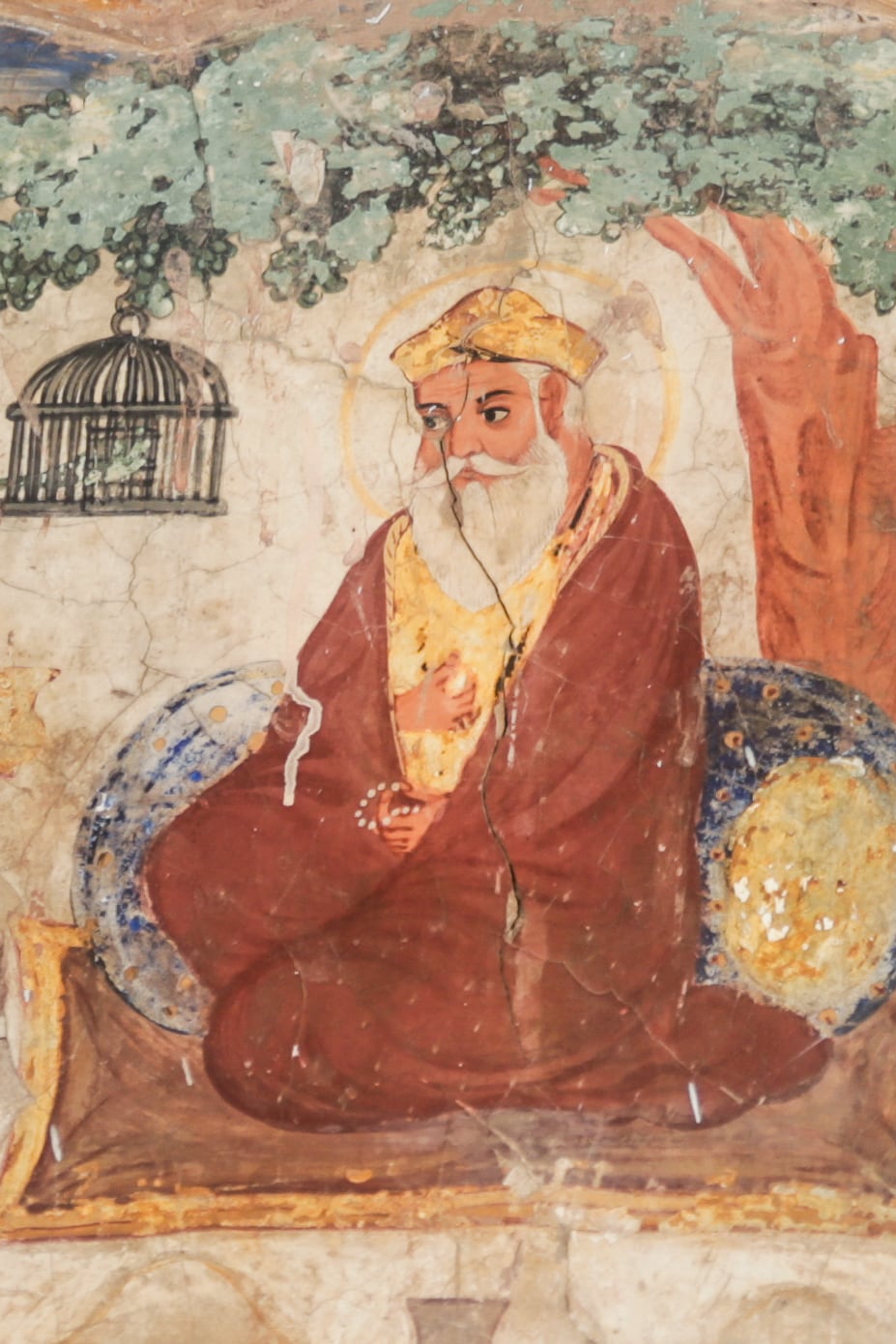
Guru Nanak en un mural del gurdwara Baba Atal Rai · CC BY-SA 4.0
उनके अपने शब्दों में
«One God. Truth is his name. Creator, without fear, without enmity, of timeless form, unborn, self-existent; attained by the guru's grace.»Mul Mantar, Guru Granth Sahib, ang 1. Traducción propia.

मूल विचार
Ik Onkar: one God: The Sikh scripture opens with a sign, the numeral "one" joined to the syllable Onkar, which Nanak made the emblem of his theology: there is a single God, at once transcendent, without form (nirgun), and present throughout creation (sargun).
संदर्भ में देखें
जीवनी
5 मिनट का पाठ
स्पैनिश मूल से सहायता-प्राप्त अनुवाद, मातृभाषी अनुवादक द्वारा समीक्षा लंबित।
तलवंडी
नानक का जन्म 1469 में राय भोई दी तलवंडी में हुआ — लाहौर से लगभग सत्तर किलोमीटर पश्चिम में बसा पंजाब का एक गाँव, जो आज ननकाना साहिब कहलाता है और पाकिस्तान में है। लगभग सभी पारम्परिक जीवनियाँ उनका जन्म वैसाख मास में, अर्थात् अप्रैल में — प्रचलित गणना के अनुसार 15 तारीख़ को — रखती हैं, यद्यपि सिख उनका प्रकाश-पर्व नवम्बर में कत्तक (कार्तिक) की पूर्णिमा को मनाते हैं, उस परम्परा के अनुसार जो उन्नीसवीं शताब्दी में स्थापित हुई। उनके पिता कालू, खत्री व्यापारी जाति और बेदी वंश के, स्थानीय ज़मींदार राय बुलार के, जो मुसलमान थे, पटवारी थे; माता का नाम तृप्ता था, और बड़ी बहन नानकी वह पहली व्यक्ति बनीं जिन्होंने उनमें कुछ असाधारण पहचाना। उन्होंने पढ़ना, हिसाब रखना और, जीवनियों के अनुसार, कुछ फ़ारसी सीखी।
वेईं नदी
लगभग 1487 में बटाला में उनका विवाह सुलक्खनी से हुआ, जिनसे उनके दो पुत्र हुए, श्रीचंद और लखमीदास। नानकी के पति के माध्यम से वे क्षेत्र के सूबेदार दौलत खान लोदी की सेवा में सुल्तानपुर के अन्न-भण्डार के प्रबन्धक के रूप में नियुक्त हुए। वहीं, जनमसाखियों के अनुसार — जो उनके जीवन से जुड़ी कथाओं के संग्रह हैं —, वे हर सुबह वेईं नदी में स्नान करते थे; एक दिन वे लौटे नहीं। सबने समझा कि वे डूब गए। तीसरे दिन वे प्रकट हुए, मौन रहे, और जब बोले तो कहा: «ना को हिंदू, ना मुसलमान» — न कोई हिन्दू है, न मुसलमान। जीवनियाँ इन दिनों का वर्णन ईश्वरीय दरबार में उपस्थिति के रूप में करती हैं, जहाँ उन्हें नाम की महिमा गाने का आदेश मिला। पारम्परिक तिथि 1499 है, जब वे लगभग तीस वर्ष के थे; इसकी पुष्टि का कोई साधन नहीं है।
यात्राएँ
उन्होंने नौकरी छोड़ दी और लम्बी यात्राओं — उदासियों — पर निकल पड़े, साथ में थे भाई मरदाना, एक मुसलमान संगीतकार, जो रबाब बजाते थे और नानक गाते थे। जनमसाखियाँ उन्हें पूर्व में बनारस, बंगाल, असम और पुरी तक; दक्षिण में श्रीलंका तक; उत्तर में हिमालय और सुमेरु पर्वत तक, जहाँ वे नाथ योगियों से संवाद करते हैं; और पश्चिम में मक्का और बग़दाद तक ले जाती हैं। डब्ल्यू. एच. मैकलियोड, जिन्होंने इन कथाओं को ऐतिहासिक आलोचना की कसौटी पर कसा, इस निष्कर्ष पर पहुँचे कि उन्होंने बहुत यात्राएँ कीं, यह अत्यन्त सम्भव है — विशेषकर हिन्दू और मुस्लिम तीर्थस्थलों की —, किन्तु विस्तृत यात्रा-मार्ग बाद की रचनाएँ हैं। बग़दाद में «बाबा नानक» को समर्पित एक स्थान है, जिसके शिलालेख के पाठ और तिथि पर विवाद है। इसके विपरीत, नानक की अपनी वाणी उनके संवाद-साथियों की पुष्टि करती है: ब्राह्मण, क़ाज़ी, तपस्वी, योगी।
बाबर
लगभग 1520 में बाबर की सेना ने, जिसने कुछ वर्ष बाद मुग़ल साम्राज्य की नींव रखी, सैदपुर — आज के एमिनाबाद — को लूटा। नानक वहीं थे या बहुत निकट, और जो उन्होंने देखा वह उनकी वाणी में उतर आया: बाबरवाणी के नाम से प्रसिद्ध चार शबद नरसंहार, घसीटकर ले जाई गई स्त्रियों, ध्वस्त मन्दिरों और मस्जिदों का वर्णन करते हैं, और ईश्वर से एक ऐसा प्रश्न करते हैं जिसकी उनके युग की भक्ति-कविता में कोई मिसाल नहीं: «एती मार पई करलाणे तैं की दरदु न आइआ» — इतनी मार पड़ी, लोग चीत्कार करते रहे, क्या तुझे पीड़ा नहीं हुई? जनमसाखियाँ जोड़ती हैं कि नानक बन्दी बनाए गए, कारागार में चक्कियाँ अपने आप चलने लगीं और अन्ततः बाबर ने उन्हें मुक्त कर दिया; यह किंवदन्ती है, पर शबद एक ऐतिहासिक घटना की प्रत्यक्ष गवाही हैं।
करतारपुर
1520 के दशक में वे रावी के तट पर स्वयं बसाए गाँव करतारपुर में स्थिर हो गए। वहाँ उन्होंने अपने अन्तिम पन्द्रह वर्ष तपस्वी के रूप में नहीं, गृहस्थ और किसान के रूप में बिताए: दिन उनके जपुजी साहिब के पाठ से आरम्भ होता और सन्ध्या की वाणी से समाप्त, और शिष्य — सिख का अर्थ ही है «शिष्य» — खेत जोतते और साझे रसोईघर में साथ बैठकर भोजन करते। अगली पीढ़ी के लेखक भाई गुरदास इस संगत को उस जीवन का आदर्श बताते हैं जिसका नानक उपदेश देते थे: नाम का स्मरण, ईमानदारी की कमाई और जो पास है उसे बाँटकर खाना — वही जिसे सिख परम्परा «नाम जपना, किरत करनी, वंड छकना» कहती है। इतिहासकारों के लिए करतारपुर की संगत उस धर्म का संस्थागत केन्द्र है जो आगे चलकर सिख धर्म बना।
उत्तराधिकारी
नानक ने अपने किसी पुत्र को उत्तराधिकारी नहीं चुना। तपस्वी श्रीचंद ने आगे चलकर उदासी सम्प्रदाय की स्थापना की; लखमीदास गृहस्थ जीवन जीते थे। चुने गए खडूर के एक भक्त, लहणा, जिन्हें नानक ने अंगद नाम दिया — «मेरे अंग का अंग» — और जिनके सामने उन्होंने स्वयं शिष्य की भाँति माथा टेका। भाट सत्ता और बलवंड की एक रचना, जो सिखों के पवित्र ग्रन्थ में सम्मिलित है और कम से कम अपने अन्तिम रूप में पाँचवें गुरु, अर्जन देव, के समय रची गई, अधिकार के इस हस्तान्तरण की साक्षी है: «जोति ओहा जुगति साइ सहि काइआ फेरि पलटीऐ» — ज्योति वही है, युक्ति वही, केवल काया बदली है। नानक का देहावसान 22 सितम्बर 1539 को करतारपुर में हुआ। सबसे प्राचीन जनमसाखी बताती है कि हिन्दू और मुसलमान उनके शरीर के लिए झगड़ने लगे, गुरु ने उनसे दोनों ओर फूल रखने को कहा, और सुबह चादर के नीचे केवल फूल मिले, अब भी ताज़े।
वाणी
अनेक धर्म-संस्थापकों के विपरीत, नानक ने विपुल और भली-भाँति सुरक्षित वाणी छोड़ी: लगभग 974 रचनाएँ — शबद, सलोक और लम्बी कविताएँ — पंजाबी में और उत्तर भारत की एक मिश्रित भाषा में, उन रागों के अनुसार क्रमबद्ध जिनमें उन्हें गाया जाना था। उनके उत्तराधिकारियों ने उन्हें पोथियों में सँजोया, और पाँचवें गुरु अर्जन देव ने 1604 में उन्हें अन्य गुरुओं तथा कबीर, रविदास और फ़रीद जैसे संतों की वाणी के साथ आदि ग्रंथ में संकलित किया; 1708 में गुरु गोबिंद सिंह ने इसी ग्रन्थ को सिखों का शाश्वत गुरु घोषित किया — गुरु ग्रंथ साहिब। जपुजी साहिब, आसा दी वार, सिद्ध गोष्टि और बारह माहा यहीं से आते हैं। इसके विपरीत, जनमसाखियाँ सोलहवीं शताब्दी के अन्त से रचे गए भक्ति-कथा संग्रह हैं: वे नानक का जो चित्र प्रस्तुत करती हैं, वह उनके अनुयायियों की स्मृति का चित्र है, जिसे आलोचनात्मक इतिहास को सावधानी से पढ़ना चाहिए। उनकी वाणी का केन्द्र स्पष्ट है: एक ही ईश्वर, निराकार, जो केवल उसकी कृपा से, नाम की साधना से और संसार के बीच रहते हुए ईमानदार जीवन से प्राप्त होता है — जैसा जपुजी साहिब का मूल मन्त्र कहता है: «इक ओअंकार सति नामु करता पुरखु निरभउ निरवैरु अकाल मूरति अजूनी सैभं गुर प्रसादि»।
स्रोत: Singh, Nikky-Guninder Kaur (trad.). The Name of My Beloved: Verses of the Sikh Gurus. San Francisco: HarperSanFrancisco, 1995. ISBN 9780060670498. · McLeod, W. H. Gurū Nānak and the Sikh Religion. Oxford: Clarendon Press, 1968. ISBN 9780198265214 (ed. india, Delhi: Oxford University Press, 1976, ISBN 9780195608069). · Macauliffe, Max Arthur. The Sikh Religion: Its Gurus, Sacred Writings and Authors. 6 vols. Oxford: Clarendon Press, 1909. Vol. 1 en Wikisource. · Srī Gurū Granth Sāhib (Ādi Granth). Compilado por Guru Arjan en 1604; recensión de Damdama, 1706. Edición estándar de 1.430 páginas (ang). Trad. inglesa de Manmohan Singh, 8 vols. Amritsar: Shiromani Gurdwara Parbandhak Committee, 1962-1969. · McLeod, W. H. Early Sikh Tradition: A Study of the Janam-sākhīs. Oxford: Clarendon Press, 1980.
कालक्रम
जीवन, वर्ष-दर-वर्ष
प्रत्येक बिंदु एक प्रमाणित घटना है। उसे स्रोत और निश्चितता के स्तर सहित पढ़ने के लिए क्लिक करें।
15 अप्रैल 14690 वर्षRai Bhoi di Talwandi (hoy Nankana Sahib, Pakistán)
Birth
Born in Vaisakh 1469 according to most janamsakhis; the Bala janamsakhi places it in Kattak (November), the date on which the Gurpurab is celebrated today.
संभावितSingh, Harbans (ed.). The Encyclopaedia of Sikhism. 4 vols. Patiala: Punjabi University, 1992-1998.
उनके निधन के बाद
- 1604The Adi Granth
- 1708The book as eternal guru
- 1968McLeod's critique
- 9 नवंबर 2019The Kartarpur Corridor
15 अप्रैल 1469 · 0 वर्ष
Birth
Born in Vaisakh 1469 according to most janamsakhis; the Bala janamsakhi places it in Kattak (November), the date on which the Gurpurab is celebrated today.
संभावित
लगभग 1487 · 18 वर्ष
Marriage to Sulakhani
Marries Sulakhani, daughter of Mul Chand; they will have two sons, Sri Chand (1494) and Lakhmi Das (1496 or 1497).
संभावित
लगभग 1495
In Daulat Khan Lodi's service
Through his brother-in-law Jai Ram he manages the governor's granary at Sultanpur. The exact chronology is uncertain.
संभावित
लगभग 1499 · 30 वर्ष
The Bein river experience
Disappears for three days in the river and reappears saying "There is no Hindu, there is no Muslim". Traditional date; some authors propose 1496 or 1507.
परंपरा
लगभग 1500 – 1520 · 31 वर्ष
The journeys (udasis)
With the musician Mardana he travels to Hindu and Muslim pilgrimage centres. Scholarship accepts extensive travels, not the detailed itineraries.
परंपरा
लगभग 1520 · 51 वर्ष
Babur's sack of Saidpur
A witness of the sack, he composes the Babarvani hymns. His imprisonment and meeting with Babur belong to legend.
संभावित
लगभग 1522 – 1539 · 53 वर्ष
Settlement at Kartarpur
Settles as a householder and farmer in the village he has founded; organises the first Sikh community with daily singing and a common kitchen.
संभावित
1539 · 70 वर्ष
Lehna, successor under the name Angad
Appoints his disciple Lehna, whom he calls Angad, as successor, rather than his sons. The transmission is attested by Satta and Balvand's var in the scripture.
प्रमाणित
22 सितंबर 1539 · 70 वर्ष
Death
Dies on the tenth day of Asauj, 1596 of the Bikrami era (22 September 1539), according to Sikh records.
संभावित
1604
The Adi Granth
Guru Arjan gathers the compositions of Nanak, of the following gurus and of Hindu and Muslim saints into the Sikh scripture.
प्रमाणित
1708
The book as eternal guru
Before dying, Guru Gobind Singh declares that the Granth will be the guru of the Sikhs: Nanak's word becomes their living authority.
प्रमाणित
1968
McLeod's critique
Guru Nanak and the Sikh Religion applies historical criticism to the janamsakhis and separates the few secure facts from hagiography; it opens a lasting debate in Sikh studies.
प्रमाणित
9 नवंबर 2019
The Kartarpur Corridor
On the 550th anniversary of his birth, India and Pakistan open a corridor allowing pilgrims to cross the border to the Kartarpur gurdwara.
प्रमाणित
कृतियाँ
आवश्यक कृतियाँ
वे कृतियाँ जिनके बिना उनकी विरासत को समझा नहीं जा सकता।
लिखित कृति
Japji (Japu)
ਜਪੁ
It opens the Guru Granth Sahib with the Mul Mantar, the definition of God in one line, followed by thirty-eight stanzas (pauris) and a final salok. It traverses the impossibility of reaching God through ritual purity, silence or learning; obedience to the divine will (hukam); the power of hearing and accepting the Name; the immensity of creation, and the five realms of spiritual ascent up to the "realm of truth". Sikhs recite it every morning. The final salok recurs almost identically in a var by Guru Angad, so some attribute it to the second guru.
7 संस्करण
Guru Nanak
Asa di Var (Ballad in raga Asa)
लिखित कृति
Asa di Var (Ballad in raga Asa)
ਆਸਾ ਦੀ ਵਾਰ
A var or heroic ballad in twenty-four stanzas by Nanak, interspersed with saloks by him and by Guru Angad, sung every dawn in gurdwaras. It criticises the religious hypocrisy of brahmins and qadis, the sacred thread, the notion of impurity and the arrogance of power; in one of its saloks it defends the dignity of woman, from whom kings are born. It is one of the central pieces of Sikh liturgy.
4 संस्करण
Guru Nanak
Sidh Gosht (Dialogue with the Siddhas)
लिखित कृति
Sidh Gosht (Dialogue with the Siddhas)
ਸਿਧ ਗੋਸਟਿ
A poem of seventy-three stanzas in raga Ramkali, in the form of a dialogue between Nanak and the Nath yogis, whom tradition places at Achal Batala or on Mount Sumeru. The yogis ask who he is, where he comes from, why he does not renounce the world; Nanak replies that true yoga is to live in the world without being stained, through the guru's Word (shabad) and remembrance of the Name. It sets out the Sikh critique of asceticism.
2 संस्करण

परवर्ती संकलन · 1604
Hymns and stanzas in the Guru Granth Sahib (the complete corpus)
ਸਬਦ ਅਤੇ ਸਲੋਕ (ਮਹਲਾ ੧)
The whole body of some 974 compositions by Nanak —shabads, ashtapadis, chhants, saloks and vars— spread across nineteen ragas: Sri, Majh, Gauri, Asa, Gujri, Vadhans, Sorath, Dhanasari, Tilang, Suhi, Bilaval, Ramkali, Maru, Tukhari, Bhairo, Basant, Sarang, Malar and Prabhati. The pieces with their own titles are recorded separately; the rest are short hymns exploring the Name, grace, the ego, truth and the critique of ritual religion.
6 संस्करण
संपूर्ण कृतित्व (27)
Guru Nanak
Mul Mantar
The Conscious LibraryMul Mantar
Guru Nanak
Onkar (Ramkali Dakhni)
The Conscious LibraryOnkar (Ramkali Dakhni)
Guru Nanak
Var in raga Majh
The Conscious LibraryVar in raga Majh
Guru Nanak
Var in raga Malar
The Conscious LibraryVar in raga Malar
Guru Nanak
Barah Maha (The twelve months), raga Tukhari
The Conscious LibraryBarah Maha (The twelve months), raga Tukhari
Guru Nanak
Babarvani (The Babur hymns)
The Conscious LibraryBabarvani (The Babur hymns)
1520
Guru Nanak
Arti ("Gagan mai thal")
The Conscious LibraryArti ("Gagan mai thal")
Guru Nanak
Kirtan Sohila (Nanak's contributions)
The Conscious LibraryKirtan Sohila (Nanak's contributions)
Guru Nanak
So Dar and Rahras (Nanak's contributions)
The Conscious LibrarySo Dar and Rahras (Nanak's contributions)
Guru Nanak
Patti (The alphabet), raga Asa
The Conscious LibraryPatti (The alphabet), raga Asa
Guru Nanak
Alahanian (Dirges), raga Vadhans
The Conscious LibraryAlahanian (Dirges), raga Vadhans
Guru Nanak
Pahare (The watches), Sri Rag
The Conscious LibraryPahare (The watches), Sri Rag
Guru Nanak
Thiti (The lunar days), raga Bilaval
The Conscious LibraryThiti (The lunar days), raga Bilaval
Guru Nanak
Kuchaji and Suchaji, raga Suhi
The Conscious LibraryKuchaji and Suchaji, raga Suhi
Guru Nanak
Saloks in sahaskriti
The Conscious LibrarySaloks in sahaskriti
Guru Nanak
Pran Sangli
The Conscious LibraryPran Sangli
Guru Nanak
Puratan Janamsakhi (and the B40 manuscript)
The Conscious LibraryPuratan Janamsakhi (and the B40 manuscript)
1600
Guru Nanak
Bhai Bala Janamsakhi
The Conscious LibraryBhai Bala Janamsakhi
1650
Guru Nanak
Miharban Janamsakhi
The Conscious LibraryMiharban Janamsakhi
1640
Guru Nanak
Bhai Gurdas's first var
The Conscious LibraryBhai Gurdas's first var
1610
Guru Nanak
Guru Nanak and the Sikh Religion (W. H. McLeod)
The Conscious LibraryGuru Nanak and the Sikh Religion (W. H. McLeod)
1968
Guru Nanak
The Sikh Religion (Max Arthur Macauliffe)
The Conscious LibraryThe Sikh Religion (Max Arthur Macauliffe)
1909
Guru Nanak
Life and teachings of Guru Nanak (Premka Kaur Khalsa)
The Conscious LibraryLife and teachings of Guru Nanak (Premka Kaur Khalsa)
2004
वचन
किसी निश्चित कृति में स्थित वचन। प्रत्येक के साथ उसका स्रोत और विश्वसनीयता का स्तर है।
One God. Truth is his name. Creator, without fear, without enmity, of timeless form, unborn, self-existent; attained by the guru's grace.ੴ ਸਤਿ ਨਾਮੁ ਕਰਤਾ ਪੁਰਖੁ ਨਿਰਭਉ ਨਿਰਵੈਰੁ ਅਕਾਲ ਮੂਰਤਿ ਅਜੂਨੀ ਸੈਭੰ ਗੁਰ ਪ੍ਰਸਾਦਿ ॥
सत्यापितMul Mantar, Guru Granth Sahib, ang 1. Traducción propia.
अप्रामाणिक या विवादित आरोपण वाले उद्धरण (1)
«"Nam japo, kirat karo, vand chhako" ("remember the Name, work honestly, share"), quoted as a literal saying of Nanak.»
It faithfully sums up Nanak's ethics and the Kartarpur life described by Bhai Gurdas, but it does not appear in that form in his compositions in the Guru Granth Sahib: it is a later formula of the Sikh tradition.
अंतिम शब्द
पारंपरिक आरोपण
«(Paraphrase) Let the Hindus place flowers on my right and the Muslims on my left: those whose flowers are still fresh in the morning shall dispose of the body.»There is no direct testimony. The Puratan janamsakhi (B40 manuscript, copied in 1733) relates that, faced with the dispute between Hindus and Muslims over his funeral rites, Nanak gave this instruction in indirect speech, covered himself with a sheet and died; in the morning only the flowers remained, all fresh. It is a hagiographic account and the wording is not fixed.
स्रोत: McLeod, W. H. (trad.). The B40 Janam-sākhī. Amritsar: Guru Nanak Dev University, 1980 (traducción del manuscrito Panjabi B40 de la British Library, copiado en 1733).
पूछें
उनकी कृतियाँ क्या उत्तर देती हैं
मानवता के बारह महान प्रश्न और उनके ग्रंथ उनका जो उत्तर देने देते हैं, संदर्भों सहित। हम कभी उनके मुख में अपने शब्द नहीं रखते।
परम सत्य क्या है? क्या ईश्वर है?
One creator God, whose name is Truth, reached through grace
साकार, व्यक्तिगत ईश्वरस्पष्ट रूप से कहा है
The Mul Mantar that opens the Japji sums up Guru Nanak’s theology: one God, whose name is Truth, creator, without fear or enmity, timeless in form, unborn, self-existent, reached through the grace of the guru. This God creates, orders the world through his hukam (will or command), grants his gracious glance (nadar) and receives the love of those who remember him. Nanak calls him formless (nirankar) and rejects incarnation or confinement in images, but he does not conceive him as a cold principle: the soul seeks him as the bride seeks the bridegroom. The divine is both transcendent and present in the whole creation, which Nanak describes as a great cosmic worship in which the sun and moon are the lamps.
इस प्रश्न की अन्य गुरुओं से तुलना करेंमैं कौन हूँ? क्या कोई सच्चा आत्म है?
The soul is light of the Light, led astray by ego (haumai)
सृजित, अमर आत्मास्पष्ट रूप से कहा है
Guru Nanak sees in every being a light (jot) that proceeds from the divine Light: in his Arti he sings that one and the same light shines in all, and that it is God’s. What darkens that light is haumai, the ‘I-I’, the ego that thinks itself separate and appropriates what it receives; living from it is to live as a manmukh, turned towards one’s own mind. Whoever follows the guru’s word becomes gurmukh and recognises the divine order (hukam) in all things. In the Barah Maha the soul appears as a bride who, month after month, yearns for her husband and longs for union. The true self is therefore not the ego, but neither does it simply dissolve: it is a soul seeking to merge with its source, like water into water.
इस प्रश्न की अन्य गुरुओं से तुलना करेंहम दुःख क्यों भोगते हैं?
Ego separates from God; pain can be a medicine
ईश्वर से वियोगस्पष्ट रूप से कहा है
For Guru Nanak the root of suffering is haumai, the ego that thinks itself self-sufficient and forgets the Name. Whoever lives this way, as a manmukh, is caught in lust, anger, greed, attachment and pride, and turns on the wheel of births and deaths. The Asa di Var contains a characteristic reversal: suffering can be the medicine and pleasure the disease, because in comfort human beings forget God. Pain, then, is not only punishment: it can break the ego’s self-sufficiency and return the soul to the divine order (hukam). The way out is not to flee the world but to remember the Name and accept God’s will within ordinary life.
इस प्रश्न की अन्य गुरुओं से तुलना करेंमृत्यु के बाद क्या होता है?
Karma gives the body; grace opens the door of liberation
कर्म के अनुसार पुनर्जन्मस्पष्ट रूप से कहा है
Guru Nanak accepts the Indian framework of rebirth: the soul passes from one body to another according to its actions, and ego keeps it bound to the wheel of births and deaths. In the fourth stanza of the Japji he states his decisive nuance: through karma one obtains the garment, that is, the body; through the glance of grace, the door of liberation. Leaving the cycle is not earned by merit or ritual but received from God, and whoever remembers the Name merges with Him. In his funeral hymns (Alahanian) he recalls that death is universal and comes by divine order, and warns that it should not be called an evil if one knew how to die: dying to the ego and living in the remembrance of God.
इस प्रश्न की अन्य गुरुओं से तुलना करेंमुक्ति या उद्धार कैसे प्राप्त होता है?
By the grace of God and guru, through remembering the Name
कृपा और प्रेम सेस्पष्ट रूप से कहा है
The Mul Mantar ends by saying that God is reached through the grace of the guru (gur prasad), and the Japji specifies that karma gives the body, but the door of liberation opens through the glance of grace (nadar). Guru Nanak does not deny effort: he asks for remembrance of the Name (nam simran), truthful living and submission to the divine order (hukam). But he rejects the idea that rites, ablutions or forced silence suffice; one of the first verses of the Japji says that washing a hundred thousand times does not make one pure. Liberation (mukti) is not escape from the world but merging with God already in this life, as a gurmukh. Grace precedes and crowns the path.
इस प्रश्न की अन्य गुरुओं से तुलना करेंक्या गुरु आवश्यक है?
Without the guru there is no path, but the guru is the Word
अनिवार्यस्पष्ट रूप से कहा है
For Guru Nanak the guru is indispensable: the Mul Mantar ends by saying that God is reached through the guru’s grace, and his hymns repeat that without the guru no one crosses the ocean of the world. But the guru is not, first and foremost, a person. In the Sidh Gosht, his dialogue with the yogis, Nanak replies that his guru is the Word (shabad) and the consciousness that listens to it, its disciple. The true guru is God’s voice made audible in the hymn; a human teacher is guru insofar as he transmits it. This conception explains why, after the tenth guru, authority passed to the scripture, the Guru Granth Sahib, and to the assembled community (sangat).
इस प्रश्न की अन्य गुरुओं से तुलना करेंक्या संसार वास्तविक है?
True are your worlds: creation is real and God’s work
शुभ और वास्तविक सृष्टिस्पष्ट रूप से कहा है
Guru Nanak strongly affirms the reality of creation. In the Asa di Var he sings that God’s worlds and universes are true, true his forms and works; the world is not an appearance but the dwelling of the True One, who sustains it through his order (hukam). In his Arti he describes the whole cosmos as a ceremony of worship: the sky is the tray, the sun and moon are the lamps and the stars the pearls. What is false is not the world but attachment to it and forgetting its Creator. Hence he rejects the yogis’ renunciation and proposes living in the world as in a sacred place, fulfilling its duties truthfully.
इस प्रश्न की अन्य गुरुओं से तुलना करेंप्रेम क्या है?
The soul-bride who, month after month, yearns for her Lord
विरह और मिलनस्पष्ट रूप से कहा है
Guru Nanak expresses love of God through the image of the bride longing for her husband. In the Barah Maha, composed in raga Tukhari, he goes through the twelve months of the year via the feelings of the separated soul: rain, heat or cold intensify her yearning, until union comes through the Lord’s grace. That love (bhau, prem) is cultivated by remembering the Name and shows itself in conduct: Nanak asks for humility, truthfulness and service. The institutions born of his teaching, the assembled community (sangat) and the common kitchen open to all (langar), translate that love of God into practical equality between castes and sexes. Love seeks union and proves itself in shared life.
इस प्रश्न की अन्य गुरुओं से तुलना करेंक्या हम स्वतंत्र हैं, या सब कुछ पूर्वनिर्धारित है?
All lies within the divine order, and each reaps what they sow
नियति और उत्तरदायित्वस्पष्ट रूप से कहा है
Guru Nanak sets out two claims that seem opposed. The first is hukam, the divine order or will: in the second stanza of the Japji he says that by it forms are created, greatness or lowliness, pain or joy are received, and no one stands outside it. The second is responsibility: in stanza twenty he states that each one sows and each one eats what was sown. Human beings cannot leave the hukam, but they can recognise it or resist it; whoever understands it, the Japji says, stops speaking from ego. Freedom consists in walking according to the order that is written with us, as one of his recorded verses says.
इस प्रश्न की अन्य गुरुओं से तुलना करेंध्यान या प्रार्थना क्यों करें?
Remember the Name with every breath, in daily life
ईश्वर से मैत्रीस्पष्ट रूप से कहा है
The practice Guru Nanak proposes is remembrance of God’s Name (nam simran), repeated and sung, both alone and in the assembled community. It is not a technique for reaching extraordinary states but a way of keeping the Beloved present amid daily life. In the first stanza of the Japji he warns that neither repeated washing purifies nor forced silence gives inner silence; what transforms is a living relationship with God. In the Sidh Gosht he argues with yogis who practise austerities and bodily techniques and sets the Word (shabad) against them as the means. For Nanak to pray is to be in love with the Lord and live according to his order, remembering him with every breath.
इस प्रश्न की अन्य गुरुओं से तुलना करेंक्या बुद्धि परम को जान सकती है?
Thinking a hundred thousand times does not think Him: He is known by grace
परम मन से परे हैस्पष्ट रूप से कहा है
The first stanza of the Japji sets out the mind’s limit through a series of negations: by thinking He is not reached, though one think a hundred thousand times; by keeping silent silence is not attained; by sating oneself hunger is not stilled; and a thousand clevernesses go with no one at the end. For Guru Nanak the True One lies beyond calculation and speculation and is revealed only through the divine order and grace. This does not lead him to despise understanding: his hymns are reflective, argue with yogis, Brahmins and mullahs, and ask one to understand (bujh) the hukam. But decisive knowledge is not a reasoning but recognition of the Word the guru transmits.
इस प्रश्न की अन्य गुरुओं से तुलना करेंसंसार से हटें या उसे बदलें?
Pure amid impurity: honest work, sharing and community
संसार में जुड़नास्पष्ट रूप से कहा है
Guru Nanak rejects the yogis’ renunciation: in one of his hymns he says that yoga lies not in the patched cloak, the staff or the ashes, but in remaining pure amid impurity. He himself, after his travels, settled at Kartarpur as a farmer and founded a community. Sikh tradition sums up his teaching in three precepts: remember the Name, earn one’s living honestly and share with others. His engagement with the world also had a critical dimension: in the Asa di Var he defends the dignity of woman, from whom kings are born, and in the hymns of Babur he denounces the violence of the Mughal invasion and asks God whether he felt no pain.
इस प्रश्न की अन्य गुरुओं से तुलना करें
निकटता और तनाव
निकटता और तनाव
उनके मतों के आधार पर प्रश्न-दर-प्रश्न आकलित। प्रत्येक सहमति या टकराव का कारण क्लिक करने पर।
इनसे मिलता-जुलता सोचते हैं

Mirabai
इन पर सहमत: परम सत्य क्या है? क्या ईश्वर है? · हम दुःख क्यों भोगते हैं? · क्या गुरु आवश्यक है?
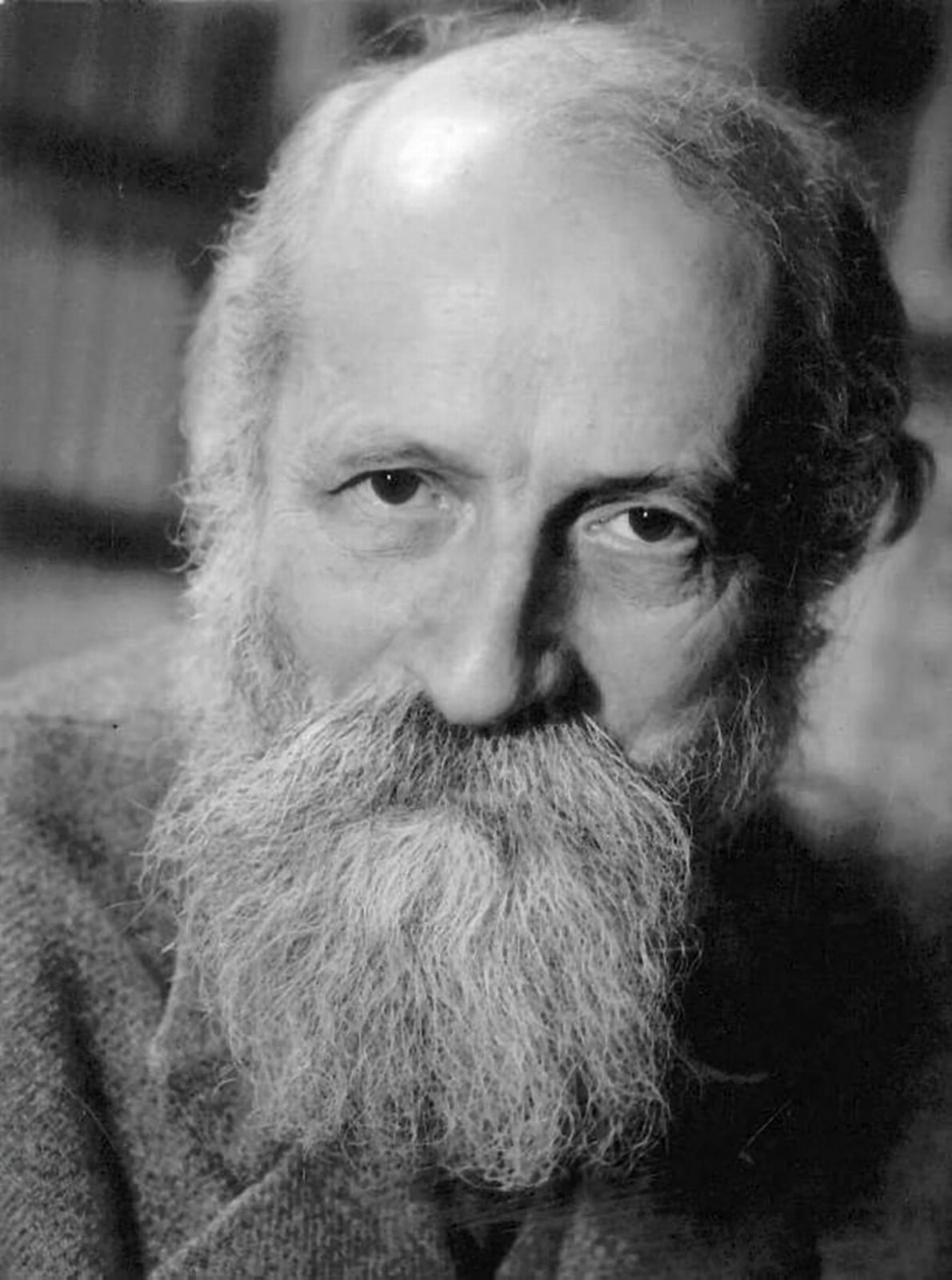
Martin Buber
इन पर सहमत: परम सत्य क्या है? क्या ईश्वर है? · हम दुःख क्यों भोगते हैं? · मुक्ति या उद्धार कैसे प्राप्त होता है?
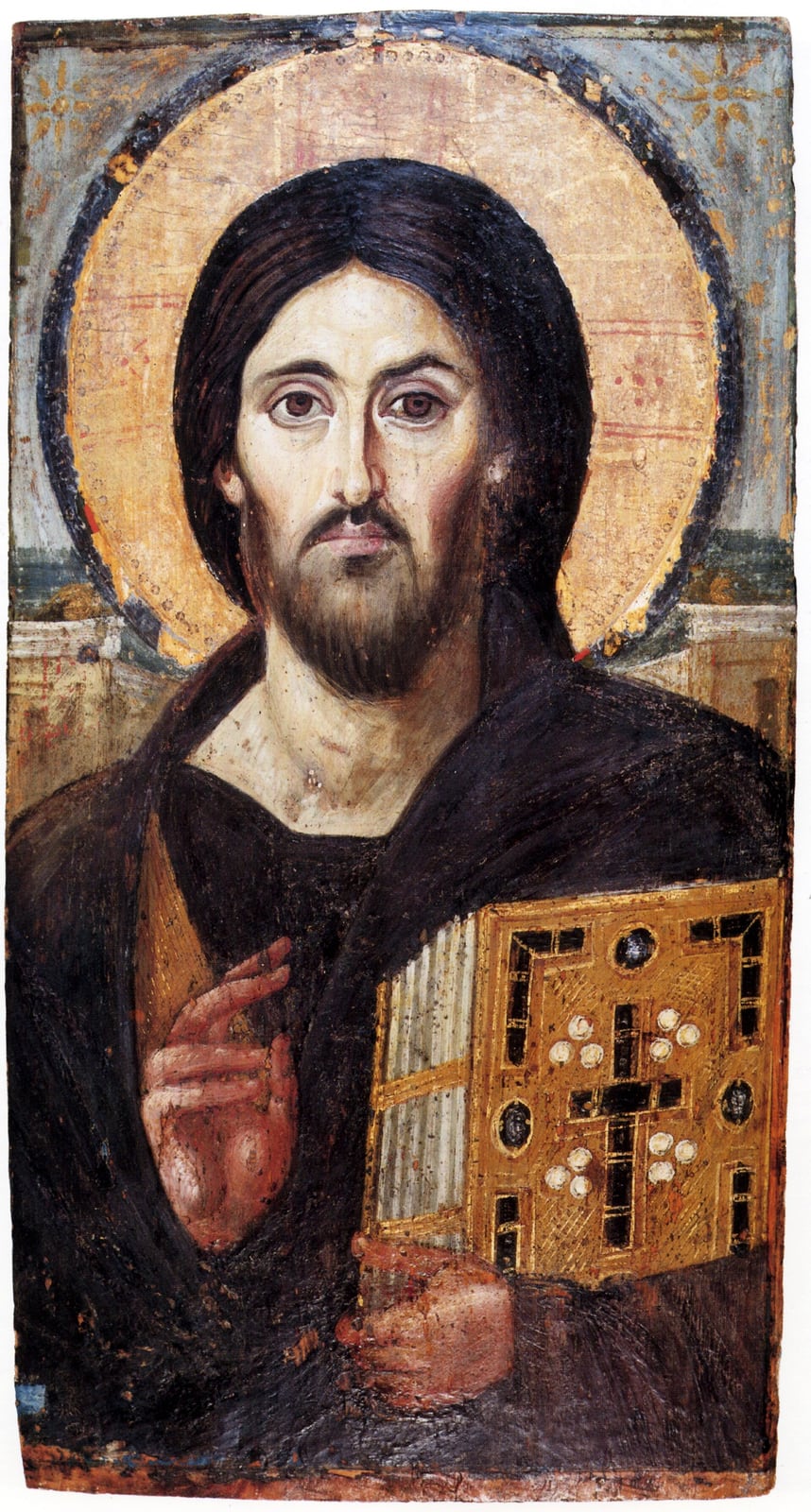
Jesus of Nazareth
इन पर सहमत: परम सत्य क्या है? क्या ईश्वर है? · मैं कौन हूँ? क्या कोई सच्चा आत्म है? · हम दुःख क्यों भोगते हैं?

John of the Cross
इन पर सहमत: परम सत्य क्या है? क्या ईश्वर है? · मैं कौन हूँ? क्या कोई सच्चा आत्म है? · हम दुःख क्यों भोगते हैं?
इनसे भिन्न सोचते हैं

Epicurus
इन पर टकराव: परम सत्य क्या है? क्या ईश्वर है? · मैं कौन हूँ? क्या कोई सच्चा आत्म है? · मृत्यु के बाद क्या होता है?

Parmenides
इन पर टकराव: क्या संसार वास्तविक है?
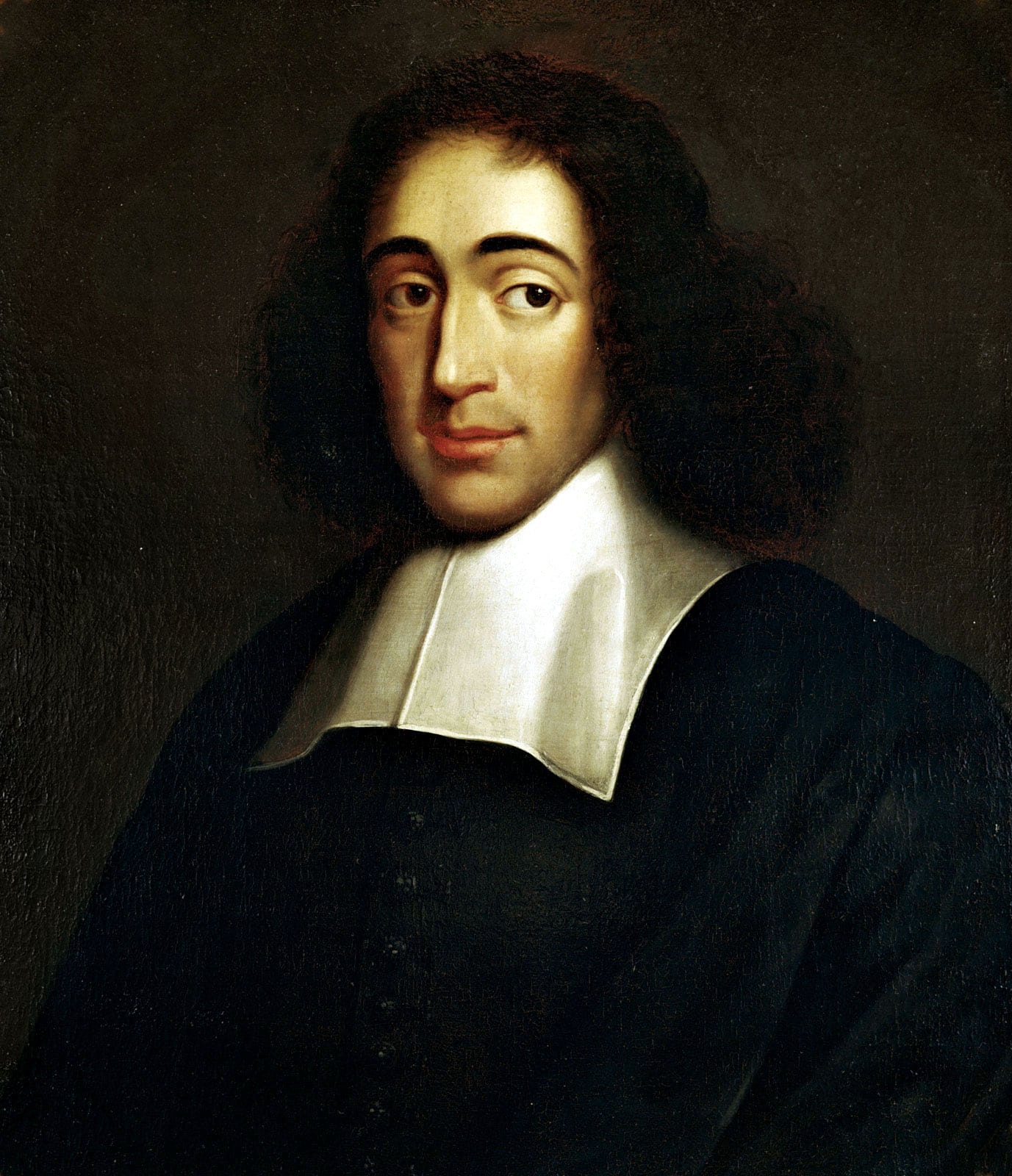
Baruch Spinoza
इन पर टकराव: मैं कौन हूँ? क्या कोई सच्चा आत्म है? · क्या गुरु आवश्यक है?

Meister Eckhart
इन पर टकराव: मैं कौन हूँ? क्या कोई सच्चा आत्म है? · मृत्यु के बाद क्या होता है?
प्रसंग और वृत्तांत
प्रसंग और वृत्तांत
संत-चरित वृत्तांतc. 1485
The true bargain (Sacha Sauda)
वृत्तांत का स्रोत: It comes from the later janamsakhi tradition (in particular the Bala line); it is not in the oldest core of the Puratan.
स्रोत: McLeod, W. H. Early Sikh Tradition: A Study of the Janam-sākhīs. Oxford: Clarendon Press, 1980.
संत-चरित वृत्तांतc. 1499
Three days in the Bein river
वृत्तांत का स्रोत: Puratan janamsakhi (B40 manuscript) and related traditions; McLeod regards it as a vocation story built on a probable but unverifiable experience.
स्रोत: McLeod, W. H. (trad.). The B40 Janam-sākhī. Amritsar: Guru Nanak Dev University, 1980 (traducción del manuscrito Panjabi B40 de la British Library, copiado en 1733).
संत-चरित वृत्तांतc. 1518
Feet towards the Kaaba
वृत्तांत का स्रोत: Bhai Gurdas, Var 1, and the Puratan and Bala janamsakhis. No external source; the visit to Mecca is disputed.
स्रोत: Bhāī Gurdās. Vārāṁ Bhāī Gurdās, Vār 1 (primeras décadas del siglo XVII). Texto y trad. en J. S. Grewal y otros; ed. de la SGPC, Amritsar.
संत-चरित वृत्तांतc. 1520
Lalo's bread and Malik Bhago's
वृत्तांत का स्रोत: Later janamsakhis; Lalo's name appears in the Tilang hymn of the Babarvani ("Jaisi mai avai khasam ki bani").
स्रोत: McLeod, W. H. Early Sikh Tradition: A Study of the Janam-sākhīs. Oxford: Clarendon Press, 1980.
संत-चरित वृत्तांतc. 1520
Babur and the millstones
वृत्तांत का स्रोत: Puratan janamsakhi; Gurdwara Chakki Sahib at Eminabad keeps a millstone as a relic. The meeting with Babur is not recorded in his memoirs (Baburnama).
स्रोत: McLeod, W. H. (trad.). The B40 Janam-sākhī. Amritsar: Guru Nanak Dev University, 1980 (traducción del manuscrito Panjabi B40 de la British Library, copiado en 1733).
संत-चरित वृत्तांत1539
Lehna, the one who obeyed
वृत्तांत का स्रोत: The tests come from janamsakhis and later traditions; the succession is documented in Satta and Balvand's var (Ramkali), in the Guru Granth Sahib.
स्रोत: Srī Gurū Granth Sāhib (Ādi Granth). Compilado por Guru Arjan en 1604; recensión de Damdama, 1706. Edición estándar de 1.430 páginas (ang). Trad. inglesa de Manmohan Singh, 8 vols. Amritsar: Shiromani Gurdwara Parbandhak Committee, 1962-1969.
संत-चरित वृत्तांत1539
The flowers under the sheet
वृत्तांत का स्रोत: Puratan janamsakhi (B40) and later tradition; the motif of the dispute over the body is also told of Kabir.
स्रोत: McLeod, W. H. (trad.). The B40 Janam-sākhī. Amritsar: Guru Nanak Dev University, 1980 (traducción del manuscrito Panjabi B40 de la British Library, copiado en 1733).
शिक्षाएँ
शिक्षाएँ
वे अवधारणाएँ जो उनके चिंतन को रूप देती हैं, उनके संदर्भ में समझाई गई।
Ik Onkar: one Godik-onkar
The Sant tradition of northern India (nirgun bhakti); comparable to Islamic monotheism, but with an immanent God.
स्रोत: McLeod, W. H. Gurū Nānak and the Sikh Religion. Oxford: Clarendon Press, 1968. ISBN 9780198265214 (ed. india, Delhi: Oxford University Press, 1976, ISBN 9780195608069).
Hukam: the divine orderhukam
Japji, stanzas 1-2; Sikh theology of grace (nadar) and will (raza).
स्रोत: McLeod, W. H. Gurū Nānak and the Sikh Religion. Oxford: Clarendon Press, 1968. ISBN 9780198265214 (ed. india, Delhi: Oxford University Press, 1976, ISBN 9780195608069).
Haumai: the egohaumai
Asa di Var and other hymns; the term is shared with the yogic and Sant traditions.
स्रोत: McLeod, W. H. Gurū Nānak and the Sikh Religion. Oxford: Clarendon Press, 1968. ISBN 9780198265214 (ed. india, Delhi: Oxford University Press, 1976, ISBN 9780195608069).
Nam: the Namenam
A reinterpreted Sant and Vaishnava heritage; the basis of the Sikh practice of kirtan and nitnem.
स्रोत: McLeod, W. H. Gurū Nānak and the Sikh Religion. Oxford: Clarendon Press, 1968. ISBN 9780198265214 (ed. india, Delhi: Oxford University Press, 1976, ISBN 9780195608069).
Sach achar: truthful livingsach-achar
Asa di Var, Sidh Gosht, Sri Rag; the Kartarpur community according to Bhai Gurdas.
स्रोत: McLeod, W. H. Gurū Nānak and the Sikh Religion. Oxford: Clarendon Press, 1968. ISBN 9780198265214 (ed. india, Delhi: Oxford University Press, 1976, ISBN 9780195608069).
Sangat and langar: the community and the common tablesangat-langar
Bhai Gurdas, Var 1; Satta and Balvand's var on Khivi's langar; Grewal.
स्रोत: Grewal, J. S. The Sikhs of the Punjab. The New Cambridge History of India II.3. Cambridge: Cambridge University Press, 1990 (ed. rev. 1998).
वीडियो
वीडियो
रिकॉर्डिंग, साक्षात्कार और वृत्तचित्र। वीडियो YouTube से चलते हैं; वे यहाँ संग्रहीत नहीं हैं।
Guru Nanak Dev | Jeevan Darshan | 550th Birth Anniversary of Guru Nanak Dev
वृत्तचित्र· HI· 25 min
Prasar Bharati Archivesआधिकारिक चैनल
Ritu Raag | Documentary | Birth Anniversary celebration of Guru Nanak Dev
वृत्तचित्र· HI· 32 min
Prasar Bharati Archivesआधिकारिक चैनल
Ekas Ke Ham Barik | Sri Guru Nanak Dev Ji | Serial | Episode 1 (Part 1)
तृतीय पक्ष की रिकॉर्डिंग· HI· 28 min
Prasar Bharati Archivesआधिकारिक चैनल
Bharat Ek Khoj | Episode-27 | Synthesis
वृत्तचित्र· HI· 1988· 59 min
Prasar Bharati Archivesआधिकारिक चैनल
What is Sikhism?
विश्लेषण· EN· 38 min
Let's Talk Religion
Pashaura Singh, April 12, 2018 (Power Play in the Formation of the Sikh Canon)
व्याख्यान· EN· 2018· 44 min
Center for South Asia at UW-Madisonआधिकारिक चैनल
Guru Nanak - Introduction (English)
वृत्तचित्र· EN· 2025· 52 min
Oneness In Diversityआधिकारिक चैनल
Episode 1 (English) - Allegory, A Tapestry of Guru Nanak's Travels
वृत्तचित्र· EN· 44 min
Oneness In Diversityआधिकारिक चैनल
Guru Nanak Dev ਨਾਲ ਜੁੜੇ ਅਸਥਾਨਾਂ ਬਾਰੇ ਜਾਣੋ
वृत्तचित्र· PA· 6 min
BBC News Punjabiआधिकारिक चैनल
Guru Nanak Jayanti: सिख धर्म के संस्थापक गुरु नानक के बारे में ये बातें जानते हैं आप? (BBC Hindi)
विश्लेषण· HI· 3 min
BBC News Hindiआधिकारिक चैनल
Japji Sahib | Bhai Harbans Singh | Nitnem
तृतीय पक्ष की रिकॉर्डिंग· PA· 17 min
Shabad Gurbani
Nanak Shah Fakir | Full HD Movie
तृतीय पक्ष की रिकॉर्डिंग· PA· 2015· 137 min
Gurbani Mediaआधिकारिक चैनल
Wo Kon Tha - Baba Guru Nanak Biography Founder of Sikhism | Complete Documentary by Faisal Warraich
वृत्तचित्र· UR· 51 min
Dekho Suno Jano
Quién fue Gurú Nanak (Dubbed in Spanish)
विश्लेषण· ES· 6 min
Basics of Sikhi
Mensaje de Guru Nanak para la Humanidad (En Español)
व्याख्यान· ES· 56 min
Bulandpuri Spiritual Light House
चित्रशाला
चित्रशाला
सत्यापित लाइसेंस वाले चित्र। प्रत्येक में उसके रचयिता और श्रेय का उल्लेख सुरक्षित है।
संबंध
संबंध
प्रभाव, शिष्यत्व और वैचारिक निकटता। प्रमाणित संबंध को विश्लेषण से पहचानी गई समानता से अलग दर्शाया गया है।
इनसे मिलते-जुलते विचार
Both belong to the Sant tradition of the formless God, criticise brahmins and qadis and make the Name the centre of practice. Guru Arjan included Kabir's poems in the Adi Granth; that Nanak knew them is plausible but unproven.
विश्लेषण से पहचानी गई समानता
इनके समकालीन
Contemporaries. The janamsakhis take Nanak to Puri, Chaitanya's city, but no meeting is recorded.
विश्लेषण से पहचानी गई समानता
इनके समकालीन
Contemporaries. A Mira pada appears in the Bhai Banno recension of the Adi Granth, excluded from the canon.
विश्लेषण से पहचानी गई समानता
इनसे मिलते-जुलते विचार
An analogy between Nanak's sung poetry and the Sufi tradition of divine love; the Sikh scripture includes a Sufi, Farid, and the stories show Nanak conversing with pirs. No direct historical connection.
विश्लेषण से पहचानी गई समानता
स्रोत
स्रोत
इस प्रविष्टि के लिए देखे गए ग्रंथ-सूची और सूचीपत्र।
- Singh, Nikky-Guninder Kaur (trad.). The Name of My Beloved: Verses of the Sikh Gurus. San Francisco: HarperSanFrancisco, 1995. ISBN 9780060670498.
- Wikidata, «Guru Nanak» (Q83322).
- McLeod, W. H. Gurū Nānak and the Sikh Religion. Oxford: Clarendon Press, 1968. ISBN 9780198265214 (ed. india, Delhi: Oxford University Press, 1976, ISBN 9780195608069).
- Macauliffe, Max Arthur. The Sikh Religion: Its Gurus, Sacred Writings and Authors. 6 vols. Oxford: Clarendon Press, 1909. Vol. 1 en Wikisource.
- Srī Gurū Granth Sāhib (Ādi Granth). Compilado por Guru Arjan en 1604; recensión de Damdama, 1706. Edición estándar de 1.430 páginas (ang). Trad. inglesa de Manmohan Singh, 8 vols. Amritsar: Shiromani Gurdwara Parbandhak Committee, 1962-1969.
- McLeod, W. H. Early Sikh Tradition: A Study of the Janam-sākhīs. Oxford: Clarendon Press, 1980.
- Grewal, J. S. The Sikhs of the Punjab. The New Cambridge History of India II.3. Cambridge: Cambridge University Press, 1990 (ed. rev. 1998).
- Singh, Harbans. Guru Nanak and Origins of the Sikh Faith. Bombay: Asia Publishing House, 1969.
- Mandair, Arvind-Pal Singh. Sikhism: A Guide for the Perplexed. Londres: Bloomsbury, 2013.
- Bhāī Gurdās. Vārāṁ Bhāī Gurdās, Vār 1 (primeras décadas del siglo XVII). Texto y trad. en J. S. Grewal y otros; ed. de la SGPC, Amritsar.
- Trumpp, Ernst. The Ādi Granth, or the Holy Scriptures of the Sikhs, Translated from the Original Gurmukhī. Londres: W. H. Allen / India Office, 1877.
- McLeod, W. H. (trad.). The B40 Janam-sākhī. Amritsar: Guru Nanak Dev University, 1980 (traducción del manuscrito Panjabi B40 de la British Library, copiado en 1733).
- Singh, Pashaura, y Louis E. Fenech (eds.). The Oxford Handbook of Sikh Studies. Oxford: Oxford University Press, 2014.
- Singh, Harbans (ed.). The Encyclopaedia of Sikhism. 4 vols. Patiala: Punjabi University, 1992-1998.
- BaniDB. Base de datos del texto gurmukhi del Guru Granth Sahib por página (ang), consultada mediante su API.
- Akashvani News (All India Radio). «Kartarpur Sahib Corridor between India and Pakistan completes 5 years». Noviembre de 2024.
- «ਜਪੁ» (Japu), texto gurmukhi con glosas. Wikisource en panyabí.
- अधिकार-धारक
- Las composiciones de Guru Nanak son de dominio público. El texto impreso oficial del Guru Granth Sahib lo edita la Shiromani Gurdwara Parbandhak Committee (SGPC); las traducciones modernas tienen titulares propios.
- आधिकारिक वेबसाइट
- sgpc.net/
पुष्टि की प्रतीक्षा में
जो यह प्रविष्टि अभी तक निश्चित नहीं कर सकी है। हम उसे भर देने के बजाय कह देना बेहतर समझते हैं।
- No se localizó ninguna traducción española del Japji ni del Guru Granth Sahib con ISBN; solo el libro divulgativo de Premka Kaur Khalsa (Diana, 2004).
- Completar ediciones con ISBN del Sidh Gosht, el Barah Maha y el Onkar en inglés y panyabí, y de las janamsakhis de Bala y Miharban.
- Fichar en manuscripts[] los cuadernos de Goindval (Goindval pothis) y el manuscrito B40 de la British Library con sus signaturas.
- Verificar la fecha y la lectura de la inscripción del santuario de Baba Nanak en Bagdad.
- La página gurmukhi del Japji en Wikisource lleva glosas modernas sin autor: buscar un texto limpio en dominio público.
2026-10-25 को शोधित